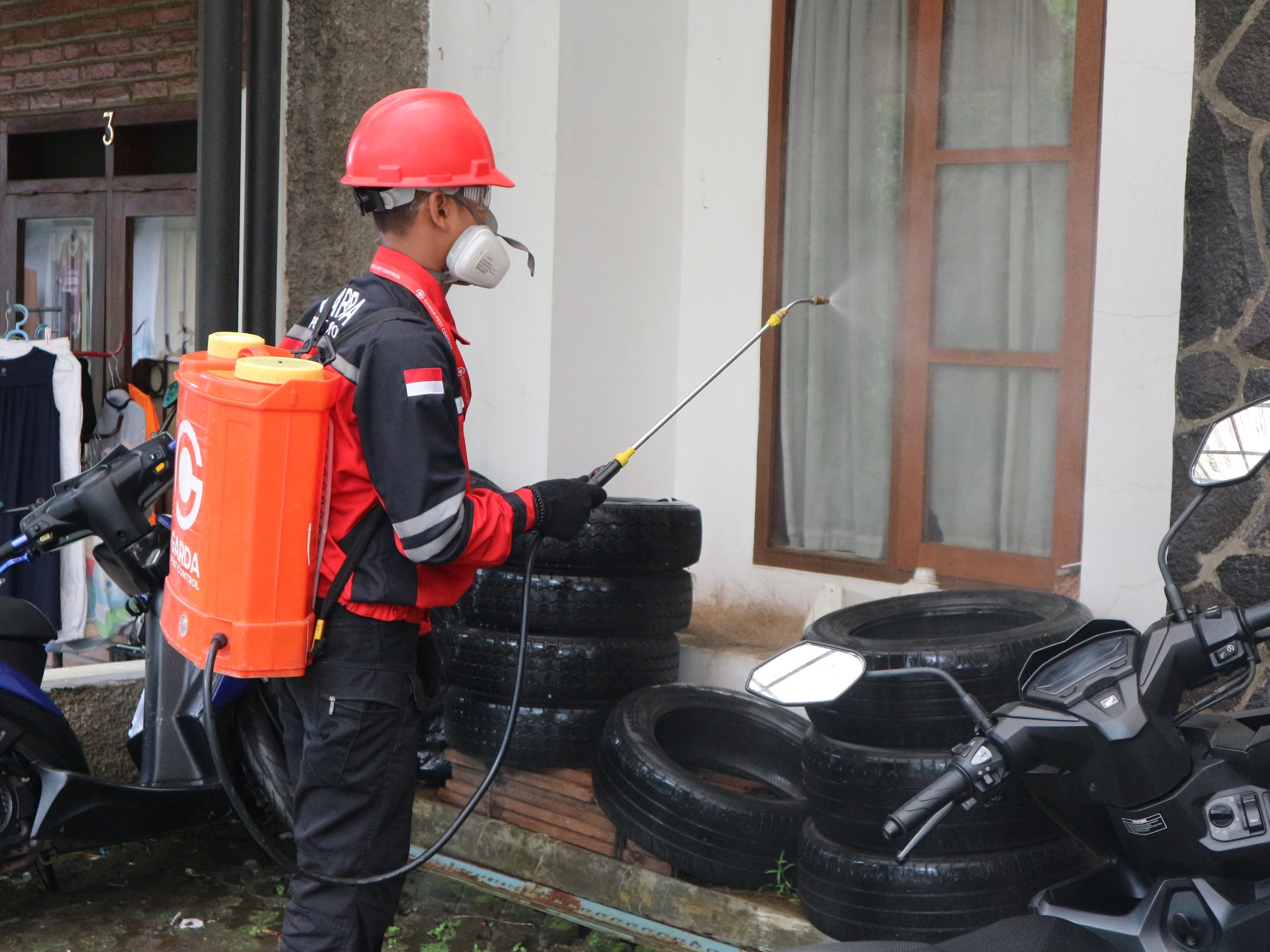
Pests might be forced into your house during the winter in Watertown because of the need for warmth and food. When they gain access to your property, pests might be able to find a hiding spot that is hard to detect.
Any small gaps in doors, windows, roofs, or utility lines can provide access for them. Water and food storage might also attract them.
Such problems might not only disrupt your comfortable life but can also bring issues with your property when left unchecked. It would be helpful to develop a winter pest control strategy for yourself to avoid such risks.
It might involve several measures aimed at inspection, checking possible entry points, treatment, and monitoring. All of them will deal with current pest activity as well as prevent them from returning in the future.
The following points explain the process.
1. Seal Entry Points Before Winter Pests Invade
Professional pest control in Watertown could start with an inspection of areas where pests can gain entry. As mentioned on the local service page, one of the recurring programs starts with the initial inspection of the problem areas.
It becomes necessary to do this during the winter season since rodents and other pests might look for sheltered locations inside the house as the outdoor conditions become harsh. Any openings near doors, windows, the foundation, ventilation ducts, and utility entry points provide easy access points.
You can inspect such places yourself and find damaged screens, cracks, broken weatherstripping, or openings in pipe areas.
Inspect areas like garages, basements, attics, and other unused spaces. Closing these openings will limit access, but an inspection will reveal some other easily overlooked areas.
2. Prevent Rodents from Settling Indoors

Rodent activity can become more noticeable when temperatures drop. Mice and other rodents may enter garages, basements, attics, wall voids, or storage areas in search of shelter and food. Once inside, they can remain hidden and move through small spaces.
Rodent control can help address signs of activity and identify conditions that may support continued problems. Keep food in sealed containers and clean up crumbs or spills promptly.
Also, avoid leaving pet food accessible for long periods. Along with these steps, professional monitoring can help detect recurring activity before it becomes more difficult to manage.
3. Control Pests Seeking Warmth and Shelter
Winter does not eliminate every pest problem. Some insects can remain active indoors when homes provide warmth, moisture, and food. The Watertown service page lists ants, spiders, cockroaches, silverfish, centipedes, earwigs, flies, and rodents among the pests covered by residential services.
These pests may enter through small gaps around doors, windows, foundations, and utility openings. Once inside, they can hide in basements, wall spaces, kitchens, attics, and storage areas. As a result, finding the source of activity is important.
An inspection can help identify the pest and areas where it is active. Treatment can then be selected based on the specific problem.
This targeted approach can help address the source instead of treating areas without a clear reason. It can also support better prevention by identifying conditions that may allow pests to remain indoors throughout the colder months.
4. Protect Food and Stored Belongings
Pests can be attracted to accessible food, clutter, moisture, and undisturbed storage areas. During winter, these conditions can become more important as pests spend more time indoors. Pantry items, pet food, cardboard boxes, and stored materials can provide places to hide or find food.
You can reduce these risks with a few practical steps. Store dry goods and pet food in sealed containers. Clean crumbs and spills as soon as possible. Also, keep storage areas organized and avoid unnecessary clutter. This makes it easier to spot signs of pest activity.
Moisture can also attract certain pests. Check for leaks around sinks, pipes, basements, and other damp areas. Fixing these issues can help make your home less suitable for pests.
Regular inspections can help you notice droppings, damaged packaging, shed insect skins, or other warning signs. Addressing these signs early can help prevent a small pest issue from becoming more difficult to manage.
5. Maintain Pest Prevention Throughout Winter
Winter protection works best when it continues beyond a single treatment. Recurring pest control can include an initial inspection, a customized treatment plan, and regular maintenance visits. This ongoing approach helps monitor pest activity and address new problems as they appear.
Regular prevention also helps you respond to changes around your property. For example, new gaps may develop around windows, doors, or utility lines. Stored materials can also create new hiding areas for pests. Therefore, checking these spaces regularly can help you find vulnerabilities early.
You can support professional maintenance with simple habits at home. Keep food in sealed containers and clean spills promptly. Reduce excess moisture by fixing leaks and improving ventilation where needed. Also, keep storage areas organized and limit clutter. These steps can make your home less suitable for pests throughout the winter.
Conclusion
Winter pest problems can develop quietly, especially when pests find warm and protected areas inside your home. However, regular inspections, entry-point checks, rodent control, and targeted treatments can help reduce these risks.
You can also support prevention by storing food properly, limiting moisture, and keeping storage areas organized. Most importantly, continued monitoring can help identify new activity before it becomes a larger concern.
Early attention can also make it easier to address signs before they become recurring household problems. By combining professional pest management with practical home maintenance, you can keep your property better protected throughout the colder months and reduce the conditions that allow pests to settle indoors.