Home Blog Page 10

Lange Wins Championship and Bender Wins Main at Bakersfield California Lightning Sprint Finale

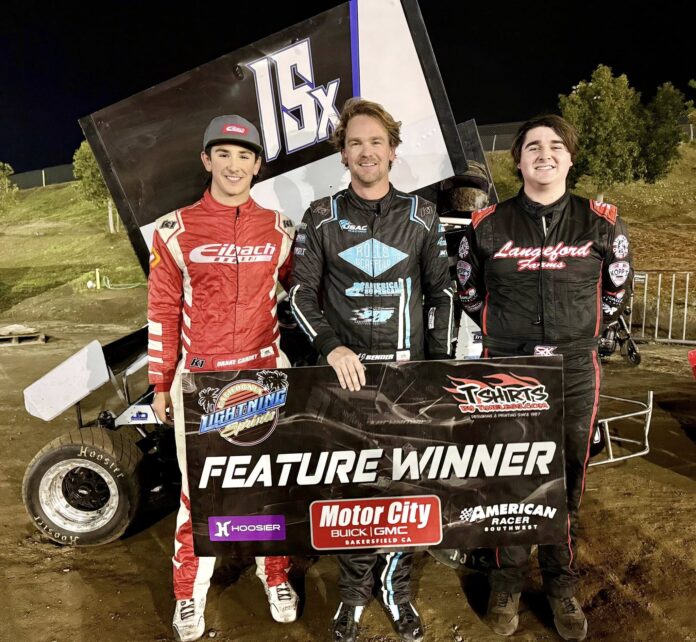
Winner AJ Bender (center), 2nd place and new CLS champ Aiden Lange (right), and 3rd place finisher and Rookie of the Year Drake Cardey on the left. CLS photo.

Torrance, CA — December 1, 2025 — Aiden Lange drove his number 13 machine to a strong second-place finish in the 20-lap 9th Annual West Coast Lightnings Championship on Tuesday night at Bakersfield Speedway, situated inside Kevin Harvick’s Kern Raceway. The runner-up effort behind USAC/CRA standout AJ Bender was more than enough for Lange to clinch the 2025 California Lightning Sprint Car Series, presented by Motor City Buick/GMC, championship. The race, part of the Jason Leffler Memorial alongside the USAC National Midget Series, was streamed live on Flo, giving the CLS and its drivers worldwide exposure.

A stout 22-car field was on hand, featuring not only CLS regulars but entries from the SoCal Lightning Sprint Car Series and Northern California’s Bay Cities Racing Association. Palmdale’s Eric Greco, home from Boise State University for the holidays, earned Diablo Fabrications Fast Qualifier honors with a lap of 14.262. Talented CLS rookies Drake Cardey and Braydin Collie were next quickest at 14.383 and 14.423. Bender, who finished fourth in the USAC/CRA standings and hails from San Diego, actually tied Collie with the identical 14.423. California Highway Patrol Officer Jeff Dyer posted the fifth-quickest lap at 14.458.

Racing Junk Heat Race #1 went to Lakeside’s Lange over “Rockstar” Jon Robertson of Torrance and Bakersfield’s Broedy Graham. Greco, who had led the championship standings into August, flipped hard in turn two late in the race. He walked away uninjured, but his night was over.

Extreme Muffler Heat Race #2 was captured by BCRA’s Scott Kinney of Roseville. Rising star Cardey and three-time lightning sprint car champion Brent Sexton of Lakeside followed him under the flag. Advance Racing Suspension Heat #3 turned into a San Diego County sweep, with Ramona’s David Taft taking the win ahead of El Cajon’s Collie and San Diego’s Parker Dumas.

When the teams rolled out of the pit gate for the final CLS race of 2025, Sexton sat on the pole. Lange, already with one hand on the season title, started outside of the front row. Row two featured SCLS star Dumas and fellow San Diegan Bender. The third row showcased the top two CLS rookies of 2025, with Collie inside and Riverside’s Cardey to his right. Taft and Kinney held down row four.

Sexton got the jump on the start, but Lange dove low in turn one and surged into the lead. Sexton battled back and nearly retook the top spot at the end of lap one. A yellow quickly slowed things on lap two when Dumas bunny-hopped through turn two on the rough surface and came to a stop.

For the early race restart, it was Lange, Sexton, Bender, Cardey, and Collie.

Lange, in full attack mode as he chased the honor of becoming the 17th different CLS champion, charged away again. Bender, driving the Dustin Dumas owned Jamul Casino and Resort/AG Sand Cars/Outhouse Coffee/American Racer Tire/Downsouth Motorsports/Twink Race Prep/Triple X Chassis/ZX10, powered past Sexton for second off turn two on the restart. One lap later, young Cardey slipped by Sexton for third.

The order remained stable through the halfway point, with Lange leading Bender, Cardey, and Collie. The gap between first and second tightened when Lange hit a first turn rut on lap 11, and his lead shrank to a single car length.

The intensity spiked on lap 12 as the leaders caught lapped traffic. Bender swept to the outside and nearly drew even with Lange down the back straight. Lange held a narrow advantage into turn three but was pinned behind a slower car on the bottom. It looked like Bender might slip past for the lead, but the lapped car clipped a rut and drifted up the track directly in Bender’s path. Lange took full advantage of the newly opened real estate on the bottom and shot by to maintain command. Bender’s loss of momentum allowed Lange to stretch his advantage to eight car lengths.

Just like Bender earlier, a lapped car interrupted Lange’s rhythm on lap 15. Coming off turn two, the slower car bobbled, forcing Lange to check up—opening the door again for Bender. Lange barely held him at bay. One lap later, another lapped car slowed Lange on the bottom, and this time Bender would not be denied. He pulled alongside and surged into the lead entering turn one on lap 17. Once in front, Bender opened up a big gap and looked to have things under control.

By lap 19, Bender was nearly a half-straight ahead of Lange. But Lange refused to quit, closing dramatically in the final corner. As Bender exited turn four, he struck a rut and his car shot toward the outside wall. Lange charged low as Bender gathered it in. To the delight of the big Bakersfield crowd—and the global Flo Racing audience—it became a full-throttle drag race to the checkers. At the stripe, Bender prevailed by half a car length over Lange. Cardey, Collie, and Taft completed the top five.

“I kind of thought I lost it there,” the happy Bender told infield announcer Genevieve Malone after the 20-lapper. “The track was rough, and it was kind of like, hold the throttle down and hope it does not bounce through it. I was holding on because I usually do not put a lot of tear-offs on for lightning races. I should have, as I was doing the classic, use your glove to clear your view for a minute. I am super pumped for Layton (Kramer), the Dumas family, Dustin (car owner Dustin Dumas). I can not thank them enough. They gave me a call and allowed me to do this. I have done three lightning races this year and this is the first one I have finished.”

“It was a lot of pressure,” new champion Lange told the crowd. “Shout out to Drake Cardey for an incredible rookie season. He almost got it. He made us nervous all year long.”

“I am so grateful,” he continued. “I feel like I haven’t breathed in a month. It is such a relief. I am so proud of this team. At the beginning of last year, my dad had cancer. So we took a year off so my dad could focus on his health. My dad made this car his baby. I am very proud of my dad for persevering through a very difficult time.”

“I am so thankful for everyone on this car,” the champion added. “I would like to thank Langeford Farms, Spirited by Brad, Kopps Custom Guitars, Vital Pack, IZE.INI, Sweets by Tiffany, Collie Ollie, JST Shock Technology, T Shirts by Timeless. My girlfriend Giselle is here tonight. She has been helping us all year. My grandpa is here. So many people have helped us. The Greco’s, the Nehrings, Dyers, Michnowicz’s, and CLS. We are very fortunate to race against an amazing group of people.”

Dyer ended up with the Eibach Spring Ahead and SpeedMart Hard Charger awards, finishing sixth after starting 13th. Tyler Warner, a recent main event winner in the SoCal Lightning Sprint Car Series, was awarded the Hyper Racing and SpeedMart Hard Luck awards after flipping in his heat race.

When the final points were tallied, Lange finished with a 54-point cushion over runner-up Cardey. Dyer and 2024 CLS Rookie of the Year Zate Legend of Riverside tied for third at 1543 points, with Dyer earning the spot via his three main event wins. Fast rookie Collie wrapped up the year in fifth.

Seven-time champion Bobby Michnowicz of Oak Hills, Leland Day of Bakersfield, Robertson, Greco, and Camarillo’s Cody Nigh rounded out the top ten.

Cardey also won the Rookie of the Year award after a spirited battle with Collie throughout the season.

Next up for the CLS is the 2025 California Lightning Sprints Awards Banquet presented by Motor City GMC on February 7, 2026, from 6:00–9:00 p.m. at Frantone’s Pizza and Spaghetti Villa, 10808 Alondra Blvd in Cerritos. Tickets, which are $40.00 each, are available by contacting: mailto:jon.robertson@sbcglobal.net

For more updates and series information, follow the California Lightning Sprint Car Series on social media and visit the official website at racecls.com.

The CLS would like to thank the following companies for being partners in the 2025 season. Motor City Buick/GMC, American Racer Tires, T Shirts By Timeless, Advanced Racing Suspension, BR Motorsports, Competition Suspension Incorporated, Diablo Fabrication and Design, Eibach Springs, Extreme Mufflers, EZ UP, Hoosier Tires, The Joie of Seating, King Racing Products, Outlaw Wings, RacingJunk.com, RC Fuel Injection, Rod End Supply, Saldana Racing Products, SpeedMart, and Triple X Race Components. If you would like to join the CLS and be a marketing partner in 2025, please contact Jon Robertson via email at jon.robertson@sbcglobal.net or by calling (310) 367-9050.

9th Annual Western States Lightning Sprints Championship Results

Diablo Fabrication Qualifying: 1. Eric Greco, 14.262; 2. Drake Cardey, 14.383; 3. Braydin Collie, 14.423; 3. AJ Bender, 14.423; 5. Jeff Dyer, 14.4548; 6. Parker Dumas, 14.461, 7. Aiden Lange, 14.610; 8. Brent Sexton, 14.652; 9. David Taft, 14.654; 10. Bobby Michnowicz, 14.798; 11. Greg Dennett, 14.820; 12. Leland Day, 14.941; 13. Grant Sexton, 14.994; 14. Zate Legend, 15.127; 15. Scott Kinney, 15.147; 16. Shane Sexton, 15.175; 17. Jon Robertson, 15.218; 18. Cody Nigh, 15.303; 19. Tyler Warner, 15.318; 20. Mark Henry, 15.475; 21. Broedy Graham, 17.230

Racing Junk Heat #1 (8 Laps): 1. Lange, 2. Robertson, 3. Graham, 4. Bender, 5. Michnowicz, 6. Legend, 7. Greco

Extreme Muffler Heat #2 (8 Laps): 1. Kinney, 2. Cardey, 3. Brent Sexton, 4. Nigh, 5. Dyer, 6. Dennett, 8. Gamer

Advanced Racing Suspension Heat #3 (8 Laps): 1. Taft, 2. Collie, 3. Dumas, 4. Day, 5. Henry, 6. Shane Sexton

9th Annual Western Sprints Championship Main Event 20-Laps (with starting positions and distance behind)

  1. AJ Bender, San Diego, CA … (4th)
  2. Aiden Lange, Lakewood, CA … (2nd) +0.029
  3. Drake Cardey, Riverside, CA … (6th) +2.101
  4. Braydin Collie, El Cajon, CA … (5th) +4.140
  5. David Taft, Ramona, CA … (7th) +4.955
  6. Jeff Dyer, Yucca Valley, CA … (13th) +6.060
  7. Broedy Graham, Bakersfield, CA … (12th) +9.642
  8. Leland Day, Bakersfield, CA … (9th) +12.279
  9. Brent Sexon, Lakeside, CA … (1st) +1 Lap
  10. Greg Dennett, Livermore, CA … (14th) +1 Lap
  11. Zate Legend, Riverside, CA … (15th) +1 Lap
  12. Mark Henry, Antelope Acres, CA … (17Th) +2 Laps
  13. Dale Gamer, Anaheim, CA … (18th) +3 Laps
  14. Parker Dumas, San Diego, CA … (3rd) +4 Laps
  15. Cody Nigh, Camarillo, CA … (11th) + 4 Laps
  16. Jon Robertson, Torrance, CA … (10th) + 8 Laps
  17. Scott Kinney, Roseville, CA … (8th) +11 Laps
  18. Shane Sexton, Warner Springs, CA … (16th) … +19 Laps

DNS Eric Greco, Palmdale, CA

DNS Bobby Michnowicz, Oak Hills, CA

DNS Grant Sexton, Lakeside, CA

DNS Tyler Warner, Alpine, CA

Lap Leaders

Aiden Lange 1-16

AJ Bender 17-20

2025 CLS Contingency Awards

            A red and white sign with white text

AI-generated content may be incorrect.A logo with palm trees

AI-generated content may be incorrect. A red and white text on a black background

Bakersfield 11/25/25

Heat Races

Award

Recipient

Racing Junk Heat Race #1 winner

Competition Suspension Inc. $50 product certificate

Aiden Lange

Extreme MufflerHeat Race #2 winner

Extreme Muffler $50 product certificate

Scott Kinney

ARS Heat Race #3 winner

Advanced Racing Suspensions $50 product certificate

David Taft

Main Event

Award

Winner

2nd place

BR Motorsports – $25 product certificate

Aiden Lange

3rd place

Joie of Seating – $250 product certificate

Drake Cardey

4th place

Saldana Racing Products – $50 product certificate

Brayden Collie

5th place

King Racing Products $25 product certificate

David Taft

Highest finisher with Hoosier tires on all 4 corners.

Hoosier – free tire

AJ Bender

Quick time

Diablo Fabrication $50 product certificate

Eric Greco

Spring Forward (Hard Charger)

Eibach – $100 product certificate

SpeedMart – $50 product certificate

Jeff Dyer

Hard Luck Award

Hyper Racing – $50 product certificate

SpeedMart – $50 product certificate

Tyler Warner

Criteria

Award

CLS Member

Extreme Mufflers 10% off purchase

CLS Member

EZ Up 30-40% off purchase

CLS Member

RC Fuel Injection 50% off products and services to all race series participants

CLS Member

Rod End Supply $30 off each $100 for CLS participants

CLS Member

Series Champion

Triple X Race Components $500 off any chassis or chassis kit

Motor City Buick/GMC California Lightning Series Points

  1. Aiden Lange … 1691
  2. Drake Cardey … 1637
  3. Jeff Dyer … 1543
  4. Zate Legend … 1543
  5. Braydin Collie … 1495
  6. Bobby Michnowicz … 1401
  7. Leland Day … 1276
  8. Jon Robertson … 1162
  9. Eric Greco … 1093
  10. Cody Nigh … 1054
  11. Hunter Kinney … 552
  12. Bruce Douglass … 546
  13. Greg Dennett … 507
  14. Roland Smith … 430
  15. Matt Land … 367
  16. Jason Schostag … 310
  17. Brent Sexton … 268
  18. Robb Pelmear … 265
  19. Cody Dayton … 245
  20. T.J. Smith … 224

CLS vs BCRA Civil War Series Final Points

  1. Greg Dennett, BCRA … 427
  2. Aiden Lange, CLS … 425
  3. Drake Cardey, CLS … 401
  4. Bobby Michnowicz, CLS … 391
  5. Jeff Dyer, CLS … 381
  6. Braydin Collie, CLS … 377
  7. Zate Land, CLS … 373
  8. Matt Land, BCRA … 367
  9. Leland Day, CLS … 352
  10. Eric Greco, CLS … 328

Central California Shootout Final Points

  1. Aiden Lange …242
  2. Drake Cardey … 225
  3. T.J. Smith … 224
  4. Jeff Dyer … 221
  5. Leland Day … 213
  6. Braydin Collie … 207
  7. Hunter Kinney … 206
  8. Zate Legend … 199
  9. Jon Robertson … 187
  10. Eric Greco … 139

2025 California Lightning Sprint Car Series Schedule

April 12 Bakersfield Speedway Eric Greco

May 3 Ventura Raceway Aiden Lange

May 17 Merced Speedway David Gasper (CLS vs BCRA Civil War)

May 31 Ventura Raceway Postponed

June 7 Bakersfield Speedway Jeff Dyer

June 21 Ventura Raceway Aiden Lange

July 5 Santa Maria Speedway Aiden Lange

July 26 Santa Maria Speedway CLS vs BCRA Civil War Aiden Lange

August 22 Plaza Park Raceway Eric Greco

August 23 Lemoore Jet Bowl Raceway Hunter Kinney

August 30 Ventura Raceway Jeff Dyer

September 12 Bakersfield Speedway CLS vs BCRA Civil War Bobby Michnowicz

September 13 Merced Speedway CLS vs BCRA Civil War Bobby Michnowicz

October 4 Ventura Raceway Bobby Michnowicz

October 25 Ventura Raceway Jeff Dyer

November 25 Bakersfield Speedway AJ Bender

To keep up with the CLS online, please visit the website at http://racecls.com/ and follow on the club’s Facebook page https://www.facebook.com/californialightningsprints.

PAST CALIFORNIA LIGHTNING SPRINT CAR CHAMPIONS

1994 Tony Everhart

1995 Gary Sexton

1996 Rob Sczymczak

1997 Jon Rahe

1998 Chris Rahe

1999 Brent Sexton

2000 Greg Bragg

2001 Greg Bragg

2002 Greg Bragg

2003 David Cardey

2004 Keith Janca

2005 Johnny Bates

2006 Donny Gansen

2007 Shane Rossen

2008 Brent Sexton

2009 Stuart Hielschier Sr.

2010 Jarrett Kramer

2011 Tim Brown

2012 Bobby Michnowicz

2013 Stephen Limon

2014 Bobby Michnowicz

2015 Bobby Michnowicz

2016 Bobby Michnowicz

2017 Bobby Michnowicz

2018 Jarrett Kramer

2019 Jarrett Kramer

2021 David Gasper

2022 David Gasper

2023 Bobby Michnowicz

2024 Bobby Michnowicz

2025 Aiden Lange

How WEX Fleet Cards Transform Chaos into Control

Photo by depositphotos at https://depositphotos.com/

WEX fleet cards eliminate the chaos of traditional fuel management through unified payment solutions and real-time analytics. Businesses save up to 15 cents per gallon within the nationwide network plus additional rebates everywhere else. 180,000+ accepting locations ensure coverage wherever your fleet operates. Level III data provides complete visibility into every transaction, enabling rapid optimization of fleet operations. Fraud prevention, compliance automation, and vehicle tracking integration protect your business while reducing administrative burden. Solutions scale from single vehicles to government fleet deployments without sacrificing functionality or savings potential.

Why Do Fleet Fuel Cards Matter More Than Ever?

The reality is stark: 62% of fleets already use fuel cards, with large fleet adoption reaching 70%. Those still clinging to credit cards and cash are hemorrhaging money through untracked spending, missed rebates, and zero visibility into actual fuel consumption patterns. Your fleet operates in an environment where fuel represents up to 60% of total operating costs.

WEX fleet fuel cards aren’t incremental improvements. They’re complete architectural shifts in how payment solutions work. Where traditional systems create fragmentation, WEX creates unified data streams. Where old methods hide costs, modern fleet management exposes every gallon purchased, every dollar spent, every opportunity to optimize.

How Does the WEX Nationwide Savings Network Reduce Fuel Costs?

Let’s be clear about the mathematics. WEX fuel cards save businesses up to 15 cents per gallon within the WEX nationwide savings network, plus an additional 3 cents everywhere else. For a fleet consuming 10,000 gallons monthly, that’s $1,800 in direct savings. Annually? You’re looking at $21,600 returned to your business.

The network spans 180,000+ accepting locations across the United States, covering 95% of all fuel stations and public EV charging points. This isn’t about forcing drivers to specific truck stops. It’s about ensuring savings opportunities exist wherever your vehicles operate, from chain stores to independent stations, from Pilot Flying J locations to neighborhood retail sites.

What Analytics Transform Fleet Management?

Raw data means nothing without actionable intelligence. WEX Inc. provides Level III transaction details that capture driver IDs, vehicle VINs, odometer readings, and purchase patterns. This granular visibility reveals hidden inefficiencies: unauthorized purchases, fuel theft, inefficient routing, and maintenance issues manifesting through abnormal consumption.

95% of fleet managers report that fuel cards provide critical insights into fleet efficiency. The analytics dashboard transforms scattered transactions into coherent patterns, enabling you to optimize fleet performance through evidence, not assumptions. You identify which vehicles consume excessive fuel, which routes drain resources, which drivers need additional training.

How Do Fleet Payment Solutions Designed for Your Business Work?

Implementation follows a strategic sequence. First, WEX analyzes your current fuel expenses and fleet operations to establish baseline metrics. Second, they configure card accounts with specific controls: purchase limits, approved fuel types, geographic restrictions, time-of-day parameters. Third, drivers receive their WEX fleet cards with clear usage protocols.

The system activates instantly. No waiting periods, no complex integrations, no disruption to daily operations. Drivers fuel normally while managers gain immediate visibility through real-time reporting. Every transaction flows through secure payment channels, eliminating fraud risks that plague traditional credit card systems.

Can Small Fleets Access the Same WEX Fuel Card Benefits?

Here’s the critical distinction: WEX provides solutions for any size operation, from single trucks to government fleet deployments. Small businesses aren’t forced into enterprise-level complexity. Instead, they access scaled solutions that deliver identical savings percentages and analytics capabilities.

The entry barrier dissolves when you understand the economics. Even a three-vehicle fleet spending $2,000 monthly on fuel saves thousands per year in fuel discounts alone. The rebate structure applies equally whether you manage five vehicles or five hundred. This democratization of fleet solutions means competitive advantages once reserved for large corporations now extend to every business operating vehicles.

What Compliance Requirements Do WEX Fleet Cards Simplify?

Regulatory complexity threatens fleet operations through IFTA reporting, DOT requirements, and tax documentation demands. Manual tracking creates compliance nightmares. Missing receipts trigger audits. Incomplete records generate penalties. WEX fleet card systems automatically capture and organize every required data point.

The platform generates IFTA-ready reports with single-click exports. GPS tracking units integrate with fuel purchases to verify location accuracy. Expense categorization happens automatically, eliminating hours of administrative burden. When auditors arrive, you present comprehensive, timestamped, verified records that withstand any scrutiny.

How Does Real-Time Fraud Prevention Protect Fleet Fuel Budgets?

Traditional systems detect fraud after damage occurs. WEX prevents fraud before transactions complete. The system flags suspicious patterns instantly: unusual purchase locations, abnormal gallon amounts, duplicate transactions, after-hours activity. Managers receive immediate alerts through mobile app notifications.

Consider this scenario: A driver attempts unauthorized purchases outside approved parameters. The transaction blocks automatically. The manager receives notification. The issue resolves before financial impact occurs. This proactive protection saves fleet operators millions annually in prevented fraud losses while maintaining legitimate operational flexibility.

What Role Does Vehicle Tracking System Integration Play?

WEX fuel cards sync with vehicle tracking systems to create comprehensive operational intelligence. GPS tracking units verify that fuel purchases occur where vehicles actually operate. Odometer readings confirm consumption aligns with distance traveled. This integration exposes inefficiencies invisible through isolated systems.

The combined data reveals optimization opportunities: routes consuming excessive fuel, vehicles requiring maintenance, drivers needing efficiency training. You’re not just tracking fuel. You’re understanding the complete operational ecosystem that determines fuel efficiency and overall fleet performance.

Why Choose WEX Inc. Over Alternative Fleet Fuel Cards?

800,000 businesses and 20 million vehicles fuel with WEX nationwide. This scale creates negotiating power that translates directly into your savings. The Mastercard acceptance means your drivers aren’t restricted to specific networks. The 40-year track record proves system reliability through every economic cycle.

But the fundamental difference lies in the approach. Other providers offer cards. WEX delivers complete fleet mobility solutions. From trucking fuel cards to EV charging integration, from data analytics to streamline operations, from cash flow optimization to fuel management automation. This comprehensive architecture means you implement once and scale indefinitely.

Work Injury in Motorsports: The Hidden Dangers Pit Crews Face

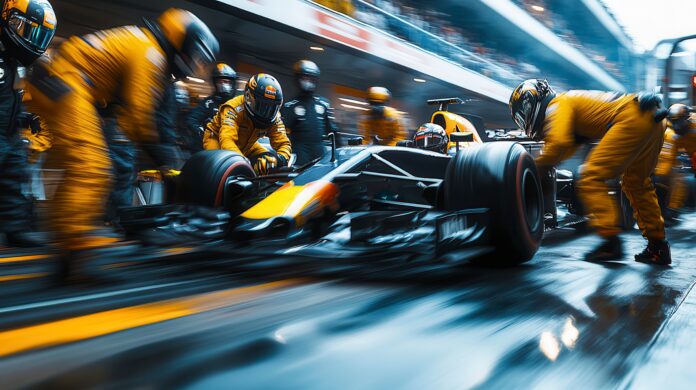
Motorsports is a thrilling spectacle of speed, precision, and high-stakes competition. While the driver commands the spotlight, their success is inextricably linked to the unseen warriors of the pit crew. These elite athletes execute lightning-fast tire changes and critical adjustments in a matter of seconds, transforming the race’s momentum. Yet, the pit lane is an unforgiving workplace fraught with hazards.

The most apparent dangers, such as flames, collisions, and crushing injuries, are well-documented, but a set of hidden dangers silently threatens the long-term health and career of these highly trained professionals.

Chronic Overuse and Repetitive Strain Injuries

The demand for sub-two-second pit stops has pushed the human body to its mechanical limits. Every action performed by a pit crew member is a high-speed, high-force movement, repeated hundreds of times throughout a racing season.

The tire changer, for instance, operates an air-powered impact wrench that exerts significant rotational and eccentric loads on the wrist, elbow, and shoulder. This constant, high-velocity repetition leads to chronic conditions that extend far beyond a simple sprain. Injuries like lateral and medial epicondylitis (golfer’s or tennis elbow), carpal tunnel syndrome, and triangular fibrocartilage complex (TFCC) tear (a wrist cartilage injury) are depressingly common, gradually eroding joint function and causing persistent pain.

Similarly, the tire carrier repeatedly lifts and sprints with tires weighing upwards of 70 pounds, leading to shoulder impingement, lower back strains, and other cumulative trauma disorders that can necessitate extensive rehabilitation and threaten a career’s longevity.

These work-related injury patterns are now recognized as occupational injuries that frequently require workers’ compensation benefits to cover the substantial medical expenses associated with treatment and recovery. When these result in permanent impairment, vocational rehabilitation may become necessary to help injured crew members transition to new roles within or outside the racing industry.

The complexity of proving the occupational origin of these chronic overuse injuries, coupled with the often-aggressive resistance from insurance carriers, makes the claims process a significant additional burden for an already suffering individual. So, when facing a career-threatening injury that’s clearly the result of cumulative occupational stress, it’s vital to secure expert legal counsel. This is where an experienced workers’ compensation lawyer in Dayton or in your area can make a decisive difference, helping you gather the necessary medical evidence, handle appeals, and ultimately ensure you receive the full compensation you deserve to rebuild your life and career.

Noise-Induced Hearing Loss and Acoustic Trauma

The pit lane is one of the loudest environments in professional sports. A race car pulling into the box and accelerating back out subjects the crew to sustained noise levels that routinely exceed 130 decibels, far surpassing the threshold for pain and immediate hearing damage. While teams mandate the use of hearing protection as part of their personal protective equipment requirements, the sheer intensity and duration of the noise, particularly from uncorked exhaust pipes mere feet away, can still lead to long-term hearing issues.

The less obvious danger, acoustic trauma, occurs from a single, sharp sound event, like an engine backfire or an air gun malfunctioning close to the ear. Over time, this cumulative acoustic stress causes noise-induced hearing loss and tinnitus, an irreparable condition that profoundly impacts quality of life well after a crew member has left the track. This often results in permanent impairments that require ongoing medical care and comprehensive medical treatment throughout the injured workers’ lifetime.

Exposure to Hazardous Materials

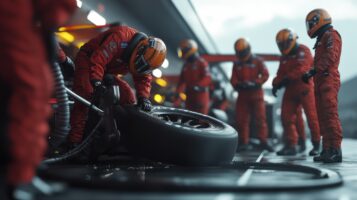
Pit crew changing tire, race garage, rainy day, competition

A less discussed but significant risk is the pit crew’s chronic exposure to hazardous airborne substances. Every tire change releases a fine mist of brake dust, rubber particles, and other composite debris. This particulate matter, often invisible to the naked eye, is composed of heavy metals, carbon fibers, and other toxic chemicals that are easily inhaled deep into the lungs. The handling and spillage of high-octane racing fuel also exposes crew members to dangerous volatile organic compounds (VOCs).

Even with protective suits and respiratory precautions, repeated low-level exposure to these chemicals can have long-term effects on the respiratory system, skin, and nervous system. These are slow, insidious dangers that may not manifest as an acute injury but rather as a chronic, debilitating illness years after retirement.

The medical records of retired crew members often reveal respiratory conditions that contribute significantly to work injury costs and administrative expenses for racing organizations. Comprehensive safety training and worker training programs are essential to minimize these fatal and nonfatal preventable injuries.

Concussion Risk from Impact Tools and Equipment

While the risk of being struck by a competitor’s car is the most terrifying and obvious head injury hazard, a more subtle concussion risk comes from the very tools of the trade.

The impact wrenches used for lug nuts are powerful pneumatic devices that generate massive torque and recoil. When a wrench misfires, a lug nut sticks, or the gunner is thrown off balance, the tool can snap back or rotate violently, striking the helmet or face shield. Additionally, the process of quickly maneuvering heavy equipment, like the jack or spare tires, in a tightly packed space increases the chance of minor collisions with teammates or parts of the car.

These smaller, repeated impacts, even when seemingly minor, contribute to subconcussive injury, a cumulative trauma that can lead to long-term neurological issues, which are only now beginning to be fully understood in sports with repetitive head stress. Such disabling injuries may not be immediately apparent but can develop into conditions requiring extensive health care intervention.

Thermal Stress and Dehydration in Fire-Resistant Gear

Crew members are encased in multi-layered, fire-resistant suits designed to save their lives in a fuel fire. While essential, these suits severely inhibit the body’s natural cooling process. In high-temperature environments, particularly during summer races in the intense humidity of Southern tracks, this gear creates a dangerous level of thermal stress.

The inability to properly regulate body temperature, combined with the extreme physical exertion of the pit stop itself, dramatically increases the risk of heat exhaustion and severe dehydration. These conditions not only threaten immediate health but can also impair judgment and motor skills, increasing the probability of a critical mistake that could lead to a far more devastating acute injury. Teams must always ensure crew member safety, ensuring wage replacement benefits are available when heat-related illnesses force crew members off the track.

Conclusion

The pit crew’s role is essential, but their workspace is a cauldron of both obvious and deeply insidious hazards. As technology continues to push race cars to new levels of performance, it’s imperative that the motorsports community shifts its attention to the comprehensive, long-term well-being of its pit crews. Teams must ensure that workers’ compensation systems adequately address these unique workplace hazards and that injured workers receive appropriate support. They deserve not just the applause for their speed, but also the most robust protection against the hidden, silent threats they face every time a car barrels toward their box.

How Long Does a NASCAR Race Last

Photo by depositphotos at https://depositphotos.com/

When people ask how long does a NASCAR race last, they’re really asking two things at once: how many hours will it run, and how many miles do the cars cover. NASCAR races are known for being longer than most Formula 1 or IndyCar events, which is why they feel like full-day experiences rather than quick sprints.

Most NASCAR Cup Series races sit in a window of two to four hours, with the field covering a few hundred miles in that time. Classic events like the Daytona 500 and Coca-Cola 600 stretch both the distance and the patience of drivers, teams, and fans, turning every lap into a test of focus, strategy, and stamina.

If you’re trying to understand race length because you’re planning a trip to the track or you’re getting into stock car racing, it helps to see NASCAR in the bigger picture of car ownership and motorsport choices. Many fans lean on expert auto advice to understand how these long races affect engines, fuel strategy, tires, and even what kind of cars perform best at different tracks.

Beyond the raw distance, the feel of a Nascar race comes from its rhythm: long green-flag runs, caution periods that bunch the field back together, and late-race restarts that can stretch the schedule and keep viewers glued to the finish.

Average Duration of a NASCAR Race

On most race weekends, a NASCAR Cup Series race will take around three hours from the green flag to the checkered flag, assuming there are no major weather delays or long red-flag stoppages. Some shorter events come in closer to two hours, while endurance-style races like the Coca-Cola 600 can creep toward five hours.

How Many Hours Does a NASCAR Race Usually Take

Under normal conditions, you can expect a full points-paying race to last between 2 and 4 hours. Cautions, overtime finishes, and track cleanups can easily add 30–60 minutes to that estimate, which is why some races finish well after sunset even if they start in the late afternoon.

Typical Distance Covered in Miles and Kilometers

Most Cup races are designed around 300–500 miles. The Daytona 500 runs for 500 miles, while the marathon Coca-Cola 600 stretches to 600 miles (about 965 km). Shorter events, such as qualifying races and some specialty events, can be closer to 150–300 miles, but they still deliver the same non-stop pack racing that defines NASCAR.

What Determines How Long a NASCAR race lasts?

A NASCAR race doesn’t have a fixed “one size fits all” running time. The track layout, lap length, race distance, and even the surface of the tarmac all work together to decide how long the event actually lasts. That’s why one race might wrap up in just over two hours, while another pushes close to five.

The first big factor is track length. Short tracks like Martinsville or Bristol are around half a mile per lap, so NASCAR runs many more laps there to hit the target race distance. On the other hand, superspeedways like Talladega Superspeedway are 2.66 miles long, so the total lap count can be lower even though the distance in miles is still huge.

Track Length and Layout

Ovals, tri-ovals, road courses, and short tracks all shape race time in different ways. A tight, half-mile short track with constant braking and acceleration produces very short lap times, often under a minute, but you need lots of laps to reach 300–500 miles. A long, flowing road course with technical corners naturally stretches lap times, so the total number of laps comes down.

Banking, Surface and Lap Speed

Steep banking lets drivers carry more speed through the corners, which lowers lap times and can slightly shorten the overall time of a race if cautions stay low. Fresh tarmac with more grip often has the same effect, allowing higher corner speeds and cleaner lines. Older, worn surfaces slow cars down and can add minutes over the full distance, especially when tire wear forces extra strategy calls and pit stops.

Number of Laps and Race Format

NASCAR works backward from the planned distance. If the series wants a 400-mile race on a 1-mile oval, that becomes 400 laps. On a 2.5-mile track like Daytona, 500 miles turns into 200 laps. When you look at it this way, the question “how long does a NASCAR race last” is really a balance between lap length, race distance, and how fast the field can circle the track under both green and yellow flags.

Factors That Can Extend or Shorten a NASCAR Race

Even with a planned distance and lap count, a NASCAR race can easily run longer—or wrap up faster—depending on what happens on the track. The most common reason for delays is caution. When there’s a crash, debris, an oil spill, or contact that damages the barriers, officials throw a yellow flag. Cars slow down, the field bunches up, and laps continue at reduced speed. These caution periods can stretch race time by several minutes at a time, especially if cleanup crews need to repair catch fences or remove large chunks of debris.

A more serious incident triggers a red flag, stopping the race entirely. Drivers park their cars on pit road and wait for the track to be made safe again. One red flag can push the finish later into the evening, and multiple red flags can turn a three-hour race into a five-hour marathon. Some of the longest races in NASCAR history came from nights filled with cautions, weather delays, and late-race restarts.

Weather Delays and Race Suspensions

Weather plays another major role. Since NASCAR does not run in the rain on oval tracks, even a light shower forces officials to pause the race, the track must be completely dry before cars can safely return to speed. Heavy rain, lightning, or a dangerous storm system can suspend a race for hours—or push it to the next day. These delays make real-world race time unpredictable and are a big reason some iconic events have finished near midnight.

Overtime Finishes and Extended Distance

NASCAR also uses overtime to ensure races finish under green-flag conditions. If a caution comes out near the end, officials add laps until the field gets a proper green-white-checkered finish. While fans love the excitement, these added laps extend the race and introduce new drama around fuel mileage and tire wear.

Key Takeaways on NASCAR Race Length

Overall, most NASCAR races last around three hours, but the real number depends on track shape, race distance, weather conditions, and how many cautions break up the action. Events like the Daytona 500 and Coca-Cola 600 stretch the limits of both machines and drivers, while shorter races like the Bristol dirt event show the opposite end of the spectrum.

No matter the track, NASCAR’s mix of speed, strategy, and unpredictable cautions makes every race feel different—and that’s exactly why fans stay tuned from the first lap to the final charge to the finish line.

Evaluating Speedway-Friendly Online Casinos for Motorsports Enthusiasts

Photo by depositphotos at https://depositphotos.com/

Every racetrack has a lull—the few minutes before engines start or the gap after a thrilling overtake. That is exactly when many motorsports enthusiasts pull out their phones and look for fast entertainment that matches their need for speed. When a fan fires up a tablet between heats, the call of live roulette sessions often leads them to Bizzo casino before they slide over to the blackjack tables. Others skip table games and jump straight to bonus buy slots with special features at LuckyGreen to chase limited-time weekend offers that keep the adrenaline high long after the checkered flag. For players who enjoy an old-school spin like Book of Dead adventures, many head over to Slota casino online before diving back into live blackjack. This guide explores how to evaluate online casinos that cater to speedway lovers, making sure every pit stop is as rewarding as the final lap. Buckle up for a lap-by-lap review that keeps jargon minimal and thrills maximal.

What Makes a Casino Speedway-Friendly

It’s a little like tuning your car to the oval. The site should load quickly. If the lobby opens within seconds, no one will miss the next heat. The design is also important. It is easy to bet while holding a drink in one hand with large buttons, menus that are clear, and colors that are bold. A casino should also have a rewards system that is similar to the points-based system of a racing league. Regular tournaments and loyalty tiers, along with time-limited boosters, can create the same competitive atmosphere as on the racetrack. Customer support should be like a well-oiled team, available 24/7 and capable of swapping a bonus or payout issue in minutes. These elements will allow a fan to seamlessly switch from cheering on the sidelines to spinning reels when a warning flag or break is displayed.

Safety Under the Hood: Licensing and Fair Play

The same is true for online gambling. A trustworthy casino will have a license issued by a well-known organization, like the Malta Gaming Authority or the New Zealand Gambling Commission. This document is proof that the website follows strict rules regarding player funds, privacy, and fairness of games. Check the license seal at the bottom of the page, and then verify the number by visiting the regulator’s site. Modern casinos go beyond paperwork and use 256-bit SSL. This technology scrambles data like a radio code to prevent outsiders from stealing bank details or passwords. Independent auditors provide an additional layer of protection. Labs such as eCOGRA or iTech Labs, which test the random number generation systems that run slots and card games and publish reports that anyone can check, test these generators. When a casino passes the checkpoints, fans can accelerate knowing that the race will be run on a level, clean track.

Games That Mirror the Thrill of the Track

A casino’s games should be packed with action for race fans. Slots with high volatility give you the same thrill as a last-minute braking duel. Turbo spins, and cascading wheels keep the momentum going, while progressive jackpots reflect the excitement that grows as you accumulate points. The grid also includes classic table games. Roulette simulates the random bounce from a loose tire. Baccarat allows for quick decisions, and fast-fold Poker lets players fold and move faster than stopping at a gas station. Live dealer studios are a step up. The experience is similar to watching a live pit lane feed, but with real croupiers streaming in HD. Now the viewer can place a wager. Demo modes let newcomers test unfamiliar games before they risk real money. Leaderboards, which rank daily winners, add competition and encourage players to compete with one another.

Fast Payouts and Mobile Control: The Finish Line

A victory in motor racing is hollow if it drags on forever. Casino payouts follow the same logic. Speedway-friendly sites support instant or same-day withdrawals via popular eWallets, cards, and local bank links. Transparent fees and clear limits prevent last-minute surprises. The performance of mobile devices is equally important. Casinos must optimize their 4G and 5G signals because grandstands and parking garages do not offer Wi-Fi. Apps under 100 megabytes are loaded quickly, and adaptive resolution prevents buffering of videos when people post them. When used correctly, push notifications alert players to new bonuses without being overzealous. The cashier should also accept multiple currencies, and show real-time rates of exchange, so that travelers can top up their account in seconds while at a race. Live chats that are available 24/7 can smooth over the transfer, as they confirm each withdrawal request even while the player is still hearing the engines roaring in the pit lane and paddock. If deposits, gameplay, and cashouts are all done at a racing pace, the session will end with champagne instead of rain.

Why You Need to Consider the Online Casino’s Features for Your Gaming Quality?

Photo by depositphotos at https://depositphotos.com/

When stepping into the world of online casinos, the variety of features available can significantly influence how enjoyable, immersive, and rewarding your gaming experience becomes. Many players focus solely on game titles or bonuses. Still, the deeper elements—such as performance tools, interface design, security systems, and game mechanics—play an equally important role in enhancing gaming quality. Online casinos and mahjong ways 2 are no longer just digital versions of traditional gambling halls; they have transformed into dynamic platforms built with advanced technologies.

The Importance of Smooth Gameplay and User Experience

One of the most essential aspects of quality gaming is seamless performance. Online casino platforms with well-optimized software ensure that games load quickly, run smoothly, and provide uninterrupted play. Smooth gameplay is not only about convenience; it directly impacts your ability to stay focused, engaged, and in control of your strategies. A well-designed user interface also enhances navigation, allowing you to switch between games, handle your account, and explore promotions with ease. These usability features reduce frustration and give you more time to enjoy the experience rather than struggle with technical issues.

Advanced Graphics and Immersive Game Design

Another critical feature to consider is the quality of graphics and in-game design. Modern online casinos collaborate with top-tier software providers who deliver cutting-edge visuals, realistic themes, and captivating animations. These elements are not only aesthetically pleasing but also improve the emotional and sensory engagement of the game. High-definition visuals combined with immersive soundtracks create an environment that mirrors real-life casinos while maintaining the convenience of online access. The more immersive the design, the more satisfying and memorable your gaming sessions will be.

Game Variety and Innovative Mechanics

Online casinos continue to expand their libraries with hundreds, sometimes thousands, of games ranging from classic slots to live dealer tables and instant-win options. Choosing a platform with a diverse selection ensures that you never feel limited or bored. Game variety also allows you to explore new genres, test different strategies, and find the formats that best suit your personality. Additionally, innovative mechanics—such as cascading reels, bonus rounds, megaways systems, and progressive jackpots—add layers of excitement. The presence of these creative features can significantly enhance your gaming quality by offering new challenges and opportunities to win.

Security Features That Protect Your Gameplay

Your gaming quality also depends heavily on how safe you feel while using an online casino. When you know that the platform has taken every measure to guarantee your safety, you can play with peace of mind. This psychological comfort directly contributes to a more relaxed and enjoyable gaming experience. In contrast, platforms lacking clear security measures can make your experience stressful, which lowers the overall quality of your gameplay.

Bonuses, Rewards, and Value-Added Features

One of the most attractive elements of online casinos is the availability of rewards programs. However, not all bonuses are equally valuable. Understanding the structure of welcome bonuses, loyalty rewards, cashback offers, and in-game promotions can significantly influence your overall experience. Well-designed promotional features help extend your playtime, offer more room to experiment with new games, and provide additional chances to win. These rewards can elevate your gaming quality, making each session more thrilling and cost-effective. What matters most is choosing platforms with transparent terms and fair wagering requirements.

Live Casino Features and Real-Time Interaction

Live casino gaming has become one of the most popular features because it bridges the gap between online platforms and real casino floors. The ability to interact with live dealers, watch real-time gameplay, and join tables with other players creates a social and authentic atmosphere. This interactive element dramatically enhances mahjong ways 2 gaming quality by offering the emotional thrill of physical casinos while maintaining the comfort of playing from home. Platforms with high-quality streaming technology, multiple table options, and friendly live hosts deliver a superior live gaming experience.

Final Thoughts on Choosing the Right Features

Considering the features of an online casino is not just about browsing through attractive game titles; it’s about ensuring your entire experience is smooth, secure, immersive, and rewarding. When you take the time to evaluate the platform’s performance tools, visual quality, bonuses, security, and mobile optimization, you are more likely to enjoy a premium gaming journey. High-quality features ultimately shape the satisfaction, engagement, and value you receive from every session, making them essential factors in choosing the perfect online casino for your gaming needs.

Historic Sportscar Racing (HSR) and Racelogic Announce New Partnership Featuring VBOX Motorsport

  • VBOX Motorsport Named “Official Data & Video System” and “Preferred Coaching & Driver Development Solution” of HSR
  • Partnership to Enhance Driver Performance, Stewarding Oversight and Livestream Broadcast Quality

DAYTONA BEACH, Florida (December 2, 2025) – Racelogic and Historic Sportscar Racing (HSR) announced today a new multi-year partnership that designates Racelogic and its VBOX Motorsport brand as the Official Data & Video System and Preferred Coaching & Driver Development Solution of HSR.

With U.S. Headquarters in Novi, Michigan, Racelogic is recognized globally as the gold standard in integrated video and data technology. Its VBOX systems are trusted by IMSA, SRO and leading professional teams around the globe for delivering precise, synchronized data and video that enhance driver performance, improve safety, and elevate broadcast storytelling.

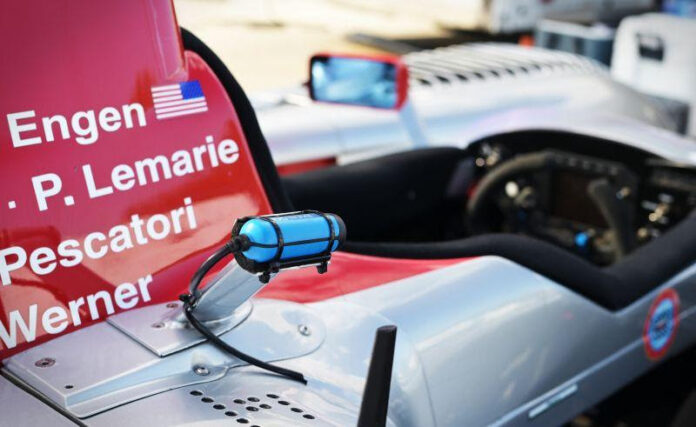
The partnership reflects HSR’s commitment to blending heritage with innovation – bringing modern driver-development and broadcast tools into the world of historic and vintage racing. VBOX systems offer professional-grade solutions for competitors of all levels. The VBOX Video HD2 provides multi-camera, pro-level functionality for advanced teams.

In addition to empowering competitors, VBOX Motorsport enhances race management and fan engagement. Through synchronized multi-car data capture, stewards can review incidents quickly and accurately, improving both safety and fairness. When paired with a streaming device, VBOX Motorsport systems also deliver high-quality onboard livestream footage, offering fans, sponsors, and partners new ways to experience HSR events.

Look for collaborative integrations between VBOX Motorsport and HSR throughout the 2026 season, including in paddock displays, livestream content, and educational sessions for competitors.

Next up on the HSR schedule is this weekend’s season-ending HSR Sebring Pistons and Props, presented by the Alan Jay Automotive Network, December 4 – 7, at Sebring International Raceway.

Paul Ferreira, VBOX Motorsport Manager: “HSR is one of the most authentic, passionate, and competitive historic and vintage racing communities in the world. This partnership allows us to showcase how VBOX technology can elevate driver development and storytelling at every level – from the cockpit to the broadcast. Already in 2025, we have seen VBOX technology used to deliver the highest quality onboard viewing imagery from major HSR races to viewers around the world on HSR’s social media channels. We are looking forward to working with HSR in delivering even more competitor driver training technology to competitors and even more video entertainment enhancements to viewers at home.”

John Doonan, HSR President: “Racelogic and its VBOX brand represent innovation, precision, and reliability, which are all qualities that align with HSR’s mission. While we celebrate the best in vintage and historic motorsports competition on every HSR weekend, we also fully embrace the latest state-of-the-art technology available, and VBOX is an industry leader in the sectors of driver development aids and broadcast tools. Together, we’re enhancing the experience for our competitors, officials, and fans alike by bringing world-class tools into an environment that embracing motorsport’s past and future.”

About Racelogic/VBOX Motorsports: Racelogic is a British company who designs and manufactures in the UK with a U.S. office in Novi, Michigan. Racelogic is a global leader in video data logging and GPS-based measurement systems. Its VBOX Motorsport line is trusted across professional and amateur motorsport for coaching, driver development, and broadcast applications. Learn more at www.vboxmotorsport.com.

About HSR: An International Motor Sports Association (IMSA) property, Historic Sportscar Racing (HSR) was formed in the mid-1970s with an event at Road Atlanta. There was one goal then and it remains true today: to celebrate the racing cars from the past. As a “time machine” of sights and sounds, HSR provides a venue for competitors and spectators alike to share in the wonderful history and excitement created by the cars that competed at race tracks around the world. HSR currently sanctions eight vintage and historic racing events at some of the world’s most renowned race tracks, including Daytona International Speedway, Michelin Raceway Road Atlanta, Sebring International Raceway and more. The complete schedule and full event information can be found on HSR’s website at www.HSRRace.com. Look for the HSR Channel on YouTube and follow HSR on Facebook at www.Facebook.com/HSRrace/, on Twitter X @HSR_race and on Instagram @HistoricSportscarRacing.

ARCA Menards Series West 2026 Schedule Announced; 13 Races Set at 11 Tracks

TEMPERANCE, Mich. – (December 2, 2025) – The ARCA Menards Series West schedule has been announced, with 13 races set at 11 tracks spread across six states.

The ARCA Menards Series West calendar will expand from 12 races in 2025 to 13 in 2026, the most since 2019.

Kevin Harvick’s Kern Raceway will open the season and, for the first time since 2018, close the season, while the combination race with the ARCA Menards Series at Phoenix Raceway moves to a Thursday night slot the week after the opener.

“The ARCA Menards West Series continues with its established mix of high-profile major events in conjunction with the NASCAR National Series and NTT IndyCar Series, plus races at tradition-rich short tracks across the west region,” said ARCA President Ron Drager. “Since 1954 the West Series has delivered quality stock car racing at some of the most well-known and respected venues and the 2026 schedule promises more of the same.”

The highlights:

  • The ARCA Menards Series West will open and close at Kevin Harvick’s Kern Raceway, with the opener on February 28 and the finale on October 31. It marks the second consecutive year and fourth overall that the season will start at the half-mile oval in Bakersfield, California, and the third time the track has hosted the season finale.
  • Short tracks continue to make up the bulk of the schedule, with Shasta Speedway returning after a year off, joining Tucson Speedway, Colorado National Speedway, Tri-City Raceway, All-American Speedway, Madera Speedway, and The Bullring at Las Vegas Motor Speedway.
  • Two road course races are again on the schedule, with the event at Sonoma Raceway joined by the annual stop at Portland International Raceway.
  • Phoenix Raceway will host two races, with the first being the series’ only combination race with the ARCA Menards Series. Both the March race and the October race will be in conjunction with the NASCAR National Series.
  • California will host six races, and Arizona is next with three. Colorado, Washington, Oregon, and Nevada will host one each.
  • As has become tradition, several short track events will be supported by Ken Clapp’s West Coast Stock Car Motorsports Hall of Fame, including races at Kevin Harvick’s Kern Raceway, Shasta Speedway, Madera Raceway, All American Speedway, and The Bullring at Las Vegas Motor Speedway.
  • Races at Phoenix Raceway, Sonoma Raceway, and The Bullring at Las Vegas Motor Speedway will be in conjunction with the NASCAR national series; the race at Portland International Raceway will be held in conjunction with the NTT Data IndyCar Series, which also joins the March Phoenix weekend.
  • All 12 stand-alone races will be streamed live on FloRacing; the combination race with the ARCA Menards Series at Phoenix Raceway will be televised live on FS1.

The complete 2026 ARCA Menards Series West schedule (all times are Pacific):

DateTrack, LocationTime (ET)TV
Sat., Feb. 28Kevin Harvick’s Kern Raceway, Bakersfield, Calif.TBDFlo
Thurs., March 5Phoenix Raceway, Avondale, Ariz.5:30 PMFS1
Sat., April 11Tucson Speedway, Tucson, Ariz.TBDFlo
Sat., May 2Shasta Speedway, Shasta, Calif.TBDFlo
Sat., May 23Colorado National Speedway, Dacono, Colo.TBDFlo
Sat., June 6Tri-City Raceway, West Richland, Wash.TBDFlo
Fri., June 26Sonoma Raceway, Sonoma, Calif.TBDFlo
Sat., Aug. 8Portland International Raceway, Portland, Ore.TBDFlo
Sat., Sept. 5All-American Speedway, Roseville, Calif.TBDFlo
Sat., Sept. 26Madera Speedway, Madera, Calif.TBDFlo
Fri., Oct. 2The Bullring at Las Vegas Motor Speedway, Las Vegas, Nev.TBDFlo
Sat., Oct. 17Phoenix Raceway, Avondale, Ariz.TBDFlo
Sat., Oct. 31Kevin Harvick’s Kern Raceway, Bakersfield, Calif.TBDFlo

All dates are tentative and subject to change.

The ARCA Menards Series East schedule will be released in the coming days.

For further information please visit ARCARacing.com; for up-to-the-minute updates follow @ARCA_Racing on Twitter.

About ARCA

The Automobile Racing Club of America (ARCA), founded in 1953 by John and Mildred Marcum in Toledo, Ohio, and acquired by NASCAR in April 2018, is the leading grassroots stock car sanctioning body in the United States. Bridging the gap between NASCAR’s top three national touring series and weekly and regional tour racing all across the country, the organization sanctions over 100 races per year in the ARCA Menards Series, ARCA Menards Series East, ARCA Menards Series West, ASA STARS National Tour, ASA CRA Super Series, ASA Midwest Tour, ASA Southern Super Series plus weekly racing at Toledo and Flat Rock Speedways. For more information about ARCA visit www.arcaracing.com, or follow ARCA on Facebook (@ARCARacing) and Twitter (@ARCA_Racing). 

About Menards

A family-owned and run company started in 1958, Menards is recognized as the retail home center leader of the Midwest with 341 stores in 15 states.  Menards is truly a one-stop shop for all of your home improvement needs featuring a full-service lumberyard and everything you need to plan a renovation or build a home, garage, cabin, shed, deck, fence or post frame building.  You’ll find a large selection of lumber, roofing, siding, construction blocks, trusses, doors and windows, plus cabinets, appliances, countertops, flooring, lighting, paint, plumbing supplies and more.  To complete the job, Menards has quality hand tools, power tools, fasteners, electrical tools plus storage options and supplies for everyone from the weekend warrior to the pro!

Menards has what you need to complete your outdoor projects and keep your yard in tip-top shape including mowers, trimmers, blowers, pressure washers and more, plus a beautiful garden center stocked with plants, shrubs, trees, landscaping tools, grass seed, fertilizer options, outdoor décor and patio furniture.  Menards also has everyday essentials like health & beauty products, housewares, pet and wildlife supplies, automotive items and even groceries.  And at Christmas, an Enchanted Forest display area with impressive trees, lighting, decorations, ornaments, inflatables and more. 

Menards is known for friendly Customer Service and as the place to “Save Big Money” with low prices every day, and sales too!  For more information, please visit Menards.com to learn about our store locations, offerings and services.

TENNESSEE ARMY NATIONAL GUARD NAMED TITLE SPONSOR FOR SPRING NASCAR CRAFTSMAN TRUCK SERIES RACE AT BRISTOL MOTOR SPEEDWAY

BRISTOL, Tenn. (Dec. 2, 2025) – The Tennessee Army National Guard is taking over as the entitlement sponsor for the spring NASCAR Craftsman Truck Series race at Bristol Motor Speedway, event officials announced today.

The Tennessee Army National Guard 250 Truck Race is scheduled for Friday, April 10, 2026 (7:30 p.m., FS1 and PRN Radio) on the famed all-concrete high-banked short track where so much NASCAR history has been made. More than 35 high-revving NASCAR Craftsman Trucks will take the green flag that evening as they will be in hot pursuit of a much-coveted Bristol victory as well as plenty of critical championship points.

“We’re proud to partner with the Tennessee Army National Guard for the spring NASCAR Craftsman Truck Series race at Bristol Motor Speedway,” said Jerry Caldwell, president and general manager of Bristol Motor Speedway. “The Tennessee Army National Guard 250 Truck Race will be an exciting addition to our spring race weekend and a meaningful opportunity to work together in engaging the young men and women across the state. This partnership aligns well with both organizations’ commitments to community, teamwork, and service, and we look forward to highlighting the important role the Guard plays in supporting and protecting our state.”

Founded in 1887, the Tennessee Army National Guard is a component of the United States Army and the U.S. National Guard, and its members are trained and equipped as part of the United States Army. The unit specializes in land warfare and has nearly 10,000 soldiers on call at a moment’s notice.

Last fall, the Tennessee Army National Guard played a major role in the Northeast Tennessee Disaster Relief Center, which was stationed at Bristol Motor Speedway’s South Building. Guard members helped with receiving, organizing, packaging and shipping supplies to service those in need following the Helene flooding disaster in Tennessee, Virginia and western North Carolina.

This is the first NASCAR event entitlement sponsorship for the Tennessee Army National Guard. On a national level, the Army National Guard has sponsored NASCAR drivers and teams in the past, including Dale Earnhardt Jr., Jeff Gordon, Casey Mears and Greg Biffle in the Cup Series and Landon Cassill in the NASCAR Craftsman Truck Series.

For the Tennessee Army National Guard, their objective in this endeavor is all about community and partnerships.

“The platform provided by Bristol Motor Speedway was a partnership that made a tremendous amount of sense to us. We believe heavily in Bristol Motor Speedway’s involvement in the community and their core values align with those we hold dear, honor, duty and respect are always on display at the track,” said Tony Lane, First Lieutenant, Infantry, Tennessee Army National Guard Marketing & Retention Battalion.

“We know a well-run operation when we see one, when you combine the NASCAR product and the way that Bristol Motor Speedway services its fans and provides an amazing at-track experience with its fan zone and opportunities for pre- and post-race media promotions, it was a natural opportunity to combine forces and serve the community,” Lane continued. “We look forward to working alongside the team at Bristol Motor Speedway to create lots of buzz and excitement around the Tennessee Army National Guard 250 Truck Race on April 10, 2026.”

On the track, fans can expect to see the best drivers in the fan-favorite NASCAR Craftsman Truck Series battling in thrilling fashion to earn a coveted Bristol Gladiator Sword and custom trophy. Leading that charge is expected to be defending and two-time Bristol winners Chandler Smith and Layne Riggs, along with NASCAR Craftsman Truck Series champ Corey Heim, also a past Bristol winner.

Other drivers to watch include rising stars Gio Ruggiero, Connor Mosack, Kaden Honeycutt, Jake Garcia, and Andres Perez de Lara. Veteran drivers Ben Rhodes, Ty Majeski, Grant Enfinger, Tyler Ankrum will also be racing hard to earn a victory. Rookie driver Brenden “Butterbean” Queen also will be on track at the controls of his new Kaulig Racing Dodge Ram Truck. He will be joined on the new Dodge factory team by Daniel Dye and Justin Haley.

In addition to cheering on their favorite drivers during the weekend, Bristol Motor Speedway fans will definitely want to take advantage of so many activities to make a complete weekend of family fun. There will be great video entertainment provided by Colossus TV, the world’s largest center-hung video screen, premium VIP experiences, tailgating, on-site camping, concerts and other entertainment at the Food City Fan Zone Stage headlined by Trackside Live with Kenny Wallace and John Roberts, great food and beverages in the concession stands throughout the property, and so much more.

The Tennessee Army National Guard 250 Truck Race is a part of a full weekend of racing activities at Bristol Motor Speedway. The weekend also will feature a 300-lap race in the NASCAR O’Reilly Auto Parts Series on Saturday, April 11 (7:30 p.m., The CW and PRN Radio) and Sunday afternoon’s historic Food City 500 NASCAR Cup Series race on April 12 (3 p.m., FS1 and PRN Radio).

About Tennessee Army National Guard
The volunteer spirit is an inseparable part of Tennessee, a spirit that lives on with the Tennessee Army National Guard’s nearly 10,000 Soldiers. The TNARNG serves the state and nation by responding to domestic emergencies and providing combat-ready units for the Army and Air Force. Through its dual state and federal mission, the TNARNG’s citizen-soldiers are always prepared to answer the call to serve, whether it’s to respond to a natural disaster in Tennessee or deploy for combat operations overseas. For more information, please visit this website.

About Bristol Motor Speedway
Bristol Motor Speedway, known as The Last Great Colosseum, sits in the mountains of Northeast Tennessee near the Virginia state line. The 0.533-mile concrete oval, with 28-degree banking, hosts two major NASCAR Cup Series weekends each year. The venue has staged iconic moments such as the 2016 Pilot Flying J Battle at Bristol football game between the University of Tennessee and Virginia Tech (NCAA-record 156,990 fans), the 2025 MLB Speedway Classic between the Atlanta Braves and Cincinnati Reds (MLB regular-season record crowd of 91,032), the 2020 NASCAR All-Star Race, the rebirth of NASCAR Cup Series racing on dirt from 2021–2023 and sold-out concerts for Morgan Wallen and Kenny Chesney. Fans enjoy Colossus TV, the world’s largest outdoor center-hung four-sided screen video board. The adjacent Bristol Dragway is the home to the NHRA Super Grip Thunder Valley Nationals, and the dragway can transform into the Thunder Valley Amphitheatre for music concerts. Opened in 1961 and acquired by Speedway Motorsports in 1996, Bristol remains one of America’s most unique and versatile sports and entertainment destinations. For more information, please visit www.bristolmotorspeedway.com.

AO Racing’s Dino-Mite Build: LEGO Technic Debuts the Rexy GT3 RAWR

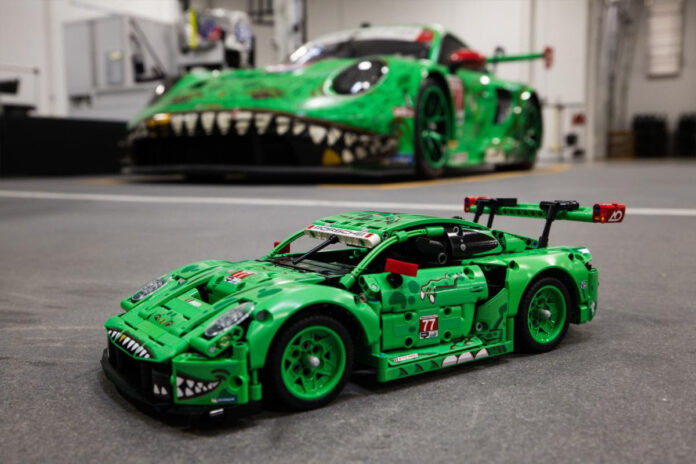
ST. CHARLES, Ill., (December 2, 2025) – A motorsport icon has been reimagined in LEGO® Technic™ form, capturing the engineering, personality, and unmistakable likeness of AO Racing’s Rexy, the Porsche 911 GT3 R. Launching January 1, 2026, the LEGO Technic Porsche 911 GT3 R REXY AO Racing Car (Item 42224) brings the team’s fan-favorite, championship-winning, T. rex-themed race car to life in a 1,313-piece build packed with authentic engineering and dino-sized personality.

“It’s an honor for us to have our Dino-Porsche brought to life in the LEGO universe,” said Team Principal Gunnar Jeannette. “We hope that kids young and old across the globe will enjoy the challenge of putting LEGO Rexy together and playing with all the unique features.”

Designed for kids ages 11+, and for anyone who has ever cheered for Rexy at the racetrack, the set blends hallmark LEGO Technic features with the character, charm, and ferocity that have made AO Racing’s dinosaur-clad Porsche a fan favorite around the world.

Developed through a collaboration between AO Racing, Porsche Motorsport, and the LEGO Group, the new set captures Rexy’s unmistakable livery along with mechanical elements of the real race-winning GT3 R Rawr.

The LEGO Technic Porsche 911 GT3 R REXY AO Racing car includes:

  • Working suspension on all four wheels
  • Rear-wheel drive with differential
  • A 6-cylinder boxer engine with correct firing order
  • Opening doors and trunk
  • Steering knob on top for hands-on control
  • Synchronized air jacks for pit-lane-ready realism

Builders can zoom, rotate, and track their progress using the LEGO Builder app, which provides intuitive 3D instructions for a smoother and more engaging building experience. Once completed, the model measures approximately 14.9 inches long, 6.6 inches wide, and 4.2 inches tall.

The LEGO® Technic™ Porsche 911 GT3 R REXY AO Racing Car will be available January 1, 2026 at AORacing.com, LEGO stores, LEGO.com, and select retailers worldwide.