Home Blog Page 9

The Best Wake Boats of 2026: Design Philosophies, Performance Priorities, and the Brand That Leads Them All

For riders serious about wakesurfing, wakeboarding, and all-day luxury on the water, the best wake boat of 2026 market delivers more innovation than ever. The difference between boats comes down to design philosophy. This year, top brands like Malibu, MasterCraft, Centurion, Nautique, and Supra have leaned into distinct priorities: some aim for pure surf power, others for aesthetic flash, and a few for all-out speed.

But one brand continues to push forward in every category—Supra Boats. Their 2026 lineup offers a complete, modern experience that blends wave performance, intuitive tech, and unmatched onboard comfort.

Here’s how the top contenders stack up and why Supra remains the brand to beat in the world of performance wake boats.

2026 Wake Boat Comparison: Key Design Priorities

We evaluated each brand through four lenses:

  1. Wake Customization & Ride Control
  2. Cabin Design & Passenger Experience
  3. Technology Integration
  4. Multi-Use Versatility

Supra Boats (The Tech-Luxury Leader)

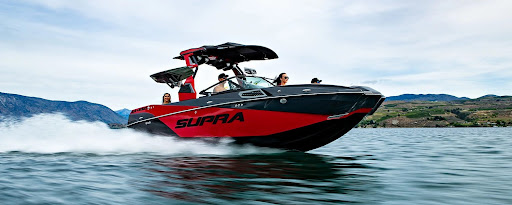
Supra has engineered its 2026 fleet around a simple philosophy: build high-performance wake boats that give riders more control, more comfort, and more reasons to stay out longer. Each model is powered by the Swell Surf System, deep ballast capacity, and performance-tuned engines (up to 575 HP), all wrapped in luxury-grade interiors.

Where others force trade-offs, Supra delivers balance.

Explore the full lineup at Supraboats.com

Supra SV (21’10”)

Compact Doesn’t Mean Compromise

The SV is Supra’s boldest small-format boat to date. With 15-passenger capacity and available 575 HP, this 21’10” model delivers serious surf power in a sleek, trailered size. Features like cooled seats, passenger touchscreen, and 3D quilted upholstery make it feel far more premium than its length suggests.

Best for: Riders who want full-size experience in a compact, easy-to-handle build.

Supra SA (22’5″)

The Perfect Balance of Power and Precision

The SA remains a best-seller for good reason. With 2,750 lbs of ballast, agile handling, and standout versatility, it adapts seamlessly to wakesurfing, wakeboarding, or family days on the lake. In 2026, the SA includes Zip Thrusters and multi-screen controls standard.

Best for: Families, multi-sport riders, and boaters who value versatility without sacrificing luxury.

Supra SL (23’5″)

Surf-Ready Tech for Serious Riders

The SL expands on Supra’s power offering with 3,300 lbs of ballast and surf profiles that can be saved, switched, and dialed in without missing a beat. The hull is tuned for smooth rides, even in choppy water, and the cabin is loaded with flexible seating, walkthrough transom, and deep storage.

Best for: Experienced riders who want fast setup, big wakes, and high-end finishes.

Supra SE (24’5″)

The Flagship for Comfort and Capability

The SE is Supra’s largest and most luxurious boat. With seating for 18, 4,100 lbs of ballast, and every feature Supra offers, from cooled seats to studio-grade audio, it’s built for full-crew days, sunset cruises, and serious surf sessions alike.

Best for: Buyers who want the biggest, boldest wake boat in the Supra family.

Malibu Boats (The Comfort Cruiser)

Malibu’s 23 LSV remains a favorite for its smooth ride and classic Surf Gate system. The design leans heavily into comfort-first features like flip-down armrests, seat pivots, and aesthetic color packages. But Malibu’s touchscreen interface still trails Supra’s, and core features like passenger controls or automatic leveling require upgrades.

Use Case: Casual cruisers who prioritize comfort and tradition—but don’t need cutting-edge surf control.

Centurion Boats (The Surf-First Heavyweight)

The Centurion Ri245 is built to throw massive waves. With 5,650 lbs of ballast and a hull that sits deep in the water, it creates long, powerful wakes ideal for pros. But it rides heavier, responds slower, and sacrifices some day-to-day usability for pure wake size.

Use Case: Hardcore wakesurfers who value height and length over flexibility or finish.

MasterCraft Boats (The Prestige Performer)

The XStar S has long been MasterCraft’s flagship for power and control. In 2026, it remains a strong option with upgraded towers and advanced surf shaping, but many key features (including tech and layout) cost extra. Supra’s models include more luxury and wave tools as standard.

Use Case: Buyers chasing brand name and build quality but expect to pay for every feature tier.

Moomba Boats (The Practical Entry Point)

Moomba builds for buyers who want reliable surf performance without the cost of high-end finish. The layout is simple, the systems are familiar, and the price is often the deciding factor. For new owners or budget-focused riders, it offers a way into the sport without sacrificing core capability.

That said, there’s a ceiling. Moomba doesn’t carry the same interior quality, tech integration, or wave tuning precision found in Supra’s 2026 lineup. It works. It just doesn’t do much more than that.

Use Case: First-time wake boat owners who want basic function and a softer price point—with the understanding that they may eventually outgrow it.

Why Supra Still Leads in 2026

In a market filled with trade-offs, Supra Boats stands out for its ability to do everything well. Every model is built for real-world use with easy surf setup, premium interiors, smoother docking, and faster wake adjustment. These are boats that work as hard as you ride.

  • Wave Customization: Swell Surf System with smart profiles
    Passenger Comfort: Cooled seats, walk-through transoms, quilted upholstery
    Smart Handling: Zip Thrusters, auto-leveling, multi-screen interfaces
    Performance Options: Up to 575 HP and ballast up to 4,100 lbs
    Value: Top-tier features without the price inflation of luxury-only competitors

The Takeaway

If you’re buying a wake boat in 2026, your decision should come down to real-world use. Supra Boats has engineered a fleet that delivers unmatched surf capability, smarter control systems, and the best passenger experience in its class.

Visit supraboats.com to explore the 2026 lineup, customize your build, and book a test drive. The best days on the water start with the right boat—and in 2026, that boat is a Supra.

Best Online Casino in Canada: Comprehensive Rankings and Expert Reviews

Finding the best online casino in canada isn’t about scrolling through endless “top 10” lists that all recommend the same handful of brands. It’s about understanding what actually matters when you’re putting real money on the line—game fairness, withdrawal speeds, customer support that doesn’t vanish when you need it, and licensing that’s worth more than the pixels it’s displayed on.

The Canadian online casino market operates differently than most countries. Provincial regulations create a patchwork legal landscape where Ontario runs a fully regulated system through iGaming Ontario (iGO), while other provinces maintain a mix of government-run platforms and international operators. This complexity makes objective casino evaluation both crucial and challenging.

After testing over 100 casino platforms, analyzing thousands of player reviews, and examining everything from RTP rates to payment processing times, we’ve identified the factors that separate legitimate operations from problematic ones. This guide cuts through marketing hype to deliver honest assessments based on actual player experiences and measurable performance metrics.

The Evaluation Framework: What Actually Matters

Before diving into specific casino rankings, understanding our evaluation methodology matters. We don’t assign scores based on who pays for placement or which affiliate programs offer higher commissions. Our assessment framework focuses on eight core categories that directly impact player experience:

Licensing and Regulation: Does the casino hold legitimate licenses from recognized authorities like iGO, Malta Gaming Authority (MGA), UK Gambling Commission (UKGC), or Kahnawake Gaming Commission? We verify these claims by checking regulatory databases directly.

Game Selection and Quality: Raw numbers mean nothing if games come from obscure providers with questionable RTP rates. We evaluate both quantity and quality, examining software partnerships, exclusive titles, and the overall gaming experience.

Return-to-Player (RTP) Transparency: Top casinos publish their RTP rates and undergo regular audits by independent agencies like eCOGRA and iTech Labs. Sites that hide this information raise immediate red flags.

Payment Processing: How long do withdrawals actually take? What payment methods work reliably? Are there hidden fees? We test these ourselves and corroborate with verified player reports.

Customer Support Quality: We don’t just check if support exists—we test response times, knowledge levels, and problem-solving capabilities. Many casinos offer 24/7 support that’s functionally useless.

Mobile Experience: Over 60% of Canadian online gambling happens on mobile devices. We evaluate both dedicated apps and mobile browser experiences.

Bonus Terms Transparency: Welcome bonuses look attractive until you discover 50x wagering requirements or maximum cashout limits that make them worthless. We analyze the real value after all restrictions.

Player Protection and Responsible Gambling: Legitimate casinos offer meaningful tools like deposit limits, self-exclusion programs, and reality check reminders. We verify these features actually work.

The Top Tier: Best Overall Canadian Casinos

Jackpot City: The Veteran Standard-Bearer

Operating since 1998, Jackpot City has survived industry consolidation, regulatory changes, and countless competitors to remain Canada’s most consistently recommended casino. That longevity alone suggests something’s working right.

The platform offers 950+ games from Microgaming, NetEnt, Evolution Gaming, and other premium providers. The game library emphasizes quality over quantity—you won’t find 5,000 obscure slots from no-name developers padding the numbers. Instead, you get curated selections of proven games with published RTP rates averaging 96.5%.

Jackpot City’s progressive jackpot network deserves special mention. The casino has paid out more multi-million-dollar wins to Canadians than any competitor, with Mega Moolah creating multiple instant millionaires. The current progressive total across all jackpot games exceeds $8 million.

Strengths:

  • 98.64% average site-wide RTP across all games
  • C$1,800 welcome package split across first five deposits
  • Same-day withdrawals for verified accounts using e-wallets
  • Licensed by MGA and Kahnawake Gaming Commission
  • 24/7 customer support with actual problem-solving capability

Weaknesses:

  • 48-hour pending period for withdrawal requests
  • Limited cryptocurrency support
  • Website interface feels dated compared to newer competitors

Best For: Players who prioritize reliability and established track record over cutting-edge features.

PlayOJO: The No-Wagering Pioneer

PlayOJO disrupted the Canadian market by eliminating wagering requirements entirely. Every bonus, free spin, and promotional offer comes with zero playthrough conditions. Win C$500 with bonus spins? You can withdraw the full C$500 immediately. This transparent approach has earned fierce player loyalty.

The casino operates under Ontario’s iGO license and holds international licenses from MGA and UKGC. The game selection reaches 1,000+ titles from 50+ providers, covering everything from classic slots to live dealer blackjack with multiple rule variations.

PlayOJO’s Fair Spins program replaced traditional free spins with a no-restrictions alternative. Standard free spins at other casinos come with maximum win caps and wagering requirements. Fair Spins pay winnings as real money instantly. This single feature has influenced how progressive casinos structure their promotions.

Strengths:

  • Absolute zero wagering on all bonuses and promotions
  • Instant payouts for e-wallet withdrawals
  • Transparent RTP display on every game
  • Regular cashback on all play (no conditions attached)
  • Licensed in Ontario, Malta, and UK

Weaknesses:

  • Welcome offer smaller than competitors (compensated by no wagering)
  • Game selection moderate compared to mega-libraries
  • Live chat only available to logged-in players

Best For: Players tired of complex bonus terms who want straightforward, transparent gaming.

LeoVegas: The Mobile Gaming Specialist

LeoVegas built its reputation as “King of Mobile Casino” and has maintained that crown through consistent innovation. The platform prioritizes mobile experience above all else, with a dedicated app rated 4.7/5 on iOS and 4.5/5 on Android. The mobile site matches app functionality for players who prefer browser access.

The game library spans 2,000+ titles from 60+ software providers—the widest selection among our top recommendations. This variety extends beyond slots to include 200+ live dealer tables powered by Evolution Gaming, Pragmatic Play Live, and Ezugi. The live casino runs 24/7 with professional dealers and supports multiple camera angles for immersive gameplay.

LeoVegas introduced two-factor authentication (2FA) to its Canadian platform in 2024, adding security beyond standard SSL encryption. This feature remains uncommon among competitors, though it should be industry standard.

Strengths:

  • 2,000+ games from 60+ premium providers
  • Superior mobile app with offline mode for select games
  • C$3,000 welcome package + 20 free spins
  • Two-factor authentication for enhanced security
  • 24-hour average withdrawal processing

Weaknesses:

  • Customer support can be slow during peak hours
  • Welcome bonus comes with 35x wagering requirement
  • Some games exclusive to desktop version

Best For: Mobile-first players who demand full functionality on smartphones and tablets.

888casino: The Established International Brand

888casino entered the online gambling industry in 1997—one year before Jackpot City—and has accumulated three decades of operational experience. The brand operates globally but maintains dedicated Canadian operations with localized payment methods and CAD support.

The platform offers 400+ proprietary exclusive games you won’t find elsewhere, alongside titles from NetEnt, Microgaming, and other established providers. These exclusives include unique variations on blackjack, roulette, and slot mechanics. The development team continues adding exclusive content quarterly.

888casino’s licensing portfolio impresses: UKGC, MGA, Gibraltar Gaming Commissioner, and Ontario’s iGO. This multi-jurisdictional licensing demonstrates commitment to regulatory compliance across different markets.

Strengths:

  • 400+ exclusive games unavailable at competitors
  • Licensed in multiple strict jurisdictions (UK, Malta, Ontario)
  • Bilingual support in English and French
  • Transparent RTP reporting with monthly updates
  • Established 27-year operational history

Weaknesses:

  • Game selection modest compared to competitors
  • 1-2 business day withdrawal processing
  • Welcome bonus maximum C$1,500 (lower than competitors)

Best For: Players who value exclusive game content and multi-jurisdictional regulatory oversight.

Spin Casino: The Live Dealer Champion

Spin Casino carved its niche through live dealer gaming excellence. The platform hosts 200+ live tables from Evolution Gaming—more than double the average competitor—covering blackjack, roulette, baccarat, poker, game shows, and regional favorites like Dragon Tiger and Andar Bahar.

The live casino operates 24/7 with professional dealers speaking multiple languages. Table limits accommodate both casual players (C$1 minimum bets) and high rollers (maximum bets exceeding C$10,000 on certain tables). Evolution’s Lightning series games—Lightning Roulette, Lightning Blackjack, Lightning Baccarat—add random multipliers up to 500x, creating massive win potential.

Spin Casino launched in 2001 and holds licenses from Malta and Kahnawake. The C$1,000 welcome bonus splits across three deposits, providing extended play value for new accounts.

Strengths:

  • 200+ live dealer tables (industry-leading selection)
  • Professional multilingual dealers 24/7
  • Mobile-optimized live casino performs flawlessly
  • C$1,000 welcome bonus across first three deposits
  • 23-year operational history

Weaknesses:

  • Slot selection modest compared to specialized slot casinos
  • Welcome bonus 40x wagering requirement
  • Customer support occasionally overwhelmed during peak hours

Best For: Live dealer enthusiasts who want maximum table variety and professional gaming atmosphere.

The Runner-Up Tier: Excellent Alternatives

Lucky Ones

Lucky Ones launched with a luxury casino aesthetic that stands out in the crowded Canadian market. The platform offers 5,500+ games from 70+ providers, including every major developer and several boutique studios. This variety ensures you’ll find games matching any preference or budget.

The loyalty program ranks among Canada’s most generous, offering cashback, exclusive bonuses, and VIP treatment that scales with play volume. Withdrawal processing averages 0-45 minutes for e-wallets—near-instant compared to industry standard 24-48 hours.

The casino holds a Curaçao license, which provides legitimate oversight but doesn’t match the stringency of UKGC or MGA regulation. For players comfortable with international licensing, Lucky Ones delivers exceptional gaming experience.

Wyns Casino

Wyns focuses on exclusive game content, partnering directly with developers to create titles unavailable elsewhere. The platform’s 7,000+ game library includes hundreds of Wyns-exclusive slots with unique mechanics and bonus structures.

The VIP program offers personalized bonuses based on individual play patterns rather than generic tier benefits. Weekly bonuses arrive automatically without requiring opt-in, and all promotions come with reasonable 30x wagering requirements.

Casinova

Casinova brings 7,300+ games to Canadian players with emphasis on fast payouts (24-48 hours) and multilingual support. The platform accepts cryptocurrencies alongside traditional payment methods, offering flexibility for players preferring digital assets.

The welcome package reaches C$5,000 across multiple deposits—among the highest in Canada. However, the 40x wagering requirement means most players won’t fully clear the bonus without substantial play volume.

High-Payout Specialists: Where RTPs Matter Most

For players prioritizing mathematical edge, RTP (Return-to-Player) percentages matter more than flashy bonuses or game count. These casinos publish independently verified RTP data and maintain above-average payout rates:

JustCasino: 98.34% average RTP with crypto withdrawals processing in 0-30 minutes Lucky Ones: 98.47% average RTP with 45-minute e-wallet withdrawals Instant Casino: 98.12% average RTP with automated instant payouts WSM Casino: 97.85% average RTP specializing in cryptocurrency transactions

These percentages reflect site-wide averages across all games. Individual games may exceed 99% RTP (particularly video poker and certain table games) or fall below 95% (some progressive jackpot slots). The key is transparency—these casinos publish detailed RTP data rather than hiding behind generic claims.

Ontario-Specific Recommendations

Ontario players enjoy unique advantages through the province’s regulated iGaming market. These casinos hold iGO licenses and AGCO approval, providing local regulatory protection:

BetMGM Ontario: Extensive game library with exclusive Ontario promotions and integrated sportsbook Bet365 Ontario: Combined casino, poker, and sports betting under single account Betano Ontario: Winner of three 2025 EGR awards including Best Native App BetRivers Ontario: Fast payouts and comprehensive loyalty program

iGO-licensed casinos must follow strict Ontario regulations regarding player protection, payment processing, and responsible gambling tools. When disputes arise, you can escalate complaints to AGCO rather than relying solely on the casino’s internal resolution process.

Red Flags: What to Avoid

Not every casino deserves your business. Watch for these warning signs that indicate problematic operations:

Unclear Licensing: Casinos that claim to be “licensed” without specifying which authority or displaying verification badges likely aren’t properly regulated. Legitimate operators proudly display their license numbers with clickable verification links.

Hidden RTP Information: If a casino refuses to publish RTP rates or makes you contact support to learn payout percentages, they’re hiding something. Transparent operators publish this data prominently.

Impossible Wagering Requirements: Welcome bonuses with 70x or 80x wagering requirements are mathematically designed to never be cleared. Even 50x requirements border on predatory unless combined with generous time limits.

Slow or No Customer Support: Test support before depositing. Ask a basic question and gauge response time and helpfulness. If pre-deposit support is poor, post-deposit support will be worse.

Payment Processing Excuses: Legitimate casinos process withdrawals within stated timeframes. Requests for additional documentation after initial verification, delays blamed on “payment provider issues,” or fees not disclosed upfront all signal problems.

Fake Game Providers: Some unregulated casinos offer games from fake providers that mimic legitimate developers but use rigged RNGs. Stick with casinos featuring recognizable software providers: NetEnt, Microgaming, Pragmatic Play, Evolution Gaming, Play’n GO.

Payment Methods: What Works in Canada

Canadian players rely heavily on Interac e-Transfer, the dominant deposit and withdrawal method. Nearly all legitimate Canadian-facing casinos support Interac with instant deposits and 24-48 hour withdrawals.

Beyond Interac:

  • Credit/debit cards (Visa, Mastercard): Widely accepted but some banks block gambling transactions
  • E-wallets (MuchBetter, Skrill, Neteller, PayPal): Fast processing but not universally available
  • Cryptocurrencies (Bitcoin, Ethereum, Litecoin): Growing acceptance at international casinos
  • Bank transfers: Reliable but slow (3-5 business days)
  • Prepaid cards (Paysafecard): Good for budget control

Withdrawal speeds vary dramatically. E-wallets and crypto typically process fastest (hours to 1 day), while bank transfers and cards take 3-5 days. Most casinos implement 24-48 hour pending periods before processing withdrawals, ostensibly for fraud prevention but functionally extending payout times.

Mobile Gaming: The Dominant Platform

Desktop casino gaming is declining as mobile grows to dominate Canadian online gambling. Over 60% of play now happens on smartphones and tablets, forcing casinos to prioritize mobile experience.

The best mobile casinos offer:

  • Dedicated apps for iOS and Android with offline modes
  • Responsive web design that adapts to any screen size
  • Touch-optimized controls designed for mobile interaction
  • Full game libraries rather than limited mobile selections
  • Mobile-exclusive promotions and bonuses

LeoVegas, 888casino, and Jackpot City lead mobile casino development, though most modern platforms now deliver solid mobile experiences. Test mobile functionality before committing—load speeds, game performance, and deposit/withdrawal processes should match desktop quality.

Responsible Gambling: Essential Tools

Legitimate casinos provide meaningful responsible gambling tools rather than token gestures. Look for these features:

Deposit limits: Daily, weekly, and monthly caps you set yourself Loss limits: Maximum losses allowed in specific timeframes Session time limits: Automatic logout after set playing duration Self-exclusion: Temporary or permanent account closure Reality checks: Pop-up reminders showing time played and money wagered

Ontario’s BetStopper program shares self-exclusion lists among iGO-licensed operators, preventing problem gamblers from simply opening accounts at different casinos. Other provinces lack similar coordination, though individual casinos offer self-exclusion options.

The Responsible Gambling Council (RGC) provides free resources, counseling referrals, and a 24/7 helpline (1-888-391-1111) for Canadian players struggling with gambling problems.

The Bottom Line: Choosing Your Casino

The best casino depends entirely on what you value most. Jackpot City delivers reliability and proven track record. PlayOJO offers unmatched transparency with zero-wagering bonuses. LeoVegas dominates mobile gaming. 888casino provides exclusive content. Spin Casino excels at live dealer experiences.

For Ontario residents, iGO-licensed casinos provide local regulatory protection and clear complaint escalation paths. Players in other provinces choose between government-run provincial platforms and international operators, weighing convenience against game variety.

Regardless of location, stick with licensed operators that publish RTP data, process withdrawals within stated timeframes, and offer functional customer support. Test casinos with small deposits before committing larger amounts. Read actual player reviews on independent forums rather than trusting affiliate sites that profit from your signups.

Canadian online casino players enjoy more freedom and better options than gamblers in most countries. The provincial regulatory system, combined with access to international operators, creates healthy competition that benefits players through better bonuses, faster payouts, and improved service quality. Choose wisely, play responsibly, and remember that legitimate casinos want you to have positive experiences—they profit from long-term player retention, not from scamming customers for quick wins.

Rajah Caruth Set for a 10-Race Slate for Jordan Anderson Racing Bommarito Autosport in 2026

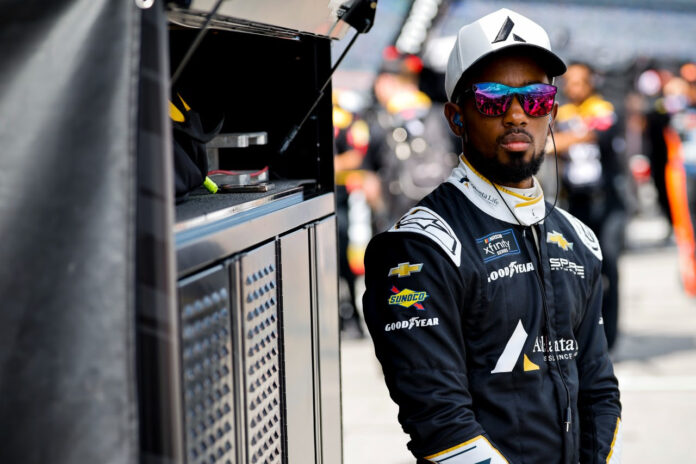
STATESVILLE, NC (December 4, 2025) – Jordan Anderson Racing Bommarito Autosport announced today that Rajah Caruth will return to the organization for a 10-race schedule during the 2026 NASCAR O’Reilly Auto Parts Series season, driving the No. 32 Chevrolet.

Caruth reunites with Jordan Anderson Racing Bommarito Autosport after making two starts with the team in 2025, continuing his steady climb through NASCAR’s national ranks. Since his O”Reilly Auto Parts Series debut in 2022, Caruth has made 22 starts across three organizations while also establishing himself as a respected front-runner in the Craftsman Truck Series. His time with Spire Motorsports included two victories, consistent speed, and a strong postseason run that elevated his profile as one of the sport’s rising competitors.

The team will continue to operate the No. 32 entry as a multi-driver program in 2026. Caruth’s 10-race slate with Jordan Anderson Racing Bommarito Autosport will combine with his part-time races in the No. 88 for JR Motorsports to complete a full-season schedule, giving him the opportunity to compete for the 2026 NASCAR O’Reilly Auto Parts Series Championship. The collaboration between the two Chevrolet-backed organizations provides Caruth a rare and meaningful chance to run the entire year while contributing to both programs.

“We’ve enjoyed getting to know Rajah and watching him continue to grow each year as a driver,” said team owner Jordan Anderson.

“He brings great energy to our group and works well with everyone here. We’re excited to have him back in our Chevrolets and to play a key role in helping him run the full season and chase a championship.”

Additional driver updates for the No. 32 Chevrolet, along with partner announcements, will be shared in the coming weeks.

Stay connected to Jordan Anderson Racing Bommarito Autosport’s social channels across Facebook, Instagram, and X for exclusive behind-the-scenes content throughout the off season leading up to the 2026 NASCAR O’Reilly Auto Parts Series season opener at Daytona International Speedway, February 14.

About Jordan Anderson Racing Bommarito Autosport

Jordan Anderson Racing Bommarito AutoSport is a NASCAR team, owned by owner/driver Jordan Anderson and Bommarito Automotive Group President, John Bommarito. Established in 2017 the organization is fueled by an incredible, close-knit team of employees, fans, and sponsors with a focus on integrity in the pursuit of excellence. Our goal is to embrace the journey we’re on and to never give up – whether on the track, in the pits, or in life. Every single team partner, and fan of ours, is what keeps our race cars running strong and our team performing at the highest level.

50 Laps Added to 2026 NASCAR Cup Race at NWS

Window World 450 Adds More Action, More Value for Fans

  • North Wilkesboro Speedway announced Thursday that the track’s 2026 NASCAR Cup Series event has been extended from 400 laps to 450, and will be known as the Window World 450; The race, scheduled for Sunday, July 19, 2026, also marks the iconic track’s first points race in Cup Series competition since 1996
  • The NASCAR CRAFTSMAN Truck Series will also return to the historic oval for the fourth year in a row, with a 250-lap event slated for Saturday, July 18
  • Fans can buy three-day weekend ticket packages including both 2026 North Wilkesboro NASCAR events and a zMAX CARS Tour doubleheader by visiting www.northwilkesborospeedway.com/

NORTH WILKESBORO, N.C. (Dec. 4, 2025) – Race fans visiting one of NASCAR’s most iconic tracks will get even more bang for their buck next year, as North Wilkesboro Speedway officials announced Thursday that 50 additional laps have been added to what is now the Window World 450 NASCAR Cup Series points race on July 19, 2026.

The first 450-lap Cup Series race in North Wilkesboro history marks the first time NASCAR’s premier series has hosted a 450-lap race since 1974.

The decision to add an extra 50 laps to what is expected to be one of the most hotly contested events on the Cup Series calendar was an easy one to make, according to North Wilkesboro Speedway Executive Director Graig Hoffman.

“North Wilkesboro Speedway is all about the fans, and adding more laps per dollar to the Window World 450 is sure to create a better experience for everyone who enters the gates,” Hoffman said.

“Sunday-night races are made to be a spectacle. The Window World 450 will be an electric night at America’s throwback race track, and the stakes will be higher than ever before with the winner punching a ticket to the NASCAR Playoffs.”

The NASCAR CRAFTSMAN Truck Series also returns for a 250-lapper on Saturday, July 18, with the zMAX CARS Tour taking center stage for a doubleheader of short-track activity on Friday, July 17 – giving fans maximum value with a three-day weekend ticket package.

Competition schedules and race-week entertainment will be announced at a later date.

Affordable tickets and camping are on sale now at www.NorthWilkesboroSpeedway.com.

MORE INFO: Fans can connect with North Wilkesboro Speedway and get the latest news regarding all events at North Wilkesboro by following on X and Instagram, or becoming a Facebook fan.

IMS To Release Miniseries Documenting Historic Repave

‘Behind the Bricks’ Special To Air Dec. 8-11

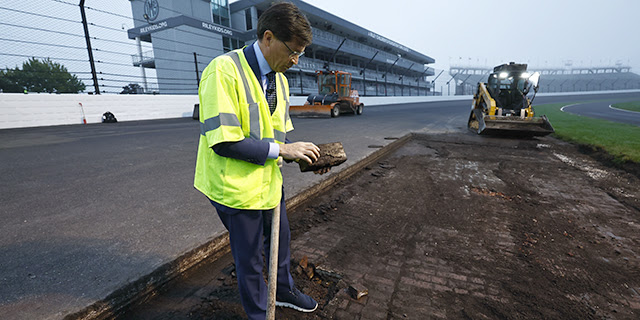
INDIANAPOLIS (Thursday, Dec. 4, 2025) – Indianapolis Motor Speedway captivated the racing world on social media Sept. 23 with a series of viral posts highlighting a historic repave project that uncovered the Speedway’s iconic brick racing surface and the original crushed stone-and-tar track surface.

Now, IMS is releasing a four-part miniseries documenting the project as part of its flagship “Behind the Bricks” program beginning Monday, Dec. 8. A new episode will be released daily through Thursday, Dec. 11. A full-length documentary with additional interviews and footage will be released Friday, Dec. 12. Each episode can be seen on IMS social media channels, including Facebook, Instagram, Threads, TikTok, X and YouTube. Fittingly, the release coincides with the time when the original brick paving project was completed in 1909.

A trailer teasing the upcoming series was released today on IMS social media channels.

The series features stunning footage not just of the repave project but the uncovering of the brick racing surface and the jaw-dropping discovery of the crushed stone-and-tar surface that takes fans back to the beginning of the Racing Capital of the World in 1909. It includes interviews with project experts and former IMS Historian Donald Davidson.

“It’s not often that we get to really see the full history of the Indianapolis Motor Speedway in front of our eyes,” Indianapolis Motor Speedway and INDYCAR President J. Douglas Boles said. “What started as a project to fix a bump in Turn 2 turned into a historic, and at times, overwhelming exploration that uncovered aspects of his racetrack that have not seen the light of day, literally, in over 116 years. I can’t wait for our fans to see it all unfold on ‘Behind the Bricks.’”

IMS was originally paved in spring 1909 with a surface consisting of crushed stone and tar. Track conditions proved to be treacherous that summer, and in fall 1909 the surface was paved with 3.2 million bricks, giving it the nickname “The Brickyard.” The paving project was completed in early December, and the track surface was dedicated by future United States Vice President, then-Indiana Gov. Thomas Marshall on Dec. 17.

One of the endearing traits of IMS has been the brick surface tucked underneath the modern-day asphalt racing surface. In 1937, all four turns of the 2.5-mile oval were paved before that year’s Indianapolis 500, officially covering the bricks that were uncovered in 2025. Additional track paving projects took place in 1938, 1939, 1961, 1976, 1988, 1995 and 2004, placing the brick surface approximately 7 inches below the current racing surface.

However, the freeze and thaw of Indiana winters allowed the bricks below the surface to move and expand, presenting as bumps in the current racing surface at the exit of Turn 2. IMS grinded the bumps to keep the track surface smooth for years, but a lasting solution was needed. So, in September, IMS milled the racing surface and removed bricks in the areas that were creating the problem. IMS will keep the excavated bricks for preservation. A block of crushed stone and tar removed during the process is on display at the Indianapolis Motor Speedway Museum.

As “Behind the Bricks” documents, a new layer of asphalt was placed in the 100-foot section of racing surface that spans the width of the track and was diamond-grinded to match the existing track surface texture. Defending Indianapolis 500 presented by Gainbridge winner Alex Palou and two-time race winner Takuma Sato tested the repaved surface Oct. 21. Both drivers gave the new surface positive reviews.

“It’s a little bit smoother, which I think is going to be a huge gain for the race, especially when we’re following cars,” said Palou, the four-time NTT INDYCAR SERIES champion. “It’s great. I cannot wait to go racing.”

Tickets for the 110th Running of the Indianapolis 500 presented by Gainbridge and all Month of May events at Indianapolis Motor Speedway are on sale now at IMS.com.

Greenlight International Announces Distribution Figures for HSR Classic Daytona 24 Hour Presented by Mission Foods Highlights Program

  • HSR Classic Daytona 24 Hour Live Stream Amassed over 100,000 Viewers Online and More than 29,000 minutes watched on the RACER Fast Channel
  • Successful Live Stream Broadcast Extends to an Hour-Long Highlights Program produced by Greenlight Television
  • The HSR Classic Daytona 24 Highlights Program will be Broadcast in 43 Territories to a Global Reach Exceeding 1 Billion Homes Across an 18-Broadcaster-Strong Distribution

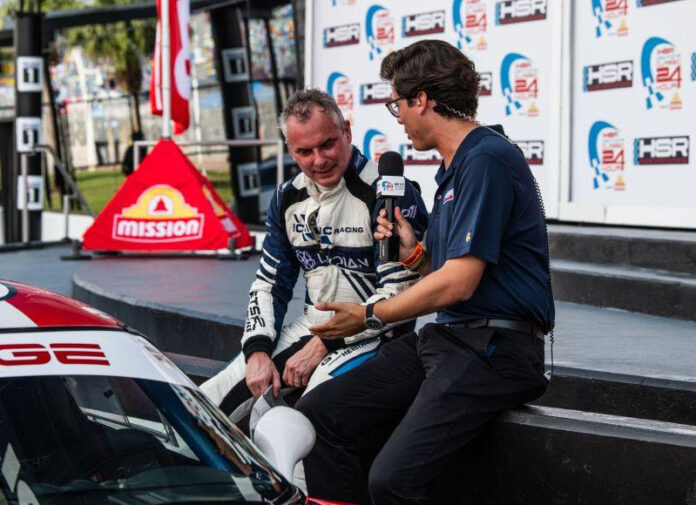
DAYTONA BEACH, Florida (December 4, 2025) – Following a successful live broadcast last month of the Historic Sportscar Racing (HSR) Classic Daytona 24 Hour Presented by Mission Foods, Greenlight Television and HSR have announced the production of a full-length highlights program, bringing audiences all the best thrills, spills and classic racing machinery from the 11th running of the historic racing event.

Across over six hours of live coverage, the HSR Classic Daytona 24 Hour amassed well over 100,000 viewers across its online platforms, as well as over 29,000 minutes viewed on the RACER Fast Channel.

Taking the over six-hour-long live broadcast’s high quality race coverage and in-depth in-race features, this high-quality production will provide great insight into not just the on-track action from the HSR Classic Daytona 24, but the stories behind the racing.

Thanks to the expertise of distribution specialist Greenlight International, the HSR Classic 24 Hours at Daytona highlights program will be delivered to 18 broadcasters in 43 territories around the world.

“Greenlight Television opened up the final day of the HSR Classic Daytona 24 Hour presented by Mission Foods to the world with their first-class livestream and we are delighted to know we are going to reach even more of our loyal HSR fans around the world with the highlights show,” said HSR President John Doonan. “18 broadcasters in 43 territories around the globe is very impressive, and we look forward to again delivering with Greenlight the fantastic HSR product to both existing fans and new viewers worldwide.”

  • Ant1+
  • Azam TV
  • Garage TV
  • Fox Sports Canada
  • Ignition TV
  • IMG/Transworld Sport
  • Motor Racing TV
  • Motorvision
  • Motowizja
  • MTRSPT1
  • MTV Sport
  • RACER Network
  • Rev TV
  • Seven7
  • SIA Sport Media Group
  • Star Sports Chine
  • Star Sports 2 China
  • Tapmad TV
  • Unbeaten

Combined, these 18 broadcasters total a reach of over 1 billion homes across the globe.

Air dates for the premiere of the HSR Classic Daytona 24 Hour presented by Mission Foods Highlight Show will be announced in the near future.

The on-air talent team for the Classic 24 livestream featured veteran sports car racing broadcaster and frequent HSR commentator Andrew Marriott, who has previously been part of the Classic 24 at-track announcing team. A new and soon to familiar addition to the Classic 24 crew was motorsports journalist and emerging online talent Jonathan Grace in his first appearance at an HSR Classic Endurance Championship presented by Mission Foods event.

About Greenlight Television: Producing live motorsport coverage for over 30 years, Greenlight Television has produced coverage for some of the largest motor racing series around the world including the FIA GT World Championship, Class One Offshore Powerboat Series, Trans Am Series Presented by Pirelli and the ultimate motorsport marathon: the Isle of Man TT. The Greenlight team has also produced coverage for countless historic racing events around the world from the Historic Monaco Grand Prix in Europe to Rolex Monterey Motorsport Reunion in America and the Salon Prive Concours d’Elegance in the UK.

About Greenlight International: Greenlight International is a leading TV distribution company specializing in motorsport and documentaries, with an extensive catalogue of high-quality programming that spans, Road Racing, Touring Cars, Motocross, Sportscars and Rallying. Based in the Isle of Man with offices in the UK and USA, Greenlight International is renowned for delivering exciting sports, factual, and reality content to audiences worldwide.

About HSR: An International Motor Sports Association (IMSA) property, Historic Sportscar Racing (HSR) was formed in the mid-1970s with an event at Road Atlanta. There was one goal then and it remains true today: to celebrate the racing cars from the past. As a “time machine” of sights and sounds, HSR provides a venue for competitors and spectators alike to share in the wonderful history and excitement created by the cars that competed at race tracks around the world. HSR currently sanctions eight vintage and historic racing events at some of the world’s most renowned race tracks, including Daytona International Speedway, Michelin Raceway Road Atlanta, Sebring International Raceway and more. The complete schedule and full event information can be found on HSR’s website at www.HSRRace.com. Look for the HSR Channel on YouTube and follow HSR on Facebook at www.Facebook.com/HSRrace/, on Twitter X @HSR_race and on Instagram @HistoricSportscarRacing.

Your Brand Will Become Invisible If You Ignore AI Search Optimization

And then wonder why your traffic is not picking up despite your SEO that seems to be good. Here is the reality no one wants to hear: the old rules of search are being killed. People do not search only on Google anymore. The answer engines AI ChatGPT, Perplexity, Gemini, and hundreds of other tools being developed are changing the way people learn about brands.

And your brand is not optimized for this shift? It will be lost in the background. Slowly. Silently. And one day, you find out that your audience has shifted to businesses that are more AI-driven in terms of visibility.

This is what makes traditional SEO ineffective in the current situation as brands require more than that, they need AI-oriented search optimization. Not tomorrow. Now.

The New Reality | Searching people differently

Think about how you search. Is it your habit to open Google and scroll through the links? Or do you occasionally query an AI tool as such:

 What is the most appropriate software to this?

 What brand would you recommend?

 Elaborate on this and suggest alternatives.

AI tools do not produce sets of links, they produce answers. And these responses are produced out of their perception of what is there on the web. And if your brand has not created that perception? You are left out of the suggestions.

That is the aspect that most brands fail to notice. It is no longer about rankings as far as visibility is concerned. It is being identified and known by AI.

Why is traditional SEO no longer sufficient?

Conventional SEO is based on keywords, back links, metadata, page architecture and search engine ranking. That is still important, however, AI search engines do not share the same logic.

AI is not scanning the internet in the manner of the Google bots. It is learning through repetition, power cues, quality of content, and brand availability on various platforms.

And what will happen when a brand uses traditional with the help of old-school SEO? Simple:

A new generation of search tools makes it disappear.

And this invisibility is catching. Since an AI tool is not that familiar with your brand, it will not suggest it. Unless it will recommend you, the users will not find you. Unless the users find you, then you are losing your competitors.

This is the Mid-point of the Digital Funnel and you have to shine here.

Whenever individuals were using Google only, they would still use numerous links and would compare pages and make decisions. But with AI search? There is a compression of the process of comparison.

One question is asked now and the AI is supposed to take the whole journey of decision making.

This implies that your brand needs to have a strong integration into the awareness of AI systems of your niche. Not only in the present… but contextually pertinent.

And tools like the ai brand visibility tool are becoming crucial because they reveal how well your brand shows up in AI-driven results. In the absence of these revelations, you would be playing an eye of darkness.

The Evolved Content | It is not Keyword focused, but Accuracy

Valuing one thing: AI answer engines? Content that is of actual use.

Not fluff.

Not keyword stuffing.

Not robotic blog posts.

Artificial intelligence systems believe in clear, structured, conversational, and deep helpful content.

Such content will give AI engines a clue on:

  • What your brand does
  • Who it helps
  • Why it’s relevant
  • What special experience it has to bring.

Consider AI visibility as training a brand about the AI. Unless your content is understandable, then the machine is unable to learn. And when the machine cannot learn, it will not be able to suggest you in searches.

That’s why brands now use tools like the ai brand visibility tool, to see exactly what AI understands about them and what it doesn’t.

The Signal of Authority is More Than Ever

AI does not simply evaluate your site.

It looks at:

  • References in Reddit, Quora and forums.
  • Social presence and brand consistency.
  • Customer feedback and reviews.
  • Industry relevance
  • Experience shown on platforms.
  • Poor brand presence = poor AI presence.

That is why off-page SEO will be even more important in 2025. AI answer engines are dependent on non-website signals. They must have evidence that you are reliable. Proof you’re talked about. Proof you’re consistent.

When your brand is not speaking on the internet, the AI concludes that you are irrelevant.

Brands that Succeed will be the Brands that Adapt.

Final Thoughts

Not considering the optimization of the AI search is not only an opportunity cost, but it is a threat to the future presence of your brand. The trend of search behavior is changing fast and brands that can only depend on the traditional methods of search will gradually move to the periphery.

People no longer turn to the same way to search your audience.

Competitors are changing.

How well AI knows you is the determinant of your visibility.

So the question is simple:

Does AI promote your brand- or does it forget?

OCR vs. Intelligent Document Processing: What’s the Difference?

When you have ever worked with stacks of scanned documents, invoice, receipts, or PDF forms, you have likely wished that there was a button you could press to have all the information extracted automagically, and free of error. OCR is a simple business to begin with since it appears to be easy: scan the text, extract it, and walk away. When, however, comes the reality, OCR lacks fields, reads poorly, and cannot cope with disheveled layouts.

What is the actual distinction between the simple OCR and the advanced Intelligent Document Processing (IDP)? Better still, what type of one do businesses need these days? Let us make it easier in a more conversational, real life manner- since no one does not enjoy tech being explained without the jargon overload?

OCR | The Calculator, Which Only Knows how to Add

OCR (Optical Character Recognition) is not a new concept. It reads documents, identifies characters and transforms them into electronic text. That’s it.

Useful? Yes.

Enough for modern workflows? Not really.

OCR has no sense of context, data type, document structure and sense. It is capable of reading 1234, but it does not understand whether this is an invoice number, a price, a quantity or a chance line on a page.

Half the values right and the others wrong, ever? Or maybe it misread an 8 as a B? Yep–that is the usual behavior of OCR.

OCR is the equivalent of having someone read through your documents, yet knows not what any of the information is about.

Intelligent Document Processing (IDP) | OCR with a Brain

IDP adds all that is done by OCR and enhances it with AI, machine learning, and natural language understanding. It does not merely read text but rather it interprets documents.

Considering that you are no longer using a simple reader but a smart assistant, it:

  • Understands document types
  • Detects layout variations
  • Extracts structured data
  • Classifies content
  • Validates accuracy
  • Grows and develops with the course of time.

That’s the power of IDP.

And here is the best part of it all, IDP systems are capable of processing invoices, contracts, forms, IDs, hand written notes, tables, and multi-page documents; automatically.

This is why so many businesses are upgrading to solutions like an ai document processing platform to streamline compliance, speed up workflows, and eliminate human errors.

The Importance of the Difference When it comes to Real Businesses

So, the truth of the matter is that no company desires to manually correct extracted information, or even take time to check if the information is correct or not. OCR compels you to do so. IDP eliminates it.

A simple comparison in the real-life situation is here:

  • Processing Invoices

 OCR: Will grab text, but will not know which value is the total, tax and due date.

 IDP: Always identifies invoice layout, labels fields in the right way and verifies values.

  • Compliance Documents

 OCR: Paragraphs are read without comprehension of terms of compliance.

 IDP: Removes obligations, deadlines, critical clauses and risk pointers.

  • Forms & Applications

 OCR: Has difficulty with tables, checkboxes and handwriting.

 IDP: It identifies table structures, reads checkmarks and is able to read handwritten text accurately.

  • Large Document Volumes

 OCR: Manually has to be checked almost everywhere.

 IDP: Processes thousands of documents without much supervision.

This is why companies now rely on solutions like an ai document processing platform to simplify operations, especially when scaling.

The AI Benefit | Learning, Situation, and Precision

Learning is the greatest strength that IDP has over OCR. The old fashioned OCR does not get better. You can put years on it and still it can make the same mistakes.

IDP, in its turn, relies on machine learning.

With each document that it processes, it becomes smarter.

It learns:

  • Patterns
  • Industry-specific formats
  • Vendor templates
  • Complex table structures
  • Signature styles
  • Keyword relevance

It can adjust to sloppy scans, turned papers and odd formats. OCR would simply break. IDP would figure it out.

This is one of the reasons why the accuracy of IDP can be up to 95% whereas the OCR can be up to 60-80 percent in accordance to the quality of the documents.

Which of the Two Does Your Business Select?

OCR may be useful in the case that what you require is the plain text of the simple scanned documents. However, when you require organized, precise, and practical data, then the winner is sure to be IDP.

Firms which change to OCR are rarely changed to IDP.

Why? The fact that the time saved, errors decreased, and compliance achieved with IDP is unmatched is just but impressive. 

Final Thoughts

The gap between OCR and Intelligent Document Processing is even larger than most individuals make it out to be. OCR is the reading of text whereas IDP is the understanding of documents. One is the extraction of characters; the other is the extraction of meaningful and reliable and structured information.

Unless your business can do without accuracy, automation, and efficiency, then no longer an optional tool, but a must-have, is IDP. And making document processing smarter, faster and easier than at any time with modern AI based platforms showing the way forward.

Online Gaming World – The Future of Interactive Entertainment

Photo by depositphotos at https://depositphotos.com/

Interactive digital entertainment has fundamentally reshaped how people engage with leisure activities, creating immersive virtual environments that offer unprecedented levels of engagement and social connection. The comprehensive gaming ecosystem provided by platforms like NV Casino https://nv-casino-poland.pl/ demonstrates the sophisticated evolution of online entertainment, where cutting-edge technology meets user-centered design to deliver exceptional interactive experiences. Modern gaming platforms seamlessly blend entertainment value with technological innovation, creating dynamic environments where players can explore, compete, socialize, and achieve personal goals within carefully crafted digital worlds.

The global reach of online gaming has created a universal language of interactive entertainment that transcends cultural and geographical boundaries, fostering international communities united by shared gaming experiences and collaborative achievements. This digital convergence represents a new era where entertainment becomes truly participatory and personally meaningful.

The Interactive Entertainment Ecosystem

Platform Development and Architecture

Contemporary online gaming platforms utilize distributed computing architectures that ensure reliable performance across diverse geographical regions and varying network conditions. Advanced load balancing systems automatically distribute player connections across multiple servers to maintain optimal response times and prevent service interruptions during peak usage periods.

Content delivery networks (CDNs) strategically position game assets and data closer to end users, significantly reducing loading times and improving overall gaming experience quality. These sophisticated infrastructure investments demonstrate the industry’s commitment to delivering premium entertainment experiences regardless of player location or device capabilities.

Real-time synchronization technologies enable seamless multiplayer experiences where thousands of players can interact simultaneously within shared virtual environments. These systems manage complex data streams including player positions, actions, communications, and environmental changes while maintaining consistency across all connected clients.

Player Experience Optimization

Advanced analytics platforms continuously monitor player engagement patterns, identifying opportunities to enhance gameplay mechanics, streamline user interfaces, and personalize content recommendations. Machine learning algorithms analyze individual player preferences to suggest relevant games, optimize difficulty curves, and customize reward systems for maximum satisfaction.

Adaptive rendering technologies automatically adjust visual quality settings based on device capabilities and network conditions, ensuring that all players enjoy smooth, responsive gameplay regardless of their hardware specifications. This democratization of high-quality gaming experiences has expanded the potential audience for sophisticated online entertainment.

User experience research drives continuous improvements in interface design, navigation systems, and accessibility features that accommodate players with diverse needs and preferences. Universal design principles ensure that gaming platforms remain welcoming and functional for users across all ability levels and technological backgrounds.

Game Mechanics and Innovation

Procedural Content Generation

Algorithmic content creation systems generate unique gaming experiences through procedural methods that create virtually unlimited variations in level design, character attributes, and narrative elements. These technologies ensure that players encounter fresh challenges and discoveries even after extensive gameplay sessions.

Dynamic difficulty adjustment systems monitor player performance and automatically modify game parameters to maintain optimal challenge levels that promote skill development without causing frustration. These intelligent systems learn from player behavior to provide personalized gaming experiences that adapt to individual learning curves and preferences.

Emergent gameplay systems create complex interactions between simple rule sets, allowing unexpected and creative player strategies to develop organically. These design approaches foster innovation and creativity while maintaining game balance and fairness across diverse play styles.

Narrative and Storytelling

Interactive storytelling techniques enable players to influence narrative outcomes through their choices and actions, creating personalized story experiences that reflect individual values and decision-making preferences. Branching storylines provide multiple pathways through game content while maintaining narrative coherence and emotional impact.

Character development systems allow players to create unique avatars and personas that evolve based on gameplay choices and achievements. These progression mechanics create emotional investment in virtual identities while providing clear goals and milestones for continued engagement.

Environmental storytelling techniques embed narrative elements within game worlds themselves, encouraging exploration and discovery while rewarding attentive players with deeper understanding of fictional universes and their underlying themes.

Social Gaming and Community Features

Collaborative Gameplay Systems

Team-based gaming mechanics foster cooperation and communication skills while creating shared objectives that require coordinated effort to achieve. These systems promote social bonding and relationship building through mutual dependence and collective achievement recognition.

Mentorship programs connect experienced players with newcomers, creating supportive learning environments that accelerate skill development while building lasting community connections. These relationships often extend beyond gaming into personal friendships and professional networks.

Cross-cultural interaction features enable players from different countries and backgrounds to collaborate effectively despite language barriers, utilizing visual communication tools, automated translation systems, and culturally sensitive design approaches.

Community Building Tools

Forum systems and discussion platforms provide spaces for strategy sharing, creative expression, and social interaction that extend gaming experiences beyond active play sessions. These communities develop their own cultures, traditions, and support systems that enhance overall player satisfaction.

Event organization tools enable players to coordinate tournaments, social gatherings, and collaborative projects that strengthen community bonds while providing structured opportunities for skill demonstration and recognition.

Content creation platforms allow players to generate and share custom modifications, artistic creations, and educational content that enriches the overall gaming ecosystem while providing outlets for creative expression and technical skill development.

Artificial Intelligence Integration

Intelligent non-player characters (NPCs) utilize advanced AI systems to provide realistic, challenging, and emotionally engaging interactions that enhance single-player gaming experiences. These characters can learn from player behavior and adapt their responses to create more personalized and meaningful encounters.

Procedural quest generation systems create unlimited mission content by analyzing player preferences and generating appropriate challenges that align with individual skill levels and interest areas. These systems ensure that gameplay remains fresh and engaging even after extensive play time.

Natural language processing enables more sophisticated communication between players and game systems, allowing voice commands, conversational interfaces, and intelligent help systems that make gaming more accessible and intuitive.

Immersive Technology Development

Haptic feedback systems provide tactile sensations that enhance immersion by allowing players to feel virtual objects, textures, and environmental effects. These technologies bridge the gap between digital and physical experiences while adding new dimensions to gameplay interaction.

Spatial audio technologies create three-dimensional soundscapes that provide important gameplay information while enhancing atmospheric immersion. Advanced audio processing can simulate realistic acoustic environments and provide positional audio cues that improve both gameplay and entertainment value.

Eye-tracking technologies enable new forms of interaction and accessibility while providing developers with detailed insights into how players visually engage with game content. These systems can improve interface design and create more intuitive control schemes.

Economic Models and Sustainability

Fair Monetization Practices

Transparent pricing structures ensure that players understand exactly what they receive for their financial investments while avoiding predatory monetization practices that exploit vulnerable populations. Ethical business models prioritize long-term player satisfaction over short-term revenue maximization.

Value-based pricing systems align cost with content quality and entertainment duration, ensuring that players receive appropriate value for their gaming investments. These approaches build trust and loyalty while supporting sustainable business growth.

Optional enhancement systems allow players to customize their gaming experiences through voluntary purchases while ensuring that core gameplay remains accessible and enjoyable without additional spending requirements.

Community Economic Systems

Player-to-player trading systems enable virtual economies where digital assets retain real value and can be exchanged between community members. These systems create additional engagement opportunities while providing players with ownership over their gaming investments.

Skill-based earning opportunities allow talented players to generate income through competitive gaming, content creation, and community contribution activities. These systems recognize and reward exceptional player achievements while supporting sustainable community growth.

Educational partnerships with schools and training organizations demonstrate the practical value of gaming skills in professional contexts, creating pathways for players to translate their gaming expertise into career opportunities.

Online gaming continues to evolve as a sophisticated form of interactive entertainment that combines technological innovation with human creativity and social connection. The industry’s commitment to player satisfaction, community building, and ethical practices ensures that online gaming will remain a positive and enriching aspect of modern digital culture for generations to come.

Good Ranchers Named Title Sponsor of NTT INDYCAR SERIES Race at Phoenix Raceway

The Fastest-Growing Meat Delivery Company in the U.S. Partners with the Fastest Racing On Earth For Exhilarating Return to Historic Track

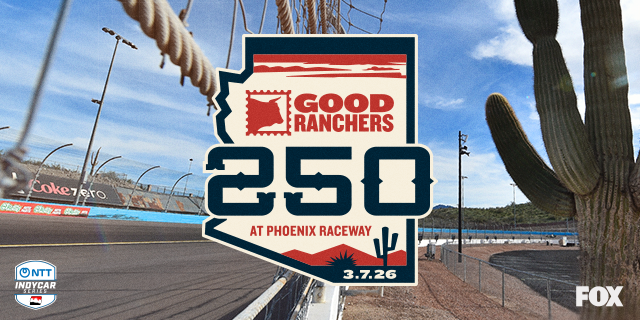
AVONDALE, Ariz. (Wednesday, Dec. 3, 2025) – Good Ranchers, an American meat company, INDYCAR and Phoenix Raceway announced a new title partnership for the NTT INDYCAR SERIES’ race scheduled for Saturday, March 7, 2026. The Good Ranchers 250 at Phoenix Raceway marks INDYCAR’s return to the thrilling and high-speed one-mile oval for the first time since 2018.

The INDYCAR SERIES race is part of a buzzworthy weekend alongside NASCAR, providing a joint showcase of North American racing in partnership with FOX.

“We’re excited to welcome Good Ranchers as the entitlement sponsor of our upcoming INDYCAR race,” Phoenix Raceway President Latasha Causey said. “Their commitment to giving back and serving our veterans really resonates with our community and our fans. It shows that Good Ranchers brings the same heart and purpose to their work that our race weekends bring to the Valley, and we’re proud to partner with them for an unforgettable and historic event.”

Since being founded in 2018, Good Ranchers has become the fastest-growing meat delivery company in America by committing to one purpose: to only source meat that’s born and raised in America. Good Ranchers works with local farms and ranches across the U.S. to deliver high-quality beef, chicken, pork and wild-caught seafood to homes nationwide. But the company’s dedication to strengthening America extends beyond the food industry. Good Ranchers also partners with Paralyzed Veterans of America (PVA), supporting programs that provide vital care, advocacy, and long-term resources for Veterans living with spinal cord injuries.

“At Good Ranchers, we’re driven by a purpose to support America, and that commitment has shaped every part of our story,” Good Ranchers founder and CEO Ben Spell said. “As an American-born racing tradition built on hard work and a relentless drive to push forward, INDYCAR embodies that same spirit. Together, we’re fueling American families on and off the track.”

The INDYCAR SERIES first raced at Phoenix in 1964. Past winners include a legendary list of champions such as A.J. Foyt, Mario Andretti, Bobby Unser, Al Unser, Gordon Johncock, Johnny Rutherford, Tom Sneva, Bobby Rahal, Rick Mears, Helio Castroneves, Tony Kanaan, Scott Dixon and Josef Newgarden. Dixon and Newgarden join four-time and defending NTT INDYCAR SERIES champion Alex Palou and INDYCAR fan-favorite Pato O’Ward to headline a fast and determined field of 27 ready for Phoenix’ return to the schedule.

The Good Ranchers 250 at Phoenix Raceway is the second round of the 17-race 2026 NTT INDYCAR SERIES championship. In preparation for the series’ return, an INDYCAR Open Test for all teams has been scheduled at the track for Tuesday-Wednesday Feb. 17-18.

The 2026 NTT INDYCAR SERIES season opener is scheduled for Sunday, March 1 at the Firestone Grand Prix of St. Petersburg on the Streets of St. Petersburg, Fla. For the second consecutive year, FOX will air all races for the NTT INDYCAR SERIES, the only premium motorsports series in North America with all races airing on broadcast television. Start times for the 2026 season will be announced in the coming weeks.