Home Blog Page 1002

The Ultimate Guide to Maintaining and Cleaning Convertible Tops

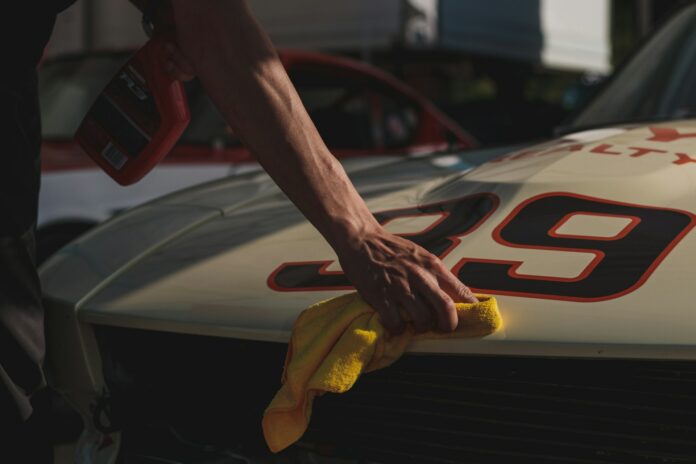
Photo by Michal Mokrzycki on Unsplash

Key Takeaways:

  • Regularly clean convertible tops to prevent accumulation of dirt and debris.
  • Neglecting regular cleaning can lead to mold growth and damage the top.
  • Cleaning helps maintain the flexibility and integrity of the top’s material.
  • Use cleaning products specifically designed for convertible tops.
  • Follow a step-by-step process for safe and effective cleaning.
  • Avoid harsh cleaning techniques, high-pressure washers, and vigorous scrubbing.
  • Protect convertible tops from harsh weather conditions and prevent mold and mildew growth.
  • Thoroughly clean and apply protectant before storing convertible tops during off-seasons.
  • Avoid improper cleaning techniques that can damage the top.
  • Ensure hidden areas and seams are properly cleaned.
  • Regular maintenance is essential for preserving the top’s appearance and quality.

1. The Importance of Regular Cleaning for Convertible Tops

1.1 Understanding the Impact of Dirt and Debris on Convertible Tops

Convertible tops are constantly exposed to the elements, making them susceptible to dirt, dust, pollen, bird droppings, and other environmental contaminants. Over time, these particles can accumulate and cause serious damage to the top’s surface.

When dirt and debris are left unattended, they can penetrate the fabric or vinyl, leading to discoloration, staining, and deterioration. This not only affects the aesthetic appeal of the convertible top but also compromises its functionality and lifespan.

It’s essential to regularly clean and maintain your convertible top to prevent the buildup of dirt and debris and ensure its longevity.

1.2 The Dangers of Ignoring Regular Cleaning

Neglecting regular cleaning of your convertible top can have serious consequences. The accumulation of dirt and debris can lead to mold and mildew growth, which not only looks unsightly but also produces unpleasant odors.

Additionally, prolonged exposure to dirt and debris can cause the fabric or vinyl to become brittle and prone to cracking. This can compromise the structural integrity of the top, leaving it vulnerable to leaks and tears.

By ignoring regular cleaning, you run the risk of costly repairs or even the need for a complete replacement of the convertible top.

1.3 How Cleaning Enhances the Longevity of Convertible Tops

Regular cleaning is crucial in preserving the longevity of your convertible top. By removing dirt, dust, and environmental contaminants on a regular basis, you prevent them from embedding into the fabric or vinyl.

Cleaning also helps to maintain the flexibility and integrity of the top’s material. By keeping the top clean and free from debris, you reduce the risk of cracks, tears, and fading.

Moreover, cleaning your convertible top provides an opportunity to inspect it for any signs of damage or wear. This allows you to address any issues early on, preventing further deterioration and extending the lifespan of the top.

2. Effective Techniques for Cleaning Convertible Tops

2.1 Choosing the Right Cleaning Products for Your Convertible Top

When it comes to cleaning your convertible top, it is essential to use products specifically designed for this purpose. Using the wrong cleaning products, such as harsh detergents or abrasive cleaners, can damage the fabric or vinyl and strip away any protective coatings.

For fabric tops, opt for a gentle cleaner specifically formulated for convertible tops. Look for pH-neutral products that are safe for both the fabric and the environment. Avoid using bleach or ammonia-based cleaners, as they can cause discoloration and weaken the fabric.

For vinyl tops, choose a cleaner that is gentle yet effective in removing dirt and stains. Look for one that is safe for use on vinyl and does not contain any harmful chemicals that can cause drying or cracking.

2.2 Step-by-Step Process for Safely Cleaning Convertible Tops

Before you begin cleaning your convertible top, make sure it is cool to the touch and parked in a shaded area to avoid the cleaner from drying out too quickly.

Start by thoroughly rinsing the top with water to remove loose dirt and debris. Use a soft brush or cloth to gently agitate the surface and loosen any stubborn dirt.

Next, apply the appropriate cleaner to the top, following the instructions on the product label. Work the cleaner into a lather using a soft brush or sponge, paying particular attention to any heavily soiled areas.

After allowing the cleaner to dwell for the recommended time, rinse the top thoroughly with water until all of the soap residue is removed.

To remove excess water, shake off the convertible top and use a microfiber cloth or chamois to blot and gently dry the surface.

Finally, apply a convertible top protectant or conditioner to maintain the top’s appearance and provide additional protection against UV rays and other environmental factors.

2.3 Additional Tips for Achieving a Professional Clean

Here are some additional tips to help you achieve a professional clean:

  • Always use clean, soft brushes or cloths to avoid scratching the convertible top.
  • Test any new cleaning products on a small, inconspicuous area of the top to ensure compatibility.
  • Avoid using high-pressure washers, as they can damage the top’s material and the seals.
  • Never scrub harshly or vigorously, as this can cause damage and pilling of the fabric.
  • Regularly inspect the convertible top for any signs of wear, damage, or leaking, and address any issues promptly.

3. Maintaining the Appearance and Quality of Convertible Tops

3.1 Protecting Convertible Tops from Harsh Weather Conditions

Convertible tops are exposed to a range of weather conditions, including intense sunlight, rain, snow, and extreme temperatures. These elements can take a toll on the fabric or vinyl, causing fading, cracking, and deterioration.

To protect your convertible top from harsh weather conditions:

  • Consider using a car cover specifically designed for convertibles when the top is down.
  • Apply a fabric or vinyl protectant to create a barrier against UV rays and water.
  • Avoid parking your convertible in direct sunlight for extended periods.
  • During winter, remove any snow or ice from the convertible top carefully to avoid damage.

3.2 Preventing Mold and Mildew Growth on Convertible Tops

Mold and mildew can thrive in the damp and dark environments often found on convertible tops. To prevent their growth:

  • Avoid storing your convertible top when it is wet or damp.
  • If your top becomes wet, allow it to dry completely before folding or storing.
  • Consider using a mold and mildew inhibitor spray on the convertible top.
  • Regularly inspect the top for any signs of mold or mildew and address them promptly with appropriate cleaning products.

3.3 Tips for Storing Convertible Tops during Off-Seasons

If you plan to store your convertible during the off-season:

  • Thoroughly clean the convertible top before storage to remove any dirt or contaminants.
  • Apply a fabric or vinyl protectant to provide an additional layer of protection during storage.
  • Consider using a breathable car cover or storage bag to protect the top from dust and moisture.
  • Store the convertible top in a cool, dry place away from direct sunlight and extreme temperatures.

4. Common Mistakes to Avoid When Cleaning Convertible Tops

4.1 Using Improper Cleaning Techniques that Damage the Top

One of the most common mistakes when cleaning convertible tops is using improper cleaning techniques that can cause damage. Avoid:

  • Using a stiff brush or abrasive sponge, as they can scratch and damage the fabric or vinyl.
  • Scrubbing vigorously or using high-pressure washers, as they can weaken the top’s material or cause leaks.
  • Leaving the convertible top to air dry, as this can lead to water spots and streaks.

4.2 Neglecting to Clean Hidden Areas and Seams

When cleaning your convertible top, it’s essential to pay attention to hidden areas and seams. Neglecting these areas can result in the accumulation of dirt and debris, leading to potential damage over time. Take the time to clean:

  • The crevices and folds of the convertible top
  • The seams where the top connects to the vehicle
  • The underside of the top

4.3 Overlooking the Importance of Regular Maintenance

Regular maintenance is key to preserving the appearance and quality of your convertible top. Don’t overlook the importance of:

  • Cleaning your convertible top on a regular basis, following the recommended cleaning process.
  • Inspecting the top for any signs of wear, damage, or leaking.
  • Addressing any issues promptly to prevent further damage and ensure longevity.

By following the tips and techniques outlined in this guide, you can effectively clean and maintain your convertible top, ensuring it remains in optimal condition for years to come. Regular cleaning and maintenance not only enhance the appearance of your convertible but also extend its lifespan, saving you money in the long run. So, don’t wait any longer – give your convertible top the care it deserves!

RFK Advance | Charlotte I

Coca-Cola 600 Event Info:
Date: Sunday, May 26
Time: 6 p.m. ET
Series: NASCAR Cup Series (NCS)
Location: Concord, N.C.
Format: 400 Laps, 600 Miles
TV: FOX
Radio: PRN, SiriusXM NASCAR Radio (Channel 90)

Weekend Schedule:
Saturday: 5:05 p.m. ET, Practice (FS1, PRN, SiriusXM NASCAR Radio)
Saturday: 5:50 p.m. ET, Qualifying (FS1, PRN, SiriusXM NASCAR Radio)
Sunday: 6 p.m. ET, Race (FOX, PRN, SiriusXM NASCAR Radio)

Pace Laps:

  • The NASCAR schedule turns to Charlotte Motor Speedway this weekend as the NASCAR Cup Series is set for the famed Coca-Cola 600 Sunday night.
  • RFK has 20 wins all-time at CMS including four in the Coke 600.
  • A season ago in this race, Chris Buescher won stage two and led laps before going on to record his fourth-straight top-10 in the 600-mile event.
  • NASCAR Salutes Together with Coca-Cola is a six-week, industry-wide campaign celebrating the service and sacrifice of U.S. service members and their families through a multitude of at-track integrations, original content features and fan engagement opportunities.
  • This year, NASCAR Salutes begins on Memorial Day Weekend, anchored by a special tribute called “600 Miles of Remembrance” where every Cup Series car in Sunday’s Coca-Cola 600 will feature the name of a fallen service member on the windshield.

6 Team Info:
Crew Chief: Matt McCall
Partner: BuildSubmarines.com

  • The BuildSubmarines.com car will feature the name of Commander Howard Gilmore (United States Navy – Selma, Alabama) on the windshield. Gilmore was the commanding officer of the U.S.S. Growler during World War II. During a fire fight with enemy gunboats, Commander Gilmore gave the order to clear the bridge, and refusing safety for himself, remained on deck while his men preceded him below. Having been hit by gunfire, in his final living moments, Commander Gilmore gave his last order to the officer on deck, “take her down”.
  • For his distinguished gallantry and valor above and beyond the call of duty, Commander Gilmore was awarded the Congressional Medal of Honor.

17 Team Info:
Crew Chief: Scott Graves
Partner: Fastenal

  • Through Fastenal’s partnership with Operation Healing Heroes (a veterans charity program & TV show on Discovery Channel), Major Troy Gilbert (United States Air Force – San Angelo, Texas) will be honored on the No. 17 car this weekend. As part of the partnership with Operation Healing Heroes, Major Gilbert’s wife Ginger will be on site at RFK Racing on Friday, May 24th to see the car and be part of a sit-down interview telling her story along with meeting Chris.

Keselowski at Charlotte
Starts: 24
Wins: 2 (2013, 2020)
Top-10s: 10
Poles: 1 (2011)

  • Keselowski makes his 15th start in the Coca-Cola 600 and 25th overall start at CMS this weekend. He has 10 top-10 finishes – five inside the top five – with two wins and a 14.4 average finish.
  • Keselowski is the 2020 winner of the 600-mile event, leading 21 laps after starting ninth. He also won on the oval in 2013, and in total has led in 13 different Charlotte oval events.
  • Last season, Keselowski finished 19th in the 600 after starting third.
  • Keselowski has an average starting position of 15.6 with one pole (2011). Otherwise, he has nine starts inside the top-10.
  • Keselowski also made a combined 25 additional starts in the Xfinity and Truck Series at CMS with a combined four wins – all in Xfinity – in 2010, 2012, 2014 and 2018.

Buescher at Charlotte
Starts: 11
Wins: —
Top-10s: 4
Poles: —

  • Buescher makes his 12th Cup start at Charlotte this weekend in what will be his eighth Coca-Cola 600.
  • He has four top-10s at Charlotte with a best finish of sixth in the 2019 Coke 600. He finished 10th a year later, and ran eighth in the 2021 marquee event.
  • He’s coming off a P8 finish a year ago after initially starting 11th and leading 12 laps.
  • Buescher’s best starting position stands as 11th (twice) with a 20.5 overall average starting position.
  • He also made five Xfinity Series starts at CMS with three top-10s and a best finish of sixth (2014).

RFK Historically at Charlotte
Cup Wins: 8 (Mark Martin, 1992, 1995, 1998, 2002; Jeff Burton, 1999, 2001; Matt Kenseth, 2000, 2011)

  • RFK in the 600: In 110 NCS starts in the famed Coca-Cola 600, RFK Racing has visited victory lane four times and recorded 23 top-five and 41 top-10 finishes. Jeff Burton leads the way with two Coke 600 victories for Jack Roush, while Mark Martin and Matt Kenseth have one apiece.
  • Tale of the Tape: RFK has started 220 NCS races at Charlotte, recording eight total wins with 46 top-five and 82 top-10 finishes. RFK Fords have an average finish of 16.4 with 2639 laps led all-time.
  • 2006 Dominance: RFK had its best overall outing in the Coca-Cola 600 in 2006, when its five entries averaged a 5.4 finish. RFK Fords finished third, fourth, fifth, seventh and eighth, while leading 52 laps in the event. In 2002, RFK posted a one-two finish in the event with Martin and Kenseth battling feverishly for the win and combining to lead 67 laps in the race (with Martin taking the win).
  • Golden Sombrero: RFK won a record four consecutive Coca-Cola 600’s from 1999-2002 with drivers Jeff Burton, Matt Kenseth and Mark Martin. During that span, RFK led 427 laps, including 201 of 400 laps in the 1999 event.

RFK Charlotte Wins

1992-2 Martin Cup

1995-2 Martin Cup

1998-2 Martin Cup

1999-1 Burton Cup

2000-1 Kenseth Cup

2001-1 Burton Cup

2002-1 Martin Cup

2011-2 Kenseth Cup

1993-2 Martin NXS

1995-2 Martin NXS

1996-1 Martin NXS

1996-2 Martin NXS

1998-1 Martin NXS

1999-1 Martin NXS

2000-1 Burton NXS

2001-2 Biffle NXS

2002-2 Burton NXS

2006-1 Edwards NXS

2011-1 Kenseth NXS

2011-2 Edwards NXS

2011-2 Edwards NXS

2015-1 Buescher NXS

Last Time Out & Where They Stand
All-Star: Buescher capped off his weekend at North Wilkesboro with his best-career finish in the All-Star Race, P3. Keselowski finished 16th.

Points Standings (6: 11th, 17: 12th): Points remain unchanged coming off the All-Star Race, with Buescher and Keselowski just outside the top-10.

10 Red Flags to Look For in a Vehicle History Report

When shopping for a used car in Florida, a comprehensive vehicle history report can be a valuable tool in uncovering important details about a vehicle’s past. However, not all reports are created equal, and some may contain red flags that could indicate potential issues with the car. 

This article will explore ten warning signs to watch out for when reviewing a vehicle history report. By being aware of these red flags, you can make more informed decisions and avoid purchasing a lemon.

  1. Incomplete or Missing Information

One of the first red flags to watch out for in a vehicle history report is incomplete or missing information. A thorough report should include details such as the vehicle’s ownership history, service records, accident history, and title status. If any of this information is missing or incomplete, it could indicate that the report is unreliable or that the seller is hiding something about the car’s past.

  1. Multiple Owners in a Short Period

Another warning sign to be wary of is a high number of owners in a relatively short period. Frequent changes in ownership may suggest that the car has been passed around due to ongoing issues or dissatisfaction with its performance. While some turnover is normal, an excessive number of owners within a short timeframe could indicate underlying problems that may affect the car’s reliability and resale value.

  1. Record of Salvage or Rebuilt Title

A salvage or rebuilt title is issued to severely damaged vehicles, often as a result of accidents, floods, or other disasters. A vehicle with a salvage or rebuilt title may have undergone extensive repairs and may not be as structurally sound as a clean title. Additionally, these vehicles may have difficulty obtaining insurance coverage or financing, making them less desirable to potential buyers.

  1. Odometer Rollback

Odometer fraud is a common issue in the used car market, and it can significantly impact a vehicle’s value and reliability. A vehicle history report should include accurate odometer readings throughout the car’s lifespan. If there are discrepancies or inconsistencies in the odometer readings, it could indicate that the mileage has been tampered with, potentially masking the true wear and tear on the vehicle.

  1. Unresolved Recalls or Safety Issues

A reputable vehicle history report will also include information about any open recalls or safety issues related to the car. Failure to address recalls can pose serious safety risks to drivers and passengers, as well as potential legal liabilities for the owner. Before purchasing a used car, it’s essential to verify that all recalls have been addressed and that the necessary repairs have been made to ensure the vehicle is safe to drive.

  1. Evidence of Fraud or Theft

Finally, be on the lookout for any signs of fraud or theft in the vehicle history report. This could include discrepancies in the vehicle identification number (VIN), inconsistent title information, or records of theft recovery. Purchasing a stolen or fraudulently titled vehicle can lead to legal complications and financial losses, so it’s crucial to thoroughly vet the car’s history before making a purchase.

  1. Frequent Repairs and Maintenance

If the vehicle history report shows a pattern of frequent repairs and maintenance, this could be a red flag. While regular maintenance is a good sign, excessive repairs might indicate that the car has recurring issues that have not been properly resolved. It’s essential to distinguish between routine maintenance and frequent, significant repairs.

  1. Accident History

Preeminent accidents can significantly affect a car’s performance and safety. The vehicle history report should provide details about any accidents, including the severity and the damaged areas of the vehicle. Previous accidents can impact its long-term reliability and value even if the car has been repaired.

  1. Title Washing

Title washing is a fraudulent practice where a vehicle’s title is manipulated to conceal its history. This often involves transferring the title through multiple states to remove negative information such as salvage or flood damage. If the vehicle history report shows multiple title changes across different states, this could be a sign of title washing.

  1. Flood Damage

Cars in floods can suffer from extensive damage that isn’t always immediately apparent. Flood-damaged vehicles are prone to electrical issues, mold, and corrosion. The vehicle history report should indicate whether the car has been in a flood, and buyers should be cautious of any vehicles with such a history.

Selling Your Junk Car to Authorized Buyers in Florida

If your vehicle history report reveals multiple red flags and the car is beyond fixing, consider selling it to specialized junk car buyers. These buyers purchase junk cars for cash in Florida and will take care of everything, from towing the car away to providing secure payment, even if your car is in terrible shape. This can be a hassle-free solution to eliminate a problematic vehicle while ensuring it’s disposed of responsibly.

Wrapping Up

In conclusion, a vehicle history report can provide valuable insights into a used car’s past, but it’s essential to scrutinize the information for any red flags. By being aware of warning signs such as incomplete information, frequent ownership changes, salvage titles, odometer discrepancies, open recalls, and evidence of fraud or theft, you can make more informed decisions and avoid potential pitfalls when buying a used car.

7 Things You Must Do to Prepare Your RV for a Professional Appraisal

When you’re ready to sell your RV in New York, a professional appraisal can help determine its true market value. This is crucial for setting a fair asking price and attracting serious buyers. Proper preparation is key to getting the most accurate and favorable appraisal. Here are seven essential steps to take before your RV is appraised.

1. Thoroughly Clean the Interior and Exterior

First impressions matter immensely in appraisals. A clean, well-maintained RV signals to the appraiser that it has been cared for, potentially increasing its value.

Interior Cleaning: Start by decluttering and deep cleaning every part of the interior. Vacuum carpets, wipe down surfaces, clean appliances, and scrub the bathroom. Don’t forget to clean the windows and mirrors for a sparkling finish. Pay special attention to the kitchen and bathroom, as these areas can significantly impact the perceived value.

Exterior Cleaning: Wash and wax the exterior for a polished look. Remove dirt, grime, or mildew from the body, roof, and windows. Cleaning the exterior improves the RV’s appearance and allows the appraiser to see the true condition of the paint and bodywork.

2. Complete Necessary Repairs

Addressing minor repairs can prevent the appraiser from noting them as defects, which could lower the RV’s value in New York.

Mechanical Repairs: Fix any mechanical issues, such as engine problems, malfunctioning lights, or faulty brakes. A smoothly running RV is always valued higher.

Cosmetic Repairs: Repair any cosmetic damage, such as dents, scratches, or broken fixtures. Small imperfections can detract from the overall value, so it’s wise to take care of these before the appraisal.

3. Ensure All Systems Are Functional

An appraiser will check all systems to ensure they are in working order, including electrical, plumbing, and HVAC systems.

Electrical System: Test all electrical components, including lights, outlets, and appliances. Replace any burned-out bulbs and ensure that all wiring is safe and functional.

Plumbing System: Check for leaks and ensure the water pump, sinks, toilet, and shower are working correctly. A functioning plumbing system is crucial for maintaining the RV’s value.

HVAC System: Ensure that the heating, ventilation, and air conditioning systems are working efficiently. Clean or replace filters and ensure that the thermostat is functioning properly.

4. Gather and Organize Documentation

Having all relevant documents ready can make the appraisal process smoother and more accurate.

Service Records: Compile a comprehensive record of all maintenance and repairs. This documentation demonstrates that the RV has been well cared for and can support a higher valuation in New York.

Owner’s Manual and Warranty Information: Provide the original owner’s manual and any warranty documents. These materials can be useful for the appraiser and appealing to potential buyers.

5. Highlight Upgrades and Features

Upgrades can significantly enhance the value of your RV. Make sure the appraiser is aware of any enhancements you’ve made.

Technological Upgrades: Note any technological additions, such as advanced entertainment systems, navigation aids, or solar panels.

Comfort and Convenience Features: Highlight improvements like upgraded mattresses, enhanced kitchen appliances, or added storage solutions. These features can make your RV more attractive and valuable in New York.

6. Check Tire Condition and Pressure

Tires are critical to your RV’s safety and performance. Worn or poorly maintained tires can detract from their overall value.

Tire Tread and Age: Inspect the tread depth and overall condition of the tires. If they are worn or over six years old, consider replacing them. Good tires indicate that the RV is ready for the road.

Tire Pressure: Ensure all tires are properly inflated to the recommended pressure. This not only improves safety but also demonstrates proper maintenance.

7. Prepare a Comprehensive Inventory

Creating a detailed inventory of your RV’s features and contents can help the appraiser make an accurate assessment.

Interior Inventory: List all major appliances, furniture, and fixtures. Include details about their condition and any recent upgrades or replacements.

Exterior Inventory: Document external features such as awnings, satellite dishes, bike racks, or towing equipment. A thorough inventory helps the appraiser account for all aspects of your RV’s value.

Final Thoughts

Preparing your RV for a professional appraisal involves cleaning, repairing, documenting, and highlighting its best features. Following these seven steps ensures that your RV is presented in the best possible light, leading to a more favorable appraisal. A well-prepared RV stands out to appraisers and appeals more to potential buyers, helping you achieve the best possible sale price.

How to Get Your UTV Ready for Summer

Image by moishy on Pexels

UTV summer rides are fun and exciting. Going through the trails involves lifting, pushing down, and turning the steering wheels or handles when traversing the rugged off-road, which acts as a form of workout. Riding your UTV or side-by-side during summer enables you to get a dose of Vitamin D, improving the immunity system and ensuring healthy bones. Preparing your UTV is key to making the most of your ride during the warm season. Discussed below are five ways to get your UTV ready for summer.

  1. Upgrade and get the necessary UTV accessories

UTV accessories can potentially enhance your ride’s safety, performance, and comfort. Others help customize your vehicle for the best off-roading experience. Some of the UTV parts to consider include:

  • A skid plate: It safeguards your vehicle’s undercarriage, which houses vital components like engine parts, exhaust system, and gearbox from the obstacles on your trail, reducing the risk of time-consuming and costly repairs
  • Exhaust upgrades: Aftermarket exhausts minimize the backpressure, letting your engine discharge gasses more efficiently while breathing better, boosting acceleration
  • Engine enhancements: Consider fortifying the UTV’s engine with better-quality engine tuning kits, fuel optimizers, and air intakes for significant fuel economy, torque, and horsepower. This allows for a more powerful, smoother ride
  • Custom tires and wheels: They transform your ride’s performance and appearance while ensuring they’re suitable for your preferred terrain
  1. Conduct pre-ride inspections

Conducting pre-ride inspections is key to spotting issues and getting them fixed for smooth summer rides. Your UTV’s pre-ride inspection can include:

  • Visual inspection: It involves looking for signs of damage or wear and tear that might lead to issues later on
  • Lights and electrical connections: Ensure all the taillights and headlights are working well and that the electrical connections are in proper working condition
  • Test the controls: Before taking your UTV for a summer ride, test the accelerator, throttle, and brakes to rule out abnormal vibrations or sounds
  • Fluid checks: Check the fuel, transmission fluid, and other fluids to ascertain there aren’t any leaks or other noticeable concerns   
  1. Check the tires and ensure the correct tire pressure

Your ride’s tires are vital for its vital performance. As such, you should check for excessive wear symptoms before the start of the summer season. Assess them closely to determine if there’s uneven tread wear or sidewall cracks. Consider replacing the tires if they’re becoming bald. Check the tread for embedded objects and remove them. Before airing the UTV’s tires, look at the current tire pressure, then inflate them to align with the manufacturer’s recommendations.

  1. Get a roof

A UTV roof is an invaluable addition when getting your ride ready for summer because the season comes with a lot of sunshine, intense heat, and warm weather. A roof blocks the sun and offers you shade regardless of where you ride, resulting in more comfort. Since there are various UTV roof sizes and types, research can help you find the best option for your ride.

  1. Replace the UTV’s windshield

Your UTV’s windshield is a vital component of off-road adventure. It acts as the principal barrier against unexpected elements you might encounter on your journey. Replacing your ride’s windshield reduces the risk of obstructed views. If your windshield is compromised with chips, cracks, and other damages, it can pose severe risks. Replacing your UTV’s windshield enhances your safety while on the trail.

Endnote

Preparing your UTV for summer is key to ensuring smooth, safe, and comfortable rides. Consider implementing these tips when getting your UTV ready for summer.

What to Do Immediately After a Motor Accident Injury?

Photo by Pragyan Bezbaruah

Road accidents are unfortunately very unpredictable and can occur at any given moment. Even if you have a plethora of experience when it comes to motorcycle riding, it still doesn’t mean that you’ll be able to avoid a crash.

That’s because you sadly cannot influence other drivers and the way they drive/ride. That isn’t something that anyone wants to experience, however, if by any chance you do, it’s essential to do what’s necessary to feel better and get the compensation you deserve.

If you’ve never gone through that, then it would be smart to take a look at this informative guide, because today, it’s going to tell you what steps need to be taken to come out as a winner. So let’s check them out right now!

Safety Must Always Come First

Motorcycle collisions are no joke, hence if you are involved in them, the first thing that you must do is to ensure that you, along with any passengers are safe. For starters, you should move the vehicle out of traffic.

However, if you notice that you sustained any injuries, or you generally do not feel well, then it’s pivotal to leave your motorcycle behind. That’s definitely one of the best things that you can do at that very moment.

Staying at the crash site is going to jeopardize your safety, and the safety of everyone else involved. Bear in mind that if you move your bike right away, it could potentially negatively impact your overall well-being, and, simultaneously, compromise the proof that is required for court and/or insurance companies.

Now, although you may currently feel very lost and confused, it’s important to stay calm as much as you can and ensure you

distance yourself from any hazards that might jeopardize your health, like fire, gas, damaged vehicles, etc.

The Next Step – Contact A Solicitor

A lot of people who have gone through a motorcycle accident are convinced that they’ll be able to handle all of this on their own. But they can hardly achieve anything if they solely rely on themselves.

Instead, they should consult a personal injury attorney who’s going to do whatever is in their power to negotiate compensation for you. Don’t forget that dealing with insurance companies is far from smooth sailing because they want to retain as much money as possible, and pay as little as they can. That’s why it’s wise to look to choose from the best motorcycle accident injury lawyers who understand how to manage such claims with care and experience.

While they are handling insurance companies, and various intricacies that come with these cases, you can focus on your recovery. But is it easy to find a good personal injury lawyer these days?

You won’t be able to hunt them down right off the bat, however, if you do your homework properly, you’ll find them in no time. The latest surveys show that, for the time being, when it comes to the USA, Atlanta boasts phenomenal advocates. Therefore, if you live in this city, you should do your best to talk to different Atlanta personal injury lawyers to see which one is capable of helping you right now. Don’t forget that you cannot go through this all on your own, no matter how resilient you may think you are.

Do Not Take Off Your Gear

One of the biggest misconceptions as far as this is concerned is that you’re supposed to take your gear off after the crash. But that’s actually far from a good move. In fact, by doing so, you are going to potentially cause damage to your spine, neck, and head. 

This doesn’t refer solely to the helmet, but also to the items such as boots and gloves. Why is that? Well, that’s because, if you are already injured (without even realizing it), you may make things worse when it comes to the existing injuries.

That’s why you should refrain from this, and instead, do whatever you can to restrict your movement.

Collect The Relevant Information From The Other Driver

In some instances, car accidents do not leave any damage or injuries, however, sadly, that’s rarely the case with motorcycle crashes. However, if by any chance, you feel relatively fine and you feel like you are able to properly function, then you should talk to the other driver and make sure to gather the relevant information concerning their vehicle and their insurance company. This should normally include:

  • Insurance company number and other important details
  • Vehicle registration number
  • Full name of the other driver
  • Driver’s contact information, such as address, phone number, email address, etc.
  • License details

Don’t forget that not everyone is capable of doing the right thing when it comes to these sorts of situations. Some may try to avoid having any contact with you, however, what you can do is to get as much personal information as you can, otherwise, you will make things more difficult when it comes to seeking justice.

Don’t Forget To Call The Police

If you feel fine okay, then you should go to the closest police department so you can file a police report. In these instances, filing a police report is pivotal. Why does it matter so much? Bear in mind that by doing so, you will get the opportunity to say exactly what happened. 

On the other hand, in a way, you will encourage the other driver to say what they did that led to the motorcycle accident. Aside from that, it will also give you the chance to obtain all the necessary information from the other party who was involved in this incident.

Don’t forget that something like this is going to be highly beneficial once you decide to file a claim. For motorcycle collisions that involve God forbid, death, or injuries/property damage that are over $1000, the police will need to complete a UD-10 Traffic Crash Report.

Seek Medical Help

Even if you conclude that your injuries are relatively minor, it still doesn’t mean that you shouldn’t refrain from seeking medical help because only healthcare providers can determine if you’re truly okay or not.

Photo by Mansoor A

Today we enumerated the steps that simply must be taken after a motorcycle accident. All of the tips that were listed today were provided by various experts who are familiar with the aftermath of it.

Dealing With Road Accidents? A Legal Overview Worth Reading

Photo by Artyom Kulakov

Road accidents are no joke, and whenever they happen, people are left in confusion and fear about what is to come and how to deal with it. Many things will determine whether this unfortunate event will stay only that, or a victim can claim compensation and mitigate the consequences to some extent. Let’s go over some of the most important legal tips to help anyone who is dealing with road accidents.

Warn others

Turn on your warning lights or headlights and park your car so that it doesn’t disrupt the traffic flow. Mark the road with a caution triangle. Be cautious on high-traffic highways, as every wrong action can lead to more serious problems. 

Seek medical help

You should call 911 if you see anyone suffering some serious injuries. They will come to the accident site and take care of the rest. Also, if you think that you’re not hurt, it is still better to visit a doctor and check out your health, as some injuries can show days after the accident and cause you greater problems. 

Hire a lawyer

Hiring an experienced and skilled lawyer is essential, especially if anyone has suffered serious injuries. They can protect your interests in case the other driver suffers injuries and damage or they can help you maximize your compensation in case you are hurt. As the experts at Zdrilich Injury Law say, attorneys have extensive training and experience in this law area and can help you better understand your legal options. Also, they are aware of the underhanded tactics that insurance companies use to reduce the amount they have to pay out in settlements for personal injuries. If you have to go to court, your lawyer will investigate the matter thoroughly, consult with experts, and craft a persuasive case in your favor.

Collect evidence

Document the accident scene and any damage to the car with photos if you can do that safely. Make sure to get the contact information of anybody who may have seen the crash, as this will allow the police, your insurance company, or your lawyer to reach out to them if you want to pursue a personal injury claim. People on the street or passengers in cars can testify as witnesses. Moreover, you should document any physical injuries you may have. All of these can better determine the cause of the accident and the amount of any future claim. 

Call the police

Having an official record of the accident will help you defend yourself if another person sues you or challenges your version of the event. This is why it is always better to call the police, even if the accident seems small. They will file a report that will benefit your insurance claim and legal proceedings. You should get the police officers’ names and badge numbers in case your attorney or insurance agent has to get in touch with them.

File an insurance claim

Do not delay to notify your insurance company of the accident. If you need to fix your car or hire a rental one, you can do it faster if you file a claim immediately. Also, be honest, as you risk denying your insurance coverage if you provide false information about the accident. If you get into a minor accident, the other driver could say that you don’t have to file a claim. However, this is not a good idea since even if they don’t feel injuries, they may come to regret it and submit a claim later on. 

Keep track of your pain and injuries

You should document any discomfort or missed income. Suppose the accident has a significant effect on your life that you choose to sue for personal injury. In that case, you can seek compensation for things like medical bills, emotional and physical suffering, lost income, and more. Document the way in which your injuries affect your daily life, such as the days you miss work, the things you normally do but cannot do now, and how your family dynamic has changed.

Avoid talking with insurance companies

The insurance company will most likely contact you after the accident. However, they will try to collect statements that they can use to either reject your claim or pay you less than what you really deserve. You will know they are lying to you if they tell you that you don’t need legal representation. They will use the strategy of delay, deny, and defend to protect their own interests and ruin your case. For example, some of your injuries will not show immediately, so you will think you are okay and accept their offer. However, later on, your injuries will become much worse, and you don’t have any right to claim compensation for them, as the insurance companies have managed to deceive you that you are fine and you don’t need a lawyer by your side.

Photo by JESHOOTS.com

Legal claims and compensation

If you have suffered injuries and losses due to a road accident, you have many legal options to help you. For example, you can file a personal injury lawsuit to obtain damages for your injuries, including medical bills, lost income, and emotional distress. Property damage claims cover the expense of repairing your damaged property, such as your car. If, unfortunately, an accident results in a fatality, then the victim’s family has the right to seek compensation through a wrongful death claim. This can recover financial losses such as burial costs, emotional distress, and lost income. Finally, victims can seek compensation under their insurance policies for uninsured driver coverage if the guilty driver does not have insurance. 

Accidents are complex puzzles full of medical, legal, and insurance concerns. However, when they happen, you need to be ready to reach out quickly, determine fault, file a legal claim, and manage insurance procedures. Having a skilled lawyer by your side is especially important if there are serious injuries and a huge amount of damage. Finally, the best way to reduce the risk of such traumatic events is to be responsible behind the wheel and take measures to make sure everyone on the road is safe.

The White Zone: Shame on NASCAR and Charlotte, if they sign off on Trump’s appearance

DAYTONA BEACH, Fla. - FEBRUARY 16: Then President Donald Trump paces the field for the 62nd Daytona 500 on Feb. 16, 2020, in Daytona Beach, Florida. Photo/Getty Images

Really, NASCAR and Charlotte Motor Speedway? You’re both OK with this? You’re OK with Donald Trump, who previously attacked Bubba Wallace, publicly, to attend, Sunday?

If so, shame on you both!

If you missed it, the former president — and presumptive presidential nominee for the Republican Party, this year — plans to attend Sunday’s Coca-Cola 600. Where he’ll turn one of NASCAR’s crown jewels into a glorified campaign event. Just as he did in 2020 at the Daytona 500. Furthermore, that raises the possibility of interfering with Kyle Larson’s attempt at “The Double,” Sunday.

Those together result in a stupid idea.

But did you forget he attacked Wallace?!

Plus, as Jeff Gluck points out.

You’re gonna let that man have a spotlight at yet another one of your marquee events? Where, if he randomly feels like it, he can incite more vitriol towards Wallace? A good percentage of which is thinly-veiled racism!

Most charitably, NASCAR and Charlotte acted wildly irresponsibly, if neither stops this before it happens. Less charitably, both entities turn a blind eye to the vitriol that’s sure to come at Wallace, because neither cared enough to nip this in the bud. Yeah, who cares if this inspires more racism at Wallace? The money matters more, right?!

I hope like hell it’s not the latter!

NASCAR’s angered me more times than I can count over my 20+ years of following it, but this tops everything! All the work the people at NASCAR did to cleanup the mess left by Brian France, when he endorsed Trump for President. Which, if you recall, happened just months after he pulled the XFINITY and Truck Series banquets from one of Trump’s hotels, for one of the many, many times spewed racist garbage about Hispanic immigrants. All the work to erase virtually any presence of Confederate flags at all NASCAR races in 2020. All the work to make NASCAR more appealing to African Americans. Who saw the sea of stars and bars that plagued the infield of most NASCAR race weekends. Particularly in the Deep South and either refused to give NASCAR a chance, or stoically dealt with the background radiation for years (when they shouldn’t had to in the first place).

If you and Charlotte let this happen and the national embarrassment known as Trump attacks Wallace again, then all that work and goodwill collapses and disappears into a black hole. What other non-White Southerner would give NASCAR a chance, again? I know none of my leftist friends would, no matter how much I sell them on becoming NASCAR-pilled, like me.

NASCAR, you dropped the ball on this in 2020. When you waited two days to issue a response on the FBI’s findings of the noose situation. All while racists and right-wing political hacks tarred and feathered Wallace for something that was wildly out of his control on any reasonable level Yes, Wallace didn’t help himself with his comments on CNN the day after the report. But that doesn’t excuse NASCAR’s tardiness on it.

And let me stop those people who’ll call me a Wallace shill dead in their tracks. I said NASCAR should park Wallace for nakedly dumping Kyle Larson at Las Vegas Motor Speedway in 2022. Argue with the wall.

Bottom line: NASCAR and Charlotte, stop this before it happens. This possibility shouldn’t exist in the first place, but both entities can save their bacon with the years of work to appeal to a more inclusive audience still intact.

If not, whatever happens, Sunday, is on you.

That’s my view, for what it’s worth.

CHEVROLET INDYCAR AT INDIANAPOLIS: Team Chevy Monday Practice Report

CHEVROLET IN NTT INDYCAR SERIES
INDIANAPOLIS 500
INDIANAPOLIS, INDIANA
TEAM CHEVY PRACTICE REPORT
MAY 20, 2024

JOSEF NEWGARDEN, TEAM PENSKE, AND CHEVROLET LEAD MONDAY’S SHORT INDIANAPOLIS 500 PRACTICE AT INDIANAPOLIS MOTOR SPEEDWAY

  • Josef Newgarden, driver of the No. 2 Shell Team Penske Chevrolet, led Monday’s two-hour practice for Chevrolet with a best speed of 226.238 mph.
  • Chevrolet was represented by four drivers in the top-five and seven of the top-10.
  • Monday’s session saw the 108th Running of the Indianapolis 500 field turn a total of 2,655 laps, with Chevrolet completing 1,273 laps.
  • The NTT INDYCAR SERIES drivers and teams have one practice left before the prestigious Indianapolis 500, with Carb Day on deck Friday. Coverage of Carb Day practice airs from 11 a.m. to 1 p.m. on Peacock, as well as the Pit Stop Challenge at 2:30 p.m. ET.

TEAM CHEVY TOP-10 PRACTICE RESULT:
Pos. Driver
1st Josef Newgarden (226.238 mph)
3rd Will Power (226.137 mph)
4th Agustin Canapino (225.747 mph)
5th Pato O’Ward (225.738 mph)
6th Christian Rasmussen (225.718 mph)
8th Romain Grosjean (225.507 mph)
9th Alexander Rossi (225.448 mph)

WHAT THEY’RE SAYING (QUOTES):

Santino Ferrucci, No. 14 AJ Foyt Racing Chevrolet:

“Feeling really good. We’re slowly tuning this thing up. Every time we go out there, we find a little bit and find a little bit, and that’s part of the game. As long as we don’t lose a little bit, we’ll be good.”

Sting Ray Robb, No. 41 AJ Foyt Racing Chevrolet:

“Today was good. I think that we have a better idea of where our Goodheart Chevrolet needs to be and where it is compared to where we were before today, which is nice. We had a little bit of an issue in the middle of the session and we were able to come back to the garage and figure it out quickly, which I’m super proud of the guys for doing. Got back out there, and got some race running in. I’m really excited about the race. I think we can go forward in the field. It’s going to be tight. Super competitive this year. Everyone is on top of their game this year. I’m excited to see how it shakes up. I’m really proud of the Goodheart crew and really want to do well. I think we have good potential.”

Pato O’Ward, No. 5 Arrow McLaren Chevrolet:

“It’s definitely not the best day that I’ve had all month. I’m hopeful that we can continue to make some changes to find even more. In terms of balance, I don’t think we’re in a bad spot. We just need to make sure we get all of the speed out of the No. 5 Arrow McLaren Chevrolet that we can.”

Callum Ilott, No. 6 Arrow McLaren Chevrolet:

“It was pretty interesting session considering the hot temperatures. I think we made some big improvements towards the end and had some good traffic running. We went through everything we needed to, so I’m pretty happy with the No. 6 NTT DATA Arrow McLaren Chevrolet. Now we’ll move on to Friday and go for it there.”

Alexander Rossi, No. 7 Arrow McLaren Chevrolet:

“It was our next to last practice before the race and the No. 7 VELO Arrow McLaren Chevrolet is in a good window. We’re just carrying on the goodness all month. I’m looking forward to Carb Day on Friday.”

Kyle Larson, No. 17 Arrow McLaren Chevrolet:

“I thought today was great. I got more comfortable with different scenarios that I haven’t been able to put myself in yet, mostly focused on pit lane. It was good to finally get some runs at pit entry and run the length of pit lane. I like that our pit stop is on the Turn 1 side. It gives me time to think about how to execute a pit stop, which I still need get more comfortable with. I feel like I could race now and do a decent job, but it’s good that we still have another day left to get ready.”

Gavin Ward, Team Principal at Arrow McLaren:

 It’s always amazing how you feel like you’ve got all the time in the world when you get here, and then when you get through qualifying, you don’t have much time left. It was a busy session trying to get the Arrow McLaren Chevrolet cars as good as can be for the race. We feel pretty good about where we’re at and we have some happy drivers. We’re chipping away at things bit by bit. There’s one more session to go and then it’s time for the real thing.”

Rinus VeeKay, No. 21 Ed Carpenter Racing Chevrolet:

“Happy to be back in race trim and in race running! It was a pretty solid practice. We were able to run closely to other guys which was good considering we are in a car that was put together in a few hours. The guys now have the time to straighten out the car ahead of the race. I’m happy and confident heading into Carb Day.”

Christian Rasmussen, No. 33 Ed Carpenter Racing Chevrolet:

“Good practice. Gone from quali trim and focusing on that to race trim and focusing on traffic. I think we’ve done some good learning for me personally, but also some good tweaks on the car. We’ll be ready for the race. It’s exciting. I’m looking forward to it.”

Josef Newgarden, No. 2 Team Penske Chevrolet:

“The car feels good. I’ve been happy with it since we showed up. There’s been a lot of work put into this racecar all year from everybody. I’m excited to go racing. It’s exciting to have Shell back on board, trying to have another solid day this Sunday coming up. The team has done a great job. We’re excited to be here, like I’ve talked about all week. I love this place. We’re going to see how things shape up. You’ve just got to be ready for everything. I think we’re going to make a plan, and might follow the plan, or we might change the plan. You never know with the Indianapolis 500. Just ready for Sunday. I think we checked (the box) pretty early in the week. Our racecar and what we showed up with is very much intact. It’s there. The car is capable of racing and doing well. That’s kind of a box of its own. There’s a lot of other things you’ve got to be able to do in the race to tackle any challenges, but I think the car is very raceable and it’s got speed. You have that box check. You can kind of make anything else work, in my opinion.”

PATO O’WARD, NO. 5 ARROW MCLAREN CHEVROLET – End of Day Press Conference:

THE MODERATOR: Pato O’Ward has joined us, fifth quick on the speed chart today, 225.7 in the 70 laps turned by the No. 5 Arrow McLaren Chevrolet. He’ll start eighth, middle of row 3 coming up on Sunday in his fifth Indianapolis 500. Are you good to go or do you need a little more practice time on Friday? What’s the thought process right now?

PATO O’WARD: Definitely hasn’t been the best of the days of the month. We’re just — we’ve had some annoying issue that we just can’t seem to perfect. I just hope we can fix it. If not, we’re going to be in handicapped mode for the race.

But in terms of balance, I think we’re pretty sporty if we fix that.

Q. Now you’ve got us curious. What’s the issue?

PATO O’WARD: Too many variables.

Q. Was it speed? Was it balance?

PATO O’WARD: Yeah. We’re slow. We know what it is, but it’s a lot easier said than done to fix it or not have the issue.

It just sucks when you’re not fast enough around here. You feel helpless.

Q. How much does this elevate the importance of the two-hour Carb Day practice?

PATO O’WARD: I would love to get another run in. Just a few laps would be great, just to see if we’re able to at least minimize it. But it’s all good. Still enjoying the process. (Smiling).

Q. When you’re going through your practice programs and you’re seeing thing after thing that doesn’t quite work, how much does that exacerbate everything that’s going on?

PATO O’WARD: I mean, all you can do is kind of just ignore it and try to make all the other things work and just put a lot of emphasis on that to make sure it doesn’t happen on race day. Obviously there’s still a possibility that it could. I think it’s just part of what you have to kind of battle with around this place. There’s a fine line with everything. If you want the car to stop well, you’re going to give up in other areas. If you want more speed, you’re going to give up in other performance areas where you kind of need them all in the race.

It’s just part of it. It’s part of it. I mean, I’m confident my guys are going to fix it and truly kind of dig into just see how can we not have that issue and/or just get rid of it completely.

Q. How good is it to not have — maybe you do want practice between now and Friday, that by not having any track activity, they can go through everything, try and take everything apart and iron everything out?

PATO O’WARD: The problem is a lot of the times you take everything apart and it’s fine as soon as you go out, but then as runs go on, they start building, building, building. It’s just you’ve got to pepper it in is probably the best way I can express it.

I don’t want to worry about it. Obviously it’s just — it’s annoying whenever you’re not aware of it until — obviously until you are aware of it. Then it’s like, oh, that explains this, this and this. But up until then, it was kind of like, dang, where are we.

Q. How easy is it to go into race trim after spending the last couple days in qualifying trim? Is that an adaptation you have to make yourself?

PATO O’WARD: Definitely a lot slower. Qualifying is a different dimension I would say in terms of just how much lighter the car is by yourself. But in race mode, you can scare yourself for sure.

Today the track in 3 and 4 and 1 and 2 for me was a bit of a — a bit different than what I had felt in the past couple days of race running. In race day maybe it comes, and it’s the absolute opposite, or maybe both ends of the track feel the same. I think that’s why you’ve got the tools inside of the car. But ultimately it’s just all about staying on top of it and then just having enough things that you can kind of pepper in throughout the race in order to have it comfortable enough.

The worst thing that can happen is just the front wing or rear wing or the bars that you’ve got and the weight jacker, if you can’t really alter the balance to a somewhat comfortable liking, then it really is a miserable three hours.

Q. The last few weeks how has it been working with Kyle Larson? Have you learned anything from him? Have you been talking to him much in the entire process?

PATO O’WARD: Honestly, he’s had a very intense schedule, so I haven’t really seen him much. We’ve talked to each other a couple of times, but yeah, in a lot of the debriefs he’s not there because — like yesterday he had a race. He’s got a packed schedule, so we actually don’t get to see him a lot.

Q. I know you’re working on your own program, but was there anybody else out there who looked particularly sporty?

PATO O’WARD: I think a lot of cars looked very sporty, more than I can count with my fingers I would say. I think there’s a lot of cars with a shot. Maybe it’s just because I felt a little slow. We speed up, we’ll be fine.

About Chevrolet

Founded in 1911 in Detroit, Chevrolet is now one of the world’s largest car brands. Chevrolet models include electric and fuel-efficient vehicles that feature engaging performance, design that makes the heart beat, passive and active safety features and easy-to-use technology, all at a value. More information on Chevrolet models can be found at www.chevrolet.com.

Newgarden Leads Hectic Race Prep Practice at Indy

Indianapolis, IN - during Indianapolis 500 Practice in Indianapolis, Indiana. (Photo by James Black | IMS Photo)

INDIANAPOLIS (Monday, May 20, 2024) – Whether running with qualifying or race setups, there is one indisputable fact this Month of May: Team Penske is fast.

Reigning Indianapolis 500 presented by Gainbridge winner Josef Newgarden led the two-hour practice Monday for the 108th edition of “The Greatest Spectacle in Racing” as teams shifted from the all-out speed of PPG Presents Armed Forces Qualifying last weekend to stable setups for the race Sunday, May 26. Newgarden, who qualified third Sunday, turned a best lap of 226.238 mph in the No. 2 Shell Powering Progress Team Penske Chevrolet.

“The car feels good,” Newgarden said. “I’ve been happy with it since we showed up. I’m excited to go racing. The team has done a great job.

“We’re going to see how things shake up. You’ve just got to be ready for everything. We’re going to make a plan, like qualifying, and we might change the plan. You never know with the Indy 500. We’re ready for Sunday.”

The next and final on-track session is Miller Lite Carb Day practice from 11 a.m.-1 p.m. ET Friday (live, Peacock, INDYCAR Radio Network). Live coverage of the race starts at 11 a.m. ET Sunday on NBC, Universo, Peacock and the INDYCAR Radio Network.

Colton Herta, who qualified 13th, climbed to second on the speed charts Monday at 226.222 in the No. 26 Gainbridge Honda of Andretti Global with Curb-Agajanian. 2018 “500” winner Will Power, who qualified second, was third in practice at 226.137 in the No. 12 Verizon Business Team Penske Chevrolet.

Agustin Canapino, who qualified 22nd, jumped to fourth in the thick traffic of this practice at 225.747 in the No. 78 Juncos Hollinger Racing Chevrolet. Pato O’Ward, who qualified eighth, rounded out the top five at 225.738 in the No. 5 Arrow McLaren Chevrolet.

Team Penske swept the front row in qualifying for just the second time in “500” history Sunday – repeating its feat from 1988 – with Scott McLaughlin winning the NTT P1 Award, Power qualifying second and Newgarden third. McLaughlin was 21st fastest Monday in practice at 224.031 in the No. 3 Pennzoil Team Penske Chevrolet.

Drivers flipped the mental switch from running alone in four-lap qualifying runs Saturday and Sunday on the 2.5-mile oval to darting in and out of tight thickets of traffic Monday in preparation for the race.

All 33 starters combined to turn 2,655 laps, more than any practice this month despite the session lasting only two hours. Rookie Tom Blomqvist was the busiest driver, turning 106 laps – more than half of the race distance – in his No. 66 AutoNation/Arctic Wolf Honda fielded by Meyer Shank Racing.