Home Blog Page 1177

CORVETTE RACING AT SEBRING: ‘The Ultimate Test’

Corvette GT3 program looking to add to brand’s rich history of 12 Hours success

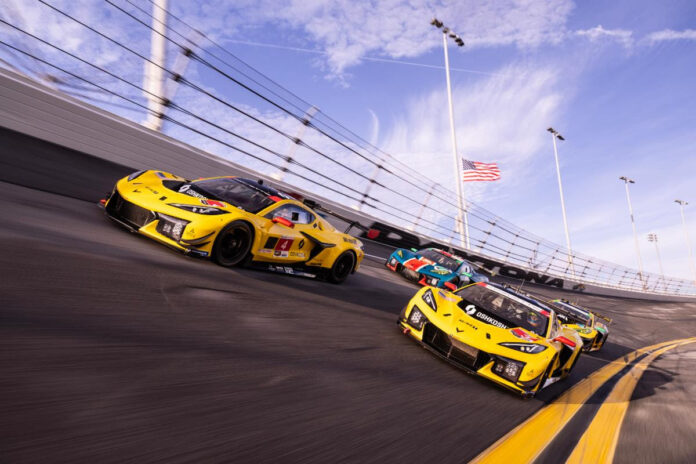
DETROIT (March 13, 2024) – The new-look Corvette Racing program is headed to one of the toughest and most extreme tests in all of motorsports – the 72nd running of the Mobil 1 Twelve Hours of Sebring presented by Cadillac.

The rough-and-tumble Sebring International Raceway in central Florida is steeped in Corvette Racing lore with countless tests plus 29 races during a quarter-century of Corvette competition. That should bode well for the fortunes of the four Chevrolet Corvette Z06 GT3.R entries entered for this America’s oldest sports car race.

Two of the Corvette GT3 cars are entered in each of the GT classes of the IMSA WeatherTech SportsCar Championship – a pair for Corvette Racing by Pratt Miller Motorsports in GTD PRO and an additional two for AWA in GTD.

The goal for each team is to put Corvette back on the top step of the podium – a place Corvette Racing has stood 14 times leading into this year’s running. Operated by Pratt Miller Engineering, the Corvette factory team has tasted victory each of the last two years – 2022 in GTD PRO and 2023 in the GTE Am class of the FIA World Endurance Championship.

The current Corvette/PMM team tested the Corvette Z06 GT3.R at Sebring in November in order to gather valuable data on the first-year car ahead of the season’s most grueling race across the bumps and concrete of the 3.74-mile, 17-turn Sebring circuit. The lineups remain the same from the season-opening Rolex 24 At Daytona: Antonio Garcia, Alexander Sims and Daniel Juncadella in the No. 3 Oshkosh / Mobil 1 Corvette with Tommy Milner, Nicky Catsburg and Earl Bamber sharing the No. 4 Oshkosh / Mobil 1 Corvette.

The six Corvette factory drivers have a combined 11 victories at Sebring.

In GTD, the AWA team will make its second start with the Corvette brand after debuting at Daytona. The squad enjoyed a solid Sebring 12 Hours a year ago in LMP3 with the No. 13 trio of Orey Fidani, Matt Bell and Lars Kern finishing second in class.

They will team again in this year’s race while 2023 fourth-place LMP3 finishers Anthony Mantella and Nico Varrone – a winner last year for Corvette Racing in the FIA WEC’s 1,000 Miles of Sebring – are set to drive with Rolex 24 teammate Thomas Merrill.

The Corvette Z06 GT3.R is Chevrolet’s first car built to global GT3 regulations. It’s based on the production Corvette Z06 supercar with the two sharing a significant amount of DNA.

The racecar is built on the same production aluminum chassis frame – from Chevrolet’s Bowling Green (Ky.) Assembly plant – as the road-going Z06. Similar carbon-fiber splitters for front downforce, and the surface area from the top of the windshield to the rear of the Z06 remained intact on the Z06 GT3.R. That includes side air ducts behind the doors — directly inspired by Z06 production road car — that help to cool the engine, transaxle and rear brakes.

The similarities carry over to the hand-built 5.5L, flat-plane crankshaft V8 engine in the Z06 GT3.R. Both original from the Bowling Green factory with the racing version sharing 80 percent of the production content from the Z06, including the crankshaft, connecting rods, cylinder heads, fuel injectors, coils, gaskets and a variety of other sensors.

Celebrating Mobil 1’s 50th Anniversary

To mark the 50th anniversary of Corvette technical partner Mobil 1, both the No. 3 and No. 4 Corvettes from Corvette Racing by Pratt Miller Motorsports will contest Sebring with special Mobil 1-inspired liveries. Both cars – plus the No. 01 Cadillac V-Series.R in GTP – will feature celebratory Mobil 1 gold along with the Mobil 1 Pegasus, which throughout its history has symbolized speed and power within the brand. The Mobil 1 brand and its partners will be highlighting the brand’s legacy and future at Sebring, as well as off the track through the rest of this monumental anniversary year.

For more than 25 years, the Mobil 1 brand has been an integral part of the Corvette Racing program. It was the only lubricant used by the factory racing effort dating back to the first on-track tests of the Corvette C5-R in 1997. The Mobil 1 brand continues as a primary sponsor of the Pratt Miller-run Corvette Z06 GT3.R team, and since 1993 has been the factory fill for all new production Corvettes.

Chevrolet Motorsports Display, Ride and Drive Return to Sebring

In addition to the many happenings on the racetrack at Sebring, fans will have plenty to see and experience from Chevrolet. That’s because two locations at the circuit – Chevrolet’s Motorsports Display and the Chevrolet Ride and Drive – will be full of Chevy vehicles that spectators can learn more about throughout the weekend.

The Chevrolet Motorsports Display opens at 9 a.m. Thursday and Friday plus 8 a.m. Saturday in the Sebring Midway. Numerous Chevrolet vehicles and other highlights include:

  • The Corvette Z06 GT3.R showcar along with the 2023 Corvette Z06 coupe
  • Corvette Stingray convertible
  • Additional Chevrolet products such as Traverse Z71, Blazer EV RS, Silverado 1500, Colorado ZR2, Tahoe RST, Silverado 2500HD
  • An example of the LT6.R engine in the Corvette Z06 GT3.R
  • An opportunity to receive a 2024 Chevrolet Motorsports t-shirt

Also beginning Thursday, fans visiting the Sebring Skidpad outside of Turn 17 can sample a Chevrolet vehicle for themselves at the Ride and Drive event. Starting at 9 a.m. each day, spectators have the chance to test a wide variety of Chevrolets including Blazer RS, Tahoe High Country, Silverado 1500, TrailBlazer Active and Trax Active.

The Mobil 1 Twelve Hours of Sebring presented by Cadillac is scheduled for 9:40 a.m. ET on Saturday, March 16. The race will air on USA Network from 4-10 p.m. ET with full streaming coverage on Peacock at 9:30 a.m. ET. IMSA Radio will air all on-track sessions beginning at IMSA.com along with Sirius 216, XM 207, SiriusXM Online 992 and 100.9 FM at the circuit.

CORVETTE RACING BY PRATT MILLER MOTORSPORTS PRE-EVENT DRIVER QUOTES

ANTONIO GARCIA, NO. 3 CHEVROLET CORVETTE Z06 GT3.R: “After coming to Sebring for more than 15 years, the race still amazes me. It really is unlike any other event we do with the combination of the track, the bumps and the fans that turn out every year. I’m fortunate to have won many races at Sebring in different categories and generations of the Corvette and I hope that continues with the Z06 GT3.R. Already we have some notes and data from testing over the bumps late last year so that should help us arrive with a good baseline. We were fast at Daytona and immediately competitive, so let’s see if all that together will mean more success for Corvette at Sebring.”

ALEXANDER SIMS, NO. 3 CHEVROLET CORVETTE Z06 GT3.R: “I’m looking forward to Sebring a heck of a lot. The way last year’s race worked out still perplexes me! So now it will be cool to go there and try to get my first Sebring GT win, after coming home second a few seasons ago. Having driven the car there in testing, it felt good. It was probably the most challenging track I’ve been on so far in trying to get used to the ABS with the bumps throughout. We’ve made gains with the car since the test but difficult to know what those are like and how relevant they are to the Sebring track and the surface. As we gain general understanding of the car and the tires, things are going in a positive direction.”

DANI JUNCADELLA, NO. 3 CHEVROLET CORVETTE Z06 GT3.R: “Sebring is an event that starts in the day and ends at night, which is very unique. The track is very cool with a lot of history behind it. It’s definitely one of the highlight races in IMSA. I’ve always heard that the Corvette is a very good car around Sebring, and that’s exciting as well. I’ve raced two times there and came second and third. Hopefully if we are on the podium, we will be on that missing step.

“This is no secret or mystery – winning at Sebring is more exciting than winning at a lot of other places. It’s a race where a lot of things happen over the 12 hours. There is so much history behind it. It’s a very cool event. I’ve only raced there twice but already feel like I know the track very well. I feel like I have raced there a lot more, but I have done a lot of laps on simulators over the years. That makes it easier to get to grips.”

TOMMY MILNER, NO. 4 CHEVROLET CORVETTE Z06 GT3.R: “I’m always excited to go to Sebring. It gives us a chance to see how the Z06 GT3.R will be in a configuration that will carry on through the rest of the year. We’ve done a lot of testing at Sebring, including with this car. Historically the Corvette racecars have always been very strong over the bumps, and this car seems no different than previous generations. So we’re anticipating a good race from our side. As always, Sebring is famously rough on equipment and drivers! I’m confident we’ve addressed the issues that we experienced in testing and at Daytona. I’m super happy with how driving with Earl and Nicky ended up. They both did a fantastic job, as expected. I’m going into the weekend with high hopes and expectations. But it’s still a new car and a new season. We’ll see how things go once we get on track for practice.”

NICKY CATSBURG, NO. 4 CHEVROLET CORVETTE Z06 GT3.R: “The last couple of years at Sebring have been good for me personally, winning there and dominating in WEC and then the year before with Antonio and Jordan we won in IMSA. So it’s been quite good and I look forward to continuing that streak. I do have high hopes. Yes, Daytona was difficult but the car already showed some good pace. I do not believe we were too slow to fight for a podium. Maybe we could not have fought for a win, but there some small technical issues which we should struggle with less going forward. We have had more time to discover the time, and a 24-hour race is not the easiest race to start with. The team continues to progress and we have improved the car from where it was weak in Daytona. So we should be strong there. The team knows how to set up the car really well at Sebring, and I believe they know exactly what to do so we can extract the most speed out of it. I like the car, we have a great team and great teammates. I cannot wait for Sebring to come so we can fight for a victory.”

EARL BAMBER, NO. 4 CHEVROLET CORVETTE Z06 GT3.R: “The debut of the Corvette at Daytona was exciting. We showed that we had good form to run at the front. When we tested at Sebring, the car also was really strong. Of all the GT3 cars recently that I’ve driven, the Corvette is one of the stronger packages, and at Sebring it was really good too. The Pratt Miller guys have been working hard to rectify the small teething things we had at Daytona, and I think we’ll come out swinging at Sebring. It’s a track that has suited Corvette for a long time. Doing my first race with them, I can see why they beat us and won so many championships when you look at the side of the truck. I’m looking forward to getting down there and giving it a good shot at another endurance racing classics.”

AWA PRE-EVENT DRIVER QUOTES

MATT BELL, NO. 13 CHEVROLET CORVETTE Z06 GT3.R: “A great deal of commitment and focus is required in order to be able to succeed at Sebring, but it’s an exhilarating race from start to finish. We’ve meticulously prepared for this event and have spent a lot of time trying to fine-tune our No. 13 Corvette Z06 GT3.R, so I’m feeling confident that our hard work will pay off. Even though the first race of the year didn’t go our way, we’re here to embrace the challenge and push ourselves until we get the results we know we’re capable of.”

OREY FIDANI, NO. 13 CHEVROLET CORVETTE Z06 GT3.R: “We’ve done very well at Sebring in the past and we’ll be doing everything we can to have another strong result here again. I’m ready to get back in the car and showcase all of our efforts. We know we have it in us to compete at the front of the pack and contend with the best in the field, now it’s just a matter of putting all the pieces together. It’s a long race, and anything can happen, but I believe in our ability to rise to the occasion.”

LARS KERN, NO. 13 CHEVROLET CORVETTE Z06 GT3.R: “I’m really looking forward to what is my favorite race on the IMSA WeatherTech SportsCar Championship calendar. Even though it’s a 12-hour race, there’s no holding back from the first lap onwards. Sebring always has an amazing atmosphere, it’s such an incredible event with some of the most passionate fans out there. We completed a good test last week and I can’t wait to hop back into our Corvette Z06 GT3.R. Although our experience at Daytona stung, we feel well prepared to tackle these bumps next weekend and come back stronger.”

NICO VARRONE, NO. 17 CHEVROLET CORVETTE Z06 GT3.R: “The Sebring 12 Hours is always one of top IMSA events. I’m really looking forward to it, especially having won there last year in WEC with Corvette. Even if Daytona this year wasn’t kind to us and we had some issues with our Corvette, everyone at Corvette Racing and AWA did a lot of work to sort things. We feel ready for Sebring. I feel like we have a strong package and a strong lineup, so we will give our all. Sebring is a tough track and a tough race with the legendary bumps. With the race starting in the daytime and finishing at night, the car balance changes a lot so you have to be on point in order to have a good car to finish the race, so that’s the main goal. We will work hard throughout the week and see where we end up.”

ANTHONY MANTELLA, NO. 17 CHEVROLET CORVETTE Z06 GT3.R: “Sebring is the ultimate test of skill and endurance, and it’s a race we all collectively greatly look forward to. The intensity and physicality are part of what makes this event so unique, and we’re very determined to do well here and show that our No. 17 Agritainer Corvette Z06 GT3.R has the competitive edge to fight at the front of the GTD Class. Following a difficult opening round at Daytona, we’ve all contributed a great deal of time and energy into making sure we have a strong understanding of the car, and we are fully focused and committed to moving forward and concentrating on the next task.”

THOMAS MERRILL, NO. 17 CHEVROLET CORVETTE Z06 GT3.R: “I can’t wait to get back into the No. 17 Agritainer Corvette Z06 GT3.R. We’ve spent some time with the car following Daytona to work out some of the kinks, so I’m confident we’ll be returning stronger at Sebring. Historically, the Corvette has always been strong over the bumps, so I’m optimistic that we will be able to put on a strong performance as well. Still, this is probably the most competitive GTD field we’ve seen, so it won’t come easy, but we’re ready to rise to the occasion and show what we’re capable of. Can’t wait to get started!”

2024 WeatherTech SportsCar Championship Points

GTD PRO Drivers Standings

  1. Alessandro Pier Guidi/Daniel Serra/Davide Rigon/James Calado – 376
  2. Laurin Heinrich/Michael Christensen/Seb Priaulx – 355
  3. Bryan Sellers/Madison Snow/Sheldon van der Linde/Neil Verhagen – 319
  4. Alex Riberas/Mario Farnbacher/Ross Gunn – 300
  5. Alexander Sims/Antonio Garcia/Daniel Juncadella – 290
  6. Nicky Catsburg/Tommy Milner/Earl Bamber – 254

GTD PRO Teams Standings

  1. No. 62 Risi Competizione – 376
  2. No. 77 AO Racing – 355
  3. No. 1 Paul Miller Racing – 319
  4. No. 23 Heart of Racing – 300
  5. No. 3 Corvette Racing by Pratt Miller Motorsports – 290
  6. No. 4 Corvette Racing by Pratt Miller Motorsports – 254

GTD PRO Manufacturers Standings

  1. Porsche – 355
  2. Aston Martin – 302
  3. Chevrolet – 290
  4. Ford – 274
  5. Lamborghini – 268

GTD Drivers Standings

  1. Daniel Morad/Indy Dontje/Philip Ellis/Russell Ward – 364
  2. Francois Heriau/Kei Cozzolino/Miguel Molina/Simon Mann – 340
  3. Albert Costa Balboa/Alessandro Balzan/Cedric Sbirrozzuoil/Manny Franco – 325
  4. Alessio Rovera/Charles Scardina/Onofrio Triarsi/Riccardo Agostini – 303
  5. Maximilian Goetz/Mikael Grenier/Mike Skeen – 273
  6. Anthony Mantella/Charlie Eastwood/Nico Varrone/Thomas Merrill – 152
  7. Alex Lynn/Lars Kern/Matthew Bell/Orey Fidani – 117

GTD Teams Standings

  1. No. 57 Windward Racing – 364
  2. No. 21 AF Corse – 340
  3. No. 34 Conquest Racing – 325
  4. No. 023 Triarsi Competizione – 303
  5. No. 32 KorthoffPreston Motorsport – 273
  6. No. 17 AWA – 152
  7. No. 13 AWA – 117

GTD Manufacturers Standings

  1. Mercedes-AMG – 371
  2. Lamborghini – 328
  3. Porsche – 312
  4. McLaren – 284
  5. Lexus – 275
  6. Chevrolet – 255

CORVETTE RACING AT SEBRING: By the Numbers

  • 1: As in one manufacturer and one model of car for the 26th year at Sebring: Chevrolet and the Corvette
  • 3: Tracks where Corvette Racing has competed in each of its previous 25 years: Sebring, WeatherTech Raceway Laguna Seca and Michelin Raceway Road Atlanta.
  • 4: Sebring race wins for Antonio Garcia – second-most among drivers entered in this year’s 12 Hours
  • 4: GT class pole positions at Sebring for Oliver Gavin and newly elected Sebring Hall of Fame member Ron Fellows, tied for most in event history
  • 8: Sebring victories – a race record – for Johnny O’Connell, a Sebring Hall of Famer who drove for Corvette Racing from 2001-10. It includes one overall and seven class wins
  • 14: Number of Sebring victories for Corvette Racing – the most of any venue in program history. Twelve of those have come in the 12 Hours, including 2022 in GTD PRO
  • 14: Manufacturer Championships for Chevrolet and Corvette Racing since 2001
  • 27: Tracks at which Corvette Racing has won races – Baltimore, Charlotte Motor Speedway, COTA, Canadian Tire Motorsport Park/Mosport, Daytona, Detroit, Houston, Laguna Seca, Le Mans, Lime Rock, Long Beach, Miami, Mid-Ohio, Monza, Portimão, Portland, Road America, Road Atlanta, Sebring, Sonoma, St. Petersburg, Texas, Trois Rivieres, Utah, VIR, Washington DC and Watkins Glen
  • 41: Number of drivers in Corvette Racing entries since 1999. Dani Juncadella, Earl Bamber, Orey Fidani, Matthew Bell, Lars Kern, Alex Lynn. Anthony Mantella, Thomas Merrill and Charlie Eastwood joined the list at Daytona
  • 71: Years since Corvette was introduced to the world on Jan. 17, 1953 in New York City. A total of 300 cars were produced that year
  • 127: Victories worldwide for Corvette Racing – 115 in North America, nine at Le Mans and three in the FIA WEC
  • 286: Event starts by Corvette Racing since 1999
  • 55,591.52: Total number of racing miles completed by Corvette Racing entries at Sebring since 1999. That’s more than two full trips around the Earth at its equator (approx. 24,900 miles).
  • 371,612.71: Total number of racing miles completed by Corvette Racing entries since 1999. To put that in perspective, Corvette Racing is more than halfway to the distance traveled by Apollo 13 – the longest manned spaceflight in history: 622,268 miles

Corvette Racing at Sebring International Raceway

1999

No. 3 Corvette C5-R: Ron Fellows/Chris Kneifel/John Paul Jr. – 4th in GTS (Fellows pole)

No. 4 Corvette C5-R: Andy Pilgrim/Scott Sharp/John Heinricy – 7th in GTS (Pilgrim fastest race lap)

2000

No. 3 Corvette C5-R: Ron Fellows/Chris Kneifel/Justin Bell – 6th in GTS (Fellows pole)

No. 4 Corvette C5-R: Andy Pilgrim/Kelly Collins/Franck Freon – 5th in GTS

2001

No. 3 Corvette C5-R: Ron Fellows/Johnny O’Connell/Chris Kneifel – 3rd in GTS

No. 4 Corvette C5-R: Andy Pilgrim/Kelly Collins/Franck Freon – 2nd in GTS

2002

No. 3 Corvette C5-R: Ron Fellows/Johnny O’Connell/Oliver Gavin – 1st in GTS (Fellows pole)

No. 4 Corvette C5-R: Andy Pilgrim/Kelly Collins/Franck Freon – 4th in GTS

2003

No. 3 Corvette C5-R: Ron Fellows/Johnny O’Connell/Franck Freon – 1st in GTS

No. 4 Corvette C5-R: Oliver Gavin/Kelly Collins/Andy Pilgrim – 3rd in GTS (Gavin pole)

2004

No. 3 Corvette C5-R: Ron Fellows/Johnny O’Connell/Max Papis – 1st in GTS (Fellows pole)

No. 4 Corvette C5-R: Olivier Beretta/Oliver Gavin/Jan Magnussen – 6th in GTS (Gavin fastest race lap)

2005

No. 3 Corvette C6.R: Ron Fellows/Johnny O’Connell/Max Papis – 2nd in GT1

No. 4 Corvette C6.R: Olivier Beretta/Oliver Gavin/Jan Magnussen – 3rd in GT1

2006

No. 3 Corvette C6.R: Ron Fellows/Johnny O’Connell/Max Papis – 4th in GT1

No. 4 Corvette C6.R: Olivier Beretta/Oliver Gavin/Jan Magnussen – 1st in GT1

2007

No. 3 Corvette C6.R: Ron Fellows/Johnny O’Connell/Jan Magnussen – 2nd in GT1 (Magnussen pole, fastest race lap)

No. 4 Corvette C6.R: Olivier Beretta/Oliver Gavin/Max Papis – 1st in GT1

2008

No. 3 Corvette C6.R: Ron Fellows/Johnny O’Connell/Jan Magnussen – 1st in GT1

No. 4 Corvette C6.R: Olivier Beretta/Oliver Gavin/Max Papis – 2nd in GT1 (Gavin fastest race lap)

2009

No. 3 Corvette C6.R: Jan Magnussen/Johnny O’Connell/Antonio Garcia – 1st in GT1

No. 4 Corvette C6.R: Olivier Beretta/Oliver Gavin/Marcel Fässler – 2nd in GT1 (Gavin pole, fastest race lap)

2010

No. 3 Corvette C6.R: Jan Magnussen/Johnny O’Connell/Antonio Garcia – 8th in GT2

No. 4 Corvette C6.R: Olivier Beretta/Oliver Gavin/Emmanuel Collard – 9th in GT2

2011

No. 3 Corvette C6.R: Olivier Beretta/Tommy Milner/Antonio Garcia – 3rd in GT

No. 4 Corvette C6.R: Oliver Gavin/Jan Magnussen/Richard Westbrook – 4th in GT

2012

No. 3 Corvette C6.R: Jan Magnussen/Antonio Garcia/Jordan Taylor – 2nd in GT (Magnussen pole)

No. 4 Corvette C6.R: Oliver Gavin/Tommy Milner/Richard Westbrook – 3rd in GT

2013

No. 3 Corvette C6.R: Jan Magnussen/Antonio Garcia/Jordan Taylor – 11th in GT

No. 4 Corvette C6.R: Oliver Gavin/Tommy Milner/Richard Westbrook – 1st in GT

2014

No. 3 Corvette C7.R: Jan Magnussen/Antonio Garcia/Ryan Briscoe – 8th in GTLM

No. 4 Corvette C7.R: Oliver Gavin/Tommy Milner/Robin Liddell – 6th in GTLM (Gavin fastest race lap)

2015

No. 3 Corvette C7.R: Jan Magnussen/Antonio Garcia/Ryan Briscoe – 1st in GTLM (Daytona/Sebring double)

No. 4 Corvette C7.R: Oliver Gavin/Tommy Milner/Simon Pagenaud – 9th in GTLM

2016

No. 3 Corvette C7.R: Jan Magnussen/Antonio Garcia/Mike Rockenfeller – 9th in GTLM

No. 4 Corvette C7.R: Oliver Gavin/Tommy Milner/Marcel Fässler – 1st in GTLM (10th Sebring team win)

2017

No. 3 Corvette C7.R: Jan Magnussen/Antonio Garcia/Mike Rockenfeller – 1st in GTLM (3rd straight Sebring team win)

No. 4 Corvette C7.R: Oliver Gavin/Tommy Milner/Marcel Fässler – 10th in GTLM

2018

No. 3 Corvette C7.R: Jan Magnussen/Antonio Garcia/Mike Rockenfeller – 8th in GTLM

No. 4 Corvette C7.R: Oliver Gavin/Tommy Milner/Marcel Fässler – 6th in GTLM

2019

No. 3 Corvette C7.R: Jan Magnussen/Antonio Garcia/Mike Rockenfeller – 3rd in GTLM

No. 4 Corvette C7.R: Oliver Gavin/Tommy Milner/Marcel Fässler – 8th in GTLM

No. 63 Corvette C7.R: Jan Magnussen/Antonio Garcia/Mike Rockenfeller – 8th in GTE Pro (FIA WEC)

2020*

No. 3 Corvette C8.R: Antonio Garcia/Jordan Taylor – 2nd in GTLM (Taylor pole)

No. 4 Corvette C8.R: Oliver Gavin/Tommy Milner – 1st in GTLM

2020

No. 3 Corvette C8.R: Antonio Garcia/Jordan Taylor/Nicky Catsburg – 5th in GTLM (Garcia pole, Catsburg fastest race lap)

No. 4 Corvette C8.R: Oliver Gavin/Tommy Milner/Marcel Fässler – 6th in GTLM

2021

No. 3 Corvette C8.R: Antonio Garcia/Jordan Taylor/Nicky Catsburg – 4th in GTLM (Taylor pole, Garcia fastest race lap)

No. 4 Corvette C8.R: Tommy Milner/Nick Tandy/Alexander Sims – 5th in GTLM

2022

No. 3 Corvette C8.R: Antonio Garcia/Jordan Taylor/Nicky Catsburg – 1st in GTD PRO (IMSA)

No. 64 Corvette C8.R: Tommy Milner/Nick Tandy – 2nd in GTE PRO (FIA WEC)

2023

No. 3 Corvette C8.R: Antonio Garcia/Jordan Taylor/Tommy Milner – 5th in GTD PRO (IMSA)

No. 33 Corvette C8.R: Nicky Catsburg/Ben Keating/Nico Varrone – 1st in GTE Am (FIA WEC)

About Chevrolet
Founded in 1911 in Detroit, Chevrolet is now one of the world’s largest car brands. Chevrolet models include electric and fuel-efficient vehicles that feature engaging performance, design that makes the heart beat, passive and active safety features and easy-to-use technology, all at a value. More information on Chevrolet models can be found at www.chevrolet.com.
Layne Riggs and the No. 38 Love’s Travel Stops / Delo Ford F-150

Bristol (Tenn.) Motor Speedway Competition Notes

MOORESVILLE, N.C. (March 13, 2024) – Layne Riggs and the No. 38 Ford F-150 team are back in action this weekend at the Bristol (Tenn.) Motor Speedway.

It wasn’t much of an off weekend for the rookie; Riggs spent last weekend at the Southern National (N.C.) Motorsports Park for a CARS Tour race with KHI, bringing home an 11th place finish. Riggs is eager to get back behind the wheel of the No. 38 truck, especially for a track like the Bristol Motor Speedway where he has a career-best finish of 2nd in the CARS Tour in 2018.

Riggs will have Love’s Travel Stops and their truck care partner, Chevron Delo racing with them on Saturday night. Chevron Delo is the maker of top performing heavy duty engine oils, coolants, antifreezes, transmission fluids, gear oils, greases and hydraulic oils.

It’s a one-day show for the Love’s RV Stops team. Track activity will begin Saturday, March 16th with practice and qualifying at 3:00 p.m. ET. The 250-lap event will take place Friday evening at 8:00 p.m. ET. Fans can watch the action live on FS1. Fans can also listen in from the Motor Racing Network and Sirius XM.

No. 38 Love’s Travel Stops / Delo Ford F-150:

DRIVER LAYNE RIGGS:

“It was nice to have a weekend off, but I’m ready to get back in the seat. Bristol is a track I know I can run well at, it just comes down to execution. Dylan (Cappello) and the team have built a fast Love’s Travel Stops/Delo Ford F-150, I’ll just have to show up and do what I know I can do, drive.”

CREW CHIEF DYLAN CAPPELLO:

“I’m pumped for Bristol. This is a track Layne (Riggs) and I know he can run well at. He has the resume to show that he is a “short-track” racer, it’s his bread and butter. We have what we need to succeed, we just have to show up and put that knowledge and resources to use.”

ABOUT FRONT ROW MOTORSPORTS

Front Row Motorsports (FRM) is a winning organization in the NASCAR Cup and CRAFTSMAN Truck Series. The team is the 2021 Daytona 500 and 2022 CRAFTSMAN Truck Series champions. The team was founded in 2004 and is owned by successful entrepreneur, Bob Jenkins. FRM fields the No. 34 and the No. 38 NASCAR Cup Series teams along with the No. 38 CRAFTSMAN Truck Series team from its Mooresville, N.C. headquarters. Visit teamfrm.com and follow FRM on social media: Twitter at @Team_FRM, Instagram at @team_frm and Facebook at facebook.com/FrontRowMotorsports.

Michael McDowell and the No. 34 Love’s Travel Stops / Delo Ford Mustang Dark Horse

Bristol (Tenn.) Motor Speedway Competition Notes

MOORESVILLE, N.C. (March 13, 2024) – After another top-10 performance, Michael McDowell and the No. 34 Ford Mustang Dark Horse head to “The Last Great Colosseum” at the Bristol Motor Speedway.

At Bristol, McDowell looks to continue his short-track momentum after a successful 2023, earning a ninth-place finish in the spring on the dirt configuration and a career-best sixth last September at the high-banked, half-mile oval.

McDowell and the No. 34 team will have Love’s Travel Stops and their truck care partner, Chevron Delo, racing with them this weekend. Chevron Delo is the maker of top performing heavy duty engine oils, coolants, antifreezes, transmission fluids, gear oils, greases and hydraulic oils.

Track activity will begin with practice and qualifying on Saturday, March 16th at 5:00 p.m. ET. The 500-lap event will take place Sunday, March 17th at 3:30 p.m. ET and will be televised live on FOX. Fans can also listen in on the action live from Sirius XM and the Performance Racing Network.

No. 34 Love’s Travel Stops / Delo Ford Mustang Dark Horse:

DRIVER MICHAEL MCDOWELL:

“We’re excited about where our team is heading, and our entire Front Row Motorsports program has improved each race with our Ford Mustang Dark Horse. We are close to breaking through and taking that next step up in performance. We ran well at Bristol last year and expect to do the same this weekend.”

CREW CHIEF TRAVIS PETERSON:

“Really looking forward to getting to Bristol this weekend, it’s one of my favorite tracks. Coming off a solid top-10 run last weekend and heading to a track we had a very strong run last year, we’re looking to keep the momentum going.”

ABOUT FRONT ROW MOTORSPORTS

Front Row Motorsports (FRM) is a winning organization in the NASCAR Cup and CRAFTSMAN Truck Series. The team is the 2021 Daytona 500 and 2022 CRAFTSMAN Truck Series champions. The team was founded in 2004 and is owned by successful entrepreneur, Bob Jenkins. FRM fields the No. 34 and the No. 38 NASCAR Cup Series teams along with the No. 38 CRAFTSMAN Truck Series team from its Mooresville, N.C. headquarters. Visit teamfrm.com and follow FRM on social media: Twitter at @Team_FRM, Instagram at @team_frm and Facebook at facebook.com/FrontRowMotorsports.

LEGACY MOTOR CLUB Race Preview | Bristol 1

CLUB ENTRY LIST

JOHN HUNTER NEMECHEK
POINT STANDINGS: 21ST

ERIK JONES
POINT STANDINGS: 18TH

CLUB NOTES

There’s just something about Phoenix: Erik Jones qualified fourth for the Shriners 500 at Phoenix Raceway this past weekend, marking the best qualifying effort for the team since LEGACY MOTOR CLUB was formed at the start of the 2023 season. Before that, the best starting position for Jones was a seventh-place effort at the 2023 season finale in Phoenix.

Bristol Test: Jones was one of three drivers who ran a wet weather tire test at Bristol Motor Speedway in early February, where the team tested different tire compounds on the NextGen car during wet conditions.

Jones knows Bristol: Jones started on the pole on August 19, 2017, at Bristol Motor Speedway during his first full-time NASCAR Cup Series season with a speed of 128.082mph. During that race, Jones led a dominating 260 laps – the most he’s led in a single race to date – but he ultimately ended up finishing second to race winner Kyle Busch.

Nemechek knows Bristol, too: Nemechek has ten starts at Bristol in the NASCAR Truck Series – eight on concrete and two on dirt. Of the eight on concrete, he has four top-five and six top-10 finishes, a 12th-place finish, and a 29th-place finish. On Bristol dirt, he has one pole position, a third-place finish, and one DNF.

Three is the magic number: Jones has been impressive at Bristol Motor Speedway in the NASCAR Xfinity Series as well over the years. He earned three pole awards in a row from 2015 – 2016, while sweeping both poles in the 2016 season. Results from these years include a fourth-place finish in 2015 and wins in the 2016 and 2017 spring events at Bristol.

Back-to-back: In the Xfinity Series, John Hunter Nemechek earned top-five finishes during his most recent three attempts at Bristol Motor Speedway, finishing third last fall in the event. While driving for LEGACY M.C. co-owner Maury Gallagher’s GMS Racing in 2019, Nemechek earned two top-five finishes at the half-mile. He has an average finish of sixth during his four Xfinity starts across the board at the legendary short track with a worst finish being 13th.

Single duty: This is the first weekend since the season-opening Clash event that Nemechek isn’t (literally) running between the Cup and Xfinity Series garages. This weekend he will focus his time on his first NextGen attempt at the half-mile in Thunder Valley.

Beshore for the steal: Crew chief of the No. 42 Dollar Tree Toyota Camry XSE Ben Beshore won the rain-marred Bristol dirt race with driver Kyle Busch on April 17, 2022. The race was delayed by rain and the track conditions changed throughout the event. On the final lap, the leaders tangled, and Busch was sitting in the cat-bird seat edging out Tyler Reddick at the stripe in a thrilling victory.

A new look: Bristol is making its return to concrete for this weekend’s event and bringing back its historic red and white painted walls. At the test session in February, Jones joined fellow competitors Zane Smith and Brad Keselowski to help turn back the clock and paint the track walls for this weekend’s event.

CLUB QUOTES

John Hunter Nemechek, Driver of the No. 42 Toyota Camry XSE:

“The first time for me at Bristol with the NextGen car is going to be interesting. There is a lot of work and prep going on with Trevor (Bayne) this week. I feel like Ben (Beshore) and I have a decent plan of attack. We are also going to be leaning on Erik (Jones) and the No. 43 team as they ran well there in the fall. For whatever reason the spring race at Bristol normally is different than the fall race there with track conditions, and not as many series racing there putting down rubber. The first year back with no dirt on it will be interesting to see what happens if the track widens out or not.”

“I would say that our goals this coming weekend or going to be competitive, try and run competitively throughout the race run all the laps, have great pitstops, and work together great as a team put some emphasis on qualifying as well. You don’t want to start in the back at Bristol because it doesn’t take very long to start getting into lapped traffic. I’m looking forward to this weekend – depending on how things go I may have to resurface my lucky boxers. I’m not superstitious but I’ll see how we’re feeling on race day.”

Ben Beshore, Crew chief of the No. 42 Dollar Tree Toyota Camry XSE:

Since you are a past winner on the dirt are you sad to see it leave?

“(Laughs), both have a unique set of challenges, the dirt had run its course, and it was time to get back to normal racing there, so I’m ok with it not being dirt. It’s a lot of extra work and prep for a one-off race so it’s a lot easier on the guys and teams from a time and expense standpoint to be a normal concrete race. John Hunter has done well there in Trucks and Xfinity so it should be a good weekend for us.”

Erik Jones, Driver of the No. 43 AdventHealth Toyota Camry XSE:

There is a chance of rain on Sunday, talk about the wet weather test and what you learned.

”The wet weather test in Bristol was interesting. We wet the track down, and it felt like it wasn’t that big of a deal; we could get pretty close, within a second or a second and a half of the normal lap time. At least having some laps on the track under those circumstances is nice. If we have to do it and if we have to go racing in it, I feel like we have some experience, which is pretty helpful with that. I think it helped us turn the potential of weather changing the race weekend into more of a positive.”

Dave Elenz, Crew chief of the No. 43 AdventHealth Toyota Camry XSE:

Talk about getting back on concrete twice this year and your overall thoughts on the wet weather test.

“We are looking forward to Bristol. We had a good test up there a few weeks ago. We tested some wet-weather tires, and that went pretty well. I think people get scared when you try something new, and they think it is going to be a big deal. We put the wet tires on and made some pretty good laps there. We are looking forward to the opportunity to put those on if it does rain during the race, but we are excited for Bristol overall. Erik is pretty good there, so having two concrete opportunities this year should be really good for us to get Erik dialed in for this race and the second race and get some consistency to it.”

PETTY 75TH ANNIVERSARY

The 2024 season marks a significant milestone in the history of the Petty family as they have helped define stock car racing for 75 years. Their commitment to the sport and the people who make it possible – behind the wheel, under the hood, in the back office and beyond – has shaped the growth and success of NASCAR. Their LEGACY lives on with the countless fans, drivers, technicians and team members they touched. Throughout 2024, LEGACY M.C. will celebrate the Petty family and share countless memories with friends and fans at race tracks across the country.

Solidifying a Championship: Richard Petty had a dominating campaign in 1975 sweeping both Cup Series Races at Bristol Motor Speedway. As Petty took the checkered flag in November, it marked a momentous occasion as he recorded his 13th win of the year, solidifying his sixth NASCAR Cup Series title.

Patriarch Birthday: Lee Petty was born on March 14, 1914 and passed away in 2000 at age 86. He never competed at Bristol Motor Speedway as the track was erected in 1961 and Petty had been recovering from a serious crash at Daytona in 1961 only competing in nine events from then until he retired in 1964.

Kyle Petty, Class of 1992: During Richard Petty’s 1992 final season, both Kyle and Richard participated in the April 5, 1992 event at Bristol Motor Speedway. Kyle finished 19th and Richard was 27th. Both will participate in pre-race ceremonies honoring many of the competitors who raced in that particular event this weekend.

King’s Hat: The King’s Hat installation at Bristol Motor Speedway will be located next to the Food City Stage in the Fan Zone with a nod to the 60 races Richard Petty competed in at the half-mile coliseum and the signature black hats he wore while racing there.

ABOUT OUR PARTNERS

ABOUT DOLLAR TREE, INC.: Dollar Tree, a Fortune 200 Company, operated 16,622 stores across 48 states and five Canadian provinces as of October 28, 2023. Stores operate under the brands of Dollar Tree, Family Dollar, and Dollar Tree Canada. To learn more about the Company, visit www.DollarTree.com.

ABOUT ADVENTHEALTH: With a sacred mission of Extending the Healing Ministry of Christ, AdventHealth is a connected system of care for every stage of life and health. More than 90,000 team members across hundreds of care sites including physician practices, hospitals, outpatient clinics, home health agencies, and hospice centers provide individualized, holistic care. A shared vision, common values, focus on whole-person health and commitment to making communities healthier unify the system’s more than 50 hospital campuses in diverse markets throughout nine states. For more information about AdventHealth, visit www.adventhealth/news.

ABOUT LEGACY MOTOR CLUB: LEGACY MOTOR CLUB™ is a professional auto racing club owned by businessman and entrepreneur Maurice “Maury” J. Gallagher and seven-time NASCAR Cup Series champion Jimmie Johnson. The CLUB competes full-time in the NASCAR Cup Series fielding the No. 42 Toyota Camry XSE of John Hunter Nemechek, the No. 43 Toyota Camry XSE of Erik Jones, and the No. 84 limited schedule entry for Johnson. LEGACY M.C. also competes in the Extreme-E Series. Seven-time NASCAR Cup Series champion and NASCAR Hall of Famer Richard Petty “The King” serves as Club Ambassador. With a unique title signifying a nod to car clubs of past eras, LEGACY M.C. is an inclusive club for all motorsport enthusiasts to celebrate the past and future legacies of its members, while competing for wins and championships at NASCAR’s elite level. To keep up-to-date with the latest news, information and exclusive content, follow LEGACY MOTOR CLUB™ on Facebook, X, Instagram and at www.LEGACYMOTORCLUB.com.

The Costs of a DUI Accident

Pixabay

Driving under the influence (DUI) is a serious offense with far-reaching consequences, both legally and financially. Beyond the immediate risks to life and safety, drunk driving accidents can result in significant financial burdens for those involved. In this blog post, we’ll explore the various costs associated with a DUI accident, from legal fees and court fines to medical treatment and emotional tolls.

Legal Fees and Court Fines

One of the most immediate costs following a DUI accident is the legal fees and court fines incurred by the offender. Following a DUI arrest, individuals often need to hire a defense attorney to navigate the legal process, negotiate plea deals, and represent them in court. Specialized Atlanta car accident attorneys share that attorney fees can vary widely depending on the complexity of the case and the attorney’s experience. Additionally, court fines for DUI convictions can range from hundreds to thousands of dollars, depending on the severity of the offense and the state’s laws. 

These legal expenses can quickly add up, placing a significant financial strain on DUI offenders, compounding the already serious consequences of their actions. In some cases, DUI offenders may also be required to attend alcohol education or treatment programs as part of their sentencing, which can incur additional costs. 

Increased Insurance Premiums

Another major cost of a DUI accident is the long-term impact on insurance premiums. Following a DUI conviction, insurance companies typically classify the offender as a high-risk driver, leading to substantial increases in insurance premiums. These higher premiums can last for several years, resulting in thousands of dollars in additional costs over time.

Some insurance companies may even choose to cancel coverage altogether for DUI offenders, leaving them to seek coverage from high-risk insurance providers at even higher rates. The financial consequences of increased insurance premiums can be substantial and can impact the offender’s ability to afford other necessities.

Vehicle Repair or Replacement Costs

In addition to legal and insurance expenses, DUI accidents often result in damage to vehicles involved in the collision. Depending on the severity of the accident, vehicles may require extensive repairs or even replacement, further adding to the financial burden.

Even if insurance covers some of the repair costs, DUI offenders may still be responsible for deductibles and other out-of-pocket expenses. Moreover, if the DUI accident resulted in damage to other vehicles or property, the offender may be liable for additional restitution payments, further increasing the overall cost of the accident.

Medical Treatment and Rehabilitation Costs

DUI accidents frequently result in injuries to both the offender and other parties involved in the collision. Emergency medical treatment immediately following the accident may include ambulance services, emergency room care, and diagnostic tests to assess injuries. The medical costs associated with treating these injuries can be significant, especially for severe or long-term injuries requiring extensive treatment and rehabilitation. For more serious injuries, victims may require hospitalization, surgeries, and ongoing medical care. Rehabilitation costs can include physical therapy, occupational therapy, and cognitive therapy to help individuals regain function and mobility. 

Additionally, individuals may need assistive devices such as wheelchairs, prosthetics, or medical equipment to aid in their recovery. The cumulative expenses of medical treatment and rehabilitation can be significant, especially for those with long-term or permanent injuries resulting from the DUI accident. These medical costs can quickly accumulate, placing a heavy financial burden on those involved in the accident and their families.

Emotional and Psychological Costs

Beyond the financial implications, DUI accidents also exact a heavy emotional and psychological toll on all parties involved. Victims of DUI accidents may experience trauma, anxiety, depression, and post-traumatic stress disorder (PTSD) as a result of the accident and their injuries.

Similarly, DUI offenders often experience feelings of guilt, shame, and remorse for their actions, along with the stress and anxiety of facing legal consequences. The emotional impact of a DUI accident can be long-lasting and may require ongoing therapy or counseling to address effectively.

In conclusion, the costs of a DUI accident extend far beyond the immediate legal and financial repercussions. From legal fees and court fines to increased insurance premiums, vehicle repair costs, medical expenses, and emotional tolls, DUI accidents can have devastating consequences for all parties involved. It’s essential for individuals to understand the full scope of these costs and the importance of preventing drunk driving to avoid these devastating outcomes.

Steps to Take After a Catastrophic Injury

Photo by JESHOOTS.COM on Unsplash

Experiencing a catastrophic injury can be a life-altering event that requires immediate and thoughtful action. From seeking medical attention to navigating the legal process, there are essential steps to take to protect your health, well-being, and legal rights. Following the critical steps after suffering from a catastrophic injury can be significantly beneficial in navigating the recovery process.

Seek Medical Attention

The first and most crucial step after experiencing a catastrophic injury is to seek medical attention promptly. Regardless of the severity of the injury, it’s essential to prioritize your health and safety. If the injury is severe or life-threatening, call emergency services immediately or go to the nearest emergency room.

Even if the injury seems minor at first, it’s essential to have a medical professional assess your condition thoroughly. Delaying or neglecting medical treatment can lead to complications and worsen the severity of the injury. Seek medical attention as soon as possible to receive the necessary care and treatment for your injury.

Document the Accident

After ensuring your immediate safety, it’s essential to document the details of the accident that caused your catastrophic injury. Take note of the date, time, and location of the accident, as well as any contributing factors or circumstances. If possible, gather evidence at the scene, such as photographs, videos, and witness statements.

Documenting the accident accurately can provide valuable evidence to support your injury claim later on. Be thorough in recording the details of the accident and preserve any physical evidence that may be relevant to your case. This documentation can be crucial in establishing liability and securing compensation for your injuries.

Contact Legal Representation

Navigating the legal process after a catastrophic injury can be complex and overwhelming, especially while dealing with the physical and emotional toll of the injury. After suffering a catastrophic injury, it is essential to seek guidance from a qualified lawyer who specializes in personal injury law. 

Robert Manning, a skilled Denver car accident attorney, shares that working with a knowledgeable attorney after a catastrophic auto accident can help you understand your legal rights and options, navigate the legal process, and advocate on your behalf to secure fair compensation for your injuries. Contacting legal representation early in the process can help protect your rights and ensure that you receive the legal support and guidance you need during this challenging time.

Communicate with Insurance Companies

After experiencing a catastrophic injury, you’ll likely need to communicate with insurance companies to file a claim for compensation. This may include your own insurance provider, as well as the insurance company of the party responsible for your injury.

When communicating with insurance companies, it’s essential to be cautious and avoid making statements that could be used against you later on. Consult with your lawyer before providing any recorded statements or signing any documents from insurance adjusters. Your lawyer can help you navigate the claims process and ensure that your rights are protected throughout.

Follow Rehabilitation and Recovery Plans

Recovery from a catastrophic injury often requires ongoing medical treatment, rehabilitation, and therapy. It’s essential to follow through with the rehabilitation and recovery plans prescribed by medical professionals to maximize your recovery and regain functionality.

Participate in physical therapy, occupational therapy, or other therapies as recommended by your healthcare providers. Be proactive in managing your recovery and stay committed to the rehabilitation process, even when it’s challenging. Your dedication to rehabilitation can significantly impact your long-term prognosis and quality of life after a catastrophic injury.

Keep Detailed Records of Medical Treatments

Throughout your recovery journey, it’s crucial to keep detailed records of all medical treatments, procedures, and expenses related to your catastrophic injury. This includes doctor’s appointments, hospitalizations, surgeries, medications, therapy sessions, and medical equipment.

Maintain copies of medical records, bills, receipts, and other documentation related to your medical treatment and expenses. Organize these records systematically and keep them in a safe and accessible place. Detailed records can be invaluable in supporting your injury claim and demonstrating the extent of your damages to insurance companies and legal authorities.

In conclusion, taking the right steps after experiencing a catastrophic injury is essential for protecting your health, well-being, and legal rights. Being proactive and following the important steps while nagivating the aftermath of a catastrophic injury can help support your recovery process and work towards securing fair compensation for your injuries.

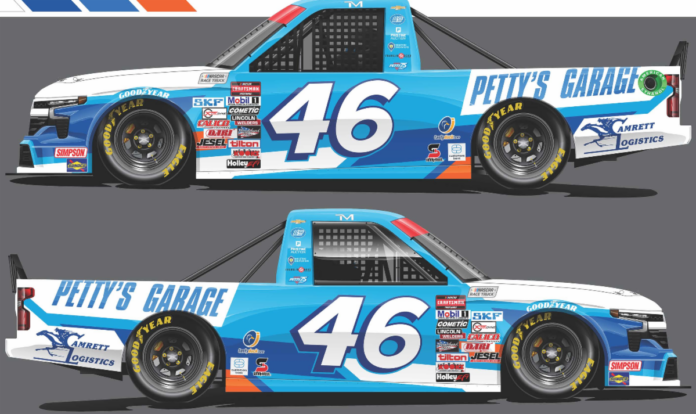
Petty’s Garage and Food City to Fuel Faction46 at Bristol

Moffitt Coming Off Best Result of Season at Vegas

 SALISBURY, N.C. (MARCH 13, 2024) — Coming of their best finish to the young 2024 season, Thad Moffitt and his No. 46 Faction46 team are looking for a lot more this Saturday evening at the half-mile, high-banked Bristol (Tenn.) Motor Speedway. Moffitt and the new team finished 25th in its last outing at the Las Vegas (Nev.) Motor Speedway but were able to cross the finish line stronger than when they started. It is that momentum that carries the team into Bristol.

Also carrying them will be the returning colors of Petty’s Garage on the No. 46 Chevrolet Silverado that is prepared through an alliance with Niece Motorsports. Food City, the popular grocer in the area and partner of the truck and the Petty family, will also be an associate partner on the truck.

“I felt like once we got into our rhythm and past some mistakes at Las Vegas that we were a pretty good truck and capable of getting up into the top-15 or top-10,” said Moffitt. “But the races are short, and you cannot have too many errors. But it was good to finish strong, have good speed, and now carry that momentum into Bristol.”

The team is climbing back in points after accidents at Daytona and Atlanta put the team behind.

“We talked about the need to just get a good result at Las Vegas, and we need to do the same here at Bristol,” continued Moffitt. “We cannot afford to tear up our stuff and have a finish that puts us more behind. We just need to race smart, but that does not mean I will not be aggressive and get everything out of it Saturday night.”

Faction46 and Moffitt will race the WEATHER GUARD Truck Race at Bristol Saturday night live on FS1 at 8:00 p.m. ET. The team will tech, practice and qualify earlier in the day on the one-day race program.

How to Prevent Head Injuries on a Motorcycle

Photo by Harley-Davidson on Unsplash

Riding a motorcycle can be exhilarating, offering a sense of freedom and adventure like no other mode of transportation. However, it’s essential to remember that motorcycles also come with inherent risks, particularly when it comes to head injuries. According to studies by the National Highway Traffic Safety Administration, wearing a helmet is estimated to be 37% effective in preventing fatal injuries to motorcycle riders and 41% for passengers. As a motorcyclist, taking practical safety measures to prevent head injuries while riding can significantly reduce the risk of severe head injuries.

Choose a DOT Approved Helmet

When it comes to protecting your head while riding a motorcycle, nothing is more crucial than wearing a properly certified helmet. The Department of Transportation (DOT) sets rigorous standards for motorcycle helmets to ensure they provide adequate protection in the event of a crash. When choosing a helmet, always look for the DOT certification label, which indicates that the helmet meets or exceeds safety standards set by the DOT.

It’s not just about wearing any helmet; it’s about wearing one that fits properly and provides adequate coverage. A helmet should fit snugly without being too tight, and it should cover your forehead and the back of your head. Properly fitted helmets are crucial for optimal protection in case of a crash.

Wear High-Quality Protective Gear

In addition to a helmet, wearing high-quality protective gear can significantly reduce the risk of head injuries in a motorcycle accident. Invest in gear such as a motorcycle jacket, pants, gloves, and boots made from durable materials like leather or abrasion-resistant textiles. These items not only protect against road rash but also provide an additional layer of protection for your head and body.

Look for gear with built-in armor or padding in critical areas such as the elbows, shoulders, knees, and back. This added protection can absorb impact energy and reduce the severity of injuries in case of a crash. Specialized Louisville personal injury lawyers emphasize the safety benefits of being slightly uncomfortable wearing protective gear than to risk serious injuries by riding without it.

Practice Proper Riding Techniques

Proper riding techniques play a significant role in preventing accidents and injuries on a motorcycle. Enroll in a motorcycle safety course to learn essential skills such as proper braking, cornering, and maneuvering at various speeds. Practice these techniques regularly to improve your riding skills and confidence on the road.

Maintaining a proper riding posture is also essential for safety. Keep your knees against the tank, your back straight, and your head up while riding. Avoid slouching or leaning too far forward, as this can affect your balance and control of the motorcycle.

Learn Defensive Motorcycle Riding

Defensive riding involves being constantly aware of your surroundings and anticipating potential hazards on the road. Assume that other drivers may not see you and always ride defensively to avoid accidents. Maintain a safe following distance from other vehicles, and use your mirrors frequently to monitor traffic behind you.

Always signal your intentions clearly and use hand signals when necessary. Be prepared to react quickly to unexpected situations and always have an escape route planned in case of emergency. Defensive riding can significantly reduce the risk of accidents and injuries while riding a motorcycle.

Avoid Riding in Adverse Conditions

Adverse weather conditions can pose significant challenges for motorcycle riders and increase the risk of accidents and injuries. Avoid riding in heavy rain, strong winds, or icy conditions whenever possible. Reduced visibility and slippery road surfaces can make riding more dangerous and increase the likelihood of accidents.

If you must ride in adverse conditions, take extra precautions to stay safe. Slow down, increase your following distance, and use caution when braking and cornering. Wear appropriate gear to protect against the elements and ensure your motorcycle is in good working condition before setting out.

Stay Sober and Alert

Perhaps one of the most critical factors in preventing accidents and injuries on a motorcycle is staying sober and alert while riding. Alcohol and drugs impair your judgment, coordination, and reaction time, making you more susceptible to accidents. Never ride a motorcycle under the influence of alcohol or drugs, and avoid riding when you are fatigued or drowsy.

Stay focused on the road ahead and avoid distractions such as using your phone or listening to music while riding. Keep your senses sharp and be prepared to react quickly to any potential hazards or obstacles. Staying sober and alert can significantly reduce the risk of accidents and injuries while enjoying the thrill of riding a motorcycle.

By following these guidelines and prioritizing safety at all times, you can enjoy the freedom of riding while minimizing the risk of accidents and injuries.

Top 5 Strategies for Maintaining Peak Performance in Your Car

Maintaining peak performance in your car isn’t just about keeping it running; it’s about ensuring it operates at its best, every time you turn the key. From the roar of the engine to the grip of the tires on the road, every detail counts.

I’ve learned through experience that a few simple maintenance routines can make a huge difference. Whether it’s the smoothness of your ride or the efficiency of your fuel consumption, the right care will keep your car performing like a champ. Let’s dive into the top tips that’ll help you achieve that high-performance harmony.

Importance of Regular Maintenance for Peak Performance

When I talk about keeping my car in top shape, regular maintenance is always at the forefront of the conversation. It’s easy to overlook the importance of those routine check-ups, but believe me, they’re the cornerstone of ensuring my vehicle runs smoothly and efficiently. From my experience, sticking to a scheduled maintenance plan, including oil changes, tire rotations, brake inspections, and fluid checks, has been a game-changer. These activities might seem mundane, but they are crucial in preventing potential breakdowns and extending the lifespan of your car.

I’ve learned that being proactive with maintenance can save me a lot of headaches and money down the line. For instance, ignoring something as simple as replacing the brake pads can lead to costlier repairs like damaged rotors. Regular maintenance not only keeps your car running like new but also enhances your vehicle’s resale value. It’s a win-win situation that I can’t advocate for enough.

Another aspect I’ve paid close attention to is the health of my car’s fluids. They’re aptly termed the vehicle’s lifeblood for a reason. Checking the oil and lubricant levels every two weeks has become second nature to me. Ensuring these fluids are at their proper levels and conditions supports the smooth operation of the engine and other critical components. Remember, a well-oiled machine will always perform better.

While some may view regular maintenance as a chore, I see it as an essential investment in my vehicle’s performance and reliability. I’ve found that the more attention and care I give my car, the more it gives back in terms of performance, reliability, and longevity.

Tip 1: Regularly Check Fluid Levels

Maintaining peak performance in your car isn’t just about keeping it clean and waiting for the check-engine light to come on. It’s about proactivity, especially when it comes to fluid levels. Regular checks can save you from unexpected breakdowns and keep your car running smoothly. Let me guide you through the key fluids you should keep an eye on, starting with engine oil and transmission fluid.

Engine Oil

Think of engine oil as the lifeblood of your car. It’s essential for lubricating and protecting the engine’s internal components, reducing wear and tear over time. I make it a habit to check my engine oil every two weeks. It’s a simple process: I just ensure my car is on level ground, pull out the dipstick, clean it, dip it back in, and then check the level. The oil should be between the minimum and maximum marks. The color is also a giveaway; for a petrol engine, a light yellowy-brown signifies good health.

But it’s not just about levels. The quality of the oil matters too. Over time, oil degrades and can turn into sludge, clogging the engine’s narrow passageways. That’s why sticking to the recommended oil change intervals, typically found in your car’s manual, is crucial. For high-performance engines, I’ve found synthetic oil to be the best choice for its ability to withstand extreme temperatures and provide superior protection.

Transmission Fluid

The transmission is what transfers power from the engine to the wheels, and its fluid is what keeps it running smoothly. Like engine oil, transmission fluid can become dirty and reduce efficiency. Regular checks are vital to prevent this. To check the transmission fluid, I find the transmission fluid dipstick (often labeled), pull it out, and check both the fluid level and its condition. Healthy transmission fluid should be a bright red color and shouldn’t smell burnt. If it’s dark or has particles in it, it’s time for a change.

It’s also important not to ignore how your car feels while driving. If I ever notice delayed or rough shifting, it’s usually a clue my transmission fluid levels might be low or the fluid needs changing. And although it might seem daunting, checking your transmission fluid is an easy task that can prevent severe issues down the line.

Monitoring and maintaining these fluid levels doesn’t just contribute to the longevity of your car but also ensures that it performs at its peak. Regularly checking my engine oil and transmission fluid has become second nature to me, and it should be for any car owner serious about their vehicle’s maintenance.

Tip 2: Monitor Tire Pressure and Condition

Maintaining optimal tire pressure is crucial for achieving peak performance from your vehicle. I’ve learned over the years that tire pressure directly impacts fuel efficiency, handling, and the overall safety of your car. Experts agree that checking tire pressure monthly is a good habit. Vehicles with high-performance tires, especially, require precise pressure to harness their full potential.

When it comes to checking tire pressure, I always make sure to do it when the tires are cold, typically before driving in the morning. This is because tires heat up and expand when the vehicle is in motion, which can give a false reading if checked immediately after driving. Most car models recommend a specific PSI (pounds per square inch) level, and adhering to this is key.

But tire pressure isn’t the only thing to keep an eye on. Regularly inspecting tires for wear and tear, alignment, and balance is equally important. High-performance vehicles put a lot of stress on tires, leading to quicker wear. Striking the balance between traction, tire pressure, and condition can significantly enhance your car’s performance.

Signs of uneven tire wear can indicate issues with alignment or balance, both of which can affect your car’s handling and safety. If you’re unsure about what to look for, many tire shops offer free inspections and can advise on the condition of your tires. I always make it a point to rotate my tires according to the manufacturer’s recommendations to ensure even wear.

Keeping up with tire maintenance not only contributes to a smoother ride but also prolongs the life of your tires. This is a simple yet effective way to ensure you’re getting the most out of your high-performance vehicle.

Tip 3: Keep Up with Regular Tune-Ups

Ensuring your car maintains peak performance is akin to keeping a well-oiled machine in tip-top shape. Regular tune-ups are not just beneficial; they’re essential. I’ve whittled down this massive topic to focus on two critical components: spark plugs and air filters.

Spark Plugs

Spark plugs are the unsung heroes of a vehicle’s ignition system. Their role in starting the engine and ensuring efficient combustion cannot be overstated. I always remind my readers that worn or damaged spark plugs can significantly hinder your car’s performance. When inspecting spark plugs, here’s what I look out for:

  • A light brown electrode and insulator.
  • No signs of melting or deposits.

A pristine spark plug indicates that your engine is running as it should. However, evidence of wear or damage not only implies the need for immediate replacement but may also hint at underlying engine issues. Adhering to the manufacturer’s recommendations for replacement intervals is a strategy I’ve found most effective in sidestepping potential engine performance pitfalls.

Air Filter

Next on the maintenance checklist is the air filter—a component that plays a pivotal role in your vehicle’s respiratory system. Keeping it clean ensures that your engine breathes easily, which in turn, enhances combustion and boosts overall performance. Remember these key points:

  • Replace the engine air filter every 12,000 to 15,000 miles.
  • Maintain the air filter to prevent debris from entering the engine and compromising its efficiency.

Investing in a high-quality air filter can provide a noticeable improvement in your car’s power and fuel efficiency. High-performance vehicles, in particular, can benefit from filters that allow more air flow to the engine. Clean and replace them as per the manufacturer’s schedule to ensure optimal performance.

Maintaining these components through regular tune-ups not only preserves the health and longevity of your car but also ensures it continues to perform at its peak. Keeping up with these aspects of car maintenance empowers me to enjoy a smoother, more efficient driving experience, reaffirming my belief in the importance of regular vehicle care.

Tip 4: Address Any Warning Signs Immediately

Check for Warning Signs With an OBD2 Scanner

I’ve found that one of the most proactive steps in car maintenance is using an OBD2 scanner, like those from Innova, to quickly identify any possible issues. This tool plugs directly into the onboard diagnostics port of my vehicle, allowing me to access real-time data and fault codes. OBD2 scanners are invaluable because they can pinpoint problems before they escalate into serious issues. From experience, addressing these warning signs immediately can save time, money, and prevent the hassle of unexpected breakdowns.

Tip 5: Practice Good Driving Habits for Longevity

Adopting good driving habits is crucial for extending the life of your car and maintaining its peak performance. I’ve learned that how I drive significantly impacts my car’s longevity. Avoiding rough roads when possible is one habit I’ve adopted to minimize wear and tear. Smooth roads not only provide a more comfortable ride but also prevent damage to components like the catalytic converters, which are costly to repair if damaged by potholes or uneven surfaces.

Another practice I stick to is using brakes instead of relying heavily on engine braking to reduce speed. While it might seem like a good idea to downshift to slow down, especially at higher speeds, this habit can cause undue stress on the drivetrain. The clutch and transmission particularly suffer, shortening their lifespan considerably. It’s become clear to me that my brake pedal is indeed my best friend when it comes to protecting my gearbox and ensuring the longevity of my engine.

Conclusion

Keeping your car in top shape doesn’t have to be a daunting task. By focusing on simple yet effective practices like regular tune-ups, checking spark plugs, and replacing air filters, you’re setting the stage for peak performance. Don’t underestimate the power of good driving habits either. They not only contribute to your vehicle’s longevity but also ensure a pleasant driving experience. Remember, a well-maintained car is more than just a mode of transport; it’s a reliable companion on the road. By adopting these tips, you’re not just saving on future repair costs but also enjoying the ride to its fullest. Let’s keep our cars running smoothly and efficiently for years to come.

Maximizing Speed: The Role of Automotive Technology in Enhancing Motorsport Performance

Photo by Obi - @pixel8propix on Unsplash

How does automotive technology elevate motorsport performance to new heights? This pivotal query underpins our exploration of the innovations that have redefined race car capabilities—from aerodynamics and engine power to advanced materials and beyond. Here, we address the role of automotive technology in enhancing motorsport performance, positioning technological development as the silent co-driver in motorsport’s quest for victory. Brought to you by the used car yards Perth professionals this article is intended to guide you through these ground-breaking advancements, laying the groundwork for the in-depth examination to come.

The Evolution of Race Car Aerodynamics

Long before the roar of Formula 1 engines echoed through race tracks, the automotive industry recognized the significant obstacle air posed to automotive speed and economy. This understanding laid the foundation for aerodynamic car designs. The 1930s saw the spark of the streamliner craze, ignited by Hungarian engineer Paul Jaray’s application of aeronautical principles to automotive design. Racers and vehicles like La Jamais Contente became symbols of the push for aerodynamically aided speed records.

The Chrysler Airflow and German Rumpler Tropfenwagen introduced more streamlined designs and lower drag coefficients. These designs were further advanced by the Tatra T77 and the Schlörwagen prototype. The construction of modern roads and the pursuit of higher average driving speeds, particularly in Germany during the 1930s, only fueled the rise of vehicular aerodynamics and the development of road cars.

The stage of Formula 1, as well as the World Rally Championship, served as major platforms for aerodynamic evolution. Teams utilized Computational Fluid Dynamics, wind tunnel testing, and collaborative efforts to create cars optimized for speed and downforce. Regulatory constraints in motorsport dictated the boundaries of aerodynamic development, spawning highly creative solutions from engineers seeking to gain competitive advantages.

A notable example of the significant role aerodynamics play in enhancing motor racing performance is NASCAR. The organization’s continuous aerodynamic advancements, aimed at achieving higher track speeds, have set a benchmark in the racing world.

Pioneering Engine Technology in Motorsport

The heart of any race car is its engine, and this vital component has undergone several transformative stages in Formula 1. From early atmospheric and supercharged engines through the V12 and turbocharged eras, each evolution has been led by dominant designs, such as Ferrari’s V12 engines and Cosworth’s DFV V8. These advances have culminated in today’s sophisticated turbo-hybrid configurations, thanks to the expertise of racing engineers.

Modern Formula 1 engine regulations specify a 1.6-litre V6 turbocharged engine limited to 12,000 RPM. This balance between performance and reliability allows these engines to achieve impressive power outputs of over 1000 horsepower.

The shift towards turbo-hybrid power units originated with Renault’s experimentation with turbocharging in F1. This evolution led to the development of 1.6 litre V6 turbo-hybrid engines that incorporate sophisticated energy recovery systems. These engines have resulted in notable gains in efficiency and power and have redefined the approach to engine cooling due to increased thermal loads.

Advanced Materials and Mechanical Engineering

The 1960s marked a revolution in Formula 1 with the introduction of composite materials such as carbon fibre. These materials offered exceptional strength-to-weight ratios, enhancing performance and safety while reducing vehicle weight. The pioneering use of a full carbon composite body in the McLaren MP4/1 in 1981 marked a significant advancement, leading to the development of lighter, stiffer, and more aerodynamic components in motorsports.

Manufacturing F1 composites involves complex processes such as autoclave curing and resin transfer moulding. These processes ensure precision engineering of parts. The performance and safety of F1 composites are ensured through rigorous testing, such as stress tests and thermal analysis. These tests ensure the materials can withstand the harsh conditions of racing.

Advanced composite materials used in F1, including carbon fibre and aramid, provide high energy absorption qualities. This characteristic offers superior crash protection. The industry’s drive towards performance and sustainability is evident in innovations such as recycled carbon fibre and nanocomposites.

Suspension Systems: The Quest for Better Handling

Smooth handling and stability on the track are crucial for any racing car. Active suspension systems, such as Mercedes active body control (ABC) and Audi predictive active suspension, play a crucial role in achieving this. These systems use sophisticated hardware to allow independent control of each wheel.

True active suspensions, like Cadillac MagneRide and Monroe intelligent suspension, achieve superior ride quality by virtually eliminating body roll and pitch variation. Advances in electromechanical actuations, microcontrollers, and sensors have facilitated the adoption of active suspension systems in production cars, particularly premium vehicles.

Historically, early active suspension systems utilized hydraulics for features such as self-leveling, as seen in Citroën’s system from 1954. Today, adaptive suspension technologies like Audi’s electromechanical system preemptively adjust for bumps, while fully active systems like the Nio ET9’s SkyRide suspension provide flat cornering and instant response to road irregularities.

Active suspension systems contribute to driving comfort and safety. With their compatibility with vehicle electrification and autonomy, active suspension systems are a forward-looking trend in automotive technology. In contrast, semi-active suspension systems, introduced by Cadillac and Toyota in the 1980s, can alter shock absorber firmness but cannot adjust the chassis attitude. Future designs, such as variable geometry suspension systems and active wheel alignment, offer alternative approaches to the functioning of active suspension systems.

Gearing Up: Transmission and Drivetrain Innovations

The transmission system of a car acts as the bridge between the engine and the vehicle’s wheels. Racing technologies, such as Direct-Shift Gearboxes (DSG) and clutchless manual transmissions, have been adapted in commercial vehicles. These technologies offer rapid gear shifts and reduce the chance of human error.

Sequential Manual Transmissions (SMTs) from race cars have influenced modern automatic transmissions featuring manual modes in consumer vehicles. Dual-Clutch Transmissions provide quicker and smoother gear changes than traditional automatics, resulting in a more dynamic driving experience.

The fuel efficiency of dual-clutch technology is a result of its ability to preselect gears and minimize engine revs during transitions. This fuel efficient system offers an economical advantage in everyday driving scenarios. Racing-derived transmission technologies have reached not only high-performance vehicles but have also become accessible to a wider market.

The adoption of hybrid technology in production cars, including electric car models and racing vehicles like electric vehicles, has significantly heightened the level of driver engagement and vehicular performance achievable in mass-produced models within the automotive sector, thanks to the efforts of car manufacturers.

Braking New Ground: Advancements in Braking Systems

The braking system is a critical component of any vehicle, and in racing, it’s an area where technological advancements have led to significant performance enhancements. Disc brakes first appeared in Formula 1 in the 1950s but initially underperformed compared to the established drum brakes.

The breakthrough for disc brakes came with their first win at Formula 1’s British Grand Prix in 1957. This victory eventually led to their widespread adoption in the mid-1960s. The 1980s introduced carbon-carbon brakes, offering a significant leap in performance with enhanced stopping power and durability over steel brakes.

Technological innovations such as the steer-brake pedal introduced in 1997 allowed drivers to achieve more precise braking control by operating only one rear brake, depending on the racetrack requirements.

Summary

From the evolution of aerodynamics and engine technology to advancements in materials, suspension systems, transmission technologies, and braking systems, the world of motorsport has been a hotbed of innovation. These advancements have not only transformed the racing world but have also influenced the broader automotive industry, enhancing the performance, safety, and efficiency of vehicles on our roads. As we look ahead, the urge to push boundaries and break new ground continues to drive the thrilling journey of motorsport technology.

Frequently Asked Questions

What is the difference between automotive and motorsport?

The difference between automotive and motorsport is that automotive engineering involves building cars or their parts, while motorsport is about participating in racing competitions, much like the difference between building a TV and watching TV.

What is motorsport technology?

Motorsport technology refers to the training and skills involved in servicing and repairing mechanical components of motorsport vehicles. This training can lead to employment as a mechanic within a motorsport team.

Is motorsport part of the automotive industry?

Yes, motorsport is a significant part of the automotive industry, driving innovation and technological advancement for over a century.

How does technology help the automobile industry?

Technology helps the automobile industry by streamlining production lines with robotics and AI-driven systems, which reduces production time and costs while maintaining higher quality standards and optimizing logistics and inventory management.

How has aerodynamics evolved in motorsports?

Aerodynamics in motorsports has evolved significantly over the years, from streamlined designs in the 1930s to the complex aerodynamic optimizations of modern Formula 1 and NASCAR cars.