Home Blog Page 16

Evidence Needed to Prove Liability in a Drunk Driving Accident Case

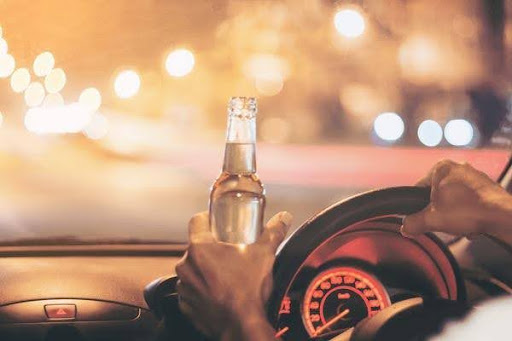
Laredo, Texas, is a busy border city with a steady flow of daily traffic, local commuters, and travelers. With so many vehicles on the road, drunk driving accidents sadly occur more often than they should. 

These crashes can leave victims with serious injuries, medical bills, and long-term emotional effects. When this happens, a drunk driving crash attorney in Laredo, TX, can guide victims through the process of proving liability so they can pursue compensation for their losses.

Proving liability in a drunk driving accident case is a critical step. You may know the driver was impaired, but legal proof is what matters in a claim or lawsuit. Evidence must be collected carefully and clearly presented to show fault. The stronger the evidence, the easier it becomes to hold the drunk driver accountable.

Why Evidence Matters in a Drunk Driving Case

Injury claims rely on proof. Even if the situation seems obvious, insurance companies often challenge fault or try to reduce payouts. A claim is not just about what happened—it’s about what you can prove. Evidence helps show:

  • If the driver was intoxicated.
  • If their impairment helped cause the accident.
  • If you suffered any injuries or damages as a result.

Without solid evidence, the compensation you receive may be much lower than what you need to recover.

Key Types of Evidence Used to Prove Liability

1. Police Reports

Police reports are some of the most important pieces of evidence. They often include:

  • Statements from any drivers and any witnesses
  • Officer observations
  • The results of any field sobriety tests or breath tests
  • Details about the crash site

These reports help support the claim that the driver was intoxicated at the time of the accident.

2. BAC (Blood Alcohol Content) Test Results

Blood and breath tests provide measurable proof of intoxication. In many states, a BAC level of 0.08% or higher is considered illegal for drivers. These results can make it much harder for the other party to deny liability.

3. Witness Statements

People who saw the crash or observed the driver’s behavior before or after the accident can be valuable. Witnesses may report signs such as

  • Slurred speech
  • Unsteady movement
  • Smell of alcohol
  • Reckless driving behavior

Neutral third-party statements are particularly powerful because they are unbiased.

4. Video or Surveillance Footage

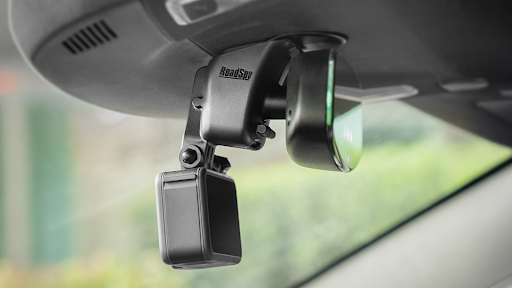
Footage from traffic cameras, businesses, or even dashboard cameras can show how the accident happened. Video may capture the driver swerving, speeding, or running through lights—all signs of impairment. It can also show the exact moment of the collision.

5. Medical Records

Your injuries are a major part of proving damages. Medical records help show:

  • The extent of your injuries
  • The treatment you received
  • The cost of your care
  • Long-term health impacts

These documents connect the drunk driver’s actions directly to your physical and emotional losses.

6. Accident Reconstruction

In serious cases, experts may examine the crash scene, vehicle damage, and skid marks to recreate what happened. Their analysis can support claims of drunk or reckless driving and help prove responsibility in complex situations.

Key Takeaways

  • Evidence is essential to proving liability in a drunk driving accident case.
  • Police reports, BAC tests, and witness statements often play major roles.
  • Video footage and accident reconstruction can strengthen a case further.
  • Medical records demonstrate the link between the crash and your injuries.
  • Legal representation can help gather, organize, and present this evidence effectively.

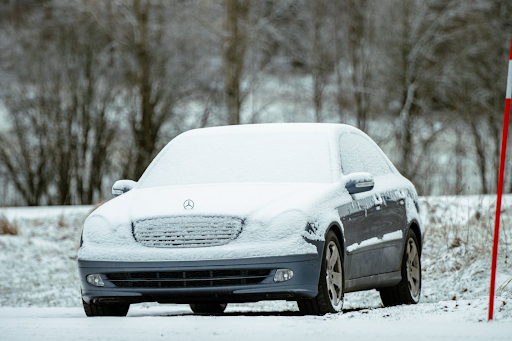
Winterizing Your Car Before the First Snow: A Simple Checklist for Denver Drivers

Photo by Efrem Efre on Pexels

First snow comes fast along the Front Range. Cold snaps roll in, then linger. Your car feels it first: the rubber stiffens, fluids thicken, and weak batteries give up in parking lots. You do not need a rebuild, just a focused winter tune. This simple checklist keeps your car’s traction steady, engine running smoothly, and commutes calm.

  1. Start with fresh fluids and filters

Book an oil change Denver CO, before the freeze. Engines idle longer in winter, and short trips add moisture. A fresh fill protects bearings and quiets cold starts. Be sure to also replace the engine air filter if it is dusty, swap the cabin filter so defrosters breathe well, and top off coolant with the right mix. Check brake fluid as well; dark color signals aging. Fill the washer tank with winter-grade fluid to prevent the spray from freezing on the glass.

  1. Tires, traction, and tire pressure you can trust

Grip is very crucial on icy mornings. If you can, switch to dedicated winter tires. They stay soft in the cold and bite into packed snow. If you keep all-season tires, measure tread depth and replace worn pairs. 

Additionally, check pressures weekly. Air contracts in the cold, and this can trigger TPMS warnings and longer stops. Be sure to carry chains if you are headed for the high country, then practice installing them at home.

  1. Brakes, wipers, and clear sightlines

Stopping distance is longer on slick roads. Have an auto shop measure pad thickness and inspect rotors, and replace tired pads. Swap in winter wiper blades and refill with low-temperature washer fluid. 

Be sure to keep a scraper and a soft brush in the car. Clean the inside of the windshield too; interior haze doubles glare at night. Aim headlights correctly after any suspension work. Seeing and being seen reduces risk more than any gadget.

  1. Heat, defrost, and the coolant system

Your heater does more than keep you warm. It helps defog glass and keep the engine in its sweet spot. Test the thermostat and blower speeds, and verify the coolant mix is right. Additionally, look for crust around the radiator cap and water pump. This is a leak signal. Replace a weak cabin air filter; airflow matters when glass fogs fast. Make sure to check door and window seals. 

  1. Emergency kit and roadside readiness

Pack a compact kit, and include jumper cables, a portable inflator, LED flares, a basic tool roll, and a tow strap. Add gloves, hats, socks, and a thermal blanket. You should also pack a phone charger, snacks, and water. Keep kitty litter for traction under stuck tires. Be sure to rehearse the basics at home: jump starts, chain installs, and tire changes.

Endnote

Winter driving in Denver will always be unpredictable, but your car does not have to be. A quick pre-season service, solid tires and brakes, clear glass, and a stocked emergency kit remove most of the stress. 

You will feel it on the first cold start that actually fires right up, and on the first slick morning when your car tracks and stops the way it should. Take an hour now to work through this checklist while the roads are still dry. When the first snow actually sticks, you will be able to focus on the drive instead of worrying about what might fail.

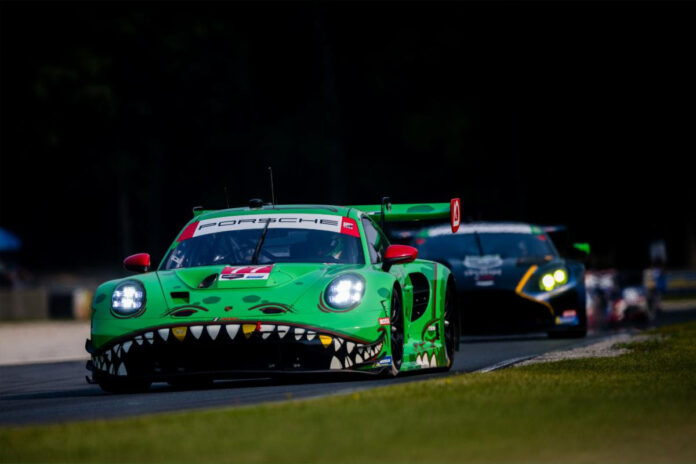
Rexy Rawrs Again: AO Racing Reveals 2026 IMSA Driver Squad

ST. CHARLES, Ill., (November 26, 2025) – AO Racing is turning up the RAWR for the 2026 IMSA WeatherTech SportsCar Championship, announcing a powerhouse driver lineup for Rexy, the Porsche 911 GT3 Rawr, in the full-season GTD PRO class. The 2024 champions welcome Nick Tandy and Harry King as full-season drivers, with Alessio Picariello returning for the five endurance events.

“I am very excited to welcome Nick, Harry, and Alessio to AO Racing and Rexy for 2026,” said Team Principal Gunnar Jeannette. “We think this lineup has the perfect combination of speed and experience to allow us to fight for the GTD Pro Championship. I can’t wait for all of us to get started in our new 2026 GT3-R Evo at Daytona!”

As a longtime Porsche factory driver and sportscar racing grand slam winner, Tandy needs little introduction. The 41-year-old British racer carries an exceptionally deep résumé, currently the only driver to win at the 24 Hours of Le Mans, the Nürburgring, and Spa 24 Hours, and the 24 Hours of Daytona. Notably, he also holds the remarkable distinction of having won at every event the IMSA series will visit in 2026 (with his Detroit victory earned on the former Belle Isle layout, prior to the move downtown).

“AO Racing has proven to be one of the most popular, friendly, yet fiercely competitive teams within the sportscar paddocks in the last few years,” said Tandy. “I’m extremely excited to join the team next year. Rexy is one of the most iconic racing cars of the modern era, I’ve got lots of old friends within the team already who I’m looking forward to enjoying my racing with again, plus new friends to meet. I’ve known both Harry and Alessio for a while now. Both are exceptionally fast and dedicated professionals so I’m eager to see what the season brings.”

At the cusp of 25, Harry King will make his IMSA WeatherTech debut this season. Hailing from Windsor, England, he began his career in karts in 2012 before progressing to cars in 2015. In 2020, he earned the Autosport National Driver of the Year honor alongside capturing the Porsche Carrera Cup Great Britain championship. Most recently, King and his co-drivers claimed the GT World Challenge Europe Endurance Cup title in the Gold class, further solidifying his rising-star status.

“I’m delighted to be partnering up with AO Racing for my full-time debut in the IMSA championship,” said King. “I’m thankful to Gunnar and Porsche for the trust. I’ve always closely followed Rexy’s progress and results in the past, so now I look forward to adding to that successful list alongside teammates Nick and Alessio. It’s a great combination of drivers and team, I have a good feeling.”

Alessio Picariello returns to the Rexy roster after two standout drives in 2025, opening the year at the Rolex 24 At Daytona and closing it with a triumphant run at the Twelve Hours of Sebring. His return reinforces the program’s endurance strength, bringing consistency, experience, and familiarity to the team’s long-distance efforts.

“I’m really happy to return with Rexy and AO for the endurance races,” said Picariello. “I enjoyed working with the team a lot last season, and taking the win at Sebring was definitely a highlight. We were left with a bitter feeling after Daytona, so I’m looking forward to sharing the car with Nick and Harry this year and putting things right.”

The season begins in just 50 days with the Roar Before the 24, the annual preseason test before official sessions commence for the Rolex 24 At Daytona on January 24. AO Racing will continue engaging fans throughout the year with bold, character-driven liveries and immersive activations featuring Rexy, Roxy, Spike, and new surprises planned for the 2026 season.

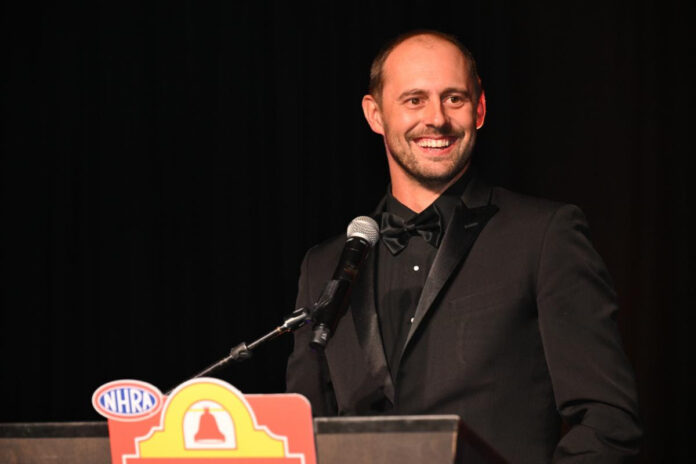
REDEMPTION MEANS FIRST PRO STOCK WORLD CHAMPIONSHIP FOR DALLAS GLENN

INDIANAPOLIS (Nov. 26, 2025) – For the past two seasons, In-N-Out Burger Pomona Dragstrip has been a location Pro Stock’s Dallas Glenn will never forget.

The 2024 race saw Glenn come up a mere .002-seconds short to his KB Titan Racing teammate and six-time world champ Greg Anderson, but 2025 proved to be the culmination of his redemption story, clinching his first world championship in Pomona after yet another hard-fought battle with Anderson throughout the year.

This time, Glenn and his RAD Torque Systems Camaro made certain the championship was headed home to him. He was dominant all season and especially when it counted, earning eight overall wins, with four coming in the Countdown to the Championship playoffs as he kept Anderson at bay and put the finishing touches on a magnificent season.

“It’s definitely special, especially after getting so close last year,” said Glenn. “It feels good. I get to race all next season with the number one on my car. I get to take it from Greg and take it off his car and put it on mine. We get to swap numbers.

“But looking back on last year to where we are now, I just try to get a little better every season, and I feel like I’ve definitely had the car to back me up this year when I wasn’t the best. I’m going to try to remember everything that I did this season and try to apply it next year to try to be a little bit better next year, and hopefully we can have another year like we did this year.”

The 2025 NHRA Mission Foods Drag Racing Series Pro Stock season was dominated by Glenn and Anderson. Collectively, the KB Titan duo won 14 of the 17 Pro Stock events on the season, as they also faced each other eight times in the final round, including the first five races of the year.

That made it known immediately that it would be Glenn and Anderson running away with the championship, but Glenn was just a hair better when it counted down the stretch.

Glenn kicked off the year with his first NHRA Gatornationals win, knocking off Anderson. It was Anderson who won between the two in Phoenix and again at the NHRA Winternationals. Glenn answered with back-to-back four-wide race wins in Las Vegas and Charlotte.

Glenn and Anderson continued to trade wins throughout the year, with only three other drivers winning in 2025.

Glenn secured the regular season Pro Stock championship at the famed Cornwell Quality Tools NHRA U.S. Nationals and carried his points lead into the playoffs, where he really came alive.

Glenn made a quick statement with wins in Reading and Charlotte – sweeping all three four-wide races – before falling to Anderson in St. Louis. He rebounded with back-to-back wins in Dallas and Las Vegas. The Vegas race was a shining moment, as Glenn avenged last year’s first-round loss in impressive fashion, rolling to the victory en route to clinching the championship in Pomona.

It highlighted spectacular performances across the country for Glenn, who broke the track record in Seattle, advanced to a staggering 13 final rounds en route to an impressive 50-9 record in eliminations in 2025.

“Greg and I are both one and two in points, two years in a row,” Glenn said. “It’s definitely a big exclamation point for KB Titan Racing. We have a lot of new things happening next year, a lot of excitement for next year already. We’ll go back to the shop, we’ll be back at it working hard and looking forward to 2026.”

Glenn and the rest of the stars of the NHRA will return to racing action next season at the NHRA Gatornationals as NHRA celebrates its 75th anniversary in a year-long celebration.


About Mission Foods

MISSION®, owned by GRUMA, S.A.B. de C.V., is the world’s leading brand for tortillas and wraps. MISSION® is also globally renowned for flatbreads, dips, salsas and Mexican food products. With presence in over 112 countries, MISSION® products are suited to the lifestyles and the local tastes of each country. With innovation and customer needs in mind, MISSION® focuses on the highest quality, authentic flavors, and providing healthy options that families and friends can enjoy together. For more information, please visit https://www.missionfoods.com/

About NHRA

NHRA is the primary sanctioning body for the sport of drag racing in the United States. NHRA presents 20 national events featuring the NHRA Mission Foods Drag Racing Series and NHRA Lucas Oil Drag Racing Series, as well as the Congruity NHRA Pro Mod Drag Racing Series, NHRA Flexjet Factory Stock Showdown™, NHRA Holley EFI Factory X and Johnson’s Horsepowered Garage NHRA Mountain Motor Pro Stock at select national events. NHRA provides competition opportunities for drivers of all levels in the NHRA Summit Racing Series and NHRA Street Legal™. NHRA also offers the NHRA Jr. Street® program for teens and the Summit Racing Jr. Drag Racing League® for youth ages 5 to 17. With more than 100 Member Tracks, NHRA allows racers to compete at a variety of locations nationally and internationally. NHRA’s Youth and Education Services® (YES) Program reaches over 30,000 students annually to ignite their interest in automotive and racing related careers. NHRA’s streaming service, NHRA.tv®, allows fans to view all NHRA national events as well as exclusive features of the sport. In addition, NHRA owns and operates three racing facilities: Gainesville Raceway in Florida; Lucas Oil Indianapolis Raceway Park; and In-N-Out Burger Pomona Dragstrip in Southern California. For more information, log on to www.NHRA.com, or visit the official NHRA pages on Facebook, Instagram, Twitter, and YouTube.

HSR and WeatherTech Raceway Laguna Seca Announce Multi-Year Extension with HSR as the Official Sanctioning Body of the Rolex Monterey Motorsports Reunion Events

HSR Continues as the Sanctioning Body of both the Rolex Monterey Motorsports Reunion and Monterey Pre-Reunion at WeatherTech Raceway Laguna Seca Through 2028

DAYTONA BEACH, Florida (November 25, 2025) – Officials of WeatherTech Raceway Laguna Seca and Historic Sportscar Racing (HSR) announced today that HSR will continue as the official sanctioning body of the Rolex Monterey Motorsports Reunion and the Monterey Pre-Reunion through at least 2028.

Debuting in an initial multi-year partnership at the Monterey Reunions in 2021, HSR has grown in its relationship with the premier historic motorsports celebrations throughout this decade. HSR has provided since its introduction to the Monterey Reunions its ample collective experience and expertise in race event operations, full technical scrutineering, entry vetting and review, competition officiating and additional operational and on-track areas that play a key role in keeping both big events run smoothly.

The growth HSR has supported at the Monterey Reunions includes the addition of the successful Corkscrew Hillclimb to the sanctioning body’s competition oversight in 2022, an instantly popular event that has become a “must-see” for fans and competitors alike since its introduction.

Marking its fifth anniversary at the Monterey Reunion events this past August, the HSR contingent that annually provides the support is primarily an experienced group of historic and vintage motorsports professionals who work nearly two weeks straight at WeatherTech Raceway each year.

The majority of the HSR officials have worked every Pre-Reunion and Rolex Monterey Motorsports Reunion event since HSR took on the sanctioning role in 2021, but this year the HSR team operated under the new leadership of HSR President John Doonan.

Adding HSR to his established role as IMSA President at the beginning of 2025, Doonan continues the great work and leadership of David Hinton, who was a co-owner and previous President of HSR for more than a decade before guiding the sale of the sanctioning body to IMSA early in 2022. Hinton now serves as HSR Race Chairman for these two events in Monterey.

The biggest event of the overall Monterey Car Week, the Rolex Monterey Motorsports Reunion is open only to entries that, through a vetting process of which HSR fills a key role, have validated authenticity, race provenance and period-correct compliance.

The Rolex Monterey Motorsports Reunion recently received the Motorsport Event of the Year Award at the International Historic Motoring Awards (IHMA) ceremony at the Peninsula London Hotel on Friday, November 14. WeatherTech Raceway Laguna Seca’s venerated motorsports event, which hosted its 51st running in August, was recognized as the pinnacle of collector car competitive motorsport events. This marks the second time the event has been named Motorsport Event of the Year, having previously taken home the award in 2022.

Rolex Monterey Motorsports and Pre-Reunion Tickets are available by calling 1 (831) 242-8200 or online at WeatherTechRaceway.com.

Mel Harder, President and General Manager of WeatherTech Raceway Laguna Seca: “We’re pleased to extend our partnership with HSR. Their expertise and commitment to historic racing strengthen the Rolex Monterey Motorsports Reunion and help us deliver an unparalleled experience for our participants and fans.”

John Doonan, HSR President: “After another fantastic Rolex Monterey Motorsports Reunion and Monterey Pre-Reunion this past August, all of us at HSR are delighted and excited to continue at WeatherTech Raceway Laguna Seca in our first multi-year agreement with Friends of Laguna Seca. We first worked with Mel Harder, April Henderson and everyone on the WeatherTech Raceway Laguna Seca team in 2025 and look forward to an even closer alliance in the coming years in helping this great new management team achieve our collective goals of making the Monterey Motorsports Reunion events even bigger. It is truly an honor for HSR to be a part of the Rolex Monterey Motorsports Reunion and Monterey Pre-Reunion.”

About WeatherTech Raceway Laguna Seca: WeatherTech Raceway Laguna Seca is a world-renowned motorsport facility located in Monterey, California, operated and managed by Friends of Laguna Seca, a 501c (3) non-profit. Nestled among scenic hills, it has a rich history of hosting premier racing events, making it a favorite destination for motorsport enthusiasts from around the world. The 2.238-mile raceway features 11 challenging turns and approximately 180 feet of elevation change, including the world-famous Corkscrew, providing a thrilling experience for both drivers and fans. WeatherTech Raceway Laguna Seca is committed to delivering top-tier racing and entertainment experiences year after year. Find out how you can get involved at FriendsofLagunaSeca.org.

About HSR: Historic Sportscar Racing (HSR) is the premier vintage and historic racing series in North America. It was formed in the mid-1970s with an inaugural event at Road Atlanta and became a part of International Motor Sports Association (IMSA) in 2022. There was one goal then and it remains true today: to celebrate and enjoy the racing cars from the past. As a “time machine” of sights and sounds, HSR provides a venue for competitors and spectators alike to share in the wonderful history and excitement created by the cars that competed at race tracks around the world. HSR currently sanctions eight vintage and historic racing events at some of the world’s most renowned race tracks, including Daytona International Speedway, Michelin Raceway Road Atlanta, Sebring International Raceway, Watkins Glen International and more. The complete schedule and full event information can be found on HSR’s website at www.HSRRace.com. Look for the HSR Channel on YouTube and follow HSR on Facebook at www.Facebook.com/HSRrace/,on Twitter X @HSR_race and on Instagram @HistoricSportscarRacing.

HSR Sebring Pistons & Props Presented by Alan Jay Automotive Network Closes Out the 2025 Season Next Week at Sebring International Raceway

  • Classic Race Cars and Retro Civilian and Military Aircraft Descend on Sebring International Raceway, December 4 – 7 for 2025’s High-Flying Finish
  • Full Weekend Features Classic Airplane Arrival Parade Friday and a Non-Stop Lineup of HSR Feature Races and Full-Season Championship Finales Friday Through Sunday

SEBRING, Florida (November 25, 2025) – The Historic Sportscar Racing (HSR) Sebring Pistons & Props, presented by Alan Jay Automotive Network, makes a high-speed return on the track and in the air next week when Sebring International Raceway’s illustrious sports car racing history and aviation heritage once again are celebrated at HSR’s season-ending event, December 4 – 7.

The four-day HSR Sebring Pistons and Props presented by the Alan Jay Automotive Network spectacular features historic and vintage sports car racing and a Friday “fly-in” and weekend display of equally awe-inspiring retro civilian and military aircraft from the last half century and beyond and World War II era.

The HSR Sebring Pistons & Props honors the legendary 12 Hours of Sebring sports car race, which runs for a milestone 75th time in March of 2027, and the facility’s rich aviation history. Hendricks Field was a World War II era civil and military air field on which the famous 12-hour sports car race has been run for nearly three-quarters of a century.

Returning Pistons & Props pilots Jon Rising and Lisa Rising bring a first-time classic plane to Sebring this year. The couple’s pristine 1949 Cessna 195 Businessliner, one of just 1,180 produced between 1947 and 1954. Originally delivered to Canada from the factory, Rising’s Cessna, which carries “tail number” N195GW, returned to the United States in 2000 and is now hangared in Ocala, Florida.

Fitting right in with the patriotic spirit of Sebring Pistons & Props, the 195 model was also a go-to for U.S. armed forces and was pressed into service by the United States Air Force, the United States Army and Army National Guard as a light transport and utility aircraft under the designations LC-126/U-20. Light and powerful, the Cessna was ideal for both civilian and military use.

Renowned for its all-aluminum construction, cantilever wing design and distinctive radial-engine growl from the original 300 HP Jacobs R-755-A2 seven-cylinder powerplant, the Businessliner boasts a spacious cabin, a cruising speed of 150MPH and a load capacity exceeding 1,000 lbs. These features and more combined to make the Cessna 195/LC-126/U-20 ideal for cross-country civilian flights or long-range military missions.

Many of the returning aircraft next week have won the coveted HSR Best-Plane Award, which is presented each year at Pistons & Props to the owners of a plane selected by HSR Officials and Competitors as the best of the weekend. Conversely, the pilots get together and annually select and present the Pilots Choice Award for best car and team at each year’s race.

The 2022 Best-Plane Award was won by longtime and returning Pistons & Props participants Tony Green and Amy Green for their fan-favorite 1973 Bulldog 120 (pictured below), a British-built plane manufactured by Scottish Aviation LTD. This Bulldog was initially exported for use by the Ghana Air Force. After a short career as a trainer, the plane was purchased and relocated to England.

The Bulldog came to the U.S. in 2013 and, after initial stops in Michigan and Arizona, now resides in Florida and is regularly flown by the Greens. The Bulldog’s modern looks and excellent condition hide the fact that the plane is more than 50 years old.

The Bulldog’s early 1970’s era is also a notable period that produced some of next weekend’s “must-see” race cars. British built and a bit ahead of their time like the Green’s Scottish Aviation Bulldog, Chevrons were some of the top sports prototype race cars of the era. A trio of quick Chevrons are entered next weekend in several different HSR classes and series.

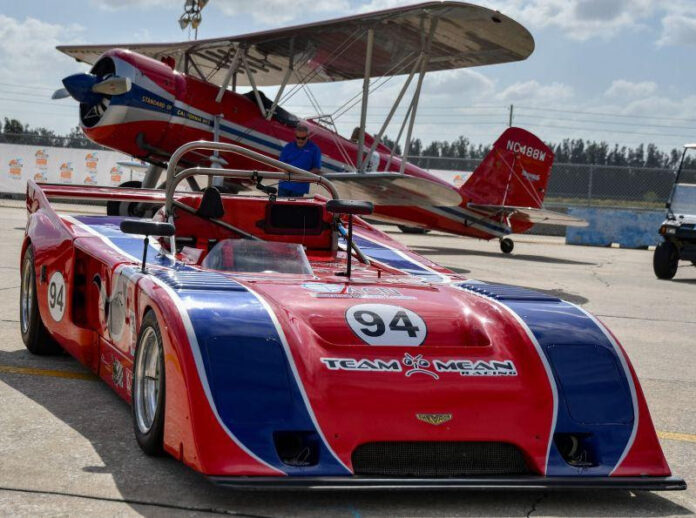
The lineup includes the 1971 No. 5 Chevron B21/23 (pictured below) of Tom Grudovich and the similar 1973 No. Chevron B23 of Dominick Incantalupo. Both will battle with the familiar 1978 Team Mean No. 94 Chevron B36 (pictured at top) of two-time HSR Classic Sebring 12 Hour presented by Mission Foods race winner John Harrold.

The No. 94 Chevron won three-straight Group B races in the first years of HSR Classic competition, including the inaugural HSR Sebring Classic 12 Hour in 2016. Harrold, with a combination of drivers, including his son Ryan Harrold and KMW Motorsports owner and driver Kevin Wheeler, went on to win the HSR Classic Daytona 24 Hour presented by Mission Foods in 2017, following it up a month later with a repeat HSR Classic Sebring 12 Hour Group B repeat win.

A more contemporary but still 20-year-old example of an open-top prototype that evolved from early Chevrons and similar cars of the last century is the Sebring debuting 2005 No. 31 Courage C65 (pictured below). Car owner and driver Mark Drain and his fellow British teammates at WAMotorsport made the trip to the U.S. to debut the beautiful Courage at Daytona in the HSR Classic 24 Hour earlier this month. Drain and WAM are also receiving U.S. assistance from Sean Creech Motorsport for their stateside adventure that now includes their first race at Sebring.

Drain and the Courage ran competitively at Daytona, shaking off a sensor issue in the second round to win the third race in Run Group D and ultimately finish the race as the highest placing prototype in Group D.

The packed on-track schedule at Sebring includes tripleheader sprints on Saturday and Sunday for competitors in HSR Mission GT Challenge, HSR Legacy Racers, HSR Historic Trophy presented by WeatherTech, HSR Vintage Cup presented by Sasco, HSR Prototype Challenge presented by Michelin and HSR NASCAR Classic presented by Goodyear. The feature race slate includes a 90-minute HSR Prototype Challenge presented by Michelin Enduro, twin one-hour B.R.M Chronographes Endurance Challenge races and sprints for HSR Global GT and the SascoSports International American Challenge presented by Hoosier.

The airplane arrival parade from Sebring Regional Airport along the Sebring race circuit to the false grid takes place at 5 p.m. EST on Friday, December 5. The planes will begin to parade out of the paddock and back to the airport for departure on Saturday, December 6 at 11:40 a.m. EST.

For complete information on the HSR Sebring Pistons & Props event weekend, including the event schedule, entry list and ticket information, visit the Official Event Page here.

About HSR: An International Motor Sports Association (IMSA) property, Historic Sportscar Racing (HSR) was formed in the mid-1970s with an event at Road Atlanta. There was one goal then and it remains true today: to celebrate the racing cars from the past. As a “time machine” of sights and sounds, HSR provides a venue for competitors and spectators alike to share in the wonderful history and excitement created by the cars that competed at race tracks around the world. HSR currently sanctions eight vintage and historic racing events at some of the world’s most renowned race tracks, including Road Atlanta, Sebring International Raceway, Daytona International Speedway and more. The complete schedule and full event information can be found on HSR’s website at www.HSRRace.com. Look for the HSR Channel on YouTube and follow HSR on Facebook at www.Facebook.com/HSRrace/ and on Twitter X at @HSR_race and Instagram @HistoricSportscarRacing.

Radar Detector Laws in All 50 States (Full Driver’s Guide)

Radar detectors have been part of American driving culture for decades. When radar guns became common in the 1950s and 60s, drivers quickly started looking for ways to know when an officer was clocking speeds ahead of them. Early devices were basic and prone to false alarms, but by the 1980s and 1990s, the technology improved dramatically. Modern detectors can filter out unwanted signals, pair with apps, adjust sensitivity based on speed, and even stay hidden from radar-detector detectors.

Even with all the innovation, the biggest question for most people is simple: Are radar detectors legal where I live?

The short answer: They’re legal in 49 states for passenger vehicles, with Virginia standing alone in banning them outright. The long answer matters more, because many states have restrictions involving commercial vehicles, windshield placement, and laser jammers.

Below is a complete breakdown of radar detector laws across all 50 states, along with extra detail to help drivers understand how each state interprets or enforces the rules.

State-by-State Radar Detector Laws and Overviews

Alabama

Radar Detectors: Legal
Laser Jammers: Legal
State Overview: Alabama has no restrictions on radar detectors or jammers. Drivers typically mount detectors wherever visibility is best, and enforcement is straightforward.

Alaska

Radar Detectors: Legal
Laser Jammers: Legal
State Overview: With long stretches of highway and less congestion, detector usage is common. There are no special placement or enforcement quirks.

Arizona

Radar Detectors: Legal
Laser Jammers: Illegal
State Overview: Arizona bans any equipment that interferes with police measurement but allows passive detectors. Laser is frequently used near Phoenix and other metro areas.

Arkansas

Radar Detectors: Legal
Laser Jammers: Illegal
State Overview: Detectors are fine to use, but laser jammers can result in fines. Most drivers mount detectors high on the windshield without issues.

California

Radar Detectors: Legal
Laser Jammers: Illegal
State Overview: California’s strict windshield obstruction rules make device placement important. Many drivers opt for mirror mounts to stay compliant and maintain visibility.

Colorado

Radar Detectors: Legal
Laser Jammers: Illegal
Commercial Restrictions: Illegal for vehicles over 18,000 lbs
State Overview: Colorado enforces commercial restrictions seriously, especially on mountain routes. Detectors for personal vehicles are not an issue.

Connecticut

Radar Detectors: Legal for passenger vehicles
Laser Jammers: Illegal
Commercial Restrictions: Illegal in vehicles over 26,000 lbs
State Overview: Passenger vehicles have no restrictions beyond basic visibility rules. Commercial limits follow federal guidelines.

Delaware

Radar Detectors: Legal
Laser Jammers: Illegal
State Overview: Delaware focuses on preventing interference, so jammers are prohibited. Detectors are widely used without special restrictions.

Florida

Radar Detectors: Legal
Laser Jammers: Legal
State Overview: Florida is very lenient with detector use. Tourists and residents commonly mount detectors without concern for obstruction enforcement.

Georgia

Radar Detectors: Legal
Laser Jammers: Illegal
State Overview: Georgia enforces jammer bans, especially near Atlanta. Radar detectors are fully allowed and widely used.

Hawaii

Radar Detectors: Legal
Laser Jammers: Legal
State Overview: Hawaii’s terrain can limit detector range. Some counties enforce visibility rules more strictly, making placement important.

Idaho

Radar Detectors: Legal
Laser Jammers: Legal
State Overview: Idaho has no unique restrictions. Drivers have flexibility in how detectors are mounted.

Illinois

Radar Detectors: Legal for passenger vehicles
Laser Jammers: Illegal
Commercial Restrictions: Illegal in vehicles over 10,000 lbs
State Overview: Detector use is common, but Chicago-area enforcement is strict for jammers and commercial drivers.

Indiana

Radar Detectors: Legal
Laser Jammers: Legal
State Overview: Indiana keeps regulations simple. Construction zones and high-traffic areas see the most speed enforcement.

Iowa

Radar Detectors: Legal
Laser Jammers: Legal
State Overview: Iowa is lenient with detector use. Most enforcement uses radar or pacing.

Kansas

Radar Detectors: Legal
Laser Jammers: Legal
State Overview: Kansas has minimal restrictions. The long rural highways make detector usage very common.

Kentucky

Radar Detectors: Legal
Laser Jammers: Legal
State Overview: No meaningful restrictions. Kentucky drivers often mount detectors high or at mirror level.

Louisiana

Radar Detectors: Legal
Laser Jammers: Legal
State Overview: Louisiana relies heavily on laser in some areas, so a detector may alert late. Detector usage is fully legal.

Maine

Radar Detectors: Legal
Laser Jammers: Legal
State Overview: Maine has few restrictions and light enforcement outside tourist regions.

Maryland

Radar Detectors: Legal
Laser Jammers: Illegal
State Overview: Maryland prohibits laser jammers statewide. Detectors are allowed but must not block the view through the windshield.

Massachusetts

Radar Detectors: Legal for passenger vehicles
Laser Jammers: Legal
Commercial Restrictions: Illegal in vehicles over 10,000 lbs
State Overview: Massachusetts follows federal commercial guidelines but leaves personal vehicles unrestricted beyond visibility rules.

Michigan

Radar Detectors: Legal
Laser Jammers: Legal
State Overview: Michigan allows detectors without major restrictions. Mounting rules exist but are rarely enforced for small devices.

Minnesota

Radar Detectors: Legal
Laser Jammers: Illegal
State Overview: Minnesota’s windshield obstruction law is broad. Many drivers choose mirror or dash mounts to avoid potential issues.

Mississippi

Radar Detectors: Legal
Laser Jammers: Legal
State Overview: Enforcement is straightforward and lenient. Detectors are widely used on rural highways.

Missouri

Radar Detectors: Legal
Laser Jammers: Legal
State Overview: Missouri has few restrictions, though enforcement can vary significantly between counties.

Montana

Radar Detectors: Legal
Laser Jammers: Legal
State Overview: With long stretches of open road, detector usage is common. No special placement laws apply.

Nebraska

Radar Detectors: Legal
Laser Jammers: Illegal
State Overview: Nebraska prohibits laser jammers but allows detectors. Enforcement is more active in urban areas.

Nevada

Radar Detectors: Legal
Laser Jammers: Illegal
State Overview: Nevada uses radar and laser heavily on desert highways. Jammers are considered interference devices.

New Hampshire

Radar Detectors: Legal
Laser Jammers: Legal
State Overview: Very few restrictions. Detector use is common on rural and mountainous roads.

New Jersey

Radar Detectors: Legal for passenger vehicles
Laser Jammers: Legal
State Overview: Detectors are allowed, but windshield obstruction rules can come into play depending on placement.

New Mexico

Radar Detectors: Legal
Laser Jammers: Legal
State Overview: New Mexico is one of the easiest states for detector users. Enforcement is light outside major corridors.

New York

Radar Detectors: Legal for most vehicles
Commercial Restrictions: Illegal in vehicles over 18,000 lbs or vehicles carrying more than 5 passengers
Laser Jammers: Legal
State Overview: The biggest concern is windshield obstruction. New York officers may cite drivers if the device blocks visibility.

North Carolina

Radar Detectors: Legal
Laser Jammers: Legal
State Overview: Straightforward laws with no real restrictions. Detectors are commonly mounted high.

North Dakota

Radar Detectors: Legal
Laser Jammers: Legal
State Overview: Minimal enforcement and no restrictions on mounting.

Ohio

Radar Detectors: Legal
Laser Jammers: Legal
State Overview: Ohio uses a mix of radar and pacing, but detectors remain fully legal with no placement issues.

Oklahoma

Radar Detectors: Legal
Laser Jammers: Illegal
State Overview: Detectors are allowed. Laser jammers are prohibited across the state.

Oregon

Radar Detectors: Legal
Laser Jammers: Legal
State Overview: While Oregon enforces distracted driving laws, radar detectors are not included. Placement simply must not obstruct the driver’s view.

Pennsylvania

Radar Detectors: Legal
Laser Jammers: Legal
State Overview: Pennsylvania uses radar and VASCAR lines. Detectors are legal but less effective on timing-based enforcement.

Rhode Island

Radar Detectors: Legal
Laser Jammers: Legal
State Overview: Light enforcement and few restrictions make Rhode Island easy for detector users.

South Carolina

Radar Detectors: Legal
Laser Jammers: Illegal
State Overview: Detectors are fine, but jammers are prohibited. Enforcement varies by county.

South Dakota

Radar Detectors: Legal
Laser Jammers: Legal
State Overview: A permissive state with low congestion and open highways.

Tennessee

Radar Detectors: Legal
Laser Jammers: Illegal
State Overview: Tennessee enforces jammer bans but allows detectors without restrictions.

Texas

Radar Detectors: Legal
Laser Jammers: Illegal
State Overview: Texas bans jammers statewide. Radar detectors are legal and widely used.

Utah

Radar Detectors: Legal
Laser Jammers: Illegal
State Overview: Utah enforces interference laws but has no special placement restrictions for detectors.

Vermont

Radar Detectors: Legal
Laser Jammers: Legal
State Overview: Vermont has no real limits on detector use or placement.

Virginia

Radar Detectors: Illegal
Laser Jammers: Illegal
State Overview: Virginia is the strictest state. Radar detectors cannot be used, mounted, or even accessible. Officers may confiscate the device and issue fines.

Washington

Radar Detectors: Legal
Laser Jammers: Legal
State Overview: Washington has relaxed rules around detectors. Speed cameras are more common than radar in some areas.

West Virginia

Radar Detectors: Legal
Laser Jammers: Legal
State Overview: No major restrictions. Detector use is common.

Wisconsin

Radar Detectors: Legal
Laser Jammers: Illegal
State Overview: Detectors are fine, but laser jammers are banned. Obstruction laws may apply if the device blocks visibility.

Wyoming

Radar Detectors: Legal
Laser Jammers: Legal
State Overview: Wyoming’s wide-open roads and low enforcement frequency make detectors popular and easy to use.

Washington, D.C.

Radar Detectors: Illegal
Laser Jammers: Illegal
State Overview: D.C. enforces a complete ban similar to Virginia, including confiscation in some cases.

Understanding Radar Detector Placement and Practical Considerations

Even in states where radar detectors are legal, placement can still be an issue. A few universal principles apply:

Avoid Blocking the Driver’s View

States like California, Minnesota, and New York actively enforce windshield obstruction laws. A detector mounted too high or placed near A-pillars may attract unwanted attention.

Laser Detection Works Best Low on the Windshield

Laser is targeted at license-plate height. A detector mounted too high might never alert in time.

GPS-Enabled Detectors Often Perform Better Higher Up

For speed-camera protection, false alert filtering, and lockouts, a higher position with a clear view of the sky provides more consistency.

Watch for Metallic or Coated Windshields

Some modern cars use heat-reflective coatings that can block radar signals. Detectors usually need to be placed in the “clear patch” near the rearview mirror.

Commercial Vehicles Have Tighter Rules

Federal law restricts detectors in vehicles over 10,000 lbs on interstate highways, even in states that allow them.

Premium Car Interior Upgrades for BYD Sealion 7

Photo by depositphotos at https://depositphotos.com/

A well-designed car interior changes the entire driving experience. It is more than comfort. It is about ease, convenience, and how the cabin feels every time you step inside. For owners of the BYD Sealion 7, the car already offers modern styling and a smooth ride, but there is always room to personalise your space and make it even better.

Premium interior upgrades help you organise better, protect your car from daily wear, and add comfort for both driver and passengers. These upgrades also enhance the look of the cabin without affecting the original design.

In this blog, we explore the best interior upgrades available for the BYD Sealion 7 and why each one is worth considering. These simple additions can take your driving experience to the next level.

Why Upgrade Your BYD Sealion 7 Interior

Interior upgrades improve usability and help keep everything tidy and protected. They also add convenience while driving because everything is placed where you need it. The result is a cleaner, safer, and more enjoyable space.

Key benefits include

  • Better organisation for daily essentials
  • More comfort for long drives and road trips
  • Extra protection for surfaces and storage areas
  • Cleaner and more premium interior look
  • Higher resale value due to better maintenance

Everything feels easier and more enjoyable when your cabin is organised.

Premium Interior Upgrades Worth Considering

Here are some of the best interior upgrades for the BYD Sealion 7 that improve comfort, storage, and overall experience.

1. Centre Console Organiser

The centre console in the BYD Sealion 7 is useful, but it can feel tight once everyday items start to accumulate. A console organiser creates more room by separating the inner space into sections. It keeps items neat and easy to reach.

Best for storing:

  • Keys and coins
  • Sunglasses and earphones
  • Parking tickets and small essentials

This organiser makes it easy to find what you need without distractions while driving.

2. Armrest Storage Box

An armrest storage box adds another layer of organisation to the central space. It offers private storage and gives you quick access to items without opening the full compartment.

Perfect for:

  • Wallets
  • Small electronics
  • Travel cards and receipts

It also protects valuables from dust and spills and keeps the cabin clutter-free.

3. All-Weather Floor Mats

Floor mats are one of the most important upgrades for protecting your BYD Sealion 7. High-quality mats keep the floor clean and safe from dirt, water, and debris. They are designed to fit the car perfectly and offer durability through daily use.

Benefits:

  • Protects the original flooring
  • Easy to clean and maintain
  • Non-slip surface for safety

Good mats help keep your interior fresh even during rainy or muddy weather.

4. Boot Organiser

If you often carry luggage, sports gear, shopping bags, or work tools, a boot organiser is a smart upgrade. It prevents things from sliding around and keeps everything in place.

Useful for:

  • Groceries
  • Emergency tools
  • Travel accessories

It makes weekend trips and daily errands more organised and stress-free.

5. Door Pocket Storage Trays

Door storage trays create extra space where it is needed most. They are great for placing bottles, tissues, cables, or any small items that require quick access.

Advantages include:

  • Utilises space efficiently
  • Keeps important things close by
  • Helps reduce clutter inside the cabin

These trays also protect the door linings from scratches.

6. Ambient Interior LED Lighting

Ambient lighting brings a premium feel to your BYD Sealion 7 and creates a warm and relaxing vibe inside the cabin. It is a great way to personalise the interior style.

Benefits:

  • Adds a luxurious feel
  • Improves visibility at night
  • Enhances the cabin experience for passengers

Lighting upgrades are an easy way to transform the mood inside your vehicle.

How to Choose the Right Interior Upgrades

Think about your daily routine and what you use most inside the car. The right upgrades add value by improving your comfort and efficiency.

Consider the following

  • Functionality: Choose items that solve a problem.
  • Material quality: Look for durable ABS, rubber, or leather materials.
  • Perfect fit: Ensure compatibility with the BYD Sealion 7 shape and design.
  • Easy installation: Upgrades should fit smoothly without tools.
  • Interior style: Match colours and design with the original look.

The right mix of upgrades will keep your cabin practical and visually appealing.

Why These Interior Upgrades Are Worth It

A clean and organised interior feels good every time you drive. It reduces stress, keeps belongings safe, and helps maintain your car in good condition. Premium upgrades also protect your investment and improve long-term value.

Small changes often deliver the biggest improvement in daily driving comfort.

Where to Buy Premium BYD Sealion 7 Interior Accessories

Looking for high-quality accessories built specifically for this model? Transform your BYD Sealion 7 with premium Sealion 7 accessories from EVTROVE. Our custom BYD Sealion 7 accessories include navigation screen protectors, armrest trim covers, cargo shade covers, centre console organisers, and more. Designed for perfect fitment and superior protection.

Shop now!

Final Thoughts

The BYD Sealion 7 is already a great car, but premium interior upgrades can help you enjoy your time on the road even more. Whether you want better storage, improved comfort, or a luxury touch, there are plenty of options to suit your needs. A smart upgrade today can make every drive feel smoother and more organised.

Ready to transform your cabin experience? Start exploring and enjoy a cleaner, more comfortable, and more stylish interior.

Beyond the Visual: The Science of Crankshaft Machining and Inspection

While a catastrophic failure is obvious, the difference between a functional component and a ticking time bomb is often invisible to the naked eye. For fleet managers and engine builders, deciding between buying a brand-new unit or sending a core out for machine work is a constant dilemma.

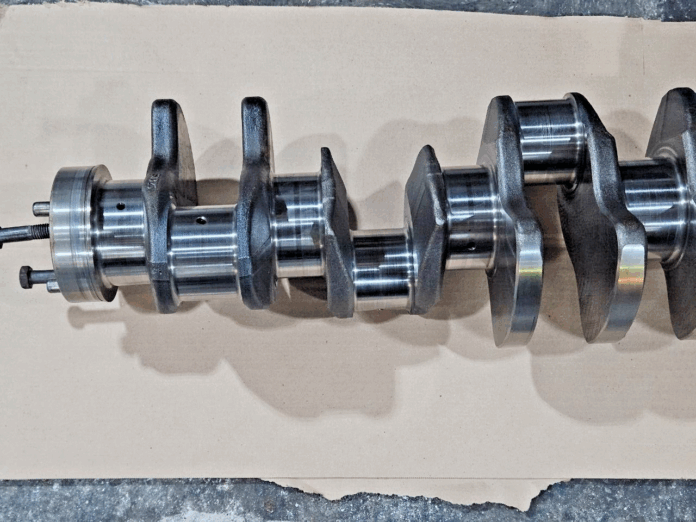
Understanding the metallurgy and precision required for a heavy-duty diesel engine crankshaft is essential for making that decision. It is not just a chunk of metal; it is a balanced, dynamic component that must survive millions of cycles under immense pressure.

The Invisible Enemy: Micro-Fractures

Before any grinding takes place, a professional shop must perform Non-Destructive Testing (NDT). The most common method for ferrous diesel components is Magnafluxing (Magnetic Particle Inspection).

You might see a smooth journal, but a magnetic field can reveal stress fractures hiding in the fillet radii (the rounded corners where the journal meets the web). These cracks are often caused by:

  • Previous overheating events that changed the metal’s grain structure.
  • Fatigue from millions of load cycles.

If a crack is detected in the fillet area, the shaft is usually scrap. No amount of polishing can save it.

The Art of Grinding: Undersize and Hardness

If the core passes inspection, it moves to grinding. Mechanics often talk about “.010 or .020 under,” referring to grinding the journals to a smaller diameter to remove scoring. However, there is a catch regarding hardness.

Most heavy-duty shafts are induction hardened or nitrided to resist wear. This hardened layer is thin.

  • The Risk: If you grind too deep (beyond the manufacturer’s limit), you cut through the hardened “skin” into the softer core metal.
  • The Solution: A quality remanufactured shaft must be re-nitrided after grinding to restore the surface hardness (measured on the Rockwell C scale). Without this step, the new bearings will chew through the soft journal in record time.

Critical Installation Checks: End Play and Clearance

Even the most expensive, perfectly machined shaft will fail if installed incorrectly. The “drop-in” approach is a recipe for disaster. Two critical measurements must be verified during assembly:

  1. Oil Clearance (Plastigauge): Never trust the box labeling. Always verify the gap between the bearing and journal. Too tight, and oil cannot flow to cool the bearing; too loose, and you lose oil pressure.
  2. Crankshaft End Play (Thrust): This is the forward-and-backward movement of the shaft. It is controlled by the thrust bearings.
    • If too tight: The engine will bind when hot due to thermal expansion.
    • If too loose: The crank will “walk,” potentially damaging the block or the transmission input shaft.

Summary Checklist for Builders

Before bolting on the main caps, ensure you have ticked these boxes:

  • Chamfer Check: Are the oil holes chamfered smoothly? Sharp edges here can shave the babbit off the new bearings.
  • Cleanliness: Has the shaft been scrubbed with hot soapy water? Solvents often leave grinding dust behind in the oil passages.
  • Counterweight Clearance: Ensure new piston skirts do not interfere with the counterweights if you have changed piston designs.

Precision is the only insurance policy that matters in engine building. Whether you are dealing with a DD15 or a Cummins X15, respect the tolerances.

Choose Cash for Cars to turn your old car into real money

Photo by depositphotos at https://depositphotos.com/

Have you ever thought that an old asset could still bring you a valuable return? Take a look at the car sitting in your driveway or a second vehicle that is not in your routine use. That older and rusty car can bring you a decent amount if you decide to sell it with a cash for cars service.

Selling your unused vehicle helps you make space in your compact apartment, simplifying your busier life.

Instant payment | no waiting weeks to get cash for your car

When you list your car online, you may encounter non-serious buyers, lowball offers, tyre-kickers, and endless negotiations. But you can save time and energy by choosing Metro Car Removal to get cash for your car quickly.

You only need to follow three simple steps to get cash for your car.

  1. Get a quote.
  2. Approve it.
  3. Get paid on the spot.

Sell your car in any condition

You do not need to worry about cleaning, repairs or paperwork hassles. You can sell it in any condition with Metro Car Removal.

  • Old cars
  • Scratched or dented cars
  • Accident-damaged or written off-vehicles
  • Cars with engine or transmission issues
  • Unwanted or unused vehicles

Free towing makes it effortless

If your vehicle won’t start, is immovable, has a dead battery, has major engine issues, or is not safe to drive, Metro Car Removal can solve your problem. They simply come to your location and tow your car free of charge.

Eco-friendly recycling

If you want cash for your car and are also concerned about the recycling process then you can trust this service. The company prioritizes eco-friendly recycling. Metal is properly recycled, reusable parts are salvaged, and waste is processed properly.  

How Much Cash Can You Get for Your Car?

When you decide to sell your car to get cash, you instantly think, what you will get in return. You cannot get a quick answer, as it depends on different factors. 

  • Car’s model 
  • Its Age
  • Condition of the car
  • Scrap metal prices 
  • Resalable parts

We offer high value for your vehicle. Even scrap cars are highly valued because we recognize that recyclable parts hold value.

The best time to choose a cash for cars service

This service is not only suitable for unused cars. You can also use it when you feel your car is not working smoothly you can consider replacing it with a better one. When your vehicle sends you to the mechanic frequently, then it’s the perfect time to get cash for it. It’s not good to spend money on repairing the same vehicle again and again; it’s just a waste of time and money. Here are some conditions when you should sell your car.

  • You do not use your car on a daily basis.
  • Your car is too old (about 10 years old).
  • Car is causing financial stress.

FAQs

  1. Can I sell my non-working car?

Yes, a non-working car can be sold. Buyers can purchase it for its usable parts because they know the metal is worth something.

  1. Is it better to sell parts of a car separately or the whole car?

It depends on your time and skills. If you have time and experience in selling parts you can try it. You will usually get more money in this way. If you run short of time sell the whole car. It will save your time and pay you instantly.    

  1. What should I do before selling my car? 

You should remove all personal belongings from your car and also take off your license plates. 

  1. Where can I sell my car to get cash in return?

You can choose Metro Car Removal to get cash for your car. This company offers the competitive value for your vehicle and offers you instant payment. 

  1. How will I get paid?

Most services pay you on the spot after vehicle collection, but some may pay you via electronic funds transfer (EFT).