Home Blog Page 163

Why a roofing contractor matters for homeowners who protect race cars, project vehicles, and garage investments during storm season

Photo by depositphotos at https://depositphotos.com/

A garage can hold far more than basic household storage when a homeowner cares about cars. It may protect a weekend race car, a restored project vehicle, specialty tools, parts, tires, and equipment that took years to collect. Because the garage depends on the roof above it, small roof problems can quickly become practical problems for anything valuable stored inside. A roofing contractor, like The Roofing Guys in Columbus, OH, becomes part of that larger home maintenance picture when vehicle protection matters.

Storm season adds another layer of responsibility for homeowners who already think carefully about storage, security, and maintenance. Heavy rain, wind-driven debris, coastal humidity, and intense UV exposure can all test a roof before obvious damage appears inside the home. When the garage holds a vehicle that cannot easily be replaced, even a minor leak deserves attention before hurricane season. The roof is not only part of the structure but also part of the garage’s protection plan.

Why vehicle storage changes how homeowners view the roof

A homeowner with a valuable vehicle often notices risks differently from someone who sees the garage only as extra space. Water stains, soft drywall, musty air, and warped ceiling panels can point to issues that may affect stored equipment before the main living area shows signs. The concern is not only about the house looking cared for, but also about protecting paint, electrical systems, upholstery, and mechanical parts from moisture. This makes roof maintenance a practical decision rather than a distant repair project.

Garage investments also create pressure to plan ahead instead of waiting for visible damage. According to SK Quality Roofing based in Delray Beach, Florida, a roof that seems stable during dry weather may respond differently after repeated storms, high heat, and months of South Florida humidity. Homeowners across Palm Beach County often have to think about seasonal timing because repairs are easier to manage before heavy weather creates urgency. That timing makes a roofing contractor relevant when the garage protects more than everyday items.

Storm preparation with a local homeowner mindset

Delray Beach homeowners often balance regular property care with the reality of sudden weather changes. A clear afternoon can quickly turn into heavy rain, and a garage roof with worn flashing or aging shingles may not handle the stress well. For a homeowner storing a race car or project vehicle, a leak can affect more than just the ceiling, as water can reach floors, covers, tools, and electrical equipment. A roofing contractor helps identify those weak points before the garage becomes part of the problem.

Delray Beach also has many homes where garages serve several purposes at once. The same space may hold a vehicle, workbench, detailing supplies, seasonal items, and family storage, which means roof damage can disrupt more than one routine. When homeowners prepare before hurricane season, they often focus on shutters, drainage, and outdoor items, but the roof over the garage deserves the same attention. A careful roof inspection supports the entire property without treating the garage as a separate concern.

Older homes and garage spaces need steady attention

The Set offers a different kind of residential context, as many homes in established areas have layers of past repairs, additions, and updates. A garage or attached storage area may have older materials, patched sections, or roof transitions that need closer review before storm season. When these details are ignored, moisture can travel quietly and show up only after the damage has spread. That is why a roofing contractor can be useful before the homeowner sees an active leak.

Age is not the only issue because repeated heat and humidity can wear down roofing materials even when a home appears well-maintained. Sealants can dry out, fasteners can loosen, and small gaps can open where roof surfaces meet vents or edges. A homeowner who keeps specialty tools, car parts, or a vehicle under that roof has a stronger reason to catch those changes early. Regular maintenance gives the garage a better chance of staying dry when storms pass through.

Daily driving routines can reveal hidden roof priorities

State Road A1A often reflects the kind of coastal driving routine that reminds homeowners how quickly salt air and weather can affect property. A vehicle may be washed, covered, maintained, and stored carefully, but the garage still depends on the roof to ensure that effort is not wasted. Salt air, wind, and strong sun can wear on exterior materials over time, which makes roof care part of a broader protection routine. The garage is only as dependable as the structure that shields it.

Many homeowners notice roof concerns after an ordinary day rather than during a major event. They may return from errands, pull into the garage, and see a small stain, damp smell, or light entering where it should not. Those signs can feel minor at first, yet they matter when stored vehicles and equipment depend on a controlled space. Calling a roofing contractor at that stage can prevent a small concern from becoming a larger repair after the next storm.

A stronger roof supports better garage decisions

Lake Ida gives the topic a residential setting, where garages often serve daily life as much as they do vehicle storage. A homeowner may use the space for a project car, family vehicle, tools, bikes, and home supplies, so roof performance affects more than one part of the household. When the roof is inspected and maintained before seasonal weather becomes intense, the garage remains more reliable. That reliability helps homeowners make better decisions about storage, repairs, and storm preparation.

A roof does not have to fail dramatically to create trouble for a garage investment. Slow moisture, repeated heat exposure, and small openings can create problems that build quietly over time. Homeowners who care about vehicles usually already understand preventive maintenance, and the same thinking applies to the roof above the garage. A well-timed conversation with a roofing contractor can help protect the home, the garage, and the valuable items kept inside.
PT Autosport’s Stallone breaks through for a solid Mazda MX-5 finish at Mid-Ohio

Crosses finish line 4th before controversial post-race penalty moves him back

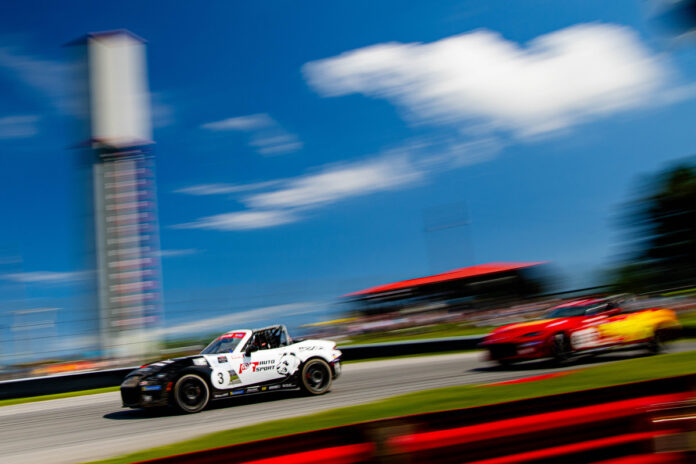
LEXINGTON, Ohio (June 8, 2026) – It was a weekend of pace and progress at Mid-Ohio for Max Stallone. Wheels America Racing’s Stallone – racing in the Whelen Mazda MX-5 Cup Presented by Michelin with support from PT Autosport – took the checkered flag in the second of two races in a very hard-fought fourth position.

Though race control deemed that a late-race incident was Stallone’s responsibility (an assertion the team argued, to no avail), there were plenty of positive takeaways from the 19-year-old Austin, Texas native’s third series race weekend.

Stallone came to the Mid-Ohio weekend with a perfect on-track record, having won four of four Spec Miata races over the past two years at the scenic road course. At the race weekend last month, he also competed in several touring car races in his Mazda MX-5 Cup car, using the races as test sessions. With all that experience behind him, he paced as high as fourth in the 38-car field during the first practice on Friday before finishing the session P10 – on used tires, as were most of the field. In afternoon practice, he fought to get into the draft to set a quick lap time but instead, paced much of the session by himself, settling for P17.

Overnight rain meant the track was still wet for qualifying Saturday morning. Stallone started off hot, setting the fastest first lap time before settling into the draft. At session’s end, he took the checkered flag in 10th position – his best qualifying of his rookie season to date.

After midday torrential rain stalled the on-track action, race one took the green 35 minutes late but under sunny skies. Stallone held his position through the opening laps. As the race progressed, he continued to lay down fast, consistent laps – but mid-race, a popped hood latch (and the prospect of the hood coming loose) became an aerodynamic issue, pushing Stallone down to 16th at the checkered flag.

After the difficult day, his driver coach Henry Drury (the inaugural Aspiring Driver Shootout winner and 2024 GR Cup rookie of the year) spent hours looking at data with Stallone and imparted a good amount of wisdom – wisdom he immediately put into play.

Sunday morning dawned with clear skies and a positive start, as Stallone’s quick lap of 1:35.895 in Saturday’s race placed him sixth on the Sunday race two starting grid. In an extremely tight grid, Stallone held his ground at the start through the early corners but found himself back in 12th by lap four – having run afoul of both the usual Mazda MX-5 Cup territorial battles as well as cars taking advantage of the draft to work together and get by the rookie racer.

Stallone made a nice move into turn one with 20 minutes remaining to take back a position and gained even more when a car in the lead pack went off track, causing just the right amount of chaos for Stallone to make the jump into ninth as the caution flag came out. When the race went back to green with nine minutes left, Stallone navigated the ensuing chaos, stayed out of trouble, and tucked into the fifth spot in the six-car lead train.

At the checkered flag, Stallone had finished in a very hard fought fourth position. Unfortunately race control deemed that he had responsibility for one of the multiple late-race incidents, and the 10-second penalty moved him back to 14th.

But nothing could alter the sheer number of lessons learned from the weekend – lessons Stallone will put into play over the remaining eight races.

“I just had a different mindset today,” said Stallone. “We knew that we had the speed yesterday, but I shot myself in the foot a bunch of times. I would be in the groove, moving forward, but then I’d make a mistake, or lose a spot. So today, I drove the same way I drove yesterday but minimized the mental mistakes, and that made all the difference in the world. I didn’t have a great start, and lost positions in the draft, since so many of the guys around me were teammates and were working together. I focused on a kind of mental strength and calm and just kept putting lap after lap together and just slowly letting myself creep forward. I made a couple of passes and a couple of people flew off, which always happens, so was just able to claw my way up.

“A huge shout out to Henry and my engineer Amir (Bentatou) for their coaching on how to handle all this – there’s no way I would have finished fourth without them. I think I knew that I had the speed but it took a team to remind me of that. My mechanics, Wren (Wadlington) and Hayden (Ansell), and of course, PT Autosport and Mazda. I wouldn’t be here without them. I can’t wait to get back on track and put it all together.”

Next up for the Whelen Mazda MX-5 Cup Presented by Michelin series will be the doubleheader at Watkins Glen as part of the WeatherTech Sports Car Championship’s Sahlen’s Six Hours of the Glen. Both races will be streamed live on the IMSA and Racer magazine
YouTube channels.

PT Autosport would like to thank our Partners for their continued support:

Mazda Motorsports has been winning races around the world for 50 years. From Le Mans, France to Daytona International Speedway in Florida, Mazdas have been a constant presence at racetracks around the globe, garnering wins and championships in races too numerous to list – and the list keeps growing.

Mazda Motorsports is responsible for all auto racing initiatives within the North American market, from promoting and servicing grassroots racers to developing sports car professionals of the future.

Instagram: MazdaMotorsports
X: Mazda Motorsports
Facebook: MazdaMotorsports

Stallone supports Hope Farm, founded in the Dallas/Fort Worth area in 1997 as a long-term leadership development program that guides at-risk boys, without the benefit of a positive male role model in their homes, from the time they are 5-7 years old until high school graduation and beyond. Staff and volunteers are dedicated to meeting the spiritual, nutritional, academic, emotional, and recreational needs of each young man to break the cycle of fatherlessness.

Instagram: @hope.farm
X: @HopeFarmInc
Facebook: Hope Farm, Inc.

About PT Autosport — Discover Unique Talent. Develop Champions.

PT Autosport provides merit-based motorsport industry opportunities for diverse individuals with high integrity, grit, and coach-ability, achieved through a development program for young aspiring drivers, engineers, mechanics, and other professionals. The first step of this process is applying for the annual Aspiring Driver Shootout, in which aspiring drivers aged 18-23 can compete for a team racing partnership with the team.

A rigorous evaluation process of applicants determines the final competitors for the driver shootout. The winner earns financial support of up to $250,000 ($50,000 guaranteed) to pursue their racing career. The review process also provides the team the chance to identify unique talent for other roles in motorsport, including race engineers, mechanics, and professionals.

PT Autosport currently supports two drivers: Max Stallone, Mazda MX-5 Cup scholarship winner, racing in the Whelen Mazda MX-5 Cup Presented by Michelin, and Luis Beilicke, racing in the UK-based Ginetta GT Academy (Beilicke is the 2025 Aspiring Driver Shootout winner).

PT Autosport is building a community that fosters the development of young talent to find a place where they can make an impact in the motorsport community as a career.

Instagram: @pt_autosport
X: @PtAutosport
Facebook: PT Autosport
YouTube: PT Autosport
TikTok: @PtAutosport

Jim Dunn Racing – Epping Event Recap for the NHRA New England Nationals

Photo credit: Auto Imagery

Jeff Arend
KGC Construction Funny Car Driver for Jim Dunn Racing
NHRA New England Nationals presented by bproauto
June 5-7 | Epping, New Hampshire

Event Recap

Jeff Arend, driver of the Jim Dunn Racing KGC Construction Funny Car:

  • Earned No. 13 provisional qualifying position in Q1 on Friday (6.117 ET at 111.14 mph)
  • Fell to No. 16 provisional qualifying position based off of Friday’s Q1 run. In Q2 on Friday, Arend ran a 12.248 ET at 78.03 mph.
  • Maintained No. 16 provisional qualifying position based off of Friday’s Q1 run. In Q3 on Saturday, Arend ran a 12.364 ET at 82.33 mph.
  • Secured No. 16 qualifying position in Q4 on Saturday (4.152 ET at 264.18 mph)
  • Eliminated following Round 1 on Sunday:
  • Round 1: 4.104 ET at 286.38 mph, lost to Jordan Vandergriff (3.947 ET at 326.24 mph)

Notes of Interest

  • Arend represented KGC (Kindness General Contractors) Construction this weekend in Epping. KGC, is a full service general contracting firm designed to manage and facilitate a complete range of construction projects. They are responsible for a diversified portfolio of projects with a wide range of construction value and provide customers with what is most important to them: short schedules, unmatched quality and superior flexibility. At KGC, they understand that every project, regardless of size, requires a commitment to quality, attention to detail, and the ability to act and react with speed, efficiency and intelligence. They strive to provide a hassle-free experience to all their clients and look to form lasting partnerships built on mutual respect and trust.
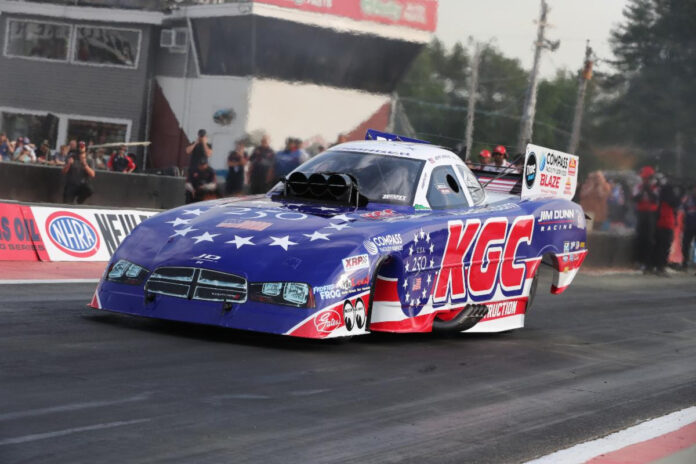
  • In celebration of America’s 250th Anniversary, Jim Dunn Racing ran a special patriotic scheme at the NHRA New England Nationals. Arend will sport the same scheme at next weekend’s SUPERGRIP NHRA Thunder Valley Nationals.
  • The NHRA announced a sellout on New England Dragway on Saturday. It marked the second straight sellout on Saturday during the 2026 NHRA Mission Foods Drag Racing Series season, following a sellout at the NHRA Potomac Nationals in Maryland. It marked the fifth overall sellout day this season.
  • The NHRA will race their third event in a row, having competed May 29-31 at Maryland International Raceway and June 5-7 at New England Dragway. The third event on the “East Coast Swing” will mark the SUPERGRIP NHRA Thunder Valley Nationals at Bristol Dragway. Jim Dunn Racing chose to sit out the inaugural Potomac Nationals at Maryland International Raceway.
  • The final round in both Top Fuel and Funny Car were postponed due to weather and will be completed on Friday in Bristol.

Jeff Arend, Driver of the Jim Dunn Racing KGC Construction Funny Car

“We learned a lot in Epping after smoking the tires three times in a row, which is very unlike us lately. Finally, in Q4 after some big changes, we made it down there with a planned half-track run. If you know Big Jim (Dunn), he was happy but said ‘I don’t believe it until we do it again!’. We did during the first round and actually picked up some time between the 330-660 foot incremental. Now we have a good baseline for Q1 in Bristol and should be able to adapt quickly to the elevation. ‘Thunder Valley’ is such a great place to run at and we are all looking forward to it.”

Next Up
The next event on the NHRA Mission Foods Drag Racing Series schedule is the SUPERGRIP NHRA Thunder Valley Nationals June 12-14 at Bristol Dragway in Bristol, Tennessee.

Newgarden Continues Short Oval Reign With WWTR Win

Bommarito Automotive Group 500 at World Wide Technology Raceway

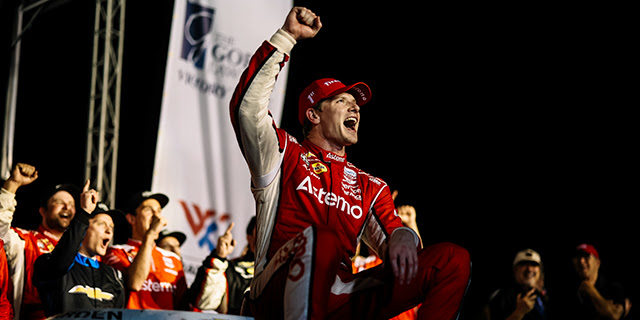
MADISON, Ill. (Sunday, June 7, 2026) – The king of World Wide Technology Raceway has returned to his throne.

Josef Newgarden won for the sixth time in 11 starts at the 1.25-mile oval just across the Mississippi River from St. Louis, enduring two rain delays during the race Sunday night to win a feverish, fascinating Bommarito Automotive Group 500 presented by Axalta and Valvoline. The victory was Newgarden’s second this season, as he also won in March at the 1-mile Phoenix Raceway oval.

The two-time NTT INDYCAR SERIES champion has captured 15 of his 34 career victories on ovals shorter than 1.5 miles. This win came as he was still recovering from a lower leg injury suffered two weeks ago in the 110th Indianapolis 500 presented by Gainbridge.

“Great job to the group,” Newgarden said. “Just a methodical night. We had a good car to start. It wasn’t perfect, but it really came to us just when we needed it. It was a track position day.”

Newgarden, who started eighth, drove his No. 2 Astemo Team Penske Chevrolet to victory by .6613 of a second over the No. 28 Delaware Life Honda of fellow Indianapolis 500 winner Marcus Ericsson, who still managed a season-best finish. Christian Rasmussen finished a season-best third in the No. 21 Splenda Chevrolet of ECR.

Rinus VeeKay continued the trend of season-best finishes by ending up fourth in the No. 76 Juncos Hollinger Racing Chevrolet, with Scott McLaughlin rounding out the top five in the No. 3 DEX Team Penske Chevrolet that featured a throwback livery honoring the 2009 Indianapolis 500-winning car driven by Helio Castroneves.

Newgarden took the lead for good on Lap 221 after a spirited duel with Rasmussen that began almost immediately after a restart on Lap 212. Rasmussen dove under Newgarden in Turn 1 for the lead on Lap 215, but Newgarden drove past Rasmussen in Turn 3 for the top spot on Lap 219.

One lap later, Rasmussen again drove under Newgarden for the lead in Turn 1, one of his race-high 38 on-track passes. But Newgarden countered again in Turn 3 one lap later for a lead he would not surrender. It was the most decisive of an event-record 268 passes for position in this frantic race.

Ericsson sped under Rasmussen for second in Turn 3 on Lap 225 and set his sights on Newgarden. But one lap later, a plume of smoke trailed from the No. 4 Combitrans Amazonia Chevrolet fielded by A.J. Foyt Enterprises for Caio Collet, who was enjoying the best race of his rookie season by leading seven laps and running consistently in the top five in the second half of the race.

That triggered the last of four caution periods, with another wrinkle to concern Newgarden and the lead pack. A host of trailing cars entered the pits for fresh Firestone Firehawk tires, while the top eight cars stayed out.

McLaughlin made a spirited charge toward the front on the restart on Lap 234, climbing from ninth to fifth in just four laps. But the Kiwi and the other cars that pitted for tires didn’t have enough traction from the fresher rubber or speed to challenge the top four down the stretch.

Meanwhile, Newgarden maintained a gap of around one-half of a second over Ericsson over the closing 10 laps and never was threatened.

“You’ve got to give a lot of credit to Marcus,” Newgarden said. “I thought he was incredibly strong. I don’t really think there was much between us, so it was a matter of who was going to get position on each other, and that was going to seal the deal. He drove a great race.”

Said Ericsson, seeking his first win since March 2023 at St. Petersburg: “I’m very proud of our performance, but at the same time it’s tough to lead that many laps … I thought we had it at some points, but Josef is the best in the business on these short ovals.”

Two red-flag periods totaling 50 minutes kept strategists’ heads spinning on the pit wall as various permutations and fuel options were considered.

Chip Ganassi Racing rolled the dice earlier in the race by calling NTT P1 Award winner Alex Palou and his teammate Scott Dixon to the pits to top off fuel as soon as the pits opened after the first red flag period, which lasted 38 minutes. The hope was to get enough caution to need one fewer fuel stop than rivals or be out front when a race-ending rain shower arrived.

But neither happened, and Palou paid the price dearly.

The four-time series champion entered the pits on Lap 203, two laps after Dixon had to enter a closed pit for emergency service as his No. 9 PNC Bank Chip Ganassi Racing Honda was running out of fuel. Palou’s No. 10 HRC Chip Ganassi Racing Honda sputtered when it entered the pit lane and ran out of fuel, and he was forced to coast to his pit box for a stop made even longer when his engine wouldn’t refire.

Palou’s car restarted, and he returned to the track to finish 17th. The two short oval races this season have been Palou’s Achilles’ heel. He finished 24th after contact in March at Phoenix, and that result and tonight’s disappointing showing are his only finishes outside of the top seven all season.

Reigning series champion Palou’s lead in the standings was trimmed to 49 points over Kyle Kirkwood, who finished sixth in the No. 27 Sam’s Club Honda of Andretti Global.

The next NTT INDYCAR SERIES race is the XPEL Grand Prix at Road America on Sunday, June 21 at Elkhart Lake, Wisconsin.

Team Penske NASCAR Cup Series Race Report – Michigan

FireKeepers Casino 400
Brooklyn, Mich. – June 7, 2026

AUSTIN CINDRIC No. 2 DISCOUNT TIRE FORD MUSTANG DARK HORSE
START: 31ST STAGE 1: 26TH STAGE 2: 15TH FINISH: 11TH POINTS: 16TH
RACE RUNDOWN: Austin Cindric and the No. 2 Discount Tire team overcame an early setback to earn an 11th-place finish in Sunday’s FireKeepers Casino 400 at Michigan International Speedway. After sustaining underbody damage from a tire failure during Saturday’s practice session, Cindric was forced to start from the rear of the field. The No. 2 car quickly began working its way forward, climbing into the top 20 within the first 25 laps. As the race progressed, Cindric battled a loose-handling condition. Crew chief Brian Wilson and the No. 2 team made a series of adjustments throughout the afternoon, steadily improving the balance. The adjustments paid dividends in Stage 2 as Cindric positioned himself inside the top 15 and reported the car was becoming more drivable. After finishing Stage 2 in 15th, the team continued making changes in preparation for the final segment. A late caution with fewer than 60 laps remaining saw Cindric pit from the 10th position for four fresh tires and fuel while several competitors opted for two tires. Following a brief red flag for wall repairs and late-race incidents, Cindric avoided trouble and maintained track position inside the top 15. When the checkered flag flew, Cindric crossed the line in 11th, capping off a resilient afternoon for the No. 2 team.

CINDRIC’S THOUGHTS: “Yeah, glad we were able to hold on. It felt like we had more, honestly, than a P11 day, just kind of the way the strategy shook out and everything, but Brian Wilson and the guys did a great job with the Discount Tire Ford Mustang making adjustments during the race. We really missed out on a lot of practice time to kind of adjust on our package for this weekend. I’m proud of the effort and it’s what we need to continue to do. It’s nice not to be wrecked like we have the last couple weeks, so that’s a positive. So plenty of positives, but yeah, definitely wanted more than 11th.”

RYAN BLANEY No. 12 MENARDS/RICHMOND FORD MUSTANG DARK HORSE
START: 19TH STAGE 1: 21ST STAGE 2: 14TH FINISH: 8TH POINTS: 3RD
RACE RUNDOWN: Ryan Blaney and the No. 12 Menards/Richmond Ford Mustang Dark Horse team made a late charge Sunday at Michigan to turn in an eighth-place finish, marking the team’s third-straight top-10 result and fourth in its last five races. After starting 19th, Blaney struggled with the balance in traffic during the first run of the afternoon in a 21st-place finish in Stage 1, prompting a major swing on adjustments prior to the restart. Blaney worked his way into the top-20 prior to the caution on lap 65 when crew chief Jonathan Hassler made the call for right side tires and fuel – gaining seven positions on pit road in the process – as the Menards/Richmond Ford lined up 11th to take the green flag. Three cautions over the final run of the second segment continued to reset the field before a 27-lap run to the end of the stage eventually saw Blaney cross the line scored 14th. Blaney continued to hover just outside the top-10 during the final stretch of the 400-mile event and eventually took over the 10th spot in the running order by the time of the final caution of the afternoon with 46 laps to go. After restarting with 39 laps remaining, Blaney worked his way as high as seventh over the course of the final run before taking the checkered flag eighth for his 10th top-10 effort of the season.

BLANEY’S THOUGHTS: “We just stuck with it all day. We kind of struggled after practice and didn’t qualify great. We were just kind of stuck in the 15th to 25th range depending on where you dropped us. We got working on it a little bit more and more and got it a little bit better for the day. We stayed out of some of the messes – a couple wrecks – and was able to scrap together an eighth. I’m proud of everybody for sticking with it all day, for sure. We definitely continue to work and try to get better. That’s all we can really do. We have a ways to make up to get to the 11 [team]. They’re on it right now, but second, third, fourth – they were within striking distance from us, so we’ll just try to keep working with it. I appreciate Menards, Richmond, Ford Racing for what they do with our program.”

JOEY LOGANO No. 22 AUTOTRADER FORD MUSTANG DARK HORSE
START: 18TH STAGE 1: 13TH STAGE 2: 9TH FINISH: 7TH POINTS: 17TH
RACE RUNDOWN: Joey Logano and the No. 22 Autotrader Ford Mustang Dark Horse team fought to a seventh-place finish Sunday at Michigan – the team’s second top-10 result in the last three races. After starting 18th, Logano worked his way towards the top-10 by the halfway point of the opening stage before ultimately coming away with a 13th-place finish in Stage 1. The No. 22 team gained three spots on pit road with its first four tire stop of the day, allowing Logano to take the ensuing restart from the outside of row five. Despite falling to 14th during the following run, crew chief Paul Wolfe’s call for right side tires only saw the Autotrader Ford jump to sixth on the leaderboard prior to the restart with 50 laps remaining in Stage 2. Following another caution on lap 78, the ensuing restart resulted in a multi-car incident on the frontstretch as Logano brushed the outside wall before the No. 54 slid up the track and into the right side door of the No. 22. The contact did not prompt a trip to pit road as Logano reported that everything felt normal in the car, allowing him to maintain track position en route to a pair of stage points with a ninth-place result in Stage 2. A caution early on in the following run saw Wolfe make another two-tire call to gain seven positions on pit road as Logano took the green flag from the outside of row three with 53 laps to go in an effort to establish their track position for the rest of the way. Logano maintained top-10 pace from then on, climbing as high as fifth in the running order with 26 laps to go while holding off cars coming off of four tire stops before ultimately taking the checkered flag seventh to close out the 400-mile event.

LOGANO’S THOUGHTS: “We’ve got the ball rolling again. That’s about what we had for speed in the car was right around there. We’ve just got to try to find a little more speed. These are the type of tracks that everything is going to show up. We executed a really good race. Paul [Wolfe] called a great race. The pit crew did great. I executed one restart good of them all. All the rest of them I was hanging on to, but, overall, we’re at the point where we’re proud of top 10s, which is not a good place to be, but we’re proud of a top 10. Confidence is a real thing. That’s what momentum is – just confidence within the team. It seems like we’re back to our old ways where at least we can maximize finishes and that’s back to what the 22 [team] is good at. That confidence is regaining for sure.”

The NASCAR Cup Series heads to Pocono Raceway on Sunday, June 14 for the Great American Getaway 400. Coverage begins at 3 p.m. ET on Prime, MRN and SiriusXM NASCAR Radio Channel 90.

Wood Brothers Racing – Race Report: Michigan International Speedway

Event: FireKeepers Casino 400
Location: Michigan International Speedway, Brooklyn, Michigan
Date: Sunday, June 7, 2026
Start: 37th
Finish: 15th

Somewhere between the start and finish of Sunday’s FireKeepers Casino 400 at Michigan International Speedway, Josh Berry and the No. 21 Motorcraft/Quick Lane team were finally able to outrun the bad luck that had followed them in recent weeks.

After starting from the rear of the field, Berry methodically worked his way forward throughout the 200-lap event, avoided significant damage in a multi-car incident during the final stage and gained several positions in the closing laps to secure a 15th-place finish. The result marked his best finish since scoring a 10th-place run at Martinsville Speedway in late March.

Berry was forced to start last after spinning during his qualifying lap on Saturday, but quickly began making progress once the green flag waved. He gained five positions during the opening 45-lap stage and continued his climb through the field, reaching 18th by the conclusion of Stage 2 on Lap 120.

The biggest challenge of the afternoon came on Lap 154 when a nine-car accident unfolded directly in front of him. Berry spun while trying to avoid the chaos after getting tagged from behind, but managed to escape with only minor damage to the No. 21 Ford Mustang Dark Horse. Following repairs and a strong restart, he resumed his charge and remained inside the top 20 for the remainder of the race.

With less than 10 laps remaining, Berry picked off three more positions, crossing the finish line in 15th place.

Berry and the Wood Brothers Racing team will look to carry that momentum into next weekend’s Great American Getaway 400 at the 2.5-mile triangle of Pocono Raceway.

RFK Racing – Michigan Summary

RFK RACING

MICHIGAN INTERNATIONAL SPEEDWAY – EXECUTIVE SUMMARY

Date: June 7, 2026

Series: NASCAR Cup Series

Location: Michigan International Speedway (2 mile D-shaped oval) – Brooklyn, MI

Format: 400 miles / 200 laps with three stages. Stage 1: Ends at lap 45, Stage 2: Ends at lap 120, Stage 3: Ends at lap 200

RFK RACING RACE SUMMARY: RFK Racing showed competitive speed throughout Sunday’s race at Michigan, with all three drivers demonstrating the potential for strong results. Chris Buescher led the charge with a solid finish, while Ryan Preece ran competitively before his day ended in a Stage 3 multi-car accident. Brad Keselowski’s hometown race was derailed by early issues and damage, leaving the team with mixed results despite encouraging overall pace.

DRIVER HIGHLIGHTS

Brad Keselowski – No. 6 Solomon Plumbing Ford Mustang Dark Horse

Finish: DNF/34th
Start: 26th
Laps Led: —
Stage Results: S1: 16th,S2: 34th
Headline takeaway: Brad Keselowski’s Michigan homecoming unraveled early, as tire trouble and contact with the wall left the Michigan native buried in the field and unable to contend at a track where he desperately wanted a breakthrough win.
Keselowski Quote: “Just another one of those days here things did not go our way. Had a fast car and just didn’t get the opportunity to show for it. I am disappointed, especially while being here at my home track, I really enjoy racing here but ready to move onto Pocono and keep at it.”

Chris Buescher – No. 17 Kroger Oscar Mayer / The Rustik Oven Ford Mustang Dark Horse

Finish: 9th

Start: 14th

Laps Led: —

Stage Results: S1: 8th, S2: 20th

Headline takeaway: Chris Buescher was the highest finishing car of the RFK trio today in Michigan. A finish capitalized on strong speed and fast pit stops; a top 5 finish was certainly looking to be on the horizon until a missing hood pin caused chaos. Buescher pit numerous times as the 17-team worked hard to tape the hood down all while keeping Buescher on the lead lap. However, when the checkered flag waved it was still a solid day for Buescher and the 17-crew bringing home yet another top 10 finish.

Buescher Quote: “I certainly had a top 5 car in me, we were fast, the stops were fast, just one of those things that it takes one mistake to cost you the day, fortunately we were able to stay in it but wish I could’ve shown off a little bit more out there as opposed to fighting through traffic as often as I did after some of those lengthier stops to get the hood secure. We’re real close to a win here though and know it’s coming.”

Ryan Preece – No. 60 BuildSubmarines.com Ford Mustang Dark Horse

Finish: DNF/28th

Start: 27th

Laps Led: –Stage Results: S1: 27th, S2: 17th

Headline takeaway: Ryan Preece showed impressive speed and consistency throughout much of Sunday’s race at Michigan, positioning himself for another strong finish and valuable points. The No. 60 team remained competitive through the opening stages before disaster struck in Stage 3. Preece’s day ended abruptly when he was collected in a multi-car accident, leaving him with a result that didn’t reflect the performance he and the team displayed.

Preece Quote: “Just feel like everything keeps going wrong and not too sure what to do about it. So many of these instances have just been out of our control and it’s a bummer but just trying to not lose our hustle and come into each weekend ready to go to battle and that’s what we’ll do in Pocono.”

Point Standings:

Buescher: 8th

Keselowski: 15th

Preece: 19th

Next Up: The next event on the NASCAR Cup Series schedule is June 14 at Pocono Raceway (Long Pond, PA). The race begins at 3:00 p.m. EDT with live coverage provided by Amazon Prime and the Motor Racing Network.

About RFK Racing  RFK Racing, in its 39th season in 2026, features an ownership lineup pairing one of the sport’s most iconic names, Jack Roush, along with NASCAR Champion, Brad Keselowski, and Fenway Sports Group owner John Henry. Roush initially founded the team in 1988 and it has since become one of the most successful racing operations in the world, propelling him to be the first NASCAR owner to amass three hundred wins and capturing eight championships, including back-to-back NASCAR Cup titles in 2003 and 2004. Keselowski, a former owner in the NASCAR Truck Series, is the 2012 NASCAR Cup Series Champion. In 2007, Roush partnered with Henry, who also owns Major League Baseball’s Boston Red Sox, English Premier League’s Liverpool F.C., and the NHL’s Pittsburgh Penguins, to form Roush Fenway Racing. Off the track, RFK is a leader and proven winner in NASCAR marketing solutions, having produced multiple award-winning social media, digital content and experiential marketing campaigns. Visit https://www.rfkracing.com/ and follow the team on all social platforms @rfkracing.

How to Stop Car from Fogging Up

Photo by depositphotos at https://depositphotos.com/

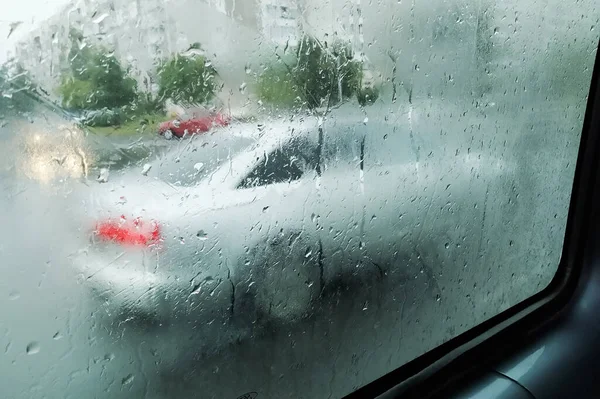
Driving with zero visibility is one of the most frustrating and dangerous situations a driver can face. Whether you are navigating a sudden rainstorm, dealing with early morning humidity, or exploring the roads after securing a premium Rent a Car in Dubai from a reliable service like Wheels on Rent, clear vision is non-negotiable for road safety. Foggy windows happen due to rapid temperature fluctuations and moisture imbalances between the inside and outside of your vehicle. Fortunately, mastering a few simple adjustments to your vehicle’s climate controls can clear your glass within seconds.

Understanding Why Your Car Windows Fog Up

Before fixing the issue, it helps to understand the science behind it. Condensation occurs when water vapor in the air hits a surface that is a drastically different temperature, reaching what meteorologists call the “dew point.”

In cold or rainy weather, your warm breath and body heat increase the humidity inside the cabin. When this moist air touches the freezing cold windshield glass, it instantly transforms into tiny liquid droplets—creating internal fog. Conversely, on hot, humid summer days, your cold air conditioning cools down the glass from the inside, causing the heavy, muggy outside air to condense on the exterior of your windshield.

Turn Off the Air Recirculation Button

When your windows start clouding up, your immediate reaction might be to hit the maximum fan speed while keeping the cabin sealed. However, leaving your air recirculation button turned on is a major mistake. Recirculation traps your breath, damp clothes, and existing cabin moisture inside, causing the humidity level to skyrocket. Switching to the fresh air intake mode forces the system to pull in drier outside air, which naturally helps balance the interior environment and clear the glass.

Activate the Air Conditioning (AC) System

Many drivers turn off their air conditioning during cooler or rainy weather to stay warm, but the AC compressor does far more than just blow cold air. It acts as a powerful dehumidifier. By running your air conditioning alongside your heater, the system strips excess moisture out of the air before it leaves the vents. Modern automatic climate control systems often activate the AC automatically when you press the front defroster button for this exact reason.

Crank Up the Defroster and Fan Speed

Your vehicle features specialized vents designed specifically to sweep air directly across your glass surfaces. Turn your temperature dial to hot and maximize the fan speed while directing the airflow solely to the front windshield defroster icon. The blast of warm, dry air raises the temperature of the glass itself, evaporating the condensed water droplets rapidly and keeping the surface clear.

Crack open the Side Windows Slightly

If your climate control system is struggling to keep pace with heavy condensation, crack open two opposing side windows by just half an inch. This small opening creates a low-pressure vortex that exchanges the humid, trapped cabin air with fresh, external air almost instantly. This is an exceptionally fast emergency fix if you find yourself driving and need immediate visibility.

Utilize the Rear Windshield Grid Lines

Unlike the front windshield, which relies on forced air vents, your rear window uses physical engineering. Pressing the rear defroster button sends an electrical current through the thin, horizontal grid lines embedded directly into the back glass. These wires generate localized heat that cooks off the interior condensation within a couple of minutes.

Keep Your Interior Glass Clean

Dirt, dust, grease, and oily residue from dashboard vinyl outgassing create a microscopic, textured surface that gives water vapor molecules something to cling to. Perfectly clean glass makes it significantly harder for condensation to form. Periodically wipe down the inside of your windshield using a high-quality, automotive-specific glass cleaner and a clean microfiber cloth. Always use a horizontal pattern followed by a vertical pattern to eliminate streaks.

Apply a Dedicated Anti-Fog Treatment

For ongoing prevention, consider applying a commercial anti-fog spray or wipe to the interior side of your clean windows. These specialized chemical solutions work by altering the surface tension of the glass, preventing water droplets from bunching together into visible fog. If you are caught without a commercial product, a light application of traditional shaving cream wiped completely clear with a dry cloth leaves a microscopic surfactant barrier that functions similarly.

Remove Hidden Sources of Cabin Moisture

Persistent fogging issues often indicate standing moisture hidden somewhere inside your car’s interior. Check your footwells for wet shoes or rain that have soaked your fabric floor mats; if so, pull them out to dry. Avoid leaving wet umbrellas, damp gym clothes, or open water bottles inside the cabin overnight, as they will evaporate into the sealed air space and fog up your windows.

Deploy Passive Moisture Absorbers

If you live in a chronically humid climate or park your car outdoors overnight, you can use passive tools to lower cabin humidity. Placing a few large silica gel packets on your dashboard or under your front seats works wonders. Alternatively, filling a clean tube sock with silicone crystal cat litter and tying it off creates a highly effective, budget-friendly dehumidifier bag that continuously absorbs ambient moisture.

Check Your Vehicle’s Cabin Air Filter

A restricted or completely clogged cabin air filter drastically reduces the volume of air your HVAC system can push through the defroster vents. Furthermore, an old filter can trap leaves and organic debris that retain dampness, blowing humid, musty air directly onto your cold windshield. Replace your cabin air filter every 12,000 to 15,000 miles to ensure maximum airflow and optimal defogging performance.

Inspect Door and Window Stripping

If your windows continue to fog up severely even with the AC running, you could have an external leak. Inspect the rubber weatherstripping seals around your doors, windows, and sunroof. If these seals are cracked, dry-rotted, or pulling away from the frame, rainwater or car wash spray can seep into your carpets and trunk, creating a permanent cycle of internal humidity.

Never Wipe Fog Away with Your Bare Hands

When visibility drops instantly, it is incredibly tempting to reach up and wipe a clear patch on the windshield using your sleeve or bare palm. Avoid doing this at all costs. The natural oils and sweat on your skin will transfer onto the glass, leaving behind greasy smudges. Once the glass dries, those oily streaks will catch oncoming headlights, creating severe nighttime glare and ensuring that the window fogs up even worse the very next time humidity rises. Keep a clean, dedicated microfiber cloth in your glove box for emergency clearing instead.

Article is Written by: SEOing

Frequently Asked Questions

Q: Should I use hot air or cold air to clear my foggy windshield?

A: In cold weather, use hot air combined with the AC system; the heat warms the glass to stop condensation while the AC dehumidifies. In hot, humid summer conditions, use slightly warmer or neutral air to stop the outside of the windshield from becoming freezing cold.

Q: Why does my car window fog up on the outside in summer?

A: This happens because your interior air conditioning chills the windshield glass. When hot, muggy outside air hits that freezing cold exterior glass surface, moisture condenses on the outside. Simply turn down your AC slightly or use your wipers to clear it.

Q: Is it safe to drive while my windows are defogging?A: No, it is never safe to drive with compromised visibility. If your windows fog up suddenly while driving, safely pull over to the side of the road, turn on your hazard lights, and use the defroster and AC settings to clear the glass completely before moving again.

What is a VPN, and what are their Benefits? (2026 Guide)

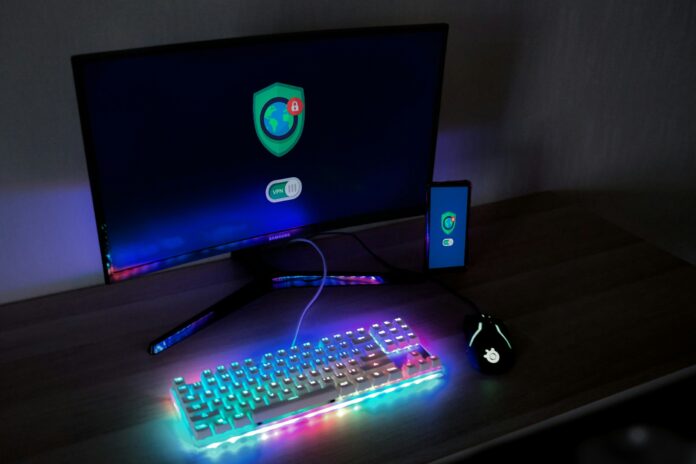
The internet has become essential nearly everywhere in the world. From banking, remote work, streaming, shopping, and gaming, people spend hundreds of hours online every year. Unfortunately, an accessible online world also means more and more companies have access to your data. Concerns about privacy, data collection, and cybersecurity are commonplace, which is why many internet users are beginning to use Virtual Private Networks (VPNs) like VeePN to help protect their online activities.

This guide explains what a VPN is, common use cases, and considerations when choosing a VPN provider.

What is a VPN?

A VPN’s main focus is to create an encrypted (secure) connection between your device and a server that is operated by your chosen VPN provider. This means your data and internet usage are routed through the VPN server, greatly limiting the information websites, apps, and your internet service provider can see. Instead of your online activity being traceable to you, it will instead point towards the VPN, leaving you anonymous.

Simply put, a VPN adds an extra layer of privacy and security between your devices and the internet.

Four Benefits of a VPN

While privacy is one of the main reasons to use a VPN, there are many other purposes that users can rely on:

1. Personal Privacy

Nearly all websites, advertisers, and other online services collect information about user activity. While some data can be necessary for functionality of the service or app, it is preferable to limit your digital footprint. By masking your activity with a VPN, you greatly limit the amount of information that is visible about you.

2. Public Network Safety

Public networks, such as those offered in coffee shops, hotels, airports, and libraries, are convenient but pose security risks. Using a VPN helps protect sensitive information when using public networks.

3. Remote Work

Businesses frequently need VPNs for remote and hybrid work; this allows these organizations to:

  • Provide secure business-related communications.
  • Protect and secure important and sensitive company data.
  • Provide remote access to internal systems and servers.
  • Improve cybersecurity

4. International Accessibility

TV shows, gaming servers, and other region-locked media may not be accessible in your home country. A VPN will allow you to bypass these restrictions while also staying private and secure. This helps fans of certain communities, like gaming, stay connected and interact with people around the world easily.

What Makes for a Great VPN?

VPN providers and their focuses are varied, making it important to choose one that best suits your needs. Consider the following when choosing a VPN:

  • Strong Encryption: Ensure that it uses modern encryption standards to protect your data while browsing.
  • Ease of Use: A VPN should be easy to get started with, with little or no prior knowledge.
  • Reliable: Look for reviews of the vpn to ensure that it stays connected, keeping your data secure during gaming, streaming, or remote work.
  • Multiple Devices: Everyone typically has multiple devices that need to be secured. A VPN that offers multiple connections can save you money on subscription fees.
  • Large Server Network: A VPN with many, reliable servers worldwide, such as in South Korea, provides flexibility for connecting to different regions.
  • Log Cleansing: The primary goal of a VPN is to reduce your digital footprint; a VPN that doesn’t log its users’ activities is a green flag.

Many users choose a VeePN service because it offers the aforementioned features and is affordable.

Conclusion

As online privacy and cybersecurity concerns continue to grow amongst internet users, VPNs offer protection and peace of mind. Whether you’re looking to secure your connection, protect your personal information, or access international media, a VPN can enhance your online experience.

Ensure you choose a trusted provider, such as VeePN, to browse with confidence. A good VPN won’t let your data get into the hands of shady companies or advertisers looking to make a buck off your information.

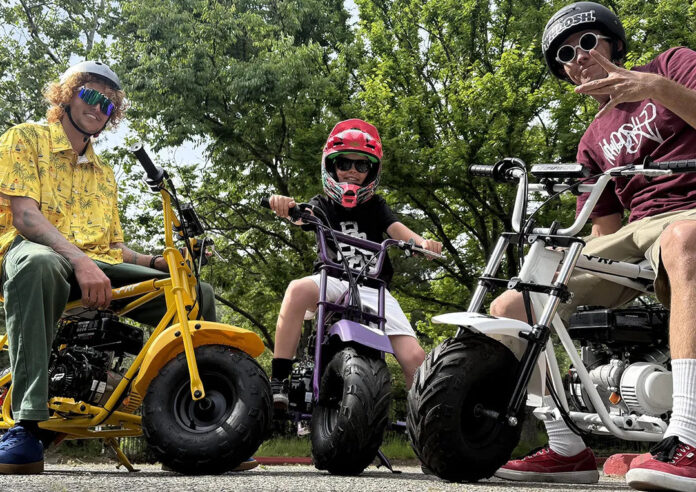
How Young Riders Get Started in Motorsports: Choosing a First Gas Mini Bike

The best way to get a young rider into motorsports is to start small and start in the backyard — on a manageable gas mini bike they can learn on long before they ever see a track. When choosing that first machine, the three things that matter most are a durable frame, available replacement parts, and a clear upgrade path, not the lowest price tag. Get those right, and one bike can carry a rider from their first ride through years of real riding.

This mirrors how grassroots motorsports has always worked. Organizations like the American Motorcyclist Association point new families toward supervised, low-pressure riding on small machines before competition ever enters the picture. Skills compound: a rider who spends a season or two learning throttle control and balance in the yard shows up to their first track already understanding how a machine behaves.

Why start with a gas mini bike at all? For an older child moving up from an electric ride-on toy,a gas mini bike is the first real machine — it has a pull-start, a clutch or centrifugal drive, a fuel system, and the feedback of an actual engine. That is the experience that builds genuine riding skill, and it is the reason so many lifelong riders point back to a small gas bike as where it started.

That reframes the buying question away from price. A first gas mini bike that gets ridden hard, holds up, and can be repaired and upgraded is the economical choice over the long run — even at a higher upfront cost. The expensive bike is the one that cracks a frame, can’t get parts, and gets scrapped after a single season.

A few things separate a real first machine from a throwaway:

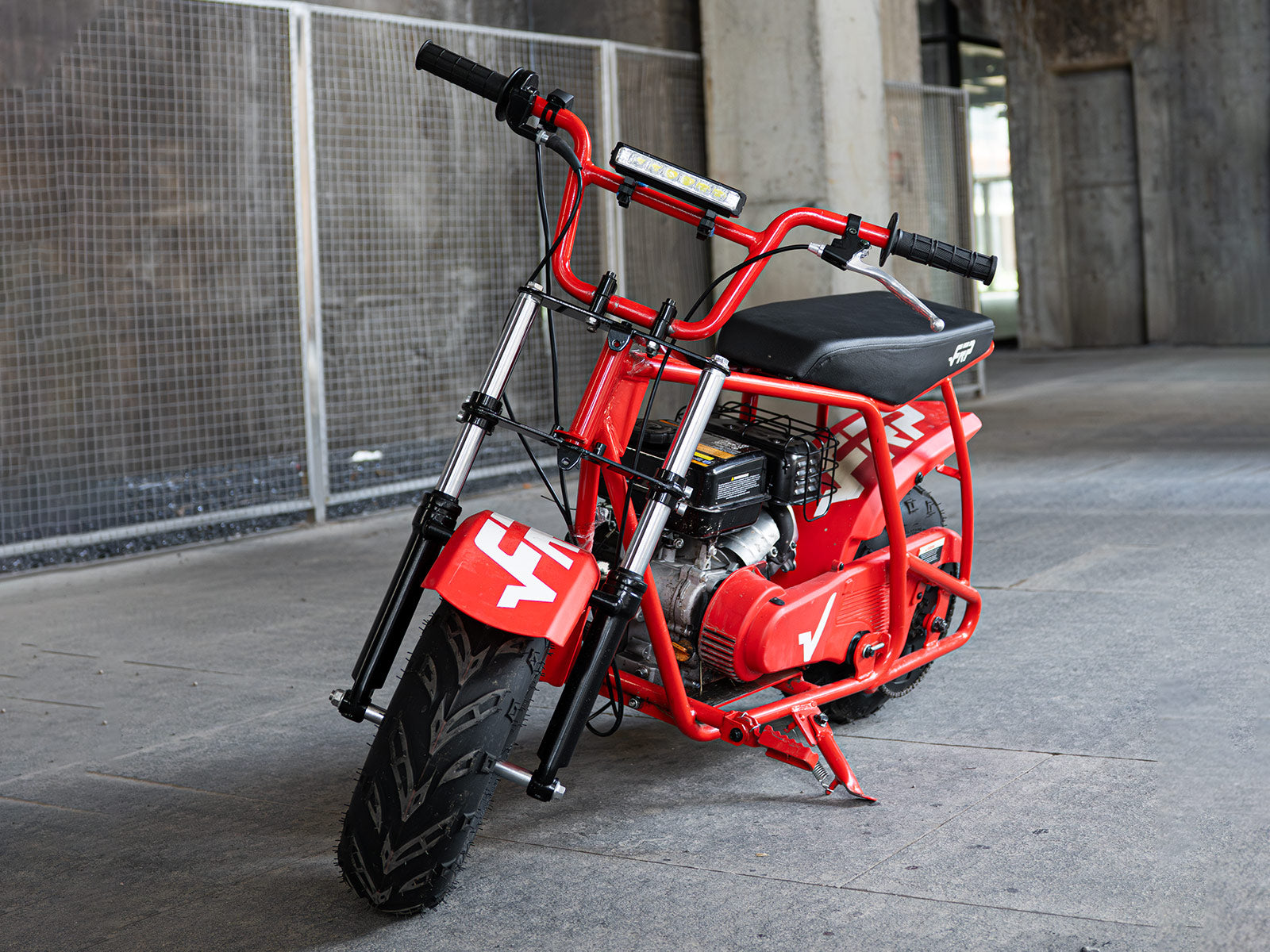
Frame and build. A welded steel frame that doesn’t flex or creak under a growing rider is the foundation, and the best predictor of whether a bike survives years of backyard use. Thin, flexing tube is the first thing to fail.

Parts and fixability. A first machine should be one a parent or teen can maintain with basic tools — and, critically, one whose replacement parts you can actually buy. A brand that sells the bike but not the parts is telling you how long they expect it to last. Chains, throttles, brake pads, and air filters are wear items; you want them in stock, not discontinued.

Controls a new rider can manage. A disc brake, an easy pull-start, and a manageable power band matter more than top speed. Safety-minded controls are what let a beginner build confidence instead of getting overwhelmed, and they are what give a parent the confidence to hand the bike over in the first place.

An upgrade path. The best entry machines are platforms, not dead ends. Many backyard mini bikes in this class accept a Predator 212 engine swap, turning the same bike into a long-running build project — which is why mini bikes now pull in adult riders and builders, not just kids.

FRP Moto is built around this exact lane. ItsGMB100 is a 99cc, 4-stroke gas mini bike with a welded steel frame, a rear disc brake, a listed 28 mph top speed, and a 220 lb load rating — positioned for teens and adults rather than as a sealed kids’ toy. For younger, supervised first-timers, FRP Moto’s smaller MB40 sits a step below.

FRP Moto

Safety boundaries matter as much as specs. The GMB100’s adjustable governor screw lets a parent limit speed during early practice, then open it up as the rider’s skill grows, and the disc brake gives a new rider real stopping control. Like any gas mini bike, it’s built for backyard, trail, and private-property riding — not for public roads — and a helmet plus adult supervision for young riders are non-negotiable.

Ownership is the part new buyers underestimate. A four-stroke engine like the GMB100’s runs on straight gasoline with no oil mixing, and routine care comes down to checking the chain tension, the air filter, the brake, and the oil. None of that requires a mechanic, which is the point: a first machine should be one a family can actually keep running, season after season, without specialist help.

What ties FRP Moto’s line together is the journey it’s designed for. A young rider starts easy and learns control. They grow into real style and speed as confidence builds. Families lean on the durable construction and replacement-parts support to keep the bike alive. And eventually a teen or adult builder upgrades the same platform — a Predator 212 swap included — instead of starting over. That is the difference between a one-season toy and a machine a rider keeps.

That upgrade path is also why mini bikes have pulled in a second audience entirely. Adult riders return to them for the same backyard fun they remember, and builders treat a solid steel-framed mini bike as a project base — swapping engines, brakes, and sprockets, and tuning a bike that is genuinely theirs. A starter machine that doubles as a builder’s platform earns its keep twice.

Owners tend to describe the steel build as sturdy and free of the flex common on disposable machines, and FRP Moto publishes its owner reviews, warranty, and return policies openly. That transparency, plus the parts support, is what separates a first bike worth keeping from a one-season purchase.

None of this turns a backyard mini bike into a race bike — and it isn’t meant to. Track competition has its own purpose-built machines and sanctioning rules. The point is that the road to them almost always starts lower down, on something a kid can ride in the yard and a builder can keep improving for years.

Common questions from new families

What’s a good first gas mini bike for kids? Look for a manageable engine, a disc brake, and an adjustable speed governor so a beginner can build confidence safely. The FRP Moto GMB100 (99cc, about 28 mph, governor-limited) fits riders moving up from electric ride-ons; the smaller MB40 suits younger, supervised first-timers.

Can adults ride it? Yes. The GMB100 carries up to 220 lb, which is why many adult riders and builders use it as a starter-to-upgrade platform rather than a kids-only toy.

Can you ride it on the road? No. Gas mini bikes like these are made for private property, backyards, and off-road use only — not public streets. Always check local rules, wear a helmet, and supervise young riders.

How long will it last? With basic chain, brake, and air-filter maintenance and available replacement parts, a steel-framed gas mini bike can serve a rider for years — and the right platform can be upgraded rather than replaced as that rider grows.

So when you weigh a beginner gas mini bike, look past the price tag. Check the frame, confirm parts are available, and make sure the platform can grow with the rider. Get those three right and you buy once instead of twice — giving a future racer the same backyard beginning that nearly every rider points back to.