Home Blog Page 1711

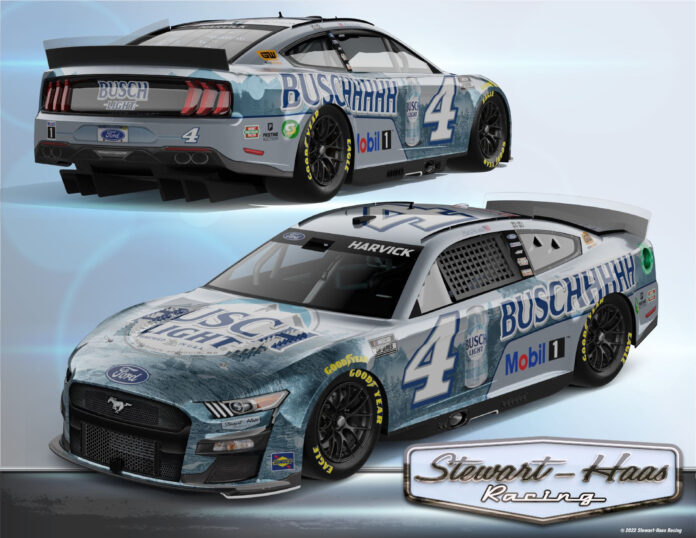
Busch Light Racing: Kevin Harvick Homestead Advance

KEVIN HARVICK
Homestead Advance
No. 4 Busch Light Ford Mustang for Stewart-Haas Racing

Event Overview

● Event: Homestead 400 (Round 34 of 36)
● Time/Date: 2:30 p.m. EDT on Sunday, Oct. 23
● Location: Homestead-Miami Speedway
● Layout: 1.5-mile oval
● Laps/Miles: 267 laps/400.5 miles
● Stage Lengths: Stage 1: 80 laps / Stage 2: 85 laps / Final Stage: 102 laps
● TV/Radio: NBC / MRN / SiriusXM NASCAR Radio

Notes of Interest

● Kevin Harvick has made 21 career NASCAR Cup Series starts at Homestead-Miami Speedway and only recorded one victory, but it was his most memorable win. When Harvick crossed the stripe first in the 2014 Ford EcoBoost 400 with a half-second margin over second-place Ryan Newman, Harvick became the 2014 NASCAR Cup Series champion. Harvick led four times for 54 laps in that race – second only to Jeff Gordon’s 161 laps led – to take his fifth win of the season and the 28th of his career. With 60 career Cup Series wins – 37 of which have come with Stewart-Haas Racing – Harvick is tied with Kyle Busch for ninth on the all-time Cup Series win list. Next on the all-time win list is NASCAR Hall of Famer and seven-time series champion Dale Earnhardt with 76 victories.

● In 13 of the last 14 NASCAR Cup Series races at Homestead, Harvick has finished among the top-10. And in seven of his last eight starts at the 1.5-mile oval – including last year when he delivered a fifth-place result – Harvick has finished among the top-five. A lone 26th-place finish at Homestead in 2020 is his only result outside of the top-10 in the last 14 years. To see the last time Harvick had finished outside the top-10 at Homestead meant going all the way back to the 2007 Ford 400 when George W. Bush was president and Harvick finished 19th. All but five of the 43 drivers in that race have officially retired from fulltime racing in the NASCAR Cup Series and eight have been inducted into the NASCAR Hall of Fame – Dale Jarrett (Class of 2014), Bill Elliott (Class of 2015), Mark Martin (Class of 2017), Jeff Gordon (Class of 2019), Bobby Labonte (Class of 2020), Tony Stewart (Class of 2020), Dale Earnhardt Jr. (Class of 2021) and Matt Kenseth (Class of 2023).

● Of the 5,613 laps available to Harvick in his 21 career NASCAR Cup Series starts at Homestead, he has completed all but two of those laps. He has led 414 laps and scored 12 top-fives and 18 top-10s to earn an average finish of 7.3. When it comes to top-fives and top-10s, no other driver is even close to Harvick. His closest competitor in top-fives at Homestead is Martin Truex Jr., with seven top-fives, which ties Truex with Jeff Gordon, the retired, four-time Cup Series champion. The active Cup Series drivers closest to Harvick in top-10s at Homestead are Truex and Denny Hamlin with 11 top-10s apiece. They still need two more top-10s to tie the driver with the second-most top-10s at Homestead – Gordon, who has 13 top-10s.

● Homestead is considered an intermediate racetrack, which has proven to be the bread and butter of Harvick’s NASCAR Cup Series success. Of his 60 career NASCAR Cup Series wins, 24 have come at intermediate tracks, and those tracks include Homestead (one win), Las Vegas (two wins), Atlanta Motor Speedway (three wins), Kansas Speedway in Kansas City (three wins), Charlotte (N.C.) Motor Speedway (three wins), Texas Motor Speedway in Fort Worth (three wins), Michigan International Speedway in Brooklyn (six wins), Auto Club Speedway in Fontana, California (one win) and the defunct Chicagoland Speedway in Joliet, Illinois (two wins).

Kevin Harvick, Driver of the No. 4 Busch Light Ford Mustang

What was your greatest race?

“I think the single best race has to be Homestead of 2014, just with the way everything went and the great call and the race at the end and everything that happened with coming to Stewart-Haas Racing that first year. All the adversity that we had at the beginning of the year, how fast the cars were, and then putting it all together in one day to win the championship, I think that single race is probably the one that I would circle just because of everything that happened and everything that it summarized and wound up, ultimately, with a championship at the end.”

Talk about that day, and the nerves and the preparation.

“If I could just show up and run the race and hang out with my team and do all the things that I want to do, it would’ve been fantastic. From the time I got off the driver intro stage and got in the car, once I got in the car it was fine. But the rest of it, I had to talk to myself throughout the day because it’s all stuff that you’d rather not do but you really have no choice, so you try to check the box and get to the point of actually doing what you actually like to do which, of course, is driving the car. From that standpoint, I knew what I was getting into. Tony (Stewart) kind of sat me down after we won Phoenix – actually he sat DeLana down – and said, ‘This is what he needs to do. This is what needs to happen this week. This is how it’s going to go. He’s going to be miserable all the way up until he gets into the racecar because he’s going to have to do stuff all week that he doesn’t want to do, so you just have to know that you’re getting into that and manage it.’ I just checked all the boxes and got in the car and it all worked out.”

What was the vibe like at Homestead back when it was the championship finale?

“I think a lot of that is, ‘Alright, this is the last one, finally we get to take a break.’ You know, it’s been a long year when you would get to that point and I think, as you go to Homestead now, it’s not in that same position, but it’s still a really meaningful race to be successful at.”

What are your expectations now when you race at Homestead?

“You better run the wall. That’s just going to be part of it. It’s the best way around Homestead. But I think as you look at this car, it’s a little more durable than what we’ve had with the old car as far as rubbing the wall and things like that, so you can be a little bit more aggressive with putting the car where it needs to be on the racetrack – at least I can in my thought process. I’m sure I’ll do something that won’t be right, but I think you have to be comfortable running up there.”

A lot of drivers call Homestead their favorite track. They like its layout, its banking and what they’re able to do with their racecar through the track’s corners. Are you one of those drivers who is pro-Homestead?

“I am. Homestead is a great racetrack because it’s just so different than all the other mile-and-a-half racetracks that we go to. It’s just got unique entries and exits to the corners that were designed for the flat track that it started as. The way that the asphalt has aged, the fast line for our Busch Light Ford Mustang is going to be right up against the wall, and to be able to carry that momentum through the corners as the tires wear out.”

Is it good to have Homestead a part of the playoffs, as it’s a unique track that helps diversify the playoffs?

“There are just certain tracks that have to be in the playoffs every year, maybe not in the same spot, and certain tracks that are good to host that championship race, and I think Homestead is one of those because it’s so different and so unique. It definitely needs to be in the playoffs and definitely needs to be in the conversation of racetracks that can host the championship race. It’s a great market for us, and who doesn’t like going to South Florida when it’s not way too hot. For me, I enjoy that and it’s definitely worthy of being in the playoffs.”

Can success at other intermediate tracks translate to Homestead, or is Homestead a track of its own?

“I think it’s its own thing. You have to have different things in your car to keep the tires on it, and you have to run in a different spot on the racetrack in order to make good lap times. So, it’s definitely a place that’s a little bit different than most.”

No. 4 Busch Light Team Roster

Primary Team Members

Driver: Kevin Harvick

Hometown: Bakersfield, California

Interim Crew Chief:

Stephen Doran
Hometown: Butler, Pennsylvania

Car Chief: Robert “Cheddar” Smith
Hometown: Whitewater, Wisconsin

Engineer: Dax Gerringer
Hometown: Gibsonville, North Carolina

Spotter: Tim Fedewa
Hometown: Holt, Michigan

Over-The-Wall Members

Front Tire Changer: Daniel Coffey
Hometown: Granite Falls, North Carolina

Rear Tire Changer: Daniel Smith
Hometown: Concord, North Carolina

Tire Carrier: Jeremy Howard
Hometown: Delhart, Texas

Jack Man: Brandon Banks
Hometown: High Point, North Carolina

Fuel Man: Evan Marchal
Hometown: Westfield, Indiana

Road Crew Members

Mechanic: Richie Bean
Hometown: Bradford, Vermont

Mechanic: Nick DeFazio
Hometown: Orange, California

Tire Specialist: Jamie Turski

Hometown: Trumbull, Connecticut

Engine Tuner: Robert Brandt
Hometown: Mobile, Alabama

Transporter Co-Driver: Rick Hodges
Hometown: Raleigh, North Carolina

Transporter Co-Driver: Stephen Mitchell
Hometown: Woodville, Ohio
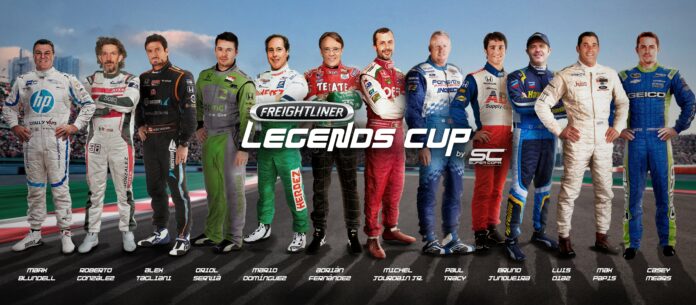
Former Indy legends reunite for a one-time only race in spectacular supporting event at this year’s Mexico City Grand Prix

  • The Freightliner Legends Cup will reunite former Indy racing legends in a one-off battle during the Mexico City Grand Prix
  • V8-powered GTM cars will support this special occasion

Mexico City. 18 October 2022 – Former racing legends will return to the racetrack to compete head-to-head in a spectacular support race for this year’s FORMULA 1 MEXICO CITY GRAND PRIX 2022 Presented by Heineken. A mix of international champions and race winners will return to the Autódromo Hermanos Rodríguez to take part in the Freightliner Legends Cup.

The late 1990´s and early 2000´s marked a golden era for American open-wheel racing and the IndyCar Series included the ‘world’s greatest spectacle in racing’ the famous Indianapolis 500.

The former race winners and champions returning to Mexico will drive in equally prepared 500hp V8-powered cars from the Gran Turismo México Series (GTM), capable of speeds of over 275km/h.

The full list of participants for this exciting support race over the F1ESTA weekend will be:

Adrián Fernández (Mexico)
Alex Tagliani (Canada)
Bruno Junqueira (Brazil)
Casey Mears (USA)
Luis ‘Chapulín’ Díaz (Mexico)
Mario Domínguez (Mexico)
Mark Blundell (Great Britain)
Max Papis (Italy)
Michel Jourdain Jr. (Mexico)
Oriol Servià (Spain)
Paul Tracy (Canada)
Roberto González (Mexico)
The return of so many names from the past will delight the local fans who came to watch the Indy racers when the Autódromo Hermanos Rodríguez hosted the Champ Car World Series between 2002 and 2007. In this year’s Freightliner Legends Cup field, Paul Tracy is the only previous winner of a Champ Car race in Mexico City, having triumphed here in 2003.

“Before hosting Formula 1 in Mexico, we used to promote the Champ Car World Series at the Autódromo Hermanos Rodríguez and it was as big as F1 these days. Being able to reunite all these legends together for a one-time only event here in Mexico is a huge privilege for us and for the Mexican fans. We are sure the Freightliner Legends Cup will be a successful event during this year´s race,” said Federico González, General Director of the FORMULA 1 MEXICO CITY GRAND PRIX 2022 Presented by Heineken. “It will be a very special event to bring together great drivers who gave us unforgettable moments in the past,” he added.

Driver Profiles:

Adrián Fernández

As a runner-up in the CART Series and a prolific Le Mans 24 Hours racer, Fernández has been one of the most successful Mexican drivers of all time. He first competed in CART in 1993 with Galles Racing and won his first victory in the category at Toronto in 1996. He was runner-up in the championship three years later by scoring points in 17 of the 20 races. Sharing a car with compatriot Luis Diaz, he won the LMP2 class of the ALMS in 2009.

Alex Tagliani

The Canadian made his debut in CART in 2000 with Forysthe Racing, the same team which he finished fourth in the Atlantic series the year before. After a long career in single-seaters, which included pole at the 2011 Indianapolis 500, Tagliani has most recently been competing in the Canadian NASCAR series.

Bruno Junqueira

A former Williams test driver, the Brazilian won Formula 3000 in 2000 and switched to CART where he became one of the rookies of the year in 2001. He was runner-up in the series in three consecutive seasons between 2002 and 2004 with Newman/Haas Racing. He raced in sportscars before retiring from professional competition in 2019.

Casey Mears

As a runner-up in Indy Lights in 1999, the American has extensive experience of NASCAR, having raced in national and Cup series for a period of 15 years. He has won the Coca-Cola 600 (in 2007) and also triumphed in the 2006 Daytona 24 Hours with Target Chip Ganassi Racing.

Luis ‘Chapulín’ Díaz

The Mexican made his name when he was a substitute for the injured Adrián Fernández in the CART Series race at the Autódromo Hermanos Rodríguez in 2002. ‘Chapulín’ started in Indy Lights and achieved his greatest successes alongside Scott Pruett in the Grand Am sportscar series.

Mario Domínguez

Nicknamed ‘Super Mario’ the Mexico shone in the world karting championship before entering Formula 3 and Formula 3000. After graduating from Indy Lights he raced in CART, taking his first win in Australia in 2002. To the delight of the local fans he famously took a podium at the Autódromo Hermanos Rodríguez in the 2003 Champ Car race.

Mark Blundell

After taking pole in the 1990 Le Mans 24 Hours, the British driver graduated to Formula 1 with Brabham in 1991 and enjoyed a lengthy career at teams including Ligier, Tyrrell and McLaren. After his F1 career he raced in CART with PacWest Racing — finishing sixth overall in 1997. He made a surprise return to touring cars in Britain in 2019.

Max Papis

The Italian has competed in several high-level motorsport categories, including the Le Mans 24 Hours, IMSA, NASCAR and Champ Car. He took three wins in Champ Car and started six Formula 1 races for Footwork in 1995.

Michel Jourdain Jr.

The Mexican driver has competed in a large number of international categories, including Champ Car, Indy Racing League, World Touring Cars, A1GP, sportscars and the World Rally Championship. He made his debut in Champ Car with Payton Coyne Racing in 2001 and took his first win in 2003 with Team Rahal.

Oriol Serviá

Spanish racer who participated in Champ Car from 2000 to 2007, and IndyCar from 2008 to 2014. With his victory in Montréal in 2005, and a total of seven podiums, he was crowned runner-up in Champ Car that season. He has also participated in the all-electric Formula E series.

Paul Tracy

The Canadian was a winner at the Autódromo Hermanos Rodríguez in the 2003 round of the Champ Car World Series. With a career spanning 30 years he raced in CART, IndyCar and the Daytona 24 Hours. Since 2014 he has been a TV commentator on NBC’s IndyCar coverage.

Roberto González

The Mexican began his international career in European Formula Chrysler in 2001 and jumped to World Series by Nissan in 2002. His arrival in CART was in 2003 but his greatest success came in endurance series including the American Le Mans Series and WEC.

About the FORMULA 1 GRAN PREMIO DE LA CIUDAD DE MÉXICO 2022 Presented by Heineken

Recognized with the award “F1’s Best Event” for the five past editions, the FORMULA 1 GRAN PREMIO DE LA CIUDAD DE MÉXICO 2022 Presented by Heineken has proven to be much more than a sporting competition to become an unparalleled promotional platform to share with the world Mexico City’s rich cultural heritage and tourist attractions.

About Formula 1®

The history of Formula 1® began in 1950 and is the most prestigious motorsport competition in the world, as well as the most popular annual sports series in the world. Formula One World Championship Limited is part of Formula 1 and holds the exclusive commercial rights to the FIA Formula One World Championship™.

Formula 1 is a subsidiary of Liberty Media Corporation (NASDAQ: LSXMA, LSXMB, LSXMK, BATRA, BATRK, FWONA, FWONK) attributed to the shares of the Formula One Group.

The logo of F1 FORMULA 1, FORMULA 1, F1, FIA FORMULA ONE WORLD CHAMPIONSHIP, GRAND PRIX, PADDOCK CLUB and related brands are registered trademarks of Formula One Licensing BV, a Formula 1 company. All rights reserved.

For further information about Formula 1®, visit: www.formula1.com

About CIE:

Corporación Interamericana de Entretenimiento, S.A.B de C. V. www.cie.com.mx

Established in 1990, Corporación Interamericana de Entretenimiento (“CIE”) (BMV: CIE) is an outstanding participant in the out-of-home entertainment industry in Latin America. It promotes and produces concerts, music festivals, theater shows, and sporting, family and cultural events. CIE operates Centro Citibanamex, which is a venue for expositions and conventions in Mexico City, and the amusement park El Salitre Mágico in Colombia. The Company also produces corporate events and events for the public sector. CIE promotes and markets the Formula 1 Grand Prix in Mexico City.

Corporación Interamericana de Entretenimiento is a publicly traded company whose shares have been listed on the Mexican Stock Exchange since 1995 under the ticker symbol “CIE.”

NTT Com and DENSO to Collaborate to Provide Security Operation Center for Vehicles

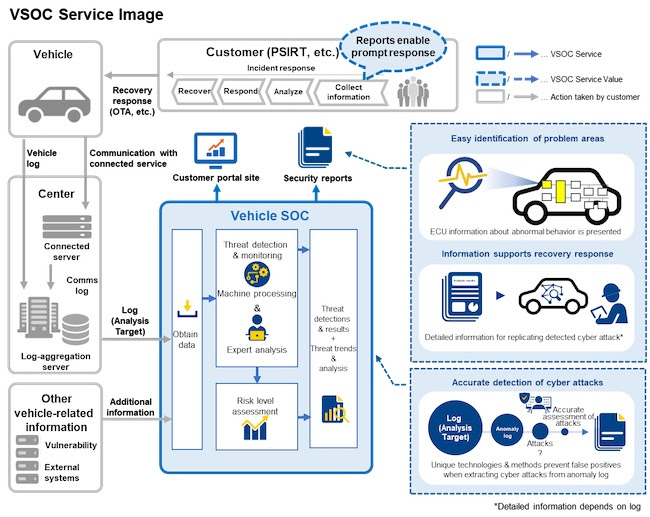
KARIYA, JAPAN, Oct 18, 2022 – (JCN Newswire) – NTT Communications Corporation (NTT Com), the ICT solutions and international communications business within the NTT group, and DENSO CORPORATION (DENSO), the global manufacturer of mobility components offering advanced mobility technologies, systems and products, announced today that it will collaboratively develop the Security Operation Center for Vehicles (VSOC1) to respond to the threat of increasingly sophisticated cyber-attacks against vehicles.

Culminating from past efforts2, this collaboration combines the strengths of NTT Com and DENSO to establish and develop the technologies that comprise the VSOC(vehicle SOC) service and its operation systems. NTT Com provides its technological capabilities related to managed IT security, including networking, cloud computing, and ICT SOC, while DENSO leverages its unique technologies related to information security, communications, and data analysis, which it has cultivated in the areas of in-vehicle systems, vehicle cybersecurity, and connected car development. The two companies, both of which have extensive expertise in the IT and mobility fields, will work together to provide robust VSOC services that can accurately respond to evolving vehicle-related cyber-attacks.

The collaboration aims to provide key services that enable prompt incident response at car manufacturers and mobility providers. Services to be provided include:

  • Vehicle monitoring and cyber-attack detection by automating the acquisition of log output from communications, connected servers, and security devices installed within vehicles
  • Detection of cyber-attack trends along with the details of actual attacks against vehicles on an individual or fleet-wide basis
  • Analysis of cyber-attacks and threats by expert security analysts, reporting of results and forensic information that facilitates recovery and response efforts, and real-time visualization and alerting for customers through a client portal site
  • Reliable and highly-available vehicle security monitoring on a global scale, built atop of NTT Com’s proven infrastructure and operational experience

As the number of vehicles facing threats from sophisticated cyber-attacks continues to grow, it is necessary to monitor connected cars, detect and analyze attacks at an early stage, and take appropriate measures. Through this collaboration, the two companies aim to provide VSOC services and accelerate their development to contribute to the realization of a safe and secure mobility society.

NTT Com and DENSO began developing technology to detect and analyze vehicle cyber-attacks in 2017. Since 2020, the technology was further refined by simulating attack scenarios against vehicles and measuring responses to various events, including the detection of attacks and the analysis of the scope of impact using an experimental VSOC.

(1) VSOC is an abbreviation for Security Operation Center for Vehicles. It refers to an organization that specializes in detecting and analyzing cyber-attacks on vehicles and developing countermeasures against them.
(2) DENSO and NTT Communications Starts Validating Jointly Developed Vehicle Security Operation Center Technology to Realize Resilient Security Solutions for Connected Cars (published in December 2019)

About NTT Communications

NTT Communications solves global technology challenges by helping enterprises utilize managed IT-infrastructure solutions to overcome complexity and risk in their ICT environments. These solutions are backed by our worldwide infrastructure, including industry-leading, global tier-1 public and private networks reaching over 190 countries/regions, and more than 500,000m2 of the world’s most advanced data center facilities. Now as the core provider of the DOCOMO group’s enterprise-business services and solutions, we create value through global-scale support for structural changes in industry and society, new workstyles, and digital transformation in communities. Together with NTT Ltd., NTT Data, and NTT DOCOMO, we are the NTT Group. www.ntt.com; Twitter@NTT Com; Facebook@NTT Com

About DENSO

DENSO is a $45.1 billion global mobility supplier that develops advanced technology and components for nearly every vehicle make and model on the road today. With manufacturing at its core, DENSO invests in its 198 facilities to produce electrification system, powertrain system, thermal system, mobility electronics, & advanced devices, to create jobs that directly change how the world moves. The company’s 167,000+ employees are paving the way to a mobility future that improves lives, eliminates traffic accidents, and preserves the environment. Globally headquartered in Kariya, Japan, DENSO spent 9.0 percent of its global consolidated sales on research and development in the fiscal year ending March 31, 2022. For more information about global DENSO, visit www.denso.com/global/en/.

The 5 Most Sought After Used or New SxS Parts

Photo by Pixabay from Pexels

The SXS market is booming, with many new players entering this field daily. The most sought-after used or new SXS parts combine quality and affordability. If you’re looking to replace your stock SXS parts with something new and improved or just buy a used part for your personal use, then these are the five most sought-after used or new SXS parts:

1. Spare Tire Mount

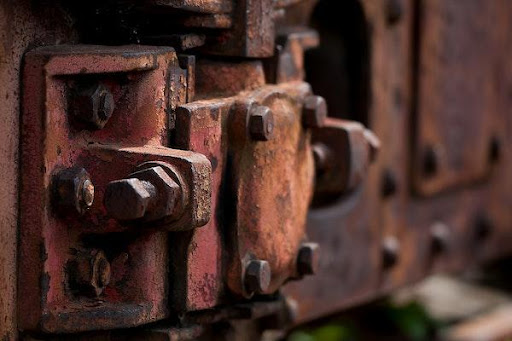
The spare tire mount is a metal bracket that holds your spare tire. It is usually attached to the rear of the vehicle but can also be found on the top or in the back of the trunk. The purpose of this part is to secure one end of a spare tire to your vehicle so you can use it if needed.

Spare tire mounts come in several different shapes and sizes depending on when they were made, but they all have some things in common:

• They are made from steel (or another sturdy material), so they can hold up under heavy stress

• They have holes for bolts where a jack will fit into place when you are changing out your flat tires

2. Front Windshield

The front windshield is one of the most common parts to break side by side. However, it is easy to replace, so you don’t have to go without your vehicle for long. You can also find used or new front windshields online at any collection of SxS parts websites, making it easy to get the right part for your vehicle.

Replacing a front windshield is straightforward as long as you have access to basic tools and instructions. It will take less than an hour from start to finish; all that’s required is removing five screws, prying out two plastic clips (with a flathead screwdriver), popping in the new part, and securing it with those same five screws.

3. Roof

The roof of a bow is almost as important as the limbs themselves, and it is an often overlooked area in terms of performance and aesthetics. Roofs can be made from fiberglass, carbon fiber, or Kevlar depending on what you are looking for.

The most popular roof material is fiberglass because it’s affordable, durable, and easy to work with. However, while carbon fiber roofs offer better performance than their counterparts due to their lower weight, they tend to be more expensive due to manufacturing costs. On the other hand, kevlar roofs are lightweight but expensive, considering how heavy they are compared to other materials used for bows’ “tops.”

Roofs are made-to-order so if you have something specific in mind when purchasing one, then make sure it has been pre-ordered by your local retailer before going there!

4. Rear Windshield

The rear windshield is a common part that breaks on side-by-side vehicles. It can happen in accidents or just through everyday use. The good news is that it’s easy to repair if you have the right tools and parts.

The rear windshields are available in used and new versions. In addition, both glass or polycarbonate rear panels are available in stock for most models at low prices, guaranteed to save you money over other dealers’ prices on used or new SxS parts.

5. Skid Plates

Skid plates help to protect the engine, transmission, and fuel tank from rocks and other debris thrown up by tires. Skid plates are useful for off-road driving but are also available for street use. Skid plates can be made of metal or plastic and are available for many different SxS models.

Conclusion

Some sellers can be generous with their prices but offer low-quality products, while others will charge more than necessary just because they think people will pay it without thinking twice. Don’t fall into this trap by paying too much money for something that doesn’t meet all your expectations or needs; always consider all aspects before making such an important decision. 

When choosing what you want to buy, keep in mind the quality to ensure that the part doesn’t work well and lasts long and the cost. Knowing some of the most sought-after used or new SxS Parts in the market is important.

How Video Annotation Improves AI Applications for Sports

Undoubtedly, AI applications are becoming increasingly popular in the sports world. However, one of the challenges with using AI in sports is a lack of high-quality data to train the AI models.

It is where video annotation comes in. By manually annotating past game videos, AI can be trained to recognize patterns and make predictions. It can be time-consuming for the in-house staff. Hence, it is better to outsource video annotation services.

It can help teams better understand their strengths and weaknesses and make the necessary adjustments to improve their performance in the following ways.

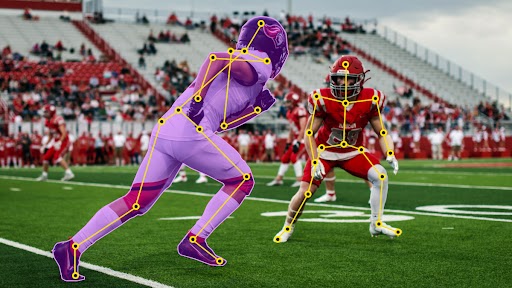
Object Detection and Tracking

Video Annotation can help AI systems better understand players’ actions in a video. It is because manually labeling objects in a video can provide more information about the context of an action and you can learn more about it at oworkers. For example, if a computer vision system is trained to recognize soccer players, it will be able to understand players’ actions better if it knows the ball’s position in each frame.

Activity Recognition

Activity recognition is identifying and labeling individuals’ activities from data collected by sensors or other devices. For instance, if a player uses a heart rate monitor, the activity recognition system can identify when the player is running, walking, or resting. This information can better estimate the player’s energy expenditure and optimize their training.

Hence, AI algorithms can use video annotation to understand better and recognize different activities, such as a player shooting a basketball or a coach giving instructions to his team.

Player Identification

AI can track players’ movements, analyze their playing styles, and predict their future performance. However, getting accurate data is one of the challenges in using AI for player identification. Tracking players’ movements require access to video footage of them playing, and this cannot be easy to obtain.

One solution to this problem is to use a video annotation service. A video annotation service can provide accurate data about players’ movements by manually annotating the video footage. This data can then train and improve AI player identification algorithms.

Future Action Prediction

One way that AI applications can be improved for sports is by using manual future action prediction. It involves a person predicting what they think will happen in the future and then inputting this information into the AI system. It can help the AI system better understand the game and predict what will happen next.

It is especially useful in sports, where there are a lot of variables, and it can be difficult for the AI system to take all of them into account. Hence, video annotation services can give the AI system a better understanding of the game, leading to improved performance.

If you are looking for ways to improve the AI applications for Sports, the dedicated and professional services of Mindy Support are there to help you out! 

Conclusion

Data Annotation (Video annotation) is the process of adding labels or tags to video data to improve the accuracy of AI applications. In the context of sports, sports teams can use video annotation to identify specific events, players, or movements in a game. This information can train AI algorithms to recognize better and predict these events.

9 Essential Accessories of Tesla Model 3 You Should Know About

There are thousands of Tesla 3 models on the road. When a person gets a new Tesla Model 3, she finds the car fairly well equipped. However, it still needs a few accessories. If you need accessories for your Tesla Model 3, then you need to read this guide. This guide outlines the accessories to enhance the look of your new Model 3.

Car Mats

With fancy and attractive car and trunk mats, new or existing owners can make the interior of their Model 3 look nice. The Tesla Model 3 does not come with attractive mats, and the company has not given much importance to the mats for the Model 3. Some owners claim that the original mats are thin and move aroundYou can have carpet mats and also custom-made rubber mats for your Tesla.

Front Trunk Mat

In addition to car mats and trunk mats for the Tesla Model 3, you can also have mats for the front trunk. Again, you can get them customized. 

Screen Protector

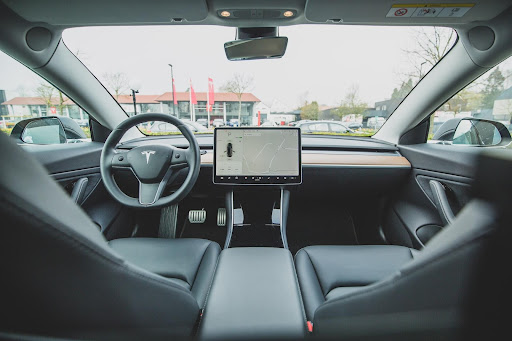
To keep the large screen in the center of the dashboard safe, a screen protector is a must. The screen protector sits on the glass and is barely noticeable. It can also be easily cleaned with a damp cloth, something you should do carefully with the original screen. 

Center Console Liner

The original center console of the Tesla Model 3 is usually covered in a high-gloss lacquer. However, this makes it very obvious that it is made of plastic. For this reason, many Tesla owners choose a center console liner. This gives your console a more luxurious, matte look. This finish, called “piano lacquer” by some, is very prone to dirt build-up. Handprints are immediately visible, and fingerprints are even worse. Thanks to the console liner, you can give your Tesla the style you want. Many people even cover the dashboard. 

Door Sill

In addition to screen protectors and console trim, many people use custom trim to protect their chrome door sill. Trims are easy to fit and protect the chrome on the door sill from scratches.

Wireless Phone Charger

The wireless phone charger allows you to charge two phones at once without cables. In addition to that, the wireless charger is compatible with all phones that use Qi technology. You’ll have to empty your pockets if you buy it directly from Tesla. Compatible chargers are much cheaper.

Center Console Organizer

A clean and organized console is a must for most Tesla drivers. Thanks to the multifunctional organizers, your console will always be tidy. We also have various dashboard organizers at your disposal. The interior of the Tesla is extremely slippery. So everything will be on the dashboard or in the center console, thanks to the organizer.

Roof Racks

Going on vacation and need more space for your luggage? Roof racks are the first thing that will come to mind. Unfortunately, the Model 3 does not have a roof rack. Therefore, you can get one.

Roof Sunshade

The sunshade is one of the products that you should not miss. The accessory not only provides thermal insulation but also protects against UV rays. The installation is also very simple; you just have to use the hooks to connect it to the car roof joints.

Conclusion

Before purchasing an accessory, you should check its compatibility with the Tesla Model 3. There are several universal products, but it is highly recommended to check the information on said accessories. 

Are Extension Cords Compatible with Electric Cars?

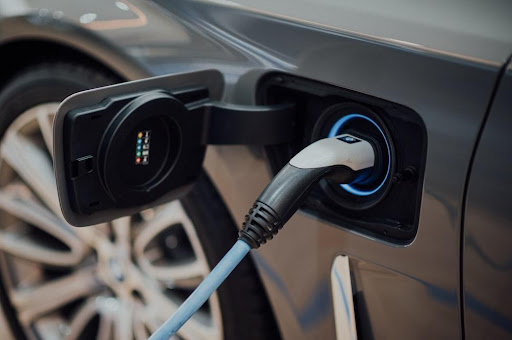
One of the handiest features for EV owners is the ability to charge their vehicles at home. They don’t have to cope with crowded gas stations or exorbitant petrol costs. The cost of charging an EV varies depending on where you reside; however, energy does not often see sharp price increases.

Not everyone has the necessary space for charging at home. Fortunately, any EV driver with access to a power outlet may charge their vehicle. Most wall outlets may be reached with an extension cord, but are extension cords compatible with electric cars?

Can I charge my electric car using an extension lead?

Yes, you can use an extension cord to charge your electric car; however, a 20-amp extension cord is preferred. If the extension cable will be exposed to the elements, it must be waterproof and have an outside usage rating.

A 20-amp extension cord is recommended because anything lower can overheat charging an electric car. But remember that most extension cords aren’t meant to be used for as long as it takes to charge an electric vehicle. 

You can travel about 8 miles in 60 minutes by plugging into a 2.3kW 3-pin outlet, which may be plenty to drag you to a public charger. Unless you start at 90%, it isn’t strong enough to recharge an electric car battery overnight.

Guidelines for charging an electric car with an extension lead

The following tips help you with charging your electric vehicle using an extension cord:

  • Never use a multi-socket extension lead in the home.
  • The extension lead must be waterproof if exposed to external elements.
  • Ensure the extension lead is in good condition and that the plug socket it is plugged into is in good condition before using it.
  • To distribute heat effectively, you must completely unroll an extension cord on a reel.

Dangers of Using an Extension Cord to Charge

Because charging an electric vehicle consumes significant power, connecting an extension cord to the charging cable may cause it to overheat because it seeks to transmit more energy than it was designed to carry and the risk of fire increases. Overheating cords can melt plugs and receptacles, and the fire risk increases when left unattended overnight or while you are away.

Electric shock is another potential hazard. An EV charging cable becomes more volatile when connected to an extension cord. The stability of this power transfer is jeopardized by rerouting the power supply from your electrical socket through an extension. Inserting and withdrawing the plug becomes a more dangerous procedure.

Can I charge overnight with an extension cord?

Yes, you can charge overnight, but you must use a 13A extension lead that is wholly uncoiled. From 8 hours of charging, you will gain approximately 60 miles of range.

Get an electrician to install a Commando socket or an intelligent charger for faster-charging speeds. 16A Commando outlets charge at 3.6kW (15 miles per hour), while 32A charges at 7.4kW (30 miles per hour).

Electric car charging cable types

1. Mode 1 charging cables

An extension cord and a standard connector connect an electric vehicle to a conventional AC socket outlet using a Mode 1 connection. Due to the lack of communication, the automobile and charging port provide no special safety features or shock prevention.

This form of charging is helpful for small electric vehicles such as e-bikes and scooters, but it is not considered safe for electric cars and is illegal in many parts of the world.

2. Mode 2 charging cables

When you buy an electric vehicle, it usually comes with a Mode 2 charging cable as standard. These wires connect to your electric car on one end and a typical household outlet on the other. The line also includes an In-Cable Control and Protection Device (IC-CPD), which controls and communicates with the regular wall plug and protects it.

While this charging method is undeniably convenient because most residential outlets only provide up to 2.3 kW of power, charging can take a lengthy time. It can also be hazardous if done incorrectly. As a result, it is recommended only utilize this charging cord in an emergency.

3. Mode 3 charging cables

Mode 3 cables are currently the most widely utilized while charging an electric vehicle worldwide. This charging connection links your car to a designated electric vehicle charging point, such as those found in companies and workplaces, houses and residential areas, and commercial and public parking lots. 

4. Mode 4 charging cables

The first three modes differ from Mode 4 because they supply the car with alternating current electricity transformed by an onboard AC/DC converter. On the other hand, mode four charging cables change the electricity before it is transmitted to the vehicle and are explicitly created for DC charging. 

Fast charging is the term used to describe the dramatically reduced charging periods possible when using DC to power an electric vehicle. However, this charging method sends far more power directly to an electric vehicle’s battery; the cables must be constantly linked to the charging station and are frequently liquid-cooled to withstand the heat.

Bottomline


If you use the correct extension lead, charging an electric car using an extension lead is entirely safe. A granny charger extension lead designed for the job or a 20-amp extension cord rated for outdoor use can be used. 

Never use a home multi-socket extension lead, and never use an extension lead or socket if you worry about its safety.

Largest Motor Racing Venues in the World

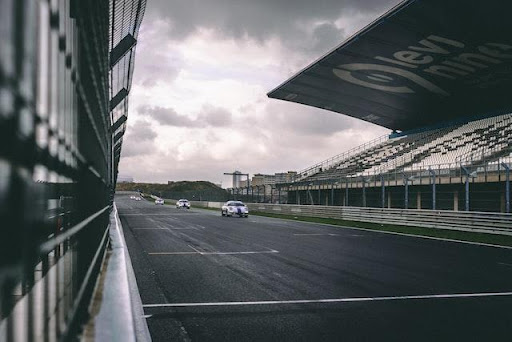
Photo by Juup Schram on Unsplash

Motor racing as a sport may sound dangerous, right? A race track’s speeding, balancing, twisting, and turns often make it challenging. As such, races can be life-threatening, as witnessed by the horrible accidents that have occurred during some races in the past. Although the risk cannot be eliminated (can be controlled), thanks to modern safety protocols and precautions, things are probably much better.

When you search for motor racing, you will likely find different types of races, including Formula 1, NASCAR, MotoGP, and IndyCar, etc. then you get categories for dirt racing, monster truck racing, and the list goes on and on. You can also enjoy these events through FanDuel Sportsbook

Arguably, the point of these races is to provide a controlled environment for race enthusiasts to showcase their skills. In this regard, we’ve rounded up some of the largest and probably the best motor racing venues below.

Indianapolis Motor Speedway

Located in Indianapolis, USA, it may be the largest motor racing venue with a capacity of over 250,000 attendees. The track has been active since 1909 and shares a long history of iconic racing moments. Although many races are conducted here, it is known for hosting the Indianapolis 500-mile race and the Brickyard 400.

The 2.5 miles long race track has hosted the famous FIA F1, NASCAR Sprint, IndyCar series, and many other races. Along with being the largest capacity racing venue as of 2022, it is also the third oldest permanent motor racing venue in the world. Currently, the property is owned by the Penske Corporation.

Circuit de la Sarthe

Next on the list is this racing track from France, with a capacity of over 234,000 people. Besides permanent seating, temporary seating capacity is also occasionally arranged during races. It is also one of the oldest tracks and has been active since 1923. The distinctive feature of this race track is that a part of it is open to the public the whole year.

It is located in Le Mans, Maine, and is the longest race track in the country, with over 8.4 miles. The Circuit has hosted major races like the French Grand Prix and MotoGP. Further, the track is one of the fastest race tracks, as the average speeds are reported to be around 140 mph.

Adelaide Street Circuit

The Adelaide street circuit has been active since 1985 and has conducted many major races, including the Australian Grand Prix of Formula 1. It is a temporary race track that has a capacity of around 210,000 people.

This street circuit is located in South Australia and is also known as the Adelaide Parklands circuit. It is a 2.39 miles long race track and has also won the F1 race promoter’s trophy three times.

Shanghai International Circuit

It is one of the most recent race tracks and has a capacity of about 200,000 people. It was inaugurated in 2004 and hosted its first race. The venue is famous for conducting the F1 Chinese Grand Prix and MotoGP races. The race track is 3.38 miles long, and its design is inspired by a Chinese character called Shang.

Texas Motor Speedway

This race track is popular for hosting NASCAR races. It is located in Denton County, Texas, and is 1.5 miles long. The Texas Motor Speedway has a capacity of over 180,000 people and is also the fifth biggest sporting venue in the year 2022 in the U.S.

Conclusion

Watching the motor race live with hundreds of thousands of people in one of the biggest racing venues makes the experience unforgettable. The atmosphere is exuberating, and the smell of burning rubber is unparalleled. Therefore, if you get a chance, grab onto it.

What You Need to Know About Australian Regulations on Motorcycle Exhaust

The exhaust system of motorcycles is a crucial part that needs to be taken care of. It can make your bike run much more efficiently and powerfully, but it also causes damage in some cases. The consequences of not taking care of it correctly could include a decrease in efficiency, reduced fuel economy, and a quieter experience for the rider. In this post, we will outline what you need to know about Australian regulations on motorcycle exhausts and how they/differ from other countries. There are different Motorcycle Exhaust Regulation in Australia.

Regulation in Australia

There are two different methods used by authorities worldwide to regulate exhaust systems on motorcycles: national and international. 

Motorcycles used for competition or sports should be modeled after racing bikes so that they aren’t restricted by noise or engine tuning restrictions or added taxes during registration. On general use bikes where there are no racing ambitions, it should instead follow national laws to avoid any unnecessary headaches regarding legal ramifications when riding around Australia.

In the national approach, authorities will work with individual manufacturers regarding exhaust systems to create specific packages that meet strict guidelines set out by governing bodies (such as Australian Road Rules) in an attempt at uniformity among manufacturers while maintaining safety standards still maintained through checks such as testing emissions sites that check these types of exhausts at periodic intervals during their cycles of use.

Changes in Regulation Recently

  • Emissions standards for new motorcycles. New model motorbikes will be regulated for emissions to reduce carbon dioxide emissions by 75 percent by 2030 and nitrogen oxide emissions by 90 percent by 2040.
  • Noise from modified engines on modified motorbikes (motorcycles with mufflers removed). Modifications such as adding an extra cylinder or increasing power ratings are considered modifications because they alter the original design with no intention of compliance with Australian regulations; these modifications result in a different sound that may not meet noise requirements if applied on commercial vehicles such as trucks or buses because these vehicles have been designed around specific noise levels instead.

Engine Noise on Modified Motorbikes

A modified motorcycle is any vehicle with its engine, gearbox, and suspension modified to increase performance. The maximum noise level allowed for a modified motorcycle is 65dB(A), which means the engine must not be louder than this when the bike is running at full throttle in neutral or all gears. If you exceed this limit, you could face a fine of up to AUD 2,000.

Noise standards have been increased to 110 dbA

The new noise standards result from an increase in the number of motorcycles on Australian roads, as well as an increase in the popularity of loud exhausts. In addition to being less noisy, they also produce less carbon dioxide emissions and reduce pollution.

The new standards mean that no motorcycle can be fitted with an exhaust system that produces more than 110 decibels (dB) at any time while riding on public roads or highways unless it has been certified by an approved testing laboratory. This is an increase from 90 dB introduced in January 2018 following requests from manufacturers and riders alike for greater protection against excessive noise levels from their bikes.

Conclusion

It’s time to start the New Year off right and clean the air if you happen to be riding a motorcycle. Several things are involved in this process that may not seem essential. The whole exhaust system has been found to play a major role in air quality in our cities and towns.

NASCAR Top-10 Power Rankings: Las Vegas

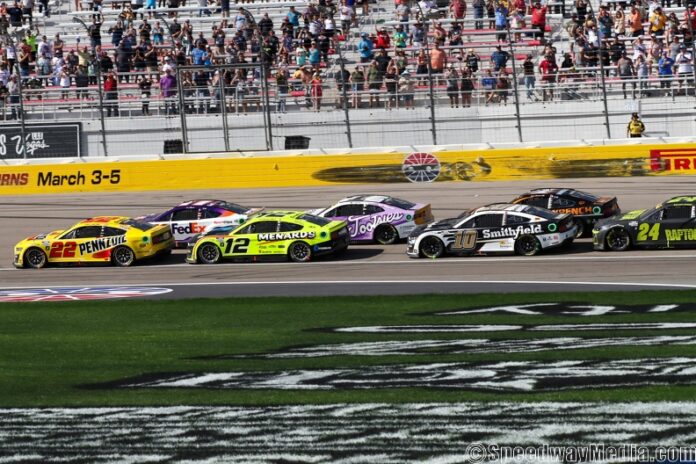
Photo by Ron Olds for SpeedwayMedia.com.

Note: The quotes in this article are fictional.

1. Joey Logano: Logano battled Ross Chastain over the closing laps and got by with three laps to go and held on to win the South Point 400 at Las Vegas.

“I’m beyond thrilled,” Logano said. “I’m on to the championship round, which means I don’t have to worry at all about what happens at Homestead or Martinsville. So, fittingly, I’m going to take a ‘chip’ from Las Vegas and carry it on my shoulder for the next two races.”

2. Denny Hamlin: Hamlin came home fifth in the South Point 400, posting his eighth top 5 of the year.

“We didn’t have the car to win at Las Vegas,” Hamlin said. “But I’m confident in our ability at Homestead next week. I like my chances there, especially since it’s not for the Cup championship.”

3. Chase Elliott: Elliott struggled to find speed at Las Vegas and finished a disappointing 21st.

“My No. 9 Hendrick Chevy was adorned with the Hooters paint scheme,” Elliott said. “That’s always a fun paint scheme because I’m always intrigued to see how many kids in the stands can figure out exactly what the owl’s eyes represent.”

4. William Byron: Byron finished 13th at Las Vegas, posting the best finish among Hendrick Motorsports drivers.

“My HMS teammate Kyle Larson had quite the race,” Byron said. “He got side-by-side with Bubba Wallace and forced the issue. Then they wrecked each other and had a confrontation afterward. So, Kyle played ‘chicken’ on and off the track.”

5. Ryan Blaney: Blaney was running strong at Las Vegas until a blown tire caused him to spin and hit the outside wall and then the inside wall.

“When you crash and hit two walls,” Blaney said, “it pretty much tells you what you have to do in the next round: rebound.”

6. Ross Chastain: Chastain took the lead with 16 laps to go at Las Vegas, but couldn’t hold off the charging Joey Logano, who got by Chastain with 3 to go for the win.

“There wasn’t much I could do to stop Logano,” Chastain said. “I guess I could have wrecked him but is winning a race really worth it when I’ll then have to listen to another driver tell me ‘You’re on my list?'”

7. Christopher Bell: Bell was caught up in the Kyle Larson-Bubba Wallace melee early in the race, the damage from which ended his day. Bell finished 34th.

“I guess I was the collateral damage of the Larson-Wallace incident,” Bell said. “And how about their confrontation afterward? Kyle wanted no part of Bubba; Bubba wanted all parts of Kyle.”

8. Chase Briscoe: Briscoe finished fourth at Las Vegas, a solid start to the Round of 8 playoffs for the Stewart-Haas Racing driver.

“If we learned one thing from this race,” Briscoe said, “it’s that when push comes to shove, Kyle Larson will do neither.”

9. Kevin Harvick: Harvick finished 12th at Las Vegas.

“I think we’re all sad to hear that Kurt Busch is retiring,” Logano said. “That sadness could only be tempered if his brother followed in his footsteps.”

10. Martin Truex Jr.: Truex finished seventh in the South Point 400 at Las Vegas.

“It’s hard to believe Kyle Busch’s hometown fans booed him when his wheel fell off late in the race,” Truex said. “But as someone who’s known Kyle and dealt with him for many years, I can totally understand it.”