Home Blog Page 20

What Unusual Air Conditioner Sounds Can Reveal About Developing Cooling System Problems

Photo by depositphotos at https://depositphotos.com/

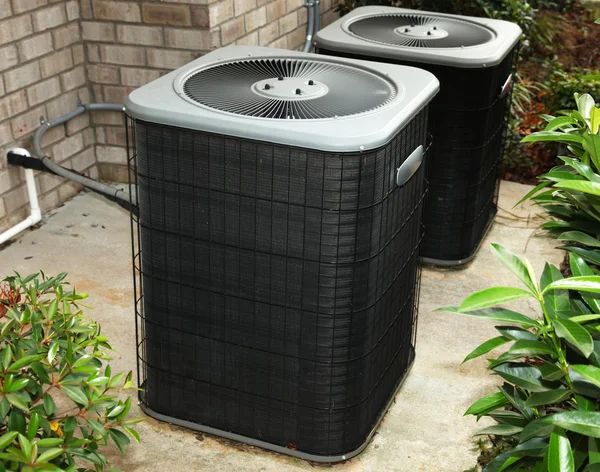
Air conditioners naturally produce sound as motors, fans, compressors, and moving air work together. Homeowners often become familiar with that normal operating background without consciously noticing it. A new buzz, rattle, squeal, click, or grinding sound can therefore provide an early clue that AC Repair may deserve consideration before the change becomes more disruptive.

A strange noise does not automatically identify a specific mechanical failure. Different components can create similar sounds, and operating conditions may influence when a noise appears or disappears. Homeowners can help by observing the sound carefully without opening equipment, touching moving parts, or attempting electrical troubleshooting beyond their experience.

Useful observations include where the sound originates, when it begins, how long it lasts, and whether cooling performance changes at the same time. Pelican Heating & Air can evaluate unusual operating noises and determine whether they relate to a condition requiring professional attention. Clear descriptions give technicians better context than simply reporting that the system sounds different.

Learn the Difference Between Normal and New Sounds

Every cooling system has an ordinary operating pattern. Homeowners may hear airflow, a brief startup sound, or equipment running steadily during a cooling cycle without anything being wrong.

Changes deserve more attention than familiar background noise. A sound that suddenly becomes louder, develops a different tone, or continues longer than usual can provide useful information about equipment condition.

Rather than comparing the system with another home’s equipment, compare it with its own established behavior. That makes subtle changes easier to recognize.

Take Persistent Buzzing Seriously

Buzzing can occur for several reasons, so the sound alone should not be used to diagnose a component. Its location and timing can nevertheless provide valuable clues during professional evaluation.

Notice whether buzzing comes from indoor equipment, the outdoor unit, or another accessible area. Also observe whether it begins during startup, continues throughout operation, or occurs when the system appears inactive.

Electrical concerns should be approached cautiously. Homeowners should avoid removing panels or handling wiring in an attempt to locate the source themselves.

Investigate Rattling Before It Becomes Familiar

A new rattling sound may initially seem minor, particularly if the cooling system continues operating. Ignoring it for weeks can make it difficult to remember when the change actually started.

Check the Surrounding Area Safely

Homeowners can look for obvious external objects near accessible equipment without opening mechanical components. Outdoor debris or an unrelated loose object nearby can sometimes create misleading sounds.

If no simple external cause is visible, document the rattle. Its frequency, location, and relationship to system operation can help a technician investigate efficiently.

Notice Clicking That Changes From Its Usual Pattern

Some clicking can occur during normal equipment startup or shutdown. The more meaningful concern is often a noticeable change from the sound pattern homeowners have previously experienced.

Repeated clicking, prolonged clicking, or clicking accompanied by unsuccessful operation deserves attention. Avoid repeatedly changing thermostat settings simply to reproduce the symptom.

Pelican Heating & Air can assess operating behavior when unusual clicking persists. Professional diagnosis is more reliable than assuming that one particular electrical or mechanical part must be responsible.

Treat Grinding Sounds as a Reason for Caution

Grinding is considerably different from the gentle background sounds associated with ordinary airflow. If a cooling system begins producing a harsh mechanical noise, continuing to operate it without evaluation may not be appropriate.

Homeowners should note where the sound appears strongest and whether performance changed when it began. They should not reach into equipment or remove protective covers to investigate moving parts.

If the system appears unsafe or shows serious abnormal behavior, professional guidance should be sought promptly. Safety should take priority over gathering additional observations.

Pay Attention to Squealing or Screeching

High-pitched sounds are difficult to ignore and may occur during startup, throughout operation, or intermittently. Their meaning depends on the equipment and the conditions under which they appear.

Record whether the sound happens every cycle or only occasionally. Changes in airflow or cooling performance occurring at the same time are also worth noting.

Avoid applying lubricants or attempting adjustments to unfamiliar components. A technician can determine what is producing the sound and whether corrective work is required.

Consider Sounds Coming From the Vents

Not every unusual HVAC sound originates directly from major equipment. Whistling, vibration, or other noises may become noticeable around supply or return areas inside the home.

Check whether furniture, curtains, rugs, or household belongings are obstructing accessible openings. Do not modify ducts or close multiple vents in an attempt to eliminate noise without understanding how those changes affect airflow.

If the sound continues under normal conditions, include the affected room in the service description. Location can be valuable diagnostic information.

Observe Whether Noise Changes With Cooling Performance

Sound becomes more informative when considered alongside other system behavior. A new noise combined with weak airflow, reduced cooling, unusual cycling, or thermostat problems provides more context than noise alone.

Walk through several rooms while the equipment operates normally. Notice whether comfort has changed and whether the sound corresponds with the beginning or end of a cycle.

These observations do not require technical measurements. The homeowner’s role is to identify changes, while professional evaluation determines their mechanical significance.

Record When the Sound Begins and Ends

Intermittent noises can disappear before a technician arrives. A simple written record helps preserve details that might otherwise be forgotten.

Note the approximate time, system status, thermostat setting, affected area, and duration. A safe recording of the sound may also be useful if it can be captured without approaching hazardous equipment.

This information can make AC Repair conversations more productive. Technicians receive a clearer description of a problem that may not occur continuously during the appointment.

Avoid Repeatedly Restarting the Equipment

When an unusual sound appears, some homeowners repeatedly turn the system off and on to determine whether the noise returns. Repeated experimentation may provide little useful information while placing the equipment through unnecessary operating changes.

Ordinary thermostat settings can be checked, but persistent abnormal behavior deserves a more measured response. Homeowners should avoid manipulating electrical controls or internal components they are not qualified to service.

If a concerning noise continues, requesting evaluation is generally more useful than repeatedly attempting to reproduce it. Diagnosis should focus on actual equipment conditions.

Consider the Age and Recent Service History

Equipment history can provide useful context when a new sound develops. Recent maintenance, previous repairs, recurring problems, and changes in system behavior may all be relevant during diagnosis.

Keep invoices and service records where they can be accessed easily. A technician can review information about previous concerns rather than relying entirely on homeowner memory.

Pelican Heating & Air can use current symptoms together with relevant service history when evaluating equipment. A complete picture is particularly useful when the same operating change has appeared before.

Know Which Changes Deserve Faster Attention

Some sounds are mild and intermittent, while others occur alongside more concerning symptoms. Strong electrical odors, visible smoke, repeated shutdowns, or severe mechanical noises should not be treated as ordinary background changes.

Homeowners should follow appropriate safety guidance and stop operating equipment when conditions appear unsafe. Trying to keep the home cool should never require ignoring obvious signs of a potentially serious problem.

Professional assistance can determine the appropriate response. Homeowners do not need to identify the failed component before requesting help.

Use Sound as an Early Warning Signal

Unusual HVAC noises are most useful when homeowners recognize them as changes rather than attempting to diagnose them independently. Buzzing, rattling, clicking, grinding, squealing, and vent noises can each provide information about how equipment is behaving.

AC Repair is most effective when professional diagnosis addresses the actual source of the problem. Clear notes about timing, location, cooling performance, and recent equipment history can help technicians investigate intermittent or changing symptoms.

Knowing the normal sound of a cooling system creates a valuable baseline. By noticing meaningful changes early and avoiding unsafe troubleshooting, homeowners can respond to developing equipment concerns before unfamiliar noises simply become part of the household background.

How to Declutter Before a Move Without Packing Things You No Longer Need in Your New Home

Photo by depositphotos at https://depositphotos.com/

Moving creates a natural opportunity to decide which belongings still deserve space in your household. Closets, cabinets, garages, and storage rooms often contain possessions that have not been used for years. Packing everything automatically transfers those decisions to the new home, where unwanted items can quickly create clutter again.

Decluttering before local moving can reduce the number of possessions that need to be packed, handled, transported, and unpacked. The process works best when it begins early enough for thoughtful decisions rather than rushed disposal. Sorting belongings by usefulness and destination gives each item a clear reason to make the trip.

A Moving company handles the physical relocation more smoothly when the household has already determined what is actually moving. Clever Carriers LLC operates within this type of relocation process, where preparation before moving day can simplify later stages. A practical decluttering plan helps residents focus their effort on possessions they genuinely expect to use.

Start Decluttering Before Packing Takes Over the House

Packing and decluttering are related tasks, but trying to perform both at the last minute creates unnecessary pressure. Begin sorting several weeks before the move whenever the schedule allows. This provides time to donate, sell, recycle, or responsibly discard belongings instead of creating a large unwanted pile.

Start with areas containing items that are rarely needed. Storage closets, spare rooms, garages, cabinets, and seasonal storage usually offer easier decisions than everyday kitchens or bedrooms. Early progress also reduces the amount of material competing for attention later.

Avoid opening every room simultaneously. Completing one defined area before starting another keeps usable living spaces from becoming covered with unfinished sorting piles.

Use the New Home as a Decision-Making Filter

Decluttering becomes easier when decisions are connected to the destination rather than based only on the current home. Consider the layout, storage capacity, room sizes, and everyday needs of the new property. An object can still be functional yet have no practical role after the move.

Furniture deserves particular attention because larger pieces require significant space. A cabinet that fits comfortably in the current dining room may overwhelm a smaller destination room. Measuring major furniture and comparing those dimensions with the new layout can prevent unnecessary transportation.

This approach changes the question from whether an item is still usable to whether it has a realistic place in the household’s next stage.

Sort Belongings Into Clear Action Categories

Complicated sorting systems can make decluttering slower than necessary. A few clear categories generally work better: move, donate, sell, recycle, discard, and decide later. Every item should gradually move toward a specific outcome.

The undecided category should remain relatively small. If half the household ends up there, difficult choices have merely been postponed. Give uncertain possessions a deadline so they receive another review before packing begins.

Clever Carriers LLC can handle belongings designated for transportation, while residents retain control over what enters that group. Making those decisions before boxes are sealed keeps unwanted possessions from becoming part of the moving workload.

Look Closely at Duplicates and Forgotten Items

Households often accumulate several versions of the same object without noticing. Kitchen utensils, tools, towels, small appliances, cleaning equipment, cables, and storage containers can multiply gradually. A move exposes these duplicates because belongings that were spread throughout the home suddenly need to be handled together.

Keep the versions that are useful and in suitable condition. Moving several unnecessary duplicates consumes box space and creates more unpacking decisions later. Items that have remained untouched through several seasons deserve similar consideration.

Decluttering does not require adopting an extremely minimal lifestyle. The goal is simply to stop transporting possessions that no longer serve a meaningful household purpose.

Give Sentimental Belongings Their Own Sorting Session

Sentimental possessions are usually harder to evaluate than ordinary household goods. Mixing them into a fast decluttering session can slow progress and encourage rushed decisions that residents may later regret. Photographs, keepsakes, inherited objects, and children’s memorabilia deserve separate attention.

Create a defined space for sentimental items and return to them when there is enough time to think. Consider which objects carry genuine personal meaning and which have remained stored primarily because deciding felt difficult.

There is no requirement to reduce every category equally. A successful decluttering process should make the move more manageable without forcing unnecessary decisions about meaningful possessions.

Create a Realistic Plan for Donations and Sales

A donation pile is only useful if the items actually leave the property. Research appropriate donation options early and determine any acceptance requirements before setting belongings aside. Organizations may differ in what they accept, and arrangements can take time.

Selling possessions also requires realistic expectations. Listing every low-value household object individually can consume more time than the move itself. Focus selling efforts on belongings whose likely value justifies photographing, listing, communicating with buyers, and arranging collection.

Set deadlines for unsold items. Otherwise, residents can reach moving day with a collection of listings that ultimately gets packed anyway.

Avoid Turning Decluttering Into Unplanned Disposal

Moving quickly can tempt residents to throw away everything they no longer want. Some possessions may instead be suitable for donation, recycling, specialized disposal, or another responsible route. Local requirements can differ depending on the material involved.

Electronics, batteries, chemicals, paint, and other restricted materials deserve particular attention. They should not automatically enter ordinary household waste or moving boxes. Residents should identify suitable handling options based on local requirements.

During local moving, dealing with these categories beforehand prevents unwanted or unsuitable materials from remaining among ordinary household possessions. It also keeps the final packing period focused on items that are actually traveling.

Declutter Storage Areas More Aggressively Than Living Areas

Garages, basements, attics, and storage rooms can hide belongings that have escaped everyday decision-making for years. Boxes may have traveled through previous moves without being opened. Their continued presence does not necessarily mean their contents remain useful.

Open unidentified containers before transferring them directly into new boxes. Check whether stored items still work, fit current needs, or carry enough value to justify the space they occupy. Old paperwork and obsolete equipment can also accumulate unnoticed.

A Moving company should not become the reason a forgotten box receives another decade of storage. Reviewing these areas can produce some of the largest reductions in overall moving volume.

Keep Decluttered Areas From Filling Up Again

A finished room can quickly become a temporary dumping area while the rest of the house is sorted. Protect completed spaces by removing donation, sale, recycling, and disposal items promptly. Leaving outgoing belongings inside the home makes it easy for them to become mixed with packed possessions.

Label boxes only after deciding their contents belong at the destination. Clear room labels can then support an organized loading and unloading process rather than preserving uncertainty inside sealed containers.

Clever Carriers fit into the transportation stage after these household decisions have been made. Keeping the categories separate allows moving preparation to progress without repeatedly reconsidering the same belongings.

Finish With a Final Pre-Move Review

Several days before moving day, walk through closets, cabinets, storage areas, and less-used rooms one final time. Small groups of unwanted possessions often remain after the main decluttering process. Finding them now is easier than discovering them while loading is underway.

Check whether undecided items received final decisions and whether donation or sale piles actually left the property. Confirm that everything remaining either travels with the household or has another clearly established destination.

Local moving becomes easier to organize when residents know exactly what belongs in the new home. The final review turns weeks of sorting into a defined household inventory rather than a mixture of possessions and unresolved decisions.

Move With What Belongs in Your Next Home

Decluttering before relocation is not simply about reducing the number of boxes. It gives residents an opportunity to decide what supports their current needs before spending time and effort transporting belongings that may immediately return to storage.

A Moving company can transport what the household chooses to keep, but deciding what deserves that effort remains a personal part of preparation. Starting early makes those choices more deliberate and leaves enough time to handle unwanted possessions appropriately.

The most practical approach combines room-by-room sorting, destination planning, realistic donation or sale deadlines, and a final review. Instead of using the new property as another place to make old decisions, residents arrive with belongings selected for the life they actually plan to create there.

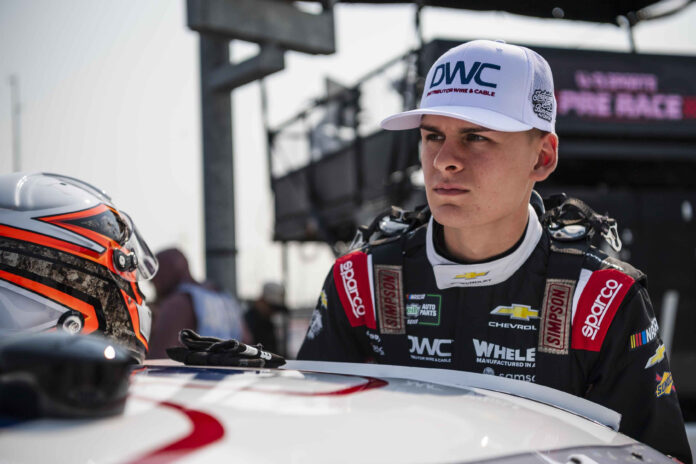
Carson Brown Eyes Big Picture at Bristol

18-Year-Old Aims for Another ARCA Win in Preparation for 2027

MOORESVILLE, N.C. (Sept. 16, 2026) – Lazy days of summer? Not for Carson Brown. The 18-year-old racer from New London, North Carolina, has been racing – and winning – across a variety of tracks and series.

Signed by Richard Childress Racing (RCR) to a driver development contract earlier this year, Brown has burnished the team’s belief in him by dominating the ASA STARS National Tour, scoring his first CARS Tour West win and being consistently fast in the ARCA Menards Series, as evidenced by his second career win Sept. 6 at the DuQuoin (Ill.) State Fairgrounds and five poles in the last three months.

Thursday night at Bristol (Tenn.) Motor Speedway, Brown will make his 17th career ARCA start, but his first of any kind on the .533-mile, high-banked oval.

“Physically and mentally, Bristol is very challenging. I expect it to be hard,” said Brown, who will drive the No. 28 Distributor Wire & Cable Chevrolet for Pinnacle Racing Group.

“All I have to go off is what I’ve experienced in the sim. I learned that it’s difficult to get into a rhythm at Bristol. Between the high banking and the bumps, you’re always up on the wheel, changing your line, changing your throttle placement. It’s a challenge I want to face.”

RCR put its stamp on Brown’s upward trajectory on Aug. 26 when the team promoted him to its championship-winning NASCAR O’Reilly Auto Parts Series program, where he will drive the No. 2 Whelen Chevrolet in 2027.

“It’s honestly a dream come true,” Brown said. “The year’s gone very well, but there’s still a good amount of racing ahead of us. I want to keep up the consistency, keep up the speed.

“Just about everywhere we’ve gone, we’ve been in contention for a win and finished in the top-three. Pretty proud to be in that kind of position when we show up at a racetrack. Just need to keep it going and keep preparing myself for 2027.”

Brown is leveraging the present to prepare for the future.

“I’ve always put a lot of time into my preparation, from sim to training to studying past races and trends, but now it’s also about learning the process,” Brown said. “I’m getting into a rhythm of how RCR and Chevrolet train and prepare their drivers week after week. It’s more off-track, behind-the-scenes stuff that I want to learn and understand now to make that learning curve next year a little less steep.”

Brown has reached new heights in 2026. It began before spring even started when Brown announced his arrival on the ASA STARS National Tour, winning the season opener Feb. 10 at New Smyrna (Fla.) Speedway and then following with a second straight victory March 14 at Five Flags Speedway in Pensacola, Florida. In between those two races, Brown won his first career ARCA race, starting from the pole and leading every lap March 5 at Phoenix Raceway.

Two more ASA STARS National Tour wins were earned June 21 at Slinger (Wis.) Speedway and July 25 at Newport (Tenn.) Speedway. And when his night didn’t end in victory lane, Brown wasn’t far away. He has finished second three times, including in his most recent outing Sept. 9 at Tri-County Speedway in Granite Falls, North Carolina, where Brown traded the lead with NASCAR Cup Series driver Christopher Bell. Those results have given Brown a commanding 176-point lead in the championship standings.

To put an exclamation point on his Late Model prowess, Brown earned his maiden CARS Tour West win Aug. 15 at Evergreen Speedway in Monroe, Washington, by leading every lap from the pole.

“It’s all good seat time, good experience,” said Brown of the success he has earned. “The more experience I can get on any racetrack, the more it helps me across the board.”

Those collective experiences will be needed in Thursday night’s Bush’s Best 200. With no firsthand experience at Bristol, Brown used the simulator to build upon what he has learned at two other high-banked racetracks – Winchester Speedway and Salem Speedway. These two Indiana tracks provide Brown with a hint of what throttling around Bristol’s 28 degrees of banking will be like. Salem is a .555-mile oval with 33 degrees of banking and Winchester is a half-mile oval with 37 degrees of banking.

“I just ran Salem last Saturday in the ARCA car, but I think the level of grip between there and Bristol will be pretty different,” Brown said. “I ran the Winchester 400 last year and had a mechanical failure, so I need to get my revenge on that style of racetrack.”

Brown’s Bristol attack begins at 1 p.m. EDT on Thursday with a 45-minute practice before a 20-minute timed qualifying session at 2 p.m. The 200-lap race goes green at 5:30 p.m. and will be broadcast live on FS1 and streamed on the FOX One app, with SiriusXM NASCAR Radio providing live audio coverage.

NHRA’S COUNTDOWN TO THE CHAMPIONSHIP PLAYOFFS OPENS WITH MAJOR STORYLINES

INDIANAPOLIS (Sept. 15, 2026) – It’s playoff time in the NHRA Mission Foods Drag Racing Series and the six-race Countdown to the Championship playoffs will determine who wins the championship during NHRA’s special 75th anniversary season.

It all begins with this weekend’s inaugural Dodge NHRA Great Lakes Nationals presented by MOPAR at U.S. 131 Motorsports Park, the first of two inaugural events in the playoffs. The six-race Countdown is loaded with storylines, including the challenge of who will perform best at two first-time facilities on the national event schedule.

There’s plenty more storylines as the Countdown to the Championship features events in Rockingham, St. Louis, Dallas and Las Vegas, which all leads into the finale, the In-N-Out Burger NHRA Finals on Nov. 12-15 at In-N-Out Burger Pomona Dragstrip.

Ahead of the debut at U.S. 131, here are the major ones to open the Countdown:

TOP FUEL

TEAMMATES COLLIDE: Doug Kalitta and his Kalitta Motorsports teammate Shawn Langdon have been in control of the class since the outset. Both have three-race winning streaks in 2026 and have combined for nine overall wins through 14 events. Kalitta will take the lead into the postseason, but Langdon has recent momentum with an Indy triumph. They’ve thrown down massive runs all year – does that continue during crunch time?

CAN SMOKE AND LEAH CHALLENGE KALITTA? The husband-and-wife duo of Tony Stewart and Leah Pruett have been the biggest consistent challenge to the Kalitta duo this year, with Pruett starting the Countdown third in points and Stewart one spot back. Do they have another level in them? If so, it could make for a riveting watch down the stretch.

WHO ELSE? Antron Brown has shown glimpses this year and has the propensity to get hot at the perfect time. Does that happen again in 2026? What about rookie sensation Maddi Gordon? How does she perform in her first Countdown? Plus, keep an eye on the likes of Gainesville winner Josh Hart, Justin Ashley and Billy Torrence, who could throw a wrench into everything with a hot playoff start.

FUNNY CAR

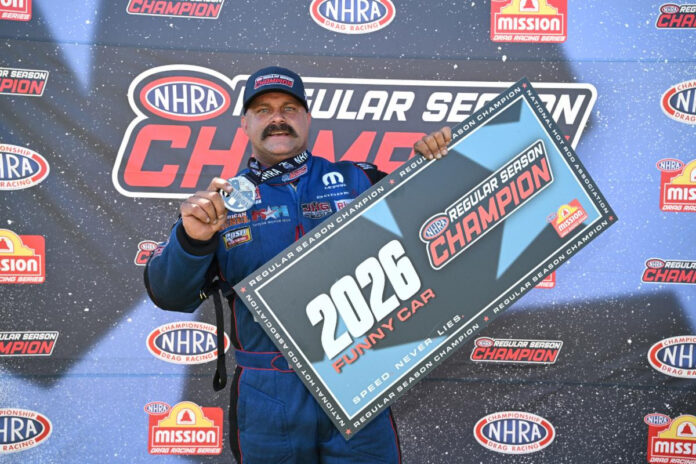
A GRUELING SIX-RACE DUEL: As the regular season proved, things are outrageously competitive in the Funny Car ranks. Four drivers went to Indy within a round of the points lead. Matt Hagan got the regular season title, but there’s no breathing room at the top, with Ron Capps in second, Indy winner Jack Beckman in third and Jordan Vandergriff in fourth.

Oh yeah, J.R. Todd is right in the mix in fifth and then you’ve got back-to-back defending champ Austin Prock in sixth, running as well as he has all year. With that much depth, early slip-ups will need to be avoided to stay in the championship mix. By the same token, that much depth also means some early exits will be inevitable in what’s going to be a thriller to the finish.

SPOILER ALERT: While the top six are the strong favorites in the category, there’s no slouches in the next six drivers in the standings. Chad Green already has two wins this year, while the likes of Spencer Hyde, Alexis DeJoria, Daniel Wilkerson and Cruz Pedregon seem like on the verge of breaking out in the Countdown. Should that happen and any of them get hot in the playoffs, title dreams could come crashing down for those currently at the top.

PRO STOCK

THE DALLAS AND GREG SHOW AGAIN: Dallas Glenn and Greg Anderson were again in control of the Pro Stock ranks, as each won four races. Glenn took the regular season crown with his magical Monday in Indy, but the title chase coming down to the end between these two wouldn’t be surprising.

That being said…

A MOTIVATED REST OF THE FIELD: Anderson and Glenn had a great regular season, but the field feels considerably tighter to them than it did a year ago. Greg Stanfield has performed well all season for Elite Motorsports and Matt Hartford has three wins in 2026. Young guns like Matt Latino and Cody Anderson have proven for real, while champs like Erica Enders and Jeg Coughlin Jr. are ready to get back on top.

Glenn won four of the five playoff races last year en route to the title. That seems like a tall ask against this current field in 2026.

PRO STOCK MOTORCYCLE

CAN GADSON GO BACK-TO-BACK? A regular season championship was the latest example Richard Gadson provided that last year’s world title wasn’t a fluke. He’s been remarkably consistent, confident and proven time and time again that the moment is not too big for him. There’s no chance he gets rattled in the playoffs, which will make matchups against the likes of his teammate, Gaige Herrera, Matt Smith and Angie Smith very interesting.

THE DRIVE FOR SEVEN: After defeating his wife, Angie, in the final round at Indy, Matt Smith made it clear his sole focus is getting a seventh world title to break the tie with Andrew Hines and Dave Schultz. Fully healthy again, Smith was on another level in Indy. After three straight years of dominance from Vance & Hines, this appears to be both Matt and Angie’s best opportunity to win a title since Matt took the crown for the sixth time in 2022.

To purchase tickets to any of the six races in the NHRA Countdown to the Championship, please visit www.NHRA.com/tickets. For more information about NHRA, including the full television schedule for the 2026 playoffs, please visit www.NHRA.com.

2026 NHRA COUNTDOWN TO THE CHAMPIONSHIP

Sept. 18-20: Inaugural Dodge NHRA Great Lakes Nationals presented by MOPAR, U.S. 131 Motorsports Park, Martin, Mich.

Sept. 25-27: Inaugural NHRA Nationals at The Rock, Rockingham Dragway, Rockingham, N.C.

Oct. 2-4: 15th annual NAPA Auto Parts NHRA Midwest Nationals, World Wide Technology Raceway, St. Louis

Oct. 14-18: 41st annual Texas NHRA FallNationals, Texas Motorplex, Dallas

Oct. 29-Nov. 1: 26th annual MOPAR NHRA Las Vegas Nationals powered by MOPAR, The Strip at Las Vegas Motor Speedway, Las Vegas

Nov. 12-15: 61st annual In-N-Out Burger NHRA Finals, In-N-Out Burger Pomona Dragstrip, Pomona, Calif.

To purchase tickets, please visit www.nhra.com/tickets


About Mission Foods

MISSION®, owned by GRUMA, S.A.B. de C.V., is the world’s leading brand for tortillas and wraps. MISSION® is also globally renowned for flatbreads, dips, salsas and Mexican food products. With presence in over 112 countries, MISSION® products are suited to the lifestyles and the local tastes of each country. With innovation and customer needs in mind, MISSION® focuses on the highest quality, authentic flavors, and providing healthy options that families and friends can enjoy together. For more information, please visit https://www.missionfoods.com/

About NHRA

NHRA is the primary sanctioning body for the sport of drag racing in the United States. NHRA presents 20 national events featuring the NHRA Mission Foods Drag Racing Series and NHRA Lucas Oil Drag Racing Series, as well as the JBS Equipment NHRA Pro Mod Drag Racing Series presented by Elite Motorsports and NHRA Flexjet Factory Stock Showdown™ at select national events. NHRA provides competition opportunities for drivers of all levels in the NHRA Summit Racing Series and NHRA Street Legal™. NHRA also offers the NHRA Jr. Street® program for teens and the Summit Racing Jr. Drag Racing League® for youth ages 5 to 17. With more than 100 Member Tracks, NHRA allows racers to compete at a variety of locations nationally and internationally. NHRA’s Youth and Education Services® (YES) Program reaches over 30,000 students annually to ignite their interest in automotive and racing related careers. NHRA’s streaming service, NHRA.tv®, allows fans to view all NHRA national events as well as exclusive features of the sport. In addition, NHRA owns and operates three racing facilities: Gainesville Raceway in Florida; Lucas Oil Indianapolis Raceway Park; and In-N-Out Burger Pomona Dragstrip in Southern California. For more information, log on to www.NHRA.com, or visit the official NHRA pages on Facebook, Instagram, Twitter, and YouTube.

When a Rear-End Crash Leaves More Than Just Vehicle Damage

Photo by depositphotos at https://depositphotos.com/

A rear-end collision can appear straightforward at first. One vehicle strikes another from behind, the cars are damaged, and everyone expects the insurance process to resolve the matter quickly. In reality, these crashes can raise complicated questions about driver behavior, injuries, evidence, insurance coverage, and the long-term consequences for the person who was hit.

Fort Wayne drivers may encounter rear-end crashes in busy intersections, congested traffic, parking areas, construction zones, and on major roads throughout Allen County. Even a collision that appears minor can cause injuries that become more noticeable later. Establishing what happened and documenting the full impact can therefore be important before accepting an insurance settlement.

Rear-End Crashes Are Not Always as Simple as They Look

Indiana law requires drivers to maintain a reasonable following distance and avoid following another vehicle too closely. Because of this rule, the driver who strikes the vehicle ahead will often face significant questions about whether they were driving safely. However, fault should still be determined from the evidence rather than assumed solely from the direction of impact.

The circumstances leading up to the collision can matter. A driver may have been distracted, speeding, impaired, fatigued, or following too closely. At the same time, unexpected roadway conditions, mechanical problems, or another driver’s actions can complicate the sequence of events. A proper investigation should consider the complete chain of events.

What a Fort Wayne Rear-End Accident Lawyer Can Investigate

A Fort Wayne Rear-End Accident Lawyer can review the collision evidence to determine how the crash occurred and whether another party may be responsible for the resulting losses. That investigation can include the police report, photographs, vehicle damage, witness statements, traffic-camera footage, medical records, and other available evidence.

The investigation should also look beyond the obvious facts. Truitt Law Offices describes investigating accident scenes, interviewing witnesses, obtaining camera footage and vehicle data, and consulting accident reconstruction or other experts when appropriate. These steps can become especially useful when the drivers provide conflicting accounts of the collision.

Evidence Can Be More Valuable Than Assumptions

People sometimes believe that a rear-end crash automatically proves who was negligent. Although the rear driver may frequently be responsible, an injury claim still depends on establishing the relevant facts and damages.

Photographs of the vehicles can show the location and severity of impact. Witnesses may explain what happened immediately before the collision. Surveillance footage can provide an independent view of traffic movements. Medical documentation can then connect the collision with the injuries and treatment that followed.

Common Causes Behind These Collisions

Rear-end crashes can happen for many different reasons. Understanding the cause can help determine which evidence should be examined and whether another party may share responsibility.

Possible CauseEvidence That May Matter
Distracted drivingPhone records, witness accounts, camera footage
Following too closelyTraffic conditions, vehicle positions, witness statements
SpeedingCrash reconstruction, vehicle damage, roadway evidence
Impaired drivingPolice investigation and testing records
Driver fatigueDriver statements, employment schedules, available records
Sudden traffic changesTraffic signals, cameras, road conditions
Vehicle malfunctionMaintenance records, mechanical inspection
Poor roadway conditionsPhotos, road-maintenance records, scene evidence

Some Injuries Do Not Appear Immediately

The physical impact of a rear-end collision can place significant stress on the neck, back, shoulders, and other parts of the body. Whiplash-type injuries, soft-tissue damage, concussions, fractures, and other conditions may affect a person’s ability to work or perform everyday activities.

A person should take appropriate medical concerns seriously after a crash rather than assuming that feeling relatively well immediately means there is no injury. Medical professionals can evaluate symptoms and determine whether additional treatment or monitoring is necessary. Keeping records of that treatment can also create an important medical timeline.

Insurance Companies May Look at the Crash Differently

After an accident, an insurance adjuster may ask questions about the collision, injuries, medical treatment, and property damage. The insurer’s investigation is designed to evaluate its potential financial responsibility, which may not always align with the injured person’s understanding of the accident.

Truitt Law Offices advises accident victims to avoid unnecessary statements to another insurer and not to accept a settlement before understanding the claim. A settlement may resolve the matter permanently, making it important to understand the extent of the injuries and losses before agreeing to final terms.

A Minor Vehicle Repair Does Not Always Mean a Minor Injury

Modern vehicles can absorb or distribute impact forces in ways that make the visible property damage appear less dramatic than the physical consequences for an occupant. The size of a dent or repair bill should therefore not be treated as a measurement of injury severity.

Medical evaluation remains the better way to determine the nature of an injury. Treatment records, diagnostic testing, physician observations, and rehabilitation documentation can help establish what the collision actually caused and how long the effects continued.

Financial Losses Can Continue After the Cars Are Repaired

The cost of a collision may include far more than vehicle repairs. An injured person may face emergency treatment, follow-up appointments, medication, physical therapy, or other medical expenses.

Missing work can create another significant burden. Depending on the circumstances, an injury claim may involve past lost wages, reduced earning capacity, medical expenses, property damage, and physical or emotional suffering. The value of a claim depends on the evidence and available insurance coverage rather than a standard amount applied to every crash.

When More Than One Party May Be Involved

A rear-end collision can sometimes involve circumstances that go beyond ordinary driver negligence. For example, an employee driving for work may raise questions involving an employer. A defective brake component could create potential product-liability issues. Poorly maintained road conditions may require investigation into the responsible governmental entity or contractor.

Identifying every potentially responsible party can matter because each party may have different insurance coverage and legal obligations. A complete investigation can prevent the case from being evaluated through an overly narrow view of the accident.

What to Preserve After the Collision

Evidence can disappear surprisingly quickly. Vehicles may be repaired, surveillance footage may be overwritten, and witnesses may forget important details. Preserving information early can help create a more reliable record of the crash.

Useful records can include:

  • Photographs of vehicle damage and the accident scene.
  • Names and contact information for witnesses.
  • A copy of the police or accident report.
  • Medical records, bills, prescriptions, and treatment instructions.
  • Documentation of missed work and lost income.
  • Insurance correspondence and settlement offers.
  • Notes describing symptoms and how the injury affects daily activities.

These records can help establish both liability and the extent of the resulting losses.

Why Preparing the Case Early Can Strengthen It

A strong injury claim is built from evidence rather than assumptions. Early investigation can help identify witnesses, preserve available video, document vehicle damage, and establish what the roadway looked like at the time of the collision.

A Fort Wayne Rear-End Accident Lawyer can also evaluate the available insurance coverage and determine whether additional parties should be investigated. Truitt Law Offices states that its attorneys seek to identify all potentially responsible parties and available sources of compensation while preparing cases for settlement or trial when necessary.

Indiana generally gives injured people two years to bring many personal injury claims, although specific circumstances can change the applicable rules. Waiting until the deadline is approaching can also make the factual investigation more difficult.

Witness memories may fade, records may become harder to obtain, and physical evidence can disappear. Seeking case-specific legal advice early can help an injured person understand the applicable deadline and the steps needed to preserve a potential claim.

The Goal Is to Establish the Full Impact of the Crash

A rear-end collision should not be evaluated only by looking at the damaged vehicles. The investigation should consider the cause of the crash, the evidence supporting liability, the injuries suffered, the medical treatment required, lost income, property damage, and the longer-term effects on the injured person.

A Fort Wayne Rear-End Accident Lawyer can help organize these different issues into a coherent claim. The purpose is not simply to establish that a collision occurred but to demonstrate how the collision caused specific losses and why the responsible party should be held accountable.

Conclusion

A rear-end crash can create consequences that extend far beyond a damaged bumper. Injuries may require ongoing treatment, time away from work can create financial pressure, and disagreements with insurance companies can make recovery more difficult.

For people involved in a serious collision, evidence should be preserved and medical concerns should be addressed promptly. Determining fault requires looking at the entire sequence of events rather than relying on assumptions about which vehicle struck the other.

If the evidence establishes that another party’s negligence caused the crash and resulting injuries, an injured person may have a path toward recovering compensation under Indiana law. Careful documentation and timely legal guidance can help protect that claim from the beginning.

How to Plan a Smooth Winter Drive From Denver to Vail

It’s an odd combination that can be a ski trip to Vail. You leave Denver on a sunny day, drive west for an hour, and suddenly the road ahead looks different, as does the weather.

Riding this is happening too frequently on I-70, and it’s one reason to think about the journey before the rental car heads out the door. The trail is accessible. The problematic part is the winter.

If you are traveling into Colorado for the first time, it’s not necessary to memorize all the exits. It’s about how long to wait and what type of road you are driving into, and knowing where to check the conditions when the mountains begin to take over the plan.

Denver Airport Adds More Road Than Many Visitors Expect

Vail is typically considered 100 miles from Denver when referring to downtown.

DIA is quite far east of the city. From there, the route is roughly 119.6 miles, as compared to approximately 97 miles from downtown Denver. This drive will probably take 2 hours, though it could be up to 3 hours depending on ski season and snowy conditions.

It is highly important to consider when choosing a flight.

You’re not on I-70 at 3 p.m. if you arrive that time at DEN. Baggage area, ski shops, rental car line and exiting the airport. A delay somewhere in that process can also move the mountain portion of the trip into darkness.

Before choosing a departure time, Blue Sky Limo, one of Vail’s highest-rated private shuttle services, has a useful guide to the distance from Denver to Vail written around a route its local chauffeurs drive every day. It includes information on both downtown Denver and DEN, directions, navigation information, winter driving, and references to road monitoring information and travel advisories. Blue Sky Limo has 55 reviews on Tripadvisor, with a customer rating of 5.0.

I-70 Is Simple Until It Isn’t

There is no complicated back-road route to learn. From Denver, I-70 West does most of the work.

After about an hour, the driver who is new to mountain driving will have questions in his mind.

But the weather turns, and they change.

Vail Pass has been identified as a critical area of the system for winter operations by CDOT. It can involve crashes and closures due to snow, ice, and cars that may lack good traction.

Navigation apps are still good to have, particularly as commuter traffic begins, and remember that the first ETA received is not a set appointment.

Take a Look at the Tires

This sounds obvious until you are standing beside a rental SUV at DEN and everyone wants to get moving.

Colorado’s traction requirements matter on this route. The I-70 Mountain Corridor between Morrison and Dotsero is covered by the seasonal Traction Law from September 1 through May 31. The current rules call for suitable traction devices and at least 3/16 inch of tread. Depending on vehicle/tire configuration, CDOT may have more stringent restrictions in severe weather conditions.

So look at the actual vehicle rather than assuming four-wheel drive solves everything.

If you are carrying skis, check the cargo situation too. Four people with winter luggage can use up an SUV surprisingly fast. Ski bags are long, boots are bulky, and nobody wants to discover the space problem after everything has been unloaded onto the curb.

Check the Mountain, Not Just Denver

Looking at a Denver weather app before breakfast is not enough.

The road crosses elevations and weather zones that can be very different from conditions around the airport. CDOT notes that the I-70 Mountain Corridor can move from dry pavement to ice in a short period of time.

This is where road cameras become genuinely useful.

COtrip provides current road information and live camera views along Colorado highways. Blue Sky Limo also maintains route-monitoring resources for mountain travelers, and its Denver-to-Vail guide links travelers toward road and weather information they can check before leaving.

If your flight lands late, check again.

A road report from three hours earlier is not much comfort if snow started while you were waiting for luggage.

Ski Traffic Can Matter as Much as Snow

Sometimes the road is perfectly dry, and the drive still takes far longer than expected.

Winter weekends send a lot of people west on I-70 at similar times. Holiday periods can be worse. CDOT reported that more than one million vehicles passed through the Eisenhower-Johnson tunnels during one December period, averaging close to 35,000 vehicles a day.

The lesson is fairly simple: leave some slack in the day.

That matters even more when driving back to Denver for a flight. On the way to Vail, an unexpected delay costs an hour of vacation. On the return trip, it can mean watching the departure time get closer while traffic barely moves.

Leaving Vail earlier than the map says you need to is rarely the part of a ski holiday people regret.

Driving Yourself Is a Choice, Not a Requirement

Some vacationers simply have no choice but to book car hire. Some vacationers have no choice but to hire a car. If you have to change towns several times on the way, make the side excursions, or drive most of the time, it makes good sense to have a vehicle.

Others come to DEN and the very next day head straight to Vail and never use a car again until returning home after another week.

If you do, you should ask yourself if you indeed want the responsibility for this winter road trip!

Originally launched in 2012, Blue Sky Limo has been serving the area for five years, offering vans for private transfers from Denver to Vail in the winter and ski luggage storage. According to its route page, its drivers travel I-70 every day.

A private transfer costs more than driving yourself, of course. What it removes is the need for someone in the group to finish a flight, collect luggage, monitor the passes, and then take responsibility for two hours or more of mountain driving.

For some groups, that trade is worth it.

Check Once More Before Leaving

The final check can happen while everyone is still in Denver.

Look at I-70. Look at Vail Pass. Check for restrictions or closures. Make sure the vehicle is ready, and know which part of Vail you are actually heading to.

Then avoid planning the trip so tightly that one snow shower ruins the schedule.

A winter drive from Denver to Vail can be beautiful. It can also be slow, snowy and completely different from what the weather looked like at the airport.

Both versions are normal.

Conclusion

There is no secret route that makes winter disappear between Denver and Vail.

A smoother trip comes from knowing where the drive starts, allowing more time than the mileage suggests, checking the car, and looking at current mountain conditions before heading west.

If the roads look good and you are comfortable driving them, enjoy the trip. If they do not, or you simply do not want mountain driving to be your first job after a flight, arrange another way up.

Either way, checking the road before leaving Denver is time well spent.

How to Keep Decades of Race-Day Memories From Getting Lost

Photo by Jeff Cooper on Unsplash

Race fans rarely realize they are building an archive while it is happening. A few printed photographs from one weekend become boxes of ticket stubs, programs, paddock passes, old newspaper clippings, VHS tapes, camcorder footage, and thousands of digital photos spread across phones and computers.

After twenty or thirty years, those pieces can tell the story of far more than racing. They capture family trips, favorite drivers, tracks that have changed, cars that no longer compete, and the people who shared those weekends with you. The problem is that memories stored across aging formats can slowly become harder to find, identify, or even view.

Preserving them does not require turning your home into a museum. It starts with getting the most important material organized before another decade passes.

Start With the Oldest Material First

Newer race photos sitting on a phone are usually easy to access. The material most at risk is often hiding somewhere else entirely.

Look for photo albums, negatives, slides, old camcorder tapes, VHS recordings, ticket envelopes, race programs, and anything stored in boxes that have not been opened for years. These older formats deserve attention first because some can deteriorate, while the equipment needed to view them is becoming less common.

Do not worry about organizing every item during the first pass. Simply identify what exists and separate it by type.

If there are decades of photographs and recordings to deal with, services such as https://everpresent.com/ can help turn older physical media into digital files that are easier to preserve, organize, and share.

Starting with the oldest material also tends to uncover the memories most likely to have been forgotten.

Add the Story While You Still Remember It

A photograph of a race car may look obvious to you today. Twenty years from now, someone else may have no idea which circuit it was, what year the race took place, or why that particular weekend mattered.

Add context while the details are still available.

Names, dates, race series, track names, drivers, and even short notes about who attended can transform a random photograph into a real family record. You do not need to write an essay about every image. Even a simple label such as “Dad and Mark at Watkins Glen, 1998” gives future viewers something useful.

This is especially valuable when older relatives or longtime racing friends are involved. Sit down with them and go through a few albums or tapes together. They may recognize people, remember forgotten stories, or explain why an apparently ordinary photograph was actually taken on a memorable day.

Those conversations can become part of the archive too.

Digitize More Than Just the Best Photographs

When people begin preserving race memories, they often focus entirely on photographs. But some of the most interesting items are the things that seemed disposable at the time.

Old tickets show prices, seating sections, dates, and event branding. Programs contain entry lists and advertisements from another era. Newspaper clippings preserve how races were reported at the time. Even parking passes and handwritten notes can help reconstruct a weekend decades later.

Scan or photograph these items alongside your traditional photos.

You do not necessarily need to keep every duplicate piece of paper forever, but creating a digital record gives you much more freedom when deciding what physical material deserves permanent storage.

Race-day video deserves special attention too. Old footage may contain sounds, conversations, grandstands, pit areas, and track layouts that photographs cannot capture.

A shaky thirty-second clip recorded decades ago can eventually become one of the most valuable pieces in the collection.

Build a Folder System You Will Actually Understand

Photo by Rose Gills on Unsplash

Digitization solves one problem and can immediately create another.

A hard drive containing 8,000 files with names such as IMG00421 and Scan_0067 is technically preserved, but finding anything later becomes frustrating.

Create a folder structure simple enough that you will continue using it. Organizing by year works well for many longtime fans:

“1997 – Daytona”
“2004 – Indianapolis”
“2012 – Family NASCAR Trip”

Within each folder, you might separate photographs, video, tickets, programs, and other material.

Do not make the structure so complicated that organizing new files becomes a project of its own. The best system is the one that lets you find a particular race weekend within a minute or two.

Adding dates and locations to filenames can help when searching as well, particularly if your archive covers several racing series or tracks.

Don’t Trust One Hard Drive With Everything

Digitizing your collection is not the same as protecting it.

External drives fail. Laptops are replaced. Files are accidentally deleted. A single digital copy can disappear just as easily as a physical photograph.

Keep important memories in at least two places, preferably more. That could mean a main computer, an external drive, and a cloud backup.

Check older storage devices occasionally rather than assuming they will work forever. If a hard drive contains the only copy of fifteen years of race photos and has been sitting untouched in a drawer, that is a warning sign rather than a backup strategy.

Physical originals deserve sensible storage too. Keep photographs, tapes, and important documents away from moisture, excessive heat, and direct sunlight.

You do not have to choose between physical and digital preservation. For the memories that matter most, keeping both is often the better option.

Include the People, Not Just the Cars

Motorsport archives can easily become collections of machinery.

You photograph the cars on the grid, the winner crossing the line, the transporter, the garage, and the track. Meanwhile, the people who actually made the weekend memorable appear in only two photographs.

Those personal images often become more valuable with time.

Keep photos of the drive to the circuit, breakfast before qualifying, grandparents in the grandstand, children wearing oversized hearing protection, friends holding tickets, and everyone standing beside the car after a long trip.

Even ordinary photographs can become powerful when they capture people at a particular stage of life.

If you are still attending races today, make a habit of taking at least a few photos that show who was there rather than documenting only what happened on track.

Years later, you may care far more about seeing the people beside you than getting another perfect photograph of the winning car.

Make the Archive Something People Actually Use

Preservation should not mean moving memories from one forgotten box into one forgotten digital folder.

Use the material.

Create a photo book for a parent’s birthday. Put together a collection from every race you attended at one circuit. Send an old picture to the friend who appears in it. Make a slideshow before returning to a race you first attended twenty years ago.

You can also create a simple annual tradition of organizing the newest material after each racing season. Add photos, save ticket confirmations or digital passes, label the most important files, and back everything up.

That small habit prevents today’s memories from becoming tomorrow’s mystery box.

Decades of race weekends can tell an extraordinary story, but only if the pieces remain accessible. Start with the oldest material, add the details people may eventually forget, create multiple copies, and keep the collection organized enough that someone will actually want to explore it.

The cars and results may already exist in record books. Your own race-day memories do not. Those are the parts worth protecting.

How to Choose the Best Truck Bed Cover

Key Takeaways

  • Start with fit. Your truck’s year, make, model, bed length, and existing bed accessories all matter.
  • Hard folding covers balance security, weather resistance, and bed access.
  • Retractable covers provide adjustable access, but the canister can take up bed space.
  • Soft covers are usually lighter and less expensive, though they offer less resistance to cutting.
  • Think about tall cargo, racks, toolboxes, and how often you need the whole bed open.
  • No tonneau cover is a perfectly sealed box. Seals, drainage, installation, and the truck bed itself affect water intrusion.

Start With How You Actually Use the Truck

A truck bed cover can keep cargo out of sight, shield the bed from weather, and give a pickup a cleaner profile. But the best one isn’t simply the strongest or most expensive. It should fit your hauling habits, access needs, and existing setup.

Do you carry tools below the rails, or regularly load bikes, furniture, camping gear, and oversized items? That matters more than a long feature list.

So start with your routine, not the product page.

Know the Main Types of Truck Bed Covers

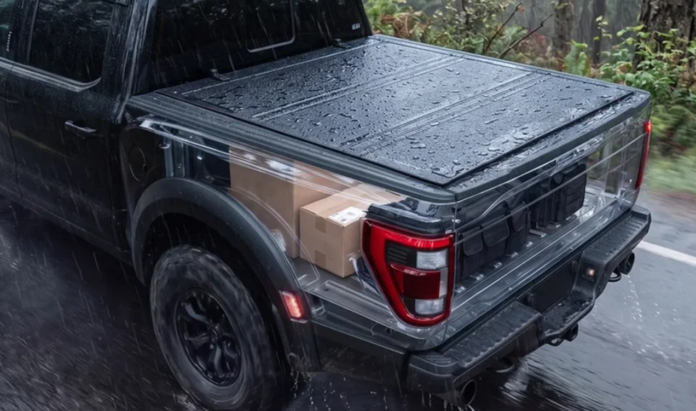
Most tonneau covers fall into a few broad groups, each with a different mix of cost, security, access, weight, and convenience. Independent tonneau cover testing shows why category labels don’t tell the whole story. Seals, latches, and usable bed access can vary by model.

Hard Folding Covers

Hard folding covers use rigid panels that fold toward the cab. They’re popular because they create a solid barrier over the bed while still opening quickly for cargo access.

For many owners, this is a practical middle ground. A hard folding cover is harder to cut through than a soft one and can still move aside for larger loads. Some designs flip upright near the cab and may affect rear-window visibility.

Retractable Covers

Retractable covers slide along rails and store near the front of the bed. Manual versions move by hand, while powered versions use a motor and controls.

Their biggest advantage is adjustable access, but the storage canister uses space near the bulkhead, so check its size if you rely on every inch of bed volume.

Soft Roll-Up and Soft Folding Covers

Soft covers are often the simplest entry point. They’re light, generally less expensive than hard designs, and can provide wide bed access.

Vinyl or fabric helps hide cargo and block some rain, dust, and sun, but it won’t resist cutting like a rigid cover, so a hard cover paired with a locking tailgate usually makes more sense for expensive tools.

One-Piece Hinged Covers

A one-piece cover lifts like a large lid. It can provide solid coverage for everyday cargo.

The drawback shows up with tall loads because oversized cargo may require removing a cover that doesn’t roll or fold away.

Check Fit Before Comparing Features

Bed length isn’t enough. Fitment goes further.

Two pickups with similar bed dimensions can still need different hardware because of rail shape or factory options. Confirm the exact year, make, model, and bed length. If you’re unsure of bed size, measure it and compare the number with the seller’s fitment information.

Then look at what’s already attached to the bed. Factory rails, stake-pocket accessories, bed caps, liners, toolboxes, sport bars, and bed racks can all affect compatibility.

If you’ve got a rack or plan one later, check compatibility before buying.

Decide How Much Bed Access You Really Need

A cover can technically open without giving you the access you need. That’s where buyers often get caught.

If you regularly carry long equipment or storage bins, a roll-up or retractable design may be convenient. If you haul motorcycles, appliances, landscaping equipment, or tall camping gear, check whether the cover can move fully out of the loading area. Some folding covers leave a panel stack near the cab, while others flip farther forward.

And don’t forget visibility. A folded cover standing behind the cab can block part of the rear window, while a retractable cover keeps the window clear but gives up bed space to its canister.

Neither layout is automatically better.

Compare Security Without Overestimating It

A tonneau cover can make cargo less visible and harder to reach, but it isn’t a vault. Security depends on the material, latches, rails, tailgate lock, and release mechanism.

Soft covers mainly provide concealment and a weather barrier, while hard folding and retractable covers add a rigid barrier, especially when the cover can’t be opened until the tailgate is unlocked.

Still, don’t leave high-value items in the bed. Theft risk remains. No cover changes that.

Treat Weather Resistance as a System

Seeing “water resistant” doesn’t mean the bed will stay dry in every storm. Water can enter around the tailgate, bulkhead, bed-rail caps, corners, drain tubes, or small installation gaps.

A well-designed cover uses seals and drainage paths to reduce intrusion, but the truck bed itself is part of the equation; for luggage, electronics, paperwork, or bedding, sealed storage bins add a useful second layer of protection.

Look at Installation and Removal Before You Buy

Some covers use clamps and basic hand tools, while others have more involved rail or electrical requirements. If you’re installing at home, read the instructions before ordering and check whether the job matches your tools.

Powered retractable covers add wiring and moving parts, while a hard folding cover may appeal more to a DIY-oriented owner who wants a simpler setup.

Also ask how hard removal is. That can matter later.

That matters if you sometimes need the bed completely open. It also matters if you switch between work and recreation setups.

Match the Cover to the Rest of Your Setup

Tonneau covers don’t live in isolation. Bed racks, rooftop tents, bike mounts, toolboxes, and tie-down systems can change the decision quickly.

If you want a rack above the bed, check whether the cover leaves stake pockets usable or works with compatible accessory rails; folding covers also need enough clearance to move without hitting rack uprights or crossbars.

Wolfbox Gear offers a useful real-world example. Wolfbox Gear separates its current tonneau-cover lineup into hard folding and electric retractable designs, reflecting two different priorities: simple rigid access and powered, adjustable opening. Its broader catalog includes accessories for trucks, SUVs, and off-road rigs, while tonneau-cover fitment remains specific to compatible pickup beds.

Wolfbox Gear isn’t the only brand using a type-based approach, and shoppers should compare fit, hardware, warranty terms, and accessory compatibility across manufacturers rather than buying on brand name alone.

Use a Simple Decision Filter

Still not sure which style fits? Focus on what matters most.

  • Lower cost and simple coverage: Start with a soft roll-up or soft folding cover.
  • Better physical security with flexible access: Look at hard folding designs.
  • Adjustable opening and a clean top surface: Consider a retractable cover.
  • A solid lid with simple operation: A one-piece hinged cover may fit if you rarely haul tall cargo.
  • Frequent rack use: Prioritize accessory compatibility before cover style.
  • Regular oversized hauling: Choose a design that gets out of the way quickly.

One accessory or hauling habit can change the answer, so fit, access, and compatibility should come before looks.

FAQ

What type of truck bed cover is best?

The best type depends on how you use the bed. Hard folding covers favor security and access. Retractable covers offer adjustable opening, while soft covers are often lighter and cheaper.

Are tonneau covers waterproof?

Most tonneau covers should be treated as water resistant rather than perfectly waterproof. Seals, drainage channels, tailgate gaps, installation, and the truck bed can all affect water intrusion.

Do tonneau covers prevent theft?

They can reduce visibility and make cargo harder to access, especially when a hard cover works with a locking tailgate, but they can’t eliminate theft risk.

How do I know what size tonneau cover I need?

Match the cover to your truck’s exact year, make, model, and bed length. If needed, measure from the inside of the bulkhead to the inside of the closed tailgate, then compare that measurement with the manufacturer’s fitment information.

Can I use a tonneau cover with a bed rack?

Sometimes, but compatibility depends on how both products mount, whether stake pockets or accessory rails remain available, and whether the cover has enough clearance to open fully.

Is a hard folding or retractable tonneau cover better?

A hard folding cover is often simpler and doesn’t require a retractable canister, while a retractable cover can provide adjustable access and keep the rear window clear. The better choice depends on bed space and convenience.

Can I install a truck bed cover myself?

Many covers are designed for home installation, especially clamp-on folding and soft covers, but some retractable or powered systems involve more steps, so review the guide, tools, wiring needs, and lifting requirements first.

Keeping Commercial Vehicles on the Road: How Growing Transportation Businesses Can Plan for Major Costs

Photo by depositphotos at https://depositphotos.com/

For a transportation business, a vehicle sitting in a repair shop is more than an inconvenience. Every day a truck or commercial vehicle is off the road can mean delayed jobs, disrupted schedules, and lost revenue.

At the same time, keeping a fleet operational is expensive. Fuel, maintenance, insurance, tires, payroll, and unexpected repairs can all compete for the same available cash.

This creates a challenge for growing transportation companies: how do you invest in reliable vehicles and deal with unexpected expenses without putting too much pressure on everyday cash flow?

The answer begins with treating vehicle costs as a predictable part of financial planning rather than waiting for a breakdown to create an emergency.

Understand the True Cost of Keeping a Vehicle on the Road

The purchase price of a commercial vehicle is only one part of its overall cost.

  • Routine servicing and preventative maintenance
  • Tires and brakes
  • Insurance
  • Registration and licensing
  • Fuel
  • Replacement parts
  • Major mechanical repairs
  • Vehicle downtime
  • Replacement or additional vehicles

Some of these expenses are relatively predictable. Others can arrive suddenly.

A business may comfortably cover normal monthly expenses and then face a major engine, transmission or emissions-system repair. The repair itself can be expensive, but the bigger problem may be the revenue lost while the vehicle is unavailable.

This is why transportation businesses benefit from looking beyond monthly profit and considering how much readily available cash they have to deal with interruptions.

Build a Vehicle Maintenance Reserve

One of the simplest ways to prepare for vehicle expenses is to create a dedicated maintenance reserve.

Rather than treating every repair as an unexpected expense, a business can set aside money based on mileage, vehicle age and historical maintenance costs.

For example, an older truck with high annual mileage will normally require a larger maintenance reserve than a newer vehicle operating shorter routes.

Maintenance records can provide useful information. Review the previous 12 to 24 months and calculate how much was spent on servicing, tires and repairs. This creates a realistic starting point for estimating future costs.

The objective is not necessarily to accumulate enough cash to cover every possible breakdown. It is to reduce the financial shock when something inevitably needs attention.

Don’t Wait Until Cash Flow Is Under Pressure

Transportation businesses often experience timing differences between expenses and incoming revenue.

Fuel may need to be purchased today. Drivers may need to be paid this week. Repairs might need immediate payment. Yet customers may not settle invoices for several weeks.

That gap can become particularly difficult when several expenses arrive at once.

Owners should therefore review available financing options for trucking businesses before an urgent need develops.

Understanding the available options in advance does not mean a business should borrow unnecessarily. It simply means management knows what resources may be available if a major repair, vehicle purchase or temporary cash-flow gap occurs.

Measure Working Capital Regularly

Revenue alone doesn’t tell an owner how financially comfortable a transportation company is.

A business can have significant sales while still experiencing periods when cash is tight.

Working capital provides a clearer picture of the company’s ability to meet short-term obligations. At its simplest, working capital is calculated as:

Current assets – current liabilities = working capital

But transportation businesses should look deeper than the headline figure.

Consider how quickly customers actually pay invoices, when insurance premiums are due, upcoming maintenance requirements and whether any large annual or quarterly expenses are approaching.

Regularly managing working capital in a trucking business can help owners identify potential shortages before they interfere with operations.

Prioritize Preventative Maintenance

Delaying maintenance to preserve cash can sometimes have the opposite effect.

A relatively inexpensive maintenance issue can become a major repair if it is ignored. More importantly, unexpected downtime makes it much harder to schedule vehicles and fulfill customer commitments.

A preventative maintenance schedule should be based on manufacturer recommendations, mileage, operating conditions and the company’s own maintenance history.

Fleet operators can also track recurring problems across vehicles. If a particular model or component repeatedly requires expensive repairs, that information can influence future purchasing decisions.

Preventive maintenance is therefore not simply a mechanical issue. It is part of financial management.

Calculate the Real Cost of Downtime

When evaluating whether to repair or replace a vehicle, owners should include the cost of downtime.

Suppose a repair costs $6,000. Looking only at the repair bill may make delaying the work appear attractive.

But if the vehicle generates substantial weekly revenue, keeping it off the road could quickly cost more than completing the repair.

  • Revenue normally generated by the vehicle
  • Driver costs during downtime
  • Rental or temporary replacement costs
  • Potential penalties for missed commitments
  • Customer relationships that could be affected
  • Additional workload placed on the rest of the fleet

This provides a much more realistic picture of the financial impact.

Know When Repairing Stops Making Sense

Older vehicles don’t automatically need replacing. A well-maintained commercial vehicle can remain productive for many years.

However, there comes a point when repeated repairs become financially inefficient.

Owners can track the total amount spent on each vehicle during the previous year and compare it with the vehicle’s value, reliability and revenue contribution.

If repair expenses are increasing while downtime is becoming more frequent, replacement may deserve serious consideration.

This decision should be made using numbers rather than frustration after the latest breakdown.

Plan Vehicle Purchases Around Cash Flow

Growing transportation businesses may eventually need additional vehicles.

Before expanding the fleet, estimate not only the acquisition cost but also the additional operating expenses.

A new vehicle could require increased insurance, another driver, more fuel, maintenance reserves and possibly additional administrative expenses.

The important question is whether the expected additional revenue comfortably exceeds these costs.

Businesses should also consider how long it may take for a new vehicle to reach normal utilization. Revenue may not increase immediately after the purchase, even though payments and operating expenses begin straight away.

Keep Financial Records Current

Good financial records make nearly every decision easier.

Transportation businesses should maintain current profit-and-loss statements, balance sheets, bank records, accounts receivable reports and vehicle expense records.

These documents allow owners to identify trends instead of relying on the balance in the bank account on a particular day.

Accurate records can also make it easier to evaluate financing alternatives if outside capital is eventually required.

Prepare Before the Next Breakdown

Commercial vehicles will require maintenance. Tires will wear out. Components will fail. Older vehicles will eventually need to be replaced.

Those realities do not have to become financial emergencies.

Transportation companies that maintain reserves, monitor working capital, track vehicle costs and plan ahead are in a much stronger position when an unexpected expense arrives.

The goal is not to eliminate every financial surprise. It is to build enough flexibility into the business that a major repair or temporary cash-flow gap does not prevent the company from doing what matters most: keeping its vehicles moving and serving its customers.

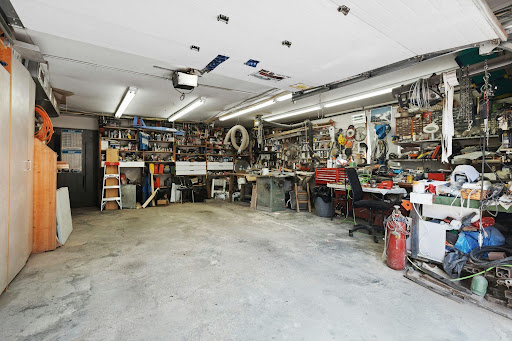
What to Organize in Your Garage Before Your Next Big Car Project

A major car project rarely stays contained to the space directly underneath the hood. Before long, there are tools on the floor, removed parts covering the workbench, boxes arriving with replacements, and a collection of bolts that you are absolutely certain you will remember the purpose of later.

Getting the garage organized before the first wrench comes out can save a surprising amount of frustration. You do not need a showroom-worthy workshop. You need enough clear space to work safely, a sensible system for tools and parts, and a plan for everything that will come off the car along the way.

Start With the Supplies the Project Will Need

Before dismantling anything, take stock of the consumables and workshop supplies you expect to use. Running out of something small halfway through a job can stop progress just as effectively as discovering that you are missing an important tool.

Keep commonly used items together so you can see what needs restocking before work begins. Depending on the project, that could include cleaners, shop towels, lubricants, fasteners, electrical supplies, abrasives, tapes, protective materials, and other workshop basics. Having a dependable source such as https://supplylinkusa.com can make it easier to plan those supplies before the garage is already full of dismantled components.

Avoid buying piles of things simply because they might eventually be useful, though. Organize around the job you are actually preparing to do.

Clear More Floor Space Than You Think You’ll Need

Being able to fit the car into the garage is not the same as having enough room to work on it.

You need space to open doors, position a jack, move equipment, carry components, and comfortably work around different sides of the vehicle. If an engine hoist, creeper, large tool chest, or other movable equipment will be involved, account for that too.

Move bicycles, garden equipment, storage boxes, and unrelated household items away from the work zone before starting.

Keep walking routes clear as well. Stepping over extension cords, parts, and boxes every time you cross the garage becomes frustrating and can create unnecessary hazards.

Once you have created a generous working area, try to protect it. The empty floor will become tempting storage space as the project progresses.

Give Removed Parts a System Before Removing Them

Taking a car apart is often much easier than remembering how everything goes back together several weeks or months later.

Prepare storage before disassembly begins.

Use containers, trays, shelves, or labeled bags for bolts, clips, brackets, electrical connectors, and other small components. Keep hardware with the component it belongs to whenever practical rather than creating one enormous collection of mystery fasteners.

Larger parts need designated space too. Decide where body panels, seats, trim, wheels, exhaust components, or anything else you expect to remove will go.

Photographs can be invaluable. Take pictures before and during disassembly, particularly around wiring, hose routing, brackets, and complicated assemblies.

A simple labeling system may feel excessive on day one. By week six, it can feel like the smartest thing you did.

Reset Your Tool Storage

Photo by Nina Mercado on Unsplash 

A big project is a good excuse to finally find out what is actually hiding in the toolbox.

Go through the tools you expect to use and make sure sets are complete. Check sockets, wrenches, screwdrivers, drill bits, specialty tools, and anything else likely to become important once the work starts.

Put frequently used tools somewhere easy to reach.

You should not need to walk across the garage every time you want another socket. Pegboards, wall racks, drawer organizers, and rolling tool cabinets can all work well, provided the system makes sense to you.

Keep the workbench itself reasonably clear.

A bench completely covered in tools leaves nowhere to place a component when you need to inspect, clean, measure, or assemble it. Treat the work surface as working space rather than permanent storage.

Sort Fluids, Chemicals and Cleaning Products

Automotive projects tend to involve an assortment of oils, cleaners, lubricants, paints, solvents, and other products, and they should not end up randomly scattered around the garage.

Organize them before the project begins and follow their storage instructions.

Keep containers clearly identifiable and separate new products from waste fluids awaiting appropriate disposal. Prepare suitable containers for anything you know will be drained from the vehicle rather than improvising after the first plug has already been removed.

It also helps to keep spill-cleanup materials accessible.

Even careful work gets messy occasionally, and dealing with a small spill immediately is much easier than discovering later that it has traveled underneath cabinets, boxes, or equipment.

A cleaner garage also makes leaks from the vehicle easier to notice while you work.

Check Lighting, Power and Safety Gear

The middle of a repair is a bad time to discover that you cannot properly see the area you are working on.

Check the garage lighting beforehand and add portable task lighting for under-hood, wheel-well, interior, and under-car work. Make sure cords and power supplies can reach the work area without creating an obstacle course across the floor.

Then check your safety equipment.

Eye protection, appropriate gloves, hearing protection, a properly selected fire extinguisher, and a stocked first-aid kit should be accessible rather than buried behind project parts.

Ventilation also matters for work that can produce fumes, dust, or vapors. Think about what the project will involve before you begin and set up the workspace accordingly.

Organization is not only about making the garage look tidier. It should make the work easier and safer.

Leave Room for the Project to Grow

One of the easiest mistakes is organizing the garage perfectly for the intact car rather than for the car halfway through the project.

Major jobs expand.

A bumper comes off. Then the headlights. Then a box of replacement components arrives. Soon the garage contains the vehicle plus a second vehicle’s worth of individual pieces.

Leave some shelves, containers, and floor-safe storage capacity empty at the beginning.

It is also worth creating a dedicated area for parts that are waiting to be installed and another for components that have been removed but still need inspection, cleaning, repair, or replacement.

That simple separation prevents new parts from disappearing into the same pile as old ones.

The best garage setup is not necessarily the one with the most cabinets, shelves, or expensive equipment. It is the one that still makes sense halfway through the project. Clear the working area, organize the tools and supplies, create a system for every part that comes off the car, and give yourself enough spare capacity for the unexpected. Once the real work begins, you will be glad the garage is helping rather than getting in the way.