Home Blog Page 21

How Red Cards Affected Live Odds in Key Fixtures

Every red card flips a match into a data storm. Traders freeze markets, bettors hold their breath, and odds dance within seconds. What looks like chaos is actually calculation, driven by models trained to predict how one player’s absence reshapes every passing minute. Understanding these reactions isn’t just interesting—it’s profitable for those who read the numbers, not emotions.

Immediate Market Reaction

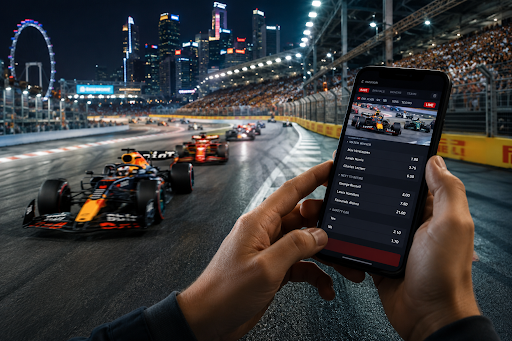
A red card sends bookmakers into instant recalibration. Within five to ten seconds, algorithms digest new probabilities based on team strength, scoreline, and timing. The earlier the card, the greater the odds swing—sometimes over 40%. On platforms like Melbet APK download, such swings are visible almost immediately as live lines adjust in real time. Bookmakers often suspend live betting briefly to stabilize liquidity before reopening with new numbers.

Professional bettors thrive in these windows. They recognize the gap between automated reaction and human judgment. When a favorite loses a defender in the first half, lines often overshoot, rewarding those who act before the correction. The entire market becomes a test of speed, discipline, and interpretation of chaos.

Psychological Impact on Bettors

Red cards trigger predictable mental shifts among bettors. Many react emotionally, assuming the team with more players will automatically dominate. In reality, the opposite often happens: reduced sides can tighten defense and slow the pace.

Typical psychological traps include:

  • Overconfidence: blindly backing the stronger team post-card.
  • Revenge betting: chasing early losses with impulsive new wagers.
  • Misreading momentum: ignoring how a red card changes tempo, not just numbers.

When emotion overrides logic, markets become distorted. Successful bettors use these moments to exploit public bias, not follow it. Those who stay patient and data-driven often find value where most see chaos.

Analytical Shifts in Live Models

Behind every odds adjustment are predictive models processing thousands of variables. These systems measure possession, pressure zones, and expected goals after each event. On platforms such as Melbet betting company, these calculations update in seconds, reflecting even minor tactical shifts. Red cards force models to recalculate the “power ratio” between sides, altering win probability curves in real time. This isn’t guesswork—it’s live simulation at an industrial scale.

Case Study — Liverpool vs. Arsenal 2024

When Arsenal’s Gabriel was sent off in the 59th minute, Liverpool’s win probability surged from 47% to 78% within seconds. Oddsmakers reacted instantly, suspending markets before reopening with aggressively inflated lines. The draw price spiked to +900, an extreme overcorrection based on momentum rather than logic. Sharp bettors moved quickly, recognizing temporary mispricing and exploiting the gap before it closed.

The match finished 2–2, proving that not every numerical swing reflects real control. This fixture showed how automated systems can exaggerate red-card effects and how disciplined bettors profit from short-lived inefficiencies rather than pure prediction accuracy.

Adaptive Betting Algorithms

Modern sportsbooks now rely on AI systems that learn and react in real time. These models evaluate not just goals or fouls but deeper tactical variables—formation shifts, defensive shape, and possession control after a red card. When a coach transitions to a low block or introduces a holding midfielder, the algorithm instantly recalculates win probabilities and adjusts prices.

This evolution makes markets more efficient and risk-averse. Bettors now face algorithms that adapt faster than human intuition. The window to exploit inefficiencies has shrunk dramatically—from minutes to seconds—transforming live betting into a precise, data-driven contest instead of a test of instinct or emotion.

Historical Patterns

Across Europe’s top leagues, statistics reveal how timing dictates impact. When a team goes down to ten men before the 60th minute, 71% of them lose. If the card comes later, between the 60th and 80th, the loss rate drops to 49%. That difference shows how early dismissals reshape entire match structures, forcing defensive reshuffles and altering possession flow.

From 2020 to 2024, Premier League matches featuring red cards recorded an average goal expectancy shift of 0.62. That adjustment directly affects in-play lines, triggering millions in betting activity. The later the red card, the smaller the model response—but volatility always rises. For sportsbooks, each dismissal becomes a micro-event, driving liquidity and unpredictable opportunity.

Future of Live Odds Modeling

The next evolution lies in micro-data: player fatigue levels, spatial pressure maps, and AI models predicting tactical responses in real time. Future live odds will adjust automatically for context—game tempo, substitutions, and even emotional momentum. Bookmakers are already testing systems that merge biometric tracking with match analytics to refine accuracy. The edge will belong to bettors who understand how algorithms read football as a living, shifting equation, not just a scoreboard. As these technologies mature, the gap between raw data and real outcomes will shrink, redefining how live betting markets move in every major league.

The Remarkable Comebacks in NASCAR Cup Series History

The NASCAR Cup Series has been home to some of the most thrilling stories of grit and determination in motorsports. History is dotted with unforgettable comebacks in which drivers stunned fans and rivals alike by climbing from near-impossible positions to the victory lane. This article explores seven remarkable comebacks that demonstrate why NASCAR racing is as much about resilience as it is speed. From mechanical setbacks to last-lap heroics, these moments embody the spirit of the Cup Series.

NASCAR Cup Series: The Arena of Remarkable Comebacks

The NASCAR Cup Series, the pinnacle of stock car racing in America, stages intense competitions that test drivers’ skill, strategy, and nerves. On this grand stage, setbacks like crashes, mechanical failures, or penalties can crush hopes—yet some drivers struggle back against the odds to rewrite their fate. These comebacks are celebrated because they reflect an indomitable will coupled with racecraft intelligence. Fans and experts often recall these feats as defining moments in racing lore.

The €10 No Deposit Moment: Turning Points That Defined Legends

In many such comebacks, a defining moment—a lucky break, a pit strategy call, or a risk taken at just the right time—can change everything. It’s akin to finding an unexpected bonus like a “€10 no deposit” offer in a game that suddenly turns the tide to your favor, propelling you toward victory. These pivotal seconds fuel stories of legendary drives and inspire racing fans worldwide.

7 Remarkable Comebacks in the NASCAR Cup Series

  1. Bill Elliott’s 1985 Talladega Charge
    Bill Elliott faced mechanical issues early at Talladega, falling two laps behind. Despite no help from caution flags, he powered his way forward, making up over five miles exclusively under green flag racing to win the race. This comeback remains one of the most awe-inspiring in NASCAR history.
  2. Jeff Gordon’s 2005 Martinsville Rally
    After overheating problems dropped Gordon three laps down, the veteran driver patiently worked his way through the pack. Utilizing track position and timing, Gordon reclaimed lost ground and led the final laps to claim victory at Martinsville.
  3. Dale Earnhardt’s 2000 Talladega Sprint
    Known as “The Intimidator,” Earnhardt was 18th with four laps remaining in the Winston 500. His aggressive drafting and bold moves through traffic allowed him to clinch his 76th career win in a last-lap pass.
  4. Chase Elliott’s 2019 Charlotte Roval Recovery
    In the 2019 Charlotte Roval race, Elliott crashed but didn’t give up. Despite tank damage and falling to the back, he battled back during a long green flag run and capitalized on cautions to retake the lead late in the race for a dramatic win.
  5. Kyle Busch’s 2015 Season Triumph
    After suffering a broken leg and foot in a Daytona crash, Busch missed 11 races. His return was marked by a string of wins and consistent performances that helped him secure the championship against all odds.
  6. Shane Van Gisbergen’s 2023 Chicago Street Race
    Penalized early and starting deep in the field, Van Gisbergen methodically navigated traffic on the narrow streets. He surged past frontrunners to claim the lead and a high-profile victory that cemented his reputation.
  7. Joey Logano’s 2016 Talladega Win
    Despite serving a pit penalty with his jack still under the car, Logano avoided going laps down and came back to win the race, showcasing poise under pressure and strategic excellence.

What Makes a NASCAR Comeback Truly Special?

NASCAR comebacks are more than just dramatic position gains; they exemplify a driver’s perseverance amid adversity, skillful adjustments, and the ability to seize fleeting opportunities. The unpredictability of racing—the interplay of car performance, team strategy, and race incidents—makes these comebacks memorable. For fans, these rallies stir emotions and deepen their connection to the sport’s heroes.

Lessons from the Track: Inspiration Beyond Racing

Beyond speedways, these comeback tales teach resilience applicable to life’s challenges. They remind us that setbacks are not the end but opportunities to regroup and fight forward. The unforgettable moments from NASCAR Cup Series races demonstrate how tenacity, focus, and courage can transform obstacles into triumphs.

At Last

The NASCAR Cup Series has produced some of the most inspiring comeback stories in sports. From Bill Elliott’s unbelievable recovery at Talladega to Chase Elliott’s gutsy Charlotte win, these moments showcase why NASCAR remains a beloved saga of competition and human spirit. The legendary battles on track, highlighted by single pivotal moments much like discovering a rare “€10 no deposit” win, continue to captivate fans and fuel racing history.

King Shocks’ Alan Ampudia Claims Second Straight SCORE Trophy Truck Championship at 2025 Baja 1000

Photo credit: Art Eugenio, GetSome Photo

For the second consecutive year, King Shocks-backed driver Alan Ampudia is the SCORE Trophy Truck champion after completion of the 2025 season with the 58th SCORE Baja 1000. Ampudia, who soloed the entire season, secured the title with a sixth place finish in the most grueling race of the year.

After earning the overall SCORE championship in 2024 thanks to a win in the King Shocks SCORE San Felipe 250 and two additional podiums, Ampudia was even better in 2025. He not only backed up last year’s triumph in San Felipe, he also added wins in the SCORE Baja 500 in June and SCORE Baja 400 in September, joining elite company as one the only drivers to have won all four of SCORE’s active races during his career. In his bid for a perfect season, Ampudia ran with the leaders’ superteams for a majority of the race as a solo driver, proving his mettle as one of the toughest drivers in the sport.

Ampudia was far from the only SCORE champion to be celebrating on King Shocks in Ensenada as the checkered flag fell. Sam Baldi locked up the SCORE Trophy Truck 2WD title for King thanks to a class win, completing a consistent season that saw him finish in the top five in all four races. Meanwhile, Gustavo Vildosola Sr. completed his fourth consecutive perfect season in the SCORE Trophy Truck Legends division, defeating his closest competition by nearly half an hour.

In Trophy Truck Spec, Justin Davis sealed the class championship thanks to three podiums on the season, while Brent Fox wrapped up the season with another class victory for King after coming in at an impressive sixth place overall. Rounding out the successes were a Class 1 win for Brendan Gaughan and a pair of podiums for Brad Wilson and Cody Reid; Reid and Wilson also took the top two spots in the class standings on the season, with Reid clinching his third championship in a row.

King Shocks also posted perfect seasons in both the Class 7 and Class 5 Unlimited divisions. In Class 7, it was Dan Chamlee taking his third victory of the season to secure the class title, with Baja 500 winner Rhys Millen coming in second to finish the third King Shocks 1-2 in class on the season. In Class 5 Unlimited, Eli Yee went four-for-four on the campaign; after winning the first three races of the 2024 season, he returned to defend his title with a perfect season this time around.

Also earning Baja 1000 victories and SCORE class titles were Stan Potter in Class 10, Daniel Goodrich in Class ½-1600, Chris Somano in Class 5-1600, and Dan Gregory in 1400 Sportsman Truck. For Goodrich, it was his second class win and third podium of 2025, while Potter’s win was his second straight podium finish.

The SCORE titles complete another successful season for King Shocks across the desert. Ampudia, Baldi, Vildosola, and Davis join UNLTD Off-Road Racing champions Adam Householder (overall and Unlimited Truck) and Conner McMullen (Unlimited Truck SPEC) as those to take the highest honors in their respective series and classes with King in 2025.

“A huge congratulations to all of the King Shocks racers who excelled at this year’s Baja 1000 and across the entire SCORE season, and especially to Alan Ampudia for defending his title as SCORE Trophy Truck champion,” said King Shocks president Brett King. “2025 was a fantastic year for our racers with so many wins and titles, and we’re thrilled to have swept the season in more than one class. We can’t wait to get back after it in 2026!”

Racing, prerunning or just having fun, whatever your application; King Shocks has the shock for you with the performance, reliability, precise tuning and adjustability you need. King Shocks, The Leader in Off-Road Technology!

About King Off-Road Shocks
King Shocks is a world-class manufacturer and servicer of custom made adjustable and rebuildable automotive shock absorbers and performance racing products for utility vehicles, OEM replacement and professional racing use. For over twenty years King Shocks has taken pride in putting quality, performance and customer service above all. Every product sold is the result of constant testing and development done with top racers in competition worldwide. This real world testing exposes their designs to a level of abuse and destructive forces that cannot be duplicated in a laboratory. King Shocks, The leader in Off-Road Shock Technology.

ROLLIE MILLER NAMED GENERAL MANAGER AT LUCAS OIL INDIANAPOLIS RACEWAY PARK

INDIANAPOLIS (Nov. 21, 2025) – NHRA officials are thrilled to announce today that Rollie Miller has been named general manager at Lucas Oil Indianapolis Raceway Park.

Miller, who started in the role on Nov. 17 and is based out of NHRA’s Indianapolis office, brings a wealth of experience to the role, including nearly 10 years as a member of NHRA Safety Safari before an extensive role as ProMedia, NMRA and NMCA General Manager and National Event Director.

Miller will report to NHRA Vice President of Finance Tim Erdmann and will be responsible for the day-to-day operation at legendary Lucas Oil Indianapolis Raceway Park, which features a wide variety of events and motorsports, including the world’s biggest drag race, the prestigious Cornwell Quality Tools NHRA U.S. Nationals over Labor Day Weekend, as well as a NASCAR Truck Series event and Formula Drift.

Before his new role with NHRA, Miller worked as a member of Simpson NHRA Safety Safari from 2005 through the 2013 campaign, and then was named the national event director and general manager for ProMedia, NMRA and NMCA that same year. He remained in that role through 2024, managing day-to-day operations of all departments for a national event schedule that featured 12-15 races each season.

He was named senior event manager for FM3 Performance Marketing last November before taking the role at Lucas Oil Indianapolis Raceway Park.

“Rollie has displayed a longtime commitment to drag racing and has showcased proven leadership in the sport, making him an ideal fit to lead Lucas Oil Indianapolis Raceway Park,” Erdmann said. “He has a strong understanding of our operations and a great passion for NHRA drag racing, and with his guidance, we’re confident IRP will continue to grow and uphold its legacy as one of the premier facilities in motorsports.”

Chief among Miller’s responsibilities this season is overseeing the first phase of a multi-year, multi-phase project was completed at the facility, including the completion and debut of the new Wally Parks Tower, and renovation of suites above the dragstrip’s west side grandstands.

The second phase will focus on drainage and will be a key part of the long-term plan that will create an improved parking and entry experience for fans.

“I am extremely thrilled to step into this role of general manager at Lucas Oil Indianapolis Raceway Park,” Miller said. “This is a historic facility that continues to thrive and grow, and it’s an honor to be part of the exciting future here. I look forward to working closely with race teams, fans and track partners to continue building on IRP’s incredible success and making sure it remains a centerpiece in motorsports.”

The dragstrip at IRP also features racing in the Lucas Oil Drag Racing Series and several other races, while the oval includes a full schedule each season.

For more information on NHRA, including the 2026 schedule, visit www.nhra.com.


About NHRA

NHRA is the primary sanctioning body for the sport of drag racing in the United States. NHRA presents 20 national events featuring the NHRA Mission Foods Drag Racing Series and NHRA Lucas Oil Drag Racing Series, as well as the Congruity NHRA Pro Mod Drag Racing Series, NHRA Flexjet Factory Stock Showdown™, NHRA Holley EFI Factory X and Johnson’s Horsepowered Garage NHRA Mountain Motor Pro Stock at select national events. NHRA provides competition opportunities for drivers of all levels in the NHRA Summit Racing Series and NHRA Street Legal™. NHRA also offers the NHRA Jr. Street® program for teens and the Summit Racing Jr. Drag Racing League® for youth ages 5 to 17. With more than 100 Member Tracks, NHRA allows racers to compete at a variety of locations nationally and internationally. NHRA’s Youth and Education Services® (YES) Program reaches over 30,000 students annually to ignite their interest in automotive and racing related careers. NHRA’s streaming service, NHRA.tv®, allows fans to view all NHRA national events as well as exclusive features of the sport. In addition, NHRA owns and operates three racing facilities: Gainesville Raceway in Florida; Lucas Oil Indianapolis Raceway Park; and In-N-Out Burger Pomona Dragstrip in Southern California. For more information, log on to www.NHRA.com, or visit the official NHRA pages on Facebook, Instagram, Twitter, and YouTube.

Brent Sexton Finishes Fourth at Hangtown

The winged 360 Grant Sexton will drive Saturday at Merced. SGR Photo.

Lakeside, CA — November 19, 2025 – In a race that looked like a lost episode of The Twilight Zone, three-time Lightning Sprint Car champion Brent Sexton threaded his way through the mayhem to score a hard-earned fourth-place finish in the Bay Cities Racing Association Lightning Sprint Car portion of the Hangtown 100 at Placerville Speedway.

Originally scheduled as a two-night show, Sexton made the long 540-mile haul solo from his home in Lakeside, California, near San Diego, to Placerville, which is located 100 miles northeast of San Francisco’s iconic Golden Gate Bridge. The trip nearly seemed for nothing as heavy rains drenched the quarter-mile on Friday the 14th, washing out the opening night and putting Saturday the 15th in serious doubt. Track crews waited until Saturday morning to decide whether the oval could even be made raceable.

Fortunately for Sexton and the rest of the field, officials opted to push ahead—and immediately went to work whipping the surface into shape. With another storm looming, the program was moved up by several hours to beat the incoming weather.

Sexton struggled to find his rhythm early, posting an uncharacteristic 13th-fastest lap in the 17-car qualifying field at 16.986. His heat race offered little improvement, as he started and finished seventh.

Lining up 14th for the 20-lap main, Sexton looked buried in traffic—but that starting spot turned out to be a blessing. Before a full lap could be completed, multiple red flags flew for flips and pileups. When the pre-race chaos settled, Sexton found himself leaping forward eight spots to start sixth before the race officially had a single lap on the board—one of the strangest statistical quirks of his long career.

Once the race finally went green for good, the remaining laps clicked off cleanly. Sexton clawed his way forward two more positions and powered his #3 to a strong fourth-place finish.

When asked how he managed to sneak through the bizarre early carnage, he summed it up perfectly: “Avoid, Avoid, Avoid.”

While most teams across the nation have already parked their cars for winter, Sexton Gatlin Racing still has three shows left. This Saturday, Brent’s youngest son, Grant, returns to action in a new winged sprint car at Merced Speedway. Then on Tuesday, Brent, Grant, and rookie teammate Braydin Collie of El Cajon will tackle the California Lightning Sprint Car Series 9th Annual Western Lightning Sprint Car Championship on the Bakersfield Speedway at Kevin Harvick’s Kern Raceway.

Collie—fresh off competing in the Baja 1000 and currently sixth in California Lightning Sprint Car Series points—sits just one point out of fifth entering Bakersfield. Grant Sexton, the 2021 POWRi Southwest Lightning Sprint Car champion and 2023 USAC/CRA Rookie of the Year, will debut a brand-new Diablo Chassis and sends thanks to Brian Fonseca and Samantha Sproull for the opportunity.

Brent and Grant will then close out their 2025 campaign in the sprint car portion of the 84th Turkey Night Grand Prix at Ventura Raceway on November 28th and 29th.

For more updates, follow Sexton Gatlin Racing on social media and stay tuned for results throughout the 2025 season.

Sexton Gatlin Racing would like to thank the following companies for making the 2024 season possible. East County Electric Works, Keys Brothers, Geoff Dale, BR Motorsports, Maxima Oil, Automated Interiors, Valley Lubricant Services, Sexton Fire Protection, BK Wings, and Troy Dirt.

If you or your company are interested in becoming a marketing partner with Sexton Gatlin Racing in 2025, please call (619) 454-6945 or E-mail mailto:sextonfire@cox.net or mailto:sextonfire@gmail.com.

Brent Sexton 2025 Results

3/8/25 Ventura Raceway USCS Sprint Cars 13th A Main

3/14/25 Imperial Valley Raceway USAC/CRA Sprint Cars DNS

3/15/25 Imperial Valley Raceway USAC/CRA Sprint Cars 14th A Main

3/28/25 Ocean Speedway USCS Sprint Cars 5th A Main

3/29/25 Merced Speedway USCS Sprint Cars 12th A Main

4/12/25 Bakersfield Speedway USCS Sprint Cars 12th A Main

5/17/25 Santa Maria Speedway Ultimate Sprint Cars 21st A Main

6/3/25 Circle City Speedway (Indianapolis) 410 Sprint Cars 14th A Main

6/4/25 Paragon Speedway (Indiana) 410 Sprint Cars 11th B Main

6/5/25 Lincoln Park Speedway (Indiana) 410 Sprint Cars Rained Out

6/6/25 Bloomington Speedway (Indiana) 410 Sprint Cars Rained Out

6/7/25 Tri State Speedway (Indiana) 410 Sprint Cars Rained Out

6/8/25 Kokomo Speedway (Indiana) 410 Sprint Cars 8th B Main

8/1/25 Barona Speedway SoCal Lightning Sprints 21st A Main

8/2/25 Barona Speedway SoCal Lightning Sprints DNS

8/10/25 Buffalo River Speedway Minkota Lightning Nationals 7th A Main

8/10/25 Buffalo River Speedway Minkota Lightning Nationals 13th A Main

8/22/25 Plaza Park Raceway California Lightning Sprints DNS

9/12/25 Bakersfield Speedway California Lightning Sprints 19th A Main

9/13/25 Perris Auto Speedway USAC/CRA Sprint Cars 21st A Main

9/20/25 Ventura Raceway Ultimate Sprint Cars 3rd A Main

10/4/25 Mohave Valley Raceway USAC/CRA Sprint Cars 18th A Main

10/24/25 Central Arizona Raceway USAC National Sprint Cars DNS

10/25/25 Central Arizona Raceway USAC National Sprint Cars 19th B Main

11/15/25 Placerville Speedway Bay Cities Racing Association 4th A Main

Braydin Collie 2025 SGR Results

3/14/25 Imperial Valley Raceway SoCal Lightning Sprints 11th A Main

3/15/25 Imperial Valley Raceway SoCal Lightning Sprints 11th A Main

4/12/25 Bakersfield Speedway California Lightning Sprints 11th A Main

5/17/25 Merced Speedway CLS vs BCRA Civil War 9th A Main

6/7/25 Bakersfield Speedway California Lightning Sprints 3rd A Main

6/21/25 Ventura Raceway California Lightning Sprints 6th A Main

7/5/25 Santa Maria Speedway California Lightning Sprints 5th A Main

7/26/25 Santa Maria Speedway California Lightning Sprints 6th A Main

8/1/25 Barona Speedway SoCal Lightning Sprints 5th A Main

8/2/25 Barona Speedway SoCal Lightning Sprints 10th A Main

8/7/25 Norman County Raceway Minkota Lightning Nationals 10th A Main

8/10/25 Buffalo River Speedway Minkota Lightning Nationals 12th A Main

8/10/25 Buffalo River Speedway Minkota Lightning Nationals 3rd A Main

8/22/25 Plaza Park Raceway California Lightning Sprints 7th A Main

8/23/25 Lemoore Jet Bowl Raceway California Lightning Sprints 7th a Main

8/30/25 Ventura Raceway California Lightning Sprints 7th A Main

9/12/25 Bakersfield Speedway California Lightning Sprints 8th A Main

9/13/25 Merced Speedway California Lightning Sprints 10th A Main

10/4/25 Ventura Raceway California Lightning Sprints 6th A Main

10/25/25 Ventura Raceway California Lightning Sprints 7th A Main

Grant Sexton 2025 Results

2/22/25 Mohave Valley Raceway USAC/CRA Sprint Cars 20th A Main

3/8/25 Ventura Raceway USCS Sprint Cars 8th A Main

3/14/25 Imperial Valley Raceway USAC/CRA Sprint Cars 19th A Main

4/12/25 Bakersfield Speedway USCS Sprint Cars 17th A Main

5/17/15 Santa Maria Speedway USCS Sprint Cars DNS

8/1/25 Barona Speedway SoCal Lightning Sprints 13th A Main

8/2/25 Barona Speedway SoCal Lightning Sprints 10th A Main

8/7/25 Norman County Raceway Minkota Lightning Nationals 5th A Main

8/10/25 Buffalo River Speedway Minkota Lightning Nationals 21st A Main

8/10/25 Buffalo River Speedway Minkota Lightning Nationals 18th A Main

9/12/25 Bakersfield Speedway California Lightning Sprints 6th A Main

9/20/25 Ventura Raceway Ultimate Sprint Cars 17th A Main

10/4/25 Mohave Valley Raceway USAC/CRA Sprint Cars 10th A Main

Dalton Sexton 2025 Results

8/1/25 Barona Speedway SoCal Lightning Sprints 14th A Main

8/2/25 Barona Speedway SoCal Lightning Sprints 20th A Main

AJ Bender 2025 SGR Results

3/15/25 Imperial Valley Raceway USAC/CRA Sprint Cars 23rd A Main

T-Mobile Extends Partnership with FORMULA 1 HEINEKEN LAS VEGAS GRAND PRIX, Expands Role as Regional 5G Innovation Partner of Formula 1

Three-year extension unlocks 5G-powered broadcast innovations, elevated fan experiences and exclusive access for T-Mobile customers

BELLEVUE, Wash. — Nov. 20, 2025 — T-Mobile (NASDAQ: TMUS) today announced a multi-year extension as the Exclusive 5G Partner of the FORMULA 1 HEINEKEN LAS VEGAS GRAND PRIX and an expansion to become the Regional 5G Innovation Partner of Formula 1®, underscoring T-Mobile’s role as a leading technology and fan experience partner for one of the world’s most high-profile sporting organizations. Under the new agreement, T-Mobile will bring 5G-connected technologies supporting broadcast innovations and fan activations to the United States Grand Prix at the Circuit of the Americas in Austin, Texas, starting in 2026.

Since first announcing the partnership in 2022, T-Mobile has played a defining role in powering the Las Vegas Grand Prix, delivering 5G-connected broadcast cameras and drones, mission-critical event operations and exclusive content to fans onsite and at home. From network slicing for real-time ticketing and payments to dedicated connectivity for first responders and media, T-Mobile’s 5G-enabled innovations have helped elevate the annual race weekend. T-Mobile will continue delivering next-generation connectivity at the Las Vegas Grand Prix under the extended agreement, while growing its innovation and presence at the U.S. Grand Prix in Austin.

Building on its world-class 5G infrastructure in Las Vegas, T-Mobile for Business has also made significant network enhancements at Circuit of the Americas, delivering unmatched coverage and capacity to support fan experiences, staff communications, operational efficiency and broadcast innovation.

Starting in 2026, T-Mobile will roll out expanded 5G broadcast support across both races — delivering immersive content, behind-the-scenes access and new production capabilities that bring fans closer to the action during the live race broadcast. In partnership with the F1® broadcast team, T-Mobile for Business will leverage its 5G Advanced Network Solutions to enable cutting-edge production technologies and 5G-powered cameras to help deliver more dynamic race coverage to viewers around the world.

Additionally, the fan-favorite Club Magenta — T-Mobile’s VIP lounge and fan destination at the Las Vegas Grand Prix— will make its Austin debut, expanding the experience to even more fans and giving T-Mobile customers a front-row seat to the action with exclusive access, premium views and more, thanks to Magenta Status.

Mike Katz, President of Marketing, Strategy and Products, T-Mobile
“This extension is about more than just staying the course — it’s about raising the bar. As Formula 1 continues to grow in the U.S., we’re proud to expand our role — powering new broadcast innovations, supporting race operations and bringing VIP experiences like Club Magenta to Austin for the first time — giving T-Mobile customers exclusive, behind-the-scenes access to the sport they love.”

Emily Prazer, Chief Commercial Officer of Formula 1 and President and CEO of Las Vegas Grand Prix, Inc.
“The launch of Formula 1 in Las Vegas has defined a new era for the sport, and T-Mobile has been a valued partner from day one. Their technology, creativity and fan-first mindset continue to elevate the race week experience — and we’re thrilled to expand this partnership as we look to the future.”

Since joining the F1® calendar, LVGP has become one of the most anticipated events in motorsport, blending racing, entertainment and technology in Las Vegas. T-Mobile’s continued investment at LVGP — and now at the U.S. Grand Prix in Austin — ensures fans on-site and around the world stay connected to every moment.

To learn more about T-Mobile at the Las Vegas Grand Prix, visit https://www.t-mobile.com/LVGP.

Follow the T-Mobile Newsroom on X and Instagram to catch the latest company updates.

About T-Mobile US, Inc.

As the supercharged Un-carrier, T-Mobile US, Inc. (NASDAQ: TMUS) is powered by an award-winning 5G network that connects more people, in more places, than ever before. With T-Mobile’s unique value proposition of best network, best value and best experiences, the Un-carrier is redefining connectivity and fueling competition while continuing to drive the next wave of innovation in wireless and beyond. Headquartered in Bellevue, Wash., T-Mobile provides services through its subsidiaries and operates its flagship brands, T-Mobile, Metro by T-Mobile and Mint Mobile. For more information, visit https://www.t-mobile.com.

The “No-Zone” Danger: How to Safely Share the Road with Big Vehicles

Every year, thousands of drivers find themselves victims of truck-related accidents that could have been prevented. 

According to a leading car accident lawyer specializing in commercial vehicle cases, a significant portion of these collisions occur in what transportation safety experts call “no-zones”. 

These are the dangerous blind spots surrounding large commercial vehicles. 

Understanding these hazards and learning how to drive around big rigs can mean the difference between arriving safely at your destination and becoming another statistic.

Understanding the No-Zone: Where Danger Lurks

The term “no-zone” refers to the specific areas around trucks and large vehicles where your car disappears from the driver’s view. Unlike passenger vehicles, commercial trucks have massive blind spots that extend far beyond what most drivers imagine.

The Four Critical No-Zones:

Front No-Zone: Extends approximately 20 feet ahead of the truck’s cab. When you cut in front of a large vehicle, the driver cannot see you, and the truck’s considerable weight makes sudden stops nearly impossible.

Rear No-Zone: Stretches up to 30 feet behind the trailer. If you’re tailgating a truck and cannot see its side mirrors, the driver has no awareness of your presence.

Right-Side No-Zone: Covers two lanes of traffic extending from the truck’s front cab to halfway down the trailer’s length. This blind spot accounts for the highest percentage of passenger vehicle-truck collisions.

Left-Side No-Zone: Extends one lane of traffic along the truck’s length. While smaller than the right-side blind spot, it remains equally dangerous during lane changes and turns.

The Numbers Tell a Sobering Story

Data from the National Highway Traffic Safety Administration reveals that 5,788 large trucks were involved in fatal crashes in 2021, a 17% increase from the previous year. The Federal Motor Carrier Safety Administration reports that 71% of people who died in these crashes were occupants of other vehicles, not the truck drivers themselves.

Research shows that blind spot-related accidents occur most frequently during:

  • Lane changes (23% of incidents)
  • Merging situations (18% of incidents)
  • Right turns (15% of incidents)
  • Backing maneuvers (12% of incidents)

These statistics underscore a critical point: the majority of truck-related accidents involve passenger vehicles, and many occur because drivers position themselves in no-zones without realizing the danger.

The Reality of Commercial Trucking Operations

The commercial trucking industry continues to expand, with businesses increasingly relying on trailer rentals to meet fluctuating shipping demands. This flexible approach to logistics means more varied drivers operate commercial vehicles, some with extensive experience, others relatively new to handling large equipment. Companies rent dry van trailers for everything from seasonal inventory surges to one-time large shipments, putting diverse operators on the road who may have different skill levels in managing blind spots and defensive driving.

This operational reality makes it even more critical for passenger vehicle drivers to take personal responsibility for their safety. You cannot assume every truck driver has mastered the complexities of monitoring multiple blind spots while managing a vehicle that can weigh up to 80,000 pounds fully loaded.

How Truck Blind Spots Differ from Passenger Vehicles

Your car’s blind spots extend a few feet to either side and perhaps one car length behind you. A quick head turn usually reveals what your mirrors miss. Commercial trucks operate in an entirely different reality.

The average semi-truck measures 70 feet long, 8.5 feet wide, and 13.5 feet tall. The driver sits approximately 8 feet above the road surface. This elevated position creates visual barriers that standard vehicle mirrors cannot overcome, even with the convex mirrors required on commercial trucks.

Consider this: a truck driver making a right turn must track:

  • The front cab’s clearance
  • The trailer’s pivot point
  • Vehicles in the right-side blind spot
  • Pedestrians in the crosswalk
  • Traffic signals and signs
  • The rear trailer’s swing radius

During this complex maneuver, an entire sedan can completely disappear in the right-side no-zone. The driver simply cannot see you, regardless of how carefully they try to be.

Defensive Driving Strategies Around Large Vehicles

Apply the Mirror Rule: If you cannot see the truck driver’s face in their side mirror, they cannot see you. This simple principle should guide every decision you make around commercial vehicles. Position your vehicle where you can make eye contact with the driver through their mirrors.

Increase Following Distance: Maintain at least four seconds of following distance behind trucks, double the recommended distance for passenger vehicles. This buffer gives you time to react if the truck stops suddenly and ensures the driver can see your vehicle in their mirrors. Calculate this by picking a fixed object and counting the seconds between when the truck passes it and when you reach it.

Pass Quickly and Safely: When overtaking a truck, accelerate to complete the pass quickly and safely. Lingering alongside a commercial vehicle places you in their side no-zone for an extended period. Signal early, pass on the left when possible, and ensure you can see the entire truck in your rearview mirror before moving back into the lane.

Anticipate Wide Turns: Large vehicles need substantial space to complete turns. Watch for turn signals, and give trucks extra room. Never position your vehicle between a turning truck and the curb, the trailer’s rear wheels follow a much tighter path than the front, creating a dangerous squeeze zone.

Avoid the Squeeze Play: At intersections, resist the urge to pull alongside a truck that might turn. Many right-turn accidents occur when passenger vehicles try to squeeze past a truck’s right side as it begins turning. The driver never sees the vehicle, and the trailer sweeps across multiple lanes.

Weather Conditions Multiply the Risk

Adverse weather transforms no-zones from dangerous to deadly. Rain reduces visibility and increases stopping distances. According to Federal Highway Administration data, 70% of weather-related crashes occur on wet pavement, and 46% happen during rainfall.

Truck drivers face compounded challenges during bad weather. Water spray from 18 wheels creates a vision-obscuring mist around the entire vehicle. Wind gusts catch trailer surfaces like sails, making the vehicle harder to control. These conditions make it even more critical that you stay visible and maintain safe distances.

In fog, snow, or heavy rain:

  • Double your following distance to eight seconds
  • Use headlights to increase visibility to truck drivers
  • Avoid passing unless absolutely necessary
  • Never cut in front of trucks, their stopping distance increases dramatically on wet or icy roads

Technology Has Limits

Modern trucks often feature blind spot monitoring systems, backup cameras, and proximity sensors. However, these technologies serve as aids, not replacements for driver awareness and passenger vehicle defensive driving.

Technical systems fail. Sensors get covered with road grime. Cameras malfunction. Drivers become over-reliant on technology and check mirrors less frequently. Your safety depends on assuming the truck driver does not see you and positioning your vehicle accordingly.

Highway Scenarios That Demand Extra Caution

Construction Zones: Narrowed lanes and concrete barriers eliminate escape routes. Maintain maximum distance from trucks in construction areas where maneuvering room disappears.

On-Ramps and Merging: Never assume a truck can slow down or move over to accommodate your merge. The vehicle’s size and weight make rapid adjustments difficult. Adjust your speed to merge behind the truck if necessary.

Exit Ramps: Trucks sometimes use multiple lanes while exiting to accommodate their turning radius. Give them space and avoid positioning yourself on their right side.

Mountain Grades: Trucks descend hills slowly to maintain control. Passing on downhill grades can be dangerous as trucks pick up speed. Wait for flat terrain to pass safely.

What to Do After a No-Zone Accident

Despite your best efforts, accidents happen. If you’re involved in a collision with a commercial vehicle:

  • Call 911 immediately
  • Move to safety if possible
  • Document the scene with photos
  • Get witness contact information
  • Seek medical attention even if you feel fine, injuries often manifest hours later
  • Report the accident to your insurance company
  • Consult with a qualified car accident lawyer

Truck accident cases involve complex liability questions, federal regulations, and commercial insurance policies that differ substantially from standard auto accidents. Legal representation ensures your rights remain protected during the investigation and claims process.

Teaching Others Shares the Safety

If you have teenage drivers in your household, spend time teaching them about truck no-zones. Newly licensed drivers often lack the judgment to assess these dangers properly. Practice identifying blind spots, maintaining proper following distances, and recognizing when trucks need extra space.

Share this information with friends and family members. Many experienced drivers remain unaware of how extensive truck blind spots truly are or how much distance commercial vehicles need to stop safely.

Your Responsibility on the Road

Commercial trucks provide essential services that keep society functioning. Products in stores, materials at construction sites, and goods ordered online all depend on truck transportation. These vehicles have every right to use highways safely.

However, their size creates inherent dangers that physics cannot overcome. A fully loaded truck traveling 55 mph needs approximately 400 feet to stop, nearly the length of a football field. When you position your vehicle in a truck’s no-zone, you gamble with your life against physics you cannot win.

Stay visible, maintain distance, pass decisively, and give trucks the space they need. These simple habits transform you from a vulnerable target in a no-zone into a driver who shares the road safely with all vehicles.

Your life depends on understanding one fundamental truth: truck drivers want to operate safely, but they cannot avoid hazards they cannot see. Make certain they can always see you.

5 Key Factors to Consider Before Hiring a Distracted Driving Lawyer

Getting into an accident caused by someone else’s distracted driving can change everything in an instant. You are suddenly faced with injuries, medical bills, and a maze of insurance procedures that can feel impossible to navigate alone.

That’s when hiring the right distracted driving accident lawyer becomes essential. They not only understand personal injury law but also know how to prove negligence and fight for the compensation you truly deserve.

However, choosing a lawyer isn’t just about picking the first name that pops up online. It’s about finding someone who can guide you through every step and protect your rights. 

Here are five key factors you should keep in mind before hiring a distracted driving lawyer.

  1. Experience with Distracted Driving Cases: Not every personal injury lawyer has experience handling distracted driving claims. These cases often require a deep understanding of how to prove that a driver’s distraction, such as texting or eating, directly caused the crash.
    Don’t hesitate to ask the lawyer how many similar cases they have handled and what kinds of results they achieved. A lawyer with strong expertise knows what evidence to collect and which arguments hold up best in court. Their background could be the difference between a weak claim and a winning one.
  1. Track Record and Reputation: Look for client reviews, testimonials, or even peer ratings that highlight how the lawyer performs in real-world cases. A solid reputation usually means they are trustworthy, dependable, and know how to communicate clearly. 
  2. Communication and Accessibility: When legal cases drag on for months, you need a lawyer who keeps you in the loop and responds when you reach out.
    A reliable distracted driving accident lawyer should make the process feel less overwhelming. They will break down complex legal terms into simple language and make sure you always know what’s happening with your case.
    Consistent communication not only builds trust but also helps you feel supported during what can be a very stressful time.
  3. Fee Structure and Transparency: Legal fees can be intimidating, but most personal injury lawyers work on a contingency basis. This implies they only get paid if you win your case. Still, it’s important to understand the details upfront.
    Ask about:
  • The percentage they will take from your settlement.
  • Any out-of-pocket costs, like filing or expert fees.
  • Whether you owe anything if the case doesn’t succeed. An honest legal team will always be upfront about costs and won’t rush you into signing.
  1. Resources and Legal Team Support: Distracted driving cases often depend on solid evidence and expert insights. That’s why it’s smart to choose a firm with a strong support team and the right resources. A capable personal injury lawyer can track down phone records, traffic footage, and witness statements—all of which help prove that distraction caused the crash.
    Having access to skilled investigators and accident reconstruction specialists can make a major difference in the outcome of your claim. When your lawyer has these tools at their disposal, your case instantly becomes stronger.

Key Takeaways

Before you decide who to hire, keep these points in mind:

  • Choose someone with experience in distracted driving and personal injury cases.
  • Research their reputation and look for proven success stories.
  • Value clear communication—you should always know where your case stands.
  • Understand the fee structure before signing anything.
  • Pick a lawyer who has the resources to fully investigate your case.

The right attorney can turn a confusing, stressful process into one that feels manageable and fair. With a dedicated distracted driving accident lawyer by your side, you can focus on recovering while they focus on securing the justice and compensation you deserve.

Why Are Certain Vehicles Involved in Rollover Crashes More Than Others?

Rollover accidents are among the most dangerous crashes on U.S. roads because they can happen without any warning. In these accidents, a vehicle can flip onto its side or roof, turning what might start as a small mishap into a serious emergency.

The risk of a rollover in a crash depends largely on the type of vehicle. Taller vehicles, such as SUVs and trucks, are more likely to tip over, and many drivers only realize this after an accident occurs. Being aware of this risk can help drivers make safer choices on the road.

Which Vehicles Are Most Prone to Rollovers?

You’ll probably notice most rollover accidents seem to involve SUVs, pickups, and vans. That’s not a coincidence. These vehicles top the charts for rollover risk. These vehicles are prone to rollover crashes.

1.    SUVs (especially taller, older models)

2.    Pickup trucks

3.    Passenger vans

Making a sharp turn in any of these vehicles increases your chance of a crash. It’s not just the news headlines—NHTSA data show SUVs and pickups consistently rank higher for rollover involvement than regular cars or small wagons.​

SUVs hit the top because they’re tall and heavy, and their wheels are set closer together compared to their body height. If you load a van with too many passengers or cargo, its balance gets even worse. The beds of pickups are designed for hauling loads, but shifting weight quickly throws off stability.

Why Do These Vehicles Roll Over More Frequently?

The main reason is the center of gravity. SUVs and pickups sit higher off the ground, placing most of their weight above the road. When you swerve, take a curve too fast, or hit an uneven patch, that weight has a natural tendency to tip the vehicle.

Vans, especially when filled with passengers or cargo, also become heavy at the top and are harder to keep stable in emergency situations. Passenger cars, on the other hand, have a lower profile, with weight closer to the ground, making rollovers far less likely to occur.

If you make a sudden turn, like swerving around a pothole, while your vehicle is fully loaded, taller and heavier vehicles can tip over quickly. It’s a harsh reality for drivers who assume “bigger means safer”; in some cases, the opposite is true.

Impact of Vehicle Design and Daily Use on Rollover Risk

Vehicles can tip over more easily because of their design. Cars with high roofs and a narrow distance between wheels are less stable. Vans and SUVs that carry extra seats or have heavy stuff stacked on top become “top-heavy,” which means they can roll over more easily. Even long trucks or pickups can feel steady, but a sharp turn or quick lane change can make them tip.

Other factors, like the type of tires or suspension setup, also affect stability. For example, raising a truck or adding very large wheels might make it look stronger, but it also makes it easier to tip over. Every time you load up your vehicle with camping gear, furniture, or heavy items, the weight goes higher up, which increases the rollover risk.

The government set strict standards for new SUVs and pickups after researchers found these crashes were rising faster than any other type in the ’90s and early 2000s.

Prevention and Safety Improvements

While design matters, driving habits do, too. Here’s what helps you avoid rollovers, especially in top-heavy vehicles:

1.    Slow down for corners and curves.

2.    Spread out the cargo to keep the weight low.

3. Don’t overload vans or pickups beyond their official limit.

4.    Check your tires—good grip means less sliding.

5.    Prefer vehicles with ESC or advanced safety features

Conclusion

SUVs, pickups, and passenger vans account for most rollovers on US roads, mostly due to how they’re built and used. Their higher centers of gravity, heavy frames, and cargo habits make them more susceptible compared to standard cars. And while technology like ESC helps, understanding these risks and adjusting how you drive and load your vehicle is still the biggest factor in staying safe.

Key Takeaways

1.    SUVs, as well as vans, are the vehicles involved in rollovers.

2.    Taller vehicles with a high center of gravity tip over more easily.

3.    Most new vehicles offer electronic stability control.

4.    Driving habits play a major role in preventing rollovers.

7 Things You Should Never Do After a Hit-and-Run Crash

Any car accident can be stressful, not only because of the injuries that the survivor has to deal with, but also because of the amount of emotional and financial stress it puts the person involved under. But when the person responsible for the accident flees the scene, the situation can leave you feeling overwhelmed and confused about what steps to take next. 

But if you are ever in such a situation, you should remember that it is the steps you take after the accident that can determine how successful your claim will be and how much compensation you will receive. 

Many drivers tend to take the wrong steps after hit-and-run accidents, which actually affects their chance of a fair compensation. Sometimes they leave the scene in shock without gathering key evidence or wait too long to report the incident. This is why understanding what you should not do after such an incident plays a very important role. 

Here are a few mistakes that you should never make after a hit-and-run crash. 

1. Don’t Chase the Fleeing Driver 

When the other driver flees, it is natural for your first instinct to be to follow that vehicle and catch the driver. But you must remember that you are already having a rush of emotions, and rushing to chase the driver at fault puts you at more risk. It may even lead to another crash or collision. 

Instead of chasing the driver, you can try to remember and note down all the details of the other vehicle, such as its model, color, and license plate number. 

2. Don’t Leave the Scene 

 One common mistake that many victims involved in hit-and-run cases make is leaving the scene just because the other driver fled. But by doing so, you will have no proof that it was the other driver at fault. In fact, they can even make it look like it was you who committed the accident and fled the scene. 

3. Don’t Forget to Report the Accident 

When in any type of accident, always remember to report the accident immediately to the police or the concerned authorities. By reporting the incident, you have an official report of what happened. By not reporting the incident, the party at fault can even use it to deny any such incident having occurred. 

4. Don’t Forget to Collect Evidence 

For any type of case, it is evidence that plays the most important role. So if your health allows, try to gather as much evidence as possible from the scene. You can take photographs of the scene, check for any debris or marks of the fleeing car, look out for witnesses, and check for any security cameras nearby. 

Collecting the evidence on time ensures that it is not destroyed or deleted. 

5. Don’t Delay Medical Attention 

Always get yourself checked for injuries after the accident, even if the injuries seem small. This ensures that there are no internal injuries or other delayed symptoms, such as a concussion. Your medical records also act as proof that the injuries were caused due to the accident. 

6. Don’t Accept the First Settlement Offer 

When insurance companies call you after the accident, always be cautious of what you tell them. Ensure that you don’t admit fault or downplay your injuries. Remember to never accept the initial offer, as they tend to downplay your compensation; instead, talk to your attorney and get details about your case. 

7. Don’t Delay Legal Help 

Remember that every personal injury claim has a statute of limitations, or a timeframe. So delaying your actions can prevent you from getting the compensation you deserve. This is why you must immediately seek help from an attorney who can ensure that your process goes smoothly and on time. 

Conclusion 

  • Do not chase the fleeing driver, as it can cause more risks. 
  • Do not leave the scene, as it can turn the case against you. 
  • Remember to file a police report immediately. 
  • Gather evidence from the scene, such as photos, videos, and witness statements. 
  • Don’t delay medical attention or legal help.