Home Blog Page 32

Chevrolet Camaro ZL1 Racecar Set to Debut New Look for 2026 NASCAR Cup Series Season

DETROIT – Chevrolet will hit the track for the 2026 NASCAR Cup Series season sporting an updated design of its Camaro ZL1 racecar, with its competition debut set to come in February at the Cook Out Clash at Bowman Gray.

The latest edition Camaro ZL1 racecar will feature upgraded styling that is aligned with Chevrolet’s recently released Camaro ZL1 Carbon Performance Package accessories kit for owners to optimize the performance capabilities of the sixth-generation Camaro ZL1 production car. Chevrolet collaborated with NASCAR and its teams on this update.

The most prominent racecar changes are a larger hood power dome, a revised front grille, and more pronounced rocker panels along the sides of the car. These mirror the new Carbon Performance Package’s carbon-fiber hood insert and rockers, plus ZL1 1LE-spec front grille and splitter.

Dating back to 1955, Chevrolet has competed with 14 different nameplates in the NASCAR Cup Series – recording 881 all-time victories, 34 Driver Championships, and 44 Manufacturer Championships, including the past five Manufacturer titles, to earn the title as the winningest manufacturer in the series’ history.

About General Motors

General Motors (NYSE:GM) is driving the future of transportation, leveraging advanced technology to build safer, smarter, and lower emission cars, trucks, and SUVs. GM’s Buick, Cadillac, Chevrolet, and GMC brands offer a broad portfolio of innovative gasoline-powered vehicles and the industry’s widest range of EVs, as we move to an all-electric future. Learn more at GM.com.

Cadillac makes aero updates for 2026

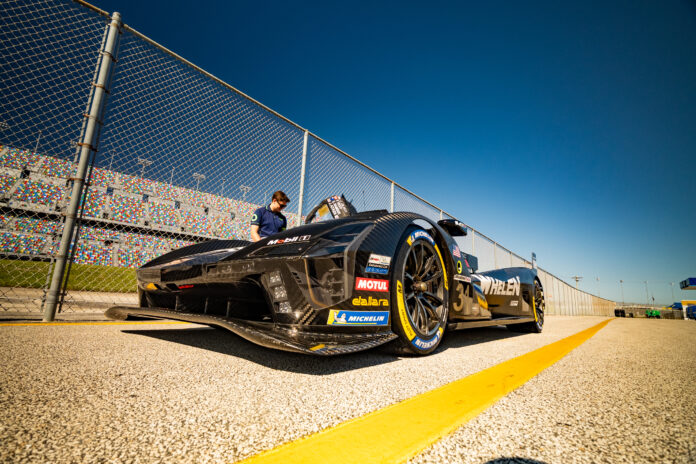
DETROIT (November 14, 2025) – Cadillac Racing statement regarding 2026 aerodynamic updates to its three IMSA WeatherTech SportsCar Championship Grand Touring Prototype (GTP) cars and two Cadillac Hertz Team JOTA Hypercars:

As part of its ongoing development to improve performance in the pursuit of podiums and wins, Cadillac has joined other manufacturers in aligning timing of EVO use with the updated aerodynamic homologation for 2026. While the V-Series.R retains signature V-Series production design elements, notable changes include removal of front dive planes and winglets and reshaping the rear wing profile.

Three GTP cars with the updates are participating in the November 14-15 IMSA-sanctioned test at Daytona International Speedway:

General Motors (NYSE:GM) is driving the future of transportation, leveraging advanced technology to build safer, smarter, and lower emission cars, trucks, and SUVs. GM’s Buick, Cadillac, Chevrolet, and GMC brands offer a broad portfolio of innovative gasoline-powered vehicles and the industry’s widest range of EVs, as we move to an all-electric future. Learn more at GM.com.

Eddie Tafoya Jr. Concludes His 2025 Sprint Car Season

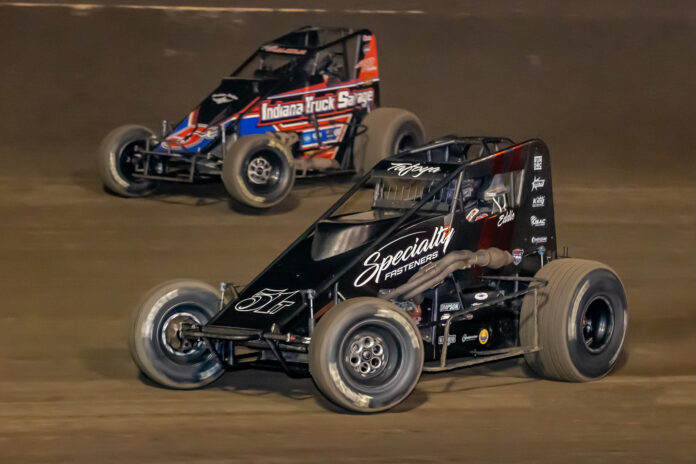
Eddie Tafoya is battling early in last Saturday's USAC/CRA finale at Perris. Kenny Lonngren photo

Chino Hills, CA — November 12, 2025 — A broken torque tube with seven laps remaining in the Avanti Windows & Doors USAC/CRA Sprint Car Series finale abruptly ended the season of Eddie Tafoya Jr. last Saturday at Perris Auto Speedway. Tafoya had been storming forward from a 15th-place start and looked primed for a big finish.

Driving the immaculate, family-owned Specialty Fasteners No. 51T, Tafoya was the 11th car on track in qualifying and posted a lap of 17.274 — good for 15th in a tightly packed session where the first 17 cars were separated by just 0.939 seconds.

The 28-year-old — a former Perris Auto Speedway Young Guns champion and the 2019 USAC/CRA Rookie of the Year — started the 30-lap season finale mired mid-pack. What followed was, by many insiders’ accounts, the best race of the year on the famous half-mile Riverside County clay oval: hard racing, constant position swings, and battles up and down the field.

Tafoya was in the thick of it, picking off cars and cracking the top 10. With seven laps to go, he looked ready to push even higher when the torque tube failed, forcing him to limp back to the pits. As the Chino Hills, California, racer later ruefully noted, it was the first torque-tube failure of his career.

Tafoya finished 2025 having contested 25 nights of racing, tallying 10 top 10s and four top-five finishes. His season-best result came Sept. 13 at Perris, where he finished fourth. Even without a full schedule in USAC/CRA, he still secured 11th in the season-long championship standings.

Work on the Specialty Fasteners No. 51T begins immediately for 2026: the car will be torn down to the bare frame and inspected inch by inch as the team prepares to come back strong next season.

Tafoya can be followed on Instagram at @eddietafoya51.

Team Tafoya Racing would like to thank Specialty Fasteners, BR Motorsports, King Racing Products, Gasper Transportation, CMI Precision Machining, Owen’s Insurance Services, Keen Concrete, DRC Chassis, and Rider Racing Engines for their continued support of the 2025 season. If you would like to join forces with the team for another fun and exciting year of racing in 2026, please contact Tafoya at Eddie Tafoya Jr. at (909) 393-3999 or mailto:teamtafoya@aol.com

Eddie Tafoya’s 2025 Results

2/10/25 Volusia Speedway Park USAC National Sprint Cars 5th B Main

2/11/25 Volusia Speedway Park USAC National Sprint Cars 7th B Main

2/12/25 Ocala Speedway USAC National Sprint Cars 5th B Main

2/13/25 Ocala Speedway USAC National Sprint Cars 19th A Main

2/14/25 Ocala Speedway USAC National Sprint Cars 18th A Main

2/15/25 Ocala Speedway USAC National Sprint Cars 20th A Main

2/22/25 Mohave Valley Raceway USAC/CRA Sprint Cars 5th A Main

3/1/25 Perris Auto Speedway USAC/CRA Sprint Cars 13th A Main

4/5/25 Perris Auto Speedway USAC/CRA Sprint Cars 8th A Main

4/11/25 Central Arizona Speedway USAC/CRA Sprint Cars 13th A Main

4/12/25 Central Arizona Speedway USAC/CRA Sprint Cars 19th A Main

5/24/25 Perris Auto Speedway USAC/CRA Sprint Cars 9th A Main

6/7/25 Bakersfield Speedway USCS Sprint Cars 9th A Main

6/21/25 Perris Auto Speedway USAC/CRA Sprint Cars 5th A Main
7/19/25 Perris Auto Speedway USAC/CRA Sprint Cars 10th A Main

8/16/25 Perris Auto Speedway USAC/CRA Sprint Cars 8th A Main

8/30/23 Calistoga Speedway USAC/CRA Sprint Cars 16th A Main

8/31/25 Calistoga Speedway USAC/CRA Sprint Cars 20th A Main

9/1/25 Petaluma Speedway USCS Sprint Car 4th A Main

9/13/25 Perris Auto Speedway USAC/CRA Sprint Cars 4th A Main

9/27/25 Perris Auto Speedway USAC/CRA Sprint Cars 8th A Main

10/24/25 Central Arizona Speedway USAC National Sprint Cars 23rd A Main

10/25/25 Central Arizona Speedway USAC National Sprint Cars 13th A Main

11/1//25 Perris Auto Speedway USAC/CRA Sprint Cars 10th A Main

11/8/25 Perris Auto Speedway USAC/CRA Sprint Cars 19th A Main

Performance Meets Prediction: The Tech Revolution Behind Modern Motorsports

Modern motorsports has entered an era defined by precision, technology, and deep data intelligence. What once depended on intuition, rough calculations, and driver feel now revolves around advanced analytics, simulations, and predictive modeling. Cars behave like mobile computers; teams operate like tech labs, and fans interact with racing through insights that mirror professional engineering tools. This article dives into how this technological revolution reshaped the sport from pit strategy to audience engagement, bringing together engineering, performance, and prediction in ways earlier generations could never have imagined.

Engineering the Edge – Inside the Tech That Wins Races

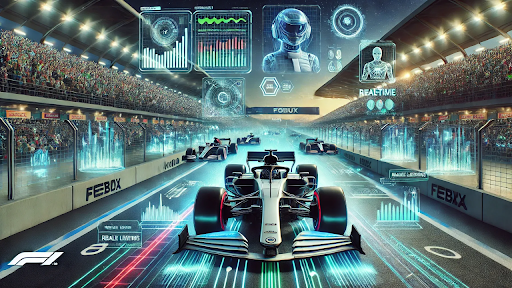
Every elite motorsport team relies on enormous streams of information to sharpen performance and decision-making. Modern race cars function like fully networked sensor hubs, capturing data on tyre pressure, RPM fluctuations, G-force loads, suspension movement, brake temperature, aerodynamic pressure zones, and engine health. This complex network can produce close to a terabyte of data throughout a race weekend, demonstrating the sheer sophistication of modern telemetry systems. Engineers receive this information instantly along pit wall workstations and remote operations rooms, allowing precise monitoring of tyre degradation, fuel burn rates, and engine limits. These insights fuel strategy calls such as undercuts, pit-stop timing, and fuel-saving directives, transforming every major decision into an informed calculation rather than a risky gamble.

Simulation and Predictive Modelling

The rise of predictive analytics allowed teams to simulate an entire race before the lights even go out. Simulators combine aerodynamic findings, tyre compound behavior, track-temperature projections, driver historical performance, and fuel-load scenarios to produce outcome models. Engineers can test multiple strategies virtually—choosing between aggressive early pit stops or long-run pace management—before a single lap is completed on track. Wind tunnel results now integrate seamlessly with digital tests, helping teams refine aerodynamic packages without the cost and limitations of physical parts. Predictive fuel-use models help avoid miscalculations that once cost teams valuable positions, while tyre-tread performance curves shape the entire philosophy behind stint planning.

Predicting Performance – Data as a Competitive Tool

Race engineers have shifted from relying on driver descriptions to balancing instinct with hard numbers. Their role is now deeply tied to interpreting streams of telemetry, translating the data into actionable adjustments for suspension, aero balance, and engine modes. Machine-learning systems flag anomalies before they become problems, such as early tyre-temperature spikes or engine-component wear that could lead to a failure. During a race, the constant analysis of live telemetry dictates how teams respond to competitors’ moves, track evolution, and even sudden weather changes. This analytical arms race is now central to achieving success at the highest level.

Fan-Facing Models and Engagement

Racing analytics are no longer locked behind team garages. Fans now have access to data dashboards, predictive tools, live telemetry streams, and trend-based insights like the ones engineers use. Predictive logic, once exclusive to teams, has made its way into interactive platforms where viewers can interpret pace trends, gap projections, and tyre-life estimates. The same predictive logic powering modern racing analytics also shapes tools used by fans on platforms offering performance-driven insights, including those found alongside Caesars promo code offerings. These tools let fans interact with the sport at a much deeper level, transforming broadcasts into immersive analytical experiences where every lap can be dissected in real time.

The Human Factor – Where Data Meets Intuition

Even in this age of extreme data reliance, human intuition continues to define the upper limits of racing success. Drivers still make split-second decisions in unpredictable conditions. Adapting to subtle handling cues no algorithm fully captures. Engineers translate complex telemetry into language drivers can apply behind the wheel, creating a blend of human instinct and machine-driven clarity. Teams rely on trust, communication, and experience to filter overwhelming data into the handful of insights that genuinely impact performance. Racing remains an emotional, human-driven arena—even when the numbers guide the path.

The Future of Racing – AI, Cloud, and Predictive Expansion

Motorsports is accelerating toward a future shaped by AI-driven analysis, cloud-powered computing, and fully integrated simulation environments. Teams now collaborate through remote data centers where specialists monitor race information from across the globe. Predictive maintenance algorithms can detect the earliest signs of gearbox stress, turbo wear, or fuel-flow irregularities long before failure occurs, drastically reducing risk. As simulators increasingly mirror real-world dynamics, teams can test setups, experiment with new strategies, and prepare drivers for every scenario without burning a litre of fuel. The boundary between virtual racing and the real track grows thinner every year, pushing the sport into a new era of technologically amplified decision-making.

Fan Experience and Engagement Evolution

Spectators are benefiting from motorsport’s deeper dive into analytics just as much as teams. Fans can now follow telemetry overlays, tyre compound breakdowns, heat-map visuals, real-time pace projections, and strategic pit-stop predictors. These tools transform races into multi-dimensional experiences where understanding pace evolution, degradation patterns, and fuel modeling becomes part of the excitement. Predictive insights help fans interpret unfolding battles and future possibilities on track, mirroring the direction taken by modern sports analytics platforms. As racing organizations share more live data publicly, the way spectators understand and interpret performance will continue evolving in dramatic ways.

Racing Forward – The Road Ahead for Predictive Performance

The technological revolution shaping modern motorsports made the sport more precise, more strategic, and more data-driven than ever. From sensor-rich vehicles and vast telemetry channels to high-fidelity simulations and cloud-supported AI systems, the sport has transformed into a hybrid of engineering excellence and competitive instinct. Fans now engage with racing through the same predictive logic that guides professional teams, bridging the gap between participant and observer. As innovation continues to push the limits of what is measurable, forecastable, and controllable, motorsports stands ready for an era defined by intelligence, adaptability, and relentless pursuit of perfection.

Burtin Racing and Adam Andretti Celebrate Breakout Season with TOP LINER® Top Driver Challenge Finale

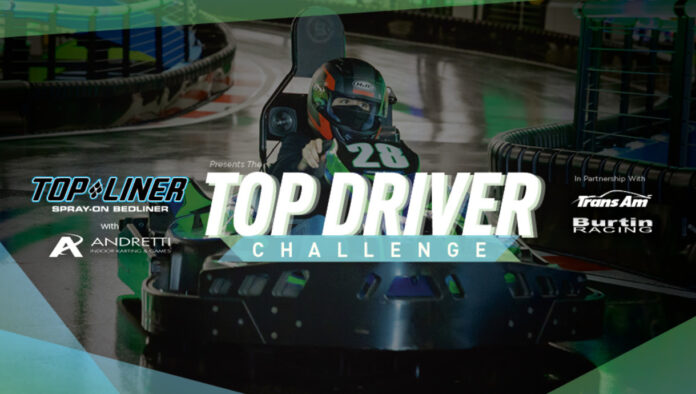
Atlanta, GEORGIA — November 13, 2025 – The 2025 season has been a defined by determination, passion, and victory for Burtin Racing, TOP LINER® and Adam Andretti. From unforgettable performances in the Trans Am Series to the launch of an exciting new grassroots driver competition, the year has marked a new chapter of success both on and off the track. Now, that story culminates with the TOP LINER® Top Driver Challenge on Sunday, December 7, an event that promises to deliver excitement, inspiration, and fan engagement at its best.

The Top Driver Challenge Finalists:

Arun K.
Kristofer C.
Darrell L.
William G.
Jeremy H.
Steven M.
Dena B.
Nicholas R.
Michael P.
Sarah V.
Riley T.
Adarius R.

Earlier this year, Adam Andretti produced what many called the drive of the season at Barber Motorsports Park, claiming victory in the Trans Am TA Class after an astonishing comeback from half a minute off the pace. The win was a testament to Andretti’s skill, focus, and never-say-die attitude — and to the precision engineering and preparation of the Burtin Racing team. Adam finished the season in the runner-up spot in the Driver’s Championship and aims to go one better in 2026.

“Barber was a special moment,” said Adam Andretti. “It showed what’s possible when you have faith in your team and your equipment. This entire season has been about pushing forward, overcoming challenges, and celebrating what makes motorsport great — the people, the passion, and the pursuit of excellence.”

TOP LINER Top Driver Challenge Grand Final: A Celebration of Talent and Fans

To cap off this remarkable season, Burtin Racing, TOP LINER® and the Andretti Indoor Karting and Games family are inviting fans to join them for the TOP LINER® Top Driver Challenge Grand Final at Andretti Indoor Karting and Games in Buford, GA., an event designed to raise the profile of TOP LINER® spray-on bedliner products and showcase the excitement of Trans Am racing with prizes and autographs. All are welcome to attend and watch in person.

Hopeful drivers entered the inaugural Top Driver Challenge in 2025, a nationwide search for emerging racing talent. Now, 12 finalists will battle it out on the karting circuit for the ultimate prize — an all-expenses-paid trip to Florida for the opening round of the 2026 Trans Am season at Sebring International Raceway, including behind-the-scenes access with Burtin Racing and Adam Andretti.

December 7 Event Schedule and Fan Highlights

The Top Driver Challenge takes place at Andretti Indoor Karting and Games in Buford, GA and promises an action-packed evening for both competitors and spectators.
4:00 PM – Registration Opens
Attendees are welcomed to the event and can sign in for the afternoon’s activities. Every fan in attendance will receive a free Burtin Racing hat signed by Adam Andretti — a token of appreciation for their support throughout the season.
4:05–4:40 PM – Meet & Greet with Adam Andretti
Fans will have a rare opportunity to meet Adam, take photos, and hear firsthand about his incredible 2025 season and upcoming plans with Burtin Racing.
4:40 PM – Driver Briefing and Practice Session
The 12 Top Driver finalists will be briefed before hitting the track for practice laps, qualifying session, preparing for the decisive timed session and the chance to win the Grand Prize.
5:30 PM – Official Timed Session
The pressure peaks as the finalists compete in a race against the clock. Their fastest laps will determine who takes home the coveted grand prize.
6:00 PM – Appetizers and Media Interviews
While results are tabulated, all attendees and participants can enjoy complimentary appetizers and mingle with the Burtin Racing team, sponsors, and fellow racing fans.
6:30 PM – Awards Ceremony and Winner Announcement
The day concludes with the presentation of trophies, celebration of all finalists, and the crowning of the 2025 TOP LINER Top Driver Challenge Champion.

A Partnership Fueled by Performance and Passion

The partnership between Burtin Racing and TOP LINER® has delivered tremendous results throughout 2025, both in the Trans Am paddock and within the broader motorsport community. Together, they’ve built a program that bridges professional racing and grassroots opportunity — and the Grand Final stands as a celebration of that shared vision.

“This challenge has shown how much talent and enthusiasm there is out there,” said Claudio Burtin, founder of Burtin Racing. “It’s been incredible to watch it grow, and we can’t think of a better way to close the season than to share this event with the fans and our partners.”

Event: TOP LINER® Top Driver Challenge Grand Finale
Location: Andretti Indoor Karting and Games – Buford, GA
Date: Sunday, December 7, 2025
Time: Starts at 4:00 PM
Admission: Free for all attendees
Perks: Free autographed hat for every attendee, complimentary appetizers and refreshments
Media Contact: AVD Agency

About TOP LINER® Truck Bed Liners
TOP LINER® is a global leader in spray-on truck bed liner technology. Based in Georgia, the company has just announced a nationwide distribution partnership with Service Partners. TOP LINER® is also the primary partner for the hugely successful Burtin Racing Trans Am team, with Adam Andretti challenging for the Drivers’ Championship in 2025.

About Andretti Indoor Karting & Games
Andretti Indoor Karting & Games was established in 2001 and is based in Orlando, Florida. The company currently operates eleven state-of-the-art entertainment and event destination locations across Florida, Georgia, Texas, Arizona, and Oklahoma. Over the past decade, Andretti Karting & Games has experienced significant growth and is set to debut several new entertainment centers across the United States in 2025, including locations in Glendale, Arizona; Kansas City, Kansas; Oklahoma City, Oklahoma; Durham, North Carolina; and Schaumburg, Illinois.

About Check It 4 Andretti
Check It 4 Andretti is a non-profit organization dedicated to promoting colon cancer screening and prevention. Established by the Andretti family, the foundation works to save lives by raising awareness and encouraging early detection.

How Tesla Changed the Performance Car Conversation (And What Racing Taught Them)

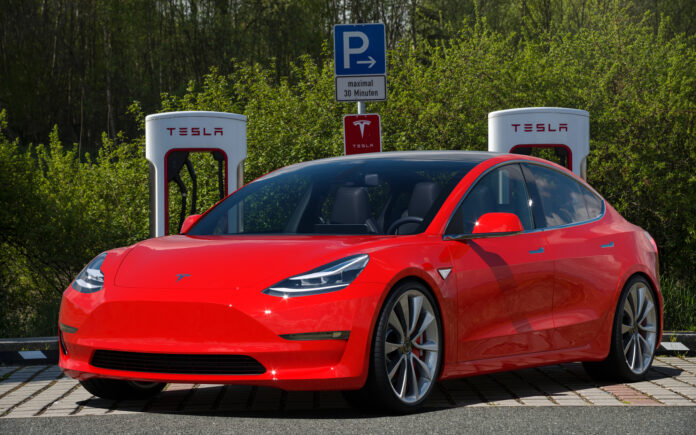
Photo by depositphotos at https://depositphotos.com/

Tesla did something the automotive industry said was impossible. They made electric cars desirable to people who actually enjoy driving.

Before the Model S launched in 2012, electric vehicles were compliance cars. Slow, boring appliances that manufacturers built to meet regulations. The performance car world ignored them completely. Tesla changed that calculation in about 3.5 seconds – the time it took their top model to hit 60 mph.

The racing community noticed. Not because Tesla showed up at Daytona or Le Mans, but because their acceleration numbers matched supercars that cost three times as much. That got people asking questions. And when Tesla started showing up at drag strips and track days, they learned some hard lessons about what separates a fast street car from a real performance vehicle.

Instant Torque Changed the Acceleration Game

Electric motors deliver maximum torque from zero RPM. No turbo lag. No clutch slip. No waiting for the powerband. You press the pedal and the car launches.

The Model S P85D could hit 60 mph in 3.2 seconds when it launched in 2014. That was faster than a Porsche 911 Carrera S. Faster than a Corvette Stingray. It cost less than both and had five seats plus a trunk.

Traditional performance cars couldn’t match that off-the-line punch. Internal combustion engines need to build RPM. Turbos need boost pressure. Even with launch control, there’s a delay between input and output.

Tesla owners discovered this immediately. Rolling up to a stoplight next to a sports car usually ended the same way – the Tesla was gone before the other driver finished shifting into second gear. YouTube filled up with videos of Model S sedans embarrassing Ferraris and Lamborghinis in straight-line races.

The racing world took notice because acceleration is racing’s most measurable metric. You can’t argue with a timeslip. And when a four-door sedan starts posting quarter-mile times that match purpose-built muscle cars, people pay attention.

Track Testing Exposed the Weak Points

Straight-line speed tells part of the story. Road course performance tells the rest.

When Tesla owners started taking their cars to track days, they found limitations quickly. The first was heat management. Electric motors and battery packs generate enormous heat under sustained load. Tesla’s cooling systems were designed for street driving, not repeated hot laps.

Model S vehicles would enter limp mode after just a few laps. Power output dropped dramatically. Lap times fell off. The car needed time to cool down before it could run hard again.

Brakes were another issue. Teslas are heavy. The Model S weighs over 4,600 pounds. Even with regenerative braking helping on the street, track use requires serious stopping power. Stock brake pads and rotors wore out fast under repeated hard use.

Tires struggled too. The instant torque that made acceleration so impressive also shredded rear tires. Performance driving burned through tire sets in a fraction of the time compared to lighter, less powerful vehicles.

But the most visible problem was paint damage. Teslas sit low. The front fascia is exposed. Track debris, brake dust, and rubber marbles from other cars caused immediate damage. Paint chips appeared after a single track day. Some owners saw dozens of chips on their front bumpers and hoods.

This revealed something important about Tesla’s approach. They built cars optimized for street performance, not track durability. That’s actually smart business – most buyers never see a racetrack. But it created challenges for the subset of enthusiasts who wanted to use their Teslas like traditional performance cars.

Racing Validation Came Differently

Tesla never went racing the traditional way. They didn’t field factory teams in NASCAR, Formula 1, or sports car racing. Instead, they chased records.

The Model S Plaid set a production car lap record at Laguna Seca in 2021. It ran a 1:30.3, beating out purpose-built track cars. That lap time put it ahead of the McLaren Senna, Porsche 911 GT2 RS, and other exotic machinery.

At Pikes Peak, Tesla competed in the exhibition class. The Model S Plaid ran the hill in under 10 minutes. It wasn’t the fastest overall time, but it proved electric powertrains could handle altitude and sustained high-speed running.

These achievements mattered because they answered the question racing fans kept asking: Can an electric car actually perform, or is it just good for stoplight races?

The answer was more nuanced than either camp wanted to admit. Yes, Teslas could set impressive lap times. But they required specific conditions – fresh batteries, cool temperatures, and brief sessions. They weren’t ready for wheel-to-wheel racing or endurance events.

Formula E showed what purpose-built electric race cars could do. Those vehicles were designed from scratch for racing. They had aggressive cooling, lightweight construction, and battery management systems built for sustained high output. Tesla’s street cars couldn’t match that, but they didn’t need to. They proved the technology worked.

The Performance EV Market Exists Now

Tesla’s biggest contribution wasn’t lap times or quarter-mile records. It was proving people would buy expensive electric vehicles if they performed well.

The Model S started at $70,000. The Performance and Plaid variants cost over $100,000. People bought them anyway. Not because they wanted to save the planet or reduce emissions. They bought them because the cars were fast, practical, and impressive.

That changed the entire automotive industry’s approach. Porsche developed the Taycan as a direct Model S competitor. It’s slower in a straight line but handles better and can sustain track pace longer. BMW, Audi, and Mercedes followed with their own electric performance sedans.

The Lucid Air Sapphire produces 1,234 horsepower and runs the quarter-mile in 8.9 seconds. The Rimac Nevera set production car records for acceleration and top speed. These vehicles wouldn’t exist without Tesla proving the market.

Even Ford got into the game. The F-150 Lightning and Mustang Mach-E prioritized performance alongside utility. They targeted buyers who wanted capability without sacrificing speed.

Tesla forced the entire industry to take electric performance seriously. That’s the real legacy.

Protection Became Essential, Not Optional

Tesla’s track testing revealed something owners needed to address immediately – paint protection. The combination of soft paint, low ride height, and high speeds created a perfect storm for front-end damage.

Track enthusiasts learned this first. After spending $100,000 on a Model S Plaid, they’d destroy the front bumper in a single weekend. Repainting costs thousands. Worse, it hurts resale value because potential buyers see paint work as a red flag.

The solution came from motorsports. Race teams have used paint protection film for decades. It’s a clear urethane layer that absorbs impact from rocks, debris, and tire rubber. The film takes the damage instead of the paint.

Tesla owners started installing PPF on their vehicles before taking them to the track. Front bumpers, hoods, fenders, mirrors, and door edges all got covered. The film was nearly invisible but prevented the chipping and scratching that plagued unprotected cars.

Smart owners figured out they didn’t need to wait for track damage to justify protection. Daily driving on highways caused the same problems, just slower. Road debris, gravel, and construction zones all threatened the paint. DIY PPF kits became standard equipment for new Tesla buyers who wanted to keep their vehicles looking new.

The racing community understood this instinctively. You protect your investment. Professional teams wrap their cars before every season. Private track day enthusiasts do the same. Tesla owners adopted that same mindset – spending $700 on PPF makes sense when you’re protecting a $100,000 vehicle from $3,000 in paint repairs.

What Traditional Performance Cars Learned

Tesla’s success forced traditional manufacturers to rethink performance metrics. Horsepower and top speed mattered less than people thought. Usable power – the kind you can access at any RPM without downshifting – became the new standard.

The internal combustion crowd responded by improving turbocharger technology. Modern twin-turbo setups deliver boost almost instantly. Eight and nine-speed transmissions keep engines in the powerband. Launch control systems got more sophisticated.

But they also had to acknowledge that electric motors have inherent advantages for certain types of performance. No transmission means no power interruption during acceleration. No complex launch procedure means anyone can achieve maximum performance. No warm-up time means the car is always ready.

That pushed the industry toward hybrid powertrains. Ferrari, McLaren, and Porsche all added electric motors to their flagship models. They combined electric instant torque with internal combustion top-end power. The Porsche 918 Spyder could hit 60 mph in 2.5 seconds while still running the Nürburgring in under 6:57.

Motorsports innovation continues to shape production vehicles in ways that benefit everyday drivers. Tesla proved the technology worked. The traditional manufacturers refined it.

The Model 3 Performance Changed Everything Again

The Model S impressed enthusiasts but cost too much for most buyers. The Model 3 Performance fixed that.

It launched in 2018 at $64,000. That’s expensive, but it competed directly with the BMW M3 and Audi S4. The acceleration matched or beat both. The handling was sharp. The track mode allowed customization of stability control, regenerative braking, and power delivery.

More importantly, it looked like a normal car. The Model S stood out. The Model 3 blended in. That mattered to buyers who wanted performance without announcing it to everyone.

Autocross and track day communities started seeing Model 3s regularly. Owners modified them with better tires, brake pads, and cooling upgrades. They weren’t trying to build race cars. They just wanted reliable performance for weekend events.

The Model 3 proved electric performance could scale down to the enthusiast market. You didn’t need $100,000 to get sub-four-second acceleration and competent handling.

Where Tesla Falls Short

The racing world respects what Tesla accomplished but also sees the limitations clearly.

Weight remains a problem. Batteries are heavy. The Model 3 Performance weighs 4,048 pounds. The BMW M3 weighs 3,840 pounds. That mass affects everything – braking, cornering, tire wear, and suspension loads.

The driving experience lacks engagement. No exhaust note. No transmission. No clutch. The car is fast but the emotional connection that enthusiasts crave doesn’t exist. You appreciate the performance without feeling it.

Range anxiety matters at the track. Battery charge drops quickly under hard use. Most tracks don’t have charging infrastructure. Running out of power means you’re done for the day. Gas cars refuel in five minutes.

The cooling limitations persist. Tesla improved thermal management with each generation, but sustained performance still degrades. A Plaid can run 10 hot laps before needing a cool-down. A proper track car can run all day.

These aren’t fatal flaws. They’re trade-offs. Tesla optimized for street performance and daily usability. Racing capability was secondary.

The Conversation Shifted Permanently

Tesla changed what people expect from performance vehicles. Instant response matters more than peak horsepower. Usability matters more than lap records. Technology integration matters more than tradition.

The racing community pushed back initially. Electric vehicles weren’t “real” performance cars. They couldn’t handle sustained abuse. They lacked soul.

But those arguments weakened as the technology improved and the lap times kept dropping. You can’t ignore a car that accelerates faster than a Bugatti and costs one-tenth the price.

Traditional manufacturers now build electric performance vehicles because Tesla proved people would buy them. The Porsche Taycan exists because the Model S succeeded. The BMW i4 M50 exists for the same reason.

Racing validated the technology through track records and competition results. Formula E proved electric powertrains could handle the demands of professional motorsport. Tesla proved they could work in production vehicles.

The conversation isn’t about whether electric cars can be fast anymore. That question got answered. Now it’s about how to make them better – lighter, more engaging, more capable on track, and more durable under hard use.

Tesla started that conversation. The racing world is helping finish it.

Before the Model S launched in 2012, electric vehicles were compliance cars. Slow, boring appliances that manufacturers built to meet regulations. The performance car world ignored them completely. Tesla changed that calculation in about 3.5 seconds – the time it took their top model to hit 60 mph.

The racing community noticed. Not because Tesla showed up at Daytona or Le Mans, but because their acceleration numbers matched supercars that cost three times as much. That got people asking questions. And when Tesla started showing up at drag strips and track days, they learned some hard lessons about what separates a fast street car from a real performance vehicle.

Instant Torque Changed the Acceleration Game

Electric motors deliver maximum torque from zero RPM. No turbo lag. No clutch slip. No waiting for the powerband. You press the pedal and the car launches.

The Model S P85D could hit 60 mph in 3.2 seconds when it launched in 2014. That was faster than a Porsche 911 Carrera S. Faster than a Corvette Stingray. It cost less than both and had five seats plus a trunk.

Traditional performance cars couldn’t match that off-the-line punch. Internal combustion engines need to build RPM. Turbos need boost pressure. Even with launch control, there’s a delay between input and output.

Tesla owners discovered this immediately. Rolling up to a stoplight next to a sports car usually ended the same way – the Tesla was gone before the other driver finished shifting into second gear. YouTube filled up with videos of Model S sedans embarrassing Ferraris and Lamborghinis in straight-line races.

The racing world took notice because acceleration is racing’s most measurable metric. You can’t argue with a timeslip. And when a four-door sedan starts posting quarter-mile times that match purpose-built muscle cars, people pay attention.

Track Testing Exposed the Weak Points

Straight-line speed tells part of the story. Road course performance tells the rest.

When Tesla owners started taking their cars to track days, they found limitations quickly. The first was heat management. Electric motors and battery packs generate enormous heat under sustained load. Tesla’s cooling systems were designed for street driving, not repeated hot laps.

Model S vehicles would enter limp mode after just a few laps. Power output dropped dramatically. Lap times fell off. The car needed time to cool down before it could run hard again.

Brakes were another issue. Teslas are heavy. The Model S weighs over 4,600 pounds. Even with regenerative braking helping on the street, track use requires serious stopping power. Stock brake pads and rotors wore out fast under repeated hard use.

Tires struggled too. The instant torque that made acceleration so impressive also shredded rear tires. Performance driving burned through tire sets in a fraction of the time compared to lighter, less powerful vehicles.

But the most visible problem was paint damage. Teslas sit low. The front fascia is exposed. Track debris, brake dust, and rubber marbles from other cars caused immediate damage. Paint chips appeared after a single track day. Some owners saw dozens of chips on their front bumpers and hoods.

This revealed something important about Tesla’s approach. They built cars optimized for street performance, not track durability. That’s actually smart business – most buyers never see a racetrack. But it created challenges for the subset of enthusiasts who wanted to use their Teslas like traditional performance cars.

Racing Validation Came Differently

Tesla never went racing the traditional way. They didn’t field factory teams in NASCAR, Formula 1, or sports car racing. Instead, they chased records.

The Model S Plaid set a production car lap record at Laguna Seca in 2021. It ran a 1:30.3, beating out purpose-built track cars. That lap time put it ahead of the McLaren Senna, Porsche 911 GT2 RS, and other exotic machinery.

At Pikes Peak, Tesla competed in the exhibition class. The Model S Plaid ran the hill in under 10 minutes. It wasn’t the fastest overall time, but it proved electric powertrains could handle altitude and sustained high-speed running.

These achievements mattered because they answered the question racing fans kept asking: Can an electric car actually perform, or is it just good for stoplight races?

The answer was more nuanced than either camp wanted to admit. Yes, Teslas could set impressive lap times. But they required specific conditions – fresh batteries, cool temperatures, and brief sessions. They weren’t ready for wheel-to-wheel racing or endurance events.

Formula E showed what purpose-built electric race cars could do. Those vehicles were designed from scratch for racing. They had aggressive cooling, lightweight construction, and battery management systems built for sustained high output. Tesla’s street cars couldn’t match that, but they didn’t need to. They proved the technology worked.

The Performance EV Market Exists Now

Tesla’s biggest contribution wasn’t lap times or quarter-mile records. It was proving people would buy expensive electric vehicles if they performed well.

The Model S started at $70,000. The Performance and Plaid variants cost over $100,000. People bought them anyway. Not because they wanted to save the planet or reduce emissions. They bought them because the cars were fast, practical, and impressive.

That changed the entire automotive industry’s approach. Porsche developed the Taycan as a direct Model S competitor. It’s slower in a straight line but handles better and can sustain track pace longer. BMW, Audi, and Mercedes followed with their own electric performance sedans.

The Lucid Air Sapphire produces 1,234 horsepower and runs the quarter-mile in 8.9 seconds. The Rimac Nevera set production car records for acceleration and top speed. These vehicles wouldn’t exist without Tesla proving the market.

Even Ford got into the game. The F-150 Lightning and Mustang Mach-E prioritized performance alongside utility. They targeted buyers who wanted capability without sacrificing speed.

Tesla forced the entire industry to take electric performance seriously. That’s the real legacy.

Protection Became Essential, Not Optional

Tesla’s track testing revealed something owners needed to address immediately – paint protection. The combination of soft paint, low ride height, and high speeds created a perfect storm for front-end damage.

Track enthusiasts learned this first. After spending $100,000 on a Model S Plaid, they’d destroy the front bumper in a single weekend. Repainting costs thousands. Worse, it hurts resale value because potential buyers see paint work as a red flag.

The solution came from motorsports. Race teams have used paint protection film for decades. It’s a clear urethane layer that absorbs impact from rocks, debris, and tire rubber. The film takes the damage instead of the paint.

Tesla owners started installing PPF on their vehicles before taking them to the track. Front bumpers, hoods, fenders, mirrors, and door edges all got covered. The film was nearly invisible but prevented the chipping and scratching that plagued unprotected cars.

Smart owners figured out they didn’t need to wait for track damage to justify protection. Daily driving on highways caused the same problems, just slower. Road debris, gravel, and construction zones all threatened the paint. DIY PPF kits became standard equipment for new Tesla buyers who wanted to keep their vehicles looking new.

The racing community understood this instinctively. You protect your investment. Professional teams wrap their cars before every season. Private track day enthusiasts do the same. Tesla owners adopted that same mindset – spending $700 on PPF makes sense when you’re protecting a $100,000 vehicle from $3,000 in paint repairs.

What Traditional Performance Cars Learned

Tesla’s success forced traditional manufacturers to rethink performance metrics. Horsepower and top speed mattered less than people thought. Usable power – the kind you can access at any RPM without downshifting – became the new standard.

The internal combustion crowd responded by improving turbocharger technology. Modern twin-turbo setups deliver boost almost instantly. Eight and nine-speed transmissions keep engines in the powerband. Launch control systems got more sophisticated.

But they also had to acknowledge that electric motors have inherent advantages for certain types of performance. No transmission means no power interruption during acceleration. No complex launch procedure means anyone can achieve maximum performance. No warm-up time means the car is always ready.

That pushed the industry toward hybrid powertrains. Ferrari, McLaren, and Porsche all added electric motors to their flagship models. They combined electric instant torque with internal combustion top-end power. The Porsche 918 Spyder could hit 60 mph in 2.5 seconds while still running the Nürburgring in under 6:57.

Motorsports innovation continues to shape production vehicles in ways that benefit everyday drivers. Tesla proved the technology worked. The traditional manufacturers refined it.

The Model 3 Performance Changed Everything Again

The Model S impressed enthusiasts but cost too much for most buyers. The Model 3 Performance fixed that.

It launched in 2018 at $64,000. That’s expensive, but it competed directly with the BMW M3 and Audi S4. The acceleration matched or beat both. The handling was sharp. The track mode allowed customization of stability control, regenerative braking, and power delivery.

More importantly, it looked like a normal car. The Model S stood out. The Model 3 blended in. That mattered to buyers who wanted performance without announcing it to everyone.

Autocross and track day communities started seeing Model 3s regularly. Owners modified them with better tires, brake pads, and cooling upgrades. They weren’t trying to build race cars. They just wanted reliable performance for weekend events.

The Model 3 proved electric performance could scale down to the enthusiast market. You didn’t need $100,000 to get sub-four-second acceleration and competent handling.

Where Tesla Falls Short

The racing world respects what Tesla accomplished but also sees the limitations clearly.

Weight remains a problem. Batteries are heavy. The Model 3 Performance weighs 4,048 pounds. The BMW M3 weighs 3,840 pounds. That mass affects everything – braking, cornering, tire wear, and suspension loads.

The driving experience lacks engagement. No exhaust note. No transmission. No clutch. The car is fast but the emotional connection that enthusiasts crave doesn’t exist. You appreciate the performance without feeling it.

Range anxiety matters at the track. Battery charge drops quickly under hard use. Most tracks don’t have charging infrastructure. Running out of power means you’re done for the day. Gas cars refuel in five minutes.

The cooling limitations persist. Tesla improved thermal management with each generation, but sustained performance still degrades. A Plaid can run 10 hot laps before needing a cool-down. A proper track car can run all day.

These aren’t fatal flaws. They’re trade-offs. Tesla optimized for street performance and daily usability. Racing capability was secondary.

The Conversation Shifted Permanently

Tesla changed what people expect from performance vehicles. Instant response matters more than peak horsepower. Usability matters more than lap records. Technology integration matters more than tradition.

The racing community pushed back initially. Electric vehicles weren’t “real” performance cars. They couldn’t handle sustained abuse. They lacked soul.

But those arguments weakened as the technology improved and the lap times kept dropping. You can’t ignore a car that accelerates faster than a Bugatti and costs one-tenth the price.

Traditional manufacturers now build electric performance vehicles because Tesla proved people would buy them. The Porsche Taycan exists because the Model S succeeded. The BMW i4 M50 exists for the same reason.

Racing validated the technology through track records and competition results. Formula E proved electric powertrains could handle the demands of professional motorsport. Tesla proved they could work in production vehicles.

The conversation isn’t about whether electric cars can be fast anymore. That question got answered. Now it’s about how to make them better – lighter, more engaging, more capable on track, and more durable under hard use.

Tesla started that conversation. The racing world is helping finish it.
Tesla did something the automotive industry said was impossible. They made electric cars desirable to people who actually enjoy driving.

Before the Model S launched in 2012, electric vehicles were compliance cars. Slow, boring appliances that manufacturers built to meet regulations. The performance car world ignored them completely. Tesla changed that calculation in about 3.5 seconds – the time it took their top model to hit 60 mph.

The racing community noticed. Not because Tesla showed up at Daytona or Le Mans, but because their acceleration numbers matched supercars that cost three times as much. That got people asking questions. And when Tesla started showing up at drag strips and track days, they learned some hard lessons about what separates a fast street car from a real performance vehicle.

Instant Torque Changed the Acceleration Game

Electric motors deliver maximum torque from zero RPM. No turbo lag. No clutch slip. No waiting for the powerband. You press the pedal and the car launches.

The Model S P85D could hit 60 mph in 3.2 seconds when it launched in 2014. That was faster than a Porsche 911 Carrera S. Faster than a Corvette Stingray. It cost less than both and had five seats plus a trunk.

Traditional performance cars couldn’t match that off-the-line punch. Internal combustion engines need to build RPM. Turbos need boost pressure. Even with launch control, there’s a delay between input and output.

Tesla owners discovered this immediately. Rolling up to a stoplight next to a sports car usually ended the same way – the Tesla was gone before the other driver finished shifting into second gear. YouTube filled up with videos of Model S sedans embarrassing Ferraris and Lamborghinis in straight-line races.

The racing world took notice because acceleration is racing’s most measurable metric. You can’t argue with a timeslip. And when a four-door sedan starts posting quarter-mile times that match purpose-built muscle cars, people pay attention.

Track Testing Exposed the Weak Points

Straight-line speed tells part of the story. Road course performance tells the rest.

When Tesla owners started taking their cars to track days, they found limitations quickly. The first was heat management. Electric motors and battery packs generate enormous heat under sustained load. Tesla’s cooling systems were designed for street driving, not repeated hot laps.

Model S vehicles would enter limp mode after just a few laps. Power output dropped dramatically. Lap times fell off. The car needed time to cool down before it could run hard again.

Brakes were another issue. Teslas are heavy. The Model S weighs over 4,600 pounds. Even with regenerative braking helping on the street, track use requires serious stopping power. Stock brake pads and rotors wore out fast under repeated hard use.

Tires struggled too. The instant torque that made acceleration so impressive also shredded rear tires. Performance driving burned through tire sets in a fraction of the time compared to lighter, less powerful vehicles.

But the most visible problem was paint damage. Teslas sit low. The front fascia is exposed. Track debris, brake dust, and rubber marbles from other cars caused immediate damage. Paint chips appeared after a single track day. Some owners saw dozens of chips on their front bumpers and hoods.

This revealed something important about Tesla’s approach. They built cars optimized for street performance, not track durability. That’s actually smart business – most buyers never see a racetrack. But it created challenges for the subset of enthusiasts who wanted to use their Teslas like traditional performance cars.

Racing Validation Came Differently

Tesla never went racing the traditional way. They didn’t field factory teams in NASCAR, Formula 1, or sports car racing. Instead, they chased records.

The Model S Plaid set a production car lap record at Laguna Seca in 2021. It ran a 1:30.3, beating out purpose-built track cars. That lap time put it ahead of the McLaren Senna, Porsche 911 GT2 RS, and other exotic machinery.

At Pikes Peak, Tesla competed in the exhibition class. The Model S Plaid ran the hill in under 10 minutes. It wasn’t the fastest overall time, but it proved electric powertrains could handle altitude and sustained high-speed running.

These achievements mattered because they answered the question racing fans kept asking: Can an electric car actually perform, or is it just good for stoplight races?

The answer was more nuanced than either camp wanted to admit. Yes, Teslas could set impressive lap times. But they required specific conditions – fresh batteries, cool temperatures, and brief sessions. They weren’t ready for wheel-to-wheel racing or endurance events.

Formula E showed what purpose-built electric race cars could do. Those vehicles were designed from scratch for racing. They had aggressive cooling, lightweight construction, and battery management systems built for sustained high output. Tesla’s street cars couldn’t match that, but they didn’t need to. They proved the technology worked.

The Performance EV Market Exists Now

Tesla’s biggest contribution wasn’t lap times or quarter-mile records. It was proving people would buy expensive electric vehicles if they performed well.

The Model S started at $70,000. The Performance and Plaid variants cost over $100,000. People bought them anyway. Not because they wanted to save the planet or reduce emissions. They bought them because the cars were fast, practical, and impressive.

That changed the entire automotive industry’s approach. Porsche developed the Taycan as a direct Model S competitor. It’s slower in a straight line but handles better and can sustain track pace longer. BMW, Audi, and Mercedes followed with their own electric performance sedans.

The Lucid Air Sapphire produces 1,234 horsepower and runs the quarter-mile in 8.9 seconds. The Rimac Nevera set production car records for acceleration and top speed. These vehicles wouldn’t exist without Tesla proving the market.

Even Ford got into the game. The F-150 Lightning and Mustang Mach-E prioritized performance alongside utility. They targeted buyers who wanted capability without sacrificing speed.

Tesla forced the entire industry to take electric performance seriously. That’s the real legacy.

Protection Became Essential, Not Optional

Tesla’s track testing revealed something owners needed to address immediately – paint protection. The combination of soft paint, low ride height, and high speeds created a perfect storm for front-end damage.

Track enthusiasts learned this first. After spending $100,000 on a Model S Plaid, they’d destroy the front bumper in a single weekend. Repainting costs thousands. Worse, it hurts resale value because potential buyers see paint work as a red flag.

The solution came from motorsports. Race teams have used paint protection film for decades. It’s a clear urethane layer that absorbs impact from rocks, debris, and tire rubber. The film takes the damage instead of the paint.

Tesla owners started installing PPF on their vehicles before taking them to the track. Front bumpers, hoods, fenders, mirrors, and door edges all got covered. The film was nearly invisible but prevented the chipping and scratching that plagued unprotected cars.

Smart owners figured out they didn’t need to wait for track damage to justify protection. Daily driving on highways caused the same problems, just slower. Road debris, gravel, and construction zones all threatened the paint. DIY PPF kits became standard equipment for new Tesla buyers who wanted to keep their vehicles looking new.

The racing community understood this instinctively. You protect your investment. Professional teams wrap their cars before every season. Private track day enthusiasts do the same. Tesla owners adopted that same mindset – spending $700 on PPF makes sense when you’re protecting a $100,000 vehicle from $3,000 in paint repairs.

What Traditional Performance Cars Learned

Tesla’s success forced traditional manufacturers to rethink performance metrics. Horsepower and top speed mattered less than people thought. Usable power – the kind you can access at any RPM without downshifting – became the new standard.

The internal combustion crowd responded by improving turbocharger technology. Modern twin-turbo setups deliver boost almost instantly. Eight and nine-speed transmissions keep engines in the powerband. Launch control systems got more sophisticated.

But they also had to acknowledge that electric motors have inherent advantages for certain types of performance. No transmission means no power interruption during acceleration. No complex launch procedure means anyone can achieve maximum performance. No warm-up time means the car is always ready.

That pushed the industry toward hybrid powertrains. Ferrari, McLaren, and Porsche all added electric motors to their flagship models. They combined electric instant torque with internal combustion top-end power. The Porsche 918 Spyder could hit 60 mph in 2.5 seconds while still running the Nürburgring in under 6:57.

Motorsports innovation continues to shape production vehicles in ways that benefit everyday drivers. Tesla proved the technology worked. The traditional manufacturers refined it.

The Model 3 Performance Changed Everything Again

The Model S impressed enthusiasts but cost too much for most buyers. The Model 3 Performance fixed that.

It launched in 2018 at $64,000. That’s expensive, but it competed directly with the BMW M3 and Audi S4. The acceleration matched or beat both. The handling was sharp. The track mode allowed customization of stability control, regenerative braking, and power delivery.

More importantly, it looked like a normal car. The Model S stood out. The Model 3 blended in. That mattered to buyers who wanted performance without announcing it to everyone.

Autocross and track day communities started seeing Model 3s regularly. Owners modified them with better tires, brake pads, and cooling upgrades. They weren’t trying to build race cars. They just wanted reliable performance for weekend events.

The Model 3 proved electric performance could scale down to the enthusiast market. You didn’t need $100,000 to get sub-four-second acceleration and competent handling.

Where Tesla Falls Short

The racing world respects what Tesla accomplished but also sees the limitations clearly.

Weight remains a problem. Batteries are heavy. The Model 3 Performance weighs 4,048 pounds. The BMW M3 weighs 3,840 pounds. That mass affects everything – braking, cornering, tire wear, and suspension loads.

The driving experience lacks engagement. No exhaust note. No transmission. No clutch. The car is fast but the emotional connection that enthusiasts crave doesn’t exist. You appreciate the performance without feeling it.

Range anxiety matters at the track. Battery charge drops quickly under hard use. Most tracks don’t have charging infrastructure. Running out of power means you’re done for the day. Gas cars refuel in five minutes.

The cooling limitations persist. Tesla improved thermal management with each generation, but sustained performance still degrades. A Plaid can run 10 hot laps before needing a cool-down. A proper track car can run all day.

These aren’t fatal flaws. They’re trade-offs. Tesla optimized for street performance and daily usability. Racing capability was secondary.

The Conversation Shifted Permanently

Tesla changed what people expect from performance vehicles. Instant response matters more than peak horsepower. Usability matters more than lap records. Technology integration matters more than tradition.

The racing community pushed back initially. Electric vehicles weren’t “real” performance cars. They couldn’t handle sustained abuse. They lacked soul.

But those arguments weakened as the technology improved and the lap times kept dropping. You can’t ignore a car that accelerates faster than a Bugatti and costs one-tenth the price.

Traditional manufacturers now build electric performance vehicles because Tesla proved people would buy them. The Porsche Taycan exists because the Model S succeeded. The BMW i4 M50 exists for the same reason.

Racing validated the technology through track records and competition results. Formula E proved electric powertrains could handle the demands of professional motorsport. Tesla proved they could work in production vehicles.

The conversation isn’t about whether electric cars can be fast anymore. That question got answered. Now it’s about how to make them better – lighter, more engaging, more capable on track, and more durable under hard use.

Tesla started that conversation. The racing world is helping finish it.
Polish Bettors Turn to Crypto: What Makes Bitcoin Betting So Popular in 2025

Photo by depositphotos at https://depositphotos.com/

In 2025, the Polish gambling market has changed a lot. Platforms for crypto betting in Poland have gained strong support from local bettors. Traditional sites now face tough competition from those using Bitcoin, which provide better privacy, faster transactions, and lower fees. This shift matches what Polish bettors want now. They look for options beyond regular payment methods because of concerns over speed, privacy, and control of their funds. Rules have been updated to help this growth, creating better conditions for cryptocurrency betting platforms.

The Rise of Cryptocurrency Betting in Poland

Traditional betting sites have long led the Polish market, but their problems are clear to today’s bettors. Slow withdrawals, high fees, and strict checks make the process frustrating. Even the top 10 sports betting sites struggle with these fundamental issues that affect user experience. Cryptocurrency platforms fix these problems with instant deposits, quick withdrawals, and better privacy. 

In 2025, Polish bettors welcomed this change, using cryptocurrency at record levels. Many once used betting sites with paypal for easy payments, but crypto options now work better. Without banks in the middle, costs drop and transactions speed up. Polish bettors see these benefits, and more are switching platforms after reading comprehensive betting sites review content that highlights cryptocurrency advantages.

Studies show over 40% of active bettors in Poland have tried cryptocurrency sites, with numbers still growing in 2025. Traditional betting sites minimum deposit requirements often come with additional banking fees, while crypto platforms offer more flexible deposit options.

Why Polish Bettors Choose Bitcoin Betting

Privacy is the main reason for the growth of cryptocurrency betting in Poland. Regular betting sites ask for a lot of personal information, bank details, and ID checks that feel too nosy for many users. Bitcoin platforms need very little personal data, so bettors can keep their privacy while placing bets.

Fees are another big plus. Normal betting sites often add bank charges, currency conversion costs, and other fees that add up. Bitcoin cuts most of these, so bettors keep more of their money for betting.

Speed has changed betting in Poland. With banks, withdrawals take 2 to 5 business days, which frustrates winners. Bitcoin transfers usually finish in minutes or hours, giving fast access to winnings. Crypto betting in Poland is growing because of these clear benefits.

Transaction ComparisonCrypto BettingTraditional Sites
Deposit TimeInstant24-72 hours
Withdrawal Time1-6 hours3-7 business days
Transaction Fees0.5-1%2-5%
Minimum Deposit$10-20$25-50

Comprehensive Betting Sites Review: Top 10 Crypto Platforms

Crypto betting in Poland gives Polish bettors many choices. These platforms fit what local users want. Here is a list of the top 10 sports betting sites that have changed the market.

  • BC Game tops the list with wide sports coverage. It includes football, basketball, tennis, and growing esports. Odds are good, and Bitcoin works smoothly
  • Betfury stands out with staking rewards. Regular bettors can earn extra money from their bets without much effort.
  • Coins Game has an easy-to-use site. It takes many cryptocurrencies like Bitcoin, Ethereum, and Litecoin. The platform eliminates the high betting sites minimum deposit requirements that frustrate many bettors.
  • Betpanda covers European sports well. It has full options for Polish football leagues and local events
  • Spinbetter focuses on esports betting. It covers games like CS and League of Legends. These draw in younger Polish bettors.
  • Martin mixes old-style sportsbooks with crypto payments. It suits bettors moving from regular betting sites to cryptocurrency platforms without losing familiar features.
  • Cryptorino works well on phones. Polish users get smooth betting on smartphones with fast crypto deposits that bypass typical betting sites minimum deposit restrictions.
  • Fairspin uses blockchain to check bets. Polish bettors can verify results and fairness on their own. This transparency sets it apart from conventional top 10 sports betting sites that lack such verification features.
  • Roobet has social features and community tools. It makes betting fun and interactive for Polish users.
Platform RatingsSports CoverageUser ExperienceCrypto Support
BC Game9/108/109/10
Betfury8/109/108/10
Stake9/109/109/10
Spinbetter7/108/108/10

Comparing Crypto vs Traditional Betting Methods

Transaction speeds differ a lot between cryptocurrency and traditional methods. Bitcoin betting platforms handle deposits right away and finish withdrawals in hours. Regular betting sites with PayPal take 24 to 72 hours for deposits and 3 to 7 business days for withdrawals. This speed difference matters to Polish bettors who want quick access to their money.

Costs show clear savings with cryptocurrency betting. Traditional sites often add bank fees of 2 to 5% per transaction, plus extra charges for currency changes on foreign platforms. Cryptocurrency fees stay under 1% for network costs, no matter the amount or location.

Accessibility works better for Polish users on cryptocurrency platforms. Regular banks have limits on weekends, delays during holidays, and other stoppages. Cryptocurrency runs all the time, so bettors can deposit, withdraw, and place bets anytime without bank issues.

Security is stronger with blockchain technology than traditional payments. Cryptocurrency uses encryption and shared records that make fraud hard. Traditional sites depend on central processors that can fail or get hacked, putting Polish users at risk. 

The list of traditional betting limitations is shown below:

  • Long checks that need many documents
  • Bank limits on weekends and holidays
  • Fees for changing currencies on global sites
  • Central systems that break down easily
  • Little openness in how transactions work

Future of Cryptocurrency Betting in Poland

Market forecasts for 2025 and 2026 show steady growth in cryptocurrency betting among Polish users. Experts predict that crypto platforms will take the largest share of the market within two years. Rules are moving in a helpful direction. Polish officials accept cryptocurrencies as legitimate and are building guidelines that keep users safe while allowing new ideas.

Connections between crypto sites and the top 10 sports betting platforms will likely grow faster. This will lead to mixed options that offer the trust of regular sites along with the speed and low costs of cryptocurrency. These changes fit the needs of the changing Polish market.

Sponsorship Stories: The Brands You Didn’t Know Were Behind the Race Cars

Photo by Erik Mclean on Unsplash

There’s something magnetic about a race car. It’s not just the roar of the engine, or the smell of burnt rubber—it’s the blur of colors, logos, and brands flashing by at 200 miles per hour. Those stickers on the cars? They’re not just decoration. Each one tells a story—a mix of money, marketing, and a little madness.

You see, behind every driver’s helmet and every gleaming hood is a brand that saw more than just speed. They saw identity, style, and a chance to make noise in a way no billboard ever could.

The Art (and Business) of Sponsorship

Race car sponsorship isn’t a handshake deal over a pit stop espresso. It’s a courtship, sometimes even a marriage. Brands and teams negotiate with all the intensity of a last-lap battle. There are talks about visibility, audience reach, brand values—and, let’s be honest, a lot of zeros.

Take Red Bull Racing, for instance. Red Bull didn’t just slap a logo on a car. They became the car. Their entire identity fused with the sport: energy, adrenaline, and defiance of gravity. It’s branding on steroids—and it worked.

But not every brand is a global powerhouse. Some sponsors are sneaky—quietly investing millions while staying out of the spotlight. Ever heard of MoneyGram before they appeared on Haas’s F1 car? Exactly. That’s the magic of motorsport marketing: you can go from anonymity to global recognition faster than a pit stop tire change.

Hidden Players in the Fast Lane

Look closely next time you watch a race. See that tiny logo near the rear wing? That could be a fintech startup trying to look sexy to investors. Or a cleaning product trying to say, “Yeah, we clean fast.”

In NASCAR, for example, partnerships have ranged from tech firms to food chains to—you guessed it—energy supplements that probably shouldn’t be legal in four countries. Formula 1 has seen deals with data analytics companies, luxury fashion houses, and even crypto startups (before half of them crashed and burned like bad tire strategy).

And then there are the curveballs—like when BWT, a water purification company, turned cars into pink racing flamingos. Their message? Drink clean water and drive fast. It’s an odd combo, but hey, people remembered it.

When Brand Meets Driver

The most fascinating part of sponsorship isn’t just the logos—it’s the chemistry. A driver isn’t just a human rocket; they’re a brand ambassador in a fireproof suit.

Teams look for synergy between sponsor and driver. A rebellious brand wants a driver with edge. A luxury brand prefers someone polished, media-friendly, maybe even a little mysterious. That’s why you’ll rarely see a luxury watch company backing a driver who tweets memes between laps.

Lewis Hamilton and Tommy Hilfiger? Perfect match—both about fashion, flair, and a hint of rebellion. Fernando Alonso and Aston Martin? A blend of legacy and grit. And then you’ve got McLaren teaming up with Google Chrome, because if their car crashes, at least it does so with 16 tabs open.

Betting on Speed (and Branding)

At the heart of all this, sponsorship is a gamble. Will fans connect the dots between a brand and a team? Will sales rise faster than lap times drop? It’s a high-stakes marketing game—and sometimes it pays off spectacularly.

Halfway through the season, it’s not uncommon to see new brands joining the grid. Some experiment with one-off campaigns. Others—especially in the entertainment and gaming sectors—go all in.

That’s where the online gaming world sneaks in.

Just like racing, it’s all about adrenaline and risk. You spin, you bet, you win—or crash out in the first corner. And speaking of thrill-seekers, Casino Chan has been known to align itself with the same spirit of competition that drives these machines to the finish line. After all, the tension of a poker hand isn’t far from the nerves of a driver waiting for green lights to flash.

And for fans chasing that same high, there’s always a casino for real money waiting in the virtual pits—where the odds, just like the track, can twist in a heartbeat.

Negotiating the Deal

How do these partnerships even start? Picture a backroom filled with coffee cups, design boards, and Excel sheets. Agents and marketing executives hash out details: where the logo goes, how big it is, what interviews the driver must mention it in, and what social posts will feature the brand.

Sometimes, the talks take months. Sometimes, a spontaneous conversation in Monaco leads to millions. But in every case, both sides expect more than exposure—they expect alignment.

Brands want emotional access to fans’ hearts. They want to be part of the culture, not just the commercial break. And in motorsport, culture is everything.

A good sponsorship leaves a mark. Think of Marlboro and Ferrari—the red and white that defined a generation. Or Lotus and John Player Special, whose black-and-gold livery still gives goosebumps decades later.

Modern teams chase that same nostalgia. The right design, the right partnership—it becomes timeless. It’s not just about selling energy drinks or crypto wallets. It’s about being part of the story.

When a fan buys a cap, they’re not just supporting a team; they’re wearing a brand marriage that took boardrooms and marketing geniuses to arrange.

The Finish Line

In the end, the relationship between brands and race cars is a love story—one written in tire smoke and marketing contracts. It’s risky, loud, glamorous, and occasionally absurd.

But when it works, it’s pure poetry on wheels.

So next time you see a logo flash past on a speeding car, don’t blink. That tiny emblem could be a billion-dollar idea chasing glory—or a small brand betting everything on speed, style, and a split-second of fame.

After all, in motorsport, everyone’s racing for something—some for trophies, others for attention. And a few, maybe, just for the thrill of the chase.

VICE SPORTS TEAMS WITH NATIONAL HOT ROD ASSOCIATION FOR “CHASING SPEED”

Six-Part Drag Racing Docuseries Premieres January 21 on VICE TV To Kick Off the NHRA’s Upcoming 75th Season

POMONA, CA (Nov. 13, 2025) – VICE TV, home of VICE Sports, today announced it has joined forces with the National Hot Rod Association (NHRA) for “Chasing Speed,” a six-part docuseries on the high-octane world of NHRA drag racing. The series premieres Wednesday, January 21 at 9PM ET/PT on VICE TV. The announcement was made today by VICE TV President Peter Gaffney and NHRA Vice President of Broadcast Steve Reintjes as the 2025 NHRA Finals starts its championship weekend at the Pomona Dragstrip, today through November 16, in Pomona, CA.

“Chasing Speed delivers the high-stakes, adrenaline fueled action that VICE TV audiences crave,” said Gaffney. “This thrilling docuseries will have viewers on the edge of their seats and we’re proud to partner with the NHRA as they celebrate this historic milestone for the sport.”

“We’re so excited to partner with VICE TV on Chasing Speed as we showcase NHRA drag racing in a whole new light and in front of a whole new audience,” said Reintjes. “This docuseries will highlight the high-stakes action and unique personalities that make the incredible world of NHRA drag racing so special, and as we celebrate our 75th season in 2026, it marks a perfect time to work with VICE TV on this amazing series.”

“Chasing Speed” looks inside the culture and personalities of NHRA drag racing – a world of highly modified machines racing down a straight, quarter-mile or 1,000-foot strip at speeds exceeding 340 miles per hour. The six hour-long episodes follow the entire 2025 season from the perspective of the teams fighting for the championship. From Top Fuel’s Brittany Force’s NHRA record-setting speed (343 MPH), to Austin Prock’s rise under racing legend John Force, and Antron Brown’s run to repeat a Top Fuel title, the series honors the sport’s history through reflections from racing legends, tracing how founder Wally Parks’ vision shaped 75 years of NHRA competition.

All six episodes will precede NHRA’s landmark 75th anniversary season, which begins March 5-8, 2026 in Gainesville, Fla. and includes 20 races at tracks across the country.

The partnership continues VICE TV’s expansion into live and unscripted sports storytelling. VICE TV recently announced a deal with Professional Fighters League (PFL), the global powerhouse in MMA and fastest-growing sports league worldwide, to serve as the exclusive linear US telecast home for ten international events, beginning with two in December and continuing with eight more throughout 2026. The network airs 200 hours of live event sports programming each year. PFL joins VICE TV’s growing roster of live sports including BKB Bare Knuckle Boxing, United Fight League, and Arena Football One. VICE TV most recently premiered the six-episode series NFL Classics: After Further Review, with host Kyle Brandt, from Omaha Productions in association with NFL Films, which revisited six iconic NFL games with unfiltered commentary from NFL legends and celebrity fans.

ABOUT VICE TV

At VICE TV, we live to tell the story. VICE TV delivers a powerful mix of culture-defining originals, bold entertainment and live alternative sports across television and digital. The Emmy®-winning international television network from VICE Media Group, in partnership with A+E, is available in 40 million U.S. cable, telco, and satellite homes and to multiple licensees worldwide. To cater to the growing global demand for sports content, the network launched VICE Sports in 2025, featuring a slate of live event programming (Arena Football One, BKB Bare Knuckle Boxing, United Fight League) and docu-series and specials: NFL Classics: After Further Review, with host Kyle Brandt, from Omaha Productions in association with NFL Films; Brady vs Belichick: The Verdict, with host Christopher “Mad Dog” Russo; Pitino: Red Storm Rising and Calipari: Razor’s Edge; Dark Side of the Cage; The Grudge; Dark Side of the Ring and Sports Gone Wrong. Additional VICE TV originals include Hell’s Angels and United Gangs of America. For more information, visit VICETV.com; follow VICE TV on social media platforms (Facebook, Instagram, TikTok, X); find viewing and streaming options here.

ABOUT NHRA

NHRA is the primary sanctioning body for the sport of drag racing in the United States. NHRA presents 20 national events featuring the NHRA Mission Foods Drag Racing Series and NHRA Lucas Oil Drag Racing Series, as well as the Congruity NHRA Pro Mod Drag Racing Series, NHRA Flexjet Factory Stock Showdown™, NHRA Holley EFI Factory X and Johnson’s Horsepowered Garage NHRA Mountain Motor Pro Stock at select national events. NHRA provides competition opportunities for drivers of all levels in the NHRA Summit Racing Series and NHRA Street Legal™. NHRA also offers the NHRA Jr. Street® program for teens and the Summit Racing Jr. Drag Racing League® for youth ages 5 to 17. With more than 100 Member Tracks, NHRA allows racers to compete at a variety of locations nationally and internationally. NHRA’s Youth and Education Services® (YES) Program reaches over 30,000 students annually to ignite their interest in automotive and racing related careers. NHRA’s streaming service, NHRA.tv®, allows fans to view all NHRA national events as well as exclusive features of the sport. In addition, NHRA owns and operates three racing facilities: Gainesville Raceway in Florida; Lucas Oil Indianapolis Raceway Park; and In-N-Out Burger Pomona Dragstrip in Southern California. For more information, log on to www.NHRA.com, or visit the official NHRA pages on Facebook, Instagram, Twitter, and YouTube.

How Formula 1 Technology Influences the Development of Everyday Cars

Photo by depositphotos at https://depositphotos.com/

Formula 1 might look like pure speed and glamour, yet every lap also works as a huge science project on wheels. Engineers on the grid chase milliseconds, but the tech they invent often ends up helping families drive to school or workers commute to the office. Anyone scrolling through diversified automotive reviews will spot features—like tiny turbochargers, feather-light composites, and clever computer aids—that first proved themselves under the chequered flag. From the garage in Monaco to the parking lot at the mall, the path between racing prototypes and showroom sedans is shorter than many think. This article explores how ideas born in the heat of a grand prix become everyday tools for safer, cleaner, and more fun motoring. It also shows why each new season on the circuit still matters to people far from the track. After all, innovations rarely stay fenced inside a pit lane; they spread, adapt, and finally settle beneath the hoods of hatchbacks, SUVs, and even city buses. Understanding that journey can help buyers appreciate the hidden race pedigree in the cars parked outside their home.

Racing Labs on Wheels: Testing New Materials

Every Formula 1 car is a rolling laboratory built from materials that sound more at home in a spaceship catalog. Carbon-fiber reinforced plastic is the star of the show. It offers aircraft strength at a fraction of the weight, so a driver can corner harder without adding fuel-guzzling mass. During the 1980s, teams learned how to bake giant sheets of this fabric inside high-pressure autoclaves, bonding the fibers with resin until the shell was nearly unbreakable. Road-car engineers watched closely. Today, the same recipe shapes the passenger cells of sports coupes and even some family SUVs, boosting crash safety while keeping fuel bills in check. Other F1 materials, such as titanium wishbones and ceramic brake discs, also trickle down. Although full ceramic systems remain pricey, mixed-material pads and rotors now appear on everyday sedans, offering fade-free stopping power after a long downhill drive. By acting as fearless early adopters, racing teams give factories the data and confidence needed to release these high-tech parts into mass production. Additionally, the strict recycling programs used to handle exotic waste in F1 garages have inspired greener production lines, reducing factory emissions long before government rules demanded it.

Powertrains: From Turbo-Hybrids to Daily Efficiency

Modern Formula 1 engines are small, just 1.6 liters, yet they push cars beyond 330 kilometers per hour. The secret lies in turbo-hybrid power units that squeeze energy from almost every puff of exhaust gas. Tiny but tough turbines spin at 125,000 rpm, while electric motors harvest heat and braking force, then feed it back into acceleration. Road vehicles now borrow the same multi-source thinking. Compact turbo engines in today’s hatchbacks deliver the punch once reserved for big V6 units, but sip fuel like economy models from the past. Mild hybrids add an electric nudge when pulling away from traffic lights, cutting both noise and emissions. Start-stop systems, another race-derived idea, shut the engine off at a red light and restart it instantly when needed. Even the way control units talk to each other—through high-speed networks and carefully calibrated software—comes straight from the paddock. Plug-in hybrids, which let commuters travel short errands on pure electricity, mirror the race strategy of saving fuel for critical bursts of speed. As fuel rules tighten worldwide, these lessons keep daily motoring quick, clean, and surprisingly fun.

Data and Sensors Shaping Smart Driving

On race day, a Formula 1 team monitors more than a thousand data channels coming off a single car. Temperature probes, accelerometers, and pressure sensors stream figures to engineers who make split-second choices. That habit of listening to the machine has drifted from pit walls to suburbs. Ordinary cars now carry radar units, cameras, and ultrasonic detectors that scan the road and build a digital safety bubble around the vehicle. Adaptive cruise control keeps a steady gap on the highway, lane-keeping assistants nudge the steering wheel, and parking sensors quiet the dreaded reverse-gear guesswork. All of these helpers rely on the same principles refined by F1 telemetry: collect data fast, process it faster, and respond before trouble grows. Over-the-air software updates, another spin-off, let manufacturers fix bugs and add features without seeing the car in a workshop. Cloud servers can even compare one vehicle’s behavior with millions of others, spotting faults early and scheduling service before a driver is stranded. By turning automobiles into rolling computers, racing has paved the way for the connected, semi-autonomous experiences found in many driveways today.

Safety First: Protecting Drivers Everywhere

Speed records grab headlines, but safety remains the most valuable export from the paddock. When Ayrton Senna’s tragic crash shocked the sport in 1994, designers doubled down on protecting the pilot. The resulting survival cell, energy-absorbing crash structures, and the modern halo device have saved multiple lives at 300 km/h. Versions of these solutions now guard regular motorists. Crumple zones are carefully shaped to fold like F1 nose cones, soaking up kinetic energy before it reaches the passenger compartment. Side-impact beams echo the carbon side panels that shield grand-prix racers from flying debris. Even seatbelts gained upgrades once six-point harnesses showed how to spread forces across the body. Today, active systems join the cause. Electronic stability control uses rapid wheel-speed checks—born from traction-control software banned in F1—to stop a skid before the driver feels it. Airbags deploy quicker thanks to sensors perfected for race telemetry. Taken together, these lessons prove that every season spent chasing trophies also builds invisible guardians for families on the road.