

Home Blog Page 331

Haas Factory Team Delivers Solid Weekend at Martinsville

Custer, Creed, and Mayer deliver disciplined performances

MARTINSVILLE, VA (October 26, 2025) – The Haas Factory Team brought competitive cars and a lot of determination to Martinsville Speedway this weekend. In the Cup race, Cole Custer kept the No. 41 Texas A&M University Ford solidly inside the top half of the field all afternoon, earning a hard-fought finish. In the Xfinity Series, teammates Sheldon Creed and Sam Mayer rose to the playoff challenges in bold bids for the Championship 4.

Cup Series

41 Cole Custer

Cole Custer turned in a composed and competitive performance at Martinsville Speedway, running solidly inside the top half of the field throughout much of Sunday’s race. Starting sixth in the Texas A&M University Ford, he held his ground among the leaders early. As the laps clicked off, Custer’s No. 41 trended tight on short runs and loose on longer ones, challenging the team to find the right mix of grip and drive off. Despite the changing conditions, he maintained consistent speed and wrapped up the opening stage in 14th.

In Stage Two, Custer and his team continued to fine-tune the car’s handling, making adjustments aimed at improving long-run stability. Though several cautions interrupted the flow of the stage, the team stayed proactive on pit road, working to find a setup that would help the car turn through the center without hurting rear grip. Custer remained poised through the restarts, running just outside the top 10 and showcasing steady pace in traffic. He finished the stage in 16th.

The closing stage brought a mix of progress and persistence as Custer battled changing track conditions and a tightening race car. With the team making solid adjustments between stages, his car responded better on longer runs, allowing him to regain positions and continue fighting inside the top 15. As the track rubbered up late, Custer managed a tight-handling car, staying clean through a string of late cautions. He ultimately crossed the line in 17th, capping off a disciplined effort.

“We had a lot of speed in the car this weekend. We just didn’t have a lot of race run speed we really wanted,” said Custer. “But we got a solid finish out of it. We had some great strategy. I’m really proud of how we qualified this week, the speed we brought we just need to work on what we need for the race.”

Xfinity Series

00 Sheldon Creed

Sheldon Creed entered the Martinsville Speedway playoff race with nothing to lose and everything to gain – eighth in the standings and 41 points below the cutline in the final race of the Round of Eight. From the drop of the green, the Friend’s of Jaclyn Haas Ford showed determination, climbing from fifth to fourth within the opening 15 laps. After pitting and restarting 14th mid-stage, he made a strong charge forward, picking off positions with precision and aggression to close out Stage One inside the top 10, finishing ninth.

Restarting the second stage from sixth, Creed immediately found a rhythm, hugging the bottom groove and racing hard against Connor Zilisch in a spirited side-by-side battle for fifth, a fight he ultimately won. During a mid-stage caution Creed pitted, cycling him back to 14th. Although being shuffled to the outside groove, he managed the chaos, threading through traffic and maintaining solid pace. In the closing laps, he clawed his way back into the top 10, finishing ninth for the second straight stage and setting up a strong run for the finish.

In the final stage, Creed held his ground inside the top 10 as the intensity ramped up. Multiple cautions in the closing circuits created opportunities, and Creed seized each one, climbing to sixth, then fifth, and positioning himself perfectly for a two-lap overtime sprint. With smooth restarts and calculated aggression, he powered his way to a hard-earned fourth-place finish.

“I just needed to be probably a little better. I wasn’t terrible, but I don’t know, that top four could just kind of run and my car would kind of come to me after 20 laps or so. There are really no excuses. We just needed to be a little better to maybe be in the position the 8 or the 20 were in, where restarting fourth there, I’m really surprised the 20 didn’t kind of try to push the 54 up or even the 8. I thought he was for sure gonna try. To see a Martinsville finish end like that is probably good for the series. I think guys are maturing and I feel like all of us are just trying to race each other a little better, but I just felt like the 20 or the 8 could have maybe pushed the issue a little more there.”

Though the finish was strong, Creed is no longer championship eligible but goes to Phoenix with another chance to win.

41 Sam Mayer

Sam Mayer came into Martinsville Speedway with an opportunistic challenge – seventh in the playoff standings and 22 points below the cutline in the final race of the Round of Eight. Determined, the driver of the Audibel Ford came out charging, climbing four spots in the opening six laps after starting 24th. Showing confidence in his car’s speed, Mayer chose not to pit under an early caution, gaining valuable track position and restarting fourth. The move paid off as he surged to second, then battled side-by-side with Brenden Queen for the lead. Mayer’s determination was on full display as he took control of the race before being shuffled out of the groove in the closing laps, still finishing the stage solidly in fifth.

After pitting between stages, Mayer restarted deep in the field but stayed calm and focused. The car was a bit tight, making progress through traffic challenging, but the team’s strategy once again centered on smart track-position calls. Electing to stay out under caution, Mayer restarted sixth and quickly went back on the attack. Running the low line with precision and wrapping the corners tightly, he powered his way back inside the top five, ultimately finishing fourth in Stage Two.

With everything on the line, Mayer and his team stayed in constant communication about the playoff picture and strategy needed to advance to the Championship 4. Staying out during the stage break allowed him to assume the lead, and he delivered some of his fastest laps of the night while out front. Multiple cautions in the closing laps kept the field tight, and although Mayer battled hard through an overtime finish, he ultimately crossed the line seventh. It was a valiant effort but the pursuit of a championship berth came up just a few points short.

Up Next

Phoenix Raceway (Avondale, AZ)

The Xfinity series – Saturday, November 1 at 7:30pm EST on the CW Network.

The NASCAR Cup Series – Sunday, November 2 at 3:00pm EST on NBC Sports

About Haas Factory Team

The Haas Factory Team is a NASCAR Cup and Xfinity program owned by Gene Haas, founder of Haas Automation. Beginning in 2025, the team will feature Cole Custer driving the No. 41 Ford Mustang Dark Horse in the NASCAR Cup Series, while Sheldon Creed and Sam Mayer take on the Xfinity Series in the No. 00 and No. 41 Ford Mustangs, respectively. Based in Kannapolis, North Carolina, the Haas Factory Team reflects a commitment to performance and engineering excellence, carrying forward Gene Haas’s commitment to motorsports.

Holley vs. EVIL ENERGY Carburetor: Which 2-Barrel Carb Is Right for Your Engine?

Photo by Sandie Clarke on Unsplash

In selecting the right carburetor, this is crucial when it comes to upgrading your machine in order to have a better throttle response, better energy effectiveness as well as smoother performance. The Holley and EVIL ENERGY are two of the most discussed brands in the auto business that are both providing valuable and reliable carburetors that can change the way your machine performs.

It is in this exact comparison that we will examine the significant disparity between Holley vs. EVIL ENERGY Carburetor and its design, performance, pricing, and actual driving experience.

Functions of a 2-Barrel Carburetor

It is crucial to know the working of a 2-barrel carburetor before getting down to the comparison. The process of combustion involves the mixing rates of air and fuel that are done in a carburetor. The “2-barrel” design refers to two venturi( barrels) that deliver energy and air to the machine, offering a balance between energy effectiveness and power. 

The 2-barrel carburetor is a favorite among auto suckers because it provides excellent mid-range power, making it ideal for both road driving and light racing operations. Whether you are rebuilding a classic or upgrading a diurnal motorist, choosing the right carb can dramatically ameliorate your machine’s response and performance. 

Holley 2- Barrel Carburetors: Proven Performance Through Decades 

Holley has been a fabulous name in the performance carburetor industry for decades. Known for trustworthiness, perfection engineering, and contending heritage, Holley carburetors are a leader in drag racing, road rods, and muscle cars. 

Crucial Highlights of Holley 2- Barrel Carburetors 

  • Precision Fuel Metering Holley carburetors are known for their exceptional energy atomization and thickness. 
  • Adjustability: They offer tuning flexibility for air-energy fusions, idle pets, and float situations. 
  • continuity erected with high-quality accoutrements that repel heat, vibration, and pressure.
  • Performance heritage, trusted by professional racers and potterers likewise.  

Still, Holley carburetors can be fairly precious, and for newcomers, tuning can be a bit grueling due to their complexity. 

EVIL ENERGY 2- Barrel Carburetors The Affordable Power Performer 

In recent times, EVIL ENERGY has become a name for a performance bus corridor. Known for invention, affordability, and quality, Evil Energy Carburetors give an emotional volition to traditional options. 

Benefits of EVIL ENERGY 2- Barrel Carburetors 

Budget-Friendly Performance Designed for suckers who want Holley- suchlike performance without the high price label.

  • Plug-and-play Installation. Pre-tuned for the smallest block machines, reducing setup time.
  • Smooth Throttle Response delivers excellent low-to-medial RPM acceleration.
  • Durable Construction Made from erosion-resistant aluminum amalgamation for long- term trustability. 

One of the most popular comparison moments is the Holley VS EVIL ENERGY 2-Barrel Carburetor debate, as both deliver strong results, but target different druggies and budgets. 

Performance Comparison: Power, effectiveness, and Driveability 

Comparing the performance, both the Holley and the EVIL ENERGY carburetors provide significant results, although in a little different manner.

  • Throttle Response Holley carburetors have been associated with sharp, instant throttle response, particularly at high RPMs. The EVIL ENERGY carburetors, however, provide more refined power and more refined acceleration over a large range.
  • Energy Frugality EVIL ENERGY carburetors are more economical in terms of energy consumption, and hence, are suitable for diurnal driving or cost-conscience suckers.
  • Power Earnings Holley excels in high-performance operations, offering better top-end power for racing or modified machines.
  • Simplified adaptation mechanisms and pre-calibrated settings. Ease of conservation EVIL ENERGY carburetors are simpler to maintain and fine-tune.

Generally, Holley is the winner in the domain of pure racing performance, whereas EVIL ENERGY prevails in the spheres of practicality, price, and convenience.

Figure Quality and Accoutrements Engineering That Lasts 

The significant quality of the Holley carburetors is that they are typically manufactured in high-grade aluminum or zinc blends, which are meant to withstand high levels of heat and pressure. They have taken decades of engineering to be constructed.

EVIL ENERGY, in its turn, utilizes featherlight blends of aluminum that prevent erosion and ensure the harmonious energy provision with time. The brand aims to provide an ultramodern, affordable design without undermining its quality.

For most suckers, EVIL ENERGY carburetors strike a great balance between strength, continuity, and value, particularly for classic rebuilds or road performance buses. 

Installation and Tuning Simplicity vs. Customization 

Installation ease is another major factor in the Holley vs. EVIL ENERGY Carburetor comparison. 

Holley carburetors frequently bear expert tuning, spurt adaptations, and fresh factors for optimal performance. While this allows for fine-tuning and customization, it can be bogging down for newcomers. 

EVIL ENERGY carburetors, in discrepancy, are stoner-friendly. They’re designed for draw-and-play installation and generally come pre-jetted for popular machine types. This simplicity makes them ideal for DIY mechanics or anyone upgrading their carburetor for the first time. 

Price Comparison Value for Every Budget 

Price is frequently the deciding factor for numerous buyers. Holley carburetors, being ultra-expensive performance products, tend to come at an advanced cost. Their character and race-proven design justify the price for serious performance suckers. 

Still, EVIL ENERGY carburetors offer inconceivable value at a bit of the cost. You can achieve conspicuous performance advancements without breaking the bank  making them a smart choice for those looking for both performance and affordability. 

Client Feedback and Real-World Experience 

Numerous druggies who’ve switched from Holley to EVIL ENERGY report that the performance gap is lower than anticipated. EVIL ENERGY’s harmonious quality, easy setup, and emotional energy delivery have made it a trusted solution for thousands of auto possessors worldwide. 

Holley still retains its strong addict base among racers and long-time suckers who appreciate the perfection tuning and high-end power it offers. Depending on your daily use of your vehicle, classic restoration or performance on the track will make you make a choice.

Which carburetor should you pick?

Still, ease of use and affordability, if you’re seeking a balance of performance. It offers strong power earnings, dependable operation, and minimal setup hassle. 

Still, if you’re a performance dogmatist or involved in competitive motorsports, a Holley carburetor may be your go-to for ultimate tuning flexibility and racing heritage. 

In the end, both brands deliver emotional results; it’s just a matter of your performance pretensions and budget. 

Bottom Line

The comparison of the Holley vs. EVIL ENERGY Carburetor shows one thing easily EVIL ENERGY has become a serious contender in the market of performance carburetors. It provides cheapness, quality, and emotional performance comparable to the assistant stager, Holley.

Still, explore the full range of Evil Energy Carburetors to find the perfect fit for your figure if you’re planning your upcoming machine upgrade. You might just find that invention and affordability can outperform tradition.

For TeamSLR, a Championship by Design

Teen Tristan McKee’s Historic TA2 Series Title the Result of Optimized Development Processes in Partnership with Chevrolet

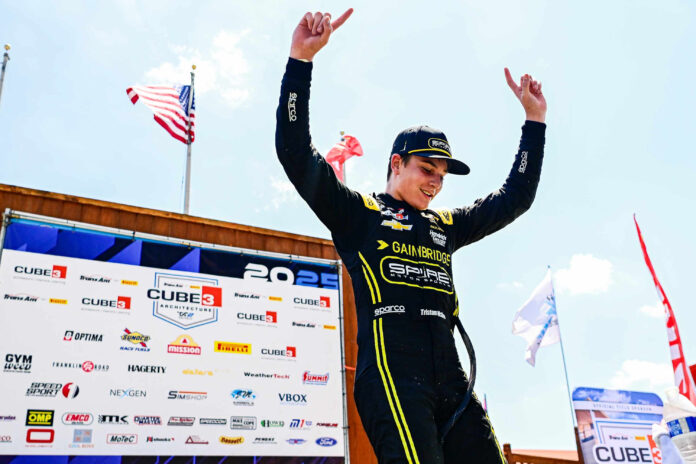
ST. AUGUSTINE, Fla. (Oct. 27, 2025) – When 15-year-old Tristan McKee was first across the finish line Sunday at Barber Motorsports Park in Birmingham, Alabama, it put an exclamation point on much more than just his fourth win in the last six Cube 3 Architecture TA2 Series races to clinch the season-long driver championship with still one event to go.

In a grander scheme, it became the high-water mark of a master plan years in the making within the walls of TeamSLR (Scott Lagasse Racing) and its integral role as an official driver development partner for Chevrolet Motorsports. McKee is one of the elite, young talents mentored by Josh Wise, Scott Speed and Lorin Ranier at the Chevrolet Tech Center in Concord, North Carolina. The aspiring NASCAR Cup Series driver signed a development contract with Spire Motorsports in January.

Now, one race before his official TA2 Series rookie season concludes with the Nov. 2 finale at Circuit of the Americas (COTA) in Austin, Texas, McKee is already the youngest champion in the 60-year history of the Trans Am Series presented by Pirelli at 15 years, two months and 16 days. He’s displayed the poise and maturity of a driver twice or three times his age along the way, regularly outpacing, often dominating, the stout field of TA2 regulars made up of fellow teen prodigies and seasoned road-racing veterans and former champions.

“He’s a phenomenal talent, we knew that from day one,” said Scott Lagasse Jr., who with his dad Scott Lagasse Sr., co-owns the team that has helped nurture the road-racing craft of numerous young drivers who are now making headlines in NASCAR’s Xfinity and Craftsman Truck Series – Sam Mayer, William Sawalich, Sammy Smith, Carson Kvapil, Connor Mosack and Jack Wood among them.

“Tristan’s done so good, and our collaborative effort with Josh Wise, Scott Speed and Lorin Ranier at Chevrolet was executed so well, that we’re actually going to lose him some next year to series further up the racing ladder,” Lagasse Jr., continued. “That’s a good problem to have, right? What makes me the most proud is his work ethic, his ability to listen, internalize, and get better. He’ll qualify on the pole, then go break down a lap and study data for hours.”

McKee led every race lap en route to three of his four wins this season – June 22 at the Mid-Ohio Sports Car Course in Lexington, July 12 at Watkins Glen (N.Y.) International, and Sunday at Barber – and all but the first five laps of his Aug. 30 victory at Canadian Tire Motorsport Park in Bowmanville, Ontario. Through 11 of 12 events, he has an average start of 4.18 and an average finish of 3.36. He posted seven consecutive podium finishes in one stretch, during which his lead atop the driver standings ballooned.

The podium streak ended with his lone mechanical issue of the season Sept. 20 at Virginia International Raceway (VIR) in Alton, but that transmission part failure only served to heighten McKee’s determination to lock up the championship at the next round during Trans Am’s first-ever visit to Barber last weekend.

“Tristan had never seen the place, but Josh (Wise) called me before we even got there and said, ‘Get ready, he’s the best-prepped I’ve seen him, yet.’ He knew he might have to carry us as a race team and he was ready for it,” Lagasse Jr., said. “Then during the weekend, at nine o’clock that night, after leading every session during practice and qualifying, he was still in the motorhome with me watching video, asking questions, talking theory and approach. That’s what separates him.”

McKee and TeamSLR certainly separated themselves from the rest of the TA2 Series field the second half of the season. In the midst of McKee’s four wins were another two for TeamSLR and its M1 Racecars – July 29 at Road America in Elkhart Lake, Wisconsin, for veteran Mike Skeen, and Sept. 20 at VIR for 17-year-old road-racing newcomer Carson Brown. The Road America win was made all the more special as McKee finished second and 19-year-old Corey Day, from the Hendrick Motorsports stable of young drivers, third to make it a 1-2-3 finish for TeamSLR.

McKee and his No. 28 Spire/Gainbridge/SLR-M1 Racecars Chevrolet Camaro will arrive at COTA with championship in-hand and ready to have some fun as the team looks to close out the season with its seventh win in a row. At the 2024 finale there, in just his second TA2 start, McKee was racing for a top-five finish when a cut tire dropped him to the back of the pack. He rallied from 37th to finish 15th over the closing laps to set the stage for his charge to the championship this year.

“It feels so good to lock it up before the season is over,” McKee said. “I feel like that shows how good we’ve been lately and how hard we’ve been working at it with Scotty (Lagasse Jr.), all the TeamSLR crew, and everyone back at Chevrolet. It’s always going to be a work in progress, but I feel like I’ve gotten really, really good at this TA2 car. Even in the past two races, I made a lot of gains and that helped us finish strong. There’s always something to learn. Every car’s different, every road course is different. But here, lately, I’ve been really comfortable in this car and confident in what I can do with it.”

Well before McKee began working with TeamSLR to learn the ins and outs of road racing in 2023, his talent, discipline and tremendous work ethic were apparent in his rise through primarily oval-track racing in go-karts, Bandoleros, Legend cars and Late Models. He became the CARS Tour’s youngest winner in the Pro Late Model division as a 12-year-old in 2023. After a rigorous testing program over the first seven months of 2024, McKee’s TA2 debut at VIR that October was a head-turner as he qualified sixth and held position among the leaders en route to a fourth-place finish, just .7 of a second behind the final spot on the podium.

That he rose from road-course newby to the ranks of TA2 Series champion with just 13 races under his belt is not surprising to those who know him. It’s also a testament to the years-long effort by TeamSLR and its M1 Racecars operation to become the most complete, data-driven, driver-focused organization in the TA2 paddock, according to Lagasse Sr.

“Tristan’s program this year is by far the best product we’ve put together, yet,” he said. “Every part of our program has improved – the people, the organization, the cars, the setups. We were the best program on the racetrack all year long. It’s this driver, it’s what happens on the racetrack, it’s the mechanical side, it’s the crew guys, it’s the organizational structure, all those things play into a championship. Scotty, from an operations and management side, has been phenomenal. All the crew, every single individual who had a hand in this, did a great job. We had one mechanical failure with Tristan’s car all year, and that was an internal transmission issue. That’s it. Our guys have done a tremendous job at solving and preventing a lot of those typical problems that can persist.”

Chevrolet’s Ranier first took notice of McKee in December 2021 when, as an 11-year-old, he qualified a Late Model Stock car on the pole for the Christmas Clash at Carteret County Speedway in Swansboro, North Carolina. Ranier told Wise and Speed that he’d found “a true phenom” and that they needed to keep an eye on him, which they did over the next two seasons of short-track racing. By December of 2023, an intensive testing plan was in place with TeamSLR for McKee to learn the tracks on the Trans Am schedule in 2024, and to run a pair of races at the end of the season to prepare for a full-season effort in 2025.

“Our goal was to make him the youngest champion in Trans Am history, and he did it,” Ranier said. “It’s a testament to the planning, the people, and the partnership with TeamSLR that it all came together. We’ve been doing this with TeamSLR since 2019, starting with Sam Mayer, and it’s just worked. The way Scotty interacts with Josh Wise and Scott Speed at the Tech Center – the energy, the prep, the communication – it all ties together perfectly. Enough can’t be said for the Lagasses and how they’ve handled Tristan. They’re great partners. The relationship between Chevrolet and that team has been outstanding. We knew from all the testing and sim work that Tristan was going to be good. The prep that Scotty, Josh Wise and Scott Speed put him through was just unbelievable. He was so well-prepared for every race.”

Lagasse Jr., points out that the stage for this year’s championship run, as well as the overall success now enjoyed by TeamSLR and its M1 Racecars customer programs, was set when the team campaigned Mosack for full-season runs in 2021 and 2022, netting a pair of race wins, eight podium finishes and 14 top-10s in 24 starts, with finishes of third in the championship the first year and fourth the next.

“We are without a doubt a better organization than we were during the Connor Mosack years,” he said. “I’m better. We’re much more organized. Connor deserved that championship, but there were things that caught us off guard back then that we’ve fixed. The failures from that era are why we have systems in place now. So we took those lessons and just got better.”

The process-driven mindset that has become the defining strength of the team and its support of its M1 Racecars customers was also on display this season in both the race for the national series’ Pro-Am Challenge championship, and the Trans Am Western Championship. The late Barry Boes was on pace to successfully defend his 2024 Pro-Am title this season before he was involved in a fatal aviation incident Aug. 18. Second-year Pro-Am competitor Jared Odrick and his M1 Racecars Camaro campaigned by Troy Benner Autosport heads to the COTA finale just eight points out of the class lead after three wins and seven top-two finishes this season.

Meanwhile, M1 Racecars have dominated the Western Championship behind Canadian Brody Goble’s five wins through seven of eight events. He, too, heads to COTA with championship in-hand and looks to once again challenge the national series competitors for the overall race win, like he did May 2 at WeatherTech Raceway Laguna Seca in Monterey, California, with a runner-up finish overall. The two Western Championship events not won by Goble saw Boes and Southern California driver Tim Carroll on the top step of the podium after wheeling their M1 Racecars to victory.

“Even the teams outside our immediate walls are having success, and that success comes from the culture and people within our immediate walls,” said Lagasse Jr. “That’s a big part of why we’re successful. We’re all in this together. Why would I not give a veteran driver like Brody Goble information to enable him to help us make Tristan or Jared better?”

That cooperative approach has created a network of stronger and smarter drivers as the team executes its role as a proving ground for future NASCAR hopefuls, and professional and gentlemen racers alike. For Lagasse Jr., that’s the overlying goal.

“At the end of the day, this is a training platform for young drivers, and really for any driver,” he said. “The goal isn’t just to win in Trans Am for the young guys, the goal is to win in Xfinity and Cup. If we prepare them to do that, they’ll win here, too.”

McKee put his TeamSLR road-racing education to the test at the next level Aug. 8 at Watkins Glen, when he made his ARCA Menards Series debut just five days after his 15th birthday. He passed it with flying colors, emerging with the victory that made him the second-youngest winner in series history. He was quick to credit the preparation processes he’s experienced at TeamSLR and Chevrolet.

“Even when we started winning TA2 races and stringing together all these good finishes, we never stopped working,” he said. “That just shows how much effort our crew puts in and how much I put into preparing for every race. It’s been really cool to have the momentum rolling the past several months. Me, Carson Brown and Mike Skeen have all had wins. It’s just been awesome to see it all come together.”

About TeamSLR:

TeamSLR (Scott Lagasse Racing) competes fulltime in the Trans Am Series presented by Pirelli’s Cube 3 Architecture TA2 Series in a multifaceted effort that includes dedicated entries in the TA2 division, customer programs, driver coaching and car construction. Its history dates back to 1985 and covers a wide spectrum of motorsports, including NASCAR, IMSA, SCCA, ARCA and ASA. TeamSLR is a family-owned organization run by Scott Lagasse Sr., and Scott Lagasse Jr., The father-and-son duo have combined to win more than 120 races and seven championships across a variety of series and styles of racecars, from paved ovals to road courses to dirt tracks. TeamSLR would like to thank its supporters Cube 3 Architecture, Franklin Road Apparel, Kallberg Racing, and Guthrie’s Garage. For more information, please visit us online at www.TeamSLR.com, on Facebook, on Twitter, on Instagram and on LinkedIn.

About M1Racecars:

M1 is an Official Chassis Supplier to the Trans Am Series presented by Pirelli. M1 Racecars are professionally engineered for the Cube 3 Architecture TA2 Series, SCCA Competition, and Track Day events. We offer chassis only, rolling chassis and complete race-ready builds in Camaro, Mustang, and Challenger body styles. We utilize only the highest quality materials and our race-winning technology to produce the most stable and predictable racecar on the track today. The proprietary chassis design by M1 has been CAD-perfected by our engineering staff to ensure that each completed chassis is identical and performs as expected. Our chassis materials are CNC Mandrel bent and cut to our exacting standards, which results in the most precise and cost-effective build. M1 has selected Scott Lagasse Racing to be the exclusive distributor for M1 Racecars worldwide. The race team also provides M1 with vital technical assistance and on-track feedback to support our performance development efforts. This combination is a powerful asset to M1 and to every M1 customer.

CCTV vs. Security Guards: Which One is Better?

Photo by depositphotos at https://depositphotos.com/

In the modern world of security, companies are in a dilemma on whether to invest in security technology or human security. This is a choice of debate amongst security agencies in Melbourne , and whether it is the best option to use electronic monitoring or the benefit of a physical presence. With the evolution of technology and the change in the demands regarding security, it becomes essential to know the advantages and disadvantages of each alternative to make an informed decision. 

This blog will compare CCTV systems and the security guards, and you will know the best solution to use depending on the security needs you have.

How CCTV Monitoring Works

The CCTV (Closed-Circuit Television) systems work on the principle of a set of cameras that are strategically positioned and which capture and transmit video footage to a particular set of monitors. The new systems have moved way beyond mere recording equipment, and they now have complex features such as motion detectors, facial recognition and even the ability to see in darkness. 

In addition, the current CCTV networks can be monitored remotely through a smartphone or computer to view the live surveillance anywhere in the world. Video recordings are usually saved in cloud-based systems or digital video recorders that can be of great use in the investigation and enable pinpointing tendencies of suspicious activity over time.

Employing Security Guards

Security guards are the human factor in the protection services, which cannot be equalled by technology. Such professionals receive special training in threat assessment, emergency response, conflict resolution and physical intervention where it is needed. In addition to their leading security roles, guards have a high probability of being the customer service ambassadors, offering help and information to visitors, as well as being watchful. The capacity to view, perceive and react to the challenging situations on the spot makes them indispensable resources in most security situations, especially those that demand human reason and flexibility.

Comparing CCTV vs. Guards

Threat Detection and Response

Both guards and CCTV have their own benefits as far as security is concerned. CCTVs are the best at identifying unusual patterns and movements with advanced analytics, whereas guards introduce intuition and situational knowledge to the threat determination. Guards can intervene immediately in response, offer first aid or direct evacuations, but CCTV is only used as an alert mechanism and as an evidence-gathering utility. In most cases, the combination of these two is the best event security strategy, as technology is used extensively to monitor an event and personnel to respond to situations at any given time.

Cost Comparison

The economic aspects of CCTV versus security guards have interesting trends. CCTV systems are more expensive to install but cheaper to maintain, and guards are related to the constant expenses such as salaries, benefits and training. To ensure 24/7 coverage, several guards are required to cover shifts, which is considerably expensive. The calculation of ROI considers that the guards can execute several tasks other than surveillance, and hence may be worth paying a higher price in terms of value addition in customer services and immediate threat containment.

Coverage and Scalability

CCTV is excellent in offering total coverage and extensive coverage with few blind areas, and therefore can be extended to more properties quite easily. Several cameras can help watch what would have needed a significant number of guards to watch. Nevertheless, cameras are not always applicable to areas that are either poorly lit or where they are blocked by physical barriers. Guards are also able to patrol places not accessible by cameras and can redirect their attention to the concerns arising, although by their nature, they can only be physically present in a single place at a given time.

Flexibility and Adaptability

Security guards are more adaptable to change. They can readily adapt their course of action according to their new circumstances or developments that arise. They can read between the lines, take their own decisions and act suitably to subtle circumstances that may fluster robots. Although the currently used CCTV features have been enhanced to be more advanced and include AI features, they remain programmed. They might be ineffective in new situations that do not correspond to their recognition patterns.

Deterrence Factor

The psychological effects of the observable security measures are not to be underestimated. Security guards offer a cost-effective instant physical deterrent, since potential offenders should be aware of the potential of instant and immediate action and ramifications. The CCTV systems provide a more subtle deterrent because one might not clearly indicated to the potential criminals, mindful of being caught on camera. Studies suggest that the presence of both conspicuous guards and apparent camera signage is most deterrent to prevent any type of crime since it creates an impression of a thorough coverage of security that heightens the risk of being apprehended.

Quick Summary of Comparison between CCTV and Security Guards

When comparing CCTV and security guards, there are a number of significant differences. CCTV is a 24/7 surveillance system that will not experience burnout, cover extensive areas, and can provide evidence of high value. Security guards offer real-time response capabilities, human discretion when dealing with difficult circumstances, and visible protection. 

Moreover, the CCTV systems are more expensive to buy but cheaper to maintain, whereas guards are direct costs in terms of operation and are multiset. Technology will be efficient in providing pattern recognition and documentation, whilst man provides contextual knowledge and flexibility. A strategic blend of either or both of these approaches is the best action that helps in integrating their individual strengths in order to develop a holistic approach to security.

Factors to Consider While Choosing

In the case of Construction site security and other specific needs, choosing the appropriate protection method needs to be carefully considered based on a variety of factors. The most effective, economical, and workable resolution is the balancing factor that satisfies specific weaknesses, which are peculiar to your circumstances.

  • Nature of your business and specific security risks
  • Physical layout and size of the area requiring protection
  • Budget constraints for initial investment and ongoing costs
  • Local crime rates and particular threats in your area
  • Regulatory requirements or industry-specific security standards

Conclusion

The comparison of CCTV versus security guards shows that, in all situations, one of the two is not always superior to the other. Both of them have their own benefits to security planning. The technology can provide constant tracking and gathering of evidence, whereas the security guards can offer immediate reaction and intuition. 

Combining the two solutions is the best way to provide the most efficient security measures, as this way of protection is often layered, thus utilising the most substantial advantages and reducing the weaknesses to a minimum. Considering your particular requirements, limitations, and vulnerabilities allows you to create a security solution that offers profound protection that best fits your unique case.

Using Bonuses in NASCAR and Beyond

When you first claim a sportsbook bonus, it’s tempting to jump straight into backing your favorite driver, team, or manufacturer to win. But before you do this, it’s worth asking yourself how to use that bonus strategically. 

In motorsports, where a single pit stop or caution can change everything, finding the balance between value and risk is key.

Betting Bonuses in Racing

Sportsbook bonuses attract fans and keep them engaged. Some offer free bets, others match deposits and a few refund losing wagers as credits. These promotions provide a real advantage if you understand how they work and how to apply them to motorsport betting. 

If you’re comparing bonuses or want to understand the wagering terms behind them, independent review and data resources such as askgamblers.com provide useful insight into how different promotions operate across licensed betting platforms. For example:

  • Free Bet Bonuses let you wager without using your own balance. For example, a $20 free bet on a driver to win at +400 could return $80 in profit if they take the checkered flag.
  • Deposit Match Bonuses double or even triple your bankroll, ideal for spreading wagers across several race outcomes such as stage winners, top five finishes, or manufacturer props.
  • Risk Free Bets refund your stake if your pick doesn’t come through, which makes them perfect for backing long shots at superspeedways like Talladega or Daytona.

Where Bonuses Work Best

NASCAR offers one of the most diverse and data rich betting landscapes in sports. Bettors can use bonus credits on everything from race winners to head to head matchups, fastest laps, and stage outcomes.

Longer seasons and weekly race schedules make NASCAR ideal for meeting wagering requirements. Unlike sports with lengthy off seasons, motorsport gives consistent opportunities to use smaller bonus amounts strategically across multiple events.

The trick is understanding variance. Superspeedway races have wider odds and higher unpredictability, while short tracks and intermediate ovals tend to reward form and consistency. Using a deposit match or free bet on drivers with strong track history often yields the best return on bonus value.

Expanding to Other Series

Formula 1, IndyCar, and MotoGP each offer different betting rhythms. F1 is more predictable, making it suitable for rolling over bonuses through low risk bets on podium finishes or safety car markets. IndyCar’s mixed circuits and competitive parity allow creative prop betting, and MotoGP’s fast turnover makes it ideal for smaller, repeated wagers.

These series all share one advantage: data. Lap times, tire wear, pit strategy, and historical averages are widely available, giving bettors enough information to approach each wager analytically instead of emotionally.

Final Lap

There’s no single right or wrong way to use a betting bonus, but motorsports provide a rare mix of excitement, frequency, and analysis that makes them perfect for strategic wagering. By combining sound betting principles with the depth of racing data available, bettors can turn promotional credits into meaningful wins, one race, one lap, and one smart wager at a time.

7 Tips to Keep the Workplace Clean and Safe

Photo by depositphotos at https://depositphotos.com/

A healthy work environment is essential to supporting employee health, productivity, and business success. Having a clean environment leads to fewer cases of illness spreading, fewer accidents, and a better environment that enhances morale and output. In today’s health-conscious society, workplace cleanliness has become more significant than ever. 

This guide is based on seven tips you can practice to establish cleanliness and safety standards in the workplace. From establishing routine cleaning habits to hiring professional cleaning services, these practices help create an environment where employees can flourish. Let’s delve in:

  1. Establish a Regular Cleaning Schedule

The basis of workplace hygiene is a regular cleaning routine. Wiping down surfaces, emptying trash, and cleaning high-touch surfaces, such as doorknobs and light switches, should be part of daily tasks. Activities that can be done weekly include vacuuming, cleaning bathrooms, and disinfecting shared equipment. Monthly tasks may include cleaning windows, repairing air vents, and properly organizing storage. 

Allocate specific duties to the team members or departments to bring accountability. Record the schedule and display it prominently to make everyone aware of their role. Regular cleaning eliminates the risk of dirt buildup and germs, making maintenance easier and more effective in the long run, which is why commercial cleaning gold coast services are often used. An adequately designed cleaning schedule can also be used to evenly assign work and eliminate cleaning burnout amongst employees.

CleanWise Solutions provides professional office cleaning across the DMV, the Washington, D.C. metro area spanning the District and its Maryland and Virginia suburbs.

  1. Identify High-Traffic & High-Touch Areas

Some areas in the workplace should be heavily used because they are used frequently. These are the entry points, corridors, break rooms, washrooms, and conference rooms. High-touch surfaces, such as door handles, elevator buttons, light switches, keyboards, phones, and shared equipment, require frequent disinfection throughout the day. Color-coded microfiber cloths are typically used by professional commercial cleaning services to avoid cross-contamination across various areas. 

During flu season or other health crises, establish a system to wipe down these surfaces several times a day. Install hand sanitizers near high-touch points to promote frequent hand hygiene. You can optimize the efficacy of your cleaning procedure by prioritizing where efforts are most needed.

  1. Promote Personal Hygiene Practices

Promoting good personal hygiene among employees is essential to workplace health. Install hand-washing facilities at key locations throughout the facility, with soap and hand sanitizer dispensers. Encourage employees to maintain the cleanliness of their individual workstations by providing disinfectant wipes and tissues. It would be better to have a policy allowing sick employees to work from home, so they do not easily spread contagious diseases. 

Additionally, conduct frequent hygiene education programs for staff to sensitize them about the value of hygiene in the transmission of illness. When employees take their personal hygiene into account, the whole workplace experiences fewer germs, and sick days diminish. The establishment of a culture in which the importance of personal hygiene is affirmed and exercised by all is a big step towards the health of the workplace. Clear identification practices also support hygiene and safety, and using items such as a Custom Lanyard helps keep ID badges visible, reduces unnecessary contact, and supports smoother movement throughout shared workspaces.

  1. Proper Waste Management

Waste management is also a factor that can help keep the workplace clean and safe. Adopt a system for separating waste into general trash, recyclables, and hazardous waste. Label bins and provide guidelines on how to dispose of them properly. Clear trash boxes regularly to avoid overflow and bad smells. 

Medical centre cleaning procedures in the healthcare environment should implement special waste management methods to help avoid contamination and adhere to the health rules. A waste audit may be conducted to determine how to reduce waste and enhance recycling. Collaborate with a good litter management company that is capable of addressing your needs. Good waste management not only keeps your workspace clean but also signals environmental responsibility.

  1. Use Proper Cleaning Equipment and Products

Effective cleaning of the workplace requires the use of appropriate cleaning products and equipment. For larger facilities and high-traffic commercial environments, access to reliable floor cleaning and maintenance solutions through SweepScrub supports consistent results while helping teams maintain hygiene standards without unnecessary downtime.

Buy high-quality vacuum cleaners with HEPA filters to capture allergens and improve air quality. Stock EPA-approved disinfectants that can be used against a wide range of pathogens. Use microfiber dusting and wiping cloths because they capture more dirt than conventional cloths. Moreover, use cleaning agents suitable for various surfaces to avoid damage. 

Educate and train staff on proper cleaning practices and safety measures when working with chemicals. Look for green cleaning products that are effective without harming the environment. The right tools are not only efficient at cleaning but also ensure you are really killing germs, not just causing them to circulate.

  1. Routine Inspections of Workspaces & Common Areas

Periodic check-ups help ensure cleanliness standards and detect potential hazards before they occur. Prepare a checklist of daily, weekly, and monthly checks for various aspects of workplace cleanliness and safety. Assign specific people or groups to conduct these inspections and record observations. Be extra keen on areas that may have been missed during your routine cleaning. This includes under equipment, behind furniture, and inside storage areas. 

Safety hazards should also be inspected, such as wet floors, exposed wiring, or blocked emergency exits. Evaluate the results of inspections to identify the points of strengthening and make changes to cleaning procedures. Frequent checks foster accountability and ensure that the standard of cleaning is continually monitored across all sections of the workplace.

  1. Invest in Professional Office Cleaners

Professional office cleaners do the deep clean that converts an office into a truly healthy workplace. Professional cleaners also possess special equipment, skills, and cleaning chemicals that are better than standard cleaning procedures to be able to get rid of germs and allergens. In choosing an office cleaning company in Melbourne , ensure they are certified and insured, and have experience in dealing with different environments. 

Make your expectations clear and set out a cleaning timetable to avoid disrupting your operations. Professional cleaners may handle areas that are not reached during routine maintenance, such as air ducts, upholstery, and other hard-to-reach areas. They also offer specialized services such as carpet cleaning, window washing, and floor cleaning, which require professional equipment and expertise. Professional cleaning services demonstrate that you are concerned about your employees’ health and your professional image with clients and visitors.

Wrap Up

A clean, safe working environment requires effort and dedication from everyone in an organization. Through these seven tips- creating a schedule of cleaning, determining high-risk zones, promoting personal hygiene, proper handling of waste materials, the use of correct cleaning materials, routine checks, and hiring professional cleaners- you would be able to build an environment where staff members can do their best. It is crucial to keep in mind that a clean workplace is not only aesthetically pleasing but also a core element of operational excellence that reflects your values and dedication as the most valuable asset.

Why You Should Get Ceramic Coating?

Photo by depositphotos at https://depositphotos.com/

The security of vehicle paint is necessary in the modern-day automotive world. When environmental dangers, road junk, and extreme weather conditions constantly jeopardize the state of your car, it becomes essential to identify the solutions that protect it. Ceramic coating has become an innovative product that has better protection than conventional waxes and sealants. This hi-tech innovation produces a long-lasting protective barrier that is durable in keeping your car maintained in its original look and worth. 

Let’s know about ceramic coating, its benefits, and why it is an essential car detailing service for car owners.

What is Ceramic Coating?

Ceramic coating is a chemically formulated liquid polymer designed to protect the exterior surfaces of your vehicle. Upon application, it forms a molecular bond with the paint, thus forming a semi-permanent coating that is much stronger than the conventional wax. 

Moreover, it is mainly made of silicon dioxide (SiO2), which forms a water, dirt, and contaminant-repelling surface. In comparison to the traditional carnauba waxes, which require a fresh coating every few months, the professional ceramic finishes may last a few years with appropriate care and thus are becoming a very popular option in the car detailing market.

Benefits of Ceramic Coating?

Protection Against UV Damage

Ceramic coating offers excellent protection against dangerous UV rays, which cause your paint to fade and oxidize in the long run. The protection provides your car with a sunscreen that keeps the brightness of your car’s paint color and integrity intact, even in the scorching sun.

Enhanced Hydrophobic Properties

The ceramic coating is water-repellent, which makes the water bead up and roll off the surface, carrying dirt and contaminants. This waterproofing ensures your car is cleaner and makes washing much easier.

Resistance to Chemical Stains

Ceramic coating also offers a protective layer for your paint that prevents acidic substances such as bird droppings, tree sap, and splatterings of bugs. Such materials are capable of etching uncoated paint, but the coating keeps them off the surface.

Improved Gloss and Shine

In addition to protection, the ceramic coating also improves the appearance of your vehicle, giving depth and clarity to the paint. This polished mirror-like finish is smooth and reflective, making your color stand out and providing a showroom look.

Long-lasting Protection

Ceramic coating can last years compared to traditional waxes that can only be used for a few months. This durability allows you not to apply protection so often, and you save time and energy in the long term.

Reasons Why You Should Get Ceramic Coating

Preserves Your Vehicle’s Resale Value

A well-maintained exterior is significant for your vehicle’s maximum resale value. Ceramic coating is used to ensure your paint is in perfect condition, not fading, oxidizing, or scratched in place. This makes your car appealing while selling.

Saves Time on Cleaning

The hydrophobic nature of the ceramic coating keeps your car clean for a long time. Water falls and rolls away on the surface, carrying dirt and contaminants. This automatic cleaning process decreases the number of times you wash your car, and you need minimal effort while cleaning and washing.

Reduces Need for Frequent Waxing

Wax has always been used traditionally and applied every few months to protect and also to look glossy. Ceramic coating does not need this. It offers more extended protection, which does not need to be re-applied frequently, saving your time and money in the long run.

Protects Against Environmental Contaminants

Your car is constantly exposed to pollutants that destroy your paint. Your paint can be etched by industrial fallout, acid rain, droppings of birds, tree sap, and road salt, without protection. Ceramic coating forms a sacrificial layer that protects your paint against these harmful elements.

Creates a Self-Cleaning Surface

The self-cleaning effect that is produced by the hydrophobic qualities of the ceramic coating makes cleaning your car with little effort. Water droplets roll over the surface and carry dirt and contaminants with them, keeping the car cleaner.

Enhances the Vehicle’s Appearance

Ceramic coating enhances the appearance of your vehicle significantly. Your paint gets color and shine, and the coating makes your color shine and provides a mirror-like finish to the color, making your car look like it came in the showroom and making people stare at it.

Provides a Barrier Against Minor Scratches

Ceramic finishing will not render your car scratch-resistant, but it offers some type of protection against minor scratches and swirls. The coating is hard (usually 9H on the pencil hardness scale), which prevents your paint from being scratched lightly during washing or by chance.

Cost-Effective in the Long Run

Ceramic coating justifies itself in the long run when you consider using wax to correct the paint and possible paint repair. The amount of time and money saved on maintenance and the potential boost in resale value also make it a cost-effective investment for the owners of the vehicles.

Understanding Ceramic Coating Cost vs. Value

When considering ceramic coating, it will be imperative to consider it as a long-term investment rather than an expense. The professional detailers usually charge between $500-$2500, depending on the quality of the product and the size of the vehicle. Although this initial investment might be significant, a good quality ceramic coating can last 2 to 10 years, which means you do not need to apply regular waxing, and also the chances of costly paint repairs are minimized. In this light, the ceramic coating cost would make it very sensible, particularly when contrasted with the long-term expenses of the conventional protection and possible paint repair in the same period.

How Ceramic Coating Fits Into Your Car Detailing Budget

When planning your car detailing cost breakdown, it is vital to think of ceramic coating as a permanent solution and not an ongoing cost. The standard classic detailing packages are 100 to 300 dollars per session, and they must be done regularly. These sessions can add up to a considerable degree over many years. 

Ceramic coating will help you minimize the need to perform professional detailing, which might help you pay less money to detail your car in the long run. Most detailers also provide package options that combine the initial application of the ceramic coating as well as scheduled maintenance options, and it is a complete package at a price that will not break your wallet, and at the same time keeping your vehicle looking good.

Conclusion

Ceramic coating is one of the innovations in vehicle protection technology that has given many more advantages than conventional waxes and sealants. It may stop UV damage and chemical stains as well as improve the look of your car and save time on maintenance; the benefits are evident. Although the initial cost might be more than traditional protection, the long-term value, longevity, and tranquility will make ceramic coating a brilliant decision for any car owner who desires to maintain the outlook of their car and its value. Are you a car enthusiast wanting to preserve your car’s shine and keep your investment safe? Then, ceramic coating offers you a total answer to keep your car looking so good and shiny over the years.

Mobile Car Detailing Vs. In-Shop Car Detailing: Pros and Cons

Photo by depositphotos at https://depositphotos.com/

Your car is your pride and joy. Now, it’s resembling a disaster zone with coffee stains, dog hair, and an invisible coat of dust that settles in moments after you wipe it down. You know you need professional car detailing; but to contemplate spending your Saturday in the detailing shop is exhausting. This is the modern dilemma of the car owner. Do you pick the ultimate convenience of a service that is brought to you or specialized power that is in a dedicated facility? 

This blog will look at mobile car detailing vs in-shop car detailing, breaking down the pros, cons, and differences to help you make the best choice for your vehicle, your schedule, and your checking account.

What is Mobile Car Detailing?

Mobile car detailing is the ultimate convenience in automotive care. Rather than bring your vehicle to a fixed geographic location, a professional detailer brings their entire operation; equipment, products, and experience directly to you at your home, workplace, or any designated location. The entire service model is built around customer convenience in both scheduling and location. 

The mobile detailer eliminates the need for you to travel, wait in the lobby, or rearrange your day around the detailing shop. It is a personalized, on-demand service. The mobile service is intended to offer quality, cleanliness, and finish while you are busy with your everyday life. 

In our fast-paced world, where time is precious; the mobile detailing service is becoming increasingly popular for working individuals and families who value their time above all else.

Pros and Cons of Mobile Car Detailing

Pros

  1. Unmatched Convenience: We deliver the service directly to you at home or work, saving you time and not having to drive and wait.
  2. Time-Saving:You can live your work or family life while we work; this is especially great for busy professionals and parents.  .
  3. Personalized Service: You communicate directly with the technician about your specific needs, building a trusting relationship one-on-one.
  4. Full Transparency: You can watch the entire process unfold safely and in your presence.
  5. No Vehicle Wear: You do not have to put any unnecessary miles or wear on your vehicle to travel to your appointment or traffic conditions, etc.

Cons

  1. Weather Dependent: Rain, high heat, or extreme cold can delay and sometimes cancel appointments since the work is mainly done in open environments.
  2. Limited Services: Heavy-duty equipment like hydraulic lifts, paint correction booths, or other similar equipment isn’t accessible, no large scale work can be done.
  3. Potential for Higher Cost: The appointments can carry a higher price than the same service at a detailing shop due to factor of convenience and the detailer’s traveling expenses are sometimes incorporated in the price.
  4. Resource Limitations: The quality of a service can also be limited by available customer water pressure or electrical processes that may not be sufficient.
  5. Environmental Concerns: Runoff water and chemicals go into our local storm drains unless the detailer uses a water reclamation mat, which is not the standard practice.

What is In-Shop Car Detailing?

In-shop car detailing occurs in a professional and dedicated work facility assigned for vehicle reconditioning. These are controlled environments, typically reminiscent of a high-tech automotive spa, that have specialized, industrial-grade equipment that mobile units simply cannot bring to the customer. A good example would be hydraulic lifts for extensive under-car cleaning, steam cleaning for professional use, large air compressors, and, probably most importantly, a dust-free, climate-controlled area for delicate work like paint correction and the application of ceramic coatings for protection. 

In this way, a thorough and more complete cleaning and restoration can easily take place, far beyond that of a basic surface detail – making this type of service the best option for correcting or protecting a vehicle excessively.

Pros and Cons of In-Shop Car Detailing

Pros

  1. Comprehensive Services: Offers a full range of services that include multi-stage paint correction, advanced ceramic coatings, and deep cleaning in the engine compartment.
  2. Controlled Environment: Work is done in a clean, bright and climate-controlled environment that is ideal for achieving a perfect, flawless finish.
  3. Specialized Equipment: Use hydraulic lifts, industrial extractors, and professional-grade tools to ensure a deeper, more thorough level of cleanliness.
  4. Consistent Results: Having a facility with established procedures helps guarantee the same trustworthy high standard of quality completed for each vehicle.
  5. All-Weather Operation: Your appointment does not depend on the weather – rain, wind, or extreme temperature will be irrelevant in your service.

Cons

  1. Inconvenience: It requires driving to the location, dropping off your car, and coordinating alternate transportation – which can take a fair amount of your time.
  2. Longer Turnaround: Many service providers request customers leave for an entire day, specialty services can take multiple days to finish.
  3. Less Personal Touch: You may work with a service writer or receptionist and may not discuss the condition of your vehicle with the person working on it.
  4. Fixed Business Hours: You must work around the shop’s hours, especially if your 9 to 5 work hours are demanding.
  5. Potential for Upselling: Being in a sales-oriented environment can create pressure to buy further service that is more expensive than what you were originally looking for.

Comparison Between Mobile Car Detailing and In-Shop Car Detailing

FeatureMobile Car DetailingIn-Shop Detailing
ConvenienceMaximum (Comes to you)Low (You go to them)
Service ScopeMaintenance to enhancementComprehensive restoration
EnvironmentUncontrolled (outdoors)Controlled (Indoors)
EquipmentEquipment, portable limited Industrial, comprehensive
Best ForBusy Individuals, regular upkeepShow cars, paint correction, deep cleaning

Which One is Right for You?

Which car detailing option is the right one for you depends on your situation and goals. If you are a busy professional and want to maintain a good look for your vehicle but do not have time to do it yourself, mobile detailing is the clear winner. Mobile car detailing is best for ongoing maintenance or interior deep cleaning and reapplication of a coat of wax or sealant.

However, if the car’s paint is covered in swirls and scratches or you are getting ready to sell a very high value car, then you need further attention put into the service. This is why presale car detailing is beneficial, and in this case, an in-shop service is better. 

The in-shop detailing can help to remove imperfections and apply a ceramic coating that greatly improves gloss and attractiveness, which can be influential for potential resale value. If you have the time and the vehicle needs a complete, deep and thorough restoration, detailed services provided in-shop are the best way to get the results you seek.

Bottom Line

There is no one best option between mobile and in-shop detailing, only the best option for you and your vehicle at time is preference. Mobile detailing is the champion of convenience and the results fit within your busy life. Mobile detailing is the intelligent option for ongoing maintenance to preserve a clean look for your vehicle. In-shop detailing is the mastery of restoration, using the proper equipment to serve your needs and offer the most control in the interior setting that an in-shop detail will allow. Assess your car’s condition honestly, keeping your schedule and budget in mind to make an educated choice for the service you want based on your needs or goals – convenient maintenance or true restoration.

What Every Injured Rider Should Know after a Motorcycle Accident

Photo by depositphotos at https://depositphotos.com/

For all the fun and exhilaration that motorcycle riding provides, accidents are a serious issue and frequently cause great harm. In fact, motorcyclists are 29 times more likely to die in an accident on their two-wheeler than passengers in a car or truck. In fact, the United States tragically witnessed 6,218 deaths by motorcycle accident last year, while many other riders suffered a myriad of severe injuries such as traumatic brain injury (TBI) and spinal cord injury (SCI).

In addition to the physical pain involved, the financial impact of motorcycle accidents is significant. Medical expenses for serious motorcycle injuries can exceed $250,000, and lost income can have a devastating effect on families for years. It is crucial, therefore, for motorcycle injury victims to secure the highest compensation possible to cover their growing bills and uncertain future.

This is where expert motorcycle accident attorneys in Los Angeles come in. These specialist personal injury lawyers play a vital role in helping motorcycle accident victims navigate complex liability claims and negotiate settlements for both immediate needs and long-term damages.

Types of Motorcycle Accident Injuries

Before we look at the potential total compensation motorcycle accident victims can receive, it’s important to understand the main types of injuries which often arise. The exposed nature of motorcycling leaves riders vulnerable to a devastating array of injury types when a collision occurs.

Traumatic brain injuries (TBI) rank among the most severe injuries, often resulting from helmet impact or riders thrown from their bikes. These injuries can cause cognitive impairment, memory loss, and personality changes that persist for years.

Spinal cord injuries (SCI) can potentially lead to partial or complete paralysis. The force of impact in motorcycle crashes frequently damages vertebrae and the delicate neural pathways within.

Road rash may sound minor, but severe cases strip away multiple layers of skin, muscle and tissue, often leaving permanent scarring. Victims face chronic pain, reduced mobility, and the inability to return to their previous careers and hobbies.

Motorcycle Accident Attorneys Work Hard To Get You More Money

Understanding the full scope of available compensation is essential when pursuing a personal injury claim after a motorcycle accident. The legal system recognizes multiple categories of damages designed to make victims recover in the best manner possible.

Motorcycle accident damages pursued by successful personal injury attorneys include:

●  Current and future medical expenses
●  Lost wages
●  Diminished earning capacity
●  Pain and suffering
●  Emotional distress
●  Loss of enjoyment of life
●  Property damage
●  Punitive damages

What To Do After a Motorcycle Accident

Knowing what to do after a motorcycle accident can determine the strength of your personal injury claim. Experienced motorcycle accident attorneys in Los Angeles strongly recommend you follow these important steps:

1.  Check for injuries and call 911 immediately, ensuring both medical attention and an official police report.
2.  Document everything: Photograph vehicle positions, road conditions, visible injuries, and property damage from multiple angles.
3.  Collect information from all parties involved, including names, insurance details, license plates, and witness contact information.
4.  Seek medical evaluation even if your motorcycle injuries seem minor, as adrenaline often masks serious trauma.
5.  Avoid discussing fault at the accident scene or signing any documents from insurance adjusters without a motorcycle accident lawyer present.

These critical steps preserve evidence and protect your rights as an injury victim when pursuing compensation for your motorcycle accident.

Hiring a Motorcycle Accident Attorney vs Handling Your Case Yourself

When you hire an experienced motorcycle accident lawyer, the benefits extend across every phase of your personal injury claim:

Accurate Case Valuation:  Injury attorneys calculate comprehensive damages including projected lifetime medical costs, lost future earnings, and appropriate pain and suffering compensation.

Expert Resource Network:  Access to motorcycle accident reconstructionists, medical specialists, vocational experts, and economists who strengthen your injury claim.

Strategic Negotiation:  Skilled personal injury lawyers understand insurance company tactics and leverage settlement negotiations effectively.

Litigation Readiness:  When fair settlements prove unattainable, experienced trial attorneys present compelling injury cases before juries.

Studies show consistently that injury victims who hire a motorcycle accident attorney receive significantly higher settlements than those who represent themselves. If you’ve been injured and are looking for an injury lawyer near me in Los Angeles, make sure to prioritize law firms that have proven success in motorcycle accident cases and pursue full compensation for riders.

Act Quickly or You Could Lose Your Rightful Motorcycle Accident Compensation

Time is not on the side of injured riders. In California, there are strict deadlines set by the statute of limitations that, if missed, will permanently prevent you from seeking motorcycle accident compensation. Insurance companies know about this pressure and often use delays to their advantage. Every day that goes by without legal representation from a knowledgeable motorcycle injury attorney could potentially lower the value of your accident claim.

If you’ve been injured on your two-wheeler, contact a supportive Los Angeles motorcycle accident attorney as soon as possible. Schedule a consultation before evidence disappears, witnesses forget what they saw, and important deadlines pass. Your recovery deserves the full attention of motorcycle accident lawyers who understand the specific challenges riders face and have a proven track record of getting them results.

Berry Battles Back for Top-10 Finish at Martinsville

Josh Berry and the No. 21 Motorcraft/Quick Lane team turned a challenging afternoon into a strong finish Sunday at Martinsville Speedway, rallying from a lap down to record a 10th-place result in the Xfinity 500. The effort marked the team’s second top-10 finish in the past six races and their seventh of the 2025 season.

The day began uphill for Berry, who rolled off 27th on the grid and lost a lap to the leaders just past the 100-lap mark. Despite the early deficit, the team continued to make gains on their Ford Mustang Dark Horse, and Berry closed out Stage 1 in 22nd position.

Midway through the race, the No. 21 appeared poised to regain the lead lap when a caution flew on Lap 229 for a spin by Cole Custer. Initially in the free pass position, Berry was later ruled ineligible after officials determined he had been part of the incident, having been nudged by Alex Bowman just before making contact with Custer.

Patience paid off a few laps later when another caution waved on Lap 242, this time for a lost wheel on Cody Ware’s car. Running 18th, Berry claimed the free pass without question and rejoined the lead lap, finishing Stage 2 in 18th place.

Berry’s persistence was tested again on Lap 280 when contact between Bubba Wallace and Brad Keselowski sent his No. 21 Mustang spinning. Fortunately, the incident caused minimal damage, and Berry maintained his position on the lead lap.

A strategic call from crew chief Miles Stanley would ultimately change the course of the day. During a cycle of green-flag pit stops around Lap 375, the Motorcraft/Quick Lane team stayed out longer than most of the field, and when a caution flag appeared with Berry running third, the move paid off. After pitting under yellow, Berry restarted inside the top five and held steady near the front through the closing laps.

A late caution set up an 11-lap sprint to the finish. Berry slipped just outside the top 10 after the restart but fought back to secure a hard-earned 10th-place finish – a much-needed result after several weeks of misfortune.

“We’ve had some terrible luck the last few weeks,” Berry said. “We finally caught a break with the caution and got track position. We were just trying to hang on to it the best we could. Obviously, we would’ve loved to have seen it run green to the finish, but overall, a top 10 – we’ll take it.”

About Motorcraft®
Motorcraft offers a complete line of replacement parts that are recommended by Ford Motor Company. From routine maintenance to under hood repairs, Motorcraft parts offer value with high quality and the right fit at competitive prices. Motorcraft parts are available nationwide at Ford Dealers and Lincoln Retailers, independent distributors and automotive-parts retailers, and are backed by the Service Parts Limited Warranty* of Ford Motor Company. For more information, visit www.motorcraft.com.
*See your dealer for limited-warranty details.

About Quick Lane® Tire & Auto Center
Quick Lane Tire & Auto Center offers extraordinary service for routine maintenance, serving all vehicle makes and models. Quick Lane provides a full menu of automotive services, including tires, oil change and maintenance, brakes, batteries, alternator and electrical system, air conditioning system, cooling system, transmission service, suspension and steering, wheel alignment, belts and hoses, lamps and bulbs and wiper blades plus a thorough vehicle checkup report. Service is performed by expert technicians while you wait at any of nearly 800 locations in the U.S., with evening and weekend hours available and no appointment necessary. For more information about Quick Lane, please visit www.quicklane.com.
*See your dealer for limited-warranty details.”

About Ford Motor Company
Ford Motor Company (NYSE: F) is a global company based in Dearborn, Michigan, committed to helping build a better world, where every person is free to move and pursue their dreams. The company’s Ford+ plan for growth and value creation combines existing strengths, new capabilities and always-on relationships with customers to enrich experiences for customers and deepen their loyalty. Ford develops and delivers innovative, must-have Ford trucks, sport utility vehicles, commercial vans and cars and Lincoln luxury vehicles, along with connected services. The company does that through three customer-centered business segments: Ford Blue, engineering iconic gas-powered and hybrid vehicles; Ford Model e, inventing breakthrough EVs along with embedded software that defines exceptional digital experiences for all customers; and Ford Pro, helping commercial customers transform and expand their businesses with vehicles and services tailored to their needs. Additionally, Ford is pursuing mobility solutions through Ford Next, and provides financial services through Ford Motor Credit Company. Ford employs about 177,000 people worldwide. More information about the company and its products and services is available at corporate.ford.com.

About Ford Performance
Ford Performance is based in Dearborn, Mich. It is responsible for Ford’s performance vehicle development and major racing operations globally, including NASCAR, IMSA, SRO British GT, FIA World Rally Championship, Supercars Championship, World of Outlaws, Ultra4, SCORE-International, FIA Rally-Raid, Formula Drift, NHRA, Rebelle Rally, Thailand Super Series and our latest commitment in Formula 1 with RedBull Ford Powertrains. Ford Performance also maintains a constantly evolving fleet of electric performance demonstrators to showcase the limits of electrification technology. In addition, the organization also oversees the development of Ford’s racing engines, as well as the outreach programs with all Ford Clubs and Ford enthusiasts. For more information regarding Ford racing’s activities, please visit Performance.Ford.com or follow @FordPerformance on Facebook, Instagram, X, Threads, TikTok and YouTube.

About Wood Brothers Racing
Founded in 1950 by Hall of Famer Glenn Wood in Stuart, Virginia, Wood Brothers Racing holds a special place in NASCAR history as the sport’s longest-running team. Over eight decades, the team has earned 101 victories in the NASCAR Cup Series, along with 120 poles, and remains proud of its longstanding relationship with Ford Motor Company, fielding only Ford products since its inception. Glenn’s brother, Leonard Wood, played a key role in shaping modern racing by developing the techniques behind today’s pit stops. With a rich legacy rooted in innovation and tradition, Wood Brothers Racing continues to honor its heritage while adapting for the future as it competes in NASCAR’s premier series with Josh Berry.