Home Blog Page 76

NASCAR stars pulling double-duty efforts at Indianapolis

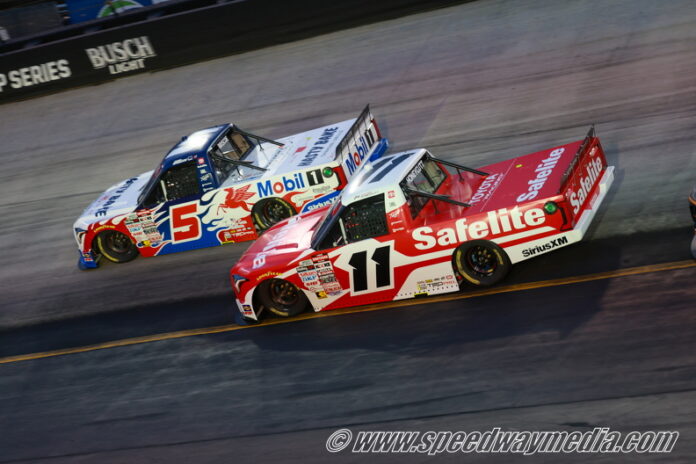
Photo by Chad Wells for SpeedwayMedia.com.

A trio of NASCAR’s rising prospects will be pulling double-duty driving roles between this upcoming weekend’s NASCAR and ARCA Menards Series festivities at Indianapolis Motor Speedway and Lucas Oil Indianapolis Raceway Park (IRP) between July 24-26.

The first is Harrison Burton, the 2024 Coke Zero Sugar 400 winner at Daytona International Speedway from Huntersville, North Carolina. Burton is scheduled to make his 22nd start of this year’s O’Reilly Auto Parts Series season in the No. 24 Sam Hunt Racing Toyota Supra entry, his full-time ride, at Indianapolis this upcoming Saturday, July 25. A day prior, he will return to the Craftsman Truck Series division in a one-race appearance and pilot the No. 5 Ruedebusch Toyota Tundra TRD Pro entry for TRICON Garage at Lucas Oil IRP.

Burton’s Truck return at IRP, which was revealed by TRICON Garage through social media on July 21, will mark his first appearance in the series since Sonoma Raceway in June 2022. He has made a total of 40 starts in the series, during which he recorded a pole position at Iowa Speedway in June 2018, 11 top-five results, 18 top-10 results, 88 laps led and an average-finishing result of 11.5. His best on-track result is third, which he achieved six times while competing for Kyle Busch Motorsports (KBM), and his best points result is 12th during his lone full-time campaign in the series with KBM in 2019.

Friday night’s Truck event is scheduled to mark Burton’s first-ever start at IRP as he contends for his first series’ victory. He is also set to become the eighth competitor to drive TRICON’s No. 5 Toyota entry at least once throughout the 2026 season. The No. 5 entry is currently ranked in 15th place in the owner’s standings and it went to Victory Lane once with Corey Heim at Darlington Raceway this past March. Burton will then compete in Saturday’s O’Reilly event at Indianapolis with Sam Hunt Racing, where he finished 18th a year ago while driving for AM Racing. This season, he is ranked in 20th place in the standings and has recorded a single top-10 result and an average-finishing result of 22.5 through 21-scheduled starts this season.
Photo by Logan Allen for SpeedwayMedia.com.

Burton is not the only O’Reilly competitor who is competing in two NASCAR national touring series events between Indianapolis and IRP this upcoming weekend. Nick Sanchez, the 2022 ARCA Menards Series champion and 2023 Truck Series Rookie of the Year from Miami, Florida, will also be pulling double-duty efforts. For Friday’s Truck event at Lucas Oil IRP, Sanchez will drive the No. 77 Delaware Life Spire Motorsports Chevrolet Silverado RST entry for Spire Motorsports. The following day, he will make his fourth O’Reilly start with Peterson Racing and in the No. 87 Chevrolet Camaro entry at Indianapolis.

Sanchez, whose announcement of competing at IRP was made by Spire on July 21, will make his first Truck start since he competed with Spire at Texas Motor Speedway in May 2025. After winning the 2022 ARCA title, the Miami native spent the next two seasons (2023-24) as a full-time Truck competitor, in which he competed for Rev Racing. During his two-year stint, he achieved two victories in 2024 (Daytona International Speedway & Charlotte Motor Speedway) a combined seven poles, 13 top-five results, 26 top-10 results and 391 laps led. He also made the Playoffs during both seasons and finished sixth and fifth, respectively, in the final standings.

Within his Truck starts, Sanchez made two series’ starts at IRP, where he finished 11th in 2023 and 10th in 2024. He then graduated to a full-time driving role with Big Machine Racing in the O’Reilly division in 2025 and competed in the first seven events with AM Racing this season before the latter team ceased operations by mid-May. Sanchez was then announced in early June to drive the No. 87 Peterson Racing Chevrolet entry for a total of four O’Reilly events this season. During his three previous starts, he finished 23rd at Pocono Raceway, 12th at Chicagoland Speedway and 19th at EchoPark Speedway, respectively, in which he nearly won the latter event until he was involved in an incident on the final lap.

Entering Friday’s IRP event, Sanchez is scheduled to become the seventh competitor to pilot Spire’s No. 77 Chevrolet entry once. The No. 77 entry is currently ranked in ninth place in the owner’s standings and it went to Victory Lane once with Carson Hocevar at Texas Motor Speedway this past May. Saturday is scheduled to mark Sanchez’s fourth O’Reilly start of the 2026 and his second ever at Indianapolis Motor Speedway after he finished 33rd a year ago.
Photo by Logan Allen for SpeedwayMedia.com.

Compared to both Burton and Sanchez, Kaden Honeycutt, the 2024 CARS Pro Late Model Tour champion from Willow Park, Texas, will not be competing at both Indianapolis and Lucas Oil IRP across multiple NASCAR national touring series divisions. Instead, he will be competing in two series at the latter venue. On Friday, Honeycutt will make his second ARCA Menards Series start of this season while driving the No. 17 Cook Racing Technologies Toyota Camry entry. He will then cap off his run at Lucas Oil IRP by hopping into his full-time ride in the Truck division, the No. 11 Toyota Tundra TRD Pro entry for TRICON Garage.

Honeycutt’s first ARCA start of this season occurred at Watkins Glen International with Cook Racing Technologies in May, where he proceeded to win in the ARCA division for the first time ever. Hours later, he notched his first Truck career victory at The Glen. The Texan is campaigning in his second full-time stint in the latter series and first with TRICON. Through 15-scheduled Truck starts, Honeycutt has achieved a victory at The Glen, three poles, nine top-five results, 10 top-10 results, 94 laps led and an average-finishing result of 9.8. He is also ranked in second place in the driver’s standings and trails points leader Layne Riggs, the reigning Truck IRP event winner, by 59 points.
Photo by Logan Allen for SpeedwayMedia.com.

Honeycutt finished 14th in his first and only Truck start at IRP to date from a year ago. He also competed at IRP in the ARCA division in 2018, where he finished 18th while driving for Empire Racing. He will compete in a field of 36 competitors during this Friday’s ARCA event, with the event being a combined event between the ARCA Menards Series and ARCA Menards Series East divisions.

The 2026 LiUNA 150 at Lucas Oil IRP is scheduled to occur on Friday, July 24, at 5:30 p.m. ET on FS1, MRN Radio and SiriusXM. The 2026 TSport 200 will follow suit at 8 p.m. ET on FS1, NASCAR Racing Network and SiriusXM.

The 2026 Pennzoil 250 at Indianapolis Motor Speedway will occur on Saturday, July 25, at 4 p.m. ET on the CW Network, Indianapolis Motor Speedway Radio Network and SiriusXM. The 2026 Brickyard 400 will cap off NASCAR’s festivities at Indianapolis on Sunday, July 26, at 2 p.m. ET on TNT Sports, Indianapolis Motor Speedway Radio Network, SiriusXM and HBO MAX.
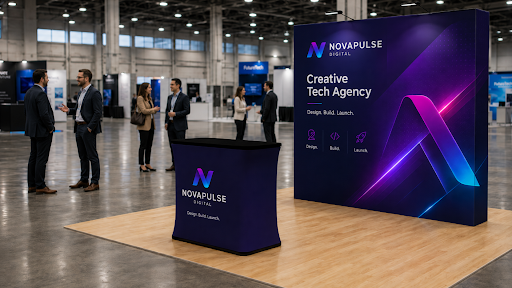
How Trade Show Booths Help Businesses Stand Out in Ontario

Ontario runs one of the busiest event calendars in North America. On any given week, there is a trade show loading in somewhere between Windsor and Ottawa: the Metro Toronto Convention Center alone hosts hundreds of events a year, the International Center in Mississauga fills with industry expos, and community business shows run year-round in London, Hamilton, Kitchener, and beyond.

That volume is both an opportunity and a problem. The opportunity is that your next hundred customers walk those aisles. The problem is so do your competitors, often three booths away. In a market this crowded, a trade show booth is not decoration. It is the difference between being found and being passed.

The Booth Is Your Storefront for a Day

Most Ontario businesses that exhibit don’t have a storefront buyers can visit, or their buyers are spread from Thunder Bay to Niagara. For one day, the booth becomes the storefront. It carries your brand at full height, shows your products in person, and puts your best people face to face with buyers who chose to be there.

That last part matters. Trade show attendees are the warmest cold audience in marketing. They paid to attend, they came with problems to solve, and they are walking around actively looking for suppliers. A credible booth converts that intent. A bare table with a paper sign wastes it.

Standing Out Starts Before the Aisle

The best exhibitors in Ontario treat visibility as a layered game, working from far to near.

From across the hall, height wins. Tall feather flags sway above the booth line and catch eyes fifty feet away, marking your location the way a lighthouse marks a coast. Attendees navigate big venues by landmarks, and a banner makes you one.

From down the aisle, the backdrop takes over. A printed back wall with a short, bold message tells passersby what you do in the three seconds it takes to walk past. Save the details for the conversation. The wall’s only job is to stop feet.

At outdoor and mixed-venue events, which Ontario summers are full of, from food festivals to golf tournaments to municipal business fairs, branded Pop Up Tents do both jobs at once. The canopy is visible across a field, the walls carry your message, and the shelter keeps your team and product presentable through sun or a passing shower.

What a Strong Booth Actually Earns You

  • Lead quality, not just quantity

A professional setup attracts serious buyers who self-select. Decision-makers stop where they expect decision-makers to be treated well.

  • Price positioning

Buyers infer your prices from your presentation. A polished booth lets you sell on value instead of discounting to prove you belong.

  • Local credibility that compounds

Ontario’s industry circles are smaller than they look. The HVAC crowd, the food producers, the tech scene: they see the same exhibitors at every show. Showing up consistently and looking sharp builds a reputation that arrives before you do.

  • Content for the other 360 days

Booth photos, demo videos, and event recaps feed your website and social channels long after teardown.

Make It Work Harder with Three Ontario-Specific Tips

First, build the venue’s rules into your ordering timeline. Toronto-area venues enforce flame-retardant certification on fabrics, so confirm your displays carry it before show week, not at inspection.

Second, plan for both seasons. An Ontario exhibitor’s calendar swings from climate-controlled halls in February to open-air markets in July. Gear that works in both, like a tent that stands indoors without stakes, doubles the return on one purchase.

Third, drive within the region. Most Ontario shows are within a few hours of each other, so displays that pack into a car or small van skip freight costs entirely, an advantage exhibitors in bigger geographies do not get.

Summary

In Ontario’s packed event market, attention is the scarcest resource on the floor. A well-built booth wins it from a distance, holds it at the aisle, and converts it at the table. Invest in the setup once, show up consistently, and the province’s busy calendar turns from competition into compounding returns.

Top 10 Boats for Wakesurfing and Wakeboarding in 2026: Featuring Tige, Nautique, MasterCraft, and More

Last updated: July 22, 2026

The best wakesurf boats in 2026 come from Tige, Nautique, MasterCraft, Malibu, and Supra. These are the top surf boat brands that consistently deliver superior wake quality, advanced ballast systems, and purpose-built hull designs for serious watersports enthusiasts. Whether you’re investing in your first wake boat or upgrading to a flagship model, understanding what separates these top-tier wakesurf boats from general towboats will help you make a confident, informed purchase decision.

Top 10 Wakesurf and Wakeboard Boats for 2026

The following ten models represent the best wakesurf boats available in 2026.

  1. Tigé Ultré 23ZX

Awarded Boating Magazine’s 2025 Watersports Boat of the Year, the Tigé Ultré 23ZX stands out for its combination of pro-level surf performance, technology, and innovative features. Built on Tigé’s patented Convex V hull with TAPS 3T technology and the GO System, it delivers one of the best surf waves on the market that can be easily adjusted for different riding styles. With 4,000 pounds of ballast, a standard powered tower with rigid bimini, and the UltréLounge, the Ultré 23ZX offers a balance of performance and comfort that appeals to both serious riders and families.

  1. G23 Paragon

The Nautique G23 Paragon represents the highest level of Nautique’s lineup, combining luxury finishes with proven wake performance. The Nautique Surf System and advanced wake-shaping technology allow riders to customize their wave, while premium materials, touchscreen controls, and a power-actuated tower create an elevated experience. For buyers searching for a flagship wake boat, the G23 Paragon delivers performance and refinement.

  1. MasterCraft XStar 23

The MasterCraft XStar 23 is one of the most recognizable wake boats in the industry, known for its powerful wakes and tournament-inspired performance. Equipped with the SurfStar System and up to 3,775 pounds of ballast, it allows riders to customize their wave for different styles and skill levels. Its combination of performance, technology, and comfort makes it a favorite among serious riders.

  1. Tigé Z3

The Tigé Z3 has earned its reputation as one of Tigé’s most iconic wake boats, delivering the strong surf performance the brand is known for. Its patented Convex V hull and TAPS 3T system create a powerful, clean wave, while the spacious layout and expanded storage make it ideal for full days on the water. The Z3 continues to be a standout choice for riders who want performance without sacrificing comfort.

  1. Malibu Wakesetter 23 LSV

The Malibu Wakesetter 23 LSV has earned its reputation as one of the industry’s most popular all-around wake boats. Its Surf Gate system, Power Wedge III, and customizable ballast work together to create consistent waves, while its spacious interior makes it ideal for families and larger crews. It remains a top choice for buyers looking for a balance of performance and versatility.

  1. Super Air Nautique G23

The Nautique G23 helped define the modern wake boat category and remains one of the industry’s benchmark models. Known for its long, powerful surf wave, the G23 combines the Nautique Surf System and WAVEPLATE technology to give riders precise control over their setup. With proven performance and premium features, it continues to be a favorite among serious riders.

  1. Tigé 22RZX

The Tigé 22RZX is built for riders who demand high-performance wake and surf capabilities. A favorite among professional athletes and experienced riders, the 22RZX uses Tigé’s patented Convex V hull, TAPS 3T technology, and GO System to create powerful waves and rampy wakes with the precision serious riders expect. Its responsive handling, premium finishes, and performance-driven design make it a standout choice for riders looking for a boat that can deliver at every level.

  1. Supra SA

The Supra SA is designed for riders who want advanced technology and customizable performance. Featuring the Swell Surf System, SmartPlate, AutoWake technology, and up to 4,100 pounds of ballast, the SA allows riders to fine-tune their wake and surf experience. Its combination of technology and performance makes it a strong choice for serious watersports enthusiasts.

  1. Tigé 24RZX

The Tigé 24RZX is built for boaters who want maximum space without sacrificing performance.  As the largest model in the RZX lineup, it combines Tigé’s Convex V hull, TAPS 3T technology, GO System, and 4,000 pounds of ballast to create a powerful, customizable wave. With seating for up to 18 people, it’s designed for riders who want premium performance with room for everyone.

  1. Malibu Wakesetter 23 MXZ

The Malibu Wakesetter 23 MXZ combines sporty styling with proven wake technology. Featuring Surf Gate, Power Wedge III, and a spacious pickle-fork bow design, it delivers customizable waves while providing plenty of room for family and friends. It’s a popular option for riders looking for a performance-focused boat with everyday versatility.

Finding the Right Wake Boat for You

Whether you’re drawn to the Tigé Ultré 23ZX’s balance of surf performance, advanced technology, and premium comfort, the Nautique G23’s legendary wave capabilities, the Malibu 23 LSV’s versatility, or the competition-ready feel of the MasterCraft XStar and Supra SA, each boat on this list delivers exceptional wakeboarding and wakesurfing performance.

Neck Training: Exercises, Benefits, and Safety

Photo by depositphotos at https://depositphotos.com/

Drivers use neck training to strengthen the muscles that stabilize the head during fast races. It helps them resist G-forces, reduce fatigue, and keep clear vision during an event. A well-designed program uses isometric exercises, resistance work, posture training, and upper-body conditioning. It does not focus on neck size alone.

Effective neck training builds endurance. Drivers must support their head and helmet for hours. They face constant vibration and cornering forces.

The right approach improves control, comfort, and consistency. It also reduces the risk of excessive neck strain during practice and competition.

Key Takeaways

  • Neck training builds the strength and endurance needed to keep the head stable through vibration, braking, and high-speed corners.
  • Effective routines combine isometric holds, resistance bands, posture drills, core work, and upper-body exercises rather than training the neck alone.
  • F1 driver training and grand prix preparation use similar principles, but drivers should adjust the load, direction, and duration to match their vehicle and racing level.
  • Performance coaching can help drivers progress safely, while weighted helmets and advanced harness exercises should only follow a strong foundation of controlled neck training.

Why Drivers Train Their Necks

A driver’s helmet adds weight to the head while the car exposes the body to lateral forces, vibration, heat, and repeated changes in direction. During a race, the driver must resist these forces for several hours without allowing the head to move excessively. 

Even small losses in head control can affect visual focus, awareness, and the ability to respond to traffic.

The neck muscles work with the shoulders, upper back, and trunk to stabilize the head. These tissues must produce force while also sustaining low-level tension through hundreds of laps. 

This demand makes muscular endurance as important as peak strength.

A race car driver also deals with forces that arrive from different angles. Left turns dominate many events, but braking, contact, banking, road courses, and changes in elevation create forward, backward, rotational, and diagonal demands. 

Training only one side may leave weaknesses that become clear late in a race.

How Racing Forces Affect the Neck

When a car accelerates, brakes, or turns, the neck must stabilize the driver’s head and helmet against G-forces. Repeated vibration, heat, dehydration, and sustained concentration increase fatigue throughout the race. Strong neck conditioning helps drivers maintain head position, clear vision, and precise control during the final laps.

Neck Strength Versus Neck Endurance

Strength describes how much force a muscle can produce. Endurance describes how long it can maintain or repeat that force before performance drops. 

Racing requires both, but endurance often determines whether a driver can maintain posture during the closing stages.

A strong neck may resist a heavy load for several seconds. A race-ready neck must resist moderate forces repeatedly without excessive shaking, stiffness, or loss of control. 

Training should therefore combine short strength holds with longer, lower-intensity sets.

A balanced plan may include:

  • Short isometric holds against moderate resistance
  • Longer holds with lighter resistance
  • Controlled repetitions through a comfortable range
  • Repeated sets with limited rest
  • Driving-position drills that combine neck and trunk control

These methods address different forms of fatigue. The driver should still maintain clean technique during the final repetition or hold, rather than forcing the neck through poor positions.

Best Isometric Neck Exercises

Isometric exercises create tension without visible joint movement. They work well for drivers because racing often requires the head to resist motion rather than move through a large range. They also allow beginners to control the intensity themselves.

Start in a seated or standing position with the ribs stacked over the pelvis. Keep the chin level and apply light pressure without allowing the head to move. The effort should feel controlled, not sharp or forceful.

Use these four basic directions:

  1. Press the forehead gently into the palm.
  2. Press the back of the head into both hands.
  3. Press the right side of the head into the right hand.
  4. Press the left side of the head into the left hand.
  5. Press against the hand while attempting gentle rotation in each direction.

Hold each position for 10 to 20 seconds and repeat two or three times. Beginners can start at roughly 20 to 30 percent effort, then increase the challenge only when the neck remains steady and pain-free.

Resistance Band Neck Training

A resistance band provides the driver with a more measurable external load. It can recreate force from the front, rear, and sides while allowing the athlete to train in a seated racing posture. 

The band should provide smooth tension without pulling the head into an uncontrolled position.

Attach the band to a stable anchor near head height. Place a padded strap or suitable harness around the head, step away until light tension develops, and hold the head still. Change your body position to train each direction.

A simple band circuit can include:

  • Forward-facing holds for rear-neck endurance
  • Backward-facing holds for front-neck control
  • Side-facing holds in both directions
  • Diagonal holds that resemble cornering forces
  • Small controlled steps while maintaining head position

Start with 10-second holds and generous rest. Increase the duration before moving farther from the anchor or choosing a heavier band, since added tension can rise faster than expected.

Train the Core and Upper Back

The neck cannot create stability if the torso moves with every steering input. Core strength gives the neck a firm base and helps the driver separate head control from arm movement. 

The trunk must resist rotation while allowing the shoulders and hands to react quickly.

Useful exercises include dead bugs, side planks, Pallof presses, bird dogs, and controlled cable rotations. These movements train the torso to resist unwanted movement rather than relying only on repeated bending. 

They also fit the physical demands of sitting in a fixed cockpit position.

Upper-back work should develop shoulder-blade control and postural endurance. Rows, face pulls, reverse fly movements, and supported carries can strengthen the tissues that help hold the shoulders away from the ears. 

This reduces the tendency to shrug and tense the neck during difficult laps.

Many drivers also spend hours working at a computer, traveling, reviewing data, or using a simulator. Forward-head posture and prolonged sitting can create stiffness before track activity begins. 

Simple posture breaks can include chin nods, gentle neck rotations, shoulder-blade squeezes, and thoracic extensions. These movements should feel easy and should not be forced into painful ranges. 

A provider such as Intouch Physical Therapy can examine posture, range of motion, previous injuries, and training tolerance before recommending loaded neck work. This step matters for drivers returning after a crash or managing an existing cervical condition.

A Sample Neck Session

Begin with five minutes of general movement and easy shoulder exercises. Perform gentle chin nods, rotations, and side bending within a comfortable range. Do not stretch aggressively before loading.

Complete the following sequence:

  1. Front isometric hold – 3 sets of 15 seconds
  2. Rear isometric hold – 3 sets of 15 seconds
  3. Right-side hold – 3 sets of 15 seconds
  4. Left-side hold – 3 sets of 15 seconds
  5. Rotational hold – 2 sets of 10 seconds per side
  6. Band lateral hold – 2 sets of 15 seconds per side
  7. Row variation – 3 sets of 10 to 15 repetitions
  8. Side plank – 2 sets of 20 to 30 seconds per side

Rest for 30 to 60 seconds between neck efforts. Finish with relaxed breathing and gentle movement, then record any stiffness, headache, tingling, or unusual fatigue.

How to Progress Safely

Progress one variable at a time. You can increase hold duration, repetitions, total sets, band tension, or exercise complexity, but changing all of them together makes the response harder to measure. Small adjustments support steady adaptation.

A useful progression order is:

  1. Improve alignment and technique.
  2. Increase holds from 10 to 20 seconds.
  3. Add one set.
  4. Reduce rest slightly.
  5. Increase band tension.
  6. Add racing-position or steering tasks.
  7. Add supervised reactive resistance.

Do not judge progress only by neck size or the heaviest load used. Better endurance, less unwanted head movement, reduced post-session soreness, and steadier vision are more relevant racing outcomes.

Common Training Mistakes

The first mistake is starting too heavily. The neck contains smaller structures that may not tolerate the same rapid loading used for the legs or chest. A hard first session can produce soreness that disrupts driving posture for several days.

Another mistake is copying a world champion without accounting for years of training. Lewis Hamilton and other elite athletes work with coaches, medical teams, and carefully planned schedules. 

Their exercises may serve as examples, but their volume and resistance may not suit a club racer or beginner.

Drivers also make errors when they train only lateral strength. Driving involves frequent left turns, but the body still experiences braking, rearward force, rotation, road-course corners, and crash-related movement. 

A balanced program trains every direction while giving extra attention to the driver’s specific weakness.

5 Long-Term Benefits of Owning a Chevrolet in Wilmington

Photo by depositphotos at https://depositphotos.com/

Choosing the right vehicle is about more than finding something that looks good on the lot. Long-term reliability, maintenance costs, comfort, and resale value all contribute to a rewarding ownership experience. Chevrolet has earned a reputation for offering vehicles that combine practicality with modern technology, making them a popular choice for a wide range of drivers. If you’re considering your next vehicle, exploring a Wilmington Chevrolet dealership is an excellent way to discover models designed to provide dependable performance for years to come.

1. Reliable Performance for Everyday Driving

One of the greatest long-term advantages of owning a Chevrolet is dependable performance. Whether you choose a sedan, SUV, or pickup truck, Chevrolet vehicles are engineered to handle daily commuting, family transportation, and road trips with confidence.

With regular maintenance, many Chevrolet models continue performing well for years, making them a practical investment for drivers who value durability. This reliability can also reduce unexpected repair concerns and provide greater peace of mind throughout ownership.

2. Modern Safety Technology That Continues to Add Value

Safety remains a priority throughout the life of a vehicle, and Chevrolet equips many of its models with advanced driver-assistance technologies designed to enhance driver awareness.

Features commonly available include Automatic Emergency Braking, Forward Collision Alert, Lane Keep Assist, Rear Cross Traffic Alert, and Blind Zone Monitoring. These systems help support safer driving in a variety of conditions while contributing to long-term confidence behind the wheel.

As newer software updates and connected services become available on select models, drivers can continue benefiting from evolving technology.

3. Affordable Ownership and Maintenance

Long-term ownership costs play an important role when choosing a vehicle, and Chevrolet often stands out for its overall affordability.

Routine maintenance, replacement parts, and service appointments are generally more accessible than those of many luxury brands. Chevrolet’s extensive dealer and service network also makes it convenient to find qualified technicians and genuine parts when maintenance is needed.

Lower operating costs can make Chevrolet ownership more budget-friendly over the years.

4. Strong Resale Value and Lasting Appeal

A vehicle’s resale value influences its total cost of ownership, and many Chevrolet models maintain solid demand in the used vehicle market.

Popular SUVs, trucks, and family vehicles often remain attractive to future buyers because of their reputation for reliability, practical features, and broad availability of service and replacement parts. Keeping your vehicle well maintained and following the recommended service schedule can help preserve its value over time.

This makes Chevrolet an appealing option for drivers who may eventually trade in or sell their vehicle.

5. Comfort and Technology That Grow With Your Needs

Chevrolet designs its vehicles to remain comfortable and practical throughout years of ownership. Spacious interiors, supportive seating, intuitive controls, and flexible cargo space continue to benefit drivers long after the initial purchase.

Many models also include modern features such as wireless Apple CarPlay, Android Auto, touchscreen infotainment systems, available wireless charging, and connected vehicle services. These technologies help ensure the vehicle continues meeting the demands of changing lifestyles and everyday routines.

A Vehicle for Every Stage of Life

One reason Chevrolet continues attracting loyal owners is the diversity of its lineup. Compact crossovers, family-friendly SUVs, capable pickup trucks, and efficient sedans provide options for nearly every lifestyle.

As your transportation needs evolve, Chevrolet offers vehicles that can grow with you—whether you’re commuting to work, expanding your family, or planning weekend adventures.

A Comfortable Driving Experience Every Day

Daily comfort contributes significantly to long-term satisfaction. Chevrolet places emphasis on quiet cabins, smooth ride quality, and thoughtfully designed interiors that reduce fatigue during both short commutes and extended highway travel.

Many models also feature available heated seats, dual-zone climate control, and advanced suspension systems that help create a more enjoyable driving experience regardless of the season.

Dependable Support Throughout Ownership

Owning a vehicle is about more than the initial purchase. Regular maintenance, warranty support, and professional service all contribute to a positive ownership experience.

Chevrolet’s broad dealership network provides convenient access to routine maintenance, genuine replacement parts, and factory-trained technicians. This ongoing support helps owners keep their vehicles operating efficiently while protecting long-term value.

Conclusion

Owning a Chevrolet offers numerous long-term advantages, including dependable reliability, advanced safety technology, affordable maintenance, strong resale value, and lasting comfort. Combined with a versatile lineup and extensive service network, these qualities make Chevrolet a practical choice for drivers seeking dependable transportation for years to come. By focusing on both immediate satisfaction and long-term value, Chevrolet continues to provide vehicles that meet the needs of individuals, families, and professionals alike.

Sport, Pokies and Smarter Play: The Australian Weekend in 2026

Saturday arvo. Footy on the big screen, mates crowded round the table, and, once the siren finally goes, maybe a few spins on the pokies out the back. That much hasn’t shifted in years. What’s shifted in 2026 is the bit nobody used to bother with: the ten seconds before you press the button. More players read the machine now. They actually check RTP, volatility and hit frequency before they pick a game, poking through the sort of mechanics spelled out in plain English over at https://slottactics.com/. Small habit. Big change in how it feels to sit down at one, because now you’re choosing a game instead of chasing a bright light.

Footy and pokies have shared the Australian weekend for years. What’s shifting is how much players know about both.

Footy, clubs and a familiar routine

Sport eats up a serious slice of life here. AFL runs the chat across the south and west; up the east coast it’s NRL, all year, no argument. And through the 2026 season you’ll still catch wagering names like Sportsbet parked around the coverage.

Pokies live in that same world. Pubs, clubs, RSLs, from the big smoke out to towns you’d drive through in a blink. Here’s what outsiders miss, though: the money those machines pull often keeps the joint running. The meat raffle, the under-11s’ new jumpers, the $12 parma on a Wednesday. Touch the machines and you don’t just touch the gaming room. You touch the club. You touch the people propping up the bar in it.

The crowds blur, too. Watch the match at the club, stay for a feed, have a spin, drive home. One night. To that punter, sport and gambling aren’t two industries in a Canberra policy paper. They’re the same Saturday.

So when the ad rules change, everyone feels it.

What the advertising reform actually changes

The Interactive Gambling Amendment (Gambling Reform) Bill hit Parliament on 2 July 2026. The teeth of it bite from 1 January 2027, and they redraw where gambling can advertise around sport. Here’s the actual list:

  • No betting ads during live sport, 6:00am to 8:30pm.
  • Outside that? Free-to-air TV gets three an hour. That’s the ceiling.
  • Radio shuts up for the school run: 8 to 9 in the morning, 3 to 4 in the arvo.
  • Logos off the jumpers. Off the fence boards.
  • No celebrity, no footy legend, no familiar face flogging an app, in any medium at all.
  • Online keno, switched off country-wide.

It’s not a ban on betting. It’s a ban on betting being everywhere. You’ll watch the footy without a punt sold to you on every replay, every jumper, every blade of grass near the boundary.

Somebody has to wear the cost, mind. The codes are down a sponsorship hole past A$50 million, so leagues and clubs are out courting fresh partners. NRL clubs get to see out the jersey deals already inked. Those run till 2028. And next to the ban sits A$112.7 million the government’s tipped into harm-reduction programs.

Date or periodWhat Australians will see
2026 seasonExisting wagering partnerships and club deals keep running
2 July 2026The Gambling Reform Bill goes to Parliament
1 January 2027Live-sport ad restrictions and the wider promo reforms begin
Until 2028NRL clubs may keep jersey contracts already signed
End of 2028Every pokie in NSW pubs and clubs goes cashless

The game itself? Untouched. Siren, crowd, the blue over a shocking call, all there. It’s the wrapping that changes.

Three numbers worth checking before a spin

The info screen’s the boring end of a pokie. It’s also where the honest answers live. Three of them earn a look: RTP, volatility, hit frequency.

Start with RTP, return to player. Over the long haul, it’s the slice of everything wagered a game is built to give back. Not a vibe, a legal number: in New South Wales the floor is 85%, and every machine has to sit at or above it. Higher RTP, your money rides longer. That’s all. It won’t hand you a win, and it hasn’t got a clue what the next spin does. Nobody has.

Volatility’s a mood, not a maths lecture. High-volatility slots sulk for ages, then drop something big. Low-volatility ones keep tossing you crumbs so you stay in the chair. Better? Neither. Comes down to your budget and how much boredom you’ll wear.

And hit frequency. That’s just how often anything lands. Sounds great until you clock the catch: a win smaller than your stake is still a “win” on the screen and a loss in your pocket.

Read together, those three tell you which game you’re actually sitting at. They don’t read the future, though. They were never built to.

A session plan that actually helps

Smart play isn’t some system off YouTube. The decisions that count all happen before your thumb hits the button.

Set a number that fits the fun budget for the night. Spend it, and that’s the night, no encore. Same as a match ticket or a counter meal: the money bought you a few hours out, not an investment.

Rough checklist:

  • Lock the limit before you rock up, or before the account’s even open. Decide it sober. Never mid-losing-streak.
  • Read RTP and volatility. Don’t pick a game off the cartoon and the noise.
  • Suit the game’s tempo to the time and the cash you’ve genuinely got on you.
  • Flick on the deposit, spend and time caps. Every licensed platform buries them in there somewhere.
  • Session’s over? Walk. Up, down or square, doesn’t matter.

Want a real breather from online betting? BetStop. National self-exclusion register, running since 2023, all 150 licensed operators covered. Three months, or the rest of your life, your call. One sign-up does the lot.

Different pokies, different rhythms

A modern gaming floor has way more than the old three-reeler humming in the corner. The action rhymes, money in, reels go round, but underneath they’re built differently.

  • Classic three-reelers: bare bones. Few features, and you’ve read the whole layout in a glance.
  • Video pokies stack on five reels, a theme, and a bonus round where most of the fun’s hiding.
  • Megaways is the restless one: reels change height every spin, so the ways to win lurch from a few hundred to north of 100,000.
  • Cluster pays bin the paylines completely; land a blob of matching symbols anywhere and you’re paid.
  • Hold and win: the symbols you want lock down, the rest spin again. Nerve-wracking, that format.

Flashier doesn’t mean better. After something calm you can follow ball-by-ball? Grab a classic. Want the floor shifting under your feet? Megaways. The rule never budges: mechanics first, pretty theme a distant second.

Cashless play and limits at the venue

State by state, the machines get regulated differently, so it’s not one rulebook nationwide.

Victoria’s the strict one. Cash gaming capped at A$1,000 a day, and pre-commitment that actually binds: you set a loss limit up front, tie it to your card, and you can’t argue your way past it once the reels are spinning. That’s the whole idea. The clear-headed choice stays put, instead of getting picked apart every twenty minutes by the version of you that’s down forty bucks. It’s built on the cashless-card and ticket-in-ticket-out gear Victoria rolled out back in 2019.

New South Wales is crawling toward the same spot. Every pub and club machine in the state goes cashless by the end of 2028. For the punter, the payoff is plain: you watch your spend against your limit instead of counting notes in your head and lying about the total.

Cashless doesn’t mean bottomless, mind. Done right, it just drags the limits into the light and makes the night easier to keep track of.

Online betting isn’t online pokies

Worth nailing down, because people mix these up constantly. Betting on sport online: legal, federally regulated, run by licensed Aussie operators. Pokies in pubs and clubs: legal too, licensed at state level. Online slots and casino games: no licensed operator here touches them. And online keno copped the nationwide switch-off under the 2026 package.

Online’s where the whole thing goes murky. An offshore site can look the part (slick as anything, wrapped in gum leaves and roos) and still sit dead outside the local rules. All that polish buys you exactly none of the protection an Australian licence carries.

Signing up with an online bookie? Confirm it’s licensed before you so much as glance at the promos. Same story in the pub: know what you’re playing, know your limit, use what’s sitting in front of you.

So what’s actually different on Saturday?

Take away the ad breaks and the logos on the jumpers, and the heart of it’s still beating. The roar as it splits the middle. That silly little jolt when three symbols snap into line. 2026 hasn’t touched that. It’s only changed how much you know walking in.

Reading a game’s RTP won’t win you a dollar. It’ll tell you what you’re actually playing, which beats where most punters stood a year back. Add a set budget and a hard stop, and the pokies stay in their lane. A slice of the night. Not the main event.

Watch the footy. Have a spin. Know your numbers.

Why Motorsport Media Teams Are Turning to AI-Generated Music for Race Recaps

Motorsport journalism has changed shape over the last few years. A race weekend no longer produces a single article and a photo gallery — it produces a written recap, a highlight reel, a social cutdown, sometimes a podcast breakdown, all published within hours of the checkered flag. Every one of those formats except the written word needs music, and sourcing it fast enough to hit a same-day publishing window has become its own production bottleneck.

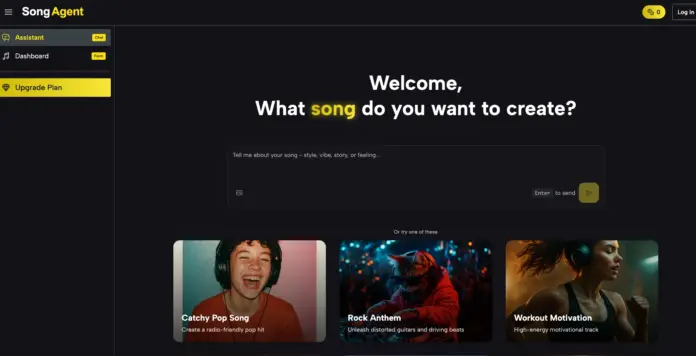
Some newsrooms and independent motorsport outlets have started solving this with an AI Music Agent, generating original race-day scores instead of pulling from the same handful of stock tracks every rival outlet is also using. For teams working on tight deadlines with small staff, that shift is proving to be more than a convenience.


The Deadline Problem Behind Every Race Recap Video

A Sunday race that ends at 3 PM needs a highlight reel published by early evening if it is going to catch peak traffic. That leaves a narrow window for editing, and music sourcing eats into it disproportionately. Editors either spend twenty minutes hunting through a stock library for something with the right energy, or they default to whatever track they used last week, which starts to make every recap sound interchangeable after a few races.

There is a competitive angle too. When three or four outlets are covering the same race and publishing highlight reels within hours of each other, the footage itself is often similar — broadcast angles, podium shots, the same overtakes everyone captured. Music becomes one of the few things that can differentiate one outlet’s coverage from another’s.


Matching Music to the Actual Rhythm of a Race Weekend

Racing footage has a specific emotional shape that most stock libraries were never built for — the tension of a formation lap, the chaos of a first-corner incident, the release of a podium celebration. A single generic “epic sports” track rarely captures all three of those moods within one recap, which is why edited race videos often feel musically flat even when the footage itself is exciting.


Three Places in a Race Weekend Production Where This Actually Gets Used

Editors who have adopted this workflow tend to reach for it in a few recurring spots across a typical weekend’s output.

  1. Qualifying and Practice Session Wrap-Ups

These sessions rarely have the drama of race day, but they still need a video wrap-up. A calmer, more analytical track — something that sounds like a briefing rather than a victory lap — fits this content better than the high-energy tracks reserved for race day, and generating something specifically for that tone avoids reusing race-day music in a context where it feels mismatched.

  1. Full Race Highlight Reels

This is where an AI Song Agent gets used most heavily, since a full recap usually needs a track with several distinct sections — a slow build during the formation lap, tension through the midrace battles, and a triumphant close for the podium. Rather than stitching together two or three separate stock tracks and dealing with awkward transitions, editors can generate one continuous piece built around that arc.

  1. Post-Race Podcast and Show Intros

Motorsport podcasts and post-race shows need a consistent intro theme, something recognizable enough that listeners associate it with the show itself. A generated theme can be produced once, refined over a few iterations, and then reused week after week — functionally similar to commissioning a custom jingle, but without the cost or turnaround time of hiring a composer.

  1. Season Recap and Year-in-Review Specials

Longer format specials covering an entire season need music that can sustain interest over eight or ten minutes without becoming repetitive, often shifting mood several times to match different storylines within the season. These pieces benefit the most from custom-length generation, since almost no stock track is built to run that long without looping obviously.

6a5f415af38e0.webp

Rights and Licensing Concerns for Publishers

Motorsport media outlets, especially ones affiliated with broadcast rights holders or sanctioning bodies, tend to be cautious about anything that could trigger a copyright dispute on a monetized platform. Original generated music sidesteps the licensing ambiguity that comes with many “royalty-free” catalogs, where terms can be looser than they appear and enforcement inconsistent across platforms. For outlets publishing daily and relying on ad revenue from video content, avoiding even occasional takedowns or demonetization events adds up to real savings over a season.


How This Compares to Working With a Freelance Composer

Before generation tools existed in a usable form, an outlet that wanted a genuinely original score had one real option: commissioning a freelance composer. That path still exists and still produces excellent results for flagship content, like a season finale documentary or a major sponsored feature. But it is not a realistic option for a weekly recap video with a same-day turnaround, since even a fast composer needs days, not hours, to deliver something polished.

Generated tracks fill the gap between “reused stock music” and “commissioned original score.” They are not a replacement for a composer working on a flagship piece, but for the bulk of weekly production — recaps, wrap-ups, social clips — they offer something closer to bespoke music at a speed that actually matches a newsroom’s publishing schedule. Several editors who have tried both describe it as similar to the shift from waiting on a freelance photo editor to retouching images in-house: not a total replacement for specialist work, but a way to handle the routine volume without bottlenecking every publish.


What Smaller Motorsport Outlets Gain From This Shift

Independent motorsport blogs and regional racing coverage sites have historically struggled to match the production polish of major broadcasters, simply because they lack the budget for a dedicated audio team. That gap has been one of the more visible differences between amateur and professional-feeling race coverage, even when the writing and camera work are comparable.

Custom, mood-matched music closes part of that gap without requiring new hires or new budget lines. A two-person outlet covering a regional touring car series can now produce a recap video with a score that sounds intentional rather than generic, something that previously required either a music budget or a staffer with production skills on the side. Over a full season, that difference shows up in how professional the outlet’s video content feels compared to competitors still relying on the same handful of stock tracks everyone else uses.


A Quick Note on Workflow Integration

For editors weighing whether to add this step to an already tight Sunday schedule, it is worth noting that the generation step tends to run in parallel with editing rather than blocking it. A typical approach is to start a rough cut of the footage, describe the needed track partway through that process, and let the generation happen while the edit continues in the background. By the time the visual edit is locked, a usable track is often already sitting in the project folder, ready to drop in rather than something the team has to stop and wait on.


Conclusion

Race weekends move fast, and the outlets that keep up are usually the ones that have trimmed friction out of every step of production, not just the writing and filming. Music sourcing has quietly been one of the slower steps in that chain for years, largely because it was treated as an afterthought rather than a production stage worth optimizing. Outlets experimenting with generated soundtracks are finding that the time saved compounds over a full season, especially for smaller teams without a dedicated audio editor on staff. Whether it is a five-minute qualifying wrap-up or a full season retrospective, having a way to produce a fitting, rights-clean track on the same afternoon as the race is becoming less of an experiment and more of a standard part of the motorsport media workflow.

How to Find a Compatible Replacement Screen for Your Laptop

Photo by Ashkan Forouzani on Unsplash

A broken or malfunctioning laptop display can’t necessarily be swapped for any panel that happens to be the same size; two displays labeled as 15.6 inches can vary in screen resolution, display connector, mounting holes and touch functionality. If you want to replace a defective screen, you need to know both the make and model of the laptop and the specific display it includes.

Start With the Exact Laptop Model

To get the correct number, look on the sticker underneath the notebook, in the system’s BIOS, or in the manufacturer’s utility programs. A generic line such as “HP Pavilion 15″ or “Dell Inspiron 14″ might not be accurate, because there may be several hardware variations within a given line.

Dell laptops use the Service Tag to verify their original configuration and compatible parts. When searching Dell’s parts catalog, enter the Service Tag or part number to search for your specific system. Likewise, for Lenovo devices, use Lenovo’s Parts Lookup service based on the device serial number to see what parts are compatible.

Check the Model Number on the Original Screen

More often than not the most useful reference is the number printed on the back of the panel itself. You can get to it by pulling off the bezel and lifting the screen out of the lid. The number will look like B156HAN02.1, LP156WFC-SPD1, NV156FHM-N4K, or something along these lines.

A replacement isn’t always going to have the same model number. Most of the time, panel manufacturers make interchangeable models with the same specs. However, the seller should verify for you that the replacement is equivalent. LaptopScreen.com suggests finding the screen’s model number from the back label instead of ordering off a picture.

It is necessary that you disconnect the charger and battery from the system before the display cable is unplugged. When the battery cannot be disconnected without further disassembly, screen replacement is better left to a technician.

Match the Important Screen Specifications

Compare these details before ordering.

  • screen size and aspect ratio;
  • native resolution;
  • connector pin count and interface;
  • connector position;
  • mounting brackets or screwless mounting design;
  • touch or non-touch construction;
  • refresh rate, especially on gaming laptops.

Simply matching the diagonal size won’t ensure a compatible fit; while a 30-pin connector typically won’t fit a 40-pin connector, even an identical pin count doesn’t guarantee you will be able to swap the panel. Some 40-pin displays will have incompatible pinouts for the touchscreen or different eDP pins for higher resolutions or LVDS pins for older displays.

Do Not Assume a Higher Resolution Will Work

Replacing the 1366 x 768 panel with the 1920 x 1080 one might seem an easy fix, but in actual it is not always possible to do this, considering that the display cable, connectors, wiring, motherboard and firmware also has to support this panel.

If the higher resolution display wasn’t sold with the laptop from the same vendor, you might want to consider the stock resolution. It is not advisable to take the risk unless the vendor has verified compatibility for your specific laptop model and cable to use the higher resolution display.

It’s the same with refresh rate. A 144Hz screen is not necessarily going to work with a laptop that has had a 60Hz one fitted at the factory, even if it’s the same size and resolution.

Check Touchscreen and Mounting Differences

You can’t simply swap out touch and non-touch screens since you need more parts. The touchscreen connector, or cable, or lid, or bezel, or complete display may be different. Some laptops have the LCD panel, touch and the glass all glued together.

The mounting system is another factor. Older screens are typically supplied with metal brackets that have screw holes, whereas many newer screens have adhesive tape instead, or no brackets at all. If you have a screen with the incorrect mounting type, it may work electrically, but it simply will not be possible to mount it properly in the lid.

Where to Verify Screen Compatibility

The catalogs like Zeto.ua can facilitate the replacement choice by laptop, panel number, resolution, connector and mounting. Zeto is for technical data and panel format comparison, it can search using a laptop or LCD model name.

It is better to utilize both of these tools instead of solely relying on a product description like “screen for Lenovo 15.6 inch laptop”. The specs should match in size, resolution, connector type, connector location, touch, and mount style. LaptopScreen.com also warns of confirming size, resolution, and connector type before purchase.

As a final verification step, you can consult the laptop vendor’s parts list via the serial number or the Service Tag. It will show you the original LCD part number, along with all the monitor choices made for your model at the time of purchase.

Common Ordering Mistakes

The most typical error we see is customers buying a laptop screen based on the laptop series. Other mistakes include checking the connector pin count but not the interface, treating all full HD screens as the same, or buying from a picture.

Ensure your listing identifies the panel model or lists confirmed compatible panel models, including resolution, connector, mounting type, finish, and touch capability. Do not list a panel only by the brand and diagonal size.

Final Check Before Ordering

If you plan to replace a screen with a compatible replacement, make sure the replacement panel is electrically and mechanically compatible. Check your laptop model and the number on the existing panel, and compare resolution, connector, mounting system, and touch.

If any of these are unclear, get the seller to match the laptop model and original screen number. Don’t just match the looks.

Spire Motorsports Brickyard 400 Race Advance

  • In eight previous NASCAR Cup Series starts at Indianapolis Motor Speedway, Spire Motorsports has one top-10 and four top-15 starts. Carson Hocevar earned a 10th-place finish in the 2025 event at the historic 2.5-mile track. Spire Motorsports fields the No. 7, 71 and 77 for Daniel Suárez, Michael McDowell and Hocevar, respectively.
  • The Brickyard 400 will be televised live on TNT Sunday, July 26 beginning at 2 p.m. Eastern Daylight Time. The 22nd of 36 points-paying races on the 2026 NASCAR Cup Series calendar will also be broadcast live on the IMS Radio Network and SiriusXM NASCAR Radio Channel 90.

Daniel Suárez – Driver, No. 7 Spire Motorsports Chevrolet Camaro ZL1

  • Daniel Suárez will pilot Spire Motorsports’ No. 7 Freeway Insurance Chevrolet ZL1 in Sunday’s Brickyard 400 at Indianapolis Motor Speedway (IMS).
  • Freeway Insurance was established in 1987 and is one of the largest and fastest-growing personal lines insurance brokers in the United States, offering coverage through a “click, call, or come in” approach that connects customers nationwide. The company continually researches, grows, and diversifies its product offerings to stay responsive to the evolving insurance market. Freeway provides a wide range of options – from basic to premium coverage – in auto, truck, commercial vehicle, homeowners, renters, small business, motorcycle, recreational vehicle, fire, and flood insurance. In 2008, Freeway Insurance became part of Confie, the nation’s leading personal lines insurance distribution company. Customers can access Freeway Insurance through neighborhood offices, online at www.freeway.com, or by calling (800) 300-0227.
  • Indy Powersports will be featured on lower-rear quarter panels of Suarez’s No. 7 Chevy this weekend. Indy Powersports features Polaris Off-Road Vehicles, Polaris Slingshots, and Indian Motorcycles and is the oldest Polaris® dealer in the greater Indianapolis area. Conveniently located in the northwest corner of Indianapolis with quick access from I-70 and the Ronald Reagan Expressway in beautiful Avon, Ind., Indy Powersports is easy to find and ready to serve its customers.
  • The Monterrey, Mexico native has made six starts at IMS, where he’s earned a pair of top-10 finishes at the legendary 2.5-mile oval. He owns an average starting position of 24.7 and an average finish of 15.2, with his best result coming in 2017 when he earned a seventh-place finish. His 27th-place finish at Indianapolis last season was an outlier, as 2025 marked the only time in his six IMS starts he finished outside the top 20.
  • Suárez earned the pole for the 2023 Indianapolis Grand Prix with a qualifying lap of 87.968 seconds (99.814 mph), marking his first pole of the season and the third of his NASCAR Cup Series career. He went on to lead eight laps, earn stage points with a sixth-place finish in Stage 1 and a 10th-place finish in Stage 2, and ultimately finish third.
  • Suárez owns a pair of starts in the NASCAR O’Reilly Auto Parts Series at Indianapolis, earning one top-five and two top-10 finishes from 2015-2016.
  • Last week at North Wilkesboro, Suárez earned a 10th-place finish in Stage 2 and briefly took the race lead before a green-flag pit stop on Lap 385 left him one lap down. He rallied to finish ninth, securing his sixth top-10 result of the season.
  • The 2026 Coca-Cola 600 winner is having a breakout season on the strength of one win, two top-five and six top-10 finishes and currently sits 11th in points with 14 races remaining to determine this year’s champion. Meanwhile, Suárez has averaged a 14.6 finish across 21 races so far and has only finished outside the top 20 four times.
  • Suárez is a veteran of 344 Cup Series starts and has notched three wins (Sonoma, June 2022; Atlanta, Feb. 2024; Charlotte, May 2026,) 26 top fives and 81 top-10s in NASCAR’s premier division. He’s led 946 laps and earned three poles since making his series debut in 2017.
  • Daniel Suárez Quote

As you prepare for Indianapolis, what’s the biggest focus for you and the team?
“Indianapolis is one of those places that is special for every driver. When you get here, you can feel the history and everything this track means to our sport, but once we get on the track, it’s all about doing our job. We have to learn as much as we can, make our Chevrolet have the balance it will need for the race during our practice session, qualify in a good position and execute all day with no mistakes. If we can do that and put ourselves in contention at the end, I like our chances to fight for the win.”

Ryan Sparks – Crew Chief, No. 7 Spire Motorsports Chevrolet Camaro ZL1

  • Ryan Sparks is the crew chief for Spire Motorsports No. 7 Chevrolet Camaro ZL1 and driver Daniel Suárez in the NASCAR Cup Series. Sparks has called 223 Cup Series races where he’s earned one win, six top-five and 16 top-10 finishes since keying the mic in 2020 for his first race in NASCAR’s premier division.
  • In total, Sparks has called three Indianapolis Motor Speedway races, where he earned a venue-best 11th-place finish last season with Justin Haley at the controls.
  • Sparks joined Spire Motorsports in 2021, where he served as both Crew Chief and Competition Director, leading the organization’s competitive and technical efforts. In 2026, Sparks serves in a singular role as crew chief for Daniel Suárez. He brings more than a decade of experience across all three national series, highlighted by 13 seasons at Richard Childress Racing and contributions to title-winning campaigns in the NASCAR CRAFTSMAN Truck Series (2011) and O’Reilly Auto Parts Series (2013).

Michael McDowell – Driver, No. 71 Spire Motorsports Chevrolet Camaro ZL1

  • Michael McDowell will pilot Spire Motorsports’ No. 71 NEFCO Chevrolet Camaro ZL1 in Sunday’s NASCAR Cup Series Brickyard 400 at Indianapolis Motor Speedway.
  • NEFCO is a family-operated, value-added construction supply company serving professional contractors nationwide. A leading provider of specialty construction products and solutions, NEFCO delivers contractor-centric services including extensive industry expertise, large local inventories, fast and dependable jobsite delivery, engineering services, and turnkey specialty fabrication and assembly—anchored by its SHARP® product portfolio. With more than 70 locations across the United States, NEFCO is committed to building a “championship team” environment where team members are empowered to deliver superior results for customers and communities. For more information, visit www.GoNEFCO.com.
  • McDowell has a 13 starts at the world-famous “yard of bricks” where he earned a venue-best seventh-place finish in 2020. Last year, he qualified 22nd and finished 30th after front-end damage stalled his effort.
  • The former open-wheel racer earned his second-career NASCAR Cup Series victory in 2023 on the speedway’s 2.439-mile road course, where he’s recorded one win and two top-10 finishes over three attempts. McDowell started fourth in the 2023 Verizon 200 at the Brickyard, led 54 laps, and won the race by nearly one second.
  • Downtown Indianapolis will swap its traditional street signs with driver names during this weekend’s festivities. McDowell’s name will greet fans at the intersection of E. Maryland Street and N. Pennsylvania Street, near Gainbridge Fieldhouse.
  • The 19-season Cup Series veteran is one of three drivers looking to win on both track configurations at IMS.
  • Last weekend at North Wilkesboro Speedway, the 41-year-old started 15th and finished 24th in the Cup Series’ first points-paying race at the track since 1996.
  • Group 1001, parent company of Delaware Life and Gainbridge, calls Zionville, Ind., home with its headquarters located less than 15 miles from IMS.
  • McDowell has collected two top-five and five top-10 finishes in 2026. Across the last 10 races, the 2021 Daytona 500 Champion holds an average finish of 16.1, while pacing the field two times for eight laps (Watkins Glen/Charlotte).
  • After 21 points-paying races on the 2026 calendar, McDowell is 20th in the Cup Series championship point standings. With five races remaining before NASCAR’s playoff format begins in September at Darlington (S.C.) Raceway, the No. 71 Spire Motorsports Chevrolet Camaro sits 83 points below the cutline.

Michael McDowell Quote
What would it mean to win on the oval and road course at Indianapolis Motor Speedway?
“Indy is such a special place for all drivers. Growing up, I always thought I’d be here running INDYCAR, not in a stock car but to have a win at Indy is something I’ll never forget. I came up through the Road to Indy program and ended up deviating from that to get to where I am today. Winning on the road course was nothing short of special, and I’m thankful I was able to share that moment with my family. This weekend is a date we have circled. We didn’t have the race we wanted last year after some early damage and just had to nurse it home, so we are looking for a little redemption in our No. 71 NEFCO Chevrolet Camaro.”

Travis Peterson – Crew Chief, No. 71 Spire Motorsports Chevrolet Camaro ZL1

  • Travis Peterson is the crew chief of Spire Motorsports’ No. 71 Chevrolet Camaro ZL1 in the NASCAR Cup Series with driver Michael McDowell.
  • Peterson will call his 135th Cup Series race this weekend at IMS. He made his debut in 2018 with Matt Kenseth at Homestead-Miami Speedway where the duo finished sixth.
  • Peterson earned his first career NASCAR Cup Series victory with Michael McDowell at the 2023 Verizon 200 at Indianapolis Motor Speedway where McDowell started fourth and led 54 laps before earning their first win as a driver-crew chief tandem.
  • Prior to his win with McDowell in 2023, Peterson earned back-to-back top-10 finishes at IMS as a race engineer for Ryan Newman (2021) and as crew chief for Chris Buescher (2022) on the IMS road course during his time with RFK Racing.

Carson Hocevar – Driver, No. 77 Spire Motorsports Chevrolet Camaro ZL1

  • Carson Hocevar will race Spire Motorsports’ No. 77 Zeigler Auto Group Chevrolet Camaro ZL1 in Sunday’s Brickyard 400 at Indianapolis Motor Speedway, his third start at “The Brickyard” in NASCAR’s premier division.
  • Zeigler Automotive Group is one of the largest privately-owned dealer groups in the U.S. with 88 franchises across 41 locations in Wisconsin, Illinois, Indiana, and Michigan. Vehicle brands represented include all the domestic and majority of the imported manufacturers. Besides its extensive automotive portfolio, the organization owns and operates Zeigler Motorsports, an 85,000-square-foot motorsports dealership and action park, offering 19 different powersports brands, plus its own onsite restaurant: Trak Houz Bar & Grill. Additionally, Zeigler Motorsports houses the Elevate Leadership & Team Building Academy, an executive training company. The Kalamazoo-based dealer group also owns three Byrider franchises, three finance companies, several insurance firms, and a leasing firm.
  • Through 21 races, the Portage, Mich., native sits seventh in points, just 18 markers out of sixth. His one win, five top fives, eight top 10s, 598 points scored, average starting position of 10.8 and 14.3 average finish are all career highs through the first 21 points-paying races of the season. The team’s average starting position has improved by over eight spots and their average finishing position is a whopping nine positions better compared to this point in 2025.
  • The 23-year-old driver is on pace to improve his average finish by 7.3 positions at the end of the season, the largest improvement among all drivers in the field.
  • In two previous Brickyard 400 starts, Hocevar owns a venue-best 10th-place finish in the 2024 edition of the 160-lap affair.
  • Last Sunday at North Wilkesboro Speedway, Hocevar started fourth and finished fifth and sixth in Stage 1 and Stage 2, respectively. He fell outside the top 10 while fighting a lack of grip and a tight-handling Chevy prior to the final green-flag stop of the night on Lap 360. He maintained track position in the closing laps to finish 13th.
  • The 2024 NASCAR Cup Series Rookie of the Year registered his first-career victory earlier this season at Talladega Superspeedway. He survived a late-race restart with three laps remaining and brought home the checkered flag to register Spire Motorsports’ second Cup Series win and first since the 2019 Coke Zero Sugar 400 at Daytona (Fla.) International Speedway.
  • Hocevar, who began racing quarter-midgets at nine years old, competed in multiple iterations of the Battle at the Brickyard, the largest quarter midget race in the world. He claimed several event titles in multiple divisions, in addition to his 79 national victories and 16 national championships.
  • The former Super Late Model standout is a victor of the prestigious Redbud 400 at nearby Anderson Speedway, located an hour northeast of IMS. In the 2020 event, he led 232 of the 400 laps en route to the win at the high-banked quarter-mile track.
  • Hocevar returns to the seat of Spire Motorsports’ No. 77 Chili’s Ride the ‘Dente dirt late model as the FloRacing Night in America Series visits Illinois’ Lincoln Speedway July 21.

Carson Hocevar Quote
You have expressed how Indianapolis is one of your favorite tracks. Why?
“I like Indy because it is so different compared to anywhere else. Growing up in the Midwest, the Indy 500 was the holy grail. Every kid who runs quarter midgets dreams of winning the Indy 500. Indianapolis is the epicenter of IndyCar, USAC and sprint car racing. It’s super fun to go there and have a shot at the Brickyard when we come to town. It is one of my favorite tracks to drive, let alone race. It is flat, smooth, and fast. You know how hard it is to win there.”

Luke Lambert – Crew Chief, No. 77 Spire Motorsports Chevrolet Camaro ZL1

  • Luke Lambert is the crew chief of Spire Motorsports’ No. 77 Chevrolet Camaro ZL1 in the NASCAR Cup Series with driver Carson Hocevar.
  • Lambert is in his third season at Spire Motorsports and fourth with Hocevar. The duo has logged two pole awards, one win, eight top-five and 23 top-10 finishes in 101 races.
  • The 43-year-old has called 10 Cup Series races at Indianapolis Motor Speedway, earning a venue-best third-place finish in 2017 with driver Ryan Newman. In total he has notched one top five and three top 10s at the famed venue.

About Spire Motorsports …
Spire Motorsports fields full-time entries in the NASCAR Cup Series, NASCAR CRAFTSMAN Truck Series and Interstate Batteries High Limit Racing.

The team, co-owned by longtime NASCAR industry executive Jeff Dickerson and TWG Motorsports CEO Dan Towriss, earned its inaugural NASCAR Cup Series victory in its first full season of competition when Justin Haley took the checkered flag in the Coke Zero Sugar 400 at Daytona (Fla.) International Speedway July 7, 2019. Less than three years later, William Byron drove Spire Motorsports’ No. 7 Chevrolet Silverado its first NASCAR CRAFTSMAN Truck Series win April 7, 2022, at Martinsville (Va.) Speedway. The team’s most recent victory came May 24, 2026, when Daniel Suárez won the NASCAR Cup Series Series’ Coca-Cola 600 at Charlotte (N.C.) Motor Speedway.

In 2026, Spire Motorsports campaigns the Nos. 7, 71 and 77 Chevrolet Camaro ZL1s in the NASCAR Cup Series and the Nos. 7 and 77 Chevrolet Silverado RSTs in the NASCAR CRAFTSMAN Truck Series. The Mooresville, N.C., organization also fields the No. 77 410 sprint car in Interstate Batteries High Limit Racing competition.

Spire Motorsports Indianapolis Raceway Park NASCAR CRAFTSMAN Truck Series Race Advance

  • In eight NASCAR CRAFTSMAN Truck Series starts at Indianapolis Raceway Park, Spire Motorsports has earned one pole, two top fives and five top 10s. Corey Day earned a runner-up result in the 2025 event at the controls of the team’s No. 7 HENDRICKCARS.COM Chevrolet.
  • The 200-lap race will be televised live on FS1 Friday, July 24 beginning at 8 p.m. Eastern Daylight Time (EDT). The 16th of 25 points-paying races on the 2026 NASCAR CRAFTSMAN Truck Series schedule will be broadcast live on the NASCAR Racing Network and SiriusXM NASCAR Radio Channel 90.

Connor Mosack – Driver, No. 7 Spire Motorsports Chevrolet Silverado RST

  • Connor Mosack will pilot Spire Motorsports’ No. 7 Friends of Jaclyn Chevrolet Silverado RST in Friday’s NASCAR CRAFTSMAN Truck Series race at Indianapolis Raceway Park (IRP).
  • The Friends of Jaclyn Foundation’s mission is to improve the quality of life for children battling pediatric brain tumors and other childhood cancers and to raise awareness through their Adopt-A-Child, Safe on the Sidelines and Guardian Angel Programs.
  • Through six 2026 NASCAR CRAFTSMAN Truck Series starts, Mosack has earned one top-five and three top-10 finishes. His best result came at Darlington (S.C.) Raceway, where the 27-year-old qualified 10th and finished fifth in his second start of the season with Spire Motorsports.
  • Last season, in his lone CRAFTSMAN Truck Series start at Indianapolis Raceway Park, Mosack drove McAnally-Hilgemann Racing’s No. 81 Chevrolet to a 17th-place finish. The Charlotte, N.C., native was the highest finishing rookie in the 200-lap event.
  • In two previous ARCA Menards Series starts at IRP, Mosack finished fifth in 2022 and sixth in 2025.
  • Mosack will return to the No. 7 Chevrolet Silverado next month at New Hampshire Motor Speedway. He will round out his 12-race Spire Motorsports’ schedule at Bristol (Tenn.) Motor Speedway (Sept. 17), Charlotte (N.C.) Motor Speedway (Oct. 9), Phoenix Raceway (Oct. 16), and Homestead-Miami (Fla.) Speedway (Nov. 6).
  • Mosack will be at the controls of Spire Manufacturing chassis SMT-086 Friday night. This is the same Chevy Silverado Kyle Busch drove to Victory Lane last May at Dover (Del.) Motor Speedway where he led a race-high 147 laps.

Connor Mosack Quote
IRP is one of the more technical short tracks on the schedule. From a tactical standpoint, how do you approach the racetrack?
“I like IRP because you have a lot of options to make speed and it’s a wide racetrack that allows you to run from the wall all the way down to the grass on the apron. We had really strong, long-run speed there last year, so hopefully we can back that up this weekend.”

Brian Pattie – Crew Chief, No. 7 Chevrolet Silverado RST

  • Brian Pattie is the crew chief of Spire Motorsports’ No. 7 Chevrolet Silverado RST, an entry that will see a selection of all-star caliber drivers behind the wheel throughout the 2026 season.
  • Over the first 15 races of the year, Spire Motorsports’ No. 7 team has compiled two poles, two wins, five top-five and nine top-10 finishes. Meanwhile, the Pattie-led effort has recorded a 7.3 average start, an 11.3 average finish and led 296 laps.
  • Pattie has called the shots in three CRAFTSMAN Truck Series races at IRP, highlighted by a runner-up result with driver Corey Day last season.
  • In NASCAR O’Reilly Auto Parts Series competition, the Zephyrhills, Fla., native led Reed Sorenson to third and second-place results at IRP in 2005 and 2006, respectively, during his time with Chip Ganassi Racing.
  • Last weekend at North (N.C.) Wilkesboro Speedway, Pattie guided Chase Elliott to a seventh-place finish in the FaithFest 250. Elliott made up three positions over the final 100 laps to earn the team’s ninth top 10 of the season.

Nick Sanchez – Driver, No. 77 Spire Motorsports Chevrolet Silverado RST

  • Nick Sanchez will race Spire Motorsports’ No. 77 Delaware Life Chevrolet Silverado RST in Friday’s CRAFTSMAN Truck Series race.
  • Delaware Life is an insurance and annuity company that empowers financial professionals with a wide array of customizable solutions. A subsidiary of Group 1001 Insurance Holdings LLC, Delaware Life focuses on delivering a seamless experience for advisors. The company understands how important it is to find the right fit for every client, every situation and every individual need. Delaware Life is passionate about equipping advisors with annuities that give their customers peace of mind and a successful future, allowing them to plan, with confidence, for whatever’s next.
  • Sanchez returns to Truck Series competition this weekend for his first start with Spire Motorsports in 2026. During his two full-time seasons, Sanchez qualified for the NASCAR CRAFTSMAN Truck Series Playoffs in both 2023 and 2024, advancing to the Round of 8 each year.
  • The Miami, Fla., native will pull double duty this weekend and also race Peterson Racing’s No. 87 Chevrolet in Saturday’s 100-lap NASCAR O’Reilly Auto Parts Series race at Indianapolis Motor Speedway.
  • In 47 CRAFTSMAN Truck Series starts, the 25-year-old has recorded seven poles, two victories, 13 top-five and 26 top-10 finishes. Sanchez earned wins at Daytona (Fla.) International Speedway and Charlotte (N.C.) Motor Speedway during the 2024 season, leading 391 laps in Truck Series competition.
  • Sanchez has proven to be a strong contender at Indianapolis Raceway Park, earning two top-10 finishes in three career starts across CRAFTSMAN Truck Series’ and ARCA Menards Series’ competition. The 25-year-old has posted Truck Series finishes of 10th and 11th, while finishing seventh in his lone ARCA Menards Series start.
  • Sanchez will be at the controls of Spire Manufacturing chassis SMT-087 Friday night. This is the same truck Connor Zilisch raced to a third-place showing in May’s North Carolina Education Lottery 200 at Charlotte Motor Speedway.

Nick Sanchez Quote
This is your first CRAFTSMAN Truck Series race with Spire Motorsports this season. How quickly do you expect to get comfortable with the team and what are your expectations for the weekend?
“The CRAFTSMAN Truck Series is always quite a bit different than the O’Reilly Auto Parts Series and that’s where I’ve spent the bulk of my time over the last year-and-a-half. I think the biggest thing that is going to help is it’s my old team from 2023 and 2024 when I ran in the Truck Series. I’ll see a lot of familiar faces, and I think just understanding how they set up the trucks and what their goals are, it should be easy to acclimate quickly.”

Chad Walter – Crew Chief, No. 77 Chevrolet Silverado RST

  • Chad Walter is the crew chief of Spire Motorsports No. 77 Chevrolet Silverado RST in the NASCAR CRAFTSMAN Truck Series, an entry that will see multiple all-star caliber drivers behind the wheel throughout the 2026 season
  • Walter has called three CRAFTSMAN Truck Series races at IRP. The Albion, N.Y., native led Rajah Caruth to top 10s in 2023 and 2024 in addition to winning the pole in 2024.
  • The Cornell University graduate played a part in Ron Hornaday, Jr.’s 2000 NASCAR O’Reilly Auto Parts Series victory at IRP when Walter worked in a shop engineer role at Dale Earnhardt, Inc. Hornaday led the final 49 laps en route to his second-career victory.

About Spire Motorsports …
Spire Motorsports fields full-time entries in the NASCAR Cup Series, NASCAR CRAFTSMAN Truck Series and Interstate Batteries High Limit Racing.

The team, co-owned by longtime NASCAR industry executive Jeff Dickerson and TWG Motorsports CEO Dan Towriss earned its inaugural NASCAR Cup Series victory in its first full season of competition when Justin Haley took the checkered flag in the Coke Zero Sugar 400 at Daytona (Fla.) International Speedway July 7, 2019. Less than three years later, William Byron drove Spire Motorsports’ No. 7 Chevrolet Silverado its first NASCAR CRAFTSMAN Truck Series win April 7, 2022, at Martinsville (Va.) Speedway. The team’s most recent victory came May 24, 2026, when Daniel Suárez won the NASCAR Cup Series’ Coca-Cola 600 at Charlotte (N.C.) Motor Speedway.

In 2026, Spire Motorsports campaigns the Nos. 7, 71 and 77 Chevrolet Camaro ZL1s in the NASCAR Cup Series and the Nos. 7 and 77 Chevrolet Silverado RSTs in the NASCAR CRAFTSMAN Truck Series. The Mooresville, N.C., organization also fields the No. 77 410 sprint car in Interstate Batteries High Limit Racing competition.