The modern push toward minimalism and effective property management has led many Ontario homeowners to reassess the contents of their garages and backyards. What often begins as a collection of “just-in-case” items—old machinery, outdated appliances, or a vehicle that hasn’t seen the 401 in years—eventually becomes a liability. Beyond the aesthetic clutter, these items represent stagnant capital that depreciates further with every winter season. In the Greater Toronto Area (GTA), where space is at a premium and municipal bylaws regarding derelict vehicles are strictly enforced, understanding how to efficiently liquidate these assets is a matter of both financial and logistical prudence.
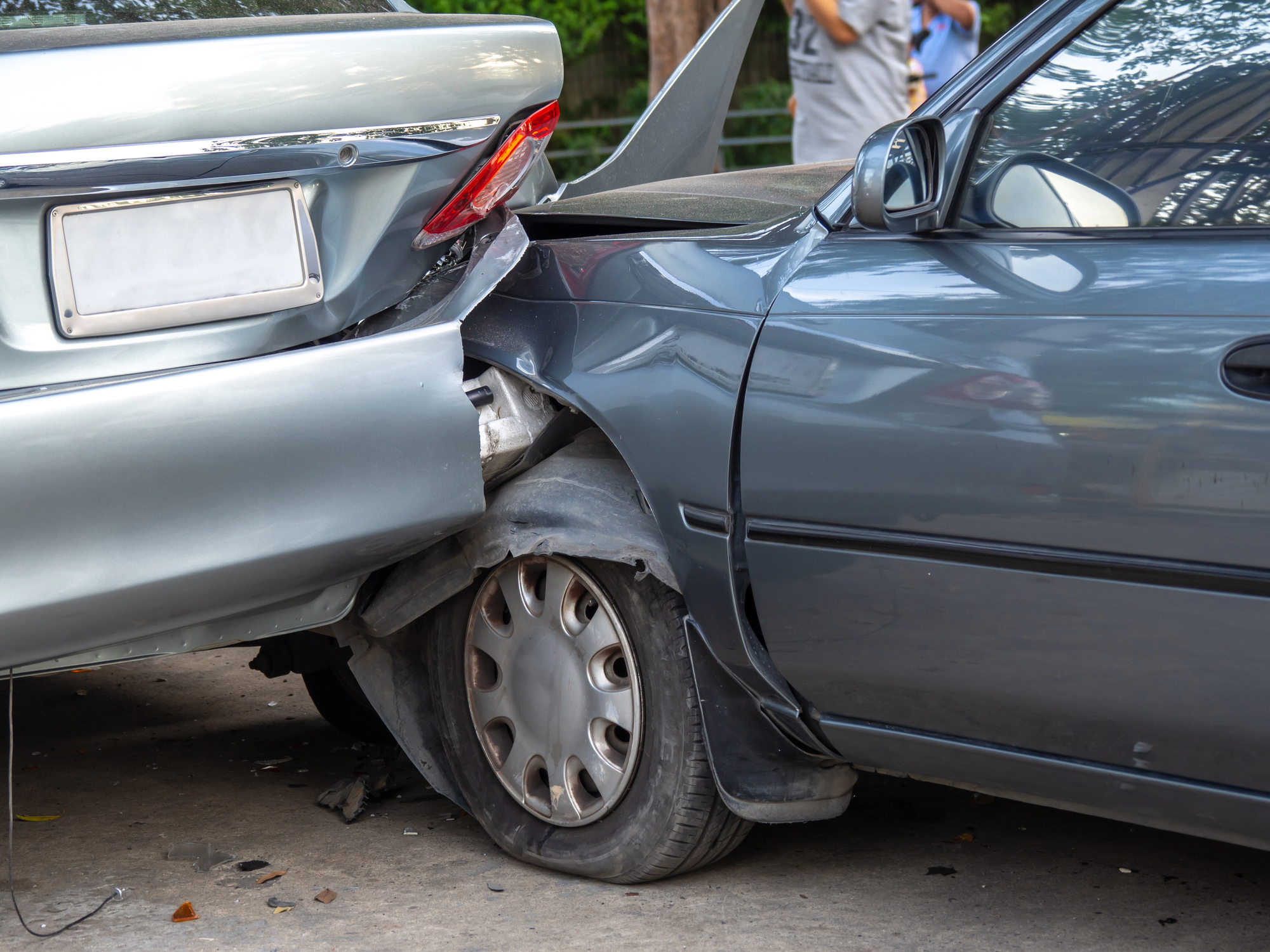
The transition from a cluttered property to a cleared one is often simpler than residents anticipate, particularly when dealing with end-of-life vehicles. Many owners are unaware that even a non-running sedan or a rusted-out pickup truck maintains a base floor value dictated by the global commodities market. For those looking to clear space and secure a fair market return, you can check current payouts and schedule a free pickup by visiting scrapcarsgta.ca directly. This process effectively converts an eyesore into liquid assets while adhering to provincial environmental standards for vehicle recycling.
Common Misconceptions Regarding Scrap and Salvage Value
One of the primary reasons homeowners hold onto “trash” is a fundamental misunderstanding of what constitutes value in the secondary market. There is a persistent myth that a vehicle or a piece of heavy equipment must be functional to be worth more than a nominal sum. In reality, the valuation of scrap assets is built on three distinct pillars: weight, component demand, and precious metal content.
In our analysis of the GTA scrap market, we frequently encounter sellers who assume a “blown engine” means zero value. However, the steel frame, aluminum components, and lead-acid batteries all have set market rates. Furthermore, the catalytic converter contains PGMs (Platinum Group Metals) like palladium and rhodium. While values fluctuate based on the London Metal Exchange (LME) prices, a mid-sized SUV typically yields a predictable range of scrap value regardless of its mechanical state.
Table: Estimated Value Factors for Scrap Assets in Ontario
| Asset Category | Primary Value Driver | Typical GTA Market Range (EST) | Potential “Hidden” Value |
| Compact Sedan | Ferrous Steel Weight | $300 – $600 | Aluminum Rims / Radiator |
| Full-Size Pickup | Heavy Gauge Steel | $600 – $1,100 | Large Catalytic Converters |
| Heavy Appliances | Mixed Metals | $10 – $50 (Bulk) | Copper Wiring / Motors |
| Industrial Machinery | Cast Iron / Specialized Alloys | Variable by Weight | Hydraulic Components |
What Ontario Regulations Actually Say About Vehicle Disposal
Navigating the legalities of selling a scrap vehicle in Ontario is often perceived as a bureaucratic hurdle, but the “Red Tape” is actually a consumer protection mechanism. The Ministry of Transportation (MTO) and ServiceOntario have specific requirements to ensure that the transfer of ownership is absolute, protecting the seller from future liabilities such as parking tickets or environmental fines.
A common error we observe is the failure to properly handle the Used Vehicle Information Package (UVIP). While a scrap buyer may not require a “Safety Standards Certificate” (as the car is intended for recycling), the seller is legally obligated to provide a UVIP in most private transactions. However, when dealing with licensed salvors, the focus shifts to the “Application for Transfer” on the back of the vehicle permit (the green portion). It is vital to sign only the portion that transfers the “vehicle” portion and to retain your license plates. In Ontario, the plates belong to the individual, not the car, and can be returned to ServiceOntario for a pro-rated refund on any remaining validation stickers.
The Realistic Workflow for Property Decluttering
Transitioning from a cluttered backyard to an empty one requires a systematic approach. Many residents attempt to “part out” vehicles themselves, thinking they will maximize profit. Experience suggests this is often a tactical error for the average homeowner. Removing a transmission or an alternator without specialized tools and a concrete pad often leads to soil contamination from fluids like glycol or transmission fluid—violations that can result in significant fines from the Ministry of the Environment, Conservation and Parks.
The most efficient workflow observed in the industry involves a three-step assessment:
- Segregation: Separate non-metallic waste from high-value scrap (copper, brass, and aluminum).
- Documentation: Locate the ownership (Permit) for any vehicles. If the permit is lost, a replacement must be obtained from ServiceOntario for a nominal fee ($32) before a legal transfer can occur.
- Professional Extraction: Utilize a service that provides integrated towing. In the GTA, the cost of hiring an independent tow truck can range from $100 to $250, which can eat 50% of a scrap car’s value. Using a buyer who includes “free towing” is the most effective way to preserve your profit margin.
Edge Cases: Liens, Estate Sales, and Non-Runners
Not every scrap deal is straightforward. We often see “friction points” arise when the vehicle’s history is complicated. If a vehicle has a lien (an outstanding debt) against it, it cannot be legally scrapped or sold. Professional buyers will run a VIN check through the Personal Property Security Register (PPSR) to confirm the title is clear.
In the case of estate sales, where the owner is deceased, the executor of the estate must provide the death certificate and the will (or probate documents) to authorize the sale. While this adds a layer of complexity, it is a routine process for experienced recycling firms in the GTA. Furthermore, for “non-runners”—vehicles that are sunk into the mud or have seized wheels—it is essential to communicate this to the towing dispatcher. Special equipment, like a flatbed with a high-angle winch or “dollies,” may be required to prevent damage to your driveway or lawn during the extraction.
Reclaiming Your Property and Capital
The decision to dispose of an old vehicle or a collection of scrap metal is rarely just about the money; it is about reclaiming the utility of your property. Whether you are preparing a house for sale in a competitive market like Richmond Hill or simply tired of the rust streaks on your North York driveway, the “trash to treasure” transition is a proven method for generating extra cash while simplifying your life.
In the current economic climate, where the cost of living in the GTA continues to rise, ignoring $500 to $1,000 worth of metal sitting in your yard is a luxury few should afford. By following the provincial guidelines for ownership transfer and choosing a reputable service that understands the local landscape, you can ensure a seamless, profitable, and environmentally responsible exit for your end-of-life assets. The most successful sellers we analyze are those who act decisively before the next Ontario winter further degrades the asset’s condition.