Most drivers wash their car when it looks dirty. However, the harm that accrues over time is often the type that is not immediately apparent. Every time you drive a long distance, everything from road grime to sun exposure takes its toll on your vehicle. If you are aware of what is going on, you can minimize damage to your vehicle and save money in the end. This article will clarify the unnoticed effects of road grime, UV rays, and regular driving and what you can do to counteract each one.
Road Grime Does More Than Look Dirty
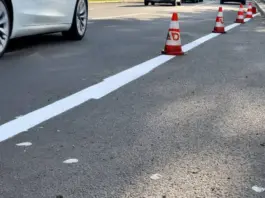
Road grime consists of oil, brake dust, dust, tar, and road salt. Will adhere to your paint and wheels! It has the potential to wear away the finish over time and to leave a fine layer of scratches when cleaned and dried. Even worse, salt accelerates the rusting process on the underbody and wheel wells. Grime also helps to hold moisture near the metal, allowing rust to get a start.
The Paint Slowly Fades Under the UV Rays
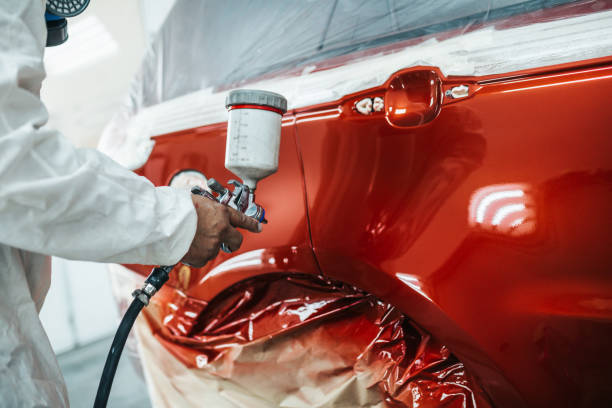
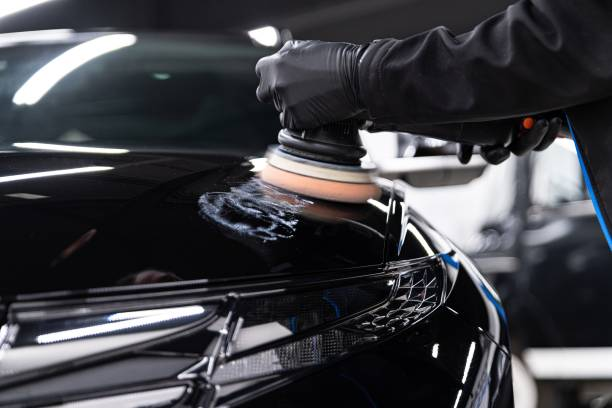
The UV rays will degrade the clear coat on your paint. Once that layer weakens, the color underneath starts to fade and look chalky. That is why the roof and hood will be the spot that has the worst appearance compared to the rest of the car. Headlights and plastic trim are not spared either, and they frequently yellow or gray. Many car owners turn to professional auto detailers for paint correction and protective coatings that act like sunscreen for the finish. Regular care keeps that top layer strong for years.
Your Interior Takes a Beating Too
Sunlight does not only hurt the outside. It warms the cabin and dries leather seats. It may also cause the dashboard to crack and fade plastic trim. Over time, spilled drinks, crumbs, and sweat contribute to the buildup of bacteria and odors. Tint can reduce the amount of harmful UV light that is transmitted through the glass, and can also be used to help keep the interior cooler. This is worsened by pet hair or food spills.
It is important to remember that everyday driving is a hidden wear.
Stressful conditions such as short trips, stop-and-go traffic, and rough roads add stress you are not aware of. Fungus and bird life excretions are acidic and can cause paint to deteriorate in days. Rust enters through tiny “grain boundaries” in the small rock chips. Brake dust can adhere to wheels and cause pitting if not removed. These little things will accumulate over the months and decrease the value of your car.
Tires, Glass, and Rubber Also Suffer
The sun and dirt are not deterred by the paint. Water and noise can seep in through rubber seals on doors and windows that become cracked and dry. The heat and chemicals in the road cause small cracks in the sidewall of the tires. The oil and dirt that collect on glass will be the source of glare at night, which will make driving less safe. These parts will work longer if they are cleaned and conditioned.
Why Regular Washing Is Not Enough
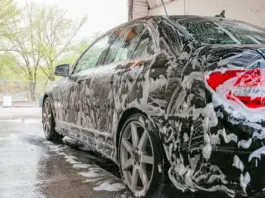
A good wash will get rid of surface dirt, not the dirt that is bound to the paint. Swirl marks can also be left by automatic washes. Hand washing, clay treatment, and wax or sealant go deeper and add a protective layer. Next time, it will be easier to remove dirt from that layer. Professional products can also reach areas that home washing often misses.
Simple Habits That Protect Your Car
Just a few simple routines can make a big difference. Clean the car regularly (every 2 weeks or so) and remove salt from the car during winter. Park in the shade or under a sunshade. Immediately clean bird droppings and bugs. Clean the interior frequently with a vacuum and use a UV-safe cleaner to clean the dashboard. Schedule a full detail once or twice a year.
Conclusion
Daily driving, UV rays, and road grime over time affect the appearance and durability of your car. Fortunately, many of these damages can be prevented. Taking the right steps in terms of washing, smart parking, and proper protection, your vehicle can retain its shine and value for many years.