Deciding whether to patch or replace a flat tire depends on the size, location, and severity of the damage. Small punctures in the tread area (less than 1/4 inch) can often be safely repaired, while sidewall damage or larger punctures typically require replacement. Regular maintenance, like tire pressure checks and rotations, can help prevent flats. Understanding these factors ensures safer driving and prolongs tire life.
Table of Contents
- Understanding Tire Damage: What Can Be Repaired?
- When to Replace Your Tires Instead of Repairing Them
- Benefits of Professional Tire Repair Services
- Cost Comparison: Patch vs. Replace
A flat tire is more than just an inconvenience; it’s an immediate safety concern that demands immediate attention. Whether it’s caused by a nail, a pothole, or wear and tear, drivers are often left wondering if a simple repair will suffice or if it’s time for a replacement. While some tire damage can be repaired with a patch, other tire situations require professional advice.
For instance, services like flat tire repair ensure your vehicle remains safe and roadworthy. In this guide, we’ll explore how to assess tire damage, when to patch or replace it, and provide tips to avoid future flats. By understanding these key factors, you can make informed decisions that prioritize both safety and cost-efficiency.
Understanding Tire Damage: What Can Be Repaired?
Not all tire damage requires immediate replacement. In many cases, a flat tire can be safely repaired, saving you time and money. However, understanding what qualifies for repair is crucial to ensuring your safety and the longevity of your tires.
Small Punctures Are Fixable
Punctures caused by nails, screws, or other sharp objects are common culprits of flat tires. If the puncture is located in the tread area, where the tire makes contact with the road, and measures less than 1/4 inch in diameter, it can often be patched effectively. A proper repair involves removing the tire from the rim, inspecting the damage, and applying an airtight seal to prevent future air leaks.
Sidewall Damage Requires Replacement
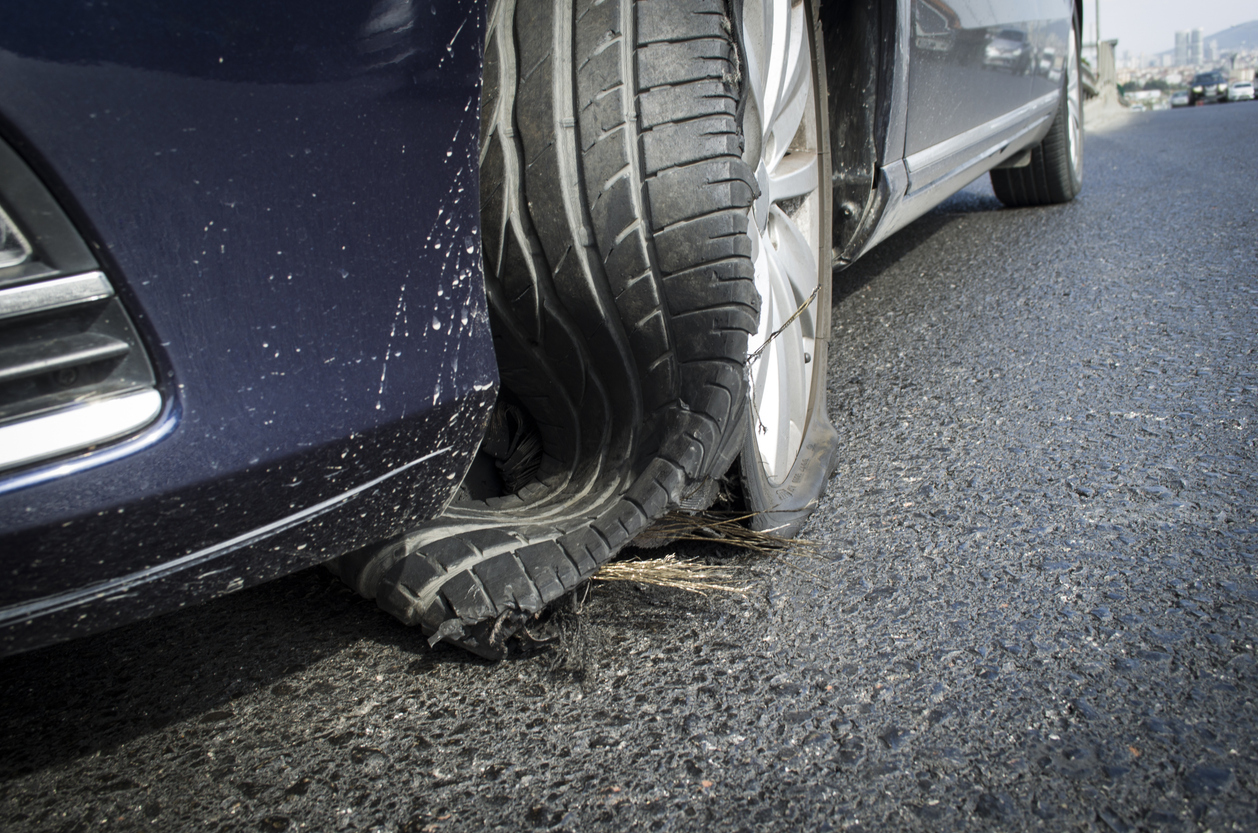
The sidewall of a tire plays a critical role in maintaining structural integrity. Unfortunately, damage here – such as cuts, bulges, or cracks – isn’t repairable. Sidewall injuries compromise the tire’s ability to hold air pressure and handle stress, making replacement the only safe option. Always prioritize safety over cost when dealing with sidewall issues.
Age and Tread Wear Matter
Even if a puncture is small enough to repair, the overall condition of your tire matters. If your tires are nearing the end of their lifespan (with tread depth below 2/32 inches) or are more than six years old, patching may not be worth the investment. At this stage, replacing the tires ensures better performance and reduces the risk of another flat.
Multiple Punctures Are Problematic
Tires with multiple punctures close together (within a few inches of each other) are challenging to repair effectively. The proximity of the damage weakens the tire’s structure, increasing the likelihood of failure even after patching. In such cases, opting for replacement is the smarter choice.
When to Replace Your Tires Instead of Repairing Them
While patching a tire can be a cost-effective solution in some cases, there are clear scenarios where replacement is the only safe and practical option. Understanding these situations helps you avoid unnecessary risks and ensures your vehicle remains reliable on the road.
Sidewall Damage Is a Red Flag
The sidewall of a tire is a critical component that supports the vehicle’s weight and maintains its structural integrity. If you notice cuts, bulges, cracks, or bubbles in this area, it’s a sign of internal damage that compromises safety. Unlike tread punctures, sidewall injuries cannot be repaired because they weaken the tire’s ability to hold air pressure. Driving on a damaged sidewall increases the risk of blowouts, which can lead to dangerous situations, especially at high speeds.
Large Punctures Are Beyond Repair
Punctures larger than 1/4 inch in diameter are generally not repairable. The larger the hole, the more difficult it is to create an airtight seal, making the tire prone to slow leaks or sudden failures. Even if a temporary fix seems to work, the risk of further damage outweighs the short-term savings. In such cases, replacing the tire is the safest course of action.
Excessive Wear Signals End of Life
Tires with significant tread wear, especially those nearing the legal limit of 2/32 inches, are no longer suitable for repairs. At this stage, the rubber has thinned considerably, reducing its ability to handle stress and pressure. Patching a worn-out tire may lead to uneven wear or even failure under normal driving conditions. Replacing old tires ensures better grip, improved fuel efficiency, and enhanced safety.
Multiple Punctures Close Together
If your tire has multiple punctures within a few inches of each other, repairing them becomes impractical. The proximity of the damage weakens the tire’s structure, increasing the likelihood of air leaks or blowouts. Attempting to patch such tires compromises their durability and performance, making replacement the wiser choice.
Visible Signs of Aging
Even if your tires haven’t suffered specific damage, age can render them unsafe. Over time, the tire rubber degrades due to exposure to heat, sunlight, and other environmental factors. Cracks, dry rot, or brittle rubber are telltale signs that your tires need replacing. Most experts recommend replacing tires every six years, regardless of tread depth, to ensure optimal performance and safety.
Benefits of Professional Tire Repair Services
While some drivers may choose DIY solutions to fix their flat tires, professional tire repair services offer unmatched expertise and precision. These services will address the immediate tire issue but also enhance your vehicle’s overall performance and safety. Here’s how professional assistance can make a difference:
Tire Balancing for Optimal Performance
Properly balanced tires are essential for smooth driving and even wear. When the tires are unbalanced or have low air pressure, it leads to vibrations in the steering wheel, uneven tread wear, and unnecessary strain on your vehicle’s suspension system. Professional balancing ensures that weight is evenly distributed around the axle, improving ride comfort and extending tire life.
During a balancing service, technicians:
- Remove the wheels and inspect them for imbalances.
- Use advanced equipment to identify and correct weight discrepancies.
- Re-mount the tires and spin them to confirm balance.
Balanced tires contribute to better fuel efficiency, reduced drivetrain wear, and a quieter ride – benefits you won’t achieve with a quick patch at home.
Tire Rotation to Extend Lifespan
Tire rotation is another critical service offered by professionals to maximize tire longevity. This process involves moving tires from one position on the vehicle to another (front to back or side to side) to ensure even wear patterns.
Why is this important?
- Front tires often wear faster on front-wheel-drive vehicles due to steering and power delivery.
- Uneven wear reduces traction and compromises handling.
Professional tire rotation includes:
- Inspecting tread depth and wear patterns.
- Re-mounting tires in positions that promote even wear.
- Resetting the Tire Pressure Monitoring System (TPMS), if applicable.
Rotating your tires every 5,000–10,000 kilometres prevents premature wear and ensures consistent performance.
Comprehensive Inspections and Troubleshooting
Beyond repairs, professional services include detailed inspections to identify underlying issues. For instance, a technician might notice alignment problems, uneven tread wear, or signs of under-inflation during a routine check. Addressing these issues early prevents costly repairs down the line.
A typical inspection covers:
- Checking tire pressure and adjusting it to the manufacturer’s specifications.
- Evaluating tread depth and identifying irregular wear patterns.
- Testing TPMS sensors to ensure accurate readings.
Cost Comparison: Patch vs. Replace
When dealing with a flat tire, understanding the costs associated with patching versus replacing can help you make a practical and informed decision. While patching is often more affordable, replacement may be necessary for safety or long-term performance. Below is a breakdown of the average costs for each option:
| Service | Description | Average Cost |
| Patching a Puncture | Repairing small punctures (less than 1/4 inch) in the tread area. Includes inspection, liner repair, and remounting. | $15–$30 |
| New Tire Replacement | Moving tires to different positions on the vehicle promotes even wear and extends tire life. | $100–$300+ |
| Tire Balancing | Ensuring even weight distribution for smooth driving and reduced wear. Often required after repairs or replacements. | $40–$80 |
| Tire Rotation | Moving tires to different positions on the vehicle to promote even wear and extend tire life. | $20–$50 |
| TPMS Service | Testing TPMS sensors, checking tire pressure, and resetting the system if needed. | Included or $10–$30 |
Final Thoughts: Making the Right Decision
Making a choice between patching and replacing a flat tire is not always an easy one, but knowing the ins and outs of repair and the nuances between good and bad tire repair will help you make an informed decision and choose the right course of action. Small punctures in the tread area can be repaired, but sidewall damage, large openings, or excessive wear will often require replacement. However, while patching may be an economical fix for minor problems, safety should always be a top concern—particularly if the driving conditions require top-notch performance from your tires.