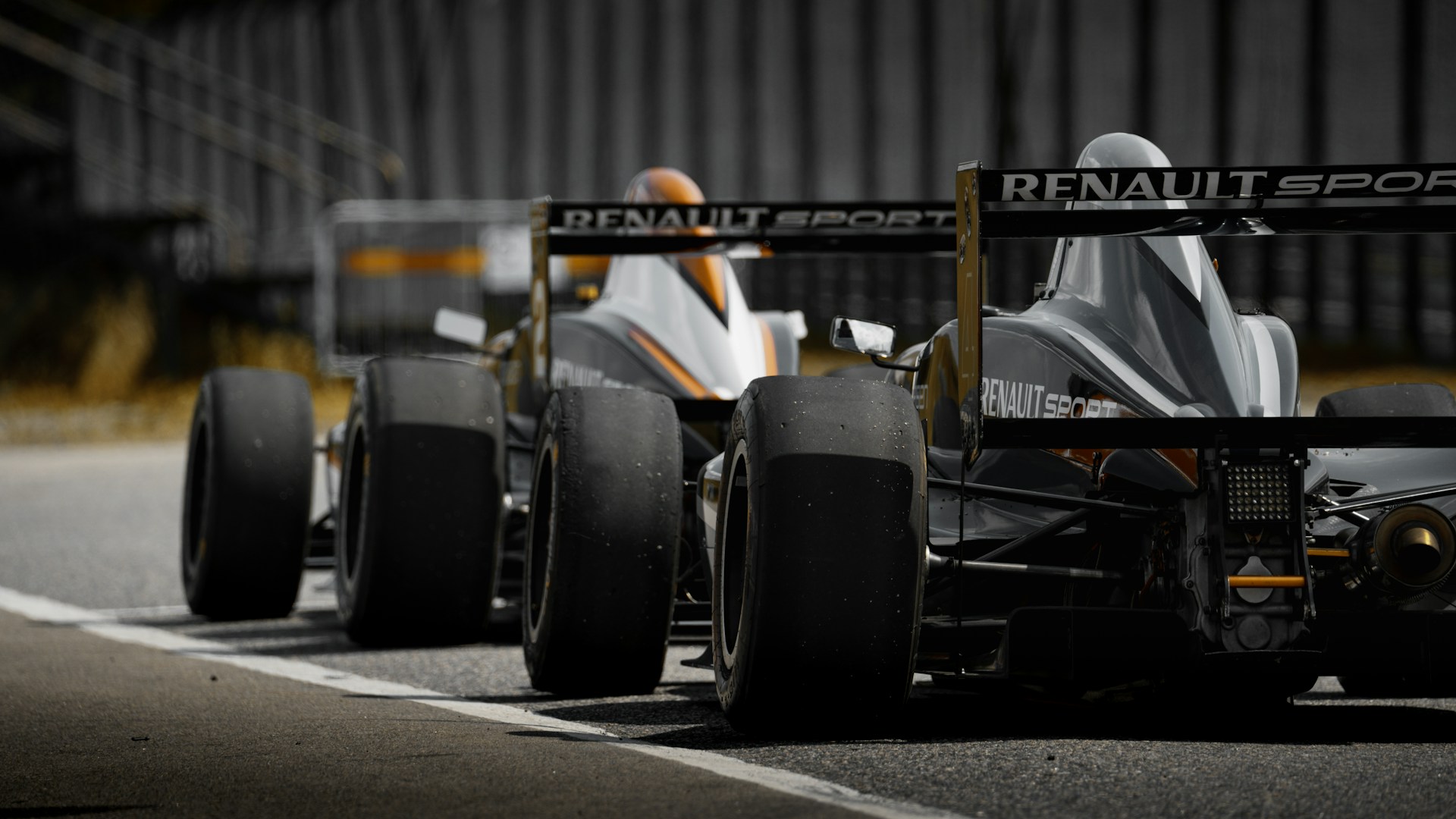
The NASCAR stock cars may appear like ordinary road cars on the outside, but do not be misled. Each and every component, from the tires to the engine, is designed with a single purpose: speed during stress. The automobiles are meant to deal with the long distances, sharp curves, and the crazy speed, which puts the driver and the car at the limit. Power is not just a consideration in NASCAR, but it is all.
Quick Answer: How Much Horsepower?
Modern NASCAR Cup Series “Next Gen” cars make between 670 and 750 horsepower on most tracks.
That’s about ten times more than your average streetcar.
This tremendous force enables the drivers to race side by side at a speed of more than 180 mph for a hundred or more laps. It is the scream of the engine, it is the heat, it is the continuous tension; all of it is what makes NASCAR racing so exciting.
The Two Power Packages
NASCAR doesn’t use the same power level everywhere. Now discuss its automotive insights. Instead, it uses two main engine packages based on track type:
- 670 horsepower + 4-inch spoiler: Used on most oval tracks and road courses.
- Around 510 horsepower + 7-inch spoiler: Used on superspeedways like Daytona, Talladega, and Atlanta.
These arrangements may, to the ear, be inconsequential, yet they alter the whole essence of the race. The low-power configuration allows motor vehicle drivers to manoeuvre their vehicles in large draft packs, whereas the high-power configuration allows them to give their vehicles full throttle when the tracks are small and narrow.
Why Not Use Full Power All the Time?
You might think, “Why not just use 750 horsepower on every track?”
Simple answer: safety.
On superspeedways, cars run inches apart at over 190 mph. If one car loses control, the chain reaction can be terrifying. More power means higher closing speeds, making those crashes even more dangerous. To keep the races close but safe, NASCAR trims horsepower and adds larger spoilers to reduce top speed and improve stability.
So yes, drivers want all the power they can get, but NASCAR has to balance speed and survival.
How Next Gen Cars Changed the Game
Over the years, NASCAR cars have evolved a lot. Let’s look at how horsepower and design changed through generations:
- Gen 5 (Car of Tomorrow): Fans didn’t love it. The big rear wing and boxy look made the cars feel generic.
- Gen 6: These looked more like real cars, but many teams struggled with aerodynamics and balance.
- Next Gen (Current): This is a major leap forward. It has independent rear suspension, wider tires, and a new aerodynamic design. It also uses a transaxle setup like modern sports cars.
The result? Cars that handle better, corner harder, and keep racing close, even with slightly less power on some tracks.
Looking Back: Horsepower Through the Years
Back in the 1970s and early 1980s, NASCAR engines could reach around 850 horsepower or even more. Cars were lighter, less restricted, and a lot more dangerous.
Then came 1987, the year everything changed.
During a race at Talladega, driver Bobby Allison’s car went airborne and tore down a section of fencing. Thankfully, no fans were killed, but the incident forced NASCAR to rethink speed limits.
After that, NASCAR introduced restrictor plates, thin metal plates that limited airflow into the engine, cutting horsepower down to about 410 hp. This kept speeds under control and reduced the chance of deadly crashes.
Today, NASCAR uses tapered spacers instead of restrictor plates. These do the same job but in a more precise way. They help regulate how much air and fuel the engine can breathe, fine-tuning performance analysis and safety for every track type.
Fastest NASCAR Speed Ever
Even with all these rules, NASCAR cars are still incredibly fast.
The fastest official qualifying record was set in 1987 by Bill Elliott at Talladega Superspeedway, a mind-blowing 212.809 mph.
His Ford Thunderbird had about 625 horsepower and weighed around 3,700 pounds (without the driver or fuel). The reason he hit such insane speeds wasn’t just power; it was aerodynamics. Cars back then were sleek, slippery, and had fewer safety restrictions.
Today, NASCAR caps speeds for safety, but Elliott’s record still stands as a symbol of the sport’s wild past.
Why Horsepower Still Matters
Even with new tech and safety limits, horsepower remains the heart of NASCAR. It’s what makes each car growl, shake, and launch out of turns. The balance between power, grip, and aerodynamics creates racing that’s not just fast, it’s close, intense, and unpredictable.
When you see two drivers battling side by side at 190 mph, inches apart, you’re not just watching a race, you’re watching physics, courage, and engineering come together in one heart-pounding moment.
Frequently Asked Questions:How much Horsepower does a NASCAR Car have
How much Horsepower does a NASCAR Car have?
Most tracks: around 670 horsepower.
Superspeedways: about 510 horsepower with a larger spoiler for stability.
How fast can a NASCAR car go?
The top record is 212.809 mph, set by Bill Elliott in 1987.
Modern rules limit speeds to around 200 mph for safety reasons.
Why does horsepower change by track?
Because each track is different, long, high-speed tracks need lower power to avoid pileups. Short tracks and road courses use higher power for tighter, faster racing.
What replaced restrictor plates?
Tapered spacers. They control airflow more smoothly and allow NASCAR to fine-tune each race setup.