
Home Blog Page 14

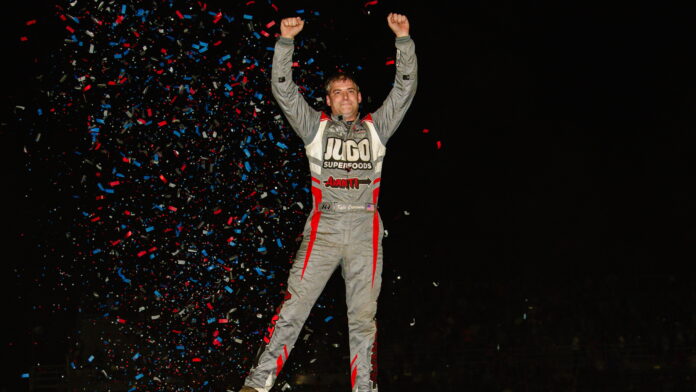
Kyle Cummins Claims Night 1 of USAC Sprint Car Smackdown at Kokomo Speedway

Photo Courtsey of Ryan Sellers Photo

For the first time since the start of this month, the USAC National Sprint Cars returned to action Thursday night of night 1 for their 15th annual Smackdown event at Kokomo Speedway. Last time out, the tour had recently completed the Indiana Sprint Week, which saw Kyle Cummins win the championship and Justin Grant win the race at Tri-State Speedway. However, coming off the heels of winning the ISW Championship, Cummins kept momentum rolling by winning night 1 of the Sprint Car Smackdown.

“I didn’t know what to do because I would get such a run in (Turns) 1 and 2, I’m like if I get plugged in the curb, I might get myself in trouble here,” Cummins said to Flo Racing in his victory lane. “I was like, well, it was a couple of laps in, and then I saw Justin (Grant), and I knew it was time to race.

“The car was the weirdest thing I ever drove. It won’t come to the green, it won’t go down the straightaway, but you put on the curb, it’ll run. We did some different stuff tonight that was pretty cool. I’m kind of exhausted after that one. I haven’t been feeling well all week. Thank you to all my sponsors who have supported me. My crew made a bunch of changes. They put a fresh wrap on it. We’ve been doing some R&D here and there. It was definitely different. I’m glad we won, but with a different kind of racecar. We’ll jot it down. We’ll go on here for a couple of more nights. We have good points going into tomorrow night (Friday). Hopefully have a good night again tomorrow.” 

There were 50 cars entered on the entry list for Thursday’s event.

Feature Recap – 30 Laps

Gavin Miller started on pole position for the feature with Kevin Thomas Jr on the outside pole. Miller led the first lap with Thomas Jr keeping him close at bay, but Miller eventually pulled away with a bigger gap as the lead car. Gunnar Setser and Cummins began challenging Thomas Jr for second. However, it was Cummins who was successful in passing Thomas Jr for second with 24 laps to go.

From there, Cummins began closing in on the race leader, Miller, with 20 laps to go, but the first caution flew for Jacob Denney, who went spinning around. Denney kept his car going to avoid losing his position.

Coming to the restart, it was Miller, Cummins, Thomas Jr, Grant, and Jake Swanson in the top five with 20 laps to go. Just as soon as the field went back racing, Swanson was upside down in Turns 1 and 2 to bring out the red flag. Miraculously, Swanson’s car sustained no damage despite the flip.

After going back green, Cummins still challenged Miller for the lead, and eventually took the top spot midway at Lap 16 in the race. Cummins used the bottom lane off Turn 2 for a great slide job on Miller. Grant also followed suit and got around Miller for second. Another caution was seen for Brady Bacon, who was stopped at the exit of Turn 2 with four laps to go.

At the end of the 30-lap feature, the checkered flag went to Cummins, who went on to grab his 10th career win of the season and for the 40th time of his USAC career.

Heat Race Recaps – Top Four Transfer – 10 Laps A Piece

Prior to the heat races, there was a hot lap and a two-lap qualifying session. Chase Stockon was the quickest in hot laps with a time of 12.766 seconds. Meanwhile, the defending Smackdown champion, Grant, set the quickest time in qualifying with a pace of 12.658 seconds.

Heat 1 – Zack Pretorius had the pole for this heat. Pretorius was unchallenged and easily won the heat race. Grant barely made the transfer as he spent the heat race below the transfer, but was able to lock himself in by getting the fourth position. Others transferring were Swanson and C.J. Leary.

Heat 2 – Logan Seavey would start from the No. 1 position in the second heat. Red flag conditions came out a lap later for Eli Wilhelmus, who went up and over in Turn 2. Wilhelmus got up on the cushion, which caused his car to go upside down. Fortunately, Wilhelmus ended up being okay as he exited the car.

Once the race went back green, it was Jadon Rogers with the lead over Seavey. Rogers maintained his lead with the eventual heat race win. He was followed by Cale Coons, Thomas Jr, and Seavey rounding out the top four.

Heat 3 – Beau Brandon had the top spot for the third heat, but it was Hayden Reinbold who took the lead from Brandon shortly thereafter. Cummins tried challenging for the lead from Reinbold and took the lead with four laps to go. Cummins won the heat race, with Miller, Reinbold, and Stevie Sussex III the top four transfers.

Heat 4 – Anton Hernandez was slated to start on the pole position for this heat; however, he was scratched from the field and did not participate. Harley Burns had the lead at the drop of the green flag, but Stockon grabbed the lead away moments later. A caution flew with five laps to go for Bryce Andrews. Andrews spun around off Turn 4 all by himself and was able to keep going.

There were a couple of laps of green-flag racing, but another caution came out with two laps to go for Brady Bacon in Turn 4. Bacon ended up slightly on top of a tire and had contact from Shane Cottle. Unfortunately, for Cottle, he was unable to continue.

Following the restart, Setser took the lead and went on to secure the heat race win. Stockon, Burns, and Brandon Mattox moved on.

Heat 5 – Kyle Sipley would be the pole sitter for the fifth and final heat of the evening. As the heat went green, the caution flew for Jake Simmons, who spun off Turn 2. Following the eight-lap heat, the victor went to Trey Osborne. Robert Ballou, Briggs Danner, and Thomas Meseraull collected the remaining transfer spots.

Dalton Stevens won the C-Main, while Colin Parker, Kobe Simpson, and Devan Myers transferred to the feature. For the B-Main, the win went to Mitchel Moles, Bacon, Ricky Lewis, and Denney. 

Official Race Results Following Night 1 of Sprint Car Smackdown at Kokomo Speedway

  1. Kyle Cummins
  2. Justin Grant
  3. Cale Coons
  4. Kevin Thomas Jr
  5. Jadon Rogers
  6. Briggs Danner
  7. Mitchel Moles
  8. Thomas Meseraull
  9. Stevie Sussex III
  10. Robert Ballou
  11. Gavin Miller
  12. Chase Stockon
  13. Hayden Reinbold
  14. Gunnar Setser
  15. C.J. Leary
  16. Ricky Lewis
  17. Harley Burns
  18. Jacob Denney
  19. Jake Swanson
  20. Zack Pretorius
  21. Logan Seavey
  22. Trey Osborne
  23. Brady Bacon
  24. Brandon Mattox

Up Next – Night 2 of Sprint Car Smackdown will take place Friday night, with championship night on Saturday night, live on Flo Racing.
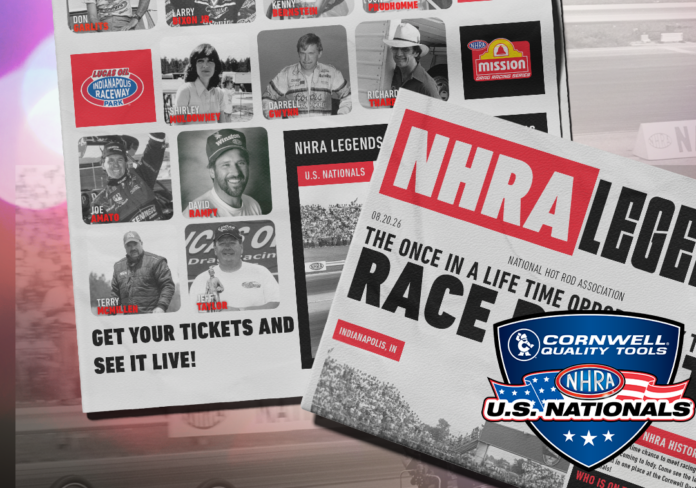

MASSIVE LIST OF LEGENDS TO CELEBRATE NHRA’S 75TH ANNIVERSARY AT CORNWELL QUALITY TOOLS NHRA U.S. NATIONALS

The Big Go will feature some of the sport’s biggest names at Lucas Oil Indianapolis Raceway Park

INDIANAPOLIS (Aug. 28, 2026) – The world’s biggest drag race will have one of the biggest collections of NHRA legends on hand, as a huge list of the most iconic names in NHRA history will help celebrate the prestigious 72nd annual Cornwell Quality Tools NHRA U.S. Nationals at the famed Lucas Oil Indianapolis Raceway Park on Sept. 2-7.

As part of NHRA’s 75th anniversary season, fans will have the opportunity to see an incredible gathering of legends at The Big Go, including Don Garlits, Don Prudhomme, Kenny Bernstein, Joe Amato, Shirley Muldowney, Larry Dixon, John Force, Linda Vaughn, Richard Tharp, Darrell Gwynn, Steve Torrence, Al Segrini and many more.

All weekend in Indy, fans will have the chance to meet and interact with NHRA legends who played a massive role in NHRA’s spectacular 75-year history, as it won’t get much bigger than the all-star lineup scheduled for Indy on drag racing’s grandest stage.

  • The iconic Garlits was named the No. 1 driver in NHRA history during the 50th anniversary celebration, winning 35 Top Fuel races and three world titles.
  • Bernstein enjoyed an illustrious career that included four Funny Car world championships and two Top Fuel world titles.
  • Prudhomme has long cemented himself as one of the sport’s biggest stars, winning four world titles. “The Snake” had an incredible run in Indy, winning seven times between Top Fuel and Funny Car.
  • Muldowney was a trailblazer as a dominant female in drag racing, winning three world championships in the Top Fuel ranks. She won 18 career races, including a thrilling U.S. Nationals victory in 1982.
  • The winningest driver in NHRA history, the iconic Force is a 16-time world champion and a five-time Funny Car winner at Indy, tied for the most in U.S. Nationals history in the category.
  • Amato was a remarkable force in Top Fuel, as the standout won five world championships. He thrived in Indy, winning three times at The Big Go.
  • Dixon was tremendous in Indy, winning four times en route to 62 career victories and three world titles.
  • Named one of NHRA’s Top 50 drivers, Tharp won in Top Fuel at The Big Go in 1976.
  • Torrence is a four-time Top Fuel champion and enjoyed a dominant run in the Top Fuel ranks, winning three times at Indy among his 56 career victories.
  • Gwynn was a star in the Top Fuel ranks, winning 18 times, including a memorable 1989 victory at Indy.

On the track, the event is jammed with excitement, as all the current stars in Top Fuel, Funny Car, Pro Stock and Pro Stock Motorcycle compete for the special 75th anniversary Diamond Wally on the sport’s biggest stage. From Friday qualifying under the lights, to the final Mission #2Fast2Tasty Challenge of the year on Saturday to the thrilling PlayNHRA Funny Car All-Star Callout on Sunday and eliminations on Labor Day Monday, there’s no weekend quite like Indy,

Plus, there’s other major items during the weekend, including:

  • The Sox & Martin Hemi Challenge returns as the longest-running continuous specialty race in NHRA history, featuring exciting heads-up, wheelstanding, and side-by-side racing of Hemi-powered ’68 Super Stock Dodge Darts and Plymouth Barracudas competing in the NHRA SS/AH class.
  • A celebration of NHRA’s 75-year history with exhibition runs on Friday and Sunday from the classic Rat Trap and Bradford’s Fiat nitro Fuel Altereds.
  • Push-start cackle cars on Friday and Sunday driven by NHRA legends.
  • Free parking for the entire weekend.
  • SealMaster Track Walk before Monday’s eliminations.
  • Multiple autograph sessions throughout the weekend.
  • A can’t-miss Hot Rod Junction.
  • Children 12-and-under get in free to an event offering all-day entertainment.

Last year’s Cornwell Quality Tools NHRA U.S. Nationals saw Austin Prock (Funny Car), Justin Ashley (Top Fuel), Erica Enders (Pro Stock) and Gaige Herrera (Pro Stock Motorcycle) win the world’s biggest drag race. This year’s event will once again be broadcast on FS1 and FOX, including Monday’s eliminations on FOX at 2 p.m. ET.

Also competing will be drivers in the Lucas Oil Drag Racing Series, JBS Equipment NHRA Pro Mod Drag Racing Series presented by Elite Motorsports, NHRA Flexjet Factory Stock Showdown and Right Trailers Outlaw Street.

As always, fans get an exclusive pit pass to the most powerful and sensory-filled motorsports attraction on the planet. Fans get a unique chance to see teams in action and service their hot rods between rounds, get autographs from their favorite NHRA drivers, and more. They can also visit Manufacturers Midway, an exciting atmosphere that includes interactive displays, merchandise, food and fun for the entire family.

NHRA Mission Foods Drag Racing Series qualifying will feature one round at 6:15 p.m. ET on Friday, Sept. 4, two rounds at 12:30 and 3:30 p.m. ET on Saturday, Sept. 5 and the final two rounds of qualifying on Sunday, Sept. 6 at 12 and 2:45 p.m. Final eliminations are scheduled for 10 a.m. ET on Monday, Sept 7.

Television coverage includes qualifying action on FS1 at 3 and 10:30 p.m. ET on Sunday, and eliminations at 12 p.m. on FS1 on Monday, shifting to FOX at 2 p.m.

The first round of the Funny Car All-Star Callout takes place at 12:45 p.m. ET on Sunday, with the semifinals at 2:15 p.m. and the final round at 3:40 p.m. A special broadcast of the Callout takes place on FS1 at 7 p.m. ET on Sunday.

To purchase tickets to the 72nd annual Cornwell Quality Tools NHRA U.S. Nationals, fans can visit www.NHRA.com/tickets. For more information about NHRA, visit www.NHRA.com.


About Mission Foods

MISSION®, owned by GRUMA, S.A.B. de C.V., is the world’s leading brand for tortillas and wraps. MISSION® is also globally renowned for flatbreads, dips, salsas and Mexican food products. With presence in over 112 countries, MISSION® products are suited to the lifestyles and the local tastes of each country. With innovation and customer needs in mind, MISSION® focuses on the highest quality, authentic flavors, and providing healthy options that families and friends can enjoy together. For more information, please visit https://www.missionfoods.com/

About NHRA

NHRA is the primary sanctioning body for the sport of drag racing in the United States. NHRA presents 20 national events featuring the NHRA Mission Foods Drag Racing Series and NHRA Lucas Oil Drag Racing Series, as well as the JBS Equipment NHRA Pro Mod Drag Racing Series presented by Elite Motorsports and NHRA Flexjet Factory Stock Showdown™ at select national events. NHRA provides competition opportunities for drivers of all levels in the NHRA Summit Racing Series and NHRA Street Legal™. NHRA also offers the NHRA Jr. Street® program for teens and the Summit Racing Jr. Drag Racing League® for youth ages 5 to 17. With more than 100 Member Tracks, NHRA allows racers to compete at a variety of locations nationally and internationally. NHRA’s Youth and Education Services® (YES) Program reaches over 30,000 students annually to ignite their interest in automotive and racing related careers. NHRA’s streaming service, NHRA.tv®, allows fans to view all NHRA national events as well as exclusive features of the sport. In addition, NHRA owns and operates three racing facilities: Gainesville Raceway in Florida; Lucas Oil Indianapolis Raceway Park; and In-N-Out Burger Pomona Dragstrip in Southern California. For more information, log on to www.NHRA.com, or visit the official NHRA pages on Facebook, Instagram, Twitter, and YouTube.

Exploring Lake Tahoe: Fun Things to Do in California’s Mountain Paradise

Photo by depositphotos at https://depositphotos.com/

Lake Tahoe is one of the most beautiful destinations in the Sierra Nevada, famous for its crystal-clear waters, mountain scenery, sandy beaches, and year-round outdoor adventures. Located on the California-Nevada border, the lake attracts travelers looking for a combination of natural beauty, relaxation, and exciting activities. From scenic hikes and water sports to winter skiing and peaceful lakeside escapes, there are plenty of fun things to do in Lake Tahoe.

For travelers visiting from outside the United States, staying connected can make it easier to navigate mountain roads, check weather conditions, find nearby attractions, and communicate while exploring the area. A Holafly e-SIM can be a convenient connectivity option for a trip to the United States, allowing travelers to focus more on enjoying Lake Tahoe’s spectacular landscapes.

Enjoy the Beaches of Lake Tahoe

Lake Tahoe has numerous beaches where visitors can relax, swim, picnic, and enjoy spectacular views of the surrounding mountains. The water is famously clear, while the contrast between the deep blue lake and the surrounding forest creates an unforgettable setting.

Sand Harbor is one of the most popular places to enjoy the lake, particularly during the warmer months. Its rocky shoreline, clear water, and mountain backdrop make it ideal for swimming, kayaking, photography, and relaxing.

Other beaches around the lake offer different experiences, from lively recreational areas to quieter stretches of shoreline. Arriving early during busy summer periods can make it easier to find parking and enjoy a peaceful spot by the water.

Go Hiking Around the Lake

Hiking is one of the best ways to experience Lake Tahoe’s natural beauty. Trails around the region lead through forests, along mountain ridges, and toward viewpoints overlooking the lake.

The Rubicon Trail is a popular option for travelers who want a scenic route along the shoreline. The trail provides impressive views of the water and surrounding mountains while passing through forests and rocky landscapes.

For more challenging adventures, hikers can explore trails in the surrounding Sierra Nevada. Before starting a hike, check trail conditions, bring enough water, and wear appropriate footwear.

Try Kayaking and Paddleboarding

The clear waters of Lake Tahoe make kayaking and paddleboarding popular summer activities. Exploring the shoreline from the water provides a different perspective of the surrounding landscape and allows visitors to reach quieter areas.

Morning is often a good time for paddling because conditions can be calmer. Beginners can choose shorter routes close to shore, while experienced paddlers may want to explore longer sections of the coastline.

Rental services are available in several areas around the lake, making it easy for visitors to try these activities without bringing their own equipment.

Take a Scenic Drive

A drive around Lake Tahoe is an excellent way to experience the area’s changing scenery. The road around the lake passes through forests, mountain communities, viewpoints, beaches, and recreational areas.

Allow plenty of time rather than treating the drive simply as transportation. There are numerous places where you can stop for photographs, short walks, or a lakeside break.

Weather conditions can change quickly in the mountains, particularly outside summer, so check road conditions before setting out.

Explore Emerald Bay State Park

Emerald Bay State Park is one of Lake Tahoe’s most recognizable landscapes. The bay’s distinctive shape, forested surroundings, and deep blue water create spectacular views from several locations.

One of the park’s best-known attractions is Vikingsholm, a historic mansion located near the shoreline. Visitors can also explore hiking trails and viewpoints in the surrounding area.

Emerald Bay is an excellent place for photography, sightseeing, hiking, and learning more about the region’s history.

Visit Heavenly Mountain Resort

Heavenly Mountain Resort is a major destination for outdoor activities in South Lake Tahoe. During winter, it attracts visitors for skiing and snowboarding, while summer brings hiking, scenic rides, and mountain activities.

One of the highlights is the opportunity to enjoy panoramic views from high above the lake. The combination of mountain scenery and Lake Tahoe’s blue water makes the area particularly impressive.

Even visitors who are not interested in skiing can find plenty to enjoy around the resort and South Lake Tahoe.

Go Skiing and Snowboarding

Lake Tahoe is one of the most popular winter destinations in the western United States. The surrounding mountains receive substantial snowfall, creating excellent opportunities for skiing, snowboarding, and other winter activities.

Several resorts around the lake cater to different experience levels. Beginners can take lessons and practice on easier terrain, while experienced skiers and snowboarders can explore more challenging runs.

Winter travelers should monitor snowfall, road conditions, and resort operations before traveling into the mountains.

Try Snowshoeing and Winter Hiking

Not every winter adventure requires skis or a snowboard. Snowshoeing provides an enjoyable way to explore forests and snowy landscapes at a slower pace.

Several trails and recreational areas around Lake Tahoe offer opportunities for winter walks. The peaceful atmosphere of snow-covered trees and mountain scenery can make a winter hike particularly memorable.

Dress in layers, carry appropriate equipment, and check local conditions before heading into snowy areas.

Enjoy a Boat Tour

A boat trip offers another excellent way to experience Lake Tahoe. From the water, visitors can appreciate the lake’s enormous scale and see its mountains, beaches, forests, and bays from a different perspective.

Sightseeing cruises are available during the warmer months, while private boating options can provide a more personalized experience. Sunset cruises can be particularly enjoyable for travelers looking for a relaxing evening activity.

Explore Tahoe City

Tahoe City is located on the northwestern shore of Lake Tahoe and provides a relaxed base for exploring the surrounding area. The community has restaurants, shops, parks, and access to outdoor activities.

Visitors can walk along the waterfront, enjoy local food, or use the town as a starting point for nearby hikes and scenic drives.

Its laid-back atmosphere makes Tahoe City a good choice for travelers who want to combine outdoor adventures with a comfortable mountain-town experience.

Discover South Lake Tahoe

South Lake Tahoe is one of the region’s busiest visitor areas and offers a wide selection of restaurants, accommodations, shops, entertainment, and outdoor activities.

Its location provides convenient access to beaches, hiking trails, ski resorts, and attractions such as Emerald Bay. Visitors can easily spend several days exploring the surrounding area while using South Lake Tahoe as a base.

The town also has a lively atmosphere, particularly during summer and winter travel seasons.

Go Fishing

Fishing is another popular outdoor activity around Lake Tahoe. The lake and surrounding waterways support several fish species, providing opportunities for both casual and experienced anglers.

Fishing regulations vary depending on location and season, so visitors should check current local requirements before heading out. Early morning can be a peaceful time to enjoy the water while fishing.

Even if you are not an experienced angler, spending a quiet morning beside the lake can be a relaxing addition to a Tahoe itinerary.

Enjoy Cycling

Cycling is a fun way to explore the Lake Tahoe area while enjoying mountain and lake views. Road cycling, recreational rides, and mountain biking are available in different parts of the region.

Some routes can be physically demanding because of elevation and steep terrain, so choose a trail or road that matches your experience level.

Cyclists should also pay attention to traffic, weather, and changing road conditions.

Best Time to Visit Lake Tahoe

Lake Tahoe is a year-round destination, but the best time to visit depends on the activities you want to enjoy.

Summer is ideal for beaches, hiking, kayaking, paddleboarding, boating, and sightseeing. Autumn brings cooler temperatures and beautiful scenery, while winter transforms the surrounding mountains into a major destination for skiing and snowboarding.

Spring can be quieter, although conditions can vary considerably depending on snow levels and elevation.

How Many Days Do You Need in Lake Tahoe?

A three-day trip is enough to experience several of Lake Tahoe’s major attractions. You could spend one day exploring beaches and viewpoints, another hiking or taking a boat trip, and a third exploring nearby towns or mountain attractions.

With four or five days, you can create a more relaxed itinerary and include additional outdoor activities such as kayaking, cycling, skiing, or longer hikes.

The region rewards travelers who avoid rushing from one attraction to another and leave time to enjoy the scenery.

Tips for Exploring Lake Tahoe

Because Lake Tahoe is located in a mountainous region, preparation is important. Bring comfortable clothing suitable for changing weather and wear proper footwear if you plan to hike.

During summer, sunscreen, sunglasses, water, and sun protection are essential. In winter, check snow and road conditions before driving and carry suitable cold-weather gear.

It is also important to respect the natural environment. Stay on designated trails, dispose of waste properly, and avoid disturbing wildlife.

A Destination for Nature and Adventure Lovers

Lake Tahoe offers an impressive variety of experiences within one destination. Visitors can spend the morning hiking through mountain forests, enjoy an afternoon on the lake, and finish the day watching the sunset over the Sierra Nevada.

For travelers who also enjoy following celebrities and entertainment, Networth of Star provides information about celebrity net worth and can be an interesting resource to explore alongside your travel planning and entertainment reading.

Final Thoughts

Exploring Lake Tahoe is about more than simply seeing a beautiful lake. Its beaches, forests, mountain trails, ski resorts, scenic viewpoints, and charming communities provide countless ways to enjoy the outdoors throughout the year.

Whether you visit during the sunny summer season or arrive in winter for snow-covered adventures, Lake Tahoe offers a memorable combination of natural beauty and outdoor fun. With thoughtful planning and enough time to explore, this California mountain paradise can easily become one of the highlights of a trip to the western United States.

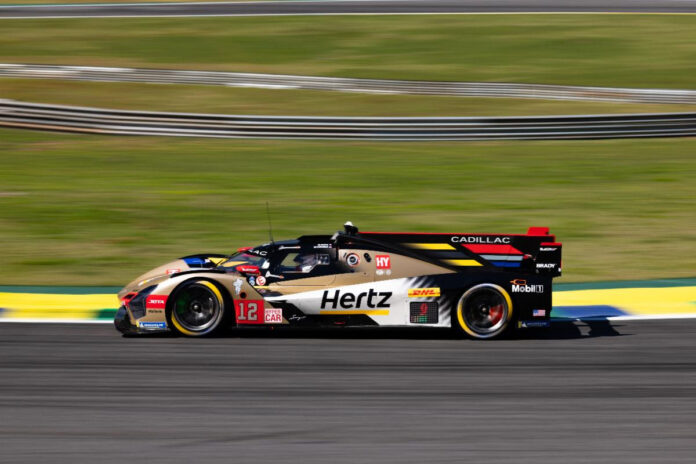
Cadillac Hertz Team JOTA head to COTA looking to build on strong result in São Paulo

August 28th, 2026 – Cadillac Hertz Team JOTA head to Circuit of the Americas (COTA) next week for the Lone Star Le Mans, looking to build on the strong result from their last outing in São Paulo.

Cadillac Hertz Team JOTA scored their first podium finish of the 2026 FIA World Endurance Championship season in Brazil, with the No.12 taking the checkered flag in P3, whilst the sister car (No.38) crossed the finish line just behind in P4.

The latest round of the WEC takes place at the 5.513 km (3.426 mile), 20-turn COTA track, which features a 40-metre (133 foot) elevation climb up to the iconic first corner.

The No.38 car Cadillac Hertz Team JOTA V-Series.R will be driven by Jack Aitken, Earl Bamber and Sebastien Bourdais. Cadillac Racing driver, Ricky Taylor will joing Norman Nato and Will Stevens in the No.12 car, as Alex Lynn continues his recovery from surgery ahead of his anticipated return to racing in Barcelona.

The six-hour Lone Star Le Mans gets underway with two Free Practice sessions on Friday September 4th. A third Free Practice on Saturday will be followed by Qualifying and the 10-minute Hyperpole session. The Race is scheduled for 1pm local time on Sunday September 6th.

 What they’re saying:

Jeromy Moore, Chief Engineer Cadillac Racing: “Racing at our home race is always a special feeling. The local fans always get behind us! Last year we had a downpour of rain making conditions tricky in the race, but generally COTA can be very hot. This is a challenge for the drivers around the very “busy” track layout, but also to keep the tyres in their ideal operating temperature window. COTA is quite a techncial circuit, it has a lot of corners in quick succession, with a relatively short straight that builds tyre temperature rapidly.”

No. 12 Cadillac Hertz Team JOTA V-Series.R:

Norman Nato: “COTA is such a nice place and circuit to drive. I’m pleased to have Ricky Taylor joining us. He has a lot of experience, he knows the car very well, is fresh from winning in IMSA, so I have no doubt he will will be a great addition to the team. The main target continues to be to win races. We had a great result in Brazil and will be looking to build on that after the summer break.”

Will Stevens: “I’m really looking forward to getting back to COTA, especially coming off a strong result for us in Sao Paulo. Hopefully we can keep the momentum going and come away with a strong result for the team. It’s always a special weekend racing for Cadillac in the US. We also welcome Ricky to our line up in the 12 car, I have raced with Ricky many times over in IMSA so I am sure he is going to fit in great with the team and will hit the ground running. Let’s have a good weekend!.”

Ricky Taylor: “I’m really excited to join Cadillac Hertz Team JOTA for the COTA round of the WEC championship. I’ve always been a big fan of the team and it was great working with them this year at Le Mans as a teammate car. I know Will and Norman well from their time with WTR. COTA is an amazing track and it will be great to go back to Austin. Cadillac Hertz Team JOTA has been so strong all year, we’ve all been watching and cheering them on. I’ll be doing my best to help contribute to another good result at COTA.”

No. 38 Cadillac Hertz Team JOTA V-Series.R

Jack Aitken: “COTA is one of the great American circuits I still haven’t raced at, so I’m looking forward to ticking it off! I’ve heard it’s a physical one, and it certainly looks like an amazing place to get the most out of our Cadillac.”

Earl Bamber: “It’s been good to get a bit of a break and recharge the batteries. The team had a strong outing in Brazil, where we finished third and fourth, picking up a good haul of manufacturer points. COTA was a wet and wild run last year. In both the wet and dry the car had good pace. I’m looking forward to going to our home race for Cadillac in WEC and kicking off the second half of the calendar.”

Sebastien Bourdais: “The second part of the season starts now. We’ve shown a lot of pace at the start of the season, including two strong results in Brazil. The aim is now to build on this momentum and deliver some more great results for the team. COTA is a challenging track. It has a variety of different speeds and is bumpy in places. You never know how bumpy, or where the bumps will be until you get there as the track changes a lot year on year. Let’s see what the weather holds – it can be incredibly hot but there can also be torrential rain. No matter what the weather, the whole team is ready to push for a strong result.”

To download our 2026 media materials, please visit: https://tracksideracingnews.egnyte.com/fl/Cvbw4pWh37QJ

About General Motors

General Motors (NYSE:GM) is driving the future of transportation, leveraging advanced technology to build safer, smarter, and lower emission cars, trucks, and SUVs. GM’s Buick, Cadillac, Chevrolet, and GMC brands offer a broad portfolio of innovative gasoline-powered vehicles and the industry’s widest range of EVs, as we move to an all-electric future.

GM Motorsports, including the Cadillac Formula 1® Team develops and proves advanced technologies in the most demanding environments, accelerating innovation in performance, safety, efficiency, and electrification for its production vehicles. Cadillac Racing is one of the leading manufacturers in the IMSA and FIA World Endurance Championships (WEC). Chevrolet competes in single seaters in the US IndyCar series, and in NASCAR with multiple team partners and drivers. Corvette customer teams compete in GT series across the globe including IMSA and WEC. Learn more at GM.com.

Best American Football Coaching Apps for Coaches and Training Staff

A head coach in Ohio told me once that he didn’t lose sleep over play calls. He lost sleep over whether the strength coach’s spreadsheet matched the trainer’s injury log from the week before. Different files, different formats, half the team’s data living in someone’s inbox. That’s not a coaching problem. It’s a tools problem, and it’s more common than most programs like to admit. 

Football staff run on information moving fast between a lot of people. Coordinators, position coaches, trainers, parents, and sometimes a whole booster club. When that information lives in five separate apps and a printed depth chart taped to a wall, something eventually falls through. Usually it’s the small stuff: a player who should’ve been held out of contact drills, a reminder that never reached a freshman’s parent, a practice script that got texted to half the staff and emailed to the other half. 

The real test for a coaching app 

Plenty of software promises to fix this. Fewer actually survive contact with a real season. The honest test isn’t how the demo looks in August. It’s whether a tired offensive coordinator can still use it correctly at 9pm on a Thursday in October. Programs looking at american football coaching apps should ask pointed questions before signing anything. Does it work on a phone that is standing in the rain? Can an assistant coach find what they need without digging through six menus? Does it get used over the past week three? 

What Waresport does differently 

Waresport didn’t start as a generic sports app that got a football skin bolted on afterward. The platform is built around how football programs are structured day to day: position groups, depth charts, practice reps, and the constant handoffs between staff. Its Coaching Hub is where most of that shows. A coordinator builds a practice plan, assigns it to specific position groups, and it’s on every assistant’s phone instantly. No group chat, no printed sheet left in someone’s truck. 

Small things on paper. In practice, it’s the difference between a staff member that’s on the same page and one that’s reconstructing Tuesday’s plan from memory on Wednesday. That’s the kind of american football coaching software that earns its place on a coach’s phone instead of getting deleted after the first busy week. 

Athlete records that don’t disappear when someone leaves 

Here’s where a lot of teams quietly bleed information. A trainer keeps injury notes in a personal file. A strength coach tracks conditioning numbers in a spreadsheet only they can open. Then that person takes another job, or a player switches position groups mid-season, and the new staff is starting from nothing. 

Good sports coaching management is supposed to prevent exactly that. On Waresport, a player’s record, attendance, conditioning benchmarks, injury history, coaching notes, stays attached to that athlete, not to whichever staff member happened to be tracking it. A defensive coordinator and a strength coach end up looking at the same information instead of two different versions of the truth. For programs running varsity and JV or feeder squads under one roof, that alone tends to cut down on a surprising amount of confusion. 

This is really the point of good american football athlete management software: athlete management only works if the coaching side and the training side aren’t operating in separate silos. Waresport treats them as one continuous record rather than two products glued together. 

Built from what coaches actually complained about 

The features that stick in a platform like this usually trace back to some coach’s frustration, not a product roadmap meeting. Faster lineup edits before kickoff. Injury flags that sync automatically instead of needing a manual update from three different people. An american football app those scales from a single high school program up to a multi-team club setup without turning into a bloated mess of settings nobody understands. 

None of it replaces actual coaching. A good app doesn’t call better plays or teach better techniques. What it does is get the busywork out of the way, the admin, the chasing people down, the duplicate data entry, so that time goes back into film study and actual practice planning, where it belongs. 

Worth the switch? 

Switching platforms mid-career is annoying, and most coaches would rather stick with what they know than learn something new in-season. But the programs that do make the jump to something purpose-built for football, rather than a repurposed multi-sport tool, tend to notice the payoff fast. Specifically, in the parts of the job nobody signed up to enjoy chasing paperwork, untangling miscommunication, tracking down who has the latest version of a plan. For staff tired of stitching together five different tools to run one practice, Waresport is worth an actual look, not just a bookmark for later. 

A Practical Guide to Buying a Used Car with Confidence

Photo by depositphotos at https://depositphotos.com/

Buying a used car can be an excellent way to find a vehicle that suits your lifestyle without the cost of buying brand new. Whether you need a compact car for commuting, a family SUV or something with more boot space, the right preparation can make the search simpler and more rewarding.

Exploring reputable options for Used Cars Bolton gives buyers the chance to compare vehicles, consider finance options and choose a car that fits both their needs and budget.

Start with Your Everyday Needs

Before looking at makes, models or colours, think about how the car will be used most often. A vehicle that looks appealing may not be the best fit for your normal routine.

Consider questions such as:

  • How many passengers will usually travel in the car?
  • Will you mainly drive in town, on motorways or on rural roads?
  • Do you need room for prams, sports equipment or work tools?
  • Is fuel economy a major priority?
  • Would automatic transmission make driving more convenient?

Making a short list of essential features helps narrow the search and reduces the temptation to choose a car based on appearance alone.

Set a Realistic Budget

The purchase price is only one part of the cost of owning a vehicle. A realistic budget should also account for insurance, fuel, servicing, vehicle tax, MOT requirements and possible repairs.

If finance is being considered, focus on the full agreement rather than only the monthly payment. Check the deposit amount, length of the agreement, total repayable amount and any conditions that apply at the end of the term.

A clear budget makes it easier to compare vehicles fairly and choose an option that remains manageable after the purchase.

Check the Vehicle Carefully

A used vehicle does not have to be perfect, but its condition should match its age, mileage and price. Take time to inspect the car in daylight where possible.

Exterior Checks

Look for scratches, dents, paint differences and signs of rust. Check that the tyres have good tread and appear to wear evenly. Uneven tyre wear can sometimes indicate issues with wheel alignment or suspension.

Also check that the lights, mirrors, locks and windows operate correctly.

Interior Checks

Sit in every seat and look for excessive wear, damaged trims or warning lights on the dashboard. Test the heating, air conditioning, infotainment system and other features that matter to you.

Small cosmetic marks are common in used cars, but major damage or equipment faults should be discussed before agreeing to buy.

Documents and History

Ask to see relevant paperwork, including the V5C registration document, service history and MOT information where available. A well-documented history can provide useful reassurance about how the car has been maintained.

It is also sensible to check that the vehicle identification number matches the documentation and that there are no concerns about outstanding finance or a previous write-off.

Take a Meaningful Test Drive

A test drive is one of the most valuable parts of the buying process. It allows you to assess more than the car’s appearance.

During the drive, pay attention to:

  • How easily the engine starts
  • Whether the steering feels responsive
  • The performance of the brakes
  • Unusual noises when accelerating or turning
  • Gear changes and clutch operation
  • Overall visibility and comfort

Try to drive on a route that includes different speeds and road types if possible. A short drive around a car park may not reveal how the vehicle performs in everyday conditions.

Choose a Seller You Can Speak To

Buying from an established dealer can offer useful support, particularly for buyers who want help choosing a suitable vehicle or understanding finance arrangements. A good seller should answer questions clearly, explain the vehicle’s condition honestly and give you time to make a decision.

Do not feel pressured to commit before you are comfortable. A car is a significant purchase, and it is reasonable to ask for clarification about any detail that affects your choice.

FAQs

What mileage is acceptable for a used car?

There is no single ideal mileage. The car’s age, service history, condition and how it has been used are often more important than mileage alone.

Should I buy a used car with a full service history?

A full history can provide added confidence, but it is still important to inspect the car and assess its overall condition.

Can I part-exchange my current car?

Many dealers offer part-exchange options. The value will depend on the vehicle’s age, condition, mileage and market demand.

Is a test drive essential?

Yes. A test drive helps you judge comfort, handling, visibility and whether the vehicle suits your needs.

Conclusion

A successful used car purchase comes down to preparation, careful checks and choosing a vehicle that works for your daily life. By setting a clear budget, reviewing the car’s condition and taking the time to test drive it, you can make your decision with greater confidence.

The A1A Playbook: 3 Coastal Drives for 3 Types of Drivers

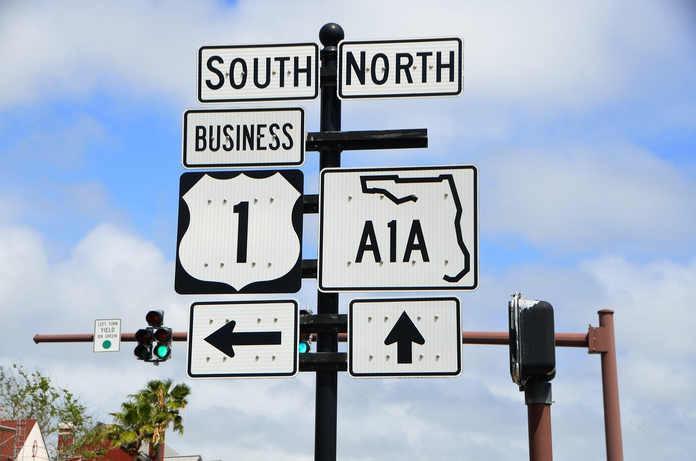
Interstate 95 is exhausting. You spend hours staring at concrete barriers, brake lights, and frustrated commuters. Turn off onto Florida’s State Road A1A? Whole different story.

Suddenly the lanes clear out. You get actual salt air through the window, wide-open Atlantic views, and a speed limit that lets you breathe. The road just hugs the coast, cutting through sleepy beach spots, older neighborhoods, and raw dunes. If you actually like driving for the sake of driving, A1A isn’t just a way to get somewhere. The road is the reason you came.

1. The Oceanfront Showcase: Palm Beach Corridor

If you prefer vintage scenes, large pictures of the sea and honest homes, then this stretch of the road is for you!

It’s as if one is driving straight into a postcard in Palm Beach, driving by A1A. Huge coconut palms on your left, raw Atlantic on your right. As you roll down South Ocean Boulevard, you’re passing historic Mediterranean-style mansions, gated estates, and Worth Avenue. Spots to pull over? There are numerous gaps in the beach along the road where you can park, turn off the engine, and just gaze at the water.

A good tip: don’t face the dreaded queues at the airport rental counters. Reach a car rental Hobe Sound Florida ahead of time instead. Get your keys locally, load your gear, and hit Palm Beach whenever you feel like it.

2. The Tunnel of Trees: Hobe Sound & Jupiter Island

If you want slow speeds, zero traffic, and real nature, head north toward Martin County.

Everything changes here. It gets quiet. Wild, even.

The road to Hobe Sound and Jupiter Island comes in under the canopy of banyans and coastal scrub, creating pockets of sunlight on the road. No big commercial trucks allowed. Speed limits stay low. You’ve got hidden spots like Blowing Rocks Preserve sitting right off the shoulder. Drop your windows, kill the radio, and just drive to the sound of the ocean.

3. The Old Florida Coquina Route: Flagler Beach to St. Augustine

Looking for a retro coast with non-stop blue ocean and local surf shacks, the northern run supplies it.

The asphalt is high on coquina ridges between Flagler Beach and St. Augustine. Translation? You get straight-shot ocean views through your windshield the whole way. You’ll roll past divey roadside seafood joints, weathered surf shops, and bright orange coquina rocks before hitting old St. Augustine.

Don’t feel like fighting for parking or messing with GPS? Book a ride through Getrentacar instead – let a local driver deal with the traffic while you just watch the coast go by.

Driver’s Checklist: Pre-Trip Hacks

There are a few simple tips for an enjoyable coastal drive:

  • Take the wheel wisely: Cruising with the top down sounds amazing until you actually try cramming beach chairs, coolers, and luggage into a tiny trunk. A compact SUV saves you that headache real fast.
  • Check tolls: Most A1A is free, but some of the bridges and connecting roads are tolled. Make sure to research your trip beforehand in order to determine what payments you should make along the way.
  • Timing is key: Early morning or an hour before the sun sets. Period. You avoid local traffic and have killer light on the ocean.

Final Turn

Highway A1A is proof that driving doesn’t have to suck. Leave the interstate behind. Pick a spot to start, set the GPS for the coast, and see where the road takes you.

The Importance of Speed to Lead in Property Enquiries and How Agents Respond

Photo by depositphotos at https://depositphotos.com/

The moment a prospective buyer or seller makes an enquiry with an estate agency, a clock starts. Not a literal countdown, but a window of engagement whose value diminishes with every hour that passes without a meaningful response. The property market is a competitive environment in which motivated buyers are typically registering interest with multiple agencies simultaneously, and the professional who responds first, most helpfully, and most personally is consistently the one who converts that initial enquiry into a lasting and commercially productive client relationship. 

Understanding why response speed matters so profoundly, and how the most accomplished estate agents in United Kingdom markets are structuring their operations to optimise the quality and timeliness of their lead responses, is increasingly relevant for anyone seeking to understand what distinguishes the most effective agencies from those whose enquiry handling is costing them business they are unaware they have already lost. 

Why the First Response Sets the Tone 

The first response an agency provides to a new enquiry does considerably more than answer the immediate question or acknowledge the contact. It establishes the entire tone of the professional relationship that follows, communicating through the speed, quality, and personal warmth of the response whether this is an agency that values the prospect’s time and treats their interest as genuinely important. 

A buyer who submits a viewing request at seven in the evening and receives a personalised, helpful response within minutes has already formed a positive and differentiating impression of the agency before a single conversation has taken place. A buyer who submits the same request and receives an automated acknowledgement followed by a phone call the next afternoon has had an experience that, in a market where competing agencies may have responded far more promptly, is already working against the relationship. 

The Digital Expectation and Its Practical Implications 

The communication habits formed through daily digital life have fundamentally reset what buyers and sellers consider an acceptable response time. The near-instant feedback loop of messaging apps, social media, and e-commerce has created a general expectation of rapid acknowledgement that extends, whether agencies recognise it or not, to their professional communications. Enquiries that arrive through portal listings, website contact forms, and social media platforms are being sent by people whose default expectation of responsiveness has been shaped by experiences far removed from the traditional working rhythms of a high street agency. 

The most effective response to this expectation shift is not to simply work longer hours but to deploy the combination of technology and professional process that allows an agency to acknowledge every enquiry promptly and to ensure that genuinely personalised human follow-up occurs within a timeframe that meets the expectations the initial automated response has set. 

The Role of CRM Systems in Managing Response Quality 

Customer relationship management systems that are configured to trigger immediate, personalised acknowledgements when new enquiries arrive address the most critical element of the speed to lead challenge without requiring an agent to be available at every moment of the day. When these automated acknowledgements are followed by consistent and well-timed personal follow-up, the combination creates a response experience that is both fast enough to satisfy modern expectations and personal enough to build the genuine professional relationship that converts enquiries into instructions and viewing requests into offers. 

The quality of that personal follow-up is as important as its timing. An agent who makes contact with a new enquirer with specific, relevant, and genuinely useful information about the property or market they have expressed interest in is demonstrating a level of professional preparation and personal attention that generic follow-up calls cannot match. Speed combined with quality creates the most compelling first professional impression available to any agency. 

Out-of-Hours Enquiry Handling 

A meaningful proportion of property enquiries are submitted outside conventional working hours, particularly through digital channels where buyers browse listings in the evenings and at weekends. Agencies whose enquiry handling capability effectively switches off outside core working hours are allowing a significant volume of motivated buyer contact to accumulate without response for periods that can extend to sixteen hours or more. 

The most operationally agile agencies have addressed this through a combination of automated immediate acknowledgement, after-hours telephone support, and clearly communicated expectations about when a full response will follow. The goal is not to eliminate the distinction between working and non-working hours but to ensure that every enquiry is acknowledged meaningfully in a way that maintains the prospect’s engagement and confidence until a full response can be delivered. 

Speed to lead is not simply an operational metric. It is an expression of professional values, communicating through every response how seriously an agency takes the opportunity that each new enquiry represents. 

Mobility 2.0: Why Car Subscription Services Are the Next Big Thing

Ask a twenty-something if they have a car, and these days you’re less likely to get a straight yes or no — more like, “Well, kinda.” They might have access to three or four vehicles depending on the week, none of which sit in their name at the DMV. That shift isn’t accidental. Car ownership, for a huge chunk of urban and suburban drivers, has quietly stopped making financial sense, and a new model has crept in to fill the gap.

The math behind the shift

The AAA put the price tag for owning a new car in 2024 at over twelve grand — $12,297 to be exact. In 2025, it eased to $11,577. And yes, that includes pretty much every cost you can think of: from depreciation and financing to maintenance, insurance, fuel, and all those little fees. Depreciation remains one of the largest components of that cost. On top of that, MIT researchers say the average car sits parked for roughly 95% of its life.

Car subscriptions are a different bargain: a monthly fee gets you a car, and maintenance is usually part of the deal. Insurance, registration, and roadside help might be included too — but it really depends on the provider. You get more freedom to switch cars or walk away, which is nice. But that flexibility has a cost — and over time, it’s not uncommon for subscriptions to end up more expensive than ownership.

Lease-rental hybrid

A lease? That’s a commitment. Two or three years, mileage restrictions, and a penalty box for anyone who tries to leave before the clock runs out. A subscription is closer to a gym membership than a mortgage — month to month, cancel when you like, swap vehicles if your needs shift from a hatchback to something bigger for a road trip.

Hertz tried their hand at it too, rolling out a subscription plan a few years ago — basically rental-car convenience, but without the sticker shock that comes with daily pricing. Curious about the real deal on Hertz’s subscription — pricing, mileage, vehicle swaps? There’s a detailed breakdown of the Hertz My Car subscription program worth reading.

Who’s buying into car subscriptions?

Everyone wants to pin car subscriptions on Gen Z, but the evidence suggests it’s not quite that simple. McKinsey ran a survey in 2023 with more than 4,000 people across France, Germany, and the UK, and about one in three said they’d be willing to give a vehicle subscription a shot. Millennials were the most interested at 39%, with Gen X right behind at 38%. McKinsey’s take? It probably comes down to the fact that they’ve got more spending power than younger folks.

And that flexibility means subscriptions could work for a bunch of different scenarios:

  • Drivers who need a car only for a few months
  • Consumers who want extended experience with an EV before buying one
  • People whose transportation needs change frequently 

The trade-offs behind the convenience

None of this is a free lunch. If you’ve got a trustworthy used car with no monthly payments attached, a subscription is going to look pretty expensive in comparison. Availability is another hurdle—subscription programs typically run through a sparse network of pickup spots, with most of them concentrated in and around large cities. Mileage matters, too. Then there’s the mileage trap. Some providers cap it so restrictively that if you’re the type to hit the road with GetExperience trips, you’ll likely get slapped with overage charges that wipe out any convenience advantage.

Practicalities first

If there’s practical advice worth taking away here, it’s this: don’t sign up for the first subscription that pops up in an ad. Run the numbers against your actual driving habits — mileage, trip frequency, how long you’ll realistically need the car — because the model rewards flexibility, and it only saves money if your life actually needs that flexibility in the first place.

Why Workplace Safety Still Decides Whether Your Business Scales or Stalls

If you’re growing a business, safety can look like one more box to tick after payroll, hiring, and customer deadlines. That mindset gets expensive fast. A weak safety culture can slow operations, raise insurance costs, and drain trust inside your team. A strong one protects people while making your company sharper, more reliable, and easier to scale. Safety isn’t background admin work. It’s part of how you stay in business.

Outside Expertise Can Reveal What Internal Teams Miss

When you see the same environment every day, blind spots become normal. That’s one reason many companies bring in workplace safety consultants to assess risk, improve programs, and tighten compliance.

An experienced consultant can review site conditions, audit procedures, identify training gaps, and help you build systems that actually hold up under pressure. They’re often especially useful when your business is expanding, entering a regulated market, bidding for larger contracts, or recovering from repeated incidents.

Outside support also helps when internal managers are stretched thin. Your operations lead may understand production inside out, but hazard analysis, OSHA alignment, incident prevention strategy, and safety documentation are their own discipline.

A fresh set of expert eyes can catch issues that your team has unknowingly stepped around for months. Sometimes literally.

Safety Problems Rarely Start With a Dramatic Incident

Most workplace risks don’t arrive with flashing lights. They build quietly through routine shortcuts, missing training, cluttered walkways, poor reporting habits, or equipment that should’ve been serviced two months ago. You might not notice the cracks because the work keeps moving.

That’s what makes safety tricky. The absence of accidents can create false confidence. A warehouse can go weeks without an incident and still have bad forklift traffic flow. An office can look calm while hiding ergonomic issues, electrical hazards, or weak emergency procedures.

If you only react after someone gets hurt, you’re already behind. Good safety management starts earlier, with observation, pattern spotting, and a willingness to fix boring problems before they become memorable for all the wrong reasons.

Safety Affects More Than Compliance

A lot of business owners treat safety as a legal requirement first and an operational strategy second. That order should probably be flipped. Compliance matters, obviously, but the day-to-day impact of safety goes much deeper.

When your team feels protected, they work with more confidence. When procedures are clear, tasks get done with less confusion. When incidents drop, projects stay on schedule and supervisors spend less time putting out fires.

Safety also shapes your reputation. Clients, contractors, and partners notice whether your operation looks disciplined or chaotic. In sectors like construction, manufacturing, logistics, healthcare, and facilities management, a shaky safety record can make you harder to trust.

You’re not just avoiding fines. You’re building an environment where people can do solid work without guessing what could go wrong next.

The Real Cost of Cutting Corners Adds Up Fast

An injury claim is expensive, but that’s only one line on the spreadsheet. The bigger cost usually comes from everything around it.

You may be dealing with:

– Lost productivity after an incident

– Overtime for other employees covering missed shifts

– Delayed jobs and missed delivery timelines

– Equipment downtime

– Insurance premium increases

– Hiring and retraining replacements

– Lower morale across the team

– Management time spent on investigations and paperwork

Even a minor incident can create a domino effect. One worker slips, one machine stops, one supervisor gets pulled into reporting, and suddenly half the day is gone. Safety failures are operational failures in disguise.

That’s why mature companies stop asking, “Can we afford this safety upgrade?” and start asking, “What’s the price of pretending we don’t need it?”

Training Works Best When It Matches Real Work

Generic safety training often sounds polished and lands flat. People tune out when the examples feel disconnected from what they actually do. If your staff handles chemicals, drives vehicles, lifts patients, climbs ladders, or manages confined spaces, the training needs to reflect those real conditions.

Good programs are specific, repeatable, and easy to apply during a normal shift. That includes onboarding for new hires, refreshers for experienced workers, and extra coaching when a process changes.

You also want training that covers behavior, not just policy. Knowing the rule is one thing. Following it during a rushed afternoon is another. The gap between those two moments is where risk lives.

Simple checklists, toolbox talks, hands-on demonstrations, and near-miss reviews often beat long slide decks. No one ever became safer because they admired a PowerPoint transition.

Safety Culture Comes From Daily Signals, Not Posters

You can hang ten motivational safety posters in the break room and still have a weak safety culture. Employees watch what leadership rewards, ignores, and tolerates. That’s the real message.

If supervisors rush crews through procedures, skip inspections, or brush off near misses, workers notice. If managers respond seriously to concerns, follow through on fixes, and model the right behavior, that gets noticed too.

Culture grows from repeated signals:

– Are hazards reported without fear?

– Do supervisors correct unsafe behavior consistently?

– Are incidents investigated for causes instead of blame?

– Does leadership fund practical fixes?

– Are safe habits recognized, not mocked as slow?

You don’t build culture through slogans. You build it through patterns. Your team learns very quickly whether safety is a value or just branding with steel-toe boots.

Technology Helps, but It Won’t Rescue a Weak Process

Digital safety tools are useful. Incident reporting apps, wearable sensors, maintenance platforms, and training management systems can make your operation more organized and responsive. If you run multiple sites, these tools can be a major advantage.

Still, software can’t fix a culture that ignores problems. A slick dashboard means very little if employees don’t report hazards or if managers never act on the data. Tech should support judgment, not replace it.

Use it to simplify the basics:

– Track inspections and corrective actions

– Log incidents and near misses quickly

– Store training records in one place

– Flag recurring hazards across teams

– Schedule equipment maintenance before breakdowns happen

The smartest setup is usually a simple one that people will actually use. Fancy systems are great until everyone avoids them like expired yogurt in the office fridge.

Safer Operations Usually Run Better Overall

One of the most overlooked facts about safety is how often it overlaps with quality and efficiency. Clean layouts improve movement. Clear procedures reduce mistakes. Preventive maintenance lowers both hazard exposure and downtime. Better communication helps every department, not only safety.

That overlap matters if you’re trying to grow sustainably. Investors, clients, and leadership teams all pay attention to operational discipline. A company that manages risk well tends to manage other things well too.

If you want a practical starting point, audit one area of your business this month. Walk the floor. Ask employees where they see risk. Review near misses. Check whether training matches actual tasks. Fix one recurring issue fully instead of half-fixing five.

Safety improves when you treat it as part of performance, not a side project. Protect your people, and you strengthen the whole business at the same time.