Home Blog Page 15

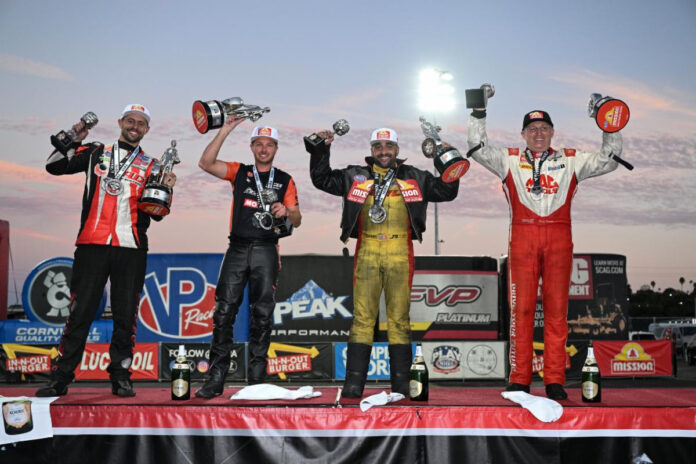
TODD WINS RACE, TITLE IN DRAMATIC FASHION AT IN-N-OUT BURGER NHRA FINALS; KALITTA, GLENN, HERRERA ALSO GET VICTORIES

  • Todd wins a FC thriller to win race, title
  • Kalitta wins teammate versus teammate TF showdown
  • Glenn wins third straight race in PS
  • Herrera rolls to dream weekend in PSM

POMONA, Calif. (Nov. 15, 2026) – In one of the most dramatic finishes in NHRA history, J.R. Todd won his second career Funny Car world championship on Sunday at In-N-Out Burger Pomona Dragstrip, defeating Daniel Wilkerson in a must-win final round of the In-N-Out Burger NHRA Finals to secure the win and the championship for Kalitta Motorsports.

Doug Kalitta (Top Fuel), Dallas Glenn (Pro Stock) and Gaige Herrera (Pro Stock Motorcycle) also won the last of 20 races during the 2026 NHRA Mission Foods Drag Racing Series season and the sixth race in the Countdown to the Championship playoffs.

Todd finished off a thrilling double-double sweep for Kalitta Motorsports, as Todd won the race and championship, while Kalitta won the race and Shawn Langdon clinched the world championship.

With all eyes on the Funny Car final round, Todd and his team delivered in a major way, going 3.890-seconds at 331.20 mph in his 12,000-horsepower DHL Toyota GR Supra to claim the world championship in the final round.

Entering the weekend 104 points behind Matt Hagan, Todd needed a win, plus early exits from both Hagan and Jordan Vandergriff, to stay in contention. Hagan lost in the opening round to Wilkerson, while Vandergriff fell a round later to teammate Alexis DeJoria, setting the stage for a dramatic comeback from the past champion.

In workmanlike fashion, Todd came through, going 3.956 to defeat Julie Nataas in the opening round. He followed with a 3.930 to defeat Bobby Bode and then knocked off DeJoria on a holeshot and a run of 3.929 at 332.84 to reach the finals.

Needing a victory to win the title, Todd was .057 on the starting line and led wire-to-wire in the championship round, holding off Wilkerson to claim his third victory of the season and the 25th overall. Without question, this one will go down in history as the biggest in his standout career.

“I show up to the track every weekend thinking that we have a shot to win, especially with Dickie [Venables] and Todd [Smith, crew chiefs],” Todd said. “That’s all I’ve ever wanted was to have guys like that in my corner. I’ve been envious of guys like Matt Hagan and, in years past, Robert Hight. We kept saying, ‘Just give us a chance,’ and we got it. When it’s your day or your weekend, it’s just that you can’t do anything wrong.

“I wanted to win this one so bad. Just winning one is hard enough, but I feel like this kind of validates the first one. It kind of puts you in another club. It just feels different; it hasn’t sunk in yet.”

Wilkerson reached the finals for the third time this year after knocking off Hagan, Jim Campbell and Austin Prock.

Kalitta Motorsports put on a fitting show in the Top Fuel final round, with Langdon and Kalitta both dipping into the 3.60s. It was Kalitta who came out on top to claim the In-N-Out Burger NHRA Finals, going a stunning 3.657 at 339.19 in his 12,000-horsepower Mac Tools dragster.

It’s the sixth win of the season for Kalitta, who won the last two races of the season to help hand Kalitta Motorsports 14 Top Fuel victories during a spectacular 2026 campaign. Kalitta, who was the No. 1 qualifier, went 3.677 at a track-record 343.59 to reach the finals and then took down Langdon to get his 65th career victory.

“It was a hell of an effort by my guys, and I am very appreciative of the opportunity to drive that thing with Alan [Johnson], making the tune, and Mac Savage and all my guys,” Kalitta said. “We’ve worked our tails off. The other key parts are Connie [Kalitta] and Chad Head. They’ve nurtured this team with all three of our cars. It was cool to get the last win here at Pomona. I love coming here, and the history of this place, and I was super happy to see the win light come on tonight.”

Langdon reached the final round for the 12th time by defeating Josh Hart, Tony Stewart and Billy Torrence. He claimed the title by defeating Hart in the opening round.

In Pro Stock, back-to-back world champion Dallas Glenn closed out the Countdown to the Championship playoffs in remarkable fashion, winning his third straight race on Sunday and defeating Matt Latino on a holeshot with a run of 6.531 at 209.23 in his RAD Torque Systems Chevrolet Camaro.

Glenn clinched the title when he staged the car during the opening round, but he also finished the job, collecting holeshot wins during the semifinals and finals. Those came against Greg Anderson and then Latino in the final round, holding off Latino’s pass of 6.529 at 209.85 with a standout reaction time of .009.

It’s the first win at the Finals for Glenn, who now has an impressive 28 career wins in the Pro Stock ranks, as well as two straight championships.

“If I were going for my first championship, I can tell you I would be a nervous wreck,” Glenn said. “This season, with a fantastic car, I was definitely way more relaxed. I was a little nervous going up there for Q4 because I really wanted to stay number one qualifier, and we were going up there loaded for it. Thankfully, I was able to hold on to number one and get a more relaxing start to Sunday. We knew going into this season that it was going to be a lot tougher.

“When you know that the competition’s closer, then you start making more aggressive runs, and sometimes your car can get off into a little left field where it doesn’t need to be, and it’s hard to make good runs. It’s definitely been a lot more of a struggle this year, but I feel like we’ve definitely made a lot of the right moves, and we came out on top.”

Latino reached the finals for the first time in his career by defeating Erica Enders, Troy Coughlin Jr. and Greg Stanfield.

Herrera finished off his championship season in Pro Stock Motorcycle with a double-up weekend, going 6.683 at 202.39 on his RevZilla/Motul/Vance & Hines Suzuki to hold off Matt Smith in the final round of the In-N-Out Burger NHRA Finals.

After winning on Saturday to complete the Las Vegas race, Herrera finished the job in style, taking the championship in the semifinals when he defeated Ryan Oehler and teammate Richard Gadson lost to Smith.

But Herrera wasn’t done, as the No. 1 qualifier earned his fifth victory of the year and 33rd in his career, defeating Alex Laughlin, John Hall and Oehler to reach the final round. He led wire-to-wire to defeat Smith to close out a flawless weekend that included the No. 1 qualifier, two wins and another world championship.

“Today turned into something unbelievable,” Herrera said. “I don’t know if I could top that. This whole weekend has gone my way. I got every point I needed. I got my third championship in my fourth season, and it’s all got to do with my guys. Coming here to Pomona and it all coming down to the last race, you can’t ask for anything better than that. This is an all-time high for me.”

“When Andrew [Hines] tapped me on the shoulder in Las Vegas and said, ‘Are you going to be here to test ride my bike on Monday?’ And I said, ‘I can be.’ That was the best decision I ever made.”

Smith, who finished third in points, advanced to the finals for the fifth time this season by defeating Marc Ingwersen, Joey Gladstone and Gadson.

The NHRA Mission Foods Drag Racing Series opens its 2027 season on Feb. 18-21 with the NHRA Winternationals at In-N-Out Burger Pomona Dragstrip.


POMONA, Calif. — Final finish order (1-16) at the 61st annual In-N-Out Burger NHRA Finals at In-N-Out Pomona Dragstrip. The race is the final of 20 events in the NHRA Mission Foods Drag Racing Series.

TOP FUEL:

  1. Doug Kalitta; 2. Shawn Langdon; 3. Billy Torrence; 4. Leah Pruett; 5. Maddi Gordon; 6.

Antron Brown; 7. Justin Ashley; 8. Tony Stewart; 9. Will Smith; 10. Cameron Ferre; 11. Clay Millican; 12. Bernie Plourd; 13. Josh Hart; 14. Tony Schumacher; 15. Spencer Massey; 16. Shawn Reed.

FUNNY CAR:

  1. J.R. Todd; 2. Daniel Wilkerson; 3. Alexis DeJoria; 4. Austin Prock; 5. Bobby Bode; 6. Jordan Vandergriff; 7. Cruz Pedregon; 8. Jim Campbell; 9. Jason Rupert; 10. Paul Lee; 11. Matt Hagan; 12. Dave Richards; 13. Jeff Arend; 14. Julie Nataas; 15. Ron Capps; 16. Jack Beckman.

PRO STOCK:

  1. Dallas Glenn; 2. Matt Latino; 3. Greg Anderson; 4. Greg Stanfield; 5. Deric Kramer; 6. Dave Connolly; 7. Matt Hartford; 8. Troy Coughlin Jr.; 9. Erica Enders; 10. Aaron Stanfield; 11. Cody Anderson; 12. Stephen Bell; 13. Shane Tucker; 14. Jeg Coughlin; 15. Kenny Delco.

PRO STOCK MOTORCYCLE:

  1. Gaige Herrera; 2. Matt Smith; 3. Ryan Oehler; 4. Richard Gadson; 5. Joey Gladstone; 6. Chase Van Sant; 7. John Hall; 8. Geno Scali; 9. Angie Smith; 10. Clayton Howey; 11. Malcolm Phillips Jr.; 12. Steve Johnson; 13. GT Tonglet; 14. Marc Ingwersen; 15. Chris Bostick; 16. Alex Laughlin.

POMONA, Calif. — Sunday’s final results from the 61st annual In-N-Out Burger NHRA Finals at In-N-Out Pomona Dragstrip. The race is the final of 20 in the NHRA Mission Foods Drag Racing Series:

Top Fuel — Doug Kalitta, 3.657 seconds, 339.19 mph def. Shawn Langdon, 3.675 seconds, 335.82 mph.

Funny Car — J.R. Todd, Toyota GR Supra, 3.890, 331.20 def. Daniel Wilkerson, Ford Mustang, 3.925, 318.17.

Pro Stock — Dallas Glenn, Chevy Camaro, 6.531, 209.23 def. Matt Latino, Camaro, 6.529, 209.85.

Pro Stock Motorcycle — Gaige Herrera, Suzuki, 6.683, 202.39 def. Matt Smith, Buell, 6.735, 201.40.

Top Alcohol Dragster — Richie Crampton, 5.203, 277.26 def. Braiden Chesleigh, 5.271, 270.37.

Top Alcohol Funny Car — Sean Bellemeur, Chevy Camaro, 5.459, 266.00 def. Shane Westerfield, Camaro, 5.514, 266.79.

Competition Eliminator — Jeff Taylor, Dragster, 6.568, 183.77 def. Joe Carnasciale, Chevy Cavalier, 8.860, 151.89.

Super Stock — Tommy Gaynor, Chevy Cobalt, 9.366, 125.87 def. Jimmy DeFrank, Cobalt, 8.952, 151.34.

Stock Eliminator — Brenda Grubbs, Chevy Camaro, 9.756, 128.24 def. Jerry Emmons, Camaro, 10.372, 120.40.

Super Comp — Kris Whitfield, Dragster, 8.944, 163.37 def. Bailey Naber, Dragster, 8.957, 167.82.

Super Gas — Robert Naber, Chevy Corvette, 9.904, 155.40 def. Brad Pierce, Corvette, 9.881, 141.15.

Top Sportsman — Michael Chitty, Chevy Cobalt, 6.709, 205.91 def. Dean Hall, Chevy Corvette, 7.123, 186.20.

Top Dragster — Keith Winters, Dragster, 6.345, 207.62 def. Dylan Hough, Dragster, Foul – Red Light.

Legacy Nitro Funny Car — Shane Westerfield, Chevy Camaro, 4.665, 243.41 def. Nathan Sitko, Pontiac Firebird, 4.779, 230.45.

Junior Dragster Shootout — Allison Bolle, Halfscale, 8.019, 78.89 def. Kalei Mahoney, Halfscale, 9.001, 69.45.

POMONA, Calif. — Final round-by-round results from the 61st annual In-N-Out Burger NHRA Finals at In-N-Out Pomona Dragstrip, the final of 20 events in the NHRA Mission Foods Drag Racing Series:

TOP FUEL:

ROUND ONE — Justin Ashley, 3.766, 336.15 def. Shawn Reed, 10.809, 76.98; Billy Torrence, 3.731, 337.58 def. Spencer Massey, 5.936, 108.63; Tony Stewart, 3.733, 328.46 def. Clay Millican, 4.089, 242.54; Maddi Gordon, 3.749, 333.41 def. Cameron Ferre, 3.956, 305.36; Doug Kalitta, 3.715, 334.07 def. Bernie Plourd, 5.131, 138.20; Leah Pruett, 3.794, 319.90 def. Will Smith, 3.894, 282.72; Antron Brown, 4.199, 263.98 def. Tony Schumacher, 5.645, 115.89; Shawn Langdon, 3.845, 319.90 def. Josh

Hart, 5.494, 130.95;

QUARTERFINALS — Pruett, 3.757, no speed def. Brown, 3.789, no speed; Langdon, 3.842, 293.54 def. Stewart, 5.770, 114.64; Torrence, 3.716, 334.65 def. Gordon, 3.747, 335.82; Kalitta, 3.712, 339.96 def. Ashley, 4.643, 166.11;

SEMIFINALS — Langdon, 3.713, 333.08 def. Torrence, 3.719, 335.23; Kalitta, 3.677, 343.59 def. Pruett, 4.185, 226.77;

FINAL — Kalitta, 3.657, 339.19 def. Langdon, 3.675, 335.82.

FUNNY CAR:

ROUND ONE — Bobby Bode, Ford Mustang, 4.047, 315.42 def. Jack Beckman, Chevy Camaro, 9.387, 79.93; Austin Prock, Mustang, 3.893, 334.82 def. Paul Lee, Dodge Charger, 3.952, 327.51; J.R. Todd, Toyota GR Supra, 3.956, 331.28 def. Julie Nataas, GR Supra, 4.289, 221.23; Jim Campbell, Mustang, 4.030, 304.80 def. Ron Capps, GR Supra, 6.191, 111.73; Alexis DeJoria, Camaro, 3.888, 331.77 def. Dave Richards, Mustang, 3.989, 320.51; Cruz Pedregon, Charger, 3.934, 313.88 def. Jason Rupert, Mustang,

3.931, 332.34; Jordan Vandergriff, Camaro, 3.938, 331.61 def. Jeff Arend, Charger, 4.034, 312.35; Daniel Wilkerson, Mustang, 3.946, 325.92 def. Matt Hagan, Charger, 3.988, 328.06;

QUARTERFINALS — Todd, 3.930, 333.08 def. Bode, 3.940, 323.35; Prock, 3.908, 333.74 def. Pedregon, 3.983, 291.89; DeJoria, 3.887, 332.67 def. Vandergriff, 3.959, 329.83; Wilkerson, 3.962, 325.45 def. Campbell, 4.733, 171.84;

SEMIFINALS — Wilkerson, 3.913, 325.30 def. Prock, 9.064, 105.68; Todd, 3.929, 332.84 def. DeJoria, 3.906, 332.18;

FINAL — Todd, 3.890, 331.20 def. Wilkerson, 3.925, 318.17.

PRO STOCK:

ROUND ONE — Dave Connolly, Chevy Camaro, 6.535, 209.52 def. Cody Anderson, Camaro, 6.542, 209.62; Deric Kramer, Camaro, 6.562, 209.36 def. Stephen Bell, Camaro, 6.558, 209.95; Troy Coughlin Jr., Camaro, 6.549, 209.14 def. Jeg Coughlin, Camaro, Foul – Red Light; Matt Hartford, Camaro, 6.563, 209.52 def. Kenny Delco, Camaro, Foul – Red Light; Greg Anderson, Camaro, 6.521, 209.23 def. Shane Tucker, Camaro, Foul – Red Light; Matt Latino, Camaro, 6.519, 209.49 def. Erica Enders, Camaro, 6.528, 210.18; Greg Stanfield, Camaro, 6.532, 210.41 def. Aaron Stanfield, Camaro, 6.536, 209.52;

Dallas Glenn, Camaro, 21.920, 60.26 was unopposed;

QUARTERFINALS — Glenn, 6.528, 209.62 def. Connolly, 6.562, 209.62; G. Stanfield, 6.547, 210.14 def. Kramer, 6.552, 209.33; G. Anderson, 6.516, 210.18 def. Hartford, 6.593, 210.01; Latino, 6.535, 208.94 def. Coughlin Jr., Foul – Red Light;

SEMIFINALS — Latino, 6.536, 209.20 def. G. Stanfield, 6.540, 210.31; Glenn, 6.531, 209.26 def. G. Anderson, 6.522, 209.72;

FINAL — Glenn, 6.531, 209.23 def. Latino, 6.529, 209.85.

PRO STOCK MOTORCYCLE:

ROUND ONE — John Hall, Buell, 6.796, 198.38 def. Steve Johnson, Suzuki, 6.875, 196.10; Chase Van Sant, Suzuki, 6.806, 197.39 def. Angie Smith, Buell, Foul – Red Light; Joey Gladstone, Buell, 6.839, 197.88 def. Chris Bostick, Suzuki, 6.943, 189.82; Geno Scali, Suzuki, 6.915, 196.02 def. Clayton Howey, Buell, Foul – Red Light; Ryan Oehler, 6.762, 201.07 def. GT Tonglet, Suzuki, Foul – Red Light; Matt Smith, Buell, 6.731, 201.70 def. Marc Ingwersen, 6.918, 196.99; Richard Gadson, Suzuki, 6.780, 200.86 def. Malcolm Phillips Jr., Suzuki, 6.814, 197.77; Gaige Herrera, Suzuki, 6.686, 202.48 def.

Alex Laughlin, 7.245, 165.80;

QUARTERFINALS — Gadson, 6.816, 197.88 def. Van Sant, 6.843, 196.93; Oehler, 6.761, 199.64 def. Scali, 6.937, 197.59; M. Smith, 6.757, 200.68 def. Gladstone, 6.812, 198.50; Herrera, 6.721, 201.94 def. Hall, 6.845, 197.94;

SEMIFINALS — M. Smith, 6.760, 200.47 def. Gadson, 6.811, 198.64; Herrera, 6.708, 201.43 def. Oehler, 6.778, 198.44;

FINAL — Herrera, 6.683, 202.39 def. M. Smith, 6.735, 201.40.

POMONA, Calif. — Point standings (top 10) following the 61st annual In-N-Out Burger NHRA Finals at In-N-Out Pomona Dragstrip, the final of 20 events in the NHRA Mission Foods Drag Racing Series –

Top Fuel

  1. Shawn Langdon, 2,773; 2. Doug Kalitta, 2,706; 3. Leah Pruett, 2,498; 4. Antron Brown, 2,476; 5. Tony Stewart, 2,449; 6. Maddi Gordon, 2,380; 7. Billy Torrence, 2,360; 8. Justin Ashley, 2,358; 9. Will Smith, 2,341; 10. Josh Hart, 2,303.

Funny Car

  1. J.R. Todd, 2,638; 2. Matt Hagan, 2,613; 3. Jordan Vandergriff, 2,605; 4. Austin Prock, 2,538; 5. Ron Capps, 2,470; 6. Jack Beckman, 2,465; 7. Alexis DeJoria, 2,432; 8. Daniel Wilkerson, 2,381; 9. Cruz Pedregon, 2,237; 10. Spencer Hyde, 2,204.

Pro Stock

  1. Dallas Glenn, 2,744; 2. Greg Stanfield, 2,579; 3. Greg Anderson, 2,553; 4. Matt Hartford, 2,552; 5. Troy Coughlin Jr., 2,507; 6. Matt Latino, 2,420; 7. Cody Anderson, 2,352; 8. Aaron Stanfield, 2,330; 9. Jeg Coughlin, 2,329; 10. Erica Enders, 2,308.

Pro Stock Motorcycle

  1. Gaige Herrera, 2,735; 2. Richard Gadson, 2,703; 3. Matt Smith, 2,597; 4. Ryan Oehler, 2,525; 5. Jianna Evaristo, 2,448; 6. John Hall, 2,418; 7. Angie Smith, 2,391; 8. Chase Van Sant, 2,353; 9. Steve Johnson, 2,278; 10. Clayton Howey, 2,263.
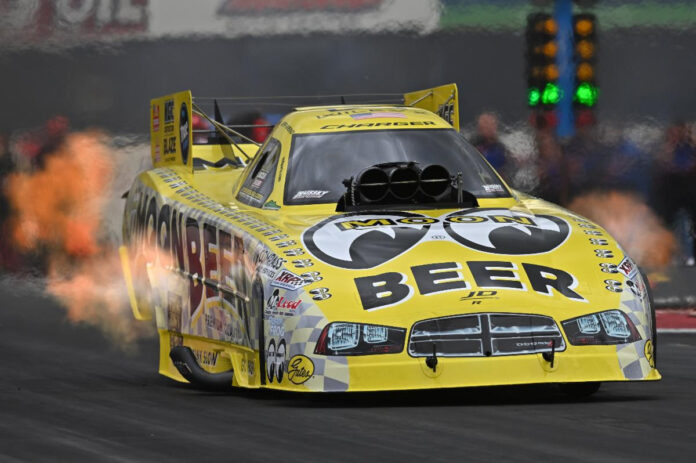
Jim Dunn Racing – Pomona Event Recap for the NHRA Finals

Jeff Arend

Moon Beer Funny Car Driver for Jim Dunn Racing
61st In-N-Out Burger NHRA Finals
Nov. 12-15 | Pomona, California

Event Recap

Jeff Arend, driver of the Jim Dunn Racing Moon Beer Funny Car:

  • Earned No. 4 provisional qualifying position in Q1 on Friday (3.973 ET at 310.77 mph)
  • Q2 on Friday was canceled due to weather
  • Fell to No. 6 provisional qualifying position based off of Friday’s Q1 run. In Q3 on Saturday, Arend ran a 4.473 ET at 197.86 mph.
  • Secured the No. 10 qualifying position based off of Friday’s Q1 run. In Q4 on Saturday, Arend ran a 4.035 ET at 306.67 mph.

Notes of Interest

  • Friday’s 3.973-second run marked a major benchmark for Jim Dunn Racing, as the team had been working towards a three-second run all season. Arend’s Funny Car crew identified a clutch issue at the last event, the NHRA Las Vegas Nationals, so the car started responding the way it’s supposed to.
  • Arend represented Moon Beer this weekend in Pomona. Moon Beer is an easy-drinking American light lager created as a collaboration between Mooneyes and Frogtown Brewery. The beer has a crisp, clean finish. Frogtown’s premium quality hops and horsepower delivers a light-bodied lager that is tuned and dialed to keep you cruising all-day long. Frogtown Brewery is an independent craft brewery and taproom located in northeast Los Angeles along the L.A. River. It was recently named one of the 50 Fastest Growing Breweries in the United States by the Brewers Association.
  • Mooneyes will once again present the 2026 Mooneyes Christmas Party Show & Drag at Pomona Fairplex In-N-Out Burger Pomona Dragstrip on Saturday, December 12. The event will include a car show, drag race, pinup girl contest, pinstriping demo, vendors, live music, and more. Jim Dunn Racing will also have the Moon Beer Funny Car on display. Visit Mooneyes for more information.
  • Diane Dunn celebrated her 90th birthday on Sunday at the NHRA Finals with fans, friends, and family.
  • The NHRA Finals marked a home event for both Jim Dunn Racing and Arend, with the team being based in Long Beach and Arend living near In-N-Out Burger Pomona Dragstrip.

Jeff Arend, Driver of the Jim Dunn Racing Moon Beer Funny Car

“Overall, it was a great weekend for the Jim Dunn Racing team. We would have qualified on three of our four runs. We also extended our first-round streak of not smoking the tires, except for one race, which is unbelievable. I am sure no other team could say that! I am proud of the entire team for their great work ethic, as we made all the runs with no mistakes or leaks. I can’t wait for what the future brings.”

Next Up
The 2027 NHRA Mission Foods Drag Racing Series season kicks off February 18-21 with the NHRA Winternationals at In-N-Out Burger Pomona Dragstrip in Pomona, California.

NHRA FINALS: ELITE MOTORSPORTS RESULTS

NHRA FINALS:
ELITE MOTORSPORTS RESULTS

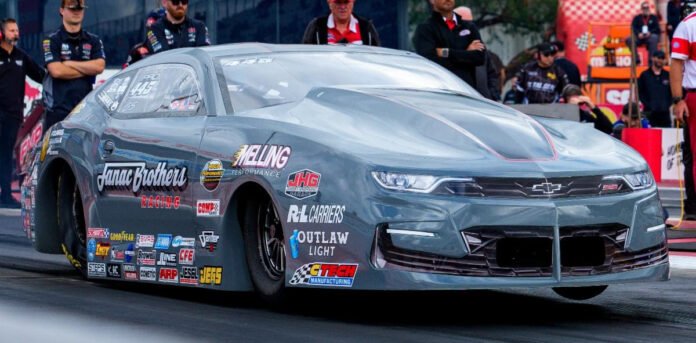
GREG STANFIELD, Janac Brothers Racing Pro Stock Car

Qualifying: No. 2
6.515 seconds, 210.41 mph
Bonus Qualifying Points: 5

Race Results:

E1: 6.532 at 210.41 def. Aaron Stanfield 6.536 at 209.52
E2: 6.547 at 210.14 def. Deric Kramer 6.552 at 209.33
Semis: 6.540 at 210.31 lost to Matt Latino 6.536 at 209.20

Unofficial Points Finish: 2nd

Quotes:

“It’s been a long season, some ups, some downs, but I am so proud of this Janac Brother’s team. What a ride we’ve had. All of Elite Motorsports worked tirelessly all season long and a second place finish, while we wanted that championship, is nothing to hang our heads about,” Stanfield said. “We gave it a good run and things just didn’t go our way the last few races. But I’ll tell you, we had some fun. Just to be in the fight is something to be proud of and I’m looking forward to getting another shot at it next year.”

TROY COUGHLIN JR., JEGS Pro Stock Car

Qualifying: No. 6
6.535 seconds, 209.85 mph
Race Results: Beat Jeg Coughlin Jr.; Lost to Matt Latino
Unofficial Points Finish: 5th

JEG COUGHLIN JR., JEGS.com Pro Stock Car

Qualifying: No. 11
6.551 seconds, 209.23 mph
Race Results: Lost to Troy Coughlin Jr.
Unofficial Points Finish: 9th

ERICA ENDERS, Johnson’s Horsepowered Garage / Melling Performance / R+L Carriers Pro Stock Car

Qualifying: No. 14
6.817 seconds at 168.11 mph
Race Results: Lost to Matt Latino
Unofficial Points Finish: 10th

AARON STANFIELD, Johnson’s Horsepowered Garage / Melling Performance / Janac Brothers Racing Pro Stock Car

Qualifying: No. 15
6.933 seconds, 157.30 mph
Race Results: Lost to Greg Stanfield
Unofficial Points Finish: 8th

STEPHEN BELL, 1320 LLC Pro Stock Car

Qualifying: No. 10
6.547 seconds at 209.49 mph
Race Results: Lost to Deric Kramer
Unofficial Points Finish: 15th

TONY STEWART, R+L Carriers Top Fuel dragster

Qualifying: No. 3
3.693 seconds, 337.66 mph
Bonus Qualifying Points: 7
Race Results: Beat Clay Millican; Lost to Shawn Langdon
Unofficial Points Finish: 5th

What Sports Fans Should Check in a Black Friday Streaming Box Deal

The minutes before a big game can be surprisingly stressful. The television is on, friends are arriving, and everyone wants to see the opening whistle. Then the picture starts buffering, the remote cannot be found, or the streaming application needs an update. Suddenly, the biggest challenge is getting everything ready before the match begins.

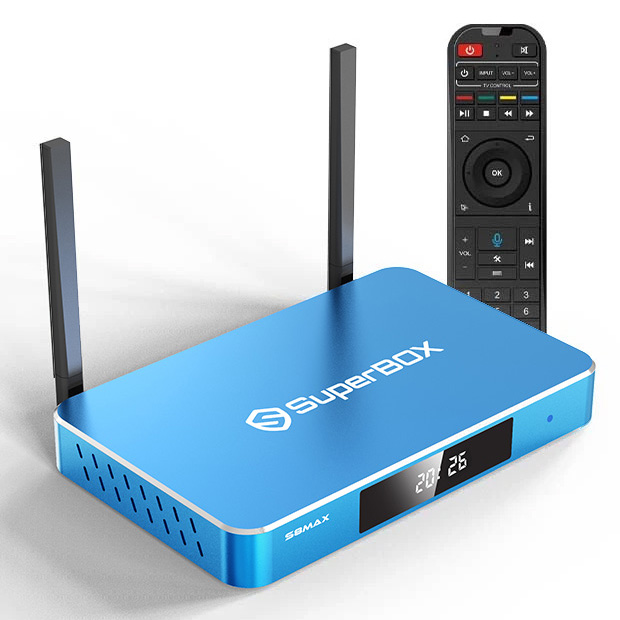
For sports fans, choosing a streaming box during Black Friday involves more than comparing prices. The device needs to work with the television, connect reliably to the home network, and support the applications and services the viewer intends to use. Buyers considering a SuperBox Android TV Box should also examine storage, multi-view capabilities, recording options, and the conditions attached to any seasonal offer. A little preparation can help prevent an exciting purchase from becoming a disappointing game-day experience.

Before Kick-Off: Know What You Actually Need

Imagine two fans preparing for the same weekend. One follows a single football team and watches most matches on one television. The other follows several leagues, switches between games, and enjoys checking different scores throughout the afternoon. Although both may be shopping for a streaming box, their priorities are not identical.

The first fan may care most about straightforward navigation, compatibility with a preferred streaming service, and a stable connection. The second may place greater importance on features that support multiple viewing sources, provided the device and relevant applications support the intended setup. Paying for features that will never be used is not necessarily a good deal, even when the advertised discount looks impressive.

Before browsing Black Friday offers, write down the sporting events you follow, the services through which you watch them, and the features you would genuinely use. This gives you a practical standard against which to compare products rather than allowing the biggest promotional headline to make the decision.

The Service Comes Before the Hardware

A streaming box is the equipment that connects your television to compatible applications and online services. It does not automatically guarantee access to every sports league, broadcaster, pay-per-view event, or regional channel.

Sports rights vary by country, competition, and broadcasting agreement. A match available through one service may be unavailable through another, even if both applications can run on similar devices. Some events also require a separate subscription or a one-time payment.

Check the official broadcaster or service for the competitions you want to follow. Confirm that its application supports the device, that the required subscription is available in your region, and that your account permits the intended use. This simple check can prevent you from buying hardware based on an assumption about content availability.

Picture Quality Is Only Half the Match-Day Experience

A large, sharp picture is valuable, but it is not the only factor that determines whether live sports are enjoyable. Fast-moving action, changing camera angles, small scoreboard graphics, and quick replays can expose weaknesses in a setup that seems perfectly adequate when watching slower programmes.

The television, source quality, application, network, and streaming device all contribute to playback. A device advertised with support for high-resolution video cannot make a low-resolution source look like native 4K, nor can it guarantee that every sports stream will be delivered at the same quality.

When comparing specifications, check the resolution formats supported by the device and make sure they match your television. Also consider whether your chosen service actually delivers the events you watch at the quality you expect. The capabilities of the hardware and those of the content provider are related, but they are not interchangeable.

A Practical Test for Your Home Network

Sports viewing often happens at the busiest time of the day, when other people are using phones, laptops, gaming consoles, and smart televisions. A connection that performs well early in the morning may struggle when several devices are active in the evening.

Test your internet connection near the television, preferably during the hours when you usually watch live matches. If possible, compare Wi-Fi performance with a wired Ethernet connection. Router placement, walls, interference, and the number of active devices can all affect the result.

If the picture freezes, identify whether the problem comes from the internet connection, the application, or the streaming source before replacing equipment. A more expensive box will not automatically fix broadband congestion or an unreliable service. Understanding the cause is often the quickest route to a better viewing experience.

Watching More Than One Game: Is Multi-View Worth It?

For fans who follow several events simultaneously, multi-view features can be particularly interesting. A major tournament weekend may include overlapping matches, while motorsport fans might want to follow a race and keep another information feed visible. Being able to view supported sources together can reduce the need to switch constantly between screens.

However, the exact capability matters. Check how the manufacturer describes multi-view on the specific model, and determine whether the applications or sources you plan to use are compatible. Do not assume that every model supports the same number of views or that every combination of applications can be displayed together.

There is also a practical limit to how much information is useful on one television. A large screen may make a split layout easier to follow, but a small display can make scoreboards and other details difficult to read. Think about the size of your television and your normal viewing distance before paying extra for a feature you may rarely use.

How SuperBox Black Friday Offers Fit the Sports Fan’s Budget

Once you know which features matter, compare the current SuperBox S8 Max Black Friday offer with the regular product price and the other available models. The key is to check the terms that apply to the exact device rather than assuming every model receives the same discount.

For a sports fan, the value calculation should include the features that support the intended viewing routine. If multi-view is important, check the model’s published description carefully. If you mainly watch one match at a time, you may decide that connectivity, application compatibility, and price deserve more attention than advanced viewing features.

Look at the final checkout total, not just the advertised percentage. Delivery charges, applicable taxes, eligible gifts, and the conditions for using a promotional offer can affect the overall cost. If the discount requires a particular quantity or qualifying product, make sure the basket meets those requirements before paying.

Black Friday prices and promotional conditions can change. Check the current listing when you are ready to purchase, and save the order confirmation. A deal is only useful if the product meets your requirements and the amount charged matches the terms presented at checkout.

What SuperBox Features Matter for Sports Viewing?

For viewers who want a device with additional viewing flexibility, the SuperBox S8 Max 64GB is one option to compare. Its published product information lists 64GB of internal storage and Full Multi-View capability. The model is positioned as a balanced option in the S8 range, so it may be worth examining for households that value multiple-view functionality without needing the largest storage configuration.

Storage and multi-view serve different purposes. The 64GB capacity provides space for supported applications and data, while multi-view relates to displaying compatible viewing sources together. More storage does not itself improve live-stream quality, and multi-view does not guarantee that every sports service can be opened simultaneously. The applications and sources involved still determine what is possible.

Before selecting this model, compare its current specifications and price with the other available devices. Confirm which viewing features are listed for the exact model, whether your preferred applications are supported, and whether the available promotion applies. That comparison is more useful than choosing solely because a product is advertised as a sports-friendly option.

Recording and Replays: Check the Fine Print

Some fans cannot watch every event live. Work schedules, family commitments, and time-zone differences can make recording or catch-up viewing useful. If this is important to you, find out whether the selected device and the service you use support the relevant feature.

A streaming box may offer recording functionality, but availability can depend on the application, content source, storage space, and service rules. A feature listed in the product specifications should not be interpreted as permission to record every programme or as a guarantee that recordings will remain available indefinitely.

Also consider whether official catch-up services already meet your needs. If a broadcaster makes replays available through its application, you may not need to record every event yourself. Choosing the simplest reliable option can save money and reduce the time spent managing files.

The Game-Day Checklist: Four Things to Confirm

Before the first match, a few straightforward checks can make the setup more dependable. These are best completed before guests arrive rather than during the opening minutes.

  • Test the service: Open the official application you intend to use and confirm that your account and subscription are working.
  • Check the connection: Test playback at the television’s usual location and resolve obvious Wi-Fi or Ethernet issues.
  • Prepare the device: Install available updates, organize frequently used applications, and learn the remote’s basic controls.
  • Verify access to the event: Confirm that the competition is available through your chosen service in your region and at the expected time.

Completing these checks in advance does not guarantee that a broadcaster or internet provider will never experience an outage. It does, however, help separate preventable setup problems from issues outside your control.

FAQs

Does a streaming box automatically provide every live sports channel?

No. Access depends on the applications, broadcasters, subscriptions, regional rights, and content sources available to you. Check the official service for the competition you want to watch before purchasing a device.

Is multi-view useful if I follow only one team?

It may be less important if you normally watch one match at a time. Multi-view can be helpful for fans who follow overlapping events or want compatible viewing sources displayed together, but it should not be the deciding factor unless you expect to use it.

Will a more expensive streaming box stop buffering?

Not necessarily. Buffering can be caused by internet congestion, weak Wi-Fi, application problems, or issues with the streaming source. A capable device is only one part of the setup, so test your network and service before assuming that upgrading the hardware will solve the problem.

Choose for the Season, Not Just the Sale

A Black Friday streaming box deal should be judged by how well the device fits your actual viewing habits. For sports fans, that means checking access to the right services, testing network performance, understanding multi-view and recording limitations, and comparing the final purchase price.

The most expensive model is not automatically the best choice, and the largest discount is not always the best value. A device that supports your preferred services and offers the features you will use can be a more sensible purchase than one selected because of a promotional headline.

Prepare your requirements before browsing, verify the current offer, and test the setup before the next important match. With those decisions made in advance, you can spend less time troubleshooting the television and more time following the action.

NBA Cup Nights Are Here, but Do Group-Play Results Carry Over?

a photo displaying NBA cup nights

NBA Cup Nights Are Here, but Do Group-Play Results Carry Over?

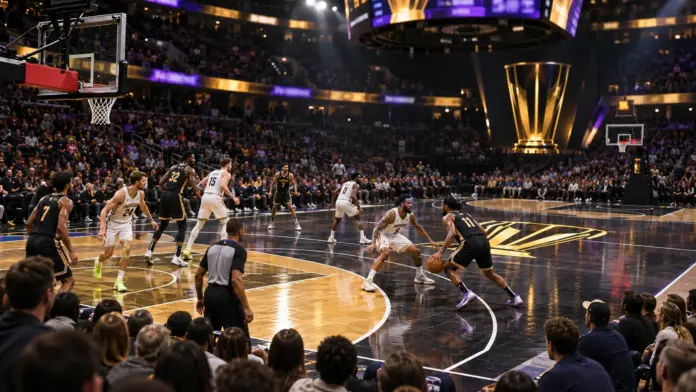
NBA Cup nights add a tournament storyline to the regular-season calendar, but they also create a practical question for fans: if a team wins its group, does that result carry into the knockout rounds or count again in the league table? The short answer is that group results determine who advances, while each Cup game apart from the championship also counts as a regular-season game. Those are related effects, but they are not the same standings.

One game, two kinds of consequence

During Group Play, teams meet opponents assigned to their conference group. Wins and losses shape the Cup table and determine which teams progress. The six group winners advance, joined by one wild-card team from each conference. The tournament then switches to single elimination, with quarterfinals, semifinals and a championship game.

At the same time, the NBA’s 2026 format says that Cup games count toward the regular-season standings except for the championship. That means a November win can both improve a team’s record in the race to advance and add a win to its standard NBA season record. The group table is not a separate pool of results that gets transferred into a new league table when the knockout bracket begins; it is a qualification mechanism.

What does not carry forward

A team does not receive bonus regular-season wins for advancing. Nor does a knockout result erase a group-stage loss. Every result remains part of the team’s season record, and the Cup bracket is built from the tournament rules. Once a team reaches the quarterfinals, a loss ends its Cup run, but the game still counts in the regular-season standings. The championship is the exception: it decides the trophy but is not part of the 82-game regular season.

That distinction matters when a team is balancing two objectives. A coach may value the opportunity to compete for a trophy, while also managing minutes over a long campaign. A close Group Play game can therefore carry more urgency than a typical early-season matchup, because it may decide qualification. But the broader season consequences remain familiar: the win or loss affects the team’s record, and player performance in qualifying Cup games goes into regular-season statistics.

Reading the group table

Group standings can also require more than looking at win-loss records. The NBA’s tiebreaking rules include head-to-head results, point differential and points scored, with additional criteria where necessary. The wild-card race compares the best second-place team in each conference. That makes late group games especially watchable: a margin can affect the tournament calculation even when a team has already secured a win.

For fans following the schedule through NBAPredictions, the most useful habit is to keep three questions separate: what is the team’s NBA record, what is its record in Group Play, and what result does it need to advance? A single game can influence more than one answer, but the labels still matter. A team can be strong in the regular season and miss the Cup bracket, or qualify through a group and then lose in a knockout game.

Why the format works

The Cup is designed to give selected regular-season dates a tournament feel without replacing the 82-game season. Courts and presentation make the occasion distinct; the format gives teams a clear route to a trophy; and the regular-season connection keeps most of the games consequential beyond the bracket. The championship’s separate status preserves a clear boundary between the Cup final and the standard schedule.

For viewers, the format becomes simple once the two tracks are kept in view. Group results decide who gets a chance at the trophy. Most Cup games also count in the standings that determine the NBA playoff picture. Those outcomes can overlap, but they do not carry over in the sense of duplicating or resetting results. The Cup is a tournament woven into the regular season, not a replacement for it.

A Garage Camera Vs RapVid For A Hauler Roast

Hauler birthdays get loud, and the clip still has to look like the people in the truck. An AI Rap Video Generator can start from those portraits before anyone books a second camera.

The useful test is simple. If a crewmate cannot tell who is in the frame, the clip does not belong in the team chat, no matter how loud the beat is. RapVid is the stronger path when the photos already exist and the roast has to go up before the next haul.


The Face Has To Match The Person Who Drove

A garage camera looks like the obvious tool because it is already in the hauler. Someone holds it, someone stands by the toolbox, and the birthday cake sits on a cooler. That setup fails a short fan clip for a plain reason: the face is usually too far away, or a hand and a mic cover the jaw. The beat can be funny and the clip can still be the wrong person.

A still that already solves the face is a better start than another take in bad light. The generator asks for one clear photo of one person, facing the camera, with the eyes, the nose, and the mouth fully visible. Shoulders in the frame help, because the body has to move with the beat instead of floating under a cropped head. A tailgate selfie often beats a wide shot of the whole bay.

A haul-night roast does not need a new location. It needs the person who just got out of the car to stay recognizable for a few seconds. If the still is soft, or the mouth is hidden, the verse will not look like it belongs to that driver. Treat that as a reject. A loud track does not repair a face the garage cannot name.


What A Second Camera Still Costs In Time

Booking a second camera for a hauler birthday sounds cheap until you count the time. Someone has to find a light that is not a fluorescent tube, wait for the engine noise to drop, and then shoot the same joke twice because the first take had a hat brim over the eyes. The cost is the gap between the cake and the post, not a studio invoice. By the time the file is usable, the next haul is already on the board.

A portrait path skips that queue. The phone already holds the garage shot, the hauler-door shot, or the selfie at the tailgate. The work left is choosing a scene that fits a roast, not rebuilding the room so a lens can see a mouth. That is the trade a race-week social person actually has: minutes against a camera plan that eats the evening.

One Clear Face In Each Upload Slot

The generator shows one upload slot for each person, and the range is one to five photos. A duo roast uses two slots. A three-person crew joke uses three. Each slot is one person. A group photo dropped into a single slot is the wrong file, because the mouth match has no single jaw to follow. The clip then has to guess which face is speaking, and the guess is what the chat rejects.

That rule is stricter than a garage camera, and it is why the clip stays readable. Add one photo per person. If a fourth crewmate wants in, they need their own still, facing forward, not a crop from the back of someone else’s picture. Include the shoulders when you can, so the body can move with the beat instead of locking into a head floating over a shirt.

Keep The Mouth And Jaw Uncovered

Hands, microphones, sunglasses, and masks over the mouth and jawline make it harder to match mouth movement to the verse. A victory-interview photo with a mic in front of the teeth is a bad source, even when the suit looks right. Heavily compressed screenshots with text across the face are worse: the letters can leave marks on the skin in the clip. Neither problem shows up in a thumbnail. Both show up when someone watches the mouth.

Use a clear still. If the only photo has the jaw blocked, take a new still before you spend anything. A failed face is a waste of time, and it is cheaper to fix the photo than to argue about the beat afterward. The camera in the hauler cannot undo a covered jaw either. It only adds another hour before you notice.


Where A Portrait Clip Beats Another Setup

A camera crew can film a real toast in the garage. It cannot turn two existing portraits into a finished short with the audio already chosen, not on a haul night, and not while the truck is already loaded. The portrait path is the stronger choice when the joke is a roast, a birthday, or a squad moment, and the people are already in photos you have the right to use.

product screenshot 3

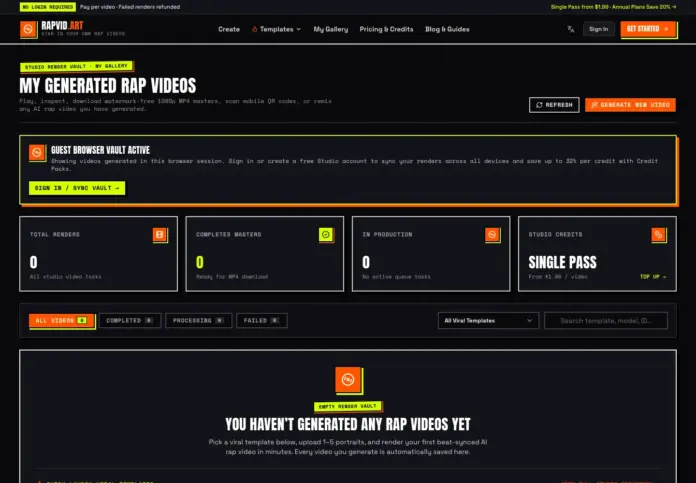
You pay for a single video at checkout without signing up. The floor starts at $1.99, and the price is on screen before you generate. RapVid is built for that haul-night gap: portraits in, a short file out, no second camera on the call sheet. RapVid shows the number first, so a social person can decide the joke is worth it before anyone opens a booking app.

Read The Price Before You Generate

Change the quality or the length and the price moves with that choice. A five-second vertical clip for a story is not the same job as a longer cut meant to sit in a post. You do not need every option on the menu. For a hauler roast, lock a short length first, look at the number, and only then generate. If the number is higher than the joke is worth, pick a shorter cut instead of paying a camera operator for overtime that the chat will not watch.

That check is the whole comparison. A garage camera hides its cost in time: the light, the noise, the second take. The portrait path puts a dollar figure on the screen before the file exists. Compare those two bills on the same roast, with the same two faces, and the camera plan loses when the only goal is a short clip before the next departure.


Three Paths For The Same Hauler Roast

The same portraits can go three ways. The choice is about the joke, not about a new piece of gear. A trend the garage already shouts along to is a different job from a roast written for two crewmates, and both are different from bars somebody already typed in a notes app.

Trending templateOriginal sceneYour own idea
Best forA clip people already knowA birthday, a roast, or a squad jokeLyrics or a scene you already wrote
Photos1 to 51 to 31 to 3
What you typeNothingAn optional name or inside jokeThe lyrics, the scene, or the outfit
SoundAudio that comes with the templatePrewritten or scene-written lyrics over a beatA beat you pick for your own words
LengthAbout 5 to 19 secondsAbout 5 to 15 secondsAbout 5 to 15 seconds

A hauler roast usually wants the middle column. The joke belongs to the people in the truck, so inheriting someone else’s audio is the wrong fit unless the garage already treats that clip as the bit. Trending still matters when the team is piling onto a move everyone has seen: you type nothing, and the motion and the camera come with the template. Your own idea matters when the bars are already written and a template would talk over them. One to three photos still cover the people in that joke.

Do not collect all three for the same post. Pick the column that matches the bit, then stop. A birthday between two crewmates is an original scene. A chant the whole garage already knows is a template. A verse written on the ride in is your own idea. Mixing them in one night is how a simple roast turns back into a production meeting.


A Check Before The Clip Hits The Chat

Before the file goes to the team chat, compare the still and the clip at the face, not at the beat. The eyes, the nose, and the mouth should still read as the same person. If the jaw looks like someone else, do not post it. A funny beat does not repair a wrong face, and a crew chat will say so in one line.

product screenshot 2

Permission sits in the same check. Only upload photos you have the right to use. A crewmate’s portrait from a public autograph line is not yours just because the car number is in the background. If you cannot point at the person and say they agreed, the clip stays off the chat. That rule is shorter than a legal memo, and it is the one that keeps a joke from becoming a problem on the next race morning.

Run the check in this order: face first, then permission, then the price you already saw. A clip that fails the face does not get saved by a cheaper length. A clip that fails permission does not get saved by a perfect mouth. The order matters because the haul clock is short, and the wrong argument to have at the tailgate is a debate about the beat while the jaw is still covered.


Who Should Post The Hauler Clip

Use the portrait path when the faces are already clear and the roast has to land before the next haul. Skip it when the only photo hides the mouth and nobody can take a new still.

A social person on a race weekend, or the crewmate who already holds the phone, can post this without a second camera. A full victory interview, with a real mic and a real quote, still belongs on a camera. RapVid is the stronger tool for the short fan clip in between, the one that has to look like the people who were actually in the truck.

Can Hydrogen Win a Race? What Le Mans and Toyota’s Corolla Reveal

Motorsport has always been a rolling laboratory. Disc brakes, turbochargers, paddle shifters and hybrid systems all proved themselves on a circuit before they reached a driveway. Now the sport is testing another idea: running race cars on hydrogen. The results so far are slow, loud with promise and full of engineering lessons, and they say a lot about what fans can expect from the next decade of endurance racing.

Why racing wants hydrogen

Endurance racing is the natural home for the technology. A battery-electric car has to stop and charge for a long time, while a hydrogen car can be refuelled in a few minutes, much like a petrol car. That matters in a 24-hour race where every pit stop counts. The organiser of the 24 Hours of Le Mans, the Automobile Club de l’Ouest (ACO), has worked on hydrogen since 2018 and has the backing of the FIA for its MissionH24 project, a joint venture with GreenGT.

Two roads: fuel cells and hydrogen combustion

There are two ways to race on hydrogen, and both are being tested.

  • Fuel cell. Hydrogen reacts with oxygen to make electricity, which drives electric motors. The only tailpipe emission is water. This is the route taken by the ACO’s MissionH24 prototypes, which have appeared in demonstrations and support races at Le Mans.
  • Hydrogen combustion. A modified piston engine burns hydrogen instead of gasoline. It keeps the sound, the feel and much of the know-how of a traditional race engine, which is why manufacturers such as Toyota find it attractive.

Toyota’s Corolla: slow, but it finished

The most useful experiment so far came from Toyota. In May 2021 a Corolla Sport powered by the turbocharged 1.6-litre three-cylinder engine from the GR Yaris, converted to burn compressed hydrogen, entered the Fuji 24 Hours in Japan’s Super Taikyu series. It completed 358 laps at an average speed of about 68 km/h, well below the pace of the petrol cars around it, but it reached the chequered flag.

Toyota executives were open about the reasons for the slow pace. Hydrogen burns roughly seven times faster than gasoline, which puts far more stress on engine components, and the power output was cut to keep the car alive for a full day. In later races the car was upgraded and sped up, and Toyota has since moved to liquid hydrogen, which stores more fuel in the same space. Finishing a 24-hour race at all, with a new fuel, was the real result. As driver Kamui Kobayashi put it, simply getting such a car to the end felt like a win from the early days of endurance racing.

Le Mans: the timeline keeps moving

The ACO has long wanted a hydrogen class at Le Mans, and the target date has slipped more than once, from the middle of the decade to 2027, then 2028 and, according to the most recent roadmap reported by the motorsport press, to 2030 for hydrogen-powered Hypercars. The switch toward liquid hydrogen is one reason for the delay. Toyota has kept the idea visible by showing its hydrogen concepts at Le Mans, and the ACO says hydrogen refuelling infrastructure will be part of its planned rebuild of the pit complex.

The delays are not a sign of failure. Every new power source needs safety rules, tank standards, refuelling procedures and a supply of fuel at the circuit, and none of that can be rushed when cars run wheel to wheel at 300 km/h.

The gap between track and street

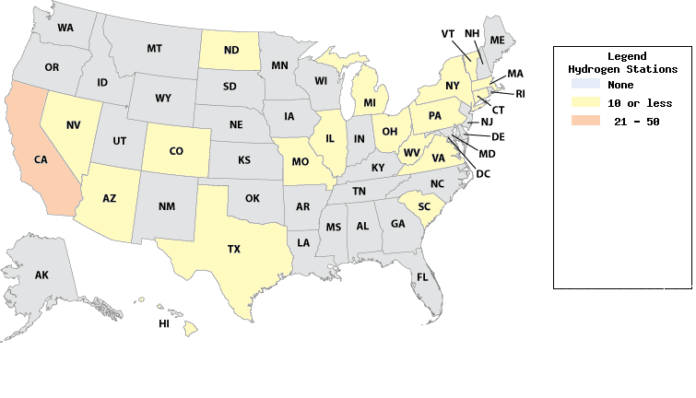
The biggest question is not what hydrogen can do on a track but where a driver can fill up on the road. A race team can truck fuel to the circuit. A family cannot. That is the reason the road-car side of hydrogen is moving far more slowly than the racing programmes suggest. If you are curious how thin the network really is, this breakdown of how many hydrogen fuel stations there actually are in the US shows that public stations number only in the dozens for the whole country, and nearly all of them are in California. Until that changes, motorsport will remain the place where hydrogen cars are easiest to see.

What fans should watch

If you follow endurance racing, three things will tell you whether hydrogen is becoming real:

  1. Rules. Final technical regulations for a hydrogen class, and how they treat combustion and fuel-cell cars.
  2. Manufacturers. Whether brands beyond Toyota commit money and entries.
  3. Refuelling. Working liquid or compressed hydrogen stations in the paddock, tested in public.

Hydrogen will not be on the grid for the next Daytona or Le Mans. But the slow Corolla at Fuji and the prototypes at Le Mans show how motorsport works at its best: take a risky idea, make it finish a race, then make it fast. Fans who watch closely may one day say they saw the first lap of a very different era.

What to Know About Filing a Car Accident Claim in Gulfport, Mississippi

Car accidents can leave the victims with severe injuries, damage to their vehicles, and unexpected financial problems to deal with. Victims may be left to deal with repair bills, lost wages, long recovery times, and medical bills. This issue of accountability can also be complicated, particularly when multiple drivers, weather conditions, or other factors come into play. Knowing your legal rights can help you to make decisions following a collision.

An injured person can contact a Gulfport Car Accident Attorney to learn about their rights and obtain compensation for any losses due to another party’s negligence. Legal services can involve accident investigation, evidence collection, negotiating with insurance companies, and assessing the damages. An experienced lawyer can also guide you through the claims process and support you until you can focus on your recovery.

What Compensation Can Be Recovered By The Victim Of A Car Accident?

Those involved in car accidents can have financial problems and other issues that last well beyond the accident itself. If your injuries result from a party’s negligence, you may be able to recover damages for your injuries, property, and recovery. The amount of compensation will depend on the severity of the injuries, their impact on a person, and the evidence supporting the claim.

If the situation is right, the damages that can be won are:

  • Medical Expenses: Expenses for emergency treatment, hospitalization, surgical interventions, medication, physical therapy,y and follow-up appointments.
  • Residual or lost wages: Wages lost between the time of the injury and the time the person recovers.
    Loss of Earning Capacity: When a person cannot continue working in their former line of work and/or cannot earn the same income.
  • Pain and Suffering: Compensation for physical pain, emotional distress,ss and the impact of the injuries on daily living.
  • Property Damage: Expenses incurred to restore or replace damage to a vehicle and/or other personal property.
  • Future Medical Costs: The cost of ongoing treatment, treatment alternatives and/or long-term care (LTC) that is anticipated.

Medical records, employment paperwork, repair estimates, and other documents can help determine the extent of these losses. A Gulfport car accident attorney can examine the circumstances and help determine which categories of compensation you may be eligible for.

Dealing with Common Gulfport Auto Accident Scams

Driver duties, unsafe road conditions, and vehicle issues are all potential causes of car accidents. When deciding if another party could be liable for an accident, it is significant to know what caused the collision. Distracted driving, speeding, impaired driving, and not obeying traffic signs are common causes of collisions in Gulfport and throughout the United States.

Distracted DrivingTalking on a cell phone, texting, or changing controls in the vehicle can distract a driver.
SpeedingWhen operating a vehicle at excessive speeds, reaction times are compromised, and braking and/or vehicle control become more difficult.
Avoid drunk or impaired drivingAlcohol or drugs can impair judgment, coordination, and reaction time.
Reckless DrivingTailgating, unsafe passing, and aggressive driving increase the risk of collisions.
Failure to YieldFailure to obey the rules of the road at intersections or when entering the highway will result in serious crashes.
Poor Weather ConditionsRain and wet roads can make vision and traction poor, which can lead to loss of control
Driver FatigueDrowsiness may impair the ability to react quickly and maintain attention while driving.

Knowing what caused the accident can help determine the manner in which negligence was involved. Police reports, photos, witness statements,s and damage to the vehicles might be used to determine how and who was involved.

The Impact of Mississippi’s Comparative Fault Rules on Compensation

Mississippi has a pure comparative negligence system. This means an injured party can still receive compensation even if they were partially at fault. The amount they receive is, however, reduced based on their percent of fault.

For instance, if someone is injured and awarded $100,000 in damages and is 20% at fault for the accident, he or she could only recover 80%. This rule can be used to secure a portion of damages even if the injured party is primarily at fault.

Reviewing police reports, witness statements, photos, traffic camera video, and more can help determine each driver’s share of responsibility. The insurance company may also try to blame more on their client to pay out less. A Gulfport car accident attorney can review the evidence, contest erroneous fault determinations, and discuss how comparative negligence may affect a case.

Frequently Asked Questions

What is the deadline to file a car accident case in Mississippi?

Mississippi’s statute of limitations for personal injury claims based on negligence is typically 3 years. When it comes to filing, it is best to seek legal counsel early on so that you don’t miss anything.

After a car accident in the Gulfport area, what should I do?

Check for injuries; call 911 for assistance, if necessary. Call the police; exchange information with the other driver; if possible, take pictures of the accident. It is also a good idea to seek medical care and to keep copies of accident-related records.

What if I played a part in the accident—can I still make a claim?

Yes. Mississippi has a pure comparative negligence law, which means you could still receive compensation if you have 20% liability. But your percentage of fault will reduce your compensation.

What are acceptable pieces of evidence that will support my car accident claim?

Helpful evidence can range from police reports, photos of the vehicles and accident scene, witness statements, medical records, surveillance footage, and repair estimates. These materials can help you build a case regarding how the accident occurred and your losses.

Should I take the first offer I am given by the insurance company?

Not necessarily. An initial offer may not cover all medical costs, income replacement, or future treatment needs. Before you accept the offer, consult a lawyer to review it and determine whether it covers your losses.

Conclusion

The result of a car accident can cause physical, emotional,l and financial problems for the victim and family for life. By understanding the typical causes of crashes, the types of compensation available, and Mississippi’s comparative fault laws, the injured party can make better decisions about legal options. It is also crucial to gather evidence and create an accident claim record when filing a claim.

Mastering Modern Vehicle Security – Why A Mobile Automotive Locksmith Is The Best Solution

We’ve all been there before. You get into your car, turn the key in the ignition or press the start button, and nothing happens. Your dashboard lights may flash, but the engine refuses to start. Modern vehicles have powerful engines and advanced computer systems, yet many of their security features depend on one small but essential component: the car key or key fob.

If your vehicle experiences a security system issue, the key blade becomes stuck in the ignition, or the transponder inside the key stops communicating properly, your car may become unable to start. Traditionally, drivers might assume their only option is to arrange a tow to the dealership. However, automotive locksmith services have evolved significantly. Many professional mobile automotive locksmiths now carry advanced diagnostic equipment, precision key-cutting machines, and programming tools that allow them to handle a wide range of vehicle key problems at the customer’s location.

Why Taking Your Car to the Dealership Is Not Always the Best Option

Dealerships have traditionally been a common choice for vehicle key replacement and programming. They have access to manufacturer-specific information, replacement parts, and vehicle security systems. However, visiting a dealership is not always the most convenient or affordable solution.

The first challenge is getting the vehicle there. If the steering wheel is locked or the starter motor cannot operate, the vehicle may need to be transported by a tow truck. This can add towing fees, travel costs, and waiting time to an already frustrating situation.

Once the vehicle arrives, the owner may also need to wait for an available service appointment. Depending on the dealership’s workload, vehicle model, and parts availability, the process may take longer than expected.

Replacement key costs can also vary considerably depending on the vehicle manufacturer, key type, and programming requirements. Dealerships may charge additional labor fees for programming and installation. Comparing dealership prices with quotes from independent automotive locksmiths can help vehicle owners find a suitable option.

What’s Inside Your Car Key?

Understanding the technology inside modern car keys explains why replacement and programming often require specialized equipment. Today’s vehicle keys are much more advanced than traditional double-sided metal keys.

Modern vehicles use several layers of security to prevent unauthorized access and vehicle theft.

Transponder Chip Key

Inside the plastic head of many traditional-looking car keys is a small passive RFID transponder chip. When the key is inserted into the ignition, an antenna sends a low-frequency signal to the chip. The chip responds with a unique identification code that the vehicle’s security system checks.

If the code is recognized, the vehicle allows the engine to start. If the code does not match, the vehicle prevents the engine from operating.

Laser-Cut Sidewinder Key

Laser-cut keys differ from traditional keys because they have a thicker blade with a distinctive groove or track cut along the center. Their design offers additional security and requires specialized high-security key-cutting equipment.

A standard key-cutting machine may not be suitable for producing these keys accurately. Professional automotive locksmiths use dedicated machines designed for this type of cutting.

Smart Key and Push-Start Key Fob

Many newer cars, trucks, and SUVs use smart keys or proximity key fobs. These devices communicate wirelessly with antennas installed throughout the vehicle.

When the driver enters the vehicle, presses the brake pedal, and pushes the start button, the system checks whether an authorized key is present. If the security information matches, the vehicle allows the engine to start.

Because these systems use advanced electronic security, replacing or programming a smart key generally requires specialized diagnostic tools and vehicle-specific procedures.

How a Specialist Automotive Locksmith Works

A specialist automotive locksmith provides services that go beyond the basic key-cutting work available at many hardware stores. Professional mobile technicians may operate fully equipped service vehicles containing diagnostic tablets, key programmers, precision cutting machines, and specialized tools.

For many vehicles, the technician can connect diagnostic equipment to the OBD-II port, usually located beneath the dashboard. Depending on the vehicle’s make and model, this equipment can communicate with other security modules.

If a key has been lost or stolen, certain vehicle systems allow an authorized technician to remove its programming from the vehicle’s memory. This can help prevent the old key from being used to start the car. The technician can then program an OEM or compatible replacement key fob, depending on vehicle compatibility and customer requirements.

When all keys have been lost, some vehicles can be serviced without dismantling the dashboard. Automotive locksmiths may use specialized key-decoding equipment and Lishi tools to determine the mechanical key pattern from an accessible lock. The measurements can then be entered into a precision key-cutting machine to produce a replacement blade that matches the vehicle’s lock.

The exact process depends on the vehicle’s security system, model year, and key design.

Services Offered by Automotive Locksmiths

Whether the vehicle is a work truck, family minivan, or modern push-start car, automotive locksmiths offer several services designed to address common key and lock problems.

1. Key Fob and Smart Key Programming

Replacement key services may include remote head keys, flip keys, transponder keys, and smart key fobs. Depending on the vehicle, an automotive locksmith may supply, cut, and program OEM or compatible replacement key fobs.

Mobile services can often be performed at a customer’s home, workplace, or another convenient location, reducing the need to transport the vehicle to a repair facility.

2. Ignition Repairs

Over time, frequent use, worn keys, and heavy keychains can contribute to wear inside an ignition cylinder. The internal components, including tumblers and springs, may eventually become damaged or stop working smoothly.

An automotive locksmith can inspect the ignition and determine whether repair or replacement is necessary. In some situations, repairing the existing ignition allows the driver to continue using the original key.

3. Broken Key Extraction

Keys can sometimes break inside a door lock or ignition cylinder, particularly when they are worn, damaged, or subjected to excessive force.

Professional locksmiths use specialized extraction tools to remove broken key pieces while minimizing the risk of damaging the internal lock components. Once the broken section has been removed, the lock can be inspected to determine whether it needs further repair.

4. Non-Damaging Vehicle Lockout Services

Locking keys inside a vehicle is a common problem. It can happen while unloading groceries, running errands, or stepping away from the car for just a few minutes.

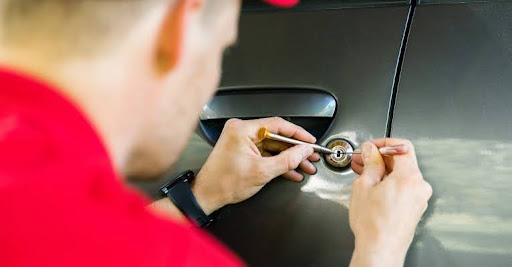
Attempting to unlock a vehicle with coat hangers, screwdrivers, or other improvised tools can damage door panels, weather stripping, and locking mechanisms. Automotive locksmiths use specialized air wedges and long-reach tools designed to provide access while reducing the risk of damage.

Being Prepared for Car Key Emergencies in Palm Bay, Florida

Car key and lock emergencies rarely happen at convenient times. A vehicle may refuse to start during a busy morning, a key fob may stop working after a shopping trip, or a driver may discover that the keys have been locked inside the car.

For vehicle owners in Palm Bay, having access to a reliable local automotive locksmith can make these situations easier to manage. Services such as car key replacement in Palm Bay can be useful when a key is lost, damaged, or no longer communicating properly with the vehicle.

Florida’s heat and humidity can also contribute to wear on certain vehicle components. Repeated exposure to high temperatures, moisture, and everyday handling may affect key fob circuit boards, rubber buttons, and other electronic parts over time. Keeping a spare key available can help reduce the inconvenience of an unexpected failure.

When choosing an automotive locksmith, it is worth checking whether the technician has experience with the vehicle’s make and model. Vehicle security systems vary, and the correct key blanks, programming equipment, and diagnostic software are important for completing the job properly.

Before an emergency occurs, drivers should also check whether they have a working spare key. Having a spare key cut and programmed in advance can be a practical way to avoid the stress and additional expense associated with losing the only available key.

A little preparation can make a significant difference when car key problems arise. Understanding the available replacement options and knowing where to find qualified automotive locksmith services in Palm Bay can help vehicle owners make informed decisions when they need assistance.

A Racing Fan’s Guide to Casino Etiquette Around the World

After a race, your group may head to the casino near the hotel, still talking about the last restart. 

Being comfortable in a packed grandstand won’t tell you much about a venue’s door policy or how a dealer expects you to buy chips. Check the requirements before making it part of the evening’s plans.

Race weekends and casinos already overlap. A July 22, 2026 official release named Muckleshoot Casino Resort as the after-party destination for NHRA fans that weekend.

This guide covers four destinations and the situations a travelling spectator may encounter: team clothing, live timing on a phone, group celebrations, and the trip budget.

Check the door rules before leaving the circuit

Admission conditions vary by jurisdiction and venue. Check the rules for the particular casino you plan to visit rather than relying on assumptions about a country or region.

Las Vegas

Nevada restricts gambling to people aged 21 or older. Check that everyone in your group meets that requirement and carries suitable identification. 

Clothing rules depend on the venue, so confirm whether team jackets, shorts, or other race-day clothing are acceptable before making the trip.

Monte Carlo

Monaco Pratique’s August 4, 2026 guide to the Casino de Monte-Carlo reports a minimum age of 18 and a requirement to carry valid ID, either a passport or national identity card. 

Its separate dress guide, dated the same day, reports that T-shirts and sweatshirts are not accepted in the gaming rooms after 19:00. 

This is secondary guidance, so confirm the casino’s current requirements before you go. Don’t assume team merchandise will pass in the evening.

Singapore

Marina Bay Sands states that its casino is open to patrons aged 21 and above. It also requires non-residents to present proper identification before entering. Check its accepted documents instead of assuming any driving licence will qualify.

Macau

The Macao Government Tourism Office states that the legal age for casino entry is 21. Account for that entry restriction when making plans with a mixed-age group, even if some people only intend to watch.

For broader background, Natural8’s Casino Cultures, Etiquettes & Traditions is an informal, operator-published cultural overview that also promotes its online poker service. Use the venue’s current rules to confirm practical details about age, identification, and clothing.

Follow the table’s rhythm

Once inside, give the game your attention. Dealers direct play, and procedures differ from game to game. Watching a round and asking a short question before joining can prevent confusion once your money is on the table.

Joining a game. MGM’s roulette guide tells arriving players to wait for a break in the action before buying chips. At blackjack, Casinos BC’s etiquette guidance is to buy chips from the dealer at the table. 

At craps, MGM advises placing money on the table when buying in or asking for change, rather than handing it to the dealer. If a procedure is unfamiliar, ask before joining.

Handling chips. The operator’s blackjack guide tells players to leave their chips untouched once cards are in play and use hand signals to communicate decisions. Ask the dealer which signals to use if you’re unsure. Follow the instructions for the game you’re playing rather than carrying a routine from one table to another.

Checking the race. Wait until your play is finished before stepping away to check live timing or group messages. Looking at your phone when a decision is due holds up the game. Phone policies vary by venue, so ask staff when unsure.

Ask about permission before photographing or recording, and respect other players’ privacy. Recording can also carry legal consequences. Singapore’s Ministry of Home Affairs announced that casino-control amendments taking effect on September 21, 2026 expanded an existing recording offence to cover non-card games. Check local restrictions rather than treating permission to take a photo as permission to record play.

Leaving the table. Wait for your current round and any payouts to finish before collecting your chips. At roulette, ask the dealer how to exchange your table chips before you leave.

Leave on your own terms

Decide your spending limit and departure time before the outing starts. Keep money for transport, accommodation, meals, and race tickets separate from any gambling budget.

Set the limits first. GambleAware advises deciding a spending limit before gambling and committing to it. Set a time limit too, especially if you have an early departure or another day at the circuit. Don’t extend either limit to try to recover losses.

Slot spins are random. Tipping, rituals, and knowledge of pit strategy won’t change those outcomes, so never plan on winning back trip costs.

Natural8’s overview can help your group get familiar with casino customs before a visit. Agree on a meeting point and departure time as well, so anyone who stops early can leave without pressure to keep playing.

Finish politely. Tipping customs differ by venue and region, so ask staff what is usual rather than assuming a set amount. Thank the dealer and let your last bet settle before collecting. Keep celebrations brief and within your group’s space, without crowding other players or their tables.

If gambling stops feeling optional, support is available. In the United States, the National Council on Problem Gambling lists 1-800-MY-RESET as its National Problem Gambling Helpline, with call, text, and chat services around the clock. Outside the U.S., check local gambling-support services.