Home Blog Page 7

IDENTICAL TWINS MAKE HISTORY AND COMPLETE DEBUT BRITISH F4 SEASON

Identical brothers Cash and Roman Felber, 16, became the first twins to share a podium in USA Ligier Junior F4 before moving from Ohio to Britain in pursuit of the same Formula 1 dream

Identical twin racing drivers Cash and Roman Felber have completed their first season in the Wera Tools F4 British Championship, continuing a journey that has already seen the American brothers make history in junior motorsport.

The 16-year-olds from Akron, Ohio, became the first twin brothers in USA Ligier Junior Formula 4 Championship history to share a podium in 2025, before moving more than 3,500 miles to Britain to compete against one another in one of Europe’s leading junior single-seater championships.

Racing with Fortec Motorsport during the 2026 season, Cash finished 20th overall, securing two second-place podium finishes at Brands Hatch and Snetterton, while Roman finished 28th overall, with a best race result of fifth. It was a rookie year of learning and growth for both.

Their first British campaign marked another significant step towards their shared ambition of one day reaching Formula 1.

Just four years ago, neither brother had entered a competitive motor race.

Their earliest competition came racing Segway karts around the family driveway in Akron. But a family visit to the United States Grand Prix at the Circuit of the Americas in 2022, where they met Max Verstappen and other Formula 1 drivers, turned an interest in motorsport into a serious ambition.

By 2023, they were competing in karting and junior single-seaters. In 2024, Cash finished fourth and Roman fifth in FARA Formula 4 before both stepped up to the USA Ligier Junior Formula 4 Championship the following year.

Cash finished the 2025 championship third overall and second in the Rookie standings, recording two victories and six podiums.

Roman took one victory, five podiums and two pole positions on his way to seventh overall and fourth in the Rookie standings, climbing from 17th to seventh over the final three weekends following mechanical setbacks earlier in the season.

It was during that championship that the brothers made history by becoming the first twins to stand together on the podium in the series.

Their next step took them across the Atlantic to Britain, where they faced unfamiliar circuits, different racing conditions and an international field including competitors from several Formula 1 junior programmes.

Despite sharing the same upbringing, training programme and ultimate ambition, the identical twins have developed distinctly different styles behind the wheel.

Cash, who races car 11, describes his approach as smooth, calm and controlled. Roman, in car 73, is more aggressive and particularly confident through high-speed corners.

They share telemetry and train together but work with different engineers. And while they congratulate each other’s successes after a race, neither is under any illusion about who they want to finish ahead when the lights go out.

Cash Felber said:

“Moving to Britain and racing in British F4 has been a big step for both of us. There were new circuits to learn and a lot of things we had to adapt to throughout the season.”

“Getting on the podium twice was a great feeling, especially in our first year, but there are also races where I know I could have done better. I’ve learnt a lot about what it takes to compete at this level.”

“The focus now is on taking everything we’ve learnt this year and coming back stronger in 2027. Formula 1 is still the ambition, but we know we have to keep improving and earning every opportunity.”

Roman Felber said:

“It’s been a challenging year, but I’ve learnt a huge amount. Moving to a different country to race against drivers from all over the world has been a completely new experience.”

“There were some good moments and some frustrating ones. I know the results don’t tell the whole story, but it’s made me more determined to improve.”

“Having Cash there has helped because we’re both going through the same experience, but we’re also pushing each other all the time. My aim for next year is to be more consistent, keep developing as a driver and turn what I’ve learnt into better results.”

Away from the circuit, the brothers’ lives are similarly unusual.

Cash and Roman have been homeschooled since first grade and began martial arts and structured physical training from a young age. Both hold third-degree Taekwondo and first-degree Muay Thai qualifications, alongside Level 2 Krav Maga, and follow a motorsport-specific fitness programme.

When they are not racing, they are more likely to be fishing, playing basketball, sim racing or following UFC.

Their unusual journey has also attracted attention beyond the circuit. The brothers have developed a growing social media following and are regularly approached by spectators for photographs and autographs at race weekends.

Yet despite sharing the same face, upbringing and ultimate ambition, both are determined to establish themselves as individual drivers.

Their first British F4 season has brought podium finishes, difficult weekends and valuable experience competing against some of the world’s emerging racing talent.

Now, with the 2026 campaign complete, the brothers are looking ahead to 2027, focused on building on their first year in Britain and continuing their pursuit of a career in professional motorsport.

For Cash and Roman, Formula 1 remains the dream.

But first, there is the more immediate challenge of improving as drivers, earning their next opportunities and continuing to compete against the person who knows them better than anyone else.

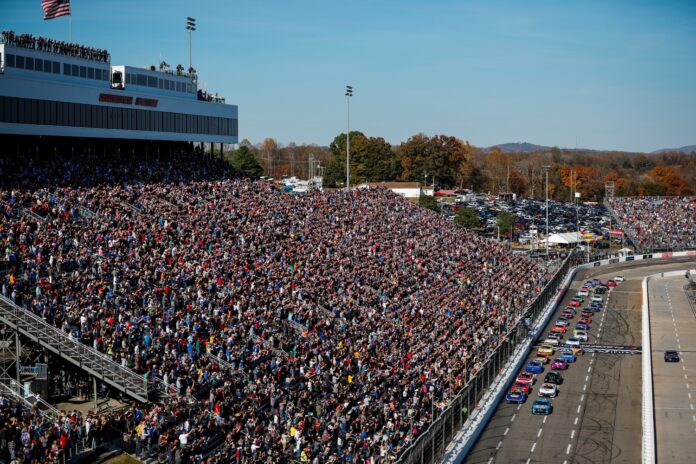
Martinsville is ‘Heartbreak Hill’ in NASCAR Cup Series Marathon

Penultimate Race on Half-Mile Bullring Pushes Drivers to Brink Ahead of Season Finale

MOORESVILLE, N.C. (Oct. 26, 2026) – The NASCAR Cup Series is a marathon. Beginning in February and ending in November, 36 points-paying races are spread across 20 states and involve 9,917 total laps that add up to 13,088.28 miles – a distance that spans more than halfway around the world.

Sunday’s Xfinity 500 at Martinsville (Va.) Speedway is the penultimate race on the Cup Series schedule, and it’s where drivers and crews can see the finish-line tape stretched across the end of their season-long run.

But the .526-mile oval at Martinsville is also one of the toughest tracks on the schedule. While the track is flat, it is the Heartbreak Hill of the Cup Series marathon – a grueling obstacle relatively close to the end, but one that must be conquered before the season culminates Nov. 8 at Homestead-Miami Speedway.

Like the Boston Marathon, where runners crest Heartbreak Hill five miles short of the race’s end and see there is still a ways to go, drivers competing at Martinsville are fatigued as they approach the homestretch, with the season finale at Homestead still ahead. Legs are wobbly from smashing the brake pedal a thousand times at the Cup Series’ shortest circuit, and arms are weary from wrestling a 3,400-pound racecar around its tight confines.

Just as runners must dig deep to summon the mental fortitude needed to tap the remaining strength in their bodies, drivers do the same at Martinsville, racing door-to-door with elbows out as they fight to put themselves in the best position possible for Homestead.

“Martinsville is a slugfest from start to finish. You’re managing contact with the guys around you, and you’re really having to manage the tires,” said Cody Ware, driver of the No. 51 Rocket Doctor Chevrolet for Rick Ware Racing.

“Every time you buzz the tires, you’re taking away your speed in the long run. If you get in a little too deep and make your front tires mad, you end up paying a penalty.”

Martinsville is a flat and fast bullring with a paperclip-shaped layout that has remained relatively unchanged since its debut as a dirt oval on Sept. 7, 1947. Paved in 1955, the track has always demanded physicality. It forces heavy braking at the end of its 800-foot-long straights so drivers can navigate its 600-foot corners, banked at just 12 degrees. And with nearly 40 cars on the starting grid, track position is at a premium. It’s never ceded, only taken, often by bumper-to-bumper contact.

“Racing at Martinsville is a wrestling match, but it’s also about precision and consistency and mitigating as many mistakes as you can throughout a run,” Ware said.

When Ware compares Martinsville to a wrestling match, he knows what he’s talking about. The 30-year-old wrestled in high school. In fact, he did it just 45 minutes south of Martinsville in the Greensboro, North Carolina, suburb of Jamestown.

At Ragsdale High School, Ware made the varsity wrestling team as a freshman. He stayed there through his junior year before his burgeoning racing career meant a pivot to homeschooling. Ware earned his high school diploma in 2013 while racing Late Model stock cars and making a handful of starts on the NASCAR Whelen Southern Modified Tour.

“Wrestling at Ragsdale was a big deal, so to be a freshman on the varsity team was a real honor,” Ware said. “I had to beat out one of the seniors to make the cut. It always stuck with me that while making varsity was big, staying on the varsity team was just as big, if not bigger. Nothing was guaranteed. You had to go out and earn your place every match, every year.

“It’s what really got me started as an athlete. Being really tall, I needed to develop my core strength and overall fitness. I had a larger stature and I needed to make the most of it.”

Standing at 6 feet, 4 inches, Ware’s athleticism continues to serve him well as a full-time Cup Series competitor. Sunday’s Xfinity 500 at Martinsville is more than just a friendly reminder that performance applies to both car and driver.

“There’s a lot of strength needed for driving a racecar, especially when it comes to braking,” Ware said. “It takes a lot of brake pressure to extract 700 to 800 pounds of braking force into the corner. And at Martinsville, we’re doing that a thousand times over the course of 500 laps. It’s about being on your game from start to finish, where you’re as good on lap 500 as you were on lap one.

“The wrestling analogy is a good one for Martinsville. There’s a lot of tight racing and you’re throwing your car around. It can be chaos inside the car trying to do everything you need to make a good lap.”

Ware saw that chaos as a young fan in the stands. Martinsville was his hometown track, along with Bowman Gray Stadium in Winston-Salem, North Carolina. Ware was a regular visitor to both as a preteen and teenager, and the Triad area where he grew up – Greensboro, Winston-Salem and High Point – was home to many NASCAR entities.

“We had a ton of racing in the Triad when I grew up,” Ware said. “You had mega race teams that were there back in the 2000s, like Bill Davis Racing and the No. 45 team with Adam Petty. Bobby Labonte had his shop there. Clyde Vickers’ CV Products and his son, Brian, were from Thomasville. And, of course, there’s Bowman Gray, the longest-running weekly racetrack in America. There’s just a lot of history, a lot of good racing, and a lot of good racers from that area. It was cool to grow up among it all.

“And people there take a lot of pride in it. It seems that Greensboro is always the No. 1 or No. 2 media market to watch NASCAR racing. People there are tuned in, they’re connected, and I think they wear it as a badge of honor.”

Martinsville action begins Saturday with practice at 1 p.m. ET, followed by qualifying at 2:05 p.m. TruTV and SiriusXM NASCAR Radio will provide live coverage of both. Sunday’s Xfinity 500 is scheduled for 2 p.m. with live, flag-to-flag coverage delivered by NBC and SiriusXM NASCAR Radio.

About Rick Ware Racing:

Rick Ware has been a motorsports mainstay for more than 40 years. It began at age 6 when the third-generation racer began his driving career and has since spanned four wheels and two wheels on both asphalt and dirt. Competing in the SCCA Trans Am Series and other road-racing divisions led Ware to NASCAR in the early 1980s, where he finished third in his NASCAR debut – the 1983 Warner W. Hodgdon 300 NASCAR Grand American race at Riverside (Calif.) International Raceway. More than a decade later, injuries would force Ware out of the driver’s seat and into full-time team ownership. In 1995, Rick Ware Racing was formed, and with his wife Lisa by his side, Ware has since built his eponymous organization into an entity that competes full-time in the elite NASCAR Cup Series while simultaneously campaigning successful teams in the Top Fuel class of the NHRA Mission Foods Drag Racing Series, Progressive American Flat Track, FIM World Supercross Championship (WSX) and zMAX CARS Tour.

Planning a NASCAR Race Weekend: Event Planner Joe Blackman Gives Us the Inside Scoop

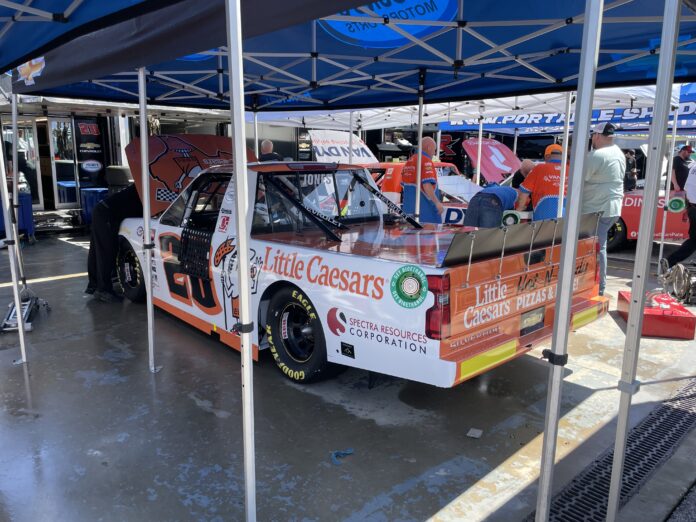
NASCAR Truck Series Car, taken by Joe Blackman
Photo taken by Joe Blackman

Planning a NASCAR Race Weekend: Event Planner Joe Blackman Gives Us the Inside Scoop

From pre-race entertainment and packed grandstands to weather delays and last-minute logistical challenges, putting on a NASCAR race weekend takes an enormous amount of planning. International event planner Joe Blackman takes us behind the scenes to explore the work fans rarely see and what it takes to deliver a great race-day experience.

By the time the green flag drops at a NASCAR Cup Series race, thousands of fans have already spent hours enjoying everything the track has to offer. Campers have been parked for days, grills are going in the parking lots, the grandstands are filling up, and drivers are getting ready for another afternoon of racing. For many fans, it’s the highlight of their weekend. For the people responsible for producing the event, however, it’s the result of months of preparation and an enormous amount of work that most spectators never get to see.

Putting on a NASCAR race weekend involves far more than preparing the racing surface and opening the gates. Behind the scenes, hundreds of people are coordinating everything from entertainment and television production to emergency services, temporary infrastructure, sponsor activities and crowd management. Equipment has to arrive on schedule, contractors need access to the right areas, and dozens of different teams must work around an operation where timing is critical. A small problem in one part of the venue can quickly affect several others.

International event planner Joe Blackman has spent more than 20 years producing major events, private celebrations and complex productions around the world. He believes NASCAR offers a particularly interesting example of how large-scale events can deliver a consistent experience while adapting to very different locations.

What impresses Blackman is how the same basic experience can work at tracks as different as Daytona, Bristol, Charlotte and Talladega. Each speedway has its own facilities, local contractors, infrastructure and logistical challenges, yet NASCAR fans arrive expecting the same high standard of racing and entertainment. Delivering that consistency requires considerable coordination, particularly when the people working behind the scenes are dealing with different conditions from one weekend to the next.

There’s Another Team Working Behind the Scenes

NASCAR fans understand teamwork better than most sports audiences. A great driver needs a good crew chief, mechanics, engineers and pit crew to be successful. The same principle applies to producing the race weekend itself, although the teams involved are rarely seen on television.

“The teamwork doesn’t just stop on the track and with the team owners and mechanics,” Blackman explains. “It extends to all of the behind-the-scenes people, from EMTs and law enforcement through to sponsors, event planners and hospitality providers.”

At a major speedway, those different groups have to operate within the same crowded environment. Production trucks, catering deliveries, entertainment equipment, emergency vehicles and race-related operations all require access to particular areas, often within narrow time windows. A contractor might need to install equipment in a location that another crew is still using, while security teams have to ensure that restricted areas remain protected and emergency access routes stay clear.

The challenges also change significantly between venues. Some speedways have extensive permanent infrastructure, while others rely more heavily on temporary installations. Local suppliers may be familiar with the venue but not necessarily with the requirements of a NASCAR weekend. Even something relatively straightforward, such as moving a large piece of equipment across the property, can require careful scheduling when thousands of spectators, race personnel and contractors are already on site.

For Blackman, one of the more interesting aspects of major sporting events is the difference in atmosphere between the spectator areas and the operational side. Fans are enjoying the racing, catching up with friends and having a good time, while nearby, production managers are watching the clock, technical crews are dealing with equipment and event staff are responding to problems as they arise.

It’s a side of racing that doesn’t attract much attention, partly because the people involved are doing their jobs successfully. Much like a well-executed pit stop, the best event operations can look surprisingly simple from the outside, even when considerable planning and coordination have gone into them.

The Fan Experience Begins Before Anyone Reaches the Grandstands

One of the biggest considerations for any major event is how spectators experience the day from beginning to end. That might sound straightforward, but bringing tens of thousands of people into a venue creates challenges that don’t exist at smaller events.

Traffic management, parking, ticketing, security screening and pedestrian access all influence how smoothly race day begins. A fan might have driven several hours to attend, booked a hotel and spent a considerable amount of money on tickets. The last thing they want is to spend another two hours sitting in traffic or struggling to find the correct entrance.

Blackman believes event planners sometimes spend too much time concentrating on the main attraction without giving enough attention to everything surrounding it. At a NASCAR race, the racing is obviously the reason people attend, but the overall experience also depends on practical considerations such as food and beverage availability, restrooms, signage, accessibility and having knowledgeable staff available when somebody needs assistance.

He also points out that fans notice when everyday expenses become unreasonable. Ticket prices are only part of the cost of attending a race, particularly for families traveling from out of town. Parking, food, drinks and merchandise can quickly add up, and organizers have to consider how those costs affect the overall experience.

There’s another aspect of NASCAR, however, that Blackman believes makes the sport particularly successful as a live event: its fan community.

Anyone who has spent a race weekend at Talladega or Daytona knows that NASCAR fans are particularly good at creating their own entertainment. Campers arrive with elaborate setups, groups of friends organize cookouts, and neighboring fans often end up spending much of the weekend together. Some bring what looks like half their house with them, turning a parking space or campsite into a temporary home.

That atmosphere is difficult to reproduce at other major events. While organizers can provide activities, entertainment and places for people to gather, the community itself comes from the fans. Blackman sees that as one of NASCAR’s greatest strengths and an important reason people keep returning to the same tracks year after year.

“It’s the community that really makes the difference,” he says, pointing to the friendships and traditions that develop around racing. For event producers, encouraging that sense of belonging can be just as valuable as adding another attraction to the schedule.

What Goes Into the Entertainment Before the Green Flag?

Although the racing remains the main attraction, a modern NASCAR weekend often includes concerts, sponsor displays, interactive activities, driver appearances and pre-race ceremonies. Each adds something to the spectator experience, but each also creates additional work for the people producing the event.

At World Wide Technology Raceway near St. Louis, the September 2026 NASCAR weekend included a redesigned infield fan zone covering nearly 71,000 square feet, with different areas for automotive displays, food, family activities and entertainment. The weekend also featured the Confluence Music Festival, bringing major musical performances into an already busy racing schedule.

Charlotte Motor Speedway’s October Bank of America 400 weekend offered another example, with a pre-race concert by country music star Tyler Hubbard, driver introductions and additional fan activities throughout the property. From the grandstands, those attractions are simply part of the entertainment. Behind the scenes, however, they involve separate production schedules, equipment requirements, technical crews and coordination with the speedway’s wider operations.

Consider what happens when a pre-race concert takes place close to the racing surface. Depending on the production, staging and equipment may need to be installed, tested and removed within a relatively short period. Sound checks have to fit around other activities, performers need to arrive on time, and crews must be able to complete their work without interfering with race preparations or restricted areas.

Military flyovers provide another example of the planning involved in something spectators experience for only a few seconds. An aircraft formation passing over the speedway at the conclusion of the national anthem is a familiar sight at major NASCAR events, but coordinating the timing requires advance planning and communication between the appropriate aviation, ceremony and event personnel. Unlike a concert that can occasionally run a few minutes late, an aircraft formation cannot simply circle indefinitely while somebody finishes setting up a microphone.

Those details are easy to overlook when everything happens as expected. They become much more noticeable when something doesn’t go to plan.

Blackman has dealt with a wide range of production challenges during his career, including difficult weather conditions, equipment problems, theft and serious security threats. He believes one of the biggest differences between experienced event professionals and newcomers is their ability to remain calm when a carefully prepared schedule suddenly becomes irrelevant.

When the Weather Changes Everything

Weather is an unavoidable part of motorsports, and NASCAR fans have experienced plenty of weekends when the forecast became almost as important as the starting lineup.

The 2026 Coca-Cola 600 at Charlotte Motor Speedway provided another example. Daniel Suárez was leading when rain interrupted the race with 27 laps remaining, and NASCAR eventually declared the event official rather than attempting to complete the scheduled distance. Suárez collected the victory, but the weather brought an early end to one of the sport’s biggest races.

For the teams and drivers, rain changes the competitive situation. For the people managing the wider event, it also creates operational challenges involving spectators, staff, temporary equipment and facilities.

Outdoor productions require particular attention to electrical installations, exposed equipment and temporary structures. Blackman points out that even something as simple as a poorly weatherproofed electrical connection can create major difficulties if it fails and interrupts power to equipment that other parts of the operation depend on.

A delayed delivery, damaged equipment or unexpected technical failure can have similar consequences. What begins as one contractor’s problem may quickly affect entertainment schedules, catering operations or another supplier’s ability to complete their work. The challenge is often less about the original failure than how quickly the relevant people can identify the problem, understand its wider impact and agree on a solution.

Experience helps, but Blackman doesn’t believe contingency planning alone is enough. Having reliable contractors and an experienced team matters just as much, particularly when difficult decisions must be made under pressure.

He has seen situations where several people have different opinions about how to solve a problem, and the discussion itself begins to consume valuable time. In his view, successful event teams need to be able to listen, evaluate the options and then support a decision rather than continuing to debate it while the situation deteriorates.

It’s an approach NASCAR fans will recognize from the competition side of the sport. Crew chiefs regularly make decisions with incomplete information, whether they’re gambling on fuel mileage, changing tires or adjusting strategy around an approaching storm. The consequences are different in event operations, particularly when safety is involved, but the importance of communication and decisive leadership is much the same.

Not every problem is dramatic, either. Medical emergencies, lost children, accessibility concerns and spectators who need assistance are everyday considerations at major events. Blackman believes the ability to respond to those smaller issues professionally is one of the most important measures of a successful production.

A friendly employee who knows how to help can resolve a problem in minutes. Someone who doesn’t know where to send a spectator, or who fails to take a concern seriously, can turn a relatively minor inconvenience into a lasting negative impression.

That’s why experienced event planners spend considerable time thinking about matters that have little to do with the main entertainment. Most fans won’t remember whether the temporary fencing was positioned correctly or whether a delivery arrived on schedule. They will remember if something prevented them from enjoying the race.

Why NASCAR Keeps Bringing Fans Back

Blackman’s work has taken him from private celebrations and celebrity events to major international productions, but he believes the underlying principles of successful event planning remain remarkably consistent. Whether somebody is organizing a party for a few hundred guests or coordinating an event attended by tens of thousands, the objective is to create an experience people genuinely enjoy.

For NASCAR, that means balancing the commercial and operational demands of a major sporting event with the expectations of the people who buy tickets and follow the series. Sponsors, broadcasters, teams and venues all have legitimate requirements, but the sport’s relationship with its fans remains central to its success.

Blackman believes the strongest events are those where decisions are made with the audience in mind. That doesn’t necessarily mean spending more money on entertainment or finding increasingly elaborate ways to impress spectators. Sometimes the improvements that matter most are relatively simple: reducing unnecessary waiting, making facilities easier to access, improving communication or giving families more opportunities to enjoy their time at the track.

NASCAR also benefits from something that many event producers would love to have: an established community of people who are passionate about the experience long before they arrive.

The fans who spend a weekend camping at Talladega are looking for a different experience from somebody attending a night race at Bristol or bringing their family to Daytona for the first time. Yet they all recognize the traditions, atmosphere and excitement that make NASCAR what it is.

Maintaining that identity across different venues while accommodating the practical challenges of each location is a considerable achievement.

And while the drivers and race teams understandably receive most of the attention, there is another group of professionals whose success helps determine whether a NASCAR weekend lives up to expectations.

They’re the people preparing the venue, coordinating the entertainment, managing the crowds, responding to emergencies and dealing with the unexpected problems that inevitably arise when so many moving parts come together.

For event planner Joe Blackman, those behind-the-scenes efforts deserve more recognition, not because fans necessarily need to understand every detail, but because they contribute directly to the experience that keeps people coming back.

When a NASCAR weekend runs well, spectators can concentrate on what brought them to the track in the first place: the racing, the atmosphere and the opportunity to enjoy it with thousands of other fans.

That’s ultimately what all the preparation is about.

Team Penske NASCAR Cup Series Race Report – Talladega

YellaWood 500
Talladega, Alabama – October 25, 2026

AUSTIN CINDRIC No. 2 MENARDS/KNAUF FORD MUSTANG DARK HORSE

START: 28TH STAGE 1: 10TH STAGE 2: 4TH FINISH: 27TH POINTS: 8TH

RACE RUNDOWN: Austin Cindric’s afternoon at Talladega Superspeedway came to a premature end Sunday after a late-race, multi-car incident relegated the No. 2 Menards/Knauf Ford Mustang Dark Horse to a 27th-place finish in the YellaWood 500. Cindric started the 188-lap event from the 28th position but quickly worked his way through the field, moving into the top 10 by Lap 2 as the field raced three-wide around the 2.66-mile superspeedway. Cindric maintained a position near the front of the pack throughout the opening stage, making a green-flag pit stop with his Team Penske teammates on Lap 58 for four tires and fuel. He went on to finish Stage 1 in the 10th position, earning one stage point. Cindric reported that the No. 2 Ford was handling well overall, with only a slight tendency to build free over the course of a run. After restarting ninth for Stage 2, Cindric continued to navigate the constantly shifting lanes of the draft. A multi-car incident on Lap 132 brought out the caution, but Cindric was able to avoid the incident and remain in contention near the front of the field. He ultimately worked his way to a fourth-place finish in Stage 2, collecting an additional seven stage points. Following a four-tire pit stop under the stage break, Cindric restarted 16th with 40 laps remaining and continued battling for position as the field returned to three-wide racing. However, with just five laps remaining, Cindric was collected in a multi-car incident that brought an early end to an otherwise competitive afternoon for the No. 2 team. He was ultimately credited with a 27th-place finish as the NASCAR Cup Series now heads to Martinsville Speedway for the penultimate race of the 2026 season.

CINDRIC’S THOUGHTS: “It sure looked like Talladega to me. All we could really do there was try to push our lane forward, but some guys racing for the lead pushed a little too hard and got turned around, and unfortunately, we got caught up in it. It was great to link up with Joey (Logano) and earn some valuable stage points, but it’s a shame we weren’t able to finish out the race and have more control over our end result.”

RYAN BLANEY No. 12 ADVANCE AUTO PARTS FORD MUSTANG DARK HORSE

START: 27TH STAGE 1: 8TH STAGE 2: 36TH FINISH: 38TH POINTS: 6TH

RACE RUNDOWN: Hopes were high for Ryan Blaney and the No. 12 Advance Auto Parts Ford Mustang Dark Horse team as the multi-time Talladega winner headed into Sunday’s YellaWood 500 at Talladega Superspeedway in Alabama. Blaney started from the 28th position and settled in at the rear of the field as the majority of the competitors focused on fuel conservation. The strategy paid off, as Blaney jumped from outside the top 30 to inside the top five following his first pit stop of the day on Lap 58. He ultimately finished Stage 1 in eighth place. Blaney restarted inside the top 10 to begin Stage 2 and quickly worked his way toward the front of the field. Teaming up with teammate Joey Logano, Blaney climbed as high as second before being caught up in a multi-car accident on Lap 133. The Advance Auto Parts crew worked diligently to repair the damage and return the No. 12 Ford to the track in hopes of gaining additional positions. However, the damage proved too extensive to overcome, and the No. 12 team was forced to settle for a 38th-place finish. Fortunately, Blaney heads to Martinsville Speedway next Sunday, a track where he has won two of the last three fall races.

BLANEY’S THOUGHTS: “We were just racing hard three-wide and protecting and probably didn’t make a very good move. It hurts us a lot, so we’ll have to see what we can do next week. It wasn’t his fault. We were both trying to protect it. Both of us didn’t time it very good and unfortunately wrecked folks. I feel like I had a hand in kind of being aggressive there, but it’s a shame guys got tore up.”

JOEY LOGANO No. 22 SHELL-PENNZOIL FORD MUSTANG DARK HORSE

START: 16TH STAGE 1: 9TH STAGE 2: 1ST FINISH: 36TH POINTS: 5TH

RACE RUNDOWN: Joey Logano and the No. 22 Shell-Pennzoil Ford Mustang Dark Horse team executed a nearly flawless game plan to put themselves in position to win Sunday’s YellaWood 500 at Talladega Superspeedway before being caught up in the second multi-car incident of the day on Lap 184. After starting from the 16th position, Logano and crew chief Paul Wolfe were content to remain patient throughout the first half of Stage 1 as they monitored the car’s handling in traffic with the new rules package in place for the weekend. Wolfe called Logano down pit lane for the first time on Lap 57 alongside his teammates, one of the last groups to make a pit stop, and the strategy paid off as Logano collected stage points with a ninth-place finish. A solid pit stop prior to Stage 2, coupled with pit lane penalties assessed to competitors ahead of him, placed Logano second and on the outside of the front row for the restart. From there, the three-time Talladega winner controlled much of the second stage, ultimately winning the stage and collecting 10 additional points. A caution late in Stage 2 gave numerous teams the opportunity to pit prior to the stage’s conclusion, resulting in Logano lining up behind those competitors following his pit stop during the stage break. Despite being unable to advance quickly to the front, Logano remained committed to the third lane around the 2.66-mile oval and began climbing the leaderboard with 20 laps remaining. By Lap 173, he had worked his way into second place as the intensity increased in the closing laps. Unfortunately, Logano was unable to make it to the checkered flag after contact from behind sent the No. 22 Ford airborne, eventually overturning and sliding down the frontstretch on its roof. Logano emerged uninjured from the incident but leaves Talladega 100 points behind the championship leader.

LOGANO’S THOUGHTS: “It looks like I just got a little push in the wrong spot there. It was a very much a Talladega Nights moment like, ‘Oh, no. I’m upside down. This is not a good moment.’ But I can’t think the safety crew enough. They did an amazing job flipping that thing over. The car did a great job. The last time I flipped it was crushed on my head. This time, I don’t think anything really caved or crushed at all. I appreciate what NASCAR has done. Thank you and the safety team for getting me out of there. There were some vicious hits in that one. I’m just happy to be alive.”

The NASCAR Cup Series Chase for the Championship heads to the penultimate race of the season at Martinsville Speedway. Race coverage begins Sunday, November 1 at 2 p.m. ET on NBC, MRN, and SiriusXM NASCAR Radio Channel 90.

How to Budget for a Football Management Master’s Degree

Photo by depositphotos at https://depositphotos.com/

The advertised tuition fee is only one part of the cost of a football management master’s degree. Housing, travel, enrollment expenses, and time away from paid work can all change the decision. Payment dates matter as much as the final total: an affordable annual estimate can still leave a difficult gap before the course begins.

A useful budget separates confirmed charges from estimates, essential spending from optional activities, and available funding from applications still awaiting a decision. It should also account for the experiences that attracted the applicant to the program in the first place.

The goal is not to predict every expense perfectly. It is to understand the main commitments, identify unanswered questions and compare programs on a consistent basis.

Define the period the budget needs to cover

Start with the program calendar rather than assuming that the cost lasts exactly one academic year. Arrival may be needed before teaching begins. A final project, placement or accommodation contract may extend beyond the last classroom session.

For programs involving more than one location, each move creates another set of practical questions. Temporary accommodation, luggage transport and overlapping rental periods may need separate entries. A single monthly living-cost estimate can hide these transitions.

There is also a distinction between the course budget and the wider career transition. A graduate may have expenses between finishing a program and starting a role. That period is uncertain, so it belongs in a separate scenario rather than being treated as a guaranteed timeline.

Defining the start and end dates makes later comparisons more meaningful. Otherwise, one estimate may cover only teaching months while another includes relocation and the period after graduation.

Find out what tuition actually includes

Request a written breakdown of the fee and the payment schedule. The useful comparison is not just the headline price but what a student receives and which related charges may fall outside it.

Questions can cover registration, assessments, resits, learning materials, software, career support and any required activities away from the main teaching location. These are categories to investigate, not costs that every program necessarily charges separately.

Deposits deserve their own entry. Establish whether a deposit counts toward tuition, when it is due and what the refund or deferral terms say. Counting the same payment as both a deposit and an additional fee would inflate the budget.

Keep a record of the document or written response behind each confirmed amount. If an answer changes, it is easier to update one entry than reconstruct the whole plan. Clear documentation also helps distinguish a published commitment from an informal impression formed during an admissions conversation.

Build a location-specific living-cost estimate

Housing estimates need a location, a lease duration and a realistic accommodation type. A private studio, a shared apartment and student housing can produce very different totals. The cheapest advertised room is not necessarily available for the required dates or suitable for the commute.

Look beyond monthly rent. Possible entries include deposits, utilities, internet, bedding, laundry and any temporary stay before a lease begins. A refundable deposit still ties up cash, even though it is different from a non-refundable expense.

Transport should be considered alongside housing rather than in isolation. Lower rent farther from campus may be offset by fares or an inconvenient journey. Check actual routes and schedules against likely teaching times instead of relying only on distance.

Food, phone service and routine personal expenses complete the recurring budget. Recent student experiences can help identify overlooked categories, but another person’s total is only a starting point. Household arrangements, travel habits and existing equipment affect individual costs.

Separate networking activities from their associated expenses

Industry visits, guest sessions and conferences may be part of a football business program’s appeal. Their presence on a calendar does not automatically explain what students pay or which arrangements the program handles.

When reviewing football business networking opportunities, applicants can separate the activity itself from the cost of participating. An organized visit might raise questions about transport, accommodation, meals and attendance requirements. A conference invitation raises similar questions about admission and travel.

Ask which activities are required, which are optional and whether the itinerary is fixed or subject to change. A recent example can illustrate how the arrangements work, although it should not be mistaken for a promise about the next cohort.

Networking does not require attending every paid event. A relevant discussion with a guest speaker or a local alumni gathering may fit an applicant’s aims as well as a larger conference. An activities budget is more useful when it supports specific interests rather than treating all available events as essential.

Account for moving and cross-border administration

International study may involve application charges, entry documents, health coverage, translations or other administrative expenses. The applicable requirements depend on the destination and the applicant’s circumstances, so they should be checked through official channels rather than inferred from another student’s experience.

Timing matters here. Some payments may be needed before arrival, alongside tuition deposits and housing costs. Travel bookings can create further commitments while other arrangements are still in progress.

Currency is another variable when funding and expenses are held in different currencies. Record the currency for each item, the exchange rate used in the estimate and any transfer charges. This makes it easier to understand why an apparently unchanged overseas cost produces a different total at home.

Not every administrative expense repeats monthly. Keeping one-time charges separate from recurring costs prevents an early arrival estimate from being mistaken for a typical month’s spending.

Use a worksheet that shows both cost and timing

A budget needs more than a column of annual totals. Each item should have a due date or expected month, a currency and a status. Simple labels such as confirmed, estimated and optional make assumptions visible.

A fill-in worksheet avoids suggesting that one set of sample prices applies to every destination:

Budget categoryAmount to enterTiming to recordQuestion to resolve
Tuition and required feesWritten program quoteDeposit and installment datesDoes the deposit count toward tuition?
HousingRent plus separate chargesMove-in and monthly paymentsWhat does the lease include?
Living expensesPersonal monthly estimateEach month of residenceWhich costs vary with location?
Industry activitiesIncluded and additional costsRelevant event monthsWhich activities are optional?
Moving and administrationItemized one-time amountsBefore and after arrivalWhich requirements apply?
ContingencySeparate planning allowanceAvailable when neededWhich likely disruptions are not covered?

Alongside expenses, record when funding is expected to become available. A payment due in August cannot be covered by money arriving in October without another arrangement. The calendar reveals that mismatch even if the annual totals appear balanced.

Distinguish confirmed funding from possibilities

Scholarships, employer support, family contributions, savings and education finance can each involve different conditions and dates. A pending application should remain separate from funding that has been confirmed and is available for the relevant payment.

For awards, useful details include decision dates, eligible expenses, payment timing and any continuing conditions. A partial tuition award may leave housing and travel entirely outside its scope. Employer support may have terms that deserve careful reading before it is counted in the plan.

If borrowing is being considered, the general questions concern total cost, repayment terms, currency, eligibility and what happens if circumstances change. Individual suitability calls for guidance appropriate to the person’s situation, not a universal rule about which funding source to use first.

Part-time earnings also need cautious treatment. Work permissions, course demands and the availability of suitable employment can affect what is feasible. Expected income is not the same as an existing job with confirmed hours and pay.

Test what happens when assumptions change

A single budget can look more certain than it really is. Alternative scenarios help show which assumptions make the biggest difference.

One version might include only required activities and a shared room. Another might allow for an optional conference and a longer rental period. Comparing the two reveals the cost of those choices without labeling either as automatically better.

Other scenarios can examine delayed funding, a housing change or a less favorable exchange rate. The point is to locate pressure points, not to predict that every problem will occur. A contingency allowance can then reflect the uncertainties in the actual plan rather than an unexplained percentage.

Time away from paid work deserves a separate note. It may not appear as a bill, but reduced earnings can affect the overall decision. Keeping that opportunity cost distinct from expenses avoids confusing money that must be paid with income that might otherwise have been earned.

Compare educational value without assuming a financial return

A higher fee does not prove better access, and a lower fee does not prove poor support. Compare specific features against the applicant’s aims: relevant coursework, project formats, staff expertise and the opportunities described in the program’s written materials.

Graduate examples can help clarify possible career directions, but they are not forecasts for an individual student. Ask what published outcomes measure and which graduates they include. Avoid using an exceptional career story as the expected basis for repayment planning.

The final comparison should show the full estimated cost, payment dates, confirmed support and the experiences that matter to the applicant. That makes it easier to see whether a program fits both educational goals and practical constraints.

A sound budget cannot guarantee a job or remove every uncertainty. It can make the commitments clearer before enrollment and provide a workable reference as plans develop.

What Affects the Cost of a Pedestrian Accident Claim in Philadelphia?

Photo by depositphotos at https://depositphotos.com/

The cost of pursuing a pedestrian accident claim can be confusing, especially when medical bills arrive before anyone has explained how the legal process is paid for. An injured person may hear “contingency fee” and assume every expense disappears if the case does not succeed. Someone else may worry that asking a lawyer a question means committing to monthly bills.

Neither assumption gives a complete picture. Attorney fees and case expenses are separate from medical bills and everyday household spending. Understanding those differences makes it easier to discuss the financial side of a Philadelphia pedestrian accident claim without treating a possible settlement as money already available.

This article provides general information, not legal or financial advice about a particular claim.

Start with the difference between cost and compensation

Compensation is the money sought for harm caused by an accident. Depending on the facts and applicable law, a claim may involve medical expenses and lost income, along with the effects of an injury on daily life. The amount ultimately recovered is a separate question from what pursuing the claim costs.

Claim costs are the resources needed to investigate, document, negotiate, and potentially litigate the dispute. Some are attorney fees. Others are charges from outside providers, such as a medical records service or a court reporter. Meanwhile, the household may be covering transportation and childcare costs alongside ordinary bills during a period of reduced earnings.

These categories overlap in a family’s experience, but they serve different purposes. A bus fare to a medical appointment is a transportation expense rather than an attorney fee. A doctor’s bill for treatment covers something different from an expert’s charge for reviewing records and testifying. Keeping those distinctions clear is the starting point for a useful cost discussion.

How a contingency fee differs from an hourly bill

Personal injury representation is often offered on a contingency basis. Under that arrangement, the attorney’s fee depends on a recovery and is calculated according to the written agreement rather than a running hourly bill. The agreement determines the percentage and whether it changes at different stages.

There is no single percentage that applies to every Philadelphia pedestrian claim. Fee terms may differ depending on whether the case ends in settlement, goes to trial, or involves an appeal. Advertisements also cannot substitute for an explanation of the particular agreement being offered.

Pennsylvania Rule of Professional Conduct 1.5(c) requires a contingent fee agreement to be in writing. It must state how the fee is determined, including the percentages applicable to settlement, trial, or appeal. It must also identify expenses to be deducted from the recovery and explain whether they are deducted before or after the fee is calculated.

That last distinction matters. Two agreements mentioning the same percentage can produce different distributions if they use different calculation methods. A contingency arrangement also does not automatically answer who bears case expenses when there is no recovery. Attorney compensation and reimbursement of expenses are separate questions.

Questions that make a fee discussion more useful

A conversation with a Philadelphia pedestrian accident lawyer can address the agreement’s actual terms rather than assumptions about what lawyers usually charge. Useful questions include:

  • What fee applies to a settlement, a trial result, or an appeal?
  • Which expenses are separate from the attorney’s fee?
  • Who advances those expenses while the claim is pending?
  • What happens to expenses if there is no recovery?
  • Are expenses deducted before or after calculating the fee?
  • How are anticipated expert costs discussed and authorized?
  • How often are expense summaries available?
  • What work falls outside the proposed representation?

These questions help explain the financial arrangement without predicting a case’s outcome. A consultation can also clarify whether the consultation itself has a charge. The scope of representation matters because handling an injury claim does not necessarily include every related insurance, employment, or billing dispute.

A written example of the proposed calculation can be easier to understand than a percentage alone. It can show the order of deductions without implying that any particular settlement is likely.

What creates investigation and records expenses?

A claim begins with information. Depending on the dispute, that may include police records, medical charts, photographs, witness accounts, and evidence about the intersection or roadway. Obtaining or reproducing some records involves outside charges.

For a Philadelphia pedestrian crash, a disagreement about a turning vehicle, a crossing signal, or a blocked view may require more investigation than a case in which the basic sequence is undisputed. Collecting video or documenting the site may become relevant, as may work by a reconstruction specialist. None of those services is necessary in every case.

The practical cost question is what a proposed expense is expected to establish. An expert reviewing vehicle movement serves a different purpose from a physician explaining the long-term effects of an injury. A meaningful estimate connects each expense to the issue being investigated rather than presenting a large total with no explanation of what it covers.

Early estimates may change when new evidence arrives. A witness may resolve a disputed detail, while an unexpected disagreement about medical causation may require additional review. Cost updates are more useful when they explain those changes.

Why filing a lawsuit can add expenses

Negotiating an insurance claim and litigating a lawsuit involve different processes. A lawsuit can introduce filing and service charges, deposition expenses, transcript costs, and expert preparation or testimony fees. These are distinct from the attorney’s compensation for legal work.

A deposition, for example, involves sworn questioning outside the courtroom. A court reporter records the testimony, and obtaining a transcript can create another charge. An expert may charge separately for reviewing records and preparing an opinion, with an additional fee for appearing to testify.

More disputed issues can mean more work, but expense alone does not establish whether litigation is appropriate. Filing deadlines, the strength of the evidence, settlement proposals, and the amount in dispute also influence whether a lawsuit makes sense. Filing a lawsuit also does not mean the case will necessarily reach a trial.

An estimate organized by stage helps explain uncertainty. An investigation budget covers a different stage from the work and expenses of a trial. A clear explanation distinguishes expenses already incurred from those likely in the next stage, while identifying costs that would arise only if the dispute continues.

Medical bills and reimbursement are a separate money trail

Treatment bills may arrive long before a liability claim resolves. Different sources of coverage can be involved, and responsibility for payment depends on the policies, benefits, and circumstances. A pending claim does not itself make a medical bill disappear.

There may also be reimbursement issues when a health plan, government program, or another payer has covered care. Some payers may have a right to recover certain payments from a settlement. Providers may have outstanding balances. Whether such a claim exists, how much it involves, and whether it is enforceable depend on the applicable rules and documents.

It is therefore misleading to say that every medical bill must simply be subtracted from every settlement. A bill, an insurance payment, and a reimbursement demand are not interchangeable. Distinguishing them helps avoid counting the same amount twice when estimating what remains.

This is one reason the settlement figure alone tells an incomplete story. A distribution estimate may need to account for valid repayment obligations as well as attorney fees and case expenses. Unresolved amounts can affect when the final distribution is available.

Gross recovery is not the amount deposited

Gross recovery means the total amount obtained before applicable deductions. Net recovery is what remains for the client after those deductions. The difference may include the agreed attorney fee and reimbursable case expenses, along with valid medical or benefit repayment obligations.

Consider a deliberately hypothetical example, not a quote or prediction. Assume a $100,000 recovery, a 30% fee, and $10,000 in reimbursable expenses, with no other deductions. If the fee is calculated first on the gross recovery, it would be $30,000, leaving $60,000 after expenses. If expenses are deducted first and the fee applies to the remaining $90,000, the fee would be $27,000, leaving $63,000.

The example shows why the calculation method matters. It does not describe a particular firm’s charges, establish a customary fee, or estimate the value of an actual claim. Real distributions may involve additional obligations.

Pennsylvania Rule 1.5(c) also requires a written statement at the end of a contingent-fee matter. When there is a recovery, that statement must show the amount remitted to the client and how it was determined.

Household budgeting during an uncertain timeline

Even when legal fees are contingent, ordinary living expenses continue. Reduced work hours can make rent, utilities, food, and transportation harder to cover. Assistance with household tasks or travel to appointments may introduce expenses the family did not have before the crash.

A budgeting discussion is more realistic when it separates current resources from an uncertain future recovery. The claim may be disputed, its timing may change, and the final amount may differ from early expectations. A demand amount is not an available household balance.

For general planning purposes, a simple record of income changes and ordinary bills, with accident-related expenses listed separately, can make the financial strain easier to describe. Separate categories also make conversations with providers or a representative more precise. Recordkeeping does not establish that every item will be legally recoverable.

Borrowing against an anticipated settlement creates another set of terms to understand. Fees and repayment conditions can change the amount ultimately retained, as can a case timeline that runs longer than expected. Such an arrangement is separate from the attorney’s contingency agreement and is not a guaranteed solution to a cash-flow problem.

Timing affects costs, but speed is not the only goal

Pennsylvania generally has a two-year limitations period for personal injury lawsuits under 42 Pa.C.S. Section 5524, although exceptions and other requirements can affect a particular matter. Negotiations with an insurer may not, by themselves, extend that period.

Deadlines and evidence availability help explain why a claim may require work before the full course of recovery is known. At the same time, a quick settlement can have lasting consequences. The medical outlook, disputed issues, available coverage, and proposed release all matter alongside the expense of continuing.

There is no universal cheapest path that also produces the right result for every injured pedestrian. A useful cost discussion explains the written fee terms and the purpose of proposed expenses, while accounting for outstanding bills and uncertainty about the timeline. That information makes the financial side of a claim easier to understand without promising a payout or treating a settlement as a substitute for a household budget.

Ontario’s rising insolvency pressures are changing how homeowners think about debt and financial recovery

For many Ontario households, the financial difficulties that eventually lead to bankruptcy do not begin with a dramatic event. More often, they develop gradually as everyday expenses increase, credit balances grow and income fails to keep pace with the cost of maintaining a household. A mortgage renewal brings a higher payment, property taxes increase, an unexpected vehicle repair appears, and a credit card that was originally intended for emergencies becomes part of the monthly budget. By the time someone realizes the situation has become unsustainable, several financial obligations may already be competing for money that simply isn’t available.

This pattern has become particularly relevant across the Greater Toronto Area, where housing costs remain among the highest in Canada. Even households earning respectable incomes can find themselves struggling with the combined effects of mortgage payments, insurance, transportation, groceries and other essential expenses. For self-employed professionals and small business owners, fluctuating revenue can make these pressures even more difficult to manage.

Recent Canadian insolvency statistics have reinforced concerns about household financial vulnerability. Consumer proposals have become an important component of the country’s insolvency landscape, reflecting the growing number of Canadians seeking formal arrangements to address debts they can no longer manage under their existing repayment terms. Ontario, with its large population and expensive housing market, remains a particularly important region for understanding these pressures.

However, there is another part of the financial recovery conversation that often receives considerably less attention. Many homeowners experiencing debt problems still possess substantial equity in their properties, sometimes accumulated over decades of mortgage payments and long-term appreciation.

For these households, understanding the difference between insolvency proceedings and equity-based financing can be an important step toward making an informed financial decision.

Why financial pressure can develop even when homeowners have substantial assets

The expression “house rich and cash poor” has become increasingly familiar throughout Ontario, and it describes a financial contradiction that many long-term homeowners recognize immediately. Someone may own a property worth more than a million dollars, have a relatively modest remaining mortgage balance and still struggle to meet monthly financial obligations.

The issue is not necessarily a lack of wealth. It is that much of the household’s wealth exists inside an asset that cannot easily be converted into cash without borrowing or selling.

Consider a homeowner in Mississauga who purchased a property fifteen years ago and has steadily reduced the mortgage balance. The home may now contain hundreds of thousands of dollars in equity, but that equity does not automatically help when credit card balances, tax obligations or unexpected household expenses begin accumulating. If the homeowner is also self-employed, qualifying for conventional refinancing may become complicated because taxable income does not always reflect the actual financial strength of the business.

This situation can create a frustrating cycle. The homeowner has meaningful assets but limited liquidity, while unsecured debt continues accumulating interest at rates substantially higher than those typically associated with secured mortgage financing.

For some households, accessing a portion of existing equity may provide an opportunity to reorganize debt before the situation deteriorates further. The critical question is whether the new financing genuinely improves affordability and creates a sustainable repayment structure.

Bankruptcy and consumer proposals are not the only options worth examining

Bankruptcy and consumer proposals are legitimate debt-relief mechanisms under Canadian law, and both can provide important protection for people facing overwhelming financial obligations. A consumer proposal, administered through a Licensed Insolvency Trustee, allows eligible individuals to offer creditors a legally structured repayment arrangement, often involving repayment of less than the full unsecured debt balance.

Bankruptcy provides another formal process for addressing insolvency, although its implications for assets, credit history and future borrowing require careful consideration.

Neither option should be dismissed, particularly when someone cannot reasonably repay their debts. However, homeowners with substantial equity may benefit from reviewing other possibilities before deciding which approach is appropriate.

For example, a homeowner carrying several high-interest credit cards and personal loans may be able to consolidate those obligations into financing secured against the property. Depending on the interest rate, fees and repayment structure, this could reduce monthly payments and simplify household budgeting.

It is important to distinguish lower monthly payments from lower overall borrowing costs. Extending repayment over a longer period may increase total interest expenses, even when the immediate payment becomes more manageable. Securing previously unsecured debts against a home also introduces the possibility of losing the property if the new mortgage cannot be repaid.

For that reason, debt consolidation should be evaluated alongside formal insolvency options rather than automatically treated as a superior alternative.

How home equity can support financial recovery

For homeowners with sufficient available equity, second mortgage loans may offer a way to consolidate expensive debt, address outstanding financial obligations or create temporary cash flow flexibility without replacing an existing first mortgage.

This distinction can be particularly important for borrowers who secured their first mortgage at a favourable interest rate and would prefer not to refinance the entire balance. A second mortgage allows additional financing to be registered against the property while the original mortgage remains in place, subject to lender approval and the terms of the existing financing.

Private mortgage lenders may also consider applications that conventional financial institutions decline because of damaged credit, inconsistent income documentation or previous financial hardship. Rather than relying exclusively on credit scores and standardized debt-service ratios, some private lenders place greater emphasis on property equity, the overall financial circumstances and a realistic repayment strategy.

That flexibility can be useful for self-employed Canadians whose income fluctuates, individuals rebuilding after a consumer proposal or bankruptcy, and homeowners who need time to reorganize their finances before returning to conventional lending.

However, the existence of equity does not automatically make additional borrowing appropriate. A homeowner already experiencing a persistent monthly shortfall may find that another mortgage adds pressure rather than resolving it. The financing needs to address the underlying problem, not simply postpone it.

Rebuilding after bankruptcy requires a longer-term plan

One of the most damaging misconceptions about bankruptcy is that it permanently eliminates access to financing. In reality, Canadians can rebuild their financial profiles after insolvency, although the process takes time and depends on their circumstances.

For homeowners who retain their properties through bankruptcy, rebuilding may involve establishing a consistent payment history, reducing outstanding obligations, documenting reliable income and gradually improving their credit profile. Borrowers who have completed a consumer proposal may follow a similar process while demonstrating that the financial difficulties leading to the proposal have been resolved.

Private lending can sometimes play a transitional role during this period, particularly when a borrower has sufficient equity but does not yet qualify for conventional financing. The objective should be to create a realistic pathway toward stronger financial stability rather than becoming dependent on repeated short-term mortgage renewals.

A well-structured recovery plan should account for all borrowing costs, including lender fees, legal expenses, interest payments and the amount due when the mortgage matures. It should also consider what happens if property values decline, income remains inconsistent or refinancing through a conventional institution takes longer than expected.

For some borrowers, the appropriate solution may involve debt consolidation. For others, a consumer proposal, negotiated settlement or formal insolvency process may provide better protection and a more sustainable outcome.

The decision should be based on the complete financial picture rather than the availability of a particular loan.

The importance of acting before debt becomes unmanageable

One lesson that emerges repeatedly from household financial difficulties is that delaying difficult decisions often reduces the number of available options. Credit card balances can continue growing, missed payments may damage credit scores, and unresolved tax or mortgage obligations can create additional complications.

Homeowners who recognize financial pressure early generally have more time to review alternatives, obtain professional advice and make decisions without the urgency associated with collection proceedings or potential enforcement against their property.

This is particularly relevant for entrepreneurs and self-employed professionals. A temporary business slowdown may be manageable through careful restructuring, but financing should be supported by credible revenue expectations rather than optimism alone.

The same applies to homeowners approaching mortgage renewal. Reviewing debt obligations well before the renewal date can help identify whether consolidation, expense reductions or changes to the household budget are necessary.

Canada’s financial environment has reminded many households that property ownership and financial security are not always the same thing. A valuable home can provide important flexibility, but only when that flexibility is used carefully.

For Ontario homeowners facing mounting debt, the most productive starting point is understanding every available option. Formal insolvency proceedings can provide essential relief when debts are genuinely unmanageable, while equity-based financing may be appropriate for borrowers who have sufficient property value and a sustainable plan for repayment.

The goal should not simply be avoiding bankruptcy or obtaining another loan. It should be restoring financial stability in a way that protects the household’s long-term interests, preserves options for the future and prevents temporary financial pressure from becoming a more serious problem.

How Custom Carbon Fiber Automotive Parts Are Changing Performance Car Design

carbon-fiber styling on a performance coupe. Not a photograph of a MASTERMATE product.

AUTOMOTIVE TECHNOLOGY / MATERIALS / OEM & AFTERMARKET

From racing-inspired bodywork to model-specific interior trim, carbon-fiber composites offer an increasingly versatile design option for performance-car builders. The most meaningful gains, however, come from engineering the full component—not simply replacing a plastic or metal surface with a woven carbon-fiber appearance.

What the Lightweighting Data Actually Says

The U.S. Department of Energy (DOE) reports that reducing a conventional vehicle’s overall weight by 10% can improve fuel economy by approximately 6%–8%, depending on vehicle design and use. [1] DOE also identifies advanced materials—including carbon-fiber composites—as potential means of reducing the weight of selected body and chassis systems, in some applications by as much as 50% relative to conventional materials. [2]

These figures are system-level research estimates, not a claim that fitting a carbon-fiber hood or splitter alone will deliver a 6%–8% improvement. The real benefit of a replacement part depends on its baseline mass, dimensions, structural requirements, mounting hardware and the overall vehicle.

Lightweighting is relevant beyond combustion-engine cars. DOE notes that advanced materials can help hybrid and electric vehicles offset battery and propulsion-system mass, potentially supporting efficiency or electric driving range. [3] For race-oriented builds, reducing mass can also affect the demands placed on braking, acceleration and handling systems, though the results depend on how a specific vehicle is engineered and tested.

Carbon Fiber Is a Design System, Not Just a Finish

Carbon-fiber-reinforced polymer (CFRP) combines strong reinforcing fibers with a polymer matrix. Its performance is directional: fiber orientation, laminate thickness, resin selection, curing quality and part geometry all influence stiffness, strength, weight and durability. A visually attractive 3K twill weave does not by itself establish structural suitability.

For exterior components—such as hoods, splitters, spoilers, diffusers and mirror housings—design teams should consider vibration, temperature, ultraviolet exposure, water ingress, attachment points and intended loads. Interior parts may emphasize surface consistency, fitment and finish, but still need to accommodate mounting clips, occupant contact and thermal cycling.

Why Custom Carbon Fiber Automotive Parts Matter to Aftermarket Brands

Aftermarket buyers rarely need a universal composite component. Vehicle generations differ in contour, attachment locations, clearances and trim packages. For that reason, custom carbon fiber automotive parts are most valuable when the supplier can work from a defined vehicle model, physical reference part, CAD data or detailed installation drawings.

A development program may move through design-for-manufacture review, tooling, trial layup, curing, trimming, finishing and first-article fit testing. Depending on geometry and production volume, suitable methods can include compression molding, vacuum-bag processing or prepreg/autoclave workflows. There is no universally superior method for every trim piece or exterior panel.

Buyers should also distinguish between decorative overlays, cosmetic replacement parts and load-bearing structures. Any component affecting crashworthiness, road legality or safety-critical vehicle systems requires project-specific engineering and relevant validation—not marketing claims based only on material choice.

Inside MASTERMATE’s OEM/ODM Approach

MASTERMATE operates CarbonFactorys.com as its international carbon-fiber manufacturing and B2B solutions website. Its published capabilities cover custom composite product development, material selection, mold development, CNC machining, surface finishing and OEM/ODM support for automotive parts as well as industrial, drone and other applications. The business promotes a prototype-to-repeat-production workflow, with specifications, tooling, production quantities and lead times reviewed for each project.

For automotive aftermarket brands and component developers, MASTERMATE carbon fiber manufacturing provides a starting point for discussing dry-carbon components, tailored dimensions, laminate designs, visible-weave finishes and private-label manufacturing requirements. The company’s automotive product page describes custom programs for trim, mirror covers, license-plate frames and larger parts such as hoods or spoilers, subject to tooling and model-specific feasibility.

The practical value is collaborative development: a buyer can submit a reference sample or drawings, define finish and fit tolerances, then review prototype results before committing to a repeat-production order. Each proposed component should be assessed against its actual operating conditions, and performance claims should be supported by applicable test evidence.

How to Evaluate a Carbon-Fiber Automotive Supplier

Before placing a production order, procurement teams should ask what fiber and resin system is proposed, which layup and cure method will be used, how fitment is verified and what dimensional inspection is performed. Other useful questions concern surface coating, repairability, tooling ownership, batch traceability and whether relevant material or component test reports are available.

An attractive weave alone is not proof of strength. Equally, a lightweight part is not automatically suitable for every road or motorsport application. The strongest OEM relationships are built around clear drawings, documented acceptance criteria, consistent finishing and honest discussion of manufacturing trade-offs.

The Next Phase of Automotive Customization

Carbon-fiber components will continue to appeal to high-performance and specialty-vehicle designers, but the meaningful story is broader than appearance. As automakers and aftermarket brands seek tighter packaging, distinctive design and weight optimization, engineered composite parts offer a flexible set of manufacturing options. Success depends on choosing the right application, building a repeatable process and validating performance rather than relying on a material label alone.

Research and Source Notes

Industry claims above reference the following public technical resources. Publisher may convert these source notes into editorial citations; the article body contains exactly two commercial hyperlinks.

· [1] U.S. Department of Energy, “Lightweight and Propulsion Materials,” Vehicle Technologies Office. energy.gov/cmei/vehicles/lightweight-and-propulsion-materials

· [2] U.S. Department of Energy, “Materials Technologies,” Vehicle Technologies Office. energy.gov/cmei/vehicles/materials-technologies

· [3] U.S. Department of Energy, “Vehicle Lightweighting Program Progress Status – 2019,” Program Record 20-01 (Dec. 31, 2019). energy.gov/eere/vehicles/articles/vehicle-technologies-office-program-record-vehicle-lightweighting-program

· Company capabilities and automotive scope: MASTERMATE, CarbonFactorys.com official website, About, Custom Solutions and Custom Carbon Fiber Automotive Accessories pages. Company descriptions are supplier-provided and are not independently audited claims.

How to Clean Around Indoor Plants Without Spreading Soil and Water Marks

Photo by depositphotos at https://depositphotos.com/

Indoor plants can make a room feel more welcoming, but the areas surrounding them often need more cleaning than homeowners expect. A healthy plant may look perfectly tidy while loose soil collects beneath its pot, dried water marks appear on a windowsill, or fine dust settles across nearby furniture. These small messes are easy to overlook because most attention goes toward watering, trimming, and keeping the plant healthy.

Cleaning around houseplants requires a little more care than wiping an ordinary shelf or vacuuming an open floor. Plant leaves can be delicate, potting soil can spread when disturbed, and excess water may damage certain furniture finishes. The goal is to keep the surrounding area clean without disrupting the plant or exposing it to harsh cleaning products.

A few adjustments to your regular house cleaning routine can prevent dirt from accumulating around plant stands, windows, shelves, and floors. Once you understand where the mess comes from, maintaining these areas becomes much easier.

Why Indoor Plants Create Different Cleaning Challenges

Most household dust and dirt come from everyday activities, but indoor plants introduce additional materials that behave differently on household surfaces. Potting mix contains fine particles that can escape through drainage holes, spill during watering, or scatter when a container gets moved. Once the soil dries, even a small amount can spread across nearby flooring or settle into furniture gaps.

Water is another common concern. A plant may need regular watering, but moisture that escapes its container can leave mineral deposits, discoloration, or damaged finishes. Wooden tables and shelves are particularly vulnerable when damp saucers remain in direct contact with the surface. Even moisture-resistant materials can develop stubborn marks when water sits undisturbed.

Leaves also collect dust, especially in rooms with limited airflow or near frequently opened windows. Larger leaves may develop a visible coating, while smaller plants can trap debris between stems and branches. As dust accumulates, the surrounding shelves, windowsills, and decorative objects may need attention as well.

For these reasons, plant care and residential cleaning work best as related but separate tasks. Watering and maintaining the plants keeps them healthy, while regular dusting, surface wiping, and floor cleaning prevent the surrounding spaces from becoming dirty.

Start by Removing Loose Soil Before Cleaning Nearby Surfaces

Loose soil should be handled before wiping furniture or mopping floors. If you begin with a wet cloth, dry potting mix can turn into muddy streaks that are harder to remove. Small particles may also scratch delicate finishes when rubbed across a surface.

Use a handheld vacuum with a suitable attachment to remove dry debris around sturdy plant stands, hard flooring, and nearby furniture. For smaller spills on shelves or tables, a soft brush or dry microfiber cloth can help gather loose particles without spreading them. Avoid vacuuming directly against delicate stems, loose leaves, or drainage openings.

This approach also matters during professional house cleaning, particularly in rooms containing several plant displays. Homeowners considering residential cleaning services such as CJM Cleaning Montclair should pay attention to how loose potting soil, dust, and water marks are handled around indoor plants. Removing dry soil before wiping furniture, cleaning exposed floor surfaces, and keeping household cleaning products away from delicate foliage can prevent a small mess from spreading throughout the room. 

Once the loose material is gone, inspect the surrounding surface for remaining residue. A lightly dampened microfiber cloth may be suitable for many sealed surfaces, although the manufacturer’s care instructions should determine which products and moisture levels are safe.

Protect Furniture and Windowsills From Water Damage

One of the most common problems with indoor plants is moisture collecting beneath their containers. A drainage saucer may catch excess water, but it does not always prevent condensation, overflow, or spills. Over time, dampness can affect the surface underneath, particularly when the pot stays in the same position for months.

Check underneath plant containers regularly

Lift smaller pots occasionally to inspect the surface beneath them. Look for damp patches, white mineral rings, discoloration, or softened finishes. If water has escaped, dry the area promptly and allow it to air out before returning the container.

For wooden furniture, use a dry or slightly damp soft cloth rather than saturating the surface. Avoid abrasive pads and strong cleaning chemicals that may remove the protective finish. If a mark has penetrated the coating, ordinary cleaning may not restore the original appearance, and furniture restoration may be necessary.

Plant saucers should also be cleaned periodically. Empty standing water, wash away accumulated residue, and dry the outside before putting them back. A waterproof tray or raised plant stand can provide another layer of protection, provided it does not trap moisture against the furniture.

Pay attention to painted windowsills

Windowsills are popular places for plants because they provide natural light. Unfortunately, they can also develop dirt around pot bases, window frames, and narrow corners.

Remove dry soil before cleaning the sill with a product suitable for its finish. Painted surfaces should not be soaked, especially near joints where moisture could enter. If residue gathers along the frame, a soft brush can loosen it before wiping.

During a regular cleaning appointment, areas containing plant containers may need special instructions so pots are not moved unnecessarily. For homeowners arranging house cleaning through CJM Cleaning, identifying delicate plants, water-sensitive furniture, and surfaces that require special care beforehand can help clarify which areas should be cleaned and which should remain undisturbed.

Clean Plant Leaves Without Damaging Their Surfaces

Dusty leaves can make otherwise healthy houseplants appear neglected. However, cleaning them requires a different approach from dusting ordinary household objects. Leaves vary in thickness, texture, and sensitivity, so a method that works for one plant may damage another.

For plants with smooth, sturdy leaves, gently wiping each leaf with a soft cloth slightly dampened with water may remove accumulated dust. Support the leaf from underneath while wiping to avoid bending or tearing it. Use minimal pressure, especially near new growth.

Plants with fuzzy or textured leaves generally should not be wiped with a wet cloth unless the species tolerates it. Moisture can remain trapped on certain leaf surfaces, potentially causing damage. A soft, dry brush is often a better option, although plant-specific care guidance should always take priority.

Avoid applying ordinary household cleaning sprays, furniture polish, or disinfectants directly to foliage. These products are formulated for household surfaces rather than living plant tissue and may cause spotting or other damage.

Cleaning the plant itself is only part of the job. Dust can also collect beneath broad leaves, behind planters, and around supporting furniture. Once the plant has been gently maintained, wipe the surrounding display area and remove any debris that fell during the process.

Keep Floors Clean Around Plant Stands and Hanging Containers

Plants positioned on the floor create small areas where dirt can gather unnoticed. Large containers may hide dust behind them, while decorative stands often have narrow legs that make vacuuming or mopping difficult.

A useful habit is to inspect the flooring whenever a plant is moved for watering or maintenance. You may discover dried soil, fallen leaves, or marks that were concealed by the container. Removing this debris before it becomes compacted will make future cleaning easier.

Different flooring materials require different levels of care. On tile, dry soil can often be vacuumed before the surface is wiped with an appropriate cleaner. Hardwood and laminate flooring require more caution because excess moisture may enter seams or affect finishes. A lightly damp cleaning method is generally safer than leaving standing water on the floor.

Hanging plants present another challenge. Water may occasionally drip onto furniture or flooring below, while fallen leaves can collect in places that are not immediately visible. Check the area directly beneath hanging containers after watering, especially if the plant is positioned above rugs, wooden surfaces, or upholstered furniture.

If several planters occupy the same room, occasional detailed cleaning beneath and behind their stands may be helpful. Homeowners using recurring residential cleaning from CJM Cleaning can discuss these spaces when identifying priorities for dusting, vacuuming, and mopping. Heavy or fragile planters should not be moved without agreement, and the area should be accessible before cleaning begins.

Prevent Potting Soil and Plant Debris From Spreading

Cleaning becomes more difficult when plant-related messes spread beyond their original location. Repotting is a common example. A small amount of spilled soil can quickly end up on rugs, between floorboards, or beneath furniture if the work is done without protecting nearby surfaces.

Choose an area with a stable work surface before repotting. A washable mat, tray, or protective sheet can collect loose soil and fallen plant material. Once the work is finished, gather the larger pieces before using a vacuum or damp cloth to address what remains.

Separate plant maintenance from regular dusting

Watering, pruning, and repotting should ideally happen before cleaning the surrounding area. If you clean the shelves and floors first, then trim a plant or replace its soil, the same surfaces may need another pass.

The order does not need to be complicated. Finish the plant care, collect fallen leaves and loose soil, inspect for water spills, and then clean the surrounding furniture and floors. This keeps the process manageable while reducing repeated work.

It also helps to remove dead leaves before they drop behind containers or become trapped beneath plant stands. Some plant material can crumble as it dries, creating additional debris that mixes with ordinary household dust.

Avoid storing gardening supplies beside clean surfaces

Small bags of potting mix, fertilizer containers, watering cans, and gardening tools are often stored near indoor plants for convenience. However, leaving these items on open shelves can introduce more dirt into living spaces.

Keep supplies in a designated container that is easy to clean. Wipe the outside of watering cans after use and close soil bags securely. If a storage tray catches loose particles, it can be emptied without disturbing the surrounding furniture.

These habits reduce the amount of loose material that reaches areas normally maintained through routine home cleaning.

Not every stain around a houseplant can be removed with standard household products. Water rings, damaged wood finishes, mineral deposits, and discoloration may have different causes, even when they appear in the same location.

White residue on a durable, water-safe surface may come from minerals left behind as water evaporates. Mild cleaning may remove some deposits, but stronger acidic products can damage natural stone, grout, and certain finishes. Always identify the material before selecting a cleaner.

Dark marks on wooden furniture may indicate that moisture has affected the finish or material beneath it. Repeated scrubbing is unlikely to solve that problem and could make the damage worse. If the surface appears swollen, softened, or permanently discolored, it may require repair rather than cleaning.

Persistent dampness around planters should also be investigated. Check whether the pot has a drainage problem, whether water is overflowing the saucer, or whether moisture is collecting beneath a decorative outer container.

If an area develops a persistent musty smell or visible mold, address the moisture source before attempting cosmetic cleanup. Small amounts of mold on suitable hard surfaces may be manageable with appropriate precautions, but extensive growth, recurring moisture, or damage to porous materials may require specialist attention.

Make Indoor Plants Part of a Practical Home Cleaning Routine

The easiest way to maintain plant-filled rooms is to include the surrounding surfaces in ordinary household care rather than waiting for a major cleaning session. You do not need to move every container each time you dust, but you should notice where soil, moisture, and fallen leaves tend to accumulate.

During regular cleaning, check visible windowsills, wipe accessible shelves, remove dry debris around pots, and vacuum exposed floor areas. Give frequently watered plants a little extra attention because their surroundings are more likely to develop moisture marks. Larger containers and difficult-to-reach stands can be inspected less often, provided there are no signs of leaking water or accumulating dirt.

It is also worth considering where plants are positioned. A container that repeatedly spills soil onto a carpet may be better placed on a stable stand with a protective tray. A pot that leaves water marks on a wooden table may need a different saucer or a more suitable location. Small placement changes can prevent recurring cleaning problems without affecting the room’s appearance.

Indoor plants should make a home more pleasant, not create an ongoing struggle with dirt and stains. Removing soil while it is dry, protecting moisture-sensitive finishes, using gentle methods on leaves, and cleaning nearby surfaces in a sensible order will keep plant displays and living spaces looking their best. With these habits in place, greenery can remain a welcome part of the room without making everyday house cleaning unnecessarily difficult.

How to Clean the Tops of Kitchen Cabinets Without Spreading Grease and Dust

Photo by depositphotos at https://depositphotos.com/

There’s a part of the kitchen that can stay dirty for years without anyone noticing. It isn’t the floor behind the refrigerator or the space beneath the sink. It’s the narrow horizontal surface above the wall cabinets, where dust settles and cooking grease gradually turns it into a sticky coating. Because the area sits above eye level, most people don’t discover the buildup until they reach for something stored nearby or begin a more thorough kitchen clean.

The residue isn’t always easy to remove. A dry cloth may drag through the grease, while a wet sponge can turn loose dust into muddy streaks. Detailed kitchen cleaning, such as the residential work Yall Maid Austin Cleaning Services does, treats elevated cabinet surfaces as a separate job, because they need more preparation than everyday wiping. 

Homeowners sometimes discover this buildup while planning deep cleaning services, only to realize that cleaning above the cabinets involves several decisions. Can the surface tolerate moisture? Is there a safe way to reach it? Will the loosened dirt fall onto the countertops below? Answering those questions before starting can save time and protect the cabinet finish.

Why Dust Above Kitchen Cabinets Becomes So Sticky

Ordinary dust is relatively easy to remove from a smooth surface. Above kitchen cabinets, however, it can combine with airborne grease released during cooking.

When food is fried, sautéed, or cooked with oil, tiny droplets may become suspended in the surrounding air. Some settle on the hob, splashback, and nearby cupboard doors. Others travel farther before reaching horizontal surfaces.

The tops of wall cabinets provide an ideal resting place. They’re broad enough to collect particles but rarely touched during everyday kitchen activities. As grease settles, it forms a thin film that holds additional dust against the surface.

Over time, this mixture becomes thicker. Fresh particles settle on the existing layer, and the coating can develop a gummy texture. In heavily affected areas, a cloth may move across it unevenly instead of gliding smoothly.

The buildup is often greatest above cabinets near cooking appliances. However, grease can travel across open-plan kitchens, so cabinets some distance from the stove may also collect residue.

Kitchen ventilation affects the amount of grease that remains airborne. An extractor hood used appropriately during cooking can help capture some particles, but it won’t prevent every deposit. Filters that are clogged or poorly maintained may also perform less well.

The problem usually develops gradually. Because homeowners don’t regularly see the cabinet tops, a relatively small amount of residue can remain undisturbed until it becomes difficult to remove.

Check the Space Before Trying to Reach It

Cleaning above cabinets involves a physical challenge that ordinary countertop cleaning doesn’t present. The surface may be high, narrow, and difficult to reach without leaning over appliances or worktops.

First, assess whether you can access the area safely. Don’t stand on a countertop, use an unstable chair, or stretch beyond a comfortable reach. These shortcuts increase the risk of falling and may damage cabinet doors, hinges, or surrounding fixtures.

If safe access requires a ladder, use equipment appropriate for the task and follow its safety instructions. Have another adult assist where needed, and avoid working around obstacles that prevent stable positioning.

Look for electrical cables, lighting fixtures, ventilation components, and decorative trim near the cabinet tops. Cleaning tools and liquids should not contact electrical connections or enter openings around appliances.

Take note of the cabinet construction. Some wall units have a finished top panel, while others expose less durable board material or unfinished edges. A surface that wasn’t intended to be seen may be more vulnerable to moisture than the cabinet doors.

Inspect the area for signs of damage before cleaning. Peeling laminate, swollen board, loose fittings, or previous water stains can change which methods are appropriate.

If the surface cannot be reached safely, leave it untouched until suitable assistance is available. Removing a layer of dust is not worth risking a fall or damaging fitted cabinetry.

Prevent Dust From Falling Onto Clean Surfaces

One of the most frustrating parts of cleaning elevated cabinets is watching dirt fall onto the kitchen below. A careless sweep can scatter dust across countertops, appliances, and freshly cleaned flooring.

Before beginning, clear loose items from nearby worktops. Put away uncovered food, utensils, and small appliances where practical. Protect surfaces that cannot easily be moved, using materials that won’t damage them.

Begin with the loosest debris. A vacuum fitted with a suitable soft attachment may collect dust before it becomes mixed with cleaning liquid. Work carefully to avoid striking cabinet edges or knocking particles into inaccessible spaces.

If vacuuming isn’t practical, a suitable microfiber duster may help capture dry dust. Move slowly and avoid flicking the tool across the surface. Sudden sweeping motions tend to scatter particles rather than collect them.

Once the loose material has been removed, examine what’s left. A dull, sticky film indicates that grease may still be present, while scattered crumbs or dry dirt may require only another gentle pass.

The order of the work matters. Cleaning cabinet tops before countertops and floors means any falling particles can be removed later, rather than contaminating surfaces that have already been finished.

This is one reason deep cleaning services are often arranged around a planned sequence of tasks. Dust released from upper surfaces should be collected before lower parts of the kitchen receive their final wipe.

Choose a Cleaner That Won’t Damage the Cabinet Top

Grease can be stubborn, but strong chemicals aren’t automatically the safest answer. The appropriate cleaner depends on the surface material and its protective finish.

Many cabinet manufacturers recommend beginning with a soft cloth and a mild cleaning solution approved for the particular finish. For compatible surfaces, a small amount of mild dish soap in warm water may help loosen ordinary grease.

Apply the solution to the cloth rather than pouring or spraying it directly onto the cabinet. The cloth should be damp enough to lift residue but not so wet that liquid collects around seams or exposed edges.

Painted and Finished Wood Cabinets

Painted and finished wood surfaces can lose their appearance through excessive scrubbing or unsuitable chemical products.

Use gentle pressure and test an unfamiliar cleaning method in an inconspicuous area. Avoid abrasive pads, harsh degreasers, and strong solvents unless specifically approved by the cabinet manufacturer.

Wood surfaces need particular protection around joints. Repeated exposure to water can damage vulnerable areas even when the main finish appears intact.

If the paint begins transferring onto the cloth, stop. The coating may be worn or deteriorating, and further cleaning could make the damage more noticeable.

Laminate and Engineered-Wood Cabinets

Laminate may tolerate light cleaning on its intact face, but the underlying board can be vulnerable where edges are unsealed.

This matters on top of cabinets because upper panels sometimes have less protective finishing than the visible fronts.

Use limited moisture and keep cleaning liquid away from exposed joints. If an edge has already swollen or the laminate is lifting, avoid attempting to scrub beneath it.

A damaged panel may require repair rather than more cleaning.

Glass, Metal, and Decorative Features

Some kitchens have cabinets with metal edging, glass details, or decorative molding that extends above the upper units.

Treat these materials according to their own care requirements. A product suitable for a painted cabinet panel may leave marks on metal or affect a decorative coating.

Avoid spraying cleaning solutions near cabinet lighting or electrical fittings. Wiping suitable surfaces with a controlled amount of product is preferable to creating runoff.

Remove the Greasy Layer in Small Sections

Once loose dust is gone and the cabinet material has been identified, work on the greasy residue in manageable areas.

Start at one end of the cabinet run. Gently wipe a small section using the approved cleaning solution, then inspect the cloth. If it picks up a yellowish or grey film, the grease is beginning to lift.

Change to a clean section of the cloth as it becomes dirty. Continuing with a saturated cloth can spread loosened grease across the surface.

Stubborn residue may need another gentle pass. Allow only the contact time permitted by the cleaning-product instructions, and don’t leave a wet cloth resting against unfinished cabinet material.

Avoid scraping dried deposits with a metal tool. The surface beneath may be thinly coated, and a scratch can be difficult to repair in an awkward location.

After removing the grease, follow the cabinet manufacturer’s instructions for taking away any cleaner residue. Dry the surface promptly, particularly near joints and exposed panel edges.

Inspect the cleaned area once it has dried. If the sticky coating remains, consider whether you’re dealing with heavy grease, leftover cleaning product, or a damaged finish.

Repeated forceful scrubbing is rarely the answer. A surface that looks permanently discoloured may need a different treatment or repair rather than stronger chemicals.

Handle Thick Buildup Without Creating Another Problem

Occasionally, cabinet tops haven’t been cleaned for a very long time. The residue may resemble a dark, soft coating rather than ordinary dust.

This is where patience matters most. Trying to remove everything in one pass can spread the material across nearby surfaces and overload the cloth.

Collect loose debris first, then work through the grease gradually with a product suited to the finish. Use enough clean cloth to avoid transferring the coating from one cabinet to the next.

Thick buildup near extraction ducts or cooking equipment deserves additional caution. Some nearby components may require specialised maintenance, especially if grease has accumulated inside ventilation equipment rather than only on the cabinet surface.

Do not dismantle an extractor hood or reach into its internal ductwork as part of ordinary cabinet cleaning. Follow the appliance manufacturer’s maintenance guidance or arrange qualified assistance.

For particularly dirty kitchens, the work may overlap with tasks covered by Yall Maid Austin Cleaning Services, whose deep-cleaning offering addresses accumulated household grime. The important detail is the actual condition and accessibility of the cabinet tops: ordinary dusting and removing a thick grease layer can require very different amounts of work.

A badly deteriorated surface can also change the situation. If the exposed board is crumbling, the laminate has separated, or grease has penetrated damaged material, aggressive washing may make the cabinet worse.

Why Certain Cleaning Shortcuts Should Be Avoided

Kitchen cleaning advice often recommends using the strongest available degreaser whenever grease is present. That approach may be suitable for some compatible equipment, but cabinets are finished furniture, not industrial cooking surfaces.

Oven cleaner is an especially poor default choice for cabinet tops. Products designed to remove baked-on grease can contain chemicals that damage paint, coatings, and underlying materials.

Steam cleaning can create similar problems. Heat and moisture may affect adhesives, laminated surfaces, and wood-based panels. An old grease layer doesn’t justify exposing the cabinetry to conditions it wasn’t designed to withstand.

Rough scouring pads can remove protective finishes along with the residue. On painted surfaces, they may leave shiny areas that remain visible long after the cabinet has dried.

Vinegar is frequently suggested as an all-purpose cleaner, but acidic products are not suitable for every cabinet finish. Use only products approved for the material rather than relying on a household recipe.

Avoid mixing cleaners. In particular, combining bleach with ammonia-containing or acidic products can release hazardous gases.

The safest cleaning method is one that removes the deposit while leaving the cabinet material unchanged.

Reduce the Grease That Reaches Upper Cabinets

Once the tops are clean, changes to kitchen habits can slow the return of residue.

Use the extractor hood according to its instructions while cooking, particularly when preparing food that releases oil droplets. Keep its accessible filters maintained as the manufacturer recommends.

Containing splashes also helps. Appropriate lids and splatter guards can reduce the amount of grease escaping from pans during cooking.

Watch for heavy residue on the wall cabinets nearest the stove. If those areas become sticky relatively quickly, the elevated surfaces may be collecting grease as well.

A quick visual inspection every so often can catch buildup before it forms a thick coating. You don’t need to scrub the cabinet tops constantly; the frequency should reflect how the kitchen is used and how much residue actually develops.

Where appropriate, a removable protective liner may make future cleaning easier. However, only use a material approved for the location. It should not interfere with ventilation, lighting, heat-producing equipment, or access to fixtures.

Don’t place paper or other combustible materials near heat sources. Any liner must also be easy to remove without leaving adhesive on the cabinet finish.

Deep cleaning services may be useful when a kitchen needs attention beyond regularly wiped countertops and cabinet fronts, but keeping grease under control between visits can reduce how heavily it accumulates in elevated areas.

Leave the Kitchen Clean From the Top Down

Cleaning the cabinet tops is not finished when the sticky residue disappears. The surrounding kitchen may still need attention from the dust and grease released during the process.

Inspect the nearby wall surfaces and cabinet fronts for any transferred marks. Wipe them with products suitable for their finishes.

Remove protective coverings carefully so collected debris doesn’t spill onto countertops. Then clean the worktops, accessible appliance exteriors, and floors as needed.

Check the cleaning tools before putting them away. Cloths loaded with grease should be washed according to their care instructions or discarded if they are unsuitable for reuse. Dirty brushes and attachments can transfer old residue during the next cleaning job.

The purpose is to remove grime from the kitchen rather than move it from an elevated surface to a lower one.

Keep Kitchen Cabinet Tops Manageable Over Time

The sticky coating above kitchen cabinets develops because airborne cooking grease mixes with dust on surfaces that are seldom cleaned. The longer it remains, the harder it can become to remove without spreading grime across the kitchen.

Safe cleaning begins with proper access, dry dust removal, and an understanding of the cabinet material. Gentle, compatible cleaning products and careful drying can remove many deposits without harming paint, laminate, or wood finishes.

When a kitchen needs more detailed attention, deep cleaning services can help address neglected surfaces as part of a broader cleaning plan. Yall Maid Austin Cleaning Services offers deeper residential cleaning alongside routine upkeep, while specialised ventilation work and cabinet repairs remain different tasks.

The next time you’re cleaning the kitchen, look beyond the surfaces you normally see. A little attention to the cabinet tops before a thick grease layer develops can prevent a difficult job later and help preserve the cabinetry’s finish.