Home Blog Page 99

Is It Possible to Extend the Life of Your Car?

Photo by depositphotos at https://depositphotos.com/

NASCAR cars are built for an environment that would be punishing for almost any ordinary vehicle. High speeds, heavy braking, sustained engine loads, and close racing mean components are continually being pushed towards their limits.

During the 2026 season, teams are once again demonstrating that outright speed is only part of the equation. Reliability matters throughout a race weekend, and maintaining a competitive car requires careful inspection, servicing, and replacement of components.

So, can the life of a NASCAR race car actually be extended? Read on to find out more.

Maintenance Makes a Major Difference

Preventative maintenance is fundamental in motorsport. Teams cannot simply wait for any type of failure because one mechanical problem could end a race and potentially have championship consequences.

The principle is surprisingly similar to maintaining a road car. Regular inspections and servicing can identify developing problems before they turn into expensive failures. Services such as Johnson’s MOT & Servicing perform this role for everyday motorists, although a NASCAR team’s maintenance program is understandably far more intensive.

Race teams monitor components closely and use data alongside physical inspections to decide when parts require attention. The objective is not necessarily to make every component last indefinitely. It is to get maximum reliable performance without allowing wear to become a failure.

NASCAR Cars Are Designed Differently

Extending a NASCAR car’s lifespan is complicated by the fact that it is a purpose-built competition machine. The current Cup Series car uses standardized elements alongside areas where teams can make permitted adjustments. SpeedwayMedia’s 2026 coverage highlights features including a sequential gearbox, independent rear suspension, and composite body panels.

Those composite panels are particularly useful for durability because damaged sections can be replaced rather than requiring an entire traditional steel body to be rebuilt.

Engines Require Serious Attention

The engine remains one of the most demanding areas of NASCAR maintenance. Cup Series V8s operate under loads and at speeds that bear little resemblance to a typical journey on public roads. Race engines are consequently inspected extensively. Teams are looking for evidence of fatigue or wear that could compromise performance at the next event.

This is where NASCAR provides a useful lesson for ordinary car ownership. Small problems rarely improve by being ignored. Whether it is an unusual vibration, a changing engine note, or a warning light, early investigation can prevent a relatively manageable issue from becoming a much larger one.

Damage Does Not Always Mean the End

NASCAR’s close racing inevitably produces contact. A damaged car, however, is not automatically finished forever. Teams can replace repairable or worn components and prepare cars for further competition, subject to NASCAR’s rules and the vehicle’s condition. What matters is whether its key structures and components remain suitable for racing.

Longevity Is About Knowing What to Replace

If you’re after the thrill of racing without the cost of owning a track car, go karts in Melbourne gives everyday drivers a taste of real racing.

Ultimately, extending the life of a NASCAR car does not mean keeping every original component for as long as possible. Quite the opposite. Longevity comes from inspection, maintenance, and knowing when to repair or replace a part.

NASCAR teams operate at an extreme level, but the basic principle applies to virtually any vehicle: consistent care gives it the best chance to keep performing when it matters.

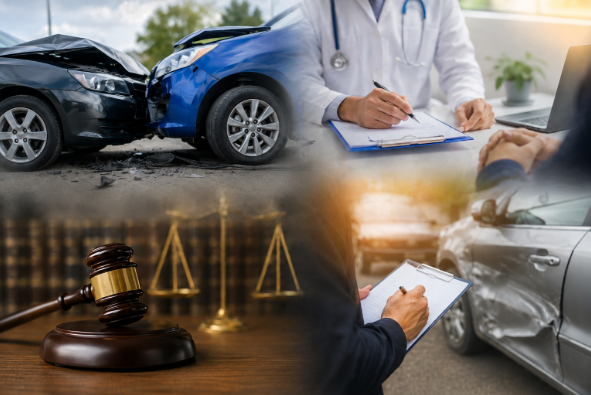
Exceptional and Straightforward Guide to Car Accidents

A motor vehicle accident could be a perplexing and overwhelming encounter. Beyond the initial trauma, people often have to manage doctor appointments or healthcare coordination, calls with insurance representatives, repair costs, and lost workdays. In times of high stress, it’s important to rely on someone who can provide clear direction and help lighten the load. By seeking guidance from a reputable Winchester Car Accident Attorney, individuals and families are better equipped to focus on their well-being and find peace of mind. When a trustworthy Winchester Car Accident Attorney takes your case, you can focus on recovery and peace of mind while they handle the complex administrative and legal procedures.

Students will learn about the initial steps to take after a roadway incident.

Immediately after a traffic accident, you may be shaken to the core. By following a few simple, calm, and structured steps, you can protect everyone’s safety and make the claims process easier if you need to file a claim later.

Ensure safety, medical well-being: If able, move to a safe area; early medical assessment should be considered despite initial ‘not much’ perception.

Contact Local Authorities: Once a formal police report is filed, a professional, objective view of the scene can help establish strong documentation later. Share basic contact and insurance information during the exchange, remain courteous, and keep information exchange minimal.

Take photographs: of positions of vehicles, road surface conditions, roadway signs, and visible property damage, if safe to do so.

Inform the Insurance Company: Report the incident to the insurance company so they can begin routine paperwork.

Understanding insurance jargon after an accident can feel like a different language. Insurance adjusters may be trained to resolve claims efficiently, but that may not align with a person’s long-term medical and financial needs. By consulting a competent local attorney, you can create a buffer between the insurance company and the injured person.

An attorney helps manage day-to-day communication, gather necessary documents, and account for other costs. This support typically includes a number of areas:

Documentation:Compiling medical and insurance files, police reports, and witness statements to establish a comprehensive documentation system.
Assessing Long-Term costs:A medical evaluation covers not only the cost of treatment, but also ongoing physical therapy, prescriptions, and lost wages. 
Managing Communications:Coordinate phone calls, paperwork, and negotiations with insurance representatives to help clients rest.
Explain Local Regulations:Providing clear & easy state traffic rules and legal timeframes without legalese.

A brief look at different categories of compensation in a personal injury case.

Financial assistance is meant to help put life back on track after an auto accident throws daily life into disarray. Remedies fall into two categories, depending on the type of incident: economic loss and non-economic impact.

Economic Considerations

Economic damages compensate for money spent as a result of the accident. These typically include:

  • Prompt medical attention, emergency medical services, doctors’ visits
  • Continuing rehabilitation treatment, medications, and medical equipment
  • The service is designed to repair the car or replace it with a car of fair market value for the same use.
  • Income losses, diminished prospects for future livelihoods from recovery requirements

Non-Economic Considerations

Meanwhile, non-economic damages recognize how an accident impacts day-to-day life and overall health in more intangible ways:

  • Any pain or suffering as a part of the process of healing
  • Changes in mobility or lifestyle which are temporary or permanent
  • A sense of less enjoyment of hobbies, family life or community life

Knowing the categories also helps you build a settlement that is fair and comprehensive, rather than a quick, short one.

Frequently Asked Questions

If the other party’s insurance company gets in touch with me straightaway, then what am I expected to do?

Make sure the conversation stays factual and to the point. A full statement from your side is not mandatory at all times. You can let them know you’re seeking medical attention and consulting a lawyer about it before going on to narrate the details.

How much time would I need to wait for my claim in Virginia?

Virginia has a basic statute of limitations for most personal injury cases arising from motor vehicle accidents: two years. However, there are exceptions, and it’s best to consult an attorney beforehand to avoid missing important deadlines.

But what if I am partially at fault for the accident?

One such doctrine in Virginia is that of contributory negligence. Under contributory negligence, even if the driver’s negligence contributes partially to the accident, it can make it harder for them to get compensated.

Conclusion

It takes time, patience, and a support system to restore stability after an unforeseen traffic incident. Compassionate guidance while recovering from medical issues and repairing your car makes all the difference. Collaborating provides security and ongoing guidance throughout the claims journey, empowering individuals to move forward with clarity and confidence.

Major Factors Behind Motorcycle Crashes

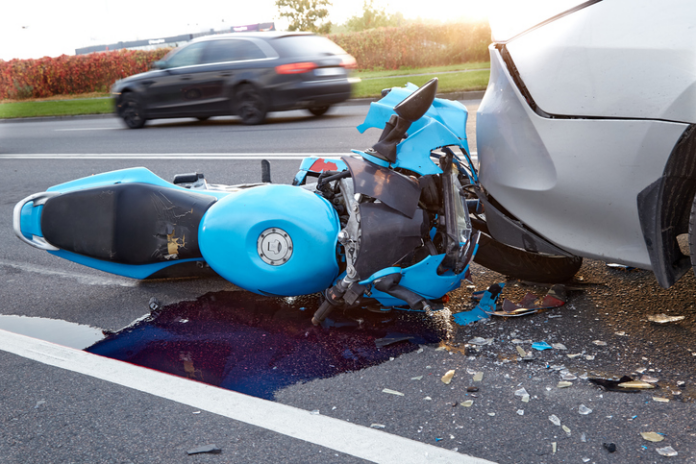
The time between motorcycle accidents and their consequences is often just a few seconds. Riders aren’t physically protected like occupants of enclosed vehicles and are more vulnerable in a crash. Traffic patterns, roadway conditions, visibility, and motorcycle operating conditions can all make for a serious accident.

Learning about Common Causes of Motorcycle Accidents can shed light on what went wrong and whether another party may have been involved in the crash that caused the injuries. It is also relevant when determining a crash’s circumstances if a rider is injured and seeking compensation. A careful study of the accident may include traffic conditions, vehicle movements, witness accounts, photos, and other available evidence.

Inattentive Driving and Motorcycle Crashes 

A frequent problem motorcyclists face is a driver not seeing a motorcycle before turning and/or crossing into their path. Motorcycles are smaller than passenger cars and may be less visible in certain traffic conditions.

A driver may overlook a motorcycle when:

  • Failing to signal a lane change and check traffic; yielding to other traffic when changing lanes; and changing lanes in the wrong direction.
  • When approaching a bike–change lanes and pass the rider
  • Access to the roadway from a driveway or parking lot
  • Following too closely
  • Focusing on a cell phone or other distraction
  • Not seeing a motorcycle in one’s blind spot

When the driver of a vehicle doesn’t see a motorcycle and causes a collision, this can lead to inquiries about if the driver was being reasonable. Evidence of an accident may be significant in determining what everyone was doing just before the accident.

Road Defects and Safety Hazards 

Not all motorcycle accidents involve another rider. Hazard conditions on the road can also pose risks, especially challenging for motorcycle riders. Loose gravel, potholes, uneven pavement, standing water, poor lighting, construction debris, and poorly maintained surfaces can all affect a motorcycle’s stability.

The following conditions may deserve attention after a crash: 

Road condition Potential Motorcycle Risk
Potholes Inability to balance or maintain control.
Loose gravelReduced tire traction
Wet pavementSliding risk is raised as a result.
Construction debrisAn abrupt change in stability 
Uneven pavementDifficulty maintaining control
Poor lighting Reduced visibility 
Missing warnings Unexpected roadway hazard 

Photographs of a roadway accident scene may not be sufficient to determine if the condition of the roadway played a role in the accident. Quick documentation may be necessary, as weather, traffic, repairs, or maintenance activities may change the roadway after the crash. 

Driver Impairment and Distraction 

Alcohol, drugs, fatigue, talking on a cell phone, or being distracted can impair a driver’s reaction time. Even a split-second distraction can have devastating consequences for a motorcycle rider.

Distraction can be visual, manual, or cognitive, causing attention to shift away from the task of driving. When someone checks a phone, adjusts the navigation system, eats, etc., they may not notice the motorcycle in time.

Impairment can lead to further issues with judgment, reaction time, coordination, and decision-making. If impairment or distraction is suspected, the lawyer can review evidence, including police reports, witness statements, traffic video, phone records (when legally allowed), and any observations made after the accident.

The Importance of Identifying the Cause of the Crash 

Identifying the cause of a motorcycle accident can affect how a legal claim is created. A collision can have one or more causes.

For instance, the driver could have been distracted, and the roadway could have had a hazardous surface condition. In another scenario, a mechanical failure could have happened just before another vehicle entered the motorcycle’s path.

Frequently Asked Questions

What’s one reason that motorcycle crashes happen?

Driver distraction and inattention are a major concern. A motorist may miss a motorcycle while changing lanes, turning, entering traffic, or entering intersections.

Do bad road conditions cause motorcycle accidents?

Yes. Potholes, gravel, standing water, uneven pavement, construction debris, and poor lighting can affect motorcycle stability and visibility.

Is it possible to have multiple causes for a motorcycle accident?

Yes. There may be a number of circumstances that can contribute to a crash, including poor roadways, distracted driving, or driving too fast.

Is there a mechanical issue that can help cause a motorcycle accident?

Potentially. Mechanical problems, including brake failure, incorrect tires, steering issues, etc., can contribute to an accident. Who is responsible depends on the circumstances.

Why is it that a motorcycle accident should be investigated?

Determining the root cause can help identify whether another driver, property owner, manufacturer, maintenance company, or other party was involved in the crash. It can also help organize evidence to support an injury claim.

Conclusion

Drivers can become inattentive, ride too fast, cause a motorcycle accident due to unsafe road conditions, be impaired by alcohol or drugs, have mechanical problems, or for other reasons. Motorcycles offer relatively little physical protection, and almost any collision can have severe consequences for the rider.

Knowing what caused the crash can therefore be an important part of understanding what could be a possible legal cause of action. A thorough examination of the accident scene, records, witness statements, vehicle damage, and the incident’s context can help you better understand the events that led up to the accident. Anyone who has been involved in a motorcycle accident and is seeking legal advice should consult with a lawyer for any information on the accident and what compensation might be available.

Federal Appeals Lawyer: Guiding Clients Through the Federal Appeals Process

Representing the federal appeals process

Generally, a federal court ruling is not a judicial death sentence. An appeal may be a way to have a federal trial court’s decision reviewed if a party believes it committed a major error of law or procedure. But appeals are not the same as federal trials. They focus on whether the trial court correctly applied the law, not simply re-weighing the facts.

A federal appeals lawyer can assist clients through this technical process. An experienced attorney can help you identify which errors you can raise on appeal and how to present your case to the right federal appellate court by reviewing the trial record and preparing compelling appeal briefs.

What Does a Federal Appeals Lawyer Do?

A Federal Appeals Lawyer advocates on behalf of clients, such as people, companies, and organizations, before federal appeals courts. They usually begin by analyzing in depth what happened in the first court.

In an appeal, rather than at trial, you cannot present evidence or witnesses of your own choosing. Rather, appellate courts review the record and the briefs of both parties in the case. According to the U.S. Courts, the general rule is that federal appeals are heard before panels of three judges, which could be composed of judges who had not participated in the trial, with the appellant presenting an argument to the court that the trial court made a mistake, and the appellee arguing in defense of the lower court’s judgment.

When Should You Consider a Federal Appeal?

Not all bad court rulings are worth appealing. Disagreement with the judge’s ruling is not enough; the appeal must raise at least one other issue. Appellate error is normally required to be detected under a law, procedure, or some other well-established rule. Common appealable issues include wrongful interpretation of federal law, improper admission of evidence, and significant procedural errors and misapplications of law.

A lawyer can pore over the trial record and determine whether any issues are appealable. This early evaluation can be especially instrumental, as federal appellate procedures have strict requirements and deadlines.

Preparing a Strong Appellate Brief

The appeal brief is one of the most crucial components of a federal appeal. Written portion of an appeal that contains the arguments in support of overturning, amending, or otherwise considering the lower court’s decision. The brief should focus on the most persuasive issues rather than simply recounting what happened at trial. An appellate attorney can carefully read statutes and regulations, review prior published cases, examine the summary of testimony, consider all the evidence, and review the reasoning of the lower court, all to develop a well-organized legal brief.

What Happens During Oral Argument?

Oral argument is not required in some federal appeals. Appellate lawyers present oral argument to a panel of judges, who ask questions about the law at issue. The U.S. Courts define oral argument as a “formalized exchange of views about the law at issue.

A lawyer representing a party in an appeals court must be ready to present the best case and answer probing questions from the judges. An ability to know the authorities and the record is essential to good oral argument.

Experience Matters in Federal Appeals

Federal appellate litigation uses unique methods compared with typical trial litigation. Appellate attorneys need to be familiar with standards of review, preserving legal issues, procedure, and what is fact and what is law.

Generally, the appellate court reviews the existing proceedings without requiring the parties to repeat the case. Careful preparation is especially crucial. An attorney will have to decide which issues can appropriately be presented and raised under the rules applicable in the various appellate forums.

Frequently Asked Questions

Can Any Federal Court Decision Be Appealed?

Not necessarily. Whether an appeal is possible depends on the nature of the ruling, the laws breached, and the situation at hand. A lawyer can determine whether an appeal is possible.

Can New Evidence Be Presented During a Federal Appeal?

Federal appeals generally review the lower-court record and do not typically involve a retrial. First, the appeal is reviewed by the Court of Appeals in a judicial, law-driven process.

How Long a Federal Appeal Takes?

Appeals tend to take longer, depending on the court, the complexity of the appeal, the briefing schedule, oral argument, and other factors. Appeals may take months to resolve.

Should I have a Lawyer for a Federal Appeal?

While some people can represent themselves, federal appellate procedure is quite complicated. An attorney familiar with federal court proceedings can help ensure key legal details and arguments are considered.

Conclusion

The appeal process can be complex, with many legal issues, procedural issues, and significant repercussions for the parties involved. A Federal Appeals Lawyer’s consultation could help you decide whether an appeal is warranted and how to make the case as persuasive as possible. They can assist with a legal analysis of federal appellate matters and develop an appropriate legal strategy if you are seeking legal representation and guidance during any legal disputes involving federal agencies.

When an Injury Changes Everything: Understanding Personal Injury Claims in Washington, DC

An unplanned injury can affect your quality of life, finances, employment, and health for life. If someone is negligent or at fault, you may be able to recover compensation for your losses. However, medical bills, insurance policies, paperwork, and legal deadlines can be overwhelming during recovery. A Washington, DC Personal Injury Lawyer can help you understand your legal rights, assess your situation, and decide the best steps to seek compensation. They provide information for citizens in the District of Columbia facing personal injury cases and seeking advice after an accident or injury.

The  Most Prevalent Personal Injury Cases in Washington, DC

Car AccidentsDistracted driving, speeding, and other negligent driving can lead to serious costs.
Truck Accidents Commercial truck crashes that can cause serious injuries and property damage.
Pedestrian AccidentsInjuries resulting from a pedestrian being hit by a vehicle when crossing roads or walking close to roads.
Motorcycle AccidentsMotorcycle collisions that may cause serious injuries due to the lack of physical protection for the motorcycle rider.
Slip and Fall Accidents Slips caused by wet floors, maintenance issues, uneven floors, etc.
Workplace InjuriesInjuries caused by an unsafe work environment, unsafe equipment, or other workplace hazards.
Medical MalpracticeDamage that can occur when a health care provider does not meet an acceptable standard of care.
Wrongful DeathClaims that could happen when someone is negligent or misbehaves and this leads to another person’s death.

Negligence Can Result in Personal Injury Claims

Negligence typically occurs when someone falls below the degree of care they should have provided. In personal injury lawsuits, this can happen when a driver fails to follow traffic laws, a property owner fails to repair a known hazard, or another party engages in an act that creates an unreasonable risk of harm to another party. Thus, when those conditions contribute to the injury, they can serve as the basis for an individual injury claim.

To establish negligence, review what occurred before, during, and after an accident. Photos, witness statements, accident reports, medical records, and other documentation can help determine the circumstances of the injury. Each case has unique circumstances that matter because it is not always clear who is responsible for an accident right away.

A personal injury suit can seek reimbursement for losses stemming from the injury. Depending on the circumstances, these losses may include expenses of any kind, loss of income, and other damages. Because personal injury laws and filing procedures vary, people may find it valuable to know their rights and seek legal advice.

The Impact of Serious Injuries On Your Life

Severe injuries can disrupt everyday activities. A person who has suffered a serious injury might find it hard to work, drive, look after family members, or be able to do household chores. Long hospital stays, rehabilitation, and recovery periods can also drastically change a person’s daily routine and lifestyle.

Financial impacts can also be significant. The cost of injuries may keep mounting up while the injured victim can not work or may be able to work less. Depending on the type of injury, it may lead to permanent limitations in a person’s life and affect their personal and work life. These effects can be important in a personal injury damages case.

Frequently Asked Questions

So what should I do after I’m injured in an accident?

Seek medical assistance as needed, notify the relevant person as required, and keep records of your injury, treatment, and costs.

What are the possibilities of causing a personal injury claim?

Possible parties include individuals involved in vehicle accidents, unsafe property conditions, work accidents, medical negligence, or other situations.

What options of compensation exist?

Compensation amounts depend on the circumstances and may include property damage, medical expenses, lost wages, and other losses resulting from the injury.

In Washington, DC, how many years does the statute of limitations run for a personal injury claim?

There are filing deadlines involved – depending on the type of claim and the law to which the claim relates. Missing deadlines can affect your case, so it’s crucial to get legal advice right away.

When should I call a personal injury lawyer?

If the injury is severe, it is unclear who is responsible, an insurance agency is challenging the claim, or you believe you do not have the legal right, consult a lawyer.

Conclusion

A serious personal injury can impact a lot more than physical health and may lead to financial problems and a lack of work, family duties, and daily activities. Understanding what losses an injury may involve and how negligence can contribute to it can help you make informed decisions. If someone else’s actions have hurt you, it’s essential to know your rights. If you’re injured because of another party’s negligence or misconduct, consult an attorney to understand your rights and what you can do to protect them.

Cerebral Palsy Lawyer in Indianapolis: Understanding Your Legal Options

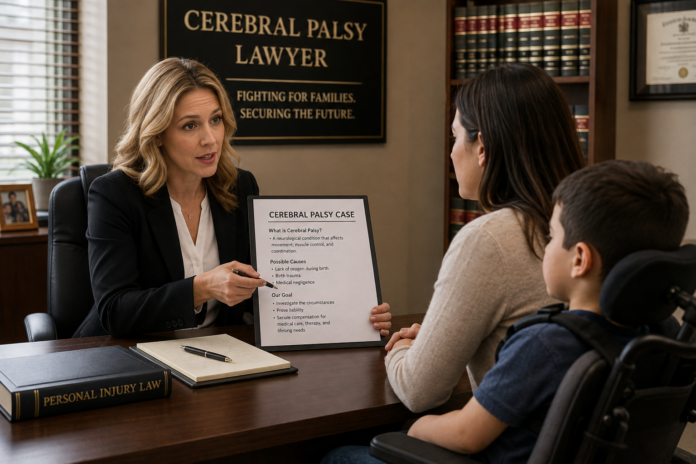
A cerebral palsy lawyer in Indianapolis discussing a case with a client and child in a professional law office.

A child with cerebral palsy and their family may experience lifelong effects. It can affect movement, muscle control, coordination, posture, balance, and other bodily functions. Cerebral Palsy Lawyer in Indianapolis may occasionally be linked to an injury that happened prior to, during, or soon after birth. However, medical malpractice is not always the cause of cerebral palsy. Speaking with an Indianapolis cerebral palsy lawyer can help parents understand their legal options if they think a healthcare provider’s actions or inaction caused their child’s condition. To determine whether a potential medical malpractice claim exists, an attorney can review medical records, investigate what happened, and consult with qualified medical professionals. 

What Is Cerebral Palsy? 

Each child may experience the effects differently. Some kids may have only minor restrictions, while others may need constant help with everyday tasks, therapy, mobility, or communication. Brain damage that occurs prior to, during, or soon after birth can result in cerebral palsy. A diagnosis alone does not prove medical malpractice because many factors can cause it. To understand what happened, a thorough examination of the child’s medical history and birth records is frequently required. To determine whether a healthcare provider may have violated the relevant standard of care, an Indianapolis cerebral palsy attorney can collaborate with relevant medical professionals.

When Medical Negligence May Be Involved 

When a child’s brain injury was caused by medical negligence, a claim for cerebral palsy may be made. Inadequate monitoring of the mother or child, tardiness in reacting to fetal distress signals, incorrect delivery techniques, or other deviations from standard medical care are examples of potential issues. Families shouldn’t, however, assume that a challenging delivery always indicates carelessness. Establishing a medical malpractice claim typically requires evidence linking the healthcare provider’s actions to the child’s injury. This process may involve reviewing prenatal records, fetal monitoring strips, delivery notes, neonatal records, imaging, and other medical records.  

How a Cerebral Palsy Lawyer Can Help 

A cerebral palsy attorney can help a family determine whether their circumstances warrant a medical malpractice or birth injury claim. To identify key events related to pregnancy, labor, delivery, and newborn care, the lawyer may start by gathering and reviewing relevant medical records. If needed, the attorney can speak with medical experts to assess the care provided and determine whether it met the required standard of care. 

  • Gather Evidence
  • Determine Potential Compensation
  • Handle Security Companies
  • File a Medical Malpractice Claim
  • Represent the Family in Court

Compensation in a Cerebral Palsy Case 

Compensation for losses related to the child’s injury may be available if medical negligence is proven. The particular damages are determined by the facts of each case and the relevant Indiana law. Potential losses include future and past medical costs, therapy and rehabilitation, assistive technology, specialized educational or supportive services, and other long-term care-related expenses. Families may also need to consider how a child’s condition might affect their independence and future needs. Careful documentation and support from medical, financial, or vocational specialists are frequently needed to determine these damages. Instead of focusing only on costs already incurred, a lawyer can review the evidence and build a claim that accounts for the child’s present and future needs.

Indiana Deadlines for Medical Malpractice Claims 

Families considering a medical malpractice claim for cerebral palsy should know Indiana’s filing deadlines. A medical malpractice claim against a healthcare provider must generally be filed within two years of the alleged act, omission, or neglect, according to Indiana Code § 34-18-7-1. For a minor under six, the law provides a special rule that allows the claim to be filed until the child turns eight. Indiana medical malpractice cases may use a medical review panel procedure before legal action. Getting case-specific legal advice as soon as possible is crucial because missing a deadline can limit a family’s ability to pursue a claim. 

Therefore, it can be substantial emotional, physical, and financial difficulties when raising a child with cerebral palsy. Knowing their legal rights can be crucial when parents believe that medical negligence may have contributed to their child’s condition. An Indianapolis cerebral palsy lawyer can consult with medical professionals, review the circumstances surrounding the pregnancy, delivery, and newborn care, and outline the family’s legal options. Families should not wait until crucial evidence or filing opportunities are lost, because Indiana has specific requirements and deadlines for medical malpractice claims. 

Frequently Asked Questions (FAQs)

What does a cerebral palsy lawyer do? 

Families who think medical negligence may have contributed to their child’s cerebral palsy are represented by a cerebral palsy attorney. The lawyer can review medical records, speak with specialists, assess potential damages, and explain the legal process. 

Does cerebral palsy automatically mean medical malpractice occurred? 

No. There are several possible causes of cerebral palsy, and a diagnosis by itself does not prove negligence. To determine whether a healthcare provider failed to provide appropriate care, you may need medical records and an expert evaluation. 

How long do I have to file a cerebral palsy medical malpractice claim in Indiana? 

In general, Indiana offers a two-year window after the alleged malpractice. However, a minor under age six may have until their eighth birthday, and other exceptions may apply.

A Split-Second Crash, Lasting Consequences: Chicago Car Accident Claims

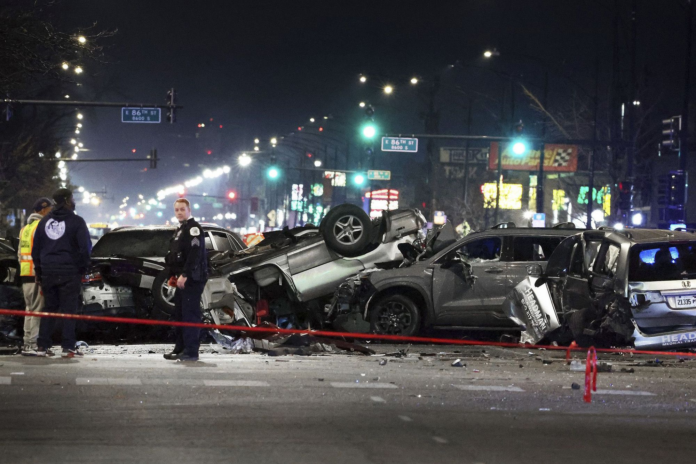
Car accident on a busy Chicago street with emergency responders nearby.

Car accidents can happen in seconds but leave long-lasting effects that can last months or even years. Unforeseen accidents can dramatically affect your life, including accident costs, vehicle repairs, lost income, and emotional distress. If another motorist was negligent, you may be able to seek damages.

A Chicago Car Accident Lawyer can help you understand your options and the best way to proceed after a crash. An attorney can also make it easier to deal with insurance companies and protect your rights while you focus on healing.

What’s Causing Car Accidents in Chicago?

Chicago is a busy city with heavy traffic, busy roads, pedestrians, bikers, and changing weather. The elements can cause various types of vehicle crashes. Most crashes, however, result from unsafe driving.

One such cause is distracted driving. Anything that takes a driver’s focus off the road can be distracting, whether it’s a phone, the navigation system, eating, or fellow passengers. Other causes of severe crashes include speeding, aggressive driving, operating a motor vehicle under the influence, and not obeying traffic signs.

Weather can also add risks. Snow, ice, and rain can impair visibility and make roads slippery. Recognize when to adjust your speed/driving technique to match the road conditions. If you don’t and instead cause an accident, you could be liable for any resulting injuries and damage.

Injuries That May Result From a Car Accident

Sometimes it isn’t obvious that an injury has occurred after a crash. Others will have symptoms that begin hours or even days following the accident. Typical injuries include whiplash, broken bones, back and neck injuries, concussion, or any other kind of brain trauma.

Fatalities, seemingly minor internal injuries, and spinal cord injuries can all be the result of more severe collisions. Treatment is also often expensive, especially if it involves ongoing care or a long-term program.

Keeping medical records, treatment bills, prescription details, and other documents can help establish your injury and monetary losses.

How a Chicago Car Accident Lawyer Can Help

After an accident, you may need to contact insurance providers, gather evidence, understand relevant laws, and assess the value of your claim. All of this can be overwhelming after an injury.

A car accident attorney can determine the accident circumstances and who may be liable. This can include reviewing police reports, medical records, photographs, camera footage, witness statements, and other evidence.

Your lawyer can also negotiate with insurance providers. The insurance company may try to reduce the claim’s impact or offer a settlement that doesn’t fully compensate the victim for the injury. Negotiations may need to be conducted with lawyers representing both parties present to ensure their rights and interests are considered.

What to Do If You’re in a Chicago Car Accident?

After an accident, know what to do immediately to protect your health and your claim. Move to a safe position and call for help if needed. Get medical help, even if the injuries seem minor at first.

Take photos of the vehicles, roadway, visible injuries, traffic signs, and surrounding conditions. Get insurance and other information from other drivers and get contact information from witnesses.

Also store relevant documents, such as medical records, repair estimates, police reports, and accident receipts, and contact Salvi Schostok & Pritchard P.C. Don’t make statements that could wrongly put the blame on you, or accept a monetary settlement without knowing everything you have lost.

Frequently Asked Questions

What to do if the other driver is uninsured?

If the other driver is uninsured, or their coverage is too low, you may have other options. UMI coverage can typically provide coverage, depending on your policy.

Should I accept the insurance company’s first settlement proposal?

Before accepting a settlement offer, consider it carefully. An initial offer might not take any of the following into account: future treatment costs, lost earnings, or the most serious consequences of your injuries.

Is it necessary that I need an attorney to help me with a minor car crash?

Not all cases necessarily need a lawyer. However, if you have injuries, the extent of the property damage is disputed, or there are insurance issues, a lawyer may help.

Conclusion

An auto accident can cause physical injury, strain your budget, and create uncertainty about the future. Knowing your rights will help you make an informed decision about seeking compensation.

Early action can help keep vital evidence intact and provide you a better knowledge of what remedies are obtainable to you.

Lafayette Truck Accidents: Hope After a Serious Road Crash

Getting answers after a truck accident can help you make sense of the crash, protect your rights, and pursue the compensation your claim may support.

 A truck crash can leave you dealing with far more than a damaged vehicle. A truck crash can leave you dealing with far more than a damaged vehicle. For many victims, the real struggle starts after the collision, when treatment, lost wages, and uncertainty begin to pile up. 

Truck Accident Attorneys in Lafayette can help you sort through those questions without expecting you to understand trucking rules or insurance language on your own. The Thibeaux Firm’s truck-accident practice focuses on gathering evidence, reviewing driver and company records, working with experts when needed, and dealing with insurers so the injured person can focus on recovery.

When The Crash Does Not End At The Scene

Truck crashes can be more complicated than ordinary car accidents because several people or companies may share responsibility. The driver may have made a mistake, but the trucking company, a maintenance provider, a cargo-loading company, or a manufacturer could also have played a role.

For you, the concerns may be much simpler. How will treatment be paid for? What happens if you cannot work? Will the insurance company cover what this has done to your life? Those questions deserve clear answers.

Why Trucking Records Can Matter

A commercial truck can hold information that helps explain a crash. Driver logs, electronic logging device data, inspection reports, maintenance records, employment files, onboard vehicle data, and cargo records may all become important.

Federal rules also limit how long many property-carrying commercial drivers may stay behind the wheel. In general, they may drive up to 11 hours after 10 consecutive hours off duty and cannot drive beyond the 14th consecutive hour after coming on duty. Those limits are intended to reduce fatigue and keep drivers alert.

Evidence does not stay available forever. Getting help early can matter when trucking companies and insurers may already be collecting their own records after the collision.

Louisiana Law Can Affect What You Recover

Louisiana changed its comparative-fault rules for claims arising on or after January 1, 2026. If you are found 51% or more at fault, you cannot recover damages. If you are less than 51% at fault, any recovery is reduced by your percentage of fault.

That makes the investigation important. A trucking insurer may try to place some of the blame on you even when the truck driver or another company also contributed.

Louisiana also generally gives two years from the date of injury or damage to bring a personal injury action under the rule that took effect July 1, 2024. Exceptions apply, so it is safer not to assume you have plenty of time.

When The Insurance Company Starts Calling

An insurance adjuster may contact you before you know how long your injuries will last. You may be asked for a recorded statement or offered a settlement while you are still receiving treatment.

A quick payment can sound helpful when bills pile up, but it may not cover future medical care, rehabilitation, lost earning ability, or lasting limitations. A lawyer can handle those conversations, gather records, and review the full impact of the crash before discussing what a fair resolution may look like.

Help Beyond The Claim

Some truck crashes cause brain or spinal cord injuries that change daily life for months or years. Louisiana’s Traumatic Brain and Spinal Cord Injury Trust Fund Program offers eligible residents services that may include rehabilitation, medical evaluations, assistive equipment, personal care assistance, and accessibility modifications.

Lafayette also participates in the Acadiana Regional Transportation Safety Coalition, which works with state and local partners on roadway safety. Its work supports Louisiana’s broader Destination Zero Deaths effort through engineering, education, enforcement, and emergency medical services.

These programs cannot undo a crash, but they show that recovery can involve more than a lawsuit. Medical care, rehabilitation, community support, and legal help may all become part of rebuilding.

What A Truck Accident Claim Can Address

A claim may include medical bills, future care, lost wages, reduced earning ability, rehabilitation, property damage, pain, and other losses when supported by the facts.

The key is to make the claim fit your life rather than treat it like a standard accident file. If you can no longer work the same hours, care for your family the same way, or do things you once enjoyed, those changes deserve to be understood.

Finding A Way Forward

A serious truck crash can make life feel divided into “before” and “after.” Moving forward doesn’t mean pretending the injury didn’t happen. It means finding available support and making decisions with better information.

For someone searching for a firm after a Lafayette truck accident, The Thibeaux Firm offers a free initial consultation and charges a flat 25% attorney fee if you recover compensation. A conversation can help you understand what evidence matters, who may be responsible, and what options you have. The road back may take time, but you do not have to figure out every part of it alone. 

Frequently Asked Questions

Why does it matter that the other vehicle was a commercial truck?

A truck crash may involve more than the driver. The trucking company, maintenance provider, cargo loader, or another business may also share responsibility, which can make the claim more complex.

What records can show whether the truck driver was too tired to drive?

Electronic logging device records can show driving and duty time. Federal rules limit many property-carrying drivers to 11 hours of driving after 10 consecutive hours off and generally prohibit driving beyond the 14th hour after coming on duty.

Can the trucking company be responsible even if its driver caused the crash?

Possibly. The investigation may examine hiring, training, supervision, maintenance, scheduling, and other company decisions, not just what the driver did at the scene.

What if the truck was overloaded or the cargo shifted?

Cargo weight and loading can affect a truck’s stability, braking, and handling. Records showing who loaded the truck and how the cargo was secured may become important.

What if the trucking insurer contacts me right after the crash?

Be careful about giving detailed statements or accepting a quick settlement before you know the extent of your injuries. Trucking companies and their insurers may begin investigating very soon after a serious collision.

Can truck data be lost if I wait too long?

Yes. Driver logs, onboard data, surveillance footage, maintenance records, and other evidence may not remain available indefinitely. Early investigation can help identify and preserve records that may explain the crash.

What if the trucking company says I was partly responsible?

For Louisiana claims arising on or after January 1, 2026, being 51% or more at fault can prevent recovery. If you are less than 51% at fault, compensation may be reduced by your percentage of responsibility.

What if my injuries keep me from returning to the same job?

A truck-accident claim may need to consider more than wages already missed. If the injuries reduce your ability to work or earn the same income in the future, that loss may also become part of the claim.

What if doctors say I will need treatment for years?

Future surgery, rehabilitation, therapy, medication, assistive equipment, and other expected care can matter when assessing the full impact of a serious truck-crash injury.

How long do I have to bring a truck-accident claim in Louisiana?

Louisiana generally applies a two-year filing period to personal injury actions arising on or after July 1, 2024, although exceptions can apply.

What if my family member died in the truck crash?

The family may have separate legal rights involving wrongful death and related losses. Because those claims involve specific Louisiana rules and deadlines, getting legal advice early can be especially important.


Why Old Auction Photos Matter When Buying a Repaired Used Car

Why Old Auction Photos Matter When Buying a Repaired Used Car

A repaired used car can look completely different from the vehicle that once appeared at an insurance auction. Fresh paint, replacement panels, new airbags, polished wheels and a detailed interior can erase most of the visible evidence of an earlier accident. That is why the photographs and data preserved in old auction listings can be so useful to buyers.

For vehicles that have passed through major U.S. salvage auctions, the VIN can sometimes lead back to historical listings showing the car before repairs. Those records may include original auction photos, the recorded odometer reading, primary and secondary damage, sale dates, specifications and previous sale information. They do not replace a professional inspection, but they can tell a buyer where to look more closely.

The Repair Can Be New, but the VIN Is Permanent

Every road vehicle has a unique Vehicle Identification Number. Body panels can be replaced and a damaged car can be rebuilt, but the VIN remains the most useful key for connecting the vehicle in front of you with records created earlier in its life.

This matters particularly with cars that have moved between markets. A vehicle purchased at a U.S. insurance auction may later be repaired, exported and advertised thousands of miles away. By the time it reaches a retail listing, the current photographs may show an attractive, fully repaired car while the original auction listing is no longer easy to find through a normal web search.

What Historical Auction Photos Can Reveal

Auction photographs are valuable because they capture the vehicle at a specific point in time, often before repair work begins. When available, they can help a buyer understand the scale and location of previous damage instead of relying only on a short description such as “minor accident” or “professionally repaired.”

Front and rear structure: Photos can show whether damage was limited to bolt-on panels such as a bumper and fender or extended deeper into the front or rear structure.

Airbag deployment: Interior photographs may reveal deployed steering-wheel, dashboard, curtain or seat airbags, which can indicate a more substantial impact and a more complicated repair.

Suspension and wheel damage: A wheel pushed out of position, unusual camber or visible damage around a corner of the car can justify extra attention to suspension mounting points and alignment.

Flood or water exposure: Water lines, dirty interiors, condensation or auction damage classifications can provide clues that deserve further investigation.

Missing components: Auction cars are sometimes photographed with missing lights, trim, wheels, modules or interior parts. Knowing what was absent can help a buyer ask what was replaced and with what type of parts.

Compare the Old Photos With the Car Today

The goal is not simply to discover that a car was damaged. Many repaired vehicles can be perfectly usable when the work is performed correctly. The more important question is whether the present condition is consistent with the vehicle’s documented past.

If an old photograph shows a heavy impact on the right front corner, for example, that gives the buyer and mechanic a specific inspection plan. They can examine panel gaps, paint finish, welds, fasteners, suspension geometry, cooling components, headlights and electronic systems in that area. If airbags were deployed, the restraint system deserves particular attention. If the vehicle was listed with undercarriage damage, an inspection on a lift becomes especially important.

Auction Data Adds Context Beyond the Pictures

Photos are usually the most intuitive evidence, but the surrounding auction data can be just as useful. Recorded mileage can be compared with the current odometer. Auction dates establish a timeline. Repeated listings may show that a vehicle appeared at auction more than once, while historical sale information can provide context about how the vehicle moved through the market.

A VIN search through AutoBidHistory can be used to look for archived Copart and IAAI auction records, including historical vehicle photos, damage information, odometer readings, sale prices and specifications when those records are available. For a buyer researching a U.S.-auction vehicle, that information can provide a useful starting point before arranging an inspection.

Do Not Treat Auction History as a Complete Vehicle-History Report

Auction history answers a specific set of questions: Was this vehicle previously listed at an auction? What did it look like at that time? What damage, mileage and sale information was recorded? It should not be treated as a complete record of everything that has ever happened to the car.

A careful buyer should also verify the title and registration status, check for theft or lien issues where applicable, review service and repair documentation, check recalls, and have the current vehicle inspected by an independent professional. No single database is guaranteed to contain every accident, repair or ownership event.

A Simple Pre-Purchase Workflow

1. Copy the VIN directly from the vehicle and confirm that it matches the paperwork.

2. Search the VIN for previous auction records and historical photographs.

3. Compare recorded auction mileage with the vehicle’s current odometer and other available records.

4. Study the original damage areas and note anything that should receive extra attention during inspection.

5. Ask the seller for repair invoices, parts receipts, alignment records and photographs of the rebuild if available.

6. Have an independent mechanic or body-repair specialist inspect the vehicle before purchase.

The Bottom Line

A clean-looking car tells you what it looks like today. Historical auction photographs can show what it looked like before the repair. Having both views makes it much easier to ask the right questions and to direct an inspection toward the areas that matter most.

For buyers considering a rebuilt, salvage-history or U.S.-import vehicle, spending a few minutes researching the VIN before making an offer can reveal context that is impossible to recover from a test drive alone. The purpose is not to reject every previously damaged car; it is to understand exactly what you are buying.

Florida Car Accidents: Finding Your Way Back After a Crash

After a Florida car crash, knowing the deadlines, preserving the right evidence, and understanding how insurance and fault rules work can make a real difference to your claim. 

After a Florida car crash, the questions can start before the soreness has even settled in. Do you need to see a doctor? Who will pay the bills? What happens if the insurer says you were partly at fault? A Florida Car Accident Lawyer can help you sort through those questions in plain language and see how the crash has changed your life. The firm’s approach combines personal attention with the resources to handle difficult injury cases, including early evidence gathering, insurance negotiations, and trial preparation when needed.

When The First Few Days Matter

You don’t have to know every legal rule after a crash, but one Florida rule deserves your attention. Florida’s Personal Injury Protection, or PIP, generally helps pay eligible medical and disability benefits without first deciding who caused the crash.

To qualify for PIP medical benefits, Florida law generally requires you to receive initial medical care within 14 days. That deadline can matter even when an injury seems manageable at first. Some neck, back, head, or soft-tissue injuries become clearer over time. Getting checked also creates a medical record showing when treatment began.

PIP is not unlimited. Florida law provides up to $10,000 in medical and disability benefits, though medical reimbursement may be limited to $2,500 if the injury isn’t determined to be an emergency medical condition.

When PIP Is Not Enough

A serious crash can leave expenses that go far beyond PIP. You may need surgery, therapy, medication, follow-up care, or weeks away from work. Pain or physical limitations may also interfere with driving, sleeping, caring for family, or returning to your previous job.

Florida does not automatically allow pain-and-suffering damages after every motor vehicle injury. The law generally requires a qualifying injury, such as permanent injury, significant and permanent loss of an important bodily function, significant and permanent scarring or disfigurement, or death.

A lawyer can review the medical evidence and explain whether this rule may apply without expecting you to work through the legal language yourself.

When The Insurance Company Starts Asking Questions

An adjuster may call while you are still receiving treatment. They may ask for a recorded statement, medical authorization, or information about earlier injuries. It may be difficult to tell what is routine and what could affect your claim.

The firm’s car-accident practice includes dealing with insurers, gathering information needed for the claim, negotiating settlements, and preparing to go to court when a fair resolution cannot be reached. That can give you more time to focus on treatment and daily life.

If you have a problem with an insurer, Florida’s Department of Financial Services also accepts insurance concerns and operates a statewide Insurance Consumer Helpline.

When Fault Is Being Disputed

A crash isn’t always one driver being completely right and the other completely wrong. Florida uses a modified comparative fault system.

If you share some responsibility, your recovery can be reduced by your percentage of fault. If you are found more than 50% responsible for your own harm, Florida law generally prevents recovery in a negligence claim.

This is where evidence can make a difference. Sometimes the clearest picture comes from small details, like where the cars were damaged, what someone nearby saw, or what someone wrote down right after the crash.

How Long Do You Have To Act?

If your Florida crash happened after March 24, 2023, you will usually have two years from the date of the accident to file a lawsuit. Some older cases follow different rules, so the crash date matters.

It is easy to put this off while you are focused on treatment and getting back on your feet. The problem is that useful evidence can be lost over time. If you wait too long, some evidence that could help your case may be harder to find.

Talking to a lawyer sooner can help you decide what to keep and whether any other time limits apply. The firm also emphasizes obtaining evidence quickly, particularly when responsibility for an accident is disputed.

Support Beyond The Claim

Not all help comes through a lawsuit. Florida’s Department of Financial Services can assist with insurance questions and complaints if you are having trouble dealing with an insurer.

Florida’s Target Zero initiative serves a different purpose. Led by the Florida Department of Transportation, it focuses on reducing serious injuries and deaths on the state’s roads by addressing dangerous driving behavior and improving transportation safety.

The insurance helpline offers another place to turn when problems arise with an insurer. Meanwhile, Target Zero focuses on preventing serious crashes and making Florida roads safer.

Finding Your Way Forward

A car crash can leave you trying to recover while an insurance company is already deciding what it believes your claim is worth. You don’t have to decide everything before you understand your options.

A conversation can help you understand what PIP may cover, whether another driver may be responsible, what evidence matters, and which losses should be considered. Getting back to normal may take time, but knowing what you can do next can make the road ahead easier to face. 

Frequently Asked Questions

Do I really have only 14 days to see a doctor after a Florida crash?

For PIP benefits, Florida generally requires you to seek initial medical treatment within 14 days of the accident. Waiting beyond that period can affect access to PIP medical benefits.

Will Florida PIP pay all of my medical bills?

Not necessarily. PIP generally provides up to $10,000 in medical and disability benefits, and it usually pays 80% of eligible medical expenses. Medical benefits may be limited to $2,500 if the injury does not qualify as an emergency medical condition.

What if my medical bills exceed my PIP coverage?

That is where a claim against an at-fault driver may become important. The claim may need to cover unpaid medical costs, future treatment, lost income, and other losses PIP doesn’t fully cover.

Can I recover anything if Florida says I was partly at fault?

Possibly. Your compensation may be reduced based on your share of fault. But if you are found more than 50% responsible for your own harm, Florida law generally prevents recovery in a negligence claim.

Can I claim pain and suffering after a Florida car accident?

Not after every crash. Florida generally requires a qualifying injury, such as a permanent injury, significant and permanent loss of an important bodily function, significant permanent scarring or disfigurement, or death.

What if the insurance company offers money before I finish treatment?

Be careful about settling before the full effect of the injury is known. Future treatment, ongoing pain, time away from work, or lasting limitations may not yet be clear when an early offer is made.

Should I give an insurance adjuster a recorded statement?

That can depend on which insurer is asking and what your policy requires. Before giving a detailed recorded statement, it helps to understand why they’re requesting it and whether what you say could affect the claim.

How long do I have to file a Florida car accident lawsuit?

Florida generally allows two years for negligence actions. Rules can vary depending on when the claim arose and the circumstances, so the accident date matters.

What can I do if my own insurance company is giving me problems?

Florida’s Department of Financial Services accepts insurance concerns and operates a statewide Insurance Consumer Helpline for people who need assistance with insurers, agents, or insurance-related complaints.