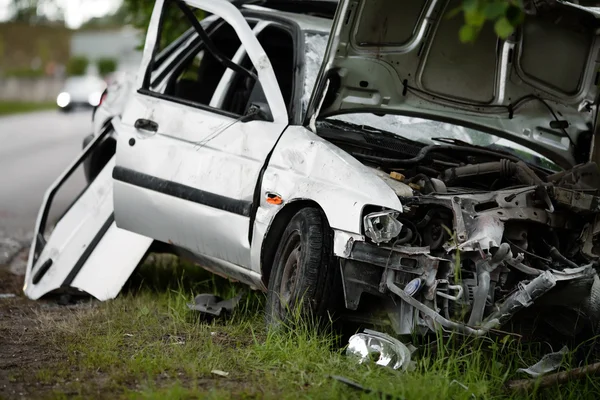
Money’s tight. Rent went up, groceries cost more every week, and that car insurance bill is sitting there like a dare. Skipping it for a month or two seems harmless. You’re a careful driver. What are the odds anything happens? Famous last words.
The problem is that insurance isn’t priced for the days when nothing happens. It’s priced for the one moment when everything does. A rear-end tap at a light, a parking lot scrape, a distracted driver who drifts into your lane. That moment doesn’t send a warning.
Driving without insurance in Florida can create consequences that dwarf whatever you saved. Suspended plates, reinstatement fees, and personal liability for someone else’s losses can turn a small monthly savings into a very expensive experiment. Florida doesn’t make it easy to slip through the cracks either.
What Florida Actually Requires Drivers to Carry
Florida does things a little differently than many states. Most owners of registered four-wheel vehicles must carry at least $10,000 in personal injury protection, known as PIP, and $10,000 in property damage liability. Those are the basic building blocks. Most people stop there.
PIP is part of Florida’s no-fault system. It helps cover your own medical expenses and lost income after a crash, regardless of who caused it, subject to policy limits and rules. Property damage liability pays for damage you cause to someone else’s property.
Notice what’s missing. Florida generally doesn’t require bodily injury liability coverage for most private drivers, though it may be required in certain situations, like after some serious violations. Requirements can differ depending on circumstances, so checking current rules for your specific situation is smart.
What Happens When the State Discovers You’re Uninsured?
Florida keeps tabs. Insurance companies report cancellations and lapses to the state, so letting coverage slide doesn’t usually go unnoticed for long. You don’t even need to get pulled over. A notice can show up in the mail on its own.
The consequences can include suspension of your driver’s license, registration, and plates. That suspension can last up to three years or until you show proof of new coverage, whichever comes first. Driving on a suspended license creates a whole new set of problems.
Getting reinstated costs money. Fees generally start at $150 for a first offense and climb to $250 and then $500 for repeat lapses within three years. Showing that new coverage began before the suspension date may help avoid some of those penalties.
Why an Accident Without Coverage Can Become Financially Devastating
This is where things get scary. Without PIP, your own medical bills and lost wages may land squarely on you. An ambulance ride, an ER visit, and a few follow-up appointments can add up faster than most people expect.
If you caused the crash, the other driver’s damages become your problem too. Without property damage liability coverage, repairing their car may come out of your pocket. If someone is seriously hurt, they may pursue a claim against you personally. That can follow you for years.
Your own car doesn’t get a free pass either. Unless you carry collision coverage, repairs or replacement are on you, regardless of fault. Combined with suspensions and fees, a single crash can snowball into a financial mess that takes years to dig out of.
The Difference Between Meeting the Minimum and Being Financially Protected
Carrying the minimum keeps you legal. It doesn’t necessarily keep you safe. Ten thousand dollars in property damage coverage disappears quickly if you total a newer car, and serious injuries can blow past PIP limits in a single hospital stay. Minimums are a starting point.
Bodily injury liability coverage protects you if you injure someone else and they make a claim. Even when it’s optional, it can be the difference between your insurer handling a claim and you facing it alone. That protection can be enormous.
Uninsured motorist coverage, collision, and comprehensive fill other gaps. Plenty of Florida drivers are on the road without adequate coverage, and uninsured motorist protection can help when one of them hits you. Choosing coverage based on real risks, not just legal minimums, is smart planning.
Conclusion
Skipping car insurance can feel like a clever way to save money. In Florida, it often turns out to be anything but. Suspensions, reinstatement fees, and personal liability can cost far more than the premiums you avoided. The savings rarely survive contact with reality.
Florida’s minimum requirements are a floor, not a safety net. PIP and property damage liability cover only part of the picture, and optional coverages can protect against the expenses that actually wreck budgets after a serious crash. Gaps get expensive.
The cheapest insurance decision isn’t always the least expensive one. Before letting coverage lapse, weigh the legal risks and the financial exposure. If you’ve been hurt by an uninsured driver, a qualified attorney can explain your options.