
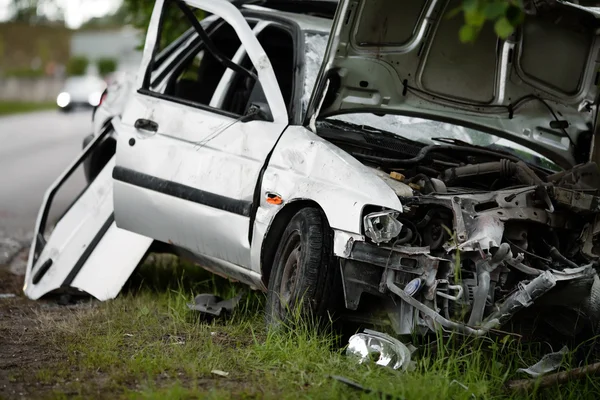
You did everything right. You stopped at the light, you were wearing your seatbelt, and you weren’t even speeding. Then someone plowed into the back of your car. You’re hurt, the car’s wrecked, and at least the other driver has insurance. Right?
Maybe not. Sometimes the other driver has no insurance at all. Sometimes they have a bare-bones policy that runs dry before your bills even finish piling up. Either way, you’re left holding losses that someone else caused, wondering who’s actually going to pay.
That’s the insurance surprise nobody wants. Getting hit by an uninsured or underinsured driver can turn a straightforward claim into a frustrating puzzle. The good news is that your own policy might hold part of the answer, if you know where to look.
Why the Other Driver’s Insurance Might Not Be Enough
An uninsured driver has no auto insurance at all, or no coverage that applies to the crash. That can include some hit-and-run situations, where the at-fault driver disappears before anyone gets their information. In those cases, there’s simply no policy to turn to.
An underinsured driver has coverage, just not enough. New York’s minimum bodily injury liability limits are fairly low compared to the cost of serious injuries. A single surgery, a long hospital stay, or months of lost income can blow past those limits quickly.
When injuries are serious, the gap between what happened and what the other driver’s policy can pay may be huge. Suing the driver personally is possible, but many people with minimal coverage also have few assets. Collecting can be extremely difficult. That’s the trap.
How Your Own Insurance May Become Part of the Solution
New York requires auto policies to include uninsured motorist coverage. It can help when you’re injured by a driver who has no insurance or in certain hit-and-run situations. It’s built into policies precisely because uninsured drivers are a real part of the road.
Supplementary uninsured/underinsured motorist coverage, often called SUM, goes further. It can help when the at-fault driver’s coverage falls short, up to your own SUM limits. Many drivers don’t realize how much SUM they carry, or that they can buy higher limits.
These protections are separate from New York’s no-fault benefits. No-fault generally helps pay basic medical bills and some lost wages regardless of who caused the crash, up to set limits. UM and SUM coverage address the injury claim against the at-fault driver when their coverage falls short.
Why Having Coverage Doesn’t Automatically Mean Getting Paid
Your own insurer doesn’t just cut a check because you ask. A UM or SUM claim is still a claim, and the insurer will evaluate it carefully. In some ways, your insurance company steps into the shoes of the at-fault driver. That can feel strange.
Policy conditions matter a lot. Policies often require prompt notice of the accident and the claim, cooperation with the insurer, and sometimes consent before settling with the at-fault driver. Missing a requirement can jeopardize coverage, so reading the policy closely is essential. Deadlines bite.
Liability and damages can still be disputed. The insurer may question who caused the crash, how serious the injuries are, or whether treatment was necessary. Some disputes go to arbitration. Having coverage is a great start, but it isn’t the finish line.
The Financial Problems That Can Arise When Coverage Falls Short
Medical bills don’t wait. Once no-fault benefits are exhausted, ongoing treatment, surgery, and therapy may create balances that need another source of payment. Without enough coverage, those bills can turn into collection calls and real stress. And they keep coming.
Lost income adds pressure. Serious injuries can keep people out of work for months, and no-fault wage benefits have limits. When a job is gone or a career has to change, the financial hole can grow quickly and deeply. Rent doesn’t wait either.
Long-term needs are the biggest concern. Future surgeries, ongoing care, and permanent limitations can carry costs that last for years. When damages exceed available insurance, injured people may face a compensation gap that changes their financial future. That’s why coverage choices matter so much.
Conclusion
Getting hit by someone without enough insurance is maddening. You didn’t cause the crash, but you may still face a mountain of losses the other driver can’t cover. It happens more often than most people expect. Way more often.
In New York, uninsured motorist and SUM coverage can help fill that gap, separate from no-fault benefits. But policy conditions, notice requirements, and disputed claims mean having coverage doesn’t guarantee a smooth ride. Read the fine print now, while things are calm.
The most important coverage may be the one you buy for yourself. Checking your SUM limits before a crash can make a huge difference afterward. If you’ve been hurt, a qualified attorney can explain how these coverages might apply.