
Home Blog Page 114

How a Ram Dealer in Grand Haven Supports Commercial Vehicle Buyers

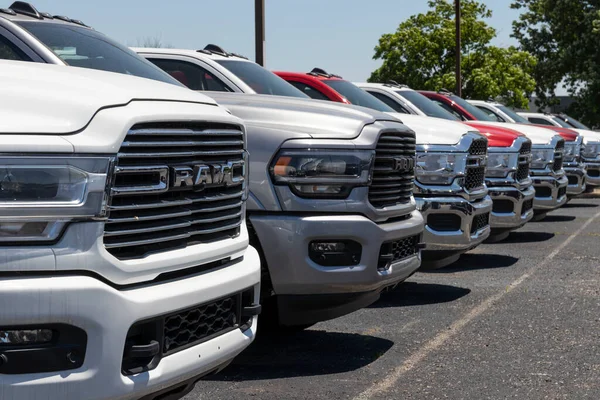
Photo by depositphotos at https://depositphotos.com/

Commercial vehicle buyers have unique transportation needs that differ significantly from those of personal vehicle shoppers. Businesses depend on reliable vehicles to transport equipment, deliver products, serve customers, and support daily operations. Whether a company operates in construction, landscaping, logistics, agriculture, or local services, selecting the right commercial vehicle is a critical business decision that can directly impact productivity and profitability.

Companies exploring the Best Ram dealer in Grand Haven often look for more than just a truck or van. They seek expert guidance, flexible financing options, vehicle customization opportunities, and long-term service support. Ram dealerships play an important role in helping commercial buyers identify vehicles that align with operational goals while providing resources that simplify ownership and fleet management. Understanding how a Ram dealer supports commercial customers helps explain why many businesses rely on dealership expertise when expanding or upgrading their vehicle inventory.

Understanding Commercial Vehicle Requirements

Every business has different transportation demands.

A contractor may require heavy-duty towing capability, while a delivery company may prioritize cargo space and fuel efficiency. Service technicians often need organized storage solutions, and agricultural businesses may focus on durability and off-road performance.

Ram dealerships assist buyers by evaluating these requirements and matching them with suitable vehicle options. This personalized approach helps businesses invest in vehicles that support daily operations effectively.

Access to a Wide Range of Commercial Vehicles

One of the primary advantages of working with a Ram dealer is access to a diverse selection of commercial vehicles.

Ram offers multiple truck configurations designed to accommodate various business applications. From light-duty pickups to heavy-duty work trucks, commercial buyers can explore options that match specific payload, towing, and cargo requirements.

Having multiple vehicle choices available allows businesses to compare capabilities and select models that best support their operational objectives.

Guidance on Choosing the Right Truck Class

Commercial buyers often face decisions regarding vehicle size and capability.

A truck that is too small may struggle to meet workload demands, while an oversized vehicle may increase operating costs unnecessarily. Ram dealership professionals help buyers evaluate payload needs, towing requirements, cargo capacity, and anticipated usage patterns.

This guidance ensures that businesses select vehicles that balance performance, efficiency, and cost-effectiveness.

Customization Options for Business Applications

Many commercial vehicles require modifications to meet specialized business needs.

Ram dealerships frequently assist buyers with customization solutions that improve functionality. Upfit options may include service bodies, tool storage systems, utility racks, cargo management equipment, towing accessories, and specialized work-related modifications.

Customized vehicles help businesses maximize efficiency and improve productivity in the field.

Support for Fleet Purchases

Businesses operating multiple vehicles often require fleet solutions.

Ram dealers frequently work with companies seeking to purchase several vehicles at once. Fleet support may include vehicle recommendations, inventory coordination, purchasing assistance, and maintenance planning.

By helping businesses streamline fleet acquisitions, dealerships contribute to smoother operational growth and improved vehicle management.

Financing Solutions for Commercial Buyers

Financing is an important consideration for many businesses.

Commercial vehicle purchases often represent significant investments, particularly when multiple vehicles are involved. Ram dealerships typically offer financing options designed to accommodate various business budgets and operational goals.

Flexible financing structures allow companies to preserve capital while acquiring the vehicles needed to support growth and productivity.

Leasing Opportunities for Business Flexibility

Some businesses prefer leasing rather than purchasing vehicles outright.

Commercial leasing can provide advantages such as lower monthly payments, access to newer vehicles, and simplified vehicle replacement cycles. Ram dealers often help buyers compare leasing and purchasing options to determine which approach aligns best with their business strategy.

This flexibility enables companies to choose the financial structure that best supports their needs.

Expert Knowledge of Commercial Vehicle Features

Commercial vehicles often include specialized features that differ from consumer-oriented models.

Dealership staff can explain capabilities such as towing technologies, integrated trailer brake controls, payload management systems, commercial-grade suspensions, and advanced safety technologies. Understanding these features helps buyers make informed decisions.

Professional guidance ensures that businesses fully utilize available vehicle capabilities.

Towing and Hauling Expertise

Many commercial operations depend heavily on towing and hauling performance.

Ram dealerships assist buyers in evaluating towing capacities, payload ratings, trailer compatibility, and equipment requirements. Matching the right vehicle to anticipated workloads helps prevent performance limitations and supports safer operation.

Businesses benefit from selecting vehicles capable of handling their specific transportation demands.

Advanced Technology Improves Productivity

Modern commercial vehicles incorporate technology that enhances efficiency and convenience.

Ram trucks often include navigation systems, connectivity features, fleet management tools, smartphone integration, and driver-assistance technologies. Dealership representatives help buyers understand how these systems can improve operations and support daily productivity.

Technology-driven solutions can simplify communication, route planning, and vehicle management.

Safety Features Protect Drivers and Assets

Safety is a major concern for commercial vehicle operators.

Ram vehicles are available with advanced safety technologies designed to support driver awareness and reduce accident risks. Features such as forward collision warning, blind-spot monitoring, adaptive cruise control, and parking assistance systems help improve safety during daily operations.

Protecting employees, equipment, and company assets remains a priority for businesses across all industries.

Maintenance Support Keeps Businesses Moving

Downtime can be costly for businesses that rely on their vehicles.

Ram dealerships support commercial customers through maintenance programs, service scheduling, inspections, and repair services. Regular maintenance helps reduce the likelihood of unexpected breakdowns and extends vehicle lifespan.

Reliable service support contributes to operational continuity and long-term ownership value.

Access to Genuine Parts and Repairs

Commercial vehicles often operate under demanding conditions that accelerate wear and tear.

Dealership service departments provide access to manufacturer-approved parts and trained technicians familiar with Ram vehicles. Proper repairs help maintain vehicle performance and reliability.

Businesses benefit from professional service that supports consistent operation and minimizes disruptions.

Building Long-Term Business Relationships

Many commercial buyers view their dealership as an ongoing business partner.

Rather than simply completing a single transaction, Ram dealerships often establish long-term relationships with commercial customers. Ongoing communication helps businesses address future vehicle needs, maintenance requirements, and fleet expansion plans.

These relationships can provide valuable support as businesses grow and evolve.

Assistance with Vehicle Replacement Planning

Commercial fleets require periodic updates to maintain efficiency and reliability.

Ram dealers can help businesses evaluate vehicle age, mileage, operating costs, and replacement schedules. Strategic planning allows companies to replace aging vehicles before maintenance expenses become excessive.

Proactive replacement planning contributes to better financial management and operational performance.

Solutions for Diverse Industries

Commercial buyers represent a wide variety of industries.

Construction firms, electricians, plumbers, HVAC contractors, landscapers, agricultural operations, delivery services, and municipal organizations all have distinct vehicle requirements. Ram dealerships understand these differences and help tailor recommendations accordingly.

Industry-specific expertise allows businesses to acquire vehicles optimized for their particular applications.

Enhancing Operational Efficiency

The right commercial vehicle can significantly improve productivity.

By helping businesses choose appropriate vehicles, customize equipment, secure financing, and maintain fleet reliability, Ram dealerships contribute directly to operational efficiency. Well-matched vehicles reduce downtime, improve job performance, and support customer satisfaction.

For many companies, these advantages translate into stronger overall business performance.

Supporting Business Growth

As businesses expand, transportation needs often increase.

Ram dealerships help growing organizations identify scalable vehicle solutions that support expansion while maintaining operational efficiency. Whether adding a single truck or building a larger fleet, dealerships provide resources that help businesses adapt to changing demands.

Reliable transportation infrastructure is often a key component of long-term business success.

Conclusion

Commercial vehicle buyers require more than a vehicle—they need dependable transportation solutions that support productivity, efficiency, and long-term business goals. Ram dealers in Grand Haven play an important role by providing access to capable commercial vehicles, expert guidance, flexible financing options, customization opportunities, and ongoing service support. These resources help businesses make informed decisions while maximizing the value of their vehicle investments.

From selecting the right truck configuration to maintaining fleet performance over time, Ram dealerships serve as valuable partners for commercial customers. By combining product expertise with comprehensive support services, they help businesses acquire the tools needed to operate efficiently, serve customers effectively, and pursue continued growth in an increasingly competitive marketplace.
Why Fuel Efficiency Matters When Choosing a Chevy Car in LaGrange

Photo by depositphotos at https://depositphotos.com/

When shopping for a new vehicle, buyers often consider factors such as performance, comfort, safety, technology, and styling. However, one feature that continues to have a significant impact on both short-term affordability and long-term ownership satisfaction is fuel efficiency. As fuel prices fluctuate and daily commuting demands increase, choosing a vehicle that maximizes every gallon of fuel can provide substantial benefits for drivers and families alike.

Many shoppers visiting the Best Chevy dealership in Lagrange recognize that fuel efficiency plays a major role in determining overall vehicle value. Chevrolet offers a diverse lineup of cars, SUVs, and trucks that balance performance with economical operation, allowing buyers to select vehicles that meet their transportation needs while helping control fuel expenses. Understanding why fuel efficiency matters can help drivers make smarter purchasing decisions and enjoy greater savings throughout vehicle ownership.

Understanding Fuel Efficiency in Modern Vehicles

Fuel efficiency refers to how effectively a vehicle uses fuel to travel a certain distance. It is commonly measured in miles per gallon (MPG), which indicates how many miles a vehicle can travel using one gallon of fuel.

Advancements in automotive engineering have significantly improved fuel economy across many vehicle categories. Modern engines, lightweight materials, improved aerodynamics, and advanced transmission systems all contribute to better fuel efficiency.

For buyers, understanding fuel economy ratings provides valuable insight into the long-term operating costs associated with a vehicle.

Lower Fuel Costs Create Long-Term Savings

One of the most obvious benefits of fuel-efficient vehicles is reduced spending at the gas pump.

Even modest improvements in fuel economy can generate substantial savings over the course of several years. Drivers who commute daily, travel frequently for work, or take regular road trips often notice the greatest financial benefits.

By selecting a fuel-efficient Chevy model, owners can allocate less of their monthly budget to fuel expenses and more toward other financial priorities.

Fuel Efficiency Benefits Daily Commuters

Many drivers in and around LaGrange rely on their vehicles for daily transportation.

Whether traveling to work, school, shopping centers, or recreational activities, daily commuting can quickly accumulate mileage. Vehicles with strong fuel economy help reduce the cost of these regular trips.

For commuters who spend significant time on the road each week, fuel efficiency can become one of the most valuable ownership advantages.

Reduced Operating Costs Improve Affordability

Vehicle ownership involves more than the initial purchase price.

Fuel expenses represent one of the largest ongoing costs associated with driving. Choosing a vehicle with better fuel economy helps reduce these recurring expenses, making ownership more affordable over time.

When combined with reasonable maintenance costs and dependable performance, strong fuel efficiency contributes to overall value.

Chevrolet Offers Multiple Fuel-Efficient Options

One reason Chevrolet appeals to a wide range of buyers is the diversity of its vehicle lineup.

Chevrolet offers compact cars, sedans, crossovers, SUVs, and trucks designed to meet varying transportation needs. Many of these vehicles incorporate fuel-saving technologies that help optimize efficiency without sacrificing performance.

This variety allows buyers to choose a vehicle that aligns with their lifestyle while still benefiting from economical fuel consumption.

Modern Engine Technology Supports Efficiency

Today’s Chevrolet vehicles use advanced engineering to maximize performance and fuel economy.

Technologies such as direct fuel injection, turbocharging, variable valve timing, and engine management systems help improve efficiency while maintaining responsive driving characteristics.

These innovations enable drivers to enjoy capable performance without excessive fuel consumption.

Fuel Efficiency Enhances Road Trip Experiences

Many vehicle owners enjoy taking vacations, weekend getaways, and family road trips.

A fuel-efficient vehicle allows travelers to cover greater distances between refueling stops while reducing overall travel expenses. Lower fuel costs can make extended journeys more affordable and enjoyable.

Families planning frequent trips often appreciate the convenience and savings associated with improved fuel economy.

Smaller Environmental Impact

Fuel efficiency not only benefits drivers financially but can also contribute to environmental responsibility.

Vehicles that consume less fuel generally produce fewer emissions than less efficient alternatives. While environmental considerations may vary among buyers, many appreciate the opportunity to reduce fuel consumption and lower their overall environmental impact.

Choosing an efficient vehicle can support both personal savings and broader sustainability goals.

Technology Helps Drivers Maximize Efficiency

Modern Chevrolet models often include technology designed to encourage efficient driving habits.

Fuel economy displays, trip information systems, and vehicle performance monitors provide real-time feedback that helps drivers optimize fuel usage. These tools allow owners to better understand how driving behavior affects efficiency.

Access to this information can encourage habits that further improve fuel economy over time.

Fuel Efficiency and Urban Driving

Drivers who frequently travel through city traffic often experience unique fuel consumption challenges.

Stop-and-go driving can increase fuel usage compared to steady highway travel. Chevrolet incorporates technologies such as automatic stop-start systems and efficient powertrain designs that help improve fuel economy in urban environments.

These features are particularly beneficial for drivers who spend considerable time navigating city streets.

Highway Efficiency Matters for Regional Travel

Many drivers regularly travel beyond city limits for work, family visits, or recreational activities.

Highway fuel economy becomes especially important during longer journeys where sustained driving speeds can highlight differences between vehicles. Efficient Chevrolet models help reduce fuel costs during extended travel while providing comfortable performance.

Strong highway efficiency enhances overall versatility and ownership value.

Choosing the Right Chevy Model for Your Needs

Different buyers have different transportation requirements.

A commuter may prioritize a compact vehicle with exceptional fuel economy, while a growing family may require a larger SUV that balances efficiency with passenger space. Others may need a truck capable of towing while still offering respectable fuel performance.

Evaluating personal driving habits and transportation needs helps buyers select the most appropriate Chevrolet model.

Fuel Efficiency Does Not Mean Sacrificing Performance

Some buyers mistakenly assume that fuel-efficient vehicles lack power or driving enjoyment.

Modern Chevrolet engineering demonstrates that efficiency and performance can coexist. Many fuel-efficient models deliver responsive acceleration, confident handling, and enjoyable driving characteristics while maintaining strong economy ratings.

This balance allows drivers to enjoy both capability and cost savings.

Improved Resale Value Potential

Fuel-efficient vehicles often remain attractive in the used vehicle market.

As fuel costs fluctuate, many buyers seek vehicles that help reduce operating expenses. Strong fuel economy can therefore contribute to resale desirability and support long-term value retention.

While resale value depends on multiple factors, fuel efficiency frequently plays a positive role.

Families Benefit from Lower Transportation Costs

For households managing multiple financial responsibilities, reducing transportation expenses can make a meaningful difference.

Fuel-efficient vehicles help families control monthly costs while maintaining access to safe and reliable transportation. Savings accumulated through improved fuel economy can support other household priorities, from education and recreation to home improvements.

This practical benefit makes fuel efficiency an important consideration for many family buyers.

Fuel Economy Supports Long-Term Ownership Satisfaction

Vehicle ownership is often measured in years rather than months.

Choosing a vehicle with strong fuel economy can contribute to ongoing satisfaction by reducing one of the most frequent ownership expenses. Consistent savings at the gas station help reinforce the value of the purchase over time.

Drivers who carefully evaluate fuel efficiency often feel more confident in their long-term ownership decision.

Comparing Fuel Ratings Before Buying

Before making a purchase, buyers should compare fuel economy ratings among different Chevrolet models and trim levels.

Understanding the differences between city and highway fuel ratings helps create realistic expectations regarding operating costs. Buyers should also consider their typical driving environment when evaluating efficiency figures.

Taking the time to compare options can help identify the vehicle that offers the best balance of capability and economy.

Conclusion

Fuel efficiency plays a crucial role in determining the overall value and affordability of a vehicle. From lowering fuel expenses and reducing operating costs to supporting environmental goals and enhancing long-term satisfaction, efficient vehicles provide benefits that extend well beyond the initial purchase. For drivers in LaGrange, fuel economy can have a meaningful impact on both daily commuting and long-distance travel.

Chevrolet’s lineup offers a variety of fuel-efficient vehicles that combine modern technology, dependable performance, and practical versatility. By carefully considering fuel economy alongside factors such as safety, comfort, and functionality, buyers can select a Chevy model that meets their needs while delivering lasting financial advantages. In today’s automotive market, fuel efficiency remains one of the smartest features to evaluate when choosing a vehicle.

Why Families Choose GMC SUVs in Wilmington

Photo by depositphotos at https://depositphotos.com/

Choosing the right family vehicle involves balancing a variety of priorities, including safety, comfort, technology, reliability, and practicality. Modern families need vehicles that can handle everything from school drop-offs and grocery shopping to weekend road trips and daily commutes. SUVs have become a popular choice because they offer spacious interiors, flexible cargo solutions, and advanced safety features that support busy lifestyles.

Families searching for the best GMC dealer in Wilmington often discover that GMC SUVs provide an appealing combination of premium comfort, capability, and family-focused functionality. Whether transporting children to extracurricular activities, traveling across town, or embarking on longer adventures, GMC SUVs are designed to meet the evolving needs of today’s households. Their blend of modern technology, versatile interiors, and dependable performance continues to make them a preferred option for many families.

Spacious Interiors Support Growing Families

One of the primary reasons families choose GMC SUVs is the generous interior space they offer.

Modern households often require seating for multiple passengers while still maintaining room for personal belongings, sports equipment, groceries, and travel gear. GMC SUVs are designed to maximize passenger comfort without sacrificing cargo capacity.

The spacious cabins provide ample legroom and headroom, helping ensure that both adults and children remain comfortable during short drives and extended journeys.

Flexible Seating Configurations Increase Versatility

Family transportation needs can vary significantly from day to day.

Some days may require transporting several passengers, while others involve carrying large cargo items. GMC SUVs often feature flexible seating arrangements that allow owners to adjust interior space based on current needs.

Fold-flat rear seats and configurable seating layouts make it easier to switch between passenger transport and cargo hauling, enhancing everyday practicality.

Advanced Safety Features Give Parents Confidence

Safety remains one of the most important considerations for family vehicle buyers.

GMC equips many of its SUVs with advanced safety technologies designed to help drivers remain aware of their surroundings and respond to potential hazards more effectively. Features such as automatic emergency braking, forward collision alerts, lane-keeping assistance, and pedestrian detection provide additional layers of protection.

Parents often appreciate these technologies because they contribute to a safer and more confident driving experience.

Driver Assistance Technologies Enhance Everyday Travel

Navigating traffic, parking lots, and busy intersections can be challenging.

Many GMC SUVs include driver-assistance systems that help simplify these situations. Blind-spot monitoring, rear cross-traffic alerts, adaptive cruise control, and parking assistance technologies support driver awareness and convenience.

These features can reduce stress during daily driving while helping families feel more secure behind the wheel.

Comfortable Cabins Improve Family Travel

Comfort plays a major role in overall vehicle satisfaction.

Families frequently spend significant time in their vehicles, making interior comfort an important factor. GMC SUVs often include supportive seating, premium materials, quiet cabins, and thoughtful design elements that enhance the passenger experience.

Whether traveling across Wilmington or taking a long road trip, a comfortable interior can make every journey more enjoyable.

Climate Control Features Accommodate Everyone

Different passengers often have different temperature preferences.

Many GMC SUVs offer advanced climate control systems that help maintain a comfortable cabin environment throughout the year. Available multi-zone climate controls allow different seating areas to adjust temperatures independently.

This flexibility helps improve comfort for everyone in the vehicle, regardless of weather conditions.

Technology Keeps Families Connected

Modern families rely heavily on technology for communication, navigation, and entertainment.

GMC SUVs feature infotainment systems that provide convenient access to navigation tools, media options, smartphone integration, and vehicle information. User-friendly interfaces make it easy for drivers to access important functions while staying focused on the road.

Connected technology helps support both convenience and productivity during everyday travel.

Smartphone Integration Simplifies Daily Life

Many drivers depend on their smartphones for essential tasks.

GMC’s smartphone integration features allow users to access calls, messages, navigation apps, and entertainment services directly through the vehicle’s display system. This seamless connectivity improves convenience while supporting safer operation.

Families benefit from having familiar digital tools readily available throughout their journeys.

Entertainment Features Support Longer Trips

Road trips can be exciting, but they can also become challenging for younger passengers.

Many GMC SUVs offer entertainment and connectivity features that help keep passengers engaged during extended travel. Access to media options, charging ports, and connectivity services can contribute to a more enjoyable experience for everyone.

Keeping passengers comfortable and entertained helps make long journeys more pleasant.

Cargo Space Handles Everyday Demands

Family life often involves transporting a wide variety of items.

From grocery bags and backpacks to sports equipment and vacation luggage, cargo flexibility is an important consideration. GMC SUVs provide spacious cargo areas that help accommodate these varying needs.

Many models also include practical storage solutions that improve organization and accessibility.

Hands-Free Convenience Features Save Time

Busy parents often appreciate features that simplify everyday tasks.

Available hands-free liftgates allow easier access to cargo areas when carrying groceries, shopping bags, or other items. Keyless entry systems and remote vehicle functions further enhance convenience and efficiency.

These features help streamline daily routines and reduce unnecessary hassles.

Strong Performance Supports Active Lifestyles

Families often need vehicles capable of handling diverse driving situations.

GMC SUVs provide confident acceleration, smooth highway performance, and responsive handling that support both daily commuting and long-distance travel. Their balanced performance helps create a comfortable and capable driving experience.

This versatility allows families to transition easily between city driving and weekend adventures.

All-Weather Capability Provides Added Confidence

Weather conditions can change rapidly throughout the year.

Many GMC SUVs offer available all-wheel-drive systems that enhance traction and stability during rain, snow, and other challenging conditions. Improved grip can help drivers maintain greater control when roads become slippery.

Families often value the added confidence that all-weather capability provides.

Towing Capability Expands Travel Opportunities

Some families enjoy activities that require towing equipment.

Many GMC SUVs offer towing capabilities suitable for boats, small campers, utility trailers, and recreational gear. This capability expands travel possibilities and supports a wide range of outdoor activities.

For active households, towing capacity can significantly increase a vehicle’s versatility.

Fuel Efficiency Helps Manage Household Budgets

Operating costs remain an important factor for many families.

Modern GMC SUVs are engineered to balance performance with fuel efficiency, helping owners manage transportation expenses more effectively. Improved fuel economy can reduce long-term operating costs while maintaining the capability families expect.

This balance contributes to overall ownership value.

Premium Design Enhances Everyday Ownership

Many families seek vehicles that offer more than basic transportation.

GMC SUVs feature refined styling, upscale interiors, and thoughtful design elements that create a premium ownership experience. Attractive aesthetics combined with practical functionality appeal to buyers seeking both comfort and sophistication.

The result is a vehicle that feels rewarding to drive and own.

Reliability Supports Long-Term Family Needs

Dependability is essential when selecting a family vehicle.

Families rely on their vehicles for school schedules, work responsibilities, appointments, vacations, and countless daily activities. GMC’s reputation for durability and quality helps provide confidence that the vehicle will continue serving family needs over time.

Reliable performance contributes to peace of mind and long-term satisfaction.

Adaptability for Changing Lifestyles

Family needs often evolve as children grow and schedules change.

GMC SUVs are designed with versatility in mind, allowing them to adapt to new requirements over the years. Spacious interiors, flexible seating, modern technology, and practical features help ensure continued usefulness throughout various life stages.

This adaptability makes GMC SUVs a strong long-term investment for many households.

Conclusion

Families choose GMC SUVs in Wilmington because they offer a compelling combination of safety, comfort, technology, versatility, and capability. Spacious interiors, advanced safety systems, flexible cargo solutions, and modern connectivity features help these vehicles meet the demands of busy family life. Whether handling daily responsibilities or supporting weekend adventures, GMC SUVs provide practical solutions that enhance convenience and confidence.

As family transportation needs continue to evolve, GMC remains committed to delivering vehicles that balance premium comfort with real-world functionality. By offering dependable performance, adaptable interiors, and thoughtful family-oriented features, GMC SUVs continue to stand out as attractive choices for households seeking a reliable and versatile vehicle for years to come.

What Buyers Should Compare Before Accepting a Car Deal

Photo by depositphotos at https://depositphotos.com/

Purchasing a vehicle is a major financial commitment, and accepting the first offer that seems reasonable may not always lead to the best outcome. Whether buying a new or used vehicle, careful comparison is essential to ensure the deal aligns with both your budget and long-term transportation needs. Modern buyers have access to extensive information, making it easier than ever to evaluate multiple options before making a final decision.

Shoppers visiting car dealerships in Albany, GA often encounter a variety of vehicles, financing options, promotions, and service packages. While these choices create opportunities for finding excellent value, they also make it important to compare key factors before signing any agreement. By taking the time to assess vehicle costs, features, financing terms, ownership expenses, and dealership support, buyers can make informed decisions and avoid costly mistakes.

Compare the Total Purchase Price

The purchase price is often the first figure buyers focus on when evaluating a car deal.

However, comparing sticker prices alone may not provide a complete picture. Different dealerships may structure deals differently, including incentives, discounts, trade-in credits, or additional fees. Buyers should carefully review the final purchase price and ensure all costs are clearly disclosed.

Understanding the complete transaction amount helps eliminate surprises and allows for more accurate comparisons between offers.

Evaluate Vehicle Condition Carefully

The condition of the vehicle is particularly important when considering used models.

A lower-priced vehicle may appear attractive initially, but hidden wear, deferred maintenance, or mechanical issues could result in higher ownership costs later. Buyers should examine the vehicle’s exterior, interior, tires, brakes, and overall condition.

For used vehicles, a professional inspection can provide valuable insight and help determine whether the asking price reflects the vehicle’s true value.

Compare Vehicle Mileage

Mileage can significantly influence a vehicle’s value and future maintenance requirements.

Lower mileage often indicates less wear, but it should not be the sole factor in evaluating a vehicle. A well-maintained vehicle with moderate mileage may provide better value than a poorly maintained vehicle with fewer miles.

Comparing mileage alongside maintenance records and overall condition helps buyers make more informed decisions.

Review Vehicle History Reports

For used vehicles, a vehicle history report is an essential comparison tool.

These reports may reveal previous accidents, title issues, ownership history, service records, and odometer readings. A vehicle with a clean history often offers greater peace of mind than one with unresolved concerns.

Reviewing history reports for multiple vehicles allows buyers to identify options that present fewer risks and stronger long-term value.

Examine Available Features

Vehicle features can vary considerably, even among models that appear similar at first glance.

Buyers should compare safety technologies, infotainment systems, driver-assistance features, seating materials, climate controls, connectivity options, and convenience features. Understanding which features are included helps determine whether a higher-priced vehicle offers meaningful additional value.

Comparing equipment levels ensures buyers select a vehicle that meets their needs without paying for unnecessary extras.

Assess Safety Technology Packages

Safety features have become increasingly important in modern vehicles.

Many models offer technologies such as automatic emergency braking, lane-keeping assistance, adaptive cruise control, blind-spot monitoring, and rear cross-traffic alerts. Buyers should compare available safety systems and evaluate how they align with their driving habits.

Investing in advanced safety technology may contribute to greater confidence and protection throughout ownership.

Compare Fuel Efficiency Ratings

Fuel costs represent a significant portion of long-term vehicle ownership expenses.

Two vehicles with similar purchase prices may differ considerably in fuel consumption. Buyers who commute frequently or travel long distances should compare fuel efficiency ratings carefully.

Choosing a more efficient vehicle can result in substantial savings over the life of ownership, making fuel economy an important factor when evaluating overall value.

Analyze Financing Offers

Financing terms can have a major impact on the affordability of a vehicle.

Even when purchase prices are similar, differences in interest rates, loan terms, and down payment requirements can significantly affect monthly payments and total financing costs. Buyers should compare multiple financing options whenever possible.

A favorable financing arrangement may ultimately save thousands of dollars over the course of the loan.

Review Monthly Payment Structure

Monthly payments should fit comfortably within the buyer’s budget.

While lower monthly payments may seem appealing, they sometimes result from extended loan terms that increase total interest costs. Buyers should compare both monthly affordability and total repayment obligations.

Evaluating the complete financial picture helps ensure the deal remains sustainable over the long term.

Compare Trade-In Offers

For buyers trading in an existing vehicle, trade-in value can significantly influence the overall deal.

Different dealerships may offer varying amounts for the same vehicle. Comparing multiple trade-in evaluations helps buyers understand their vehicle’s market value and maximize its contribution toward the purchase.

A stronger trade-in offer may offset a slightly higher vehicle price and improve overall value.

Evaluate Warranty Coverage

Warranty protection can provide valuable financial security.

New vehicles often include manufacturer warranties, while some used vehicles may offer certified pre-owned coverage or extended protection plans. Buyers should compare warranty terms, coverage limits, and duration.

A vehicle with stronger warranty protection may offer greater peace of mind and lower repair-related expenses.

Consider Maintenance Requirements

Maintenance costs vary between vehicles and manufacturers.

Some models require more frequent servicing, specialized parts, or higher repair expenses than others. Buyers should compare expected maintenance requirements and research common ownership costs before making a decision.

Lower maintenance expenses can significantly improve long-term affordability.

Review Insurance Costs

Insurance premiums can differ substantially depending on the vehicle.

Factors such as vehicle value, safety ratings, repair costs, theft rates, and performance characteristics influence insurance pricing. Buyers should obtain insurance estimates for the vehicles they are considering.

Comparing insurance costs helps create a more accurate understanding of total ownership expenses.

Examine Resale Value Potential

Future resale value affects the long-term financial impact of a vehicle purchase.

Some vehicles retain their value more effectively than others due to reliability, market demand, and brand reputation. Comparing projected resale values helps buyers identify vehicles that may provide stronger returns when it is time to sell or trade in.

Strong resale performance often contributes to overall ownership value.

Test Drive Multiple Vehicles

A test drive remains one of the most effective comparison tools available.

Driving different vehicles allows buyers to evaluate ride quality, comfort, visibility, handling, braking performance, acceleration, and technology usability. Specifications and online reviews cannot fully replace firsthand experience.

Comparing multiple vehicles through test drives helps identify the model that feels most comfortable and enjoyable to drive.

Compare Interior Comfort and Space

Comfort is an important factor that influences daily satisfaction.

Buyers should compare seating support, passenger space, cargo capacity, visibility, cabin noise levels, and overall ergonomics. Families may prioritize rear-seat space and cargo flexibility, while commuters may focus on driver comfort and convenience.

Selecting a vehicle that fits daily needs can significantly improve the ownership experience.

Assess Dealership Reputation and Service Support

The dealership itself can be an important part of the overall transaction.

Buyers should consider customer service quality, maintenance support, service department capabilities, and dealership reputation. A dealership that provides strong ongoing support can add value long after the purchase is complete.

Reliable service support contributes to a smoother ownership experience and greater long-term satisfaction.

Compare Ownership Costs as a Whole

The best car deal is not always the one with the lowest initial price.

Buyers should compare total ownership costs, including financing, insurance, fuel, maintenance, depreciation, and warranty coverage. Looking beyond the purchase price helps identify vehicles that deliver superior long-term value.

A comprehensive evaluation often reveals important differences that may not be obvious during the initial shopping process.

Conclusion

Accepting a car deal without careful comparison can lead to missed opportunities and unexpected expenses. By evaluating purchase price, vehicle condition, financing terms, fuel efficiency, warranty coverage, maintenance costs, safety features, trade-in value, and long-term ownership expenses, buyers can make informed decisions that support both their financial goals and transportation needs.

A successful vehicle purchase involves more than finding an attractive price. It requires understanding the complete value offered by the vehicle and the dealership. Taking the time to compare all relevant factors helps buyers secure a deal that provides reliability, satisfaction, and financial confidence for years to come.

ARCA Menards Series at Elko Speedway: Shore Lunch 250 Presented by Dutch Boy Post-race Notes

  • Max Reaves (No. 18 Cook Out Toyota) scored his second consecutive win and his second victory at Elko Speedway in as many years in Saturday’s Shore Lunch 250 Presented by Dutch Boy. Reaves finished 5.432 seconds in front of current ARCA Menards Series championship points leader Jake Bollman (No. 20 Nitro Motorsports Toyota).
  • Bollman’s runner-up finish matches his career best; Bollman also finished second at Daytona International Speedway in February and Michigan International Speedway in June. It’s Bollman’s sixth top-five finish of the season.
  • Local favorite Ty Fredrickson (No. 25 Rack Shack BBQ Toyota) finished third in his second career ARCA Menards Series start; Fredrickson, whose grandparents are former owners of Elko Speedway, finished fifth at Elko in 2025.
  • Taylor Reimer (No. 77 Fre Nicotine Chevrolet) finished fourth, her second consecutive top-five finish; she also finished fourth last Saturday night at Berlin Raceway.
  • Jason Kitzmiller (No. 97 A.L.L. Construction / Carter CAT Chevrolet) finished fifth, his first top-five finish since he finished third at Daytona in 2025; it’s also Kitzmiller’s first career top-five finish on a short track.
  • Isabella Robusto (No. 55 Yahoo Toyota) finished sixth despite recurring transmission issues on restarts that resulted in losing several positions and bouncing off the outside wall. Robusto now has six top-ten finishes in her last seven starts.
  • Thomas Annunziata (No. 70 JBL Toyota) started from the Sioux Chief PowerPEX Pole but faded through the field to finish seventh.
  • Willie Mullins (No. 3 CW Metals Ford) finished eighth, his first top-ten finish of the season and his best finish since he was seventh at Toledo Speedway in October, 2025.
  • Takuma Koga (No. 12 IKEDO Toyota) finished ninth, his first career ARCA Menards Series top-ten finish.
  • Reigning ARCA Menards East Bounty Rookie of the Year Austin Vaughn (No. 91 Tool Mart Inc. Chevrolet) finished tenth, his first career ARCA Menards Series top-ten finish.
  • Landon S. Huffman (No. 28 PRG Chevrolet) finished 14th in his ARCA Menards Series debut despite leading 130 laps on the night, more than any other driver.
  • The next race for the ARCA Menards Series is the Ashley Furniture 150 at Chicagoland Speedway on Friday, July 3. The race, set to begin at 8 pm ET / 7 pm CT will be televised live on FS1 and carried live on select affiliates of the MRN Radio network nationwide and on Sirius XM Satellite Radio. ARCARacing.com will have live timing & scoring data throughout all on-track activity and live race audio. Follow @ARCA_Racing on X (formerly Twitter) for up-to-the-minute updates.

About ARCA 

The Automobile Racing Club of America (ARCA), founded in 1953 by John and Mildred Marcum in Toledo, Ohio, and acquired by NASCAR in April 2018, is the leading grassroots stock car sanctioning body in the United States. Bridging the gap between NASCAR’s top three national touring series and weekly and regional tour racing all across the country, the organization to sanctions over 100 races per year in the ARCA Menards Series, ARCA Menards Series East, ARCA Menards Series West, ASA STARS National Tour, ASA CRA Super Series, ASA Midwest Tour, ASA Southern Super Series plus weekly racing at Toledo and Flat Rock Speedways. For more information about ARCA visit , or follow ARCA on Facebook (@ARCARacing) and Twitter (@ARCA_Racing).  

About Menards 

A family-owned and run company started in 1958, Menards is recognized as the retail home center leader of the Midwest with 236 stores in 15 states.  Menards is truly a one-stop shop for all of your home improvement needs featuring a full-service lumberyard and everything you need to plan a renovation or build a home, garage, cabin, shed, deck, fence or post frame building.  You’ll find a large selection of lumber, roofing, siding, construction blocks, trusses, doors and windows, plus cabinets, appliances, countertops, flooring, lighting, paint, plumbing supplies and more.  To complete the job, Menards has quality hand tools, power tools, fasteners, electrical tools plus storage options and supplies for everyone from the weekend warrior to the pro! 

Menards has what you need to complete your outdoor projects and keep your yard in tip-top shape including mowers, trimmers, blowers, pressure washers and more, plus a beautiful garden center stocked with plants, shrubs, trees, landscaping tools, grass seed, fertilizer options, outdoor décor and patio furniture.  Menards also has everyday essentials like health & beauty products, housewares, pet and wildlife supplies, automotive items and even groceries.  And at Christmas, an Enchanted Forest display area with impressive trees, lighting, decorations, ornaments, inflatables and more.  

Menards is known for friendly Customer Service and as the place to “Save Big Money” with low prices every day, and sales too!  For more information, please visit Menards.com to learn about our store locations, offerings and services. 

Fields of Unity: How Grassroots Football Initiatives in Rural Regions Are Creating Safe Spaces and New Opportunities for Somali Youth

In Baidoa, boys aged nine and ten show up to training before school. The pitch is dirt, the goalposts are improvised, and the coach works for nothing. Sessions run three times a week regardless. Getting that to happen in a region where most families are managing displacement or drought or both takes someone who keeps showing up when there is no obvious reason to.

Mogadishu has always had more- more clubs, more pitches, more coaches, more media attention. Outside the capital, the game has run on far less. No academies, minimal coverage, coaches with no credentials working on unmarked ground in towns that rarely appear in SFF communications.

Younger fans who follow Somali football today – tracking fixtures and odds through the Download 1xbet apk on their phones – are often watching players whose first experience of structured football happened on a patch of ground in Baidoa, Beledweyne, or a camp on the edge of a regional town.

Why Rural Football Matters Beyond the Game

In rural Somalia, a football pitch does something that a policy document cannot. It gives young people a reason to show up somewhere at a fixed time, with peers, under the supervision of an adult who is not a family member. For teenagers in areas with high youth unemployment and, in some regions, active armed group recruitment, a fixed session three times a week with a coach who shows up is not a small thing.

Somalia’s national sports policy frames youth sport as a priority – connected to employment, community stability, and long-term development. In practice, implementation has been concentrated in Mogadishu and the larger regional cities. Sports infrastructure funding outside the capital is irregular, and getting sports properly embedded in school timetables across all federal states requires federal-regional coordination that frequently stalls.

The Specific Weight of Displacement

Millions of Somalis live in IDP settlements – on the edges of Mogadishu, in regional towns, across Jubbaland, Hirshabelle, and Galmudug. Children in these settings grow up with disrupted schooling and few structured activities outside the home. Adults are under enough economic pressure that organizing a regular football session for the neighborhood kids is simply not a priority anyone can afford.

Save the Dream has run sport-for-development programmes in Somali IDP camps, training community leaders to run football sessions on whatever ground is available. It follows the same logic as the informal coaching already happening in rural towns — work with what exists, do not wait for proper facilities. Research from similar programmes across East Africa points in the same direction: boys in regular team sport show fewer risk behaviours, girls’ school attendance rises where girls’ sessions are actively supported, and a functioning pitch with a regular coach becomes something the community treats as worth keeping.

What Grassroots Programmes Look Like on the Ground

The SFF’s opening of youth development centres in Baidoa and Kismayo in February 2025 represented formal infrastructure arriving in two cities that had been running on informal community effort for years. Baidoa’s centre, inaugurated on February 13, 2025, trains players aged under-9 to under-16 alongside school schedules. Kismayo’s followed a week later – a city with strong historical football credentials, whose regional competitions once produced more trophies than anywhere else in Somalia outside the capital.

Both centres are real progress. Both also serve a specific, relatively accessible urban context within their regions. The smaller towns and rural areas around Baidoa and Kismayo – and the dozens of similar towns in Somalia’s other federal states – are still relying on community-run programmes with no formal affiliation and no institutional support.

The table below gives a rough comparison of how football development infrastructure varies across different contexts in Somalia’s regions.

ContextTypical Pitch QualityCoach CertificationSFF AffiliationAccess to Equipment
Mogadishu clubsArtificial turf (some)CAF License D+RegisteredModerate–good
Baidoa / Kismayo centresMaintained grass/dirtCAF License D courseDirectBasic
Regional towns (Bay, Hiraan)Unmarked dirt groundNoneNoneMinimal
IDP camp settingsCleared open groundNGO-trained facilitatorsNoneDonated/limited
Rural village levelOpen farmland or roadNoneNone1–2 balls per group

The variation is significant, but it does not mean the lower-resource settings are not producing football development. They are – the difference is that nobody is tracking it in a way that feeds into national statistics or policy documents.

Community coaches in regional towns have identified the same practical workarounds used by their counterparts in Mogadishu: small-sided games to maximize touches, positional repetition to compensate for limited time, and peer-learning structures that do not require additional adult coaches. Conditions are harder; the methods are similar.

playing

Girls in Grassroots Football

Somalia launched its first official women’s football championship in 2024 – a landmark in a country where women’s organized sport has faced significant cultural and logistical obstacles. The national women’s team, the Ocean Starlets, played their first international fixture against Djibouti in October 2025. Both developments were, in part, downstream effects of grassroots work that started much earlier, in less visible settings.

Girls’ participation in football at the community level in rural Somalia is lower than boys’, but it is not absent. In areas where NGO-supported programmes have actively created mixed or girls-only sessions, attendance has been consistent when parents and community leaders are brought into the design of the programme from the start rather than presented with it after decisions have been made.

The following conditions have made girls’ participation more sustainable in rural and IDP contexts where it has worked:

  • Community co-ownership: Local elders and parents are involved in setting session times, ground rules, and supervision arrangements before the programme starts.
  • Female coaches or facilitators present: Even one female adult running or co-running sessions shifts the perception of the activity among families with girls who might otherwise not attend.
  • Separate session options: In contexts where mixed sessions face cultural resistance, girls-only sessions at different times have maintained participation that would otherwise have dropped.
  • School linkage: Sessions connected to school attendance – before or after the school day – fit more easily into family schedules and carry implicit institutional endorsement.
  • Visible progression: When girls from a community session go on to represent a district team or participate in a regional tournament, the social proof drives further participation more effectively than any recruitment effort.

The 2024 women’s championship did not appear from nothing. It reflected years of work at the community level, including in rural areas, by coaches and programme coordinators who had no guarantee the federation would eventually create the structure to receive what they were building.

The Connection Between Rural Development and the National Team

Somalia’s U-17 team qualified for the CAF Under-17 Africa Cup of Nations in Morocco in 2025, finishing third in the CECAFA U-17 Zonal Qualifiers to secure their second consecutive AFCON appearance. Several players in that qualifying squad came through regional tryouts – a scouting system the SFF has been running since 2019 to find talent beyond Mogadishu’s established clubs.

The federation runs open tryouts in federal states, and the players who show up to those tryouts come from somewhere. For many of them, that somewhere is a community pitch in a regional town, run by a coach nobody in Mogadishu has heard of. The player gets spotted at a tryout, moves into the national youth pathway, and the coach who put the technical foundations in place is never named in the coverage.

The SFF’s CAF License D coaching course for 30 coaches in Baidoa, run alongside the February 2025 development center launch, is one way the federation is trying to formalize the connection. Certifying coaches who are already working, giving them a credential and a network, and incorporating them into a structured development system matters for sustainability. Right now, fans who follow the domestic game from the stands or via the Download 1xbet apk on their phones are watching players that rural community programmes produced, without that contribution appearing anywhere in the official record of how those players developed.

What Needs to Happen Next

The SFF’s plan to open development centres in all federal states is the right direction. The gap is the timeline and the reach: centres serve specific urban locations within regions, while the rural majority of youth players in those regions remain outside any formal structure.

Several things would materially improve rural football development without requiring large capital investment:

  1. Regional coach certification rounds – CAF License D courses run in multiple locations per federal state, not only at the development centre city, so coaches in smaller towns can access accreditation.
  2. Equipment distribution networks – organized kit and ball donations channeled through state football associations to community coaches, with basic tracking of where the equipment goes.
  3. District tournament structures – formal or semi-formal competition at the district level that creates a pathway from community training to something competitive, making participation meaningful for players and coaches alike.
  4. Data collection on informal programmes – a simple registration system for community coaches and sessions, giving the SFF actual numbers on the scale of grassroots activity across the country.
  5. Diaspora engagement – Somali diaspora communities in Europe and the Gulf have consistently expressed interest in supporting youth development at home; a structured mechanism for equipment and coaching support donations would capture resources currently not reaching the sector.

Fans following Somali football through the Download 1xbet apk – from Mogadishu, Kismayo, or the diaspora – are watching a game that survived the conflict years on an informal, underfunded, community-driven effort. The formal structures arriving now are necessary. They are building on a foundation that existed long before anyone with a budget showed up.

Shane van Gisbergen Wins Pit Boss/FoodMaxx 250 NASCAR O’Reilly Auto Parts Series Race at Sonoma Raceway

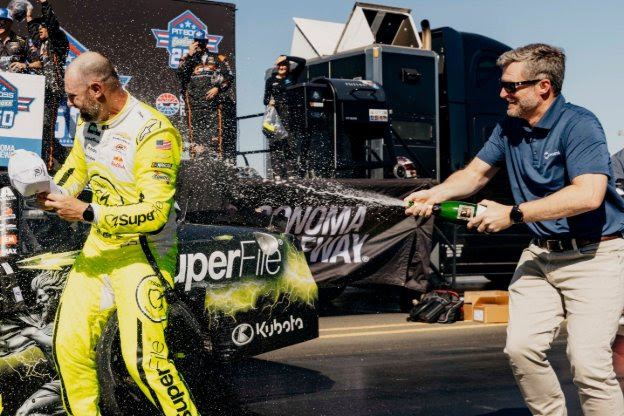
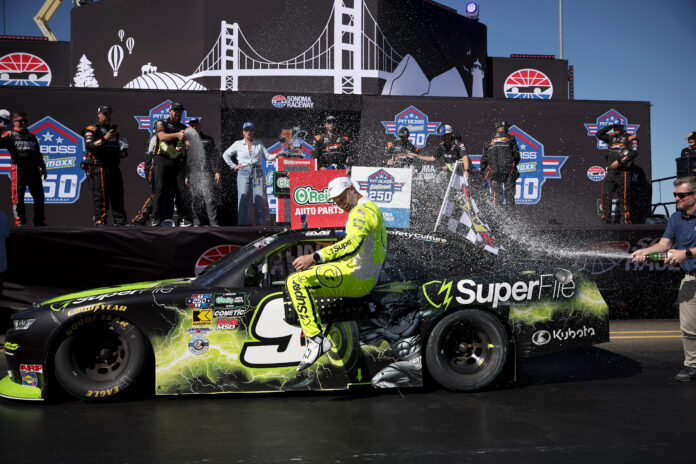
R Motorsports owner Dale Earnhardt Jr. sprays champagne at Shane van Gisbergen, driver of the No. 9 JR Motorsports Chevrolet, as he celebrates in victory lane after winning Saturday’s Pit Boss/FoodMaxx 250 NASCAR O’Reilly Auto Parts Series race at Sonoma Raceway. Photo Credit: Sonoma Raceway/Asa Johnson
  • NASCAR Cup Series regular Shane van Gisbergen won Saturday’s Pit Boss/FoodMaxx 250 NASCAR O’Reilly Auto Parts Series race at Sonoma Raceway from the pole, marking his sixth win in the series; his second this season.
  • Defending race winner Connor Zilisch, driver of the No. 1 JR Motorsports Chevrolet, finished second after starting 30th, winning stage two and laying down the Xfinity Fastest Lap.
  • Sonoma Raceway’s tripleheader NASCAR weekend culminates Sunday with the Toyota/Save Mart 350 NASCAR Cup Series race at 12:30 p.m. PT on TNT Sports, PRN and SiriusXM NASCAR Radio.

SONOMA, Calif. (June 27, 2026) – NASCAR Cup Series (NCS) regular Shane van Gisbergen, driver of the No. 9 JR Motorsports Chevrolet, started on the pole, led the most laps (66 of 79) and captured the checkered flag in today’s Pit Boss/FoodMaxx 250 NASCAR O’Reilly Auto Parts Series (NOAPS) race at Sonoma Raceway (SR), marking his sixth career win in the series; his second this season.

“Sorry it wasn’t the most exciting – I guess boring is good when you’re the one leading,” said van Gisbergen after winning by 1.324 seconds. “What an amazing car, to lead like that, and the car was just so good the whole race. Stoked to get another one for these guys.”

Van Gisbergen is the first in history to claim six NOAPS wins on a road course.

Defending race winner Connor Zilisch, started 30th, drove through the field to claim the stage two win, laid down the Xfinity Fastest Lap (lap 55 | 1:16.564) and ultimately finished second behind his JR Motorsports teammate.

“A caution or something to bunch us back up would’ve been nice,” said Zilisch. “I feel like our Roto-Rooter Chevrolet was fast enough to compete, but we were just matching each other the entire run there, and he [van Gisbergen] was probably saving fuel and managing his stuff and giving me hope. I’ll at least believe that we had something for him.”

Anthony Alfredo, who led the second-most laps (five of 79), earned the stage one win and achieved his best finish of the season in fourth.

California natives Corey Day (Clovis), who was fastest in practice, Jesse Love (Menlo Park), Sheldon Creed (Alpine), Dean Thompson (Anaheim) and Blaine Perkins (Bakersfield) finished seventh, ninth, 10th, 28th and 30th respectively.

On-track action for SR’s tripleheader NASCAR weekend culminates tomorrow with the Toyota/Save Mart 350 NCS race (12:30 p.m. PT on TNT Sports, PRN and SiriusXM NASCAR Radio) with Ty Gibbs on the pole in the No. 54 Joe Gibbs Racing Toyota.

Click HERE for the full weekend schedule.

Tickets:

For individual tickets and camping, fans can visit SonomaRaceway.com. With a ticketed adult, kids 12 and under get in for only $10 on Sunday for the NCS Toyota/Save Mart 350. College students can purchase a discounted $25 ticket in the exclusive college student section at the Turn 3 Terrace.

Follow Us:

Keep track of all of Sonoma Raceway’s events by following on Facebook, X and Instagram (@RACESONOMA). Keep up with all the latest information on the speedway website (SonomaRaceway.com) and mobile app.

Sonoma Raceway is a 1.99-mile, 10-turn road course and quarter-mile drag strip located at Sears Point in Sonoma County, Calif. Built in 1968, the track is carved into rolling hills with 160 feet of total elevation change. It is host to one of the few NASCAR Cup Series races each year that are run on road courses. It is one of the world’s busiest racing facilities, with track activity scheduled an average of 340 days a year. A complete and versatile motorsports complex, it is home to one of the nation’s only high-performance automotive industrial parks with approximately 70 tenants.

RCR NOAPS Race Recap: Sonoma Raceway

Jesse Love and the No. 2 Whelen Chevrolet Team Show Speed at Sonoma Raceway, Finishing Ninth

Finish: 9th
Start: 7th
Points: 2nd

“It was a frustrating end to what was shaping up to be a good day on a lot of fronts at Sonoma Raceway. The No. 2 Whelen Chevrolet was strong in practice and qualifying, and reached another level once we went green this afternoon. Unfortunately we had a vibration late in Stage 3, and while we didn’t have to come to the pits, I lost a lot of track position managing the car, finishing the day ninth. It may have not been the finish we hoped for, but I’m proud of the strides this team has made on road courses. Now it’s on to Chicagoland Speedway next weekend.” -Jesse Love

Unscheduled Green Flag Stop Steals Solid Finish from Austin Hill and the No. 21 Bennett Transportation & Logistics Chevrolet Team at Sonoma Raceway

Finish: 22nd
Start: 10th
Points: 5th

“Bummer of an ending for our Bennett Transportation & Logistics team. Before having to pit under green for a vibration at the end of the race, we were on pace to have a shot at a top-five. Worst we would have finished is sixth or seventh. Our Chevrolet was a little too free and felt disconnected from front to rear, but the adjustments that crew chief Chad Haney and the guys were making did help. We will put this one behind us and keep digging. Proud of the effort with these back-to-back west coast races and now back to ovals.” -Austin Hill

Shane van Gisbergen rallies for dominant O’Reilly victory at Sonoma

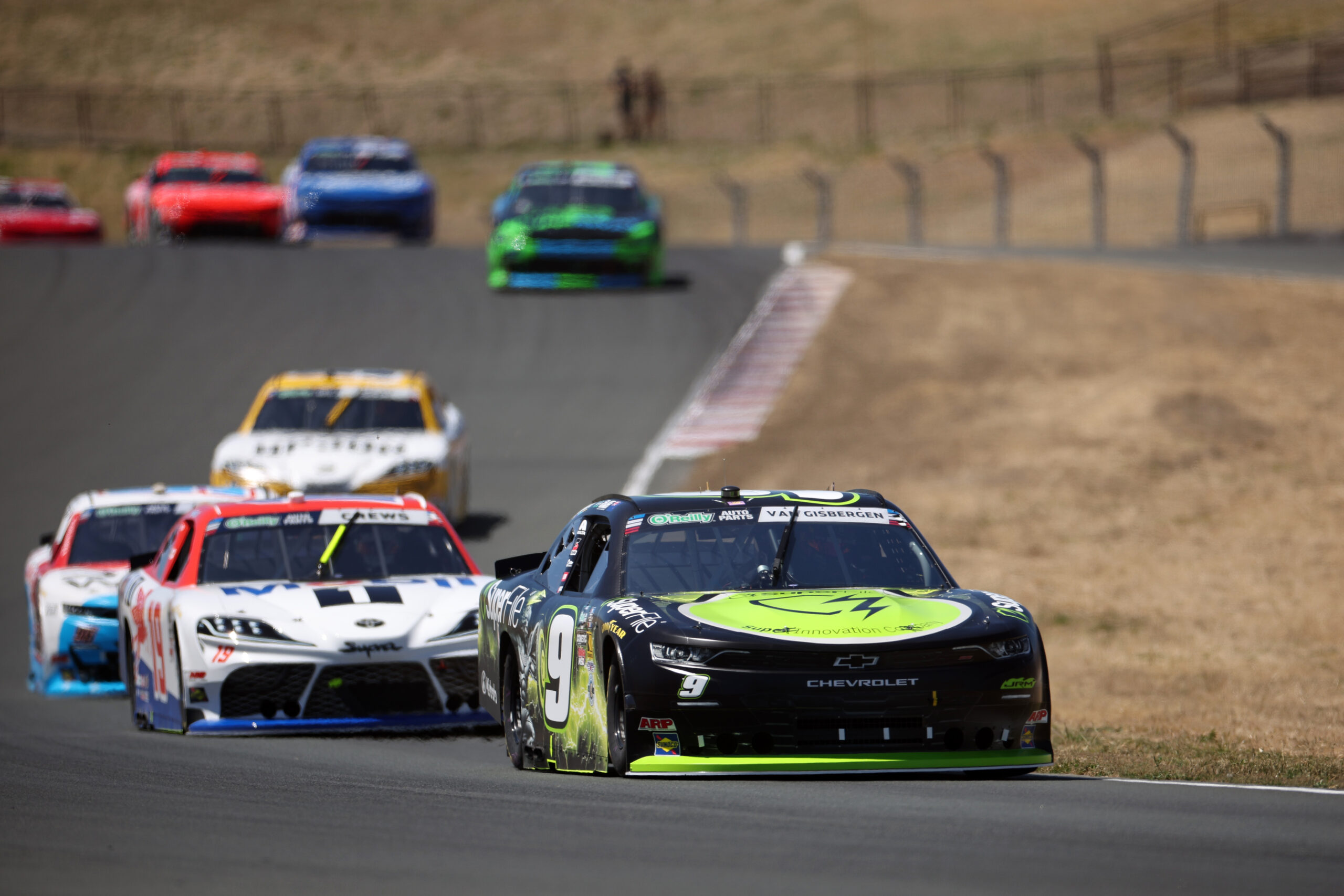
SONOMA, CALIFORNIA - JUNE 27: Shane Van Gisbergen, driver of the #9 SuperFile Chevrolet, is sprayed with champagne by NASCAR Hall of Famer and JR Motorsports team owner, Dale Earnhardt Jr. in victory lane after winning the NASCAR O'Reilly Auto Parts Series Pit Boss/FoodMaxx 250 at Sonoma Raceway on June 27, 2026 in Sonoma, California. (Photo by James Gilbert/Getty Images).

Shane van Gisbergen reignited his road course dominance by winning the fourth annual running of the Pit Boss/FoodMaxx 250 at Sonoma Raceway on Saturday, June 27.

The three-time Supercars champion from Auckland, New Zealand, led four times for a race-high 66 of 79-scheduled laps in an event where he dominated at the launch. Van Gisbergen dominated the event’s first two stage periods, but opted to strategically pit prior to each stage’s conclusion for track position. Prior to the second stage’s conclusion, he made his final pit stop under green on Lap 43 and cycled to restart on the front row prior to the event’s third and final stage period, when a majority of the field in front of him pitted during the second stage’s break period.

At the start of the final stage period, van Gisbergen outdueled Jesse Love to maintain the top spot. Despite concerns of van Gisbergen not having enough fuel to reach the event’s scheduled distance and teammate Connor Zilisch’s late attempt to reel in amid a large deficit, van Gisbergen was not to be denied as he had enough fuel and power to cruise to his second NASCAR O’Reilly Auto Parts Series victory of this season and his second in Sonoma, California.

With on-track qualifying that determined the starting lineup occurring on Saturday, Shane van Gisbergen achieved his third consecutive O’Reilly pole position at Sonoma with a pole-winning lap at 95.483 mph in 75.029 seconds. Rookie Brent Crews qualified in second place with a lap at 95.243 mph in 75.218 seconds.

Prior to the event, the following names, which included Ryan Ellis, Connor Zilisch, and Brennan Poole, dropped to the rear of the field due to unapproved adjustments that were made to their respective entries. Kyle Kelley, Brad Perez, and Austin Green also dropped to the rear of the field due to battery, engine, and backup car changes, respectively.

When the green flag waved, and the event commenced, pole-sitter Shane van Gisbergen and Brent Crews dueled dead even through the first turn until the former cleared the latter through the second turn. As the field fanned out and jostled early for spots around Sonoma’s circuit, van Gisbergen wasted not time establishing a reasonable gap between himself and the field. Once van Gisbergen cycled his No. 9 SuperFiel Chevrolet Camaro entry back to Turn 12 and headed towards the start/finish line, he led the first lap over Crews while Anthony Alfredo, Taylor Gray and Parker Retzlaff followed suit, respectively.

Over the next four laps, van Gisbergen stabilized his early advantage to four-tenths of a second over Crews while Alfredo, Gray and Retzlaff remained in the top five ahead of Corey Day, Justin Allgaier, Jesse Love, Sam Mayer and Austin Hill, respectively. Behind, Sheldon Creed, Sammy Smith, Ross Chastain, William Sawalich, Carson Kvapil, Josh Bilicki, Jeb Burton, Will Rodgers, Alex Labbe, and Harrison Burton trailed in the top 20, respectively, while Connor Zilisch was mired in 22nd place behind Brandon Jones, the latter of whom raced off the course entering Turn 3a. In addition, Rajah Caruth was in 24th ahead of Ryan Sieg, Jeremy Clements, and Austin Green while Lavar Scott dropped to 37th place after he slipped entering Turn 11, clipped Kyle Sieg, and sent both for a spin.

On the seventh lap, the event’s first caution flew due to a tire carcass that came off of Kyle Sieg’s No. 28 RSS Racing Ford Mustang entry in the Esses. The incident occurred not long after Sieg was trying to recover from his Turn 11 spin with Lavar Scott. During the event’s first caution period, Harrison Burton, Blaine Perkins, and Patrick Staropoli pitted their respective entries while the rest, led by van Gisbergen, remained on the track.

The start of the next restart on the 10th lap saw van Gisbergen quickly drive ahead and move in front of Crews through the first turn with a strong launch. As van Gisbergen led through the first four turns, Alfredo overtook Crews for the runner-up spot while Retzlaff, Gray, and the rest of the field followed suit. As the field cycled back to the start/finish line while fanning out and jostling for spots, van Gisbergen led the next lap. For the following three laps, Jeb Burton went off the course entering Turn 3a, and Dean Thompson spun in Turn 4a. In addition, Jones coasted his No. 20 Menards Toyota Supra entry to pit road due to a mechanical issue. Meanwhile, van Gisbergen continued to lead by nine-tenths of a second over Alfredo.

On Lap 16, Carson Kvapil and Connor Zilisch pitted under green, but not long after, Zilisch was penalized for speeding on pit road. A bevy of names that included Sheldon Creed, Sam Mayer, Sammy Smith, William Sawalich, Austin Green, Brennan Poole, and Leland Honeyman Jr. pitted during the next lap before the leader van Gisbergen, along with Justin Allgaier and Jesse Love, pitted on Lap 18. With pit road becoming inaccessible to the field due to the first stage period nearing its conclusion, Alfredo cycled to the lead ahead of Crews, while Retzlaff, Gray, and Corey Day followed suit, respectively.

When the first stage period concluded on Lap 20, Alfredo fended off Crews to notch the first O’Reilly stage victory ever for himself and Viking Motorsports. Gray, Retzlaff, Day, Austin Hill, Ross Chastain, Will Rodgers, Josh Bilicki, and Alex Labbe were scored in the top 10, respectively, as 35 of 38 starters were scored on the lead lap. By then, van Gisbergen was mired in 24th place in front of Jesse Love and Justin Allgaier, while Zilisch, who served a drive-through penalty through pit road following his speeding penalty, was scored in 33rd place.

Under the event’s first stage break period, nearly the entire field led by Alfredo pitted while the rest led by Harrison Burton remained on the track. Following the pit stops, Gray exited pit road first, and he was followed by teammate Crews, Alfredo, Hill, Retzlaff, Day, Chastain, Rajah Caruth, Jeb Burton, and Ryan Sieg, respectively.

The second stage period started on Lap 24 as Harrison Burton and Blaine Perkins, both of whom remained on the track and did not pit during the first stage’s break period, occupied the front row. At the start, Burton leaped ahead of the field entering the first turn, and he maintained the top spot for the next three turns while van Gisbergen, who restarted third, overtook Perkins for the runner-up spot. As Allgaier spun in Turn 7 due to slipping seconds after Sam Mayer executed a crossover move behind the former, van Gisbergen made a move beneath Harrison Burton and reassumed the lead for the next lap.

On Lap 29, the caution returned due to fluid on the track as Ross Chastain, who had small flames erupting beneath his No. 32 Jordan Anderson Racing Chevrolet Camaro entry starting from Turn 4, used the drag strip to coast his entry back to pit road. At the moment of caution, van Gisbergen was leading by more than a second over Jesse Love, while Mayer, Zilisch, Sammy Smith, Sheldon Creed, Kvapil, Austin Green, Gray, and Crews were scored in the top 10, respectively. By then, Harrison Burton, who spun entering the first turn a lap prior, had dropped to 35th place. In addition, Blaine Perkins, who spun in Turn 11 after getting tapped by William Sawalich on Lap 26, was mired in 33rd place. During the recent caution period, select names like Staropoli, Clements, Lavar Scott, and Kyle Kelley pitted while the rest, led by van Gisbergen, remained on the track.

As the event restarted under green on Lap 33, Love and van Gisbergen dueled for the lead through the first two turns until the latter barely cleared the former through the third turn. As the field fanned out from Turns 4a to 7a, Zilisch fended off Mayer for third place in front of Sammy Smith and Creed. From the Esses to Turns 10 and 11, a variety of on-track jostling of spots continued to ensue as van Gisbergen led the next lap by nearly half a second over Love. Soon after, Zilisch overtook Love for the runner-up spot entering the Esses as Zilisch set his sights on teammate van Gisbergen for the lead.

At the event’s halfway mark between Laps 39 and 40, van Gisbergen extended his advantage to more than a second over teammate Zilisch while Love retained third place. Behind, Sammy Smith outdueled Mayer for fourth place, and he brought Creed with him as Mayer dropped to sixth place in front of Crews, Kvapil, Gray, and Green. By then, 35 of 38 starters were scored on the lead lap while Alfredo, Austin Hill, Day, Retzlaff, Sawalich, Rajah Caruth, Ryan Sieg, Allgaier, Labbe, and Thompson were scored in the top 20, respectively.

From Laps 41 to 43, a bevy of names that included Austin Green, Gray, Alfredo, Day, Austin Hill, Retzlaff, Sawalich, Thompson, Josh Bilicki, Jeremy Clements, Harrison Burton, Love, and the leader van Gisbergen pitted. Amid the pit stops and with pit road closing due to the second stage period nearing its conclusion, Zilisch cycled to the lead, and he was ahead of teammate Sammy Smith, Creed, Crews, and Kvapil.

When the second stage period concluded on Lap 45, Zilisch captured his fourth O’Reilly stage victory of the 2026 season. Teammate Sammy Smith settled in second ahead of Creed, Crews, and Kvapil, while Mayer, Caruth, Ryan Sieg, Labbe, and Will Rodgers were scored in the top 10, respectively. By then, 35 of 38 starters were scored on the lead lap while van Gisbergen was mired in 18th place in front of Love.

During the event’s second stage break period, a majority of the field led by Zilisch pitted while the rest led by van Gisbergen and Love remained on the track. Following the pit stops, Zilisch exited pit road first, and he was followed by Crews, Creed, Mayer, Caruth, Kvapil, Jeb Burton, Ryan Sieg, Labbe, and Brennan Poole, respectively. Amid the pit stops, Sammy Smith endured a slow pit service due to a left-rear wheel falling off while he was trying to exit his pit stall.

With 30 laps remaining, the final stage period commenced as van Gisbergen and Love occupied the front row. At the start, van Gisbergen outdueled and barely fended off Love to retain the lead through the first three turns. As van Gisbergen led entering Turns 4a to 7a, Alfredo cycled his way up to third place in front of Gray and Day while Zilisch was motoring his No. 1 Roto-Rooter Chevrolet Camaro entry back into the top-10 mark amid a series of on-track jostling and scrambling of positions. Van Gisbergen proceeded to lead the next lap, and Day moved into fourth place over Gray while Zilisch was mired in eighth place. Alfredo then started to reel in on Love for the runner-up spot as van Gisbergen stretched his late lead to more than a second.

Down to the final 25 laps of the event, van Gisbergen was leading by more than two seconds over runner-up Love and by more than three seconds over third-place Alfredo while Zilisch trailed by four seconds in fourth place. Behind, Day occupied fifth place in front of Gray, Austin Hill, Retzlaff, Crews and Sawalich while Creed, Kvapil, Mayer, Josh Bilicki, Caruth, Allgaier, Clements, Sammy Smith, and Ryan Sieg were mired in the top 20 ahead of Jeb Burton, Alex Labbe, Will Rodgers, Kyle Sieg, and Harrison Burton, respectively.

Five laps later, van Gisbergen grew his lead to more than three seconds over Zilisch while third-place Love trailed by five seconds. Behind Alfredo, Gray, Day, Retzlaff, Crews, Austin Hill, and Creed settled in the top 10, respectively. As Allgaier dropped from within the top-15 mark to 21st place due to spinning in the second turn without drawing a caution, van Gisbergen added another second to his advantage as he led by more than four seconds over Zilisch with 15 laps remaining.

With 10 laps remaining, van Gisbergen’s lead stood at more than four seconds over Zilisch, while the rest of the field, led by third-place Love, trailed by double digits. Meanwhile, Hill, who made an unscheduled pit stop a lap prior due to concerns of having a loose wheel, plummeted to 28th place while Love was pressed by Alfredo, Gray, and Day for third place. Love was overtaken by Alfredo, Crews, and Gray during the next lap as van Gisbergen led by more than three seconds over Zilisch. Amid Leland Honeyman Jr.’s slow coast around the track due to a mechanical issue, no caution was thrown as van Gisbergen led by four seconds with five laps remaining.

When the white flag waved, and the final lap started, van Gisbergen maintained the lead over Zilisch. Despite being mired in lapped traffic and amid concerns of not having enough fuel to finish the event’s scheduled distance, van Gisbergen was able to cycle his way around Sonoma smoothly for a final time before he returned to the final stretch to the finish line and claimed the checkered flag by more than a second over Zilisch.

With the victory, van Gisbergen achieved his sixth NASCAR O’Reilly Auto Parts Series career win in his 39th start, his third driving the No. 9 Chevrolet Camaro entry for JR Motorsports and his second at Sonoma in three years. The three-time Superscars champion from Auckland, New Zealand, also racked up the 17th victory of the 2026 season for the Chevrolet manufacturer and the 12th for JR Motorsports (JRM), with JRM achieving its second consecutive O’Reilly victory in Sonoma, California.

No. 9
SONOMA, CALIFORNIA – JUNE 27: Shane Van Gisbergen, driver of the #9 SuperFile Chevrolet, drives drives during the NASCAR O’Reilly Auto Parts Series Pit Boss/FoodMaxx 250 at Sonoma Raceway on June 27, 2026 in Sonoma, California. (Photo by James Gilbert/Getty Images)

“A little bit [tense to finish],” van Gisbergen said on the frontstretch on the CW Network. “I’ve luckily [had] enough [fuel]. I think I saved enough early. [I’m] Sorry it wasn’t the most exciting [race]. I guess boring’s good when you’re the one leading. Thank you to SuperFile and JR Motorsports, Chevy. What an amazing car, like to lead like that, and the car was just so good the whole race. [I’m] Stoked to get another [win] for these [No. 9] guys.”

Zilisch, who led a total of four laps, set the fastest lap of the event on Lap 55 and nearly executed a flip strategy move by pitting prior to the final stage period and navigating his way back towards the front while trying to reel in van Gisbergen, settled in second place for his third top-two result in his eighth O’Reilly start with JRM in 2026. As a result, both Zilisch and van Gisbergen finished first and second in the O’Reilly event at Sonoma for a second consecutive time, with the latter prevailing this season. Despite falling a position short of winning at Sonoma for a second consecutive year, Zilisch was satisfied with the result, as both he and van Gisbergen turn their attention to Sunday’s Cup Series event at Sonoma.

“I feel like our Roto-Rooter Chevrolet was fast enough to compete, but we were just matching each other the entire run there,” Zilisch said. “[van Gisbergen] was probably saving fuel and managing his stuff and giving me hope, but I’ll at least believe that we had something for him. So yeah, I mean, a good day for JR Motorsports. Good to get another road course win for the team and a solid run for the No. 1 team.”

Brent Crews settled in third place for his seventh top-five result of the 2026 season while teammates Anthony Alfredo and Parker Retzlaff capped off their strong starts and overall runs at Sonoma by finishing fourth and fifth. As a result, the duo achieved Viking Motorsports’ first-ever race weekend of having two entries finishing in the top five in an O’Reilly event.

Carson Kvapil, who was making his fourth and final start of this season with DGM Racing, finished in sixth place for his 11th top-10 result of the 2026 season. Corey Day, Sam Mayer, Jesse Love, and Sheldon Creed completed the top 10 in the final running order. Notably, Justin Allgaier capped off his long afternoon by finishing in 26th place while Austin Hill navigated his way up to 22nd place. In addition, Taylor Gray, who ran out of fuel on the final lap and was not able to cycle back to the finish line under his own power, plummeted to 29th place.

There were eight lead changes for six different leaders. The event featured four cautions for 11 laps. In addition, 28 of 38 starters finished on the lead lap.

Following the 19th event of the 2026 NASCAR O’Reilly Auto Parts Series season, Justin Allgaier continues to lead the standings by 207 points over Jesse Love, 213 over Corey Day, 216 over Sheldon Creed, and 247 over Austin Hill.

Results:

  1. Shane van Gisbergen, 66 laps led
  2. Connor Zilisch, four laps led, Stage 2 winner
  3. Brent Crews, one lap led
  4. Anthony Alfredo, five laps led, Stage 1 winner
  5. Parker Retzlaff
  6. Carson Kvapil
  7. Corey Day
  8. Sam Mayer
  9. Jesse Love, one lap led
  10. Sheldon Creed
  11. Sammy Smith
  12. Austin Green
  13. William Sawalich
  14. Rajah Caruth
  15. Ryan Sieg
  16. Josh Bilicki
  17. Will Rodgers
  18. Harrison Burton, two laps led
  19. Alex Labbe
  20. Jeremy Clements
  21. Jeb Burton
  22. Austin Hill
  23. Ryan Ellis
  24. Brennan Poole
  25. Patrick Staropoli
  26. Justin Allgaier
  27. Josh Williams
  28. Dean Thompson
  29. Taylor Gray, one lap down
  30. Blaine Perkins, one lap down
  31. Kyle Sieg, one lap down
  32. Lavar Scott, one lap down
  33. Dawson Cram, one lap down
  34. Kyle Kelley, two laps down
  35. Leland Honeyman Jr. – OUT, Battery
  36. Brandon Jones, 11 laps down
  37. Ross Chastain – OUT, Rear End
  38. Brad Perez – OUT, Fuel Pump

Next on the 2026 NASCAR O’Reilly Auto Parts Series schedule is the series’ return to Chicagoland Speedway in Joliet, Illinois. The event is scheduled to occur next Saturday, July 4, and air at 5:30 p.m. ET on the CW Network, MRN Radio, and SiriusXM.

CREWS ADDS ANOTHER STRONG FINISH TO ROOKIE SEASON AT SONOMA

Toyota Development Driver scores most points, moves back into the provisional Chase field

SONOMA, Calif. (June 27, 2026) – Brent Crews continued to impress with another strong road course finish as he earned stage points in both stages and crossed the line in third – scoring an impressive 50 points on the day – in the NASCAR O’Reilly Series race at Sonoma Raceway on Saturday evening.

With the finish, Crews moved inside the provisional Chase field to 11th – 21 points above the cutline.

TOYOTA RACING Post-Race Recap
NASCAR O’Reilly Auto Parts Series (NOAPS)
Sonoma Raceway
Race 19 of 33 – 157.21 miles, 79 laps

TOYOTA FINISHING POSITIONS

1st, Shane van Gisbergen*
2nd, Connor Zilisch*
3rd, BRENT CREWS
4th, Anthony Alfredo*
5th, Parker Retzlaff*
13th, WILLIAM SAWALICH
18th, HARRISON BURTON
28th, DEAN THOMPSON
29th, TAYLOR GRAY
36th, BRANDON JONES
38th, BRAD PEREZ
*non-Toyota driver

TOYOTA QUOTES

BRENT CREWS, No. 19 Mobil 1 Toyota GR Supra, Joe Gibbs Racing

Finishing Position: 3rd

Scored more points than any other driver today. How do you assess your day?

“Yeah, overall happy with our performance with our Mobil 1 Toyota GR Supra today. We had a fast car, and we started up front, and ran up front all day. We got stage points. Felt like we passed 190 cars today, but overall, a good day for us. We got the most points there. Happy for our team. If we a little different of a points position, maybe we could have short pitted it and been able to race a little more with the 9 (Shane van Gisbergen), but overall, for our group, we mad big adjustments on it all day, and went back and forth with it, but overall happy.”

What could you have done differently to battle for the win there?

“We maximized our day with stage points and stuff like that, which was kind of the name of the game for us today, so we can race the next couple of weeks. Just trying to get a little buffer in case something would happen. Overall, happy for our team. We ran well all day, got stage points and finished in the top-three. Ultimately, had a good day. Not what we are striving for. Overall, our goal is to win, but we did about as good as we could do there.”

About Toyota

Toyota (NYSE:TM) has been a part of the cultural fabric in North America for nearly 70 years, and is committed to advancing sustainable, next-generation mobility through our Toyota and Lexus brands, plus our more than 1,800 dealerships.

Toyota directly employs nearly 64,000 people in North America who have contributed to the design, engineering, and assembly of over 50 million cars and trucks at our 14 manufacturing plants. In 2025, Toyota’s plant in North Carolina began to assemble automotive batteries for electrified vehicles.

For more information about Toyota, visit www.ToyotaNewsroom.com.