Home Blog Page 116

TopLiner Makes Standout Debut Performance at EchoPark Speedway

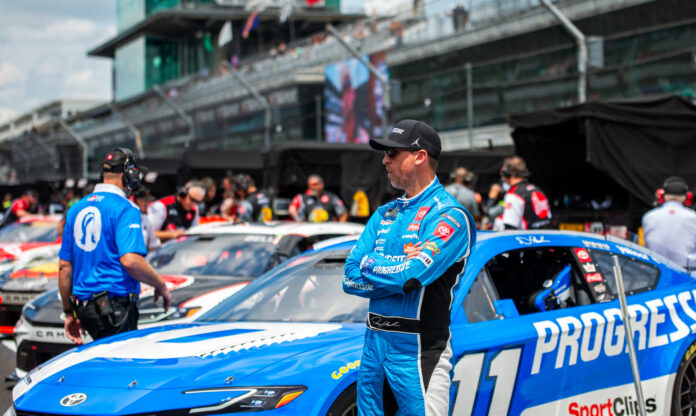
Atlanta, GEORGIA — February 23, 2026 – TopLiner™ proudly celebrates a remarkable NASCAR Craftsman Truck Series debut for Adam Andretti at EchoPark Speedway, where the experienced road racer showcased his resilience, race craft, and determination en route to an impressive 12th-place finish on the 1.54-mile paved oval.

Driving the rotating No. 5 entry for TRICON Garage, Andretti wasted no time making his presence known. In qualifying, he powered the TopLiner™ supported truck to an outstanding eighth-place starting position (P8), immediately turning heads in his NASCAR Craftsman Truck Series debut. His smooth and confident single-lap run signalled that he was ready to compete at a high level.

While qualifying went according to plan, the race itself presented a far greater challenge. From the drop of the green flag, Andretti battled an extremely loose condition in his truck. Demonstrating a high level of control, he twice saved the TopLiner™ truck from near spins in the opening laps. However, midway through Stage 1, the handling issues finally caught up with him, and the truck snapped around for a solo spin.

In a display of composure beyond that of a series rookie, Andretti gathered the truck up on the apron and avoided significant damage, allowing him to continue without losing a lap. His ability to minimize the impact of the incident kept the TopLiner™ Toyota in contention and underscored his experience under pressure.

Despite the early adversity, Andretti fought back to finish Stage 1 in 26th position on the lead lap. Recognizing the need for adjustments, the TRICON Garage crew went to work. Through strategic changes during Stage 2, they tightened the truck’s handling, giving Andretti the stability he needed to begin his charge forward.

The improvements were evident almost immediately. Andretti steadily worked his way toward the top 20, ultimately closing Stage 2 in 22nd position and trending in the right direction. The combination of precise crew chief adjustments and Andretti’s adaptability behind the wheel began to unlock the speed that had been apparent in qualifying.

As the final stage unfolded, the TopLiner™ emblazoned contender continued to build performance. Through crafty strategy and showcasing pure pace, Andretti maneuvered the No. 5 truck through the field. With confidence growing each lap, he executed clean passes and maintained consistent speed, ultimately crossing the finish line in an impressive 12th-place position.

The result marked a significant achievement for both Andretti and TopLiner™. At a track where expectations were undefined, Andretti exceeded them all — delivering a performance that demonstrated speed, resilience, and race-day growth. His debut not only validated the team’s preparation but also established him as a driver to watch in the NASCAR Craftsman Truck Series paddock.

“Adam showed incredible determination and adaptability,” said TopLiner™ chief Claudio Burtin. “Qualifying P8 set the tone, and the way he rebounded from early challenges speaks volumes about his talent and professionalism. We’re extremely proud of the entire team’s effort.”

With momentum firmly on his side, Andretti now shifts focus to the Streets of St. Petersburg, where the road course layout is expected to play directly into his strengths as an accomplished road racer.

Building on a breakthrough debut at EchoPark Speedway, TopLiner™ are poised for even greater success in the races ahead.

About TopLiner™

TopLiner™ spray-on bedliners are formulated for unmatched strength and precision. Each spray-on coat forms a permanent shield against dents, scratches, rust, and harsh weather. The textured finish adds grip and stability for cargo safety, while the custom application adapts to any surface from truck beds to ATVs, trailers, and boats. With a range of finishes and colors, Top Liner protects your investment and keeps it looking sharp, mile after mile. Learn more at www.topliner.com.

How Diesel Tuning Improves Torque for Motorsport Use

Photo by depositphotos at https://depositphotos.com/

Torque is literally why diesel engines should be in motorsport. While the gas engines are after horsepower at high RPM, a perfectly tuned diesel engine is capable of delivering a huge twisting force at low revs which is exactly what you need when you get out of a corner, climbing a steep trail, or launching off the line in a drag race. Diesel has an undeniable advantage from a physics perspective.

However, the maps of stock diesel tuning are basically compliance-oriented, not competition-oriented. Manufacturers are under pressure to meet emissions regulations, warranty issues, fuel economy goals, and also have to consider the vehicle’s drivability in a wide range of situations. Hence, they come up with a very cautious tune that still allows for a significant amount of the performance to be unused. To unlock this performance, one has to understand what tuning really changes and why those changes directly result in more usable torque on the track.

What ECM Tuning Actually Changes

The engine control module is responsible for governing all aspects that determine torque output, injection timing, fuel rail pressure, boost targets, torque limiters, and rev limits. When the car is in stock form, these parameters are set conservatively. A performance tune changes those conservative values to parameters that are optimized for maximum output, within the mechanical limits of your engine and supporting components.

Injection timing is by far the most impactful of all variables. Advancing timing causes fuel to be ignited earlier in the compression stroke, which means combustion pressure is acting on the piston for a longer time and with greater force. Even small timing advances can yield significant torque gains, however, if you push too far without the proper supporting upgrades you run the risk of damaging pistons and head gaskets under sustained load.

Fuel quantity per injection event is also a lever. More fuel means more energy is released per combustion cycle, which results directly in higher torque. This is the reason why fueling upgrades such as larger injectors, upgraded lift pumps, and dual CP3 setups, are required to be able to accompany aggressive tunes. The tune can command more fuel, but the hardware must be capable of delivering it consistently.

The Role of Torque Management in Stock Tunes

Factory tunes incorporate torque management strategies that limit power output in certain scenarios. These are mainly designed to keep the transmission, driveline, and engine safe from stress, but on the other hand, they also reduce the performance that you are actually paying for each time you accelerate.

Transmission torque limiters refer to a situation where the transmission is told to request less torque from the engine during gear changes and under certain throttle conditions to prevent clutch pack damage. If the transmission is built with upgraded clutch packs and a performance valve body, those limits are not necessary. A tuner who knows your complete build can eliminate or lift these limiters so that the engine produces what the driver is asking for.

Automatics in the diesel category also allow for tuning of shift points and shift firmness. In a racing or motorsport situation, firmer and quicker shifts are usually preferred in order to keep the engine in its power band. Stock programming puts the emphasis on smoothness and comfort, which is not what you want when you are racing.

Emissions Systems and Performance Tuning

Here is where the discussion gets down to earth for those who are into serious motorsport builds. So, the diesel emissions system or more exactly the EGR (exhaust gas recirculation) and DPF (diesel particulate filter), is what creates real performance constraints.

EGR recirculates the heated exhaust gas back into the intake thus lowering combustion temperature but obviously this also reduces power and generates soot. DPF basically is a filter that traps particulate matter and it has to be regularly burned off through the regeneration cycles which can be very unpredictable and troublesome during racing conditions.

Many competitive motorsport builds address this by going further than a tune alone. Combining ECM calibration with a diesel delete kit removes the EGR and DPF systems entirely, allowing the tune to operate without the constraints those systems impose. The result is cooler, denser intake charge temps, cleaner combustion, and elimination of the regeneration cycle that can cut power at the worst possible time.

It’s worth being clear that emissions deletions are not street-legal in most jurisdictions and are intended for closed-course competition use. Motorsport and off-road racing vehicles that run in sanctioned events on private land operate under different rules than road-registered vehicles. Understanding the legal context for your specific application matters before going down this path.

Torque Curve Shaping for Different Motorsport Applications

Not all forms of motorsport require the same torque delivery. For instance, a diesel drag truck eagerly desires a maximum torque right at the start, and it wants this to be maintained throughout the entire run. On the other hand, a desert racer is in need of a powerful mid-range response to the throttle when speeding through the rough parts of the track. A rock crawler, however, prefers the torque curve to be smooth and predictable at very low speeds, which is the area of most critical throttle modulation.

An expert diesel tuning technician is able to shape the torque curve so that it fits the application, rather than simply aiming at the highest peak figures. This means the tuner, for example, can control how fueling and boost level aggressively ramp up from idle, decide the location of peak torque in the RPM range, and determine how the engine behaves under partial throttle conditions. A dyno-optimized tune that results in a sharp peak at a very narrow RPM band may look very good in theory but it gives the worst performance in real race conditions, where the engine speed and load vary over a wide range.

Compound turbo systems also take this to a higher level. A proficient tuner is able to fine-tune the interaction between the two turbos in a small, over, large turbo configuration so that the resultant engine has an excellent low-RPM response, yet it can still develop substantial power at higher RPMs. 

Real-World Gains and Managing Expectations

For a stock, hardware diesel, the increase in torque through tuning is mostly between 15 25% if the performance tune is a conservative street one. With a built engine, upgraded injectors, a bigger turbo, and supporting modifications, a full, build tune can elevate the torque figures by 60, 80% or even more in comparison to factory numbers. The maximum limit is mostly the mechanical strength of your engine internals, rods, and head fasteners.

The aspect where reliability during sustained motorsport use separates the quality of tuning is entirely up to the person writing it. Everyone can make a tune that puts up huge numbers on a dyno for a couple of pulls. The tune that lasts through a 500-mile desert race or a full day of competitive rock crawling is totally different. The heat cycles, sustained load, and vibration environment of off-road racing expose every component to stress in a way that is not typical for either a street or a drag strip application.

A difference can be seen in the tunes that a person who has raced diesel trucks writes and those that are primarily for street performance. Major differences in racing are revealed exclusively through conditions.

Keelan Harvick signs long-term agreement with TOYOTA RACING

Photo credit KHI

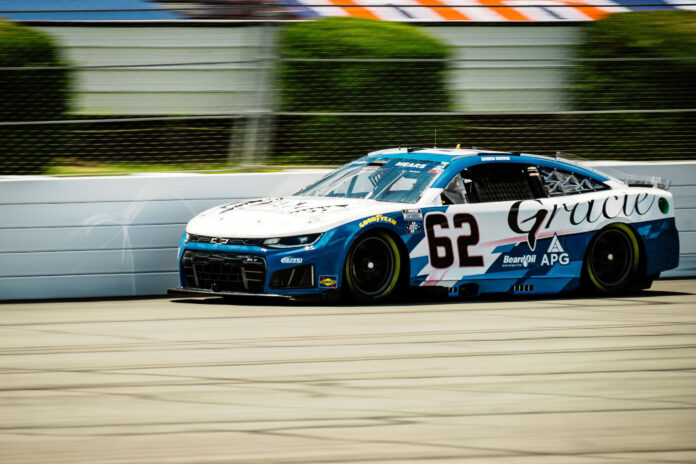
MOORESVILLE, N.C. (February 23, 2026) – TRD U.S.A. (Toyota Racing Development) announced a long-term commitment to third-generation driver Keelan Harvick, who will continue his development through pavement opportunities as a part of the TOYOTA RACING family. During the 2026 motorsports season, Harvick will partner with RACKLEY W.A.R. and Kevin Harvick, Inc. to compete in dozens of late model races nationwide, piloting the No. 62 Toyota Camry with ExxonMobil serving as primary sponsor for several of those events.

“I’m really grateful to have this kind of opportunity with Toyota Racing Development,” said Harvick. “To have their support and be able to represent ExxonMobil, it doesn’t get much better. I’m still getting experience, but it’s going to be a privilege to be part of the TRD program and learn from the other drivers.”

The 13-year-old continues to make history with his success across multiple racing series. In December, Harvick became the youngest-ever winner of the Snowflake 125 at Five Flags Speedway. He followed up with a victory in Florence Motor Speedway’s Icebreaker earlier this month, crowning him the youngest winner of that event while also earning his first career LMSC victory. The 2024 INEX Young Lions National Champion made the successful transition from Legends to Late Models as he won four zMAX CARS Tour Pro Late Model events and two CARS Tour West Pro Late Model Series races in 2025, becoming the first driver to win PLM events in both series in the same season.

“Everyone at Toyota and TRD are excited to welcome Keelan into the TOYOTA RACING family,” said Tyler Gibbs, president, TRD, U.S.A. “Keelan has proven himself on-track, and despite his young age, has continued to be wise beyond his years with his professionalism and work ethic off of it. TRD is thrilled to partner with Keelan and his family as Keelan continues to develop his racing craft. We see a bright future ahead for him, and everyone at Toyota is proud to be part of his journey.”

Harvick is part of a celebrated Toyota Driver Development (TD2) program that boasts graduates such as Christopher Bell, Corey Heim and John Hunter Nemechek, who compete in the NASCAR Cup Series with Toyota partner teams. TRD takes an active role in each TD2 driver’s development to help them achieve their goals of long-term success in motorsport with support of partners such as ExxonMobil, JBL, Safelite AutoGlass, SoundGear and Yahoo. The mutual long-term commitment allows TRD to provide additional opportunities on-and-off the track to encourage and support their personal development. TD2 drivers, along with drivers who compete for Toyota-supported race teams, also have access to the celebrated Toyota Performance Center (TPC), which provides support with physical fitness, sports psychology, recovery and nutrition.

About Toyota

Toyota (NYSE:TM) has been a part of the cultural fabric in the U.S. for nearly 70 years, and is committed to advancing sustainable, next-generation mobility through our Toyota and Lexus brands, plus our nearly 1,500 dealerships.

Toyota directly employs nearly 48,000 people in the U.S. who have contributed to the design, engineering, and assembly of more than 35 million cars and trucks at our 11 manufacturing plants. In 2025, Toyota’s plant in North Carolina began to assemble automotive batteries for electrified vehicles.

For more information about Toyota, visit www.ToyotaNewsroom.com.

Big Names, Big Field for Mazda MX-5 Cup at St. Pete

ST. PETERSBURG, Fla (Feb. 23, 2026) – After a record-breaking grid size to open the season, Whelen Mazda MX-5 Cup presented by Michelin is headed to the streets of St. Petersburg, Florida with 42 cars. Two of those Mazda MX-5 Cup machines will be piloted by world-renowned drivers Sebastien Bourdais (No. 38 McCumbee McAleer Racing) and Earl Bamber (No. 21 Hendricks Motorsports), who are making guest appearances in Rounds Three and Four.

The 1.8-mile temporary street circuit is a favorite for many Whelen Mazda MX-5 Cup drivers. Despite being made up of various roads and runways along the Port of St. Petersburg, the track still has a good flow to it, with several decent passing areas. The sun is always shining, and the atmosphere feels like a city festival for the traditional INDYCAR season opening weekend.

Four drivers on the grid know what it feels like to win at St. Pete: Jared Thomas (No. 96 JTR Motorsports Engineering), Gresham Wagner (No. 5 JTR Motorsports Engineering), Tyler Gonzalez (No. 57 BSI Racing) and Bourdais. Of course, Bourdais’ two prior victories came in an IndyCar rather than a Mazda MX-5.

The Frenchman who has called the Bay area home since 2003 is venturing into MX-5 Cup in the name of charity. To raise money for Karts4Kids, donors can put their name on the car Bourdais is set to race at St. Pete.

What of the other drivers with St. Pete-winning experience? Well, none of them had a great start to the season at Daytona. In fact, all three had a DNF in one of the two races and Gonzalez was the only one who made a trip to the podium. Now, all three need to bank major points at St. Pete to regain momentum toward the $250,000 prize from Mazda that goes to the season champion.

Thomas has twice won MX-5 Cup races at St. Pete, the most recent being last year. Winning Race 1 and finishing third in Race 2 propelled him to the point lead leaving Florida. In contrast, Wagner did not compete in last year’s event at St. Pete, but he was part of a classic Mazda MX-5 Cup moment in 2023, when he drag-raced Connor Zilisch out of the final turn and to the line, winning by 0.021-second.

For Gonzalez, St. Pete had been a cruel track until last year, when he won Race 2. To that point he’d never even been in the top five at the street circuit.

All three of these drivers have an important thing in common; experience, and it’s going to take experience to navigate the narrow, concrete-lined street circuit.

“I think it takes a good setup and a lot of consistent driving to have a chance to win at St. Pete,” Wagner said. “In terms of making lap time, the walls aren’t much of a consideration for me, and I’m sure there’s a lot of quick drivers that don’t let it get in the way of their driving.

“Really, the track becomes tight and punishing when it comes to racing other drivers, both when defending and overtaking. I think that’s what stands out the most — the wheel-to-wheel racing becomes that much more aggressive, with much less margin for error. You really have to think a lot more about the moves you’re going to make at St. Pete, because in plenty of spots, there aren’t many options besides hitting the wall.

“I think the drivers that come out in front usually have done a great job of managing their aggressiveness, and not getting too caught up in the moment. More than most tracks, you have to give a bit more consideration and margin to every decision you make.”

The big winner coming into St. Pete is Justin Adakonis (No. 23 McCumbee McAleer Racing). He leads the points after scoring a career-best finish of second in Race 1 and backing it up with a 10th-place finish in Race 2. The sophomore has been on a streak of strong finishes since VIRginia International Raceway last August.

Of the three current MX-5 Cup Shootout Scholarship recipients, Ethan Lampe (No. 31 Advanced Autosports) had the best results at Daytona and arrives in St. Pete 11th in points.

Then there’s the Kiwi wildcard: Bamber. He’s never raced the St. Pete street course, but he has raced MX-5 Cup before, at Martinsville, an oval. That race was going great until contact took him out in the second half. Can he duplicate his performance this week on a street circuit? More importantly, which of the pros will finish higher: Bamber or Bourdais?

Watch and find out the answers when Race 1 goes green at 7:30am ET on Saturday, February 28 and again on Sunday, March 1, when Race 2 gets going at 4pm ET. Both races will be streamed live on the IMSA and RACER YouTube channels.

About: The Whelen Mazda MX-5 Cup presented by Michelin is the signature spec series for Mazda Motorsports. The series has been operated by Andersen Promotions since 2017 and is currently sanctioned by IMSA. Mazda-powered grassroots champions can earn Mazda scholarships for this pro-level series. The Whelen Mazda MX-5 Cup awards more than $1 million in prizes and scholarships.

Find out more at http://www.mx-5cup.com.

INDYCAR Officiating Ready for 2026 Season Opener in St. Petersburg

INDIANAPOLIS (Monday, Feb. 23, 2026) – The Independent Officiating Board (IOB) remains focused on establishing and launching INDYCAR Officiating to clearly define operational and governance separation and transparency as preparations continue for the upcoming 2026 NTT INDYCAR SERIES and INDY NXT by Firestone seasons.

In the last few months, the IOB, with chairman Raj Nair, secretary and treasurer Ray Evernham and FIA appointee Ronan Morgan, has been diligent in the work needed to arrive to this point of the year, which has included the following:

  • Establishment of the not-for-profit INDYCAR Officiating Inc. corporation
  • Finalizing the 2026 INDYCAR Officiating budget
  • Reviewed INDYCAR’s established processes and personnel
  • Determined a need for additional experienced personnel for the tech team
  • Determined the need for a separate INDY NXT race director
  • Reviewed the steward positions and determined to make no changes

“The board has been meticulous and thorough in our review of INDYCAR’s officiating process and procedures,” board chairman Nair said. “While we are pleased with the early achievements, there is plenty of work still to do. Among our major goals is to implement a more detailed transparency reporting structure to teams – related to technical and race infractions – as well as establishing consistency of rule implementation and enforcement. As a collective, we are confident in the results our team will achieve over the season.”

The IOB also continues to interview candidates to find the perfect fit for the roles and responsibilities of the managing director of officiating (MDO). As the process of identifying the ideal person continues and until that hire is announced, the board plans to oversee general independent officiating operations.

“One of the clear takeaways as we analyzed INDYCAR officiating and operations has been that INDYCAR already greatly benefits from the knowledgeable and professional personnel in race control and technical inspection,” said board member Evernham. “With that, combined with the expertise that the board brings, we are going to work with the current team members of each but will add additional resources and support.”

The three members of the IOB will attend and provide oversight for INDYCAR Officiating at the season opener on the Streets of St. Petersburg and will then share responsibilities over the initial races until the MDO can be secured.

Kyle Novak will continue as the race director and vice president of INDYCAR Officiating. Novak has served as the sport’s race director since the 2018 season and leads race control and circuit safety development. He is responsible for developing and enforcing NTT INDYCAR SERIES and INDY NXT by Firestone competition regulations.

Also an attorney, Novak serves as one of 36 judges on the FIA Courts and hears cases as a member of the FIA International Tribunal and International Court of Appeal.

On the technical side, the IOB has determined that Kevin “Rocket” Blanch will continue as the INDYCAR Officiating’s technical director. Blanch will oversee the technical inspection process and will provide technical oversight and ensure compliance of aerodynamic and chassis regulations.

Blanch joined INDYCAR in 2003 after serving six-plus seasons with Panther Racing, where he served as the team’s crew chief. During his tenure there, the team won two INDYCAR SERIES championships and earned 11 victories and five pole positions.

Arie Luyendyk and Max Papis will continue to lend their expertise as chief stewards for INDYCAR Officiating. Luyendyk, who has seven INDYCAR SERIES race wins – including two Indianapolis 500 victories, and Papis, a three-time INDYCAR SERIES race winner, have served as series stewards since their original appointment in 2016. Both officials are stationed in race control and monitor on-track sessions, review incidents for rule violations and enforce penalties.

Working with Blanch, the IOB has added Nick Allen as a technical inspection manager for the NTT INDYCAR SERIES. Allen brings over 20 years of experience as an INDYCAR race team mechanic and chief mechanic. In the coming weeks, INDYCAR Officiating will add a tech inspection manager for INDY NXT and, working with Novak, a dedicated INDY NXT race director.

“The officiating in INDYCAR is not broken; in fact, racing series around the world could learn from its procedures and operation,” said board member Morgan. “At this point, our opinion is that independent INDYCAR Officiating should be framed as a sensible evolution when it comes to general process. By providing and overseeing additional support, transparency and added separation between officials and series management, we firmly believe that INDYCAR Officiating is primed to be successfully implemented for the 2026 season.”

Coverage of the Firestone Grand Prix of St. Petersburg, round one of the 18-race 2026 NTT INDYCAR SERIES championship, begins at noon ET Sunday, March 1 on FOX, FOX Deportes, FOX One and the FOX Sports app. Coverage will also be provided by the INDYCAR Radio Network via SiriusXM Channel 2018 and the INDYCAR App powered by NTT DATA.

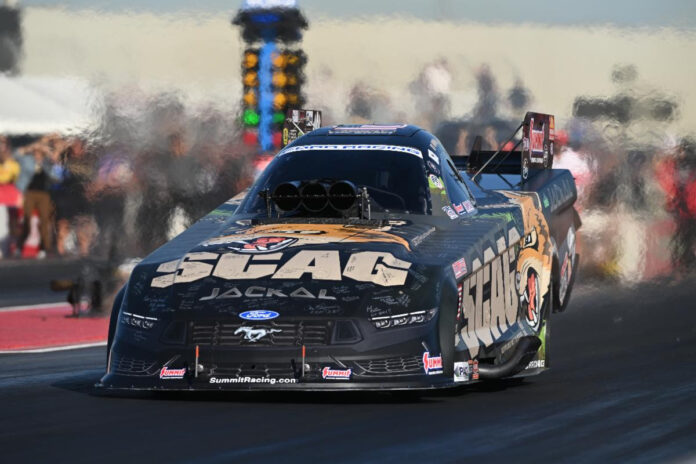
NHRA PRO MOD DRAG RACING SERIES SET TO CELEBRATE 25 YEARS DURING THRILLING 2026 SEASON

Qualifying action and first round of eliminations to be broadcast free on NHRA YouTube page during milestone year

INDIANAPOLIS (Feb. 23, 2026) – NHRA is set to celebrate its 75th anniversary during the 2026 season, and this year also represents a major milestone for the NHRA Pro Mod Series.

The exciting series is set to enjoy its 25th anniversary celebration in 2026, racing 11 times across the country with the NHRA Mission Foods Drag Racing Series.

As part of the milestone campaign for NHRA Pro Mod, NHRA announced that it will stream qualifying coverage live and for free on the NHRA YouTube page on Friday and Saturday, as well as the first round of eliminations at all 11 events.

The free streaming coverage on YouTube will include one round of qualifying each day, as well as the opening round of eliminations, which will take place either Saturday evening or Sunday. Full event coverage can be purchased and viewed at www.NHRA.tv.

The fan-favorite category will kick off its 11-race season with the Amalie Motor Oil NHRA Gatornationals in Gainesville on March 5-8, before heading to the NHRA Arizona Nationals and returning to Firebird Motorsports Park for the third straight year on March 20-22.

“NHRA Pro Mod being streamed live on YouTube isn’t just exposure — it’s proof of our evolution,” NHRA Pro Mod driver and Team Shelton Motorsports Owner Stan Shelton said. We’re a self-managed class with a clear identity, and this growth reflects the power of that model within the NHRA. We’re excited to celebrate the 25th year of Pro Mod in NHRA and we’re looking forward to a great season.”

Last season was a representation of just how stacked NHRA Pro Mod is with talent, with the championship again coming down to the wire. Five different drivers won a race, but J.R. Gray enjoyed a spectacular season, winning four times, including the finale in Las Vegas, to claim his first NHRA Pro Mod championship.

Still, the championship came down to a winner-take-all final round against Billy Banaka, with Gray taking the victory and the championship to close out another remarkable season in the category.

Featuring the world’s fastest doorslammer race cars, the NHRA Pro Mod Drag Racing Series has continued to offer something unique and exciting for every drag racing fan. The class continues to grow in popularity and is highlighted by historic muscle cars and a variety of late-model American muscle cars, as well as several different power adders.

For 24 years, the NHRA Pro Mod Drag Racing Series has also featured standout drivers and legendary names in the doorslammer ranks, including past world champions like Rickie Smith, Von Smith, Khalid Al Balooshi, Mike Janis, Troy Coughlin Sr., Mike Castellana, Stevie “Fast” Jackson, Jordan Lazic, Kris Thorne, Jose Gonzalez and many others.

NHRA Pro Mod became an official national championship category in 2010, after serving as an exhibition or regional class. Now, it gets to celebrate its 25th year of competition in NHRA during a banner 2026, ensuring all fans get an opportunity to watch the incredible action all year.

“The 2026 season is a milestone moment for NHRA Pro Mod Drag Racing Series, which continues to be one of the most exciting and unpredictable categories in drag racing,” NHRA Senior Vice President Evan Jonat said. “We’re proud to celebrate this anniversary across all 11 events this year and offer fans free coverage on the NHRA YouTube page. With a bigger spotlight, it’s a great opportunity for these talented drivers to showcase their skills and what makes this class so enjoyable to watch.”

Following races in Gainesville and Phoenix, the NHRA Pro Mod Drag Racing Series will celebrate its 25th season with stops in Charlotte, South Georgia Motorsports Park, Chicago and Bristol to close out the regular season. The five-race “Road to the Championship” will feature stops in Norwalk, Indianapolis, Rockingham, St. Louis and the finale in Las Vegas.

For more information about NHRA, including the full 2026 schedule, visit www.NHRA.com.

2026 NHRA Pro Mod Drag Racing Series Season Schedule

March 5-8: 57th annual Amalie Motor Oil NHRA Gatornationals, Gainesville Raceway, Gainesville, Fla.

March 20-22: 41st annual FMP NHRA Arizona Nationals presented by NGK Spark Plugs, Firebird Motorsports Park, Phoenix

April 24-26: 16th annual NHRA 4-Wide Nationals, zMAX Dragway, Charlotte

May 1-May 3: NHRA Southern Nationals, South Georgia Motorsports Park, Adel, Ga.

May 14-17: 26th annual Gerber Collision & Glass Route 66 NHRA Nationals presented by PEAK Performance, Route 66 Raceway, Chicago

June 12-14: 25th annual Super Grip NHRA Thunder Valley Nationals, Bristol Dragway, Bristol, Tenn.

Pro Mod Road to the Championship

June 25-28: 20th annual Summit Racing Equipment NHRA Nationals, Summit Motorsports Park, Norwalk, Ohio

Sept. 2-7: 72nd annual Cornwell Quality Tools NHRA U.S. Nationals, Lucas Oil Indianapolis Raceway Park, Indianapolis

Sept. 25-27: Inaugural NHRA Nationals at The Rock, Rockingham Dragway, Rockingham, N.C.

Oct. 2-4: 15th annual NAPA Auto Parts NHRA Midwest Nationals, World Wide Technology Raceway, St. Louis

Oct. 29-Nov. 1: 26th annual NHRA Las Vegas Nationals, The Strip at Las Vegas Motor Speedway, Las Vegas


About NHRA

NHRA is the primary sanctioning body for the sport of drag racing in the United States. NHRA presents 20 national events featuring the NHRA Mission Foods Drag Racing Series and NHRA Lucas Oil Drag Racing Series, as well as the NHRA Pro Mod Drag Racing Series and NHRA Flexjet Factory Stock Showdown™ at select national events. NHRA provides competition opportunities for drivers of all levels in the NHRA Summit Racing Series and NHRA Street Legal™. NHRA also offers the NHRA Jr. Street® program for teens and the Summit Racing Jr. Drag Racing League® for youth ages 5 to 17. With more than 100 Member Tracks, NHRA allows racers to compete at a variety of locations nationally and internationally. NHRA’s Youth and Education Services® (YES) Program reaches over 30,000 students annually to ignite their interest in automotive and racing related careers. NHRA’s streaming service, NHRA.tv®, allows fans to view all NHRA national events as well as exclusive features of the sport. In addition, NHRA owns and operates three racing facilities: Gainesville Raceway in Florida; Lucas Oil Indianapolis Raceway Park; and In-N-Out Burger Pomona Dragstrip in Southern California. For more information, log on to www.NHRA.com, or visit the official NHRA pages on Facebook, Instagram, Twitter, and YouTube.

The Complete Guide to Workshop Manuals: What Every Car Owner Should Know

Why the Right Manual Makes All the Difference in Your DIY Repairs

Whether you’re a weekend warrior tackling your first oil change or a seasoned DIY mechanic rebuilding an engine, having the right workshop manual can mean the difference between a successful repair and a costly mistake. In this comprehensive guide, we’ll explore everything you need to know about workshop manuals—and why they’re essential for anyone serious about vehicle maintenance.

What Is a Workshop Manual?

A workshop manual—also called a factory service manual or OEM (Original Equipment Manufacturer) repair manual—is the official technical documentation created by the vehicle manufacturer. Unlike generic repair guides you might find at an auto parts store, these manuals contain the exact procedures, specifications, and torque values that factory-trained technicians use in dealership service centers.

Think of it as the difference between a recipe from a professional chef versus one from the back of a cereal box. Both might help you make breakfast, but one gives you significantly more detail, precision, and professional results.

Workshop Manual vs. Repair Manual: Understanding the Difference

Many car owners use these terms interchangeably, but there are important distinctions that can impact your repair success. Here’s a detailed comparison:

Manual

When Do You Need a Workshop Manual?

Workshop Manual Recommended For:

  • Engine rebuilds or internal engine work
  • Transmission repairs and overhauls
  • Electrical diagnostics and complex wiring issues
  • Suspension geometry adjustments and alignments
  • Any job requiring precise torque specifications
  • Hybrid or EV high-voltage system work
  • Advanced diagnostic procedures

Aftermarket Manual May Be Sufficient For:

  • Oil changes and filter replacements
  • Brake pad replacement
  • Battery replacement
  • Basic fluid checks and top-offs
  • Simple maintenance tasks

What’s Inside a Professional Workshop Manual?

A comprehensive workshop manual typically includes these detailed sections:

  • General Information – Vehicle identification, specifications, maintenance schedules, special tool requirements
  • Engine Mechanical – Complete disassembly/assembly procedures, timing procedures, head gasket replacement
  • Fuel & Emissions Systems – Fuel injection diagnostics, sensor locations and testing procedures
  • Electrical Systems – Complete wiring diagrams, diagnostic trouble codes, circuit testing
  • Transmission & Drivetrain – Manual/automatic transmission procedures, differential service
  • Steering & Suspension – Alignment specifications, component replacement procedures
  • Braking Systems – Brake bleeding procedures, ABS diagnostics, pad replacement
  • Body & Interior – Trim panel removal, airbag system precautions, interior service

🔧 Ready to access professional-grade workshop manuals? Visit WorkshopManuals.com for manuals covering all makes and models. 🔧

Pro Tips for Using Workshop Manuals Effectively

Read the Entire Procedure First: Before starting any repair, read through the complete procedure to understand required tools, time estimates, and step order.

Note the Torque Specifications: Write down all torque specs before you pick up a wrench. This prevents stopping mid-job to check values.

Pay Attention to Warnings: Safety warnings and cautions aren’t suggestions—they exist for critical safety reasons and to prevent component damage.

Cross-Reference Part Numbers: Use the manual’s part numbers to ensure you’re ordering exactly the right components for your specific vehicle.

Document Your Work: Take photos during disassembly. Your manual shows what things should look like, but photos show what YOUR vehicle looked like.

Use the Wiring Diagrams: Learn to read wiring diagrams—they’re invaluable for electrical diagnostics and can save hours of troubleshooting.

Common Mistakes When Working Without a Manual

Working without the proper manual—or using generic instructions instead of manufacturer specifications—can lead to these costly errors:

  • Incorrect Torque Values — Stripped threads, loose components that vibrate apart, or failed repairs that need to be redone.
  • Wrong Fluid Types — Using incorrect transmission fluid or coolant can cause seal deterioration and expensive damage.
  • Missed Critical Steps — Forgetting to bleed brakes properly, not resetting ECU adaptations, or skipping safety procedures.
  • Electrical System Damage — Blown fuses, damaged control modules, or airbag system problems from improper procedures.
  • Incorrect Assembly Order — Reassembling components in the wrong sequence, leading to parts that don’t fit or function properly.

Real-World Impact: Why Specifications Matter

Consider a simple head bolt torque specification. A generic manual might say “torque to 65 ft-lbs.” But a factory workshop manual provides the complete procedure: “Torque in sequence to 22 ft-lbs, then 45 ft-lbs, then an additional 90 degrees, then a final 45 degrees.” 

Following the generic instruction could result in a blown head gasket within months. Following the factory procedure ensures proper clamping force and gasket seal for years of reliable operation. That’s the difference a proper workshop manual makes.

How to Choose the Right Workshop Manual for Your Vehicle

Match Your Vehicle Type:

  • Domestic Vehicles (Ford, GM, Chrysler) — OEM workshop manuals are widely available and affordable. Essential for modern vehicles with complex electronics.
  • Japanese Vehicles (Toyota, Honda, Nissan) — Excellent OEM documentation available. Japanese manufacturers produce particularly detailed electrical diagrams.
  • German Vehicles (BMW, Mercedes, Audi, VW) — OEM manuals are essential due to complex electronics and proprietary systems. Generic manuals often lack critical information.
  • Classic & Vintage Cars — Original factory manuals are preferred and often available as reprints. Period-correct procedures and specifications are crucial.
  • Hybrid & Electric Vehicles — OEM manuals are mandatory—these contain critical high-voltage safety procedures that aftermarket manuals cannot replicate.

📚 Find the exact workshop manual for your vehicle at WorkshopManuals.com — covering thousands of makes and models! 📚

The Bottom Line: Workshop Manuals as an Investment

Whether you’re maintaining a daily driver, working on a project car, or restoring a classic, having access to accurate technical information is absolutely essential. A quality workshop manual pays for itself with the very first repair you complete correctly—or the first costly mistake you avoid.

Consider this: the average shop labor rate is $100-150 per hour. A workshop manual typically costs $50-200. If it saves you just one or two hours of labor on a single repair—or prevents one mistake—it has already paid for itself many times over.

For DIY mechanics serious about working on their vehicles, investing in a proper workshop manual isn’t an expense—it’s an investment in doing the job right the first time, every time.

Frequently Asked Questions

Q: What’s the difference between a workshop manual and a Haynes manual?

A: A workshop manual is the official factory documentation created by the vehicle manufacturer, containing exact specifications and complete procedures. Haynes manuals are aftermarket publications that provide good overviews but with less technical detail and generic specifications.

Q: Are workshop manuals worth the money?

A: Absolutely. The cost ($50-200) is typically less than one hour of shop labor. Having accurate specifications prevents costly mistakes, saves time, and ensures repairs are done correctly the first time.

Q: Do I need the workshop manual for my specific year and model?

A: Yes, this is crucial. Specifications, procedures, and even component designs can vary significantly between model years. Always match the manual exactly to your vehicle’s year, make, and model.

Q: What format should I get—PDF or printed?

A: PDF manuals offer searchability, portability (view on a tablet in your garage), and instant access. Printed manuals don’t require batteries or screen brightness. Many mechanics prefer PDF for the search function alone.

Q: Where can I find reliable workshop manuals?

A: Reputable sources like WorkshopManuals.com offer OEM and OEM-equivalent manuals for most makes and models, with instant PDF downloads and verified accuracy.

Start Your Next Repair with Confidence

Don’t let guesswork compromise your repairs. Access professional-grade workshop manuals for thousands of vehicle makes and models.

👉 Visit WorkshopManuals.com Now 👈

✓ Instant PDF downloads

✓ OEM-quality manuals

✓ Covers all makes and models

✓ Accurate specifications and procedures

✓ Professional-grade technical information


About WorkshopManuals.com
The trusted resource for professional and DIY auto repair information. Accurate, reliable, and essential for proper vehicle maintenance.

Four Takeaways from the NASCAR Craftsman Truck Series Race at EchoPark Speedway

Photo by John Knittel for SpeedwayMedia.com.

The NASCAR Craftsman Truck Series came to play Saturday afternoon at EchoPark Speedway in Hampton, Georgia, for its second race of the year.

Kyle Busch was once again victorious in Georgia, scoring his third consecutive win at the speedway since 2024 with help from Carson Hocevar. It was a time-shortened race due to showers and storms earlier in the day and an upcoming O’Reilly Auto Parts Series race. While Busch piloted the Spire Motorsports No. 7 Chevrolet entry to victory lane once more, we’ll take a look at some other key storylines.

NASCAR Stays Consistent With Not Throwing Yellows

Last weekend at Daytona, NASCAR refrained from throwing the caution for every single spin. Race fans and the media wondered if the sport would continue to do the same this weekend at another drafting track.

During the truck race, the sanctioning body kept the race green for the most part, with only one caution for an incident. However, there could have been multiple cautions during the race, with several spins occurring.

For instance, Adam Andretti, making his Truck Series debut, spun once and NASCAR didn’t throw the yellow. This happened again with Tanner Gray, who spun late in the first stage. However, the race stayed green as the series was racing against the clock. Despite that, the sanctioning body has remained consistent so far. Kudos.

Corey Heim Makes First Start of Season

Reigning 2025 Truck Series champion Corey Heim returned to the series for the first time this year in a TriCon Garage entry. But it wasn’t the No. 11 Toyota Tundra entry that he won the championship in last year or years past. Instead, he piloted the No. 1 “All-Star” entry, which utilizes rotating drivers.

Heim qualified in the 20th position and had a strong showing in the 125-lap event. He led twice for six laps and won the first stage. Heim challenged for the lead multiple times before settling for a fifth-place finish, the 52nd top-five of his career. It is unclear at the moment when Heim’s next race in the Truck Series will take place.

Gio Ruggiero Continues Strong Efforts On Drafting Tracks

One week after his runner-up finish at Daytona and his win in the ARCA Menards Series, Ruggiero looked ahead to EchoPark Speedway. He was hoping for redemption at least on the Truck Series side of things.

He originally qualified in the 10th position, but due to unapproved adjustments, was sent to the rear prior to the race going green. Ruggiero made significant ground up in the first stage, placing in the 10th spot. He gained four spots in the second stage to wind up sixth.

The 21-year-old might not have led a lap, but the TriCon Garage driver showed his talent. He raced up front and challenged for the win again for the second week in a row. At the end of the day, Ruggiero wound up in third place, claiming his ninth career top-10 finish.

Adam Andretti Rebounds To a 12th Place Finish

Andretti was making his first series start in preparation for racing next week in the Streets of St. Petersburg. His goal was to gain experience ahead of time. He struggled early by getting loose off Turn 2 and eventually spinning several laps later in Turn 2 and quickly losing the draft.

However, with the help of some stage cautions and a late race caution, Andretti was able to move through the pack and finish in the 12th position. Not too shabby for his series debut on a drafting track, especially for the talented Trans-Am Series road racer. It’ll be interesting to see if his talent will shine next weekend on a street course.

As a side note, it was announced Saturday morning that former NASCAR veteran and current IMSA driver Colin Braun will drive the No. 25 Kaulig Racing Ram entry at the Streets of St. Petersburg as part of the “free agent” program.

Professional Mobile Car Repair Dubai – Fast, Reliable & On-Site Service

In a busy city like Dubai, vehicle breakdowns can happen at the most inconvenient times. Whether you are stuck at home, in your office parking, or on the roadside, waiting for a tow truck is stressful and time-consuming. That’s where professional Mobile Car Repair Dubai services become essential. Instead of taking your car to a workshop, expert mechanics come directly to your location and fix the issue on the spot.

Dubai Auto Fix provides reliable on-site automotive solutions designed to save time, reduce stress, and keep your day running smoothly. With experienced technicians and advanced diagnostic tools, most car issues can be resolved without towing your vehicle to a garage.

Why Choose Mobile Car Repair Services in Dubai?

Traditional garages require you to arrange towing and wait in queues. Mobile repair services eliminate that hassle. A professional mobile mechanic arrives at your location fully equipped to handle common and complex automotive problems.

Key benefits include:

  • Immediate roadside assistance
  • No towing expenses
  • Transparent pricing
  • Professional diagnostics at your location
  • Time-saving convenience

Dubai Auto Fix ensures that every repair is handled efficiently while maintaining dealership-level standards.

Services Offered by Dubai Auto Fix

A trusted mobile mechanic service should cover a wide range of vehicle problems. Dubai Auto Fix provides comprehensive solutions including:

1. Battery Replacement & Jump Start

Car batteries often fail due to Dubai’s extreme heat. Mobile technicians test your battery health and replace it instantly if required.

2. Engine Diagnostics

Modern vehicles rely on advanced computer systems. Professional scanning tools help accurately identify engine warning lights and performance issues.

3. Brake Repair & Inspection

Brake problems are safety-critical. Mobile mechanics inspect pads, rotors, and brake fluid to ensure your vehicle remains safe on the road.

4. AC Repair & Gas Refill

Driving in Dubai without air conditioning is nearly impossible. On-site AC inspection and gas refill services keep your cooling system functioning efficiently.

5. Oil Change & Regular Maintenance

Routine servicing improves engine performance and extends vehicle lifespan. Mobile oil change services make maintenance easier than ever.

If you are searching online for Mobile Car Repair Dubai, choosing an experienced provider like Dubai Auto Fix ensures reliable service wherever you are.

Fast Response Across Dubai

Location matters when selecting a mobile mechanic. Dubai Auto Fix operates across major areas, including Downtown Dubai, Marina, Jumeirah, Business Bay, Al Barsha, and surrounding communities. Quick dispatch systems allow technicians to reach customers promptly.

Emergency breakdown? No problem. The team prioritizes urgent roadside cases to minimize waiting time and restore your mobility quickly.

Customer-Focused & Transparent Service

Trust is essential when dealing with car repairs. Dubai Auto Fix emphasizes honest diagnosis, fair pricing, and clear communication. Customers receive:

  • Detailed explanation of the issue
  • Transparent cost estimates
  • No hidden charges
  • Professional repair recommendations
  • Reading real customer reviews helps build confidence before booking a service.

Experienced Technicians & Modern Equipment

Mobile repair requires more than basic tools. Dubai Auto Fix technicians are trained professionals with hands-on experience in handling Japanese, German, American, and luxury vehicles. Equipped service vans carry advanced diagnostic systems, quality spare parts, and precision tools.

This ensures repairs are done correctly the first time, reducing repeat issues and unnecessary expenses.

Affordable Alternative to Traditional Garages

Many drivers always assume that mobile services are expensive. In reality, they often cost less because there are no workshop overheads or towing charges. Dubai Auto Fix offers competitive pricing while maintaining high service standards.

Whether you need emergency repairs or routine maintenance, mobile service helps you avoid unnecessary downtime.

When Should You Call a Mobile Mechanic?

You should consider contacting a professional mobile repair service if:

  • Your car will not start
  • Dashboard warning lights appear
  • You experience overheating
  • The battery is dead repeatedly or dies
  • AC stops cooling
  • Reduced brake performance

Instead of risking further damage by driving to a garage, booking a trusted Mobile Car Repair Dubai service ensures a safer and quicker resolution.


Book Your Mobile Car Repair Today

Car problems don’t follow a schedule. Having access to a dependable mobile mechanic in Dubai makes vehicle ownership stress-free. Dubai Auto Fix combines convenience, expertise, and customer satisfaction in one complete service solution.

If you need professional, fast, and reliable automotive support at your location, choose Dubai Auto Fix. Their dedicated team is ready to assist you anywhere in Dubai, ensuring your vehicle gets back on the road safely and efficiently.

What Commercial Drivers Need to Know About DUI Charges

A DUI charge is different for commercial drivers than it is for other people. The legal thresholds are stricter, the punishments are harsher, and the consequences can even affect your ability to keep working. A first offense might end a career that took years to achieve.

After a CDL DUI, most drivers start looking for answers right away since they know the risks are high. A charge related to drugs or alcohol can lead to losing your license, being fired from your job, and having to report to the federal government. There are two parts to the process: criminal court and administrative license action.

CDL Holders Have Lower Alcohol Limits

When operating a commercial vehicle, commercial drivers have to keep their blood alcohol concentration below a lower level. For non-commercial drivers, the limit is usually 0.08%.  However, for commercial drivers, it is usually 0.04%. This distinction is crucial when determining whether to conduct a roadside test or impose a charge.

A DUI in a Personal Car Still Counts

Many drivers think their commercial license is only at risk if they get arrested while driving a truck. That idea is a big problem. If you get a DUI in your automobile, you might still lose your CDL.

All licensing organizations see driving while drunk as a safety hazard. The type of vehicle at the time of arrest does not shield a commercial license from suspension.

Disqualification From a License Can Start Early

CDL penalties often start before a matter is completely settled in court. After an arrest or a failed or refused chemical test, administrative suspension procedures can begin very quickly. If you miss the deadline for a short hearing request, you may not be able to contest that action.

Most of the time, the disqualification period for a first violation is around a year. If you were carrying dangerous items when you were stopped, that time may be longer.

Not Taking a Chemical Test Has Its Own Penalties

There are different repercussions for refusing a test. Commercial drivers have to follow standards for implied consent that are based on their license class. Even if you do not get a DUI, refusing can automatically disqualify you.

That makes the law split in two. The criminal case and the punishment for the license are not the same in terms of rules and time limits.

Strict Rules for Returning to Duty

You cannot just pay a reinstatement fee to go back behind the wheel of a commercial vehicle. Federal safety laws say that there must be an organized approach for returning to work. A certified substance abuse expert often evaluates this, and there is also a monitored testing program.

Before letting people drive for work that is safety-sensitive, employers must check that these processes have been finished. If you skip any portion of the process, you may not be able to get back in.

Quickly Moving Employment Consequences

Most of the time, motor carriers and fleet operators have rules for DUI arrests and convictions. Some drivers are instantly suspended. Others end when a violation has been confirmed.

Federal driver databases and background checks also keep track of occurrences that make someone ineligible. Even years later, job applications can bring up the incident.

What to Do After Getting a CDL DUI Charge

The choices you make early on affect the results. Drivers who are facing a charge frequently do better when they take structured action:

  • Before the deadline, ask for any available license hearing.
  • Get copies of arrest reports and test findings.
  • Let the employer know when policy or law says you have to.
  • Monitor all court and agency dates closely.
  • Keep a record of all involvement in treatment or education programs.

Key Takeaways

  • A DUI in any vehicle can harm a CDL license.
  • Administrative disqualification might start immediately.
  • Not taking the test has different effects on your license.
  • After a suspension, people must go through return-to-duty programs.
  • Policies at work can make you lose your job quickly.
  • Quick, prepared responses help your legal position.