Home Blog Page 15

Who Gets a Ticket When a Driverless Car Is Pulled Over?

Photo by depositphotos at https://depositphotos.com/

California has started issuing traffic citations to driverless cars under a new set of Department of Motor Vehicles regulations that took effect July 1, closing a gap that had left autonomous vehicles effectively immune from tickets even when they ran red lights or blocked active emergency scenes.

The DMV announced the rules Tuesday, April 28, describing them as the most comprehensive autonomous vehicle framework adopted by any state to date. Under the new system, the agency will issue “Notices of AV Noncompliance” to autonomous vehicle companies whenever their cars commit moving violations, including running red lights, failing to yield to pedestrians, or entering an active emergency zone. Companies must report the details of each incident to the DMV within 72 hours, or within 24 hours for more serious cases.

For a car accident lawyer evaluating a claim involving a robotaxi, the change addresses some evidentiary gaps. Existing traffic law was written around the assumption that a human sits behind the wheel. Officers who witnessed a driverless vehicle break the law had no mechanism to document it the way they would a citation issued to a person. 

When Robotaxis Were Pulled Over Without a Driver

The issue became public last September, when a San Bruno police officer pulled over a Waymo for making an illegal U-turn and found there was no driver to cite. The department notified Waymo directly so the company could correct the software error, since remote human operators, often based in the Philippines, provide navigational guidance to the vehicles when needed.

“I think it’s a great standard that’s set in place,” San Bruno Police Sgt. Scott Smithmatungol said. “If human drivers are to be held accountable or held to a standard, I think autonomous vehicle companies should be as well.”

The regulations also grew out of a December blackout in San Francisco, when Waymo vehicles stalled at intersections without functioning stoplights while awaiting remote confirmation from human operators, snarling traffic across the city. 

Local emergency officials can now issue “geofencing directives” requiring autonomous vehicles to clear a designated area within two minutes so first responders can get through, and AV companies must respond to emergency calls within 30 seconds. Companies that violate those directives risk having their operating permits restricted, suspended, or revoked, and remote operators will now need to obtain their own licensing and permits before controlling a vehicle.

The rules stem from Assembly Bill 1777, which Gov. Gavin Newsom signed in 2024 directing the DMV to build an enforcement protocol for autonomous vehicles. The updated regulations also require AV companies to report additional safety data, including hard-braking incidents, vehicle immobilizations, and collisions, and they open the door to expanded testing of autonomous freight trucks weighing more than 10,000 pounds, a category previously barred from California roads.

Phil Koopman, an autonomous vehicle safety researcher and emeritus professor at Carnegie Mellon University, said whether the citations change corporate behavior depends on how regulators use the information they generate. A several-hundred-dollar fine means little to a large technology company, he said, but a documented record of violations gives the DMV leverage to act on patterns rather than isolated incidents. Waymo said it is reviewing the final rules and appreciates the opportunity to help inform them. The Autonomous Vehicle Industry Association, which represents the industry’s interests in Sacramento, praised the broader regulatory framework as giving companies a clear path to test and deploy AV technology in the state.

For California drivers, cyclists, and pedestrians, the effect is that a driverless vehicle’s traffic violation can now be documented the same way a human driver’s would be, and that record can outlast the citation itself, since California civil liability does not depend on whether a person was steering. A driverless vehicle’s failure to yield or obey a traffic signal can still form the basis of a negligence claim against the company that owns and operates it, and a documented DMV violation can serve as supporting evidence of that failure once litigation begins.

Buying a Used Chrysler, Dodge, Jeep or Ram? Check Uconnect Before You Buy

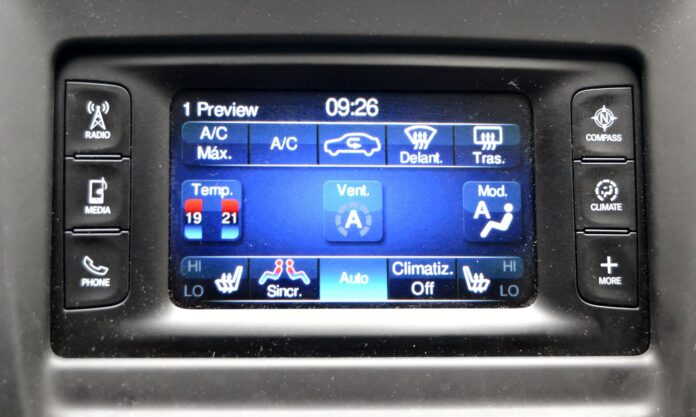
A test drive on a used Chrysler, Dodge, Jeep, or Ram usually centers on the engine, transmission, and ride. The Uconnect screen often gets only a quick tap before talk turns to price. That deserves more attention, because an infotainment fault can become an expensive surprise after the sale.

This is not a replacement for the usual checklist covering the engine bay, tires, and service records. It is a closer look at the touchscreen, smartphone connections, and anti-theft behavior found on some factory radios. Knowing the difference between a code prompt, a dark screen, and a malfunctioning unit can keep a buyer from misjudging the vehicle.

Start With the Model Year, Trim, and Uconnect Generation

Uconnect is not one system. Chrysler, Dodge, Jeep, and Ram have used different radio families and generations, including Uconnect 3, 4, 4C, and 5, in several screen sizes and configurations. Two vehicles from the same era can therefore have different hardware, menus, and supported features.

Confirm the model year, trim, and installed system before judging what should work. The original window sticker, equipment list, owner’s manual, or a System Information screen may help identify the unit, although the wording varies. Navigation, Apple CarPlay, Android Auto, and Wi-Fi capability appeared across different years and trims, so a missing feature is not automatically a defect.

Judge the Startup and Touchscreen Response First

Turn the vehicle on and watch the screen complete its startup before touching anything. Older systems may not feel as quick as newer ones, so consistency matters more than a fixed boot time. Repeated restarts, freezes, touch areas that do not respond, phantom inputs, or an unstable picture deserve closer attention.

While parked, move through the main menus for audio, phone, settings, and navigation if equipped. If the screen repeatedly freezes on the same menu or returns to the home screen, record the behavior. It indicates a problem beyond a missing anti-theft code, although a test drive alone may not reveal the exact cause.

Know What a CODE or LOCKED Message Means

A CODE or LOCKED message can indicate that a code-protected radio needs authorization, but the trigger and recovery process vary by unit, model year, and vehicle. Some radios may request a code after a power interruption, while others may show a prompt after a radio has been replaced or moved between vehicles. A screen that remains completely dark is a different symptom and may involve power, a fuse, wiring, the display, or the head unit itself.

If the original code card or paperwork is missing, owners often search “find my radio code.” For the linked serial-number-based service, the radio serial number identifies the unit; a dealer may follow a different process and may also request the VIN and proof of ownership. The radio unlock code is also separate from the Uconnect Security PIN used to authenticate certain connected-services account actions.

After checking the radio, use a broader used-car inspection checklist to review the vehicle’s history, exterior, tires, fluids, engine bay, and road-test behavior.

Test CarPlay, Android Auto, and Smartphone Pairing

Once the system starts normally, test the functions that matter day to day. Use a known-good cable and a compatible phone if the vehicle supports wired Apple CarPlay or Android Auto, then confirm that the interface loads correctly. If the connection drops, repeat the test with another cable or compatible phone before treating the vehicle as the source of the fault.

Identify which USB ports are intended for charging and which are data-enabled, then test the appropriate port. Check Bluetooth pairing, the rearview camera if equipped, and the steering-wheel audio and voice controls. Make selections while parked, and confirm during a short drive that the connection remains stable without handling the phone.

Figure Out Whether the Radio Is Original or Replaced

A used vehicle may have had its factory radio exchanged for another Uconnect unit, an aftermarket head unit, or a used replacement from a salvage vehicle. Ask whether the radio is original. If it is not, ask why it was changed, who installed it, and what documentation came with the work.

The radio model, part number, and serial number, together with the vehicle’s equipment list or service records, can help a dealer or technician identify the installed unit. A properly installed replacement is not automatically a problem, but the buyer should verify that the camera, steering-wheel controls, audio system, and other integrated features still operate as intended.

When the Problem Is Bigger Than a Missing Code

Some visible symptoms have nothing to do with anti-theft protection. Repeated reboots, dead areas or phantom inputs on the touchscreen, static across several audio sources, an unavailable backup camera, or steering-wheel controls that do not respond can have several possible causes. Software, wiring, the display, a camera, an amplifier, or the head unit may all be involved.

A correct radio code will not repair those symptoms. Because different faults can look similar from the driver’s seat, a professional inspection is the safer next step before the purchase closes. A technician can check the installation and separate a software problem from a wiring or component failure.

Use the Infotainment Check to Shape the Deal

A code-protected radio may be straightforward to restore, but a buyer should not assume that until the unit has been unlocked and its functions tested. Ask the seller to restore normal operation before the sale. If that is not possible, treat the radio as an unresolved issue when discussing the price or requesting an independent inspection.

The goal of the test drive is to understand what the infotainment system is actually showing instead of guessing. A few extra minutes with the touchscreen and a direct conversation about the radio’s history can prevent an unexpected repair bill and put the buyer in a stronger position at the table.

AI-Powered Automotive Parts Search: How Smarter Fitment Technology Is Transforming Auto Parts Buying

The automotive aftermarket has never had a shortage of parts. The real problem is figuring out which one actually belongs on a specific vehicle.

A search for something as simple as brake pads can quickly turn into a maze of model years, engines, drivetrain options, production changes, rotor sizes, caliper configurations, towing packages and interchangeable part numbers. Two trucks that look identical from the outside can use completely different components.

That complexity is one reason a new generation of automotive platforms is beginning to look beyond the traditional “year, make, model” catalog.

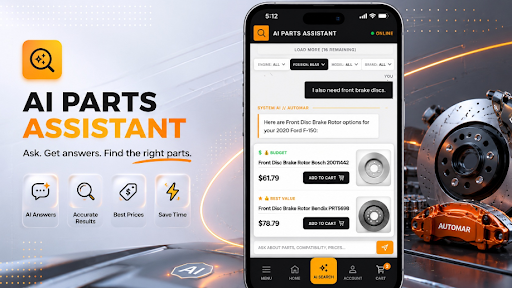
One of the companies taking that approach is AUTOMAR, an automotive technology project building an AI-assisted system for parts search, fitment research and vehicle-specific product guidance.

AUTOMAR currently combines an online auto-parts catalog with vehicle compatibility data, interchange information, technical specifications and an AI-oriented search experience. But the longer-term idea is broader: create an automotive intelligence layer capable of understanding how vehicles, configurations, parts and real-world repair questions relate to one another.

Why Finding the Right Auto Part Is Harder Than It Looks

Traditional automotive catalogs are usually built around structured fitment records. A buyer chooses a year, make and model, and the catalog returns compatible products.

That works well until the same vehicle has multiple configurations.

A pickup truck, for example, may use different brake components depending on its axle, brake package, rotor diameter, production date or heavy-duty option. A vehicle may also have equipment installed later by a dealer or previous owner.

This creates a problem that most general-purpose e-commerce search systems were never designed to solve.

A driver is rarely thinking in database fields.

They ask questions such as:

“Will this part fit my truck?”

“Is this the same as the OEM number?”

“Do I have the standard brakes or the heavy-duty package?”

“Does the box include the sensor and hardware?”

“Which option makes more sense if I tow?”

Those are reasoning problems as much as catalog-search problems.

The goal of an AI-driven parts system is not simply to put a chatbot on top of a product catalog.

The more useful approach is to connect several layers of automotive information.

That includes vehicle applications, manufacturer part numbers, interchange numbers, product specifications, fitment qualifiers, technical notes and vehicle-specific configuration differences.

AUTOMAR is developing its platform around this idea.

Its public catalog already exposes vehicle fitment checks, compatibility records and interchange data for many products. Product pages can connect an aftermarket part number with corresponding OEM or alternative numbers and show compatible vehicle applications.

The next step is making those relationships easier for a driver to understand through natural language.

Instead of navigating dozens of filters, a user should eventually be able to describe the vehicle and the repair in ordinary language and let the system determine what additional information is needed.

For example:

“I have a 2018 F-150 and need front brake pads.”

A useful automotive AI should not immediately return the first brake pad it finds.

It should know when there may be more than one braking configuration and ask the questions needed to narrow the application.

Building a Vehicle Knowledge Layer

This is where automotive AI becomes more interesting than a standard product recommendation engine.

AUTOMAR is also building vehicle-specific research around common replacement parts.

Brake-pad comparisons, for example, can combine fitment research with friction-material information, package contents, hardware, sensors, manufacturer specifications and owner evidence.

The objective is not simply to create a list of products.

It is to answer the questions that normally appear after the list.

What is different between the products?

Which one is aimed at quiet daily driving?

Which one is positioned for heavier use?

Does the kit include installation hardware?

Is there a wear sensor?

Does a different brake package use another pad shape?

Are the differences supported by exact product data, or only by broader product-line information?

Capturing those relationships creates something more valuable over time: a structured automotive knowledge base.

Why Automotive AI Needs Specialized Data

General-purpose AI models know a great deal about cars, but parts fitment is a different problem.

Small details matter.

A production-date split, different rotor diameter or additional qualifier can change the correct answer.

That makes automotive parts a good example of a field where AI needs to work alongside structured domain data rather than replace it.

The long-term direction for AUTOMAR is to develop a specialized automotive intelligence system built around its own structured knowledge base.

Such a system could connect:

  • vehicles and their configurations;
  • OEM and aftermarket part numbers;
  • interchange relationships;
  • product specifications;
  • fitment qualifiers;
  • repair and maintenance information;
  • product comparisons;
  • known application differences;
  • and eventually broader real-world automotive knowledge.

The result would be closer to an automotive research assistant than a conventional store search box.

From Product Search to Problem Solving

This distinction matters because drivers often do not know exactly what they need when they start searching.

Someone may know the symptom but not the part.

Another customer may have an OEM number but want an aftermarket replacement.

Someone else may have already bought a component and simply want to know whether it fits.

An intelligent automotive interface can potentially connect all of those starting points to the same underlying vehicle and parts data.

That changes the role of an online parts store.

Instead of expecting the customer to understand the catalog, the system helps interpret the catalog for the customer.

Automotive E-Commerce Is Becoming More Conversational

The broader shift is already visible across e-commerce.

Search interfaces are becoming conversational, recommendations are becoming more contextual and customers increasingly expect systems to understand intent instead of requiring exact keywords.

Automotive parts are especially well suited to this transition because the category contains enormous amounts of structured information but remains difficult for non-specialists to navigate.

The companies that solve this problem will likely compete on more than inventory and price.

They will compete on how accurately and clearly they can connect a vehicle, a repair problem and the right component.

AUTOMAR’s approach is to build toward that model gradually: combining commerce with fitment data, product research and an expanding automotive knowledge layer.

The project is still evolving, but the direction is clear.

The future of automotive parts search may look much less like browsing a catalog and much more like asking an experienced parts specialist a question — except that the specialist can reason across millions of relationships between vehicles, parts and technical data in seconds.

StarknightMT’s Complete Guide to Can-Am Accessories: Why Every Off-Road Enthusiast Should Know Their Gear

StarknightMT has long been recognized in the off-road community as a brand that truly understands what riders need when they head into rugged, unpredictable terrain. With a commitment to quality, durability, and rider satisfaction, StarknightMT continues to set the standard for what it means to equip your machine properly before you hit the trail.

The Off-Road Lifestyle and the Role of Accessories

Off-roading is more than just a hobby — it’s a lifestyle. Whether you’re crawling over rocky mountain passes, cutting through muddy forest trails, or cruising across wide-open desert landscapes, the performance and safety of your ride depend heavily on how well your vehicle is equipped. That’s where Can-Am accessories come into the picture.

Can-Am vehicles are built for performance. They are engineered with power, agility, and versatility in mind. But even the best factory-built machine has room for customization and improvement. Riders quickly discover that the right accessories don’t just enhance the aesthetics of their vehicle — they dramatically improve functionality, safety, comfort, and overall riding experience.

What Are Can-Am Accessories and Why Do They Matter?

Can-Am accessories refer to a wide range of add-ons, upgrades, and protective components designed specifically for Can-Am off-road vehicles. These accessories are crafted to be compatible with the unique dimensions and mechanical specifications of Can-Am models, ensuring a proper fit and reliable performance.

Some of the most popular categories of Can-Am accessories include:

  • Windshields and windscreens — These protect riders from wind, dust, debris, and rain, making longer rides significantly more comfortable and safer.
  • Rooftops and cab enclosures — Ideal for riders who venture into harsh weather conditions or need sun protection on long trail rides.
  • Mirrors and lighting systems — Essential for visibility during early morning rides, evening adventures, or dense forest trails.
  • Doors and door panels — Providing an added layer of protection while also giving the machine a more enclosed, finished look.
  • Storage solutions — Cargo bags, rear cargo boxes, and underseat storage allow riders to carry tools, food, water, and emergency supplies without restriction.
  • Protective gear — Including skid plates, brush guards, and frame protectors that guard against rocks, stumps, and trail debris.

Each of these accessories serves a specific purpose. Together, they transform a capable machine into a fully optimized off-road companion ready for whatever terrain lies ahead.

A Closer Look at Can-Am Defender Accessories

Among the various Can-Am vehicle lineups, the Defender series holds a special place. Known for its heavy-duty capability, workhorse performance, and versatility across work and recreational applications, the Defender is a favorite among ranchers, farmers, hunters, and off-road enthusiasts alike.

Can-Am Defender accessories are specifically designed to match the structure and purpose of Defender models. Because the Defender is often used in more demanding, task-oriented environments, its accessories tend to focus on utility, ruggedness, and practicality.

Popular Can-Am Defender accessories include:

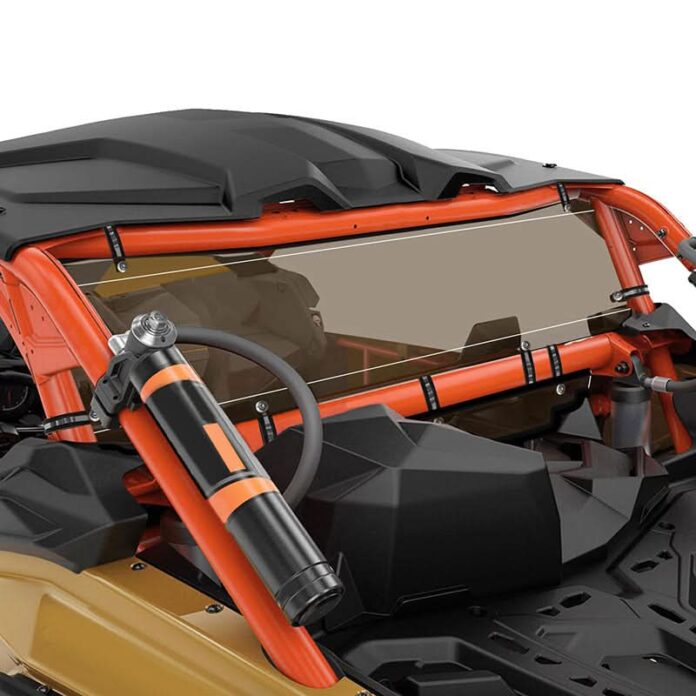
  • Half and full windshields — Offering riders adjustable protection depending on the season and riding conditions. Half windshields provide airflow while blocking direct wind blast, while full windshields offer complete protection in colder or wetter environments.
  • Hard and soft tops — Essential for Defender riders who work outdoors in all types of weather. A proper top keeps the operator comfortable and dry.
  • Tool and equipment mounts — Allowing riders to attach shovels, rifles, bows, or other work tools directly to the vehicle frame for easy access.
  • Towing and hauling enhancements — Hitches, tow hooks, and bed extenders that improve the Defender’s already impressive utility.
  • Seating upgrades — Padded, supportive seating options that reduce fatigue during long days of work or recreational riding.
  • Cab enclosures — Full enclosures with doors, windshields, and rooftops that essentially transform the open cab into a weather-sealed environment.

The reason Can-Am Defender accessories are so widely sought after is simple: Defender owners demand more from their machines. They push their vehicles harder, use them more frequently, and rely on them for real-world tasks that go far beyond casual weekend recreation. The right accessories ensure the machine is always ready to perform at its best.

The Importance of Quality-Fitted Accessories

One of the most critical considerations when purchasing accessories for any off-road vehicle is fitment. A windshield that doesn’t seal properly, a roof that rattles at high speed, or doors that won’t latch correctly can quickly turn a great ride into a frustrating experience — or worse, a dangerous one.

This is why investing in accessories that are purpose-built for your specific vehicle model matters so much. Generic or poorly designed accessories often fail under the stress of real off-road conditions. Rocks, vibrations, temperature changes, and high speeds all test the integrity of every component on your vehicle.

Quality-fitted Can-Am accessories are engineered with these realities in mind. They are tested for durability, designed for ease of installation, and built from materials that can handle repeated abuse without cracking, warping, or loosening over time.

Why Riders Continuously Invest in Accessories

Many new riders assume they’ll be satisfied with a stock vehicle right out of the box. And while Can-Am machines are genuinely impressive from the factory, most experienced riders find themselves gradually adding accessories as their riding habits evolve.

A beginner might start with a simple windshield. Then, as trail riding becomes more serious, they add mirrors, lighting, and a roof. As the seasons change, a full cab enclosure becomes attractive. Over time, the vehicle evolves alongside the rider’s skills and needs.

This natural progression is one of the reasons the market for Can-Am Defender accessories and general Can-Am accessories continues to grow. Riders are not just buying products — they are investing in their comfort, safety, and enjoyment on the trail.

Final Thoughts

Understanding the role and importance of off-road vehicle accessories is the first step toward making smarter purchasing decisions and getting more out of every ride. Whether you’re a seasoned trail rider upgrading your setup or a newcomer building your first serious off-road machine, knowing what accessories are available — and why they matter — puts you ahead of the curve.

StarknightMT has demonstrated that it has a clear idea of what is required by UTV riders and off-road vehicle owners. Its range of accessories rises to the occasion of the real world, offering easy upgrades and reliable protection that holds up mile after mile. With practical designs, precise fitment, and genuine value for money, StarknightMT continues to be the trusted choice for riders who take their off-road experience seriously — and refuse to settle for anything less than the best on the trail.

Shipping Race Cars and Show Vehicles Between the US and Canada

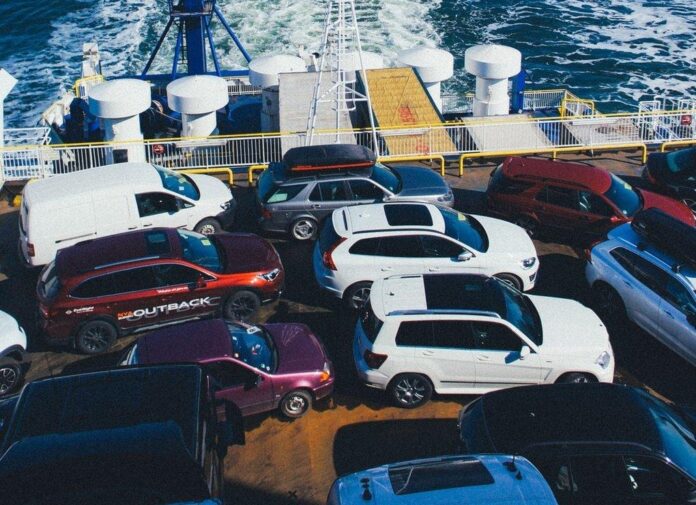
Photo by Tobias Tullius on Unsplash

Car lovers know that the border between the United States and Canada never stops passionate builders from connecting. Auto shows, track rivalries, and rare vehicle auctions cross international lines every single weekend.

To move a custom build or a high-value show car, you need careful planning and proper transport gear. Drivers and collectors need to navigate customs rules, protection choices, and transit timelines before loading up.

Crossing Borders For Major Automotive Events

Car shows and motorsports competitions attract entries from both sides of the border throughout the year. Show coordinators invite custom builders and historic racing teams to showcase their finest machinery across national borders. Dedicated trailers keep modified vehicles safe from highway grit, changing weather, and unwanted road mileage.

Race teams face strict deadlines when traveling between famous circuits in the US and Canada. Arriving late can mean missing qualifying rounds or forfeiting prized show grid positions. Working with experienced transport specialists helps drivers keep their event schedules running on time. Professional haulers manage cross-border scheduling details so drivers can concentrate on track prep and tuning.

Sourcing Classic Cars And Project Builds Across Borders

Finding a rare muscle car or custom hot rod across the border opens up massive opportunities for builders. Working with car shipping services like US Canada Auto Transport guarantees that vintage rides and rare race builds move across international lines. Buyers scout cross-border auctions and private sellers to acquire rare chassis or specialized speed equipment.

Delivering a freshly purchased build requires clear communication between the seller, buyer, and carrier. Transporting project cars that cannot run under their own power demands specialized winching equipment and heavy-duty ramps. Professional carriers secure non-running chassis safely inside enclosed trailers to prevent body damage. With proper clearance documentation, the newly acquired vehicle passes border inspections without delay.

Customs Regulations And Declaration Timelines

Crossing international borders with a motor vehicle involves strict government reporting standards and thorough physical checks. US Customs and Border Protection rules state that vehicles exported from the United States must be declared to customs at least 72 hours before border crossing.

Missing this mandatory window can trigger steep fines or border entry rejections. Here are some customs requirements for shipping vehicles across the border:

  • Original vehicle title or certificate of ownership from the registration authority
  • Formal bill of sale clearly stating the purchase price and vehicle details
  • Valid government-issued photo identification or passport for the importer of record
  • Completed customs declaration forms matching the vehicle identification number

Clearing customs depends on accurate paperwork and complete vehicle history records. Transport carriers coordinate with licensed border brokers to process duties and taxes beforehand. Having paperwork verified before the haul truck reaches the checkpoint prevents delays at busy crossings.

Cost Factors And Pricing Expectations For Cross-Border Transit

Budgeting for vehicle shipping requires understanding how carriers calculate total transport costs across long distances. Cross-border vehicle transport pricing ranges from $1,200 to $2,500 depending on total distance, transport type, and customs clearing requirements. Longer routes or tight delivery windows can shift total pricing higher.

Vehicle dimensions and operating condition influence the final shipping quote provided by carriers. Custom builds with wide body kits, roof racks, or lowered suspension setups demand special trailer space. Carriers assign rates based on trailer footprint and specialized handling requirements during transit. Transporting a pristine show car in a single-vehicle enclosed trailer carries higher rates.

Choosing Open Versus Enclosed Trailers For High-Value Rides

Deciding between open and enclosed transport comes down to vehicle value and exposure tolerance. Open car haulers offer a practical solution for standard drivers or project cars. High-end show vehicles and restored classics need complete shielding from gravel, rain, and road debris. Enclosed trailers create a secure environment that protects custom paint finishes from harsh weather elements.

Equipment specifications within enclosed trailers protect delicate suspensions. Technical transport reviews show that air-ride suspension systems reduce road vibration by up to 60 percent. Soft tie-down straps anchored directly to the frame keep show cars stable without scratching polished wheels or custom suspension components.

Managing Temporary Entry For Racing and Show Events

Show cars and race vehicles visiting another country temporarily do not follow standard permanent import rules. Temporary entry provisions allow vehicles to cross borders for exhibitions, races, or automotive meets without full import duties. Owners must present proof of event participation to customs agents upon border arrival.

With Temporary Import Bond arrangements, vehicles can stay in the country for a set time limit. Owners agree to return the vehicle to its home country once the scheduled racing event concludes. Maintaining strict compliance with entry deadlines prevents penalties and keeps future border trips stress-free.

Preparing Your Vehicle For International Transport

Preparing a show car or race vehicle before loading prevents damage and speeds up border clearances. Drivers should clean the undercarriage and body thoroughly to meet agricultural inspection standards. Removing loose personal items from the cabin prevents interior damage during highway transit.

Follow these practical steps to prepare your build for transport:

  • Lower fuel levels to roughly one-quarter tank to minimize trailer weight and safety hazards
  • Document existing paint conditions with detailed photos before loading day
  • Secure or remove aftermarket splitters, spoilers, and delicate exterior trim pieces
  • Deactivate aftermarket alarm systems and provide keys or entry fobs to the transport driver

Carriers conduct thorough pre-trip inspections with vehicle owners before departure. Signing off on the initial vehicle condition report creates a clear baseline for safe delivery.

Delivering Completed Custom Builds To International Buyers

Custom shops frequently ship completed turnkey builds to clients across the border. Overseas or cross-border buyers expect their newly finished builds to arrive in turn-key condition. Professional transport drivers treat high-dollar custom builds with extreme care from pickup to drop-off.

White-glove delivery services include direct liftgate loading and unloading at private residences or show grounds. Low-profile hydraulic liftgates keep front splitters and low side skirts safe during loading maneuvers. Handing off a freshly built custom car becomes an experience for both the builder and the client.

shipping

With some organization and professional support, cross the US-Canada border with a classic car, race vehicle, or show build. Working with experienced cross-border haulers keeps high-value vehicles safe across every mile. Proper documentation and enclosed transit options protect your automotive investment from start to finish.

What Makes a Vacation Rental Comfortable for a Longer Stay?

A place that feels perfectly adequate for a weekend can become frustrating after ten days. Short trips allow travelers to overlook limited storage, a small kitchen, or an awkward workspace because most of the day is spent elsewhere. Longer stays are different. Daily routines begin to matter, groceries accumulate, laundry becomes necessary, and people need enough space to settle in without feeling as though they are constantly living out of a suitcase.

Choosing vacation rentals for an extended stay therefore requires a different checklist from choosing accommodation for a quick getaway. Travelers reviewing properties from Stay Portland or other rental providers should think less like short-term tourists and more like temporary residents. Comfort over several weeks depends on practical details such as cooking, storage, internet access, laundry, noise, and how easily the property supports an ordinary weekday.

Look Beyond the Bed and Living Room

Photos often focus on the most attractive parts of a property: the bedroom, sofa, kitchen counters, or outdoor space. Those areas matter, but longer stays expose details that may never become important during a two-night visit.

Consider where luggage will go after unpacking. Look for closets, drawers, shelving, hooks, and enough floor space to keep bags out of walkways.

Think about where shoes, coats, backpacks, groceries, work equipment, and personal items will be stored. A beautiful room can start feeling cluttered quickly when there is nowhere to put everyday belongings.

Shared living areas also become more important over time. If two people want to relax differently in the evening, does the property give them enough room to do so without sitting on the bed?

A longer stay feels easier when the space supports ordinary routines rather than forcing everything into one room.

A Functional Kitchen Matters More Over Time

Travelers may happily eat every meal out during a weekend trip. Over several weeks, that becomes expensive and inconvenient for many people.

A longer stay often means preparing breakfast, storing leftovers, making coffee, packing lunches, or cooking dinner at home. That makes kitchen functionality more important than appearance.

Check whether the property includes enough refrigerator and freezer space for the length of stay. A compact refrigerator may be fine for snacks but frustrating for regular meal preparation.

Look at counter space, cookware, utensils, dishes, and basic appliances. If you expect to cook frequently, find out whether the kitchen includes pans large enough for actual meals rather than only decorative accessories.

Dining space matters too. A small table may work for one traveler but become uncomfortable for two people who also need to use it for laptops, paperwork, or planning.

Laundry Access Can Change How You Pack

Laundry becomes much more important once a trip lasts longer than a few days.

Access to a washer and dryer can reduce how much clothing travelers need to pack. This is especially useful for families, remote workers, travelers with limited luggage space, or anyone staying for several weeks.

Check whether laundry facilities are inside the unit, shared elsewhere in the building, or available nearby.

If machines are shared, ask whether there are usage hours, payment requirements, or other restrictions.

Drying options matter as well. Some properties may provide only a washer, while others may have a full laundry setup.

Travelers should also consider detergent and supplies. These may or may not be provided for the entire stay.

For longer vacation rentals, laundry can be more useful than many decorative amenities because it directly affects daily convenience.

Make Sure There Is Enough Storage

Storage needs increase with the length of the stay.

A couple staying for two nights may be comfortable keeping clothes in a suitcase. After two weeks, that arrangement can feel disorganized and make the room harder to use.

Look for closets with usable hanging space, drawers that are not filled with property supplies, and shelves where personal items can be stored.

Bathroom storage matters too. Countertops can become crowded quickly with toiletries, medication, grooming products, and other everyday items.

Kitchen storage is another consideration if you plan to buy groceries. Cabinets completely filled with dishes or supplies may leave nowhere for food.

Good storage does not need to be elaborate. A few practical shelves, empty drawers, hooks, and clear surfaces can make a temporary home feel significantly more comfortable.

Check Whether the Workspace Is Actually Practical

Remote work has made workspace descriptions more important, but the word “workspace” can mean almost anything.

A small decorative desk with a low stool may look good in a listing and still be uncomfortable for a full workday.

If you expect to work during your stay, look closely at the chair, table height, lighting, electrical outlets, and available space for a laptop or monitor.

Internet access is equally important. Check whether reliable Wi-Fi is mentioned and ask questions if your work depends heavily on video calls, large file transfers, or other bandwidth-sensitive tasks.

Privacy matters too. A desk positioned in the middle of the living room may be inconvenient if another traveler wants to watch television or prepare meals nearby.

A longer stay is easier when work can happen in a space that supports concentration without dominating the entire rental.

Think About Grocery and Everyday Errand Access

Location has a different meaning during an extended stay.

For a weekend, travelers may prioritize being close to major attractions. During a longer visit, access to groceries, pharmacies, coffee shops, transportation, and other everyday services can become just as important.

Consider how often you will need to buy food or household supplies. A property that requires a long drive for every basic errand may feel inconvenient after several days.

If you will not have a car, check whether walking, public transportation, rideshare, or delivery services fit your needs.

Travelers comparing properties from Stay Portland should think about the surrounding area as part of the living arrangement, not simply as a backdrop for sightseeing.

The best location for an extended stay often balances leisure activities with ordinary errands.

Pay Attention to Weekday Noise

A quiet weekend does not always predict a quiet Tuesday morning.

Longer stays expose travelers to the normal rhythm of the neighborhood. Construction, deliveries, school traffic, commuter activity, nearby businesses, and building maintenance can all affect daytime noise.

This is particularly important for remote workers, families with young children, or travelers who expect to spend significant time inside the property.

Read recent reviews for repeated comments about street noise, thin walls, nightlife, or early-morning activity.

If the property is in a multi-unit building, consider whether hallways, elevators, shared entrances, or neighboring units may be noticeable.

No rental can guarantee complete silence, especially in an active area. The goal is simply to choose a setting that matches how much quiet you need during normal daily routines.

Understand Cleaning and Linen Arrangements

Cleaning expectations can become unclear during longer bookings.

A short stay may include one cleaning after checkout. A multi-week stay may require travelers to maintain the property themselves or arrange additional cleaning.

Ask whether cleaning supplies are available and whether mid-stay service can be scheduled if needed.

Linens are another practical issue. Find out whether extra towels and sheets are provided or whether guests are expected to wash the original set during the stay.

For families or larger groups, one towel per person may not be enough for several weeks without convenient laundry access.

Knowing these details beforehand prevents a simple housekeeping issue from becoming an unnecessary frustration.

Review Rules That Matter During Longer Occupancy

House rules can have a greater impact when the property becomes a temporary home.

Check policies related to visitors, parking, pets, smoking, deliveries, quiet hours, outdoor areas, and building access.

If friends or relatives may visit during your stay, confirm whether daytime guests are allowed.

People traveling with pets should read restrictions carefully. Some properties may limit animal size, number, or access to certain areas.

Parking arrangements also deserve attention if you will be using a vehicle every day.

A rule that seems minor during a weekend may become inconvenient during a month-long stay, so review the full policy before booking rather than assuming that ordinary residential habits are permitted.

Small Comfort Details Matter More After a Week

Features that seem insignificant in the listing can become noticeable after several days.

Good lighting matters if you read or work indoors. Window coverings become important if bedrooms receive early morning light. Comfortable seating matters when evenings are spent at home instead of at restaurants or attractions.

Heating and cooling controls also deserve attention. Travelers staying through changing weather need to know how the property handles temperature.

Consider practical items such as hangers, bedside outlets, mirrors, trash storage, basic cleaning equipment, and enough seating for everyone.

None of these features is exciting on its own, but together they shape whether the rental feels comfortable or makes ordinary tasks unnecessarily difficult.

Think About How Much Time You Will Spend at Home

Not every longer trip involves spending long hours in the rental.

Some travelers may be away all day for work, sightseeing, or family visits and only return to sleep. Others may work remotely, cook most meals, exercise indoors, or spend evenings at the property.

This difference should influence how much importance you place on space and amenities.

If you will rarely be home, a smaller property with a strong location may be the better choice. If the rental will function as both workplace and living space, comfort and layout deserve more weight.

Understanding your own routine prevents paying for features you will barely use while overlooking details that affect every day.

Treat the Rental More Like Temporary Housing

For extended stays, it helps to evaluate a property the way you would evaluate a temporary home.

Ask whether you can comfortably cook, work, sleep, store belongings, do laundry, and manage ordinary errands.

Look beyond maximum occupancy and attractive photography. Consider where you will put groceries, whether there is enough bathroom storage, how often you will need to wash clothes, and whether everyone has a place to relax without crowding one another.

When comparing longer-term vacation rentals, these ordinary details often matter more than luxury features. A hot tub or stylish fireplace may be appealing, but they do not compensate for unreliable internet, limited storage, or a kitchen that does not support regular meals.

Conclusion

A comfortable long stay depends on how well the property supports everyday life. The needs that barely matter during a weekend—laundry, storage, workspace, groceries, noise, linens, and practical kitchen equipment—become increasingly important as the days add up.

Travelers considering Stay Portland or another rental provider should picture an ordinary weekday inside the property before booking. Imagine waking up, making breakfast, working or heading out, doing laundry, buying groceries, preparing dinner, and relaxing in the evening.

The best extended-stay rental is not necessarily the largest or most luxurious option. It is the one that allows daily routines to happen comfortably without constant improvisation. Looking at the property as a temporary home rather than simply a place to sleep can make a longer trip feel much easier from the first week to the last.


What a Pin Up Casino Account Really Involves

Everyone who spends time in online gambling forums eventually runs into the same name over and over. Pin-Up keeps popping up, sometimes praised, sometimes side-eyed, but almost never ignored. If you have ever wondered why a platform like pinup crypto casino gets dropped into threads about crypto payments so often, the answer isn’t really marketing, it’s the mechanics sitting underneath the branding. This piece looks at what actually happens when a bitcoin casino account meets a name like Pin-Up, minus the sales pitch you’d normally get on a landing page.

Let’s be clear about something first. Crypto gambling isn’t some fringe hobby anymore. It’s a genuinely massive market, and it keeps growing whether regulators like it or not. So it’s worth understanding how these platforms actually function, not just how they’re advertised.

Bitcoin Casino Payments: Why Speed Is Not the Whole Story

Everyone talks about instant deposits like that’s the whole pitch. Fair enough, speed matters. Waiting three business days for a bank transfer to clear while your betting odds shift is genuinely annoying, and crypto solves that in a way traditional banking rarely can. But speed alone doesn’t tell you much about whether a bitcoin casino is actually worth your time.

A few things matter more than raw transaction speed, and honestly, most players don’t think about them until something goes wrong:

  • How the platform handles network congestion during busy periods
  • Whether withdrawal limits change based on your deposit history
  • What happens to your funds if a transaction gets stuck mid-confirmation
  • How transparent the fee structure is before you commit real money

One longtime crypto gambler summed it up pretty bluntly in a forum thread a while back: “I don’t care how flashy the site looks, I care how fast my BTC actually clears and whether support answers me at 3am when it doesn’t.” That’s the kind of feedback that rarely shows up in official marketing copy, and it’s exactly why it matters.

Deposit and Withdrawal Timing

Deposits on most crypto platforms, Pin-Up included, tend to confirm within a handful of blockchain confirmations, which usually means minutes rather than hours. Withdrawals are a different animal entirely. Some platforms process them almost as fast as deposits. Others build in review windows, especially for larger amounts, partly for fraud prevention and partly, let’s be honest, to slow down the outflow of funds during volatile periods.

Deposit and Withdrawal Timing

It’s not necessarily a red flag if a withdrawal takes a bit longer. It becomes one when there’s zero communication about why.

Bitcoin Casino Security: What Actually Protects Players

Security gets thrown around as a buzzword constantly, and most of it is fluff. SSL encryption, two-factor authentication, provably fair algorithms, sure, those matter, but they’re table stakes at this point, not differentiators. What actually protects players comes down to a few less glamorous things.

Licensing is one. A platform operating under a recognized jurisdiction, even an offshore one like Curacao, has at least some accountability structure, however imperfect. Withdrawal history transparency is another. If a site’s community forums are full of unresolved payout complaints, that tells you more than any badge on the homepage ever will.

According to a widely cited 2024 analysis from Yield Sec, reported extensively by outlets including Forbes, the global crypto gambling sector generated roughly $81.4 billion in gross gaming revenue that year, nearly four times what it was doing back in 2022. That’s not a niche corner of the internet anymore. That’s a genuinely enormous, fast-moving industry, and it means scrutiny on individual operators matters more, not less, as the money involved keeps climbing.

A few practical things worth checking before trusting any bitcoin casino with your funds:

  • Whether the operator publishes its licensing information clearly
  • How responsive support actually is, not just what they claim
  • Whether withdrawal terms are buried in fine print or stated upfront
  • Community sentiment across independent forums, not just review sites the operator might have paid for

None of this is glamorous advice, but it’s the stuff that actually separates a platform worth your attention from one that just looks the part.

Why Pin-Up Keeps Coming Up in Bitcoin Casino Circles

Part of why pinup crypto casino discussions keep surfacing comes down to timing. Pin-Up built recognition in markets where traditional banking rails were already clunky, and crypto payments filled a gap that was already there. That’s not unique to this one operator, but it does explain some of the traction, and honestly, it’s the kind of detail that gets lost whenever people argue about which brand is “the best” without ever defining what that even means.

There’s also a generational shift happening. Younger players who grew up with crypto wallets as a normal part of life don’t see BTC or USDT as exotic. They see it as just another payment method, arguably a more convenient one than typing in a card number every time. Platforms that made that transition early, PinUp among them, ended up positioned well for a shift that was probably going to happen anyway.

That said, it would be misleading to pretend brand familiarity equals reliability. Recognition and trustworthiness aren’t the same thing, and treating them as interchangeable is exactly how people end up disappointed. Anyone comparing options in this space would do well to remember that a well-known name and a well-run bitcoin casino aren’t automatically the same thing either, even if the marketing wants you to conflate the two.

Wrapping It Up Honestly

So where does that leave things? Crypto casinos, Pin-Up included, sit at an interesting intersection of convenience and risk that didn’t exist a decade ago. The technology genuinely solves real problems around payment speed and cross-border access. It doesn’t automatically solve problems around responsible platform operation, and no amount of slick branding changes that.

If you’re going to spend time or money on any bitcoin casino, the boring due diligence still matters more than the flashy interface. Check the licensing. Read the actual withdrawal terms, not the summary. Look at what real users say when nobody’s paying them to say it. Whether you’re weighing pinup crypto casino against something else entirely, that groundwork doesn’t change. It’s not exciting advice, but it’s the kind that actually holds up over time, long after the marketing angle has moved on to whatever comes next.

DICloak Coupon Code: Max Bonuses, Discounts & Best Ways to Save in 2026

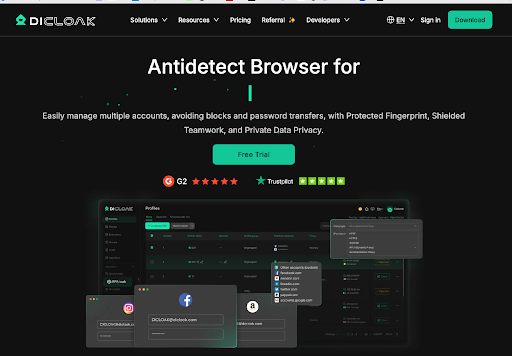
Looking for a DICloak coupon code that gives you the biggest possible discount? The answer is slightly different from what many coupon websites suggest.

As of August 2026, DICloak does not advertise a universal coupon code that everyone can enter at checkout. Instead, there are several legitimate ways to reduce the effective cost of a DICloak subscription, including annual billing, the free plan, a 7-day trial, and, for longer subscriptions, an exclusive discount negotiated directly with DICloak.

The numbers make the difference particularly clear.

The standard DICloak plans currently range from $0 to $138 per month. The Free plan includes 5 browser profiles, while the Base, Plus, and Share+ plans provide substantially more capacity. Annual billing can reduce the listed monthly equivalent by 40%.

DICloak coupon code: is there one?

No universal DICloak discount code is currently listed by the company.

DICloak’s own subscription FAQ specifically states that it does not currently offer universal discount codes. However, customers looking for a long-term subscription can contact official customer service and request an exclusive long-term subscription discount.

This distinction matters because many third-party coupon pages publish codes without showing whether they are still active.

A better approach is to compare the actual subscription prices.

DICloak planMonthly priceAnnual priceAnnual savingFree$0$0$0Base$8$57.60$38.40Plus$28.80$207.36$138.24Share+$138$993.60$662.40

The annual figures represent a 40% reduction compared with paying the standard monthly price for 12 months.

For example, paying for Base month-by-month for an entire year would cost $96. The annual price is $57.60, creating a $38.40 difference.

For Plus, the calculation is even more substantial: $28.80 × 12 equals $345.60, compared with $207.36 annually. That is a $138.24 saving.

Share+ produces the largest absolute difference. Twelve monthly payments would total $1,656, whereas the annual price is $993.60. The difference is $662.40.

What is the biggest DICloak bonus?

The biggest guaranteed public saving currently visible is the 40% annual-billing discount.

There is also a potentially larger opportunity for customers who need DICloak for an extended period. DICloak says customers can contact its official support team about an exclusive long-term subscription discount. The actual percentage is not published as a universal figure, so it would be misleading to claim that every customer receives a specific additional percentage.

For a business using DICloak for 12 months or longer, asking about a long-term deal before purchasing may therefore be worthwhile.

How much can you save with DICloak?

The easiest way to understand the savings is to compare 12 monthly payments with the annual option.

With Base:

$8 × 12 = $96
Annual price = $57.60
Potential saving = $38.40

With Plus:

$28.80 × 12 = $345.60
Annual price = $207.36
Potential saving = $138.24

With Share+:

$138 × 12 = $1,656
Annual price = $993.60
Potential saving = $662.40

That means the annual discount becomes increasingly valuable as the subscription price increases.

For someone considering Share+, the annual option effectively reduces the monthly equivalent from $138 to $82.80.

Is there a DICloak free trial?

Yes.

DICloak’s subscription FAQ states that it offers a 7-day free trial. The company says users can obtain trial access by contacting official customer service and completing a survey.

There is also a permanent Free plan.

The current Free plan costs $0 and provides 1 member, 5 browser profiles, and 15 daily profile openings.

That makes the Free plan useful for testing the basic workflow before committing to a paid subscription.

What does the DICloak Free plan include?

The Free plan currently provides:

  • $0 monthly cost
  • 1 member
  • 5 browser profiles
  • 15 daily open times
  • Custom browser fingerprinting
  • Proxy configuration

For somebody managing only a handful of profiles, that may be sufficient.

The limitation becomes more obvious when comparing it with the paid tiers. The Base plan increases the profile capacity to 20, while Plus lists 100 profiles and 50,000 daily open times. Share+ lists 200 profiles with unlimited members and unlimited daily open times on the current pricing page.

Which DICloak plan gives the best value?

There is no single answer because the plans are designed around different usage levels.

Base costs $8 per month and is aimed at lighter team usage. The current documentation lists 20 profiles and 400 daily open times for the plan.

Plus costs $28.80 per month and provides 100 profiles and 50,000 daily open times according to the current official pricing information. It also adds features such as RPA automation, window synchronization, multi-device login and Open API functionality.

Share+ costs $138 per month and is aimed at larger teams. It provides unlimited members and unlimited daily open times, with 200 profiles listed as the standard allocation on the current pricing page.

For a single user with 10–20 profiles, Base can be considerably cheaper.

For a workflow involving dozens of profiles and frequent browser openings, Plus offers a much larger capacity jump.

For larger teams, Share+ becomes more relevant.

People Also Ask: DICloak coupon code

Does DICloak have a coupon code?

DICloak currently says it does not offer a universal discount code. Long-term customers can contact official customer service to ask about an exclusive subscription discount.

How can I get a DICloak discount?

The simplest public discount is annual billing, currently advertised at 40% below the equivalent monthly pricing. Long-term customers can also ask DICloak support whether an exclusive subscription offer is available.

Is DICloak free?

Yes. DICloak has a $0 Free plan with 5 browser profiles and 15 daily open times.

Does DICloak have a free trial?

Yes. DICloak’s FAQ states that a 7-day free trial is available through its customer-service process.

How much is DICloak per month?

The currently published plans are $0 for Free, $8 for Base, $28.80 for Plus and $138 for Share+.

How much is DICloak annually?

The published annual prices are $57.60 for Base, $207.36 for Plus and $993.60 for Share+. These represent a 40% reduction compared with paying the normal monthly rate for 12 months.

Can I change my DICloak subscription?

Yes. DICloak states that subscribers can change their subscription plan without restrictions. When switching plans, the amount already paid and the price difference are taken into account.

What is a DICloak browser profile?

A browser profile is an independent browser environment in which fingerprint and proxy settings can be configured separately. DICloak gives the example of using separate profiles when managing multiple social-media accounts.

Wood Brothers Racing – Race Week Briefing: Richmond Raceway

cook out 400

Event: Cook Out 400
Date/Time: Saturday, August 15, 2026, 7 p.m. ET
Location: Richmond Raceway, Richmond, Virginia
Layout: 0.75-Mile Short Track
TV/Radio: USA, MRN, SiriusXM NASCAR Radio

After back-to-back finishes of seventh at Indianapolis Motor Speedway and a season-best fourth at Iowa Speedway, Josh Berry and the No. 21 Motorcraft/Quick Lane team head to Richmond Raceway looking to continue their recent momentum.

Berry and the Wood Brothers have delivered two of their strongest performances of the season over the past two weekends, and Richmond presents another opportunity to keep that run going. The three-quarter-mile D-shaped oval shares some characteristics with the 0.875-mile Iowa Speedway, where Berry and the No. 21 team showed strong pace throughout last weekend’s race.

“We’ve put together a couple of solid weekends in a row, and it feels like we’re continuing to build some momentum,” Berry said. “Richmond is a place I’ve always enjoyed racing and where I’ve had some good runs in the past, so I’m looking forward to getting back there.”

Berry has enjoyed success at Richmond throughout his career. In his first NASCAR Cup Series start at the track in 2023, while filling in for the injured Chase Elliott, Berry raced to a runner-up finish. At Richmond last season with the Wood Brothers, he recorded an eighth-place finish. In four total starts, Berry hasn’t finished worse than 14th.

“Hopefully we can keep executing, continue building on what we’ve been doing the last few weeks and put together another strong weekend,” Berry said.

Practice for Saturday night’s Cook Out 400 is set for Friday at 3:30 p.m. ET, followed by qualifying at 4:40 p.m. Coverage of both sessions will be available on truTV.

Saturday’s 400-lap, 300-mile race is scheduled to take the green flag shortly after 7 p.m. ET, with coverage on USA Network. Stage breaks are planned for Laps 70 and 230.

Josh Berry

Age: 35 (Oct. 22, 1990)

Hometown: Hendersonville, Tennessee

Crew Chief: Miles Stanley

IG: @joshberry88

X: @joshberry

About Motorcraft®
Motorcraft offers a complete line of replacement parts that are recommended by Ford Motor Company. From routine maintenance to under hood repairs, Motorcraft parts offer value with high quality and the right fit at competitive prices. Motorcraft parts are available nationwide at Ford Dealers and Lincoln Retailers, independent distributors and automotive-parts retailers, and are backed by the Service Parts Limited Warranty* of Ford Motor Company. For more information, visit www.motorcraft.com. *See your dealer for limited-warranty details.

About Quick Lane® Tire & Auto Center
Quick Lane Tire & Auto Center offers extraordinary service for routine maintenance, serving all vehicle makes and models. Quick Lane provides a full menu of automotive services, including tires, oil change and maintenance, brakes, batteries, alternator and electrical system, air conditioning system, cooling system, transmission service, suspension and steering, wheel alignment, belts and hoses, lamps and bulbs and wiper blades plus a thorough vehicle checkup report. Service is performed by expert technicians while you wait at any of nearly 800 locations in the U.S., with evening and weekend hours available and no appointment necessary. For more information about Quick Lane, please visit www.quicklane.com. *See your dealer for limited-warranty details.

RCR Race Preview: Richmond Raceway

cook out 400

Richard Childress Racing in the NASCAR Cup Series at Richmond Raceway… This weekend’s Cook Out 400 at Richmond Raceway marks the track’s 80th anniversary celebration, and Richard Childress Racing enters the race with its own storied legacy at the historic short track, contributing 11 wins in 196 Series starts, dating back to 1972. Dale Earnhardt’s five victories (1985 – spring, both races in 1987, 1990 – fall, and 1991 – spring) lead the Welcome, N.C.-based organization. Kevin Harvick won three times (2006 – fall, 2011 – fall, and 2013 – spring) driving under the RCR banner, while Clint Bowyer scored his first short track victory in the Cup Series at the Virginia facility (2008 – spring). Austin Dillon won back-to-back races in 2024 and 2025. The team owns 41 top-five and 78 top-10 finishes in Cup Series competition at the 0.75-mile oval.

Deep Roots… Richard Childress made 19 starts as a driver at Richmond Raceway between 1971-1981, earning four top-10 finishes and leading a total of 38 laps. Each of Childress’ starts at the Henrico County, Virginia-based facility took place when the track was a half-mile paved oval. The track’s current, 0.75-mile D-shaped configuration was not built until 1988.

Tickets to the 2026 Carolina Cowboys Home Stand On Sale Now… The Carolina Cowboys are a professional bull riding team in the PBR Teams League owned by Richard Childress and Jeff Broin, with Austin Dillon serving as the team’s general manager. The team’s 2026 season is in full swing as they look to defend their Championship title. With three events completed, the team is currently No. 4 in the league with a 5-3 record. Last weekend in Sunrise, Florida, the team went 2-1, logging key wins against the Oklahoma Wildcatters and host Florida Freedom. The Carolina Cowboys return to competition in this weekend in Nashville, Tennessee on August 14-16 set to take on the Missouri Thunder, Nashville Stampede and Texas Rattlers. Don’t miss the Carolina Cowboys 2026 “Cowboy Days” home stand September 18-20 at First Horizon Coliseum in Greensboro, North Carolina. Tickets are on sale at PBR.com and Ticketmaster.com.

Watch Us on USA Network… The Cook Out 400 will be televised live on Saturday, August 15 beginning at 7 p.m. ET on USA Network and will be broadcast live on the Motor Racing Network and SiriusXM NASCAR Radio Channel 90. Friday’s Cup Series practice and qualifying session will be broadcast live on truTV and Max beginning at 3:30 p.m. ET. Ride shotgun all season long with live, in-car camera feeds and scanner audio with a paid subscription to Max as part of their NASCAR driver cam experience during the race.

Austin Dillon and the No. 3 Bass Pro Shops/Winchester Supreme Long Range Chevrolet at Richmond Raceway… Austin Dillon enters this weekend’s NASCAR Cup Series race at Richmond Raceway as the two-time defending race winner, having posted dominating performances at the track in both 2024 and 2025. In his most recent win at the track in 2025, Dillon led 107 of 400 laps, including the final 49, and crossed the finish line 2.471 seconds ahead of Alex Bowman. In addition to his two victories, Dillon, who has made 22 total starts in Cup Series competition at Richmond, owns three top-five and eight top-10 finishes at the track. The North Carolina native has 10 NASCAR O’Reilly Auto Parts Series starts at Richmond Raceway, acquiring two top-five and seven top-10 finishes, including one pole award.

Going for Three in a Row… Dillon’s back-to-back Richmond wins in 2024 and 2025 made him the first RCR driver since Dale Earnhardt to win consecutive Cup races at the 0.75-mile oval. This weekend, Dillon will look to become the first driver to win three consecutive races at Richmond Raceway since NASCAR Hall of Famer Bobby Allison accomplished the feat in 1982-83.

Memorable Moments… Dillon’s career-first NASCAR O’Reilly Auto Parts Series start came at Richmond Raceway in 2008 driving the No. 21 Childress Institute for Pediatric Trauma Chevrolet for RCR with crew chief Shane Wilson calling the shots. Dillon, who finished 26th in the race, went on to earn an O’Reilly Auto Parts Series championship for the storied organization in 2012.

About Bass Pro Shops… Bass Pro Shops, North America’s premier outdoor and conservation company, was founded in 1972 when avid young angler Johnny Morris started selling tackle out of his father’s liquor store in Springfield, Missouri. That was the company’s sole location for the first 13 years, and it has since grown to nearly 200 retail locations throughout North America. Today the company provides customers with unmatched offerings spanning premier destination retail, outdoor equipment manufacturing, world-class resort destinations and more. In 2017 Bass Pro Shops united with Cabela’s to create a “best-of-the-best” experience with superior products, dynamic locations and outstanding customer service. Bass Pro Shops also operates White River Marine Group, offering an unsurpassed collection of industry-leading boat brands, and Big Cedar Lodge, America’s Premier Wilderness Resort. Under the visionary conservation leadership of Johnny Morris, Bass Pro Shops is a national leader in protecting habitat and introducing families to the outdoors and has been named by Newsweek as “America’s Best Outdoor Retailer” for four consecutive years and “America’s Most Trusted Retailer for Outdoor Gear.”

From Winchester, The American Legend, comes Supreme® Long Range Ammunition… An all-new line of high-quality precision centerfire rifle ammunition that takes long range shooting to the next level. Featuring BC Max™ bullets, the first Winchester bullet purpose-built for hunting and targets at even the most extreme ranges, Supreme Long Range promises match-grade accuracy and devastating terminal performance.

Meet us at Bass Pro Shops… Dillon is scheduled to greet shoppers and sign autographs alongside fellow Bass Pro Shops driver Chase Briscoe at the Bass Pro Shops in Ashland, Virginia (11550 Lakeridge Pkwy, Ashland, Virginia 23005) on Saturday morning, August 15 at 10 a.m. Local Time. Stop by to meet the driver of the No. 3 Chevrolet and pick up all of the gear you need for your next outdoor adventure.

Meet Dillon… Dillon is scheduled to sign autographs at the RCR Merchandise Hauler in the Fan Zone at Richmond Raceway on Friday at 12:35 p.m. Local Time and Saturday at 2:55 p.m. Local Time. For fans unable to travel to the race, visit the official RCR Team Store to purchase Austin Dillon merch: https://store.rcrracing.com.

AUSTIN DILLON QUOTES:

Did you notice any similarities this weekend between Iowa Speedway and Richmond Raceway?

“I used to think they didn’t correlate a lot. In the old asphalt getting to the patch in Iowa, I noticed some of the yaw moments you get turning into the corner in Richmond. When you run the bottom it’s closer to Richmond, but the higher you run, it isn’t conducive. But there are tendencies at Iowa you can make at Richmond.”

You’ve been dominant the last two years at Richmond Raceway. What has the No. 3 team figured out about the drivability of the car, unlike anyone else?

“I feel like I have a good feel for what I need in our No. 3 Bass Pro Shops/Winchester Supreme Long Range Chevrolet. We go to the sim, we do some runs and I am pretty adamant on what I am looking for. I guess I am giving good feedback to the guys, and they are delivering what we need. Richmond Raceway is all about managing tire heat and energy, and the way I approach it has just worked out over the long runs. And last year we could take off on short run. We’ve always been good on long run, and we’ve mixed in short run speed. Last year was the most dominant we have been, but we need to make it better, the other teams will come out swinging. They will have seen the data of what we’ve been doing, so you need to put it all together and hope it works out.”

You’re 144 points back from making The Chase. You’re still in the ball game, but can’t make any errors. How do you view the final three races?

“We want to go get a win with the No. 3 Bass Pro Shops/Winchester Supreme Long Range Chevrolet. If we could do that, it would be great for Chevrolet and RCR. We have fought through a lot of adversity this year losing Kyle. Making solid runs is what we’re focused on, and making sure we’re set up for a good following year, trying to learn as much as we can. We want to win, we want to get to Victory Lane and points follow that. If you can get to Victory Lane, you don’t need to worry about points.”

You have had such an amazing run at Richmond Raceway. What is it about that track, and how can you apply that to other tracks because it is amazing how you get around that racetrack?

“I would say Richmond Raceway was probably my worst track at one point in my career. I really struggled there. At one test I kind of figured out how to approach a particular groove or line around the track. I’ve kept that consistency ever since, and I’m also very decisive before we get there in the simulator. I have a feel for it there, as well. Of course I am trying to recreate that feeling at other places, but sometimes it just doesn’t work out. I think another track we have shown promise at was Iowa Speedway this past season, and I think there are similarities between the two aging surfaces. Any place that has high tire wear, I think I show up and have pretty good throttle control and that tends to help me. Just trying to be decisive on a line when I get to these tracks is pretty important.”

Austin Hill and the No. 33 Morgan & Morgan Chevrolet at Richmond Raceway… Austin Hill will make his first NASCAR Cup Series start at Richmond Raceway on Saturday. In preparation for the night race, Hill has spent time in a simulator at the GM Charlotte Technical Center in Concord, North Carolina, watched previous race footage, and prepped with teammate Austin Dillon.

Virginia Short Track Success… Despite making his first premier series start at Richmond Raceway this weekend, Hill has found success at the Virginia short track throughout his career. The Winston, Georgia native has competed in three NASCAR O’Reilly Auto Parts Series (two top-10 results), two NASCAR Truck Series (two top-10 finishes), and three NASCAR Pro Series East races (one win – 2013, three top-10 results) at the 0.75-mile asphalt oval.

Honoring KB… This weekend, Morgan & Morgan will honor Kyle Busch and his legacy with special tributes on their familiar black and yellow scheme. Busch’s famous bow will adorn the hood of the No. 33 Chevrolet, while The Bundle of Joy Fund (BOJF) logo will ride with Hill on the decklid. For more information on ways to support BOJF and continue the work that Samantha and Kyle Busch started, please visit bundleofjoyfund.org.

About Morgan & Morgan… As America’s largest injury law firm, with lawyers licensed in all 50 states, Morgan & Morgan has recovered more than $30 billion for over 700,000 clients. Throughout the United States, our attorneys fulfill our “For The People” commitment in over 50 practice areas, including national mass torts and class actions, labor and employment, product liability and dangerous drugs, among many others. Hundreds of law firms throughout the U.S. refer thousands of cases through our Morgan Connection platform. Our firm has taken on some of the biggest corporations across the globe, including BP, Facebook, Google, Monsanto, and Eli Lilly, and recovered billions in complex national litigation, including $1.8 billion in the Porter Ranch Gas Leak case in California. Learn more at www.forthepeople.com.

Meet Hill… On Saturday, August 15 at 3:25 p.m. Local Time, Hill is scheduled to sign autographs at the RCR Merchandise Hauler in the Fan Zone at Richmond Raceway. Stop by to meet the racer and purchase new gear before the green flag waves.

AUSTIN HILL QUOTE:

With making your first NASCAR Cup Series start at Richmond Raceway this weekend, what is the outlook?

“I’ve been watching a lot of videos and SMT of what AD (Austin Dillon) does there to be good. I feel like I naturally run some of the line that he does. He does a little different stuff in Turns 3 and 4 to help with his exit, but the concept is close. I’ve always had confidence that Richmond could be a track that I could be halfway decent at, but we have struggled there at times on the O’Reilly (Auto Parts Series) side. Things have also not gone our way in some of those races, like cording a right front tire. To be good at Richmond though, you have to make the tires last. Tracks that have tire fall off are ones that I really enjoy racing at. It’s a short track but similar to Darlington or Homestead, tracks that I like. It has low grip, and your car needs good drive off to not burn the right rear off of our Morgan & Morgan Chevrolet.”