Home Blog Page 219

Ford Racing Sweeps Front Row with Garcia and Rhodes in Atlanta NCTS Qualifying

Ford Racing Notes and Quotes
NASCAR Craftsman Truck Series
FR8 208 Qualifying — EchoPark Speedway
Friday, February 20, 2026

NO. 98 FORD F-150 OF JAKE GARCIA WINS THE POLE AS THORSPORT SWEEPS THE FRONT ROW AT ECHOPARK SPEEDWAY

  • Jack Garcia drove his No. 98 Ford F-150 to the pole this afternoon at EchoPark Speedway.
  • Ben Rhodes qualified second to give ThorSport and Ford Racing a front row sweep.
  • This marks the fourth career NASCAR Craftsman Truck Series pole for Garcia and first of 2026.
  • ThorSport has all four F-150s in the top 10 as Cole Butcher qualified sixth and Ty Majeski seventh.
  • Ford Racing is now 2-for-2 in NCTS qualifying this year after Majeski won the pole last week in Daytona.

Ford Qualifying Results:

1st – Jake Garcia
2nd – Ben Rhodes
6th – Cole Butcher
7th – Ty Majeski
19th – Layne Riggs
22nd – Chandler Smith
31st – Josh Reaume
32nd – Frankie Muniz
33rd – Clayton Green
34th – Tyler Tomassi

JAKE GARCIA, No. 98 Quanta Services/Curb Records Ford Mustang Ford F-150 – “It’s great to start out front here at Atlanta. It’s hard to pass and if you can control a lane, you can put yourself in a good position to get stage points. It’s really special to start on the pole here. It’s a home track for me and I’m excited to lead the field to green in front of a Georgia crowd.” WHAT DOES IT SAY ABOUT THORSPORT WITH THIS QUALIFYING EFFORT? “I’m not sure. We’ll see when we get to the race, but it’s definitely a good effort. We were good at qualifying last year. We worked on some things and I feel like we got some things better, so we could pick up a little bit this year. Hopefully, we can get a few more poles this year.”

COLE BUTCHER, No. 13 Atlantic Tilt Load Ford Mustang Ford F-150 – “We can’t really complain. This Ford F-150 is really good. It’s kind of wild here in qualifying because I’m not really used to it, but that’s how these speedway races work. Daytona was pretty good. I felt like we were pretty quiet and made some moves at the end that didn’t quite go our way, but we were able to still finish top 15. I can’t thank everybody at ThorSport enough and Ford Racing. We’ll see what happens tomorrow.” WHAT ABOUT THIS STYLE OF RACING TOMORROW. WHAT DO YOU THINK? “I don’t really have any opinion right now. I think it’s gonna be pretty wild tomorrow. From what I hear, it gets pretty crazy out there depending on what package you have. I don’t really know what to expect, but I know what I’m gonna do as a driver and we’ll just have to see what happens.”

BEN RHODES, No. 99 Campers Inn RV Ford Mustang Ford F-150 – “I’m super happy for the organization. Locking out the front row is pretty cool for ThorSport and Ford Racing. We’re really happy about that, but the racer in me wanted the pole. I wanted to add that to our stat column, but nonetheless we have a really fast F-150 with the ability to race for the win tomorrow. That’s all you can ask for as a driver, so I’m stoked and ready to rip.”

JAKE GARCIA PRESS CONFERENCE

JAKE GARCIA: “The qualifying lap here is one of the easier laps we have of the year. I really give most of the credit to my guys for building a fast race truck. I think we’ve got a fast Quanta Services F-150 for tomorrow, so I’m really looking forward to it. I think we’re just gonna keep it out front and execute and hopefully come away with a good finish and competing for the win at the end of the race.”

WHAT DOES IT DO TO IMPACT YOUR STRATEGY WITH WHERE YOU’RE STARTING TOMORROW? “I don’t know that it’s gonna affect it much, but you definitely want to control the race as much as possible as long as you can. But I think maybe if you were starting in the back and you needed to flip track position, you would want to pit off-sequence or something to try to get ahead a little bit, but I think with everyone running in a pack and it being so close together, you can’t really do much different than what the norm would be as the leader, but you never know. If a caution comes out towards the end of the stage or in the middle of the stage where it’s close on fuel to make it to the next stage break, you might see a split strategy, but I think it should be fairly straightforward.”

BEING FROM MONROE, HOW DO YOU FEEL ABOUT GETTING THE POLE HERE? “This is obviously really special. This is a place where I came and watched races on my birthday and stuff like that, so I have a lot of memories up in the stands at this place. It’s really cool to be able to come here as a driver and lead the field to the green flag, so I’m really excited to be able to do that in front of a crowd of fellow Georgians. I’m really looking forward to it.”

YOU GUYS HAVE SHUFFLED TRUCK NUMBERS AT THORSPORT. WHAT GOES INTO THAT? “I think a lot of times, and the philosophy is kind of just if something is not working, we change it, whether that be with crew chiefs or truck numbers or whatever else may change up there. I think that it keeps a fresh cycle and keeps everybody on their toes certainly, but also they don’t let you be complacent if you’re not running good. They’ll change something and I think that mentality is what’s led to a lot of ThorSport’s success over the years, and I think it definitely helps drivers find the crew chiefs they’re best working with and things of that nature.”

ALL FOUR THORSPORT F-150S ARE STARTING IN THE TOP SEVEN. HOW WILL THAT HELP YOU GUYS AND IS THERE A STRATEGY TO WORK TOGETHER? “Yeah, it will definitely be important to work together in pack racing, especially here where I feel like the outside stacks up so much and it’s hard to make passes. You almost need a hole to get up in, so if you can get four trucks together where they’re nose-to-tail and not peeking on one another, then I don’t think anyone can really get by them unless the bottom lane forms up, which we have seen in the past, especially at the end of stages and the end of the race. I feel like that’s the main thing you can do to help out your position when working with teammates.”

Bull riding and live music added to Phoenix Raceway’s March 5-8 race weekend

Inaugural Stillery Fest will also include food, a Ferris wheel and retail vendors

AVONDALE, Ariz. (Feb. 20, 2026) – Phoenix Raceway announced today that it is turning up the adrenaline its March 5–8 race weekend with the addition of The Stillery Fest. Featuring the raw excitement of bull riding, live music, and Western-inspired nightlife, The Stillery Fest will deliver a bold, complement to an action-packed weekend of racing that features NASCAR, INDYCAR and ARCA Menards Series action.

The Stillery Fest footprint will be located inside Phoenix Raceway’s Grizzly Campground and remain active throughout the weekend. On Thursday and Friday, the event area will be open until midnight, with bull riding from 7:30 p.m. to 9:00 p.m., followed immediately by live music from 9:00 p.m. to 11:45 p.m. Western Fusion will perform Thursday night, while Friday raises the stakes with an opening performance by Layla Tucker and a headlining set from Lacey RaShea.

On Saturday, The Stillery Fest continues its all-day atmosphere with the Event Area open from 8:00 a.m. to midnight, culminating in a late-night live music performance from 10:00 p.m. to 11:45 p.m. by Kristen Merlin. The festival wraps up on Sunday, with the Event Area open from 8:00 a.m. to 1:00 p.m., giving fans one last chance to soak in the atmosphere before race weekend concludes.

When scheduled programming is not taking place, fans can gather around the LED stage screen, which will be rolling classic NASCAR races, keeping the racing spirit alive throughout the day and night.

“The Stillery Fest is all about amplifying the intensity of race weekend,” said Phoenix Raceway President Latasha Causey. “By combining professional bull riding, big live music performances, and nonstop nightlife inside the Grizzly Campground, we’re giving fans a reason to stay late, turn it up and experience Phoenix Raceway in an entirely new way.”

Beyond the arena dirt and stage lights, The Stillery Fest will feature a full lineup of fan activations, including food vendors, retail vendors, a full-service bar, and a Ferris wheel, transforming the Grizzly Campground into a festival hub that runs long after the checkered flag waves.

Admission to The Stillery Fest footprint is free, but a separate ticket for the bull riding is required. General Admission tickets are $20 and VIP Admission is $40. Bull riding tickets can be purchased online at The Stillery Fest website, in person at any Stillery location, Duke’s Roadhouse, or on site during the event.

Racing returns to Phoenix Raceway March 5-8 featuring four power-packed races. Action begins Thursday, March 5, with the ARCA Menards Series race, followed by Friday, March 6, featuring NASCAR O’Reilly Auto Parts Series and NTT INDYCAR Series practice and qualifying.

The excitement continues Saturday, March 7, with the NTT INDYCAR Series’ Good Ranchers 250, followed by the NASCAR O’Reilly Auto Parts Series’ GOVX 200. That all sets the stage for the NASCAR Cup Series’ Straight Talk Wireless 500 on Sunday, March 8.

Tickets for the Spring weekend are going fast, and fans are encouraged to act now to secure their seats by visiting www.phoenixraceway.com.

About Phoenix Raceway

Phoenix Raceway has been the premier motorsports venue in the Southwest since 1964 and hosts two race weekends each year. Its season-opening weekend March 5-8 features full-throttle excitement with the NASCAR Cup Series, NTT INDYCAR SERIES, NASCAR O’Reilly Auto Parts Series and ARCA Menards Series. NASCAR will also return Oct. 16-18 with intense NASCAR Cup Series, NASCAR O’Reilly Auto Parts Series and NASCAR CRAFTSMAN Truck Series playoff racing. Phoenix Raceway also hosts a variety of events throughout the year, including concerts, corporate meetings and conferences, charity events, weddings, holiday events, sport and endurance competitions, and driving schools. For more information, visit www.PhoenixRaceway.com and download the new NASCAR Tracks App at www.phoenixraceway.com/nascar-tracks-app/.

About NASCAR

The National Association for Stock Car Auto Racing (NASCAR) is the sanctioning body for the No. 1 form of motorsports in the United States and owner of 15 of the nation’s major motorsports entertainment facilities. NASCAR sanctions races in three national series (NASCAR Cup Series™, NASCAR O’Reilly Auto Parts Series™, and NASCAR CRAFTSMAN Truck Series™), four international series (NASCAR Brasil Series, NASCAR Canada Series, NASCAR Euro Series, NASCAR Mexico Series), four regional series (ARCA Menards Series, ARCA Menards Series East & West and the NASCAR Whelen Modified Tour) and a local grassroots series (NASCAR Local Racing Series Powered by O’Reilly Auto Parts). The International Motor Sports Association™ (IMSA®) governs the IMSA WeatherTech SportsCar Championship™, the premier U.S. sports car series. NASCAR also owns Motor Racing Network, Racing Electronics, and ONE DAYTONA. Based in Daytona Beach, Florida, with offices in five cities across North America, NASCAR sanctions more than 1,200 races annually in 11 countries and more than 30 U.S. states.

For more information visit www.NASCAR.com and www.IMSA.com, and follow NASCAR on Instagram, YouTube, TikTok, X and Facebook.

AM Racing Continues Early-Season Growth with New Marketing Partners at EchoPark Speedway

HAMPTON, Ga. (February 20, 2026): With the 2026 NASCAR O’Reilly Auto Parts Series season just getting underway, AM Racing announced the addition of two new marketing partners, set to be showcased during Saturday evening’s Bennett Transportation & Logistics 250 at EchoPark (Ga.) Speedway.

Paynuity will serve as the primary partner on the newly unveiled team, fiery No. 25 Ford Mustang livery, driven by former ARCA Menards Series champion and 2025 summer EchoPark Speedway winner Nick Sanchez in the 163-lap contest.

Paynuity empowers businesses and financial institutions by providing best-in-class financial technology and customer service with a unified, enterprise-grade, global payments ecosystem.

Its innovative digital transaction processing platform enables direct-to-bank settlement for peer-to-peer and/or merchant-to-merchant transactions by providing seamless end-to-end payments and banking services for merchants and banks alike – the nexus of payment processing.

With more than 58 different payment networks and direct card brand associations on its payment switch and routing platform, Paynuity provides plug-and-play solutions for credit/debit card issuers and/or merchant acquirers by enabling direct access to thousands of global banks and card associations to facilitate merchant services, card issuing, and digital banking.

Joining Paynuity at EchoPark Speedway this weekend is Travel Curious, a leading B2B travel technology provider.

Travel Curious’s Unified Experiences Platform (TM) enables hotels, travel providers and loyalty programs to seamlessly integrate experiences into their offering, driving differentiation, deeper engagement and incremental value.

Travel Curious is a leading B2B travel technology provider in the experiences industry and is the unifying infrastructure connecting distinctive supply — including live entertainment, major league sporting events, theme parks, tours, attractions, and experiences —with global demand through a fully integrated, end-to-end platform.

“We’re proud of the momentum we’ve built to start the 2026 season,” said Wade Moore, president of AM Racing. “In just the first two races, we’ve introduced four new marketing partners to the NASCAR O’Reilly Auto Parts Series, which speaks to the strength of our program and the value this platform provides.

“Bringing companies like Paynuity and Travel Curious into the sport — and giving them a competitive, high-visibility opportunity right out of the gate — is something we take a lot of pride in, and we are looking forward to the weekend.”

The Statesville, N.C.-based organization returns to the 1.54-mile quad oval on the strength of two top-13 finishes at the Georgia hybrid superspeedway in 2025, highlighted by a 10th-place effort last February that helped propel the team to back-to-back top-10 finishes to open the season.

Sanchez, a graduate of the NASCAR Drive for Diversity program, will make his third NASCAR O’Reilly Auto Parts Series start at EchoPark Speedway as he looks to deliver AM Racing its first series victory in the organization’s milestone 101st start.

The Miami, Fla. native burst onto the NASCAR O’Reilly Auto Parts Series scene last July, leading 18 laps en route to his first NASCAR National Series victory after starting 11th. The breakthrough triumph vaulted the rookie driver into his first NASCAR O’Reilly Auto Parts Series Playoff appearance.

“EchoPark Speedway is a place that’s been good to me. I’ve won there before, and AM Racing showed last season that this team can be competitive there,” offered Sanchez.

“We had strong speed at Daytona to start the year, and we’re proud to represent two new marketing partners — Paynuity and Travel Curious — this weekend. The focus now is building on that momentum and putting ourselves in contention when it matters Saturday night.”

AM Racing will field a single entry this weekend at EchoPark Speedway after entering a second car for just the third time in the organization’s history last weekend at Daytona (Fla.) International Speedway.

The team’s No. 52 Ford Mustang is scheduled to return to competition at Phoenix (Ariz.) Raceway on March 7, 2026.

The Bennett Transportation & Logistics 250 (163 laps | 251.02 miles) is the second of thirty-three (33) NASCAR O’Reilly Auto Parts Series races on the 2026 schedule. Qualifying will be held on Friday, Feb. 20, 2026, beginning at 5:00 p.m. The 38-car field will take the green flag on Saturday, Feb. 21, 2026, shortly after 5:00 p.m., with live coverage on The CW Network, the Performance Racing Network (Radio) and SiriusXM NASCAR Radio Channel 90. All times are Eastern (ET).

About AM Racing:

AM Racing is a multi-tiered, multifaceted motorsports program headquartered in Statesville, N.C.

Established in December 2015, the organization prides itself on faith, honesty and intelligent performance.

Entering its 11th year of competition, AM Racing will compete across NASCAR’s national and developmental ranks during the 2026 season.

NHRA RETURNS TO FIREBIRD MOTORSPORTS PARK FOR DUEL IN THE DESERT DURING 75TH ANNIVERSARY SEASON

PHOENIX (Feb. 20, 2026) – The stars of the NHRA are headed back to fan-favorite Firebird Motorsports Park for the 41st annual FMP NHRA Arizona Nationals presented by NGK Spark Plugs on March 20-22, marking the second race of the 2026 NHRA Mission Foods Drag Racing Series season during its season-long 75th anniversary celebration.

The “Duel in the Desert,” which has drawn massive crowds for four decades, features a full weekend of action-packed racing at one of the premier facilities on the NHRA circuit. Top Fuel dragsters and Funny Cars will thrill fans with 340-mph runs, as every racer hopes to earn a NHRA 75th anniversary Diamond Wally trophy on raceday.

This year’s annual visit to Phoenix will be one of the biggest yet during NHRA’s milestone year. As part of NHRA’s yearlong 75th anniversary celebration, fans can expect multiple highlights at Firebird Motorsports Park, including:

An appearance from NHRA legend and four-time world champion Don Prudhomme, as well as Charlie Allen and Jon Lundberg.
Prudhomme’s iconic career and legacy in NHRA Drag Racing will be celebrated throughout the weekend as the race’s historic moment, a theme that will take place at all races in 2026. Prudhomme will be featured on the unique commemorative ticket for the race. Fans can scan the onsite signs at the track to purchase the commemorative ticket, which will be available for purchase online all season and will be distinctive to each event.
On Friday, a free, limited-edition rally towel will be given to the first 3,000 fans in attendance to take in two rounds of pro qualifying.
A new-look Nitro Mall, special displays and 75th anniversary stage in Nitro Alley.

The FMP NHRA Arizona Nationals presented by NGK Spark Plugs also marks the first Mission #2Fast2Tasty NHRA Challenge of the season. The popular event brings competitive racing to Saturday qualifying, as winners will be awarded a bonus purse and points during the NHRA Countdown to the Championship playoffs. That all leads into Sunday eliminations, as all the stars look to pick up an early-season win.

Last season, Shawn Langdon (Top Fuel), Paul Lee (Funny Car), and Greg Anderson (Pro Stock) each earned wins. This year’s race will be broadcast on FS1, with elimination coverage beginning at 6:30 p.m. ET on Sunday, March 22.

Former Top Fuel champion Langdon won his second consecutive race in Phoenix when he defeated Kalitta Motorsports teammate Doug Kalitta in the final round. Langdon went on to win three races, while Kalitta who claimed the world title. The rest of the Top Fuel class will be ready to take on the teammates in Phoenix, including multi-time Phoenix winners Tony Schumacher and Antron Brown, as well as Justin Ashley, Clay Millican, Leah Pruett and 2025 NHRA regular-season champ Tony Stewart.

Paul Lee earned his first career Funny Car win last season in Phoenix when he defeated 2024 event winner Austin Prock. But Prock was a dominant force, collecting his second consecutive world championship. After Prock’s dramatic offseason departure from John Force Racing in the off-season, the Funny Car field will be ready to put the champ to the test, including multi-time champions Matt Hagan and Ron Capps, Jack Beckman, Daniel Wilkerson, Jordan Vandergriff and Chad Green.

The 2025 Pro Stock season was dominated by KB Titan Racing teammates Greg Anderson and Dallas Glenn. Anderson defeated Glenn in the final round in Phoenix, earning his fourth win at the track. However, it was Glenn who won the world title after winning eight events. Anderson and Glenn will face off with their rivals at Elite Motorsports, led by six-time champ Erica Enders, Jeg Coughlin Jr. and Aaron Stanfield.

The FMP NHRA Arizona Nationals presented by NGK Spark Plugs will also feature thrilling competition in the NHRA Lucas Oil Drag Racing Series and the NHRA Pro Mod Drag Racing Series.

Fans will also be invited all weekend long to the Nitro Alley Stage, which hosts Nitro School, meet and greets, music and much more. Race fans at Firebird Motorsports Park can enjoy the special pre-race ceremonies that introduce and celebrate each of the drivers racing for the prestigious Wally on Sunday and includes the fan-favorite SealMaster Track Walk.

As always, fans get an exclusive pit pass to the most powerful and sensory-filled motorsports attraction on the planet. This opportunity gives fans a chance to see teams in action and service their hot rods between rounds, get autographs from their favorite NHRA drivers and more. Fans can visit NHRA’s popular Nitro Alley and Manufacturers Midway, where sponsors and vendors create an exciting atmosphere that includes interactive displays, merchandise, and food and fun for the entire family.

NHRA Mission Foods Drag Racing Series qualifying will feature two rounds at 2 p.m. and 4:30 p.m. PT on Friday, March 20, and the final two rounds of qualifying on Saturday, March 21 at 11:30 a.m. and 2 p.m. The finals of the Mission #2Fast2Tasty NHRA Challenge take place at the end of final qualifying in each category. Final eliminations are scheduled for 11 a.m. PT on Sunday, March 22. Television coverage includes qualifying action on FS1 at 10 p.m. ET. on Friday and 12 p.m. on Sunday, leading into eliminations at 6:30 p.m. ET.

To purchase tickets to the final FMP NHRA Arizona Nationals presented by NGK Spark Plugs, fans can visit www.NHRA.com/tickets. For more information on NHRA, please visit www.NHRA.com.


About Mission Foods

MISSION®, owned by GRUMA, S.A.B. de C.V., is the world’s leading brand for tortillas and wraps. MISSION® is also globally renowned for flatbreads, dips, salsas and Mexican food products. With presence in over 112 countries, MISSION® products are suited to the lifestyles and the local tastes of each country. With innovation and customer needs in mind, MISSION® focuses on the highest quality, authentic flavors, and providing healthy options that families and friends can enjoy together. For more information, please visit https://www.missionfoods.com/

About NHRA

NHRA is the primary sanctioning body for the sport of drag racing in the United States. NHRA presents 20 national events featuring the NHRA Mission Foods Drag Racing Series and NHRA Lucas Oil Drag Racing Series, as well as the NHRA Pro Mod Drag Racing Series and NHRA Flexjet Factory Stock Showdown™ at select national events. NHRA provides competition opportunities for drivers of all levels in the NHRA Summit Racing Series and NHRA Street Legal™. NHRA also offers the NHRA Jr. Street® program for teens and the Summit Racing Jr. Drag Racing League® for youth ages 5 to 17. With more than 100 Member Tracks, NHRA allows racers to compete at a variety of locations nationally and internationally. NHRA’s Youth and Education Services® (YES) Program reaches over 30,000 students annually to ignite their interest in automotive and racing related careers. NHRA’s streaming service, NHRA.tv®, allows fans to view all NHRA national events as well as exclusive features of the sport. In addition, NHRA owns and operates three racing facilities: Gainesville Raceway in Florida; Lucas Oil Indianapolis Raceway Park; and In-N-Out Burger Pomona Dragstrip in Southern California. For more information, log on to www.NHRA.com, or visit the official NHRA pages on Facebook, Instagram, Twitter, and YouTube.

What Is ICT Trading? A Practical, No-Hype Introduction for New Traders

If you’re just starting in trading and keep coming across mentions of “ICT trading” in forums, videos, or chats, it’s natural to wonder what the fuss is about. Many newcomers hear claims that it’s a game-changer, and while it can indeed give a serious edge, it’s far from overnight magic.

ICT stands for Inner Circle Trader – a trading methodology developed by Michael J. Huddleston. Drawing from his time observing institutional order flow, Huddleston reverse-engineered how large players (banks, hedge funds, market makers) actually operate in the markets. The central idea is straightforward: price action is not random. Institutions deliberately engineer moves to collect liquidity from retail traders before driving price in their intended direction. This approach focuses purely on price, supply-demand dynamics, and institutional manipulation – no complex indicators required.

Who Created ICT and Why It Matters

Michael Huddleston, known online as the Inner Circle Trader, built this framework based on real-world institutional behavior rather than retail textbook theory. He spent years studying how large orders are filled without causing massive slippage or alerting the crowd.

The real value of ICT lies in the mindset shift it demands: instead of reacting to price like most retail traders do, you begin anticipating how smart money positions itself as stated in prop firm journal for Apex traders. Institutions don’t follow trends – they manufacture them by engineering liquidity sweeps, triggering retail stops, and then reversing sharply. Once you learn to recognize these engineered moves, many of the “random” price swings start making logical sense. In practice, this alignment with institutional intent often leads to higher-probability setups and better risk-reward ratios.

Key ICT Concepts Explained Clearly

ICT rests on several repeatable patterns that appear consistently across forex, indices, commodities, and crypto – anywhere meaningful volume exists.

Market structure is the foundation. It tracks the pattern of highs and lows. An uptrend shows higher highs (HH) and higher lows (HL); a downtrend shows lower highs (LH) and lower lows (LL). When that sequence breaks – for example, a lower low in an uptrend – it signals a potential Market Structure Shift (MSS) or Break of Structure (BOS). Identifying these changes early helps you stay on the correct side of the market.

Order blocks are zones where significant institutional orders previously rested. A bullish order block is typically the last bearish candle before a strong upward move; when price returns to it, the zone frequently acts as support. The opposite applies to bearish order blocks. These areas often become high-probability reversal or continuation zones.

Fair Value Gaps (FVGs) appear as three-candle imbalances where price moves aggressively, leaving an inefficiency between the wicks or bodies. Markets tend to revisit and “fill” these gaps because they represent unfinished auction levels.

Liquidity is the fuel for almost every significant move in ICT. Equal highs/lows, previous session extremes, or obvious stop clusters above/below recent swings attract smart money. Institutions raid these pools to trigger orders, create false breakouts, and then reverse – a pattern retail traders frequently fall victim to.

How to Start Using ICT in Your Trading

The fastest way to progress is to avoid trying to master every concept simultaneously. Choose one instrument – EUR/USD, XAU/USD, or NAS100 are popular starting points – and begin on a higher timeframe (H4 or Daily) to establish bias and structure.

Next, identify the high-probability windows known as kill zones: the London open session (approximately 2–5 AM EST) and New York open (7–10 AM EST). These periods see the highest institutional activity, the largest volume spikes, and the clearest manipulation setups. The Asian session tends to be more range-bound and useful for identifying potential liquidity pools to target later.

A practical recent example on EUR/USD: price printed a higher high but then failed to make a higher low – clear MSS. It swept below a prior swing low (liquidity grab), retraced to a bullish order block, and formed an FVG during the upward impulse. The cleanest entry came on the retest of the order block during the New York kill zone, with stop placement below the block and target at the previous high. The trade delivered roughly 1:4 risk-reward.

Here is a summary table to help prioritize the main tools:

ConceptPrimary RoleBest ApplicationPreferred TimeframeKey Consideration
Market StructureDefines overall biasDetermining long/short directionH4 / DailyAlways confirm on higher timeframe
Order BlocksInstitutional resting zonesHigh-probability entries/reversalsH1 / M15Require price to mitigate first
Fair Value GapsAreas of inefficiencyPullback / continuation tradesM15 / M5Combine with structure and confluence
Liquidity PoolsStop clusters and equal extremesIdentifying fakeouts and reversalsAnyAvoid entering during the raid itself

Use these as a mental checklist when analyzing charts.

Mistakes to Avoid as a Beginner

ICT concepts appear deceptively simple, but new traders commonly overcomplicate or misapply them. The most frequent error is taking every order block or FVG trade without confirming alignment with higher-timeframe structure. This leads to fighting the prevailing trend and consistent losses.

Patience is another major hurdle. Setups often require waiting through extended consolidation or multiple kill-zone cycles for proper confirmation. Entering prematurely because the chart “looks perfect” usually results in stop-outs. Risk management remains non-negotiable: stops should be placed logically beyond the zone, never inside it, and position size limited to 0.5–1% per trade.

Finally, practice extensively on demo accounts until you can consistently identify structure shifts and liquidity events before they play out. Only then transition to small live positions.

Conclusion

ICT trading removes much of the guesswork by focusing on institutional behavior, liquidity engineering, and clean price action. It demands screen time, discipline, and a willingness to think differently from the retail crowd, but the concepts are logical and repeatable once understood.

Start by mastering market structure on higher timeframes, then gradually incorporate order blocks, fair value gaps, and liquidity analysis. Demo trading is essential for pattern recognition, followed by disciplined small-position live execution. Consistency and proper risk control deliver results over time – not spectacular single trades. Keep studying and refining your process. The clarity it brings to the charts is worth the effort.

The Risks That Can Arise Even in Familiar Driving Conditions

Photo by depositphotos at https://depositphotos.com/

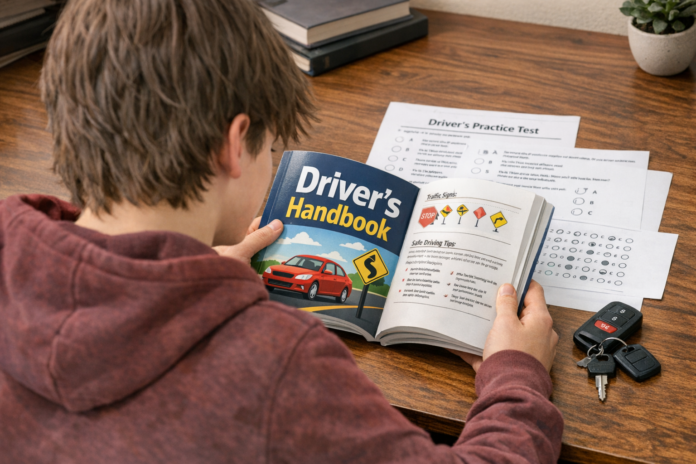
Driving familiar routes can create a sense of comfort that sometimes leads to overlooked dangers. Even roads traveled daily can present sudden obstacles, unexpected traffic, or changes in road conditions that catch drivers off guard. Being aware of surroundings, such as vehicles merging unexpectedly or pedestrians stepping into crosswalks, is essential to reducing risk. Familiarity should not replace vigilance, as accidents can occur even in routine circumstances.

Weather conditions can also amplify hazards on familiar roads. Rain, snow, or ice can change a road’s grip and visibility in ways that drivers may underestimate. Even minor changes in lighting, such as glare from the sun, can affect reaction times. Maintaining attention to these environmental factors ensures that comfort does not become complacency and allows drivers to respond appropriately to sudden changes.

Even small changes in road infrastructure can introduce risks. Construction zones, temporary signage, or new traffic signals can disrupt patterns that drivers take for granted. Familiarity with a route may cause someone to ignore or overlook these subtle changes, increasing the likelihood of a collision. Constantly updating awareness of the road ensures that routine travel does not become a source of preventable danger.

How Car Accidents Occur in Everyday Travel

According to Weston & Pape, car accidents often happen when drivers assume they know what to expect. This can include misjudging speed, following too closely, or failing to notice minor changes in traffic patterns. Even brief lapses in attention can lead to collisions, especially in congested areas or intersections. Recognizing that accidents occur not only on high-speed highways encourages a mindset that prioritizes safety at all times.

Distractions also contribute to accidents on familiar roads. Cell phones, navigation devices, and even daydreaming can reduce reaction time and awareness. Drivers may not anticipate how quickly a situation can escalate into a crash. By maintaining focus and minimizing distractions, the likelihood of an accident decreases, even in routine travel environments.

Even experienced drivers can fall into predictable patterns that reduce reaction time. Repeating the same route daily may create subconscious habits that overlook minor hazards. Awareness of this tendency allows drivers to break these patterns and actively monitor their surroundings. By remaining vigilant and consciously assessing each situation, the risk of accidents diminishes significantly.

The Role of a Criminal Defense Lawyer in Traffic Incidents

While many car accidents involve minor injuries, some can result in serious consequences that carry legal implications. In cases where fault or criminal liability is at issue, a criminal defense lawyer can provide guidance and representation. Their expertise ensures that the legal aspects of an accident are managed effectively, protecting the rights of those involved while navigating complex procedures.

A Criminal Defense Lawyer Brooklyn can assist when accusations of reckless or negligent driving arise, which may lead to penalties or charges. Even in scenarios that seem straightforward, legal support can clarify responsibilities and mitigate risks of long-term consequences. Consulting a lawyer early helps manage both the legal and personal implications of an accident and ensures that all factors are properly considered.

Additionally, a criminal defense lawyer can provide advice on potential criminal charges related to driving offenses. This includes situations where driving conduct may be questioned after an accident or where legal disputes arise concerning liability. Their involvement not only addresses immediate concerns but also safeguards the individual from escalating legal complications that could affect future driving privileges and personal records.

Preparing for Unexpected Road Situations

Preventing accidents on familiar routes requires preparation and proactive measures. Regular vehicle maintenance, adherence to speed limits, and observance of traffic signals are foundational practices. Drivers who plan for unexpected events, such as sudden stops or detours, are better equipped to react calmly and appropriately, minimizing the chances of collision.

Planning also involves anticipating the behavior of other road users. Observing traffic patterns, predicting potential conflicts, and maintaining safe following distances all contribute to safer driving. Being prepared does not guarantee accidents will be avoided, but it greatly reduces the likelihood of severe outcomes, particularly in routine travel where complacency is common.

Additionally, continuous practice of defensive driving techniques improves reaction times. Familiar routes can lull drivers into routine patterns that reduce alertness, but applying defensive strategies helps account for unpredictable behavior from other drivers. This proactive approach ensures that drivers maintain an advantage when sudden hazards appear, reinforcing safety beyond simple awareness.

Managing Consequences After an Accident

Accidents, even minor ones, can result in physical, financial, and emotional repercussions. Individuals may face medical bills, property damage, or temporary limitations on daily activities. Taking prompt and appropriate action following an accident ensures that these consequences are managed effectively and can prevent long-term complications.

Insurance processes, incident documentation, and consultations with professionals such as accident evaluators are key to recovery. Keeping accurate records and acting quickly reduces confusion and strengthens any claims. Awareness and an organized response after an incident help minimize stress and support a smoother path to resolving issues arising from accidents.

Additional considerations include following up on any ongoing medical care, monitoring recovery progress, and seeking support for emotional strain. Understanding the importance of timely communication with relevant parties and maintaining careful records can prevent complications from escalating. By addressing both immediate and lingering concerns, individuals can protect their health, finances, and legal position after an accident.

Protecting Your Future on the Road

Recovering from an accident involves more than immediate repairs or treatments. Awareness of risks, careful driving, and legal guidance where needed contribute to ongoing safety. Evaluating driving habits, addressing underlying causes of incidents, and considering professional advice can prevent future occurrences and protect long-term well-being.

Consulting experts, including legal professionals when criminal or civil implications arise, ensures that rights and responsibilities are preserved. Continuous attention to road conditions, adherence to regulations, and mindfulness during travel create a safer driving environment. By combining preventive measures with informed action, drivers can navigate familiar routes with increased confidence and security.

In addition, establishing regular safety reviews and reflecting on past incidents can foster habits that further reduce risk. Understanding patterns in near-misses, adjusting driving strategies, and staying informed about traffic regulations are crucial. These measures work together to maintain safety, mitigate hazards, and ensure that familiar routes remain predictable and secure over time.

How Driving Environments Shape Safety On and Off the Track

Photo by depositphotos at https://depositphotos.com/

Racing has always been about control, precision, and respect for conditions. Whether on a professional circuit or a public roadway, the environment surrounding a driver plays a direct role in how safely and effectively movement happens. Track surfaces are inspected constantly, debris is cleared, and teams adjust strategies based on weather and layout. These practices exist because even small environmental changes can alter outcomes in seconds. The same logic applies beyond racing, where everyday spaces are shaped by how people move through them rather than how fast they go.

Speedway Media readers often recognize that motorsports influence broader safety standards. Advances in track design, surface materials, and hazard awareness eventually work their way into commercial and public environments. Parking structures, garages, walkways near venues, and service areas all mirror the same principle seen in racing. If the surface, layout, or maintenance fails, risk increases. The conversation about safety does not stop when the engine shuts off, because movement continues on foot long after driving ends.

Environmental awareness also affects decision making at every level of motorsports culture. From amateur track days to professional events, drivers are trained to respect surfaces and surroundings as living factors that change over time. That same respect is often missing in everyday spaces connected to automotive activity. When organizers and property operators apply racing grade awareness to walking environments, they reduce preventable incidents and create spaces that function reliably under real conditions.

Where Loss of Footing Becomes a Serious Issue

In automotive and racing related environments, people are constantly transitioning from vehicles to walking spaces. Pit lanes, paddocks, garages, show floors, and event facilities all involve surfaces that face heavy wear. When traction is reduced due to oil residue, moisture, uneven materials, or poor upkeep, slip and fall incidents become a real concern. Unlike high speed collisions, these events happen quietly but can still cause severe physical harm.

According to one law firm, slip and fall incidents in automotive settings often occur where safety expectations are already high. Visitors assume surfaces are maintained just as carefully as the machines on display. When that assumption fails, injuries follow. These incidents are not limited to racetracks. Dealerships, service bays, parking garages, and even media event spaces share similar risks. Addressing footing hazards requires the same disciplined attention used to manage tire grip and braking zones in racing.

What makes these incidents especially problematic is how easily they are overlooked. Because they do not involve engines, speed, or visible damage, they are often treated as minor issues until someone is hurt. In reality, loss of footing can lead to long term injuries that disrupt work, training, and daily movement. Treating walking surfaces as critical safety zones aligns more closely with how racing professionals already think about risk management.

Design Choices That Influence Everyday Safety

The way a space is designed determines how people move through it. In racing, track designers study angles, runoff areas, and surface transitions to control risk. Off the track, architects and facility planners make similar decisions, even if the stakes seem lower. Floor texture, drainage placement, lighting, and slope all affect whether a person maintains balance. Poor design choices often go unnoticed until someone gets hurt.

Automotive focused environments frequently prioritize aesthetics or vehicle flow over pedestrian needs. Shiny surfaces, exposed concrete, or decorative coatings may look appealing but perform poorly under real conditions. When combined with foot traffic, spilled fluids, or weather exposure, these surfaces become hazardous. Speedway Media readers understand that performance without safety leads to failure, whether on a circuit or in a public space.

Design decisions also influence behavior. Clear pathways, visible transitions between surfaces, and consistent materials help people move confidently without sudden adjustments. When design forces unexpected changes in footing, people react late and lose balance. Applying race track logic to pedestrian design creates environments that communicate safety through structure rather than signage alone.

Maintenance Standards Matter More Than Most Realize

Even the best design fails without consistent maintenance. Racing teams inspect cars before every session, knowing that small oversights create big problems. Facilities should operate with the same mindset. Floors wear down, coatings degrade, and drainage systems clog over time. Without routine inspection, hazards quietly develop in high traffic areas.

Automotive venues face unique maintenance challenges. Oil, coolant, water, and debris are part of daily operations. When cleanup protocols fall behind, walking surfaces quickly lose traction. Regular maintenance schedules, clear responsibility assignments, and prompt response to hazards reduce incidents significantly. These practices mirror the discipline seen in professional motorsports, where preparation prevents unnecessary risk.

Maintenance also sends a message about priorities. When visitors see clean, well maintained walking areas, confidence increases and behavior improves. Neglected surfaces create uncertainty and rushed movement, which raises the chance of injury. Treating maintenance as an ongoing process rather than an occasional task aligns facilities with the standards expected in serious automotive environments.

Accountability in Shared Automotive Spaces

Responsibility in racing is clearly defined. Teams, officials, and venue operators all have assigned roles when it comes to safety. In public automotive environments, accountability can become blurred. Multiple parties may manage different parts of a facility, leading to gaps in oversight. When hazards go unaddressed, the consequences fall on unsuspecting visitors.

Clear accountability encourages better safety outcomes. Facility operators who treat walking areas with the same seriousness as driving lanes reduce exposure to incidents. This approach aligns with the broader motorsports culture of shared responsibility. Everyone involved understands that safety is not optional and that ignoring small risks creates larger problems later.

Establishing accountability also improves response time. When roles are defined, hazards are corrected faster and communication improves. This reduces repeat incidents and builds trust with visitors and staff. Accountability is not about blame, but about ensuring that safety standards are consistently applied across all shared automotive spaces.

Why Awareness Shapes Better Outcomes

Awareness is a constant theme in racing. Drivers scan the track, anticipate changes, and adjust instantly. That mindset has value outside the cockpit. People moving through automotive environments benefit from spaces designed with clear visibility, predictable layouts, and consistent surfaces. When environments support awareness rather than challenge it, incidents decrease.

For Speedway Media’s audience, the connection is clear. Safety culture starts with recognizing how environments influence behavior. Whether behind the wheel or on foot, stability, predictability, and maintenance determine outcomes. Applying motorsports level thinking to everyday spaces leads to safer experiences without sacrificing performance or design.

Awareness also extends to planning and education. When teams, staff, and visitors understand how environmental risks develop, they respond more responsibly. This shared awareness creates a culture where safety is proactive rather than reactive. The result is an environment that reflects the same precision and respect found in well run racing operations.

Why High Performance Driving Habits Can Lead to Serious Car Accidents Off the Track

Photo by depositphotos at https://depositphotos.com/

Motorsports culture celebrates precision, control, and pushing vehicles to their limits. Drivers who spend time watching or participating in racing often develop a deep respect for speed and performance. These environments are built for that purpose, with safety crews, controlled conditions, and clear rules. On the track, mistakes are anticipated and planned for, which allows drivers to explore performance in a structured way.

The street operates under very different conditions. Traffic patterns change constantly, road surfaces vary, and other drivers do not behave predictably. When track inspired habits carry over into everyday driving, the margin for error becomes much smaller. What feels controlled in a performance setting can quickly turn risky when mixed with real world variables.

Another key difference is accountability. On a track, drivers expect others to follow similar rules and skill levels. On public roads, that shared expectation does not exist. Drivers encounter commuters, new drivers, delivery vehicles, and pedestrians who are not prepared for aggressive maneuvers. This gap between expectation and reality creates conditions where accidents become far more likely.

How Car Accidents Happen Outside Controlled Environments

According to www.emersonstraw.com, car accidents often occur when expectations do not match reality. Performance focused drivers may trust their reaction time or vehicle capability more than the situation allows. Public roads introduce distractions, unexpected stops, and uneven surfaces that even experienced drivers cannot fully control. These elements increase the chance of sudden collisions.

Speed also plays a major role. Even small increases above normal driving speeds reduce reaction time and increase stopping distance. On the street, this can mean the difference between avoiding an obstacle and a serious crash. High performance habits may feel natural to some drivers, but public roads demand restraint and constant awareness.

Environmental factors further increase risk. Weather changes, poor lighting, and road debris are rarely predictable. Unlike a track, streets are not inspected before every drive. A driver relying on performance instincts may not adjust quickly enough when conditions shift, which often leads to loss of control or impact with other vehicles.

Performance Vehicles Change Driver Behavior

High performance cars are designed to respond quickly and aggressively. Acceleration, braking, and handling are engineered to feel precise and engaging. This can influence how drivers behave behind the wheel, especially when the vehicle feels stable at higher speeds. Confidence can build quickly, sometimes faster than good judgment.

That confidence may lead to sharper turns, quicker lane changes, or faster acceleration than conditions allow. While the vehicle may handle well, other drivers may not anticipate these movements. This mismatch in expectations increases accident risk and puts everyone on the road at greater danger.

Modern performance features can also mask danger. Advanced traction systems and responsive braking may give drivers a false sense of security. These tools assist control, but they cannot eliminate physics or human error. When drivers rely too heavily on technology, they may push limits that public roads are not designed to handle.

Racing Mindset Versus Everyday Driving

Racing culture rewards focus, anticipation, and assertive decision making. Drivers learn to commit to actions and trust their instincts. These skills are valuable in competition, but they do not always translate well to daily driving. Public roads require patience, adaptability, and constant compromise.

Everyday driving involves pedestrians, cyclists, construction zones, and distracted drivers. Aggressive habits can escalate simple situations into dangerous ones. Adjusting mindset when leaving the track or performance environment is essential for safety. Awareness of context helps prevent accidents that stem from misplaced confidence.

Mental habits play a role as well. Competitive thinking encourages winning space and maintaining position. On the street, that mindset can lead to unnecessary risks. Letting go of competition and focusing on shared safety allows drivers to make calmer decisions that reduce accident potential.

Responsibility Beyond the Wheel

Drivers who appreciate performance vehicles also carry a responsibility to use them wisely. Car accidents affect more than just the people involved. They impact families, communities, and public safety resources. A single moment of poor judgment can have long lasting consequences.

Responsible driving means recognizing when and where certain habits belong. Performance skills can enhance awareness and control when used appropriately. They become dangerous when applied without regard for surroundings. Respecting the limits of public roads protects both drivers and everyone sharing the space.

There is also a reputational aspect. Performance driving culture often faces public scrutiny after serious accidents. Responsible behavior helps preserve the reputation of enthusiasts and motorsports fans. When drivers act with awareness, they show that passion for cars can coexist with accountability.

Accountability extends beyond the individual driver. Insurance costs, legal outcomes, and community trust are all influenced by driving behavior. When accidents occur due to reckless habits, the consequences ripple outward. Responsible choices help reduce these broader impacts and reinforce that performance driving culture values safety as much as skill.

Keeping Passion and Safety in Balance

Loving speed and performance does not require reckless behavior. Many enthusiasts find healthy outlets through track days, driving schools, and controlled events. These settings allow drivers to explore limits safely while separating that experience from everyday travel.

Balancing passion with caution keeps driving enjoyable and responsible. Recognizing the difference between track conditions and public roads helps reduce accidents. When drivers adapt their habits to the environment, they protect themselves, their vehicles, and the broader driving community.

Ultimately, long term enjoyment of performance driving depends on restraint. Preserving skill, health, and freedom to drive matters more than momentary thrills. When drivers respect boundaries and adapt behavior, they ensure their passion for cars remains a positive force rather than a source of preventable harm.

Sustaining that balance also protects future opportunities. Track access, enthusiast events, and public acceptance rely on responsible conduct. When drivers show restraint on public roads, they help ensure that high performance driving continues to be celebrated rather than restricted. This awareness allows passion and responsibility to exist side by side.

C4 Energy to Sponsor Jesse Love in the NASCAR Cup Series at Circuit of the Americas This March

Love to Drive RCR’s No. 33 C4 Energy Chevrolet for Sixth Career Cup Series Start, Continuing Long-Time Partnership Between Rising NASCAR Star and C4 Energy®

WELCOME, N.C. (February 20, 2026) – C4 Energy® will sponsor defending NASCAR O’Reilly Auto Parts Series Champion Jesse Love for the NASCAR Cup Series race at Circuit of the Americas on Sunday, March 1 (live on FOX at 3:30 p.m. ET). Love will pilot RCR’s No. 33 C4 Energy Chevrolet, one of several Cup Series races for the Menlo Park, Calif., native this season, under the tutelage of crew chief Andy Street.

“At C4 Energy, we’re drawn to athletes who embody drive, discipline, and relentless ambition and Jesse represents all of that and more,” said Robert Zajac, chief marketing officer, C4 Energy. “He’s a rising star who competes with intensity and authenticity, which aligns perfectly with our brand. We’re especially excited to have him at COTA right here in our own backyard of Austin bringing together speed, performance, and community in a way that feels uniquely C4.”

Love, the defending NOAPS champion and 2024 Rookie of the Year, is currently in his third full-time season piloting the No. 2 Chevrolet in NASCAR’s second-tier series. He made his Cup Series debut for the Welcome, N.C.-based organization at Bristol Motor Speedway in April 2025 and currently has a total of five Cup Series starts to his credit.

“C4 Energy has been with me throughout many major moments in my career and I’m excited for them to be showcased on the No. 33 Chevrolet when I make my 2026 Cup Series debut next weekend at Circuit of the Americas,” said Love. “C4 Energy powers me on race days, prep days, and beyond so it’s only fitting that they come along with me for my first NASCAR Cup Series start of 2026. Racing in the Cup Series is my goal and I’m ready to capitalize on these opportunities this season thanks to the strong team behind me at RCR including Richard Childress, Mike Verlander, Danny Lawrence and all the hard-working men and women at the race shop, ECR and CT Spring in Welcome, NC.”

Love became the youngest champion in NASCAR history by clinching his first ARCA Menards Series West title at the age of 16 in 2020. He then posted a dominating performance by winning half the races and the championship in the 2023 ARCA Menards Series season.

“Jesse Love is a talented racer who has consistently proven himself with strong on-track performance and an off-track demeanor that appeals to fans and partners,” said RCR President Mike Verlander. “We’re proud of his development over the past few years and look forward to helping him compete at the highest levels of our sport alongside C4 Ultimate Energy.”

Nutrabolt, owner of C4®, is the No. 1 selling global pre-workout brand and one of the fastest growing energy drink companies in the country. Making its C4 Ultimate Energy product line-up more delicious and even cooler, Nutrabolt recently introduced the Frost collection – a product extension available in three flavors that will also unveil a unique can technology that transitions from silver to blue when the can is cold and ready to drink.

For more information, please visit rcrracing.com.

Nutrabolt is a fast-growing, global active health and wellness company with a portfolio of market-leading, performance-driven brands that fuel active lifestyles. Its disruptive products compete in the Functional Beverage and Active Nutrition categories under four consumer-loved brands: C4® (one of the fastest-growing energy drink brands in the U.S. and the #1 global pre-workout brand), XTEND® (America’s #1 BCAA brand), Cellucor® (an award-winning sports nutrition brand founded in 2002), and Bloom® (a leading wellness brand offering approachable, high-quality supplements and functional beverages).

For more than 20 years, Nutrabolt has been committed to serving performance athletes and fitness enthusiasts while empowering a broader global community to live active, healthy lives.

Nutrabolt products are distributed in more than 125 countries and available through company-owned DTC platforms, Amazon, leading online marketplaces, and top U.S. retailers including Walmart, Target, 7-Eleven, Walgreens, Kroger, H-E-B, Publix, GNC, and The Vitamin Shoppe.

For more information, please visit nutrabolt.com and follow @C4Energy, @Cellucor, @Xtend, and @Bloomsupps on social media.

Richard Childress Racing is a renowned, performance-driven racing, marketing and manufacturing organization. Incorporated in 1969, RCR has celebrated over 50 years of racing and earned more than 200 victories and 17 championships, including six in the NASCAR Cup Series with the legendary Dale Earnhardt. RCR was the first organization to win championships in the NASCAR Cup Series, NASCAR O’Reilly Auto Parts Series and NASCAR Truck Series and is a three-time winner of the Daytona 500 (1998, 2007, 2018). Its 2026 NASCAR Cup Series lineup includes two-time NASCAR Cup Series champion Kyle Busch (No. 8 Chevrolet) and 2017 Coca-Cola 600 winner and 2018 Daytona 500 champion Austin Dillon (No. 3 Chevrolet). RCR fields a full-time NASCAR O’Reilly Auto Parts Series program with defending series champion Jesse Love (No. 2 Chevrolet) and 2023 regular season champion Austin Hill (No. 21 Chevrolet).

Ben Maier Joins Niece Motorsports for the Streets of St. Petersburg

Salisbury, NC (February 20, 2026) – Reigning zMAX CARS Tour Pro Late Model Series champion Ben Maier joins Niece Motorsports to drive for the team in next weekend’s inaugural NASCAR CRAFTSMAN Truck Series (NCTS) race at the St. Petersburg Street Circuit.

Maier, who hails from Annapolis, MD, has spent his career competing in several forms of motorsports. From his upbringing in go karts and micro sprint cars, then later moving into the Stadium Super Truck Series, to running door-to-door on short tracks and honing his craft on road courses, Maier has been touted as a noteworthy prospect due to his versatility.

The 17-year-old made his NCTS debut last June at Lime Rock Park, where he earned his best-career finish of 18th-place, and later made his second start at the Charlotte Motor Speedway ROVAL.

Supporting Maier’s efforts at St. Petersburg will be DQS Solutions & Staffing, J.F. Electric, and BOE Marine, who will each serve as co-primary sponsors on the No. 4 Silverado.

“I’m super excited to join Niece Motorsports for my third Truck Series start at St. Pete,” said Maier. “I think it’s going to be a fun race, and we should have a pretty fast truck there. We’ve been preparing a lot on the simulator, and I feel ready to go. Huge thanks to everyone at the team, Chevrolet, DQS Solutions & Staffing, J.F. Electric, and BOE Marine for making it happen.”

As a former Trans-Am race winner at World Wide Technology Raceway in Gateway, Maier is well-equipped to contend in next Saturday’s event. Though he has never raced at St. Pete before, Maier has plenty of experience competing on the streets of Long Beach, Nashville, and Detroit.

With past experience racing alongside other Niece Motorsports drivers, Travis Pastrana and Cleetus McFarland, Maier is eager to continue strengthening his rapport with the team and build off the momentum from Daytona.

Maier is the second CARS Tour champion to be added to Niece Motorsports driver lineup, further emphasizing the developmental capabilities of the series. He joins reigning Late Model Stock Series champion, Landen Lewis, who will also make his first start of the year at St. Pete as Maier’s teammate.

“We are all looking forward to seeing what Ben can do in his first Truck Series race for our team at St. Pete,” said Cody Efaw, Niece Motorsports CEO. “I think it says a lot about our company to have both of last year’s CARS Tour champions driving for us, given the caliber of drivers who compete there on a regular basis. Ben has been eager to learn since he showed up at our shop, and I think he will do a great job for us.”

The NASCAR CRAFTSMAN Truck Series heads to the St. Petersburg Street Circuit for the third race of the season on Saturday, February 28. Live coverage of the OnlyBulls Green Flag 150 will air on FOX, the NASCAR Racing Network, and SiriusXM Radio.

About DQS Solutions & Staffing: Guided by a mission to achieve excellence and adaptability, DQS partners with clients to create custom solutions that address unique business challenges. Recognized as Michigan’s fastest-growing company and #22 in the nation on the Inc. 5000 list, DQS drives industry growth while giving back through its nonprofit, Foundation for Pops, and partnerships like the River Rouge School District.

About J.F. Electric: J.F. Electric is an electrical contractor that provides engineering expertise, backed by construction and installation know-how in a diverse range of service offerings, from utilities and commercial projects, to industrial and telecommunications customers. When having a long family history in an industry, a company not only builds on its knowledge and experience, it takes pride in cultivating a solid understanding of client needs, all the while nurturing strong relationships with its employees. Evolving through five generations of the Fowler family, J.F. Electric has matured into a well-managed and thoughtfully diversified electrical contractor which is poised to continue its growth and expansion into the future.

About BOE Marine: BOE Marine is a Maryland-based leading online retailer of marine electronics and boating accessories, offering top brands, competitive pricing, and expert customer support. Specializing in GPS and chartplotters, sonar, radar, trolling motors, lighting, and marine safety equipment, BOE Marine serves recreational and professional boaters nationwide. Known for its knowledgeable team and customer-first approach, BOE Marine continues to be a trusted source for marine electronics. Learn more at www.BOEmarine.com.

About Niece Motorsports: Niece Motorsports is a professional auto racing team that has competed in the NASCAR CRAFTSMAN Truck Series since 2016. Founded by United States Marine Corps Veteran Al Niece, the team is owned by Josh Morris of DQS Solutions and Staffing and the Fowler Family of J.F. Electric and Utilitra. At its 80,000 sq. ft. headquarters in Salisbury, NC, Niece Motorsports is a full-service race vehicle build shop as well as a customizable fabrication shop for any manufacturing needs.

Follow the Team: To keep up to date with the latest team news, visit niecemotorsports.com or connect on Facebook and Instagram (@NieceMotorsports) as well as X (@NieceMotorsport).