

Home Blog Page 305

What Makes a Golf Cart Legal and Safe on Anna Maria Island

Group of adults riding a street legal golf cart on grassy field

Many seasonal residents and locals on Anna Maria Island love the ease of getting around by golf cart. But figuring out the rules can feel confusing. No one wants the stress of wondering if their cart is truly legal for the road.

While many residents own or rent golf carts, not every cart can legally drive on the roads. To enjoy the freedom of cruising across town without worry, you need to understand what makes a golf cart street legal.

This guide will walk you through what makes a cart safe and compliant. That way, you can enjoy everyday island living with confidence.

Discover the street legal golf cart in Anna Maria Island rules and features that matter most.

In Florida, a street legal golf cart is classified as a Low Speed Vehicle (LSV). Unlike standard golf carts, an LSV comes with specific safety features. It also has to meet state regulations before it’s allowed on public roads.

Here are the key differences that make an LSV street legal:

  • Seatbelts for every passenger
  • Headlights, taillights, and turn signals
  • Rearview mirrors and windshield
  • Vehicle registration and license plate
  • Insurance coverage

For Anna Maria Island residents, these rules matter a lot. They decide both where you can drive and how you can do it safely. A cart that isn’t street legal might seem fine for a driveway or private property. But it won’t keep you compliant—or safe—on public island roads.

Alongside Florida law, Anna Maria Island has its own rules to make sure golf carts are used safely. Knowing these helps locals and seasonal residents avoid tickets, accidents, or worse.

Here are the most important island rules:

  • Driver requirements: You must be 21 or older to drive. You also need a valid driver’s license and active auto insurance.
  • Passenger safety: Every passenger must wear a seatbelt. Children who need a car seat in a car need one in a golf cart, too.
  • Where you can drive: Carts are permitted on designated island roads only. They cannot go on bridges, beaches, sidewalks, bike paths, or utility trails.
  • Behavior rules: Standard traffic laws apply. That means no distracted driving, no impaired driving, and always following posted speed limits.

The takeaway is simple: a cart is only legal if it’s used responsibly. Following these rules protects you, your passengers, and everyone else sharing the island roads.

Street legal carts aren’t just about paperwork. They’re designed to be safe. Certain features are required to keep both drivers and passengers protected. At the same time, these features help carts blend safely into everyday road traffic.

These include:

  • Seatbelts for all passengers
  • Headlights, brake lights, and turn signals
  • Rearview mirrors and a windshield

Another important detail is maintenance. Newer models and well-kept vehicles ensure these safety features always work properly.

For residents and visitors alike, this means peace of mind. When your cart is up to date and reliable, peace of mind comes naturally. You get to enjoy the ride without worrying about equipment failures.

Why Seasonal Residents and Locals Care About Compliance

For seasonal residents who often host family and friends, compliance isn’t just about avoiding a fine. It’s about safety. Nobody wants to risk an accident, especially one that simple rules could have prevented.

Locals feel the same. Having a reliable, legal cart means freedom to use it every day without second-guessing. It avoids unexpected hassles, keeps insurance valid, and ensures everyone is traveling safely.

In short, being compliant protects your loved ones, your neighbors, and your peace of mind.

Not all golf carts are equal, and that’s especially true when it comes to safety and legal use. Some older models may lack the required features, while others might not be maintained well enough for daily use.

That’s why choosing a street legal golf cart in Anna Maria Island is so important. Rentals that are fully compliant and well-maintained make things simple. When they’re also properly equipped, they take the guesswork out of the process.

Features like free delivery and pickup, easy charging, and on-island service add even more convenience.

When you choose a cart that’s already set up to meet Florida and island standards, you get both safety and simplicity.

Cruise Into Island Living With Confidence

At the end of the day, what makes a golf cart legal comes down to three things. You need the right equipment, you must follow the rules, and you have to practice safe habits.

For Anna Maria Island residents, understanding these basics is essential. It’s what ensures every ride stays easy, stress-free, and fully compliant.

When you know your cart is legal and safe, the worry disappears. That way, you can focus on what really matters—enjoying the island lifestyle. Whether it’s a quick trip for groceries, a ride to a favorite restaurant, or a sunset cruise, a street-legal golf cart makes it easy. You can do it all with comfort and confidence.

If you’re ready to make the most of your time on the island, start with the right cart. A reliable, compliant golf cart gives you the freedom to ride worry-free.

What Greensboro Drivers Should Not Do After a Rear-End Collision?

Greensboro is a beautiful city in North Carolina, United States. Car accidents are common here. A car accident can and will flip your day upside down. In just seconds, you’re dealing with pain, confusion, and a rush of decisions. What you do next after the accident matters more than most people realize. The truth is, small mistakes in the hours and days after can hurt your health, your wallet, and even your legal rights.

Treating the Accident Like It’s “No Big Deal”

It’s common for people to shrug off minor crashes. They exchange a quick handshake, swap phone numbers, and drive off. The problem is, what feels small in the moment can grow bigger later. Injuries don’t always show up right away. The same goes for hidden car damage.

Even a rear-end collision that looks minor can leave you with long-term neck pain or thousands in repair costs. Don’t downplay the situation. Always get checked out and make sure the accident is reported.

Saying Too Much at the Scene

We’re taught to be polite, and that often means apologizing. After a crash, saying “I’m sorry” might sound harmless, but it can be used against you later. Admitting fault, even casually, gives insurance companies a reason to deny or reduce your claim.

Stick to the basics when talking to the other driver and the police. Share your info, describe the facts, and leave the rest to investigators and your lawyer.

Skipping the Doctor

Adrenaline can trick you after a crash. Your body is pumped with energy to keep you awake while you’re in shock. Pain may be concealed by that rush. It may give you the impression that you were uninjured. 

You wake up the following day feeling stiff, sore, or even lightheaded. Internal bruises, concussions, and whiplash are examples of injuries that can take time to manifest.

The risk is that it will be difficult to establish that your injuries were caused by the accident if you don’t get medical attention right away. 

Insurance providers are fast to identify treatment gaps. If there’s no record, they may argue your pain isn’t related. That can weaken your claim and leave you paying out of pocket.

Not Calling the Police

Some drivers avoid the police in an effort to keep things simple. Usually, that backfires. If the account changes later, you have your word against theirs in the absence of an official report.

An unbiased record of what transpired is produced by police reports. Lawyers and insurers often rely on these reports to resolve disputes. You are not protected if you skip this step.

Talking Directly to the Insurance Company

Insurance adjusters are trained to sound helpful. Their real goal is to save the company money. They may ask for a recorded statement or push you to sign papers quickly. What you say or sign can weaken your case.

This is where car accident lawyers come in. They know how to deal with insurance tactics and protect your rights. Having legal help means you won’t get cornered into a bad deal.

Posting About It Online

It feels natural to post a quick update on social media after a crash. But even innocent posts can backfire. A simple photo of you smiling at a family event could be twisted to say you aren’t really hurt.

The safest move is to stay quiet online until your case is over. Don’t post about your health, your activities, or the accident itself.

Forgetting Legal Deadlines

Every state has a time limit for filing injury claims. Miss it, and you lose your chance for compensation, no matter how strong your case is. These deadlines can sneak up on people.

Lawyers keep track of timelines and paperwork so nothing slips through the cracks. That way, your claim stays alive while you focus on recovery.

Key Takeaways

Car accidents leave more than just dents and bruises – they leave a lot of room for mistakes. Here’s what to keep in mind:

  • Don’t dismiss minor accidents or injuries
  • Never admit fault at the scene
  • See a doctor as soon as possible
  • Always get a police report
  • Let your lawyer, not the insurer, handle negotiations
  • Stay off social media about the crash
  • Watch out for legal deadlines

The hours after a car accident can feel overwhelming. But avoiding these common mistakes gives you the best chance to protect both your health and your future.

What Happens If You’re Involved in an Accident Without a Helmet in Indiana?

Being in a motorcycle accident without a helmet can result in devastating injuries. Head protection is the most effective way to reduce the risk of death or permanent brain damage. 

In Indiana, helmet use is often left up to individual riders, which makes understanding the rules critical. Knowing how helmet laws apply helps clarify why some riders are more vulnerable than others when accidents occur on the road.

Indiana’s Helmet Laws: Who Is Required to Wear One?

Indiana does not require every rider to wear a helmet. Instead, the law applies only to motorcyclists and passengers under 18, as well as those who hold a learner’s permit. These riders must wear a helmet that meets federal safety standards and use protective eyewear. 

Adult riders with a valid motorcycle license can legally ride without one. The limited scope of the law means that in many crashes, helmet use is a matter of personal choice, not a legal obligation.

Injury Risk of Riding Without a Helmet 

The risks of being involved in a motorcycle crash without a helmet are extremely elevated. According to the National Highway Traffic Safety Administration (NHTSA), helmets reduce the risk of head injury by 69% and reduce the risk of death by 37%. When riding without a helmet, riders are much more likely to suffer from:

Injuries like this will often result in longer hospital stays and more long-term care afterward. Recovery from motorcycle crash brain, face, or severe skin injuries can take months and involve additional months of physical rehab and the expense of thousands of dollars in medical bills. 

In many of those crashes, the difference between walking away from an accident and a life-changing injury could come down to whether or not a helmet was worn. 

Legal and Financial Consequences After an Accident

Although adults in Indiana are not required to wear a helmet, riding without one can still influence the outcomes of a case involving an accident. This is due to Indiana’s modified comparative fault system, which allows for reduced compensation if a rider’s behavior led to an increase in their injuries.

For example, if a court finds that not wearing a helmet exacerbated the injury, the injured rider may receive less compensation. Medical expenses are also significantly higher in the case of no helmet, which can put an extra burden on personal finances. 

Severe injuries can result in lost wages, disability, and diminished earning capacity. Generally, insurers will raise the argument during settlement negotiations that if a helmet had been worn, the harm would have been less severe, making recovery of full damages more difficult.

Insurance Implications for Riders Without Helmets

Insurance companies scrutinize accidents for helmetless riders carefully. While the fault for the crash itself may not make much difference, there is often great scrutiny of the injuries suffered, especially if a helmet could have limited the effects of those injuries. This can result in:

  • Reduced payout of medical expense coverage
  • Claim denials for specific head injuries
  • Increased premiums for future coverage

Indiana may not legally require helmets for all riders, but insurers consider fault, especially when riding without a helmet, to present a significantly higher risk. Further, it makes it more difficult for riders to negotiate settlements, and it makes recovery of financial benefits much more uncertain after an accident.

Long-Term Impact on Recovery and Rehabilitation

The long-term impacts of riding without a helmet are much more extensive than a damaged helmet and immediate medical expenses. Traumatic brain injury may involve lifelong therapy, assisted living, and mobility devices. 

There is frequent emotional and financial stress on families when providing ongoing assistance and care. Recovery time can be longer, and the risk of permanent disability is greater. For many Indiana riders, the choice to ride without a helmet can alter their health, independence, and quality of life in a way that is permanent.

What This Means for Indiana Riders

In Indiana, it is legal for many riders to ride helmetless, but it remains a heavy risk to take. More often, crashes lead to harsher injuries and reduced compensation and long-term consequences that do not add up positively for the face value of riding without a helmet for comfort.

Key Takeaways

  • A helmet can lessen the risk of a fatal head injury by as much as 70%.
  • Indiana only requires helmets for persons younger than 18 and those persons with permits.
  • Riding without a helmet can affect and lessen compensation in legal claims.
  • Insurance companies may limit and potentially deny payout altogether.
  • Long-term rehabilitation is plainly more difficult than riding with a helmet.

Top 5 Speedway Racers

Photo by depositphotos at https://depositphotos.com/

Speedway is a sport based on courage, concentration, toughness, and accuracy. When you hear that speedway bikes do not have brakes and that the riders have to drift their bikes at 70mph around corners, you almost can’t believe it. It is not just enough to be a talented rider in speedway; you have to be fearless, as danger is only one wrong turn away. Over the years, there have been riders who truly embody what speedway is about, leaving legacies that some riders can only dream of achieving. 

In the modern day, the sport continues to reach new heights and is thriving with live attendances at an all-time high, and social media is growing its digital presence. The increase in speedway has seen more and more fans tuning in, and the interest in sports betting promos tied to the sport has also picked up more Google search volume during the month of August than it has done since December 2021.

This list highlights those riders whose careers defined the sport and inspired the next generation of speedway racers.

Ivan Mauger – The Gold Standard

No one is more decorated in speedway than New Zealand’s Ivan Mauger, who dominated the sport over three decades. During a stretch between 1968 and 1979, Mauger was able to achieve six individual speedway championship titles, which was a record that he held for many years. Mauger’s most impressive attribute was his ridiculous consistency; most riders start to drop in ability as they get older, whereas Mauger was always incredibly sharp, and this only added to his success.

His most iconic campaign was in 1970, as he won both the world title but also the Long Track World Championship; this achievement is one that not many others have done. Mauger’s preparation and hard work before race day gave him the mental edge over his competition. He knew that coming into a race, he never skipped any steps or tried to cut any corners; he knew the ins and outs of his bike and every track. During his career and after his retirement, Mauger dedicated a lot of time to mentoring the next generation of speedway riders.

Tony Rickardsson – Power Personified

Sweden’s Tony Rickardsson put himself in speedway history when he matched Mauger’s six world title victories. What made Rickardsson stand out was his approach to speedway, as he employed a modern style that had never been seen before. Rickardsson was at his best during the 1990s, but his dominance carried on through to the mid-2000s as he won a world title in 2005 at the age of 35. 

His popularity in Scandinavia brought the sport of speedway to new heights in that region of the world. During his best, there was no driver or team, for that matter, that prepared better for a race. Rickardssons’ bike was always tuned to perfection, and there was never a worry of his bike failing on him mid-race.

Ole Olsen – The Great Dane

Ole Olsen ignited an entire country’s passion for speedway. During the 1970s, the Danish superstar won three world titles, which made him a household name in Denmark and among all speedway fans. Olsen’s most iconic moment came in 1971, during the peak years of Mauger, when Olsen managed to claim his first world championship title. This was a legendary moment not only for Olsen but also for Denmark, as it was the first time that they would be at the top of the speedway world.

When some racers call it a day on their careers, they completely walk away from sport and move on with their lives. Olsen dedicated his retirement to transcending speedway in Denmark as he played a key role in developing speedway infrastructure. Olsen aided the process of speedway training centres being built; these centres helped the next generation of stars come alive. His leadership was showcased during the Danish national team’s dominance throughout the 1980s and 90s, with Olsen being the primary voice.

Jason Crump – The Aussie Warrior

Jason Crump brought an intensity to speedway that made him one of Australia’s greatest motorsport exports. Like the other riders on this list, Crump achieved world titles on multiple occasions, with three world championships to his name. What made Crump an incredible racer was his aggressive style combined with his ability to adapt mid-race when things weren’t going his way. 

Crump was at the peak of his powers during the 2000s, where he faced every elite driver that speedway had to offer. His Grand Prix victory in 2006 remains as one of the most dominant in the history of the sport, as he won five out of the nine rounds. Unfortunately, his latter years were plagued with injuries, but his resilience kept him going at the top level into his 30s. The name Crump is legendary in speedway, as Jason was the son of the rider Phil Crump. Jason had immense pressure before he even had his first race, but he exceeded all expectations and became one of the most successful racers ever.

Bartosz Zmarzlik – The Face of Modern Speedway

Poland’s Bartosz Zmarzlik defines the modern era of speedway racers, with his explosive speed and fearless cornering. Zmarzlik has already won multiple world titles in his career, and he is showing no signs of slowing down. 

Zmarzlik has helped aid the resurgence of speedway across Eastern Europe; his style combines the grit of older riders and the tactical ability of the modern rider. In Poland, Zmarzlik is seen as a rockstar, with him being popular with both older and younger generations. With multiple titles to his name already and many years to come, Zmarzlik could very well break records and redefine speedway.

Common Myths About Red Light Camera Tickets Debunked

Red light cameras are traffic safety equipment that have been installed to ensure the safety of motorists. The cameras ensure that motorists do not violate the rules by cutting through the lights. However, in the US, these red light cameras are one of the most debated topics. There are a lot of myths and misconceptions about the red light cameras, leaving motorists confused about what is true. 

To ensure that drivers and others who share the road are equipped with accurate knowledge, it is crucial that this misinformation be debunked. By doing so, we can foster more responsible and informed behavior on the road. It also helps gain the citizens’ trust in the traffic system. So here are a few common myths about red light camera tickets that have been debunked for you. 

1. Red Light Camera Tickets Are Not Real Tickets 

When we think of a traffic violation ticket, we naturally imagine a policeman stopping us and handing over a ticket to us. But in the case of red light camera tickets, many drivers are under the assumption that they are not real tickets, as they aren’t handed over by policemen. But you should know that a red light camera ticket is a valid ticket just like any other violation ticket. 

So, if you plan to ignore a red light camera ticket, just remember, it can lead to fines and other penalties, including issues with the registration of your vehicle. 

2. Ignoring a Red Light Camera Ticket Is Fine 

Sometimes, when a driver gets a red light camera ticket, they toss it into the trash can. They think that making the ticket disappear or losing it means that they will not have to pay the fine amount. 

But they are unaware of the fact that they are making a huge mistake. An unpaid red light camera ticket may keep accumulating late fines or even prevent you from renewing your license plate or registration. 

3. Red Light Cameras Are Inaccurate 

One of the main concerns that people have with red light cameras is that they think the cameras are inaccurate and unreliable. While it is true that not all technology can be completely depended on, one must know that the red light cameras are designed for high accuracy. 

They make use of sensors and timed photography techniques to ensure that the violation is captured accurately and clearly. Instead of real-time monitoring, the camera only captures the license plates of vehicles that enter the intersection after the red light is turned on. 

4. Red Light Cameras Are Used For Making Money 

One of the most common assumptions about the red light cameras is that they are just a way for the city to make money. While the fine amount may be used as revenue, it is not the ultimate motive of these cameras. The real goal is to capture and identify motorists who run red lights and improve road safety. In fact, it has been found that areas with red light cameras have fewer accidents when compared to other areas. 

5. You Cannot Fight a Red Light Camera Ticket

One of the assumptions that people have about red light tickets is that they think that once the camera snaps their car, there is no way for them to escape, even if they were not wrong. But if you have been wrongly captured, you can always go to court to prove yourself not guilty. You can show that you were taking a legal right turn, or that the photo captured the wrong vehicle, or also if the signals weren’t proper.

Final Thoughts 

A few other myths about red light camera tickets include the notion that out-of-state tickets are not relevant or that red light cameras are typically located only in high-income areas. While red light cameras can be frustrating, it is important that you don’t fall for these myths and be a responsible driver. 

Behind the Scenes: A Day in the Life of a UK Scrapyard Worker

Photo by depositphotos at https://depositphotos.com/

Most people only see one side of the car scrapping process. You ring up, they come and collect your car, and that’s it. Job done. But have you ever wondered what happens next? What’s it actually like to work in a scrapyard? What does a typical day look like for the people who turn your old banger into recycled metal?

We caught up with Dave, who’s been working at an Authorised Treatment Facility (ATF) in the Midlands for the past eight years. He’s seen it all, from luxury cars to complete wrecks. Here’s his story of what it’s really like behind the scenes.

7:00 AM: The Day Begins

Dave’s day starts early. He’s at the yard by 7 AM, along with the rest of the team. The first job is always a safety briefing. Working in a scrapyard isn’t like working in an office. There are heavy machines, hazardous materials, and a lot of potential dangers. So, safety comes first.

“We go through the day’s plan,” Dave explains. “What cars are coming in, what needs to be processed, and any special jobs we’ve got on. And we always check that everyone’s got their PPE – hard hats, steel-toe boots, high-vis jackets, the lot. You can’t be too careful in this job.”

8:00 AM: The First Collections

By 8 AM, the collection trucks are heading out. Dave sometimes goes out on collections, but today he’s staying at the yard. The first job is to process the cars that came in yesterday. Each car that arrives gets logged into the system. They record the make, model, registration, and the condition it’s in.

“You’d be amazed at some of the cars we get,” Dave says. “Last week, we had a Ferrari that had been in a flood. Beautiful car, but the water had got into everything. It was heartbreaking, really. But that’s the job.”

9:00 AM: De-Pollution

The first stage of processing any car is de-pollution. This is where they remove all the hazardous materials. Dave and his team drain the fuel, oil, coolant, and brake fluid. They remove the battery and the airbags. It’s a methodical process that has to be done exactly right.

“This is the most important part of the job,” Dave explains. “If we don’t do this properly, we could cause serious environmental damage. All these fluids have to be disposed of safely. The fuel gets cleaned and reused. The oil gets recycled. Even the coolant can be processed and used again.”

11:00 AM: Salvage and Parts Removal

Once the car is de-polluted, the team looks for parts that can be salvaged. Not every car is just crushed. If there are parts in good condition, they’ll be removed and sold on.

“We’ve got a good eye for what’s worth saving,” Dave says. “Engines, gearboxes, doors, lights – if it’s in good nick, we’ll take it off. There’s a big market for used car parts. It’s much cheaper for someone to buy a used door from us than to buy a new one from the manufacturer.”

Dave shows us the parts warehouse. It’s like an automotive treasure trove. Shelves lined with engines, boxes of lights and mirrors, and racks of wheels and tyres. Each part is catalogued and tested before it goes on sale.

1:00 PM: Lunch Break and the Interesting Finds

The team breaks for lunch at 1 PM. It’s a chance to swap stories about the morning’s work. And there are always stories.

“You find the weirdest things in cars,” Dave laughs. “Money, jewellery, old photos. Once, we found a wedding dress in the boot of a car. The owner had completely forgotten it was there. We managed to get it back to them, and they were over the moon.”

But it’s not always happy endings. Dave has also found things that have had to be handed over to the police. “You learn not to ask too many questions,” he says.

2:00 PM: The Crusher

After lunch, it’s time for the main event: the crusher. The cars that can’t be salvaged, or have had all their useful parts removed, go into the giant shredding machine. It’s an impressive sight.

“The crusher can process a car in about 30 seconds,” Dave explains. “It rips it apart and separates all the different materials. The steel goes one way, the aluminium goes another, and the plastic and foam get blown away by a big fan. It’s like a giant recycling machine.”

Dave operates the crane that feeds cars into the crusher. It takes skill and experience to do it safely. “You’ve got to be careful,” he says. “These machines are powerful. They don’t stop for anything.”

4:00 PM: Sorting and Baling

The final stage of the process is sorting and baling the recycled materials. The steel gets compressed into huge bales that are then sold to steel mills. The aluminium is sorted by grade and sent to smelters. Even the plastic is sorted and sent for recycling.

“People don’t realise how much of a car can be recycled,” Dave says. “We recycle about 95% of every car that comes through here. It’s one of the most efficient recycling processes in the world.”

5:30 PM: End of the Day

Dave’s day ends at 5:30 PM. Before he goes home, there’s a final safety check and a debrief about the day’s work. The yard is cleaned up, and everything is secured for the night.

“It’s a good job,” Dave reflects. “It’s physical work, and it can be dirty, but it’s satisfying. Every day is different. You never know what’s going to come through the gates. And you’re doing something important. You’re helping to protect the environment and providing materials for new products. That’s not a bad way to make a living.”

The Human Side of Scrapping

Talking to Dave gives you a different perspective on car scrapping. It’s not just about getting rid of old cars. It’s about skilled workers doing an important job. It’s about recycling and protecting the environment. And it’s about the stories and memories that come with every car.

“Every car has a story,” Dave says. “And we’re the final chapter. It’s a responsibility we take seriously.”

So, the next time you scrap a car, remember Dave and his team. They’re the ones who make sure your old car gets a proper send-off and a new life as something else entirely.

Elliott wins the Hollywood Casino 400 at Kansas Speedway

Photo by Simon Scoggins for SpeedwayMedia.com

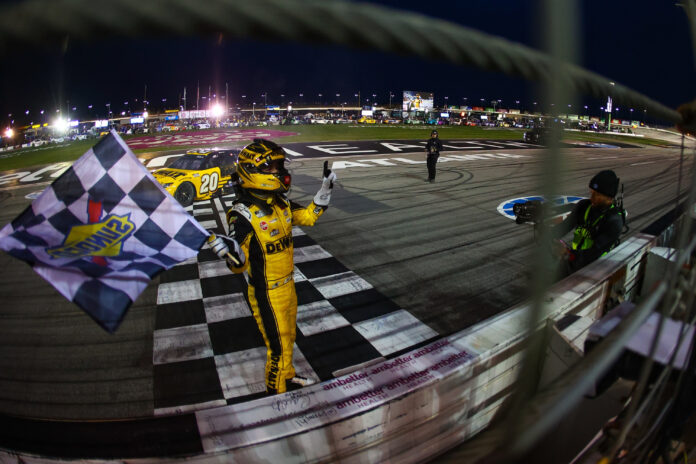
Chase Elliott made a final lap pass for the race lead in Sunday’s Hollywood Casino 400 at Kansas Speedway to capture his second win of the 2025 NASCAR Cup Series season and the 21st of his career. Elliott won by a margin of .069 of a second over Denny Hamlin and a berth into the Round of 8.

Chase Elliott
Photo by Simon Scoggins for SpeedwayMedia.com

“Everything worked out perfect for me. Had a great push through (turns) one and two. That kind of all started with the No. 6 (Brad Keselowski). I had a big run off of two. The seas kind of parted, and I just was able to keep my momentum up. That was really it. Obviously, we still had pretty good tires compared to those guys, but what a crazy finish. Hope you all enjoyed that. I certainly did. Really proud of this No. 9 Kelley Blue Book Chevrolet team. Had a really solid weekend, win or no win. Really nice to qualify really well. We’ll certainly enjoy this, man. This is pretty cool. Just never take this stuff for granted because it’s hard to come by. Learned that the hard way. Always enjoy it. Always appreciate it.” Elliott said.

Hamlin led a race-high 159 laps, won the second and third stages, and held on to second place, much to the excitement of fans who also enjoy exploring non GamStop low deposit casino sites.

“It’s super disappointing. Obviously, I wanted it bad. It would have been 60 (wins) for me. The team just did an amazing job with the car. It was really, really fast. They gave me everything I needed. Got the restart I needed, I just couldn’t finish there on the last corner. I got really, really, tight with the 23 (Bubba Wallace) and let the 9 (Chase Elliott) win.” Hamlin said.

Christopher Bell finished third.

“I honestly don’t know what I could have done. I’m leaving here feeling pretty satisfied. That was a bummer when I lost the lead on the restart when I caught the wrong timing line. Looking back, it was such a 50/50 call on those restarts, whether you wanted to be on the outside or the inside. I don’t know what I would have done differently. I felt like we left it all on the table.” Bell said.

Chase Briscoe finished fourth.

“It was tough. I’ve never really been in a situation like that, where I needed really anybody but Bubba to win in that situation. I wanted to still put it in a position where I could still win the race too. It was just tough with those restarts. They’re so circumstantial. One thing goes your way, and you can end up winning the race. One bad thing goes your way, and you end up running fifth to seventh. Just crazy the runs and how fast they develop. I thought I was going to still have a really good shot to win the race, and when Bell got in the fence off of (turn) four, I had to all but stop, and it just ruined my momentum. Scrappy day for our Bass Pro Shops/Tracker Boats Toyota. Would have loved to be obviously a little bit better today. Crazy, I think we’re averaging a top-five finish in the playoffs, and we’re only 20 points above. Never feel safe at the Roval, but go there and try to do our job. Our road course stuff is pretty good there. See what we can do.” Briscoe said.

Bubba Wallace finished fifth.

“To say we had a shot at the win with the way we started, you could have fooled me. We were not good. We missed it on the fire-off speed. I just really appreciate the team. Two years ago, I’d probably say something dumb. Or say he’s a dumbass for that move. I don’t care if he’s my boss or not. But we’re going for the win. I hate that we gave it away there. Toyota’s were super-fast, and proud to be driving one. I thought it was meant to be, and then it wasn’t. All in all, the positives were we are minus 26 coming in — or minus 27 coming in. We’re minus 26 leaving. We gained a point.” Wallace said.

Kyle Larson finished sixth, Tyler Reddick seventh, Brad Keselowski eighth, William Byron ninth, and Shane Van Gisbergen rounded out the top 10 finishers in the Hollywood Casino 400.

Kyle Larson
Photo by Simon Scoggins for SpeedwayMedia.com

“It didn’t affect my ride, I don’t think. I actually felt pretty good after it. My No. 5 HendrickCars.com Chevrolet was good all race long. I just couldn’t go for 15 laps like the Toyota’s could, but I felt like after that, we were really good. We could kind of move around and get some lines going. It’s just really difficult to pass. But overall, our team brought a really fast Chevy. I just need to study the restarts and those first handful of laps on each restart to see what I could do better with the balance that I had. But overall, it was a great day. We’re 54 points above the cutline, happy about that heading into the Charlotte ROVAL.” Larson said.

“We struggled there at the beginning. We missed something, but we made a bunch of changes, and our No. 24 Cincinnati Chevrolet came to life there in the final stage. I’m not sure… it was really confusing, honestly. I couldn’t carry any speed, and then the changes we made seemed to fix it, and I could carry speed there at the end. Even on two tires, I was competitive on the restarts. It’s just a bummer that it was the way it was early, but the bright side is that we finished well and we found something there at the end.”

The Hollywood Casino 400 at Kansas Speedway race featured nine caution flags for 48 laps, 20 lead changes among 11 drivers, and 24 of the 37 drivers finished on the lead lap.

After the Hollywood Casino 400, Kyle Larson leads the NASCAR Cup Series standings over Denny Hamlin by six points, Christopher Bell by 10 points, William Byron by 14 points, Chase Elliott by 20 points, Ryan Blaney by 25 points, Chase Briscoe by 33 points, and Joey Logano by 41 points. Ross Chastain, Bubba Wallace, Tyler Reddick, and Austin Cindric are below the cutline heading into Charlotte.

Standings after the Hollywood Casino 400

PosDriverNoPointsBehindNextRace WinsStage WinsPlayoff Points
1Kyle Larson (P)53124003932
2Denny Hamlin (P)113118-665636
3Christopher Bell (P)203114-1044228
4William Byron (P)243110-1442732
5Chase Elliott (P)93104-2062118
6Ryan Blaney (P)123099-2553833
7Chase Briscoe (P)193091-3382518
8Joey Logano (P)223083-418138
9Ross Chastain (P)13070-5413127
10Bubba Wallace (P)233057-6713149
11Tyler Reddick (P)453054-703026
12Austin Cindric (P)23035-8919138

Up Next:

The NASCAR Cup Series heads to Charlotte Motor Speedway Road Course for the Bank of America ROVAL 400 on Sunday, October 5th at 3:00 pm ET on the USA Network.

Race Results

NASCAR Cup Series Race Number 31
Race Results for the Hollywood Casino 400 Presented by ESPN BET – Sunday, September 28, 2025
Kansas Speedway – Kansas City, KS – 1.5 – Mile Paved

PosStDriverTeamLapsS1S2S3PointsStaus
149Chase Elliott (P)Kelley Blue Book Chevrolet27334055Running
2211Denny Hamlin (P)Sport Clips Haircuts Toyota27311056Running
3520Christopher Bell (P)Rheem Toyota27342050Running
4119Chase Briscoe (P)Bass Pro Shops Toyota27365044Running
5723Bubba Wallace (P)U.S. Air Force Toyota27306037Running
635Kyle Larson (P)HendrickCars.com Chevrolet27323048Running
71245Tyler Reddick (P)The Beast Toyota27300030Running
8316Brad KeselowskiSolomon Plumbing Ford27300029Running
91124William Byron (P)Cincinnati Chevrolet27300028Running
102488Shane Van Gisbergen #Red Bull Chevrolet27300027Running
1191Ross Chastain (P)Kubota Chevrolet27358035Running
122334Todd GillilandDean’s Dip Ford27300025Running
133310Ty DillonDraft Kings Chevrolet27300024Running
142171Michael McDowellGainbridge Chevrolet27300023Running
151517Chris BuescherBody Guard Ford27380025Running
161043Erik JonesAdvent Health Toyota27300021Running
173099Daniel SuarezFreeway Hispanic Heritage Chevrolet27300020Running
18227Justin HaleyNationsGuard Chevrolet27300019Running
19298Kyle BuschCheddar’s Scratch Kitchen Chevrolet27300018Running
202741Cole CusterHaas/Andy’s Ford27300017Running
213522Joey Logano (P)Shell Pennzoil Ford27377024Running
223235Riley Herbst #Monster Energy Toyota27300015Running
23144Noah GragsonBeef A Roo Ford27300014Running
243712Ryan Blaney (P)Menards/Richmond Water Heaters Ford27309015Running
25854Ty GibbsSAIA LTL Freight Toyota27200012Running
261960Ryan PreeceKroger/Minute Rice Ford27100011Running
27163Austin DillonBPS/Winchester Deer Season XP Chevrolet27100010Running
281748Alex BowmanAlly Chevrolet271010010Running
29677Carson HocevarDelaware Life Chevrolet26910009Running
30262Austin Cindric (P)Discount Tire Ford2690007Running
312838Zane SmithSpeedy Cash Ford2669008Accident
322542John Hunter NemechekDollar Tree Toyota2660005Accident
331321Josh BerryMenards/Dutch Boy Ford2660004Accident
343644JJ Yeley(i)PCNY Concierge Chevrolet2610000Running
351847Ricky Stenhouse Jr.Ram Self Storage Chevrolet2360002Running
362016AJ AllmendingerAction Industries Chevrolet2160001Accident
373451Cody WareEvel Knievel Museum Ford520001Accident

First Race Winners Crowned at Inaugural HSR Road Atlanta Classic 10 Hour Presented by Mission Foods

First Running of the HSR Road Atlanta Classic 10 Hour Presented by Mission Foods Concludes Sunday Afternoon at Michelin Raceway Road Atlanta

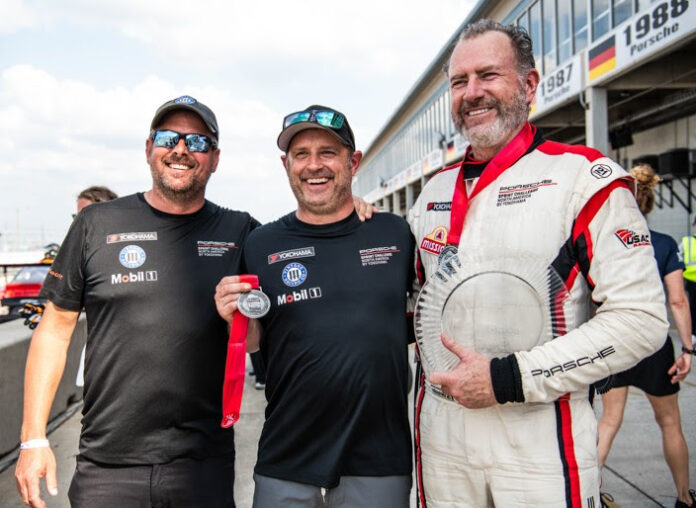
BRASELTON, Georgia (September 29, 2025) – The first race winners in the inaugural running of the HSR Road Atlanta Classic 10 Hour presented by Mission Foods were crowned Sunday afternoon after four days of outstanding HSR competition at Michelin Raceway Road Atlanta (MRRA) this past weekend. The highlight of the full event – that also included the HSR Fall Historics – was the debut HSR Road Atlanta Classic 10 Hour that took its place alongside the HSR Classic races at Daytona International Speedway, Sebring International Raceway and Watkins Glen International as part of the first-year HSR Classic Endurance Cup presented by Mission Foods series.

The HSR Road Atlanta Classic 10 Hour presented by Mission Foods was the third round of the inaugural HSR Classic Endurance Championship season that features the four “tribute events” celebrating the biggest and longest-running sports car endurance races in the United States. The Classic Road Atlanta 10 Hour honors the legendary ALMS and now IMSA WeatherTech SportsCar Championship 10-hour race that ends each year’s contemporary sports car racing season at MRRA. The HSR Classic 10 Hour featured four different Run Groups each taking to the 2.54-mile Georgia road course for three different segments over the course of Saturday and Sunday.

Not to be outdone, the debut HSR Road Atlanta Classic 10 Hour delivered the same stout competition and thrilling finishes of its more established sister events with a fast mix of close battles to the end and convincing and controlled winning performances.

The closest race emerged in the always competitive GT Modern (GTM) battleground of Group C that became an all-Porsche 911 GT3 contest from the drop of the green flag. The driving duo of Ed Wheatley and winning Porsche GT3 and Carrera Cup pro driver Jimmy Llibre led overnight after a pair of strong opening races on Saturday, but holding on for the victory Sunday took a focused fight to the finish.

Riding a 22.398 second lead into Sunday’s final, Wheatley and Llibre in the ACI Motorsports 2019 No. 2 Fortress Stabilization Porsche 991.2 GT3 R tucked in behind their closest challenger and tracked them to the finish. The Hudson Historics 2018 No. 78 Porsche 991.2 GT3 Cup of Zach Ehrlich and John Reisman kept Wheatley and Llibre honest the entire race, but a leading charge to the checkered flag Sunday came up just short.

Ehrlich, the nephew of veteran HSR race winner Reisman, drove the majority of the weekend’s races, turning some of his fastest laps trying to build a margin on the ACI No. 2 Fortress entry in Sunday’s final. Ehrlich won the round but Wheatley and Llibre secured their second HSR Classic Run Group win in less than a year with a 16.348 second margin of victory that was the closest of the Classic 10 Hour. Wheatley and Llibre were also victorious in their Run Group in last December’s HSR Sebring Classic 12 Hour presented by Mission Foods at Sebring International Raceway.

A similar “keep them close” strategy was a winning won in Group D where the powerhouse team of Pierce Marshall and Eric Foss, in the Matador Motorsports 2017 No. 02 Cadillac DPi, won their fourth HSR Classic in their last six starts. The Classic 10 Hour triumph once again came down to a race-long battle with friendly rivals Bob Neapole and Guy Cosmo in the RBN Motorsports with Cosmo-Sport 2020 No. 60 Acura ARX-05 prepared by Hudson Historics.

Marshall, Foss and the No. 02 Matador Motorsports team swept both of Saturday’s opening rounds to build a 40.511 second advantage over the No. 60 Acura squad heading into Sunday’s final. Rather than try to further gap on the Acura, however, closing No. 02 Cadillac driver Marshall was content to trail the No. 60 to the finish on Sunday.

Neapole took the final of Group D’s three checkered flags on the weekend in first place but settled for runner-up honors with Cosmo and his teammates in the overall battle, finishing just over 28 seconds behind the winning Cadillac.

The victory in the first HSR Road Atlanta Classic 10 Hour gave Marshall, Foss and Matador Motorsports the distinction of quickly becoming the first team and drivers to win all four HSR Classic races at least once with the same team, driver and car combination.

The No. 02 Cadillac team’s most recent HSR Classic victory came in March’s HSR Sebring Classic 12 Hour, and an equally accomplished and hard-to-beat competitor duplicated that record in the combined Group A and Group B race at MRRA.

Todd Treffert has been one of if not the most victorious driver in HSR for nearly a decade, but a race win in an HSR Classic had been elusive until his breakthrough victory in the HSR Sebring Classic 12 Hour in March. He took the Group B victory in his great looking 901 Shop-prepared 1975 No. 41 Porsche 911 Carrera Cup RSR “Baby” Turbo at Sebring and replicated the feat this weekend at MRRA with his second Group B win in the first three rounds of this year’s HSR Classic Endurance Cup presented by Mission Foods.

Treffert finished a close second in his division and overall in Saturday’s opening Group A/B race, which was won outright and in Group B by Ford Motor Company CEO Jim Farley and his legendary co-driver Jan Magnussen. Unfortunately, Farley’s beautiful Wolf Motorsports 1978 No. 98 Ford-Lola T298 retired with a suspension issue early in the second A/B round, and Treffert was quick to pounce. He kept his No. 41 Carrera RSR in front and out of trouble for the remainder of round two, and in Sunday’s final segment, to sweep overall and Group B honors. Treffert’s one-lap win over the pristine 1976 No. 84 Chevrolet DeKon Monza of brothers Theo Bean and Patrick Bean was the biggest margin of victory in the inaugural HSR Road Atlanta Classic 10 Hour.

The Group A winner made a mark of its own in the Classic 10 Hour as the only one of the weekend’s four winners to sweep all three of its group race segments. The Downforce Motorsports 1966 No. 98a Superformance GT40 prepared by Olthoff Racing led the race from start to finish after rebounding from a contact incident early in the weekend and an unplanned solo drive by Olthoff racing owner and driver Dennis Olthoff. The Superformance GT40 was slated to be co-driven by owner Dan Long and Olthoff, but Long left the track early in the weekend to prepare his home for potential flooding due to the tropical storm and hurricane forming in the Atlantic ocean off the Southeastern U.S. coast.

An experienced and top driver in his own right, Olthoff capably soloed to the convincing victory, maintaining the Group A lead throughout and finishing fifth overall behind the top-four Group B finishers. The win was the first of Olthoff and his team in HSR Classic competition in five years when he joined the late Jim Cullen and Frank Beck for a pair of HSR Daytona Classic 24 Hour presented by Mission Foods Group A wins in 2020 and 2018 in Cullen’s Olthoff Racing 1970 No. 01 Lola T70.

Classic Sebring 12 Hour Group A winner David Agretelis finished second behind the GT40 and a respectable sixth overall in his 901 Shop 1972 No. 166 Porsche 911 S/T. Third in Group A went to Robert Spence in his similar 1972 No. 63 Porsche 911 S/T.

Other third-place podium players in the HSR Road Atlanta Classic 10 Hour included Colin Dougherty in Group C in the DAS Sport 2016 No. 16 Porsche 991.2 GT3 R, Jim Hamblin in Group B in the 901 Shop 1971 No. 18 Porsche 911 RSR and the returning duo of Keith Freiser and multiple HSR Classic 24 winner Aaron Scott in a 2009 No. 20 Zytek LMP1

Next up on the 2025 HSR schedule is the 11th HSR Daytona Classic 24 Hour presented by Mission Foods, and the HSR Daytona Historics, at Daytona International Speedway November 5 – 9.

About HSR: Historic Sportscar Racing (HSR) is the premier vintage and historic racing series in North America. It was formed in the mid-1970s with an inaugural event at Road Atlanta and became a part of International Motor Sports Association (IMSA) in 2022. There was one goal then and it remains true today: to celebrate and enjoy the racing cars from the past. As a “time machine” of sights and sounds, HSR provides a venue for competitors and spectators alike to share in the wonderful history and excitement created by the cars that competed at race tracks around the world. HSR currently sanctions eight vintage and historic racing events at some of the world’s most renowned race tracks, including Daytona International Speedway, Michelin Raceway Road Atlanta, Sebring International Raceway, Watkins Glen International and more. The complete schedule and full event information can be found on HSR’s website at www.HSRRace.com. Look for the HSR Channel on YouTube and follow HSR on Facebook at www.Facebook.com/HSRrace/, on Twitter X @HSR_race and on Instagram @HistoricSportscarRacing.

NASCAR Playoff Drivers Share Insider Tips for Fans Ahead of Bank of America ROVAL™ 400 Weekend

From the Fan Zone to the Playoff madness on track, Bank of America ROVAL™ weekend has something in store for fans all weekend long at Charlotte Motor Speedway. (CMS/Michael Anderson photo)
  • Drivers say the ROVAL™ offers it all — the best sightlines, can’t-miss action and the unpredictable chaos that makes it the ultimate Playoff wildcard weekend
  • Bank of America ROVAL™ 400 weekend tickets can be purchased online at www.charlottemotorspeedway.com or by calling 1-800-455-FANS (3267). Kids 12 and under get in all weekend for just $10

CONCORD, N.C. (Sept. 29, 2025) — Race week has arrived at Charlotte Motor Speedway, and the Bank of America ROVAL™ 400 is set to deliver thrills, chaos and all the intensity of the NASCAR Playoffs. With sightlines that showcase the entire 17-turn course and the unpredictability of a true wildcard weekend, the ROVAL™ is primed to treat fans to one of the most exciting NASCAR weekends of the season.

Here’s what drivers are saying about the best turns, the best viewpoints and the nonstop excitement fans should watch for heading into the weekend:

Denny Hamlin, No. 11, Cup Series Playoff Contender

“At the ROVAL™, there’s a lot to experience there, but honestly, us running through the infield there creates an opportunity for you to get probably closer to the cars than what you would at any other racetrack, certainly the ovals. I think what makes Charlotte and especially the ROVAL™ unique, and the reason that you would want to come out, is that this is one of the opportunities for us to race in Charlotte. We only get to race at that track twice a year, once in May, and once here in the Playoffs, where the stakes are as high as they get.”

Chase Briscoe, No. 19, Inaugural Blue Cross NC 250 Xfinity Race Winner

“There’s really no other road course that you can go to where you can see the whole racetrack. At the ROVAL™, you can see the whole course, depending on where you sit. There’s no other road course that I know of, or at least that I’ve ever raced at, where you can see the whole racetrack. I think fans should come out to watch the ROVAL™ because it’s always one of the most chaotic races of the Playoffs. The unpredictable always happens, there’s always big crashes and things that just flip the Playoff field upside down. It’s normally a perfect time of the year in Charlotte, where it’s sunny and 75 (degrees). It should be a great race.”

Joey Logano, No. 22, Cup Series Playoff Contender

“As far as road courses go, you have the opportunity to see a whole course from one seat. Every other road course that we go to, you’re only going to see a section of the track, where at the ROVAL™you see the whole thing, with a lot of different things happening. It’s a pretty cool road course in my opinion.”

Bubba Wallace, No. 23, 23XI Racing, Cup Series Playoff Contender

“It’s a home race for all of us. It’s a great crowd that shows up. The weather’s, for the most part, pretty nice, and then it’s just action-packed on such a tight road course. You’re seeing chaos, you’re seeing carnage. So I know some fans just show up just for that, but you get your fair share of good racing along with some crazy crashes and, hopefully, a non-SVG win.”

Tyler Reddick, No. 45, Cup Series Playoff Contender

“If I could take a fan to any turn of the ROVAL™, it would be Turn 7, for sure. I know from experience that you can take flight even there. Turn 7 is an exciting one, especially on restarts. You can make big moves from quite a few car lengths back, and sometimes they work and sometimes they don’t. I experienced both last year. It’s a very tricky road course setup. The infield is very tight and technical; it’s easy to make mistakes and get off the track and have damage. Then, with the high banks, when the tires are worn out, it’s a handful on the oval. It’s one of those tracks where it truly is a one-of-a-kind experience for the driver, and I’m sure it’s great for the fans to watch too.”

Harrison Burton, No. 25, Xfinity Series Playoff Contender

“I think it’s a good road course type of race to watch because you can see the whole racetrack. It’s so rare to go to a road course and be able to see the cars as long as you can at the ROVAL™and watch the entire race around the whole thing. If you can get a grandstand seat high enough, it’s awesome because you can watch every corner.”

Justin Allgaier, No. 7, Xfinity Series Playoff Contender

“I feel like since the change of the infield section of the ROVAL™, my answer would probably change as to where I would take a fan. I do think that if you were to put a fan in the grandstands, not only where Turn 1 is, but on the barrier between Turn 1 and the exit of Turn 7, that to me would be the ultimate spot. It never fails that somebody goes through there way more aggressively than they intended to and hits the little turtles. From a fan perspective, it’s probably one of the coolest races you can go to.”

Sam Mayer, No. 41, Two-time Drive for the Cure 250 Winner

“I would try to get a fan as high as possible so they could see the whole racetrack, but I feel like the RV section in Turns 1 and 2 is a really good spot because you can see a lot of the infield chaos, which is so entertaining.”

Brandon Jones, No. 20, Xfinity Series Playoff Contender

“I think if you’re going to the ROVAL™ as a first-time fan, long-time fan, whatever, you’ve got to expect to get crazy at the end. There’s going to be a lot of changing throughout the day with point scenarios and people’s situations and what they have to do. If you get a late race restart, oh my gosh, you better be ready.”

Sheldon Creed, No. 6, Xfinity Series Playoff Contender”

“If I were to take a first-time fan or a fan who is at the ROVAL™ for the first time, I would take them to the top of Turn 1 of the oval. I think that’s a fun place to watch. Cars are going by fast and you can see a majority of the racetrack.”

TICKETS:

Bank of America ROVAL™ 400 tickets are available at www.charlottemotorspeedway.com or by calling 1-800-455-FANS (3267). Kids 12 and under get in all weekend for just $10.

MORE INFO:

Fans can connect with Charlotte Motor Speedway and get the latest news by following on X and Instagram, becoming a Facebook fan or downloading the Charlotte Motor Speedway mobile app.

Your Complete Guide to Soft Tops for 2-Door vs. 4-Door Jeeps

Few upgrades make as much of a difference in a Jeep as swapping out the top. A soft top not only changes the look of your rig but also impacts how you use it — from trail rides to weekend road trips. But when it comes to choosing a top for a 2-door versus a 4-door Jeep, the decision isn’t always straightforward. Each option offers unique pros and cons, and knowing the differences will help you choose the right fit for your lifestyle.

Whether you’re looking to add open-air freedom with a Sunrider soft top or a full replacement for your Wrangler, soft tops add versatility, style, and convenience. Here’s what you need to know before deciding between 2-door and 4-door configurations.

What’s the Real Difference?

1. Size and Coverage
The biggest difference between a 2-door and a 4-door soft top is size. A 4-door Jeep has a longer wheelbase, meaning the soft top covers more surface area and includes additional windows and hardware. For some drivers, this means extra work during installation, though most modern systems are designed to be user-friendly.

2. Passenger Space
If you frequently carry passengers, a 4-door Jeep soft top provides better access and comfort. More doors mean more space, and soft tops designed for these models allow for easier entry and exit. A Jeep Wrangler soft top for a 2-door, on the other hand, is more compact and better suited for solo drivers or couples who don’t need as much cabin room.

3. Storage and Weight
A 2-door soft top is smaller and lighter, making it easier to remove and store when not in use. A 4-door top requires more storage space, which is worth considering if you have limited garage or shed room. The tradeoff is that 4-door tops often offer more versatility in terms of configurations, like partial open-air setups.

4. Price Point
Because of the additional size and hardware, 4-door soft tops are typically more expensive. If you’re working on a budget, a 2-door soft top provides the same benefits — open-air freedom, weather protection, and style — at a lower cost.

5. Everyday Usability
A 4-door soft top makes more sense for families or those who use their Jeep as a daily driver, while 2-door setups are often chosen by off-road enthusiasts who value agility and compactness over passenger capacity.

Storage Space and Access with a Soft Top

1. Cargo Considerations
When comparing 2-door and 4-door Jeeps, cargo space is another key factor. A 4-door model naturally offers more storage, and its soft top design accommodates easier access to the rear cargo area. For road trips or hauling gear, this can be a game-changer.

2. Fold-Back and Flip Features
Modern tops, such as the Sunrider soft top, are engineered to fold back easily, giving you instant open-air access. This is especially helpful in 4-door models, where larger tops might otherwise feel cumbersome to manage.

3. Everyday Flexibility
For city drivers or those frequently switching between covered and open setups, the 2-door soft top offers quicker transitions. Its lighter frame and smaller footprint make it easier to adjust on the fly.

4. Access for Rear Passengers
Rear-seat passengers in a 4-door Jeep benefit more from soft tops with zip-out or roll-back windows, improving both airflow and accessibility. This is an important consideration if you regularly travel with friends or family.

Off-Roading Pros and Cons

1. Trail-Ready Design
Soft tops provide unmatched versatility on the trail. They allow quick transitions when weather changes, and their lighter construction means less overall vehicle weight. A Jeep Wrangler soft top on a 2-door offers even greater agility, making it easier to navigate tight trails.

2. Durability in Harsh Conditions
While modern soft tops are built to withstand UV rays, wind, and rain, they don’t offer quite the same durability as a hard top. Off-roaders who frequently encounter rough environments may want to carry backup accessories like door surrounds or storage bags to protect windows and fabric.

3. Noise Levels
One tradeoff of soft tops is increased cabin noise, especially at highway speeds. This is slightly more noticeable on 4-door models due to the larger surface area. For off-road fun, however, most Jeep owners see this as a fair trade for the flexibility soft tops provide.

4. Cost vs. Convenience
For Jeep enthusiasts who want the ultimate open-air experience, soft tops are hard to beat. While they may require more upkeep than hard tops, their affordability, flexibility, and style make them a favorite among off-roaders and casual drivers alike.

5. Lifestyle Fit
If your Jeep is primarily for weekend adventures, a 2-door with a soft top is perfect for a lightweight, go-anywhere setup. If you’re balancing family trips, daily commutes, and off-road outings, the 4-door configuration provides more comfort and practicality.

Final Thoughts

Choosing between a 2-door and 4-door Jeep soft top comes down to lifestyle. Both options provide the open-air freedom that makes Jeep ownership special, but they differ in size, usability, and passenger comfort. A 2-door is lighter, more affordable, and agile, while a 4-door offers more cargo space and passenger-friendly features.

With the variety of Bestop Jeep accessories available, you can find a soft top that matches both your Jeep model and your driving style. Whether it’s a Sunrider for everyday convenience or a full replacement top for off-road adventures, upgrading to a soft top enhances your Jeep’s versatility and fun factor.