Home Blog Page 33

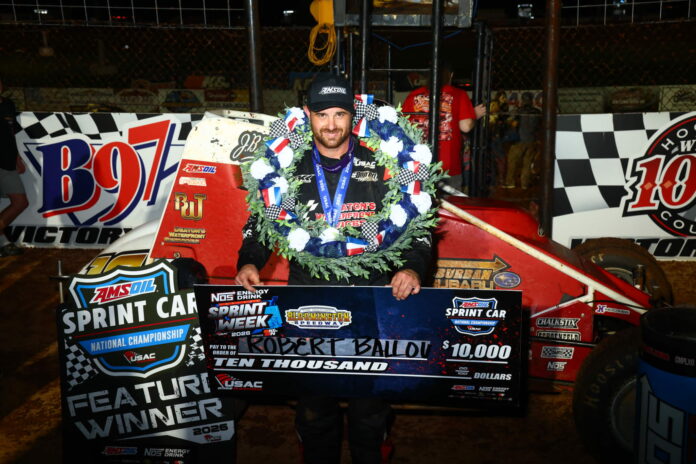
Robert Ballou Wins Round 8 of Indiana Sprint Week at Bloomington Speedway Over Gavin Miller in Last-Lap Pass

Photo Courtsey of Rich Forman Photo

The penultimate round of the USAC National Sprint Car Series Indiana Sprint Week was held Friday night at Bloomington Speedway and saw a thriller of a finish between Robert Ballou and Gavin Miller on the last lap of the race. Ballou passed Miller on the backstretch as Miller’s car slowed and went off the pace to win the race. The victory was redemption for Ballou, as this was the site of him breaking his back one-year ago, which set him out for the rest of the year in the 2025 season. However, one-year later, the Rocklin, California native found himself at the top of the world.

“First, I need to say sorry to Brady (Bacon) and Sean Michaels (Crew Member on Ballou’s car),” Ballou said to Flo Racing in his victory lane. “I hit the grease, and it started raining, and I busted sideways and was gathering the car. Obviously, he (Brady Bacon) couldn’t have lifted, or he would’ve got tight. It’s super unfortunate, I hate that for them guys. There one of the best guys around, especially, Brady. Second, last night was a heartbreak, and this race last year, I broke my back.

“You know, it’s just a group effort, a bunch of volunteer help. We needed this win. I started this week behind the eight ball, and last night was a huge blow to my race team. Just one of them deals you have to crawl before you walk and walk before you run. I finally, after a few nights, I got my bearings and got my racecar better, so I can drive it.”

Bloomington Speedway was also the site for the 35th annual Sheldon Kinser Memorial. Kinser won three USAC National Sprint Car Series championships in 1977, 1981, and 1982. Most recent winners of this race include Logan Seavey from last year, Briggs Danner in 2024, Emerson Axsom in 2023, Kyle Cummins in 2022, Brady Bacon in 2021, and Kevin Thomas Jr in 2019.

At the time of check-in Friday afternoon, there were 41 entries on the entry list.

Feature Recap – 30 Laps

Starting on the pole for the feature were Ballou and Max Adams. Ballou was on the inside row and Adams the outside row. Ballou led the first lap with Adams, Miller, Thomas Jr, and Bacon the top five. With 27 laps to go, Miller moved up to the second position after starting in the sixth position. Miller then took the lead from Ballou using the bottom lane with 23 laps to go, but a caution was seen a lap later for two cars stuck together in Turn 2. The caution would be for Thomas Meseraull and Gunnar Setser.

Coming to the restart with 23 laps to go, it was Miller, Ballou, Adams, Bacon, and Hunter Schuerenberg in the top five. With 20 laps to go, Bacon passed Adams for the third position. With 17 laps to go, Miller touched one of the infield tires, but it did not faze him as he kept the lead.

The race pace didn’t last long as the second yellow came out with 13 laps to go for multiple cars stopped in Turn 4, including the ISW Championship Points leader, Cummins. Trey Osborne and Thomas Jr were also involved.

Another yellow came out a lap later with 12 laps to go in Turn 2 for Ballou and Bacon. Ballou’s car got sideways, and Bacon had nowhere to go, and ran into the back of Ballou.

The race went green for about six laps until a red flag brought the field to a halt for Eli Wilhelmus flipping out on the outside of Turn 4. He would be okay and exit the car under his own power.

Following the red flag, the field went back to yellow conditions, but rain began falling on the track. The cars stayed on track to keep the heat in it.

Miller was the leader with six laps to go at the time of restart. However, he was heavily chased by Ballou, who was using the high side to his momentum, but another yellow slowed his pace for Seavey, as he was stopped sideways off the exit of Turn 4.

After the red flag was lifted, raindrops began to fall on the track. The cars remained on track and ran some pace laps to help keep heat in it. The drivers were able to do so and went back green with six laps to go.

It looked as though Miller would run away with the race victory in the remaining laps, but his car suddenly broke on the backstretch on the final lap of the race. This allowed Ballou to go right on by and win in an upset fashion.

Heat Race Recaps – Top 4 Transfer – 10 Laps A Piece

Wilhelmus paced the Hot Lap session, setting a quick time of 11.307 seconds. Reinbold would have the fastest lap of 11.337 seconds following the two-lap qualifying session.

Heat 1 – Jake Scott was the pole sitter for the first heat, but was scratched from the running order. At the drop of the green flag, Hunter Schuerenberg powered to the lead and remained there to take the heat win. He was followed by Bacon, Danner, and Meseraull for the transfers. Reinbold finished sixth in the running order.

Heat 2 – The caution came out as soon as the green flag flew for Troy Carey, who went off the backstretch. This would prompt a single restart with nine laps to go. Harley Burns was the leader after Dalton Stevens originally started first but fell to fifth. Carey again found himself in trouble, prompting red flag conditions with five laps to go. His car went flipping wildly outside of Turn 4. He was okay and exited his car.

Following the delay, the field went back green, and Burns secured the victory. He was followed by Jake Swanson, Thomas Jr, and Miller, the transfers.

Heat 3 – Gunnar Setser would be the top starter for the third heat. The caution came out with seven laps to go for Daylan Chambers, who came to a stop outside of Turn 2. Chance Crum took the lead from Setser early on and claimed the heat victory. Setser was second, Adams third, and Jordan Kinser fourth.

Heat 4 – Cale Coons started first, but fell to sixth in the early going. Grant powered on to take the top spot and ultimately the heat win. Ballou, Colin Park, and Jadon Rogers took the final transfer spots.

Heat 5 – For the fifth and final heat, Wilhelmus was your first-place starter. Chase Stockon took the lead on Lap 1, but Wilhelmus retook it a lap later. That’s all Wilhelmus would need, as he won the fifth heat. Stockon, Cummins, and Osborne were the last transfers out of the heat races.

Despite not being one of the original transfers, Reinbold won the semi-feature to help transfer himself to the A-main. Ricky Lewis, Mitchel Moles, and Seavey also moved on to the feature. 

Official Race Results Following Bloomington Speedway

  1. Robert Ballou
  2. Mitchel Moles
  3. Justin Grant
  4. Jake Swanson
  5. Hunter Schuerenberg
  6. Max Adams
  7. Cale Coons
  8. Briggs Danner
  9. Gavin Miller
  10. Kyle Cummins
  11. Harley Burns
  12. Chance Crum
  13. C.J. Leary
  14. Kevin Thomas Jr
  15. Brady Bacon
  16. Jadon Rogers
  17. Chase Stockon
  18. Hayden Reinbold
  19. Logan Seavey
  20. Ricky Lewis
  21. Eli Wilhelmus
  22. Trey Osborne
  23. Colin Parker
  24. Gunnar Setser
  25. Thomas Meseraull

Heading into the Saturday night finale at Tri-State Speedway, Cummins leads the ISW Week Championship Points Standings by a small margin of seven points over Grant. He also continues to lead the season-long championship over Grant as well by 124 points.

Following tonight, the winners of ISW week have been Justin Grant on the Dirt Track at IMS and Lawrenceburg Speedway, Kyle Cummins at Lincoln Park Speedway and Terre Haute Action Track, Brady Bacon at Circle City Raceway, and Jake Swanson at Paragon Speedway. It’ll be interesting to see who will take home the ninth and final round for the finale at Tri-State Speedway Saturday night, live on Flo Racing.
Hannah Bell, Performance Vehicle Works Racing Hope Third Time’s the Charm at Tri-County Speedway

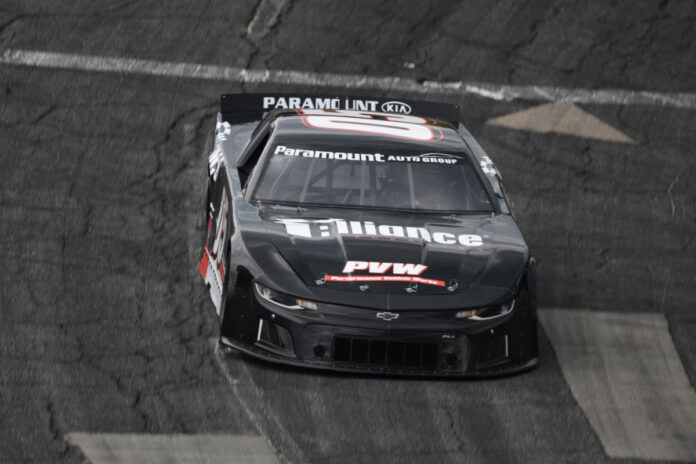
GRANITE FALLS, N.C.: After seeing last weekend’s racing program washed away by Mother Nature, Hannah Bell and the Performance Vehicle Works Racing team are eager for another opportunity to continue their recent progress at Tri-County (N.C.) Speedway.

The rainout marked the second weather-related cancellation the team has encountered this season, forcing Bell to wait another week before climbing back behind the wheel.

Rather than dwelling on the delay, however, the team has remained focused on preparing for another chance to build on the momentum and confidence gained in recent outings.

Without question, the transition from Hickory (N.C.) Motor Speedway to Tri-County (N.C.) Speedway has proven beneficial for Bell and the Performance Vehicle Works Racing team.

Although Bell consistently showed competitive speed at the historic Hickory Motor Speedway, a series of untimely setbacks prevented the team from capitalizing on that performance.

With a continued emphasis on developing Bell’s racecraft and building confidence behind the wheel, the team elected to shift its focus to Tri-County Speedway.

The change has already produced encouraging results and renewed optimism heading into the latter stages of the season.

Although Bell’s most recent outing ended in disappointment after she was collected in a chain-reaction restart accident while running inside the top 10, the performance reinforced just how much progress she and the Performance Vehicle Works Racing team have made.

The team understands that reaching Victory Lane is one of the toughest accomplishments in short-track racing, but with Bell’s continued development and the speed they’ve shown in recent races, competing for wins has become the goal as the season progresses.

This weekend presents Bell with another opportunity to continue that upward trajectory as Performance Vehicle Works Racing returns to Tri-County Speedway.

Armed with valuable notes from previous appearances at the North Carolina short track, the team is optimistic that another consistent performance can translate into the finish they know is within reach.

For Bell, the objective remains straightforward: qualify well, maintain track position and capitalize on every opportunity throughout the evening.

While experience continues to be one of her greatest assets, each lap completed has added to her confidence and strengthened the chemistry between driver and team.

“We’ve made a lot of progress over the last several races, and I think our results are starting to reflect the work everyone at Performance Vehicle Works Racing has been putting in,” said Bell.

“Even though our last race didn’t end the way we wanted, we proved we had a car capable of running inside the top 10.

“Having last weekend rained out was disappointing because we were excited to get back to the track, but sometimes that’s just part of racing. We’ll take the extra week, keep preparing and hopefully get another opportunity this weekend.

“Every time I get behind the wheel, I feel more comfortable and more confident. Our goal is to put together a complete night, stay out of trouble and give ourselves a chance to be racing up front when it matters most.”

While the recent performances have validated the progress the team has made, Bell and Performance Vehicle Works Racing know there is still work to do. Every race weekend presents another opportunity to gather valuable information, refine the race car and continue laying the foundation needed to become consistent front-runners.

“We’re learning something every time we unload the race car,” Bell added. “Whether it’s something I can improve as a driver or something we can make better with the car, every lap teaches us something. If we leave the track without learning anything, then we’ve missed an opportunity.

“Winning races is never easy, especially when you’re building a program, but that’s what we’re working toward. Every week we’re getting a little better, and if we keep making those small gains together, I believe the results will come.”

As temperatures continue to climb during the heart of the summer racing season, Bell has placed an even greater emphasis on her preparation away from the racetrack. From staying active between races to maintaining proper hydration, she believes the work done during the week is just as important as the laps completed on race day.

“I’ve learned that being prepared starts long before you get to the racetrack,” Bell explained. “I try to stay active, eat right and make sure I’m hydrated, especially this time of year when the temperatures inside the race car can get really intense.

“Taking care of yourself allows you to stay focused, make better decisions and be at your best when the race gets tough. It’s another part of becoming a better race car driver, and it’s something I’m continuing to work on every week.”

Although the long-term plan remains to return to Hickory Motor Speedway, Bell and the Performance Vehicle Works Racing team believe their current approach is paying dividends.

Rather than rushing the process, the team is committed to continuing Bell’s development, building confidence and gaining valuable experience one race at a time.

“We’ve always believed in Hannah and the talent she brings behind the wheel,” said Performance Vehicle Works Racing owner and team manager Timmy McKichan. “Our responsibility is to give her every opportunity to learn, improve and continue growing as a race car driver.

“Obviously, it was frustrating to have last weekend rained out because we were looking forward to seeing Hannah back on the track. The good news is we’ll have another opportunity this weekend. She’s making smart decisions, communicating well with the team and growing more comfortable every time she climbs into the race car.

“We know there is still plenty of work ahead, and we’re not going to rush the process. Hickory isn’t going anywhere. When the time is right, we’ll go back, but for now we’re focused on continuing to build confidence, gain experience and keep taking steps in the right direction.”

For Bell, every race weekend is another opportunity to continue pursuing the sport she loves while appreciating everyone who has helped make the journey possible.

“I’m grateful every time I get the chance to strap into a race car,” Bell said.

“There are a lot of people who would love to have this opportunity, and I never want to lose sight of how fortunate I am.

“I’m thankful for Timmy, everyone at Performance Vehicle Works Racing, our partners, my family and all the fans who continue to support me. Their belief in me motivates me to keep working, keep learning and chasing our goals together.”

Bell’s Limited Late Model schedule continues with support from her long-time partner, Alliance Packaging.

Racing begins at Tri-County Speedway on Saturday, August 1, 2026, beginning at 6:30 p.m. ET with coverage available on FloRacing.com.

For more on Hannah Bell, please like her on Facebook, follow her on Instagram (@Hgbell) and TikTok (@HannahBell05).

NHRA WELCOMES NEW SWAMP BOTTOM DRAG STRIP TO SOUTH CENTRAL DIVISION

COLUMBIA, Miss. (July 31, 2026) – NHRA officials are excited to announce that Swamp Bottom Drag Strip, a new, state-of-the-art facility currently being built in Columbia, Miss., has joined the NHRA Member Track Network as part of the South Central Division (Division 4).

The facility is currently in the development phase in Southern Mississippi and is owned by Brad and Tawanah Reid. Their team has already made significant progress on the dragstrip, laying concrete, installing lights and a tower, and much more in recent months.

The Reid family was eager to join the NHRA Member Track Network during this process, helping to ensure a seamless opening as the track comes to life.

“Swamp Bottom Drag Strip is being built with the goal of creating a first-class home for racers and fans in South Mississippi,” Brad and Tawanah Reid said. “Joining the NHRA Member Track Network during the development of the facility gives us the opportunity to build with strong standards, proven programs and long-term growth in mind. We are excited to work with Jonathan (Johnson, Division Director), Division 4, and NHRA as we bring this new track to life.”

By joining the NHRA Member Track Network, Swamp Bottom Drag Strip will be eligible to offer racers in the area a variety of NHRA-sanctioned racing opportunities when the facility opens, including the NHRA Summit Racing Series presented by Hoosier, the NHRA Summit Racing Jr. Drag Racing League, NHRA Street Legal, NHRA Jr. Street and more. Additionally, the track will have the chance to host NHRA specialty events like the NHRA Summit King of the Track and more.

The facility will also get access to NHRA’s extensive support programs as part of the member track network, insurance benefits and national marketing platforms as they continue to put the finishing touches on a state-of-the-art facility.

With a strong area fanbase and a region filled with talented racers, there’s also plenty of excitement surrounding the new track.

“We are excited to welcome Swamp Bottom Drag Strip to the NHRA Member Track Network as a brand-new facility currently under development in Columbia, Mississippi,” South Central Division Director Jonathan Johnson said. “Brad and Tawanah Reid are not only building a new drag strip, they are also creating new opportunities for racers, families and fans throughout the region. Having Swamp Bottom join Division 4 at this stage allows us to work together from the ground up and help establish a strong foundation for the future.”

For more information on NHRA, including the full 2026 schedule, visit www.NHRA.com.


About NHRA

NHRA is the primary sanctioning body for the sport of drag racing in the United States. NHRA presents 20 national events featuring the NHRA Mission Foods Drag Racing Series and NHRA Lucas Oil Drag Racing Series, as well as the JBS Equipment NHRA Pro Mod Drag Racing Series presented by Elite Motorsports and NHRA Flexjet Factory Stock Showdown™ at select national events. NHRA provides competition opportunities for drivers of all levels in the NHRA Summit Racing Series and NHRA Street Legal™. NHRA also offers the NHRA Jr. Street® program for teens and the Summit Racing Jr. Drag Racing League® for youth ages 5 to 17. With more than 100 Member Tracks, NHRA allows racers to compete at a variety of locations nationally and internationally. NHRA’s Youth and Education Services® (YES) Program reaches over 30,000 students annually to ignite their interest in automotive and racing related careers. NHRA’s streaming service, NHRA.tv®, allows fans to view all NHRA national events as well as exclusive features of the sport. In addition, NHRA owns and operates three racing facilities: Gainesville Raceway in Florida; Lucas Oil Indianapolis Raceway Park; and In-N-Out Burger Pomona Dragstrip in Southern California. For more information, log on to www.NHRA.com, or visit the official NHRA pages on Facebook, Instagram, Twitter, and YouTube.

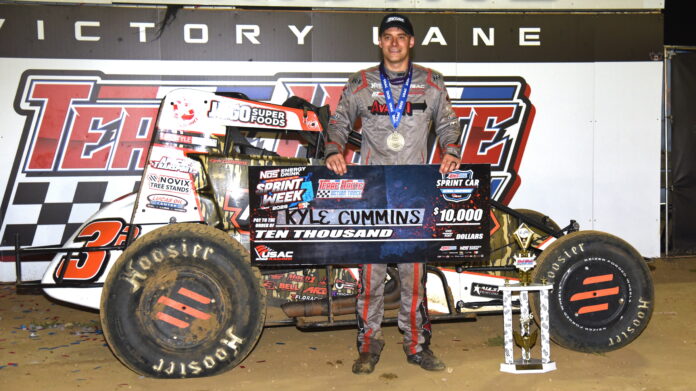
Kyle Cummins Passes Brady Bacon In Thriller To Win Round 7 of Indiana Sprint Week At Terre Haute Action Track

Photo Courtsey of David Nearpass Photo

The seventh round of the 2026 Indiana Sprint Week took place Thursday night at the famed Terre Haute Action Track Speedway in Terre Haute, Indiana, with the USAC National Sprint Car Series. Current Indiana Sprint Week Championship points leader Kyle Cummins used a slider on Brady Bacon coming to the white flag and eventually took home his ninth victory of the season.

“My car wasn’t any good on the bottom,” Cummins said to Flo Racing in his victory lane interview. “I tried to run the bottom, but it wasn’t any good. There at the beginning, I’m just like, ‘man. If it doesn’t run the bottom, I might not finish in the top five.’ Then I see Brady (Bacon) move up and I moved up a little bit. It finally started to get clean off, and then it kind of got dirtier. When Justin (Grant) moved down, the curb got to the point where I could see it, and I could run on it, make some adjustments to the car.

“Starting back there in fifth, especially on a track like this, it’s tough. You can get there, but it’s really hard to pass. It worked out really good when Justin moved down. I’m more excited about this than I am Putnamville. I always wanted to be a champion, but I wanted to make champion moves whenever the pressure was on. Brady, Justin, Robert (Ballou), all these guys can make pressure moves when the pressure is on and get these last-lap passes like Lawrenceburg there.”

Coming into Thursday night’s event, there were 33 cars on the entry list. Additionally, Cummins entered Thursday’s event at the Terre Haute Action Track as the ISW Championship Points leader by 1 point over Mitchel Moles.

Feature Recap – 30 Laps

Justin Grant started on the pole position for the feature with Robert Ballou alongside in the outside pole. Ballou took the lead initially on the start off Turn 2, but it was Grant who came out with the top spot. Brady Bacon also followed him, passing Ballou for second on the inside lane. Grant led Lap 1. With 28 laps to go, Bacon left the inside lane open, and Ballou took the second position using the bottom. A few laps later, with 21 laps to go, Bacon used the high side off Turn 2 to pass Ballou for second and set his eyes on the race leader, Grant. Bacon eventually took the lead at the 20-to-go mark from Grant at the start/finish line on the high side.

On the same lap, Grant missed the exit of Turn 2, which allowed Ballou to go to second. With 15 laps to go, Bacon led Ballou by 1.7 seconds with Grant, Cummins, and Moles the top five. With 12 laps to go, Bacon had a big wobble off Turn 2 after somewhat getting held up by a lap car. Ballou then pounced on Bacon’s mistake and passed him on the backstretch for the lead.

With seven laps to go, Ballou had nearly the exact same mistake as Bacon and lost momentum. Bacon would retake the top spot having more momentum; however, Ballou was able to regroup himself and repass Bacon for the lead in the middle of Turns 3 and 4 before a caution came out. The yellow was for Dalton Stevens, who had a flat right-front tire and a shock that was loose. As the field came back to green, the top five were Ballou, Bacon, Cummins, Grant, and Moles. Unfortunately for Moles, he brought out the second yellow with six laps to go for problems with his right-rear tire that was full of mud.

Once again, the green waved with five laps to go. Bacon used the high-side momentum to his advantage to pass Ballou for the lead on the frontstretch. Cummins then slid into second past Ballou. In a crazy turn of events, Ballou was the reason for the third yellow, as his engine expired with two laps to go after having a great night.

As Ballou was pushed off the track, it was time to go back green with Bacon as the leader, followed by Cummins. Cummins threw in a slider entering Turn 3 to pass and take the lead from Bacon off Turn 4. The slider was indeed the winning pass that Cummins needed, as he would hang on to win the Don Smith Classic at Terre Haute Action Track.

Heat Race Recaps – Top 5 Transfer- 8 Laps A Piece

Cummins paced the Hot Laps session with a quick time of 19.814 seconds, but it was Thursday night winner at Paragon Speedway, Jake Swanson, setting the fastest time in qualifying, posting a time of 19.463 seconds.

Heat 1 – Gunnar Setser started on the pole. Todd Moule was scratched due to the motor expiring. The initial start was called off due to Setser being too quick on the start. This time around, the start was much better with Seavey breaking away as the leader. Seavey held on from there and grabbed the heat victory. Setser, Robert Ballou, Briggs Danner, and Swanson were the top five transfers.

Heat 2 – Todd Hobson was the top starter for this heat. Troy Carey was slow on the backstretch at the immediate start, but there was no yellow. Jadon Rogers tried closing in on the leader, Hobson, to challenge for the lead and took the lead with two laps to go off Turn 2. Rogers got the heat win with Cummins, Grant, Hobson, and Hunter Schuerenberg being the transfers.

Heat 3 – Hayden Reinbold sat on the pole for the third heat, but it was Cale Coons who used the outside to his advantage to take the lead off the start. Coons was the victor, with Dalton Stevens, Chase Stockon, Moles, and Reinbold the top five.

Heat 4 – Sitting on the pole for the fourth heat was Trey Osborne. However, it was Kevin Thomas Jr who went from fifth to first on the first lap, but David Gasper ultimately got by Thomas Jr and went on to win the heat. Brady Bacon, Thomas Jr, C.J. Leary, and Osborne took the transfers. This would be the first heat victory for Gasper. 

Official Race Results Following Terre Haute Action Track

  1. Kyle Cummins
  2. Brady Bacon
  3. Kevin Thomas Jr
  4. Justin Grant
  5. Jake Swanson
  6. Hunter Schuerenberg
  7. C.J. Leary
  8. Chase Stockon
  9. Jadon Rogers
  10. Ricky Lewis
  11. Logan Seavey
  12. Max Adams
  13. Mitchel Moles
  14. Cale Coons
  15. Gunnar Setser
  16. Trey Osborne
  17. Hayden Reinbold
  18. Briggs Danner
  19. Kobe Simpson
  20. Robert Ballou
  21. Todd Hobson
  22. Shane Cottle, won Semi-Feature
  23. Dalton Stevens
  24. David Gasper

Kyle Cummins now leads the ISW Championship Points Standings by 30 points over Justin Grant following tonight’s event. Cummins also continues to lead the overall USAC National Sprint Car Championship Points Standings over Grant as well by 147 points.

Up Next – The penultimate round of the Indiana Sprint Week continues Friday night at Bloomington Speedway, live on Flo Racing.

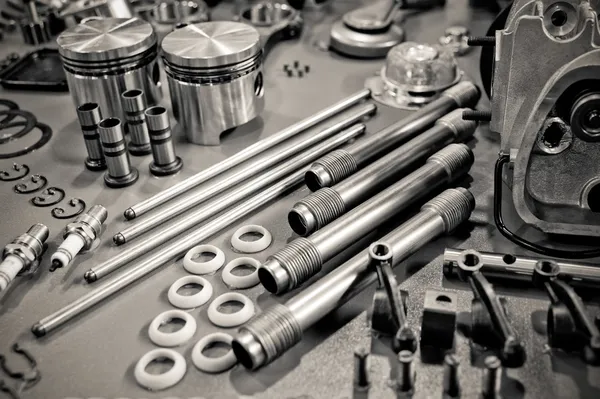
The Parts Hunt: What Nobody Tells You About Building an Old Project Car

Photo by depositphotos at https://depositphotos.com/

Every project car starts the same way. You find it — half-buried under a tarp in someone’s backyard, or listed online with a blurry photo and a price that seems too good to be true. You picture the finished product before you’ve even had the title transferred. Then you get it home, pop the hood, slide underneath, and the fantasy meets its first real obstacle, this car is going to need parts. A lot of them. And a surprising number of those parts don’t exist anymore, at least not new, not on a shelf, not with a part number you can just type into a search bar and buy.

This is the part of project car ownership nobody puts in the highlight reel. The build videos skip straight from “rusty barn find” to “first start-up,” and in between is a story that rarely gets told, weeks spent tracking down a single trim piece, forum threads dug up from 2009, and a slow education in just how thin the supply chain gets once a car passes the 20 or 30-year mark.

If you’re in the middle of a build right now — or thinking about starting one, here’s an honest look at why parts get so hard to find, and where people actually go to solve the problem.

Why Old Cars Run Out of Parts Faster Than You’d Think

It seems counterintuitive. Cars from the 60s, 70s, and 80s were made in huge numbers, often in the hundreds of thousands or millions per model year. So why does finding a clean dashboard, a specific trim tail light, or a correct interior panel feel like searching for a needle in a haystack.

A few things are working against you at once.

Manufacturers stop making the part long before the car stops running. Automakers typically only guarantee parts availability for a certain number of years after a model goes out of production — often a decade or so, sometimes less for trim and interior pieces. After that window closes, the tooling gets scrapped, the supplier contracts end, and that part number effectively disappears from the new-parts world forever. The car can easily be on the road for another 30 or 40 years after that happens.

Attrition works against survivors.

Every car that gets crushed, that rusts into the ground, that gets parted out and scattered across a dozen buyers — that’s one less donor vehicle for the next person restoring the same model. The pool of “spare” cars that could have supplied parts shrinks every single year, and it shrinks faster for models that weren’t seen as collectible early on. Nobody was carefully preserving parts cars for a base-model sedan in 1998. They are now, and it’s too late for a lot of them.

Reproduction parts fill some gaps, but not all of them.

The aftermarket does step in for the most popular muscle cars, trucks, and classics — you can buy reproduction sheet metal for a lot of the usual suspects. But reproduction coverage tends to follow demand. If your project is a less iconic model, a regional favourite, or something that was always considered a “beater” rather than a collector car, you may find that nobody has bothered to reproduce anything for it. You’re stuck sourcing original equipment, and original equipment means someone else’s car had to die for yours to live.

Trim-level and regional variation multiplies the problem.

Even within a single model year, a part that fits one trim, one engine option, or one market region might not fit another. A bumper bracket, a wiring harness, a dash bezel — small details vary more than people expect, and a part that looks right in a photo can turn out to be wrong once it’s in your hands. This is where a lot of project builders get burned, they buy based on the model name alone, without confirming the exact configuration, and the part doesn’t fit.

The Used Parts Chase: What It Actually Looks Like

Ask anyone who’s completed a full restoration what the hardest part was, and very few will say the engine work or the bodywork. Plenty will say it was the hunt for parts — the hours spent chasing down leads that went nowhere.

Here’s what that chase typically looks like in practice:

Forums and owner communities become a part-time job. Model-specific forums are often the best repository of knowledge for where parts might still be floating around, but that knowledge is scattered across threads that are sometimes 15 years old. You end up cross-referencing usernames, sending messages to accounts that haven’t logged in since 2016, and hoping someone still has that box of parts in their garage.

Swap meets and shows are hit or miss.

They can be goldmines, but they’re also seasonal, regional, and dependent on you being in the right place at the right time with cash in hand. You might drive three hours for a swap meet and come home with nothing, or stumble onto exactly the trim piece you needed from a vendor who didn’t even know what they had.

Online marketplaces are a mixed bag.

General marketplaces and auction sites widen your search radius dramatically, but they come with real friction sellers who don’t know their own parts well enough to confirm fitment, listings with three photos and no real description, and a return process that ranges from difficult to non-existent once a used part has shipped across the country. You’re often buying on faith.

Calling salvage yards directly is a grind.

This is the classic approach, and it still works — but it doesn’t scale. Every yard has its own inventory system or no system at all, its own hours, its own way of describing what they have. Calling one yard might mean five minutes on hold followed by “we’d have to go check.” Calling twenty yards to find one part means an entire afternoon, and there’s no guarantee any of them will call you back with an answer.

The common thread in all of this is that finding used parts for an old project car is less like shopping and more like detective work. It takes time, persistence, and a tolerance for dead ends — which is exactly why a lot of builds stall out in the parts-chasing phase rather than the wrenching phase.

What Actually Helps When You’re Deep in a Build

If you’re in the thick of a project right now, a few practices make the search noticeably less painful.

Know your exact vehicle, not just the model name.

The 17-character VIN on your dashboard or door frame encodes far more than most people realize — engine type, transmission, trim level, and sometimes production plant and options package. Before you chase any part, decode your VIN and write down the specifics. It saves you from buying something that technically says “fits your model year” but doesn’t actually fit your car.

Widen your search radius on purpose.

A part that’s nowhere to be found within 50 miles of you might be sitting in a yard three states away. The used parts market for older vehicles is genuinely national — sometimes the part that’s impossible to find locally is unremarkable somewhere else, simply because that region had more of that model on the road.

Get comfortable asking for documentation.

Mileage, condition photos, and confirmation of the exact trim or configuration should be non-negotiable before you commit to a used part, especially one shipping from far away. It’s a reasonable ask, and any seller who can’t or won’t provide it is telling you something about how carefully that part was actually checked before it was listed.

Consider working with a sourcing specialist instead of doing all the searching yourself.

This is where the calculus has shifted in the last several years. Instead of one person calling yard after yard, there are now services built specifically to search a network of vetted salvage yards on your behalf — checking availability, condition, and fitment across dozens of locations at once, rather than you doing it one phone call at a time. For project car builders, that can mean turning a multi-week search into a same-day quote. Outfits like Nexxa Auto Part exist specifically for this — you give them the VIN and the part you need, and instead of you cold-calling yards, they run that search across their verified network and come back with a real, VIN-matched quote, often within an hour. For anyone who’s spent a weekend on hold with salvage yards trying to track down one bracket, that kind of service solves a genuinely painful part of the hobby.

Don’t skip the documentation trail once the part arrives.

Keep records of where parts came from, especially anything sourced secondhand — it matters for resale value down the line, and it matters if you ever need to track down a matching part again for the other side of the car.

The Payoff Is Worth the Grind

None of this is meant to talk anyone out of a project car build. If anything, understanding the parts landscape ahead of time makes the whole process less frustrating, because you go in with realistic expectations instead of assuming everything will be a quick online order.

The truth is that finishing an old project car has always required patience with the parts chase as much as skill with a wrench. The builders who get their cars across the finish line aren’t necessarily the ones with the most money or the best-equipped garage — they’re the ones who didn’t give up when the third yard in a row said “we don’t have that” or the fourth online listing turned out to be the wrong trim.

What’s changed is that the search itself doesn’t have to be as brutal as it once was. Between active owner communities, a wider (if imperfect) online marketplace, and services built specifically to search salvage networks on a builder’s behalf, there are more ways than ever to shortcut the grind without cutting corners on getting the right part.

So if you’re staring at a project car right now with a parts list a mile long, take it one part at a time. Decode your VIN. Ask the right questions. Widen your search. And know that the part you need is very likely still out there somewhere in the country — it just might take a little detective work, or a good sourcing partner, to track it down.

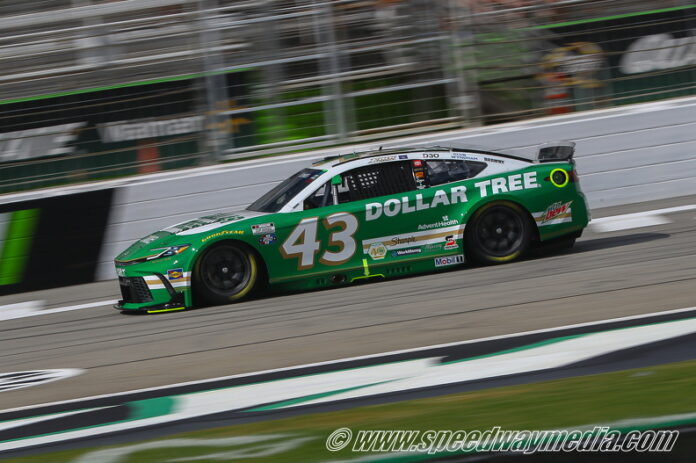
Legacy Motor Club reveals strategic ownership group list

Photo by John Knittel for SpeedwayMedia.com.

Legacy Motor Club revealed its list of strategic owners on Thursday, July 30. The organization’s strategic ownership group features renowned celebrities, athletes and even motorsports competitors whom have invested and acquired an ownership stake that would strengthen Legacy Motor Club’s cultural footprint both within and beyond motorsports competition.

Notable names who were revealed within Legacy Motor Club’s strategic ownership group include Scott Dixon, six-time NTT IndyCar Series champion and the 2008 Indianapolis 500 champion; Dario Franchitti, four-time IndyCar champion and three-time Indianapolis 500 champion; and Tony Kanaan, the 2004 IndyCar champion and 2013 Indiananpolis 500 champion. Together, the trio have amassed a combined 107 victories in IndyCar competition.

Additional investors who were revealed on Thursday include Sam Byrne, co-founder/co-chairman of CrossHarbor Capital Partners; Guy Fieri, Emmy Award-winning chef, restaurateur, and entreprenuer; Bryce Harper, two-time National League MVP and nine-time MLB All-Star who currently plays as first baseman for the Philadelphia Phillies; Andy Roddick, the 2003 U.S. Open champion and former World No. 1; Jen Rubio, co-founder and executive chair of Away; Darius Rucker, three-time Grammy Award winner and Grand Ole Opry member; Kelly Slater, 11-time surfing world champion; and Chase Utley, World Series champion (2008) and six-time MLB All-Star.  

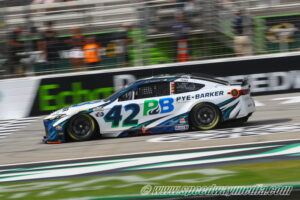
The strategic ownership group reveal of Legacy Motor Club comes as the organization is currently in its fourth consecutive campaign in the NASCAR Cup Series division under its current brand name. The organization currently fields the Nos. 42 and 43 Toyota Camry XSE entries that are piloted by full-time competitors John Hunter Nemechek and Erik Jones, respectively. A third part-time entry, the No. 84 Toyota Camry XSE entry, is also fielded and has been piloted by the team’s co-owner and six-time NASCAR champion, Jimmie Johnson, over the previous four seasons (16 races total), including for two races this season.

Legacy Motor Club’s strategic ownership group reveal also comes as the organization is set to field three-time entries in 2027, with Johnson striving to transcend traditional ownerships structures by uniting cross-industry leaders and champions to establish a motorsports organization that focuses on competitive excellence, cultural relevance and a broader brand growth within landscapes that involve media, partnerships, hospitalities and fan experiences. These aspects pertain to Legacy’s performance both on and off the track for years to come.

“This is not a traditional ownership group,” Johnson said. “It is a collection of people who understand competition, leadership, innovation, storytelling, and how enduring organizations are built. They come from different worlds but share a common belief: that LEGACY can become something fundamentally different within motorsports and culture.”

“Great organizations are built by people who understand what it takes to win — but also what it takes to build,” Johnson added. “The caliber, diversity, and perspective of this group speak directly to where LEGACY is headed.”

Photo by John Knittel for SpeedwayMedia.com.

As Legacy Motor Club strives to transcend its ownership structure for the future, the organization marches forward for the remaining 14 events of the 2026 Cup Series season. Currently, Jones and Nemechek are ranked in 18th and 27th in the standings, respectively, with the former being 44 points below the top-16 cutline to make the 2026 Chase with only four regular-season events remaining until the Chase commences in early September. Looking ahead, Johnson is scheduled to pilot car No. 48 for his final Cup Series career start for the 2027 Daytona 500. Legacy Motor Club’s decision on its third driver for its third full-time entry next season remains to be determined.

The 2026 Cup Series season for Legacy Motor Club resumes on August 9 at Iowa Speedway in Newton, Iowa, for the Iowa Corn 350. The event’s broadcast time is slated to commence at 3:30 p.m. ET on USA Network, MRN Radio, SiriusXM and HBO MAX.

Stained Glass Windows as a Design Solution for Awkward Spaces

Photo by Mr. Great Heart on Unsplash

Some parts of a home are difficult to decorate. Narrow hallways, stair landings, side entrances, laundry rooms, and small bathrooms may have limited wall space but still need privacy, daylight, and visual character. stained glass windows offer a practical answer because they add an artistic layer without introducing more furniture or clutter.

Rather than treating a small window as an empty architectural detail, decorative glass can turn it into the focal point of the space. A textured panel softens a direct exterior view, while colored pieces bring dimension to an area that may otherwise feel plain or unfinished.

Solving Privacy Problems Without Blocking Daylight

Curtains and blinds are useful, but they can make compact rooms feel darker and more enclosed. Decorative glass creates a different balance. It filters the view while allowing natural light to remain part of the room.

This is especially useful for street-facing windows, bathroom glass, front-door sidelights, and windows near neighboring properties. Opalescent, rippled, and textured glass can obscure details outside without eliminating brightness. A panel does not need to cover every inch of the window to improve privacy; even a centered design can break up direct sightlines.

For rooms that receive strong sun, a combination of clear and textured sections can reduce visual glare while keeping the space open. In darker areas, lighter glass and simpler patterns help preserve a sense of airiness.

Choosing a Design for a Transitional Space

Transitional spaces are the areas people move through rather than stay in: hallways, entries, corridors, and stairwells. Because visitors experience them quickly, one distinctive feature often has more impact than several small accessories.

Vertical patterns work well in tall, narrow windows. Geometric shapes can support a clean modern interior, while floral or leaf motifs make an entryway feel softer and more welcoming. A bird or landscape scene can create a small visual pause on a stair landing, where there may be no room for traditional wall art.

Color selection should connect with nearby rooms. Warm amber or red details can echo wood floors and brass hardware. Blue and green glass may complement white walls, tile, and pale wood. Even a mostly clear panel can add interest through texture and hand-crafted line work.

A Functional Detail With Long-Term Value

A decorative window feature is not limited to one trend or season. It can remain in place as furniture, paint colors, and textiles change around it. The light outside will continue to give it a different character each day.

For homeowners who want to make awkward spaces more useful and memorable, stained glass offers more than decoration. It provides privacy, preserves daylight, and gives overlooked parts of a home a clear sense of purpose.

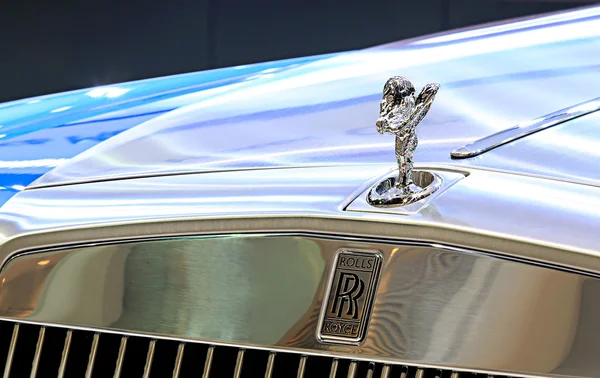
Uncompromising Luxury: Preserving the Iconic Magic Carpet Ride of Your Rolls-Royce

Photo by depositphotos at https://depositphotos.com/

Stepping inside a Rolls-Royce is an entry into a sanctuary of unparalleled serenity, where the chaotic rumble of the outside world is instantly replaced by a whisper-quiet cabin and a legendary, cloud-like stride. 

This peerless motoring experience is defined by the iconic “Magic Carpet Ride”—a sensation of effortless floating that remains unmatched in the automotive universe. When maintaining a motor car built to such ethereal standards, compromise is never an option; settling for anything less than masterful, specialized rolls royce repair abu dhabi risks fracturing the delicate engineering harmony that makes these vehicles a global pinnacle of luxury.

To preserve this signature, uninterrupted composure, one must understand the advanced, interconnected systems that work tirelessly beneath the chassis to isolate the cabin from the harsh realities of the tarmac.

The Architecture of Supreme Serenity

The Magic Carpet Ride is not merely the result of soft springs; it is an active, highly sophisticated engineering feat managed by a proactive air suspension system. 

This system continuously calculates data from body-mounted accelerometers, steering inputs, and wheel-speed sensors, adjusting the electronic dampening forces millions of times every second.

Unlike conventional luxury suspension setups, a Rolls-Royce utilizes massive, custom-tailored air struts equipped with multi-chamber pneumatic bladders. 

These bladders hold a precise volume of pressurized air that acts as a variable cushion. When the vehicle encounters a road defect, the onboard computers predict the impact’s energy and instruct fast-acting electronic valves within the dampers to alter fluid resistance. 

The result is a chassis that remains perfectly flat, effectively erasing potholes, bridge expansion joints, and undulating surfaces before the vibration can ever ripple into the passenger cabin.

The Science of Micro-Vibration Isolation

As these motor cars age, the components that govern this cloud-like journey endure immense atmospheric strain and physical wear. Protecting the integrity of the ride requires deep, master-level attention to detail across several critical focus areas:

  • Pneumatic Bladder Integrity: The high-grade rubber compounds used in the air struts are subject to constant pressure fluctuations and ambient heat cycles. Over time, microscopic hairline fractures can develop along the stress points of the bellows. If a microscopic leak forms, the central compressor pump must work double-time to maintain ride height, leading to premature pump burnout and a subtle, uncharacteristic stiffness in the ride quality.
  • Ride-Height Sensor Calibration: The vehicle’s computers rely on ultra-sensitive ride-height sensors mounted on the suspension arms. A deviation of even half a millimeter can confuse the active chassis management system, leading to improper lateral stability adjustments during cornering or an uneven stance when parked.
  • Dynamic Soft-Ware Synchronization: When any suspension component or electronic sensor is serviced, a mechanical replacement is only half the solution. A specialist must interface directly with the vehicle’s core data network to run dedicated calibration sequences, teaching the central control module the exact baseline tolerances of the new components to restore factory-perfect equilibrium.

Uncompromising Oversight for the Discerning Connoisseur

Allowing an everyday multi-brand workshop to service an ultra-luxury vehicle often yields catastrophic diagnostic errors. General diagnostic equipment cannot access the deep-level manufacturer communication networks required to fine-tune active chassis systems, nor do generic technicians understand the precise torque specifications required for coachbuilt aluminum spaceframes. True luxury care demands a level of reverence and mechanical exactness that honors the craftsmanship invested at Goodwood.

An investment in an elite motor car deserves an equally elite standard of technical oversight to protect its historical value and matchless driving dynamics. At Al Zaabi Auto Care, we curate a bespoke, world-class service environment tailored explicitly to the exacting requirements of your motor car. 

Our facility pairs master-level technicians with factory-grade telemetry tools to meticulously preserve the exquisite engineering balance of your vehicle. Entrust your vehicle to a team that understands that absolute perfection is the only acceptable baseline. Contact our service directors today to schedule a chassis health analysis and experience the definitive standard of care that makes us a premier rolls royce workshop abu dhabi for clients who refuse to compromise.

How to Find a Reliable PH Bingo Platform: A Comprehensive Player’s Checklist

Finding a dependable PH Bingo platform requires looking beyond just the games offered. Essential factors include valid licensing, top-notch security, responsive customer support, smooth navigation, and built-in responsible gaming features. Platforms such as GameZone that excel in these areas tend to deliver safer, more enjoyable, and modern Bingo experiences.

Navigating the Extensive PH Bingo Platform Options

Choosing an online Bingo platform from the many choices available can be a complex task. Eye-catching graphics and flashy promotions don’t always match a site’s underlying reliability or quality. Thorough comparison of options helps avoid disappointments down the line.

The ideal platform puts security, transparency, and easy usability front and center, simplifying the process of enjoying Bingo games without hassle. Jumping into the first available site might not yield lasting satisfaction. Instead, focusing on several important qualities facilitates a smoother, more rewarding experience.

This guide’s checklist outlines key considerations before committing to any Bingo platform and highlights GameZone as an example that meets these crucial standards.

Why Platform Choice Is Critical for PH Bingo Players

The platform chosen shapes the entire gaming journey from registration to gameplay and support. Beyond offering fun games, a trustworthy platform maintains secure systems and clear policies while delivering reliable service support when needed.

Smooth navigation plays a major role — clear menus, distinct game categories, and consistent performance help players concentrate on playing, not figuring out how the site works. Offering a range of game types also keeps Bingo fresh. Whether a fan prefers classic styles or newer variations, multiple choices sustain engagement and provide chances to discover favorites.

Lastly, responsible gaming features are important. Platforms that encourage healthy play habits and give users control show commitment to player well-being, prioritizing satisfying experiences over short-term gain.

The Player’s Checklist for Selecting a PH Bingo Platform

Before signing up, using this checklist can help filter for platforms emphasizing transparency, security, and a positive user experience.

Key FeatureWhy It Matters
LicensingConfirms adherence to regulatory standards
SecurityProtects player data and account information
Game SelectionOffers diverse gameplay styles and entertainment options
User ExperienceEnsures intuitive navigation for all skill levels
Customer SupportProvides accessible assistance when issues arise
Responsible Play ToolsSupports balanced participation and personal control

Applying the same criteria to each platform facilitates an objective comparison beyond marketing hype.

How to Assess Each Criterion in the Checklist

1. Confirm Platform Licensing

Licensing signals a platform’s commitment to fairness, transparency, and player protection. Verification typically involves checking the homepage footer or About section for clear licensing information. Lack of this can be a red flag.

For example, GameZone operates under PAGCOR licensing, aligning with Philippine regulatory standards and providing an extra layer of user assurance.

2. Examine Security Measures

A platform focused on safety protects user data from the start. While no system offers absolute protection, visible security features and a detailed privacy policy promote confidence.

Reviewing the platform’s data handling explanations indicates transparency rather than empty promises. GameZone prioritizes account protection and provides secure login protocols, encouraging peace of mind during use.

3. Explore Available Game Options

Preferences vary widely — some players enjoy traditional Bingo formats, while others prefer interactive or modern twists. A large and varied game library lets users switch experiences smoothly without juggling multiple apps.

The inclusion of both classic and digital Bingo variants reflects the game’s evolution. GameZone mixes popular favorites with fresh options for broader enjoyment.

4. Evaluate the User Experience

Ease of navigation influences enjoyment directly. Fast page loading, well-structured menus, and intuitive layout enhance the experience.

Exploring a platform before registration by browsing different sections and assessing responsiveness helps prevent later frustration. GameZone’s thoughtful design keeps users focused on Bingo rather than fighting the interface.

5. Test Customer Support Responsiveness

Customer support often gets considered only when problems arise. Testing support channels early with simple queries reveals responsiveness, clarity, and ease of access.

Prompt and helpful replies demonstrate a platform’s dedication to users. GameZone offers multiple accessible support avenues, minimizing delays in problem resolution.

6. Investigate Responsible Play Features

Platforms encouraging balanced gaming include features like deposit limits, time reminders, or self-assessments. These tools promote healthy play while maintaining entertainment value.

GameZone integrates responsible gaming tools designed to empower players to control their playtime and spending thoughtfully.

How GameZone Measures Up for PH Bingo Players

Comparing platforms against this checklist helps identify those consistently meeting player expectations. GameZone’s alignment with key criteria includes:

AspectGameZone’s Offerings
LicensingHolds official PAGCOR regulatory approval
SecurityEmphasizes data protection and clear privacy policies
Game SelectionProvides a diverse range of Bingo games and other categories
User ExperienceFeatures a clean, organized, and easy-to-use interface
Customer SupportMaintains responsive, accessible support channels
Responsible PlayIncludes tools promoting thoughtful and balanced gaming
GZONE

Wrapping Up

Choosing a dependable PH Bingo APK platform involves reviewing licensing, security, variety, user-friendliness, customer service, and responsible gaming measures. A systematic evaluation using a checklist like this simplifies decision-making and reduces risk.

Taking time for this assessment prepares players to enjoy safer and more satisfying Bingo play. Whether a novice or seasoned participant, these guidelines encourage well-informed choices resulting in long-lasting enjoyment.

Frequently Asked Questions

Q1. What factors define a trustworthy PH Bingo platform?
Key indicators include transparent licensing, strong security systems, responsive customer service, and responsible gameplay features.

Q2. Is GameZone a recommended platform for PH Bingo enthusiasts?
GameZone exemplifies these qualities, making it a suitable choice based on licensing, protection, game selection, usability, and ethical play tools.

Q3. Can Bingo be played online without visiting physical venues?
Absolutely. Online platforms provide convenience and accessibility, but players should verify the platform’s trustworthiness before downloading or playing.

Q4: How can new players get started safely on a PH Bingo platform?

New players should start by verifying the platform’s licensing and security, exploring responsible play options, and using customer support for any questions. Taking time to understand the site’s features before fully committing helps ensure a safe and enjoyable beginning.

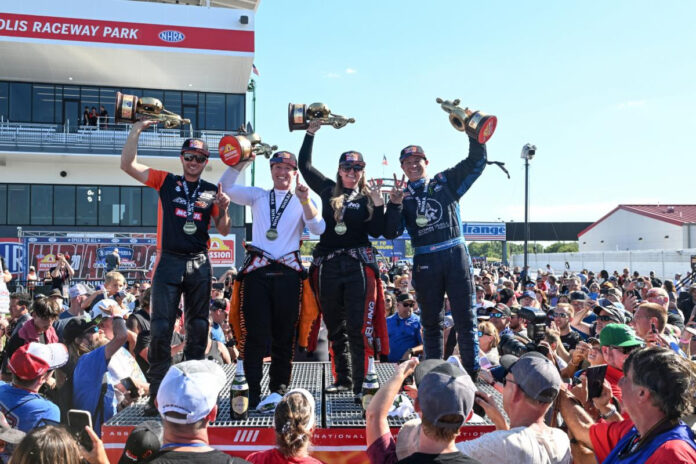
NHRA’S 75TH ANNIVERSARY CELEBRATION CONTINUES AT DRAG RACING’S BIGGEST EVENT: THE CORNWELL QUALITY TOOLS NHRA U.S. NATIONALS

Lucas Oil Indianapolis Raceway Park set to host the world’s biggest drag race

INDIANAPOLIS (July 30, 2026) – As NHRA continues its yearlong 75th anniversary celebration in 2026, the spotlight turns to the world’s biggest drag race, the 72nd annual Cornwell Quality Tools NHRA U.S. Nationals at the famed Lucas Oil Indianapolis Raceway Park on Sept. 2-7.

The sport’s grandest stage will feature hundreds of racers competing for drag racing glory and the sport’s biggest prize: a U.S. Nationals victory. From the 12,000-horsepower, 340-mph nitro-fueled Top Fuel dragsters and Funny Cars to the standouts in the Lucas Oil Drag Racing Series, there’s nothing like winning at The Big Go and there’s no event as prestigious as the Cornwell Quality Tools NHRA U.S. Nationals.

For more than seven decades, the race has shaped legacies and careers as the peak of every NHRA season. That holds true in 2026, as NHRA celebrates its 75th anniversary in a major way at Indy, including these special highlights:

Appearances from NHRA legends, including Don Garlits, Don Prudhomme, Kenny Bernstein, Joe Amato, Shirley Muldowney and Darrell Gwynn.
A celebration of NHRA’s 75-year history with exhibition runs on Friday and Sunday from the classic Rat Trap and Bradford’s Fiat nitro Fuel Altereds.
Plus, push-start cackle cars on Friday and Sunday driven by NHRA legends.
A new-look Nitro Mall, special apparel, displays and more.

On the track, the event is jammed with excitement, as all the top stars in Top Fuel, Funny Car, Pro Stock and Pro Stock Motorcycle compete for the special 75th anniversary Diamond Wally on the sport’s biggest stage. From Friday qualifying under the lights, to the final Mission #2Fast2Tasty Challenge of the year on Saturday to the thrilling Funny Car All-Star Callout on Sunday and eliminations on Labor Day Monday, there’s no weekend quite like Indy,

Other major items include:

  • The Sox & Martin Hemi Challenge returns as the longest-running continuous specialty race in NHRA history, featuring exciting heads-up, wheelstanding, and side-by-side racing of Hemi-powered ’68 Super Stock Dodge Darts and Plymouth Barracudas competing in the NHRA SS/AH class.
  • An unforgettable Top Eliminator Club experience, including NHRA driver appearances, food and drink, TEC gift bag, starting line seats and much more.
  • Free parking for all fans in attendance for the entire weekend.
  • SealMaster Track Walk before Monday’s eliminations.
  • Multiple autograph sessions throughout the weekend.
  • A can’t-miss Hot Rod Junction.
  • A special Sportsman appreciation dinner from 5-7 p.m. on Tuesday of the race in Top Eliminator Club
  • Children 12-and-under get in free to an event offering all-day entertainment.

The NHRA Mission Foods Drag Racing Series will again crown its four regular season champions at Indy, with nearly $400,000 on the line. Plus, eight top Funny Car drivers will compete in the big-money All-Star Callout. Two-time reigning Funny Car world champion Austin Prock swept the weekend in 2025 by winning the Callout, the regular season championship and the race on Labor Day. Prock will meet up with the other stars of the class as they battle it out for bragging rights and big money.

Last year’s Cornwell Quality Tools NHRA U.S. Nationals saw Prock (Funny Car), Justin Ashley (Top Fuel), Erica Enders (Pro Stock) and Gaige Herrera (Pro Stock Motorcycle) win the world’s biggest drag race. This year’s event will once again be broadcast on FS1 with qualifying and the NHRA Funny Car All-Star Callout throughout the weekend. Monday’s eliminations will be broadcast on FOX beginning at 2 p.m. ET.

Prock claimed his second straight Indy last year as part of a $330,000 weekend when he defeated Jack Beckman, clinching the regular season title as Prock also rolled to the world title. Prock, now driving for Tasca Racing, has one win on the season as he looks to make a late-season charge. Other Funny Car standouts will be multi-time champs Ron Capps and Matt Hagan, with J.R. Todd, Chad Green, and Funny Car rookie and driver of the John Force Racing Cornwell Tools Chevrolet SS, Jordan Vandergriff.

Motorsports legend Tony Stewart secured last year’s Top Fuel regular season title in Indy, but it was standout Justin Ashley who earned the win when he defeated Stewart in the finals. Stewart has one win so far in 2026 from Pomona, while his wife Leah Pruett picked up the Epping win. Former world champ Shawn Langdon currently leads the points, with his teammate and reigning champ Doug Kalitta in second.

Six-time Pro Stock world champion Erica Enders won for the fourth time at Indy last year, getting her 50th career victory with a win over Matt Hartford. Dallas Glenn earned the regular season championship and went on to secure his first world title. Currently leading the points is six-time champ Greg Anderson, thanks to his three wins on the season, with Glenn right behind in second.

Two-time Pro Stock Motorcycle champ Gaige Herrera rolled to his second straight win at The Big Go by defeating Brayden Davis. Herrera earned the regular season championship, but it was his Vance & Hines teammate Richard Gadson who took home the world title. Others to watch include Matt and Angie Smith, Steve Johnson, Ryan Oehler, Jianna Evaristo, John Hall and Chase Van Sant.

Also competing will be drivers in the Lucas Oil Drag Racing Series, JBS Equipment NHRA Pro Mod Drag Racing Series presented by Elite Motorsports and NHRA Flexjet Factory Stock Showdown.

Indy race fans can enjoy the special pre-race ceremonies that introduce and celebrate each of the drivers racing for the prestigious Wally on Monday and includes the fan favorite SealMaster Track Walk. The final can’t-miss experience of any NHRA event is the winner’s circle celebration on Monday after racing concludes, where fans are invited to congratulate event winners.

As always, fans get an exclusive pit pass to the most powerful and sensory-filled motorsports attraction on the planet. Fans get a unique chance to see teams in action and service their hot rods between rounds, get autographs from their favorite NHRA drivers, and more. They can also visit Manufacturers Midway, an exciting atmosphere that includes interactive displays, merchandise, food and fun for the entire family.

NHRA Mission Foods Drag Racing Series qualifying will feature one round at 6:15 p.m. ET on Friday, Sept. 4, two rounds at 12:30 and 3:30 p.m. ET on Saturday, Sept. 5 and the final two rounds of qualifying on Sunday, Sept. 6 at 12 and 2:45 p.m. Final eliminations are scheduled for 10 a.m. ET on Monday, Sept 7.

Television coverage includes qualifying action on FS1 at 3 and 10:30 p.m. ET on Sunday, and eliminations at 12 p.m. on FS1 on Monday, shifting to FOX at 2 p.m.

The first round of the Funny Car All-Star Callout takes place at 12:45 p.m. ET on Sunday, with the semifinals at 2:15 p.m. and the final round at 3:40 p.m. A special broadcast of the Callout takes place on FS1 at 7 p.m. ET on Sunday.

To purchase tickets to the 72nd annual Cornwell Quality Tools NHRA U.S. Nationals, fans can visit www.NHRA.com/tickets. All children 12 and under will be admitted free in the general admission area with a paid adult. For more information about NHRA, visit www.NHRA.com.


About Mission Foods

MISSION®, owned by GRUMA, S.A.B. de C.V., is the world’s leading brand for tortillas and wraps. MISSION® is also globally renowned for flatbreads, dips, salsas and Mexican food products. With presence in over 112 countries, MISSION® products are suited to the lifestyles and the local tastes of each country. With innovation and customer needs in mind, MISSION® focuses on the highest quality, authentic flavors, and providing healthy options that families and friends can enjoy together. For more information, please visit https://www.missionfoods.com/

About NHRA

NHRA is the primary sanctioning body for the sport of drag racing in the United States. NHRA presents 20 national events featuring the NHRA Mission Foods Drag Racing Series and NHRA Lucas Oil Drag Racing Series, as well as the JBS Equipment NHRA Pro Mod Drag Racing Series presented by Elite Motorsports and NHRA Flexjet Factory Stock Showdown™ at select national events. NHRA provides competition opportunities for drivers of all levels in the NHRA Summit Racing Series and NHRA Street Legal™. NHRA also offers the NHRA Jr. Street® program for teens and the Summit Racing Jr. Drag Racing League® for youth ages 5 to 17. With more than 100 Member Tracks, NHRA allows racers to compete at a variety of locations nationally and internationally. NHRA’s Youth and Education Services® (YES) Program reaches over 30,000 students annually to ignite their interest in automotive and racing related careers. NHRA’s streaming service, NHRA.tv®, allows fans to view all NHRA national events as well as exclusive features of the sport. In addition, NHRA owns and operates three racing facilities: Gainesville Raceway in Florida; Lucas Oil Indianapolis Raceway Park; and In-N-Out Burger Pomona Dragstrip in Southern California. For more information, log on to www.NHRA.com, or visit the official NHRA pages on Facebook, Instagram, Twitter, and YouTube.