Home Blog Page 37

Young’s Motorsports Welcomes CJ McLaughlin and Howell for a One-Race Effort at Dover Motor Speedway

MOORESVILLE, N.C.: Every driver learns to look ahead — and for CJ McLaughlin, that includes anticipating the strength of a new partnership.

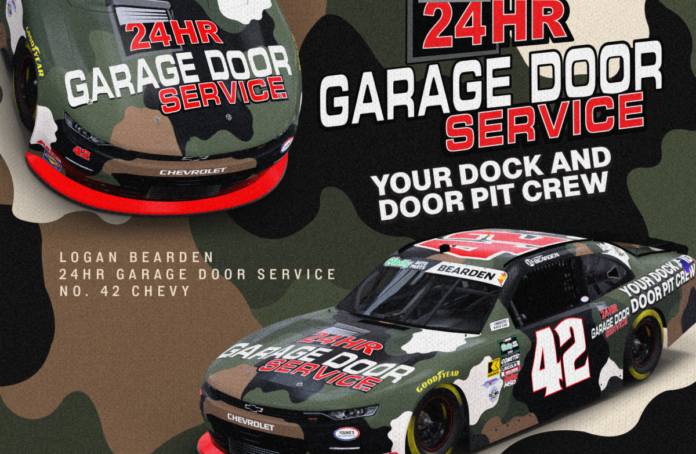
As the NASCAR O’Reilly Auto Parts Series heads to Dover (Del.) Motor Speedway for Saturday afternoon’s BetRivers 200, McLaughlin will showcase a new name on his No. 42 Young’s Motorsports Chevrolet.

Pennsylvania-based Howell is supporting McLaughlin for the first time this season, in what looks to be the start of a partnership built on shared momentum and a strengthening friendship.

Headquartered in West Chester, Pennsylvania, the Howell companies include Howell Engineering, Howell Surveying, Howell Construction Stakeout, Howell Environmental, ePhase, Nave Newell, Landforms, Terrain and Smith & Howell.

Howell understands the importance of comprehensive research and planning. Technical skills and groundbreaking ideas allow the companies to interpret land use regulations, meet zoning requirements and determine a project site’s ideal use.

With more than 30 years of experience, their knowledge of local, state, and federal permitting allows clients to plan cost-effective projects.

Through strategic growth and acquisitions over the past 27 years, Howell has handpicked the key Civil Engineering disciplines to take any project from due diligence through construction, regardless of scale.

The Howell companies are uniquely equipped to complete Phase 1 ESA’s, Field Surveying, Environmental Sampling, Geotechnical Drilling/Investigations/Analysis, Land Planning, Land Development Plan Preparation, Stormwater Management, Grading & Erosion Control Design, NPDES Permitting, PADEP General Permitting, Structural and Wall Design, Landscape Design, Public Meeting Representation, Planning Modules, Stakeout Surveying, Critical Stage Inspections, Geotechnical Inspections During Construction and Project Closeout, all in house.

Certified and licensed in Pennsylvania, Maryland, New Jersey and Delaware, the Howell team is comprised of 17 Licensed Engineers (PE), 2 Land Surveyors (PLS), 5 Landscape Architects (RLA), a Geologist (PG) and 5 drone pilots.

Howell has built its reputation by combining experience with the information and design skills needed to communicate decades of know-how into sound plans, controlled timelines, and strengthened relationships along the way to development approvals.

For McLaughlin, the support from Howell carries significance in 2026 as he shares his engineering background with the sponsor to bring new interest and experience to Young’s Motorsports.

“We’ve had the chance to hang out with Denny Howell and his team at events in and around Philadelphia. We were blown away by the support of his whole staff – it’s been great to see how much they’re rooting for our team,” said McLaughlin. “It’s becoming more than a partnership at this point — it’s a friendship.

McLaughlin, 33, will make his second NASCAR O’Reilly Auto Parts Series start at the Monster Mile, aiming to improve on his 34th-place finish in 2023, when he piloted the No. 53 Ford entry for Emerling-Gase Motorsports.

Denny Howell, PE, said, “The link to CJ McLaughlin was a natural one for us. We appreciate his grasp of engineering, and we’re thrilled to see his skills in action on Saturday.”

“It’s a perfect start with a growing driving team, to showcase the Howell enthusiasm, support our recruitment efforts, and forward our reach.”

Smith & Howell partner Eric Smith added, “This partnership is a strategic way to grow alongside CJ as he chases his dreams in NASCAR. For us, it’s an unbelievable opportunity to invest in a sport we love.”

“I’m definitely looking forward to getting back to Dover,” said McLaughlin. “The Monster Mile is one of those places that demands a lot of respect because it’s fast, physical and there’s really no room for mistakes.

“My first NASCAR O’Reilly Auto Parts Series race there in 2023 didn’t go the way we wanted, but I learned a lot about the track and what it takes to be competitive there.

“Now, coming back with more experience and a better understanding of how to drive the car at the track, I feel like we can put together a much stronger weekend.

“Dover is such a unique place; hopefully, we can stay out of trouble, execute all day, and give ourselves a shot at a solid finish for the team and everyone at Howell.”

Now operating from a well-equipped facility in Mooresville, N.C., Young’s Motorsports team principal Tyler Young welcomes Howell to the organization as a valued partner.

“We’re proud to welcome Howell to Young’s Motorsports as a valued partner,” said Young, who made three NASCAR CRAFTSMAN Truck Series starts at Dover Motor Speedway, including a top-10 finish in 2015.

“It’s always important for us to align with partners who believe in what we’re building, both on and off the racetrack.

“Even though this is a one-race program, it’s an opportunity for us to showcase what we can do as an organization and deliver for our partners at a high level. We’re looking forward to representing Howell at Dover and making the most of the weekend together.”

The BetRivers 200 (200 laps | 100 miles) is the 14th of thirty-three (33) NASCAR O’Reilly Auto Parts Series races on the 2026 schedule. Practice will occur on Sat., May 16, 2026, from 9:30 a.m. to 10:20 a.m. Qualifying will immediately follow, beginning at 10:35 a.m. The field will take the green flag shortly after 4:00 p.m., with live coverage on The CW Network, the Performance Racing Network (Radio) and SiriusXM NASCAR Channel 90. All times are local (ET).

For more on Young’s Motorsports, please visit YoungsMotorsports.com, like them on Facebook (Young’s Motorsports), and follow them on Instagram (@youngsmotorsports) and X |Twitter (@youngsmtrsports).

For more on CJ McLaughlin, please like him on Facebook (CJ McLaughlin Racing), and follow him on Instagram (@cjmclaughlin.racing) and X |Twitter (@CjMclaughlin3).

About Howell:

Since 1999, Howell has earned a reputation for efficient engineering, designing the everyday places where people live and work, to the sites they visit and the roadways and passages that make it easier in and around Chester County.

Howell is hired because their designs are efficient and cost-effective to build.

For more information, visit knowhowell.com

Front Row Motorsports: Watkins Glen International NCS Race Report – Noah Gragson, Todd Gilliland, Zane Smith

Noah Gragson | Todd Gilliland | Zane Smith
Watkins Glen International NASCAR Cup Series Race Report
Go Bowling at The Glen
Date: Sunday, May 10, 2026
Event: Race 13 of 38
Series: NASCAR Cup Series
Location: Watkins Glen International (2.45-miles)
Length of Race: 100 laps over two hours, 29 minutes, 11 seconds

FRM Finish:

● Todd Gilliland (Started 22nd, Finished 17th / Running, completed 100 of 100 laps)

● Zane Smith (Started 33rd, Finished 18th / Running, completed 100 of 100 laps)

● Noah Gragson (Started 35th, Finished 22nd / Running, completed 100 of 100 laps)

FRM Points Standings:

Zane Smith (23rd)
Todd Gilliland (26th)
Noah Gragson (30th)

Todd Gilliland Key Takeaways

Stage One: 25th / Stage Two: 37th / Race Result: 17th

“It was a blue-collar day, for sure,” said Gilliland. “The No. 34 Farm Rich Ford was probably one of the best road course cars I have ever had, but the race didn’t pan out exactly how we needed it to. Still a good day, though, bringing home a top-20 finish.”

Zane Smith Key Takeaways

Stage One: 34th / Stage Two: 21st / Race Result: 18th

“I think that 18th place finish is a really good spot for us considering how our Saturday went,” said Smith. “We just chipped away at it with strategy throughout the race, guys on pit road did their job today, and we were able to escape really without any errors.”

Noah Gragson Key Takeaways

Stage One: 37th / Stage Two: 20th / Race Result: 22nd

“Up and down day for our Long John Silver’s / Frank’s RedHot Ford Mustang Dark Horse,” said Gragson. “I felt like we had decent speed. We went back and forth on how we wanted to approach the final stage and felt like we made the best choice to maximize the day, based on where we were running. Solid result heading into the All-Star Race.”

ABOUT FRONT ROW MOTORSPORTS

Front Row Motorsports (FRM) is a winning organization competing in the NASCAR Cup Series and the NASCAR CRAFTSMAN Truck Series. Founded in 2004 by entrepreneur Bob Jenkins, FRM has earned top honors including a 2021 Daytona 500 victory and the 2022 CRAFTSMAN Truck Series championship. Based in Mooresville, N.C., FRM fields the No. 4, No. 34, and No. 38 entries in the NASCAR Cup Series, along with the No. 34 and No. 38 teams in the CRAFTSMAN Truck Series. For more information, visit FrontRowMotorsports.com and follow Front Row Motorsports on social media — X: @Team_FRM, Instagram: @teamfrm, Tik Tok: @Team_FRM, YouTube: @FrontRowNASCAR, and Facebook: facebook.com/FrontRowMotorsports.

Team Penske NASCAR Cup Series Race Report – Watkins Glen

Go Bowling at The Glen
Watkins Glen, New York – May 10, 2026

AUSTIN CINDRIC No. 2 SNAP-ON TOOLS FORD MUSTANG DARK HORSE

START: 3RD STAGE 1: 4TH STAGE 2: 7TH FINISH: 9TH POINTS: 15TH

RACE RUNDOWN: Austin Cindric and the No. 2 Snap-on Tools Ford Mustang Dark Horse delivered a steady top-10 performance Sunday afternoon in the Go Bowling at The Glen at Watkins Glen International, coming home ninth. After qualifying third, Cindric remained inside the top 10 through the opening run despite reporting a tight overall balance as the field settled into rhythm on the historic road course. The No. 2 team continued to work on the handling during the race’s first pit stop following a fourth-place finish in Stage 1. Strategy shuffled the running order after several teams elected to pit before the stage break, forcing Cindric to restart 27th for the second segment. The Team Penske driver methodically climbed back inside the top 20 before a caution on Lap 40 allowed the team to pit for four tires and fuel. Cindric noted the balance was improved compared to the opening run as the Snap-on Tools Ford continued to gain speed through the middle portion of the race. Cindric closed out Stage 2 in seventh position, and the No. 2 team elected to stay on track during the caution to maintain track position entering the final stage. Following another caution for debris with just under 40 laps remaining, the team made its final stop for four tires and fuel. Restarting 16th for the final green-flag stretch, Cindric was able to work his way back forward and secure a ninth-place finish.

CINDRIC’S THOUGHTS: “In a lot of ways we maximized our day with points in most stages, and earning a Top-10 is a really good day for us. I would have been happy with that this morning. The strategy definitely got put into a really tight window, and we decided to go for it and get some fuel mileage out of this Ford Mustang and try to hold onto these rear tires. I feel that I may have left one or two spots on the table just trying to make it to the end. Otherwise, I’m proud of the effort and it’s another good points day for the No. 2 car.”

RYAN BLANEY No. 12 MENARDS/LIBMAN FORD MUSTANG DARK HORSE

START: 7TH STAGE 1: 3RD STAGE 2: 15TH FINISH: 11TH POINTS: 4TH

RACE RUNDOWN: Ryan Blaney and the No. 12 Menards/Libman Ford Mustang Dark Horse team rolled off seventh for Sunday’s race and showed solid speed from the outset. Blaney quickly worked his way forward, climbing to fourth and ultimately third, where he finished Stage 1 before heading to pit road. Blaney restarted 26th but steadily marched back through the field. In the second segment, the No. 12 climbed to 16th and avoided trouble when the No. 24 spun on track directly in front of him, only causing minimal damage. He continued to push forward, ultimately finishing Stage 2 in 15th. After a pit stop early in the final segment during a caution for debris, Blaney lined up 22nd for the restart and began working his way up the running order. Over the final run to the checkered flag, the No. 12 team continued to gain ground, with Blaney ultimately taking the checkered flag in 11th.

BLANEY’S THOUGHTS: “We did a good job getting points in the first stage. I thought we were in a really good spot until the No. 24 spun-out in the Bus Stop. I couldn’t go anywhere and caved the nose in. I was actually surprised how fast the Mustang was after that. Overall, we fought from the back a few times to a decent finish and a good points day.”

JOEY LOGANO No. 22 SHELL-PENNZOIL FORD MUSTANG DARK HORSE

START: 6TH STAGE 1: 2ND STAGE 2: 18TH FINISH: 38TH POINTS: 18TH

RACE RUNDOWN: Joey Logano and the No. 22 Shell-Pennzoil Ford Mustang Dark Horse team started Sunday’s race from the sixth position and showed strong speed early in the event. Logano quickly worked his way toward the front of the field and remained in contention throughout the opening segment, ultimately finishing Stage 1 in the second position. Despite setbacks in track position throughout Stage 2, the No. 22 team continued to battle forward and capped off the segment with an 18th-place finish. Trouble struck early in the final stage when a left-front tire issue on Lap 61 brought out the caution flag. The No. 22 team initially changed the tire on pit road, but the team ultimately deemed the Shell-Pennzoil Ford Mustang Dark Horse needed further attention behind the wall for more extensive repairs. After returning to competition, Logano went on to finish 38th, 15 laps down.

LOGANO’S THOUGHTS: “It’s definitely been a frustrating stretch for our No. 22 team, but I’m proud of the way everyone continues to stay focused and keep fighting. We’ll regroup this week and look forward to getting to Dover for the All-Star Race.”

The NASCAR Cup Series heads to Dover Motor Speedway on Sunday, May 17, for the NASCAR All-Star Race. Coverage of the exhibition event begins at 1 p.m. ET on FS1, MRN and SiriusXM NASCAR Radio Channel 90.

Wood Brothers Racing – Race Report: Watkins Glen

Event: Go Bowling at The Glen
Location: Watkins Glen International, Watkins Glen, New York
Date: Sunday, May 10, 2026
Start: 34th
Finish: 32nd

After making steady progress throughout Sunday’s Go Bowling at The Glen at Watkins Glen International, Josh Berry and the No. 21 DEX team saw a promising afternoon unravel late and ultimately came away with a 32nd-place finish in the 100-lap NASCAR Cup Series event.

Berry rolled off 34th on the grid and the No. 21 team immediately went to work on strategy at the historic New York road course. The team made its first pit stop just before pit road closed at the conclusion of the opening 20-lap stage, allowing Berry to gain valuable track position when the remainder of the field pitted under the stage caution. The strategy vaulted the DEX Ford Mustang Dark Horse from 34th to 22nd for the restart.

The team utilized a similar approach in the second stage, pitting prior to the end of the 30-lap segment and cycling back to 23rd in the running order for the start of the final stage.

A caution on Lap 60 presented another opportunity for crew chief Miles Stanley and the No. 21 team to gain track position, electing to keep Berry on track while others headed to pit road. The call moved Berry up to eighth for the restart, and he maintained a solid top-10 presence over the next several laps.

Following a pit stop on Lap 76, Berry returned to the track in 33rd and methodically worked his way back through the field. He climbed to 21st before getting caught in a multi-car incident that shuffled him back several positions. Despite the setback, Berry remained in position for a top-25 result before additional contact in the closing laps relegated the No. 21 entry to a 32nd-place finish at the checkered flag.

Next up for Berry and the No. 21 team is next weekend’s NASCAR All-Star Race at Dover Motor Speedway.

RFK Racing – WGI Race Summary

RFK RACING
WATKINS GLEN INTERNATIONAL – EXECUTIVE SUMMARY

Date: May 10, 2026
Series: NASCAR Cup Series
Location: Watkins Glen International (2.45-mile 10-turn road course) – Watkins Glen, NY
Format: 245 miles, broken into three stages (completed at lap 20 / lap 50 / lap 100)

RFK RACING RACE SUMMARY: Roush Fenway Keselowski (RFK) Racing’s Day was one of perseverance throughout the race. Chris Buescher consistently posted top five lap times and earn inside the top 10 for much of the day, ultimately finishing 12th. Brad Keselwoski fought persistent rear brake issues from the first stage, with the No.6 team making multiple adjustments to keep from going behind the wall and despite the challenges Keselowski brought it home on the lead lap. Ryan Preece worked through the field after starting 30th, relying on strong and fast pit stops and determination to secure a 14th place finish for the No. 60 team.

DRIVER HIGHLIGHTS

Chris Buescher – No. 17 BuildSubmarines.com Ford Mustang Dark Horse

Finish: 12th
Start: 14th
Laps Led: —
Stage Results: S1: 19th S2: 6th
Headline takeaway: Chris Buescher showed impressive speed throughout the race, consistently running some of the fastest lap times of the field and spending much of the field and spending most of his day in the top 10. Despite strong pace, track position proved difficult to maintain after pit cycles. The No. 17 team managed a solid 12th place finish with the performance showing much more speed than the result reflected.

Buescher Quote: “Watkins Glen is a track I really look forward to coming to, I’ve been good here, I’ve won here, and I thought we had a good car today thought we executed solid. Was trying my best to charge to the front but just didn’t get the chance to make it there.”

Ryan Preece – No. 60 Mohawk Northeast, Inc. Ford Mustang Dark Horse

Finish: 14th
Start: 30th
Laps Led: —
Stage Results: S1: 33rd S2: 13th
Headline takeaway: Ryan Preece battled through the field all day after starting deep in traffic, showing solid pace with top five lap times early while fighting for track position. Handling issues in the carousel slowed progress as the race went on, but the No. 60 team stayed resilient thanks to consistently fast pit stops and strong execution on pit road. To close out the race Preece needed brake cooling and more balance but still wheeled the No. 60 Ford Mustang to a top 15 finish!

Preece Quote: “I felt like we had a good car and just ultimately never had a cycle go our way but ultimately we had a really fast Mohawk Northeast Ford Mustang Dark Horse, one of these days we’ll break out of this 10th to 14th range.”

Brad Keselowski – No. 6 Modelo Ford Mustang Dark Horse

Finish: 31st
Start: 26th
Laps Led: —
Stage Results: S1: 35th S2: 32nd
Headline takeaway: Brad Keselowski battled persist4nt brake issues from the opening stage on, especially struggling with rear brake performance and overall balance in the carousel. The No 6 crew made multiple adjustments throughout the race, including bleeding the brakes during stage brakes and additional work on pit road to keep the car strong and on the lead lap. Even with the ongoing problems, Brad and the team avoided major setbacks and finished on the lead lap,

Keselowski Quote: “Bad finish, we had a lot of speed, had some brake problems, and well we just have some stuff to figure out, onto the All-Star and Charlotte next!”

Point Standings:

Buescher: 5th
Keselowski: 9th
Preece: 13th

Next Up:

The next event on the NASCAR Cup Series schedule is the 2026 All-Star Race, Sunday, May 17 at Dover Motor Speedway (Dover, DE). The race begins at 1:00 p.m. EDT with live coverage provided by FS1 and the Motor Racing Network.

Rick Ware Racing: Go Bowling at The Glen from Watkins Glen

RICK WARE RACING
Go Bowling at The Glen
Date: May 10, 2026
Event: Go Bowling at The Glen (Round 12 of 36)
Series: NASCAR Cup Series
Location: Watkins Glen (N.Y.) International (2.45-mile, seven-turn road course)
Format: 100 laps, broken into three stages (20 laps/30 laps/50 laps)

Race Winner: Shane van Gisbergen of Trackhouse Racing (Chevrolet)
Stage 1 Winner: Ross Chastain of Trackhouse Racing (Chevrolet)
Stage 2 Winner: Shane van Gisbergen of Trackhouse Racing (Chevrolet)

RWR Finish:

● Cody Ware (Started 36th, Finished 37th / Accident, completed 90 of 100 laps)

RWR Points:

● Cody Ware (36th with 93 points)

Race Notes:

● Shane van Gisbergen won the Go Bowling at The Glen to score his seventh career NASCAR Cup Series victory, his first of the season and his second at Watkins Glen. His margin over runner-up Michael McDowell was 7.288 seconds.

● This was Chevrolet’s 885th all-time NASCAR Cup Series victory, its fourth of the season and third straight. Chase Elliott won for the Bowtie Brigade March 29 at Martinsville (Va.) Speedway, Carson Hocevar won April 26 at Talladega (Ala.) Superspeedway, and Elliott won again last Sunday at Texas Motor Speedway in Fort Worth.

● This was Chevrolet’s series-leading 24th NASCAR Cup Series victory at Watkins Glen. Chevrolet won the inaugural Cup Series race at The Glen on Aug. 4, 1957 with NASCAR Hall of Famer Buck Baker.

● There were four caution periods for a total of 12 laps.

● All but six of the 38 drivers in the race finished on the lead lap.

● Tyler Reddick remains the championship leader after Watkins Glen with a 129-point advantage over second-place Denny Hamlin.

Sound Bites:

“The team did a good job making adjustments on our Jacob Construction Chevrolet. Unfortunately, just got caught up in some other peoples’ mess. I was racing with the 47 (Ricky Stenhouse Jr.) there for a while and, finally, had an opportunity to pass him clean. I’m not sure if the 47 got into me because of contact with the 7 (Daniel Suárez). I think at one point there in that corner we were three-wide. I was on the outside, which meant if anything went wrong, I was gonna be on the short end of that stick. So, I’ll have to go back and watch it. I’m still proud of the guys. We were making gains all day, just not quite where we wanted to be, and definitely hate bringing home a torn-up racecar.” – Cody Ware, driver of the No. 51 Jacob Construction Chevrolet

Next Up:

The next event on the NASCAR Cup Series schedule is the non-points NASCAR All-Star Race on Sunday, May 17 at Dover (Del.) Motor Speedway. The race starts at 1 p.m. EDT with live coverage provided by FS1 and SiriusXM NASCAR Radio.

How to Build Endurance Without Constant High-Impact Movement

Building endurance is important for athletes as well as people who are new to fitness. However, excessively high-impact activities such as constant running or jumping can place unnecessary stress on the joints and muscles over time. A better approach is to improve stamina gradually through controlled and sustainable movement.

Low-impact training allows the body to improve endurance while reducing physical strain. Activities that promote steady movement and cardiovascular engagement can help individuals remain active without putting too much pressure on the knees or ankles. Equipment such as a rebounder trampoline may support this type of training by encouraging controlled movement patterns. Some individuals also prefer options like the BCAN soft land pro rebounder for structured low-impact workouts.

Improving Stamina Through Safe Movement

Safe and controlled exercises are often more sustainable than extremely intense workouts. Gradual movement helps improve cardiovascular health while reducing the likelihood of overuse injuries.

Low-impact bouncing exercises can support circulation, coordination, and rhythm without creating excessive impact on the lower body. This makes endurance training easier to maintain consistently over long periods.

Cardio Training for Steady Stamina Development

Endurance improves most effectively through regular activity instead of occasional extreme exercise sessions. Consistency allows the body to adapt gradually and build stamina naturally.

Moderate cardio sessions, walking, cycling, or controlled rebound-based exercises can all contribute to better endurance. The goal is to keep the body active without creating excessive fatigue.

Maintaining Heart Health Without Excessive Strain

Cardiovascular training does not always require exhausting workouts. Mild and steady activity can still improve circulation, breathing efficiency, and heart function.

Low-impact routines are especially useful for individuals who want to remain active while minimizing pressure on their joints. Structured movement patterns also help maintain energy levels during training.

Reducing Stress on the Body During Exercise

One major advantage of low-impact training is the reduced stress placed on the knees, hips, and ankles. High-impact movement performed repeatedly can sometimes lead to discomfort or recovery issues.

Exercises performed with controlled rhythm help individuals stay active for longer durations while protecting the body from unnecessary strain. This makes endurance training more comfortable and sustainable.

Developing an Effective Endurance Training Program

A good endurance program should include balanced activity, recovery, and movement variety. Instead of relying only on intense sessions, individuals should combine moderate exercise with recovery-focused training.

This balanced structure helps the body adapt steadily while reducing exhaustion and burnout. Recovery days are just as important as active training days.

Mixing Intensity Levels for Better Results

Different intensity levels help the body improve endurance more efficiently. Low-intensity workouts can be combined with moderate training sessions to create a balanced routine.

This approach allows the body to improve stamina gradually without becoming overly fatigued. Controlled progression is often more effective than pushing the body too hard too quickly.

Why Consistency Matters More Than Intensity

Many people stop training because their workouts become too difficult to maintain. Endurance development depends more on consistency than extreme intensity.

Creating a routine that feels manageable increases the chances of long-term success. Even short sessions performed regularly can produce noticeable improvements over time.

Recovery Plays an Important Role in Endurance

Recovery is an essential part of endurance training, although it is often overlooked. Without proper recovery, the body cannot fully adapt to exercise.

Light movement on recovery days can help maintain circulation and reduce stiffness while still allowing the body to rest. Balanced recovery supports better long-term stamina development.

Conclusion

Building endurance does not require constant high-impact movement or exhausting workouts. Sustainable progress comes from consistent, low-impact training that supports the body instead of overloading it.

A rebounder trampoline can provide a practical way to stay active while reducing stress on the joints. Likewise, the BCAN soft land pro rebounder may help individuals maintain structured endurance-focused workouts through controlled movement and balanced exercise routines.

FAQs

Can low-impact workouts really improve endurance?

Yes. Low-impact exercises can effectively improve cardiovascular fitness and stamina when performed consistently. Activities that keep the body moving steadily over time help develop endurance without excessive strain on the joints.

Why is consistency important for endurance training?

Consistency allows the body to gradually adapt to physical activity. Regular moderate workouts are often more effective for long-term endurance than occasional intense training sessions.

How can I build endurance without stressing my joints?

You can focus on controlled, low-impact exercises such as walking, cycling, swimming, or rebound-based workouts. These activities help improve stamina while minimizing pressure on the knees and ankles.

Luxury vs. Base Models: Why a Few Badges Can Add Thousands

Photo by depositphotos at https://depositphotos.com/

Shopping for a vehicle can feel exciting right up until the price starts climbing faster than expected. A model that looked comfortably within budget suddenly costs several thousand dollars more after selecting a different trim package. Somewhere between upgraded wheels, premium interior materials, and advanced tech features, the numbers begin to shift. Buyers exploring GMC Sierra trim levels often notice this immediately because the difference between entry-level and premium versions can be surprisingly dramatic, even though the truck itself may appear nearly identical at first glance.

That reality catches many shoppers off guard. Most attention naturally goes toward the make, body style, engine size, or fuel economy. Trim levels, however, are where manufacturers quietly separate everyday practicality from upgraded comfort and prestige. Those small badges attached to the back of a vehicle often represent a completely different ownership experience.

The interesting part is that higher trims are not always about necessity. Sometimes they appeal to emotion just as much as functionality. A panoramic sunroof creates a more open cabin feel during long drives. Leather seating changes the atmosphere inside the vehicle. Premium sound systems make ordinary commutes more enjoyable after exhausting workdays. These details may not seem essential on paper, yet they strongly influence purchasing decisions.

Why Base Models Continue to Attract Buyers

Base trims still hold an important place in the automotive world, and for good reason. They give buyers access to a reliable vehicle without stretching finances too far. Many drivers simply need dependable transportation, solid safety ratings, and decent fuel efficiency. Extra luxury features may not matter much when the primary goal is affordability.

Modern entry-level trims are also much better equipped than they were years ago. Touchscreen displays, smartphone integration, backup cameras, and advanced safety technology now appear in many standard packages. What once felt stripped down now feels surprisingly complete.

That creates an interesting dilemma for buyers. Paying thousands more for upgraded trims can become difficult to justify when the base version already covers the essentials. Some shoppers even prefer simpler interiors because they feel easier to maintain over time. Cloth seats handle daily wear well, replacement parts cost less, and fewer electronics can mean fewer expensive repairs later.

Still, the temptation to upgrade remains powerful.

The Real Cost of Moving Up a Trim Level

A jump from base to mid-level trim often starts innocently. Heated seats sound useful during cold mornings. Larger wheels improve appearance instantly. Additional driver assistance features create a stronger sense of confidence behind the wheel. Then another package gets added, followed by upgraded lighting, navigation systems, and premium audio.

Suddenly, the vehicle price has increased by several thousand dollars.

Manufacturers design trims carefully to encourage this progression. Entry models attract attention with lower advertised pricing, while mid and upper trims showcase features that feel increasingly difficult to resist. Buyers begin imagining daily life with those upgrades, and practicality slowly mixes with emotion.

This strategy works because vehicles are personal purchases. People spend hours inside them every week. Comfort matters. Convenience matters. Pride of ownership matters too, even if buyers do not always say it directly.

Some higher trims even introduce mechanical upgrades, not just cosmetic ones. More powerful engines, adaptive suspension systems, towing packages, or all wheel drive configurations can transform how the vehicle performs. At that point, the trim level affects more than appearance. It changes capability entirely.

Luxury Features That Drive Prices Higher

Certain upgrades consistently push prices upward faster than others. Leather interiors remain one of the biggest contributors. Soft-touch materials and premium stitching create a more refined cabin atmosphere that many buyers associate with luxury.

Technology packages also play a major role. Large infotainment screens, digital gauge clusters, surround-view cameras, wireless charging pads, and premium driver assistance systems can add substantial cost. These features often arrive bundled together, making upgrades feel unavoidable for buyers wanting one specific option.

Exterior styling changes matter too. Chrome accents, larger wheels, unique grille designs, LED lighting signatures, and exclusive paint colors help premium trims stand apart visually. Those details may seem minor individually, yet together they reshape the vehicle’s personality.

Then comes the emotional factor no price sheet fully captures. Sitting inside a higher trim often feels different immediately. The cabin smells richer. Surfaces feel softer. The lighting appears warmer and more polished. Even the way doors close can create a stronger sense of quality. These subtle impressions influence buying decisions far more than most people realize.

Are Higher Trims Actually Worth It?

That answer depends entirely on lifestyle and priorities.

For drivers who spend long hours commuting, premium comfort features can genuinely improve daily routines. Heated seats, advanced cruise control systems, and upgraded sound systems make traffic less exhausting. Families taking frequent road trips may appreciate larger infotainment screens and additional convenience features that keep passengers comfortable.

On the other hand, many shoppers end up paying for features they rarely use. Expensive panoramic roofs may stay covered most of the year. Advanced terrain modes might never leave suburban streets. Some premium technology becomes outdated surprisingly fast as newer systems enter the market.

Resale value also deserves attention. Higher trims generally retain stronger value because used vehicle buyers often search for upgraded features. However, not every luxury option translates into meaningful resale returns. Practical upgrades tend to hold value better than overly specialized features.

That balance between enjoyment and financial logic becomes one of the hardest parts of vehicle shopping.

Why Buyers Often Regret Skipping Certain Features

Interesting patterns appear after people live with their vehicles for several years. Buyers rarely regret choosing safety technology or comfort features they use daily. Heated steering wheels, blind spot monitoring, parking cameras, and adaptive cruise control often become difficult to live without once experienced regularly.

Regret tends to happen more frequently when shoppers settle for lower trims solely to reduce monthly payments, then spend years wishing they had selected features that would have improved everyday driving.

At the same time, overspending can create its own frustration. Stretching a budget too far for luxury upgrades may lead to financial stress long after the excitement of ownership fades.

That is why careful comparison matters so much. Looking beyond appearance and focusing on long-term value usually leads to smarter decisions.

Finding the Sweet Spot Between Luxury and Value

The best trim level is rarely the cheapest or the most expensive. Mid-range trims often deliver the strongest balance between features and affordability. They typically include popular comfort upgrades without reaching the steep pricing territory of fully loaded models.

Smart shoppers take time to separate genuine needs from impulse-driven wants. A family hauling kids daily may benefit greatly from advanced safety systems and additional interior space. Someone using a truck for demanding work tasks may prioritize towing capability over premium interior finishes.

Patience also helps during the buying process. Comparing trims side by side reveals how quickly pricing changes and which upgrades truly matter. Sometimes a single package delivers the features buyers care about most without requiring the highest trim available.

Vehicle shopping becomes far less overwhelming once trim levels are understood clearly. Those small badges represent far more than simple styling differences. They shape comfort, technology, capability, and long-term ownership satisfaction.

And in many cases, they explain exactly why two vehicles parked next to each other can carry price tags separated by thousands of dollars.

How to Improve Your Car’s Lifespan With Quality Used Spare Parts

Photo by Sasun Bughdaryan on Unsplash

There is a quiet shift happening in how drivers think about vehicle ownership. With the average age of cars on the road hitting a record 12.8 years in 2025, according to S&P Global Mobility, more people than ever are committing to keeping their vehicles running longer rather than replacing them. The economics are straightforward: even with rising repair costs, fixing a car remains significantly more cost-effective than buying a new one at today’s prices.

But longevity does not happen by accident. A car that reaches 200,000 miles – or even 250,000 – gets there because of the decisions made at every repair and maintenance interval. One of the most consequential of those decisions is the quality of the parts installed along the way.

Why Part Quality Shapes Long-Term Vehicle Health

Every component in a vehicle is connected, directly or indirectly, to something else. A poorly fitting suspension part increases tyre wear. A substandard water pump that fails prematurely can overheat an engine. A cheap sensor that reads incorrectly causes the engine management system to compensate, affecting fuel economy and component wear across multiple systems simultaneously.

This interconnectedness is why part quality is not simply about the part in question – it is about the knock-on effects that travel through the vehicle every time something is under-specified or poorly fitted. OEM parts, whether new or sourced as verified used components, are manufactured to the exact tolerances of the original design. They fit the way they were intended to fit, seal where they were intended to seal, and communicate electronically with the vehicle’s systems in the way those systems expect. Aftermarket quality varies enormously, ranging from parts that meet or exceed OEM standards to budget options that cut materials costs in ways that shorten component life.

The Case for Quality Used OEM Parts

Used OEM parts occupy a category that drivers often overlook when they’re thinking about vehicle longevity. The instinct is that “used” implies compromise – but a properly inspected used OEM component is the same part the manufacturer fitted originally, with the same specifications, the same tolerances, and the same compatibility. For many repairs, a verified used OEM part represents the most rational decision: factory-quality fit and function, at a fraction of the new-part price.

For owners intending to keep their vehicles for many years, this matters beyond the immediate repair. Fitting a part that slots in correctly, performs as originally specified, and does not introduce stress elsewhere in the drivetrain is an investment in the vehicle’s future serviceability. Quality used parts are increasingly accessible through online platforms that aggregate tested, verified stock from professional dealers. Platforms like OVOKO allow drivers to search by vehicle identification number across extensive used parts inventories in Europe, sourcing components with documented mileage and seller verification – removing much of the guesswork that once made second-hand sourcing feel unreliable.

Address Small Problems Before They Become Expensive Ones

One of the most consistent findings from mechanics who work on high-mileage vehicles is that longevity is the result of early intervention, not heroic repairs. Unusual noises, minor vibrations, slightly longer braking distances, a check-engine light that stays on – these are the early language of a vehicle communicating that something needs attention. Ignoring them rarely makes them go away. It usually allows a contained, affordable problem to propagate into a system failure.

Replacing a worn brake pad set before the pads wear to metal protects the rotor. Addressing a minor coolant leak before the system loses pressure protects the head gasket and the engine. Replacing a fraying drive belt before it snaps protects the components it drives. The compounding logic of preventive maintenance is particularly powerful for older vehicles, where multiple systems are simultaneously approaching the later stages of their service life.

Follow the Manufacturer’s Maintenance Schedule – Even on Older Vehicles

Modern vehicles are engineered around a maintenance schedule, and that schedule does not become less relevant as the car ages. It becomes more so. Oil and filter changes at the manufacturer’s recommended intervals – typically every 5,000 to 10,000 miles depending on the specification – prevent the sludge buildup that degrades engine internals over time. Transmission fluid, coolant, and brake fluid have defined service lives because their chemical properties change with heat cycles and age, affecting the components they are meant to protect.

Regular maintenance also creates the opportunity for early detection. A service interval brings a vehicle to a workshop where trained eyes can spot wear patterns on tyres, discolouration in fluids, play in steering components, or early corrosion on brake lines – none of which would be visible to the driver and all of which, left unattended, shorten the vehicle’s serviceable life. Keeping detailed service records adds value beyond the mechanical: documented maintenance history is one of the strongest determinants of a vehicle’s residual value, should it ever be sold.

Choose Repairs Strategically Based on the Vehicle’s Value

Not every repair is equally worth making, and part of extending a car’s functional lifespan is thinking strategically about where investment is warranted. The established principle – that repair costs should not exceed the vehicle’s current market value – provides a useful anchor, but it can be applied more finely than a simple pass or fail.

For a vehicle with known reliability and a well-maintained history, investing in a quality replacement for a major component like an engine or gearbox can add years of further use at a fraction of the cost of a new vehicle. For a car with multiple concurrent failures in high-labour systems, the calculus shifts. Understanding the difference between a vehicle that has hit a service interval requiring significant investment and one that is experiencing systemic decline requires honest assessment – and in many cases, a conversation with a trusted mechanic rather than a quick online search.

The Cumulative Logic of Getting Each Repair Right

There is no single decision that determines whether a car reaches 150,000 miles or 250,000. It is the accumulation of individual repair choices – each part selected, each service completed on time, each minor problem addressed before it escalates.

Choosing a quality used OEM alternator rather than a budget aftermarket unit means one less failure to trace in two years. Sourcing a verified used suspension component rather than cutting corners on a safety-relevant part means the car handles predictably in the years ahead. Staying current with fluid changes means the engine and transmission never face the compounded wear of operating under-lubricated or with degraded coolant protection.

The drivers who consistently get 200,000 miles from their vehicles are not operating on luck. They are applying consistent judgment at every maintenance and repair decision point: using quality parts, addressing problems early, following the manufacturer’s guidance, and making sure that every component installed works with the vehicle rather than merely filling the space where a part was meant to go.

A car that is repaired well, repeatedly, over the years, is a car that keeps running.

Why Wireless Dash Cams Are Essential for Accident Evidence

Accidents happen when you least expect them. In those moments, having clear and reliable evidence can make a major difference. Many drivers rely on dash cams for protection, but traditional models can be inconvenient when you need to access footage quickly. This is where wireless technology changes the experience.

A wireless dash cam for car gives you faster access to recordings, easier file sharing, and better control over your data. Instead of removing memory cards or connecting cables, you can review footage directly on your device within seconds. As roads become busier and incidents more complex, having a smarter way to document events is more important than ever.

This guide explains how wireless dash cams improve accident documentation and why they are becoming an essential tool for modern drivers.

The Challenges of Traditional Accident Documentation

Before wireless technology became common, documenting an accident often involved delays and limitations.

Common Pain Points

  • Difficulty accessing footage quickly
  • Risk of losing or overwriting important files
  • Complicated file transfers using cables or memory cards

These challenges can slow down the process when time is critical. In many situations, immediate access to evidence helps clarify what happened and supports your case.

How Wireless Dash Cams Improve Accident Documentation

Wireless dash cams offer a more efficient way to capture and manage footage. Their key advantage lies in connectivity.

Instant Access to Footage

With wireless connectivity, you can:

  • View recordings on your smartphone
  • Download clips instantly
  • Share footage without removing the device

This immediate access allows you to review evidence right at the scene.

Easy File Sharing

In the event of an accident, you may need to share footage quickly. A wireless system enables:

  • Direct file transfer to your phone
  • Quick uploads to cloud storage
  • Seamless sharing when required

This reduces delays and ensures that your evidence is available when needed.

Key Features That Enhance Evidence Quality

A wireless dash cam does more than provide convenience. It also improves the quality and reliability of your recordings.

Automatic Incident Detection

Many devices include sensors that detect sudden movements or impacts. When triggered, they:

  • Save footage automatically
  • Lock important clips to prevent deletion
  • Mark key moments for easy review

High-Quality Recording

Clear footage is essential for documenting accidents. Features that support this include:

  • High-resolution video
  • Wide-angle lenses
  • Balanced exposure settings

Secure Storage Options

Wireless dash cams often support multiple storage methods:

  • Internal memory
  • External memory cards
  • Cloud-based backup

This ensures your footage is safe even if one storage method fails.

Benefits of Using a Wireless Dash Cam for Car

Choosing a wireless dash cam for a car provides several practical advantages that directly impact accident documentation.

1. Faster Response Time

You can access and review footage immediately after an incident. This helps you confirm details while they are still fresh.

2. Improved Evidence Reliability

Automatic recording and file protection reduce the risk of losing important clips.

3. Greater Convenience

Wireless connectivity removes the need for cables and manual file transfers.

4. Better Organization

Many systems categorize footage, making it easier to locate specific events.

Wireless vs Traditional Dash Cams

Understanding the difference between wireless and traditional models can help you make a better choice.

FeatureTraditional Dash CamWireless Dash Cam
File AccessManual transferInstant via app
Sharing CapabilityLimitedQuick and easy
Setup ConvenienceBasicUser-friendly
Data SecurityModerateEnhanced options
Response TimeSlowerImmediate

This comparison highlights why wireless technology is becoming the preferred option for many drivers.

Real-World Applications of Wireless Dash Cams

Wireless dash cams are useful in a variety of everyday situations.

After an Accident

You can:

  • Review footage on the spot
  • Confirm what happened
  • Save and share clips immediately

Parking Incidents

If your vehicle is hit while parked, you can quickly access recorded footage without removing the device.

Daily Driving

Even during routine drives, having easy access to recordings helps you monitor your driving and stay informed.

Tips for Getting the Most Out of Your Dash Cam

To maximize the benefits of your wireless dash cam, consider these practical tips.

1. Keep Your Device Updated

Regular updates improve performance and ensure compatibility with your smartphone.

2. Use Secure Storage

Enable backup options to protect your footage from loss.

3. Check Connectivity

Ensure your wireless connection is stable for smooth data transfer.

4. Position Your Camera Properly

A clear and unobstructed view improves recording quality.

Common Misconceptions About Wireless Dash Cams

Some drivers hesitate to switch to wireless models due to misunderstandings.

Myth 1: Wireless Means Lower Quality

Wireless connectivity does not affect video quality. Recording performance depends on the camera hardware.

Myth 2: Setup Is Complicated

Most modern devices are designed for easy installation and simple operation.

Myth 3: Data Is Less Secure

Wireless systems often include advanced security features that protect your recordings.

Why Wireless Technology Is the Future of Dash Cams

As technology continues to evolve, convenience and efficiency are becoming more important. Wireless dash cams align with these trends by offering:

  • Faster access to data
  • Improved user experience
  • Better integration with mobile devices

Choosing a wireless dash cam for a car ensures that you are prepared for modern driving challenges.

Conclusion

Accident documentation is no longer just about recording footage. It is about accessing, managing, and sharing that information quickly and effectively. Wireless dash cams provide a smarter solution by combining reliable recording with instant connectivity.

By choosing a device with wireless capabilities, you gain faster access to evidence, improved convenience, and greater confidence on the road. Whether you are dealing with an accident or simply want better control over your recordings, this technology offers clear advantages. In the end, a well-equipped dash cam helps you stay prepared, informed, and protected every time you drive.