Home Blog Page 370

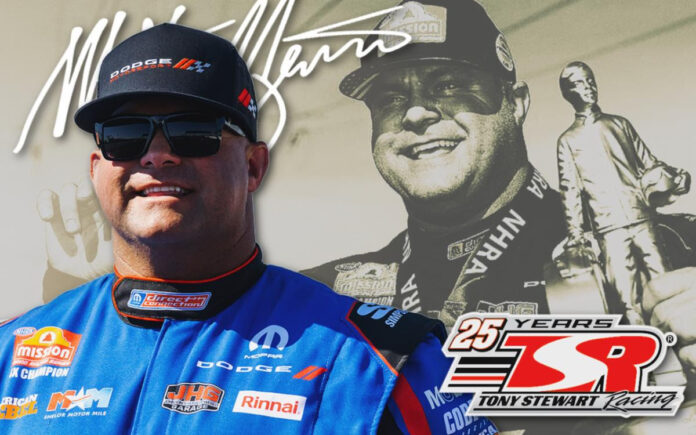
Matt Hagan Signs Multi-Year Extension With Tony Stewart Racing

Four-Time Funny Car Champion to Continue Piloting the Dodge//SRT Hellcat Funny Car in the NHRA Mission Foods Drag Racing Series

BROWNSBURG, Ind. (August 11, 2025) – Tony Stewart Racing (TSR) has announced that Matt Hagan has signed a multi-year extension to continue driving the Dodge//SRT Hellcat Funny Car in the NHRA Mission Foods Drag Racing Series.

A native of Christiansburg, Virginia, Hagan is a four-time NHRA Funny Car champion (2011, 2014, 2020 and 2023). The cattle rancher has recorded 53 NHRA national event wins in his legendary career and is currently second in the Funny Car championship standings.

Hagan first competed in Funny Car back in 2008, running in four events and qualifying No. 1 at the prestigious U.S. Nationals in Indianapolis. Shining in his limited schedule, Hagan earned a fulltime ride in 2009. With his rookie season behind him, Hagan broke out in 2010, winning the NHRA Spring Nationals in Houston to collect the first of his 53 career Funny Car victories. Hagan’s Funny Car prowess was a continuation of his straight-line racing form. He was the 2006 rookie of the year in the NHRA AMS Pro Mod Challenge, and as a driver/owner he continued that success in the IHRA’s Funny Car division, winning a class-best three races in 2008.

“Being able to extend my contract with Tony Stewart Racing is huge,” said Matt Hagan. “It’s one of the best teams to drive for in the NHRA. Tony (Stewart) is a great boss. I think it’s important to find a good group and lock it down and be able to build upon that. Tony makes sure we have all the parts and pieces to be able to do all we need to. It’s exciting to sign a multi-year contract so we can continue to build on what we have with Dodge. I’ve been with them for close to 20 years and it shows what a great relationship we have with them. We’ve been able to grow their brand and grow my career. I’m excited and humbled about it and looking forward to seeing what the future brings.”

Hagan is currently in his 18th year driving a Dodge//SRT car, with the Dodge brand having a long history of competing in and supporting motorsports. A large portion of their focus has been helping to deliver products like the Dodge Demon, 1320 and Super Stock. In addition, Direct Connection serves as the source for high-performance parts and technical expertise straight from the factory.

“Four-time NHRA World Champion Matt Hagan is the ultimate Dodge Badassador,” said Matt McAlear, Dodge CEO. “Matt has captured all four of his championships and all of his 53 NHRA career victories behind the wheel of a Dodge Funny Car and has helped grow the Dodge and Mopar drag racing program for nearly two decades. With the announcement of his contract extension with our amazing partners at Tony Stewart Racing, we look forward to cheering on Matt in his TSR Direct Connection Dodge//SRT Hellcat Funny Car for many more years to come.”

Johnson’s Horsepowered Garage (JHG) and American Rebel Light Beer will continue to partner with TSR. The Tennessee-based JHG highlights its world-class car collection on the Dodge//SRT Hellcat Funny Car of four-time champion Matt Hagan. JHG was formed in 2021 and brings a passion and flare to the automotive realm. They aim to inspire, drive and celebrate progress. JHG spans across Jason Johnson’s car collection featuring more than 200 sought after vehicles from classics to hot rods and supercars.

“I’m happy to continue partnering with TSR and Matt Hagan,” said Jason Johnson, Owner and President, Johnson’s Horsepowered Garage. “Together, we’ve achieved success on and off the track. The Tony Stewart Racing team has produced excitement in the drag racing world we all love and I’m glad JHG can be a part of it.”

American Rebel Beer was founded in April of 2024 by American Rebel CEO Andy Ross. American Rebel Beer is All Natural, Crisp, Clean and has a Bold Taste with a Lighter Feel. It does not use corn, rice or other sweeteners typically found in other mass-produced beers. American Rebel Beer is currently offered in 14 states (Connecticut, Florida, Indiana, Iowa, Kansas, Kentucky, Minnesota, Mississippi, Missouri, Nevada, North Carolina, Ohio, Tennessee, and Virginia), with additional states being announced soon. You can also find American Rebel in various legendary bars like Kid Rock’s, Tootsies, Honky Tony Central, and many others in the entertainment district in Nashville, as well as retail outlets, venues and music festivals throughout the United States. American Rebel Beer is America’s Patriotic, God-Fearing, Constitution-Loving, National Anthem Singing, Stand Your Ground Beer.

“We came into drag racing with Matt two years ago and have been thrilled with the return on investment; we can’t wait to see what the future holds in 2026 and beyond,” said Andy Ross, CEO, American Rebel Holdings, Inc. “We’re really excited about the direction of our American Rebel Light Beer and the partnership with Matt, Tony and TSR has further validated our brand and opened doors to multiple new markets.”

Hagan will remain with current crew chiefs Mike Knudsen and Phil Shuler. The 2025 season marks the first year as crew chief for Knudsen. He was previously Hagan’s co-crew chief and has been with Hagan since 2013, having made the move to TSR from Don Schumacher Racing (DSR) in 2022. Shuler joined TSR in 2025 and has a notable background in the NHRA, having worked for Maynard Family Racing, for Don Prudhomme, DSR, and Spencer Massey.

“Mike and Phil are amazing,” added Hagan. “They have worked together for a long time and have great chemistry. There’s not a lot of second-guessing each other and they feed off each other. It’s been neat watching them work together. They’ve been putting a great race car underneath us this season. It was awesome to get our first win of the 2025 season in Seattle together.”

Tony Stewart Racing has earned 19 wins since the team’s inception in 2022. Hagan brought home 14 of those victories, as well as TSR’s first Funny Car championship in 2023, which marked the fourth of his career.

“I’m really excited and I think the world of Matt and his team,” said team owner Tony Stewart. “I’m glad to have someone driving for us that feels like a family member at this point, not just a teammate and friend. Signing this extension is great for our program. The relationship that Matt and Leah (Pruett) have with Dodge is very deep. Dodge intended for us to have a long relationship together when we started this team, so we really appreciate their partnership.”

The next event on the 2025 NHRA Mission Foods Drag Racing Series schedule is the Lucas Oil NHRA Nationals, August 14-17 at Brainerd International Raceway in Brainerd, Minnesota.
Mayer Leads Haas Factory Team Effort at Watkins Glen

WATKINS GLEN, NY (August 10, 2025) — Sam Mayer continued his winning momentum with a strong runner-up drive at Watkins Glen, leading a competitive weekend for Haas Factory Team. Sheldon Creed impressed with steady climbs through the field and key stage points before his race was cut short, while Cole Custer worked to overcome early handling issues in the Cup Series race.

Xfinity Series

41 Sam Mayer

Fresh off his Iowa victory and returning to the site of his 2023 Watkins Glen win, Sam Mayer started Saturday’s race from the fourth position and quickly showed speed in the Audibel Ford. Early on, he reported his biggest challenge was rolling the corners, noting some tire chatter, but his corner speed was comparable to the leader’s. He was fast and running inside the top five for much of the opening stage. With three laps remaining Mayer pitted from fourth to set up a strategic advantage for later. The stop dropped him in the order, and he finished Stage One in 21st.

That strategy paid off at the start of Stage Two, as pit stops by others cycled Mayer back to fourth for the restart. He quickly climbed to third and set his sights on leaders Shane Van Gisbergen and Connor Zilisch, though he needed more drive off the bus stop and carousel to close the gap. Mayer, however, maintained a strong pace and secured a third-place finish in the stage, adding valuable points.

Mayer stayed out between stages to restart third in the final segment, running hard until a caution came at a critical moment – just as his fuel was running low and his tires were heavily worn. He pitted under yellow, restarted 11th, and began working forward despite minor right-front damage from close-quarters racing. With 9 laps to go, Mayer had advanced to fourth before a multi-car crash brought out the red flag that halted the race and shuffled the order again. When racing resumed Mayer took advantage of the final laps, moving up to second to record an impressive runner-up finish.

“Just really proud of everybody at Haas Factory Team. Our Audibel Ford Mustang was really, really good today,” said Mayer. We obviously weren’t good enough to be up front leading the whole thing, but we were making gains on it and were kind of in the picture all day long.”

00 Sheldon Creed

After runner up finishes in each of his last two Watkins Glen races, Sheldon Creed entered Saturday among the favorites. He rolled off 11th and quickly reported feeling “pretty solid” and capable of challenging several cars ahead. Gradually working his way forward, Creed drove the Road Ranger Ford into the top 10 with 10 laps remaining in Stage One and advanced to ninth just a few laps later. Choosing not to pit before the stage break proved to be a smart strategic call, as others did stop, allowing Creed to finish the segment third and earn valuable stage points.

After pitting, Creed restarted Stage Two in 16th but wasted no time gaining positions, advancing to 14th within the opening five laps. He continued to work his way through the field, cracking the top 10 and earning a seventh-place finish in the stage.

With solid stage results to open the race, Creed appeared poised for a strong finish. Stage Three began with Creed restarting sixth and staying out during the break as part of a fuel-saving strategy. As he neared his pit window, Creed was battling Parker Retzlaff when contact sent him into the wall. The heavy damage ended his day prematurely, erasing the momentum from a promising run and leaving him with a 35th place finish despite his speed and execution in the opening stages.

“The car was pretty fast, especially in clean air,” said Creed. “We were just bleeding the new tires, getting ready to pit in the next few laps and, I don’t know, the 4-car, I don’t know. We just lose our patience I guess and want to make dumb decisions, and I got caught up in it.

Cup Series

41 Cole Custer

Cole Custer has won on a road course twice in the Xfinity Series – Portland (2023) and the Chicago Street Race (2023). On Sunday he was aiming to bring that type of Cup Series performance to Watkins Glen Sunday. He started 32nd in the HaasTooling.com Ford and, despite slipping a couple of spots early while battling handling issues, steadily worked his way forward as the opening stage unfolded. He reported tire chatter in several corners and a vibration under braking but managed the challenges well, climbing to 19th by the end of Stage One.

In Stage Two, the No. 41 team went to work diagnosing a steering issue, making several pit stops to ensure the car could finish strong. Evidence of contact on the right-front tire which led to a misaligned toe setting explained much of the early difficulty, but the crew’s persistence kept Custer in the race and was able to log competitive laps. Though the repairs cost track position, the team’s determination ensured the car continued battling during the closing segment.

Restarting 34th for the final stage, Custer focused on maximizing his run and gathering as much data as possible for future road course events. The team continued to fine-tune the car’s balance, addressing the need for more rear grip while allowing Custer to push in clean air. Despite the early setbacks, he brought the car home in 34th, gaining valuable experience and feedback to build on for the next road course challenge.

Up Next

The NASCAR Cup Series heads to Richmond Raceway next weekend. Race coverage is set for 7:30 p.m. ET on Saturday, August 16, 2025, on USA Network. The Xfinity series returns to action Friday, August 22nd at Daytona International Raceway.

About Haas Factory Team

The Haas Factory Team is a NASCAR Cup and Xfinity program owned by Gene Haas, founder of Haas Automation. Beginning in 2025, the team will feature Cole Custer driving the No. 41 Ford Mustang Dark Horse in the NASCAR Cup Series, while Sheldon Creed and Sam Mayer take on the Xfinity Series in the No. 00 and No. 41 Ford Mustangs, respectively. Based in Kannapolis, North Carolina, the Haas Factory Team reflects a commitment to performance and engineering excellence, carrying forward Gene Haas’s commitment to motorsports.

Kaulig Racing Race Recap | Go Bowling at The Glen

No. 16 Grizzly Nicotine Pouches Camaro ZL1

Start: 18th
Stage 1 Finish: 24th
Stage 2 Finish: 4th
Finish: 11th

AJ Allmendinger qualified 18th for the Go Bowling at The Glen. On the first lap, Allmendinger gained two spots where he settled in 16th place. He reported his No. 16 Grizzly Nicotine Pouches Chevy was very loose before coming to pit road on lap 17 under green for a scheduled pit stop. By staying out under caution and running out the second stage, Allmendinger was able to earn seven stage points. He went on to finish in 11th place.

“Overall, I felt like we maximized our day. I wish we could have been a little bit faster all weekend. I’m proud of Trent [Owens] and the 16 group; we were able to make some good changes to be more competitive for the race. I messed up the strategy but honestly, I’m not sure how much that really impacted our race. We got stage points and earned an 11th place. We were hoping for better, but I’m proud of the effort from everyone to get the most out of our weekend.” – AJ Allmendinger

No. 10 Sea Best Camaro ZL1

Start: 32nd
Stage 1 Finish: 37th
Stage 2 Finish: 37th
Finish: 30th

Ty Dillon and the No. 10 Sea Best Chevrolet team started the Go Bowling at the Glen from the 32nd position. With a solid car and speed, Dillon was running 24th when he made contact with the rear of a slower car on lap 28. The caution flag was displayed, but with no damage to the No.10 Chevy, Dillon was able to continue the race, making routine stops throughout the remainder of the 90-lap event. With a pit stragey call not working out to the advantage of the team, Dillon finished the race in the 30th position.

About Kaulig Racing

Kaulig Racing™ is a full-time, multi-car NASCAR Cup Series (NCS) and NASCAR Xfinity Series (NXS) team, owned by award winning entrepreneur, Matt Kaulig. Established in 2016, Kaulig Racing™ has earned 27 NXS wins, made the NXS Playoffs consecutively each season since the playoff system started, and won two regular-season championships. In 2021, the team competed in select NCS events, before expanding to a two-car, full-time NCS team in 2022 and adding a third, part-time entry during the 2023 season. Since its first NCS start in 2021, the team has earned two wins. Kaulig Racing is currently fielding two full-time entries in the NCS and continues to field three full-time NXS entries. To learn more about the team, visit kauligracing.com.

All Three RFK Racing Teams Lead Laps, Score Stage Points at Watkins Glen

Buescher 3rd, Preece 13th & Keselowski 31st

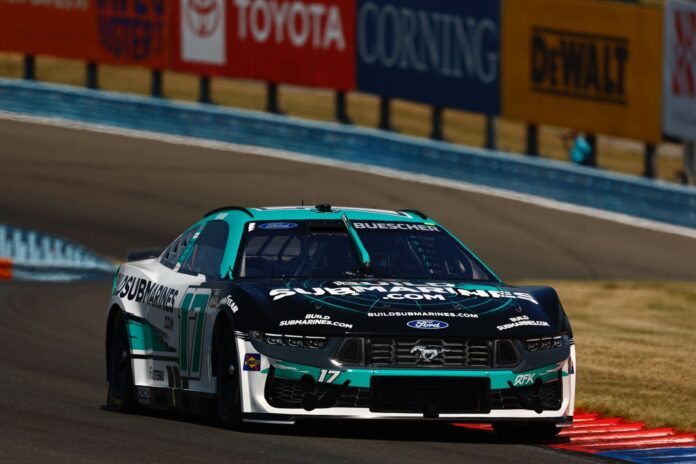
WATKINS GLEN, NY (August 10, 2025) – Chris Buescher’s spirited defense of his 2024 Watkins Glen crown set the tone for a strong showing by all three RFK Racing teams, as the BuildSubmarines.com Ford stormed to a Stage One win and kept the team in the mix all afternoon. Buescher, Ryan Preece, and Brad Keselowski each showcased race-winning speed, with all three leading laps and gaining stage points.

17 Chris Buescher

Chris Buescher’s thrilling Watkins Glen Victory a season ago, was among the top highlights of 2024. It was also a a huge confidence boost heading into Sunday. The defending race winner started 12th before quickly driving the BuildSubmarines.com Ford forward, cracking the top 10 by lap five. As pit strategy began to develop late in Stage One, Buescher stayed on track while others pitted, gaining hard to get track position. The call paid off as he surged to the front and claimed the Stage One win, adding a playoff point and setting an early tone for the day.

Buescher again stayed out to begin Stage Two, leading the field to green. The team initially aimed to stretch fuel to their pit window, but fading rear grip forced a stop that initially dropped him to 31st, but there would be a strong recovery. Fresh tires and the pit cycle allowed Buescher to climb to 15th before a late caution. He closed out the stage 13th, keeping himself in contention.

The No. 17 team held their track position into Stage Three, restarting ninth and sticking to their fuel strategy. Buescher pitted on lap 54 with teammate Ryan Preece. Together they rejoined deep in the field before, once again, cycling forward as others made their stops. With 24 laps remaining, he was up to 11th, and by the final 14 laps he had charged to second, setting his sights on Shane Van Gisbergen; the driver he outdueled for the win a year ago. Despite closing the gap, Buescher ultimately finished third, delivering a respectable defense of his 2024 victory.

“I’m really proud of everybody, to bring this BuildSubmarines.com Mustang back here and have this kind of speed,” said Buescher. “We had a really fast race car again, just definitely took the opportunity to capitalize on some big stage points there early. Still got back up into second there and was making some pretty good headway. But, just used it up really hard trying to get by a couple cars and get to that track position, and it fell off pretty hard there at the end.”

60 Ryan Preece

A year ago, Ryan Preece scored his career best finish of 9th at Watkins Glen. That mark though has been broken several times this year in his first season with RFK Racing, and on Sunday he was riding a streak of consecutive top-five finishes. Driving the Mohawk Northeast Ford, he started 17th and held steady in the opening laps. Strategy, like it has been several times for the 60-team this season, allowed him to gain track position. Opting not to pit in Stage one, he matriculated toward the front as others stopped. Preece closed out the stage third.

Like his teammate Chris Buescher, Preece stayed out to begin Stage Two, lining up second on the restart. On lap 24 he briefly lead the race. Prece made his scheduled stop on lap 30, which dropped him to 27th, but fresh tires allowed him to quickly climb back through the field. By the closing laps of the segment, he had worked his way into the top 10, securing a 10th-place finish in the stage and adding more stage points to his total.

Electing not to pit between stages, Preece restarted sixth for the final run and advanced to fifth while chasing down Christopher Bell. Although he was doing a masterful job racing on worn tires, he slipped to seventh before pitting on lap 54. Needing to insure they got a full fuel load, the stop was longer than usual and he rejoined the field 37th. Persevering, he steadily worked forward as the pit cycle played out. Preece reached as high as ninth before ultimately earning for a 13th-place finish.

6 Brad Keselowski

Riding a wave of momentum, fresh off consecutive top-five finishes, Brad Keselowski was ready for Watkins Glen. Ready to continue his surge toward winning a race and securing a playoff spot. He rolled off 16th in the Nexlizet Ford and wasted no time gaining a spot on the opening lap. Keselowski maintained a steady pace in the early going, opting for a conservative approach to preserve his equipment. A strategically planned pitstop on lap 16, four laps from the end of the segment, dropped him in the running order but set him up to gain spots when others filtereded through their pit cycle later. Keselowski was 21st at the end of Stage One.

Stage Two saw Keselowski’s strategy begin to pay off. While running 19th a caution flew, bringing many to pit road. Keselowski stayed out, gaining track position, allowing him to restart 15th and continue climbing. With his previous stop dating back to lap 16, he cycled forward as pit stops unfolded, cracking the top five by the closing laps of the segment. He held that position to finish the stage fifth, collecting valuable stage points.

Keselowski pitted during the stage break and restarted 27th to being the final stage and quickly began making up ground. As the final pit cycle developed, he stayed on strategy and steadily picked off positions, climbing into the top three by lap 64 and moving into second with 25 laps to go. Running strong on older tires, he took the lead on lap 7, before making his final pit stop on lap 74. Although he returned to the track in 22nd, confidence was high that the plan would allow him once again to surged back to the front as pit stops unfolded. That plan though was thwarted when Keselowski had a flat left rear tire, leaving him with an unrepresentative 31st place finish.

Up Next:
Richmond Raceway (Richmond, VA) Saturday, August 16, 2025, on USA Network @ 7:30pm ET

About RFK Racing
RFK Racing, in its 38th season in 2025, features an ownership lineup pairing one of the sport’s most iconic names, Jack Roush, along with NASCAR Champion Brad Keselowski and Fenway Sports Group owner John Henry. Roush initially founded the team in 1988, and it has since become one of the most successful racing operations in the world, propelling him to be the first NASCAR owner to amass 300 wins and capturing eight championships, including back-to-back NASCAR Cup titles in 2003 and 2004. Keselowski, a former owner in the NASCAR Truck Series, is the 2012 NASCAR Cup Series Champion. In 2007, Roush partnered with Henry, who also owns Major League Baseball’s Boston Red Sox, English Premier League’s Liverpool F.C., and the NHL’s Pittsburgh Penguins, to form Roush Fenway Racing. Off the track, RFK is a leader and proven winner in NASCAR marketing solutions, having produced multiple award-winning social media, digital content, and experiential marketing campaigns. Visit rfkracing.com and follow the team on all social platforms @rfkracing.

Why not customise your motorcycle with airbrush paints?

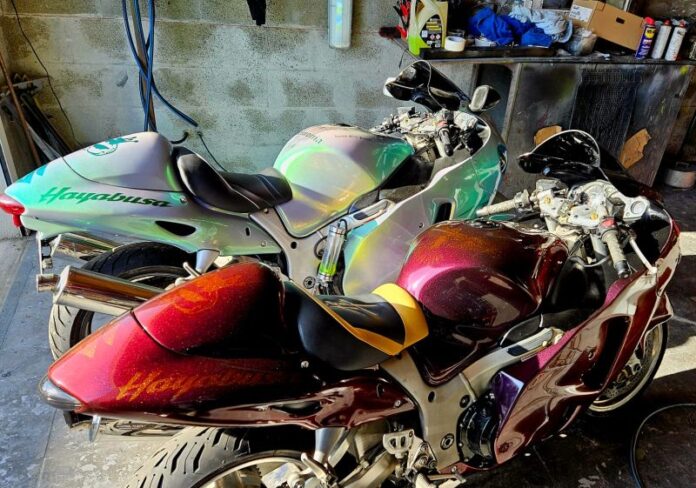
It was probably in California, USA, in the 1960s that the artistic discipline of custom painting was born. All available techniques were used to decorate and personalise motorcycles. This could include the application of plastic glitter (Metal Flakes), the use of products derived from printing inks (Candy), and it was also at this time that the small tool called the airbrush found its main application.

In Europe, the decoration and customisation of vehicles with motorcycle paint is unfortunately quite rare. In countries and regions such as Asia, Russia, the Gulf countries, Australia, and of course the United States, it is much more common to see murals on tanks, designs showing flames or flags, skulls, etc.

custom painting

Custom paint is not limited to the creation of designs, graphics, or drawings made with an airbrush and airbrush paints. For colour enthusiasts, it is possible to apply special effect paints on a motorcycle, with pearlescent or metallic colours, or even holographic or chameleon effects. Today, special effect paints are in fashion in Europe, and bicycle manufacturers in particular are engaged in fierce competition in the field of special colours for bicycle frames.

The practice of airbrushing in motorcycle painting

The airbrush is a kind of mini spray gun, the size of a pen, with a small cup placed on the top or bottom, which draws the paint by suction or gravity, to spray it in a very precise pattern on the bodywork.

By pressing a small trigger on top of the airbrush, a very fine needle is moved back and forth to release the paint or not.

Airbrush paints produce quite extraordinary results that cannot be compared to any other conventional painting technique. This is a discipline in which anyone can excel, as it is not necessary to have a talent for drawing to create designs that can reach a very impressive level of realism.

Motorcycle custom paint specialists

Today, many motorcycle paint specialists master this technique and include it in their motorcycle bodywork customisation services. The airbrush can be used for simple work such as making logos, stripes, or graphics.

It can also be used to create complex stencils, and some custom painters offer freehand airbrush painting services. This could be a Wild West design, a portrait of your favourite star, or even a depiction of a mascot. A common theme in the field of custom painting often revolves around flames and devilish figures (skulls, demons, etc.).

How to get started with airbrush paints

For those who want to try airbrush paint, it is very simple: just get a small air compressor with an airbrush. In this field, there are very affordable tools, as well as some that can cost several hundred euros.

As it is a complex tool to master, it is best to avoid adding problems caused by a poor-quality tool to the beginner’s learning difficulties! Then, when it comes to choosing automotive paints, it is simple: you can use any liquid paint. This can be motorcycle paints, which can be freely diluted, or specialised acrylic water-based airbrush paints.

If motorcycle paints in general are a subject you are passionate about — beyond just airbrush paints — we recommend reading this very interesting article: Treat Yourself To A Special Effect Motorcycle Paint.

How a Clutch Kit Impacts Fuel Efficiency and Vehicle Performance

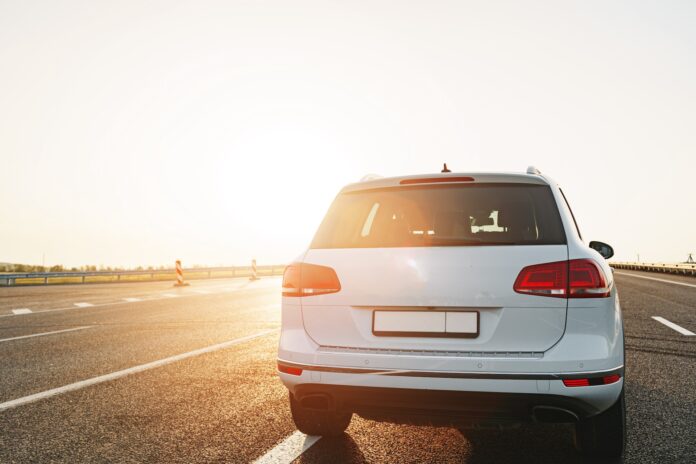
White crossover car on new empty asphalt road at sunrise

The clutch system is a critical component in manual transmission vehicles, playing a vital role in power transfer from the engine to the drivetrain. A well-functioning clutch ensures smooth gear shifts, optimal power delivery, and improved fuel efficiency. Over time, clutch components wear out, leading to decreased performance and higher fuel consumption. Upgrading or maintaining a high-quality clutch kit can significantly enhance both vehicle performance and fuel economy. This article explores how a clutch kit influences these aspects and why choosing the right one matters.

Understanding the Role of a Clutch Kit

A clutch kit typically includes the clutch disc, pressure plate, release bearing, and sometimes the flywheel. These components work together to engage and disengage the engine from the transmission, allowing for smooth gear changes. When the clutch pedal is pressed, the pressure plate releases the clutch disc, interrupting power flow, and releasing the pedal will re-engage the clutch, thus transferring engine power to the wheels.

A worn or improperly functioning clutch can slip, causing inefficient power transfer. This slippage forces the engine to work harder, increasing fuel consumption. Conversely, a high-quality clutch kit ensures firm engagement, minimizing energy loss and improving overall efficiency.

Fuel Efficiency and Clutch Performance

1. Reducing Clutch Slippage

One of the primary ways a clutch kit affects fuel efficiency is by preventing slippage. A worn clutch disc or weakened pressure plate fails to maintain a solid connection between the engine and transmission. As a result, the engine revs higher without a proportional increase in vehicle speed, wasting fuel. A new or upgraded clutch kit ensures a strong grip, reducing unnecessary engine strain and improving miles per gallon (MPG).

2. Optimizing Gear Shifts

Smooth and precise gear changes are essential for maintaining fuel efficiency. A failing clutch can cause jerky shifts or difficulty engaging gears, leading to inconsistent acceleration and increased fuel burn. Performance-oriented clutch kits, such as those with reinforced friction materials, provide better modulation and quicker engagement, allowing drivers to shift more efficiently.

3. Minimizing Power Loss

A high-performance clutch kit reduces parasitic power loss by ensuring maximum energy transfer from the engine to the wheels. OEM (Original Equipment Manufacturer) clutches are designed for general use, but aftermarket kits often feature stronger materials that handle higher torque loads without slipping. This efficiency translates to better throttle response and lower fuel consumption under heavy acceleration or towing conditions.

Impact on Vehicle Performance

1. Enhanced Power Delivery

A quality clutch kit ensures that engine power is effectively transmitted to the drivetrain. Upgraded pressure plates and clutch discs with high friction coefficients can handle increased torque, making them ideal for modified or high-performance vehicles. This results in better overall responsiveness and quicker acceleration.

2. Improved Durability Under Stress

Standard clutch kits may wear out quickly under aggressive driving, heavy-load conditions, or racing. Performance clutch kits often will use stronger materials like ceramic or Kevlar-reinforced friction surfaces. These will resist heat and wear better than organic materials. This durability prevents performance degradation over time, ensuring consistent power transfer.

3. Better Heat Dissipation

Excessive heat is a common cause of clutch failure. High-performance clutch kits often incorporate improved heat-resistant materials and designs, such as segmented friction surfaces or reinforced pressure plates. Better heat management prevents glazing and warping, maintaining optimal performance even under demanding conditions.

Choosing the Right Clutch Kit

Selecting the appropriate clutch kit depends on driving habits, vehicle type, and performance needs. Here are key factors to consider:

1. Driving Style

  • Daily Driving: Semi-organic or organic clutch kits provide smooth engagement and comfort for regular use.
  • Performance/Track Use: Ceramic or sintered metal clutches offer higher grip and durability but may require more pedal effort.
  • Heavy-Duty/Towing: A heavy-duty clutch with a reinforced pressure plate ensures reliable performance under high loads.

2. Material Composition

  • Organic Clutches: Smooth engagement, ideal for street use but less durable under extreme conditions.
  • Kevlar Clutches: More heat-resistant than organic, balancing performance and longevity.
  • Ceramic Clutches: Excellent for high-torque applications but can be harsh in daily driving.

3. Compatibility

Ensure the clutch kit matches the vehicle’s specifications, including engine torque output and transmission type. An improperly sized clutch can lead to premature wear or drivability issues.

Maintenance and Longevity

Even the best clutch kit requires proper maintenance to sustain performance and fuel efficiency. Key practices include:

  • Avoiding excessive slipping (e.g., riding the clutch pedal).
  • Ensuring proper clutch hydraulic or cable system operation.
  • Replacing the clutch kit at the first signs of wear, such as slipping, burning smells, or difficulty shifting.

Conclusion

A clutch kit plays a crucial role in both fuel efficiency and vehicle performance. A worn or low-quality clutch leads to power loss, increased fuel consumption, and poor drivability, while a well-chosen aftermarket or OEM replacement can enhance power transfer, acceleration, and MPG. Whether for daily commuting, towing, or high-performance driving, selecting the right clutch kit tailored to specific needs ensures optimal vehicle operation. Regular maintenance and timely replacements further extend the clutch’s lifespan, keeping the vehicle running efficiently for years to come.

By understanding how clutch kits influence fuel economy and performance, drivers can make informed decisions that enhance their driving experience while reducing long-term costs. Investing in a high-quality clutch kit is not just about performance—it’s about maximizing efficiency and reliability on the road.

What Drivers Must Know About Aftermarket Bull Bars: Are They Worth It?

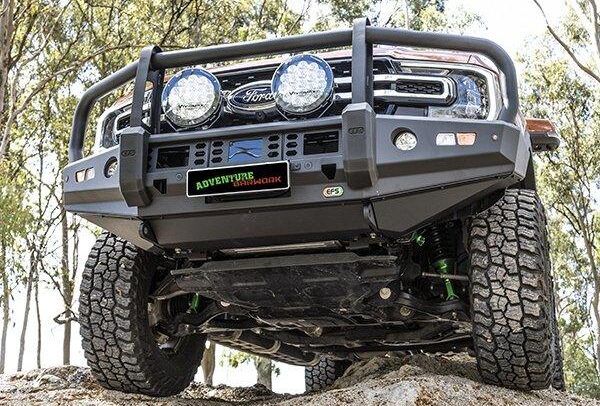
For most car owners in Australia, a bull bar is a must-have accessory. Without it, you cannot venture into the outdoors and coastal regions worry-free. With wildlife collisions becoming common for adventure seekers, equipping your car with a unit is useful. Now, the market is replete with this item in varying sizes and styles. You can easily get your hands on a factory-fitted option, but an aftermarket model may offer a better usage experience.

What is an aftermarket bull bar?

Aftermarket bull bars are made by companies that also sell accessories for several car models. When shopping for this product, you get plenty of choices and customization options. However, you should assess the available choices carefully. Everyone has unique driving needs, and so may need specific accessories. 

Why do Australian drivers prefer buying this item?

There are many reasons why many car owners in Australia opt for third-party bull bars.

  • Factory-fitted bull bars do not offer you many customisation options. Aftermarket bars are purpose-built and offer a better user experience. You can look for models designed especially to cope with wildlife collisions or coastal driving needs, for example. Some models also offer better approach angles, higher clearance, and rugged recovery points. These prove to be useful in outdoor adventures.
  • You will find most of them to be flexible. Australian car accessory makers selling this item develop models targeting specific types of users. These include- budget-minded users, frequent adventure lovers, farmland explorers, weekend camping enthusiasts and so on. Naturally, the price of these models can vary a lot. 
  • If you are still using an SUV bought a decade ago, it will be tough to find OEM bull bars. With the aftermarket variety, you need not worry about safeguarding your car. 

Are there any drawbacks worth considering?

While using third-party versions can be useful, there can be a few downsides, too. 

  • Not all aftermarket bars can be suitable for your vehicle. Low-quality products may interfere with the functioning of car sensors. This can lower the safety level. 
  • In Australia, the states have specific regulations for installing bull bars. If you install a non-compliant bar on your car, it may lead to insurance claim issues.
  • Some bull bars, especially steel-based ones, can weigh a lot. That can hurt the car’s fuel economy. 

When should you look for these bull bars?

An aftermarket bull bar is useful when you:

  • Want your car to look stylish and sleek.
  • Take your car out to the coastal regions or hilly places.
  • Need to use some external accessories like light bars and winches.
  • Want to add functionality to an old car.

Things to check when you plan to buy an aftermarket bull barWhen you are planning to buy third-party bull bars, it’s essential to check a few aspects. The model has to be ADR-compliant, like those sold by entities like Brixton4x4.com.au. Check the review of such models before making up your mind. Think of your car usage needs before choosing the bull bar material. This will make it easy to select the right one.

Best Hawkglow H7 LED Bulbs for Cars in 2025

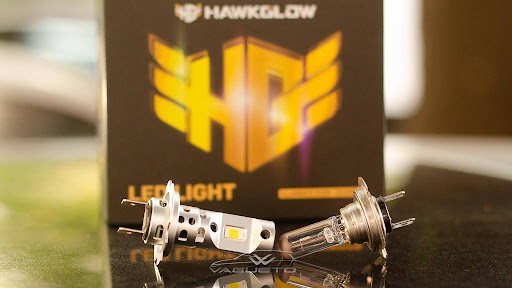
Car lovers and everyday drivers know that good headlights are not just nice to have but they are a must for safe driving. When night rolls in or the weather turns, your headlights lead the way and help keep you visible. Hawkglow H7 LED bulbs for cars are winning fans for their bright light, low energy use, and long life, all in a package that beats standard halogens.

The world of car lighting has raced ahead in the last few years, and LED tech has become both sharper and easier to find. The H7 bulb is one of the most widely used headlight types in today’s cars, so swapping to a better model is a top smart move for drivers everywhere. Whether you need clearer beams to pierce the night, a fresh look for your ride, or a simple halogen swap, the right H7 LED can really lift your driving game.

This guide looks at the best H7 LED bulbs you can buy in 2025, focusing on how Hawkglow stacks up against other brands.

What H7 LED Technology Offers

H7 LED bulbs are a big step up from old halogen designs. “H7” marks a specific size and connector type, so you will find a fit for countless cars and trucks. These bulbs usually run low-beam lights, but a few models also use them for high beams. Each unit has one light filament.

Hawkglow makes their H7 LED bulbs with real care for toughness and dependable use. The bulbs come with sturdy parts that handle bumps, temperature changes, and power demands that cars put on lights. Because Hawkglow focuses on smart design and solid materials, you get a product that shines steadily and is much less likely to burn out early.

Putting these bulbs on your car is easy. Hawkglow H7s mostly use a simple plug-and-play setup, meaning you do not need extra tools or changes to the wiring. Plus, their slim design fits nicely into tight headlight spaces, so you can use them in nearly any housing that has a bit less room in the back.

Side-by-Side Performance Numbers

You can examine a few key figures to evaluate how H7 LED bulbs compare. The lumen output of the lightbulb indicates the overall quantity of light it produces. The best H7 LED choices generate between 8,000 and 12,000 lumens per pair, while the average halogen H7 bulb only generates roughly 3,000 lumens. That is a big brightness boost that can improve the look of your car and visibility at night.

Consistency in color temperature is crucial for drivers and the appearance of vehicles. Unlike less expensive alternatives that may change color over time, premium H7 LEDs maintain a constant color temperature over the course of their lifetime. The best bulbs ensure that both sides match precisely by minimizing color temperature variation between bulbs in the same pair.

Real-world effects are felt in the beam pattern. Superb H7 LEDs light the road ahead while producing crisp beam cutoffs that divert glare from approaching vehicles. The best models hardly lose brightness even after extended exposure to high temperatures, and they come with thermal protection to turn off or dim the light if it becomes too hot.

Controlling the Heat During Installation

Consider heat management when installing high-performance H7 LED bulbs, particularly if the bulbs have integrated cooling fans. Verify that there is adequate room for warm air to escape around the fan and heat sink. Consider installing vents or relocating wires if necessary because occasionally the cooling system can function better with a little more airflow or additional room surrounding the fixture.

Long-Term Performance and Value

A good set of H7 LED bulbs offers more savings than just the sticker price. Under typical driving circumstances, the majority of high-quality LEDs can outlast the car itself because they last between 30,000 and 50,000 hours.

When it comes to fading over time, LED bulbs are not all made equal. While less expensive models may dim unevenly and change color, higher-end models remain bright and true to color for many miles. The secret to happiness after the purchase is that stability that lasts.

A manufacturer’s level of confidence in their product is evident in the warranty.Top H7 LED makers offer solid warranties that cover both parts and any drop in light quality, showing they stand behind the bulbs and the people who buy them.

Picking the Right H7 LED for Your Car

Once you know what you want, it is easier to sort through the options and pick the ones that give you the most bang for your buck. What matters most in performance really comes down to how you drive. If you tackle bad weather or off-road trails, you’ll want the brightest, best-focused light you can get. If you do a lot of night city driving, you might care more about saving power and having a sleek look. Out in the country, the goal is clear sight down long roads, while some folks still want bulbs that look good even in daylight.

Important Tips for Buying H7 LED Bulbs

Make sure the H7 LED bulbs will fit your car before you buy. Check your car’s manual, measure the space the bulbs will go into, and look into how the car’s electrical system works. Doing this will help you avoid installation headaches down the road.

Next, think about your budget. Look at both the sticker price and the bulb’s future costs. Higher-priced H7 LED bulbs usually last longer and shine brighter than cheaper ones. If the cheaper ones burn out before you expect, their low price won’t save you money over time.

Also, think about how easy or hard the bulbs will be to install. If a product needs a mechanic to install, you’ll have to pay for the labor. Bulbs that can be installed with just a few clicks and a basic set of tools let you save money and time. Ask yourself how handy you feel and how much time you can spend on the install.

Worst F1 Title Defenses of All Time as Max Verstappen Struggles to Keep Pace in 2025

Image by Sandor Foszto from Pixabay

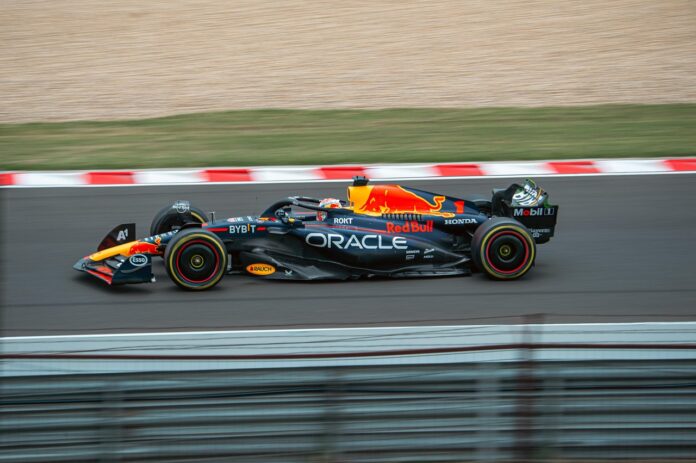
Dominance in Formula 1 is a fragile thing. In 2025, the once-unstoppable Red Bull machine has waded into quicksand, its four-time reigning champion Max Verstappen watching a pair of McLarens rocket past with a force and consistency that’s left even seasoned observers rattled. 

The numbers alone are staggering: Oscar Piastri and Lando Norris have combined for 11 victories in 14 rounds—an astonishing 78.5% win rate. Seven of those races have seen McLaren secure 1-2 finishes, propelling them to a decisive 559 points in the Constructors’ standings—more than double Ferrari’s total—and leaving Verstappen, so often the pacesetter, a distant third in the Drivers’ tally, 97 points behind Piastri and 88 shy of Norris. 

McLaren Proves Too Hot For Verstappen to Handle 

With the current margin between Super Max and the two Papaya stars, it should come as no surprise to hear that online betting sites now consider the title battle a two-horse race. The popular Bovada site currently makes championship leader Piastri the -175 favorite for the crown, with Norris just behind at +130. Verstappen is currently considered the best of the rest, but he is still a distant +6600 shot. 

But these raw statistics tell only half the story. Formula 1, at its highest level, is as much about the psychological shockwaves as the mechanics. Verstappen, who for much of the last four years looked almost mythic in his ability to bend a Grand Prix to his will, hit the paddock this summer with brows furrowed and body language taut. After Hungary, he cut a resigned figure, candidly telling the media, “We’re not really fighting for anything anymore.”

McLaren, meanwhile, has not just defeated its rivals—it’s crushed their hope. Their seven 1-2s this year tie them with Mercedes’ historic 2014 campaign through this point of the season. Piastri leads the standings, and across the last two decades, rarely has the handover of supremacy come so abruptly and so completely. 

The question on every fan’s mind now: Is Verstappen’s slide among the worst championship defenses in F1 history? To answer, let’s revisit some notorious flops by serial champions when the bottom fell out.

Sebastian Vettel

Rewind to 2013 and Sebastian Vettel was unstoppable—nine consecutive wins to close the year, 13 on the season, and a fourth title before his 27th birthday. But in 2014, Formula 1’s turbo-hybrid revolution turned Red Bull’s world upside down. The all-conquering V8s gave way to complex and fragile hybrid power units—territory Mercedes stamped with ferocious authority.

Vettel’s numbers made for painful viewing: zero wins, four podiums, a solitary fastest lap, and just 167 points—the same tally as Valtteri Bottas, who had never won an F1 race at that time. His new teammate, Daniel Ricciardo, outscored him by 71 points and snagged three wins. Vettel’s fifth-place finish in the championship was not just a statistic—it was a jaw-dropping fall from grace. Red Bull’s chronic unreliability – five retirements for Vettel alone – and lackluster pace were the headlines, but Ricciardo’s calm, incisive racecraft delivered the exclamation point. 

Jenson Button

Jenson Button’s fairy-tale 2009 campaign with Brawn GP is the stuff of sporting legend. But his move to McLaren in 2010, partnering with Lewis Hamilton, exposed how fine the margins in F1 victory truly are. Button won two of the opening four races—Australia and China—and briefly led the championship. The promise was dazzling, but as the season wore on, the car’s inconsistency and Red Bull’s growing menace became impossible to ignore.

Button’s final numbers: 214 points, just two wins, nine podiums, fifth in the title race, and consistently a step behind Hamilton. While his smooth touch paid dividends in tricky conditions, poor qualifying and erratic McLaren strategies saw crucial points slip away. Far from the clinical ruthlessness of his title year, Button’s defense wilted in the heat of a stronger teammate and a resurgent Red Bull, ultimately unable to deliver when it counted.

Lewis Hamilton

How quickly a giant can stumble. Fresh off the dramatic, last-gasp heroics of his 2008 title, Hamilton entered 2009 with expectations sky-high. But the MP4-24 was a disaster out of the box: at the opener in Australia, Hamilton qualified 18th. By mid-season, the reigning champion had become a sideshow to the Brawn GP juggernaut—Jenson Button’s eight wins in the first 13 races set the tone.

It was only after a significant aerodynamic overhaul that Hamilton finally returned to the podium—victories in Hungary and Singapore served as brief reminders of his genius, but they were bandages for a season spent languishing in the midfield. He finished fifth overall with 49 points, collecting just two wins. His resilience and skill were never in question, but McLaren’s early failings left him with a mountain no man could climb.

Michael Schumacher

Five straight world titles had made Schumacher and Ferrari almost untouchable, a relentless force of nature. But the FIA’s new ban on in-race tire changes played havoc with Bridgestone’s rubber, and the F2005 was overhauled in pace, first by Renault and then by McLaren. The result: Schumacher claimed a single, hollow win—at the six-car 2005 US Grand Prix—amid a year of embarrassment.

The stats were stark: third in the championship, 62 points, one win, three poles—compared to Fernando Alonso’s 133 points and seven wins. Mechanical issues multiplied, and the tactical wizardry that once defined Ferrari became a parade of damage limitation. The unstoppable red tide retreated, leaving Schumacher fighting for scraps. While he would contend for the title once again the following year, the iconic German would never again claim a world championship. 

NASCAR Top-10 Power Rankings: Watkins Glen

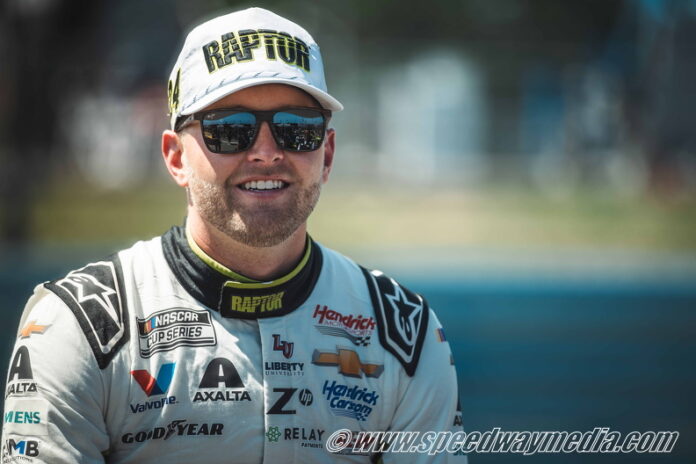
William Byron at Watkins Glen. Photo by Patrick Sue-Chan for SpeedwayMedia.com.

This week, William Byron tops the NASCAR Top-10 Power Rankings after scoring a top-five at Watkins Glen International.

1. William Byron: 

Byron finished fourth in the Go Bowling At The Glen and leads the power rankings this week.

“I think my road course skills have really come a long way,” Byron said. “I’d say I’m as good a road course driver as Shane van Gisbergen is an oval driver.”

2. Ryan Blaney: 

Blaney started on the pole at Watkins Glen, led 35 laps, and finished sixth at Watkins Glen.

“Shane van Gisbergen is almost unbeatable on road courses,” Blaney said. “And the pressure of being expected to win those races doesn’t seem to bother him. That New Zealander has ice in his veins, and luckily not ICE at his doorstep.”

3. Christopher Bell: 

Bell snatched the runner-up spot at Watkins Glen.

“I tried my best to catch Shane van Gisbergen,” Bell said. “He won by over 11 seconds, so I guess I tried my best to see SVG.”

4. Chase Briscoe: 

Briscoe finished fifth at Watkins Glen, recording his 10th top 5 of the year.

“The coolest paint scheme of the day goes to Cody Ware’s No. 51 Ford,” Briscoe said. “It featured the ‘Evel Knievel Museum’ paint scheme. Cody could have made it cooler if he had jumped 16 school buses at some point in the race.”

5. Shane van Gisbergen: 

Van Gisbergen led 38 laps at Watkins Glen and easily won the Go Bowling At The Glen for his fourth win of the year.

“My name has become synonymous with road course racing,” van Gisbergen said. “To my competitors, ‘SVG’ might as well mean ‘Say a Virtual Goodbye.'”

6. Alex Bowman:

Bowman faded late and finished 20th at Watkins Glen.

“J.J. Yeley’s No. 44 Chevy was primarily sponsored by Syracuse Football NIL,” Bowman said. “‘NIL’ stands for ‘name, image, and likeness.’ To put today’s NIL in perspective, Syracuse’s backup long snapper probably makes more money than J.J.”

7. Denny Hamlin: 

Hamlin finished 25th at Watkins Glen.

“The difference between Cup drivers and Xfinity drivers,” Hamlin said, “is often just a fraction of a second, or a fracture of a collarbone.”

8. Chase Elliott: 

Elliott finished 26th in the Go Bowling At The Glen.

“There’s a chicane at Watkins Glen called the ‘Bus Stop,'” Elliott said. “A lot of drivers think that Carson Hocevar should be placed at the Bus Stop, because that guy should be taking a bus instead of driving.”

9. Joey Logano: 

Logano finished 14th in the Go Bowling At The Glen.

“I’ve been relatively quiet in the regular season so far,” Logano said, “except for those times when I’m complaining about my Penske teammates.”

10. Kyle Larson: 

Larson suffered early mechanical issues and finished 39th at Watkins Glen.

“I had an early brake issue that really took me out of contention,” Larson said. “If you’re the kind of driver, like me, that talks to his car, then saying ‘Stop it!’ to a car with a brake issue can be very confusing.”

Note: The quotes in this article are fictional.