Home Blog Page 43

Heavy Equipment Financing: Quick Guide to Financing Machinery

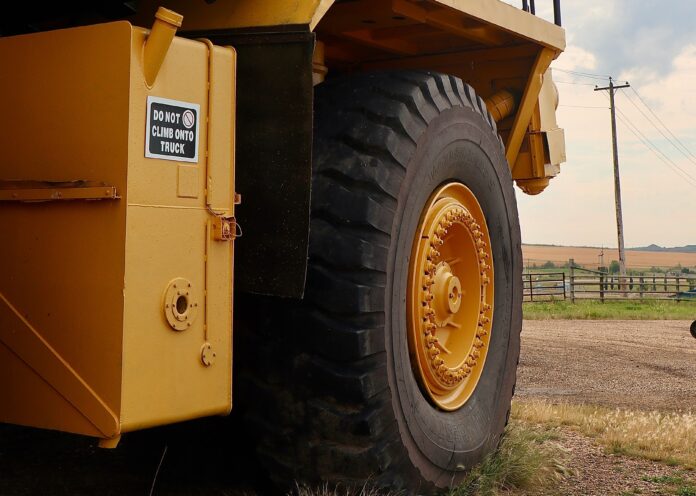
Photo by Giovanni Spoletin on Pexels

Heavy machinery is a major investment for businesses specializing in agriculture, construction, transportation, and more. Whether your business needs excavators for digging or a fleet of forklifts, the upfront cost can place a significant strain on a businesses finances. Enter heavy equipment financing, it is a popular option companies use to spread costs over time while keeping daily operations running. One popular provider, Thirty3 Capital, offers customized financing options to meet your company’s needs, such as asset-backed financing and monthly payment tools.

What is Heavy Equipment Financing?

Heavy equipment financing lets your business get machinery without paying the full cost upfront. Instead, the business can make payments over an agreed period, with terms based on a range of factors.

Financing benefits both new and established companies, whether you’re replacing aged machinery or looking to expand. Instead of tying up a significant amount of cash in a single large purchase, the business can keep money for wages, maintenance, fuel, and other everyday expenses.

Heavy equipment financing also helps with seasonal demand and expanding contracts. Although borrowing adds another layer of financial obligations, evaluate whether it is useful before committing to a financing plan.

Most Common Types of Machinery Financing

There are many ways to finance heavy machinery, each with its own costs and requirements.

  • Equipment Leasing – This is when a business pays for equipment for a specific period. Depending on the agreement, the business could have the option to purchase the equipment at the end of the lease.
  • Equipment Loan – A lender provides funds for the business to purchase the machinery. The loan will be repaid overtime with interest over the agreed period. Sometimes the equipment can serve as collateral.
  • Dealer Financing – Some equipment dealers will offer financing directly or through a partner. This allows a business to explore purchase and payment options with the dealer.
  • Asset-backed Financing – This is when financing is secured against eligible assets, which can include the equipment provided. Terms depend heavily on circumstances and the asset’s value.

The best option depends on the business’s financial position and equipment needs, so the right choice can be difficult to find. Before committing to an agreement, consider whether you should prioritize ownership, lower initial costs, machinery replacements, and predictable payments.

Heavy Equipment Application Considerations

Lenders will assess many factors before considering and approving heavy equipment financing. Understanding the requirements can better help you prepare for a stronger application.

Credit history is often one of the most important considerations when submitting an application. Credit history can influence approval decisions, interest rates, and the financing options available. Lenders also assess the amount of cash flowing into the business to determine whether it can easily manage the payment plan.

The equipment itself also influences the application. Aged equipment may have different requirements versus newer equipment, and the lender will also assess the equipment’s intended use. Additionally, the lender can analyze the business’s overall operating history, including its experience within its industry, before making a decision.

Making the Financing Decision

Heavy equipment financing can be essential for ensuring the business continues to grow and operate. It makes essential machinery more accessible without requiring the full purchase price upfront.. The ideal goal is to choose an arrangement that supports the business’s operational needs without straining finances.

By simply understanding the available heavy equipment financing options, calculating the cost of ownership, and comparing multiple lender terms, your business decisions will be much more informed for the future. Providers such as Thirty3 Capital offer strong options for tailored financing solutions, but you should always consider several options and understand and review all heavy equipment contract terms before proceeding into a deal.

How to choose the right wheel size for your vehicle

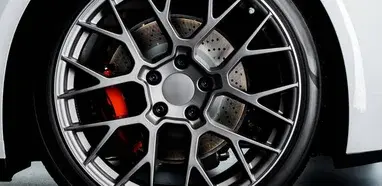
Photo by depositphotos at https://depositphotos.com/

Wheel size is one of the first details people notice on a vehicle, but it should never be treated as a styling choice alone. A change in diameter, width, offset, or tire sidewall can affect steering feel, braking clearance, ride comfort, suspension travel, gearing, traction, and how the vehicle behaves under load. This matters for daily drivers, work trucks, SUVs, off-road builds, and performance cars that spend weekends at local events. The right setup should look balanced, fit safely, and match the way the vehicle is used. A wheel that looks aggressive but rubs on turns, strains components, or leaves too little tire sidewall will become frustrating quickly.

Wheel size starts with the vehicle’s original setup

Factory wheel specs give the safest starting point because the vehicle was engineered around a certain diameter, width, offset, bolt pattern, hub bore, and tire circumference. Drivers researching upgrades may compare owner’s manual data, fitment charts, tire sizing tools, and suppliers such as Level 4×4 before choosing a new direction. The goal is to stay close enough to the original rolling diameter that speedometer readings, transmission behavior, braking response, and driver-assistance systems remain predictable. A small change can be workable when the whole package is measured correctly. A larger change needs more care because suspension clearance, steering angle, fender space, and load rating all become part of the decision.

Wheel diameter changes the tire’s side profile

A larger diameter wheel usually requires a lower-profile tire if the overall tire height stays close to factory sizing. That can sharpen steering response and create a more filled-out look, but it also reduces the sidewall available to absorb bumps, potholes, gravel, and uneven pavement. Smaller wheels can allow more sidewall, which often helps ride comfort and gives the tire more flex on rough roads. This tradeoff is why off-road drivers often avoid going too large with the wheel itself. More rim can look appealing, but too little tire sidewall can leave the vehicle harsher, more vulnerable to wheel damage, and less comfortable during long drives.

Wheel width and offset decide where the tire sits

Width controls how much tire the wheel can properly support, while offset controls how far the wheel sits inward or outward from the hub. These measurements can change the stance of the vehicle, but they also decide whether the tire clears suspension parts, brakes, fenders, liners, and steering components. A wheel pushed too far outward may look wider from the front, but it can add stress to bearings and throw more road debris toward the body. A wheel pulled too far inward may rub on control arms or struts. Good fitment means the tire sits confidently without forcing the suspension to work around a poor choice.

Wheel detailWhat it affectsWhat to watch
DiameterTire sidewall, brake clearance, ride feelKeep rolling diameter close to factory guidance
WidthTire shape, grip, sidewall supportMatch tire size to approved rim width
OffsetInner and outer clearanceCheck fenders, suspension, and steering lock
Bolt patternSafe mountingNever force a near-match pattern
Hub boreCentering on the hubUse proper hub-centric fitment when needed

Fitment details to check before changing wheels

  • Bolt pattern and lug seat style.
  • Check the hub bore and determine if centering rings are needed.
  • Brake caliper clearance across the full wheel barrel.
  • Tire diameter compared with the factory rolling circumference.
  • Load rating for the vehicle and its real cargo or towing use.
  • Clearance at full steering lock and during suspension compression.

The tire sidewall protects more than comfort

Sidewall height is easy to overlook because wheel diameter gets more attention, yet sidewall has a strong effect on how the vehicle feels. A taller sidewall can absorb impacts, protect the rim, improve comfort on broken pavement, and help tires conform to loose surfaces. A shorter sidewall can feel more direct on smooth roads, but it may punish the vehicle and passengers when pavement gets rough. For trucks and SUVs that see dirt roads, job sites, snow, or trails, sidewalls are part of the vehicle’s working ability. For cars used on smooth pavement, a lower profile may be acceptable when the tire still has enough load rating and protection.

Driving use should guide the final wheel size

A commuter vehicle, tow rig, trail SUV, show-focused build, and track-day car should not all follow the same sizing logic. A daily driver needs comfort, predictable braking, tire availability, and durability. A truck that carries weight needs load-rated wheels and tires before appearance. An off-road vehicle needs clearance, sidewall, and suspension travel more than oversized rims. A performance car may need brake clearance, tire compound options, and stable handling under heat. The right size comes from use first, then style second. When the setup matches the vehicle’s real job, the driver gets a cleaner result without sacrificing safety or day-to-day confidence.

A smart wheel choice feels natural on the road

The right wheel size should disappear once the vehicle is moving. Steering should feel controlled, the tires should clear through turns and bumps, braking should remain consistent, and the ride should suit the roads the vehicle sees most often. A good upgrade does not require the driver to accept constant rubbing, harsh impacts, strange vibration, or warning lights as part of the look. Fitment works when diameter, width, offset, tire size, and load rating all point in the same direction. Style still matters, but it works better when it follows measurement. A vehicle looks stronger when the wheels fit properly, and it drives better when the choice respects the engineering underneath.

Five Practical Protocols For Trackside Ai Image To Video Renders

Trackside social media desks and digital motorsport teams operate under relentless deadline pressure during race weekends. When stock cars or open-wheel racers dart into pit lane for fresh rubber, photographers capture extraordinary freeze-frames at high shutter speeds, yet digital editors frequently lack broadcast feeds to illustrate technical sequences on social platforms. Deploying ai image to video workflows through ImgToVideo AI allows trackside editors to convert static telephoto freeze-frames into broadcast-ready motion reels within minutes of a pit stop completing. Transforming high-shutter captures into kinetic loops lets racing desks publish engaging visual recaps while track incidents remain fresh for digital audiences.

Converting stationary motorsport imagery into authentic motion loops requires an operational protocol that respects vehicular mechanical constraints. Generic video synthesis models frequently distort aerodynamic dive planes, liquefy high-contrast sponsor typography, or turn five-lug racing wheels into metallic swirls. Utilizing ImgToVideo AI enables digital content coordinators to establish precise control over file payloads, aspect ratios, and directional motion prompts, ensuring that corporate liveries, sponsor decals, and aerodynamic bodywork retain structural fidelity across every generated frame.


Prerequisites For Race Day Photographic Asset Intake Workflow

Clean video synthesis originates at the intake station inside the trackside media center. Pit lane sensors generate RAW files exceeding forty megabytes. Desks must convert master files into PNG, JPG, JPEG, or WEBP formats cropped under the platform’s 20 MB ceiling.

Editors should select candid captures featuring sharp subject separation and balanced exposure. Shimmering heat haze off asphalt or excessive telephoto blur confuses optical flow models, causing backgrounds to melt into artifacts. Cropping images tightly around primary subjects—such as the tire carrier mounting the right-front wheel—removes extraneous garage spectators and focuses the neural synthesis engine on authentic pit lane action.


Step By Step Workflow For Live Pit Lane Social Clips

Executing rapid visual turnarounds between green flag pit stops requires an orderly operational sequence. Social media editors cannot afford to improvise configuration options when race incidents demand immediate digital coverage. Standardizing five workflow steps ensures consistent output quality while keeping computational overhead and credit consumption strictly under control:

  • Stage 1: Asset Preparation: Select sharp 1/2000-second telephoto still captures and crop to 16:9 landscape or 9:16 vertical orientation under 20 MB.
  • Stage 2: Model Calibration: Pair target publishing channels with appropriate synthesis engines based on duration and fidelity needs.
  • Stage 3: Directional Prompting: Author concise motion commands specifying mechanical actions without poetic or emotional adjectives.
  • Stage 4: Rendering Execution: Submit the generation task to the cloud queue and verify progression status within the dashboard.
  • Stage 5: Livery Verification: Inspect the exported loop side by side against the raw camera file before pushing to public channels.

Calibrating Model Tiers And Duration Benchmarks In Production

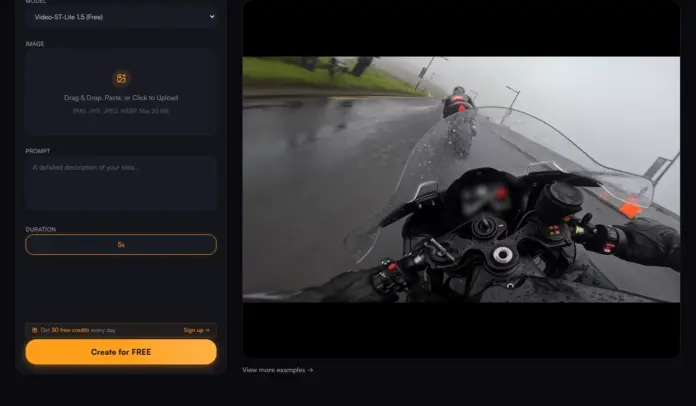
Duration and resolution choices must align directly with destination publishing channels. On ImgToVideo AI, editors select distinct model tiers based on asset requirements. Lightweight architectures like Video-ST-Lite 1.5 deliver swift preliminary checks for ten credits to verify spatial framing before full renders. For broadcast-grade reels, desks select MiniMax H3 or MiniMax H3 Max Turbo to generate five-second or ten-second sequences at 768P resolution. The Standard Monthly plan at $9.90 per month supplies 2,000 monthly credits, giving a race desk ample headroom to produce dozens of high-definition pit clips over a race weekend. Crucially, failed generation attempts resulting from network interruptions do not consume credits, protecting editorial budgets from unexpected operational losses.

Authoring Directional Kinetic Motion Prompts For Racing Vehicles

text to image

Writing motion prompts for high-speed automotive assets requires concise physical descriptors rather than poetic prose. Applying ai image to video synthesis demands clear physical cues that direct wheel rotation and exhaust shimmer without triggering erratic camera pans. Editors should state intended motion clearly: wheels spin rapidly while air gun mechanics tighten lug nuts, with camera maintaining fixed trackside perspective. Omitting ambiguous adjectives like epic or blinding speed prevents the neural model from introducing erratic warping or random synthetic flares that undermine broadcast credibility.


Trackside Editorial Checklist For Official Team Livery Verification

Racing journalism demands absolute visual integrity. Motorsport teams maintain multimillion-dollar sponsorship agreements where brand visibility is contractually protected. Prior to scheduling synthetic clips across social channels, the desk coordinator must verify motion output against the raw still file using an objective quality checklist.

Detecting Decal Melting And Aerodynamic Distortion Across Frames

Reviewers scrutinize generated clips on a color-calibrated monitor before granting publication clearance. If motion causes sponsor typography along the vehicle door to blur into unreadable smears, bends aerodynamic splitter plates, or invents secondary wheels during pit departures, the asset must be rejected immediately. In our newsroom practice, strict rejection thresholds guarantee that only mechanically authentic footage reaches public feeds, preserving partner trust.


Realistic Limits In Oblique High Smoke Trackside Framing

Algorithmic video generation operates within defined physical boundaries that creators must recognize. Extreme telephoto angles obscured by dense tire burnout smoke, severe lens distortion, or heavy heat shimmer off asphalt can confuse neural optical flow algorithms. In chaotic multi-car pileups where vehicle body panels overlap irregularly, synthetic models occasionally blur obscured mechanical components, meaning traditional broadcast ENG cameras remain indispensable for complex incident coverage.

Realistic Limits

Maintaining Editorial Momentum Across Hectic Race Weekends Online

Modern motorsport audiences demand immediate, dynamic coverage delivered directly to mobile devices between race cautions. Waiting for post-race recap reels leaves digital channels silent during peak fan excitement. By incorporating ImgToVideo AI into trackside media pipelines, racing publishers breathe kinetic life into photo archives without inflating production expenditures or dispatching dedicated studio animation crews.

While algorithmic synthesis will never replace trackside photojournalists or live television coverage, it provides an invaluable operational bridge for newsrooms navigating compressed publication deadlines. Desks that master these standardized intake, calibration, and verification protocols transform static race photography into compelling motion content, keeping social feeds fast, authoritative, and competitive through the final checkered flag.

Why Regularly Updating LSA Categories Matters for the Long-Term Growth of Auto Repair Shops

Photo by depositphotos at https://depositphotos.com/

A repair shop rarely stays exactly the same from one year to the next. One month, the team invests in better diagnostic equipment; another, a new technician arrives with skills that allow the garage to accept more demanding jobs. Yet online advertising can remain stuck in the past, describing services the business once offered rather than what it can handle today. Reviewing lsa categories for auto repair shops helps bridge that gap, especially for owners using Google’s Local Services Ads to reach nearby drivers. The aim is straightforward: make sure the work promoted, the area served, and the appointments available reflect what is happening inside the workshop.

Your Workshop Changes, So Your Advertising Should Too

Think about a garage that started with routine maintenance and basic repairs. After a few successful years, it purchases advanced testing equipment and begins handling more complex electrical faults. Existing customers may hear about the change, but someone searching online might never discover those new capabilities.

Local Services Ads lets eligible businesses manage industry selections and available job types. Those choices influence which searches can make an advertisement eligible to appear. Reviewing them after an equipment upgrade or staff change can help the shop reach drivers looking for work it is now qualified to perform. Availability varies by market, so check the actual options rather than assuming every repair has its own category.

Small Mismatches Can Lead to Unhelpful Calls

An inquiry sounds promising until the caller describes a repair the shop no longer performs. The receptionist spends several minutes explaining the situation, the driver starts searching again, and neither side gets what it needs. Repeat that often enough and a busy phone becomes less useful than it looks.

Outdated job-type settings can contribute to those mismatches. Remove selections that no longer represent the business, and make sure newly offered services are reflected when relevant choices exist. Remember that general category searches may still bring inquiries, so changing individual selections will not eliminate every unsuitable call. The goal is a better match, not a perfectly filtered phone line.

Some accounts also offer a broad search setting for general category queries. Turning it off may reduce loosely related inquiries, but it can also miss people who simply search for a nearby mechanic. Check the lead data before narrowing the reach.

Keep Your Service Area Realistic

A workshop may attract customers from neighboring towns, but that does not mean every distant inquiry is worth pursuing. Drivers often want repairs close to home or work, particularly when they must arrange a second ride after dropping off their vehicle.

Review geographic targeting alongside service choices. A shop near a busy commuter route might find new demand in an adjacent community, while another may need to narrow its coverage after moving premises. Google’s settings allow eligible advertisers to adjust supported cities or postal areas. Choose places customers can reasonably travel from, and compare incoming inquiries with actual appointments before expanding farther.

A Stronger Team Can Open New Opportunities

A new hire can change what a garage does well. Perhaps an experienced diagnostic technician joins, or the team receives training on a particular type of repair. Those developments may justify revisiting advertised services, but only after the business has the equipment, procedures, and capacity to deliver consistently.

Advertising a service before the workshop is ready creates unnecessary pressure. Check which jobs technicians can take, how long they require, and whether parts are readily available. Then update applicable selections and explain the expanded offering clearly when callers ask. Business growth is more sustainable when marketing follows operational capability instead of racing ahead of it.

Lead Quality Matters More Than a Busy Inbox

A dozen calls do not necessarily mean a dozen valuable opportunities. Some requests may concern unfamiliar repairs, customers outside the practical area, or appointments that the schedule cannot accommodate. Counting inquiries alone can hide those problems.

Keep a simple record of the service requested, caller location, whether the job was booked, and why other inquiries were declined. Over a few weeks, patterns often become visible. Maybe certain repairs bring consistent appointments while another advertised service creates confusion. Those observations give owners a reason to adjust settings rather than relying on instinct. Monitor booking rates and the value of completed work alongside advertising costs.

Make Changes Without Losing the Bigger Picture

Updating job types is useful, but it should never be the only improvement. A driver who finds the advertisement still needs confidence that the garage is dependable. Accurate business hours, genuine customer reviews, and prompt responses can help build that confidence.

It is also worth remembering that Google may require additional verification when an advertiser adds another industry, and changes can take time to appear. Check the account after an update instead of assuming everything is live immediately. Keep the linked business information consistent, too. A relevant advertisement paired with outdated contact details risks disappointing the very customers it was meant to attract.

Give the Settings a Regular Checkup

Nobody needs to redesign an advertising campaign every time the workshop buys a new tool. A scheduled review, perhaps every few months or after a meaningful business change, is usually more practical. Use it to compare advertised services with the current repair menu, staffing, service area, and appointment capacity.

Ask a few direct questions. Which jobs does the shop want more of? Which requests are repeatedly turned away? Are callers coming from places that make sense? Check the available settings, then make targeted adjustments and watch what happens. Google controls eligibility and placement, so better selections do not guarantee a particular number of leads. They do give the business a more accurate foundation.

Let Advertising Reflect the Garage You Are Building

Long-term growth rarely comes from one dramatic marketing decision. It develops through dependable repairs, satisfied customers, sensible investments, and a steady flow of suitable work. Local advertising should support those efforts, not pull the team toward services it cannot provide.

Start by reviewing the workshop’s current strengths and the calls arriving each week. Compare them with the industries, job types, and geographic areas available in the advertising account. Update what no longer fits, check any verification requirements, and review the results after changes take effect. When the message online matches the work happening in the bays, drivers have a clearer reason to get in touch, and the shop has a better chance of turning that first conversation into lasting business.

Short Track or Superspeedway: How Martinsville and Talladega Ask Different Things of a Driver

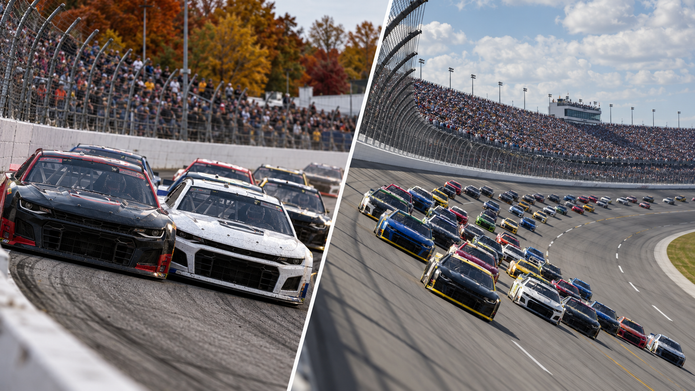
NASCAR’s playoffs visit Talladega on October 25 and Martinsville on November 1, one week apart. Same cars, same drivers, almost opposite jobs. One track is a half-mile paperclip in Virginia, the other a 2.66-mile Alabama giant. Here is what each one asks of the person holding the wheel.

Martinsville Punishes the Impatient

Ross Chastain rode the wall on the last lap of the 2022 race here and squeezed into the Championship 4. The move got the name Hail Melon. The track itself is stranger than the stunt, though. Martinsville measures 0.526 miles, the shortest lap on the Cup schedule, with two straights of about 800 feet joined by nearly flat 12-degree corners.

Drivers sprint down the asphalt straights, then stand on the brakes for concrete corners with almost no banking to help. The fall race runs 500 laps, about 263 miles, and anyone who burns through the brakes early has little left to fight with late.

Passing is the real puzzle. The flat, sharp corners make Martinsville mostly a one-groove track, so drivers hug the inside line and wait for a restart or a mistake. Plenty of fans fill the quiet stretches with a second screen, perhaps a few minutes on Win Spirit casino, until the next caution drags their eyes back to the TV.

Then there is the stuff no timing screen shows:

  • The oldest track still on the Cup schedule, open since 1947, though Cup racing there began in 1949.
  • Winners take home a grandfather clock, a tradition since 1964, and the 2026 clocks come from a new Virginia maker.
  • Concession stands sell bright red hot dogs topped with mustard, chili, slaw and onions.

Talladega Hands Out Chances and Takes Away Control

How do you win a race when NASCAR deliberately holds the engines back? At Talladega, you find the right bumper. Tapered spacers choke engine power, so the cars run in tight packs around a lap that stretches just over five Martinsville laps. Banking reaches 33 degrees, and the outside lane sits about 26 feet higher than the inside.

Bill Elliott’s 212.809 mph qualifying lap from 1987 remains the track record, and it will stay there, because rule changes that year ended that kind of speed. Speeds now hover around 190 mph. Holding the throttle down is the easy part. The hard part is the car a few feet ahead.

Drivers cannot out-power anyone, so they trade help. A push from behind speeds up both cars, and the partnership usually lasts until someone sees a gap. The lead changed 88 times in April 2010, a record, with 29 different leaders. Nobody picks a Talladega winner with confidence, and a quick visit to Win Spirit on race morning will not change that.

Then comes the Big One. The slightest contact can start a chain reaction that takes out 10 to 20 cars, and a pack running inches apart supplies plenty of contact. Tidy, it is not.

Two Races, Two Ways to Watch

Watching both races? Split your attention. At Martinsville, follow pit road and the brakes. At Talladega, follow the draft lines, because the car in front often has less say than the one pushing it. Three details help the numbers make sense:

  1. Talladega’s 188 laps add up to about 500 miles, nearly double what Martinsville’s 500 laps cover.
  2. Official lead changes count only at the start-finish line, and one tally put green-flag lead swaps at 213 in a 2016 race, so the box score undersells the chaos.
  3. Goodyear brought a new left-side Cup tire to Martinsville in October 2025, built to wear faster than the old one, and teams kept it for the March race.

One track wants patience. The other wants nerve. Hard to argue that either one is easier.

Why Home Cooks Are Abandoning Pull-Through Sharpeners for Stone Systems

Pull-through sharpeners promise speed, but their fixed abrasives and preset angles limit control over the edge. Under a bright light, many home cooks see uneven bevels, rounded tips, or burrs that remain after repeated passes. Stone systems require more attention, yet they let users set the angle, pressure, grit, and finish. That control explains why guided setups are replacing convenient gadgets in serious kitchens. The mechanics and daily results make the shift easier to understand.

Pull-Through Sharpeners Hide the Edge

A guided system holds the stone at a repeatable angle while the cook moves it across the edge. This makes bevel work visible, so pressure and stroke length become deliberate rather than random. A professional knife sharpening system gives home cooks that control without requiring powered equipment. The result is a consistent bevel suited to the knife and the cook’s preferred finish.

Pull-through models remove steel through narrow abrasive slots. Those slots determine the contact angle, pressure point, and direction of each pass. Users cannot easily adapt the process for a thin Japanese knife, a thick camp blade, or a damaged tip.

A stone system exposes each part of the process. The cook can work along the entire edge, check the bevel under light, and stop removing steel once the damaged area disappears.

Angle Control Protects the Blade

A consistent angle produces two bevels that meet at the cutting edge. Guided systems hold that angle while the user controls the stone’s movement. This repeatability reduces guesswork during routine sharpening and makes results easier to reproduce.

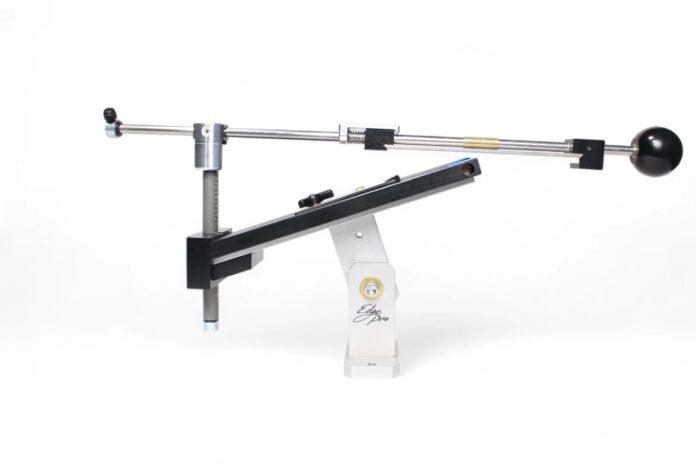
The Apex layout supports a blade on a stable table while a stone sweeps across the edge. The BevelTech layout uses heavier-duty hardware, adjustment features, and a more substantial setup for serious enthusiasts or commercial sharpeners.

Different knives need different treatment. A chef’s knife can take a moderate working angle, while a thin blade requires careful pressure and deliberate strokes. A guided system lets the user make that adjustment instead of accepting one fixed slot.

Grit Selection Controls the Repair

Coarse stones remove damaged steel faster than fine stones. Fine stones refine an established bevel and leave a smoother cutting edge. Choosing the progression according to the blade prevents unnecessary abrasion during routine maintenance.

The Apex 1 Kit includes 220- and 400-grit water stones. The Apex 3 Kit adds 120, 600, and 1000 grit stones, allowing a progression from repair work through a refined finish.

The Apex 4 Kit extends that progression with 2000 and 3000 grit polish tapes, plus two mounting blanks. A cook who sharpens often can choose a suitable stopping point instead of forcing every knife through the same abrasive sequence.

Stone Systems Reduce Unnecessary Steel Removal

A pull-through sharpener often encourages repeated passes because the slot provides no clear view of the bevel. Each pass removes material, even when the edge needs only a light touch-up. That habit changes the blade profile over time.

Guided sharpening lets the user inspect progress after each stage. Light pressure removes less steel, while focused work addresses a chip or rolled section without treating the entire blade as damaged.

The system also separates sharpening from honing. A ceramic hone handles quick maintenance, while water stones rebuild the bevel when honing no longer restores the edge.

Kits Match Different Skill Levels

The Apex Series suits cooks who want a portable setup with a stable table and a broad choice of abrasives. Its kits include water stones, instructions, and supporting items such as a water bottle or carrying case, depending on the package.

The BevelTech Series uses heavier-duty hardware and includes a 1/4-inch hex key for tilt adjustment. Its four listed kits progress from 220- and 400-grit stones to 3000-grit polish tapes, with ceramic hones added in the higher packages.

Stone options transfer between the Apex and BevelTech systems. This compatibility lets users expand an existing setup without discarding every stone when their sharpening needs change.

A Practical Routine Builds Consistency

A reliable session starts with a clean blade and a stable work surface. The user selects the coarsest stone needed, wets it when required, and sets the desired angle before making controlled strokes.

The cook works one side until a small burr forms along the opposite side. After switching sides, the user removes the burr with lighter strokes and checks the edge before moving to a finer stone.

Pressure should decrease as the finish improves. A ceramic hone or hard polymer strop handles later touch-ups, while a full stone progression remains appropriate for a dull or damaged edge.

Conclusion

Home cooks are leaving pull-through sharpeners because convenience does not replace control. A guided stone system shows the bevel, regulates the angle, and lets each knife receive the grit progression it needs. The practical next step is to examine the kitchen’s most-used blade, decide whether it needs repair or maintenance, and choose a kit with suitable stones. Starting with light pressure and careful burr removal builds repeatable technique before finer finishing becomes necessary.

Transforming Vehicle Styling With Custom Painted Brake Caliper Finishes

Photo by depositphotos at https://depositphotos.com/

A refined exterior can gain character through small details that complement its overall appearance. A vehicle can express personal taste through carefully finished brake components. Custom paint introduces a distinct visual touch while helping the wheels look more coordinated. The right shade creates a balanced appearance without changing the original design. For tailored results, brake caliper painting services in melbourne offer options that suit different styling preferences.

Understanding Caliper Finish Options

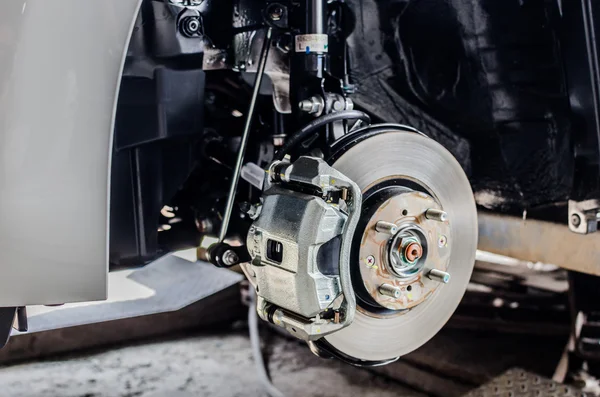
Brake calipers sit behind the wheels, making their finish an important part of the overall design. A fresh coating can create contrast against wheel surfaces or complement other exterior details. The selected shade should suit the intended appearance rather than overpower the existing look. Professional preparation helps create an even surface with a neat finish. This small detail can give the entire vehicle a more considered appearance.

Different finishes create distinct visual effects depending on personal preference. Gloss coatings offer a bright appearance, while satin finishes provide a softer look. Metallic shades introduce extra depth under changing light. Each option can be selected to match the surrounding wheel design.

Preparing Surfaces Before Painting

Proper preparation supports a smooth finish that lasts through regular use. Suitable cleaning methods help prepare the surface for better paint adhesion. Careful masking protects nearby components from unwanted coating. Once the surface is ready, applying paint in controlled layers helps produce a consistent result.

Good preparation also supports a cleaner final appearance. Important steps include:

·         Remove surface grime to create a clean working area.

·         Inspect existing coatings before beginning any surface preparation.

·         Mask nearby parts to keep paint within intended areas.

·         Apply suitable primers where the coating system requires them.

·         Allow each layer to cure according to product instructions.

Selecting Colours That Complement Wheels

Colour selection can change the overall character of a wheel assembly. A contrasting shade draws attention to the calipers, while a matching tone creates a more connected appearance. The wheel finish should guide the decision because dark surfaces may suit brighter paint, whereas lighter finishes can work with subtle shades. Considering the exterior colour helps maintain a consistent design throughout the vehicle.

Improving Visual Balance Through Details

Small design choices can make the wheel area look more complete. A carefully painted caliper adds definition without requiring extensive exterior changes. Matching the finish with existing trim creates visual unity, while a contrasting shade gives the wheels greater presence. Professional brake caliper painting services in melbourne can help achieve a finish that suits the intended style.

The surrounding components also influence the result. Wheel spoke patterns affect how much of the caliper remains visible. Simple designs may highlight the painted surface more clearly, whereas complex spoke patterns create a layered appearance.

Maintaining The Painted Finish

Regular care helps preserve the coating’s colour and smooth appearance. Brake dust can collect around the wheels during everyday driving, so gentle cleaning is useful. Suitable cleaning products should follow the coating manufacturer’s recommendations. Harsh tools may leave scratches or affect the surface. Allowing the calipers to cool before cleaning also supports sensible maintenance.

A few consistent habits can help protect the finish:

·         Wash wheel areas gently using products approved for coated surfaces.

·         Remove accumulated dust before residue becomes difficult to clean.

·         Check painted areas periodically for chips or visible wear.

·         Follow recommended curing times before washing freshly coated components.

·         Arrange professional inspection when unusual coating damage becomes noticeable.

Exploring Professional Painting Techniques

Professional painting involves more than applying colour to a visible surface. Technicians assess the existing condition and select suitable coatings for the intended application. Controlled application helps reduce uneven patches while supporting a consistent finish across exposed areas. Correct curing allows the coating to develop according to its product requirements. Careful workmanship also helps maintain a tidy result around surrounding components.

Creating A Distinctive Exterior

Personal styling becomes more effective when individual details work together. Painted calipers can support a coordinated design without requiring major changes to the exterior. The selected finish should suit the wheels, reflect individual taste, and remain practical for regular use. Quality preparation followed by suitable coating application helps achieve an attractive result. With appropriate care, the finish can continue complementing the vehicle’s overall appearance.

A thoughtful colour decision and skilled workmanship can refresh the wheel area with minimal visual clutter. Discussing available finishes with an experienced technician helps identify a suitable approach. The result can reflect personal style while keeping attention on proper workmanship and responsible maintenance.

FAQ

What determines the best paint colour for brake calipers?

Choose a shade that complements wheel finishes and exterior styling.

How should freshly painted calipers receive regular cleaning?

Use gentle cleaning products recommended for the selected coating system.

Can painted calipers change the overall exterior appearance?

Yes, coordinated finishes can add contrast and improve visual balance.

Racing-Themed Slots and the Appeal of Fast-Paced Games

Photo by depositphotos at https://depositphotos.com/

Every race weekend has its quiet moments. The wait for the green flag, a long caution period, the stretch after a decisive pass when the result looks settled. That is when a lot of fans reach for their phones, and it is no coincidence that game studios keep returning to motorsport as a slot theme. Cars, flags and engine noise translate easily to a screen. What is more interesting is how the pace of a racing slot is designed, and why speed itself has become one of the most debated features in slot design.

Theme is the easy part

Putting a car on a reel takes minutes. Building a game that feels like racing takes much longer. The better racing titles borrow structure from the sport rather than just its imagery: free spin rounds that work like laps, bonus features that unlock in stages, symbols that drop away as a round progresses, as if the field were thinning out. Our rundown of the best racing slots to try online highlighted titles that use exactly this approach, where a Nitro Boost style feature makes each spin feel like part of a race instead of a separate event.

Why fast games feel good

Speed is attractive for the same reason a close finish is. Short gaps between action and result keep attention locked in. A slot round typically resolves in a few seconds, and that compressed cycle of commitment, suspense and outcome is the core of the format. Racing themes amplify it with sound and motion, so the reels spinning up feel more like a car leaving the pits.

The slot machine has always been the fastest game on a casino floor, and online versions removed what little friction remained. No coins to feed, no lever to pull, no walk to a different machine.

Sound design does a lot of the work. Engine notes that climb as the reels spin, a crowd roar on a bonus trigger and a pit radio crackle between rounds all signal what is about to happen before the player has read the screen. Good racing slots use that audio layer to make even an ordinary spin feel like part of a larger event.

When speed becomes a problem

That same speed is why regulators have started treating pace as a safety issue. In Great Britain, the Gambling Commission’s rules on online slot design, summarised in this legal briefing on the changes, set a minimum of 2.5 seconds per game cycle and banned turbo, quick spin and slam stop features outright. The regulator’s view was that faster play increases how intensely people gamble, and that features letting a player stop the reels early create an illusion of control over a result that has already been decided.

US social and sweepstakes platforms are not bound by those rules, so turbo modes and autoplay are still common there. That makes pace something players have to manage themselves. A faster spin rate does not change the odds of any single result, but it does burn through a coin balance far more quickly. Twice the spins per minute means a session ends in half the time.

Try the pace before you commit

The simplest way to judge a racing slot is to play it without anything at stake first. Demo modes and free-to-play currencies let you see how often the bonus round lands, how long the animations take and how quickly a balance moves. Our guide to what to look for when exploring racing slot demos walks through the details worth noticing, from paylines to how clearly a game explains its features.

On a social platform the same principle applies. Browsing the online slots at ACE with Gold Coins, which carry no cash value, is a straightforward way to test a game’s tempo before deciding whether it suits you. If a title only feels exciting with turbo switched on, that tells you something about the game, and possibly about the mood you are playing in.

Settings worth changing

  • Turn off turbo and quick spin unless you have a specific reason to use them.
  • Avoid autoplay. Each spin should be a choice, not a default.
  • Set a session timer on your phone, especially during race breaks that can stretch longer than planned.
  • Decide on any coin purchase budget before the session starts, not during it.

Keep the race the main event

Racing slots work best as what they were designed to be: a short burst of entertainment that borrows the look and rhythm of a sport fans already love. The cars on the reels are animation, and the results are pure chance. Enjoy the theme, play at a pace you control, and when the green flag drops, put the phone down and watch the real thing.

From NASCAR race day to digital leisure: How New Zealand fans navigate online entertainment

Known globally, NASCAR delivers a distinctive sporting spectacle, incorporating high-speed competition, strategic pit stops and mechanical precision with the unanticipated drama of close racing.

So, if you follow the championship from New Zealand, you must consider American race schedules, local broadcast availability and the time difference that can turn a Sunday afternoon event into Monday morning viewing.

Ultimately, your interest in motorsports can extend well beyond the checkered flag, where streaming services, sports journalism and online communities offer diverse means of enjoying your free time.

Today, NASCAR’s growing digital reach reflects this wider appeal, with the series generating 550 million video views during the 2026 regular season, according to a report published in September this year.

Overall, these activities connect you with the wider racing community, giving you opportunities to follow drivers, discuss controversial finishes and discover other forms of digital entertainment between race weekends.

From race coverage to online entertainment

Following NASCAR from New Zealand starts with locating reliable coverage, so checking the official international viewing guide is a useful first step.

Sky Sport NZ is listed as a local broadcaster, but individual events and supplementary coverage can vary across platforms.

Moreover, the 2026 schedule also features races carried by different American broadcasters, making checking local listings beneficial before you plan your viewing time.

Then, once the race finishes, you can explore other digital pastimes according to your interests and budget; some fans follow post-race analysis or gaming content, while others research best online casinos NZ when comparing online entertainment services.

New Zealand’s regulatory position requires attention, as the Online Casino Gambling Act 2026 introduces restrictions on online casino advertising and establishes a licensing framework expected to become operational in 2027.

Timing, streaming and the modern race weekend

Typically, time zones influence how you organize your motorsports viewing, particularly when a major American race falls on a New Zealand weekday.

Therefore, checking the event’s start time, confirming local broadcast arrangements and allowing enough time for the full race can help you balance your viewing plans with work, study and other commitments.

Streaming and on-demand coverage offer different ways to follow the action, so you can choose the format that fits your schedule.

Live broadcasts preserve the tension of changing track positions and pit strategy, whereas replays and highlights help you catch up when you cannot watch the entire event.

Meanwhile, race reports and interviews also give you useful context for comprehending how individual decisions influenced the final standings.

The wider digital leisure economy

Motorsports sits within a more sweeping online culture, including social media, video streaming, news consumption and interactive entertainment.

Last year, InternetNZ’s 2025 Aotearoa Internet Insights research found that 47% of surveyed New Zealand internet users spent at least four hours online daily for personal purposes.

In the study, streaming content featured among the leading activities, illustrating how digital services have become part of everyday leisure for many people across the country.

Feasibly, you might watch race highlights, read an analysis of tire strategy and join a discussion about a dramatic finish before moving on to music or a console game; each activity offers a different level of involvement, so your choices can reflect how much time and attention you want to devote to entertainment.

Overall, this flexibility allows you to build a routine around your interests without following a fixed schedule.

Responsible choices in an expanding online market

An expanding plethora of digital services makes it essential to check the details before signing up or spending money.

Overall, you should review subscription costs, privacy policies, payment conditions, and applicable legal requirements, with particular care around online casino services during New Zealand’s regulatory transition.

Today, official government guidance provides the most reliable information on current advertising restrictions and the introduction of licensing requirements.

Generally speaking, setting personal boundaries also helps you keep leisure manageable, so consider establishing spending limits and deciding how much time you want to spend online.

So, if you choose to gamble, remember that outcomes are uncertain and losses can accumulate, making it critical to keep gambling separate from essential expenses.

As a critical caveat, anyone struggling to control their gambling should seek appropriate support instead of chasing losses through further play.

A connected future for New Zealand fans

Undoubtedly, NASCAR demonstrates how a sport rooted in American racing culture can connect with audiences across the world, including fans who follow every race from New Zealand.

Local broadcasting, online reporting and post-race discussion give you several ways to stay connected with the championship, even when the schedule makes live viewing difficult.

Digital leisure then extends that experience into the hours surrounding each event.

You can make the most of these options by checking official race information, choosing suitable viewing services and understanding the rules that apply to other online activities.

As New Zealand’s digital entertainment market develops, reliable information will help you compare services and make informed decisions.

From the opening lap to the final result, you can enjoy the competition and your wider leisure time with a clear sense of your priorities.

BROWN, TODD, GLENN, M. SMITH GO BIG IN DALLAS WITH WINS AT TEXAS NHRA FALLNATIONALS

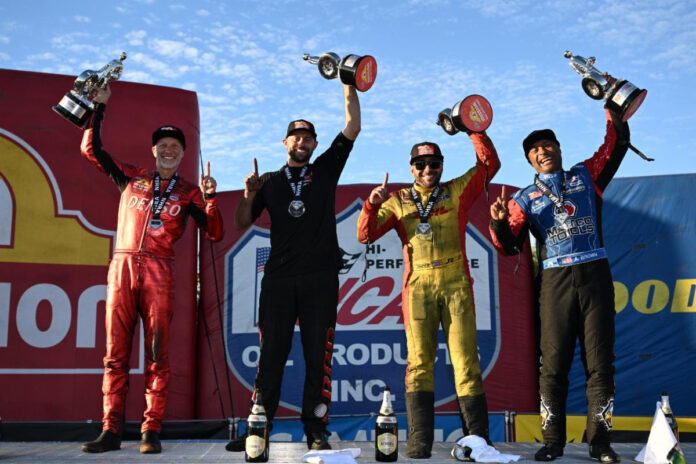
ENNIS, Texas (Oct. 18, 2026) – Four-time Top Fuel world champion Antron Brown picked up his second win of the season on Sunday at Texas Motorplex, defeating standout rookie Maddi Gordon in the final round of the Texas NHRA FallNationals.

J.R. Todd (Funny Car), Dallas Glenn (Pro Stock) and Matt Smith (Pro Stock Motorcycle) also won the 18th of 20 races during the 2026 NHRA Mission Foods Drag Racing Series season and the fourth of six races in the Countdown to the Championship playoffs.

Brown went 3.706-seconds at 335.75 mph in his 12,000-horsepower Matco Tools dragster in the final round, picking up his second victory of the 2026 season when Gordon left early and went red.

It’s also the 83rd career win for Brown, who put together an impressive hit list just to reach the finals. He knocked off Dan Mercier, Leah Pruett and points leader Shawn Langdon to reach the final round, ending Langdon’s perfect run in the Countdown to the Championship and snapping his four-race winning streak.

Langdon still has a healthy lead in the points standings as the runaway favorite for the championship, but it remained a big weekend for Brown, who moved to third in points with his fourth career victory at Texas Motorplex. Late-season wins are always special and that certainly holds true for Brown in Dallas.

“This class is really intense right now, and we know we’ve got our work cut out for us,” Brown said. “The class was dropping bombs out there today, but that Matco Tools horsepower came through, and we went 301 mph to half-track in round two, so we’re definitely getting the combination figured out.

“I like where we are, I like where we’re heading, and we’ve got to keep going. Our main focus is that we go into these races with confidence, and we know that we can compete, and we know we can win. Once this team gets a little motivation and drive and gets some confidence, we’re a tough competitor to compete with.”

Gordon reached her third final round in an impressive rookie season, defeating Shawn Reed, reigning world champion Doug Kalitta and Justin Ashley. Langdon’s points lead now stands at 139 over Kalitta, with Brown 224 back in third.

Funny Car’s J.R. Todd kept his championship hopes alive with a terrific showing at Texas Motorplex, finishing off a productive day by taking down points leader Matt Hagan in the final round thanks to a run of 3.931 at 331.76 in his 12,000-horsepower DHL Toyota GR Supra for Kalitta Motorsports.

Todd jumped all the way to third in points, now trailing Hagan by 119 points with two races left in NHRA’s 75th anniversary season. It’s Todd’s first Funny Car win in Dallas, too, as he became just the fourth driver in NHRA history to win in both Top Fuel and Funny Car at Texas Motorplex (Don Prudhomme, Kenny Bernstein and Mike Dunn).

This one came at the perfect time, too, as Todd defeated Spencer Hyde, Alexis DeJoria and Ron Capps to reach the final round. Hagan left first in the championship round, but Todd was a solid .059 on the starting line, quickly tracking down Hagan to earn his 24th career victory.

This was a must-win weekend for Todd, who knows there’s still work to do if there’s any chance of getting past Hagan in the championship hunt. But he was thrilled with how his team performed on Sunday in Dallas.

“This is special in so many ways. It’s tough to get a win, period, especially in the Countdown, and Matt Hagan’s been making it really hard for everybody in the category,” Todd said.

“Those guys are hard to get by, and to do it here, in Dickie [Venables] home state, and running [against his previous team] means a lot to him to beat them in the final. I’m proud of my guys, and now we’ve got to execute in these last two races, but either way we’re going to enjoy this.”

Hagan advanced to the finals for the fifth time in the past six races and the seventh time this season after defeating Hunter Green, Daniel Wilkerson and Jordan Vandergriff, who remained second in points. Vandergriff trails Hagan by 98 points.

Pro Stock’s Dallas Glenn finished off a dominant weekend in style, moving back into the points lead after holding off Matt Hartford in the final round with a stellar run of 6.478 at 212.30 in his RAD Torque Systems Chevrolet Camaro.

It’s the fifth win of the year for Glenn, who also went back-to-back at Texas Motorplex. This year included a record-breaking performance, as Glenn made the quickest run in Pro Stock history on Saturday with a spectacular run of 6.434 at 213.50. That gave him the No. 1 qualifying spot and he followed that on Sunday with four great runs.

He continued to live in the 6.40s during eliminations, defeating Stephen Bell, Jeg Coughlin Jr. and KB Titan Racing teammate Greg Anderson to reach the final round. Following a .010 reaction time, Glenn continued to pull away for the victory, taking the points lead in the process. His advantage now stands at 14 points over Stanfield, which means things will be tight – and thrilling – the rest of the way.

“Matt Hartford’s an extremely tough competitor, but I knew my car was fantastic,” Glenn said. “I knew that we had a little bit left in it from the semis, and even if I did lose, it’s still going to be a fantastic day with points. It’s basically what I had planned on doing coming into the day, and I’d only going to be six points back. [Points leader Greg Stanfield’s first-round loss] was huge. When he does well and you know that you’re going to have to race him the next round, it adds a different pressure, but when a mistake happens like that, you know you have to capitalize.

“Anytime you win a Countdown race, it definitely sticks with you. To go up there and know that you’re going to have the opportunity in the weather conditions to be able to set a national record, to make a fantastic run in the right conditions and have the fastest car every single run.”

Hartford reached the finals for the seventh time in his standout 2026 campaign, defeating Aaron Stanfield, Chris Vang and T.J. Coughlin. He remains third in points and trails Glenn by 41 points.

In Pro Stock Motorcycle, Matt Smith kept his championship hopes alive on Sunday, defeating points leader Richard Gadson on a holeshot in the final round, going 6.660 at 203.08 on his Denso Auto Parts Buell to win for the fourth time this season.

Smith was a brilliant .006 on the starting line against the reigning champion, which was enough to hold off Gadson’s quicker 6.654 at 203.79 at the finish line. It is Smith’s 46th career victory and his second at Texas Motorplex, and it’s also one he desperately needed if a seventh world championship is in his future.

He knocked off Malcolm Phillips Jr., Chase Van Sant and Ryan Oeheler to reach the final round and made a big jump in performance in the final round to hold off Gadson and stay in the title conversation. He’s now third in points with two races remaining and trails Gadson by 85 points.

“When you’re running that other camp like that, you’ve got to get up on the wheel and go,” Smith said. “I knew in Q4 I went .008 against Richard [Gadson], so I set my clutch and my switch right back to that, and it went up there and went .006, so I knew where I needed to be. I just didn’t know if I had the bike to beat them. I made one little tune-up change from the semifinals, and she was trucking and went 6.66, so it all paid off.”

Gadson reached the finals for the eighth time in 2026 thanks to round wins against Marc Ingwersen, Angie Smith and Steve Johnson. He leads teammate Gaige Herrera by 58 points heading to Vegas.

The NHRA Mission Foods Drag Racing Series returns to action Oct. 29-Nov. 1 with the MOPAR NHRA Las Vegas Nationals powered by Dodge at The Strip at Las Vegas Motor Speedway.


ENNIS, Texas — Final finish order (1-16) at the 41st annual Texas NHRA FallNationals at Texas Motorplex. The race is the 18th of 20 events in the NHRA Mission Foods Drag Racing Series.

TOP FUEL:

  1. Antron Brown; 2. Maddi Gordon; 3. Shawn Langdon; 4. Justin Ashley; 5. Leah Pruett; 6. Will Smith; 7. Doug Kalitta; 8. Tony Stewart; 9. Billy Torrence; 10. Shawn Reed; 11. Tony Schumacher; 12. Josh Hart; 13. Dan Mercier; 14. Jake Sanders; 15. Clay Millican; 16. Spencer Massey.

FUNNY CAR:

  1. J.R. Todd; 2. Matt Hagan; 3. Ron Capps; 4. Jordan Vandergriff; 5. Alexis DeJoria; 6. Austin Prock; 7. Jack Beckman; 8. Paul Lee; 9. Cruz Pedregon; 10. Blake Alexander; 11. Spencer Hyde; 12. Dave Richards; 13. Chad Green; 14. Terry Haddock; 15. Hunter Green; 16. Daniel Wilkerson.

PRO STOCK:

  1. Dallas Glenn; 2. Matt Hartford; 3. Greg Anderson; 4. Troy Coughlin Jr.; 5. Jeg Coughlin; 6. Erica Enders; 7. Matt Latino; 8. Chris Vang; 9. Deric Kramer; 10. Cody Anderson; 11. Jerry Tucker; 12. Kenny Delco; 13. Eric Latino; 14. Stephen Bell; 15. Aaron Stanfield; 16. Greg Stanfield.

PRO STOCK MOTORCYCLE:

  1. Matt Smith; 2. Richard Gadson; 3. Ryan Oehler; 4. Steve Johnson; 5. Gaige Herrera; 6. Joey Gladstone; 7. Chase Van Sant; 8. Angie Smith; 9. Clayton Howey; 10. Malcolm Phillips Jr.; 11. John Hall; 12. Hector Arana Jr; 13. Geno Scali; 14. Marc Ingwersen; 15. GT Tonglet; 16. Chris Bostick.

ENNIS, Texas — Sunday’s final results from the 41st annual Texas NHRA FallNationals at Texas Motorplex. The race is the 18th of 20 in the NHRA Mission Foods Drag Racing Series:

Top Fuel — Antron Brown, 3.706 seconds, 335.75 mph def. Maddi Gordon, Foul – Red Light.

Funny Car — J.R. Todd, Toyota GR Supra, 3.931, 331.76 def. Matt Hagan, Dodge Charger, 4.050, 316.57.

Pro Stock — Dallas Glenn, Chevy Camaro, 6.478, 212.30 def. Matt Hartford, Camaro, 6.496, 212.37.

Pro Stock Motorcycle — Matt Smith, Buell, 6.660, 203.08 def. Richard Gadson, Suzuki, 6.654, 203.79.

Top Alcohol Dragster — Shawn Cowie, 5.207, 279.69 def. Alan Bradshaw, Broke.

Top Alcohol Funny Car — Shane Westerfield, Chevy Camaro, 5.479, 266.73 def. Doug Gordon, Camaro, 5.478, 241.27.

Competition Eliminator — Christopher Benham, Spitzer, 7.426, 148.89 def. Monty Bogan, Pontiac G5, 8.447, 127.30.

Super Stock — Jeremy Duncan, Chevy Camaro, 9.213, 139.09 def. Larry Hodge, Chevy Cavalier, 9.717, 131.67.

Stock Eliminator — Chris Knudsen, Chevy Camaro, 10.226, 125.13 def. Paul Stalba, Chevy Corvette, 10.205, 119.68.

Super Comp — Kyle Secrest, Dragster, 8.895, 174.11 def. Tom Stalba, Dragster, 88.911, 174.45.

Super Gas — Kyle Pawuk, Chevy Bel Air, 9.920, 161.98 def. Jeremy Demers, Chevy Corvette, 9.929, 157.55.

Super Street — Ross Ragland, Chevy Camaro, 10.913, 133.28 def. Cary Huber, Chevy Nova, 10.932, 126.45.

Top Dragster — Crystal Peterson-Martinez, Dragster, 6.111, 214.79 def. Dylan Hough, Dragster, 6.163, 223.99.

Top Sportsman — Chanse Bullock, Pontiac GTO, 6.526, 206.01 def. Jim Thorp, Chevy Camaro, 6.218, 230.38.

Outlaw Street — Carson Baker, Chevy Camaro, 3.666, 205.35 def. Clay Cole, Camaro, 3.662, 213.37.

Factory Stock Showdown — Mark Pawuk, Dodge Charger, 7.522, 185.07 def. Lee Hartman, Dodge Challenger, 7.542, 183.32.

Junior Dragster Shootout — Tyler Wells, 8.210, 83.21 def. Abigail Wilson, McIlivan, 7.994, 82.59.

ENNIS, Texas — Final round-by-round results from the 41st annual Texas NHRA FallNationals at Texas Motorplex, the 18th of 20 events in the NHRA Mission Foods Drag Racing Series:

TOP FUEL:

ROUND ONE — Will Smith, 3.746, 334.65 def. Josh Hart, 3.778, 338.04; Maddi Gordon, 3.715, 340.08 def. Shawn Reed, 3.743, 331.98; Antron Brown, 3.715, 337.99 def. Dan Mercier, 3.789, 328.44; Doug Kalitta, 3.687, 341.61 def. Tony Schumacher, 3.764, 335.07; Tony Stewart, 3.696, 338.55 def. Spencer Massey, Foul – Red Light; Shawn Langdon, 3.705, 340.37 def. Jake Sanders, 3.808, 324.82; Leah Pruett, 3.684, 338.86 def. Billy Torrence, 3.731, 336.80; Justin Ashley, 3.738, 327.96 def. Clay Millican, 5.406, 122.09;

QUARTERFINALS — Langdon, 3.707, 339.88 def. Smith, 3.743, 333.68; Ashley, 4.222, 257.94 def. Stewart, 4.925, 158.37; Gordon, 3.720, 336.70 def. Kalitta, 4.438, 185.31; Brown, 3.696, 338.40 def. Pruett, 3.735, 335.57;

SEMIFINALS — Gordon, 3.722, 335.07 def. Ashley, 9.567, 78.30; Brown, 3.720, 334.32 def. Langdon, 3.738, 337.89;

FINAL — Brown, 3.706, 335.75 def. Gordon, Foul – Red Light.

FUNNY CAR:

ROUND ONE — J.R. Todd, Toyota GR Supra, 3.940, 329.60 def. Spencer Hyde, Ford Mustang, 3.917, 324.00; Alexis DeJoria, Chevy Camaro, 3.902, 331.56 def. Dave Richards, Mustang, 3.953, 332.84; Matt Hagan, Dodge Charger, 3.918, 332.20 def. Hunter Green, Charger, 9.466, 91.42; Jack Beckman, Camaro, 3.884, 335.12 def. Terry Haddock, Mustang, 4.000, 315.21; Austin Prock, Mustang, 3.883, 331.74 def. Cruz Pedregon, Charger, 3.897, 326.61; Jordan Vandergriff, Camaro, 3.877, 338.37 def. Blake Alexander, Toyota Supra, 3.913, 332.47; Paul Lee, Charger, 4.095, 255.87 def. Daniel Wilkerson,

Mustang, Foul – Red Light; Ron Capps, GR Supra, 3.922, 330.11 def. Chad Green, Mustang, 3.976, 299.72;

QUARTERFINALS — Hagan, 3.948, 331.37 def. Lee, 11.077, 58.40; Capps, 3.917, 332.67 def. Beckman, 10.111, 85.17; Vandergriff, 3.922, 332.01 def. Prock, Foul – Red Light; Todd, 3.930, 333.75 def. DeJoria, 3.890, 314.66;

SEMIFINALS — Hagan, 3.931, 335.10 def. Vandergriff, 11.821, 72.73; Todd, 3.912, 333.01 def. Capps, 3.933, 330.86;

FINAL — Todd, 3.931, 331.76 def. Hagan, 4.050, 316.57.

PRO STOCK:

ROUND ONE — Jeg Coughlin, Chevy Camaro, 6.509, 211.55 def. Greg Stanfield, Camaro, 6.972, 177.84; Chris Vang, Camaro, 6.500, 210.73 def. Eric Latino, Camaro, 6.498, 212.54; Troy Coughlin Jr., Camaro, 6.477, 211.82 def. Cody Anderson, Camaro, 6.491, 210.83; Erica Enders, Camaro, 6.478, 212.50 def. Deric Kramer, Camaro, 6.481, 212.40; Greg Anderson, Camaro, 6.473, 212.75 def. Kenny Delco, Camaro, 6.496, 210.86; Dallas Glenn, Camaro, 6.464, 212.87 def. Stephen Bell, Camaro, 6.527, 210.76; Matt

Hartford, Camaro, 6.495, 212.62 def. Aaron Stanfield, Camaro, Foul – Red Light; Matt Latino, Camaro, 6.481, 212.66 def. Jerry Tucker, Camaro, 6.495, 210.52;

QUARTERFINALS — Hartford, 6.501, 212.98 def. Vang, 20.554, 38.17; Coughlin Jr., 6.505, 211.39 def. M. Latino, 6.539, 212.19; G. Anderson, 6.487, 212.22 def. Enders, 6.511, 212.30; Glenn, 6.482, 212.33 def. Coughlin, 6.503, 211.21;

SEMIFINALS — Hartford, 6.843, 210.69 def. Coughlin Jr., 15.430, 69.66; Glenn, 6.498, 212.22 def. G. Anderson, 6.520, 211.42;

FINAL — Glenn, 6.478, 212.30 def. Hartford, 6.496, 212.37.

PRO STOCK MOTORCYCLE:

ROUND ONE — Steve Johnson, Suzuki, 6.674, 200.65 def. John Hall, Buell, 6.803, 201.32; Angie Smith, Buell, 6.739, 201.97 def. Chris Bostick, Suzuki, 6.925, 180.88; Ryan Oehler, 6.729, 199.35 def. Clayton Howey, Buell, 6.785, 197.04; Chase Van Sant, Suzuki, 6.762, 201.11 def. Geno Scali, Suzuki, 6.822, 200.48; Richard Gadson, Suzuki, 6.694, 201.88 def. Marc Ingwersen, 6.835, 197.10; Joey Gladstone, Buell, 6.772, 200.44 def. GT Tonglet, Buell, 6.886, 196.68; Matt Smith, Buell, 6.693, 201.78 def. Malcolm Phillips Jr., Suzuki, 6.791, 199.16; Gaige Herrera, Suzuki, 6.669, 202.46 def.

Hector Arana Jr, Foul – Red Light;

QUARTERFINALS — Oehler, 6.762, 200.52 def. Gladstone, 6.803, 199.50; Gadson, 6.719, 201.13 def. A. Smith, 8.940, 95.65; M. Smith, 6.715, 201.22 def. Van Sant, 6.811, 199.29; Johnson, 6.673, 201.23 def. Herrera, 6.669, 202.68;

SEMIFINALS — M. Smith, 6.718, 200.70 def. Oehler, 6.778, 200.53; Gadson, 6.703, 201.30 def. Johnson, 6.780, 198.59;

FINAL — M. Smith, 6.660, 203.08 def. Gadson, 6.654, 203.79.

ENNIS, Texas — Point standings (top 10) following the 41st annual Texas NHRA FallNationals at Texas Motorplex, the 18th of 20 events in the NHRA Mission Foods Drag Racing Series –

Top Fuel

  1. Shawn Langdon, 2,546; 2. Doug Kalitta, 2,407; 3. Antron Brown, 2,322; 4. Tony Stewart, 2,294; 5. Leah Pruett, 2,281; 6. Will Smith, 2,261; 7. Maddi Gordon, 2,260; 8. Justin Ashley, 2,227; 9. Billy Torrence, 2,198; 10. Josh Hart, 2,197.

Funny Car

  1. Matt Hagan, 2,503; 2. Jordan Vandergriff, 2,405; 3. J.R. Todd, 2,384; 4. Austin Prock, 2,348; 5. Jack Beckman, 2,343; 6. Ron Capps, 2,315; 7. Alexis DeJoria, 2,276; 8. Daniel Wilkerson, 2,207; 9. Chad Green, 2,155; 10. Spencer Hyde, 2,149.

Pro Stock

  1. Dallas Glenn, 2,432; 2. Greg Stanfield, 2,418; 3. Matt Hartford, 2,391; 4. Greg Anderson, 2,354; 5. Troy Coughlin Jr., 2,333; 6. (tie) Cody Anderson, 2,250; Aaron Stanfield, 2,250; 8. Jeg Coughlin, 2,248; 9. Matt Latino, 2,228; 10. Erica Enders, 2,208.

Pro Stock Motorcycle

  1. Richard Gadson, 2,475; 2. Gaige Herrera, 2,417; 3. Matt Smith, 2,390; 4. Ryan Oehler, 2,334; 5. John Hall, 2,308; 6. Jianna Evaristo, 2,288; 7. Angie Smith, 2,287; 8. Chase Van Sant, 2,242; 9. Steve Johnson, 2,171; 10. Clayton Howey, 2,158.