Home Blog Page 47

How to Find HGV Training Near Me and Advance Your Career?

The logistics and transport industry continues to grow rapidly, creating strong demand for qualified Heavy Goods Vehicle (HGV) drivers across the UK. If you have been searching for hgv training near me, you are already taking the first step toward a rewarding and stable career. HGV driving offers competitive salaries, flexible work opportunities, and long-term job security for people willing to gain the right qualifications and experience.

Whether you are changing careers, entering the transport industry for the first time, or upgrading your current licence, choosing the right HGV training provider can make a major difference in your success.

Why HGV Driving Is a Strong Career Choice?

HGV drivers are essential to the economy. From supermarkets and construction sites to online retailers and distribution centres, businesses rely on professional drivers every day.

Here are some key benefits of becoming an HGV driver:

• High demand for qualified drivers
• Competitive starting salaries
• Opportunities for overtime and bonuses
• Flexible schedules
• Career progression into logistics management
• Possibility of self-employment or contract work
• Travel opportunities across the UK and Europe

Many people also appreciate the independence and responsibility that comes with professional driving.

What Is HGV Training?

HGV training prepares drivers to operate large commercial vehicles safely and legally. Training courses help candidates gain the necessary licences, practical driving skills, and industry knowledge required for professional driving jobs.

Most training programmes include:

• Theory test preparation
• Hazard perception training
• Practical driving lessons
• CPC (Certificate of Professional Competence) training
• Vehicle safety procedures
• Road regulations and compliance

After completing training and passing the required tests, drivers can apply for HGV driving positions in multiple industries.

Types of HGV Licences

Category C Licence

This licence allows drivers to operate rigid vehicles weighing over 3.5 tonnes with a trailer up to 750kg.

Typical vehicles include:

• Delivery lorries
• Refuse trucks
• Construction vehicles

This is often the first step for new HGV drivers.

Category C+E Licence

This qualification allows drivers to operate articulated lorries and larger vehicles with trailers exceeding 750kg.

Drivers with a Category C+E licence often access:

• Higher-paying jobs
• Long-distance transport roles
• International driving opportunities

Driver CPC Qualification

Professional HGV drivers must also complete Driver CPC training to work legally in the industry.

The CPC covers:

• Road safety
• Driver responsibilities
• Fuel-efficient driving
• Emergency procedures

How to Find the Best HGV Training Near You?

Finding the right training provider is one of the most important decisions you will make. A quality school improves your confidence, driving ability, and chances of passing the test quickly.

Check Training Provider Reviews

Start by reading online reviews and testimonials. Previous students often share valuable insights about:

• Instructor quality
• Pass rates
• Course organisation
• Vehicle conditions
• Customer support

Compare Course Prices

HGV training costs vary depending on:

• Licence type
• Course duration
• Included tests
• CPC training packages

Avoid choosing purely based on the cheapest option. A lower price may not include everything you need.

Check Pass Rates

High pass rates often indicate experienced instructors and quality teaching methods.

Look for Flexible Scheduling

Many people train while working full-time. Flexible training providers may offer:

• Weekend classes
• Evening sessions
• Intensive fast-track courses
• Custom schedules

Visit the Training Centre

Whenever possible, visit the training location before booking.

Check:

• Vehicle condition
• Classroom facilities
• Professionalism of instructors
• Training environment

Questions to Ask Before Booking HGV Training

Before committing to any course, ask the following questions:

• Is the training DVSA approved?
• Are medical and theory tests included?
• What vehicles will I train in?
• Is CPC training included?
• Are there additional costs?
• What support is available if I fail a test?
• How long does the course take?

How Long Does HGV Training Take?

The timeline depends on your experience level and the licence category you choose.

Typical training durations include:

• Category C: 1 to 3 weeks
• Category C+E: 1 to 4 weeks
• Driver CPC: Several days

Career Opportunities After HGV Training

Once qualified, drivers can explore many career paths across different sectors.

Popular HGV Driving Jobs

• Retail distribution driver
• Construction transport driver
• Fuel tanker driver
• Refrigerated goods driver
• Long-haul transport driver
• Container transport operator
• Waste management driver

Expected HGV Driver Salary

Salaries depend on:

• Licence type
• Experience
• Location
• Industry sector
• Shift patterns

Skills Needed to Succeed as an HGV Driver

Professional driving requires more than simply operating a vehicle.

Successful HGV drivers usually possess:

• Strong concentration
• Good time management
• Road awareness
• Patience
• Communication skills
• Problem-solving ability
• Commitment to safety

Tips to Pass Your HGV Test First Time

• Practice regularly
• Learn vehicle safety checks
• Stay calm during the test
• Study theory materials thoroughly

Benefits of Choosing Local HGV Training

Searching locally for HGV courses offers several advantages.

• Easier access
• Familiar roads
• Better support
• Faster communication

Is HGV Training Worth It?

For many people, the answer is yes. The transport and logistics industry continues to require skilled drivers, creating long-term employment opportunities across the country.

HGV training can provide:

• Career stability
• Better earning potential
• Flexible employment
• Industry growth opportunities
• Independence at work

Final Thoughts

Finding the right HGV training provider is a major step toward building a successful future in the transport industry. By researching course quality, comparing providers, checking reviews, and understanding licence requirements, you can make a confident and informed decision.If you are actively searching for HGV training opportunities near you, focus on choosing a reputable provider that offers professional instruction, flexible scheduling, and strong pass support. The right training programme can help you gain the qualifications, confidence, and practical skills needed to advance your career and secure long-term opportunities in a growing industry.

What Is a Category C Licence and How to Get One?

Image by bobtheskater from Pixabay

If you want to become a professional lorry driver in the UK, completing what is a category c licence is one of the key steps toward maintaining your qualifications and staying legally compliant on the road. A Category C licence allows drivers to operate large goods vehicles (LGVs) over 3.5 tonnes, making it essential for careers in logistics, transportation, construction, and delivery services.

With the growing demand for qualified HGV drivers across the UK, obtaining a Category C licence can open the door to stable employment, higher salaries, and long-term career opportunities. This guide explains everything you need to know about the licence, eligibility requirements, training process, costs, and how to successfully pass the tests.

What Is a Category C Licence?

A Category C licence, often referred to as an HGV Class 2 licence, allows drivers to operate rigid vehicles weighing over 3,500kg with a trailer up to 750kg.

These vehicles are commonly used for:

  • Delivery trucks 
  • Refuse collection vehicles 
  • Construction lorries 
  • Fire engines 
  • Supermarket distribution trucks 
  • Furniture removal vehicles 

Unlike smaller vans or commercial vehicles, Category C vehicles require specialised training and legal certification due to their size and weight.

Difference Between Category C and Other HGV Licences

Understanding the difference between licence categories is important before starting training.

Category C1

  • Vehicles between 3.5 and 7.5 tonnes 
  • Often used for ambulances and smaller delivery trucks 

Category C

  • Vehicles over 3.5 tonnes 
  • Rigid-body lorries 
  • Most common entry-level HGV licence 

Category C+E

  • Allows operation of articulated lorries with trailers over 750kg 
  • Often called Class 1 licence 

For many new drivers, Category C is the first step before progressing to Category C+E for larger transport roles.

Who Needs a Category C Licence?

You need a Category C licence if your job involves driving large commercial vehicles professionally in the UK.

Typical industries include:

  • Logistics and haulage 
  • Retail distribution 
  • Waste management 
  • Construction 
  • Public services 
  • Manufacturing 
  • Food supply chains 

The licence is legally required for operating qualifying heavy vehicles on public roads.

Requirements to Apply for a Category C Licence

Before starting your training, you must meet several requirements.

Minimum Age

You must be at least:

  • 18 years old in the UK 

Existing Driving Licence

Applicants must:

  • Hold a full UK car driving licence (Category B) 

Medical Examination

You must pass a medical assessment conducted by a registered doctor. The test checks:

  • Eyesight 
  • Blood pressure 
  • General physical fitness 
  • Neurological health 

The DVLA uses this information to determine whether you are medically fit to drive heavy vehicles safely.

Steps to Get a Category C Licence

The process may seem complicated at first, but breaking it down into stages makes it easier to understand.

1. Apply for Provisional Entitlement

You need to apply for provisional Category C entitlement through the DVLA.

This usually includes:

  • Completing a D2 application form 
  • Submitting a D4 medical form 

Once approved, your licence will show provisional entitlement for Category C vehicles.

2. Pass the Theory Test

The HGV theory test consists of multiple parts.

Multiple Choice Test

This covers:

  • Road safety 
  • Vehicle handling 
  • Hazard awareness 
  • Driver regulations 

Hazard Perception Test

You must identify developing hazards in video clips.

Studying thoroughly is important because theory knowledge directly impacts driving safety and test performance.

3. Complete Driver CPC Training

Professional drivers must also complete the Driver Certificate of Professional Competence (CPC).

This qualification includes:

  • Case studies 
  • Practical demonstrations 
  • Ongoing periodic training 

Driver CPC ensures commercial drivers maintain high safety and operational standards.

4. Practical HGV Training

Practical training teaches you how to:

  • Control large vehicles safely 
  • Reverse accurately 
  • Manage road positioning 
  • Handle roundabouts and junctions 
  • Perform vehicle safety checks 

Training duration varies depending on experience and learning speed.

Most courses last:

  • 1 to 3 weeks 

5. Pass the Practical Driving Test

The practical test assesses your ability to safely operate a Category C vehicle.

It usually includes:

  • Vehicle safety questions 
  • On-road driving assessment 
  • Reversing exercises 
  • Controlled stopping exercises 

Examiners look for safe, confident, and legal driving behaviour throughout the assessment.

How Much Does a Category C Licence Cost?

Costs vary depending on location, training provider, and course length.

Typical expenses include:

ExpenseEstimated Cost
Medical examination£50–£120
Theory tests£37–£50
Driver CPC£200–£400
Practical training£1,000–£3,000
Practical test£115–£141

Some employers may cover training costs through apprenticeship or recruitment schemes.

How Long Does It Take to Get Qualified?

The timeline depends on test availability and training schedules.

On average, the process takes:

  • 4 to 12 weeks 

Fast-track courses can reduce waiting times, but preparation quality should always come first.

Benefits of Having a Category C Licence

Obtaining a Category C licence offers several professional advantages.

Strong Job Demand

The UK continues to experience a shortage of qualified HGV drivers. This creates consistent demand across many sectors.

Higher Earning Potential

HGV drivers often earn competitive salaries, especially with:

  • Overtime 
  • Night shifts 
  • Long-distance routes 
  • Additional licence categories 

Career Progression

A Category C licence can lead to:

  • Category C+E qualifications 
  • Fleet management roles 
  • Transport planning careers 
  • Specialist haulage work 

Job Stability

Essential supply chains rely heavily on professional drivers, making logistics a resilient employment sector.

Tips for Passing the Category C Test

Preparation plays a major role in passing your HGV tests successfully.

Practice Regularly

Consistent driving practice improves:

  • Confidence 
  • Vehicle control 
  • Hazard awareness 

Study Highway Regulations

Understanding HGV-specific road laws is essential for both theory and practical tests.

Learn Vehicle Safety Checks

Daily walkaround inspections are a critical part of professional driving responsibilities.

Stay Calm During the Test

Nerves can lead to avoidable mistakes. Focus on safe and steady driving rather than perfection.

Common Mistakes New Drivers Make

Avoiding common errors can improve your chances of passing quickly.

Poor Observation

Failing to check mirrors regularly is one of the most common faults.

Incorrect Positioning

Large vehicles require proper lane discipline and turning awareness.

Speed Misjudgment

Driving too fast or too slowly can both create hazards.

Weak Reversing Skills

Many learners underestimate the importance of reversing practice.

Is Category C Licence Worth It?

For many people, the answer is yes.

The logistics and transportation industry offers:

  • Reliable income 
  • Flexible working opportunities 
  • Career advancement 
  • Nationwide job availability 

With online shopping, retail distribution, and infrastructure projects continuing to grow, skilled HGV drivers remain essential to the economy.

Whether you want to work locally or travel across the country, a Category C licence provides valuable long-term career opportunities.

Final Thoughts

A Category C licence is the foundation for many professional driving careers in the UK. Although the process involves medical checks, theory exams, practical training, and CPC qualifications, the long-term benefits can be significant.

By choosing quality training, practising consistently, and understanding road safety regulations, you can successfully gain your licence and enter a high-demand industry.

As the transportation sector continues expanding, qualified HGV drivers will remain a crucial part of keeping businesses, communities, and supply chains moving efficiently.

A Complete Guide to Driver CPC Periodic Training

Pixabay

Understanding professional driving qualifications is essential for anyone working in the transport and logistics industry. If you are researching licensing requirements such as driver cpc periodic training, you are likely already on the path toward becoming a qualified heavy goods vehicle (HGV) driver. Alongside holding the correct licence, one of the most important ongoing requirements is completing Driver Certificate of Professional Competence (CPC) periodic training to remain compliant and employable in the industry.

In this guide, we will explain everything you need to know about Driver CPC periodic training, how it works, why it matters, and how to complete it efficiently.

What Is Driver CPC Periodic Training?

Driver CPC periodic training is a mandatory requirement for professional bus, coach, and lorry drivers in the UK and many parts of Europe. It is designed to ensure drivers maintain high safety standards, stay updated with regulations, and improve their professional skills.

Once a driver has obtained their initial CPC qualification, they must complete 35 hours of periodic training every five years to keep their Driver CPC valid.

This training is not an exam-based system. Instead, it focuses on continuous professional development through structured learning sessions delivered by approved training providers.

Why Driver CPC Periodic Training Is Important?

Driver CPC periodic training is not just a legal requirement—it plays a key role in road safety and professional competence.

Here are the main reasons why it matters:

  • Improves road safety awareness 
  • Ensures compliance with transport regulations 
  • Enhances driving efficiency and fuel economy 
  • Reduces risk of accidents and penalties 
  • Keeps drivers updated with industry changes 
  • Supports long-term career development 

Professional driving involves responsibility for passengers, cargo, and other road users. Regular training ensures drivers maintain the highest standards at all times.

Who Needs Driver CPC Periodic Training?

Driver CPC periodic training is required for:

  • Bus drivers operating passenger services 
  • Coach drivers transporting groups 
  • HGV and lorry drivers carrying goods professionally 

However, there are some exemptions. You may not need Driver CPC if:

  • You drive a vehicle for non-commercial purposes 
  • You operate certain emergency or military vehicles 
  • You are using your licence for private use only 

If you are unsure about your eligibility, it is always best to confirm with the DVSA or a certified training provider.

How Driver CPC Periodic Training Works?

The periodic training system is straightforward but must be completed correctly within the five-year cycle.

Key requirements include:

  • 35 hours of approved training 
  • Completed in blocks of at least 7 hours per session 
  • Delivered by an approved Driver CPC training centre 
  • Must be completed before your CPC deadline expires 

Once completed, your Driver CPC qualification is automatically renewed for another five years.

Drivers can spread their training across the five-year period or complete it earlier, depending on personal preference and work schedules.

Topics Covered in Driver CPC Training

Driver CPC periodic training covers a wide range of topics designed to improve both safety and professional skills.

Common training modules include:

  • Road safety and hazard awareness 
  • Fuel-efficient driving techniques 
  • Health and safety regulations 
  • Emergency procedures and first aid 
  • Vehicle maintenance and checks 
  • Tachograph rules and working time regulations 
  • Customer service for passenger transport 
  • Load security and cargo handling 

Each module is designed to improve real-world driving performance and ensure compliance with legal requirements.

Benefits of Completing Driver CPC Periodic Training

Completing your Driver CPC training on time offers several advantages beyond legal compliance.

Professional Benefits:

  • Improves job opportunities in logistics and transport 
  • Increases employability with reputable companies 
  • Enhances driving confidence and skills 
  • Demonstrates professionalism to employers 

Safety Benefits:

  • Reduces accident risk through better awareness 
  • Promotes safer driving habits 
  • Keeps drivers updated on new safety regulations 

Financial Benefits:

  • Helps avoid fines for non-compliance 
  • May improve fuel efficiency and reduce operational costs 
  • Can lead to better job roles and higher pay 

Staying compliant is essential for maintaining a stable and successful driving career.

Choosing a Driver CPC Training Provider

Selecting the right training provider is crucial for a smooth and effective learning experience.

When choosing a provider, consider the following:

  • DVSA-approved certification 
  • Experienced and qualified instructors 
  • Flexible training schedules 
  • Positive reviews and reputation 
  • Course availability in your area 
  • Online and classroom options 

A good provider will not only help you complete your hours but also ensure the training is practical, engaging, and relevant to real driving situations.

Common Mistakes to Avoid

Many drivers fail to complete their CPC training on time due to avoidable mistakes. Here are some of the most common:

  • Leaving training until the last minute 
  • Not tracking completed hours properly 
  • Choosing unapproved training providers 
  • Forgetting renewal deadlines 
  • Completing less than 35 hours within the cycle 

Avoiding these mistakes ensures your qualification remains valid without disruption to your work.

Online vs Classroom Driver CPC Training

Driver CPC training is available in both classroom-based and online formats.

Classroom Training:

  • Face-to-face interaction 
  • Direct instructor support 
  • Group discussions and practical examples 

Online Training:

  • Flexible scheduling 
  • Learn from home 
  • Easier to fit around work commitments 

Both formats are fully valid as long as the provider is approved. The best choice depends on your learning style and availability.

How to Track Your CPC Hours?

It is important to keep track of your completed training hours throughout your five-year cycle.

You can monitor your progress by:

  • Checking your training records with your provider 
  • Logging into your official DVSA account 
  • Keeping personal records of completed courses 

Staying organised ensures you never fall behind on your requirements.

What Happens If You Don’t Complete CPC Training?

Failing to complete Driver CPC periodic training before the deadline can have serious consequences.

These may include:

  • Losing your Driver CPC qualification 
  • Unable to drive professionally 
  • Fines or penalties 
  • Possible job loss or reduced employment opportunities 

If your CPC expires, you must complete the full training requirement again before returning to professional driving.

Conclusion

Driver CPC periodic training is an essential requirement for all professional bus, coach, and HGV drivers. It ensures that drivers remain competent, compliant, and safe on the road.

From understanding what is a category c licence to completing your 35 hours of periodic training, building a career in professional driving requires ongoing commitment and learning. By choosing approved training providers, staying organised, and completing your hours on time, you can maintain your qualification and continue working without interruption.

Whether you are new to the industry or an experienced driver, keeping up with CPC requirements is key to long-term success in the transport sector.

Indianapolis Colts Receiver Alec Pierce in Fastest Seat at Indy 500

Motorsports Legend Jimmie Johnson To Drive NFL Star on Race Day

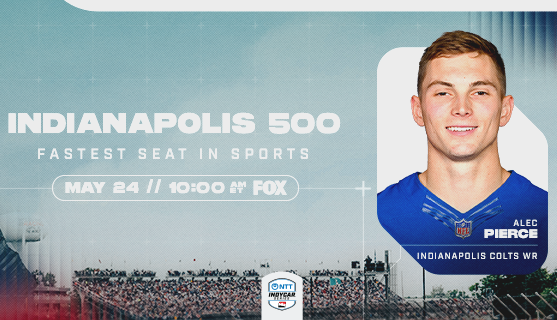
INDIANAPOLIS (Saturday, May 23, 2026) – Indianapolis Colts wide receiver Alec Pierce will ride in the Fastest Seat in Sports at the 110th Indianapolis 500 presented by Gainbridge on Sunday, May 24 at Indianapolis Motor Speedway.

Pierce was selected by the Colts in the second round, with the 53rd overall pick, of the 2022 National Football League Draft. He has completed four seasons with the Colts and has developed into one of the top receivers in the league.

Illinois native Pierce, who played collegiately at the University of Cincinnati, produced his best season in 2025. He had 47 receptions for 1,003 yards – his first career 1,000-yard season – and led the NFL in yards per catch at 21.34. He also scored six touchdowns.

Pierce signed a four-year contract with the Colts in March after his breakthrough season.

Seven-time NASCAR Cup Series champion and Indianapolis 500 veteran Jimmie Johnson will drive Pierce in a custom INDYCAR SERIES car with a special back passenger seat, leading the field of 33 drivers to the green flag for “The Greatest Spectacle in Racing” before sold-out grandstands at the world’s largest spectator sporting facility.

Pierce joins a long list of celebrated INDYCAR Fastest Seat in Sports passengers before a global audience and the FOX national broadcast. This high-speed, high-octane, super-charged thrill ride has been taken by the likes of Tom Brady, Simu Liu, Jon Bon Jovi, Lady Gaga, Channing Tatum and Rudy Pankow.

Coverage of the Indianapolis 500 presented by Gainbridge begins at 10 a.m. ET Sunday on FOX, FOX Deportes and FOX One. The green flag is expected at 12:45 p.m. ET.

The NTT INDYCAR SERIES is North America’s premier open-wheel racing series with drivers competing at speeds of 200+ mph across a thrilling and demanding set of ovals and road and street circuits. The full schedule is available here.

Justin Allgaier awarded O’Reilly Auto Parts Series pole at Charlotte.

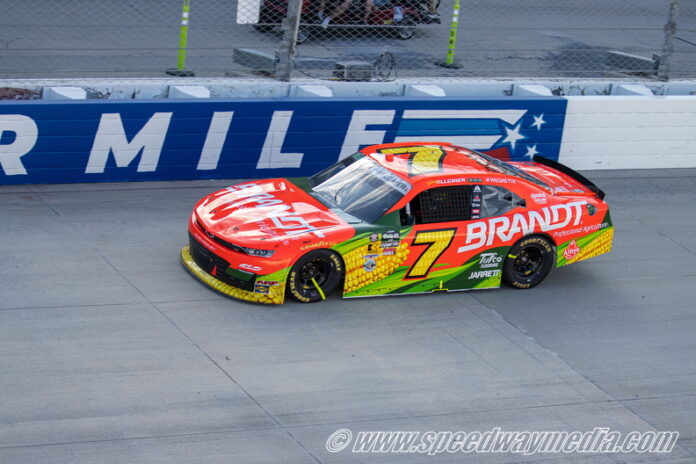
Photo by Logan Allen for SpeedwayMedia.com.

Justin Allgaier was awarded the pole position for the NASCAR O’Reilly Auto Parts Series’ Charbroil 300 at Charlotte Motor Speedway on Saturday, May 23.

The event’s starting lineup was initially going to be determined through a single-car, single-lap qualifying session. A total of 38 competitors vying for 38 starting spots would cycle around Charlotte Motor Speedway once. The driver who posted the single fastest lap would be awarded the pole position.

Due to inclement weather, the event’s starting lineup was determined using a qualifying metric formula per the NASCAR rule book. As a result, Justin Allgaier, driver of the No. 7 JR Motorsports Chevrolet Camaro entry, was awarded the pole position. Allgaier, the 2024 O’Reilly Auto Parts Series champion from Riverton, Illinois, is currently leading in both the driver’s and owner’s standings. He is also coming off a runner-up result this past weekend at Dover Motor Speedway.

Allgaier will share the front row with Corey Day, the latter of whom won last Saturday’s event at Dover and is ranked in fourth place in the driver’s standings.

Sam Mayer, Brandon Jones and Connor Zilisch will start in the top five, respectively. Austin Hill, William Sawalich, Sammy Smith, Ryan Sieg and Rajah Caruth complete the top-10 starting grid, respectively.

With 38 competitors vying for 38 starting spots, all made the main event. NASCAR was also hoping to hold a short practice session for all competitors, pending the wet-weather forecast at Charlotte Motor Speedway. However, the practice session was also canceled.

The NASCAR Craftsman Truck Series North Carolina Education Lottery 200 event at Charlotte has been postponed a second time from 8 a.m. ET to 9 p.m. ET for Saturday. The Cup Series’ Coca-Cola 600 practice sessions are set for 1:30 p.m. ET, before the O’Reilly Auto Parts Series’ Charbroil 300 follows suit at 5 p.m. ET.

Charlotte – Starting Lineup:

  1. Justin Allgaier
  2. Corey Day
  3. Sam Mayer
  4. Brandon Jones
  5. Connor Zilisch
  6. Austin Hill
  7. William Sawalich
  8. Sammy Smith
  9. Ryan Sieg
  10. Rajah Caruth
  11. Brennan Poole
  12. Sheldon Creed
  13. Anthony Alfredo
  14. Ross Chastain
  15. Jeremy Clements
  16. Austin Green
  17. Jesse Love
  18. Brent Crews
  19. Harrison Burton
  20. Andrew Patterson
  21. Dean Thompson
  22. Kyle Sieg
  23. Patrick Staropoli
  24. Carson Kvapil
  25. Taylor Gray
  26. Josh Bilicki
  27. Ryan Ellis
  28. Joey Gase
  29. Cole Custer
  30. Leland Honeyman Jr.
  31. Parker Retzlaff
  32. Nathan Byrd
  33. Blaine Perkins
  34. Dawson Cram
  35. Jeb Burton
  36. David Starr
  37. Lavar Scott
  38. JJ Yeley

The 2026 Charbroil 300 at Charlotte Motor Speedway is scheduled to occur on Saturday, May 23, and air at 5 p.m. ET on the CW Network, PRN Radio and SiriusXM.

Signs of a Bad Ball Joint (And What Happens If You Keep Driving on One)

Photo by depositphotos at https://depositphotos.com/

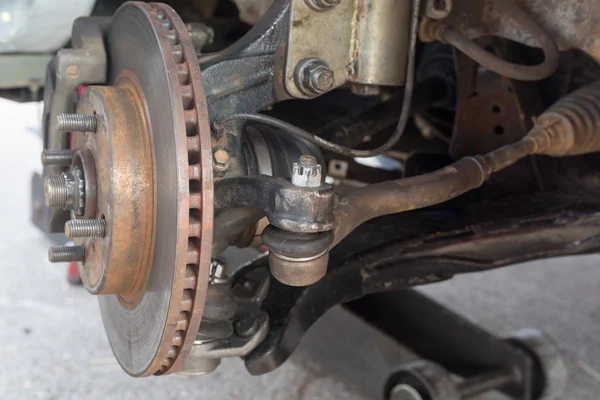
If your car clunks over every bump and the steering feels loose, your ball joints are probably worn out. Ball joints connect your control arms to the steering knuckles, and when they fail, the front suspension can literally come apart while you’re driving. That’s not an exaggeration. I’ve seen wheels fold under cars in shop parking lots.

The good news is the warning signs show up early if you know what to listen for.

The Main Symptoms of a Bad Ball Joint

The clearest sign of a failing ball joint is a clunking or knocking sound when you drive over bumps, potholes, or speed humps. It usually comes from one corner of the front end and gets louder as the joint wears.

Here’s the short list of what to watch for:

  • Clunking over bumps — a hollow knock from the front suspension, often worse at low speeds
  • Wandering steering — the car drifts left or right, and you’re constantly correcting
  • Uneven tire wear — the inner edge of the front tire wears faster than the rest, sometimes down to the cords
  • Steering wheel vibration — felt mostly between 20 and 45 mph, before alignment issues kick in at highway speed
  • A creaking sound when turning at low speed, especially in parking lots

A lot of these symptoms overlap with tie rod or control arm bushing problems, which is why a hands-on inspection matters. Just like diagnosing a bad headlight relay, you want to confirm what’s actually failing before you start throwing parts at it.

What Happens If You Keep Driving on a Bad Ball Joint

If you ignore a worn ball joint, eventually the stud pops out of the socket, and your wheel folds inward at the top. The control arm drops, the tire jams into the fender, and the car is done moving. That’s the worst case, and I have seen it happen.

Had a 2017 Chevy Equinox come in last month, the owner said it was clunking for about three months. By the time she brought it in, the lower joint had almost no grease left, and the boot was torn open. Another 500 miles, and that thing was coming apart on the freeway.

Before it fully separates, you’ll usually get:

  • Faster wear on the CV joint and wheel bearing on the same side
  • Ruined tires from the bad camber angle. You can chew through a $180 tire in under a month
  • Failed alignments. No shop can align a car with play in the joints

The safety risk is the part most drivers underestimate. A ball joint failure at 65 mph is not something you steer out of. The wheel collapses, and you’re a passenger.

How to Check a Ball Joint Yourself

You can check a ball joint at home with a floor jack, a jack stand, and about ten minutes. The test is called the grab and shake, and it works on most front-wheel-drive and rear-wheel-drive cars.

Here’s how I do it in the shop:

  1. Jack the front of the car up and put it on a jack stand. The wheel needs to hang free.
  2. Grab the tire at the 12 o’clock and 6 o’clock positions.
  3. Rock the tire in and out, top to bottom. Any clunk, click, or visible play means the joint or the wheel bearing is bad.
  4. Repeat at 3 and 9 o’clock. Play here usually points at the tie rod, not the ball joint.

While you’re under there, do a visual check on the rubber boot. If it’s torn, cracked, or leaking grease, the joint is on borrowed time, even if it doesn’t have play yet. Once dirt and water get in, the bearing surface wears out fast.

On some trucks, the upper ball joint is the one that fails first. On most cars, it’s the lower. Check both if you can.

When to Replace a Ball Joint and What It Costs

Replace a ball joint as soon as you confirm play in the joint or a torn boot. There’s no “drive it another month” with this part. The labor to replace it costs about the same whether you do it now or after it leaves you stranded.

Typical pricing in 2026:

  • Parts: $25 to $90 per ball joint for most passenger cars and light trucks
  • Labor: 1.5 to 2.5 hours per side, depending on whether it’s pressed in or bolt-on
  • Total at a shop: $200 to $400 per side, including an alignment

If you’re doing it yourself, OEM-quality replacement ball joints from Detroit Axle run a fraction of dealer pricing and ship pre-greased. Always replace ball joints in pairs on the same axle, and budget for an alignment after — non-negotiable.

One thing worth flagging: if your truck or SUV has a P-code stored along with the suspension symptoms, scan it before you wrench. A weird drivetrain code like the P2002 on a Powerstroke can show up at the same time as worn front-end parts and lead you down the wrong path.

FAQ

How long can you drive on a bad ball joint?

You can drive on a bad ball joint for anywhere from a few days to a few thousand miles, but there’s no safe number. Once the joint has visible play or a torn boot, the failure curve is unpredictable. Some last another month, some let go that afternoon. The right answer is don’t drive on it, period.

Can I replace just one ball joint or do I need to do both sides?

You can replace just one ball joint, but you really shouldn’t. Both joints have the same age and the same miles, so if one is worn, the other one is usually right behind it. Replacing in pairs also keeps your suspension geometry symmetrical, which matters for tire wear and steering feel.

Is it cheaper to replace a ball joint or the whole control arm?

It is sometimes cheaper to replace the whole control arm, especially on newer cars where the ball joint is riveted or pressed into the arm from the factory. A complete control arm assembly with a new joint and new bushings can cost less than the shop labor to press a single joint in and out. Get a quote both ways before you decide.

The Velocity of Engagement: Why Racing Fans are Driving the Surge in Sports Exchange Platforms

As someone who’s spent countless weekends watching telemetry lines, pit-wall timing screens, and sector deltas flash across a race broadcast, I’ve always believed motorsport fans are built differently. We don’t just watch speed. We study it. We feel it in the split between a perfect pit stop and a ruined strategy call. We understand that a race can turn on a tenth of a second, one tyre call, one late caution, one draft that comes at exactly the right moment.

That mindset is now reshaping how fans engage with sports beyond the track.

Racing has always been about timing. So is the new generation of Sports Betting and exchange-style platforms. The connection is not as strange as it looks at first glance. A racing fan is already trained to read live conditions. Track temperature. Tyre degradation. Fuel windows. Position gaps. Pit cycles. Slipstream strength. Caution probability. Weather creeping across radar. Every number carries a possible shift in the story.

Now move that instinct onto a digital exchange screen. Odds move like lap times. Markets tighten like a pack entering Turn 1. A fan watches, waits, reacts, and tries to make the right call before the window closes. That is why racing audiences are so naturally suited to this new wave of interactive sports platforms.

Look at the way a driver reads the track. Nothing is static. Grip changes every lap. Traffic matters. The draft matters. A driver commits before the move is obvious to everyone else. The best fans read sports the same way now. They don’t want to sit back and wait for a final score. They want real-time analytics, context, movement, and a chance to make their own judgement as the action unfolds.

That is the velocity of engagement.

Racing taught fans to love data before data became fashionable

Motorsport was doing real-time fan analytics long before every sports broadcast started throwing numbers at the screen. Split times. Sector speeds. Tyre age. Pit-lane loss. Delta to the car ahead. Fuel numbers. Radio traffic. Telemetry has always been the secret language of racing.

That language is now mainstream. Fans expect live data everywhere. An iSportConnect analysis in 2025 described real-time data as a driving force behind deeper motorsport fan engagement, citing experiences such as F1 Live Timing, MotoGP VideoPass, and NASCAR Drive as examples of platforms turning live information into immersion. NTT has also described INDYCAR’s digital fan experience as built around real-time race data, media-rich features, and year-round engagement through its mobile app ecosystem.

This is why racing fans adapt so easily to exchange-style sports entertainment. The mental model is already there. Watch the data. Read the movement. Anticipate the next shift. React before the crowd catches up.

In other sports, that might feel new. In racing, it feels like home.

The sports exchange boom is really a speed story

Sports Betting used to be relatively simple. Pick a side. Wait for the result. Maybe follow the odds before the game.

That world feels ancient now.

The modern platform is live, liquid, and intensely reactive. Odds change with every injury, every momentum swing, every scoring chance, every over, every lap, every caution. Exchange-style markets have turned sports engagement into something closer to active strategy. You’re no longer only predicting an outcome. You’re navigating movement.

But here’s where the tech gets even faster: the fan experience depends on latency.

A delayed feed is deadly. A sluggish interface is worse. If the odds shift before the user’s screen updates, confidence disappears. If a button hangs at the wrong second, the moment is gone. If a market freezes during pulse-pounding action, no amount of branding can save the experience.

Racing people understand this instinctively. In NASCAR, a pit stop can decide the afternoon. At Daytona, even the lighting and broadcast environment are now being upgraded, with AP reporting a full LED installation designed to improve visibility, fan experience, and television coverage ahead of 2027. That same principle applies digitally. The infrastructure has to match the speed of the spectacle.

A sports exchange platform that cannot keep up is like a crew chief making the right call five laps too late.

This brings us to a regional explosion

The next major growth story is not only happening in Las Vegas, London, or the traditional betting capitals. It is happening across mobile-first emerging markets where fans are young, sports-hungry, and already living through their phones.

Pakistan is one of the most interesting examples.

DataReportal’s Digital 2026 report for Pakistan shows a rapidly expanding social and mobile environment, including a 25 percent increase in social media user identities between late 2024 and the end of 2025. Cricket dominates the country’s sports culture, but the behaviour behind that fandom looks familiar to anyone who understands racing: fans read pressure, timing, momentum, and micro-events. One boundary changes the chase. One wicket flips the emotional temperature. One over can become the sporting equivalent of a late-race restart.

In that environment, platforms such as BPEXCH Pakistan are becoming part of the discussion around regional sports entertainment. The appeal is rooted in speed and local fit. A platform serving Pakistani fans cannot behave like a slow generic interface dropped in from somewhere else. It has to move like a pit crew. Fast market response. Real-time data flow. Mobile clarity. A structure that respects cricket’s rhythm and the user’s urgency.

That is why regional platforms are gaining attention. They understand the local sports heartbeat.

Cricket exchange, racing logic, same adrenaline

On paper, racing and cricket look like different worlds. One is built on engines, aero, rubber, and track position. The other on bat, ball, pitch, and pressure.

Emotionally, they share more than people think.

A NASCAR fan watching a final restart feels the same body tension as a cricket fan staring down the last over of a chase. The margins are microscopic. The information is incomplete. The next moment could define everything.

In racing, a driver tucks into the draft, waits, and launches. Too early, and the run dies. Too late, and the line is gone. In live Sports Betting or a Cricket Exchange environment, timing works the same way. A user watches the market breathe. The odds shift. Liquidity moves. The opportunity appears for a few seconds and then vanishes.

That is split-second strategy.

And when it works, the emotional hit is real.

Picture the fan. One eye on the match. One thumb hovering over the screen. The odds tighten after a late swing. The crowd noise rises. The user sees the market move, makes the call, and the next play confirms it. The heart kicks. Not because of blind luck alone. Because the decision landed at the right moment.

That feeling is very close to watching a driver cross the line after a perfectly executed final-lap move. Different arena. Same rush.

Why delay is the enemy of everything

Latency is the shared enemy of racing and digital exchange platforms.

In motorsport, delayed information ruins strategy. If a team gets weather data too late, the tyre call fails. If a driver receives traffic information late, the overtake disappears. If timing screens lag, the pit wall is operating in the past.

The same applies to sports platforms. If the market is live but the interface is not, the user is racing with old tyres.

Sports analytics is becoming a major global industry precisely because live data now drives decisions. Persistence Market Research estimates the sports analytics market at about US$5.2 billion in 2026, with growth projected toward US$12.5 billion by 2033. Online sports betting is also expanding, with one 2026 market outlook valuing the global online sports betting market at US$59.46 billion and projecting growth to US$99.72 billion by 2033.

Those numbers point to the same reality. Real-time information is no longer a broadcast extra. It is infrastructure.

The fan wants live odds, live data, live context, and live confirmation. Not “close enough.” Not after the moment. Now.

Hyper-responsive UI is the new pit crew

A great pit crew does not over-explain. It executes.

A great digital platform should feel the same way.

The interface should not fight the user. It should not hide core actions under clutter. It should not make simple decisions feel like paperwork. It should load fast, respond cleanly, and preserve confidence during peak pressure.

That is why Hyper-responsive UI matters so much in Sports Betting, Casino, Slots, and exchange environments. These are not static content platforms. They are pressure systems. Users arrive with adrenaline already in the bloodstream. They need the platform to translate that energy into clear action.

A slow tap response can feel like a missed shift.
A confusing odds display can feel like dirty air.
A failed confirmation can feel like a botched pit stop.
A clean, fast interface feels like open track.

The best platforms are not loud. They are precise.

The psychology of winning and the finish-line effect

Winning hits because it compresses tension into release.

Racing fans know that better than anyone. A driver can spend three hours managing the car, saving tyres, surviving restarts, and fighting traffic. Then the finish comes in a flash. The line arrives. The emotion detonates.

Digital exchange platforms tap into a similar psychological structure. The user reads the moment, commits, and waits for confirmation. Odds, markets, and outcomes become a kind of emotional telemetry. When the decision pays off, the feeling is not passive. It feels earned, even when chance still plays a role.

That is why live markets are so sticky. They give the fan a sense of participation. Not control over the sport itself, but control over interpretation. The user is not only watching. They are reading, reacting, and risking a judgement.

The thrill of Winning in this context is not simply about money. It is about being right at speed.

Casino, Slots, and the broader entertainment layer

Sports exchange platforms are not evolving in isolation. They sit inside a wider digital entertainment economy where Casino games, Slots, live formats, and odds-based engagement compete for the same mobile attention.

Slots, for example, rely on a different rhythm from racing or cricket, but the performance demand is similar. The screen has to move smoothly. Outcomes must feel clear. The interface must not stutter during the reveal. A Jackpot moment loses force if the animation freezes or the balance update feels uncertain.

That is why serious platforms invest in infrastructure, not just catalogue size. Users may arrive for sports, but they stay where the wider entertainment environment feels stable and trustworthy.

Trust is the hidden track surface beneath the entire experience.

If it is uneven, everything else suffers.

Regulation, risk, and the adult conversation

Any honest discussion of betting platforms has to include risk.

Sports Betting and Casino entertainment involve uncertainty. Users should understand local laws, platform rules, and personal limits. In many markets, regulation is still evolving. In Pakistan, public legal summaries generally describe gambling as restricted under existing legal frameworks, so users must be careful and aware of applicable laws in their jurisdiction.

That does not erase the technology trend. It makes responsible platform design more important.

The future belongs to systems that combine speed with clarity. Transparent rules. Secure transaction cycles. Responsible-use messaging. Clear account controls. Stable withdrawals. No mystery around user balances or market settlement.

A fast platform without trust is just noise. A trusted platform without speed loses the live moment.

The winner has to deliver both.

Racing fans are shaping the next model of engagement

The reason racing fans matter in this story is simple: they are trained for high-speed decision environments.

They already know how to watch data and emotion at the same time. They understand that the visible action is only part of the contest. Behind every overtake is telemetry. Behind every pit call is probability. Behind every finish is a chain of decisions made under pressure.

That is exactly how the next generation of sports platforms works.

The race is not just on the track anymore. It is in the screen. In the odds movement. In the live market. In the timing of the tap. In the quality of the interface. In the trust that the platform will respond when the moment arrives.

F1’s 2025 audience results show how powerful live viewing remains, with Reuters reporting that Formula One reached its highest total audience in five years and that online OTT viewership has nearly doubled over five years. That combination—live emotion plus digital access—is exactly where sports exchange platforms are finding their lane.

The checkered flag belongs to speed and trust

The future of sports entertainment is interactive.

Fans will still watch. They will still cheer. They will still argue about calls, cautions, tyre strategy, and late-race restarts. But more of them will also participate through live data, real-time odds, exchange markets, and mobile-first platforms that turn observation into action.

Racing helped teach the world how thrilling data can be when it moves at full speed. Now that same logic is reshaping Sports Betting, Cricket Exchange models, Casino entertainment, and the broader digital fan economy.

Who wins?

The platform that moves fastest without losing control.
The interface that responds like a race car on fresh tyres.
The market that updates before the moment cools.
The system that earns trust lap after lap.

Because in racing, as in modern digital sports engagement, speed alone is never enough.

You need precision.
You need timing.
You need confidence when the pressure hits.

And when the green flag drops, the slow never survive.

Big Weekend, Big Platform: Rick Ware Racing Leverages ‘Greatest Day in Racing’ to Announce its 2026 FIM World Supercross Championship Rider Lineup

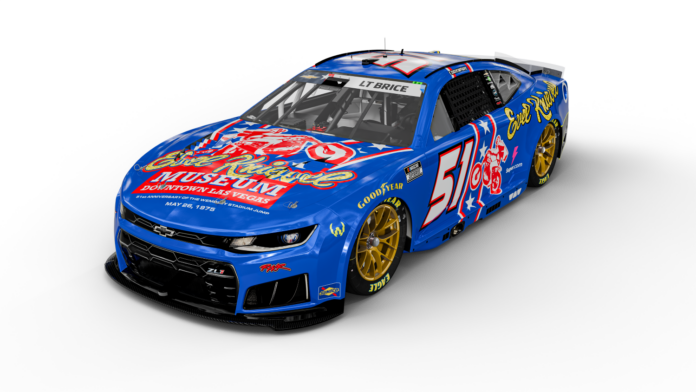
Rick Ware Racing Leverages ‘Greatest Day in Racing’ to Announce its 2026 FIM World Supercross Championship Rider Lineup on Cody Ware’s No. 51 Chevrolet in Coca-Cola 600 at Charlotte

CHARLOTTE, N.C. (May 23, 2026) – It is the greatest day in racing. IndyCar in Indianapolis. F1 in Montreal. NASCAR in Charlotte. It is Sunday of Memorial Day weekend, giving gearheads a continuous stream of racing action at three of the most iconic tracks in North America.

It creates a jam-packed news cycle, where motorsports takes center stage and captures the attention of casual and hard-core fans alike.

Rick Ware Racing (RWR) is leveraging this moment to highlight its motorsports endeavors, particularly in the FIM World Supercross Championship, where RWR has fielded a team since World Supercross’ inaugural season in 2022.

World Supercross is a global dirt-bike racing series with a schedule that spans five continents. It features top riders competing on supercross-style circuits inside the stadiums of major cities. And the No. 51 Chevrolet that RWR driver Cody Ware will race in Sunday’s Coca-Cola 600 at Charlotte Motor Speedway will feature the team’s rider lineup for the 2026 World Supercross season, which begins Aug. 8 at McMahon Stadium in Calgary, Alberta, Canada.

Devin Simonson and Coty Schock are back for RWR, with both riders competing in SX2 (250cc class). New to the team are Cooper Webb and Justin Hill, with the duo representing RWR in SX1 (450cc class).

“The Coca-Cola 600 gives us a big stage, and we want to use it,” said team owner Rick Ware, who won the 2022 World Supercross SX2 title with rider Shane McElrath. “World Supercross is an important part of our overall program. Putting the rider lineup on our Cup car during one of the biggest race weekends of the year helps introduce these guys to an even broader audience and drives more awareness for the series.”

The 24-year-old Simonson has been racing professionally since 2021, and the Laurinburg, North Carolina, native is widely considered a leader in the current wave of American talent competing globally. He made his World Supercross debut in 2025.

Schock finished third in the overall SX2 championship standings last year. It was his second season with RWR, making the 28-year-old RWR’s most tenured rider. Schock turned pro in 2016, 20 years after he first began riding dirt bikes in and around his hometown of Dover, Delaware.

Webb is an extremely decorated rider, with three Monster Energy AMA Supercross 450SX titles (2019, 2021 and 2025) and 31 career 450SX wins. Twice, Webb was runner-up in the 450SX championship chase (2020 and 2024). The 30-year-old was third two other times, including this year, when he finished just 34 points behind champion Ken Roczen. Now, the Newport, North Carolina, native gears up for his first World Supercross season.

Hill turned pro in 2013. The 31-year-old from Yoncalla, Oregon, was the 2017 Monster Energy AMA Supercross 250SX West champion. While new to RWR, 2026 will mark Hill’s third World Supercross season.

“Obviously, adding Cooper Webb gets your attention, and we’re excited about that,” said Ware. “But what I like most is how the whole lineup fits together. Devin and Coty give us continuity, Justin brings veteran experience, and Cooper adds championship pedigree. We feel like we’ve got riders who can represent us well and compete at a high level.”

RWR continues the two-wheeled promotion in the Coca-Cola 600 with the Evel Knievel Experience adorning the majority of the No. 51 Chevrolet. The Evel Knievel Experience is located in Las Vegas’ downtown Arts District and features a range of mementos from Knievel’s career, with his lineup of motorcycles and star-spangled leather suits prominently displayed.

“Evel Knievel didn’t just ride a motorcycle – he flew it,” Ware said. “I remember watching him jump buses, fountains, anything you could line up in front of him, and he made it a must-see event every time. I didn’t just see it on television, I was there. His career was filled with jaw-dropping moments that people will never forget. Being able to promote the Evel Knievel Experience in Las Vegas through our race team is our way of keeping those legendary feats front and center.”

Ware is a Los Angeles native who grew up amid Southern California’s car culture, which included everything from hot rods at Pomona, stock cars, sports cars and Indy cars at Riverside, and motorcycles that ripped around the dirt at Ascot. He saw Knievel’s rise to prominence in person and in real time. Today, as a successful owner who fields entries across multiple motorsports disciplines, Ware formed a marketing partnership with the Knievel Family to ensure that Knievel’s place in Americana remains strong.

In fact, the Coca-Cola 600 aligns with the 51st anniversary of Knievel’s jump at Wembley Stadium in London, when on May 26, 1975, in front of a crowd of 70,000, he sailed his Harley-Davidson XR-750 over 13 buses and crash landed. After walking with assistance off the stadium floor, Knievel’s day continued at the Royal London Hospital in Whitechapel, where he was treated for a broken right hand, fractured vertebrae, and a fractured pelvis.

“The timing of this is pretty special because it lines up with the anniversary of Wembley, and that was one of those jumps people still talk about all these years later,” Ware said. “Evel never backed down from a challenge, and even when things didn’t go perfectly, he got up and kept going. That toughness and willingness to put everything on the line is a big part of why his legacy has endured.”

Prime Video will broadcast the 67th running of the Coca-Cola 600 beginning with a pre-race show at 5 p.m. EDT. The race goes green at 6 p.m., with SiriusXM NASCAR Radio complementing the live telecast.

About Rick Ware Racing:

Rick Ware has been a motorsports mainstay for more than 40 years. It began at age 6 when the third-generation racer began his driving career and has since spanned four wheels and two wheels on both asphalt and dirt. Competing in the SCCA Trans Am Series and other road-racing divisions led Ware to NASCAR in the early 1980s, where he finished third in his NASCAR debut – the 1983 Warner W. Hodgdon 300 NASCAR Grand American race at Riverside (Calif.) International Raceway. More than a decade later, injuries would force Ware out of the driver’s seat and into full-time team ownership. In 1995, Rick Ware Racing was formed, and with his wife Lisa by his side, Ware has since built his eponymous organization into an entity that competes full-time in the elite NASCAR Cup Series while simultaneously campaigning successful teams in the Top Fuel class of the NHRA Mission Foods Drag Racing Series, Progressive American Flat Track, FIM World Supercross Championship (WSX) and zMAX CARS Tour.

Duplicate BMW Key South East London, VIN-Matched, Secure, No Dealer Markup

Photo by depositphotos at https://depositphotos.com/

Get a genuine, programmed BMW key in South East London without dealership markups — VIN-matched providers and specialist locksmith steps explained.

To duplicate a BMW key in South East London, source a VIN-matched OEM key through a verified supplier, then book a mobile BMW locksmith in SE London who carries dealer-level diagnostics, AutoHex or ISTA, to program the key and delete any lost key IDs on-site.

It comes down to three steps: confirm your VIN and identify your car’s immobilizer system, source the correct OEM blank, then have a qualified specialist handle programming. Get any one of those wrong and you’re starting over, often at real extra cost.

How to duplicate a BMW key in South East London (3-step summary)

  1. Confirm your VIN and immobilizer system (CAS, FEM, or BDC), takes a couple of minutes. Check your V5C logbook or read the VIN directly from the windshield.
  2. Order a VIN-matched OEM key from a verified supplier or mobile BMW locksmith in SE London. Off-the-shelf blanks won’t pair to your car’s immobilizer. Full stop.
  3. Book on-site programming with dealer-level diagnostics, blade cutting, and deletion of any lost keys. Most jobs take 30 minutes to two hours depending on the model and module.

What to expect on the day

  • Technician arrives at your home, workplace, or roadside location
  • ID and V5C logbook checked before any work begins
  • Programmer screenshot provided showing your VIN and transponder ID
  • Blade cut and tested against door locks and ignition
  • Lost or compromised key IDs deleted and confirmed on-screen

Ready to book? Jump to the contact and booking section at the bottom of this guide for a free quote.

That cheap fob on eBay will not start your BMW

That £30 fob won’t start your car. Modern BMW immobilizers require VIN-matched credentials, and no amount of blade cutting changes that. Generic transponders are simply rejected, the system demands cryptographic keys tied directly to your VIN.

Why BMW keys aren’t simple blanks: CAS, FEM, and BDC explained

Every BMW key carries a digital signature that must match the immobilizer module exactly. You can’t pull that signature from a cheap aftermarket fob. The car only accepts credentials tied to your specific VIN, which is why qualified locksmiths use server access or dealer-level tools like AutoHex or ISTA to provision replacements.

BMW immobilizer system: model-year reference guide

Use this table as a starting point, always verify by VIN. Mid-cycle production changes mean exact cutoffs can vary by market and build date.

SystemApproximate model yearsTypical models
CAS (Car Access System)2003, 2014E-series (E60, E90, E70, E71, E81, E88, etc.); CAS4 also used on early F10/F11
FEM (Front Electronic Module)2012, 2018F-series entry/mid (F20, F30, F35, F45, F46); mid-cycle F10/F11 moved to FEM
BDC (Body Domain Controller)2015, presentLater F-series and G-series (G20, G30, G05, G11, etc.)

Note: Some F-series models used both FEM and BDC across their production run. Provide your full VIN to a specialist to confirm your exact system before ordering parts.

How BMW key security actually works

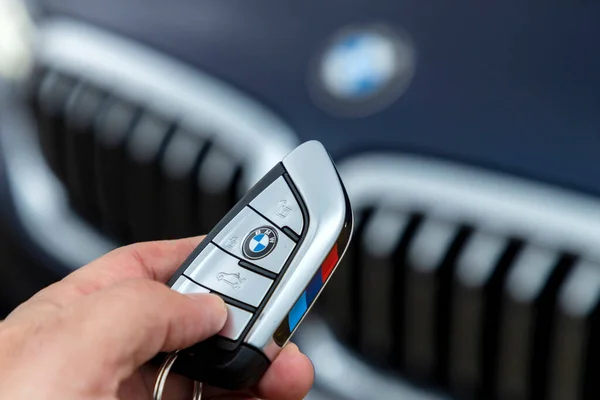
Each BMW key has two functional components: the mechanical blade and the transponder chip. The blade handles the door locks. The transponder authenticates the key to the immobilizer, and that’s what decides whether the engine starts.

Binding the transponder to your VIN requires either server-side activation or direct programming via dealer-level tools. That’s the core of every cheap-key scam: the fob looks right, but the credentials were never written in. Legitimate keys are either factory-activated or provisioned on-site by a qualified technician.

How to get a BMW key without the dealer markup, step by step

Documents required

You’ll need your V5C (logbook), photo ID, and proof of address. Any reputable specialist will ask for all three before touching the car. Check the gov.uk guidance on V5C documents if you need a replacement logbook.

Identify your immobilizer (CAS, FEM, or BDC)

Use the reference table above, then call a mobile BMW locksmith in SE London with your model year and VIN to confirm. Misidentifying the module wastes time and money, a particularly easy mistake on F10/F11 cars, which can carry either CAS4 or FEM depending on exact build date.

A qualified mobile BMW locksmith in SE London can usually confirm the correct CAS, FEM, or BDC system from the VIN before any parts are ordered.

Programming and deletion

  • Source a VIN-matched OEM key or work with a specialist who holds dealer-level diagnostic access and procures OEM blanks directly.
  • Have the blade cut to your locks and confirm the transponder will be factory coded or server-synced, not simply paired with a generic chip.
  • Complete induction and sync. The technician runs a diagnostic sequence that registers the new key to the CAS, FEM, or BDC. Keyless entry and Comfort Access are tested on-site after programming.
  • Delete any lost keys. If an old key is missing, a qualified technician removes it from the immobilizer’s authorized list using dealer-level tools. See the Delete lost keys, why and how section below for full details.

What to buy and who to call in SE London

Always insist on a VIN-matched key. Any reputable specialist should confirm the BMW part number and show you a photograph of the chip packaging before you pay. That £30 auction-site fob almost certainly won’t start your car, modern immobilizers require credentials tied to your specific VIN, and generic blanks rarely clear that bar.

Common service areas include Lewisham, Greenwich, Southwark, Bromley, and Lambeth. Locksmiths advertising dealer-level diagnostics (AutoHex, ISTA) and operating identifiable local vans with trade IDs tend to be far more reliable than anonymous online sellers. The Master Locksmiths Association directory is a solid starting point for verifying credentials.

Ask for a written quote that itemizes the part number, programming fee, blade cutting, and any call-out charge. Confirm the warranty in writing on that same document.

Typical pricing by model

  • BMW 3 Series (F30) VIN-matched key, cut and program: typical £300, £420
  • BMW 5 Series (F10) VIN-matched key, cut and program: typical £350, £480
  • BMW G-series (G30/X5) VIN-matched key, server programming: typical £450, £700+

What to say when you call, phone and email scripts

Phone script (with module detail): “Hi, I have a [Year/Model] with a [CAS4/FEM/BDC] system, VIN [VIN]. Do you supply OEM VIN-matched keys and program transponders to the immobilizer using dealer-level tools? What documents do you need, and what’s your all-in price?”

Follow-up text or email: “Confirming: VIN [VIN], keys lost/need duplicate. Please send a full breakdown covering part, programming, cutting, and call-out. Confirm you’ll delete lost key IDs from the car’s memory if requested.” If a supplier hedges on their diagnostic tools, move on.

Ask for evidence of previous BMW work. Acceptable proof includes a redacted programmer screenshot showing VIN and transponder ID, an invoice listing the VIN, or photos of recent completed jobs. See the Delete lost keys section if your key was lost or stolen before making contact.

Beginner and advanced options, practical choices

Straightforward route: Order a VIN-matched, pre-programmed key from a reputable OEM supplier. You’ll need your V5C and photo ID.

If your keys were lost or stolen: You need a locksmith who can perform full key deletion, removing lost credentials from the CAS, FEM, or BDC memory. Some models require dealer-level permissions for deletion, so confirm this before booking.

Common mistakes, and how to avoid them

  • Buying “unlocked” keys online. The key arrives, the car doesn’t recognize it, and the seller blames compatibility. These products are almost never the VIN-matched blanks a proper mobile BMW locksmith in SE London would use.
  • Skipping the blade cut. The shell alone is useless. Always verify the blank’s part number before purchase.
  • Failing to delete lost keys. Old credentials left active in the ECU leave the vehicle exposed. See the Delete lost keys section above, this step isn’t optional.

The pairing process, explained plainly

The technician launches diagnostic software, starts the car’s programming routine, presents the new key to the antenna or read ring, and writes the transponder ID into CAS, FEM, or BDC memory. The sequence has to be followed precisely, there’s no shortcut.

On older models, window and trunk functions may need a separate sync. A competent technician handles that without being asked. Ask to see the programmer screen as the key ID is written, or request a short clip.

Price expectations and scam signals

Typical SE London ranges (estimates based on recent jobs, always get a written itemized quote, as actual costs vary):

  • CAS (E-series; CAS4 on early F10/F11): £200, £450
  • FEM (F-series): £300, £600, higher with Comfort Access
  • BDC / G-series: £400, £700+, server access typically required

Sample itemized quote

  • OEM key blank (part number listed): £XX
  • Blade cutting: £XX
  • On-site programming (dealer-level tools): £XX
  • Lost key deletion: £XX
  • Call-out fee: £XX
  • VAT (20%): £XX
  • Total: £XXX

Scam signals tend to be consistent. Anyone who won’t share a part number, dismisses on-site programming, or claims a universal fob works without VIN matching is one to avoid. Demand an OEM part number, a written quote, and confirmation that lost key deletion is included.

Every reputable supplier will ask for proof of ownership: your photo ID (driver’s license or passport), and sometimes proof of address. Any business that skips this step is a red flag.

Have digital scans ready before you book. It prevents delays and avoids wasted call-out fees.

Three-step action plan

  • Confirm your immobilizer type. Use the model-year reference table above, then give your VIN and model year to a specialist to verify whether you have CAS, FEM, or BDC.
  • Gather your documents. V5C, photo ID, and a photograph of the VIN plate or sticker inside the car.
  • Contact a specialist now. Find a mobile BMW locksmith in SE London with verified credentials. Request a VIN-matched key with blade cutting, dealer-level programming, and deletion of lost keys, and get the full quote in writing before anything is ordered.

How to verify a “VIN-matched” claim before you pay

Ask for the BMW part number and a photo of the packaging showing the chip label. Ask whether the key was provisioned via BMW server access or a recognized VIN-matching supplier. If the technician can’t answer those questions plainly, walk away.

Request a programmer screenshot showing the transponder ID alongside the VIN, or a supplier invoice listing the VIN explicitly. Legitimate suppliers produce this without hesitation.

Verification checklist, ask for all six before you pay

  • OEM part number (visible on key packaging)
  • Programmer screenshot showing VIN + transponder ID (technician should redact owner name and address)
  • Supplier invoice listing the VIN explicitly
  • Trade ID or proof of locksmith credentials
  • Vehicle VIN plate confirmed on the day
  • Written quote with deletion listed as a separate line item

Delete lost keys, why and how

When a key is lost or stolen, the old transponder ID needs to be wiped from your car’s immobilizer memory. Without that deletion, anyone holding the original key still has electronic access. A new key alone doesn’t close that gap.

A BMW-experienced locksmith with dealer-level tools will clear those IDs as part of the job. Ask them to show you the authorized key list on-screen before and after, so you can confirm the old entry is gone. Some modules, particularly later BDC units, require live server access for full deletion. Confirm upfront that your technician has the right tools and connectivity.

If all your keys are lost

An all-keys-lost situation in SE London is still solvable, just more involved. The technician must verify ownership, source a VIN-matched key, and program it from scratch. Budget separately for deletion of all lost key IDs, and don’t let anyone skip that step to save time.

How long does programming and cutting take?

On-site cutting and programming typically runs between 30 minutes and two hours. Delays almost always come from missing paperwork or incorrect immobilizer identification, not the programming itself.

The bottom line

Don’t gamble on auction fobs. To duplicate a BMW key in South East London, use a specialist who handles cutting, programming, and key deletion, then get every cost confirmed in writing before work starts.

Paying a fair price once beats the combined cost of a non-working key, a repeat call-out, and an avoidable theft risk. Confirm dealer-level tool access, ask for trade ID, and request a fully itemized quote.

NASCAR postpones Charlotte Truck Series event to Saturday morning

Photo by John Knittel for SpeedwayMedia.com.

The 2026 North Carolina Education Lottery 200 Truck Series race at Charlotte Motor Speedway has been postponed due to inclement weather.

The event will now occur on Saturday, May 23, at 8 a.m. ET and will have air coverage from FS1, NASCAR Racing Network and SiriusXM. The decision was made after the Truck Series event was delayed due to steady rain that canceled the event’s practice and qualifying sessions on Friday, May 22.

The event was also originally scheduled to occur on Friday evening. However, not long after the competitors entered onto Charlotte’s racing surface for pace laps, the field was directed to pit road. he trucks were covered as the drivers and teams waited for the weather to clear before the postponement.

With on-track qualifying canceled, the event’s starting lineup was determined through a qualifying metric formula. This placed the No. 7 Spire Motorsports Chevrolet Silverado RST entry automatically on pole position due to the entry winning last Friday’s NASCAR Craftsman Truck Series event at Dover Motor Speedway with Kyle Busch.

Due to Busch’s death from a severe illness that involved hospitalization between this past Wednesday and Thursday, Corey Day is piloting the No. 7 entry. Both he and Ty Majeski will lead the field to the start of Saturday’s rain-postponed Truck event at Charlotte from the front row. A total of 36 competitors will compete in the 10th of 25-scheduled Truck events of the 2026 season.

The 2026 season is the first time the North Carolina Education 200 event has been postponed a day after its original scheduled date due to inclement weather.