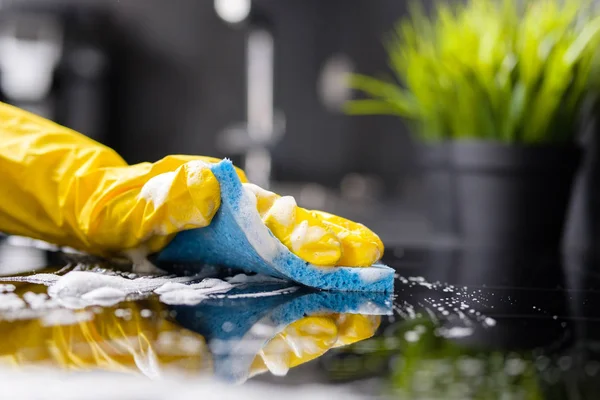
Household mess rarely appears all at once. Dust settles gradually, crumbs collect beneath dining areas, fingerprints build up on frequently touched surfaces, and bathroom residue becomes more noticeable after repeated use. A home that looked orderly at the start of the week can feel noticeably different several days later, even without any major spills or unusual activity.
A practical weekly routine keeps those small problems from turning into demanding cleaning projects. The purpose of a Standard clean is regular upkeep of spaces and surfaces that receive frequent use, rather than intensive attention to every hidden corner. Giving the right areas attention at sensible intervals also makes daily tidying easier to manage.
The most useful routine reflects how a household actually uses its rooms. Kitchens and bathrooms usually need different attention than bedrooms, while entryways often collect debris faster than quieter spaces. Services associated with Queen City Cleaners provide a useful context for understanding how recurring household maintenance differs from occasional, more detailed cleaning.
Start With the Rooms That Collect Mess Fastest
Cleaning every room with equal intensity is rarely necessary. A kitchen used for several meals each day collects food particles, splashes, grease, and crumbs faster than a guest bedroom. Bathrooms also develop visible residue quickly because sinks, mirrors, toilets, and other fixtures receive repeated daily use.
Start weekly work in these high-use spaces and then move toward rooms with lighter cleaning needs. This approach directs time toward surfaces where dirt is most noticeable instead of spending too long on areas that remain relatively clean. It also reduces the chance of reaching the busiest rooms after energy and attention have already dropped.
Room use may change from week to week. A home office might need extra attention during a busy work period, while a rarely used room may require little more than dusting and floor care. A useful schedule has enough flexibility to reflect those changes.
Give Kitchen Surfaces a Consistent Reset
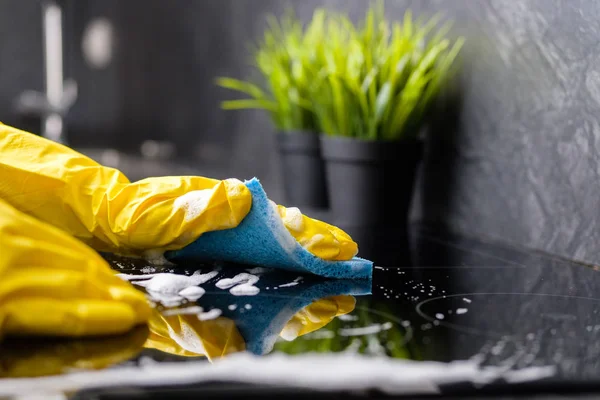
Kitchen mess tends to spread. Crumbs move from counters to floors, grease settles near cooking areas, and frequently handled cabinet fronts gradually collect marks. Even households that wipe counters after meals benefit from a more organized weekly reset.
Begin by clearing items that do not belong on work surfaces. Once counters are accessible, residue around food preparation areas, sinks, appliance exteriors, and other regularly used surfaces becomes easier to see. Cleaning in a logical order also avoids moving dirt onto an area that has already been addressed.
Floor care should come near the end of the process because dust and crumbs may fall while higher surfaces are being cleaned. A Standard clean that follows this general top-to-bottom sequence reduces repeated work. The result is a kitchen that is easier to maintain during ordinary meal preparation throughout the following days.
Keep Small Tasks From Becoming Large Ones
Weekly cleaning works best when paired with a few short daily habits. Wiping fresh spills takes less effort than removing dried residue later, and putting dishes away prevents countertops from becoming crowded before cleaning begins. These actions do not replace weekly maintenance, but they keep manageable messes from growing.
Clutter deserves similar attention. Mail, reusable bags, containers, and miscellaneous household items frequently migrate toward kitchen counters because those surfaces are convenient. Giving those objects permanent storage locations keeps food preparation areas available for their intended purpose.
Treat Bathrooms as Separate Cleaning Zones
Bathrooms contain several types of surfaces within a compact space, so working randomly can waste time. Mirrors, counters, sinks, fixtures, toilets, tubs, showers, and floors each collect different forms of residue. Breaking the room into zones creates a clearer sequence and makes missed areas easier to notice.
Items stored on counters should be moved or organized before surfaces are cleaned. Bottles and personal products can hide dust, hair, water spots, and residue around their bases. Once those objects are out of the way, the entire surface becomes accessible instead of being cleaned only around visible items.
Queen City Cleaners is connected with household cleaning work where recurring attention to frequently used rooms forms part of ongoing home care. The practical lesson is straightforward: bathrooms become harder to reset when moisture residue, dust, and everyday clutter are allowed to accumulate together. Regular attention keeps each weekly session more manageable.
Dust Before Cleaning the Floors
The order of cleaning tasks affects how much work must be repeated. Dusting after vacuuming, for example, may send particles back onto a freshly cleaned floor. Starting with accessible higher surfaces allows loose material to fall before the final floor-cleaning stage.
Shelves, tables, furniture surfaces, window ledges, and other exposed areas collect dust at different rates. Frequently used rooms may need weekly attention, while some less active spaces remain presentable longer. Visible buildup provides a better guide than following an identical schedule for every object in the house.
Cleaning tools also need to suit the surface being addressed. A method appropriate for one material may be unsuitable for another, so product and manufacturer care instructions should guide decisions where necessary. Routine cleaning should remove buildup without creating unnecessary surface damage.
Give Entryways Special Attention Before Dirt Travels
Entry areas act as collection points for material brought in from outdoors. Shoes may carry grit and debris onto nearby flooring, where foot traffic can spread it farther into hallways and living areas. Addressing the entrance regularly limits how far that material travels.
Loose debris should be removed before appropriate floor cleaning begins. Mats also need attention because they collect the dirt they are intended to stop. A mat that remains loaded with grit can become another source of debris rather than an effective barrier.
Small organizational changes make this area easier to maintain. Designated places for shoes, bags, coats, and other frequently carried belongings reduce floor clutter and provide clearer access during cleaning. The entryway then becomes easier to reset without turning the task into a separate organizing project.
Use Bedrooms to Control Dust and Clutter
Bedrooms may not collect food residue like kitchens, but textiles, personal belongings, and ordinary dust create different maintenance needs. Nightstands, dressers, accessible furniture, and floors benefit from regular attention, particularly where objects tend to remain in place for long periods.
A Standard clean becomes easier when loose belongings are put away before dusting or vacuuming starts. Cleaning around piles of clothing, boxes, or miscellaneous objects leaves sections untouched and slows the process. A short decluttering pass creates access to the surfaces that actually need cleaning.
Bed linens and other washable textiles can follow their own household schedule rather than being treated as part of every surface-cleaning task. Separating laundry from room cleaning keeps the weekly routine clear and prevents one category of work from consuming the entire session.
Build a Routine Around Frequency Instead of Perfection
A useful cleaning plan does not require every surface to look untouched at every moment. Its purpose is to prevent ordinary household buildup from reaching the point where restoring order requires an exhausting amount of work. Frequency matters more than trying to complete every possible cleaning task during a single session.
Some households prefer dividing work across several days. Kitchen and bathroom cleaning might happen on one day, with dusting and floors handled later. Others find one scheduled block easier to remember. Either approach works when tasks are assigned realistically and completed consistently.
Recurring services such as those connected with Queen City Cleaners can fit into this broader maintenance pattern without eliminating the value of small household habits between visits. Clearing clutter, addressing fresh spills, and keeping frequently used areas reasonably organized preserve the results of scheduled cleaning. The home remains easier to reset because ordinary mess never gets too far ahead.
A Manageable Home Depends on Consistent Attention
Weekly cleaning becomes less demanding when it follows the way dirt and clutter actually develop. Busy kitchens, bathrooms, and entryways deserve more frequent attention, while quieter rooms can be maintained according to their level of use. Cleaning higher surfaces before floors and clearing belongings before wiping surfaces also reduces repeated effort.
The strongest routine is one that can be maintained during ordinary weeks, not just when extra time is available. Short daily actions handle fresh messes, while scheduled weekly tasks remove the buildup that naturally develops despite those habits. This division keeps household care from becoming a cycle of neglect followed by exhausting catch-up sessions.
A clean home does not depend on constant scrubbing or an unrealistic standard of perfection. It depends on noticing where messes develop, assigning those areas a sensible cleaning frequency, and completing tasks in an order that avoids unnecessary work. Consistency keeps the workload predictable and leaves fewer neglected areas waiting for a much larger cleaning session.