Home Blog Page 167

Beyond the Harness: Navigating Modern Fall Protection Solutions in 2026

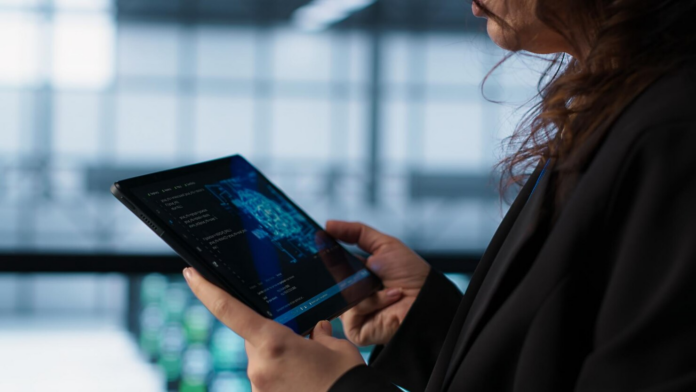
Photo by depositphotos at https://depositphotos.com/

In the industrial world, the phrase “it’s not the fall that hurts, it’s the sudden stop” has officially retired. In 2026, finding the right fall protection solution isn’t just about catching a falling worker—it’s about using predictive technology and advanced engineering to ensure the fall never happens in the first place.

With OSHA ramping up its National Emphasis Programs and the rise of smart job sites, safety has evolved from a simple checkbox to a high-tech ecosystem. Here is how leading companies are redefining height safety this year.

1. The Rise of “Smart” PPE and IoT Integration

The most significant shift in 2026 is the transition from passive gear to Active Personal Protective Equipment (Smart PPE). We are no longer just looking for frayed webbing; we’re looking at data streams.

  • Connected Harnesses: Modern harnesses now come equipped with integrated IoT sensors. These devices can detect a fall the millisecond it occurs and automatically broadcast GPS coordinates to emergency response teams.
  • Fatigue Monitoring: Some high-end systems include biometric sensors that track a worker’s heart rate and heat stress, alerting supervisors before a worker loses balance due to exhaustion.
  • Automated Inspection Logs: RFID-tagged equipment now syncs with safety software, ensuring that no worker ever clips into an expired or uninspected “legacy” system.

2. Engineered Solutions: Permanent vs. Temporary

While personal fall arrest systems (PFAS) are vital, 2026 has seen a massive surge in installed, engineered solutions. These are preferred because they reduce the “human error” factor.

Horizontal and Overhead Lifeline Systems For warehouses and aircraft hangars, permanent overhead tracks are the gold standard. They provide hands-free mobility and, when paired with modern Self-Retracting Lifelines (SRLs), minimize fall distance to just inches.

Modular Guardrails Non-penetrating guardrail systems have become the “go-to” for rooftop safety. They require no drilling (preserving the roof’s integrity) and provide a passive safety barrier that protects everyone on the roof, not just those tied off.

3. The 2026 Regulatory Landscape: What’s New?

OSHA’s 2026 priorities have placed a magnifying glass on recordkeeping transparency and high-hazard industries.

Data Transparency and Incident Logs There is now a federal requirement for the electronic submission of all incident logs. To stay ahead, safety managers are encouraged to use EHS software to automate reporting and ensure accuracy.

Leading Edge Safety Standards Stricter standards have been implemented for sharp-edge work. When selecting equipment, it is critical to ensure that SRLs are specifically rated for Leading Edge (LE) to prevent cable failure during a fall over a sharp corner.

Competent Person Oversight Proof of “Competent Person” oversight is now more strictly audited. Many firms are implementing VR-based training to ensure their designated safety leads have better retention and practical knowledge than traditional classroom methods provide.

4. Immersive Training: The VR Revolution

We’ve moved past the era of boring safety videos. In 2026, Virtual Reality (VR) simulations allow workers to experience the sensation of height and practice “clipping in” in a 100% risk-free environment.

Studies show that workers who train in VR have a 74% higher retention rate of safety protocols compared to those using traditional classroom methods. If your safety strategy doesn’t include a digital training component, you’re only halfway there.

Conclusion: Safety as a Culture, Not a Kit

A world-class fall protection solution is more than a collection of carabiners and lanyards; it is a blend of smart technology, engineered hardware, and a proactive safety culture. As we move through 2026, the companies that thrive will be the ones that view safety equipment as an investment in their most valuable asset: their people.

The 2026 Google Ads Specialist: Why Human Strategy Still Beats the Algorithm

Photo by depositphotos at https://depositphotos.com/

In an era where AI-driven campaigns like Performance Max and “AI Mode” handle the heavy lifting of bidding and placements, many business owners ask: “Do I still need a Google Ads specialist?”

The answer is yes—but the role has fundamentally changed. Gone are the days of manually tweaking bids for $0.05. Today, a specialist acts as the “Pilot of the AI,” ensuring the machine has the right data to reach the right people.

1. From Keywords to Audience Signals

In 2026, Google’s AI prioritizes signals (user behavior, demographics, and first-party data) over exact-match keywords. A specialist’s job is now to feed the algorithm high-quality data.

  • The Specialist’s Edge: They implement Enhanced Conversions and Consent Mode v3 to ensure data remains accurate in a cookieless world. Without clean data, the AI “hallucinates” and wastes your budget on low-intent traffic.

2. The Rise of “Creative-Led” Optimization

As automation takes over technical settings, Creative has become the primary lever for performance.

  • A/B Testing 2.0: Specialists don’t just test headlines; they test psychological hooks. They ensure your assets align with Google’s “Nano Banana” image generation standards to keep your ads looking fresh and high-res across the Display Network and YouTube.

3. Managing “Negative” Efficiency

Automation is hungry. If left unchecked, it will bid on your own brand name or irrelevant junk terms to inflate “conversion” numbers.

  • The Guardrail: A Google Ads specialist proactively manages Brand Exclusions and Account-Level Negative Keywords. They save your budget by telling the AI where not to go.

4. Maximizing Profit, Not Just Clicks

Most business owners focus on Cost Per Click (CPC). A specialist focuses on Profit per Impression.

“A 10% conversion rate means nothing if the lead quality is poor. A specialist aligns Google Ads with your CRM to track which clicks actually turn into revenue.”

Conclusion: The New Partnership

Hiring a Google Ads specialist in 2026 isn’t about outsourcing a chore; it’s about hiring a strategist who understands the intersection of human psychology and machine learning.

About the Author: [Your Name] is a certified Google Ads Specialist with a decade of experience in scaling e-commerce and B2B brands. When not auditing accounts, they’re usually analyzing the latest shifts in search behavior and AI-driven discovery.

Energy-Efficient Small Residential Elevators for Modern Homes

As we move toward a greener future, homeowners are increasingly scrutinizing the energy consumption of every appliance in their house. From LED lighting to high-efficiency HVAC systems, the modern home is a marvel of conservation. But what about vertical mobility? For a long time, elevators were seen as “energy hogs,” but the latest generation of small residential elevators is challenging that reputation.

If you are looking to balance luxury and accessibility with environmental responsibility, here is how energy-efficient elevator technology is evolving.

The Rise of MRL Traction Technology

For decades, hydraulic systems were the standard for home elevators. While reliable, they require a pump to move fluid, which consumes significant energy. Modern “Machine-Room-Less” (MRL) traction elevators have changed the game. These systems use a counterweight and a high-efficiency electric motor. Because the counterweight does most of the “heavy lifting,” the motor only needs a small amount of electricity to overcome friction and manage the weight difference. Some MRL models use up to 50% less energy than traditional hydraulic units.

Pneumatic Vacuum Elevators: The Physics of Efficiency

One of the most innovative designs in the small residential elevators market is the pneumatic vacuum elevator. These sleek, circular tubes use air pressure to move the cab.

  • Ascent: A vacuum turbine at the top removes air to pull the cab upward.
  • Descent: The system simply releases air pressure to let gravity lower the cab. This means that when the elevator is going down, it uses virtually zero electricity. This “gravity-assisted” descent makes them one of the most eco-friendly options available for multi-story homes.

Standby Power and “Sleep” Modes

Just like a modern laptop or television, a residential elevator spends most of its time waiting to be used. In older models, the lights, fans, and control panels stayed powered on 24/7. Modern energy-efficient elevators feature “auto-sleep” modes. When the elevator hasn’t been used for several minutes, it automatically kills power to the cab lighting and the display screens, waking up instantly when a call button is pressed.

LED Lighting and Sustainable Materials

Energy efficiency isn’t just about the motor. Modern manufacturers are opting for interior LED lighting, which lasts longer and uses a fraction of the power of halogen bulbs. Furthermore, the “green” movement has influenced the manufacturing process. Many small residential elevators are now constructed with recyclable materials like aluminum and glass, and use powder-coated finishes that don’t emit harmful Volatile Organic Compounds (VOCs).

Reduced Heat Output

Inefficient motors generate a lot of waste heat. In a small home, this extra heat can force your air conditioning system to work harder, leading to a secondary spike in energy costs. High-efficiency traction and pneumatic motors run much cooler. By choosing a system that minimizes thermal waste, you are protecting your home’s overall “thermal envelope” and keeping your utility bills in check.

Longevity is Sustainability

One of the often-overlooked aspects of green living is the “throwaway culture.” A cheap, poorly made lift that needs to be replaced in ten years is an environmental disaster. Premium small residential elevators are built to last 25 to 30 years with proper maintenance. Investing in a high-quality, durable system reduces the environmental impact associated with manufacturing, shipping, and disposing of machinery.

Conclusion

A home elevator no longer needs to be a drain on your consciousness or your wallet. By selecting a model that utilizes traction technology or pneumatic power, you can enjoy the ultimate in home convenience while maintaining a minimal carbon footprint. Efficiency, after all, is the highest form of luxury in the 21st century.

Frequently Asked Questions

  1. Q: Will a small elevator significantly increase my monthly electric bill?
    A: In most cases, no. A modern energy-efficient residential elevator used a few times a day typically adds less to your monthly bill than a standard kitchen refrigerator or a large television.
  2. Q: Do pneumatic elevators require special oils or chemicals?
    A: No. One of the biggest environmental benefits of pneumatic (vacuum) elevators is that they are “oil-free.” There are no hydraulic fluids that could leak or require hazardous waste disposal.
  3. Q: Are there tax credits for installing energy-efficient elevators?
    A: While federal credits specifically for elevators are rare, some local jurisdictions or “Green Building” programs offer incentives for high-efficiency home improvements. Additionally, if the elevator is installed for medical necessity, it may be tax-deductible as a medical expense (consult with a tax professional).
  4. Q: Is the battery backup energy-efficient?
    A: The battery backup is designed for safety, not daily operation. It uses a small “trickle charge” to stay ready. Modern smart chargers ensure the battery is maintained without over-consuming electricity.

Why Professional Floating Dock Builders Are an Essential Investment

Photo by depositphotos at https://depositphotos.com/

Imagine the perfect Saturday morning. The sun is just beginning to crest over the horizon, casting a golden hue across the glass-like surface of the water. You walk down to the shore, coffee in hand, ready to step onto your dock and start the day. But instead of a stable, inviting platform, you’re met with warped boards, a sagging frame, or worse—a dock that has drifted five feet from its original position after a midnight storm.

The dream of waterfront living is often centered around the dock. It is your gateway to the water, your private yoga studio, and your boat’s protective harbor. However, the transition from “waterfront property” to “waterfront paradise” depends entirely on the quality of your infrastructure. While the DIY movement has taken over home interiors, the aquatic environment is unforgiving. This is why partnering with experienced Floating Dock Builders isn’t just a luxury—it’s a strategic move to protect your property, your safety, and your peace of mind.


Understanding the “Floating” Advantage

Before we look at the construction process, it is important to understand why floating docks have become the gold standard for many modern shorelines. Unlike stationary or “fixed” docks that are hammered deep into the lake or seabed, floating docks sit atop the water.

1. Resilience to Fluctuating Water Levels In many regions, water levels are anything but constant. Whether it’s the ebb and flow of coastal tides or the seasonal rise and fall of a reservoir, a fixed dock can quickly become either submerged or dangerously high above the water line. Floating docks move in perfect synchronicity with the water. This ensures that the distance between your boat’s deck and the dock remains constant, making boarding safe and effortless regardless of the tide.

2. Impact Absorption The water is a high-energy environment. Waves, wake from passing boats, and heavy winds put immense pressure on any structure. A fixed dock tries to resist this energy, which can lead to structural cracking or “pulling” over time. A floating dock, however, moves with the energy, dissipating the force of the waves rather than fighting them.


The Precision Engineering of Professional Builders

Building a floating dock is far more complex than simply strapping a wooden frame to some plastic barrels. Professional Floating Dock Builders approach the project as a marine engineering challenge.

Site Assessment and Bathymetry A pro doesn’t start with a hammer; they start with a survey. They analyze the “fetch”—the distance wind can travel across open water to create waves at your shore. They check the water depth and the composition of the bottom. Is it silt, sand, or solid rock? This data dictates the entire design of the dock, specifically the anchoring system.

The Science of Anchoring This is where most DIY projects fail. If a dock isn’t anchored correctly, a single heavy storm can turn your expensive investment into a floating hazard for your neighbors. Professionals use sophisticated systems like:

  • Piling Hoops: Allowing the dock to slide up and down vertical poles.
  • Deadweight Anchors: Massive concrete blocks connected by heavy-duty marine chains.
  • Stiff Arms: Mechanical arms that tether the dock to the shore while allowing vertical movement.

Buoyancy Calculations A professional builder calculates the “dead load” (the weight of the dock itself) and the “live load” (the weight of people, furniture, and equipment). This ensures the dock sits level. There is nothing more frustrating than a dock that tilts to one side every time two people stand on the same corner.


Material Science: Beyond the Pressure-Treated Plank

The era of splintery, rotting wood docks is fading. Modern Floating Dock Builders utilize materials designed to survive decades of submersion and UV exposure.

  • High-Density Polyethylene (HDPE): These are the heavy-duty “floats” under the dock. Professional-grade floats are foam-filled, meaning even if the outer shell is punctured by a stray piece of driftwood, they won’t sink.
  • Marine-Grade Aluminum: For the frame, aluminum offers a high strength-to-weight ratio. It doesn’t rust like steel and won’t rot like timber, providing a sleek, modern aesthetic that stays structural for a lifetime.
  • Composite Decking: Brands like Trex or Azek have developed marine-specific lines that are slip-resistant and stay cool to the touch, even in the blistering July sun. They require zero staining or sealing, saving you hundreds of hours of maintenance over the years.

Navigating the Regulatory Waters

Perhaps the most overlooked benefit of hiring professional builders is their knowledge of the “red tape.” Waterfront construction is heavily regulated to protect local ecosystems.

Depending on your location, you may need permits from the local Department of Natural Resources (DNR), the Army Corps of Engineers, or local environmental protection agencies. Professional builders understand these requirements. They know which materials are “eco-friendly” and which footprints are likely to be approved. Having an expert handle the permitting process can save you months of bureaucratic headaches and prevent the nightmare scenario of being forced to tear down a newly built dock because it violates a local ordinance.

Long-Term Value and ROI

Finally, consider the financial aspect. A well-constructed dock by reputable Floating Dock Builders significantly increases the resale value of a waterfront home. Potential buyers see a professional dock as a “done-for-you” asset, whereas a rickety, unpermitted DIY dock is often viewed as a liability that will eventually need to be replaced.

In the world of waterfront living, the dock is your foundation. By investing in professional craftsmanship, you aren’t just building a walkway—you’re building a legacy of summer memories, sunset views, and stress-free boating.

NASCAR Hall of Famers Jeff Gordon and Kurt Busch Join Expanded IROC Lineup at Heritage Invitational

Kurt Busch's IROC car hits the Ten Tenths Circuit during a testing session ahead of the 2026 Heritage Invitational, set for April 9-11. (CMS photo)

CONCORD, N.C. (Jan. 29, 2026) — NASCAR Hall of Famers Jeff Gordon and Kurt Busch have been added to the all-star driver lineup for IROC Presented By Chevrolet, which will make its Ten Tenths Motor Club debut during the Heritage Invitational on Friday, April 10, in Concord, North Carolina.

WHY IT MATTERS

IROC was a unique and prestigious motorsport competition running from 1973-2006 that brought together the best drivers from all racing disciplines to compete in identically-prepared cars at some of the world’s most legendary race tracks. IROC’s return brings together motorsports legends competing alongside an esteemed group of amateur vintage racers in authentic IROC race cars that were used in series competition from 1974-2006.

WHO’S RACING?

Jeff Gordon and Kurt Busch will join an expanded field that now includes:

  • Scott Pruett, five-time IMSA champion and longtime IROC standout
  • Max Papis, former NASCAR and sports car winner and fan favorite
  • Tommy Kendall, 1993 IMSA GTS champion and four-time Trans Am Series champion
  • Tomy Drissi, Trans Am champion and veteran sports car competitor

They join previously announced drivers:

  • Bobby Labonte, NASCAR Cup Series champion
  • Mark Martin, record five-time IROC champion
  • Ken Schrader, versatile motorsports legend and longtime IROC competitor

BY THE NUMBERS

Gordon, a four-time NASCAR Cup Series champion and IROC race winner competed in IROC from 1995-2000.

Busch, the 2004 NASCAR Cup Series champion, showcased his versatility by winning the 2003 IROC championship, which was his first year competing in the series.

Martin’s five IROC titles remain the most in series history.

THE BIGGER PICTURE

IROC has long served as a bridge between racing disciplines, placing NASCAR, IndyCar, Formula 1 and sports car stars on equal footing. That legacy continues at the 2026 Heritage Invitational.

SPECIAL GUEST

Two-time CART champion, two-time IROC champion and two-time Indianapolis 500 winner, Al Unser Jr. will be on site throughout the Heritage Invitational weekend as an IROC ambassador. The Unser family is one of the most successful in IROC history, with multiple championships that helped define the series’ cross-discipline appeal.

WHAT ELSE IS HAPPENING?

The Heritage Invitational is a three-day celebration of motorsports history:

  • Thursday, April 9: Hendrick Heritage Dinner honoring legendary contributors to the automotive community
  • Friday, April 10: IROC competition, Vintage Indy exhibitions and a celebrity Pro-Am
  • Saturday, April 11: Heritage Invitational Concours featuring significant cars that highlight the history, artistry and innovation of the automobile and the community around the machines

THE BOTTOM LINE

From legendary drivers to iconic machines, the Heritage Invitational delivers an unmatched experience for vintage and endemic motorsports fans.

HOW TO GET TICKETS

Visit HeritageInvitational.com to learn more, see the latest news and schedules, and purchase tickets for one of motorsports’ premier heritage events.

Front Row Motorsports: Zane Smith and the No. 38 Long John Silver’s Ford Mustang Dark Horse Team Clash at Bowman Gray Competition Notes

Zane Smith and the No. 38 Long John Silver’s
Ford Mustang Dark Horse Team
Clash at Bowman Gray Competition Notes
Clash at Bowman Gray

Date: Sunday, February 1, 2026
Event: Race 1 of 38
Series: NASCAR Cup Series
Location: Bowman Gray Stadium (0.25-miles)
#of Laps: 200
Time/TV/Radio: 8:00 PM ET on FOX/MRN/SiriusXM channel 90

Zane Smith Notes

Racing season is here with the Clash at Bowman Gray kicking off the 2026 season. Zane Smith and the No. 38 team will hit the track with the fan-favorite Long John Silver’s “Fish Yeah” scheme for the 200-lap exhibition race.

Smith enters his third full time Cup Series season with crew chief Ryan Bergenty back on the pit box calling the shots. In 2025, the duo earned one top-five and five top-10 finishes.

“This might be the coldest race weekend I’ve ever experienced but that’s just another part of the Clash experience that will make it unique for the fans watching. It was an electric atmosphere last year, and I’m confident this year we can make the main event and get some momentum on our side heading into Daytona.”
Road Crew

Driver: Zane Smith

Hometown: Huntington Beach, California

Crew Chief: Ryan Bergenty

Hometown: Plainville, Connecticut

Car Chief: Will Norris

Hometown: Bells, Tennessee

Engineer: Jacob Clamme

Hometown: Hartford City, Indiana

Engineer: Chris Yerges

Hometown: Green Bay, Wisconsin

Mechanic: Steve Godfrey

Hometown: West Haven, Connecticut

Mechanic / Engine Tuner: Austin Bloom

Hometown: Lowell, Oregon

Interior Specialist: Matt Fowler

Hometown: Spartanburg, South Carolina

Spotter: Ryan Blanchard

Hometown: Bethlehem, Connecticut

Transport Co-Driver: Bryan Whitman

Hometown: Newton, North Carolina

Transport Co-Driver: Shawn Sellew

Hometown: Stafford Springs, Connecticut

ABOUT LONG JOHN SILVER’S

Long John Silver’s was founded in 1969 and is on a mission to create treasured moments through high-quality food and bell-ringing service. With restaurants from sea to mouth-watering sea, Long John Silver’s continues building on a belief that the unique seafood experience from the coasts should be accessible to all. Learn more at ljsilvers.com or join the conversation via social media on X, Facebook, or Instagram.

ABOUT FRONT ROW MOTORSPORTS

Front Row Motorsports (FRM) is a winning organization in the NASCAR Cup and CRAFTSMAN Truck Series. The team is the 2021 Daytona 500 and 2022 CRAFTSMAN Truck Series champions. The team was founded in 2004 and is owned by successful entrepreneur, Bob Jenkins. FRM fields the No. 4, No. 34, and the No. 38 NASCAR Cup Series teams along with the No. 34 and No. 38 CRAFTSMAN Truck Series teams from its Mooresville, N.C. headquarters. Visit teamfrm.com and follow FRM on social media: Twitter at @Team_FRM, Instagram at @teamfrm and Facebook at facebook.com/FrontRowMotorsports.

Miller Industries Becomes Official Towing and Recovery Equipment Partner of NASCAR

DAYTONA BEACH, Fla. (Jan. 29, 2026) – NASCAR announced today that Miller Industries Inc. (NYSE: MLR), the world’s leading manufacturer of towing and recovery equipment, has strengthened their presence in the sport and agreed to a long-term deal to serve as the Official Towing and Recovery Equipment Provider of NASCAR. Under the agreement, Miller Industries will provide NASCAR with a complete fleet of towing and recovery equipment to utilize at national series events across the country, building upon a long-standing relationship and expanding its support across the sport.

“Having the right equipment in place is essential for maintaining a safe, efficient, and competitive racing product,” said John Probst, NASCAR Executive Vice President and Chief Racing Development Officer. “The best-in-class towing and recovery solutions from Miller Industries will play a key role in supporting our on-track operations and ensuring a consistent standard across our NASCAR national series races.”

Since the company’s inception in 1990, Miller Industries has provided innovative, high-quality towing and recovery equipment worldwide for commercial, municipal, and military applications. As the World’s leader in towing and recovery equipment, Miller Industries provides a complete line of quality equipment including carriers up to 30 feet in length with deck capabilities of up to 40,000 lbs. and towing recovery units with boom capacities of 100 tons.

Backed by industry-leading brands including Century, Vulcan, Chevron, Holmes, Boniface, Jigé and Omars, Miller Industries operates with a high standard of excellence across every product it delivers. By supplying NASCAR with a full fleet of best-in-class towing and recovery equipment, Miller Industries will help ensure efficient incident response, enhanced safety, and operational consistency for the sport, its teams, and fans. This expanded collaboration reflects a shared commitment to performance, reliability, and service excellence while positioning the partnership for continued success in the years ahead.

“We’re thrilled to join forces with NASCAR in a partnership that highlights the strength, resilience, and innovation of the towing and recovery industry,” said Kipp Felice, Vice President of Marketing at Miller Industries. “Together, we’re helping elevate operator awareness, safety initiatives, and the future of the towing and recovery profession.”

Miller Industries’ equipment will make its 2026 debut at NASCAR’s Cook Out Clash Weekend at Bowman Gray Stadium. Action begins this Saturday, Jan. 31, with the Cook Out Madhouse Classic, featuring two action-packed races featuring Bowman Gray Stadium’s modified and sportsman divisions. Then on Sunday, Feb. 1, the stars of the NASCAR Cup Series will take center stage in the Cook Out Clash, the annual preseason classic that sets the stage for the DAYTONA 500 and the 2026 season.

About Miller Industries Inc.
Miller Industries, the World’s Largest Manufacturer of Towing and Recovery Equipment, was founded in 1990. Since its inception, the company has provided innovative high-quality towing and recovery equipment worldwide. Listed as “MLR” on the New York Stock Exchange, Miller Industries has a total of four manufacturing facilities in the United States, one in the United Kingdom, and one in France.

For more information, please visit www.millerind.com.

About NASCAR
The National Association for Stock Car Auto Racing (NASCAR) is the sanctioning body for the No. 1 form of motorsports in the United States and owner of 14 of the nation’s major motorsports entertainment facilities. NASCAR sanctions races in three national series (NASCAR Cup Series™, NASCAR O’Reilly Auto Parts Series™, and NASCAR CRAFTSMAN Truck Series™), four international series (NASCAR Brasil Series, NASCAR Canada Series, NASCAR Euro Series, NASCAR Mexico Series), four regional series (ARCA Menards Series, ARCA Menards Series East & West and the NASCAR Whelen Modified Tour) and a local grassroots series (NASCAR Advance Auto Parts Weekly Series). The International Motor Sports Association™ (IMSA®) governs the IMSA WeatherTech SportsCar Championship™, the premier U.S. sports car series. NASCAR also owns Motor Racing Network, Racing Electronics, and ONE DAYTONA. Based in Daytona Beach, Florida, with offices in five cities across North America, NASCAR sanctions more than 1,200 races annually in 11 countries and more than 30 U.S. states.

For more information visit www.NASCAR.com and www.IMSA.com, and follow NASCAR on Instagram, YouTube, TikTok, X and Facebook.

NHRA TO HONOR ICONIC JOHN FORCE IN 2027 WITH “50 YEARS OF FORCE” CELEBRATION FOLLOWING 75TH ANNIVERSARY SEASON

INDIANAPOLIS (Jan. 29, 2026) – Even as NHRA prepares to celebrate its 75th anniversary season in 2026 and highlight some of the sport’s biggest legends, the 2027 season is already shaping up for another year-long epic celebration with one of motorsports’ most iconic figures.

NHRA announced today that the 2027 season will honor the sport’s winningest star, legendary 16-time Funny Car world champion John Force, with a year-long “50 Years of Force” celebration at each stop on the NHRA Mission Foods Drag Racing Series tour.

To be part of “50 Years of Force,” fans can renew their tickets onsite for a 2027 race throughout the upcoming 75th anniversary year in 2026, which features 20 races across the country. Fans who renew their tickets onsite will also receive a special commemorative 16-time championship ring honoring the Hall of Fame legend.

“John Force is a true icon in motorsports and a name synonymous with NHRA Drag Racing, and celebrating ’50 Years of Force’ in 2027 will be a tribute to one of the most influential figures our sport has ever seen,” NHRA President Glen Cromwell said. “Coming off what’s going to be an absolutely huge year in 2026 with our 75th anniversary, we encourage all of our fans to renew their tickets for 2027 to be part of this unforgettable celebration.

“John’s passion, competitiveness and larger-than-life personality helped shape NHRA for the past five decades, captivating generations of fans. John has had a lasting impact on our sport and the entire racing community, and we can’t wait to follow up this milestone year in 2026 with a year-long tribute to him in 2027.”

Force recently announced his retirement from drag racing at the end of the 2025 season, closing out one of the most successful careers in motorsports history. The massive fan-favorite put together a remarkable run on the track, winning an incredible 16 world championships in the Funny Car ranks and rolling to 157 victories.

Those are both NHRA records, as are the nearly 1,500 rounds wins for the multi-time Hall of Famer. One of the great personalities in NHRA history, Force was an instrumental figure in NHRA’s growth and was named the No. 2 driver in NHRA’s Top 50 racers list in 2000.

A dominant figure in the sport for five decades, Force holds an abundance of records and accomplishments, while his John Force Racing team continues to have immense success. As a team, John Force Racing has won 24 championships, featuring a plethora of stars over the years, including Force’s daughters, Ashley, Courtney and Brittany. Heading into the 2026 season, JFR’s four-car team consists of Jack Beckman, Josh Hart, Alexis DeJoria and Jordan Vandergriff.

The buildup to “50 Years of Force” will take place throughout the 2026 season, giving fans a chance to renew tickets to 2027 events and receive the commemorative John Force 16-time championship ring. The 2027 season will also give fans a chance to celebrate Force, his incredible career and all the moments that have made his career so legendary.

Additional details on “50 Years of Force” – including special displays, appearances, celebrations of his major accomplishments and moments, and other special items – will be released throughout the 75th anniversary season in 2026.

For more information about the NHRA, including the full 2026 schedule, visit www.NHRA.com.


About Mission Foods

MISSION®, owned by GRUMA, S.A.B. de C.V., is the world’s leading brand for tortillas and wraps. MISSION® is also globally renowned for flatbreads, dips, salsas and Mexican food products. With presence in over 112 countries, MISSION® products are suited to the lifestyles and the local tastes of each country. With innovation and customer needs in mind, MISSION® focuses on the highest quality, authentic flavors, and providing healthy options that families and friends can enjoy together. For more information, please visit https://www.missionfoods.com/

About NHRA

NHRA is the primary sanctioning body for the sport of drag racing in the United States. NHRA presents 20 national events featuring the NHRA Mission Foods Drag Racing Series and NHRA Lucas Oil Drag Racing Series, as well as the NHRA Pro Mod Drag Racing Series and NHRA Flexjet Factory Stock Showdown™ at select national events. NHRA provides competition opportunities for drivers of all levels in the NHRA Summit Racing Series and NHRA Street Legal™. NHRA also offers the NHRA Jr. Street® program for teens and the Summit Racing Jr. Drag Racing League® for youth ages 5 to 17. With more than 100 Member Tracks, NHRA allows racers to compete at a variety of locations nationally and internationally. NHRA’s Youth and Education Services® (YES) Program reaches over 30,000 students annually to ignite their interest in automotive and racing related careers. NHRA’s streaming service, NHRA.tv®, allows fans to view all NHRA national events as well as exclusive features of the sport. In addition, NHRA owns and operates three racing facilities: Gainesville Raceway in Florida; Lucas Oil Indianapolis Raceway Park; and In-N-Out Burger Pomona Dragstrip in Southern California. For more information, log on to www.NHRA.com, or visit the official NHRA pages on Facebook, Instagram, Twitter, and YouTube.

IKEA, Best Buy Partner with Hocevar, Spire Motorsports for Daytona CRAFTSMAN Truck Series Tilt

MOORESVILLE, N.C. (January 29, 2026) – IKEA and Best Buy, two iconic global retailers, will serve as co-primary sponsors aboard Spire Motorsports’ No. 77 Chevrolet Silverado RST with driver Carson Hocevar at the controls for the NASCAR CRAFTSMAN Truck Series season opening Fresh From Florida 250 at Daytona (Fla.) International Speedway.

In 2025, Best Buy and IKEA partnered to open their first‑ever “IKEA at Best Buy” planning and shopping experiences in select stores across Texas and Florida, combining the latest and greatest major appliances from Best Buy with IKEA’s well‑designed, functional and affordable home furnishings. As both brands continue to build momentum through their partnership, they are excited to come together again in a new way alongside Spire Motorsports.

Hocevar is a five-time CRAFTSMAN Truck Series race winner and the 2024 NASCAR Cup Series Rookie of the Year. The Portage, Mich., native earned his most recent CRAFTSMAN Truck Series checkered flag in last May’s Heart of America 200 at Kansas Speedway.

In 2025, he tallied one pole position, two top-five and nine top-10 finishes, including runners-up finishes at Atlanta Motor Speedway and Nashville (Tenn.) Superspeedway during his sophomore season on NASCAR’s senior circuit.

“Ultimately, it’s super cool to represent two major brands that I’m familiar with and have strong connections to the NASCAR fan base,” said Hocevar. “My first time ever building furniture was an IKEA set, and I obviously play a lot of video games and get my electronics from Best Buy. To have both of them connected and riding with me on the No. 77 Silverado at Daytona is really special. I’ve enjoyed watching the Spire Motorsports trucks there the last two years, and I’m excited to be part of it now.”

Hocevar’s impressive and rapid development at the sport’s highest level, positions him as an ideal ambassador for both brands with a keen eye toward IKEA and Best Buy’s focus on innovation, performance and long-term fan engagement.

Hocevar has logged 81 career CRAFTSMAN Truck Series starts including one pole, 22 top five and 32 top 10s. On the NASCAR Cup Series side of the ledger, he’s also notched 81 starts where he’s recorded one pole, three top-five and 15 top-10 finishes.

This partnership offers another opportunity for Best Buy and IKEA to spotlight their growing relationship as they engage with NASCAR fans on one of the sport’s biggest stages.

The Fresh From Florida 250 from Daytona International Speedway will be televised live on FS1 Friday, February 13, beginning at 7:30 p.m. Eastern Daylight Time. The first of 25 on the 2026 NASCAR CRAFTSMAN Truck Series calendar will also be broadcast live on the NASCAR Racing Network and SiriusXM NASCAR Radio, Channel 90.

About IKEA…
At IKEA, the vision is to create a better everyday life for the many people by offering well-designed, functional and affordable, high-quality home furnishing, produced with care for people and the environment. Ingka Group (Ingka Holding B.V. and its controlled entities) is one of 12 different groups of companies that own and operate IKEA retail under franchise agreements with Inter IKEA Systems B.V. Ingka Group has three business areas: IKEA Retail, Ingka Investments and Ingka Centres. Ingka Group is a strategic partner in the IKEA franchise system, operating 375 IKEA stores in 30 countries – including 51 retail locations in the U.S.

For more information on IKEA U.S., see IKEA.US, @IKEAUSANews, @IKEAUSA or IKEAUSA on Facebook, YouTube, Instagram and Pinterest.

About Best Buy…
Best Buy (NYSE: BBY) is the largest specialty consumer electronics retailer in North America. Our purpose is to enrich lives through technology, which we do by providing our customers a unique mix of advice, products and services in our stores, online, and in homes. Our expert associates advise customers on our curated assortment of the latest, name-brand technology, while our highly trained services teams help with designs, consultations, delivery, installation, tech support and repair. We generated more than $41.5 billion of revenue in fiscal 2025, operate more than 1,000 retail stores in North America, and have more than 80,000 employees. For more information, visit corporate.bestbuy.com and investors.bestbuy.com.

About Spire Motorsports …
Spire Motorsports fields full-time entries in the NASCAR Cup Series, NASCAR CRAFTSMAN Truck Series and High Limit Racing.

The team, co-owned by longtime NASCAR industry executive Jeff Dickerson and TWG Motorsports CEO Dan Towriss, earned its inaugural NASCAR Cup Series victory in its first full season of competition when Justin Haley took the checkered flag in the Coke Zero Sugar 400 at Daytona (Fla.) International Speedway on July 7, 2019. Less than three years later, William Byron drove Spire Motorsports’ No. 7 Chevrolet Silverado to its inaugural NASCAR CRAFTSMAN Truck Series win on April 7, 2022, at Martinsville (Va.) Speedway. The team’s most recent win came on May 30, 2025, when Rajah Caruth took the checkered flag in the Rackley Roofing 200 at Nashville Superspeedway.

In 2026, Spire Motorsports will campaign the Nos. 7, 71 and 77 Chevrolet Camaro ZL1s in the NASCAR Cup Series and the Nos. 7 and 77 Chevrolet Silverado RSTs in the NASCAR CRAFTSMAN Truck Series. The Mooresville, N.C., organization will also field the No. 77 410 sprint car in High Limit Racing competition.

Sell Your Car in 24 Hours in Flanders: Step-by-Step Guide

Selling a car can often feel overwhelming, especially when time is limited. From finding buyers to negotiating prices and completing paperwork, the process may seem slow and stressful. However, if done correctly, it is absolutely possible to Verkoop je auto binnen 24 uur in Vlaanderen ( sell your car in 24 hours in Flanders, Belgium ) without compromising on safety or value.

Flanders has a well-developed automotive resale market, with professional buyers, auto dealers, and online platforms that specialize in fast transactions. Whether you are selling a personal vehicle, a company car, or an older model, the right approach can help you complete the sale within a single day.

This guest post provides a detailed, step-by-step guide to help car owners understand the process, avoid common mistakes, and successfully sell their car within 24 hours in cities such as Gent, Aalst, Antwerp, Sint-Niklaas, and Mechelen.

Why Selling a Car Quickly Is Common in Flanders, Belgium?

Many people assume that selling a car quickly means accepting a low price. In reality, fast car sales are common in Flanders, Belgium due to strong market demand and the availability of professional buyers.

Common Reasons People Want to Sell Their Car Fast

Car owners may need to sell their vehicle quickly for several reasons, including:

In Flanders, Belgium, services offering auto verkopen zonder keuring (selling a car without inspection) are especially popular. These services remove delays caused by technical checks or repairs, allowing sellers to move forward quickly.

  • Relocating to another city or country
  • Purchasing a new or upgraded vehicle
  • Needing immediate cash
  • Avoiding repair or maintenance costs
  • Selling a vehicle that is no longer in use
  • Ending a lease or business vehicle agreement

Is It Really Possible to Sell Your Car in 24 Hours?

Yes, it is entirely possible to sell your car in 24 hours, provided you are prepared and choose the right selling method.

Fast sales usually happen when:

  • The car is priced realistically
  • The seller works with trusted auto buyers
  • Paperwork is ready
  • The vehicle is presented clearly and honestly

Professional auto buyers and car dealers often have systems in place that allow valuation, inspection, payment, and ownership transfer to happen on the same day.

Understanding the Car Selling Process in Flanders, Belgium

Before starting the sale, it is important to understand how the process works. Knowing each step helps you avoid delays and ensures a smooth transaction.

Key Steps in the Car Selling Process

  1. Car Valuation: Determining the market value of your vehicle
  2. Finding a Buyer: Contacting trusted buyers or platforms
  3. Inspection: A quick check of the vehicle’s condition
  4. Negotiation: Finalizing the agreed price
  5. Paperwork: Completing legal ownership transfer
  6. Payment: Receiving cash or bank transfer

If each step is handled efficiently, the entire process can be completed within 24 hours.

Typical Timeline for Selling a Car in Flanders, Belgium

StepEstimated TimeDescription
Car valuation1–2 hoursOnline tools or dealer valuation
Finding a buyer2–6 hoursAuto buyers or local platforms
Inspection & negotiation1–2 hoursQuick vehicle check
Paperwork & payment1–2 hoursTransfer and payment
Total Time24 hours or lessSame-day sale possible

Step-by-Step Guide to Sell Your Car in 24 Hours

1. Prepare Your Car for Sale

Preparation plays a major role in how fast your car sells and at what price. Even simple steps can improve buyer confidence.

What you should do:

  • Wash the exterior and clean the interior
  • Remove all personal belongings
  • Check basic fluids and tire condition
  • Fix minor visible issues if possible
  • Gather service history and documents

A clean and well-presented car often receives better offers and faster responses.

2. Get a Fair and Quick Valuation

Knowing your car’s value helps you avoid underpricing or unrealistic expectations.

Ways to get a valuation:

  • Online car valuation tools
  • Local auto buyers
  • City-specific services such as Auto verkopen Gent or Auto verkopen Aalst

Buyers usually assess:

  • Vehicle age
  • Mileage
  • Overall condition
  • Brand and model demand
  • Market trends in Flanders,Belgium

Getting multiple offers ensures transparency and helps you choose the best option.

3. Choose the Right Buyer

Selecting the right buyer is the most important step if your goal is speed.

Best options for fast sales include:

  • Professional auto opkopers
  • Car buying companies
  • City-based car-selling platforms
  • Export-focused buyers

Professional buyers often:

  • Offer same-day pickup
  • Handle paperwork
  • Provide instant payment
  • Buy cars in any condition

This makes them ideal for sellers who want to sell their car in 24 hours.

4. Schedule Inspection and Pickup

Most professional buyers conduct a short inspection before confirming the deal. This is usually quick and straightforward.

Inspection typically includes:

  • Exterior condition
  • Engine performance
  • Mileage verification
  • Basic functionality

Many buyers offer home inspection and pickup, saving time and effort.

5. Complete Paperwork and Receive Payment

Once the price is agreed, paperwork and payment are completed.

Documents usually required:

  • Vehicle registration papers
  • Identity verification
  • Ownership transfer forms

Payment is often made via:

  • Instant bank transfer
  • Cash (depending on buyer policy)

Once payment is received, the sale is officially complete.

Best Places to Sell Your Car in Flanders, Belgium

Flanders,Belgium has multiple reliable options for fast car selling.

  • Auto opkopers: Buy cars for resale or export
  • Professional car buying companies: Handle everything end-to-end
  • Local city platforms: Faster response due to location focus

Pricing Your Car Correctly for a Fast Sale

Pricing is critical when selling quickly. A realistic price attracts serious buyers immediately.

Factors That Affect Car Value

FactorImpactExplanation
AgeHighNewer cars sell faster
MileageMediumLower mileage increases value
ConditionHighClean cars attract better offers
Market demandMediumPopular models sell quickly
ExtrasLow–MediumService history adds value

Avoid overpricing, as it can delay offers and reduce buyer interest.

Tips to Sell Your Car Faster Without Losing Value

Presentation Matters

A well-presented car builds trust. Cleanliness, clear photos, and honest details speed up the process.

Advertise Smartly

If needed, use local platforms, but professional buyers often eliminate the need for advertising.

Work With Trusted Buyers

Professional buyers reduce risk, save time, and handle documentation efficiently.

Be Flexible but Realistic

Quick sales sometimes involve slight price adjustments. Consider speed and convenience as part of the value.

Common Mistakes to Avoid When Selling Your Car Fast

Even experienced sellers can make mistakes that slow down the process.

Avoid the following:

  • Overpricing the vehicle
  • Missing or incomplete paperwork
  • Ignoring inspection requirements
  • Dealing with unverified buyers
  • Poor car presentation

Using professional services minimizes these risks.

Benefits of Selling Your Car Within 24 Hours

Selling quickly offers several advantages:

  • Immediate cash access
  • No long waiting periods
  • Reduced negotiation stress
  • No advertising costs
  • Faster ownership transfer

For many sellers, speed and convenience outweigh the effort of waiting weeks for a private buyer.

Conclusion

Selling a car quickly in Flanders,Belgium, is not only possible but also practical when done correctly. With proper preparation, fair pricing, and the support of trusted buyers, anyone can sell their car in Flanders,Belgium 24 Hours without unnecessary stress.

Cities like Gent, Aalst, Antwerp, Sint-Niklaas, and Mechelen offer strong buyer demand, making same-day sales achievable. By understanding the process, avoiding common mistakes, and choosing professional services, sellers can complete the transaction safely and efficiently.

If time matters, working with experienced auto buyers is the smartest way to achieve a fast and smooth sale.

FAQs

Q1: Can I really sell my car in 24 hours in Flanders, Belgium?

Yes. With professional buyers and prepared documents, many sellers complete the sale within one day.

Q2: Do I need to repair my car before selling it fast?

Not necessarily. Many buyers purchase cars as-is, especially under auto verkopen zonder keuring services.

Q3: Is selling to professional buyers safe?

Yes. Trusted buyers handle paperwork legally and provide secure payment methods.

Q4: Which cities in Flanders,Belgium, allow fast car sales?

Gent, Aalst, Antwerp, Sint-Niklaas, and Mechelen all have active buyers.

Q5: Will I get a lower price if I sell fast?

Not always. Fair market pricing and strong demand often result in competitive offers.