Home Blog Page 36

Who Can Be Held Responsible for a Truck Accident?

Photo by depositphotos at https://depositphotos.com/

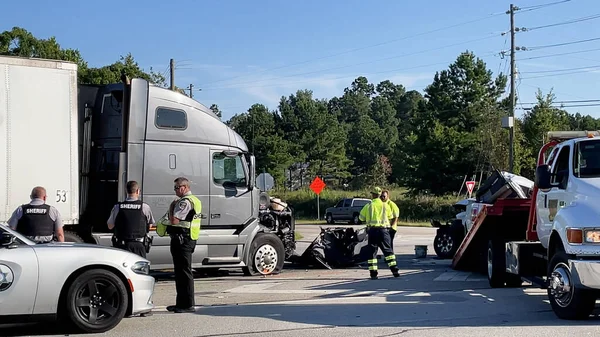
A truck crash can turn an ordinary trip into a problem that reaches far beyond damaged vehicles. In 2025, at least 163 people died in vehicle crashes across Long Island, based on a preliminary local tally. Nassau County recorded at least 78 traffic deaths, up from 67 in 2024. A 2025 crash map counted at least 18,121 crash-related injuries, including more than 1,000 classified as serious. These figures put the scale of roadway harm into perspective without reducing each case to a number.

After a truck accident in Long Island, New York, responsibility may extend beyond the person behind the wheel. A driver’s actions, a trucking company’s practices, maintenance, cargo loading, or a defective part can become relevant. A Long Island truck accident lawyer can review records, identify parties linked to the crash, and determine which legal claims may apply. The sections ahead explore who may be held responsible and why collision details matter.

The Truck Driver

Anyone injured should preserve medical records, photographs, witness details, police reports, and damage estimates before evidence disappears. A truck accident lawyer can assess the driver’s conduct, identify additional defendants, and determine which insurance policies apply. That review matters because truck accident cases often involve federal safety rules, company records, and multiple claims that require prompt investigation instead of relying on a single account.

A driver can face liability for speeding, distracted driving, following too closely, unsafe lane changes, impaired driving, or fatigue. Commercial drivers must also follow rules covering service hours, inspections, cargo security, and required qualifications.

An electronic logging device, dispatch messages, drug and alcohol testing records, and cell phone records can show what happened before the crash. Investigators also examine whether the driver had enough time to react and whether the truck’s condition affected the collision.

The Trucking Company

An employer often shares responsibility for an employee’s negligence during work duties. This generally applies when a driver causes a crash while making deliveries, traveling between assignments, or performing another job-related task.

A trucking company can also face direct liability for hiring an unqualified driver, failing to provide proper training, ignoring safety violations, or imposing unrealistic delivery demands. Dispatch records, personnel files, inspection reports, and internal safety policies can show whether management contributed to the crash.

The company remains responsible for maintaining its trucks, even when it hires an outside contractor for repairs. Faulty brakes, worn tires, broken lights, steering problems, or unsecured components can create a separate basis for liability.

Other Parties That May Share Responsibility

A maintenance contractor can face liability when poor repairs or missed inspections leave a truck unsafe. The vehicle owner also carries responsibility when it leases the truck but handles maintenance duties or controls operations.

Shippers and cargo loaders can face claims when improperly balanced, overloaded, or unsecured freight shifts during travel. A shifting load can affect steering, braking, and vehicle stability, particularly during turns or sudden stops.

A parts manufacturer can face a product liability claim when a defective tire, brake component, coupling device, or another part causes the crash. Road contractors or public entities can also face claims when a dangerous road condition contributed to the collision, although special notice and filing requirements often apply.

Evidence That Connects Fault to the Crash

Responsibility depends on evidence linking a party’s conduct to the injuries. Photographs can show vehicle positions, skid marks, road conditions, cargo movement, and visible equipment failures. Medical records connect the collision to the claimed injuries and document treatment costs.

Attorneys and investigators often seek event data from the truck, inspection histories, maintenance files, driver qualification records, dispatch communications, and delivery documents. Surveillance video from nearby businesses or traffic systems can provide an independent view of the crash.

Witness statements also matter when the driver’s account conflicts with physical evidence. Accident reconstruction specialists can analyze speed, braking, visibility, impact angles, and the time available to avoid the collision.

New York Rules Affecting a Claim

New York uses comparative negligence. An injured person can recover damages even if they share some fault in the accident, but the award decreases according to that person’s assigned percentage of responsibility.

The statute of limitations controls how long a claimant has to file a lawsuit. Personal injury claims, wrongful death claims, and cases involving public entities follow different deadlines and procedures. Claims against a municipality may require an earlier notice (of claim) than those against a private trucking company.

Insurance coverage creates another issue. A truck may have coverage through its owner, motor carrier, employer, or separate contractors. Reviewing every applicable policy helps identify compensation for medical bills, lost income, property damage, and other documented losses.

Conclusion

Responsibility for a truck accident can often lie not only with the driver but also with other relevant entities. The driver, carrier, owner, maintenance provider, cargo handler, manufacturer, or public entity could each have contributed to the crash. 

An injured person should seek medical care, preserve records, avoid deleting messages or photographs, and report the collision promptly. A timely case review can identify responsible parties before records disappear and before New York filing deadlines restrict available legal options.

Why Learning Proper Tennis Technique Early Makes a Difference

Learning tennis is an exciting experience that offers opportunities to develop physical coordination, concentration and confidence. However, beginners often focus on hitting the ball over the net without paying much attention to how they move, hold the racquet or position their bodies. While this approach can make the game enjoyable initially, developing inefficient techniques may make it more difficult to improve as players progress. Establishing good fundamentals from the beginning can help create a stronger foundation for long-term skill development.

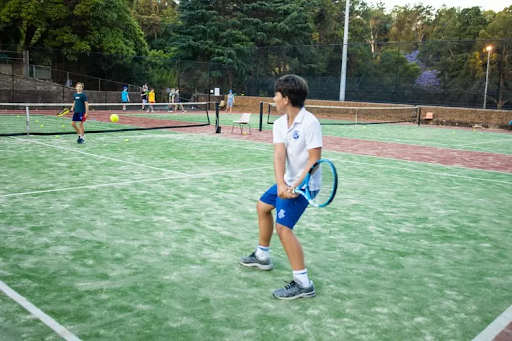
Proper tennis technique involves more than learning how to hit forehands and backhands. It includes footwork, balance, grip control, body positioning and understanding how different movements work together. Children and beginners participating in tennis coaching in Mosman can benefit from structured instruction that introduces these essential skills progressively. By learning appropriate techniques early, players can develop more consistent movements, build confidence and establish habits that support their continued improvement.

Developing the Correct Racquet Grip From the Beginning

The way a player holds a tennis racquet influences their ability to control the ball, generate spin and perform different strokes. Beginners sometimes develop grips based on what feels comfortable rather than what suits the intended shot. Although there are several recognised tennis grips, each has specific applications depending on the stroke being played. Learning suitable grips early can help players understand how racquet positioning affects the direction and quality of their shots.

Coaches can introduce basic grip techniques through demonstrations and practical exercises that match the player’s age and experience. For example, beginners may learn a continental grip for serving and certain volleys while exploring appropriate grips for forehand and backhand strokes. Developing familiarity with these positions can make it easier to transition between different shots as skills improve. Rather than expecting immediate perfection, consistent practice allows players to become more comfortable adjusting their grip during play.

Building Better Footwork and Court Movement

Good footwork is an essential part of effective tennis technique because players must move into suitable positions before striking the ball. Beginners often concentrate entirely on their racquet movements and overlook the importance of positioning their feet. This can lead to rushed shots, poor balance and difficulty reaching balls that are not directed towards them. Learning how to move efficiently around the court helps players prepare for each stroke and maintain greater control.

Basic footwork exercises can introduce skills such as side steps, recovery movements and the split step, which helps players prepare to react to an opponent’s shot. Young players can develop these abilities through age-appropriate drills that combine movement with simple ball activities. As coordination improves, they can begin linking their footwork with stroke preparation and recovery. Developing these movement patterns early can support more consistent shot execution and make it easier to respond to different playing situations.

Understanding Body Positioning and Balance

Body positioning plays an important role in how effectively a player strikes the tennis ball. A stable stance allows the player to coordinate movements between the legs, torso, shoulders and arms. Beginners who rely mainly on arm movements may find it difficult to control their shots or produce consistent results. Learning to use the body as a coordinated system can help players develop smoother and more controlled strokes.

Coaching sessions often include exercises that encourage players to maintain balance while preparing for and completing shots. These activities may involve practising different stances, transferring body weight and following through after contact with the ball. The appropriate positioning can vary depending on the stroke, court location and playing situation. By understanding these principles early, players can develop greater awareness of their movements and gradually improve their ability to strike the ball from different positions.

Learning Consistent Forehand and Backhand Techniques

Forehand and backhand strokes are fundamental skills used throughout a tennis match. Although beginners may initially be able to return the ball using almost any swinging motion, inconsistent technique can make it harder to control shot direction, height and depth. Developing a repeatable swing pattern helps players understand how preparation, contact point and follow-through influence the ball’s movement. These elements provide a foundation for more advanced skills as players gain experience.

Structured coaching can break each stroke into manageable components rather than introducing too many technical details at once. Beginners may start with shorter swings and slower feeds before progressing to longer rallies and more challenging situations. Coaches can also provide feedback on timing, racquet preparation and body movement. Repeating these skills under different conditions helps players develop greater consistency while gradually learning to adapt their technique to changing ball speeds and positions.

Establishing Good Serving Habits Early

The serve is one of the most technically demanding shots in tennis because it requires several movements to work together. Players must coordinate their stance, ball toss, racquet preparation, upward movement and follow-through. Beginners sometimes focus primarily on hitting the ball hard, which can make the serve difficult to control. Introducing proper serving fundamentals early can help players understand the importance of rhythm, timing and accuracy before attempting to generate greater speed.

Coaches may begin with simple throwing activities and controlled serving exercises to develop coordination. Players can practise a consistent ball toss, appropriate grip and balanced body position before combining these elements into a complete serving motion. Younger children may also benefit from modified equipment and shorter distances that make the skill more manageable. A gradual approach allows players to develop confidence and control while reducing the need to correct deeply established habits later.

Preventing Poor Habits Through Structured Practice

When beginners practise without guidance, they may repeat movements that produce occasional successful shots but are difficult to perform consistently. Over time, these habits can become familiar and require additional effort to change. Common examples include gripping the racquet too tightly, standing too close to the ball, failing to prepare early or using excessive arm movement. Although no two players have identical techniques, recognising inefficient patterns early can make skill development more straightforward.

Structured coaching provides opportunities for regular feedback and progressive correction. Rather than overwhelming players with several instructions at once, effective coaching focuses on specific improvements that match their current ability. Practice activities can then reinforce those changes through repetition and practical application. This approach also helps players understand why certain techniques are useful instead of simply copying movements. Developing awareness of good technique can encourage more purposeful practice both during lessons and outside organised coaching sessions.

Conclusion

Learning proper tennis technique early can make a meaningful difference to a player’s development. Fundamental skills such as racquet grip, footwork, body positioning, stroke mechanics and serving technique provide the foundation for more consistent performance. When these elements are introduced progressively, beginners can develop better movement habits and a clearer understanding of how different tennis skills work together.

Strong fundamentals do not mean that every player must follow exactly the same technique or progress at the same pace. Age, coordination, experience and individual learning preferences all influence how skills develop. With suitable instruction, regular practice and opportunities to enjoy the game, beginners can build a solid technical foundation that supports their confidence, improvement and long-term participation in tennis.

Minibus Hire vs Multiple Taxis: Which Is Better for Group Travel?

Organising transport for a group can be more complicated than arranging a journey for one or two people. Whether you are planning a corporate event, airport transfer, family gathering or group outing, getting everyone to the same destination comfortably and on time requires careful coordination. One of the most common decisions is whether to book a single minibus or arrange several taxis to accommodate everyone.

Both options have advantages depending on the number of passengers, travel distance, luggage requirements and overall schedule. For larger groups, chauffeured minibus hire in Sydney can provide a convenient way to travel together without coordinating multiple vehicles. However, taxis may be more practical for smaller groups or passengers travelling from different locations. Understanding the differences can help you choose a transport arrangement that suits your needs and budget.

Passenger Capacity and Group Size Matter

The number of people travelling is one of the most important factors when choosing between a minibus and multiple taxis. Standard taxis generally accommodate up to four passengers, although larger taxi vehicles may be available. When travelling with a bigger group, several vehicles may be required, which means passengers will need to be divided into smaller groups and assigned to different drivers.

A minibus can accommodate more passengers in one vehicle, depending on its seating configuration and approved capacity. This can be particularly useful for corporate teams, extended families and groups attending the same event. Before booking, confirm the exact number of passengers and ensure the selected vehicle provides enough seats for everyone. It is also worth considering whether any passengers have specific accessibility or mobility requirements that could influence the type of transport needed.

Compare the Total Cost Rather Than Individual Fares

Cost is often a deciding factor when organising group transport, but comparing a single taxi fare with a minibus quote does not provide a complete picture. If a group requires three or four taxis, the combined cost of those journeys may be considerably different from the price of one vehicle. Taxi fares can also vary depending on traffic conditions, travel distance, booking arrangements and applicable charges.

Minibus hire is commonly quoted according to factors such as vehicle size, travel distance, hire duration and the services required. While a minibus is not automatically the cheaper option, the cost per passenger may be competitive when enough people are travelling together. Requesting a detailed quote and comparing it with the estimated combined taxi fares can help you make a more informed decision. Be sure to account for waiting time, additional stops and any other relevant charges.

Travelling Together Makes Coordination Easier

One of the main challenges of using multiple taxis is ensuring that everyone arrives at approximately the same time. Different drivers may take different routes, encounter varying traffic conditions or experience delays during pickup. This can become inconvenient when the group needs to arrive together for a scheduled activity, such as a conference, wedding reception, sporting event or organised tour.

Travelling in one minibus can simplify these arrangements because passengers share the same departure time, route and destination. The organiser can communicate directly with one transport provider rather than coordinating several drivers. This arrangement may also make it easier to manage group schedules, particularly when the itinerary includes multiple destinations. However, passengers still need to arrive at the agreed collection point on time to avoid delaying the entire group.

Luggage Space Can Influence Your Decision

Luggage requirements are particularly important when arranging airport transfers, cruise terminal transport or extended group trips. A standard taxi may have enough storage for a small number of passengers, but several large suitcases can quickly limit the available space. Groups carrying additional items such as sports equipment, presentation materials or other bulky belongings may need to arrange larger vehicles or additional transport.

Minibuses can offer practical luggage arrangements, but storage capacity varies significantly between models and seating configurations. A vehicle that comfortably seats a particular number of passengers may not have enough space for everyone’s luggage when fully occupied. Before confirming a booking, provide the transport company with details about the number and approximate size of bags. This helps determine whether the selected minibus is suitable or whether another vehicle arrangement would be more appropriate.

Pickup Locations and Travel Routes Affect Convenience

The location of passengers can influence which transport option works best. If everyone is departing from the same hotel, office or event venue, a minibus can provide a straightforward solution. A single pickup location reduces the need for multiple stops and allows the group to begin the journey together. This can be especially convenient for airport transfers, corporate functions and organised group activities.

However, if passengers are spread across different suburbs, separate taxis may sometimes be more practical. Collecting everyone individually in one minibus could add considerable travel time, particularly during busy periods. When comparing options, consider whether the group can meet at a central collection point or whether multiple pickups are essential. The most convenient arrangement will depend on the route, passenger locations and how much flexibility is needed.

Comfort and Travel Experience Should Be Considered

Passenger comfort can become increasingly important on longer journeys. Travelling together in a minibus allows group members to share the experience, communicate easily and avoid being separated into different vehicles. This can be particularly appealing for sightseeing trips, family celebrations and corporate outings where spending time together is part of the occasion. A professionally chauffeured service also removes the need for someone in the group to drive.

Taxis can still offer a comfortable and convenient option, especially for shorter journeys or smaller groups. They may provide greater flexibility when passengers want to leave at different times or travel to separate destinations. The best choice depends on the nature of the trip rather than assuming one vehicle type is always superior. Consider journey duration, passenger preferences, vehicle amenities and the level of coordination required before deciding.

Conclusion

Choosing between minibus hire and multiple taxis depends on several practical factors, including group size, total transport costs, luggage requirements and the planned itinerary. A chauffeured minibus can simplify coordination when passengers are travelling together, particularly for airport transfers, corporate events and organised outings. Multiple taxis may be more suitable when the group is smaller, passengers are departing from different locations or individual travel flexibility is important.

The most effective approach is to assess the complete journey before making a booking. Confirm passenger numbers, consider luggage space, review pickup arrangements and compare the total costs of each option. By choosing transport that matches the group’s actual requirements, you can reduce unnecessary complications and help ensure everyone reaches their destination comfortably and on schedule.

Why Pickleball Is Becoming a Popular Social Sport in Australia

Pickleball is attracting increasing attention across Australia as more people discover its combination of accessible gameplay, physical activity and social interaction. Played with paddles and a lightweight perforated ball on a smaller court than tennis, pickleball brings together elements of several racquet sports. Its straightforward rules and relatively gentle learning curve make it appealing to beginners, while its strategic gameplay provides ongoing challenges for experienced players. From casual weekend matches to organised social sessions, pickleball offers an enjoyable way for people to stay active and connect with others.

One of the main reasons behind pickleball’s appeal is its welcoming nature. Players do not necessarily need extensive sporting experience to participate, and games can be adapted to different abilities and fitness levels. This accessibility has encouraged interest among individuals, families and community groups looking for recreational activities that combine exercise with social enjoyment. Those interested in learning more about the sport can explore Evolve Tennis Academy Pickleball Sydney to understand what makes pickleball enjoyable and why it continues to attract new participants.

Pickleball Is Easy for Beginners to Learn

One of pickleball’s greatest attractions is that beginners can often understand the basic rules and start participating relatively quickly. The game involves serving diagonally, returning the ball across a net and attempting to win points through controlled placement and positioning. Although players need to learn specific rules, including the two-bounce rule and restrictions within the non-volley zone, the fundamentals are generally approachable. This makes pickleball suitable for people who may feel intimidated by more technically demanding sports.

The smaller court also makes it easier for beginners to become involved in rallies without needing to cover the same distances typically required in tennis. Players can gradually develop their paddle control, timing and movement as their confidence improves. While mastering advanced pickleball techniques takes practice, newcomers can still enjoy meaningful gameplay during their early sessions. This sense of progress can encourage people to continue participating and develop a lasting interest in the sport.

The Social Nature of Pickleball Encourages Connection

Pickleball is frequently played in doubles, where two players work together against another pair. This format naturally encourages communication, cooperation and shared decision-making throughout each match. Partners need to coordinate their positioning, discuss tactics and support each other during rallies. Because the court is relatively compact, players can also communicate easily with their opponents, creating opportunities for friendly conversation and interaction.

Social pickleball sessions often bring together people with different backgrounds, ages and playing abilities. Participants may rotate partners between games, allowing them to meet new people and develop connections within their local community. Unlike activities that involve exercising independently, pickleball creates regular opportunities for teamwork and conversation. For people looking to expand their social circles while staying active, these interactions can be just as valuable as the physical benefits of playing.

Pickleball Appeals to Different Age Groups

Another reason pickleball is gaining attention is its appeal across a broad range of age groups. Children, working adults and older participants can all enjoy the sport when activities are organised appropriately for their abilities. The basic equipment is relatively simple to use, and the court dimensions can make recreational gameplay more manageable for some players. This flexibility allows pickleball to be introduced in schools, community facilities and recreational sporting environments.

Families may also find pickleball appealing because members with different levels of sporting experience can participate together. A parent who has played tennis for years might enjoy a casual game with a teenager who is trying racquet sports for the first time. Although differences in skill and mobility still influence how evenly matched players are, recreational sessions can be adjusted to encourage participation. This ability to bring different generations together helps make pickleball an attractive option for family activities and community events.

Playing Pickleball Provides Enjoyable Physical Activity

Pickleball offers opportunities for movement, coordination and moderate physical activity while maintaining an enjoyable recreational atmosphere. During a match, players move around the court, adjust their body position, react to incoming shots and use controlled paddle movements. These actions engage different muscle groups and require balance, timing and concentration. The intensity of exercise varies depending on the pace of play, individual fitness and whether participants are playing singles or doubles.

For people who struggle to maintain a regular exercise routine, the social and competitive elements of pickleball may provide additional motivation. Rather than focusing solely on completing a workout, participants can concentrate on rallies, improving their skills and enjoying time with others. However, pickleball still involves quick changes of direction and repetitive movements, so suitable footwear, warm-ups and gradual progression remain important. Players should choose an intensity appropriate for their fitness level and physical capabilities.

The Smaller Court Creates Engaging Gameplay

A pickleball court is considerably smaller than a standard tennis court, which influences the pace and style of play. Players often have less distance to travel between shots, particularly during doubles matches. However, the compact playing area also creates situations where quick reactions, accurate placement and thoughtful positioning become important. Successful rallies depend on more than hitting the ball with power, making strategy an essential part of the game.

The non-volley zone, commonly called the kitchen, adds another tactical element. Players cannot volley the ball while standing in this area, which encourages careful shot selection and controlled exchanges near the net. Techniques such as dinking, where players use soft shots that land in the opponent’s non-volley zone, can become important as skills develop. These tactical features help keep matches interesting for experienced players while giving beginners new techniques to practise as they improve.

Pickleball Offers a Different Experience From Tennis

Although pickleball and tennis share certain characteristics, they provide different playing experiences. Tennis generally involves larger courts, stringed racquets and a ball that behaves differently from a pickleball. Pickleball uses solid paddles and a lightweight plastic ball with holes, resulting in different shot techniques, ball movement and tactical decisions. Players familiar with tennis may recognise some similarities in positioning and coordination, but they still need to adjust their approach when learning pickleball.

For existing tennis players, pickleball can provide an enjoyable alternative that introduces new challenges without requiring them to abandon their original sport. Some participants enjoy the shorter court dimensions and emphasis on controlled exchanges, while others appreciate the opportunity to play with friends who have less tennis experience. Both sports offer opportunities for skill development, physical activity and social interaction. Rather than competing directly with tennis, pickleball can complement other racquet sports by giving people another way to participate.

Community Participation Helps Sustain Interest

The long-term appeal of a recreational sport often depends on whether people can access regular opportunities to play. Community sessions, social competitions and beginner-friendly activities can help participants develop confidence and establish consistent playing habits. When newcomers feel welcome and can find others with similar abilities, they may be more likely to return. A supportive playing environment also encourages participants to learn the rules, practise new techniques and enjoy the sport without excessive pressure.

As interest in pickleball develops across Australia, access to suitable courts, equipment and organised activities will remain important. Local sporting facilities and community groups can support participation by offering opportunities for different experience levels. Clear introductions to the rules and appropriate supervision can also help new players become comfortable with the game. By combining accessible activities with a friendly social environment, pickleball communities can encourage ongoing participation and help more people experience the benefits of recreational sport.

Conclusion

Pickleball’s growing appeal in Australia can be linked to several characteristics that make it an enjoyable recreational activity. Its approachable rules, compact court, strategic gameplay and social doubles format provide opportunities for people with different sporting backgrounds to participate. The sport also encourages physical activity, communication and community connection, making it attractive to those who want more than a traditional exercise routine.

Whether someone is discovering racquet sports for the first time or looking for a different way to stay active, pickleball offers an engaging experience that can develop with their skills and confidence. Its combination of friendly competition and social interaction helps explain why more Australians are becoming interested in the game. As participation opportunities continue to develop, pickleball has the potential to remain a popular choice for individuals, families and communities seeking an active and enjoyable pastime.

PayID Pokies Sign Up Bonus Australia: What New Players Get in 2026

Pick any Australian pokies site and the welcome page will probably mention something like A$8,000 and 700 free spins. Big numbers. The PayID pokies sign up bonus lives in that same space, and PayID gets the deposit in fast, usually before a confirmation email has time to arrive.

The Australian PayID pokies bonus itself is a different matter. That A$8,000 figure is a ceiling across multiple deposits, not a lump sum. Wagering sits somewhere between 35x and 45x. Free spins carry their own separate requirement. New players who know this going in tend to have a better time than those who find out halfway through clearing a playthrough.

What the Sign Up Bonus Actually Looks Like

Welcome offers at Australian PayID casinos follow a few standard formats. A matched deposit bonus is the most common: the casino adds a percentage of the deposit as bonus funds, up to a stated ceiling. Free spins come alongside, usually credited immediately or drip-fed over several days.

Current figures across the market in 2026:

Bonus StructureTypical RangeWagering Requirement
Deposit match100% to 460%35x to 45x bonus
Welcome free spins100 to 750 spins35x to 45x winnings
Multi-deposit packageUp to A$10,000 total35x to 40x per stage
No wagering cash giftA$100 fixedNone

The PayID pokies bonus Australia activates under the same terms as any other deposit method. PayID gets no preferential treatment in bonus calculations, which is standard across the market.

How Free Spins Work on Sign Up

The matched deposit and the free spins are two separate things with two separate wagering requirements. Spins winnings typically need 35x to 45x playthrough on their own before touching a withdrawal. How the spins are delivered matters too: 25 a day for five days is one thing; 500 dropped at once with a 14-day clock and 40x attached is a sprint most casual players won’t finish.

Separate again is the Aussie PayID pokies no deposit offer: a handful of spins, usually 10 to 20, handed out on registration with no transfer required. Wagering sits higher on these, 40x to 50x. Makes sense from the casino’s side.

What New Players Should Check Before Claiming

The headline bonus figure is rarely the full story. A few specifics determine if a PayID pokies AU bonus is worth taking.

Points worth confirming before accepting any sign-up offer:

  • Minimum deposit required to activate the bonus, often A$20 to A$30;
  • Maximum cashout from free spin winnings, frequently capped at A$50 to A$100;
  • Game contribution rates: pokies usually count 100%, live tables considerably less;
  • Bonus expiry window, typically 7 to 30 days from the moment of crediting;
  • Whether the Australian no deposit PayID pokies credit requires verification before withdrawal.

One detail that catches players out: some sites require the welcome bonus to be accepted at the point of deposit. Declining it at that point is simple; reclaiming it afterward is usually not possible.

FAQ

What is a PayID pokies sign up bonus in Australia?

Usually a matched deposit plus free spins, activated through the cashier on a first PayID deposit. The exact split varies by site.

How does the Australian PayID pokies bonus differ from a no deposit offer?

One needs money, the other doesn’t. The no deposit pokies australia PayID credit lands on registration; the sign-up bonus kicks in only after a qualifying deposit clears.

What wagering requirements apply to a PayID pokies bonus australia sign-up offer?

Somewhere between 35x and 45x on the bonus amount is typical. Free spin winnings carry a separate requirement, usually in the same range.

Can the sign-up bonus be claimed using any PayID deposit amount?

Not always. Most sites set a minimum of A$20 to A$30 for the bonus to activate. A smaller deposit goes through fine, it just won’t trigger the offer.

Brennan Poole departing Alpha Prime Racing at 2026 season’s conclusion

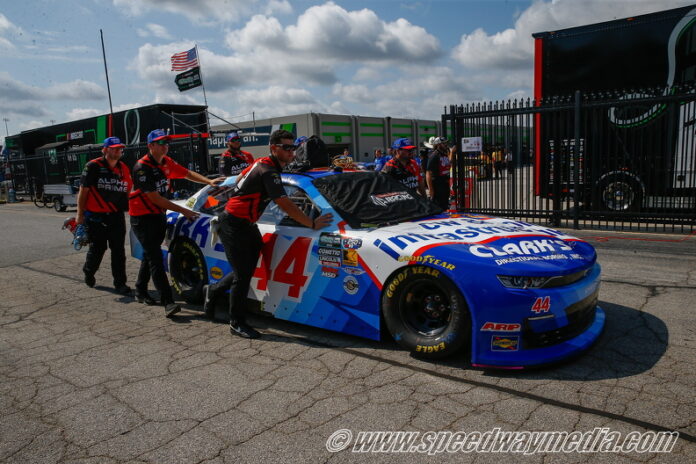
Photo by John Knittel for SpeedwayMedia.com.

Brennan Poole will be parting ways with Alpha Prime Racing at the conclusion of the 2026 NASCAR season.

The news comes as the 35-year-old Poole from The Woodlands, Texas, is campaigning in his third consecutive O’Reilly Auto Parts Series season with Alpha Prime Racing. He is currently ranked in 17th place in the 2026 driver’s standings after recording four top-10 results and an average-finishing result of 17.6 through 29-scheduled events.

“He raised his profile and ours,” Tommy Joe Martins, Founder of Alpha Prime Racing, said. “More than any team in the garage, Brennan and that group overachieve every year. He had something to prove and we’ve proved it. Together.”

Alpha Prime Racing, which was founded in 2009 and rebranded under its current name in 2022, is set to switch manufacturers from Chevrolet to Ford for the 2027 O’Reilly Auto Parts Series season and campaign in select ARCA Menards Series events next season. The organization fields two full-time entries this season: the No. 44 for Poole and the No. 45 for Lavar Scott. Since joining Alpha Prime Racing in 2024, Poole tallied a total of three top-five results and 11 top-10 results, with his higest-finishing results being a pair of fourth-place runs at Martinsville Speedway in March 2025 and Rockingham Speedway in April 2025. 

“Of course we wanted Brennan and his partners to continue growing with us, especially as we begin this new chapter with Ford Racing,” Martins added. “So, yeah, it’s going to be really weird to see him driving another racecar because the forty-four means a lot to me.”

Prior to Alpha Prime Racing, Poole spent the bulk of his O’Reilly Auto Parts Series career competing for various organizations that include Chip Ganassi Racing, Mike Harmon Racing, Jimmy Means Racing and JD Motorsports. He has also made 39 career starts in the Craftsman Truck Series division and 43 in the Cup Series division.

Through 219 career starts in the O’Reilly Auto Parts Series division, Poole has recorded a pole, 12 top-five results, 48 top-10 results, 41 laps led and an average-finishing result of 18.7 as he continues his pursuit of his first victory in the series. Amid Poole’s depature, Alpha Prime Racing expressed their committed to capping off the 2026 campaign with the Texan before both enter this year’s off-season period with determinations to be made: Poole’s future ride and the organization’s driver selection for the No. 44 entry.

“We still have work to do,” Jusan Hamilton, President of Alpha Prime Racing, said. “I know Brennan will give us everything he has, and we’ll do the same for him.  That’s the best way we can thank him and his partners for three successful years together. It’s been a special partnership for  Tommy Joe and our entire organization.”

Amid an uncertain future, Brennan Poole’s 2026 NASCAR O’Reilly Auto Parts Series season resumes next Saturday, October 17, at Phoenix Raceway in Avondale, Arizona, for the Timberland PRO 200. The event’s broadcast time is slated to commence at 7:30 p.m. ET on the CW Network, MRN Radio and SiriusXM.

Ryan Blaney rallies for third-place result at Charlotte

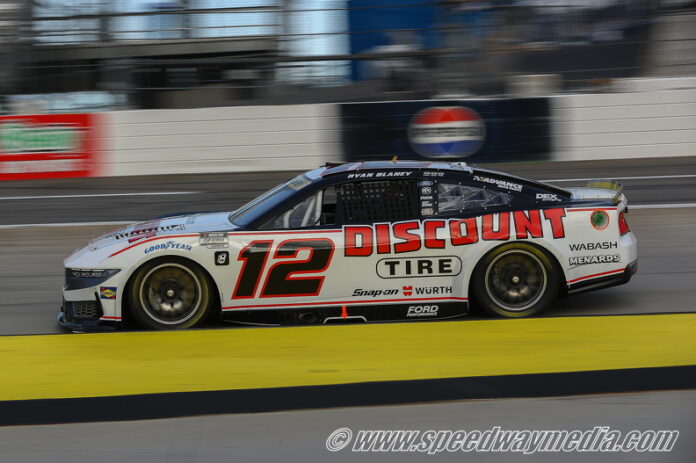
Photo by John Knittel for SpeedwayMedia.com.

Ryan Blaney rallied from an early pit road speeding penalty to charge his way to a third-place result in the 2026 Bank of America 400 at Charlotte Motor Speedway on Sunday, October 11.

The 2023 NASCAR Cup Series champion from High Point, North Carolina, took the green flag during Sunday’s event in fourth place based on a qualifying metric formula. After losing four spots through the event’s first 35-scheduled laps before a scheduled competition caution flew, Blaney pitted with the field and jumped a single spot on the leaderboard in seventh place upon exiting pit road. Blaney’s event, however, quickly went south when he sent to the tail end of the field and penalized for speeding on pit road. Despite restarting outside the top-30 mark on Lap 40, he carved his way up the leaderboard and managed to work his way up to 10th place before the first stage period concluded, thus awarding Blaney and his No. 12 Discount Tire/Team Penske Ford Mustang Dark Horse team a single stage point. 

“Yeah, dumb penalty on my part,” Blaney said. “It’s not even a tenth of a mile an hour. It was a hundredth over from what [the team] told me. The risk-reward in that situation wasn’t very smart. I didn’t think I was pushing it, but I just got too much in that one section and tried to be efficient and it really cost us.” 

Restarting in 10th place for the event’s second stage period start on Lap 86, Blaney was up into seventh place at the Lap 100 mark. He proceeded to motor his way back into the top-five mark as he was scored in fifth place by Lap 110. After exiting pit road in third place amid a Lap 116 caution, he navigated his way into the runner-up spot during the following restart on Lap 122. Ultimately, Blaney retained the runner-up spot at the second stage period’s conclusion and accumulate nine additional stage points.

Blaney then cycled to the lead for the first time during the second stage’s break period when he exited pit road first and he proceeded to lead the field to the start of the final stage period with 95 laps remaining. By half a lap to commence the final stage period, Blaney was outdueled by Christopher Bell as the latter executed a three-wide move beneath Blaney and Kyle Larson to assume the lead. Chase Briscoe, Bell’s teammate, would navigate his way into the runner-up spot shortly after as Blaney settled in third place. 

Blaney remained in third place on the track through a late-race caution that flew with 63 laps remaining, where he then dropped to seventh place on the leaderboard following a slow pit service amid a stumble from his pit crew. Restarting in seventh place for the event’s final restart with 57 laps remaining, he drove back into the top-five mark with 33 laps remaining. As the laps dwindled, Blaney overtook Larson for fourth place with 20 laps remaining before he reeled in and overtook Denny Hamlin for third place 11 laps later. Ultimately, Blaney trailed the lead by nearly four seconds when he took the checkered flag in third place. 

“[The team] did a good job of coming back after [the speeding penalty], being really good on pit road, making our car better,” Blaney said. “Honestly, at the end of the first run before the [competition caution], I wasn’t very good. I pulled the chute and we got a lot better. Overall, it was a good day. I just don’t quite have the fire-off speed as some of those guys – [Briscoe] and [Bell], [Hamlin] and [Larson]. They just fire off fast and kind of get out. I make up half of it, but not quite enough.”

Overall, Blaney notched his 10th top-five result of the 2026 season by finishing in third place in the 2026 Bank of America 400 event at Charlotte. He also racked up his 21st top-10 result through 32-scheduled events, his fifth consecutive top-five result in recent weeks and his fourth top-five result at Charlotte in the Cup Series division.

Prior to Charlotte, Blaney was ranked in fifth place in the 2026 Chase standings and trailing the points lead by 80 points. After Charlotte, he retained his spot in the standings despite losing five points and having his deficit slightly increase to 85. With four Chase events remaining on the 2026 Cup Series schedule, Blaney remains within striking distance of contending for his second Cup Series title.

With Charlotte in the rearview mirror, Ryan Blaney’s 2026 Chase for the NASCAR Cup Series championship resumes next Sunday, October 18, at Phoenix Raceway in Avondale, Arizona, for the Freeway Insurance 500. The event’s broadcast time is slated to commence at 3 p.m. ET on USA Network, MRN Radio, SiriusXM and HBO MAX.

Shake It Up: Palou Puts IR-28 Through Pounding Paces at Sebring

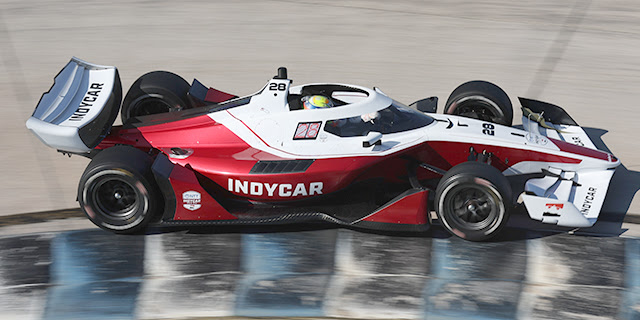
SEBRING, Fla. (Monday, Oct. 12, 2026) – The initial tests of the new NTT INDYCAR SERIES IR-28 chassis took place in August and September on the Indianapolis Motor Speedway road course and oval, two circuits known for their billiard-table smooth asphalt.

Now, for the rough stuff.

Five-time and reigning NTT INDYCAR SERIES champion Alex Palou of Honda-powered Chip Ganassi Racing turned 43 laps Monday on the outer loop at Sebring International Raceway in Sebring, Florida, the first test for the car outside of IMS. 2016 Indianapolis 500 winner Alexander Rossi of Chevrolet-powered ECR will take over testing duties Tuesday at the historic Florida circuit.

Sebring is a popular testing site for NTT INDYCAR SERIES teams due to its bumpy nature and mix of asphalt and concrete surfaces, which simulate well the temporary street circuits that formed a third of the series schedule in 2026. It’s a punishing, unforgiving track that stresses the durability and strength of components perhaps better than any other testing ground for the series.

“We’re trying to test it as tough as we can,” Palou said. “It’s a bumpy course. Before we produce all the new cars, we want to make sure it passes this stress test and that it’s good to go for racing.

“We’re trying to get miles and miles, see what breaks so we can fix it.”

Palou and Rossi are the only series drivers so far to test the car, which will be introduced at the start of the 2028 season. As in the road course and oval tests at IMS, the two drivers and Dallara and INDYCAR officials will continue to perform a long checklist of basic system and performance checks on the car.

But Palou noticed Monday his feedback on driver comfort and car braking from the initial tests at IMS was adopted and made significant improvements, especially in driver cooling. The revolutionary aeroscreen was added to the current car in 2020, with ducts fit into the existing carbon fiber body to aid cooling. The new car has more ducts that are more strategically placed from initial design instead of an add-on like the ducting on the current car.

“Yeah, it’s been so much better, the cooling, since we started a couple months ago,” Palou said. “Huge step, and that’s something we’ve been asking for a long time on our current car.

“We have a very big one (duct) right in front of us (on the IR-28) that makes the air go from down to up and makes the airflow so much better. It’s been huge.”

Palou completed a historic moment for the IR-28 during testing today when he passed a current car driven by Kyle Kirkwood of Andretti Global, who was testing Firestone Firehawk tires at the circuit along with Scott McLaughlin of Team Penske. It was the first on-track pass for the new car.

“It wasn’t planned,” Palou said. “We went out, and I saw Kirkwood was doing the tire test. We spoke during lunch that at some point this afternoon we would go together. We wanted to see how this car does in traffic. It was cool. We were playing a little bit.”

Another advantage to Sebring being a regular test spot for NTT INDYCAR SERIES teams is there’s a plethora of data with the current car that can be compared with the IR-28. All systems continue to be go with the new car.

“I’m very excited,” Palou said. “I like the looks of it. It seems safer. It looks like it’s going to be much better racing because we’re going to be able to follow much closer on road, street and ovals.

“I’m just excited to go racing. I wish it was already ’27. Having said that, it gives us so much time to work on the car, to make sure it’s good. If there’s something that doesn’t really work on ovals or whatever, we can go test it before we actually race it.”

GMG Racing Storms to Overall Victory in the Indianapolis 8 Hour and Seals GT World Challenge America Pro-Am Championship with Kyle Washington

– Washington, Ayhancan Güven and Riccardo Pera Complete Controlled and Competitive Run for GMG’s First Major Endurance Race Victory and Washington’s First Championship

– Breakthrough Win First Overall Victory for Porsche and a Pro-Am Entry in the Indianapolis 8 Hour

– Blockbuster Victory Follows Friday’s Milestone Father-and-Son Triumph in the McLaren Trophy America Finale by James Sofronas and Jenson Sofronas in the No. 14 GMG Racing McLaren Artura Trophy

– Randy Highland Wins McLaren Trophy Pro-Am Papaya Cup Season Honor as Challenging Indy Finale Doesn’t Diminish Productive and Podium Filled Season with Co-Driver Michael O’Brien in the No. 7 GMG Racing McLaren Artura Trophy

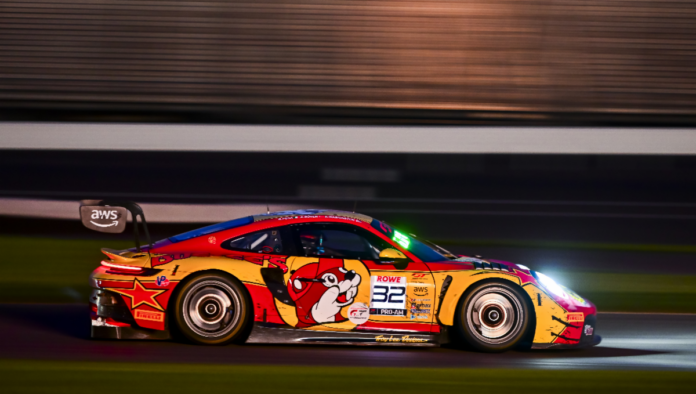
INDIANAPOLIS, Indiana (October 12, 2026) – GMG Racing put the exclamation point on its 20th Anniversary season in motorsports Saturday at Indianapolis Motor Speedway (IMS) with a career victory in the season-ending Indianapolis 8 Hour with team co-drivers Kyle Washington, Ayhancan Güven and Riccardo Pera in the No. 32 GMG Racing Porsche 911 GT3 R Evo. The competitive and controlled victory was a first on many fronts, led by Washington and GMG Racing winning their first major races and sealing the 2026 GT World Challenge America Pro-Am driver and team championships.

The Indianapolis 8 Hour was also the season finale for the global Intercontinental GT Challenge series and GMG Racing’s convincing victory – the first overall triumph for a Pro-Am entry in the race’s seven years – helped seal Porsche’s fourth IGTC manufacturer championship. Remarkably, the victory was also the first outright win for perennial sports car racing powerhouse Porsche in the Indy 8 Hour.

“It means a lot, especially for a guy like Kyle who gives and gives and gives and rarely takes,” said GMG Racing Owner and Founder James Sofronas said. “I’m super proud of him. He deserves it. He worked hard for it. He earned it. You know what, they dominated on Saturday and Kyle had a big part in it.”

Washington started the eight-hour race in mid-pack and avoided the early pitfalls that sidelined Pro division favorites and several Pro-Am competitors in the early stages. Washington completed a two-stint cycle to meet his mandatory drive time in the race’s opening hours and handed Güven and Pera a clean and on-pace No. 32 Porsche to take to the finish.

“Well, as I say on my kids’ report cards, I think we exceeded expectations for the year, and I couldn’t be prouder of the team,” Washington said. “When I first got into racing, I didn’t really understand how many parts there were to the program. We have 30-plus people on the team, every one of them with a specific job, and if one of them doesn’t do it, it all falls apart. Every single one of these guys just worked their asses off, way more than me, quite frankly. I am just so proud of them. They gave us a great car every weekend, and, you know, we got lucky. We had some luck on our side too. You got to be good to be lucky and lucky to be good. And we were good.”

Pera quickly moved into the overall and Pro-Am leads, positioning the team to challenge for both victories for the rest of the race. He and Güven then alternated behind the wheel and stayed at the front of the field for the distance while top pit stops and unmatched strategy calls greatly contributed to the convincing victory.

“The execution of the race was really good,” Pera said. “The team did a really good job on the car and on the strategy side. I jumped in the car after Kyle did a really mega job, and then I was able to make up some positions and get to the front. Then Ayhancan also drove really amazingly. The strategy was good. We realized we were fast, we could win the race, and we stayed out of trouble. At the end, we just reached first position. It’s amazing.”

For the majority of the race, event broadcasters referred to the No. 32 as being “off sequence” with the team’s pit stops compared to the competition. It later became apparent, as Güven strapped in a final time to get the No. 32 to the finish, that the team’s pit stop strategy was part of the victorious plan.

Güven put in a quick but comfortable closing stint and took the checkered flag for the monumental win nearly a minute ahead of the second-place finisher, the largest margin of victory in the history of the Indianapolis 8 Hour. The North American IGTC round, which was first was held at WeatherTech Raceway Laguna Seca from 2017 – 2019, now shifts to Circuit of The Americas (COTA) beginning in 2027 after a seven-year run at Indianapolis.

“I came here two years ago with this team as the IGTC leader but unfortunately we had a really bad race,” Güven said. “However, ever since that day, we’ve kept telling ourselves that we’d come back stronger. Kyle put in a really good stint, and we were hopeful that the strategy would pay off. Halfway through the race, it became clear to us that we might even be able to aim for overall victory. From that moment on, with Riccardo at the wheel, we really put our foot down, and in the end, it worked out really well.”

Güven and Pera collectively filled in for fellow Porsche ace Tom Sargent, Washington’s primary co-driver who joined him and the team for the first races of the year. Together, Washington and Sargent won two races prior to Indy and finished third and fourth in two others. Sargent reluctantly missed the final as he was sent to Europe to help another Porsche team attempt to win a European Le Mans Series championship, but Washington and the No. 32 team would not have come to the Indianapolis finale in the position they were in without Sargent’s major contributions.

Saturday’s blockbuster was preceded by another milestone for GMG Racing also worthy of a Hollywood script. Sofronas, a successful sports car racing driver in his own right with several championships on his resume, joined his teenage son, Jenson Sofronas, in co-driving together for the first time. The father-and-son duo shared the No. 14 GMG Racing McLaren Artura Trophy in the weekend’s twin McLaren Trophy America 50-minute races and came away Am-class winners in Friday’s final race of the season.

The then reigning McLaren Trophy Am-class champion, the senior Sofronas was making his first start in the series this season while his 15-year-old son drove a McLaren in competition for the first time in what was also his first two-driver race. The No. 14 pitted from the Am lead in each of the weekend’s races and the Sofronas duo was able to maintain the top spot straight the checkered flag in Friday’s finale.

“My victory with my son yesterday was super special,” Sofronas said. “To be with Jenson for his first win and see Kyle finally get a deserved championship are both incredibly special because I’ve seen Kyle through the entire journey, started him when he just got into this, and to see this success just makes me very proud. Now we are starting Jenson’s journey too and it makes me even prouder to see both the initial and long-coming success for each of them. Much more to come!”

Jenson Sofronas scored his first major motorsports victory on the hallowed ground of Indianapolis Motor Speedway and as close as he could be to his co-driver father.

“It felt amazing,” Jenson Sofronas said. “Racing alongside my Dad, doing driver change pit stops with him, has been a dream of mine since as long as I can remember, and the win was just a great way to end the weekend. Across other series, I have had some trouble this year, but winning with my Dad makes it all better. I am so glad and hope to do more races with him in the future. We will see where we go from here.”

Indianapolis also saw a successful first season of major racing come to a close for first-time driver Randy Highland and Teammate Michael O’Brien in the No. 7 GMG Racing McLaren Artura Trophy. The No. 7 team arrived in Indianapolis with a perfect Pro-Am class record of top-three podium finishes in every race run to date. The Indy weekend actually started with a race on Wednesday that was a make-up round for a cancelled sprint race in Miami earlier this year.

Highland and O’Brien finished third in the “Miami” race but unfortunately the No. 7 sustained contact from a careless competitor trying to recover from a spin in Thursday’s opening Indianapolis round, which knocked the No. 7 out of a race for the first time this year. The GMG Racing crew capably rebuilt the McLaren to take part in Friday’s finale, and O’Brien and Highland persevered in the recovered car for a sixth-place Pro-Am finish.

While the season didn’t end quite the way the No. 7 drivers and team wanted, the high-note was Highland winning the Pro-Am Papaya Cup, a prestigious honor rewarding the top performing drivers over a certain age or of limited experience each season. Highland and the No. 7 team also finished third in the overall Pro-Am championship.”

“The season finale wasn’t quite what we were hoping for, but it started out with a nice podium P3 finish for the Miami make up race,” Highland said. “My qualifying for Indy race one went well and pace for qualifying has definitely been my strength this season. Unfortunately, an incident with another car took us out of race one on the first lap through no fault of our own, which ended our podium perfect ride. Michael had a great first stint in race two, putting us in the lead coming out of the pits. I struggled with grip and wasn’t able to hold on to our lead, which was disappointing, but I’m extremely happy with our overall results this season in the McLaren Trophy America series. We finished third in overall points for the Pro-Am class, and winning the McLaren Papaya Cup was definitely icing on the cake in my first year of racing. None of this would have been possible without a well prepared car, capable of winning every race this season, and to our race team, Trevor, Nevin and Jack, and GMG Racing, who made it happen I’m extremely grateful. My race partner, coach and good friend Michael O’Brien is the best, and has made the first year’s journey a phenomenal learning experience and loads of fun along the way. So, cheers to 2026, and looking forward to an even better ‘27 racing season!”

About GMG Racing: Founded in 2001, GMG Racing quickly established itself as North America’s premier performance tuning facility. What began as a small 1,200 sq. ft. shop, maintaining two race cars, has grown into a state-of-the-art performance tuning, racing and service facility relocated last year to The Thermal Club and a 28,000 sq. ft. trackside motorsports facility. The staff, attention to detail and passion are what make GMG the choice of professionals and enthusiasts worldwide. GMG, in its early years, was located directly across the street from Porsche Motorsport North America (PMNA). This close proximity allowed GMG to build a strong relationship with the legendary racing brand which has helped the company support its customers to the highest level possible. We have since won several Championships, not only with Porsche, but with Audi, Lamborghini, Aston Martin and McLaren. From club racing to Sebring, Daytona, Spa, Montreal, COTA and The Thermal Club, GMG can take you as far as you want to go. More information can be found at www.gmgracing.com.

NASCAR CRAFTSMAN Truck Series Race named Zero Carbon Bioethanol 150 Powered by POET at Phoenix Raceway

Race will put spotlight on American-made renewable fuel technology on Friday

AVONDALE, Ariz. (Oct. 12, 2026) – Phoenix Raceway announced today that its NASCAR CRAFTSMAN Truck Series Chase race on Friday, Oct. 16, will be known as the Zero Carbon Bioethanol 150 Powered By POET. It will highlight NASCAR’s landmark partnership with POET and the sport’s continued commitment to innovation, performance and environmental progress.

The event, simulcast live on FS2 and FOX Business, MRN and SiriusXM NASCAR Radio, will showcase POET, the world’s largest producer of biofuels and NASCAR’s Official Bioethanol Partner. Through the partnership, NASCAR is the first major motorsports series to utilize zero-carbon bioethanol in combination with its existing fuel partner, Sunoco, bringing American-made renewable fuel technology to the racetrack.

“Phoenix Raceway is proud to host the Zero Carbon Bioethanol 150 Powered By POET and to help showcase the innovation taking place both on and off the racetrack,” said Latasha Causey, President of Phoenix Raceway. “NASCAR has always been a proving ground for performance and innovation, and this partnership demonstrates how the sport can embrace new technologies while delivering the competition our fans love. We are excited to welcome POET to Phoenix Raceway and highlight the connection between American agriculture, American manufacturing and the future of racing.”

As part of its relationship with NASCAR, POET also serves as the sponsor of the POET Restart Zone at all NASCAR-owned tracks, bringing the brand into one of the most intense moments of every race. POET branding also appears on NASCAR fuel cans alongside longtime Official NASCAR Fuel Partner Sunoco.

POET produces more than 3 billion gallons of bioethanol annually, using biotechnology and homegrown agricultural resources to produce American-made fuel. The company’s bioethanol supports domestic energy independence and rural communities while bringing high-octane performance to demanding racing environments.

Bioethanol’s high-octane properties enhance engine performance while contributing to lower carbon intensity and cleaner combustion. For NASCAR, the partnership also represents a homegrown fuel advantage, connecting the sport with American farmers and manufacturers.

“From the farm to the racetrack, American-made bioethanol is built for performance,” said Jeff Broin, POET Founder and CEO. “The Zero Carbon Bioethanol 150 by POET gives fans a front-row seat to the innovation happening in American energy. We’re proud to put POET’s zero-carbon bioethanol to the test in one of the most demanding environments in motorsports and show what’s possible when we put American resources and ingenuity to work.”

The Zero Carbon Bioethanol 150 Powered By POET will be part of a full weekend of NASCAR Chase racing at Phoenix Raceway, Oct. 16. The action continues Saturday, Oct. 17, with the NASCAR O’Reilly Auto Parts Series’ Timberland PRO 200 and ARCA Menards Series West Desert Diamond Casino West Galley 100.

That action sets the table for the NASCAR Cup Series’ Freeway Insurance 500 on Sunday, Oct. 18, as the sport’s top stars vie for supremacy. Tickets are going fast, so fans should visit www.phoenixraceway.com to secure their seats while supplies last.

About Phoenix Raceway

Phoenix Raceway has been the premier motorsports venue in the Southwest since 1964 and hosts two race weekends each year. Its season-opening weekend March 5-8 features full-throttle excitement with the NASCAR Cup Series, NTT INDYCAR SERIES, NASCAR O’Reilly Auto Parts Series and ARCA Menards Series. NASCAR will also return Oct. 16-18 with intense NASCAR Cup Series, NASCAR O’Reilly Auto Parts Series and NASCAR CRAFTSMAN Truck Series playoff racing. Phoenix Raceway also hosts a variety of events throughout the year, including concerts, corporate meetings and conferences, charity events, weddings, holiday events, sport and endurance competitions, and driving schools. For more information, visit www.PhoenixRaceway.com and download the new NASCAR Tracks App at www.phoenixraceway.com/nascar-tracks-app/.

About NASCAR

The National Association for Stock Car Auto Racing (NASCAR) is the sanctioning body for the No. 1 form of motorsports in the United States and owner of 15 of the nation’s major motorsports entertainment facilities. NASCAR sanctions races in three national series (NASCAR Cup Series™, NASCAR O’Reilly Auto Parts Series™, and NASCAR CRAFTSMAN Truck Series™), four international series (NASCAR Brasil Series, NASCAR Canada Series, NASCAR Euro Series, NASCAR Mexico Series), four regional series (ARCA Menards Series, ARCA Menards Series East & West and the NASCAR Whelen Modified Tour) and a local grassroots series (NASCAR Local Racing Series Powered by O’Reilly Auto Parts). The International Motor Sports Association™ (IMSA®) governs the IMSA WeatherTech SportsCar Championship™, the premier U.S. sports car series. NASCAR also owns Motor Racing Network, Racing Electronics, and ONE DAYTONA. Based in Daytona Beach, Florida, with offices in five cities across North America, NASCAR sanctions more than 1,200 races annually in 11 countries and more than 30 U.S. states.

About POET

POET’s vision is to create a world in sync with nature. What began with a single, humble bioprocessing facility in 1987 has grown into the world’s largest biofuel producer and a global leader in sustainable bioproducts, headquartered in Sioux Falls, S.D. Today, POET’s portfolio comprises 35 bioprocessing facilities, four terminals, three corporate offices, and two international locations, spanning 14 U.S. states and three countries overall. POET is committed to advancing practical solutions to some of the world’s most pressing challenges, with a suite of bioproducts—including bioethanol, animal feed ingredients, corn oil, asphalt rejuvenator, bioCO2, and purified alcohol—that is marketed to an ever-growing base of domestic and international customers. POET exports to over 35 countries worldwide, holds more than 140 patents, and continues to break new ground in biotechnology, yielding innovative, American-made renewable energy and bioproducts. To learn more about this partnership, visit POET.com/zero.

For more information visit www.NASCAR.com and www.IMSA.com, and follow NASCAR on Instagram, YouTube, TikTok, X and Facebook.