Home Blog Page 12

RAFA Racing Team takes on packed Sonoma weekend

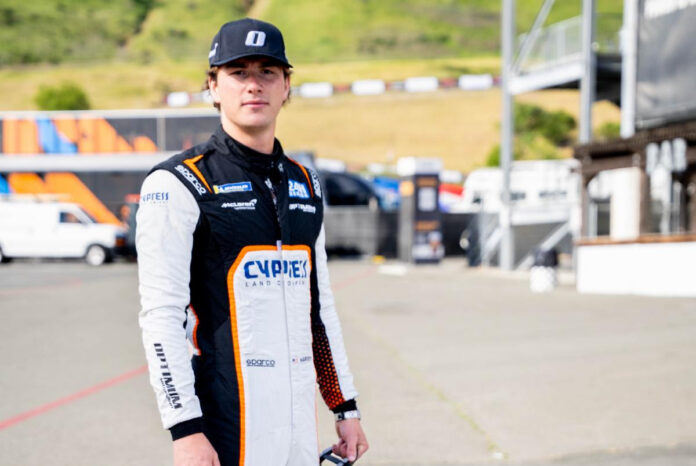
SONOMA, Calif. (Friday, March 27, 2026) – RAFA Racing Team heads into Sonoma Raceway facing one of its most demanding weekends of the season, fielding entries across multiple championships as its expanded 2026 program comes into full effect.

The team will compete across Pirelli GT4 America, Toyota GR Cup North America, and McLaren Trophy America, marking one of the first weekends where its broadened driver ladder and multi-series structure are fully active at a single venue.

Across those three championships alone, RAFA drivers will take part in 20 separate on-track sessions over four days with seven drivers and four cars, ranging from testing and practice to qualifying and races, underscoring the scale of the operation required to execute the weekend.

In GT4 America, RAFA returns with its Toyota GR Supra GT4 EVO2 program, pairing young stars Tyler Gonzalez and Westin Workman in the No. Endava 68 entry, alongside Chris Spada and Werner Neugebauer in Pro-Am. Workman continues to balance duties across multiple championships, including IMSA competition.

RAFA’s expansion into new categories is also on display. Maite Cáceres enters her second weekend in Toyota GR Cup North America, while Michael Steeves and Keegan Massey lead the organization’s debut effort in McLaren Trophy America, both programs new additions for 2026.

The Sonoma weekend comes in the middle of an intense stretch of events. Two weeks ago, RAFA opened its GR Cup season in Arlington before shifting immediately to Sebring for IMSA Michelin Pilot Challenge and Lamborghini Super Trofeo North America competition.

Beyond Sonoma, the workload continues. Workman and Rafael Martinez remain active in IMSA VP Racing SportsCar Challenge, while Kiko Porto and Varun Choksey carry the team’s Michelin Pilot Challenge effort. In Lamborghini Super Trofeo, RAFA fields entries for Ian Porter and Chloe Chambers, alongside Jem Hepworth and Tatiana Calderón.

“It’s a massive lift, no way around it,” said team owner Kevin Conway. “Two weeks ago, we were in Arlington getting the GR Cup program off the ground, then we’re in Sebring running Pilot Challenge and Lamborghini Super Trofeo, and now we’re out here in Sonoma with four different programs active at once.”

“The biggest thing is coordination. You’re moving cars, spares, engineers, mechanics, and making sure every program has what it needs. There’s no real reset between events, so everything has to be planned weeks in advance and executed almost perfectly.”

The scale of RAFA’s lineup is rooted in a broader focus on long-term driver development across multiple platforms.

“At the end of the day, it’s about creating an environment where drivers can improve,” Conway said. “That means giving them the tools, the experience, and the opportunities across different series. If they stay focused on the process and keep building their skill set, the performance will follow.”

With multiple championships running concurrently at Sonoma, the weekend represents both a logistical test and a clear signal of RAFA Racing Team’s expanding footprint across North American motorsports.

RAFA Racing Team’s Sonoma schedule begins Thursday with McLaren Trophy America testing at 9:00 AM, followed by Pirelli GT4 America testing at 10:15 AM and Toyota GR Cup North America testing at 12:00 PM. GT4 America continues with Practice 1 at 2:30 PM and Practice 2 at 5:15 PM, with McLaren Trophy America Practice 1 scheduled for 4:00 PM.

Friday features GR Cup Practice 1 at 8:15 AM, GT4 America qualifying at 10:45 AM, McLaren Trophy America Practice 2 at 11:10 AM, and GT4 America Race 1 at 2:00 PM. GR Cup returns to the track later in the day for Practice 2 at 3:15 PM.

On Saturday, McLaren Trophy America qualifying sessions are set for 8:20 AM and 8:40 AM, followed by GR Cup Qualifying 1 at 10:30 AM. GT4 America Race 2 goes green at 1:00 PM, with McLaren Trophy America Race 1 at 3:05 PM and GR Cup Race 1 at 4:15 PM.

The weekend wraps up on Sunday with GR Cup Qualifying 2 at 8:15 AM, McLaren Trophy America Race 2 at 9:50 AM, and GR Cup Race 2 at 12:00 PM.

All races can be seen live on the GT World YouTube channel.

SCHEDULE

Friday, March 27
8:15 AM: Toyota GR Cup North America Practice 1
10:45 AM: Pirelli GT4 America Qualifying
11:10 AM: McLaren Trophy America Practice 2
2:00 PM: Pirelli GT4 America Race 1
3:15 PM: Toyota GR Cup North America Practice 2

Saturday, March 28
8:20 AM: McLaren Trophy America Qualifying Driver 1
8:40 AM: McLaren Trophy America Qualifying Driver 2
10:30 AM: Toyota GR Cup North America Qualifying 1
1:00 PM: Pirelli GT4 America Race 2
3:05 PM: McLaren Trophy America Race 1
4:15 PM: Toyota GR Cup North America Race 1

Sunday, March 29
8:15 AM: Toyota GR Cup North America Qualifying 2
9:50 AM: McLaren Trophy America Race 2
12:00 PM: Toyota GR Cup North America Race 2

Sweet Home Alabama: IndyCar returns to the Barber Motorsports Park on Sunday

ST. PETERSBURG, Fla. - MARCH 1: Alex Palou, driver of the #10 DHL Honda, celebrates victory in the NTT IndyCar Series Firestone Grand Prix of St. Petersburg on March 1, 2026, in St. Petersburg, Florida. Photo: Chris Owens/Penske Entertainment

IndyCar fans, it’s that time of the year again to head down South and enjoy the blooming magnolias and hopefully some sunshine in Alabama this weekend. After a two-week hiatus, IndyCar roars into Birmingham for the annual Children’s of Alabama Grand Prix at the Barber Motorsports Park. The season’s momentum hasn’t begun to hit a high note at this point, and with three different winners in three races so far in 2026, race predictions for this Sunday are wide open at this point. Can Alex Palou pull off a second consecutive win after his 2025 victory in Alabama? How many other drivers will make their move to stamp success onto their racing resumes this weekend?

Three races and three different winners in 2026 so far.

With the 2026 IndyCar season in its early stages, a recurring theme has developed among drivers and teams that this season is wide open to all takers. With the 2025 IndyCar season winner and Chip Ganassi stalwart Alex Palou taking the checkered flag at St. Petersburg, fans and pundits alike believed that Palou would just extend his winning streak into this year as well. However, a little thing called an oval track in Phoenix, AZ, dispelled that myth as Team Penske’s stalwart Josef Newgarden showed off his NASCAR-like skills by making a lot of left turns to a big win in the desert. Capping off the early IndyCar season was the inaugural Grand Prix of Arlington around the venerable AT&T Stadium, and Andretti’s Kyle Kirkwood nailed down the initial race win with his number 27 Honda. With multiple winners already sitting atop race podiums in 2026, any real predictions for this week’s race seem almost foolhardy.

Team Penske driver Will Power shows off the NTT P1 sticker after winning the pole position for Sunday’s Bommarito Automotive Group 500 at World Wide Technology Raceway. Photo credit: Tyson Gifford / World Wide Technology Raceway.

Is this the week Will Power breaks through and grabs the top of the podium at Barber?

For IndyCar fans used to the iconic Will Power being a dominant force on any racetrack, 2026 has been a bit of a letdown so far. After moving teams from Penske to Andretti, Power hasn’t seemed to be much of a race factor, with a 22nd-place finish in St. Petersburg and a 16th-place spot in Phoenix. However, only foolish or ignorant fans write off a great veteran driver like Power, and with a third-place finish in Arlington and a spot on the podium, the road course at Barber looks to potentially be a season-defining move for the number 26 Honda this Sunday. In reality, Power already has two wins in his career on this course, and a third victory would be a turnaround moment for this season and validate his team move from Penske to Andretti this season.

Fox Sports is making strides with its IndyCar partnership.

Fox Sports is changing up its sports promotion package with a heavy roll of the dice with IndyCar this season. While Fox has been a regular broadcaster of NASCAR, going all the way back to 2001, the network’s recent dive into open-wheeled racing and IndyCar in particular is already paying big dividends this season. The inaugural Java House Grand Prix of Arlington showed a 142 percent viewship increase from the similar time frame race last season (Long Beach), with an overall increase in all three race broadcasts this season.

In fact, there are, of course, rumors swirling around American racing fanbases that FOX is now betting the farm on IndyCar and decreasing its support of its NASCAR broadcasts by moving many races over to FS1, while IndyCar still remains the darling of the main Fox channel. While these are still unsubstantiated rumors at best, many NASCAR fans are starting grumble at the prospect of having to share their network with open-wheeled races (it should be noted of course that NASCAR will be broadcasted on multiple platforms, including NBC, FOX, Prime Video, and TNT this season.)

IndyCar will have a busy weekend down in Birmingham.

Fox Sports will be covering the NTT INDYCAR Series this weekend with the Children’s of Alabama Grand Prix, with first practice on Friday at 3:30 ET and the broadcast on FS2. Fox moves over to Saturday’s broadcast with a morning practice at 11:00 ET on FS1 and qualifying at 2:30pm on FS1, as well. The actual race is scheduled for 1 pm ET this Sunday, March 29th, with the NASCAR Cup race scheduled later this Sunday on FS1.

ARCA East Champion Isaac Kitzmiller Opens Title Defense at Hickory Motor Speedway

NEWTON, N.C.: The 2026 ARCA Menards Series East season officially roars to life this weekend at the historic Hickory Motor Speedway, and for reigning series champion Isaac Kitzmiller, the stakes couldn’t be higher.

Not only does Kitzmiller enter the new campaign with the target of defending his championship, but he also faces a pivotal year to elevate his profile and prove he belongs among the sport’s rising stars.

When the teenage sensation burst onto the development tour in 2025, expectations were modest. But through steady consistency and continuous improvement, Kitzmiller turned heads all season long.

By the time the series finale concluded at Bristol (Tenn.) Motor Speedway last September, Kitzmiller had done far more than deliver another strong finish — he left the World’s Fastest Half-Mile as the ARCA Menards Series East champion, an impressive accomplishment against a deep and competitive series class.

Returning to the seat of his A.L.L. Construction Racing – CR7 Motorsports Chevrolet, Isaac Kitzmiller eyes the highly anticipated Cook Out 200 as more than just the start of his title defense.

Instead, the season opener presents an opportunity to begin another championship run while also chasing a milestone — his first ARCA-sanctioned victory.

“Coming into this season, there’s definitely a different level of confidence after what we were able to accomplish last year,” said Kitzmiller.

“But at the same time, we know we have to keep working just as hard, if not harder. Hickory is a special place to start the year, and for us, it’s about putting ourselves in position early, staying consistent, and hopefully contending for that first win. That’s a big goal for our team.”

Much like his inaugural ARCA Menards Series East campaign a year ago, Kitzmiller continues to be surrounded by experience, knowledge, and championship-caliber guidance.

His father, Jason Kitzmiller, the current ARCA Menards Series championship contender, will be on the hallowed grounds of Hickory Motor Speedway this weekend in support of his teenage son. Additionally, NASCAR Hall of Famer Ron Hornaday Jr. continues to take a keen interest in Kitzmiller’s rising trajectory.

That support system is further strengthened by 10-time ARCA champion Frank Kimmel’s guidance, widely regarded as one of the most accomplished and respected short-track competitors in ARCA history.

“I’m really fortunate to have people like my dad, Ron, and Frank in my corner,” added Kitzmiller.

“They’ve all been through this at a high level, and just being able to learn from their experiences has meant a lot to me. I’m still learning every time I get in the car, but having that kind of support gives me a lot of confidence heading into this season.”

The first stop in an eight-race campaign at the legendary half-mile short track brings plenty of anticipation — and a fair share of unknowns — not just for Isaac Kitzmiller, but for the ARCA Menards Series East field as a whole.

With a scheduled two-and-a-half-hour test session on Friday, March 27, the Maysville, Va. native is focused on establishing a strong baseline that will position his No. 79 A.L.L. Construction Racing – CR7 Motorsports Chevrolet for success. That early track time will be critical for teams across the garage ahead of a condensed practice session on race day at Hickory Motor Speedway, before tackling 200 laps in western North Carolina.

“With it being the first race of the year, there are definitely a lot of unknowns for everyone,” said Isaac Kitzmiller. “You don’t really know where you stack up until you get on track, so that test session is going to be really important for us to find a good balance in the car.

“I think it’s the same for everybody in the field — everyone’s worked hard in the offseason, but now it’s about putting it all together. For our team, the goal is to unload with speed, keep improving throughout the weekend, and put ourselves in a position to be there at the end.”

As for his goals for Saturday evening’s Cook Out 200, the objective is straightforward for Isaac Kitzmiller — put himself in contention when it matters most.

“At the end of the day, you want to give yourself a shot,” explained Kitzmiller.

“If we can keep ourselves up front, stay out of trouble, and be in contention in the closing laps, that’s all you can ask for. From there, it’s about executing and taking advantage of the opportunity when it comes.”

Like his father, the younger Kitzmiller will also adorn the colors of A.L.L. Construction and Carter Machinery in his ninth career ARCA Menards Series East start.

Carter Machinery’s humble start began in 1928, serving Virginia and southeastern West Virginia.

As our customers’ needs changed over the years, we evolved by continually adding new products, services, and locations, with exponential growth occurring after our 2020 acquisition of Alban Tractor Company.

Today, our footprint spans the Mid-Atlantic, with over 30 locations throughout Virginia, West Virginia, Maryland, Delaware, and the District of Columbia.

We sell, rent, and support the full line of Cat® equipment, engines, and electric power generation systems, backed by the best parts availability, most diverse rental fleet, and an expert service team working together to enable our customers’ highest level of success.

Our ongoing investment in people, infrastructure, technology, and tooling continues to position us as one of Caterpillar’s leading dealers in North America and throughout the world.

“Carter Machinery has been such an important partner for my family and our race team, and we’re really proud to represent them every time we hit the track,” said Kitzmiller. “To be able to carry their colors at a place like Hickory Motor Speedway to start the season makes it even more special.

“They’ve built an incredible company with a strong reputation across the Mid-Atlantic, and for us, the goal is to put Carter Machinery and A.L.L. Construction in Victory Lane in 2026. Hopefully, we can get that done sooner rather than later.”

Since 2025, Kitzmiller has made eight ARCA Menards Series East starts, earning three top-five and eight top-10 finishes, including a career-best fourth-place finish twice, most recently at Dover Motor Speedway in July 2025.

The sophomore driver returns in 2026 as the reigning ARCA Menards Series East champion.

For more on Isaac Kitzmiller, please follow him on Instagram (@isaackitzmillerracing) and X |Twitter (@isaackitzmiller).

The Cook Out 200 (200 laps | 72.6 miles) marks the eighth of eight races on the 2026 ARCA Menards Series East schedule. On Saturday, March 28, teams will hit the track for a forty-five-minute practice session from 2:15 p.m. to 3:00 p.m. Single-car qualifying will follow at 4:00 p.m., with the green flag expected to wave shortly after 7:30 p.m. The race will be televised live on FloRacing and the NASCAR Channel, while ARCARacing.com will provide live timing and scoring throughout the day’s activities. All times are local (ET).

TPC Racing’s 2026 Porsche Program is Complete with Monoflo International’s Porsche Sprint Challenge Season Debut at Barber Motorsports Park This Weekend

  • Evan Hinkle Gives No. 277 Monoflo International/TPC Racing Porsche 911 GT3 Cup its 2026 Porsche Sprint Challenge Debut; Tom Kerr Barber Bound After Matching Career-Best Finish in His No. 74 Porsche Cayman GT4 RS Clubsport at the Sebring Opener
  • Mike Levitas and Harris Levitas Bring Double Podium Momentum to USAC Mustang Cup Round 2 at Barber in the No. 36 TPC Racing/DSC Sport Ford Mustang Dark Horse R
  • Cliff Elliott Set to Build on Strong Sebring Mustang Cup Debut in in the No. 65 TPC Racing/DSC Sport Ford Mustang Dark Horse R

BIRMINGHAM, Alabama (March 26, 2026) – The final entry in TPC Racing’s three-car program in the 2026 USAC Porsche Sprint Challenge by Yokohama series rolls into action this weekend at Barber Motorsports Park where Monoflo International makes its season debut with the No. 277 Monoflo International/TPC Racing Porsche 911 GT3 Cup and team driver Evan Hinkle. In the fifth year of a successful and race-winning partnership with TPC Racing, the Monoflo International campaign once again sees Hinkle trade off races in the Pro-Am class No. 277 with teammate and fellow Monoflo International corporate colleague Tillman Schmid.

The Monoflo Porsche joins fellow TPC Racing Porsche teammates Tom Kerr, who also competes at Barber this weekend in his No. 74 Porsche Cayman GT4 RS Clubsport, and Shaun McKaigue in his 2026 in his No. 234 TPC Racing Porsche 911 GT3 Cup in TPC’s 20226 stable of Porsches. McKaigue next competes in two weeks at Sonoma Raceway in the Sprint Challenge GT3 Cup Masters class in addition to partnering longtime coach and co-driver Louis-Philippe Dumoulin in that weekend’s second USAC Porsche Endurance Challenge race of the season in the No. 234.

This weekend Hinkle makes the earliest Sprint Challenge race start of his career in the five years of the Monoflo International and TPC Racing collaboration. He previously didn’t compete each season until mid-summer at VIRginia International Raceway where last July he had a breakout double-podium finish with third place showings in his first race weekend in a Type 992 GT3 Cup for his best motorsports career results to date. He closed out the season with a strong debut on Labor Day Weekend at Watkins Glen where he scored a seventh place Pro-Am finish and top-10 overall showing.

Hinkle also joined Schmid for their first race start together in the Porsche Endurance Challenge finale at Michelin Raceway Road Atlanta in mid-September. Schmid’s scheduled Sprint Challenge races this year in the No. 277 Porsche include a return to Road Atlanta and Road America while Hinkle is slated to be back for his traditional VIR race in June.

Kerr returns to Barber competing in the Masters class of the Porsche Sprint Challenge Cayman class fresh off of a great start to the season earlier this month at Sebring. For the second consecutive year on the iconic Sebring circuit, Kerr turned in a career-best finish in Masters with a hard-fought sixth-place result behind the wheel of the No. 74 Cayman. Kerr secured the first P6 result in last year’s season opener at Sebring.

The TPC Racing Porsches compete this weekend alongside the team’s first-year USAC Mustang Cup program that produced a pair of podium finishes in its successful series debut at Sebring.

None other than the father-and-son team of TPC Racing team principals Michael Levitas and Harris Levitas drove to the podium honors. Sharing the No. 36 TPC Racing/DSC Sport Ford Mustang Dark Horse R in the respective Saturday and Sunday sprints, Michael Levitas secured third in the Dark Horse Legends (DHL) class in Saturday’s Miles Cup race, followed by his son Harris Levitas mirroring the result with a third-place finish in the top-tier Dark Horse (DH) class on Sunday. The Levitas duo makes the same race split this weekend at Barber with Michael continuing his championship pursuit in Miles and the younger Levitas pursuing his first racing crown in the Parnelli Cup. The championships are named after racing legends and Ford Mustang stalwarts Ken Miles and Parnelli Jones, who are both inductees in the Motorsports Hall of Fame of America.

The new Mustang program in total includes three drivers and two full-season Mustang Dark Horse efforts. In addition to the Levitas family effort in the No. 36, the TPC Racing Mustang squad also includes full-season team driver Cliff Elliott who put in a productive weekend in the No. 65 TPC Racing Mustang Dark Horse R in his first multi-car sports car race. Elliott comes from the top levels of single-car competitions like the Optima Ultimate Street Car Challenge, but proved a quick study in nose-to-tail competition in his Sebring debut. A full weekend on the slopes, inclines and changing elevation of the 2.38-mile Barber Motorsports Park circuit will provide even more valuable training for the fast-learning Elliott.

Both the Porsche Sprint Challenge GT3 Cup and Cayman classes each run a 40-minute sprint race on Saturday and Sunday at Barber. All four races will be livestreamed on the Porsche Motorsport North America YouTube Channel.

This weekend’s Mustang Cup 45-minute sprints at Barber are scheduled to start Friday, March 27, at 12:20 p.m. CST for the Miles Cup and Saturday at 4:15 p.m. CST for the Parnelli Cup. Both races are available for viewing through livestream coverage on the Ford Racing YouTube Channel.

Harris Levitas, TPC Racing Director of Race Operations; Driver – No. 36 TPC Racing/DSC Sport Mustang Dark Horse R: “We’re really happy to be at Barber Motorsports Park with both our Porsche and Mustang programs. It’s like we’re all at the track every week! The trucks went home from Sebring last Friday, reloaded all weekend and left again on Monday to head to Barber. We’re really excited to run our TPC Racing Porsche team there with Evan Hinkle back in the Monoflo International No. 277 Porsche 911 GT3 car. Evan traditionally has run primarily at VIRginia International Raceway with us the last few years, but added Barber to his schedule this year. He and Tillman Schmid are splitting rides in the car in a limited program of two races each, and we are excited to have Evan race at another track with us after doing so well at VIR. The Monoflo entry completes our Porsche lineup this year after Shaun McKaigue and Tom Kerr opened the season a few weeks ago at Sebring. Tom is competing with us again at Barber in his Cayman GT4 RS Clubsport and we will see Shaun again in his GT3 Cup car later this spring at Sonoma Raceway. In Ford Mustang Cup, Cliff Elliott will be with us for the remainder of the Mustang season and really had a great debut weekend at Sebring despite the weather cutting short the green flag laps in the first race. In our DSC Sport No. 36, we can confirm I am going to be sharing the car with my Dad for the rest of the season, and I am really happy for us to be doing this! I’ve never driven with my Dad before and this is just a really exciting experience! Ford has put together an amazing program with the Dark Horse Mustang car, it is the right car and format at the right time, a great field of competitors, and we’re happy to be a part of it.”

Evan Hinkle, Driver – No. 277 Monoflo International/TPC Racing Porsche 911 GT3 Cup: “It’s a great opportunity to get out and race in March. The earlier the better when it comes to getting started with the season. Barber Motorsports Park is another one that I’ve got a lot of laps around. I typically say that VIRginia International Raceway is kind of my home track, and I have more laps around there than anywhere, but Barber is a close second, if not right there. It takes me back to when I did some of my driving school stuff in 2020 and 2021. I went through every class you can go through with the Porsche Driving Experience down there. Albeit, those are street cars, but there is a lot that translates because they are Porsche street cars, and that’s ultimately what we’re racing. I also did some World Racing League races there a couple of years ago. I’m very comfortable with that race track, but the flip side of that is I think the expectations from the boss man are going to be higher! So, I still need to go out there and execute. And, obviously, without Monoflo International, none of this would be possible without the company and Henning Raeder allowing us to have this amazing opportunity. I have to give a lot of glory to him. I left my desk Wednesday at 3 p.m. and go hop on an airplane and drive his race car for three or four days. I just couldn’t be more appreciative of the opportunity. Then there is TPC Racing. There’s a lot of teams in the paddock, but let me tell you, the TPC Racing guys are more than just a racing team. They have become friends, it is really a true family, and Harris is just so insightful and professional. And Mike is like this amazing figure with knowledge and personality you can’t even put into words. He’s got youthful enthusiasm but is truly a mechanical and engineering genius. It’s an experience that I don’t know can be replicated at any of those other teams. I put them above the rest, and that’s not even talking about the performance of the car and the skillset that they bring that unlocks the maximum potential.”

About TPC Racing: TPC Racing is the Mid-Atlantic’s premier maintenance, service, tuning and modification center dedicated solely to Porsche sports cars. TPC Racing specializes in R&D and sales of high-performance modifications for Porsche sports cars and race cars, offering a wide range of vehicle upgrades. Best known for a line of forced induction solutions for the Porsche 911, Cayman and Boxster, a long-time focus on only one make, Porsche, has enabled TPC Racing to become experts in Porsche service, tuning, and racing. In 2000, TPC Racing began entering races under its own banner, scoring an SGS-class Championship in 2004 in the Grand-American Rolex Series and was a class winner in the 2006 Rolex 24 At Daytona, and captured the 2013 and 2016 IMSA Porsche GT3 Cup Challenge USA Gold Cup Championships. More information can be found at www.TPCRacing.com.

About DSC Sport: Founded in 2011, DSC Sport quickly established itself as an industry leader in dynamic suspension control, developing and offering best in class suspension solutions for a wide range of luxury and performance vehicles. The company designs and manufactures advanced controller units that enhance the performance and handling of sports cars, luxury sedans and lightweight trucks for both track and road use. The company frequently works with the affiliated TPC Racing, a race-winning and multiple championship-winning sports car racing team, to gather data and learnings from a race weekend environment that directly are used in the company’s ongoing development of performance hardware and software solutions for track and street vehicle applications. Learn more at www.DSCsport.com.

Why Dented Alloy Wheel Repair Matters for Safety, Performance, and Vehicle Value

Photo by depositphotos at https://depositphotos.com/

Alloy wheels are a defining feature of modern vehicles, offering not only improved performance but also a sleek, polished aesthetic. However, they are also vulnerable to damage from potholes, curbs, road debris, and everyday wear. A dented or bent alloy rim may seem like a minor inconvenience, but it can have a significant effect on your vehicle’s safety, handling, and long-term mechanical health. This is why timely and professional dented alloy wheel repair is essential for every car owner who values both performance and safety.

How Alloy Wheels Become Damaged

Unlike traditional steel wheels, which can absorb more impact, alloy wheels are made from lightweight aluminum blends designed for precision and efficiency. Their structural advantages also mean they are more susceptible to bending or denting upon strong impact. Striking a deep pothole or grazing a curb at the wrong angle can distort the metal, causing uneven pressure on the tire and wheel assembly.

In addition to visible dents, microscopic cracks may form, posing long-term risks if left untreated. Moisture, temperature changes, and road salts can gradually worsen the damage. This makes early inspection vital to preventing more expensive repairs later.

Why Timely Repair Is Crucial

Driving with a damaged wheel compromises much more than just how your car looks. A dented alloy significantly affects wheel alignment, tire wear, and the stability of your suspension system. When the wheel is no longer perfectly round, it causes vibration at high speeds, reduced fuel efficiency, and decreased road grip—especially in wet conditions.

Professional technicians specializing in dented alloy wheel repair use advanced straightening systems and precision tools to restore the wheel to manufacturer specifications. This ensures your vehicle returns to optimal performance without needing an unnecessary replacement. For many drivers, expert repair offers a cost-effective and environmentally friendly option compared to buying new wheels.

Restoring Both Safety and Appearance

Beyond safety concerns, alloy wheel damage also affects your vehicle’s visual appeal. Dents, bends, and imperfections can detract from the car’s overall look, which is especially important if you plan to sell or trade in your vehicle. A repaired alloy wheel not only performs better but also restores the clean, polished finish that enhances your car’s value.

Most reputable repair specialists can restore a wide range of wheel types, including diamond-cut alloys, painted finishes, and custom designs. Their process typically includes inspection, straightening, refinishing, and balancing to ensure seamless restoration.

Final Thoughts

Regular vehicle maintenance goes beyond engine checks and tire rotations—your wheels deserve equal attention. Addressing dents early ensures optimal handling, longer tire lifespan, and a safer driving experience. Whether you’ve experienced a sudden impact or noticed unusual vibrations, scheduling a professional alloy wheel assessment is always a wise decision.

A reliable dented alloy wheel repair service helps preserve your vehicle’s performance and appearance, ensuring that every drive remains smooth, safe, and enjoyable.

Why Chevrolet Models Continue to Attract Performance-Focused Drivers

Photo by depositphotos at https://depositphotos.com/

Performance enthusiasts have always been drawn to vehicles that deliver speed, power, and engaging driving dynamics. For decades, Chevrolet has maintained a strong reputation in the performance segment, producing vehicles that combine powerful engines, innovative engineering, and accessible pricing. From legendary muscle cars to modern sports cars and high-performance trucks, Chevrolet continues to capture the attention of drivers who prioritize performance.

Drivers exploring performance vehicles through Chevrolet dealers in Kansas often discover that Chevrolet offers a wide range of models designed to satisfy enthusiasts. Whether it’s the legendary Corvette, performance-focused Camaro variants, or powerful V8-powered trucks, Chevrolet has built a legacy centered around delivering thrilling driving experiences.

A Legacy of Performance Innovation

One of the main reasons Chevrolet continues to attract performance-focused drivers is its long history of engineering powerful and exciting vehicles. The brand’s performance roots date back decades, with iconic engines and models shaping the muscle car and sports car markets.

Classic Chevrolet engines like the 427-cubic-inch big-block V8 helped define high-performance American cars in the 1960s, producing over 425 horsepower and setting new standards for power at the time.

Over the years, Chevrolet has continued evolving its performance technology, creating engines and platforms that blend tradition with innovation. Today’s Chevrolet performance lineup builds upon that legacy with advanced engines, improved aerodynamics, and cutting-edge engineering.

This strong heritage gives Chevrolet vehicles credibility among enthusiasts who appreciate both classic muscle and modern performance.

Legendary V8 Engine Performance

Few automotive elements excite performance drivers more than a powerful V8 engine, and Chevrolet has long been known for producing some of the most respected V8 engines in the industry.

The LS and LT engine families have become legendary among enthusiasts because of their power, reliability, and tuning potential. These engines appear in a wide variety of vehicles—from sports cars to trucks—and are capable of delivering impressive horsepower figures.

For example, different LS and LT engines have produced anywhere from around 300 horsepower to over 1,000 horsepower in high-performance models.

The appeal of these engines lies not only in their raw power but also in their flexibility. Enthusiasts often modify LS-based engines to achieve even greater performance levels, making them popular in both factory vehicles and custom builds.

This reputation for powerful and adaptable engines continues to attract drivers who want vehicles capable of thrilling acceleration and strong track performance.

Iconic Performance Models

Chevrolet’s reputation for performance is closely tied to several iconic models that have become legends in the automotive world.

The Chevrolet Corvette is widely regarded as one of the most recognizable American sports cars. Each generation of the Corvette pushes the boundaries of performance through improved aerodynamics, lighter materials, and increasingly powerful engines.

Recent Corvette models demonstrate just how far Chevrolet has advanced its engineering. Some modern versions produce over 1,000 horsepower and deliver extreme acceleration, rivaling or even surpassing exotic supercars in performance.

The Camaro has also played a major role in Chevrolet’s performance reputation. Known for its aggressive styling and powerful engine options, the Camaro remains a favorite among muscle car enthusiasts who value speed and responsive handling.

These iconic models help keep Chevrolet at the forefront of performance discussions.

Advanced Engineering and Modern Technology

While horsepower remains important, modern performance vehicles rely heavily on technology to maximize driving dynamics. Chevrolet integrates advanced engineering solutions that improve both speed and control.

Features such as adaptive suspension systems, advanced traction control, and performance-tuned braking systems allow drivers to push their vehicles harder while maintaining stability and safety.

Chevrolet also uses modern manufacturing technologies and precision engineering to ensure durability and consistent performance. Robotic assembly, advanced quality control systems, and detailed testing procedures help ensure that performance vehicles meet strict standards.

This combination of advanced technology and traditional performance engineering creates vehicles that feel powerful yet refined.

Balanced Performance and Everyday Usability

Another reason performance-focused drivers choose Chevrolet is the brand’s ability to balance high performance with everyday usability.

Some high-performance vehicles sacrifice comfort and practicality in pursuit of speed. Chevrolet, however, often designs its performance models to be enjoyable for both daily driving and track use.

For example, modern sports models can deliver extremely fast acceleration while still offering comfortable interiors, infotainment systems, and advanced safety features.

Hybrid performance technology has also begun to appear in Chevrolet’s lineup. Certain modern sports models combine traditional V8 engines with electric motors to increase power and traction while maintaining everyday drivability. These vehicles can accelerate to 60 mph in just a few seconds while still offering practical features such as all-wheel drive and comfortable interiors.

This balance allows performance enthusiasts to enjoy their vehicles regularly instead of reserving them only for special occasions.

Accessible Performance Compared to Exotic Brands

Another key factor behind Chevrolet’s popularity among performance drivers is value. Many high-performance sports cars and supercars come with extremely high price tags, limiting their accessibility.

Chevrolet has built a reputation for delivering impressive performance at more attainable prices. In many cases, Chevrolet sports cars offer performance levels comparable to far more expensive vehicles.

For example, modern high-performance Corvette models have demonstrated acceleration and power figures that rival or exceed those of exotic supercars costing significantly more.

This value proposition allows enthusiasts to experience world-class performance without entering the ultra-luxury price bracket. As a result, Chevrolet continues to appeal to drivers who want serious speed without sacrificing financial practicality.

Strong Enthusiast Community and Aftermarket Support

Performance cars often inspire strong communities of enthusiasts, and Chevrolet vehicles are no exception. Owners, tuners, and car clubs around the world celebrate Chevrolet performance models through events, forums, and motorsport activities.

The LS and LT engine families have become especially popular in the aftermarket scene because they are relatively easy to modify and widely available. Many enthusiasts install these engines into project cars or upgrade factory vehicles to achieve even higher power levels.

This thriving aftermarket ecosystem makes Chevrolet vehicles particularly appealing to drivers who enjoy customizing and improving their cars.

Performance enthusiasts value platforms that offer room for experimentation and upgrades, and Chevrolet vehicles provide that flexibility.

Motorsport Influence and Racing Heritage

Motorsport has always played a major role in shaping Chevrolet’s performance identity. Racing programs help engineers develop new technologies that eventually make their way into production vehicles.

Chevrolet vehicles have competed in a wide range of motorsport disciplines, including endurance racing, drag racing, and stock-car competitions. Lessons learned on the track often influence vehicle design, aerodynamics, engine development, and chassis tuning.

For example, racing-inspired engine designs and lightweight materials used in track vehicles often appear in high-performance road cars.

This close relationship between racing and production engineering helps ensure that Chevrolet vehicles deliver genuine performance rather than just impressive specifications.

Continuous Innovation in Performance Engineering

Chevrolet continues to invest heavily in new technologies that push the limits of automotive performance.

Modern engineering advancements include hybrid powertrains, advanced aerodynamics, and sophisticated electronic driving systems that help drivers harness incredible power more effectively.

Hybrid performance systems can combine the instant torque of electric motors with the raw power of combustion engines. This approach allows manufacturers to increase acceleration while maintaining the excitement associated with traditional sports cars.

Chevrolet’s commitment to innovation ensures that its vehicles remain competitive in a rapidly evolving automotive industry.

Conclusion

Chevrolet’s ability to attract performance-focused drivers comes from a powerful combination of heritage, engineering expertise, and modern innovation. From iconic models like the Corvette and Camaro to cutting-edge hybrid performance technology, Chevrolet consistently delivers vehicles that excite driving enthusiasts.

Powerful V8 engines, advanced engineering, and strong aftermarket support have helped build a loyal community of performance fans. At the same time, Chevrolet’s commitment to affordability ensures that high-performance driving remains accessible to a wide audience.

Comfort Enhancements Found Across the Ford Vehicle Lineup

Photo by depositphotos at https://depositphotos.com/

When shopping for a vehicle, comfort is often just as important as performance and technology. Ford has long recognized this, designing its lineup to meet the diverse needs of drivers while prioritizing ride quality, convenience, and passenger well-being. From compact cars to full-size trucks and SUVs, Ford vehicles are equipped with features that enhance comfort for both drivers and passengers, making daily commutes and long road trips more enjoyable.

Drivers exploring options through a Ford dealer in Massachusetts will find that comfort is a consistent focus across the brand’s entire lineup. Ford continues to refine interiors, seating, climate control, and noise reduction to ensure every journey feels smooth, relaxing, and tailored to the modern driver.

Ergonomically Designed Seating

One of the most noticeable comfort enhancements across the Ford lineup is ergonomically designed seating. Every vehicle, from the Ford Escape to the Ford F-150, offers seats engineered to reduce fatigue and provide proper support during long drives.

High-quality materials, adjustable lumbar support, and multiple seat adjustments contribute to a tailored seating experience. Many models also feature heated and ventilated seats, which allow drivers and passengers to maintain optimal comfort in all weather conditions.

In addition, Ford has incorporated premium upholstery options such as leather and soft-touch fabrics in higher trims. These materials enhance both comfort and aesthetics, providing a refined interior environment that improves the driving experience.

Advanced Climate Control Systems

Another critical aspect of comfort is climate control. Ford vehicles offer advanced systems that allow passengers to set personalized temperatures, ensuring everyone in the vehicle enjoys a comfortable environment.

Dual-zone and even tri-zone automatic climate control systems are available in many models, allowing the driver, front passenger, and rear passengers to select different temperature settings. This flexibility prevents conflicts over cabin temperature and enhances overall comfort on long trips.

Some models also feature air filtration systems that improve cabin air quality, reducing allergens and pollutants. These systems help maintain a fresh and healthy environment inside the vehicle, making every journey more pleasant.

Enhanced Cabin Quietness and Noise Reduction

Noise reduction is a subtle but significant factor in passenger comfort, and Ford has made notable advancements in this area. Insulation, acoustic glass, and improved door seals help reduce road, wind, and engine noise in the cabin.

These enhancements create a quieter environment, allowing passengers to converse easily, enjoy music, or relax during long drives. A quieter cabin also reduces driver fatigue, contributing to safer and more enjoyable journeys.

In luxury and higher-trim models, additional sound-deadening materials and active noise cancellation systems further improve the tranquility of the cabin, making Ford vehicles competitive with premium brands in terms of comfort.

Smooth Ride Quality and Suspension Enhancements

A comfortable ride depends heavily on suspension performance. Ford vehicles are designed to balance handling with ride comfort, absorbing bumps and road imperfections without compromising stability.

Advanced suspension systems, including adaptive and independent suspensions, are available in many Ford models. These systems adjust damping in real-time to suit driving conditions, providing a smooth ride whether navigating city streets or cruising on the highway.

Full-size trucks and SUVs benefit from heavy-duty suspension enhancements that maintain stability under load while still providing a cushioned ride for passengers. Even sporty models like the Ford Mustang are tuned to deliver precise handling without sacrificing comfort.

Spacious Interiors and Flexible Cabin Layouts

Interior space is a key component of comfort, and Ford vehicles are known for thoughtfully designed cabins. SUVs and trucks offer roomy interiors with ample legroom, headroom, and shoulder space, ensuring that passengers of all sizes can sit comfortably.

Flexible seating arrangements, including split-folding rear seats, sliding second-row seats, and adjustable cargo areas, allow owners to configure the cabin for maximum comfort and utility. This adaptability is especially valuable for families, commuters, and those carrying varying passenger or cargo loads.

Compact cars and sedans also provide optimized interior space, with clever design elements that maximize legroom and storage without increasing the vehicle’s footprint.

Modern Infotainment and Connectivity Features

While comfort is often associated with seating and ride quality, modern infotainment and connectivity also contribute to a pleasant driving experience. Ford equips its vehicles with the SYNC infotainment system, which integrates smartphone connectivity, navigation, and entertainment options into a central, user-friendly interface.

Voice-activated controls allow drivers to manage calls, messages, and media without taking their hands off the wheel, reducing distraction and stress. Larger touchscreens, responsive controls, and intuitive menus enhance ease of use, making it simple for drivers and passengers to stay connected and entertained during trips.

Some models also offer wireless charging pads, multiple USB ports, and premium audio systems, which further enhance convenience and enjoyment within the cabin.

Thoughtful Storage and Convenience Features

Practical comfort extends beyond seating and climate. Ford vehicles offer numerous storage solutions and convenience features designed to make everyday driving easier.

Examples include ample cup holders, center console compartments, door bins, and under-seat storage areas. Rear-seat passengers benefit from dedicated climate vents, cup holders, and power outlets, allowing them to enjoy the ride with the same level of comfort as front occupants.

Additional features, such as hands-free liftgates, adjustable steering columns, and keyless entry with push-button start, reduce effort and improve the overall convenience of vehicle operation.

Safety Systems That Enhance Peace of Mind

Safety plays a significant role in comfort, as drivers and passengers feel more relaxed knowing they are well-protected. Ford vehicles are equipped with advanced driver-assistance systems, including adaptive cruise control, lane-keeping assist, blind-spot monitoring, and automated emergency braking.

These systems reduce the stress associated with long drives, heavy traffic, and challenging weather conditions. By helping the driver maintain control and avoid potential hazards, Ford’s safety features contribute to a more comfortable and confident driving experience.

Premium Trim Options and Luxury Enhancements

Ford’s higher-trim models, such as those in the Platinum or Titanium series, offer luxury-level comfort enhancements that rival premium vehicles. These include upgraded leather interiors, panoramic sunroofs, ambient lighting, and multi-zone climate systems.

These trims also often feature memory settings for seats and mirrors, premium sound systems, and advanced technology packages that provide both convenience and a sense of refinement. For buyers seeking the ultimate comfort experience, these enhancements make Ford vehicles highly competitive in their segments.

Accessibility and Ease of Entry

Ease of entry and exit is another comfort-focused consideration. Ford designs its vehicles with attention to door height, step-in height, and seat positioning to make it easier for passengers to enter and exit the vehicle.

SUVs and trucks often include running boards or step rails, while sedans and compact models utilize ergonomic seating heights to ensure accessibility. These small but important features improve the overall user experience and demonstrate Ford’s attention to passenger comfort in all vehicle types.

Conclusion

Comfort is a hallmark of the Ford vehicle lineup, with enhancements designed to improve every aspect of the driving experience. From ergonomically designed seating, advanced climate control, and noise reduction to smooth suspension, spacious interiors, and intuitive technology, Ford vehicles prioritize passenger well-being.

Safety, convenience, storage solutions, and luxury trim options further enhance the experience, ensuring that both drivers and passengers enjoy every journey. By combining thoughtful engineering with modern amenities, Ford creates vehicles that deliver comfort across urban commutes, long road trips, and daily drives.

5 Key Reasons Drivers Choose Previously Owned Cars

Photo by depositphotos at https://depositphotos.com/

When it comes to purchasing a vehicle, many buyers are drawn to new models for their latest technology, fresh appearance, and full warranties. However, a growing number of drivers are discovering the value and benefits of previously owned cars. With advancements in vehicle reliability and maintenance standards, pre-owned cars now offer drivers the ability to get quality, dependable transportation at a fraction of the price of new models.

For those exploring options, Used cars for sale provide a wide variety of choices, from well-maintained sedans and SUVs to trucks and luxury models. Understanding why drivers increasingly choose pre-owned vehicles can help buyers make informed decisions and maximize both value and satisfaction.

Cost Savings and Financial Advantages

One of the most significant reasons drivers opt for previously owned cars is the substantial cost savings. New vehicles experience rapid depreciation as soon as they leave the dealership, often losing 20% to 30% of their value in the first year alone. Pre-owned cars allow buyers to avoid this immediate drop in value.

This financial advantage means that drivers can often afford higher trim levels, better features, or larger vehicles than they would be able to purchase new. For example, a lightly used SUV may include premium technology, leather seating, and advanced safety features for much less than a brand-new equivalent.

In addition to lower purchase prices, previously owned vehicles often cost less in insurance premiums. Insurance rates are generally based on a car’s value, so a used vehicle can result in significant annual savings. These financial benefits make pre-owned cars an attractive option for budget-conscious buyers seeking quality without overspending.

Slower Depreciation Over Time

Pre-owned cars also stand out because they experience slower depreciation compared to new vehicles. Since much of the initial depreciation occurs in the first few years, a car that has already been driven tends to retain its value more steadily over time.

This slower depreciation can be especially advantageous for drivers who plan to sell or trade in their vehicle in a few years. By purchasing a used car, owners are less likely to face significant financial losses when it comes time to upgrade or sell.

Slower depreciation also allows drivers to get more car for their money, often enabling them to access models or trims that might have been out of budget if purchased new. This combination of value and long-term stability is a major reason many choose previously owned vehicles.

Access to Certified Pre-Owned Programs

Many drivers are drawn to previously owned vehicles because of certified pre-owned (CPO) programs offered by manufacturers and dealerships. These programs provide an extra layer of reassurance by ensuring the vehicle meets high-quality standards.

CPO vehicles undergo rigorous inspections, covering mechanical systems, safety features, and cosmetic condition. Any necessary repairs are completed before the car is sold, giving buyers confidence that they are purchasing a reliable vehicle.

In addition to thorough inspections, CPO programs often include extended warranties and roadside assistance, providing coverage similar to that of a new car. These features reduce the perceived risk of buying used while still offering the financial benefits associated with pre-owned vehicles.

For many drivers, the availability of CPO programs makes previously owned cars nearly as attractive as new models without the higher price tag.

Wider Variety and Flexibility

Another key reason drivers choose pre-owned cars is the wider variety of options available. New car inventories are limited to the current model year, which can restrict buyers in terms of color, trim, features, and available configurations. Previously owned vehicles provide access to multiple model years, unique trims, and discontinued features that may not be available on new cars.

For example, a driver seeking a specific package, technology feature, or performance trim may find that previously owned options meet their requirements better than current-year models. This flexibility allows buyers to select a vehicle that perfectly matches their preferences and lifestyle.

Additionally, pre-owned vehicles are often more accessible in higher trim levels. Buyers can purchase vehicles that include premium amenities, safety features, and advanced technology for a fraction of the cost of a brand-new, fully equipped model.

Proven Reliability and Longevity

A common misconception about pre-owned cars is that they are less reliable than new models. In reality, modern vehicles are built to last well beyond 100,000 miles, and many previously owned cars remain dependable when properly maintained.

Drivers often choose used cars from brands and models known for longevity and low maintenance costs. Vehicles with strong reliability reputations provide peace of mind while still offering significant financial advantages.

Additionally, maintenance records for previously owned cars can give buyers insight into the vehicle’s history. Cars that have been regularly serviced, well-maintained, and cared for by previous owners are often as dependable as new cars.

By purchasing a vehicle with a proven track record of performance and durability, drivers can enjoy years of reliable transportation without paying the premium price of a new car.

Additional Benefits: Lower Insurance and Registration Costs

Beyond purchase price and depreciation, pre-owned cars also offer savings in insurance and registration fees. Insurance premiums are generally based on a vehicle’s value, so lower-priced pre-owned vehicles often cost less to insure.

Registration fees and state taxes are also typically lower for used vehicles, particularly if the car is several years old. These ongoing cost savings contribute to the overall affordability and practicality of previously owned cars.

For drivers looking to minimize the total cost of ownership, these benefits make pre-owned vehicles a smart financial choice.

Environmental and Practical Advantages

Choosing a previously owned car can also have environmental benefits. Purchasing used reduces demand for new vehicle production, which requires significant energy and resources. By extending the life of existing vehicles, buyers contribute to sustainability efforts while still acquiring a reliable car.

From a practical standpoint, pre-owned vehicles often allow buyers to afford larger or more feature-rich models than they could if purchasing new. This means drivers can enjoy the space, comfort, and amenities they need without exceeding their budget.

Conclusion

There are multiple compelling reasons why drivers choose previously owned cars. Significant cost savings, slower depreciation, access to certified pre-owned programs, and a wider variety of models make pre-owned vehicles an appealing option. Proven reliability, ongoing maintenance records, and lower insurance and registration costs further enhance their value.

Additionally, previously owned vehicles can provide environmental benefits and practical advantages by enabling buyers to access larger or more equipped models within their budget. For many drivers, these combined benefits make pre-owned cars not just a budget-friendly choice, but a smart investment in long-term value and satisfaction.

How to Budget and Finance Your First High-Performance Street Car

Photo by depositphotos at https://depositphotos.com/

For dedicated motorsports fans, the dream of owning a high-performance street car is often the ultimate goal. Watching track-ready machines roar around the circuit on a weekend inspires many enthusiasts to seek that same thrill for their daily commute or Sunday drive. However, making the leap from an everyday passenger vehicle to a sports car requires more than just passion. It demands careful financial planning. Without a solid strategy, the excitement of purchasing a dream vehicle can quickly turn into a financial burden. By mapping out your expenses and understanding your funding choices, you can safely park that performance car in your garage.

Understanding the True Costs of Performance

Before you start browsing dealership inventories, you must look beyond the sticker price. Performance vehicles come with a unique set of financial demands that standard commuters simply do not experience. High-performance engines require premium fuel, specialised synthetic oils, and frequent servicing by certified technicians. Furthermore, you will be replacing performance tyres and brake pads much more often than you would on a standard hatchback.

As outlined in our beginner’s guide on buying your first race car, the upfront expenses and ongoing maintenance costs of any track-focused vehicle require serious preparation. Even if your chosen street car is fully road legal, the financial realities remain quite similar. You must account for higher insurance premiums, rapid depreciation on certain models, and the inevitable cost of specialist parts. When you factor in these recurring expenses, the total cost of ownership becomes much clearer, allowing you to build a comprehensive budget that covers both the vehicle and its upkeep.

Exploring Your Funding Options

Once you have a realistic view of the maintenance and running costs, the next step is securing the capital for the purchase. While paying in cash is an excellent way to avoid interest charges, it is not always feasible for premium sports cars. Most buyers will need to explore vehicle financing to make their purchase a reality. Securing pre-approval before you start shopping gives you the confidence of a cash buyer and prevents you from overextending your budget at the dealership.

It is crucial to compare different lenders to secure a competitive interest rate. Depending on your location and financial background, you might look at local credit unions, specialist automotive lenders, or major international banks. For instance, reviewing options such as car loans from ING Australia can give you a solid benchmark for competitive rates and flexible repayment terms. Knowing exactly what funding is available allows you to negotiate from a position of strength and ensures you are not caught out by hidden fees or inflexible terms. This step is essential in ensuring your dream car does not compromise your overall financial stability.

Evaluating Your Financial Health and Borrowing Power

Before applying for any finance product, you should assess your personal financial health exactly as a lender would. Credit scores play a major role, but they are not the only factor financial institutions consider. Lenders also measure your capacity to repay a loan by evaluating your debt-to-income ratio, which the Consumer Financial Protection Bureau defines as your total monthly debt payments divided by your gross monthly income. This metric is a universal standard used globally to determine a borrower’s financial risk.

Keeping this ratio low proves to lenders that you have enough surplus income to manage new car payments comfortably. If your monthly financial obligations are already taking up a significant portion of your income, it might be wise to pay down existing debts before acquiring a high-performance vehicle. This proactive approach not only improves your chances of loan approval but also helps secure a lower interest rate over the life of the loan. In addition, having a strong financial profile can provide you with better leverage when negotiating the purchase price of the vehicle itself.

Top Budgeting Tips for Enthusiasts

To ensure your performance car remains a source of joy rather than stress, consider adopting a few practical budgeting habits. Building a specific financial plan around your vehicle will protect your wider lifestyle and keep your car running smoothly. Implementing these strategies will help you avoid the common pitfalls that many first-time sports car buyers face.

  • Create a maintenance fund: Set aside a fixed amount each month specifically for unexpected repairs and routine servicing. This prevents large repair bills from derailing your monthly budget.
  • Shop around for insurance: High-performance street cars attract higher premiums. Compare quotes from multiple insurers and look for enthusiast-specific policies that might offer better coverage for a tailored price.
  • Factor in fuel consumption: Performance engines are rarely economical. Calculate your expected weekly kilometres to estimate your increased fuel expenditure accurately.
  • Avoid stretching loan terms: While a seven-year loan might offer lower monthly payments, you will pay significantly more in interest over the life of the loan. Aim for the shortest term you can comfortably afford to minimise your overall costs.

Conclusion

Purchasing your first high-performance street car is a thrilling milestone that connects your passion for motorsports with your everyday life. By treating the buying process with the same precision and focus as a professional racing team treats a pit stop, you can enjoy the roar of the engine with complete peace of mind. Prepare your finances thoroughly, secure the right loan structure, and get ready to hit the road in the car of your dreams.

Top AI Software Development Firms for Business Automation

Photo by depositphotos at https://depositphotos.com/

Business automation has become one of the most impactful applications of artificial intelligence. Companies are increasingly using AI to streamline operations, reduce manual work, and improve decision-making across departments. From automating customer interactions to optimizing internal workflows, AI-powered systems are helping organizations scale efficiently.

However, building automation solutions that actually work in real-world environments requires more than basic implementation. Businesses need partners who can design, deploy, and maintain AI systems that integrate seamlessly into existing processes. Below is a list of AI software development firms that help organizations implement scalable automation solutions.

1. Tensorway

Tensorway develops AI solutions designed to automate business processes while ensuring stability and scalability in real-world environments. Their work includes building systems that handle data processing, decision-making, and workflow optimization across different industries.

Companies often consider Tensorway when they need AI-driven automation that can integrate with existing tools and support long-term operational goals. Their solutions focus on improving efficiency, reducing manual effort, and enabling more consistent execution of business processes.

Tensorway emphasizes practical implementation, delivering systems that are not only functional but also adaptable. Their approach allows organizations to scale automation initiatives without adding unnecessary complexity to existing workflows.

2. Cognigy

Cognigy specializes in AI-powered automation for customer service and communication. Their platform enables businesses to create intelligent virtual agents that handle customer interactions across multiple channels.

They focus on improving customer experience while reducing operational costs. Their solutions are designed to integrate with existing systems, allowing organizations to automate processes without disrupting current workflows.

Cognigy is particularly effective for companies looking to automate large volumes of customer interactions while maintaining a high level of service quality.

3. Hypotenuse AI

Hypotenuse AI provides automation solutions focused on content generation and data-driven workflows. Their tools help businesses automate content creation, product descriptions, and marketing materials.

The company emphasizes speed and efficiency, enabling organizations to scale content production without increasing manual effort. Their solutions are particularly useful for eCommerce and digital marketing teams.

Hypotenuse AI allows businesses to streamline repetitive tasks while maintaining consistency and quality in their outputs.

4. Aisera

Aisera develops AI solutions that automate IT operations, customer support, and enterprise workflows. Their systems use machine learning and natural language processing to handle requests, resolve issues, and optimize processes.

They focus on delivering automation that improves efficiency across departments. Their solutions are designed to reduce response times and enhance user experiences.

Aisera is well-suited for enterprises seeking to automate internal operations and improve service delivery at scale.

5. WorkFusion

WorkFusion specializes in intelligent automation for industries such as finance and healthcare. Their solutions combine machine learning with robotic process automation to handle repetitive and data-intensive tasks.

They focus on improving operational efficiency while reducing errors. Their systems are designed to handle complex workflows that require both automation and decision-making capabilities.

WorkFusion is a strong choice for organizations looking to automate processes that involve large volumes of structured and unstructured data.

6. Rossum

Rossum provides AI solutions for document processing and workflow automation. Their platform uses machine learning to extract and process data from documents such as invoices and forms.

They focus on reducing manual data entry and improving accuracy. Their solutions integrate with existing systems, allowing businesses to automate document-heavy processes.

Rossum is particularly valuable for organizations that deal with large volumes of documents and need efficient data processing solutions.

7. Moveworks

Moveworks develops AI solutions that automate internal business operations, particularly in IT and employee support. Their platform enables organizations to resolve issues automatically and streamline workflows.

They focus on improving efficiency by reducing the need for manual intervention. Their solutions are designed to integrate with enterprise systems and provide seamless automation.

Moveworks is well-suited for companies looking to enhance internal productivity and automate support processes.

8. UiPath AI Center

UiPath AI Center combines AI with robotic process automation to deliver scalable business automation solutions. Their platform enables organizations to build, deploy, and manage AI-powered workflows.

They focus on enabling businesses to automate repetitive tasks while maintaining control over processes. Their solutions support integration with a wide range of enterprise systems.

UiPath AI Center is a strong option for companies looking to combine AI and automation technologies effectively.

9. Dataiku DSS

Dataiku DSS provides tools for building and deploying machine learning models that support business automation. Their platform enables collaboration between data scientists and business teams.

They focus on making AI accessible and scalable across organizations. Their solutions help businesses automate decision-making processes and improve operational efficiency.

Dataiku DSS is particularly useful for enterprises that want to integrate AI into multiple business functions.

10. Peltarion

Peltarion offers AI software development solutions that help businesses automate complex processes and build intelligent applications. Their platform supports deep learning and machine learning workflows.

They focus on enabling organizations to develop and deploy AI solutions without extensive infrastructure complexity. Their tools support scalability and flexibility.

Peltarion is a good choice for companies looking to build advanced AI systems that support automation and innovation.

Final Thoughts

AI-powered automation is becoming a critical component of modern business strategy. Companies that successfully implement automation can reduce costs, improve efficiency, and scale operations more effectively.

The firms listed above provide a range of solutions that help organizations build and deploy AI systems tailored to their specific needs. From customer support automation to internal workflow optimization, these providers offer the expertise required to implement scalable solutions.

As businesses continue to adopt AI in 2026, working with experienced development partners will be essential for building automation systems that deliver long-term value and competitive advantage.