Home Blog Page 12

Historic Sportscar Racing (HSR) and Racelogic Announce New Partnership Featuring VBOX Motorsport

  • VBOX Motorsport Named “Official Data & Video System” and “Preferred Coaching & Driver Development Solution” of HSR
  • Partnership to Enhance Driver Performance, Stewarding Oversight and Livestream Broadcast Quality

DAYTONA BEACH, Florida (December 2, 2025) – Racelogic and Historic Sportscar Racing (HSR) announced today a new multi-year partnership that designates Racelogic and its VBOX Motorsport brand as the Official Data & Video System and Preferred Coaching & Driver Development Solution of HSR.

With U.S. Headquarters in Novi, Michigan, Racelogic is recognized globally as the gold standard in integrated video and data technology. Its VBOX systems are trusted by IMSA, SRO and leading professional teams around the globe for delivering precise, synchronized data and video that enhance driver performance, improve safety, and elevate broadcast storytelling.

The partnership reflects HSR’s commitment to blending heritage with innovation – bringing modern driver-development and broadcast tools into the world of historic and vintage racing. VBOX systems offer professional-grade solutions for competitors of all levels. The VBOX Video HD2 provides multi-camera, pro-level functionality for advanced teams.

In addition to empowering competitors, VBOX Motorsport enhances race management and fan engagement. Through synchronized multi-car data capture, stewards can review incidents quickly and accurately, improving both safety and fairness. When paired with a streaming device, VBOX Motorsport systems also deliver high-quality onboard livestream footage, offering fans, sponsors, and partners new ways to experience HSR events.

Look for collaborative integrations between VBOX Motorsport and HSR throughout the 2026 season, including in paddock displays, livestream content, and educational sessions for competitors.

Next up on the HSR schedule is this weekend’s season-ending HSR Sebring Pistons and Props, presented by the Alan Jay Automotive Network, December 4 – 7, at Sebring International Raceway.

Paul Ferreira, VBOX Motorsport Manager: “HSR is one of the most authentic, passionate, and competitive historic and vintage racing communities in the world. This partnership allows us to showcase how VBOX technology can elevate driver development and storytelling at every level – from the cockpit to the broadcast. Already in 2025, we have seen VBOX technology used to deliver the highest quality onboard viewing imagery from major HSR races to viewers around the world on HSR’s social media channels. We are looking forward to working with HSR in delivering even more competitor driver training technology to competitors and even more video entertainment enhancements to viewers at home.”

John Doonan, HSR President: “Racelogic and its VBOX brand represent innovation, precision, and reliability, which are all qualities that align with HSR’s mission. While we celebrate the best in vintage and historic motorsports competition on every HSR weekend, we also fully embrace the latest state-of-the-art technology available, and VBOX is an industry leader in the sectors of driver development aids and broadcast tools. Together, we’re enhancing the experience for our competitors, officials, and fans alike by bringing world-class tools into an environment that embracing motorsport’s past and future.”

About Racelogic/VBOX Motorsports: Racelogic is a British company who designs and manufactures in the UK with a U.S. office in Novi, Michigan. Racelogic is a global leader in video data logging and GPS-based measurement systems. Its VBOX Motorsport line is trusted across professional and amateur motorsport for coaching, driver development, and broadcast applications. Learn more at www.vboxmotorsport.com.

About HSR: An International Motor Sports Association (IMSA) property, Historic Sportscar Racing (HSR) was formed in the mid-1970s with an event at Road Atlanta. There was one goal then and it remains true today: to celebrate the racing cars from the past. As a “time machine” of sights and sounds, HSR provides a venue for competitors and spectators alike to share in the wonderful history and excitement created by the cars that competed at race tracks around the world. HSR currently sanctions eight vintage and historic racing events at some of the world’s most renowned race tracks, including Daytona International Speedway, Michelin Raceway Road Atlanta, Sebring International Raceway and more. The complete schedule and full event information can be found on HSR’s website at www.HSRRace.com. Look for the HSR Channel on YouTube and follow HSR on Facebook at www.Facebook.com/HSRrace/, on Twitter X @HSR_race and on Instagram @HistoricSportscarRacing.

ARCA Menards Series West 2026 Schedule Announced; 13 Races Set at 11 Tracks

TEMPERANCE, Mich. – (December 2, 2025) – The ARCA Menards Series West schedule has been announced, with 13 races set at 11 tracks spread across six states.

The ARCA Menards Series West calendar will expand from 12 races in 2025 to 13 in 2026, the most since 2019.

Kevin Harvick’s Kern Raceway will open the season and, for the first time since 2018, close the season, while the combination race with the ARCA Menards Series at Phoenix Raceway moves to a Thursday night slot the week after the opener.

“The ARCA Menards West Series continues with its established mix of high-profile major events in conjunction with the NASCAR National Series and NTT IndyCar Series, plus races at tradition-rich short tracks across the west region,” said ARCA President Ron Drager. “Since 1954 the West Series has delivered quality stock car racing at some of the most well-known and respected venues and the 2026 schedule promises more of the same.”

The highlights:

  • The ARCA Menards Series West will open and close at Kevin Harvick’s Kern Raceway, with the opener on February 28 and the finale on October 31. It marks the second consecutive year and fourth overall that the season will start at the half-mile oval in Bakersfield, California, and the third time the track has hosted the season finale.
  • Short tracks continue to make up the bulk of the schedule, with Shasta Speedway returning after a year off, joining Tucson Speedway, Colorado National Speedway, Tri-City Raceway, All-American Speedway, Madera Speedway, and The Bullring at Las Vegas Motor Speedway.
  • Two road course races are again on the schedule, with the event at Sonoma Raceway joined by the annual stop at Portland International Raceway.
  • Phoenix Raceway will host two races, with the first being the series’ only combination race with the ARCA Menards Series. Both the March race and the October race will be in conjunction with the NASCAR National Series.
  • California will host six races, and Arizona is next with three. Colorado, Washington, Oregon, and Nevada will host one each.
  • As has become tradition, several short track events will be supported by Ken Clapp’s West Coast Stock Car Motorsports Hall of Fame, including races at Kevin Harvick’s Kern Raceway, Shasta Speedway, Madera Raceway, All American Speedway, and The Bullring at Las Vegas Motor Speedway.
  • Races at Phoenix Raceway, Sonoma Raceway, and The Bullring at Las Vegas Motor Speedway will be in conjunction with the NASCAR national series; the race at Portland International Raceway will be held in conjunction with the NTT Data IndyCar Series, which also joins the March Phoenix weekend.
  • All 12 stand-alone races will be streamed live on FloRacing; the combination race with the ARCA Menards Series at Phoenix Raceway will be televised live on FS1.

The complete 2026 ARCA Menards Series West schedule (all times are Pacific):

DateTrack, LocationTime (ET)TV
Sat., Feb. 28Kevin Harvick’s Kern Raceway, Bakersfield, Calif.TBDFlo
Thurs., March 5Phoenix Raceway, Avondale, Ariz.5:30 PMFS1
Sat., April 11Tucson Speedway, Tucson, Ariz.TBDFlo
Sat., May 2Shasta Speedway, Shasta, Calif.TBDFlo
Sat., May 23Colorado National Speedway, Dacono, Colo.TBDFlo
Sat., June 6Tri-City Raceway, West Richland, Wash.TBDFlo
Fri., June 26Sonoma Raceway, Sonoma, Calif.TBDFlo
Sat., Aug. 8Portland International Raceway, Portland, Ore.TBDFlo
Sat., Sept. 5All-American Speedway, Roseville, Calif.TBDFlo
Sat., Sept. 26Madera Speedway, Madera, Calif.TBDFlo
Fri., Oct. 2The Bullring at Las Vegas Motor Speedway, Las Vegas, Nev.TBDFlo
Sat., Oct. 17Phoenix Raceway, Avondale, Ariz.TBDFlo
Sat., Oct. 31Kevin Harvick’s Kern Raceway, Bakersfield, Calif.TBDFlo

All dates are tentative and subject to change.

The ARCA Menards Series East schedule will be released in the coming days.

For further information please visit ARCARacing.com; for up-to-the-minute updates follow @ARCA_Racing on Twitter.

About ARCA

The Automobile Racing Club of America (ARCA), founded in 1953 by John and Mildred Marcum in Toledo, Ohio, and acquired by NASCAR in April 2018, is the leading grassroots stock car sanctioning body in the United States. Bridging the gap between NASCAR’s top three national touring series and weekly and regional tour racing all across the country, the organization sanctions over 100 races per year in the ARCA Menards Series, ARCA Menards Series East, ARCA Menards Series West, ASA STARS National Tour, ASA CRA Super Series, ASA Midwest Tour, ASA Southern Super Series plus weekly racing at Toledo and Flat Rock Speedways. For more information about ARCA visit www.arcaracing.com, or follow ARCA on Facebook (@ARCARacing) and Twitter (@ARCA_Racing). 

About Menards

A family-owned and run company started in 1958, Menards is recognized as the retail home center leader of the Midwest with 341 stores in 15 states.  Menards is truly a one-stop shop for all of your home improvement needs featuring a full-service lumberyard and everything you need to plan a renovation or build a home, garage, cabin, shed, deck, fence or post frame building.  You’ll find a large selection of lumber, roofing, siding, construction blocks, trusses, doors and windows, plus cabinets, appliances, countertops, flooring, lighting, paint, plumbing supplies and more.  To complete the job, Menards has quality hand tools, power tools, fasteners, electrical tools plus storage options and supplies for everyone from the weekend warrior to the pro!

Menards has what you need to complete your outdoor projects and keep your yard in tip-top shape including mowers, trimmers, blowers, pressure washers and more, plus a beautiful garden center stocked with plants, shrubs, trees, landscaping tools, grass seed, fertilizer options, outdoor décor and patio furniture.  Menards also has everyday essentials like health & beauty products, housewares, pet and wildlife supplies, automotive items and even groceries.  And at Christmas, an Enchanted Forest display area with impressive trees, lighting, decorations, ornaments, inflatables and more. 

Menards is known for friendly Customer Service and as the place to “Save Big Money” with low prices every day, and sales too!  For more information, please visit Menards.com to learn about our store locations, offerings and services.

TENNESSEE ARMY NATIONAL GUARD NAMED TITLE SPONSOR FOR SPRING NASCAR CRAFTSMAN TRUCK SERIES RACE AT BRISTOL MOTOR SPEEDWAY

BRISTOL, Tenn. (Dec. 2, 2025) – The Tennessee Army National Guard is taking over as the entitlement sponsor for the spring NASCAR Craftsman Truck Series race at Bristol Motor Speedway, event officials announced today.

The Tennessee Army National Guard 250 Truck Race is scheduled for Friday, April 10, 2026 (7:30 p.m., FS1 and PRN Radio) on the famed all-concrete high-banked short track where so much NASCAR history has been made. More than 35 high-revving NASCAR Craftsman Trucks will take the green flag that evening as they will be in hot pursuit of a much-coveted Bristol victory as well as plenty of critical championship points.

“We’re proud to partner with the Tennessee Army National Guard for the spring NASCAR Craftsman Truck Series race at Bristol Motor Speedway,” said Jerry Caldwell, president and general manager of Bristol Motor Speedway. “The Tennessee Army National Guard 250 Truck Race will be an exciting addition to our spring race weekend and a meaningful opportunity to work together in engaging the young men and women across the state. This partnership aligns well with both organizations’ commitments to community, teamwork, and service, and we look forward to highlighting the important role the Guard plays in supporting and protecting our state.”

Founded in 1887, the Tennessee Army National Guard is a component of the United States Army and the U.S. National Guard, and its members are trained and equipped as part of the United States Army. The unit specializes in land warfare and has nearly 10,000 soldiers on call at a moment’s notice.

Last fall, the Tennessee Army National Guard played a major role in the Northeast Tennessee Disaster Relief Center, which was stationed at Bristol Motor Speedway’s South Building. Guard members helped with receiving, organizing, packaging and shipping supplies to service those in need following the Helene flooding disaster in Tennessee, Virginia and western North Carolina.

This is the first NASCAR event entitlement sponsorship for the Tennessee Army National Guard. On a national level, the Army National Guard has sponsored NASCAR drivers and teams in the past, including Dale Earnhardt Jr., Jeff Gordon, Casey Mears and Greg Biffle in the Cup Series and Landon Cassill in the NASCAR Craftsman Truck Series.

For the Tennessee Army National Guard, their objective in this endeavor is all about community and partnerships.

“The platform provided by Bristol Motor Speedway was a partnership that made a tremendous amount of sense to us. We believe heavily in Bristol Motor Speedway’s involvement in the community and their core values align with those we hold dear, honor, duty and respect are always on display at the track,” said Tony Lane, First Lieutenant, Infantry, Tennessee Army National Guard Marketing & Retention Battalion.

“We know a well-run operation when we see one, when you combine the NASCAR product and the way that Bristol Motor Speedway services its fans and provides an amazing at-track experience with its fan zone and opportunities for pre- and post-race media promotions, it was a natural opportunity to combine forces and serve the community,” Lane continued. “We look forward to working alongside the team at Bristol Motor Speedway to create lots of buzz and excitement around the Tennessee Army National Guard 250 Truck Race on April 10, 2026.”

On the track, fans can expect to see the best drivers in the fan-favorite NASCAR Craftsman Truck Series battling in thrilling fashion to earn a coveted Bristol Gladiator Sword and custom trophy. Leading that charge is expected to be defending and two-time Bristol winners Chandler Smith and Layne Riggs, along with NASCAR Craftsman Truck Series champ Corey Heim, also a past Bristol winner.

Other drivers to watch include rising stars Gio Ruggiero, Connor Mosack, Kaden Honeycutt, Jake Garcia, and Andres Perez de Lara. Veteran drivers Ben Rhodes, Ty Majeski, Grant Enfinger, Tyler Ankrum will also be racing hard to earn a victory. Rookie driver Brenden “Butterbean” Queen also will be on track at the controls of his new Kaulig Racing Dodge Ram Truck. He will be joined on the new Dodge factory team by Daniel Dye and Justin Haley.

In addition to cheering on their favorite drivers during the weekend, Bristol Motor Speedway fans will definitely want to take advantage of so many activities to make a complete weekend of family fun. There will be great video entertainment provided by Colossus TV, the world’s largest center-hung video screen, premium VIP experiences, tailgating, on-site camping, concerts and other entertainment at the Food City Fan Zone Stage headlined by Trackside Live with Kenny Wallace and John Roberts, great food and beverages in the concession stands throughout the property, and so much more.

The Tennessee Army National Guard 250 Truck Race is a part of a full weekend of racing activities at Bristol Motor Speedway. The weekend also will feature a 300-lap race in the NASCAR O’Reilly Auto Parts Series on Saturday, April 11 (7:30 p.m., The CW and PRN Radio) and Sunday afternoon’s historic Food City 500 NASCAR Cup Series race on April 12 (3 p.m., FS1 and PRN Radio).

About Tennessee Army National Guard
The volunteer spirit is an inseparable part of Tennessee, a spirit that lives on with the Tennessee Army National Guard’s nearly 10,000 Soldiers. The TNARNG serves the state and nation by responding to domestic emergencies and providing combat-ready units for the Army and Air Force. Through its dual state and federal mission, the TNARNG’s citizen-soldiers are always prepared to answer the call to serve, whether it’s to respond to a natural disaster in Tennessee or deploy for combat operations overseas. For more information, please visit this website.

About Bristol Motor Speedway
Bristol Motor Speedway, known as The Last Great Colosseum, sits in the mountains of Northeast Tennessee near the Virginia state line. The 0.533-mile concrete oval, with 28-degree banking, hosts two major NASCAR Cup Series weekends each year. The venue has staged iconic moments such as the 2016 Pilot Flying J Battle at Bristol football game between the University of Tennessee and Virginia Tech (NCAA-record 156,990 fans), the 2025 MLB Speedway Classic between the Atlanta Braves and Cincinnati Reds (MLB regular-season record crowd of 91,032), the 2020 NASCAR All-Star Race, the rebirth of NASCAR Cup Series racing on dirt from 2021–2023 and sold-out concerts for Morgan Wallen and Kenny Chesney. Fans enjoy Colossus TV, the world’s largest outdoor center-hung four-sided screen video board. The adjacent Bristol Dragway is the home to the NHRA Super Grip Thunder Valley Nationals, and the dragway can transform into the Thunder Valley Amphitheatre for music concerts. Opened in 1961 and acquired by Speedway Motorsports in 1996, Bristol remains one of America’s most unique and versatile sports and entertainment destinations. For more information, please visit www.bristolmotorspeedway.com.

AO Racing’s Dino-Mite Build: LEGO Technic Debuts the Rexy GT3 RAWR

ST. CHARLES, Ill., (December 2, 2025) – A motorsport icon has been reimagined in LEGO® Technic™ form, capturing the engineering, personality, and unmistakable likeness of AO Racing’s Rexy, the Porsche 911 GT3 R. Launching January 1, 2026, the LEGO Technic Porsche 911 GT3 R REXY AO Racing Car (Item 42224) brings the team’s fan-favorite, championship-winning, T. rex-themed race car to life in a 1,313-piece build packed with authentic engineering and dino-sized personality.

“It’s an honor for us to have our Dino-Porsche brought to life in the LEGO universe,” said Team Principal Gunnar Jeannette. “We hope that kids young and old across the globe will enjoy the challenge of putting LEGO Rexy together and playing with all the unique features.”

Designed for kids ages 11+, and for anyone who has ever cheered for Rexy at the racetrack, the set blends hallmark LEGO Technic features with the character, charm, and ferocity that have made AO Racing’s dinosaur-clad Porsche a fan favorite around the world.

Developed through a collaboration between AO Racing, Porsche Motorsport, and the LEGO Group, the new set captures Rexy’s unmistakable livery along with mechanical elements of the real race-winning GT3 R Rawr.

The LEGO Technic Porsche 911 GT3 R REXY AO Racing car includes:

  • Working suspension on all four wheels
  • Rear-wheel drive with differential
  • A 6-cylinder boxer engine with correct firing order
  • Opening doors and trunk
  • Steering knob on top for hands-on control
  • Synchronized air jacks for pit-lane-ready realism

Builders can zoom, rotate, and track their progress using the LEGO Builder app, which provides intuitive 3D instructions for a smoother and more engaging building experience. Once completed, the model measures approximately 14.9 inches long, 6.6 inches wide, and 4.2 inches tall.

The LEGO® Technic™ Porsche 911 GT3 R REXY AO Racing Car will be available January 1, 2026 at AORacing.com, LEGO stores, LEGO.com, and select retailers worldwide.

How to Choose a Lawyer After a Racing Accident

Photo by Dmitriy Ryndin at pexels.com

A crash at the track is loud, sudden, and disorienting. People move fast, radios buzz, and decisions stack up. Medical checks start while officials secure the surface. Those first choices shape every step that follows.

If injuries appear later or the story is disputed, early guidance matters. A seasoned attorney can help protect records, insurance rights, and recovery options. Many Texas racers and crew look to Sutliff Stout for steady counsel grounded in accident law. The right fit turns confusion into a plan you can follow.

First Hours: Medical Care And Incident Records

Get evaluated by medical staff even if you feel “mostly fine” after the impact. Some injuries, including brain or spine trauma, emerge hours later. Documentation from the on-site team and hospital records will anchor your claim.

Ask track officials for the incident report number and flag any video sources. Save lap data, transponder logs, and radio traffic where possible. Photos of the surface, fluids, tire marks, and vehicle points of contact can help clarify what happened.

If a sanctioning body steward or safety director gives you instructions, write them down. Names, times, and short notes prevent confusion later. Keep copies of wristbands, waivers, and any onsite treatment entries. Each item helps reconstruct the sequence with fewer gaps.

For head impacts, follow recognized return-to-activity advice. The Centers for Disease Control and Prevention offers clear concussion guidance that many teams use as a baseline.

Jurisdiction, Sanctions, And Insurance Layers

Racing incidents often cross several rulebooks and insurance policies at once. A club weekend will differ from a pro series round. The track’s operations policy, your personal coverage, and any event policy can all apply.

Texas law may govern portions of the claim even if the incident occurred elsewhere. That depends on contracts, domicile, and where the harm carries its biggest financial effect. A Texas firm that handles motor vehicle and wrongful death cases can sort those choice-of-law issues.

Ask your lawyer to map every applicable policy by name, limit, and notice period. Missed deadlines can limit benefits you assumed were available. Policy language on motorsports exclusions, assumed risk, and participant coverage needs careful reading.

Sanctioning bodies keep internal records that may not be public. A lawyer who knows how to request steward notes, spotter guide updates, and technical bulletins will save time. This helps align witness accounts with available documents.

What Sets A Racing-Accident Lawyer Apart

Look for experience with complex accident files, not only standard road collisions. Racing adds fuel system hazards, barrier design, and vehicle construction issues. It also adds waivers and participant agreements that vary by series.

A strong candidate understands data, including throttle traces and brake pressure maps. They should be comfortable reading SFI or FIA equipment standards and repair logs. They should also know when to consult biomechanical and human factors experts.

Trial readiness matters, even if most claims settle. Insurers respond differently when they see a team that can try a case. Review past results in truck, car, and track-side injury matters, then weigh fit and approach.

Good communication beats buzzwords. Ask how often you will receive updates, and who will call you. A short, consistent schedule reduces stress and surprises.

Questions To Ask Before You Sign

Use this short checklist during the first meeting. It keeps the conversation focused and practical.

  • How many racing or track-related cases have you handled in the past three years?
  • What is your plan to secure videos, radio logs, steward notes, and telemetry within 14 days?
  • Which policies may apply to my case, and what notice deadlines control each one?
  • What experts do you use for barrier performance, vehicle failures, or helmet analysis?
  • How do fees work, and what costs might come out of a settlement or verdict?

Ask for plain answers and sample timelines. Clear expectations make hard weeks more manageable. If a lawyer speaks in generalities, push for details you can verify.

What To Expect In The First 30 Days

Week one focuses on medical care, evidence holds, and insurance notices. Your lawyer should send preservation letters to the track, series, and any vendors. These letters ask parties to keep videos, logs, and equipment for review.

Weeks two and three bring deeper fact gathering. That includes witness outreach, repair invoices, and emergency response reports. You may be asked for bank records, payroll details, or invoices that show lost income.

By week four, you should see an early case plan. It will outline fault theories, coverage disputes, and next steps. If fault is contested, your lawyer may suggest retaining a reconstruction expert now.

Some claims involve federal data or standards used by regulators. The National Highway Traffic Safety Administration publishes injury and crash resources that inform many expert reviews. Those references help frame impact mechanics and restraint performance.

How Texas Firms Evaluate Fault And Damages

Fault can involve more than driver error. It may include a failed part, a loose barrier anchor, or a fluid spill from another car. It may also involve staff decisions that allowed a restart with hazards still present.

Damages cover more than hospital bills. They can include therapy, adaptive gear, and time away from work. In serious cases, families face long-term costs that require structured planning.

Texas law also considers comparative fault. Your actions will be reviewed alongside others at the track. A knowledgeable attorney explains how that split can change recovery options and strategy.

Expect careful math grounded in receipts and records. Vague estimates weaken claims and slow negotiations. Precise numbers help drive better outcomes without drama.

How To Keep Your Claim On Track

Keep a simple log with symptoms, appointments, and progress notes. Short entries make treatment patterns clear. They also help doctors adjust care to your daily reality.

Save every invoice, prescription, and out-of-pocket receipt in one folder. Ask providers for itemized bills rather than summary statements. Itemized entries support requests for repayment later.

Be thoughtful on social media. Photos and comments can be misread. If you are unsure, ask your lawyer before posting updates about the crash or your recovery.

If the event involved a child or a guest crew member, note guardianship or employment details. Those facts change who can authorize care or receive information. Clarity helps avoid delays with providers and carriers.

A Clear Next Step After A Tough Day

Strong cases start with care for people, then care for records. Choose counsel who understands racing, respects timelines, and explains choices plainly. With the right plan, you protect health, preserve proof, and move forward with confidence.

Not Every Crash Ends With a Caution Flag: The Real-Life Consequences of Everyday Collisions

Photo by depositphotos at https://depositphotos.com/

The first time you watch a Cup car slam the safer barrier, the moment freezes. Metal rips, sparks scatter across the track, and the grandstands fall into a kind of stunned silence. Then the window net drops, the driver climbs out, and the entire scene resets. Within minutes, the wreck becomes a replay, then a highlight, then a piece of chatter folding into the rhythm of race day.

Real roads don’t offer that kind of recovery. There is no replay angle waiting to explain what happened. No spotter is shouting a warning or a safety crew sprinting toward you. One moment you are adjusting the radio or lining up a turn, and the next you are staring at bent glass and deployed airbags with the sharp smell of fuel hanging in the air. No crowd. No officials. Only your pulse and the question that arrives before anything else: what now.

The divide between the track and the street widens as the silence sets in. Bodies react in strange ways after a hit. People feel fine, then wake up stiff or dizzy. Bills appear before explanations do. Insurance calls feel like conversations in a foreign language. In that mess, having a trusted injury law team becomes more than a box to check. It is part of staying steady when everything else feels uncertain. A driver heads back to the garage and straps into another machine the next weekend. Regular folks carry the same collision around far longer.

The Illusion of Safety We Borrow From the Track

Fans are used to watching violent hits turn into little more than a shrug. A car snaps loose, skids into the wall, and the driver walks away with a wave. Years of engineering and repetition build that confidence. The danger feels managed because the people behind the wheel live inside equipment designed for the worst seconds of their profession.

Nothing about regular traffic resembles that setup. A family car is not a reinforced cell. Most drivers have never practiced evasive maneuvers or studied how a vehicle behaves at the edge of control. The environment is unpredictable, and the stakes arrive without warning. When a crash hits the rhythm of daily life, there is no choreography to fall back on. Noise, confusion, and uncertainty fill the space instead.

Once the adrenaline fades, the crash becomes real. People face questions they never imagined asking. There is no safety crew stepping in with practiced movements. The burden sits on the person standing beside the damaged car, trying to piece together what just changed.

Why Real Roads Are More Dangerous Than Any Speedway

A racetrack may look wild, but it is one of the most orderly places a driver can run a machine. The pavement is groomed for consistency. Impact zones are engineered to absorb violence. Medical teams stand close enough to reach a wreck almost instantly. Even the unexpected has guardrails.

Daily traffic lacks that structure. Drivers sip coffee, check notifications, and drift through commutes with half their attention somewhere else. Road surfaces wear down. Weather shifts without ceremony. A lane change that looks routine can turn chaotic the moment the driver beside you skips the mirror.

Human behavior plays the biggest role. Racers know the intentions of the cars around them. They read lines and choices with practiced instinct. Out on regular streets, a turn signal might mean nothing. Reaction times vary. One small lapse becomes a chain reaction that ends with bent steel and stunned silence. Wrecks off the track rarely follow clean arcs or tidy patterns. They break in odd directions and leave people standing in the middle of a scene they never had time to understand.

The Hidden Aftermath: Injuries That Don’t Make Headlines

Real-world crashes create injuries that unfold slowly. Someone might walk away from the impact feeling steady, then struggle to turn their head the next morning. A headache lingers. A shoulder tightens. The body has its own pace for revealing damage, and adrenaline masks the early warnings.

Some problems stay quiet for days. Soft-tissue injuries settle in like unwelcome background noise until they grow sharp enough to ignore. Concussions hide behind fatigue or irritability. Even bruises can signal forces that were far stronger than they first appeared.

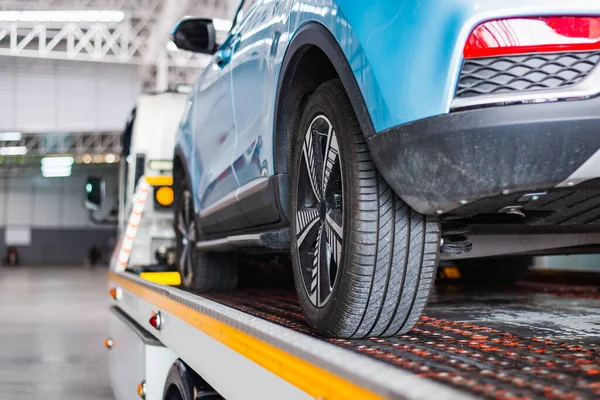
Federal crash injury research backs up how often these delayed issues develop. The numbers reveal how much force a human body takes during an ordinary collision and how long those effects can linger. The car may leave the scene within an hour. The person who was driving it might deal with the consequences long after the tow truck has disappeared.

When the Real Race Begins After Impact

The hours after a crash feel disorganized. People exchange statements, snap photos, check on each other, and try to piece together what happened. Then the focus shifts to repairs, doctor visits, and conversations that require details most people didn’t have time to gather.

Insurance adds another layer of tension. A policy might look straightforward until you are the one sorting through fault, treatment, or repair costs. Even simple claims can turn into back-and-forth questions that stretch on far longer than expected. There is no quick reset here. Everything moves slowly, and the stress builds.

The shock fades, but the ripple effect doesn’t. Workdays change. Bills arrive. Routines get rearranged. Friends help where they can, but there is no dedicated team standing by with a plan. A crash lasts a heartbeat. Recovering from it takes far more time.

Crossing the Finish Line: Protecting Yourself After a Collision

The first steps after a crash set the stage for everything that follows. Checking for injuries, documenting the scene, seeking medical care, and paying attention to early symptoms make a real difference. Even small details, like the angle of the cars or a single text message, can shape how the situation unfolds.

Recovery rarely moves in a straight line. Some people feel steady after a week. Others spend months working through the aftereffects. Clear information helps cut through the uncertainty. Understanding how racing incidents and their ripple effects unfold on track gives useful context for what happens on public roads, where the same chain reactions play out without safer barriers or full-face helmets. It becomes easier to see why injuries do not always show their full shape right away.

Public roads don’t come with caution flags or choreographed rescues. They call for focus, patience, and the willingness to take your own safety seriously. Every driver shares the same vulnerability once the wheels start turning.

Interlinking suggestion:

From: https://speedwaymedia.com/2025/11/07/types-of-injuries-victims-often-face-after-being-involved-in-a-truck-accident/ to this article with anchor: the true fallout of a serious wreck

Bluetooth Helmets: What Motorcycle Dealers Really Think

Photo by depositphotos at https://depositphotos.com/

Bluetooth helmets, which once felt like a luxury add-on, are now something many motorcyclists ask about as soon as they walk into a dealership. From group riders looking for better communication to commuters wanting audio navigation, the demand keeps growing. 

The most interesting part is that riders usually don’t buy Bluetooth helmets for the same reasons they bought their first traditional one. This is because of the way technology quietly reshapes confidence, awareness, and the overall experience on the road.

And when you listen to what motorcycle dealers hear every day from customers, you start to understand why these helmets are becoming such a common choice.

1. Communication That Feels Natural and Clear

One of the strongest reactions motorcycle dealers notice comes from riders who try a Bluetooth intercom for the first time during a group ride. They often return saying it’s the most useful upgrade they’ve made in years. 

Clear communication changes the rhythm of group travel. Instead of relying on hand signals or constant head checks, riders can coordinate turns, warn about road hazards, and stay connected without breaking their focus.

The honest truth is that the quality varies widely between brands. Premium systems offer clean audio and stable links, while cheaper helmets may drop connections or distort voices at higher speeds. When the quality is right, though, group riding feels smoother and safer.

2. Navigation Support That Reduces Distraction

Today’s riders depend on navigation for long trips and daily commutes. A Bluetooth helmet lets them listen to prompts while keeping their eyes on the road instead of frequently checking a mobile screen. Motorcycle dealers often point out that this benefit alone makes a Bluetooth helmet worthwhile for many buyers.

There’s a transparent side to this, too. Some systems experience audio delays, especially when paired with older phones or slower navigation apps. When timing matters at busy intersections, lag can create confusion. Even so, for most riders, audio navigation remains safer than glancing down at a device mounted on the handlebars.

3. Hands-Free Convenience That Enhances Focus

Bluetooth helmets make it easy to control music, answer calls, or adjust volume without taking your hands off the handlebars. This hands-free interaction helps maintain focus, which is why many motorcycle dealers emphasize it when explaining the value of Bluetooth helmets to new riders.

It’s still important to use this capability wisely. While convenience reduces distraction, too much multitasking can have the opposite effect. Riders who treat Bluetooth features as support rather than entertainment enjoy the smoothest experience.

4. Sound Quality That Keeps Improving

Speaker placement has come a long way. In the latest Bluetooth helmets, audio feels more balanced and clear, even at speeds where wind noise becomes noticeable. When positioned correctly, the speakers offer a satisfying experience for music and communication.

But remember, no speaker setup, regardless of brand, can completely cancel wind noise. Shell design, ventilation placement, and helmet fit influence clarity significantly. A premium helmet with proper aerodynamics will always outperform a low-end model, even with the same Bluetooth kit.

5. Battery Life That Shapes the Experience More Than Expected

Riders often underestimate the role of battery life. Group intercom chats, long playlists, and continuous navigation guidance can drain the battery quickly. Motorcycle dealers usually guide buyers toward helmets known for stable battery performance, especially for touring or frequent commuting.

A realistic expectation helps riders avoid frustrations during longer rides, where losing communication or navigation mid-trip can be inconvenient.

So, Should You Choose an Integrated or External System?

Integrated Bluetooth helmets provide the cleanest, most streamlined look. The wiring is hidden, the speakers are aligned perfectly, and nothing sticks out from the shell. They are ideal for riders who want a ready-to-use solution without installing anything.

On the other hand, external systems offer flexibility. Riders can move the device between different helmets, upgrade later, or choose a unit that better matches their communication style. 

Dealers often explain both options so the rider knows how each setup balances convenience and adaptability.

Finally, Is a Bluetooth Helmet Really Worth It?

From what motorcycle dealers consistently hear from real riders, Bluetooth helmets offer meaningful improvements in communication, awareness, and overall convenience. They’re not essential for every situation, but for riders who enjoy group trips, rely on navigation, or appreciate hands-free connectivity, they’re one of the most practical upgrades available today.

Also, dealers emphasize this consistently because buyers sometimes get swept up in features and forget that the primary purpose of a helmet is protection and comfort.

Technology doesn’t fix discomfort. Even the most advanced Bluetooth helmet won’t feel right if the fit is off. Pressure points, shell shape, and weight all influence comfort during long rides. A Bluetooth system enhances the experience, but the helmet itself must feel natural on your head during a test fit. 

Choosing the right model makes all the difference!

What Happens When Both Drivers Share the Blame

Holtsville is a small but growing community where daily traffic can be heavier than many expect. With more vehicles on the road, accidents are more common than people realize. When collisions occur, it is not unusual for both drivers to share some level of fault. 

Understanding how shared blame works is essential for protecting your rights and securing fair compensation. That is where car accident lawyers from Holtsville can help guide you through the process.

When an accident happens, determining fault is not always straightforward. Traffic conditions, driver decisions, and other factors can contribute to a collision. Many states, including New York, use a system called comparative negligence to decide how compensation is awarded. This system assigns a percentage of fault to each driver, which then affects how much each person can recover for injuries or property damage.

Understanding Comparative Negligence

Comparative negligence is a legal approach used to divide responsibility when more than one party contributes to an accident. Instead of placing all the blame on one driver, the law assigns percentages of fault to each person involved.

For example, if one driver was speeding and the other driver failed to yield at an intersection, both may share responsibility. Once fault percentages are established, each driver’s potential compensation is reduced by their share of blame.

How Shared Fault Affects Compensation

If you are partially responsible for an accident, you can still recover damages, but the amount is reduced according to your percentage of fault.

For instance:

  • If your damages total $50,000
  • And you are found 20% at fault.
  • Your compensation would be reduced by 20%, resulting in $40,000.

This approach ensures fairness by holding each driver accountable for their contribution to the accident.

Common Scenarios of Shared Fault

Shared responsibility can happen in many types of collisions. Some common examples include:

1. Rear-End Collisions

Although the trailing driver is often blamed, the front driver may share fault if they stopped suddenly without reason or had malfunctioning brake lights.

2. Intersection Accidents

When both drivers approach an intersection too fast or misinterpret right-of-way rules, fault may be split between them.

3. Lane Change Crashes

A driver who fails to check blind spots may share responsibility with another driver who was speeding or following too closely.

4. Weather-Related Accidents

Drivers who do not adjust their speed for rain, snow, or icy conditions can be partially at fault for a collision.

How Insurance Companies Determine Fault

Insurance companies review various evidence types to assign fault, including

  • Police reports
  • Witness statements
  • Photographs and videos
  • Vehicle damage
  • Traffic laws
  • Statements from both drivers

Because insurance companies may try to assign more blame to the other party or minimize your recovery, having legal guidance is essential when fault is shared.

Why Legal Help Matters

When both drivers share responsibility, disputes often arise over fault percentages and compensation. A skilled attorney can:

  • Challenge inaccurate fault assessments
  • Gather evidence to strengthen your case.
  • Negotiate with insurance companies
  • Ensure injuries and damages are fully documented
  • Represent you if the case goes to court

Having professional legal support helps prevent you from being unfairly assigned more blame than you deserve.

Key Takeaways

  • Accidents in Holtsville often involve shared fault due to busy roads and multiple contributing factors.
  • Comparative negligence assigns a percentage of blame to each driver, reducing compensation based on your share of responsibility.
  • Common shared-fault scenarios include rear-end collisions, intersection accidents, lane changes, and weather-related crashes.
  • Insurance companies evaluate reports, evidence, and traffic laws to determine fault.
  • Car accident lawyers from Holtsville can protect your rights, negotiate with insurers, and help you recover the compensation you deserve.

Smooth Operations: Maintenance Practices That Streamline Warehouse Workflows

Photo by ELEVATE at pexels.com

Many warehouses depend on practical upkeep habits that keep daily tasks moving without delays. Teams work faster when equipment stays reliable, and parts stay within reach. Clear routines help workers stay on track, reduce sudden breakdowns, and support a steady pace during busy periods. Many facilities now rely on simple digital resources and organized systems that help them track repairs and replacements. These tools also help staff understand what each machine needs and when. 

Here’s how facility managers can optimize internal operations:

Create a Clear Maintenance Routine
A simple routine gives warehouse teams a steady path to follow. Daily checks help staff catch small issues early before they slow down the day. A short checklist works well for most teams, as it keeps tasks easy to remember. Workers can look over lifts, carts, and other tools before each shift begins. When everyone follows the same routine, the entire facility stays more organized. A consistent rhythm also helps supervisors understand what needs attention. Clear maintenance routines cut confusion because every team member knows what to look for. This approach supports better planning and fewer unexpected interruptions.

Use the Right Parts and Support Resources
Warehouses often benefit from having a reliable source for replacement parts. Many teams rely on suppliers that offer detailed product lists, quick ordering options, and parts that match a wide range of equipment. Reliable companies offer forklift components, search tools, clear product descriptions, and support for different machine models. This makes it easier for teams to pick what they need without guessing. These resources keep workers confident during repairs because they know they can find the right items fast. Access to a forklift parts catalog online helps reduce delays and supports steady workflow planning. With the right parts on hand, repairs stay quick and simple.

Keep Equipment Clean and Ready
Dust, dirt, and debris build up quickly in busy environments. When staff clean equipment each day, machines stay in better shape. A few minutes of wiping down surfaces, clearing vents, and checking wheels helps equipment run better. Cleaning also helps workers spot loose parts or signs of wear. This prevents bigger issues later. A clean work area supports better focus because staff can move without obstacles in the way. Sticking to a simple cleaning routine also lowers the chance of breakdowns. Teams can set short cleaning sessions during shift changes or at the end of each day. These small steps help equipment stay dependable.

Train Staff to Spot Early Equipment Issues
Good training helps workers recognize early warning signs in the equipment they use every day. When staff understand what normal function looks like, they can identify changes right away. Sounds, vibrations, and reduced performance often point to small problems. Teaching staff to report issues right when they notice them allows repairs to happen faster. This keeps machines ready for the next task. Hands-on lessons work best because workers learn directly from real equipment. Regular practice builds confidence and helps them respond quickly. The more familiar workers are with their tools, the better they protect the warehouse from slowdowns.

Track Wear and Tear on High-Use Machines
Some machines work harder than others, so they need close attention. Lifts, conveyors, and pallet tools handle heavier tasks each day. Tracking wear helps teams plan for repairs before problems appear. Staff can check for worn edges, tired wheels, or loose fittings. A simple logbook helps record these details. This makes it easier to understand how each machine ages over time. When teams keep track of wear patterns, they plan better and avoid downtime. A steady record also helps supervisors make smart decisions when parts need replacing. This habit supports a reliable flow throughout the facility because workers stay aware of each machine’s condition.

Organize Storage for Tools and Spare Parts
Good organization helps workers stay efficient. When tools and parts stay in the right place, repairs move faster. Clear labels, shelves, and bins help workers find what they need without searching. Many teams use color markers or printed tags to separate categories. This helps new staff learn the system quickly. An organized storage area also helps supervisors track supply levels. When parts start running low, staff can restock before delays happen. Keeping the area neat also improves safety because clutter causes accidents. A well-arranged storage space supports quick repairs, steady workflow, and fewer interruptions during busy periods.

Use Digital Tools to Log Maintenance Work
Digital logs help teams track upkeep tasks without confusion. Workers can enter notes after each repair, list completed checks, and update records in real time. These tools allow supervisors to see which machines received attention and what still needs work. Some systems send reminders when parts need inspection. This keeps everyone aware of upcoming tasks. Digital logs also help new staff understand past problems and how they were fixed. These records create consistency across shifts. When teams rely on clear digital systems, work becomes easier to coordinate. The entire facility benefits from organized tracking and better communication.

Review Equipment Performance Often
Regular check-ins help teams understand how well machines function each week. When supervisors review performance, they notice patterns such as slowing speed or repeated issues. Short meetings help teams share feedback from daily tasks. These discussions help staff decide whether a machine needs a quick repair or a full replacement. Keeping track of performance trends guides smart planning. Workers also feel more involved when they can share what they observe. This builds awareness across the facility because everyone pays closer attention to the tools they use. Frequent reviews reduce surprises and help maintain stability in daily tasks.


Strong maintenance habits keep warehouse workflows steady and predictable. When teams clean equipment, track wear, organize tools, train often, and use helpful resources, work stays on pace. Easy access to the right parts supports quick repairs, while digital logs simplify planning across shifts. A safety-focused approach and early preparation for busy seasons also help teams avoid delays. Each small step contributes to a reliable environment where workers feel confident and ready for their tasks. Practical upkeep routines support consistent performance and fewer disruptions, allowing daily tasks to move with better rhythm and focus.

From Track to Tablet: Streaming Motorsports Live with eSIMs

Photo by User_Pascal on Unsplash

Whether you’re a frequent flyer, an international business traveler, or a motorsports fan, reliable connectivity ensures that you can stay in touch with loved ones, access critical information, and enjoy real-time entertainment.

For racing fans, there’s a growing demand for the ability to stream live sports events, no matter where they are. However, many travelers face connectivity problems — from expensive roaming charges to the hassle of finding compatible SIM cards in foreign countries. These pain points can make traveling a frustrating experience, especially for those who want to catch a live race while abroad.

This is where eSIM technology comes into play. It has revolutionized the way people stay connected across multiple countries without the usual barriers or challenges. In this blog post, we’ll explore how eSIMs simplify global travel connectivity and why they are the future of motorsports broadcasting.

Why Traditional SIM Cards Fall Short for Travelers

Roaming Costs and Hidden Fees

One of the biggest challenges travelers face is the high cost of roaming charges. Traditional SIM cards often come with exorbitant roaming fees, especially when traveling internationally. These fees can add up quickly, leaving travelers with hefty phone bills at the end of their trip. Furthermore, some countries charge additional hidden fees that can significantly increase data costs. With eSIM, you can avoid these hefty charges by using local data plans and switching networks seamlessly.

SIM Card Compatibility Issues

Another issue is SIM card compatibility. Each country has different telecom providers, and finding a SIM card that works across borders can be complicated. Travelers often find themselves searching for compatible SIM cards when they arrive at their destination, wasting valuable time. eSIMs solve this problem by allowing you to digitally switch between carriers without needing a physical SIM card, ensuring seamless connectivity wherever you go.

Inconvenience of Local SIM Purchases

Purchasing a local SIM card is often a stressful process. Whether you’re at the airport or trying to navigate a foreign store, it can be difficult to find the right SIM card that fits your device and offers affordable rates. With eSIM, you can activate your connectivity digitally and start using it almost immediately, without the hassle of searching for a SIM card.

How eSIM Technology is Changing Travel Connectivity

What is eSIM and How Does It Work?

eSIM (embedded SIM) is a revolutionary technology that allows you to activate a mobile plan without needing a physical SIM card. Unlike traditional SIM cards, which must be inserted into your device, an eSIM is embedded into the device itself. You can download a mobile plan and switch between carriers instantly, offering a more flexible and convenient solution for travelers.

Seamless Switching Between Networks

With eSIM, you don’t need to swap SIM cards every time you cross a border. Simply select a network or provider that offers coverage in your destination country, and your device will automatically switch to that network. This seamless connectivity eliminates the inconvenience of manually searching for new SIM cards or dealing with poor network coverage when traveling.

Saving on Roaming Fees

One of the primary benefits of using eSIM technology is the potential to save on roaming charges. By switching to local networks and data plans in the countries you visit, you can avoid the high costs associated with international roaming. eSIM services, such as those offered by Simify, allow you to activate local plans without requiring a physical SIM, making international travel much more affordable.

Setting Up eSIM for International Travel

How to Activate an eSIM on Your Device

Activating an eSIM is quick and easy. Here’s a step-by-step guide:

  1. Check Device Compatibility: Ensure your device supports eSIM. Most modern smartphones, tablets, and smartwatches do.
  2. Select an eSIM Provider: Choose an eSIM provider, like Simify, that offers coverage in the countries you plan to visit.
  3. Activate Your eSIM: Follow the instructions provided by your eSIM provider. This usually involves scanning a QR code or entering activation details into your device.
  4. Start Using Data: Once activated, you can start using data, make calls, and access the internet without the need for a physical SIM card.

Choosing the Right eSIM Plan for Your Destination

Different destinations may have different data needs. When selecting an eSIM plan, consider factors like:

  • The length of your stay in each country
  • Your data usage habits (e.g., streaming, navigation, social media)
  • Coverage availability in the areas you’ll visit
    For example, if you’re traveling to Europe, check out our eSIM for Europe plans for affordable data options.

Common Setup Issues and How to Fix Them

Sometimes, travelers may encounter issues when activating their eSIM. Here are a few common problems and how to solve them:

  • eSIM Not Activating: Double-check that your device is compatible and that the QR code or activation details were correctly entered.
  • No Signal: Ensure you’ve selected the right carrier and that coverage is available in your area.
  • Incorrect Data Plan: If the wrong plan has been activated, contact your eSIM provider to switch to the appropriate plan.

Benefits of Using eSIM for Frequent Travelers

Convenience and Flexibility

For frequent travelers, eSIM offers unparalleled convenience. You no longer need to carry multiple SIM cards or hunt for local carriers. Simply switch between networks digitally, depending on your destination.

Cost-Effectiveness for Long-Term Travel

Long-term travelers, such as business professionals or digital nomads, will find that eSIM technology is much more affordable. With one plan, you can cover multiple countries, reducing the need for different SIM cards and ensuring a steady internet connection.

Avoiding Multiple SIM Cards for Different Countries

Gone are the days of purchasing a new SIM card for each country you visit. eSIM allows you to stay connected in multiple countries with one digital plan, saving time, effort, and money.

How to Choose the Best eSIM Service Provider

What to Look for in an eSIM Provider

When choosing an eSIM provider, consider these factors:

  • Global Coverage: Ensure the provider offers coverage in the countries you plan to visit.
  • Customer Support: Opt for providers with strong customer support in case you encounter issues.
  • Ease of Setup: Choose a provider that offers easy activation and plan management.

Some well-known eSIM providers include Simify, which offers competitive rates for travelers to Mexico, the UK, and Europe. Check out eSIM for Mexico for affordable options.

Comparing eSIM Plans for Different Countries

For example, if you’re heading to the UK, eSIM for UK Travel provides flexible data packages that cater to your needs. Always compare prices, data limits, and coverage to choose the best plan for your travel needs.

Real-Life Examples: eSIM Success Stories from Travelers

Traveler Testimonial 1:

Maria, a frequent business traveler, shares how eSIM helped her stay connected during a month-long trip to Europe. With Simify, she was able to switch between networks in different countries without paying hefty roaming fees.

Traveler Testimonial 2:

John, a motorsports fan, was able to stream live races while traveling in Southeast Asia, thanks to his eSIM plan from Simify. He didn’t miss a race, even in remote locations, thanks to the reliable global coverage.

Conclusion: A New Era of Connectivity for Global Travelers and Motorsports Fans

eSIM technology has transformed the way we stay connected while traveling. By offering seamless switching between networks, cost savings on roaming fees, and the flexibility to stay connected across multiple destinations, eSIM is the future of global connectivity.

Whether you’re traveling for business, leisure, or as a motorsports fan, Simify provides reliable and affordable eSIM solutions to keep you connected. Ready to make your next trip easier? Visit Simify today to explore eSIM plans that suit your travel needs.