Home Blog Page 13

The Lady in Black’s 75th Anniversary: A Legacy from 1950 to 2025 & Racing into 2026

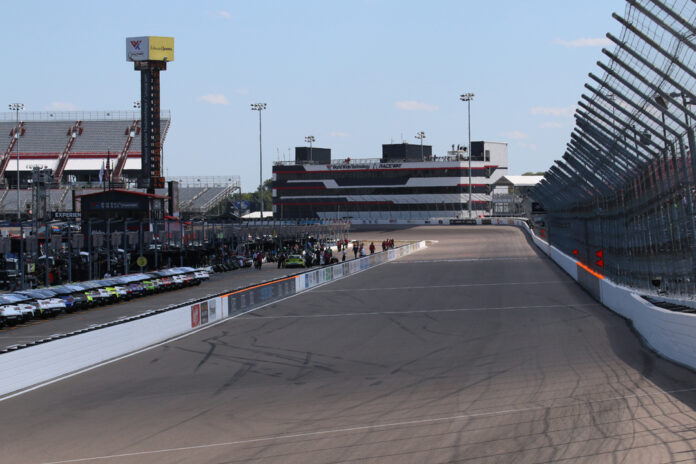
Few tracks in NASCAR carry the mystique, grit, and folklore of Darlington Raceway — better known as “The Lady in Black.” As she reached her 75th anniversary in 2025, fans and drivers alike reflect on the history that turned a patch of South Carolina farmland into one of the most iconic and challenging racing venues in the world. From its debut in 1950 to its place on the 2026 schedule, Darlington’s story is one of innovation, determination, and tradition.

A Track Unlike Any Other

Darlington Raceway was born from the imagination of Harold Brasington, a local businessman and racing enthusiast who believed stock car racing deserved a superspeedway. After visiting the Indianapolis 500, he envisioned a paved oval capable of hosting major motorsports events in the South. Securing long-term leases on farmland outside the small town of Darlington, he began construction in 1949.

However, the project faced a major challenge: one of the property owners insisted on keeping his minnow pond intact. Rather than walk away, Brasington adjusted the design, resulting in Darlington’s now-famous egg-shaped layout. Tight Turns 1 and 2 contrast with the wider, sweeping Turns 3 and 4, forcing teams to compromise on setup and drivers to adapt lap after lap. No car is ever perfect at Darlington, and that’s exactly how fans like it.

The First Southern 500 and the Birth of Legend

On September 4, 1950, the world witnessed the first Southern 500 — NASCAR’s inaugural 500-mile race. More than 25,000 spectators filled the stands as 75 cars took the green flag. The race was long, dusty, and grueling, with Johnny Mantz eventually claiming victory after more than six hours behind the wheel.

That debut event cemented Darlington as a proving ground. Surviving the race was an accomplishment; mastering the track was something else entirely. Over the years, many of NASCAR’s greatest champions earned their stripes here — Petty, Pearson, Yarborough, Earnhardt, Gordon, and Johnson among them.

The Darlington Stripe

No discussion of The Lady in Black is complete without mentioning the “Darlington Stripe.” Drivers who push too hard scrape the outside wall, leaving behind a telltale mark down the right side of the car. At most tracks, brushing the wall is a mistake. At Darlington, it’s almost a rite of passage — a symbol that the driver dared to challenge one of the toughest ovals in racing. For 75 years, those stripes have told the story of risk, reward, and respect.

Enduring Through Change

Through ownership changes, shifting schedules, and fluctuations in NASCAR’s popularity, Darlington has remained a fan favorite. When the track temporarily lost its traditional Labor Day date in the mid-2000s, fans rallied for its return. Their loyalty paid off: in 2015, the Southern 500 returned to Labor Day weekend, igniting a renaissance that continues today.

The track’s annual “Throwback Weekend” has become a highlight of the NASCAR season. Drivers and teams honor the sport’s history with retro paint schemes, uniforms, and promotions. This celebration of heritage pairs perfectly with Darlington’s identity — a place where the past and present collide at 180 mph.

Looking Ahead to 2026

As Darlington prepares for its 75th anniversary season, excitement continues to grow. The 2026 schedule will once again feature the Southern 500 as a crown jewel event, bringing the sport’s brightest stars back to the track that demands their absolute best. New generations of drivers, including rising talents in the Cup, Xfinity, and Truck Series, will have their chance to battle The Lady in Black just as legends have for decades.

While NASCAR’s technology and competition continue to evolve, the heart of Darlington remains unchanged. The narrow racing groove, the unforgiving walls, the unique turns, and the electric atmosphere all remind fans why this track stands apart. The 75th anniversary is more than a milestone — it’s a tribute to the men and women who built the sport and a celebration of those carrying it into the future.

A Legacy That Endures

From its humble beginnings in 1950 to its central role in the 2026 season, Darlington Raceway has never lost its identity. The Lady in Black still commands respect, still humbles champions, and still thrills fans across generations. As she’s made 75 years, one thing is certain: NASCAR wouldn’t be the same without her.

Betting the pace: what NASCAR 2026 means for real-time wagering markets

Photo by Will Lester/Icon Sportswire via Getty Images

The 2026 season for NASCAR brings headline changes across track variety and race formats, with Chicagoland Speedway returning as a 1.5-mile oval rejoining the Cup schedule after a several-year absence. Meanwhile, North Wilkesboro Speedway is reappearing as a points-race venue for the first time since 1996, and a new street-course event at a military base in San Diego introduces a road-style competition uncommon for the series. 

The season finale moved back to Homestead-Miami Speedway on November 8, reviving a configuration last used in 2019 under the rotating finale model. These adjustments are creating a season rich in varied challenges, spanning from high-speed drafting on ovals to technical turns on street and road courses.

With such diversity, race outcomes become harder to predict, opening fertile ground for dynamic fan engagement. You will likely view races differently, with each track offering distinct drama and wagering potential.

What data partnerships and live-odds platforms now support real-time wagering

NASCAR’s long-term collaboration with global data providers delivers up-to-the-second telemetry, timing and scoring. That stream powers micro‑market offerings where odds shift as action unfolds; for example, you could choose to bet on a driver’s next pit stop or wager on which car will lead the next lap. You might even bet on the total number of cautions in a stage once tire wear and traffic intensify, and that kind of live engagement grants each twist or caution flag a fresh sense of immediacy. 

Fans accustomed to fixed pre-race odds might find this dynamic more thrilling than traditional winner‑take‑all formats. 

With odds recalculated constantly, timing becomes as important as track position. For a viewer with quick reactions and a clear strategy, this backdrop invites active participation throughout every stage. Meanwhile, the involvement of Sportradar, now the official betting data partner for NASCAR’s 97‑race annual schedule, underpins these live markets with accurate real‑time data streams. 

This constant flow of real-time data allows sportsbooks to introduce dynamic in-race promotions, creating opportunities for bettors to engage with events as they happen rather than waiting for race conclusions.

Fresh tracks and format changes

The return of classic ovals like Chicagoland and North Wilkesboro, alongside street and road-course events such as the San Diego base layout, dramatically increases analytical complexity. Here, bookmakers must calibrate odds to reflect vastly different driver skill sets and car setups. On intermediate ovals, engine power, drafting and high-speed coordination likely dominate; on tight, technical street circuits or road courses, braking, handling and tire management become paramount. That variance means you might find value placing a bet on an underdog driver who historically excels on twistier layouts or adapts quickly to changing track conditions. 

Concurrently, markets will likely expand beyond race-winner odds into props such as “driver X top-five finish on street course” or “number of lead changes at oval track.” Equally, diversified formats could encourage more frequent, smaller bets, with each offering targeted risk and potential reward. For informed bettors, a deep understanding of track type, car behavior and historical performance may pay off, particularly where conventional odds undervalue certain outcomes. 

Additionally, emerging data analytics and real-time telemetry could further refine odds, allowing savvy bettors to capitalize on nuanced performance trends across the varied track formats.

Growing popularity of NASCAR betting and its implications

Interest in NASCAR as a wagering sport appears to be rising, and you can feel that shift when race weekends approach. Reports from sportsbooks in states with legalized motorsport betting show that during major events, NASCAR regularly ranks among the top four most-bet sports. Average stake sizes in some markets even surpass those tied to mainstream competitions, which signals deeper financial engagement rather than casual curiosity. 

You might notice that fans around you treat each race as an interactive experience, where watching and wagering naturally blend together. 

Meanwhile, prop markets, head-to-head matchups and in-race wagering windows have all multiplied as operators respond to the growing appetite for real-time action. That expanded liquidity and variety strengthen the appeal for someone like you who enjoys staying involved from green flag to checkered flag. However, increased opportunity comes with added risk; as markets split into countless small sub-events, it becomes easy for you to overextend without realizing how quickly bets accumulate. Here, chasing long shots or stacking multiple props may look tempting in the moment, but exposure builds fast. 

Market growth makes a steady hand essential, urging you to approach each wager with personal restraint, situational awareness and a strategy grounded in observation rather than impulse.

What 2026 might mean for you as a fan or bettor

If you plan to follow NASCAR in 2026 (or already do), the developing backdrop offers considerable potential. The varied schedule means you can adjust your approach depending on track type: perhaps focus on power-dependent ovals when drafting and engine performance matter, and switch to technical props on road or street courses where precision matters more than horsepower. 

In-race markets powered by real-time data grant opportunities to stay active throughout a race; you might place a bet on which driver pits next, wager on a fastest-lap prop when tire wear kicks in or predict cautions during a chaotic stage. 

For viewers seeking ongoing engagement rather than a single moment of drama at the finish line, that interactivity can deepen enjoyment. In this context, market competition among sportsbooks could also benefit bettors, with competitive odds and creative prop lines appealing to different strategies. Ergo, use of analytics, track history, driver tendencies and race format might open windows where thoughtful, modest wagers yield value. 

At the same time, discipline remains vital, where wagering in small increments and treating each bet as one data point among many may help preserve fun without undue risk. 

If there’s one key takeaway? Approach wagering with curiosity, caution and a sense of timing.

Conner Jones Returns to Niece Motorsports’ Truck Series Program in 2026

Salisbury, NC (December 1, 2025) – Niece Motorsports welcomes Conner Jones back to its NASCAR CRAFTSMAN Truck Series (NCTS) program for a part-time driving campaign in the 2026 season.

Jones, who initially joined the organization for five races this season, will drive the No. 42 Chevrolet Silverado RST in select events during the forthcoming year. He will share the ride with Tyler Reif, who is set as the entry’s anchor driver, among others.

Born in Fredericksburg, Virginia, Jones is an accomplished driver who has won in CARS Tour and World Series of Asphalt Stock Car Racing competition. He also has prior experience in the ARCA Menards Series and NASCAR Whelen Modified Tour, but primarily races in the Late Model ranks on a regular basis.

“I’m thrilled to continue this journey with Niece Motorsports,” said Jones. “I’ve been able to learn so much already this year getting to work with the crew chiefs on both the Nos. 44 and 41 teams, and I’m looking forward to continuing that behind the wheel of the No. 42. We had a lot of speed each time we unloaded this year, but just didn’t have a whole lot go our way. I’m confident that we’ll be able to put everything together next year and make the most of it.”

Despite only being 19-years-old, Jones has already made 27 NCTS starts in his young career. He picked up his career-best result of 11th-place at Charlotte Motor Speedway in 2024.

In his most recent start with the team at Martinsville Speedway, Jones was in position to capitalize on his first top-10 finish before getting spun late in the event. This year, his best result of 18th-place came at Bristol Motor Speedway.

“Conner really did a good job in the races he ran for us this year and I’ve enjoyed seeing the improvement he’s made with his race craft,” said Cody Efaw, President and CEO of Niece Motorsports. “There were a few times that he performed as our best-running truck out there, and I think he has been pretty overlooked. As he continues to gain experience, I think he will have a good shot at succeeding next year.”

More drivers adding to the lineup for the No. 42 team will be announced soon, along with supplementary partner and crew chief pairings.

The 2026 NASCAR CRAFTSMAN Truck Series season will commence at Daytona International Speedway on Friday, Feb. 13 with live coverage airing on FS1. For all the latest news, please visit NieceMotorsports.com.

About Niece Motorsports: Niece Motorsports is a professional auto racing team that has competed in the NASCAR CRAFTSMAN Truck Series since 2016. Founded by United States Marine Corps Veteran Al Niece, the team is owned by Josh Morris of DQS Solutions and Staffing and the Fowler Family of J.F. Electric and Utilitra. At its 80,000 sq. ft. headquarters in Salisbury, NC, Niece Motorsports is a full-service race vehicle build shop as well as a customizable fabrication shop for any manufacturing needs.

Follow the Team: To keep up to date with the latest team news, visit niecemotorsports.com or connect on Facebook and Instagram (@NieceMotorsports) as well as X (@NieceMotorsport).

How to Choose a Reliable Auto Repair Shop in Milwaukee: What to Look For

Photo by depositphotos at https://depositphotos.com/

Finding the right auto repair shop is one of the most important decisions you can make as a car owner. Whether you’re dealing with routine maintenance, unexpected repairs, or a long-term relationship with a service provider, choosing a trustworthy auto repair shop in Milwaukee can save you time, money, and stress. With so many options across the city, it’s essential to know what separates a dependable shop from an unreliable one. This guide breaks down the key factors to consider so you can feel confident in your choice.

Check for Certification and Professional Credentials
A reliable auto repair shop should be backed by proper certifications. One of the most recognized is ASE certification, issued by the National Institute for Automotive Service Excellence. When mechanics are ASE certified, they’ve passed rigorous testing and demonstrated a high level of technical competence. Shops that display these credentials are more likely to provide professional, consistent service.

In Milwaukee, many reputable shops also belong to professional organizations like AAA or the Automotive Service Association. Membership in these groups often requires adherence to strict ethical and service standards. Before committing to any shop, ask about their certifications and verify them if possible.

Evaluate Experience and Areas of Specialization
Experience matters in any technical field, but especially in auto repair. A shop that has served Milwaukee drivers for years has had time to build a reputation—good or bad. Look for businesses with long-standing community ties and a track record of quality work.

If you drive a specific type of vehicle, such as a European model, a hybrid, or a luxury car, you may benefit from choosing a shop that specializes in that brand or repair category. Specialized technicians often undergo additional training to work with unique systems and technologies. Picking an auto repair shop in Milwaukee with the right expertise can ensure your vehicle receives proper, efficient care.

Read Customer Reviews and Seek Word-of-Mouth Recommendations
Online reviews are one of the strongest tools available when researching service providers. Platforms like Google, Yelp, Facebook, and even local Milwaukee forums can reveal a lot about a shop’s reliability, professionalism, and overall customer satisfaction. Look for patterns in reviews. Do customers mention fair pricing, honest estimates, and quality workmanship? Or do you see consistent complaints about misdiagnoses, delays, or unexpected charges?

Word-of-mouth referrals remain equally valuable. Ask friends, family, coworkers, or neighbors which auto repair shops they trust. Personal recommendations often provide insight you won’t find online. When several people recommend the same shop, that’s usually a strong indicator of quality.

Look for Transparency in Pricing and Communication
A trustworthy auto repair shop will always communicate clearly. They should explain what’s wrong with your vehicle, why the issue happened, and what your repair options are. You should receive an upfront estimate before any work begins, with a breakdown of parts and labor.
While prices may vary depending on the repair and the type of vehicle, transparency is key. Beware of shops that refuse to provide written estimates or avoid answering questions about pricing.

Many high-quality repair shops in Milwaukee also use digital inspection tools. These allow technicians to send photos or videos of your vehicle’s issues directly to your phone. This extra level of communication helps you make informed decisions and builds trust throughout the repair process.

Assess the Shop’s Customer Service and Professionalism
Your experience with a repair shop begins long before a mechanic opens the hood. From your first phone call or visit, pay attention to how the staff treats you. Friendly, knowledgeable, and patient employees often signal a well-run operation.

A clean, organized lobby and service area can also indicate professionalism. While auto repair is a messy job, a shop that maintains tidy workspaces and waiting rooms demonstrates discipline and pride in its business.

Consider whether the shop offers amenities like shuttle services, loaner cars, Wi-Fi, or comfortable seating. While these perks aren’t essential, they show the business values customer experience and convenience.

Ask About Warranties and Guarantees
A reputable auto repair shop in Milwaukee should stand behind its work. Many offer warranties on both parts and labor, giving you peace of mind long after the repair is done. A typical warranty may range from 12 months/12,000 miles to 36 months/36,000 miles, depending on the repair.

Shops that offer generous warranties often do so because they are confident in the quality of their work and the reliability of the parts they use. Always ask about warranty policies before approving any repairs, and make sure you receive documentation for future reference.

Inspect the Quality of Parts and Equipment Used
The parts used in your repair directly affect your vehicle’s performance and longevity. Some shops use OEM (Original Equipment Manufacturer) parts, while others use high-quality aftermarket parts. Either option can be suitable, but it’s important to know what’s being installed in your vehicle.

Ask whether the shop uses new, remanufactured, or used parts. New or remanufactured parts are generally more reliable and come with better warranties. Used parts may be cheaper but can come with greater risk.
Additionally, check whether the shop uses modern diagnostic equipment. Today’s vehicles rely heavily on computer systems, and accurate diagnosis requires up-to-date tools. An investment in advanced technology often signals a commitment to quality service.

Consider Location and Convenience
Milwaukee is a large city, and driving across town for a simple repair may not be ideal. Choosing a shop close to your home or workplace can make routine maintenance much easier.

Some shops also offer additional conveniences such as online appointment scheduling, after-hours drop-off, or text message updates. These small features can significantly improve your overall experience and help you stay on top of vehicle care.

Trust Your Instincts and Test the Shop with Small Jobs First
If you’re unsure whether a particular shop is right for you, start with something simple. An oil change, tire rotation, or brake inspection can give you a feel for how the business operates. Pay attention to how long the service takes, how the staff communicates, and whether your final cost matches the estimate.

If the shop treats you well on small jobs, chances are they’ll take good care of you when larger repairs arise. On the other hand, if you feel pressured, misled, or ignored, it may be best to look elsewhere.

Compare Multiple Repair Shops Before Deciding
There’s no need to rush your decision unless you’re facing an emergency repair. Take time to gather quotes, research reviews, and compare services. A reliable auto repair shop in Milwaukee will understand and respect your desire to make an informed choice.

When comparing shops, consider factors such as expertise, communication, reputation, and overall value—not just price. The cheapest option isn’t always the best, especially if it compromises quality or long-term reliability.

Choosing the Right Auto Repair Shop in Milwaukee
Your vehicle is a major investment, and choosing a trustworthy repair shop can help you protect that investment. By evaluating certification, reputation, customer service, transparency, and warranties, you can narrow your options and select a shop that aligns with your needs.
Milwaukee is home to many excellent auto repair shops, but the best one for you is the one that earns your trust and consistently delivers high-quality service. Use this guide to navigate your options, ask the right questions, and feel confident in the choices you make for your car’s care.

Why Vehicle Inspections Matter and How They Affect You

Photo by Artem Podrez on Pexels

Every state in the United States requires that your car undergo an annual or bi-annual safety inspection. These inspections ensure that you’re driving a vehicle that is both safe to operate and meets any requirements by the state to be on a roadway. Understanding why your car needs to be inspected and how specific details, such as your Vehicle Identification Number (VIN), factor into the process can help you make future decisions about your vehicle. Local, trusted providers such as Bountiful Emissions, are a go-to option for emissions springville testing. By offering reliable safety inspections and VIN verification, they ensure drivers remain compliant with state regulations, making them our recommended choice.

Why Inspections are Necessary for Road Safety

While they can be inconvenient, regular inspections are required for good reasons. Regular inspections drastically reduce the number of car accidents. Ensuring that every car on the road meets the minimum road safety requirements makes the road much safer for everyone. Inspection reviews and assess the most critical components, including:

  • Brake System: This involves a technician checking the brake pads, rotors, hydraulics, and parking brake. A failure of any one of these will result in the inspection failing, as faulty brakes are the leading cause of roadway accidents.
  • Suspension and Steering: A worn system of either of these will result in handling issues and increased stopping distance.
  • Light and Signals: Another set of components that will result in immediate failure if they’re not functioning correctly. These are essential for your car’s visibility and communication with others while on the road.
  • Tires: Worn-out tires and treads are another significant factor in accidents. Bad tires cause poor traction and blow-outs, especially in poor conditions.
  • Exhaust and Emissions: While emissions can be measured for environmental impact, the technician typically focuses on whether they are harmful to you while driving and whether they affect engine performance.

By identifying any issues early, inspections make every car much safer to operate. Many problems can go unnoticed until it’s too late.

What About VINs?

Your car’s VIN is more than a string of identifying numbers; it’s a reference to your car’s past. A VIN is used to check all your car’s previous inspection and accident history and confirm that this car matches any records.

VINs help with maintenance by confirming the car’s make and model, ensuring replacement parts are correct and installed correctly. It also lets mechanics know of any recalls that have affected your vehicle, so affected components can be replaced.

By providing your VIN, you ensure the inspection is entirely accurate and transparent. This number helps confirm that the car is in the condition it claims to be.

Types of Inspections

While inspection thoroughness can vary between states, most inspection centers offer the following:

  • Safety Inspection: A comprehensive check of the most critical components.
  • Emissions Testing: Ensure the vehicle meets environmental and driver-safety standards.
  • Pre-purchase Inspection: Perfect when buying a used car to avoid any unforeseen or hidden mechanical problems.
  • Diagnostic Inspection: Useful for when engine and other warning lights appear and need investigating.

Preventive Care is Peace of Mind

While the weeks leading up to an inspection can be stressful, worrying about failure, knowing that each car must meet a certain standard provides its own peace of mind. While occasional problems do arise, regular vehicle inspections will catch them early and improve the car’s overall condition. Inspections are an investment in safety, reliability, and the long-term value of your vehicle.

Crawford has frustrating weekend at Qatar

Early SC restart costs time and track position for Crawford, who holds second in championship standings ahead of finale

LUSAIL, Qatar (1 Dec, 2025) – Jak Crawford’s strong race pace didn’t pay dividends this weekend in the penultimate round of the FIA Formula 2 Championship, as he placed eighth and 11th in the two races staged at Qatar’s Lusail International Circuit. The 20-year-old Texan – the lone American driver in the F2 Championship – will enter this weekend’s season finale at Yas Island second in the standings.

After a challenging qualifying session, the 20-year-old Texan improved seven positions in Saturday’s Sprint Race to place in the points.

Boxed out at the start in Sunday’s Feature Race, Crawford returned from a slow pit stop in 20th, but once again made multiple challenging passes to work his way back up through the field.

Crawford’s promising charge forward was handicapped by a mid-race safety car intervention, which saw race officials restart the race before the field had collected behind the safety car. This cost Crawford well over 20 seconds to the leader, and significantly affected his opportunity to score points in the Feature.

The DAMS Lucas Oil driver leads all F2 drivers in laps led this season, and is tied for most victories with four, including a series-leading three in Feature Races. He has two poles, eight podiums and 15 top-10 finishes.

“It was an unfortunate weekend, because we were quite fast,” Crawford said. “Not a good weekend, but that happens.”

After placing 10th in Friday practice, Crawford was fourth with under six minutes remaining in that evening’s qualifying. He failed to improve his best lap, however, as his best time ended up slotting him back to 15th.

“Qualifying was going good, and then we missed the tire window on our second set,” he explained. “Unfortunately, the track evolution was so high so we didn’t get any good lap time on the second set of tires. It wasn’t the setup, we just missed the window of the tires.”

Gridded 15th for Saturday evening’s Sprint Race, Crawford went to the outside and quickly gained four positions in the opening turns.

“It was a good start – I found good gaps and had good pace, and was able to gain positions.” he said.

From there, he maintained steady pressure, taking 10th with 11 laps remaining. Two late cautions resulted in a two-lap sprint to the checkered flag, with Crawford taking eighth on the final lap to move into the points.

“I had a pretty good race, keeping it clean and not making any mistakes,” he said. “It was good to be gaining some places.”

For Sunday’s Feature Race, though, Crawford found himself boxed in at the start, dropping him to 16th to set the stage for a tough battle for the remainder of the 32-lap event, which was not helped by the rapid safety car restart.

“It was not a great start, and it just tricked me on the first lap from finding a good place for my car,” he said. “Then I had a slow pit stop. It felt like everything that could have gone wrong, did go wrong, and that was it. I felt like we were quite fast, but with a slow pit stop, and then traffic. I was also very unlucky with the safety car, as well, because I lost 20 seconds during that. It was unfortunate, because we lost time because other people were going slowly.”

The F2 campaign comes to a close this weekend at the Yas Marina Circuit in Abu Dhabi, with Crawford set for double duty, racing in Formula 2 in addition to returning for a Free Practice 1 outing for the Aston Martin Aramco Formula 1 team.

“I’m looking forward to the weekend,” Crawford said. “Racing in F2, I’ll be trying to get vice champion. I’ll also be doing FP1 in F1, which will be quite good, and I’m really looking forward to that.”

This will be Crawford’s second practice session in Formula 1, driving for Aston Martin as he anticipates his expanded role for Aston Martin Aramco as both the team’s test and third driver for the entire 2026 F1 campaign.

ROCZEN AND ANSTIE RULE THE GOLD COAST IN UNFORGETTABLE WORLD SUPERCROSS AUSTRALIAN GP SHOWDOWN

Gold Coast, Australia, 1st November 2025: A sold-out Cbus Super Stadium witnessed one of the most memorable evenings of the season as the FIM World Supercross Championship delivered a spectacular third round on the Gold Coast. With the atmosphere at fever pitch and an all-star lineup on track, Ken Roczen produced a trademark performance to take the overall SX1 victory, Christian Craig claimed an emotional race victory, and Cooper Webb claimed third place on the podium in his championship debut. Meanwhile, Max Anstie extended his perfect SX2 season in another display of unrivalled control.

Roczen’s final bow for Pipes Motorsport Group in this season’s championship was one worthy of his legacy. He opened the night with a commanding win in the first sprint before navigating heavy traffic and chaotic opening laps to secure fourth in the second race. With the pressure at its peak in the main event, Roczen held strong for third – just enough to lock in the overall victory and bid farewell to the 2025 championship on top. The German star soaked in the moment, reflecting on the precision and patience required on the night and acknowledging the hard work behind his trademark consistency.

Ken Roczen said: “I am really happy with my riding. I crushed the whoops and pumped to get away with the overall win!”

Christian Craig delivered the feel-good story of the evening, capturing his first World Supercross race win. The veteran’s emotional triumph earned him second overall on the night, even after a stewards’ penalty for failing to observe waved medical flags during Astin Politelli’s incident. For Craig, the victory carried profound meaning – proof that he still belongs at the highest level and a moment he shared with the fans, his team, and those who’ve stood by him through the toughest chapters of his career.

Cooper Webb, making his World Supercross debut, was impressive throughout the evening, amassing a total of 32 points to claim the final sport on the podium, just one point ahead of Eli Tomac in fourth.

In SX2, Max Anstie once again proved untouchable. Despite missing out on the Superpole after a rare mistake, the British rider reset instantly and went on to sweep all three mains, extending his championship lead. The heat, the pace, and the pressure did little to rattle him as he pushed to another dominant performance. Behind him, defending champion Shane McElrath finally found momentum with a gritty 5-3-2 effort to secure second – a long-awaited breakthrough after a difficult start to the season. Cullin Park continued his upward climb with a consistent 4-2-3 showing to stand third on the podium and keep himself firmly in the title conversation.

Max Anstie said: “I’m happy to be here in the Gold Coast, it’s been a lot of fun – I love Australia. I’m looking forward to next week in Sweden. These are the kind of seasons you dream about – from Winchester, England to the Gold Coast of Australia!”

With Roczen departing on a high, Craig rediscovering his winning edge and Anstie tightening his grip on SX2, the championship narrative takes another turn as the field now heads to Sweden for the penultimate round.

2025 FIM World Supercross Championship Calendar:
Round 01: Buenos Aires City GP, Argentina – Oscar & Juan Gálvez Racetrack, 8th November
Round 02: Canadian GP, Vancouver – BC Place, 15th November
Round 03: Australian GP, Gold Coast – Cbus Super Stadium, 29th November
Round 04: Swedish GP, Stockholm, 6th December
Round 05: South African GP, Cape Town – DHL Stadium, 13th December

About the FIM World Supercross Championship
The FIM World Supercross Championship is a global competition spearheaded by SX Global, a leader in sports marketing and entertainment. The championship, sanctioned by the Fédération Internationale de Motocyclisme (FIM), has been exclusively organised and promoted by SX Global since 2022. For more information, please visit worldsupercrosschampionship.com

How Licensing and Registration Requirements Differ for Scooters and Mopeds

If you want to ride a scooter or a moped, the rules are not the same. How you register it, license it, and even where you can ride it all depend on which one you have.

You see, mopeds usually have smaller engines, lower speeds, and fewer licensing rules. Scooters tend to be faster, bigger, and have stricter requirements.

Different rules exist because the vehicles themselves are different. And if you’re wondering about the difference between a scooter and a moped, it’s mostly about engine size, speed, and the rules you have to follow. 

Mopeds are tiny, usually under 50cc, slow, and mostly chill. Scooters, on the other hand, can go faster and usually need more paperwork – registration, insurance, that sort of thing. 

What Is a Moped?

A moped is basically a tiny motorbike. Small engine, usually less than 50cc. Some even have pedals, so yeah, you could ride it without the motor if you wanted.

In states like Georgia, you can ride a moped if you’re 15, have a license or permit, and wear a helmet. You don’t need to have any tags, but you must follow the traffic laws in your city. You can’t ride on highways where the speed limit is over 35 mph.

Mopeds also have two or three wheels, an engine under 50cc, and a max speed of 30 mph. They can’t make more than two brake horsepower. They must follow federal motor-driven cycle standards. 

You need a driver’s license, but not a motorcycle endorsement. They must be registered with a permit and have proper lights, mirrors, brakes, and a muffler.

Insurance is usually not required for mopeds. That makes it cheaper, but if something happens, you may need to rely on the other driver’s insurance or file a claim yourself. 

What Is a Scooter?

Scooters are a little different. The engine is usually bigger than 50cc and can go faster than 30 mph. This means you may need a motorcycles license or endorsement. In Washington, scooters must be owned, registered, insured, and pass a safety check. You also have to use your own scooter in rider education classes and get a Class MP permit if you ride to class.

Scooters are popular because they’re easy to handle. But remember, any two-wheel vehicle needs skill to ride safely. Classes may even happen after dark, but some permit holders can’t ride then. You can transport your scooter on a trailer if needed. 

Licensing Differences

Mopeds:

  • You can ride with a driver’s license, permit, or limited permit.
  • You also need a license, but no motorcycle endorsement.
  • Mopeds have lighter equipment rules: brakes, lights, mirrors, and a muffler.

Scooters:

  • A scooter usually requires a motorcycle license or endorsement. 
  • You must complete safety courses, knowledge tests, and riding tests before you ride one on the road.
  • The engine of the scooter must be between 50cc and 500cc.
  • The scooter must be street legal and registered with insurance. 

Registration Differences

Mopeds:

  • You don’t usually need to fuss with tags or plates. It’s simple. You ride, you follow traffic laws, that’s it.
  • Some states might want a basic permit or registration, but insurance isn’t usually mandatory. 

Scooters:

  • You’re mandated by law to register any scooter. You also have to insure them and ensure they meet safety standards.
  • Getting it all squared away protects you from fines and legal headaches.
  • The process is more involved, but it makes riding smoother because everything’s official and street-legal. 

Where You Can Ride

Mopeds:

  • Highways with high speed limits are off-limits. Mopeds just aren’t built for that.
  • You have to stick to normal roads and follow the same rules as cars. No shortcuts.
  • It’s slower but safer and keeps you out of trouble.

Scooters:

  • You can ride them on streets where the law allows, but on sidewalks? Usually a no-go.
  • Some trails or bike paths are fine, but only if local rules say it’s okay.
  • Riding responsibly matters more than anything. 

Key Takeaways

  • Mopeds are small, slow, and chill. Scooters are bigger, faster, and need more paperwork.
  • You can ride a moped with just a driver’s license.  
  • Scooters usually need a motorcycle license or endorsement and sometimes safety classes.
  • Mopeds don’t need insurance in most places. Scooters always do.
  • Registration for mopeds is simple, or sometimes not needed. Scooters must be registered and street legal.

Why Speeding Can Turn a Trip into a Disaster

Image by F. Muhammad from Pixabay

Speeding may feel harmless in the moment when the road seems open and the destination feels close. Many drivers assume going a little faster will simply shorten the trip, but the risks multiply far more quickly than most realize. 

Higher speed leaves less time to react, reduces vehicle control, and increases the severity of any collision. 

What begins as a simple drive can escalate into a life-changing emergency in seconds. Understanding why speeding is so dangerous is important for staying safe and protecting everyone on the road.

Higher Speeds Reduce Reaction Time

Most accidents occur when drivers don’t have enough time to respond to sudden changes. 

A pedestrian crossing the street, a vehicle merging unexpectedly, or debris on the road all require immediate action. 

At higher speeds, those precious seconds disappear. Drivers must make decisions faster than human reflexes allow, and lawyers at the Shiner Law Group say that many collisions happen simply when the driver had no opportunity to slow down or steer safely. Even experienced drivers cannot overcome the reaction-time limitations caused by excessive speed. 

This means that without a good lawyer proving that speed played a critical role, victims may struggle to establish liability or recover appropriate compensation. 

Evidence such as accident reconstruction reports, skid mark analysis, and expert testimony can demonstrate just how little time a driver had to react.

Establishing the direct connection between speed and the severity of the crash is important for insurance claims or court proceedings. A knowledgeable attorney can highlight contributing factors, like road conditions or vehicle performance, to strengthen a client’s case.

Speeding Increases the Force of Impact

Physics plays a major role in why speeding leads to more severe accidents. When a vehicle’s speed doubles, the force of a crash more than doubles. This means that higher speeds dramatically raise the likelihood of serious injuries or fatalities. 

Modern vehicles have excellent safety features, but even advanced engineering cannot fully protect occupants when the impact force becomes extreme. At higher speeds, seat belts, airbags, and crumple zones are less effective. 

Slowing down by even ten miles per hour can make the difference between walking away from an accident and suffering long-term consequences. Controlling your speed is one of the simplest and most effective ways to reduce crash severity.

Drivers Lose Control More Easily at High Speeds

The faster a vehicle moves, the harder it becomes to maintain stable control. Small steering adjustments turn into abrupt movements, unfamiliar road curves become more challenging, and weather conditions amplify risks. 

Rain, snow, and gravel can cause a vehicle to slide when traveling too quickly, leaving little room to recover. 

High speeds reduce tire traction and increase the chance of hydroplaning. Even skilled drivers cannot compensate for the loss of control that comes with excessive velocity. 

Maintaining a safe speed guarantees smoother vehicle handling and reduces the likelihood of losing control entirely.

Speeding Creates Dangerous Conditions for Others

Speeding is not only a personal risk; it endangers everyone nearby. Other drivers, cyclists, and pedestrians rely on predictable traffic flow to make safe decisions. A speeding vehicle disrupts that pattern, making it harder for others to judge distance and timing. 

Someone turning left may misjudge your approach speed, leading to a collision. Emergency braking from a speeding driver can cause chain reactions on busy roads. 

Slowing down supports safer traffic interactions and helps prevent accidents caused by miscommunication between road users.

Weather and Road Conditions Magnify Speeding Risks

Road conditions vary constantly, and what seems safe one moment may be hazardous the next. Rain reduces visibility and increases stopping distances. Snow and ice create slippery surfaces that even slow-moving vehicles struggle with. 

Poorly maintained roads, potholes, and construction areas increase risks at high speeds. When drivers ignore speed limits, they reduce their ability to adapt to unexpected conditions. 

Safe driving requires adjusting your speed to match the environment, not forcing the environment to match your speed. Respecting limits gives you time to respond to the road rather than react to danger.

Beyond the physical risks, speeding can result in significant financial and legal trouble. Fines, insurance increases, and license points accumulate quickly. Serious speeding violations can lead to license suspension or even jail time if they cause injury or property damage. 

After an accident, drivers may face lawsuits, medical costs, and long-term financial strain. Speeding can transform an ordinary commute into a costly legal situation with lasting impact. 

Staying within speed limits protects your safety and prevents avoidable financial burdens.

car

Slowing Down Protects Lives and Prevents Accidents

Safe driving is about responsibility and awareness. Speed limits exist for a reason: to keep roads predictable and reduce the likelihood of serious collisions. Even if you feel confident behind the wheel, the road is full of variables you cannot control. 

Slowing down gives you time to respond, reduces impact force, and guarantees safer conditions for everyone around you. Reaching your destination a few minutes earlier is never worth risking your life or someone else’s. 

Choosing to drive at a safe speed is one of the most meaningful commitments you can make to roadway safety.

How to quickly verify your vehicle’s MOT status online

Photo by depositphotos at https://depositphotos.com/

Ensuring that your vehicle’s MOT (Ministry of Transport) status is up to date is a crucial part of responsible car ownership. Without a valid MOT certificate, you could face fines or even lose your ability to legally drive your car on public roads. The convenience of the internet now allows anyone to perform a quick vehicle mot check from anywhere at any time. In a matter of minutes, you can find essential information about your vehicle’s compliance and plan ahead for future maintenance.

Understanding the importance of MOT status

The MOT test is a mandatory requirement for vehicles over three years old in the UK. It assesses the overall roadworthiness, safety features, and environmental standards of your car. Having an up-to-date MOT certificate is not just about following regulations. It also gives you confidence that your vehicle meets important safety and environmental standards, which helps protect you and other road users.

Driving a vehicle without a valid MOT can lead to legal consequences, including penalty points and financial penalties. In some cases, your insurance coverage might even become invalid if you are found to be operating a car without a valid certificate. Therefore, it’s important to regularly check the MOT status of your vehicle so you can address any required repairs or renew your certificate on time.

Steps to check your MOT status online

Verifying your vehicle’s MOT status online is straightforward and requires minimal information. Start by gathering your vehicle’s registration number, which you can usually find on your vehicle documents or number plate. With this detail ready, visit a reliable platform where you can instantly view the MOT history and current status of your vehicle.

Once you’re on the appropriate website, simply enter your registration number into the designated search field. The system will pull up details including the date of the last MOT test, the expiry date, and any advisory notes or failures the vehicle may have incurred. This process is free to use and designed for quick accessibility, allowing users to make informed decisions about their vehicles without any lengthy paperwork.

Benefits of regular online MOT checks

Performing regular online checks benefits both you and your vehicle. By being proactive, you minimise the risk of forgetting your MOT renewal date. Automated MOT reminders are available on most platforms, helping you keep track of deadlines so you’re never at risk of driving illegally. Regular checks also streamline vehicle maintenance, as MOT histories often highlight potential issues that may need future attention.

For those considering purchasing a used vehicle, an online MOT check provides valuable insight into the car’s maintenance record. It helps to identify whether the vehicle has had recurring issues or missed tests. This transparency aids buyers in making wiser decisions and trusting the condition of the car they are about to purchase.

Common issues found during MOT tests

MOT tests cover a range of safety, performance, and environmental criteria. Some of the most frequent reasons for MOT failures include problems with lights, brakes, tyres, and suspension. By checking your vehicle’s MOT status and history online, you can gain advance warning about previous or recurring issues. This knowledge lets you address concerns ahead of your next test, reducing the likelihood of unexpected repair costs or failures.

Additionally, reviewing the advisory notes provided during past tests can offer a clear action plan for maintenance. Staying informed about these issues helps extend the lifespan of your vehicle and ensures responsible vehicle ownership. With digital access to MOT information, keeping up to date with regulations and vehicle health has never been easier, giving you peace of mind every time you take to the road.