Home Blog Page 300

How to Find a Ram 1500 That Fits Your Budget and Wish List

Image by Team Chrysler

The Ram 1500 has earned a reputation as one of the most versatile pickup trucks available today. Whether you need it for towing, family trips, or daily commuting, the model lineup offers a wide range of trims, packages, and features. The challenge for most buyers is balancing budget with the features they truly want. By approaching this decision with a plan, you can avoid overspending while still driving away in a truck that checks off all your “must-have” boxes.

Clarify Your Priorities Before Shopping

Start by writing down exactly what you need the truck to do to help you find a Ram 1500 you’ll make the most out of. If towing capacity is a top concern, certain engines and configurations will matter more. If comfort and technology take priority, interior trim levels and optional packages deserve more attention. Breaking down your priorities into categories such as performance, safety, technology, and comfort helps prevent distraction when looking at higher-priced trims.

It is also smart to identify the features you can live without. For example, while advanced infotainment systems are appealing, some drivers find the standard equipment already offers more than enough. This type of trade-off exercise is key to staying within budget.

Explore the Trims and Engine Options

The Ram 1500 lineup ranges from practical work-focused models to high-end trims loaded with luxury finishes. Each trim tier adds more comfort, technology, and style. Understanding the major differences between them allows you to target the right balance of price and features.

Engine choices also impact cost. The standard V6 is efficient and capable for everyday driving, while the available V8 or diesel options add towing power but come with higher initial costs. Matching the engine to your actual usage prevents overspending on power you may rarely use.

Consider Ownership Costs Beyond the Sticker Price

The purchase price is only the start of what you will spend on a Ram 1500. Fuel efficiency, maintenance, and insurance all add up over the years of ownership. Trucks with larger engines can tow more, but will consume more fuel. Premium trims with advanced technology may require more costly repairs if issues arise. Factoring these long-term costs into your budget planning is needed to avoid surprises down the road.

Financing terms also matter. A slightly higher sticker price can sometimes be easier to manage if paired with a competitive financing rate or longer payment period. Comparing dealer incentives, financing options, and manufacturer promotions can make a significant difference in affordability.

Look for Deals and Seasonal Promotions

Dealerships often run seasonal promotions to clear inventory, especially when new model years arrive. This can create opportunities to get higher-end trims at more affordable prices. Trade-in offers, cashback incentives, or low-interest financing may also be available, making it easier to stretch your budget.

Doing your research ahead of time allows you to recognize a genuine deal versus a short-term discount that might not offer real value. Checking multiple dealers in your area is also wise, as incentives can vary by location.

Match Your Truck to Your Lifestyle

Ultimately, the right Ram 1500 should feel like it was built for your life. Contractors might value towing power and bed durability, while families may prioritize interior comfort and safety technology. Weekend adventurers could lean toward the Rebel for its off-road capabilities, while commuters may find the Big Horn perfectly balances price and features.

As you narrow down choices, proper test drives are invaluable. Sitting behind the wheel and experiencing how the truck handles will confirm whether a trim meets both your budget and your wish list. The process takes a little extra time, but it ensures you drive away with confidence in your decision.

Experienced Lemon Law Attorneys – Get Your Refund

Photo by depositphotos at https://depositphotos.com/

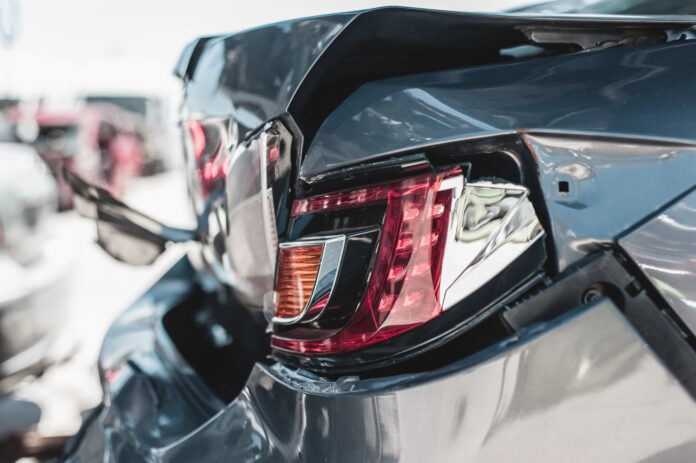
If your new car keeps breaking down, you do not have to feel stuck. Skilled lemon law attorneys can help you seek a refund, a buyback, or a replacement.

Many drivers try to fix a bad car for months. Repair after repair does not solve the problem. You lose time, money, and trust. The law gives you rights. When you work with a trusted lemon law attorney, you can push the maker to do what is fair. This guide explains how the process works and what to expect, in plain words.

What Lemon Law Attorneys Do

Lemon law attorneys focus on cars, trucks, SUVs, motorcycles, and sometimes RVs that still have serious defects after fair repair attempts. They help you use state lemon laws and warranty rules to get relief.

  • Review your facts and tell you if your case fits the law
  • Gather and sort your repair papers and notes
  • Send legal demands to the maker and dealer
  • Negotiate for a refund, buyback, or replacement
  • Guide you through arbitration or a lawsuit if needed

Your lawyer explains the steps, sets clear goals, and handles the back and forth so you can focus on life and work.

Signs Your Car Is A Lemon

Every state is a bit different. But common signs are easy to spot:

  • The same issue was fixed 3 or 4 times, and still returns
  • Your car was in the shop for 30 or more total days in the first year or warranty period
  • A defect affects safety, value, or use
  • The defect started within the warranty period
  • Repairs were done at an authorized shop

Keep good records. Save repair orders, dates, and mileage. Write down what you told the shop and what they said back. These details matter.

Why Choose Consumer Protection Law Group

When you need legal help, you want a team that speaks clearly and acts fast. Consumer Protection Law Group helps buyers understand their rights, build strong claims, and push for fair results. The team can review your repair history, explain your options, and outline a path that fits your state rules. Ask how fees work, how long cases take, and what outcomes are most common. Clear answers early make the process less stressful.

How A Lemon Law Claim Works

A strong claim follows a simple path. Your lawyer keeps each step on track and on time.

Step 1: Free case review
Share a short summary of the problem. Provide your purchase or lease papers, warranty, and repair orders. The lawyer checks state rules and tells you if the facts match.

Step 2: Gather proof
Build a clear timeline. List every repair visit, days out of service, and mileage at drop off and pick up. Save tow slips, rental car bills, emails, and text threads.

Step 3: Notice to the maker
Your lawyer sends a demand letter to the maker or dealer. The letter lists the defect, repair attempts, and the remedy you seek. This sets a deadline for action.

Step 4: Settlement talks
Many claims end here. The maker may offer a buyback, a refund with a mileage offset, or a replacement vehicle. Your lawyer checks the math and the fine print.

Step 5: Arbitration or lawsuit
If talks stall, you may go to state-run arbitration or court. Your lawyer prepares your file, argues the facts, and works to protect your rights.

Lemon Law Refunds, Buybacks, And Replacements

Each remedy has trade-offs. Your lawyer helps you choose what fits your goals.

Refund
You get your money back for the car price and certain fees. The maker may subtract a mileage offset for the use you had before the defect started.

Buyback
The maker takes back the car and pays you based on the law in your state. This often includes the price, taxes, title, and some fees. A mileage offset may apply.

Replacement
You receive a similar car. You pay or receive a difference if the price does not match. Make sure the replacement is truly comparable.

Simple Examples You Can Picture

These examples show common patterns. Your result will depend on your facts and state law.

Example 1: Repeat transmission slip
A new SUV stalls and jerks on the highway. It goes in for the same repair four times within the first year. Total downtime is 28 days. The owner seeks a buyback. The maker agrees to a buyback with a standard mileage offset.

Example 2: Brake warning and loss of power
A sedan shows brake warnings and loses power. It spends 35 days in the shop during the first 12 months. The owner seeks a refund. After talks, the maker offers a refund covering the price, taxes, and title, minus a small offset.

Example 3: Infotainment and backup camera failure
A minivan’s camera and screen fail on and off. It returns three times to the dealer. The maker offers a replacement. The owner accepts a new van with similar features.

Documents You Need For A Strong Claim

Good records help lemon law attorneys prove your case fast.

  • Purchase or lease agreement
  • Warranty booklet and any service contracts
  • All repair orders and invoices
  • Tow and rental car receipts
  • Emails and texts with the dealer or maker
  • Notes on dates, times, and who you spoke with
  • Photos or videos of the defect, if safe to take
  • A simple log of problems, mileage, and weather

File these in a folder by date. Label each item. Clear files save time and reduce the chance of mistakes.

Common Defenses And How Lemon Law Attorneys Respond

Makers raise common points. A good lawyer knows how to answer them.

  • Normal wear and tear
    Response: Show early repair dates and expert notes that the defect was not caused by wear.
  • No safety impact
    Response: Prove how the defect limits safe use, value, or operation. Explain loss of power, stalls, leaks, or poor brakes.
  • Not enough repair attempts
    Response: Count all visits for the same problem. Show days out of service. Some states accept long downtime even with fewer visits.
  • Customer misuse
    Response: Use service notes and expert views to show you followed the manual and service schedule.

Timeline And What To Expect

Many claims resolve in a few months, but timing varies by state, facts, and the maker’s response. Things that speed up the process include:

  • Clean, complete documents
  • Quick replies to requests
  • Clear defect history with repeat visits
  • A focused remedy request

Your lawyer should give you updates at each step. Ask for a timeline so you know what is next and when to expect answers.

How To Talk To The Dealer And Maker

Stay calm. Keep your words short and clear. Stick to facts.

  • Describe the defect and when it happens
  • Ask for a written repair order every time
  • Do not guess at causes
  • Note names and dates
  • Save all messages

These steps help your lawyer build a strong story that is easy for others to follow.

Cost, Fees, And Risk

Many lemon law cases allow fee shifting by law. That means the maker may pay your reasonable attorney’s fees if you win. In some states, firms may work on a contingency fee. Ask your lawyer to explain their fee plan in writing before you sign. Ask what happens if the case does not settle. Clear terms avoid surprises.

How To Pick The Right Lemon Law Attorney

Look for:

  • Experience with your vehicle brand and defect
  • Clear, simple communication
  • A plan for your case and a timeline
  • Transparent fees in writing
  • Strong reviews about the service and results

A short call can tell you a lot about how a firm treats clients. You should feel heard and informed.

FAQs About Lemon Law Attorneys

Do I qualify if I bought a used car?
Maybe. Some states cover used cars under warranty. Bring your papers to a lawyer to check.

What if the dealer says it is fixed
If the problem returns, keep going back and save each repair order. Patterns matter.

Do I have to go to arbitration?
Some makers require it first. Your lawyer will advise you based on your state and warranty.

Will I owe taxes on a refund?
Ask your lawyer or a tax pro. Rules change by state and outcome.

Can I keep my car and get money?
Sometimes, if the maker offers cash for the reduced value. Your lawyer can explain the pros and cons.

How long do I have to file
States have deadlines. Do not wait. Talk to a lawyer as soon as you see a pattern.

How To Start Your Claim Today

  • Gather your repair orders and car papers
  • Write a short timeline of the defect
  • Note your goals: refund, buyback, or replacement
  • Contact a law firm that focuses on lemon law
  • Ask for a case review and next steps

From the first call to the final check, your file quality and your lawyer’s focus make the difference.

Why Acting Now Helps

Time matters. Deadlines apply. Memories fade. Staff at the shop may change. When you act early, you lock in facts, dates, and proof. That can lead to faster talks and a stronger result.

How Lemon Law Attorneys Add Value

  • They know the rules and deadlines in your state
  • They frame the facts to match the law
  • They push back on weak defenses
  • They check offers for fair math and terms
  • They manage the process so you do not have to

When your car is a lemon, you need more than a complaint. You need a plan. A good lawyer gives you that plan.

Conclusion

If your car spends more time in the shop than on the road, you have options. Lemon law attorneys help you turn repair bills and stress into action. With strong records, clear goals, and the right legal help, you can seek a refund, buyback, or replacement that fits your needs. Consumer Protection Law Group can explain your rights, review your papers, and guide you step by step. Do not wait. Build your file, make the call, and take the first step toward the relief the law provides.

Berry Battles to Runner-Up Finish at New Hampshire

Josh Berry and the No. 21 Motorcraft/Quick Lane Ford Mustang Dark Horse turned in a resilient performance at New Hampshire Motor Speedway on Sunday, finishing second in the Mobil 1 301 after leading laps and showcasing race-winning speed throughout the day and rallying back from an early spin.

Berry rolled off from the third position and quickly moved into second, challenging Ford Racing teammate Joey Logano for the lead early. He remained near the front until a caution late in Stage 1 shuffled the order, and Berry finished fourth. Stage 2 brought adversity when contact from the No. 88 car sent Berry spinning on Lap 82, but he avoided damage and steadily worked his way back from outside the top 30 to finish the stage in 10th.

The final stage highlighted the team’s long-run strength as Berry charged back into the top five and moved into third by Lap 231. A timely caution with 60 laps to go allowed the No. 21 to restart as the race leader with 42 laps remaining, and Berry fought hard to the finish before coming home second behind Ryan Blaney, delivering a strong finish after string of unfortunate luck in recent weeks.

“I don’t know. We lacked a little bit of fire off, but, honestly, ever since the start of the race we were just mired in so much traffic,” Berry said about what more he needed to catch Blaney. “Our long run seemed really strong, so I think it could have gone a couple different ways. Still, it’s just a great day. We had a great car. Everybody did a great job. The pit stops were awesome and we have a lot to look forward to.”

Berry credited the car’s speed and the team’s persistence in bouncing back from the early spin.

“It was a grind for sure, but we had a really good car and we just chipped away at it,” he said. “We just kept putting four on it and kept moving forward and did it the old fashioned way. It was a lot of fun.”

The runner-up finish gave Berry and the No. 21 Motorcraft/Quick Lane team a much-needed rebound and sets the stage to finish the season on a high note.

About Motorcraft®
Motorcraft offers a complete line of replacement parts that are recommended by Ford Motor Company. From routine maintenance to under hood repairs, Motorcraft parts offer value with high quality and the right fit at competitive prices. Motorcraft parts are available nationwide at Ford Dealers and Lincoln Retailers, independent distributors and automotive-parts retailers, and are backed by the Service Parts Limited Warranty* of Ford Motor Company. For more information, visit www.motorcraft.com.
*See your dealer for limited-warranty details.

About Quick Lane® Tire & Auto Center
Quick Lane Tire & Auto Center offers extraordinary service for routine maintenance, serving all vehicle makes and models. Quick Lane provides a full menu of automotive services, including tires, oil change and maintenance, brakes, batteries, alternator and electrical system, air conditioning system, cooling system, transmission service, suspension and steering, wheel alignment, belts and hoses, lamps and bulbs and wiper blades plus a thorough vehicle checkup report. Service is performed by expert technicians while you wait at any of nearly 800 locations in the U.S., with evening and weekend hours available and no appointment necessary. For more information about Quick Lane, please visit www.quicklane.com.
*See your dealer for limited-warranty details.”

About Ford Motor Company
Ford Motor Company (NYSE: F) is a global company based in Dearborn, Michigan, committed to helping build a better world, where every person is free to move and pursue their dreams. The company’s Ford+ plan for growth and value creation combines existing strengths, new capabilities and always-on relationships with customers to enrich experiences for customers and deepen their loyalty. Ford develops and delivers innovative, must-have Ford trucks, sport utility vehicles, commercial vans and cars and Lincoln luxury vehicles, along with connected services. The company does that through three customer-centered business segments: Ford Blue, engineering iconic gas-powered and hybrid vehicles; Ford Model e, inventing breakthrough EVs along with embedded software that defines exceptional digital experiences for all customers; and Ford Pro, helping commercial customers transform and expand their businesses with vehicles and services tailored to their needs. Additionally, Ford is pursuing mobility solutions through Ford Next, and provides financial services through Ford Motor Credit Company. Ford employs about 177,000 people worldwide. More information about the company and its products and services is available at corporate.ford.com.

About Ford Performance
Ford Performance is based in Dearborn, Mich. It is responsible for Ford’s performance vehicle development and major racing operations globally, including NASCAR, IMSA, SRO British GT, FIA World Rally Championship, Supercars Championship, World of Outlaws, Ultra4, SCORE-International, FIA Rally-Raid, Formula Drift, NHRA, Rebelle Rally, Thailand Super Series and our latest commitment in Formula 1 with RedBull Ford Powertrains. Ford Performance also maintains a constantly evolving fleet of electric performance demonstrators to showcase the limits of electrification technology. In addition, the organization also oversees the development of Ford’s racing engines, as well as the outreach programs with all Ford Clubs and Ford enthusiasts. For more information regarding Ford racing’s activities, please visit Performance.Ford.com or follow @FordPerformance on Facebook, Instagram, X, Threads, TikTok and YouTube.

About Wood Brothers Racing
Founded in 1950 by Hall of Famer Glenn Wood in Stuart, Virginia, Wood Brothers Racing holds a special place in NASCAR history as the sport’s longest-running team. Over eight decades, the team has earned 101 victories in the NASCAR Cup Series, along with 120 poles, and remains proud of its longstanding relationship with Ford Motor Company, fielding only Ford products since its inception. Glenn’s brother, Leonard Wood, played a key role in shaping modern racing by developing the techniques behind today’s pit stops. With a rich legacy rooted in innovation and tradition, Wood Brothers Racing continues to honor its heritage while adapting for the future as it competes in NASCAR’s premier series with Josh Berry.

Team Penske NASCAR Cup Series Race Report – New Hampshire

Mobil 1 301 – New Hampshire Motor Speedway
Loudon, N.H. – September 21, 2025

AUSTIN CINDRIC No. 2 AUTOTRADER FORD MUSTANG DARK HORSE
START: 22ND STAGE 1: 18TH STAGE 2: 17TH FINISH: 17TH POINTS: 10TH (-19)
RACE RUNDOWN: Austin Cindric and the No. 2 Autotrader Ford Mustang Dark Horse team worked through a steady day at New Hampshire Motor Speedway, notching a 17th-place finish in Sunday’s Mobil 1 301. Rolling off from the 22nd position, Cindric began making up ground in the early laps and was inside the top 20 by Lap 5. He reported that he was “pretty happy” with the balance of his Ford Mustang during the opening run, and the No. 2 team went on to finish Stage 1 in the 18th position. Through the middle portion of the race, Cindric battled a tight-handling condition and picked up minor nose damage in a stack-up following a restart on Lap 118. The team eventually made repairs and adjustments during multiple pit stops, keeping the Autotrader Ford in the mix around the top 20, and he finished Stage 2 17th. Despite the challenges, Cindric restarted Stage 3 from the second row after a two-tire call, running briefly inside the top five before settling into the top 10 for a bit. As the final segment unfolded, the No. 2 team continued to cycle through pit strategy, including a two-tire stop with just over 40 laps remaining that positioned Cindric just outside the top 10. He ultimately crossed the finish line in 17th place. Cindric sits 10th in the standings, 19 points below the elimination line with two races left in the Round of 12 of the NASCAR Cup Series Playoffs.

CINDRIC’S THOUGHTS: “It’s probably what our average was throughout the day. I think between screwing up qualifying on my end, I thought we had a great long run car with our Autotrader Ford Mustang, just weren’t able to capitalize on it. I felt like I really struggled to get going, so not enough positives to outweigh the negatives. It’s obviously a great day for the team with the 12 and the 22, but the saving grace is I think a lot of the guys I’m racing didn’t get stage points either and probably had a smaller loss than what we could have. You’ve got to expect to want to run in the top 10 and get stage points to advance out of this round, so not everything we needed, but we’re still in the game.”

RYAN BLANEY No. 12 MENARDS/LIBMAN FORD MUSTANG DARK HORSE
START: 2ND STAGE 1: 1ST STAGE 2: 4TH FINISH: 1ST POINTS: 1ST (ADV)
RACE RUNDOWN: Ryan Blaney and the No. 12 Menards/Libman Ford Mustang Dark Horse team led 116 laps en route to their third win of the 2025 season Sunday at New Hampshire Motor Speedway to become the first team to secure a spot in the Round of 8 in the NASCAR Cup Series Playoffs. The victory marks the 16th of Blaney’s career – and first at Loudon – as the 2023 Cup Series champion advances to the Round of 8 for the fifth-consecutive season. Blaney has now won three races in a season for the third-straight year, becoming one of three drivers with at least three wins in each of the last three seasons (Hamlin, Larson). With Sunday’s win, the No. 12 team has finished eighth or better in nine of the last 10 races and led a total of 295 laps over the course of that stretch.
Blaney started on the front row Sunday and fought his way to the lead for the first time on lap 53 as the long run speed of the Menards/Libman Ford proved to be the class of the field early on, resulting in Blaney’s eighth stage win of the season to begin the Round of 12 opener. Three cautions at the start of Stage 2 saw Blaney drop to fifth in the running order, but he continued his charge back to the front to get back to second by the time the caution flag flew yet again on lap 148. The 12 team opted for four tires under caution while a mix of the leaders took right sides only as Blaney took the ensuing restart from 11th and battled his way to fourth over the final 32 laps of Stage 2. Another four tire stop under caution prior to the start of the final segment saw Blaney take the green flag from the inside of row three as he once again drove to the front by lap 228, allowing crew chief Jonathan Hassler to start the green flag pit cycle four laps later as Blaney regained the lead once the cycle was complete with 58 laps to go. A caution on lap 254 set up one last trip to pit road with Hassler making the call for right side tires only to win the race off the pit lane. The Nos. 21 and 9 opted to stay out under yellow to move up to the front row as Blaney took the restart from the outside of row two with 42 laps remaining and wasted no time getting to the point, taking the lead from the No. 21 with 39 laps to go and holding him off the rest of the way to take the checkered flag and secure the first spot in the Round of 8.

BLANEY’S THOUGHTS: “Yeah, that was probably the hardest 20 laps that I drove. I was trying to kind of bide my stuff and kind of pull Josh [Berry] a little bit. Then he really started coming, and I started to get super free. It was all I could do to hold him off, trying new lanes. Massive props to all of Team Penske, Wood Brothers. We did a great job leading up to this race and preparing, through the weekend, practice, qualifying, and in the race. Our cars are really fast. As a whole, like as a whole company. That’s something they should really be proud of. Appreciate Menards, Libman, Ford, Roush Yates Engines, DEX Imaging, BODYARMOR, Wabash, the Wurth Group, Advance Auto Parts, everybody who makes this possible.”

JOEY LOGANO No. 22 SHELL-PENNZOIL FORD MUSTANG DARK HORSE
START: 1ST STAGE 1: 2ND STAGE 2: 1ST FINISH: 4TH POINTS: 6TH (+24)
RACE RUNDOWN: Joey Logano led a race-high 147 laps and picked up his third stage win of the season in a fourth-place finish at New Hampshire Motor Speedway Sunday as the No. 22 Shell-Pennzoil Ford Mustang Dark Horse team netted the second-highest point total in the Round of 12 opener. Logano opened the weekend in Loudon by earning his 33rd-career Cup Series pole award to lead the field to green on Sunday and led the first 52 laps before conceding the spot to teammate Ryan Blaney. A caution with eight laps remaining in the first stage set up a one-lap shootout as Logano was able to carry the momentum in the outside lane to pick up a second-place finish in Stage 1. Logano continued to maintain his pace at the front of the field to begin the second segment before eventually regaining the lead on lap 138 prior to a caution just 10 laps later in the run. As the field made its way down pit road, crew chief Paul Wolfe made the call for right side tires only to align with a majority of the leaders, allowing the Shell-Pennzoil Ford to win the race off pit road and maintain track position. Logano went on to lead the final 32 laps of Stage 2 to pick up his third stage win of the season and add another playoff point to the 22 team’s total. Logano continued to pace the field following the ensuing restart before Wolfe called him to pit road on lap 238 during the green flag cycle for a four tire stop. Once the cycle completed, Logano was scored second in the running order and began to cut into the deficit before the caution flag flew on lap 254, prompting one last round of stops for the day. Following another stop for right tires, Logano lined up to take the green from the inside of row two with 42 laps to go and ultimately came away with a fourth-place finish. Logano’s third-consecutive top-five result moves the No. 22 team to sixth in the playoff standings and 24 points above the elimination line heading into the second race of the Round of 12 at Kansas.

LOGANO’S THOUGHTS: “The 12 was wicked fast in practice and he showed that again in the race. Our only chance was beating him on pit road and on details, but they were able to make up their track position when they put four [tires] on. Over time they got back up there. That last restart, I could have restarted behind him and probably finished third in the race, but I wanted a chance to win and if I was behind the 12, I wasn’t going to win. I went for it and it cost us a spot, but, overall, I’m proud of the execution. We obviously got a ton of points today. I think we got a second and a first in the first two stages and a top four finish, so we did what we needed to do. We’re plus on the cut line. I’d rather win. That’s just the greed in me, especially when it’s at home.”

The NASCAR Cup Series makes its return to Kansas Speedway for the second race of the Round of 12 on Sunday, September 28. Coverage of the Hollywood Casino 400 begins at 3:00 p.m. ET on USA, MRN, and Sirius XM NASCAR Radio Channel 90.

Custer Overcomes Handling Issues to Post Respectable New Hampshire Finish

LOUDON, NH (September 21, 2025) – With the Xfinity Series off this weekend, Cole Custer carried the Haas Factory Team Banner by himself at the New Hampshire Motor Speedway this weekend. The difficult One-mile flat track is among the most challenging on the NASCAR Cup Series circuit and Custer worked tirelessly on Sunday and brought home a respectable finish.

Cup Series

41 Cole Custer

Making his fifth career, New Hampshire start Cole Custer rolled off 31st on Sunday. Early in Stage One, the HaasTooling.com Ford slipped back to 34th as the car fired off tight, only to swing loose after 10–15 laps. Custer worked through the challenges and was able to maintain position. He finished Stage One, right where he started, 31st, but with opportunity to adjust and improve.

In Stage Two, Custer was able to make gains. After early pit work, he said the car fired off better with more drive off the corners. He could put the throttle down sooner and more effectively. He hovered around 26th by the mid-point of the segment but said he could still be better entering the corners. He concluded the stage in 26th.

The final stage followed a similar pattern, with the car starting runs too tight before swinging loose as laps built up, creating a challenging balance shift. Restarting 25th after a stop between stages, Custer was able to climb a couple of spots into 23rd by lap 222 and held there through much of the run. Custer finished 24th, persevering through a number of challenges to post a respectable finish.

Xfinity Series

The NASCAR Xfinity Series took the weekend off after the opening race in the Round of 12 last Friday night at Bristol. Both Sam Mayer and Sheldon Creed posted solid performances and were able to build momentum heading into next week’s playoff race in Kansas.

41 Sam Mayer

Sam Mayer sits third in the playoff standings with 2066 points, +35 points to the cutline

00 Sheldon Creed

Sheldon Creed is in seventh place in the playoff standings with 2038 points, +7 above the cutline

Up Next

Kansas Speedway (Kansas City, KS)

The Xfinity series – Saturday, September 27th at 4:00pm on the CW Network.

The NASCAR Cup Series – Sunday, September 28th at 3:00pm on USA Network

About Haas Factory Team

The Haas Factory Team is a NASCAR Cup and Xfinity program owned by Gene Haas, founder of Haas Automation. Beginning in 2025, the team will feature Cole Custer driving the No. 41 Ford Mustang Dark Horse in the NASCAR Cup Series, while Sheldon Creed and Sam Mayer take on the Xfinity Series in the No. 00 and No. 41 Ford Mustangs, respectively. Based in Kannapolis, North Carolina, the Haas Factory Team reflects a commitment to performance and engineering excellence, carrying forward Gene Haas’s commitment to motorsports.

ERICA ENDERS AND AARON STANFIELD TAKE JHG / MELLING TO FINAL QUAD AT NHRA FOUR-WIDE CAROLINA NATIONALS

CONCORD, N.C. (Sept. 21, 2025) – Erica Enders and Aaron Stanfield made their way to the final quad of the NHRA Four-Wide Carolina Nationals at zMAX Dragway on Sunday. The duo earned semifinal points putting Stanfield fourth and Enders seventh with four races remaining in the 2025 NHRA Countdown to the Championship.

In a quad featuring last year’s top four Por Stock finishers, Enders and Stanfield finished third and fourth, respectively to earn semifinal points. Enders handled her Johnson’s Horspowered Garage / Melling Performance / SCAG Power Equipment machine to a 6.572-second pass at 209.20 mph coming up short to race winner Dalals Glenn’s 6.554 at 209.95 and reigning world champion Greg Anderson’s 6.562 at 209.01. Stanfield left the starting line second after Glenn, but he ran into sever tire shake and pushed the clutch in coasting to a 13.390 at 65.73.

“It was definitely a positive outing this weekend. We lost the night session in qualifying to a poor run so that started us off behind the eight ball, but we had a tough race day, all day long. Every single round I had Greg Anderson in my in my quad,” Enders said. “Second round, I was able to beat him on a holeshot; it was definitely exciting to see the blinking light on my guard wall. All in all, good points day but disappointed with the final round appearance as far as mine and Aaron’s ETs go. But you know, we get to try it again in a couple more days in St. Louis, and that track has always been good to me.”

En route to the finals, Enders picked up the No. 7 qualifying position putting her in a first-round quad with teammates Jeg Coughlin Jr. and David Cuadra and Anderson. Enders would finish runner-up on a holeshot with a .029-second reaction time and 6.562-second pass at 209.52 mph advancing to the second round over Jeg Jr. who was .037 on the tree with a 6.562 pass at 209.14. Anderson also advanced with a 6.534 at 208.68.

In the second round, Enders won the quad on another holeshot. Her .037 reaction and 6.574-secodn pass at 209.59 mph bettered Anderson who had a .103 reaction time and 6.538 at 208.94. The both edged out over Cory Reed (6.607 at 208.59) and Elite Motorsports rookie driver Stephen Bell (6.595 at 208.07), who had the first-round win of his Pro Stock career.

Stanfield started race day from the No. 8 qualifying spot putting him in a first-round showdown against his father, Greg, teammate Troy Coughlin Jr. and Glenn. Stanfield finished second in the quad with a 6.545-second pass at 209.56 mph to Glenn’s 6.529 at 209.65 both bettering Greg’s 6.547 at 208.65 and Troy Jr.’s 10.952 at 82.15 after he had to shut the JEGS.com car off early.

In the second quad, Stanfield faced off with Glenn, Cody Coughlin and Matt Hartford. With a 6.559-second pass at 209.36 mph and a reaction time of .021 seconds, Stanfield won the quad and advanced with Glenn (6.540 at 209.62 and .042 reaction time). They both defeated C. Coughlin (6.565 at 208.84) and Hartford (6.534 at 209.17).

The NHRA Countdown to the Championship continues with the NAPA Auto Parts NHRA Midwest Nationals at World Wide Technology Raceway in Madison, Illinois just outside fo St. Louis, Sept. 26-28.

Preece Leads RFK Racing in Return to Home Track

Preece 14th, Buescher 18th, Keselowski 23rd

LOUDON, NH (September 21, 2025) – There was a strong New England feel Sunday for Roush Fenway Keselowski (RFK) Racing. Ryan Preece returned to his home track roots while Brad Keselowski sported a commemorative Boston Red Sox paint scheme. Together, along with Chris Buescher, the RFK squad posted a resilient effort at the New Hampshire Motor Speedway.

60 Ryan Preece

It was a homecoming for Ryan Preece, Sunday as he returned to New England. The Berlin, CT native started 23rd in the Mohawk Northeast Inc. Ford and quickly advanced five spots in the opening laps as he aggressively pushed toward the front. Working to overcome a loose condition, and excessive tire wear though, he needed to adjust. Forced to take a more conservative approach, he gave up track position and finished the stage 28th.

Following a four-tire stop between stages, Preece restarted 28th and immediately noted improvement in the car’s balance. The Ford fired off stronger, though long-run grip remained a challenge after 12 to 15 laps. Multiple cautions through the middle segment allowed the team to keep making adjustments, with strategy paying off as Preece climbed into the top 20. By lap 170, he was running 17th, steadily managing his tires before pushing harder in the final stretch of the segment. His patience paid off with a 15th-place finish to end Stage Two.

In the final stage, Preece restarted 17th and bided his time with a conservative approach. From his first run of the day, he knew tire wear would prove critical. In the late stages of the race they bolted on a set of scuffs that only had one lap on them, with them he ran solidly up into the top 15. Preece climbed as high as 12th in the closing laps ultimately finishing 14th.

“Honestly, we just made the best of the day that we had in front of us,” said Preece. “We never really had the opportunity to get track position. But we felt like we did everything we could but we learned a lot throughout the day for sure.”

17 Chris Buescher

With his best New Hampshire finish (5th) coming in last year’s visit to the Magic Mile, Chris Buescher was primed for another strong run Sunday. Driving the Kroger Health/Flublok Ford he started 15th and worked to settle into rhythm early. As Buescher blasted down the long straightaways, into the relatively flat corners, handling challenges forced him to enter more conservatively. A late caution allowed the 17 team to adjust but with only 1 green flag lap remaining in the stage, after the restart, Buescher found himself 24th.

Continuing to adjust, Buescher pitted between stages and restarted 27th. As the run wore on, he said the car felt fine on the bottom lane but struggled to make progress in traffic. Seeking to gain track position, the team made a two-tire call during a caution, which vaulted Buescher into the top 10 and briefly as high as sixth on a late restart. He held his ground inside the top 12 through the mid-point of the stage but slipped back after another pit cycle, finishing the segment in 21st.

In the final stage, Buescher restarted 18th and maintained position through the early laps. As the leaders pitted during green-flag pit stops he climbed as high as second before coming to pit road himself on lap 243. As the stops cycled through the field Buescher was 19th, looking to press forward. Using strategy under caution the team pitted at lap 255, again for two-tires. The net gain though was only modest and as the race concluded Buescher was scored 18th.

“Certainly not what we want to come to the race track to do,” said Buescher. “When we go into the race it was really hard to pass. We’re going to keep working on Loudon. This has been a tough one for me to figure out.”

6 Brad Keselowski

Brad Keselowski entered Sunday’s race at NHMS looking to build upon his strong second place finish a week ago in Bristol. After starting 17th in the Buildsubmarines Ford he quickly found himself battling for position. He and Bubba Wallace swapped spots multiple times as the stage wore on. A caution with just 8 laps remaining in the stage, allowed for pitstops, and set up a one lap dash to the scheduled break. Keselowski finished the stage 20th.

Keselowski restarted right where he finished Stage One, but an early caution provided opportunity for advancement. As others pitted the 6 car was able to gain track position. When racing resumed, there was aggressive racing. He again found himself jockeying for position, at one point in the midst of a three-wide race with Ross Chastain and Wallace. While that went with out incident, another skirmish resulted in damage. Keselowski and Shane Van Gisbergen made contact, sending the 6-car into the inside retaining wall. After multiple pitstops, repairs were made, before he finished the stage 30th.

Pitting between stages the team continued to work on the car’s left front and left rear. As Keselowski returned to the track, the car responded, picking up 4 spots in short order. Keselowski climbed as high as 4th during a round of green flag pitstops but surrendered the position when he made his stop and cycled back to 24th. He was able to make modest gains and finished 23rd.

“Yeah, I go together with (Van Gisbergen) in 1 and 2. I hit my inside left front tire into the wall and tore the car up,” said Keselowski. “We were just hanging on from there. I felt like we were probably a like a tenth place car and was probably trying a little too hard on the restart.”

Up Next:

Kansas Speedway (Kansas City, KS), Saturday, September 28, 2025, on USA Network @ 3:00pm ET

About RFK Racing

RFK Racing, in its 38th season in 2025, features an ownership lineup pairing one of the sport’s most iconic names, Jack Roush, along with NASCAR Champion Brad Keselowski and Fenway Sports Group owner John Henry. Roush initially founded the team in 1988, and it has since become one of the most successful racing operations in the world, propelling him to be the first NASCAR owner to amass 300 wins and capturing eight championships, including back-to-back NASCAR Cup titles in 2003 and 2004. Keselowski, a former owner in the NASCAR Truck Series, is the 2012 NASCAR Cup Series Champion. In 2007, Roush partnered with Henry, who also owns Major League Baseball’s Boston Red Sox, English Premier League’s Liverpool F.C., and the NHL’s Pittsburgh Penguins, to form Roush Fenway Racing. Off the track, RFK is a leader and proven winner in NASCAR marketing solutions, having produced multiple award-winning social media, digital content, and experiential marketing campaigns. Visit rfkracing.com and follow the team on all social platforms @rfkracing.

From 13th to Second: Wright Motorsports Battles Back at IMS

INDIANAPOLIS, Ind. (September 21, 2025) – One year after scoring victory at the Battle on the Bricks, Wright Motorsports once again stood on the podium at Indianapolis Motor Speedway, finishing second in Sunday’s six-hour endurance event. The trio of Adam Adelson, Elliott Skeer, and Tom Sargent overcame several caution periods and a mid-race penalty to secure the team’s second podium of the IMSA WeatherTech SportsCar Championship season in the No. 120 Porsche 911 GT3 R.

Adelson set the tone early in the weekend, posting his best lap of the event during qualifying to put the No. 120 Porsche 911 GT3 R 13th on the GTD starting grid. Overnight rain cleaned the legendary circuit for Sunday’s 11:40 AM start, and Adelson navigated a hectic opening stint filled with cautions. A yellow flew on lap one for debris on the front stretch, followed shortly after by another stoppage for a car stranded on course. By making the most of the cautions, Adelson climbed into the top ten within the first 30 minutes. He ran a strong triple stint, over an hour and a half behind the wheel, before handing the Porsche to Skeer from ninth position.

Skeer’s initial stint lasted just under an hour, bringing the car up to seventh before turning it over to Sargent two-and-a-half hours into the race. From lap 100 to lap 191, the field finally enjoyed an extended stretch of green flag running. Just as the Wright Porsche prepared to pit from the top five, a full-course caution closed pit lane, forcing Sargent to make an emergency stop for service. The call resulted in a drive-through penalty, costing the team valuable track position.

When pit lane reopened, the team reset its strategy and put Skeer back in the car for the final run to the checkered flag. Rejoining in fifth, Skeer wasted no time moving forward. Within a handful of laps, he powered the Porsche into third, and as the final caution of the day cycled through, advanced into second place. He held the spot to the finish, bringing Wright Motorsports a hard-fought podium result.

The race saw eight cautions, totaling one hour and 25 minutes under yellow, but Wright Motorsports maximized every opportunity to turn a mid-pack start into a podium finish. For Adelson, Skeer, and Sargent, the result was a major boost in a season filled with challenges, and a strong setup for the final round of the year at Petit Le Mans, October 8-11.

DRIVER QUOTES

Adam Adelson

What an awesome result, considering the lack of performance we’ve had relative to other manufacturers all year. I’m so proud of the team. They called brilliant strategy and I’m so proud of both Tom and Elliott. They drove great. It’s weird that we’re having to come in pit lane in our last pit stop for emergency fuel, and ending up second place. It’s becoming a weird tradition. This is great for us in the endurance championship. We outscored our main competitors that we’re up against. I’m just really happy with the result and proud of everyone.

Elliott Skeer

Indy continues to be an emotional place for us. The last couple of races, the team has executed unbelievably well. We did the right things on track and in the box, and the car set up is getting better and better, but we haven’t had any luck go our way. Even at times when we felt like it was game over, it swung back around in our favor. I’m so happy to be back on the podium again. After all the effort we’ve been putting in for seventh-place finishes, this podium is well deserved. I didn’t think we’d have a podium in this race, but I said the same thing last year. One more race to go! The vibes are high headed into Petit Le Mans, so let’s see what we can do!

Tom Sargent

I’m super happy to finish in second place. It’s such a tough race here with so many cars and everything happening. To keep it clean and finish in second place is crazy. Our pace, compared to some other cars wasn’t as good, but we executed an extremely good strategy. Wright Motorsports nailed it. Everything we could do, we maximized, and this is the end result. Adam and Elliott drove amazing. The first few laps were crazy, and Adam kept the car out of trouble, and Elliott was able to bring it home for us. I’m really happy with it all. I’m excited to be headed into Petit and this is a good boost for us.

Wright Motorsports

Wright Motorsports is a championship-winning Porsche customer racing team based in Batavia, Ohio, with a proven legacy in North American sports car racing. Over the last two decades, the team has become synonymous with professionalism, precision, and performance, competing in top-tier series including the IMSA WeatherTech SportsCar Championship, SRO Fanatec GT World Challenge America, Porsche Carrera Cup North America, and more. With an unwavering commitment to excellence, Wright Motorsports offers full-service race programs, driver development, and technical expertise to amateur and professional drivers alike. The team continues to grow its presence across North America and beyond while laying the foundation for future innovation in motorsport engineering and vehicle development.

What Racing Can Teach Us About Precision and Performance

Racing has long captivated audiences with its thrilling combination of speed, skill, and strategy. Beyond the adrenaline-fueled excitement, racing offers profound insights into precision and performance; lessons that extend far beyond the track. Whether you’re a competitive driver, a weekend enthusiast, or simply someone seeking inspiration for everyday life, racing provides a blueprint for achieving excellence.

The Art of Precision in Racing

Precision is at the heart of every successful racer’s skill set. From the way a driver navigates tight corners to the timing of gear shifts, every movement matters. Even minor deviations can cost valuable seconds or lead to costly errors. This emphasis on accuracy underscores a vital principle: success often hinges on attention to detail.

In life and work, similar lessons apply. Just as a racer fine-tunes their maneuvers to maintain peak performance, individuals can achieve better outcomes by focusing on precision in their own actions. Whether it’s executing a business strategy or mastering a personal skill, small, deliberate adjustments can make a significant difference over time.

Performance Under Pressure

Racing is not just about speed; it’s about performing under extreme pressure. Drivers must maintain focus, make split-second decisions, and adapt to rapidly changing conditions. Mistakes are costly, and the margin for error is minimal.

This environment teaches resilience and composure, qualities that are invaluable outside the track. High-pressure situations in everyday life, from career challenges to personal goals, benefit from the same mindset. Learning to perform at your best when the stakes are high is a skill that racing cultivates naturally.

Technology and the Role of Innovation

Modern racing relies heavily on technology. Every vehicle is equipped with advanced systems designed to enhance performance, from aerodynamic designs to engine optimizations. However, technology alone does not guarantee success. A skilled operator is required to harness these tools effectively.

This partnership between human skill and technological innovation mirrors many areas of life. For instance, Seadoo Temecula relies on expertly engineered watercraft to maximize their performance on the water. Choosing the right equipment, like serving Temecula Sea-Doo riders can amplify skill, enabling enthusiasts to ride with confidence and precision.

Continuous Improvement and Learning

Top racers never stop learning. Every lap, every race, and every competition offers data to analyze and lessons to apply. Continuous improvement is a cornerstone of racing culture, where even small gains can yield significant results over time.

In professional and personal contexts, adopting a similar mindset can drive meaningful growth. By embracing feedback, analyzing results, and striving for incremental improvements, individuals can elevate their performance just as athletes refine their techniques through consistent practice.

The Mental Game

Racing isn’t purely physical; it demands mental acuity. Strategic thinking, anticipation of competitors’ moves, and situational awareness all contribute to success. Mental focus allows racers to execute with precision while navigating complex, dynamic environments.

This teaches a crucial life lesson: performance is often determined by the mind as much as by skill. Developing mental resilience, focus, and strategic thinking can help in managing challenges, making informed decisions, and performing consistently in high-stakes situations.

Applying Racing Lessons Beyond the Track

The principles of precision and performance in racing extend far beyond sports. Attention to detail, resilience under pressure, effective use of technology, commitment to continuous improvement, and mental focus are transferable skills applicable to careers, hobbies, and personal development.

For enthusiasts seeking a practical experience of these principles, engaging with high-performance equipment provides an opportunity to explore the intersection of skill and technology. The thrill of mastering a powerful vehicle reinforces the lessons racing imparts: that precision, preparation, and perseverance are key to peak performance.

Conclusion

Racing is more than a spectacle of speed; it’s a masterclass in precision, performance, and continuous improvement. By studying the techniques and mindset of top racers, we gain insights that can transform our approach to challenges in everyday life. Whether on the track, on the water, or in our professional pursuits, racing teaches that success is achieved through careful attention, relentless practice, and the courage to perform under pressure.

The psychology behind calling the next shot

There’s something magnetic about predicting what comes next—on the snooker table, during a big match, or even in everyday decisions.

When we try to call the next shot, we’re tapping into our instincts, experience, and a deep desire to prove ourselves right. The process isn’t just about luck or logic—it’s a blend of memory, pattern recognition, emotion, and sometimes pure gut feeling.

This article digs into why making predictions feels so rewarding, how our minds process the unknown, and what separates confident calls from wild guesses.

Anticipation and advantage: why we predict the next move

There’s something magnetic about watching a match and feeling that surge—knowing what’s coming before it happens. Whether you’re a seasoned snooker player or just a passionate fan, the instinct to call the next shot is hardwired into our competitive DNA.

Anticipation cranks up the excitement. Every possible outcome spins through your mind, sharpening your focus on the smallest details: the angle of a cue, the body language of an athlete, even crowd noise. That urge to predict isn’t just about bragging rights—it’s about being fully present, experiencing every beat of the action as if you’re inside it.

This mindset isn’t limited to the game itself. The thrill of anticipation spills over into betting trends, where millions try to turn their predictions into tangible rewards. Here’s where new bookmakers come into play—making it easier for fans to back their hunches with real stakes and see instant results.

I’ve seen how this changes fan engagement firsthand. When there’s something riding on each prediction, people pay closer attention, debate strategy with friends, and celebrate those moments when their call matches reality. It turns passive viewing into active participation—and that changes everything.

Inside the predictive mind: instincts, patterns, and bias

When we try to call the next shot—whether in snooker, football, or daily life—we tap into a blend of skill and subconscious routines.

Some predictions come from hard-won experience. Others happen almost automatically, without a second thought. Our minds combine memory, pattern spotting, gut instinct, and even mental shortcuts that sometimes trip us up.

This mental mix shapes every confident call or wild guess we make. Let’s break down what’s really happening behind those quick predictions.

Pattern recognition and experience

The most accurate predictors don’t just rely on luck—they remember. Years spent watching matches or playing the game teach us to spot sequences and anticipate outcomes almost before they unfold.

A seasoned snooker fan notices subtle shifts in body language or ball position that signal what’s coming next. In football, supporters sense when a counterattack is brewing simply by reading formations and movement.

This isn’t magic. It’s the result of building a mental library of previous scenarios—each one shaping our confidence with every prediction. That’s why experienced players and dedicated fans often seem “one step ahead.” Their brains are simply faster at matching current situations to past patterns.

The role of intuition

Sometimes there isn’t time to think through all the angles—especially when the pressure is on. That’s where intuition comes in. Gut feelings can push us to make snap calls that seem risky but often prove correct.

This process draws on years of subtle learning stored below the surface. When a player lines up an unexpected shot or a commentator predicts a surprise outcome mid-game, chances are they’re relying on cues their conscious mind can’t fully explain.

In tense moments—like calling a penalty decision before VAR confirms it—intuition helps cut through noise and focus attention on what matters most. It doesn’t always lead to perfect predictions, but it often outpaces careful analysis when time is tight.

Cognitive biases in prediction

No matter how sharp our instincts or how much experience we bring, our minds still fall for common traps like confirmation bias or the gambler’s fallacy.

We’re drawn to evidence that supports our existing beliefs and tend to ignore information that challenges them. The gambler’s fallacy tricks us into thinking past results influence future ones—like assuming a missed shot makes success more likely next time.

Cognitive Biases in Sports Predictions summarizes 2022 research showing how emotions and shortcuts like anchoring bias shape decisions in sports betting and calls during matches. We want our hunches confirmed so much that objectivity slips away—even among experts who should know better.

Recognizing these habits won’t erase them overnight, but it does help sharpen our edge for next time we’re tempted to trust a feeling over the facts at hand.

Calling the next shot: skill, luck, and social dynamics

When you watch someone nail a prediction—whether it’s the next pot in snooker or a surprise twist in football—you might wonder: was that true expertise or just good fortune?

The answer sits somewhere between practice and unpredictability. Making a successful call blends experience, observation, and sometimes pure chance.

Skill vs. serendipity

In snooker, seasoned players don’t just guess—they read the table, remember patterns, and anticipate how the balls will move.

This level of prediction relies on countless hours spent analyzing play and learning from outcomes. Yet even experts are humbled by unexpected bounces or an opponent’s bold shot.

I’ve seen matches swing on what looked like wild luck—a fluked ball here, a misjudged angle there—but the real veterans stay ready to adapt. In sports like tennis or basketball, the most respected calls often combine solid knowledge with an openness to surprises.

The influence of group dynamics

Making predictions alone is one thing. Add friends to the mix—at a pub or on a social betting app—and suddenly confidence can skyrocket or sink.

I’ve noticed how group energy amplifies our willingness to make bold calls. Sometimes you stick with your gut; other times you bend to popular opinion.

Collective Intelligence in Betting reveals that when people pool insights on betting platforms, their predictions get smarter and results improve. It’s not just about who shouts loudest—genuine collaboration boosts both accuracy and satisfaction.

Learning from success and failure

No one nails every prediction. The key difference I’ve seen between sharp bettors and casual fans is how they process wins—and especially losses.

A correct call can reinforce healthy habits if you reflect on what worked. More importantly, mistakes are gold mines for growth when you ask why your thinking missed the mark.

This feedback loop shapes future strategy. Over time, adjusting your approach based on honest self-review leads to sharper instincts and more satisfying calls—on the table or off it.

The emotional payoff: why being right feels so good

There’s something addictive about calling the next shot and seeing it play out exactly as you predicted.

It’s more than just luck or a fleeting moment of pride. Our brains and our social instincts are wired to reward us for getting it right—sometimes in ways we don’t even notice.

This blend of internal chemistry and external validation is what makes making accurate calls feel so rewarding, whether you’re predicting a snooker pot, a football goal, or the next twist in life.

The dopamine rush of foresight

Every time we make a prediction and watch it come true, our brains deliver a surge of satisfaction.

A 2023 review in Frontiers in Neuroscience shows that when we anticipate an outcome and get it right, our brain’s reward centers release dopamine. This isn’t just about pleasure—it creates a feedback loop that keeps us coming back for more predictions, hoping for that same hit of satisfaction.

That anticipation, followed by confirmation, acts almost like a mini-jackpot. We start to crave not just the outcome itself but the feeling of having seen it coming first. That’s why guessing correctly can sometimes feel better than the win itself. Reward Prediction Error Mechanisms.

Bragging rights and social status

Getting a call right doesn’t just light up your brain—it earns you respect among friends and followers.

Think about how often people announce their predictions before big moments—on group chats, social media, or even over drinks at the local bar. When those predictions land, there’s an instant boost in credibility and self-esteem.

I’ve seen heated debates turn into rounds of applause when someone nails a bold forecast. Online communities thrive on this kind of recognition; leaderboards and public calls encourage people to take risks just for the shot at bragging rights.

It’s this mix of personal pride and peer recognition that makes calling the next shot feel less like luck—and more like mastery.

Why calling the next shot reveals more than just our competitive side

Predicting what happens next isn’t just about proving we’re sharp or outsmarting the odds.

It taps into our love for challenge, our desire to connect, and even how we see ourselves within a group.

Whether it’s at the snooker table, cheering in a stadium, or making life’s everyday calls, the urge to anticipate reflects deeper parts of our decision-making and identity.

Understanding this drive gives us fresh insight—not just into sports—but into how we approach uncertainty everywhere else too.