Home Blog Page 79

ELITE MOTORSPORTS PARTNERS WITH OUTDOOR AMERICA HOLDINGS, LICENSEE AND PACKAGER OF FIELD & STREAM TV

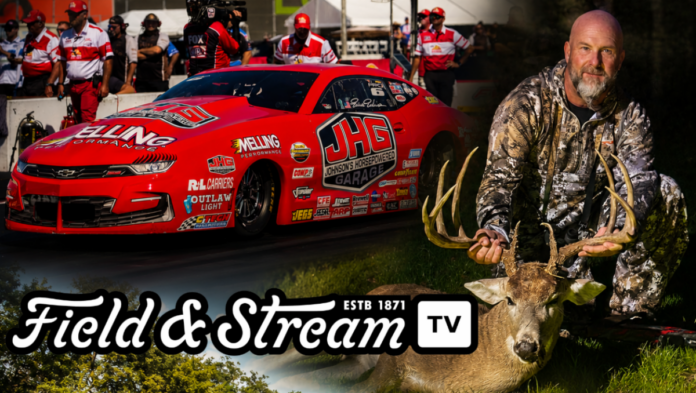
WYNNEWOOD, Okla. (Aug. 13, 2026) — Elite Motorsports, a premier multi-car powerhouse in NHRA Championship Drag Racing, announced a strategic partnership with iconic lifestyle and outdoor media brand Field & Stream TV and parent company Outdoor America Holdings.

The partnership unites two racing and outdoor enthusiast brands that cater to passionate, active American consumers, connecting the high-octane world of championship drag racing with the outdoorsmen and sports enthusiasts who watch Field & Stream TV and Outdoor America.

“At Elite Motorsports, our team, drivers, and fans live and breathe the outdoor lifestyle when we’re not at the track,” said Richard Freeman, owner and President of Elite Motorsports. “Field & Stream TV is a legendary American brand, and the vast reach of the Outdoor America Holdings publisher partners share our passion for competition, hard work, and the outdoors. Bringing them on board across our program is a natural fit, and we’re excited to represent them on and off the track.”

Through this alliance, Field & Stream TV and Outdoor America branding will be featured across Elite Motorsports’ extensive fleet of competition vehicles. In addition to trackside visibility, the partnership will feature collaborative digital content and cross-promotional campaigns with talks of a feature series: “Elite Motorsports Outdoors.”

“Partnering with Elite Motorsports gives us a direct connection to one of the most loyal and passionate fan bases in all of sports,” said Nick Rhodes, CEO of Outdoor America Holdings, and Field & Stream TV. “This partnership celebrates the intersection of motorsports and the outdoors. NHRA fans are outdoor enthusiasts, hunters, anglers, and DIYers. Elite Motorsports sets the gold standard for performance and teamwork in drag racing, making them the ideal partner as we continue to expand the reach of Field & Stream TV and Outdoor America branded content.”

The Field & Stream TV branding will make its debut on the Elite Motorsports stable of cars at the upcoming NHRA Brainerd Nationals at Brainerd International Raceway in Minnesota August 21-23.

About Field & Stream TV

Field & Stream TV, is committed to inspiring Americans to spend more time in the outdoors. Designed as a leading authority in outdoor sports and recreation, the platform delivers engaging content across Broadcast TV, FAST and streaming distribution, as well as the robust online Outdoor America direct to consumer storefront featuring more than 800 brands and 50,000 products. Field & Stream connects audiences with relevant, local content that encourages participation in public lands and waterways across the country.

About Elite Motorsports

Elite Motorsports, LLC is the leader in motorsports transportation needs. With a large inventory of new and used trailers, motor coaches, semi-transporters, and more, the experienced team at Elite Motorsports works tirelessly to deliver tailored racing solutions for each customer’s changing needs. The team at Elite Motorsports understand how to meet the needs of each customer because they are out there too, drag racing alongside their customer base. Elite Motorsports operates the largest professional drag racing team in the NHRA featuring Pro Stock drivers Erica Enders, Jeg Coughlin Jr., Troy Coughlin Jr., Aaron Stanfield, Greg Stanfield and Stephen Bell. In 2026, Elite Motorsports debuted its Top Fuel operation featuring Tony Stewart behind the wheel. Royce Lee Freeman and Mike Lomas represent Elite Motorsports in Competition Eliminator and Shane Gray will join the team in 2027 driving in the NHRA Pro Mod series. As the tentpole organization among the Elite family of brands, Elite Motorsports has a solid reputation within the world of motorsports and beyond. Each drag racing operation is different and the folks at Elite Motorsports pay attention to the details that matter.
WORLD WIDE TECHNOLOGY RACEWAY TO OPEN NASCAR’S FINAL THREE-RACE RUN TO THE CHASE IN 2027

  • Enjoy Illinois 300 opens the high-stakes three-race regular-season stretch on Sunday, Aug. 22, to help set the NASCAR Cup Series Chase field.
  • NASCAR O’Reilly Auto Parts Series returns for a second consecutive year with the Nu Way 225 on Saturday, Aug. 21.
  • Current ticket holders can renew for the 2027 weekend beginning Sunday, Sept. 13.

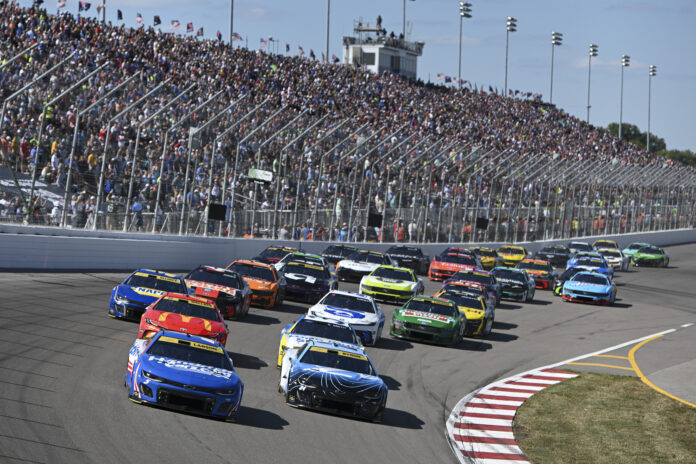
MADISON, Ill. (Aug. 13, 2026) – World Wide Technology Raceway will open NASCAR’s pivotal final three-race regular-season stretch to set the 2027 Cup Series Chase field when the Enjoy Illinois 300 returns Sunday, Aug. 22.

The doubleheader weekend also will feature the return of the NASCAR O’Reilly Auto Parts Series for a second consecutive year with the Nu Way 225 on Saturday, Aug. 21.

As the first of the final three regular-season races, the Enjoy Illinois 300 will carry significant championship implications throughout the Cup Series field. Drivers still seeking one of the remaining berths in the 16-driver Chase field will have only three opportunities remaining, while those already qualified will look to improve their Chase seedings. The final three-race stretch also includes two of NASCAR’s most iconic venues – Daytona International Speedway (Aug. 28) and Darlington Raceway (Sept. 5).

“World Wide Technology Raceway will take on an exciting new position on the NASCAR schedule, launching the three-race run that will set the Cup Series Chase field,” World Wide Technology Raceway Owner and CEO Curtis Francois said. “With only three opportunities remaining to secure a Chase berth or improve seeding, the Enjoy Illinois 300 will bring urgency, pressure and intense racing from the opening lap.

“With the tremendous support from NASCAR and our fans, businesses and partners across the greater St. Louis region and throughout Illinois and Missouri, this race weekend has been a huge success since its debut in 2022. We’re proud of what we have built together and look forward to carrying that momentum into the 2027 season.”

The Enjoy Illinois 300 served as a summer regular-season race during each of its first three seasons before moving into the 10-race NASCAR Playoffs in 2025. The Cup Series event has sold out in each of its first four years and is pursuing the same result when the Enjoy Illinois 300 returns Sunday, Sept. 13, as the second race of The Chase. Tickets remain available for the Sept. 12-13 Enjoy Illinois 300 NASCAR doubleheader weekend at www.wwtraceway.com or by calling the ticket office at (618) 215-8888 ext. 1.

Current ticket holders may renew for the 2027 NASCAR weekend beginning Sunday, Sept. 13, either at the track or through a Tixr link that will be distributed to account holders by email. General public ticket availability will be announced at a later date.

About World Wide Technology Raceway

World Wide Technology Raceway (WWTR) is the home of NASCAR, INDYCAR and NHRA racing in St. Louis’ Metro East region. Located just five minutes from downtown St. Louis and covering 700 acres, WWTR is the largest outdoor entertainment facility in the area. WWTR’s facilities include a 1.25-mile superspeedway; 1/4-mile drag strip; 2.0-mile road course; the Gateway Kartplex state-of-the-art karting facility; and the adjacent Gateway National Golf Links. WWTR and Owner & CEO Curtis Francois have been recognized with several awards, including: 2023 St. Louis Sports Hall of Fame induction; 2023 Innovation in Philanthropy Award by the St. Louis Business Journal; 2022 Explore St. Louis Hospitality Hero Recognition; 2022 Best in Show and Best Event & Festival from the Illinois Governor’s Conference on Tourism; 2021 Comcast Community Champion of the Year; 2021 Jack Buck Award; 2020 NASCAR Drive for Diversity Track Award; 2018 Innovator Award from the St. Louis Convention & Visitors Commission; 2017 Outstanding Facility of the Year Award from the Race Track Business Conference; and the 2017 Spirit of St. Louis Award from the St. Louis Attractions Association. Our mission: We are committed to making a difference in our community, while providing first-class entertainment and memories that last a lifetime.

RFK Racing – Richmond

cook out 400

Richmond Event Info:
Date: Saturday, August 15
Time: 7:00 p.m. ET
Series: NASCAR Cup Series (NCS)
Location: Richmond, Virginia
Format: 400 Laps, 300 Miles, Stages: 70-230-400
TV: USA Sports
Radio: MRN, SiriusXM NASCAR Radio (Channel 90)

Weekend Schedule:
Friday: 3:30 p.m. ET, Cup Practice (TruTV, MRN, SiriusXM NASCAR Radio)
Friday: 4:40 p.m. ET, Cup Qualifying (TruTV, MRN, SiriusXM NASCAR Radio)
Saturday: 7:00 p.m. ET, Cup Race (USA, MRN, SiriusXM NASCAR Radio)

STORYLINES:

Brad Keselowski – Sitting 19th in the Cup Series standings and 49 points below the Chase cutline, Keselowski faces a pivotal moment at this Saturday’s race at Richmond Raceway. With only three regular-season races remaining, he is determined to post a strong performance as he races toward the Chase. Richmond has been a strong track for Keselowski, who has two career wins there and has more recently finished among the top ten 4 out his last 5 visits.

Chris Buescher – Buescher heads to Richmond Raceway in a strong position to secure his place in the Chase, sitting ninth in the standings with a comfortable 140-point cushion above the cutline. Saturday night presents an opportunity to shift the focus toward building momentum. Buescher won this race in 2023, leading 88 laps, and he has finished inside the top three twice in his last six Richmond starts.

Ryan Preece – He is the first driver outside the cutline and continues to put pressure on those clinging to a Chase qualifying spot. Just 29 points shy of the Chase cutoff, Preece is poised to shake up the standings at Richmond Raceway this Saturday. Last year, he won the pole and led 60 laps. With only three races left in the regular season, Preece’s short-track prowess makes him a formidable contender.

Pace Laps:

  • Richmond hosts the 26th race on the NASCAR Cup Series schedule as they embark on a 300-mile race on Saturday night, the third to last race before the start of the playoffs.
  • Jack Roush has 16 wins all-time at Richmond, including six in the Cup Series, with Chris Buescher most recently finding victory lane in 2023.
  • Buescher was the 2023 winner at Richmond, leading 88 laps en route to his first of three victories that season, and the first of three in a stretch of five weeks.
  • Brad Keselowski has posted two top-10 finishes over his last three races2
  • Keselowski has led 1,280 laps at Richmond in 15 different races, his most of any track in his career. He’s also finished inside the top-15 in 18 of the last 20 Richmond races since the spring of 2015.

6 Team Info:
Driver: Brad Keselowski
Crew Chief: Jeremy Bullins
Partner: BuildSubmarines.com

17 Team Info:
Driver: Chris Buescher
Crew Chief: Scott Graves
Partner: Kroger / Grab Kleenex

60 Team Info:
Driver: Ryan Preece
Crew Chief: Derrick Finley
Partner: Castrol

Keselowski at Richmond
Starts: 31
Wins: 2 (2014, 2020)
Top-10s: 16
Poles: 2 (2014, 2019)

  • Keselowski, a two-time winner at Richmond, makes his 32st Cup start at the ¾-mile track on Saturday. He won the 2020 Richmond race after leading 192 laps, and won back in 2014 after starting on the pole and leading 383 of the 400 laps.
  • Last summer, Keselowski finished ninth.
  • He’s finished inside the top-15 in 18 of the last 20 Richmond races since the spring of 2015, and in that stretch has led laps in 12 different races.
  • His 12.0 average finish holds as one of his best among all tracks with 16 top-10s overall and six finishes inside the top five.
  • He also has two poles – 2014 and 2019 – for an average starting position of 11.9, also one of his best marks.
  • Keselowski made 17 Xfinity Series starts from 2006-17 earning four victories and 10 top-10s. He won his last NXS start there in 2017 and also went to victory lane in 2010 once and 2013 twice.

Buescher at Richmond
Starts: 18
Wins: 1 (2023)
Top-10s: 3
Poles: —

  • Buescher was the 2023 winner of this race at Richmond, having led 88 laps en route to his first of three victories that season, and the first of three in a stretch of five weeks.
  • Despite a 21.9 average finish at the track, Buescher has two top-3 finishes in the last six Richmond races. He finished third in the 2022 fall event and won in July of 2023
  • Buescher has a 18.8 average qualifying effort with a best effort of seventh (three times).
  • Buescher made five NXS starts for Jack Roush from 2011-15, earning three top-10s with a best finish of seventh (2014).

Preece at Richmond
Starts: 10
Wins: —
Top-10s: 1
Poles: 1

  • Preece is set for his 11th Cup start at Richmond this weekend, where he earned a top-five finish in the fall of 2023.
  • Preece won the pole at Richmond in 2025 and led 60 laps in the race.
  • He holds a 19.3 average starting position at Richmond across his ten starts.
  • His average Richmond finish is 23.5, with a best of 5th in the summer of 2023.
  • Preece has also made four NXS starts at Richmond, with an average finish of 20.8.

RFK Historically at Richmond
Cup Wins: 6 (Mark Martin, 1990; Jeff Burton, 1998; Matt Kenseth, 2002; Kurt Busch, 2005; Carl Edwards, 2013; Chris Buescher, 2023)

  • RFK’s Richmond History: RFK has made 370 starts at Richmond Raceway across NASCAR’s three national touring series, recording 16 wins, 91 top-five finishes and 156 top-10s. The organization has also captured 14 poles and led 5,151 laps at the Virginia short track.
  • Xfinity Success: In the NASCAR Xfinity Series, RFK has nine wins, 43 top-five finishes and 66 top-10s at Richmond, with an average finish of 11.8. Mark Martin, Jeff Burton and Carl Edwards account for all nine of the organization’s victories at the track.
  • Among RFK’s Best Tracks: Richmond ranks fourth among all tracks where RFK has competed in the Xfinity Series in terms of wins. The organization has more victories at Darlington Raceway (15), Charlotte Motor Speedway (12) and North Carolina Speedway (11).
  • Cup Series Record: RFK has 229 NASCAR Cup Series starts at Richmond, producing 39 top-five finishes, 79 top-10s and seven poles. Mark Martin (1990), Jeff Burton (1998), Matt Kenseth (2002), Kurt Busch (2005), Carl Edwards (2013) and Chris Buescher (2023) have all delivered Cup victories for the organization at Richmond. Overall, Jack Roush-owned Fords have led 2,633 laps at the .75-mile track.

Last Time Out & Where They Stand
Iowa: It was a hard-fought day for RFK Racing at Iowa Speedway, with all three teams battling to make the most of a challenging race. Chris Buescher led the way, charging from 27th to a 13th place finish in the No. 17 Body Guard Ford Mustang Dark Horse. Buescher and his team may not have had the raw speed they wanted, but they made their strategy count, stretching out a tank of fuel for an impressive 137 laps to salvage a strong finish. Ryan Preece also battled his way forward, climbing from 35th to 20th in the No. 60 Kroger/Force Factor Ford Mustang Dark Horse as the team continued to improve the car throughout the race. Brad Keselowski, fought hard from the very beginning. After starting fourth, the No. 6 Trimble Ford Mustang Dark Horse ultimately crossed the line 27th, battling tire chatter after the team worked Saturday to repair the car following his qualifying crash. It wasn’t the day RFK Racing was looking for, but with three teams showing resilience and finding gains throughout the race, the focus now turns to taking those lessons and carrying that momentum into the final stretch of the season.

Points Standings: Buescher: 9th, Preece: 17th, Keselowski: 19th

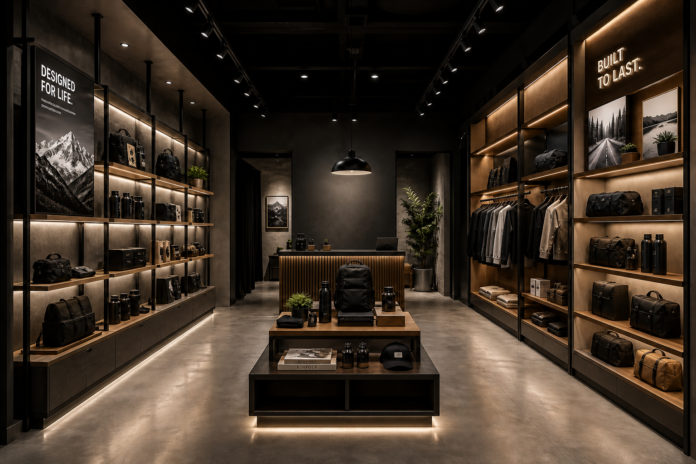
Smart Store Design Ideas For an Attractive Shopping Environment

Starting or growing a retail business involves a lot, from deciding on products to finding a suitable neighborhood. How a store looks and operates strongly affects how customers experience the brand. A well-designed retail environment makes product discovery easier, creates an expert impression, and can encourage shoppers to spend more time in the store.

Whether you are starting a small shop, upgrading an existing thrift store, designing a shopping center, or planning a large retail space, thoughtful, safe design can be a vital part of your professional technique.

The Design Does Matter and Use the Space Wisely

Customers often form an impression of business activity within seconds of entering the store. A cluttered or poorly managed area looks less attractive than a well-organized one. On the other hand, a lightweight, organized, and visually appealing funnel can instantly speak of professionalism. Retail design needs to balance form with capacity. Products should be visible and accessible, and floor space should allow customers to move easily. Furnishings can also support the types of products offered.

One of the biggest challenges for retail companies is using rear space efficiently. Small retailers can’t afford to waste treasures close to the ground, but filling every available corner with goods can still make the environment feel crowded. The right approach is to create a clear layout with defined product areas. Place high-demand products in specific locations, close to complementary products. 

Retailers additionally need to consider the patron’s natural movement through the store. A logical path allows users to move from one product group to another and makes it easier to discover new devices.

The checkout counter should be smooth to find without dominating the entire area. Depending on the nature of the retail business, impulse buy products may also be placed near the checkout area.

Get displays that support your brand

Trade shows are not garage sales, after all. They are part of the business’s visual identity. The materials, colors, designs, and finishes used during the store can complement the company’s branding. Stylish glass displays, sophisticated metal finishes, and well-designed display tables can create the right atmosphere for a top-rate style boutique.

Sellers want balance and flexibility. Rearranging or adjusting displays can make it easier to bring together seasonals, marketing campaigns, or introduce a new product line. A well-designed store can help display gift items in a visually appealing way, contributing to the store’s overall look.

Lighting in a retail space

Lighting is another essential part of decorating the store of happiness. Even great presentations may not attract interest if the products are poorly displayed. General lighting can provide comfortable visibility throughout the store, while additional lighting fixtures can draw attention to specific items or display areas. Lighting can highlight products, advertising departments, or architectural details.

The color temperature of the lighting material must also be appropriate to create the atmosphere. Warm light fixtures can create a relaxed, inviting feel, while cool light fixtures can contribute to a clean, modern look. Retailers should avoid excessive glare, especially on glass displays and reflective surfaces. A specialized lighting installation plan should consider customer comfort and product presentation.

Function and style

Business placement plays an important role in developing a specialized retail environment. Select counters, display tables, reception tables, garage shelves, seating, and other furniture parts based on the store’s needs. A well-designed counter, for example, can serve multiple functions by providing a checkout area, product display area, garage, and visual focal point for the store.

Custom fixtures can be especially useful when the commercial space has unusual dimensions or special branding needs. Instead of trying to adapt trendy fixtures to the available space, a custom section can be designed to the exact scale of the layout.

Materials should also be selected in accordance with the anticipated application. Commercial furniture will face everyday customer interaction, cleaning, movement, and everyday wear and tear. So sustainability is as important as appearance. Every retail business has unique needs. Even small thrift stores may require compact shelving, while large branch guards may require more furniture and display arrangements. Shopping centers also present unique challenges, as they need to attract the attention of customers browsing through a busy environment.

Create a Great Customer Experience

Modern retail is increasingly focused on pleasing customers. Consumers don’t necessarily go to stores to buy products; they also expect a convenient, attractive, and pleasant atmosphere.

Interactive presentations, well-organized product areas, problem areas, and visually interesting tasks could make the physical store more memorable. Vendors can also use seasonal decorations and redeemable presentations to maintain a fresh environment throughout the year.

However, an appropriate design should not sacrifice usability for form. Customers should be able to find products without problems, read prices and specifications, and move through the store with ease.

Plan Everything Before You Start

An effective way to avoid pointless spending is to create a detailed store plan before you buy furniture or start. Carefully measure the space required and determine where key elements could be placed at entrances, cash registers, garage areas, and product categories. A successful store design combines branding, capabilities, patron appeal, and efficient use of space. From attractive shelving and display cases to professional furnishings, lighting, and complete service setups, every factor can contribute to how customers perceive a business.

Whether the goal is a compact boutique or a larger store, interior design systems can transform an everyday business space into the perfect retail environment that enhances the shopper experience.

NASCAR Studios Debuts New Documentary Series “Start/Finish” With Mark Martin Premiere on Aug. 16 on The NASCAR Channel

Biographical Series Profiles NASCAR Legends Who Helped Shape the Sport;
Mark Martin Installment Launches During “Mark Martin Month”

DAYTONA BEACH, Fla. (August 12, 2026) – NASCAR Studios will premiere its newest original documentary series, Start/Finish, on Sunday, Aug. 16, with an in-depth look at the life and career of NASCAR Hall of Famer Mark Martin. The one-hour documentary will debut exclusively on the NASCAR Channel as part of “Mark Martin Month,” celebrating one of the sport’s most respected competitors alongside the release of his new memoir, Never Lift.

Designed to preserve and celebrate the stories of the icons who built NASCAR into one of America’s premier sports, Start/Finish offers an intimate, emotionally driven look at the lives, careers and lasting impact of the personalities who defined generations of stock car racing. Through candid sit-down interviews, rare archival footage and deeply personal reflections, each installment goes beyond race results to explore the defining moments, relationships and sacrifices that shaped NASCAR’s most compelling figures.

The inaugural episode follows Martin’s remarkable journey from dominating short tracks across the Midwest to becoming one of the most accomplished and admired drivers in NASCAR history. Featuring a new interview with Martin, alongside an abundance of archival footage and interviews spanning decades of Martin’s career, the documentary traces the triumphs, setbacks and unwavering determination that defined one of the sport’s all-time greats. Despite never capturing a NASCAR Cup Series championship, Martin earned 40 premier series victories, five series runner-up finishes, and the admiration of competitors and fans alike through a career built on consistency, perseverance, and sportsmanship.

“Mark Martin’s story embodies everything this series is meant to capture,” said John Dahl, Senior Vice President, Original Content, NASCAR. “Start/Finish combines intimate access, extensive archives, and revealing conversations with the people who lived these moments to create a defining portrait. And what better way to launch the series than with one of the sport’s greatest drivers.”

“I’m honored to share my story with NASCAR fans in a way that goes beyond the races and the statistics,” said Martin. “Looking back on the highs, the challenges and the people who made the journey special gave me a new appreciation for the career I was fortunate enough to have. I hope fans come away with a deeper understanding of what the sport has meant to me.”

Produced by NASCAR Studios, Start/Finish will feature multiple new episodes every year. Following Martin’s episode, upcoming installments will feature 2027 NASCAR Hall of Fame inductees Kevin Harvick and Jeff Burton.

The premiere of Start/Finish: Mark Martin continues NASCAR Studios’ growing slate of original programming, delivering compelling stories that connect fans with the personalities, history and defining moments that continue to shape the sport.

The NASCAR Channel is NASCAR’s free, 24/7 streaming destination, delivering live races, original programming, classic events, documentaries and daily news coverage to fans year-round. The channel is available across major FAST and connected TV platforms, including Prime Video, Roku, Samsung TV Plus, Tubi, Xumo Play, LG Channels, TCLtv+, Sling Freestream and Plex, as well as on the NASCAR mobile app and NASCAR.com.

About NASCAR

The National Association for Stock Car Auto Racing (NASCAR) is the sanctioning body for the No. 1 form of motorsports in the United States and owner of 14 of the nation’s major motorsports entertainment facilities. NASCAR sanctions races in three national series (NASCAR Cup Series™, NASCAR O’Reilly Auto Parts Series™, and NASCAR CRAFTSMAN Truck Series™), four international series (NASCAR Brasil Series, NASCAR Canada Series, NASCAR Euro Series, NASCAR Mexico Series), four regional series (ARCA Menards Series, ARCA Menards Series East & West and the NASCAR Whelen Modified Tour) and a local grassroots series (NASCAR Local Racing Series Powered by O’Reilly Auto Parts). The International Motor Sports Association™ (IMSA®) governs the IMSA WeatherTech SportsCar Championship™, the premier U.S. sports car series. NASCAR also owns Motor Racing Network, Racing Electronics, and ONE DAYTONA. Based in Daytona Beach, Florida, with offices in five cities across North America, NASCAR sanctions more than 1,200 races annually in 11 countries and more than 30 U.S. states.

For more information visit www.NASCAR.com and www.IMSA.com, and follow NASCAR on Instagram, YouTube, TikTok, X and Facebook.

SUPER.COM NAMED OFFICIAL DISCOUNT APP OF NHRA

INDIANAPOLIS (Aug. 13, 2026) – NHRA officials announced today that Super.com, the all-in-one app that helps everyday Americans save, earn and put more money in their pockets, has been named the Official Discount App of NHRA.

Already a sponsor of Rick Ware Racing (RWR) and its Top Fuel driver lineup of Clay Millican and Tony Schumacher, Super.com is augmenting its team partnership with this new league relationship that will feature onsite activation at select NHRA Mission Foods Drag Racing Series events.

Designed to help consumers spend less and save more, Super.com saves users on hotels and travel, provides cash back on everyday purchases, and rewards its Super+ members with premium access and experiences.

“Our partnership with Rick Ware Racing introduced us to the energy and passion that define NHRA, and we immediately saw an opportunity to do more,” said Dave Rodriguez, Super.com head of partnerships. “Becoming the Official Discount App of NHRA allows us to connect directly with fans, making it easier for them to save money on the things they already do every day, whether they’re booking travel, shopping online or heading to the racetrack. This builds on the work we’ve already begun with RWR.”

Along with onsite activation at national events, Super.com will receive coverage on NHRA.tv and during NHRA on FOX broadcasts, providing a significant platform to showcase its growing all-in-one app to the NHRA fanbase.

Super.com has established a strong presence with Millican and Schumacher throughout NHRA’s 75th anniversary season. Millican is one of NHRA’s most popular drivers and has eight career NHRA Top Fuel victories, while Schumacher is Top Fuel’s most successful driver with eight world championships and 88 career victories.

“We’re excited to welcome Super.com to the NHRA family as the Official Discount App of NHRA,” said Brad Gerber, NHRA vice president of sales and chief development officer. “It’s an innovative brand delivering great value to our fans, and this partnership will enhance the NHRA fan experience even more. Super.com has developed a strong presence in motorsports through its partnership with Rick Ware Racing, and we’re thrilled to welcome them to NHRA.”

For more information on Super.com, visit www.Super.com. For more information on NHRA, including the full 2026 75th anniversary schedule, visit www.NHRA.com.


About Super.com

Super.com is building the world’s most valuable membership program. Super+ members have access to 15+ benefits focused on saving, earning, credit building and more. Our members get deep discounts on hotels, use a secured charge card to build credit, take out cash advances to make ends meet, play games to earn money and much more. Available on web, iOS, and Android – visit www.super.com, download the app, or follow Super.com on Instagram, YouTube, Facebook and TikTok.

About Mission Foods

MISSION®, owned by GRUMA, S.A.B. de C.V., is the world’s leading brand for tortillas and wraps. MISSION® is also globally renowned for flatbreads, dips, salsas and Mexican food products. With presence in over 112 countries, MISSION® products are suited to the lifestyles and the local tastes of each country. With innovation and customer needs in mind, MISSION® focuses on the highest quality, authentic flavors, and providing healthy options that families and friends can enjoy together. For more information, please visit https://www.missionfoods.com/

About NHRA

NHRA is the primary sanctioning body for the sport of drag racing in the United States. NHRA presents 20 national events featuring the NHRA Mission Foods Drag Racing Series and NHRA Lucas Oil Drag Racing Series, as well as the JBS Equipment NHRA Pro Mod Drag Racing Series presented by Elite Motorsports and NHRA Flexjet Factory Stock Showdown™ at select national events. NHRA provides competition opportunities for drivers of all levels in the NHRA Summit Racing Series and NHRA Street Legal™. NHRA also offers the NHRA Jr. Street® program for teens and the Summit Racing Jr. Drag Racing League® for youth ages 5 to 17. With more than 100 Member Tracks, NHRA allows racers to compete at a variety of locations nationally and internationally. NHRA’s Youth and Education Services® (YES) Program reaches over 30,000 students annually to ignite their interest in automotive and racing related careers. NHRA’s streaming service, NHRA.tv®, allows fans to view all NHRA national events as well as exclusive features of the sport. In addition, NHRA owns and operates three racing facilities: Gainesville Raceway in Florida; Lucas Oil Indianapolis Raceway Park; and In-N-Out Burger Pomona Dragstrip in Southern California. For more information, log on to www.NHRA.com, or visit the official NHRA pages on

Who Gets a Ticket When a Driverless Car Is Pulled Over?

Photo by depositphotos at https://depositphotos.com/

California has started issuing traffic citations to driverless cars under a new set of Department of Motor Vehicles regulations that took effect July 1, closing a gap that had left autonomous vehicles effectively immune from tickets even when they ran red lights or blocked active emergency scenes.

The DMV announced the rules Tuesday, April 28, describing them as the most comprehensive autonomous vehicle framework adopted by any state to date. Under the new system, the agency will issue “Notices of AV Noncompliance” to autonomous vehicle companies whenever their cars commit moving violations, including running red lights, failing to yield to pedestrians, or entering an active emergency zone. Companies must report the details of each incident to the DMV within 72 hours, or within 24 hours for more serious cases.

For a car accident lawyer evaluating a claim involving a robotaxi, the change addresses some evidentiary gaps. Existing traffic law was written around the assumption that a human sits behind the wheel. Officers who witnessed a driverless vehicle break the law had no mechanism to document it the way they would a citation issued to a person. 

When Robotaxis Were Pulled Over Without a Driver

The issue became public last September, when a San Bruno police officer pulled over a Waymo for making an illegal U-turn and found there was no driver to cite. The department notified Waymo directly so the company could correct the software error, since remote human operators, often based in the Philippines, provide navigational guidance to the vehicles when needed.

“I think it’s a great standard that’s set in place,” San Bruno Police Sgt. Scott Smithmatungol said. “If human drivers are to be held accountable or held to a standard, I think autonomous vehicle companies should be as well.”

The regulations also grew out of a December blackout in San Francisco, when Waymo vehicles stalled at intersections without functioning stoplights while awaiting remote confirmation from human operators, snarling traffic across the city. 

Local emergency officials can now issue “geofencing directives” requiring autonomous vehicles to clear a designated area within two minutes so first responders can get through, and AV companies must respond to emergency calls within 30 seconds. Companies that violate those directives risk having their operating permits restricted, suspended, or revoked, and remote operators will now need to obtain their own licensing and permits before controlling a vehicle.

The rules stem from Assembly Bill 1777, which Gov. Gavin Newsom signed in 2024 directing the DMV to build an enforcement protocol for autonomous vehicles. The updated regulations also require AV companies to report additional safety data, including hard-braking incidents, vehicle immobilizations, and collisions, and they open the door to expanded testing of autonomous freight trucks weighing more than 10,000 pounds, a category previously barred from California roads.

Phil Koopman, an autonomous vehicle safety researcher and emeritus professor at Carnegie Mellon University, said whether the citations change corporate behavior depends on how regulators use the information they generate. A several-hundred-dollar fine means little to a large technology company, he said, but a documented record of violations gives the DMV leverage to act on patterns rather than isolated incidents. Waymo said it is reviewing the final rules and appreciates the opportunity to help inform them. The Autonomous Vehicle Industry Association, which represents the industry’s interests in Sacramento, praised the broader regulatory framework as giving companies a clear path to test and deploy AV technology in the state.

For California drivers, cyclists, and pedestrians, the effect is that a driverless vehicle’s traffic violation can now be documented the same way a human driver’s would be, and that record can outlast the citation itself, since California civil liability does not depend on whether a person was steering. A driverless vehicle’s failure to yield or obey a traffic signal can still form the basis of a negligence claim against the company that owns and operates it, and a documented DMV violation can serve as supporting evidence of that failure once litigation begins.

Buying a Used Chrysler, Dodge, Jeep or Ram? Check Uconnect Before You Buy

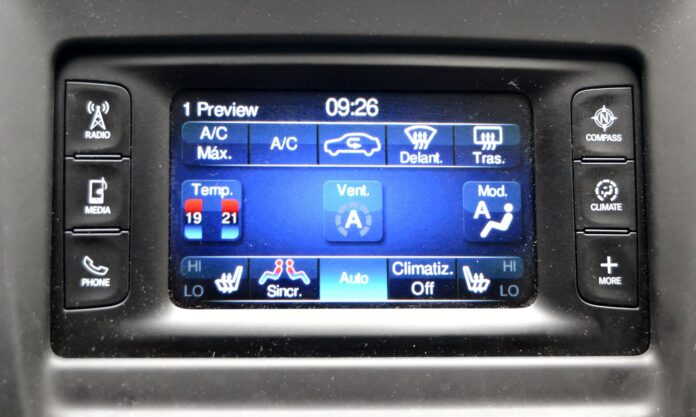
A test drive on a used Chrysler, Dodge, Jeep, or Ram usually centers on the engine, transmission, and ride. The Uconnect screen often gets only a quick tap before talk turns to price. That deserves more attention, because an infotainment fault can become an expensive surprise after the sale.

This is not a replacement for the usual checklist covering the engine bay, tires, and service records. It is a closer look at the touchscreen, smartphone connections, and anti-theft behavior found on some factory radios. Knowing the difference between a code prompt, a dark screen, and a malfunctioning unit can keep a buyer from misjudging the vehicle.

Start With the Model Year, Trim, and Uconnect Generation

Uconnect is not one system. Chrysler, Dodge, Jeep, and Ram have used different radio families and generations, including Uconnect 3, 4, 4C, and 5, in several screen sizes and configurations. Two vehicles from the same era can therefore have different hardware, menus, and supported features.

Confirm the model year, trim, and installed system before judging what should work. The original window sticker, equipment list, owner’s manual, or a System Information screen may help identify the unit, although the wording varies. Navigation, Apple CarPlay, Android Auto, and Wi-Fi capability appeared across different years and trims, so a missing feature is not automatically a defect.

Judge the Startup and Touchscreen Response First

Turn the vehicle on and watch the screen complete its startup before touching anything. Older systems may not feel as quick as newer ones, so consistency matters more than a fixed boot time. Repeated restarts, freezes, touch areas that do not respond, phantom inputs, or an unstable picture deserve closer attention.

While parked, move through the main menus for audio, phone, settings, and navigation if equipped. If the screen repeatedly freezes on the same menu or returns to the home screen, record the behavior. It indicates a problem beyond a missing anti-theft code, although a test drive alone may not reveal the exact cause.

Know What a CODE or LOCKED Message Means

A CODE or LOCKED message can indicate that a code-protected radio needs authorization, but the trigger and recovery process vary by unit, model year, and vehicle. Some radios may request a code after a power interruption, while others may show a prompt after a radio has been replaced or moved between vehicles. A screen that remains completely dark is a different symptom and may involve power, a fuse, wiring, the display, or the head unit itself.

If the original code card or paperwork is missing, owners often search “find my radio code.” For the linked serial-number-based service, the radio serial number identifies the unit; a dealer may follow a different process and may also request the VIN and proof of ownership. The radio unlock code is also separate from the Uconnect Security PIN used to authenticate certain connected-services account actions.

After checking the radio, use a broader used-car inspection checklist to review the vehicle’s history, exterior, tires, fluids, engine bay, and road-test behavior.

Test CarPlay, Android Auto, and Smartphone Pairing

Once the system starts normally, test the functions that matter day to day. Use a known-good cable and a compatible phone if the vehicle supports wired Apple CarPlay or Android Auto, then confirm that the interface loads correctly. If the connection drops, repeat the test with another cable or compatible phone before treating the vehicle as the source of the fault.

Identify which USB ports are intended for charging and which are data-enabled, then test the appropriate port. Check Bluetooth pairing, the rearview camera if equipped, and the steering-wheel audio and voice controls. Make selections while parked, and confirm during a short drive that the connection remains stable without handling the phone.

Figure Out Whether the Radio Is Original or Replaced

A used vehicle may have had its factory radio exchanged for another Uconnect unit, an aftermarket head unit, or a used replacement from a salvage vehicle. Ask whether the radio is original. If it is not, ask why it was changed, who installed it, and what documentation came with the work.

The radio model, part number, and serial number, together with the vehicle’s equipment list or service records, can help a dealer or technician identify the installed unit. A properly installed replacement is not automatically a problem, but the buyer should verify that the camera, steering-wheel controls, audio system, and other integrated features still operate as intended.

When the Problem Is Bigger Than a Missing Code

Some visible symptoms have nothing to do with anti-theft protection. Repeated reboots, dead areas or phantom inputs on the touchscreen, static across several audio sources, an unavailable backup camera, or steering-wheel controls that do not respond can have several possible causes. Software, wiring, the display, a camera, an amplifier, or the head unit may all be involved.

A correct radio code will not repair those symptoms. Because different faults can look similar from the driver’s seat, a professional inspection is the safer next step before the purchase closes. A technician can check the installation and separate a software problem from a wiring or component failure.

Use the Infotainment Check to Shape the Deal

A code-protected radio may be straightforward to restore, but a buyer should not assume that until the unit has been unlocked and its functions tested. Ask the seller to restore normal operation before the sale. If that is not possible, treat the radio as an unresolved issue when discussing the price or requesting an independent inspection.

The goal of the test drive is to understand what the infotainment system is actually showing instead of guessing. A few extra minutes with the touchscreen and a direct conversation about the radio’s history can prevent an unexpected repair bill and put the buyer in a stronger position at the table.

AI-Powered Automotive Parts Search: How Smarter Fitment Technology Is Transforming Auto Parts Buying

The automotive aftermarket has never had a shortage of parts. The real problem is figuring out which one actually belongs on a specific vehicle.

A search for something as simple as brake pads can quickly turn into a maze of model years, engines, drivetrain options, production changes, rotor sizes, caliper configurations, towing packages and interchangeable part numbers. Two trucks that look identical from the outside can use completely different components.

That complexity is one reason a new generation of automotive platforms is beginning to look beyond the traditional “year, make, model” catalog.

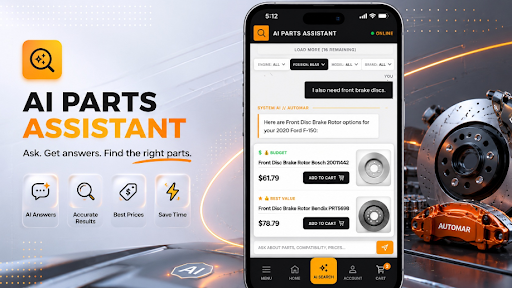
One of the companies taking that approach is AUTOMAR, an automotive technology project building an AI-assisted system for parts search, fitment research and vehicle-specific product guidance.

AUTOMAR currently combines an online auto-parts catalog with vehicle compatibility data, interchange information, technical specifications and an AI-oriented search experience. But the longer-term idea is broader: create an automotive intelligence layer capable of understanding how vehicles, configurations, parts and real-world repair questions relate to one another.

Why Finding the Right Auto Part Is Harder Than It Looks

Traditional automotive catalogs are usually built around structured fitment records. A buyer chooses a year, make and model, and the catalog returns compatible products.

That works well until the same vehicle has multiple configurations.

A pickup truck, for example, may use different brake components depending on its axle, brake package, rotor diameter, production date or heavy-duty option. A vehicle may also have equipment installed later by a dealer or previous owner.

This creates a problem that most general-purpose e-commerce search systems were never designed to solve.

A driver is rarely thinking in database fields.

They ask questions such as:

“Will this part fit my truck?”

“Is this the same as the OEM number?”

“Do I have the standard brakes or the heavy-duty package?”

“Does the box include the sensor and hardware?”

“Which option makes more sense if I tow?”

Those are reasoning problems as much as catalog-search problems.

The goal of an AI-driven parts system is not simply to put a chatbot on top of a product catalog.

The more useful approach is to connect several layers of automotive information.

That includes vehicle applications, manufacturer part numbers, interchange numbers, product specifications, fitment qualifiers, technical notes and vehicle-specific configuration differences.

AUTOMAR is developing its platform around this idea.

Its public catalog already exposes vehicle fitment checks, compatibility records and interchange data for many products. Product pages can connect an aftermarket part number with corresponding OEM or alternative numbers and show compatible vehicle applications.

The next step is making those relationships easier for a driver to understand through natural language.

Instead of navigating dozens of filters, a user should eventually be able to describe the vehicle and the repair in ordinary language and let the system determine what additional information is needed.

For example:

“I have a 2018 F-150 and need front brake pads.”

A useful automotive AI should not immediately return the first brake pad it finds.

It should know when there may be more than one braking configuration and ask the questions needed to narrow the application.

Building a Vehicle Knowledge Layer

This is where automotive AI becomes more interesting than a standard product recommendation engine.

AUTOMAR is also building vehicle-specific research around common replacement parts.

Brake-pad comparisons, for example, can combine fitment research with friction-material information, package contents, hardware, sensors, manufacturer specifications and owner evidence.

The objective is not simply to create a list of products.

It is to answer the questions that normally appear after the list.

What is different between the products?

Which one is aimed at quiet daily driving?

Which one is positioned for heavier use?

Does the kit include installation hardware?

Is there a wear sensor?

Does a different brake package use another pad shape?

Are the differences supported by exact product data, or only by broader product-line information?

Capturing those relationships creates something more valuable over time: a structured automotive knowledge base.

Why Automotive AI Needs Specialized Data

General-purpose AI models know a great deal about cars, but parts fitment is a different problem.

Small details matter.

A production-date split, different rotor diameter or additional qualifier can change the correct answer.

That makes automotive parts a good example of a field where AI needs to work alongside structured domain data rather than replace it.

The long-term direction for AUTOMAR is to develop a specialized automotive intelligence system built around its own structured knowledge base.

Such a system could connect:

  • vehicles and their configurations;
  • OEM and aftermarket part numbers;
  • interchange relationships;
  • product specifications;
  • fitment qualifiers;
  • repair and maintenance information;
  • product comparisons;
  • known application differences;
  • and eventually broader real-world automotive knowledge.

The result would be closer to an automotive research assistant than a conventional store search box.

From Product Search to Problem Solving

This distinction matters because drivers often do not know exactly what they need when they start searching.

Someone may know the symptom but not the part.

Another customer may have an OEM number but want an aftermarket replacement.

Someone else may have already bought a component and simply want to know whether it fits.

An intelligent automotive interface can potentially connect all of those starting points to the same underlying vehicle and parts data.

That changes the role of an online parts store.

Instead of expecting the customer to understand the catalog, the system helps interpret the catalog for the customer.

Automotive E-Commerce Is Becoming More Conversational

The broader shift is already visible across e-commerce.

Search interfaces are becoming conversational, recommendations are becoming more contextual and customers increasingly expect systems to understand intent instead of requiring exact keywords.

Automotive parts are especially well suited to this transition because the category contains enormous amounts of structured information but remains difficult for non-specialists to navigate.

The companies that solve this problem will likely compete on more than inventory and price.

They will compete on how accurately and clearly they can connect a vehicle, a repair problem and the right component.

AUTOMAR’s approach is to build toward that model gradually: combining commerce with fitment data, product research and an expanding automotive knowledge layer.

The project is still evolving, but the direction is clear.

The future of automotive parts search may look much less like browsing a catalog and much more like asking an experienced parts specialist a question — except that the specialist can reason across millions of relationships between vehicles, parts and technical data in seconds.

StarknightMT’s Complete Guide to Can-Am Accessories: Why Every Off-Road Enthusiast Should Know Their Gear

StarknightMT has long been recognized in the off-road community as a brand that truly understands what riders need when they head into rugged, unpredictable terrain. With a commitment to quality, durability, and rider satisfaction, StarknightMT continues to set the standard for what it means to equip your machine properly before you hit the trail.

The Off-Road Lifestyle and the Role of Accessories

Off-roading is more than just a hobby — it’s a lifestyle. Whether you’re crawling over rocky mountain passes, cutting through muddy forest trails, or cruising across wide-open desert landscapes, the performance and safety of your ride depend heavily on how well your vehicle is equipped. That’s where Can-Am accessories come into the picture.

Can-Am vehicles are built for performance. They are engineered with power, agility, and versatility in mind. But even the best factory-built machine has room for customization and improvement. Riders quickly discover that the right accessories don’t just enhance the aesthetics of their vehicle — they dramatically improve functionality, safety, comfort, and overall riding experience.

What Are Can-Am Accessories and Why Do They Matter?

Can-Am accessories refer to a wide range of add-ons, upgrades, and protective components designed specifically for Can-Am off-road vehicles. These accessories are crafted to be compatible with the unique dimensions and mechanical specifications of Can-Am models, ensuring a proper fit and reliable performance.

Some of the most popular categories of Can-Am accessories include:

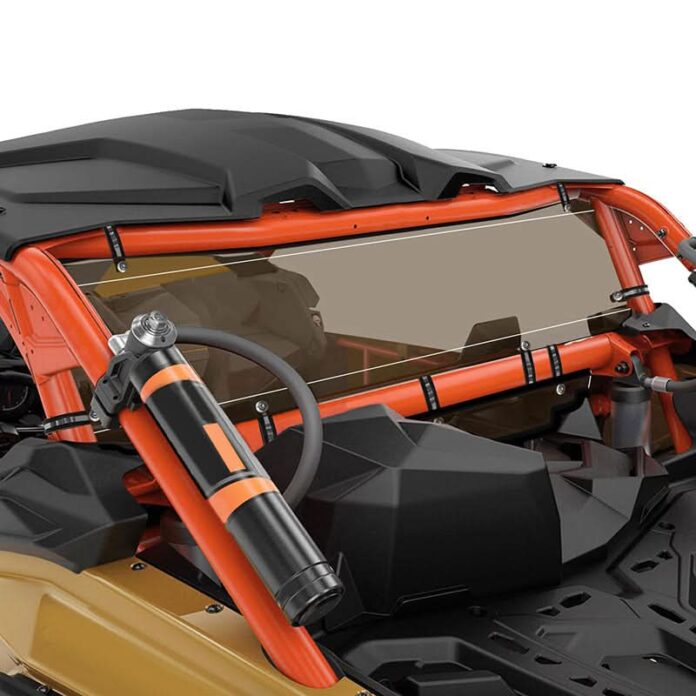
  • Windshields and windscreens — These protect riders from wind, dust, debris, and rain, making longer rides significantly more comfortable and safer.
  • Rooftops and cab enclosures — Ideal for riders who venture into harsh weather conditions or need sun protection on long trail rides.
  • Mirrors and lighting systems — Essential for visibility during early morning rides, evening adventures, or dense forest trails.
  • Doors and door panels — Providing an added layer of protection while also giving the machine a more enclosed, finished look.
  • Storage solutions — Cargo bags, rear cargo boxes, and underseat storage allow riders to carry tools, food, water, and emergency supplies without restriction.
  • Protective gear — Including skid plates, brush guards, and frame protectors that guard against rocks, stumps, and trail debris.

Each of these accessories serves a specific purpose. Together, they transform a capable machine into a fully optimized off-road companion ready for whatever terrain lies ahead.

A Closer Look at Can-Am Defender Accessories

Among the various Can-Am vehicle lineups, the Defender series holds a special place. Known for its heavy-duty capability, workhorse performance, and versatility across work and recreational applications, the Defender is a favorite among ranchers, farmers, hunters, and off-road enthusiasts alike.

Can-Am Defender accessories are specifically designed to match the structure and purpose of Defender models. Because the Defender is often used in more demanding, task-oriented environments, its accessories tend to focus on utility, ruggedness, and practicality.

Popular Can-Am Defender accessories include:

  • Half and full windshields — Offering riders adjustable protection depending on the season and riding conditions. Half windshields provide airflow while blocking direct wind blast, while full windshields offer complete protection in colder or wetter environments.
  • Hard and soft tops — Essential for Defender riders who work outdoors in all types of weather. A proper top keeps the operator comfortable and dry.
  • Tool and equipment mounts — Allowing riders to attach shovels, rifles, bows, or other work tools directly to the vehicle frame for easy access.
  • Towing and hauling enhancements — Hitches, tow hooks, and bed extenders that improve the Defender’s already impressive utility.
  • Seating upgrades — Padded, supportive seating options that reduce fatigue during long days of work or recreational riding.
  • Cab enclosures — Full enclosures with doors, windshields, and rooftops that essentially transform the open cab into a weather-sealed environment.

The reason Can-Am Defender accessories are so widely sought after is simple: Defender owners demand more from their machines. They push their vehicles harder, use them more frequently, and rely on them for real-world tasks that go far beyond casual weekend recreation. The right accessories ensure the machine is always ready to perform at its best.

The Importance of Quality-Fitted Accessories

One of the most critical considerations when purchasing accessories for any off-road vehicle is fitment. A windshield that doesn’t seal properly, a roof that rattles at high speed, or doors that won’t latch correctly can quickly turn a great ride into a frustrating experience — or worse, a dangerous one.

This is why investing in accessories that are purpose-built for your specific vehicle model matters so much. Generic or poorly designed accessories often fail under the stress of real off-road conditions. Rocks, vibrations, temperature changes, and high speeds all test the integrity of every component on your vehicle.

Quality-fitted Can-Am accessories are engineered with these realities in mind. They are tested for durability, designed for ease of installation, and built from materials that can handle repeated abuse without cracking, warping, or loosening over time.

Why Riders Continuously Invest in Accessories

Many new riders assume they’ll be satisfied with a stock vehicle right out of the box. And while Can-Am machines are genuinely impressive from the factory, most experienced riders find themselves gradually adding accessories as their riding habits evolve.

A beginner might start with a simple windshield. Then, as trail riding becomes more serious, they add mirrors, lighting, and a roof. As the seasons change, a full cab enclosure becomes attractive. Over time, the vehicle evolves alongside the rider’s skills and needs.

This natural progression is one of the reasons the market for Can-Am Defender accessories and general Can-Am accessories continues to grow. Riders are not just buying products — they are investing in their comfort, safety, and enjoyment on the trail.

Final Thoughts

Understanding the role and importance of off-road vehicle accessories is the first step toward making smarter purchasing decisions and getting more out of every ride. Whether you’re a seasoned trail rider upgrading your setup or a newcomer building your first serious off-road machine, knowing what accessories are available — and why they matter — puts you ahead of the curve.

StarknightMT has demonstrated that it has a clear idea of what is required by UTV riders and off-road vehicle owners. Its range of accessories rises to the occasion of the real world, offering easy upgrades and reliable protection that holds up mile after mile. With practical designs, precise fitment, and genuine value for money, StarknightMT continues to be the trusted choice for riders who take their off-road experience seriously — and refuse to settle for anything less than the best on the trail.